
You are currently on the new version of our website. Access the old version .
  • Article
  • Open Access

5 December 2025

The Effect of Digital Literacy on Online Purchase Intention: The Mediating Role of Social Media Use

and
1
Department of Business Administration, Beyşehir Ali Akkanat Faculty of Business, Selçuk University, Konya 42700, Türkiye
2
Department of Management and Social Activities, University of Ruse, 7017 Ruse, Bulgaria
*
Author to whom correspondence should be addressed.
This article belongs to the Special Issue Emerging Technologies and Marketing Innovation

Abstract

The rapid advancement of information technologies and the widespread use of the Internet have profoundly transformed individuals’ daily practices and consumer behaviors. Notably, the growing influence of social media platforms has shifted a significant portion of commerce to digital environments and deeply affected online purchasing processes. In this context, the purpose of this study is to examine the direct effect of digital literacy on online purchase intention and to investigate the mediating role of social media use within this relationship. The study sample consists of 401 participants from various cities across Türkiye who actively use social media. Data were collected through an online survey and analyzed using the Structural Equation Modeling (SEM) approach. The findings reveal that digital literacy significantly predicts both online purchase intention and social media use. Moreover, social media use has a positive and statistically significant effect on online purchase intention. Importantly, it was found that social media use partially mediates the relationship between digital literacy and online purchase intention. By highlighting how digital literacy and social media jointly influence online consumer behavior in an era of emerging digital technologies and marketing innovation, this study contributes to both the academic literature and practitioners developing effective digital marketing strategies.

1. Introduction

The pace of technological change in the twenty-first century has led to profound transformations across all sectors of society, ushering in digitalization in almost every aspect of daily life [1]. With the Internet becoming an inseparable part of modern living and the proliferation of portable devices such as smartphones, tablets, and laptops, individuals are continuously interacting with digital environments. The rapid development of information and communication technologies (ICTs) has made it essential for individuals to use new digital tools effectively, bringing the concept of digital literacy to the forefront.
Digital literacy refers to individuals’ ability to access, evaluate, communicate, and collaborate through digital tools. It has become a core competency for successful participation in modern digital societies [1]. Eshet-Alkalai [2] described digital literacy as a “survival skill in the digital era.” At the same time, Ng [3] emphasized that individuals’ adaptability to emerging and evolving technologies serves as an indicator of digital literacy.
Along with the ongoing digital transformation, ICTs have reshaped the ways people learn, communicate, and think. Consequently, individuals are now required to continually update their digital skills to adapt to the rapidly changing technological landscape [4]. One of the most evident outcomes of this digital transformation is the shift in shopping behaviors from physical environments to online platforms [5]. However, the distant and impersonal nature of online environments, along with the global infrastructure used for online transactions, introduces various uncertainties, making e-commerce inherently risky. In such a context, digital literacy becomes a critical factor for consumers to engage in online shopping safely and consciously. Online transactions do not involve only purchasing goods; they also require secure management of digital banking operations; thus, insufficient literacy may lead to severe financial losses.
According to recent statistics, 64.4% of the global population now uses a mobile device, representing an increase of 138 million users (+2.5%) since the beginning of 2023. More than 66% of people worldwide are Internet users, totaling approximately 5.35 billion users. In contrast, the number of active social media users has surpassed 5 billion, accounting for 62.3% of the global population as of early 2024 [6]. These figures demonstrate how digital and mobile technologies have become the primary interface between individuals and digital markets.
With the development of ICTs, new communication channels have emerged, leading to significant changes in the way people interact online [7]. Among these innovations, social media stands out as one of the most influential phenomena. Due to the widespread use of smartphones and the Internet, companies have realized that sharing brand information and consumer experiences via social media represents a new pathway for marketing innovation [8]. Thus, social media has become not only a central communication medium for individuals but also a vital marketing channel for companies. Appel et al. [9] noted that research in recent years has increasingly focused on social media marketing, online word of mouth (WOM), and digital networks, indicating the growing relevance of these emerging platforms in shaping consumer perceptions.
The expansion of the Internet, driven by technological advances, has enabled the emergence of new business models, such as e-commerce. For consumers, online shopping allows them to purchase products from anywhere, at any time, ensuring convenience in both time and space. Consequently, consumers can save money, time, and effort while accessing products and services more efficiently [10]. Moreover, social media platforms have evolved into critical digital ecosystems where individuals freely express opinions about commercial products [11]. Appel et al. [9] further emphasized that social media messaging services allow businesses to establish direct communication with their customers. Therefore, social media is considered a fundamental digital marketing tool for increasing brand awareness and fostering customer loyalty.
Digital transformation has profoundly changed individuals’ daily habits, communication styles, and consumption behaviors. At the core of this transformation lies digital literacy, which enables individuals to use online environments safely, consciously, and effectively. With the widespread use of social media, digital literacy has become not only a means of acquiring information but also a determinant of online purchase intention and consumer decision-making. Understanding how social media strengthens the link between digital literacy and consumer purchasing behavior is crucial to advancing marketing innovation in the digital age.
Accordingly, examining the effect of digital literacy on online purchase intention and exploring the potential mediating role of social media use offers both theoretical and practical contributions to the digital marketing literature. Although several studies have investigated the direct relationship between digital literacy and online purchase intention, empirical research on the mediating role of social media use in this relationship is limited. This study aims to fill that gap by addressing the following research questions:
  • Does digital literacy have a direct and significant effect on online purchase intention?
  • Does digital literacy positively influence social media use?
  • Does social media use mediate the relationship between digital literacy and online purchase intention?

2. Conceptual Framework

2.1. Digital Literacy

Literacy, in its most fundamental sense, refers to the ability to read and write—the process of decoding written symbols and constructing meaning through them. However, in the modern world, individuals no longer interact solely with written symbols; instead, they engage with a wide range of visual, auditory, and digital indicators. Therefore, the act of interpreting the environment, oneself, and social phenomena can also be regarded as a form of “reading” [12].
With the acceleration of technological developments, social relations have become more complex, and how individuals access information and communication has undergone a profound transformation. This process has expanded the meaning of literacy and led to the emergence of various new literacy types within different academic disciplines [13]. Since the 1990s, the concept of literacy has become pluralistic with the introduction of subfields such as computer literacy, Internet literacy, media literacy, and technology literacy [12].
As technological tools have become a determining force in social interactions, individuals have been required to develop competencies for their practical use. In this context, literacy has evolved into a crucial competence associated with individuals’ capacity for self-development, participation in social processes, and effective use of digital opportunities [13].
The digital transformation that took place in the last quarter of the twentieth century gave rise to a new form of literacy—digital literacy [14]. Gilster [15] defined digital literacy as “the ability to understand and use information from multiple sources presented through a computer.” Similarly, Reddy et al. [16] defined digital literacy as an individual’s ability to locate, evaluate, use, and create information effectively, and to share that content through appropriate digital technologies.
Although digital literacy has been defined in various ways, it is generally considered a set of skills required to effectively utilize materials, tools, and resources available in online environments [17]. Jamila et al. [18] also defined digital literacy as the ability to comprehend and use various forms of information accessed via digital devices. Digital literacy includes the individual’s ability to acquire and use digital knowledge and techniques, the ability to plan, implement, and evaluate digital actions in solving life tasks, and reflects the individual’s digital literacy development [19].
In today’s era of emerging digital technologies, digital literacy affects not only individuals’ access to information but also their consumption habits and decision-making processes. Consequently, digital literacy is recognized as a key determinant of consumer behavior in digital markets and as an essential factor for marketers to consider when designing innovative marketing strategies. Strengthening digital literacy enables individuals to navigate digital environments more securely and responsibly, while also contributing to the sustainability and ethical growth of the digital economy.
In an era of growing importance of digital transformation [20], digital literacy is increasingly considered an essential skill in today’s working environment, especially amid rapidly advancing technology [21].

2.2. Social Media Use

Driven by rapid technological growth, the remarkable evolution of the Internet has had a significant impact on social life, commerce, and the broader industrial structure of society [22]. As a result of this development, social media has become an indispensable part of daily life in today’s digital era—serving as a significant tool that connects people across the world [23]. Social media encompasses a variety of communication methods, including social networking sites, user-generated blogs, multimedia platforms, company-supported websites, collaborative web pages, and podcasts [24].
Social media represents an interactive communication environment where users not only consume but also produce content. With the development of Web 2.0 technologies, one-way information flow has been replaced by multidirectional, participatory interaction. This interactivity allows individuals to share knowledge, ideas, visuals, videos, and other digital content in a dynamic and collaborative setting [25]. Through subdomains such as social networks, blogs, microblogs, forums, podcasts, wikis, and photo and video-sharing sites, social media has become an integral part of both personal and professional life.
One of the most significant influences of social media has been its impact on online shopping behavior [22]. Online environments, particularly social media platforms, play a vital role in shaping consumer expectations and behaviors [26]. For marketers, social media has emerged as a powerful marketing channel for acquiring new customers and building loyalty [27]. Unlike traditional marketing, social media enables marketers to directly interact with a highly engaged, segmented consumer audience [28].
Social media platforms have significantly impacted sustainable consumption behaviors by transforming communication, interaction, and consumer engagement. With a wide variety of social media and media options available, marketers are actively leveraging these platforms to shape consumer preferences and purchasing decisions [29].
In recent years, as technology—particularly the Internet—has advanced significantly, e-commerce has become one of the cornerstones of the global retail industry, providing consumers with unprecedented convenience in purchasing products online [30]. Today, digital networks serve as the primary channels of interaction between individuals and businesses. In the era of the Internet of Things (IoT), where everything can be digitally interconnected, consumer behaviors have been radically transformed. This environment provides marketers with new opportunities to create customer value, foster interaction, and develop long-term relationships [31].
The rapid digitalization has led to the proliferation of online communities and social media networks. These networks allow individuals to share opinions, visuals, and experiences. At the same time, businesses utilize social media as an effective marketing communication tool to reach and engage consumers within these digital ecosystems [31,32]. Consequently, social media has evolved into a space of bidirectional interaction—not only among individuals but also between brands and their customers.
Ultimately, social media, as one of the most significant outcomes of technological progress, has reshaped individuals’ communication, information-sharing, and consumption habits. With the widespread use of mobile devices, social media eliminates temporal and spatial boundaries, offering users limitless connectivity and engagement. Simultaneously, it provides businesses with new-generation opportunities for marketing innovation and customer relationship management, making social media a core component of today’s digital economy and technology-driven marketing ecosystems.

2.3. E-Purchase Intention

Purchase intention refers to consumers’ planned buying behavior aimed at meeting their needs. This plan also includes the quantity of goods that consumers consider necessary when deciding to make a purchase [33]. In other words, purchase intention represents the consumer’s perceptual belief or inclination toward purchasing a product or service. This intention encompasses elements such as probabilities (“What is the likelihood that I will repurchase this product?”) and expectations (“Do I plan to purchase this product in the future?”). Therefore, purchase intention is of great significance to businesses for predicting and managing consumer behavior [34].
Purchase intention is an important metric for businesses. It provides information about actual activity and helps predict the likelihood that a customer will complete a purchase within a given timeframe [35,36].
In recent years, social science researchers have extensively examined behavioral intentions, including purchase intention [37]. When consumers develop positive attitudes toward a particular brand or product, their purchase intentions are strengthened. As purchase intention increases, the likelihood that consumers will transform this intention into actual buying behavior also rises. Consequently, measuring purchase intention serves as an important tool for understanding and managing consumer behavior [38].
Along with the rapid development of ICTs and the widespread use of the Internet, consumers’ daily activities have undergone a significant transformation. During this process, individuals have increasingly shifted from offline to online activities [39], giving rise to the concept of electronic commerce (e-commerce). E-commerce refers to commercial activities conducted electronically without physical contact between buyer and seller, allowing individuals to access products and services globally with a single click [40].
E-commerce has become increasingly popular among consumers because it reduces the distance between businesses and customers [41]. As a result, the number of online shoppers continues to rise each year [42]. More and more people are shifting their purchasing habits from traditional stores to online platforms. Since consumers’ online purchasing behaviors differ significantly from those in traditional offline shopping, examining them has become increasingly important [43,44].
E-purchase intention can thus be defined as a psychological tendency that influences individuals’ attitudes, perceptions, and behaviors toward online shopping. In this context, individuals with high online purchase intention typically exhibit positive attitudes to-ward technology (e.g., “technology is useful,” “adapting to technological change is neces-sary,” “technology saves me time”), favorable subjective norms (e.g., “people around me think online shopping is a good idea”), and high levels of perceived behavioral control (e.g., “I find it easy to shop online”) [45].
In conclusion, e-purchase intention is a key factor influencing individuals’ tendency to engage in digital shopping environments. The rapid pace of technological advancement has reshaped consumers’ attitudes and behaviors toward online purchasing. In this process, positive technological attitudes, conformity to social norms, and perceived control over online shopping experiences have become critical determinants of e-purchase intention. As innovation and digital transformation continue to redefine marketplaces, understanding these behavioral dynamics becomes essential for developing technology-driven marketing strategies and enhancing consumer engagement in digital ecosystems.

2.4. Previous Studies on Digital Literacy, Social Media Use, and Online Purchase Intention

In today’s digital era, individuals’ ability to use technology effectively and consciously not only shapes how they access information but also transforms their learning and consumption behaviors. Digital literacy refers to individuals’ competence in accessing, communicating, evaluating, and sharing information using digital tools. These skills directly influence how individuals interact with online environments and adopt emerging technologies [46].
Callum and Jeffrey [46] found that users’ ability to navigate and interact through digital tools significantly affects their willingness to adopt technologies such as mobile learning. Their study revealed that individuals with higher levels of digital literacy were more comfortable and efficient in using mobile devices for educational purposes. Similarly, Nawafleh [47] reported that digital literacy had a positive and significant effect on individuals’ intentions to use e-government services. This finding indicates that digital literacy extends beyond learning or information acquisition and also increases individuals’ inclination to engage with online services.
Recent research has also emphasized that consumer decision-making in digital contexts is influenced not only by technological competence but also by motivational and psychological factors associated with uncertainty. For instance, Ruskova and Kunev [48] demonstrated that under conditions of uncertainty, consumers’ motivation and perceived risk significantly shape their willingness to adopt new bio-based products. Their findings suggest that motivation, trust, and perceived value act as key mediators in adoption behavior, paralleling the role of digital literacy and social media engagement in shaping online purchase intentions examined in this study.
Studies on online shopping behaviors have yielded comparable results. Ullah et al. [49] identified digital literacy as a fundamental determinant of online shopping, showing that improved digital skills among Internet users enhance their positive perceptions of e-commerce platforms and increase purchasing frequency. In a study conducted in Paki-stan, Mahmood et al. [4] found that women exhibited moderate to high levels of digital literacy and that these skills were strong predictors of online shopping behavior. Likewise, a study conducted in Türkiye demonstrated that digital literacy had a positive and significant effect on e-purchase intention. However, age and education did not moderate this relationship among female consumers [50]. Conversely, Özbakır [51] found statistically significant differences in the relationship between digital literacy and online purchase intention across different generations.
A study by Nazzal et al. [10] examined the impact of website quality and digital literacy on individuals’ online shopping intentions in Palestine. The study found that website quality, digital literacy, and trust positively impact individuals’ online shopping intentions.
Overall, the literature indicates that digital literacy is a critical factor in understanding individuals’ behavior in online environments. As digital literacy levels rise, consumers’ trust in online platforms, ease of use, and purchase intentions increase accordingly. This makes digital literacy a key factor not only in shaping digital consumer behavior but also in sustaining the digital economy.
Based on the theoretical and empirical evidence discussed above, the following hypothesis is proposed:
H1. 
Digital literacy has a positive and significant effect on online purchase intention.
Digital literacy, encompassing individuals’ ability to access, evaluate, and create information in digital environments, is considered a fundamental competency. Today, this skill profoundly affects both social media usage patterns and individuals’ digital behaviors. Numerous studies have investigated the influence of digital literacy on social media use [51,52,53,54].
Isnaini et al. [52] found that individuals with low digital literacy in Indonesia struggled with critical information analysis, contributing to the spread of misinformation on social media. Janeth and Andiyansari [53] found in a similar study that digital literacy levels significantly impact social media usage.
Similarly, Karabayır et al. [54] found that digital literacy reduced students’ social media addiction while positively influencing the acquisition of professional knowledge. Maisuroh et al. [55] emphasized that integrating social media and digital technologies into learning processes creates a more effective environment for Generation Z learners.
Thus, digital literacy emerges as a key skill that promotes conscious, critical, and efficient use of social media. Based on the theoretical and empirical findings discussed, the following hypothesis is proposed:
H2. 
Digital literacy has a positive and significant effect on social media use.
The literature also provides strong evidence of the influence of social media use on online purchase behavior [56,57,58,59].
Macías Urrego et al. [56] revealed that age is not a determining factor in social media platform preferences; instead, individual characteristics play a more influential role. Their research further indicates that social networks are widely used across all educational levels for product and service research. Similarly, Yang [57] reported that social media significantly shapes consumer purchasing behavior and brand attitudes through content sharing, identity validation, and user engagement.
Alfikri and Wardana [58] highlighted that social media marketing has a direct effect on purchase decisions and suggested that businesses should develop more innovative strategies. Moreover, Chahdi et al. [59] demonstrated that social media use is strongly associated with customer preferences and directly influences purchasing decisions. In their research, Hu and Zhu found that social media use has positive effects on consumers’ online purchasing intention [60].
A study by Balakrishnan et al. showed that online marketing communications, especially EWOM, online communities, and online advertising, are effective in promoting brand loyalty and product purchase intention through the company website and social media platforms [61]. Permatasari and Kuswadi [62] found in their research that social media has a positive effect on repeat consumer purchase intention.
Consequently, social media has evolved from a simple communication tool into a strategic marketing domain that shapes consumer decisions and strengthens brand-customer relationships. Based on these theoretical and empirical insights, the following hypothesis is proposed:
H3. 
Social media use has a positive and significant effect on online purchase intention.
In this study, it is hypothesized that social media use mediates the effect of digital literacy on online purchasing intention. Digital literacy enables consumers to participate in social networks to create and share information online, interact with peers and commercial companies, and develop various computer skills [63].
Thanks to advances in information technology, social media has penetrated every aspect of contemporary society and serves as a platform for social interaction and information exchange, significantly impacting the survival and success of individuals and organizations [60]. As the literature suggests, the higher an individual’s digital literacy level, the more effective and efficient their social media use will be. To increase digital literacy and enable society to confidently and intelligently confront technological challenges in this digital age, collaborative efforts from government, society, and the education sector are needed [64].
On the other hand, social media positively influences consumers’ purchasing intentions, demonstrating its power as a tool for companies [65]. Online review sites and social media platforms have become important sources of information for consumers, significantly influencing purchasing behavior and decision-making processes, particularly in the food and beverage industry [66].
In line with the existing literature, this study also proposes that social media use mediates the relationship between digital literacy and online purchase intention. Consumers with higher digital literacy are more likely to engage effectively with social media platforms, which, in turn, enhances their online purchasing behavior. Thus, the following hypothesis is formulated:
H4. 
Social media use mediates the relationship between digital literacy and online purchase intention.

3. Materials and Methods

3.1. Research Aim

The widespread integration of information and communication technologies (ICTs) into nearly every aspect of daily life has significantly increased the importance of digital tools in individuals’ lives. Today, people rely heavily on digital technologies in diverse domains such as education, healthcare, finance, and entertainment. As human activities have increasingly shifted to online environments, marketers have also redirected their operations toward the virtual marketplace.
In such a context, consumers’ levels of digital literacy and their ability to effectively utilize social media platforms are expected to influence their online purchase intentions. Therefore, the primary objective of this study is to examine the effect of digital literacy on online purchase intention. In addition, the study investigates the mediating role of social media use in this relationship.
To achieve this goal, data were collected through a structured survey from individuals living in different regions of Türkiye. The interrelationships among the variables were then analyzed using appropriate statistical techniques, including Structural Equation Modeling (SEM).
The findings of this research are expected to provide valuable insights for both academia and practice. Specifically, the study aims to (1) contribute to the academic literature on digital consumer behavior and marketing innovation, and (2) assist businesses engaged in digital commerce in developing strategic decisions and innovation-oriented marketing strategies within emerging digital ecosystems.

3.2. Research Model and Data Collection Method

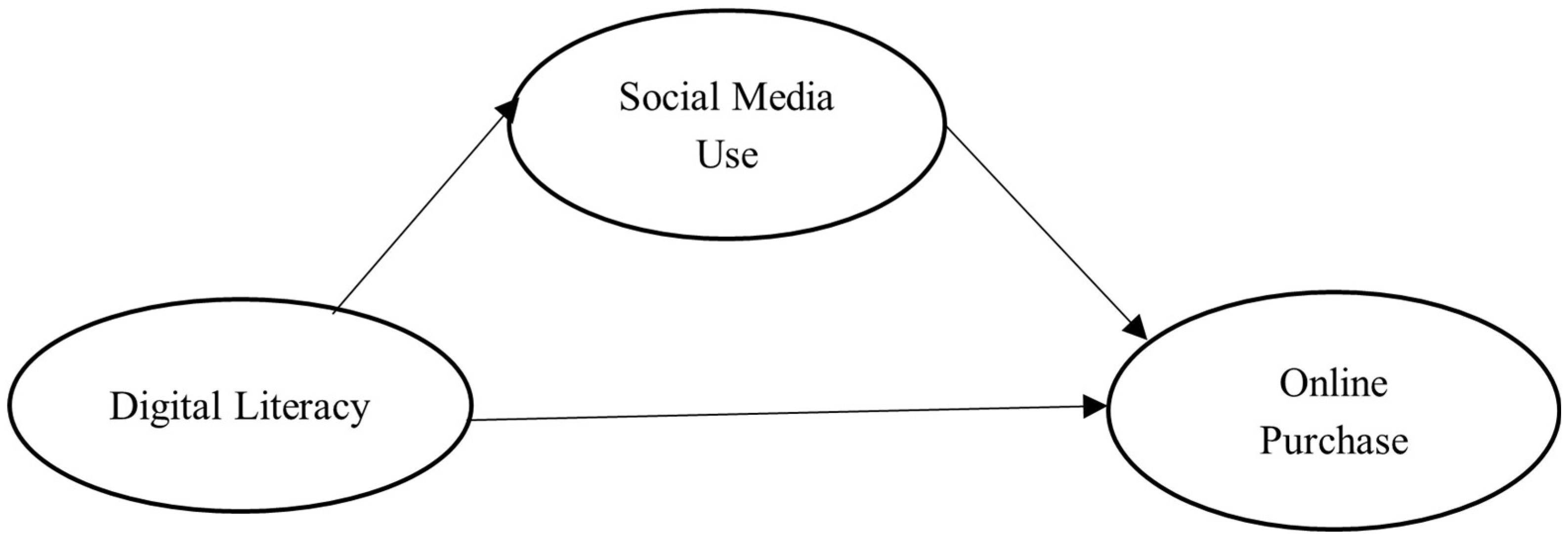
The conceptual model of this research was developed to examine the effect of digital literacy on online purchase intention, while also testing whether social media use plays a mediating role in this relationship:
In the model in Figure 1, digital literacy is conceptualized as an exogenous latent variable, social media use as a mediating variable, and online purchase intention as an endogenous latent variable. A comprehensive literature review was conducted to identify and operationalize the model’s key constructs.
Figure 1. Research model.
To empirically test the proposed relationships, the survey method, a widely used data collection approach in the social sciences, was employed. The questionnaire utilized a five-point Likert scale ranging from 1 = Strongly Disagree to 5 = Strongly Agree. To ensure broad participation and accessibility, the survey was distributed online via Google Forms.
The questionnaire consisted of four main sections:
  • Demographic information of the participants,
  • A ten-item Digital Literacy Scale,
  • A three-item Social Media Use Scale, and
  • A four-item Online Purchase Intention Scale.
The Digital Literacy Scale was initially developed by Ng [3] and later adapted into Turkish by Üstündağ et al. [67]. The Social Media Use Scale was adapted from Hajli’s [68] study “A Study of the Impact of Social Media on Consumers”, as utilized in Uyar’s research titled “The Effect of Social Media on Consumers’ Purchase Intentions.”
Finally, the Online Purchase Intention Scale comprised four items derived from Wang and Chang [69].
This measurement framework enables an integrated assessment of how consumers’ digital competencies and social media interactions jointly influence online purchasing tendencies—providing a holistic model for understanding technology-driven consumer behavior within emerging digital ecosystems.

3.3. Research Population and Sample

The population of this research consists of individuals residing in various cities across Türkiye who actively use social media platforms. Due to practical constraints, including the difficulty and high cost of reaching the entire population, the study employed convenience sampling, selecting voluntary participants for data collection. This approach allows researchers to collect data quickly and efficiently with minimal cost [70]. Furthermore, when the exact population size is unknown or difficult to determine, convenience sampling is an appropriate method. Since the total population was not precisely known, the sample size was calculated under the maximum-variance assumption to ensure statistical validity. Accordingly, at a 5% significance level and a 5% margin of error, the minimum required sample size was determined to be 384 respondents [71].
In total, 401 valid responses were collected from individuals residing in various urban areas of Türkiye, including İstanbul, Bursa, Konya, and Gaziantep. The questionnaire was designed using Google Forms and distributed online via Instagram, LinkedIn, and WhatsApp. Participants were encouraged not only to complete the survey themselves but also to share it with at least one other potential respondent.
As presented in Table 1, among the 401 participants who completed the survey, 186 (46.4%) were female and 215 (53.6%) were male. Regarding marital status, 224 (55.9%) were married, and 177 (44.1%) were single.
Table 1. Demographic characteristics of the participants.
In terms of age distribution, 172 respondents (42.9%) were aged 18–29, 92 (22.9%) were aged 30–39, 85 (21.2%) were aged 40–49, and 52 (13%) were aged 50 and above.
With respect to professional experience, 101 participants (25.2%) had 1–5 years of experience, 34 (8.5%) had 6–10 years, 73 (18.2%) had 11–15 years, 50 (12.5%) had 21–25 years, and 52 (13%) had over 26 years of experience, while 83 (20.7%) were not employed and 8 (2%) were retired.
Regarding employment type, 55 respondents (13.7%) worked in public institutions, 182 (45.4%) in private enterprises, 61 (15.2%) were self-employed, 97 (24.2%) were not working, and 6 (1.5%) retired.
These demographic results reflect a diverse sample across age groups, employment statuses, and professional experiences—enhancing the generalizability and robustness of the research findings to Türkiye’s digitally active population.
As presented in Table 2, an independent-samples t-test was conducted to determine whether participants’ participation in the scales differed by gender. According to the independent-samples t-test, the difference in participants’ “Digital Literacy” levels by gender was statistically significant at the 95% confidence level (t = −2.494, p = 0.013, p < 0.05). It was determined that males (X = 3.78) had higher “Digital Literacy” levels than females (X = 33.62).
Table 2. Analysis results of differences in participants’ levels of participation in scales based on their gender.
The difference in participants’ “Social Media Usage” levels by gender was also found to be statistically significant at the 95% confidence level (t = 3.853, p = 0.000, p < 0.05). Female participants (X = 3.76) had higher “Social Media Usage” levels than male participants (X = 3.39).
The difference in participants’ “Online Purchase Intention” levels by gender was not statistically significant at the 95% confidence level (t = 3.995, p = 0.000, p < 0.05) However, female participants (X = 3.77) had higher “Online Purchase Intention” levels than male participants (X = 3.43).

4. Results

Before proceeding with the analysis of the research model, the validity and reliability of the measurement instruments used in the study were evaluated. To ensure the robustness of the measurement model, a series of statistical analyses was conducted for each scale, including reliability analysis, exploratory factor analysis (EFA), and confirmatory factor analysis (CFA).
These analyses aimed to verify whether the measurement items consistently and accurately represented their corresponding latent constructs—digital literacy, social media use, and online purchase intention—prior to testing the structural relationships through Structural Equation Modeling (SEM).
As presented in Table 3, an independent-samples t-test was conducted to determine whether participants’ levels of agreement with the scales differed by marital status. According to the test results, the difference in participants’ “Digital Literacy” levels by marital status was not statistically significant at the 95% confidence level (t = −1.621, p = 0.106, p > 0.05).
Table 3. Analysis results of differences in participants’ levels of participation in scales according to marital status.
The difference in participants’ “Social Media Usage” levels by marital status was found to be statistically significant at the 95% confidence level (t = −5.399, p = 0.000, p < 0.05). Single participants (X = 3.84) had higher “Social Media Usage” levels than married participants (X = 3.34).
The difference in participants’ “Online Purchase Intention” levels by marital status was not statistically significant at the 95% confidence level (t = −2.059, p = 0.004, p < 0.05). However, single participants (X = 3.69) had higher “Online Purchase Intention” scores than married participants (X = 3.51).
As presented in Table 4, a one-way ANOVA was conducted to determine whether participants’ levels of agreement with the scales differed by age range. The ANOVA results indicated that participants’ levels of “Digital Literacy,” “Social Media Usage,” and “Online Purchase Intention” differed significantly across age groups at the 95% confidence level (p < 0.05).
Table 4. Analysis results of differences in participants’ levels of participation in scales according to age range.
The difference in participants’ “Digital Literacy” levels by age range was statistically significant at the 95% confidence level (F = 5.605, p = 0.001, p < 0.05). To determine which groups caused the significant difference, the Scheffe post hoc test was applied, as the variances were homogeneous. The results revealed significant differences between Group 1 and Group 3, and between Group 1 and Group 4. Participants aged 18–29 (X = 3.84) had higher “Digital Literacy” levels than those aged 40–49 (X = 3.55) and those aged 50 and above (X = 3.55).
The difference in participants’ “Social Media Usage” levels by age range was statistically significant at the 95% confidence level (F = 13.511, p = 0.000, p < 0.05). Since the variances were not homogeneous, the Games-Howell post hoc test was used. The results showed significant differences between Group 1 and Group 2, Group 1 and Group 3, and Group 1 and Group 4. Participants aged 18–29 (X = 3.88) had higher “Social Media Usage” levels than those aged 30–39 (X = 3.59), 40–49 (X = 3.53), and 50 and above (X = 3.18).
The difference in participants’ “Online Purchase Intention” levels by age range was also statistically significant at the 95% confidence level (F = 5.898, p = 0.000, p < 0.05). Since the variances were homogeneous, the Scheffe post hoc test was used. The results showed significant differences between Group 1 and Group 4. Participants aged 18–29 (X = 3.84) had higher “Online Purchase Intention” levels than those aged 50 and above (X = 3.18).
As shown in Table 5, the data met the assumptions of normal distribution [72]. During the EFA, one item from the Digital Literacy Scale (DL10) was removed due to a low factor loading. After this adjustment, the KMO value (0.886) and the significant Bartlett’s Test of Sphericity (p < 0.001) confirmed that the dataset was suitable for factor analysis.
Table 5. Results of exploratory factor analysis (EFA).
The total variance explained (59.247%) exceeded the recommended 50% threshold, indicating that the extracted factors sufficiently represented the underlying constructions.
The Cronbach’s alpha coefficients for all three scales were above 0.70, demonstrating satisfactory internal consistency and reliability. Furthermore, all factor loadings were above 0.50, indicating strong convergent validity.
The SEM technique—commonly employed in social sciences—was used to simultaneously examine both (a) the relationships among latent variables and (b) the associations between latent and observed variables. SEM is not only a method for model testing but also an approach for theory development and causal inference [73].
Accordingly, both CFA and SEM were applied to evaluate the conceptual and structural models. The CFA results for the integrated measurement model, which included digital literacy, social media use, and online purchase intention, revealed that no factor loading fell below the generally accepted threshold of 0.50.
The fit indices obtained (χ2 = 242.658; df = 99; χ2/df = 2.451; RMSEA = 0.060; SRMR = 0.052; ARFI = 0.894; NFI = 0.913; TLI = 0.935; CFI = 0.946) were all within acceptable limits, indicating a good model fit between the measurement model and the empirical data [74,75]. These findings confirm that the measurement model demonstrates construct validity, internal consistency, and overall goodness-of-fit, validating its suitability for testing the proposed research hypotheses.
Following Anderson and Gerbing [76], convergent validity was assessed through Average Variance Extracted (AVE), Maximum Shared Variance (MSV), and Maximum Reliability [MaxR(H)]. To evaluate construct reliability, the Composite Reliability (CR) was calculated. Subsequently, the model’s discriminant validity was tested using the Fornell–Larcker criterion. These assessments were conducted based on the following recommended thresholds: CR > 0.70, AVE > 0.50, MSV < AVE, and MaxR(H) > MSV [60].
As shown in Table 6 although the CR values exceeded 0.70, the AVE for the Digital Literacy construct was slightly below the 0.50 benchmark. However, Fornell and Larcker [77] indicated that when CR > 0.60 and the average explained variance exceeds 0.40, the construct’s convergent validity can still be considered satisfactory. In this study, the AVE values exceeded the acceptable threshold, confirming convergent validity.
Table 6. Model validity criteria.
Moreover, the MSV values were lower than the corresponding AVE values, while the MaxR(H) coefficients exceeded the MSV values, further supporting the discriminant validity of the constructs. Additionally, the square root of AVE values was higher than the inter-construct correlation coefficients in their respective columns, meeting the Fornell–Larcker criterion for discriminant validity.
The standardized regression weights for each construct exceeded the 0.45 threshold—ranging from 0.49 to 0.77 for digital literacy, 0.58 to 0.82 for social media use, and 0.68 to 0.819 for online purchase intention. Collectively, these findings demonstrate high composite reliability (all CRs > 0.70) and confirm that the scales possess strong convergent validity, as all AVEs exceed the literature-supported cutoff of 0.40.
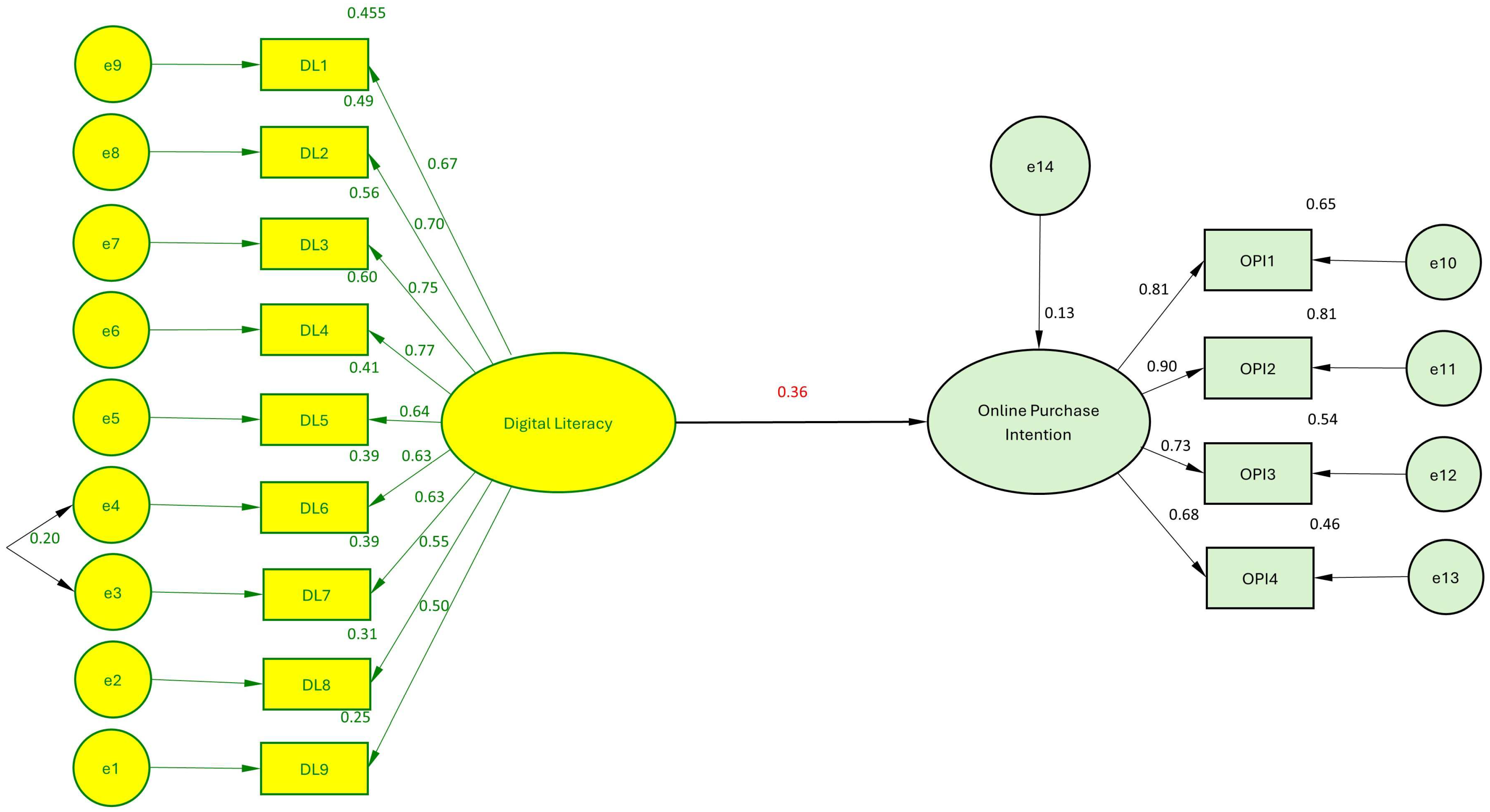
After confirming the adequacy of the measurement model, the structural model was tested using latent variable modeling to evaluate the proposed hypotheses. The analysis results are illustrated in Figure 2.
Figure 2. Structural equation model (Model 1).
In the first stage, Model 1 was tested without including the mediating variable to evaluate H1 (Digital Literacy → Online Purchase Intention). In this model, digital literacy was treated as the exogenous latent variable, and online purchase intention as the endogenous latent variable.
Subsequently, in Model 2, the mediating variable (Social Media Use) was included. Using the Bootstrapping method, hypotheses H2, H3, and H4 were tested to examine both direct and indirect relationships among the constructs.
This dual-stage modeling approach ensured that the study not only identified the direct influence of digital literacy on online purchase intention but also revealed the mediating mechanism of social media use, thereby advancing understanding of technology-driven consumer behavior in emerging digital ecosystems.
The fit indices from the path analysis in Figure 2 indicate that the structural model provides a good fit to the empirical data (Δχ2/df = 2.819; SRMR = 0.0539; RMSEA = 0.067; ARFI = 0.902; NFI = 0.920; TLI = 0.934; CFI = 0.947). These values fall within the commonly accepted thresholds for model adequacy, suggesting that the proposed model is both statistically and theoretically consistent with the observed data.
According to the SEM results, digital literacy significantly predicts online purchase intention (β = 0.36; p < 0.001).
This indicates that the path from digital literacy to online purchase intention is positive and statistically significant. Consequently, Hypothesis H1 is supported.
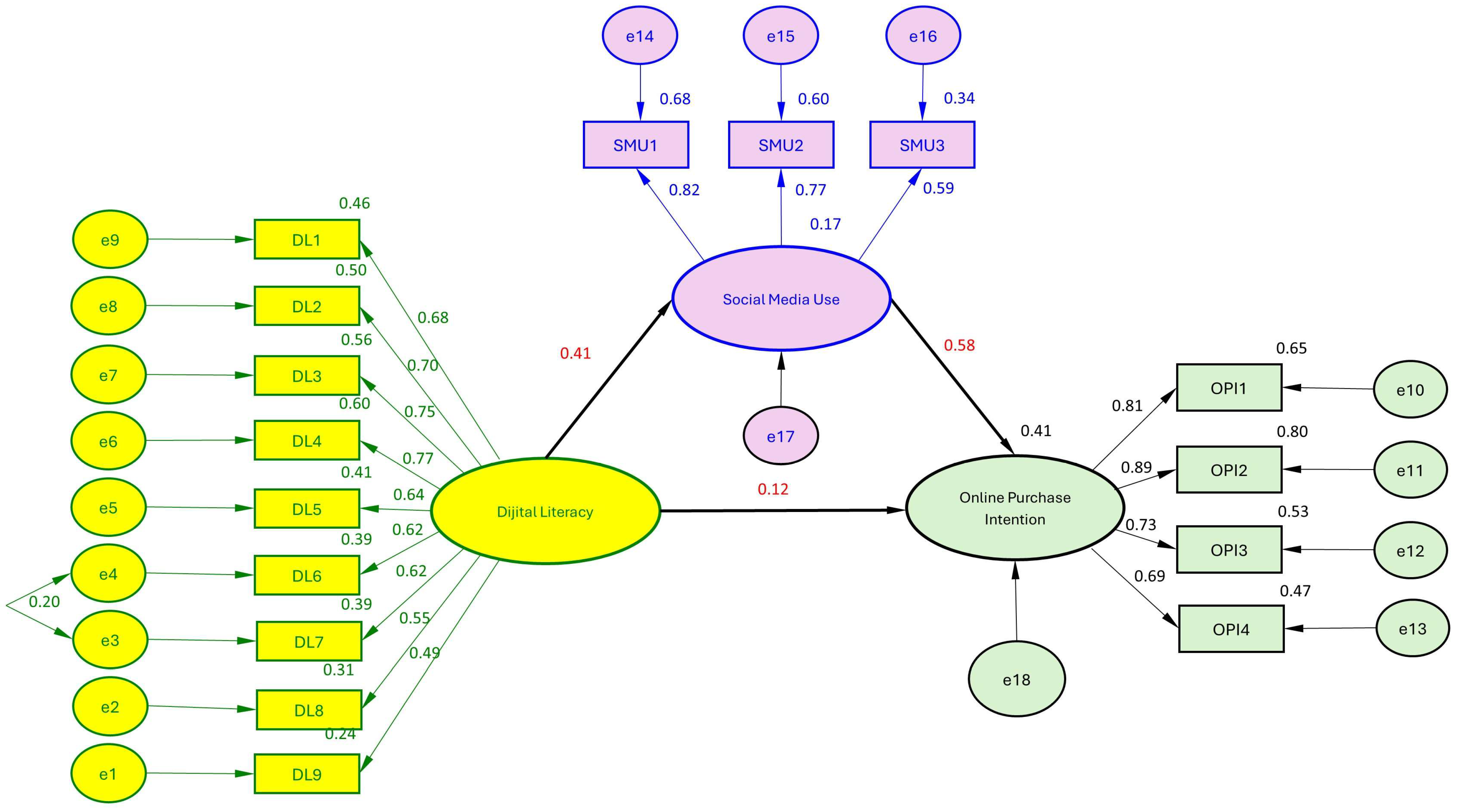
To test the remaining hypotheses and to examine the mediating role of social media use, a separate structural model was constructed. In the second stage of the analysis, social media use was included as a potential mediating variable to determine whether it mediates the effect of digital literacy on online purchase intention. The results of this extended model are illustrated in Figure 3 below.
Figure 3. Structural equation model (Model 2).
The fit indices obtained from testing the structural path model in Figure 3 indicate that the model demonstrates an acceptable and satisfactory fit to the data (Δχ2/df = 2.454; SRMR = 0.052; RMSEA = 0.060; ARFI = 0.902; NFI = 0.912; TLI = 0.935; CFI = 0.945). These indices meet the conventional cutoff criteria recommended by Hair et al. [74], confirming that the extended mediation model adequately represents the observed data structure.
The results further reveal that the path from Digital Literacy → Social Media Use is positive and statistically significant (β = 0.41; p < 0.001), as is the path from Social Media Use → Online Purchase Intention (β = 0.58; p < 0.001). These findings provide strong empirical support for Hypotheses H2 and H3, respectively.
To examine whether social media use mediates the relationship between digital literacy and online purchase intention, the Bootstrap method was employed. The bootstrap approach is widely recognized as more robust and statistically reliable than traditional mediation testing methods, such as the Baron and Kenny procedure or the Sobel test. In this study, a bias-corrected bootstrap with 5000 resamples was conducted following the guidelines of Özbaysal and Alkibay [75].
For mediation to be supported, the 95% confidence interval (CI) of the indirect effect must not include zero. According to the bootstrap results, the indirect effect of digital literacy on online purchase intention via social media use was significant (β = 0.12; p < 0.05; 95% CI [0.277, 0.743]).
Because the lower and upper bounds of the CI do not contain zero, the mediating effect is statistically confirmed.
Moreover, when the mediating variable (social media use) was included in the model, the direct effect of digital literacy on online purchase intention (β = 0.12; p < 0.05) was reduced in magnitude compared to the initial model (Model 1). This reduction indicates a partial mediation effect of social media use.
Therefore, Hypothesis H4 is supported.
Table 7 presents the standardized path coefficients and indirect effects of the structural model.
Table 7. Summary of SEM results.
As shown in Table 7, the direct path from Digital Literacy to Online Purchase Intention (path c) is statistically significant (β = 0.359; p < 0.001). When Social Media Use is introduced as a mediating variable, the direct effect (path c′) decreases to β = 0.123; p < 0.05, while the indirect effect through Social Media Use remains significant (β = 0.470; 95% CI [0.277–0.743]).
The R2 value of 0.411 for online purchase intention indicates that approximately 41.1% of the variance in online purchase intention is explained by digital literacy and social media use.
Together, these findings confirm that social media use partially mediates the relationship between digital literacy and online purchase intention, thereby supporting Hypothesis H4.
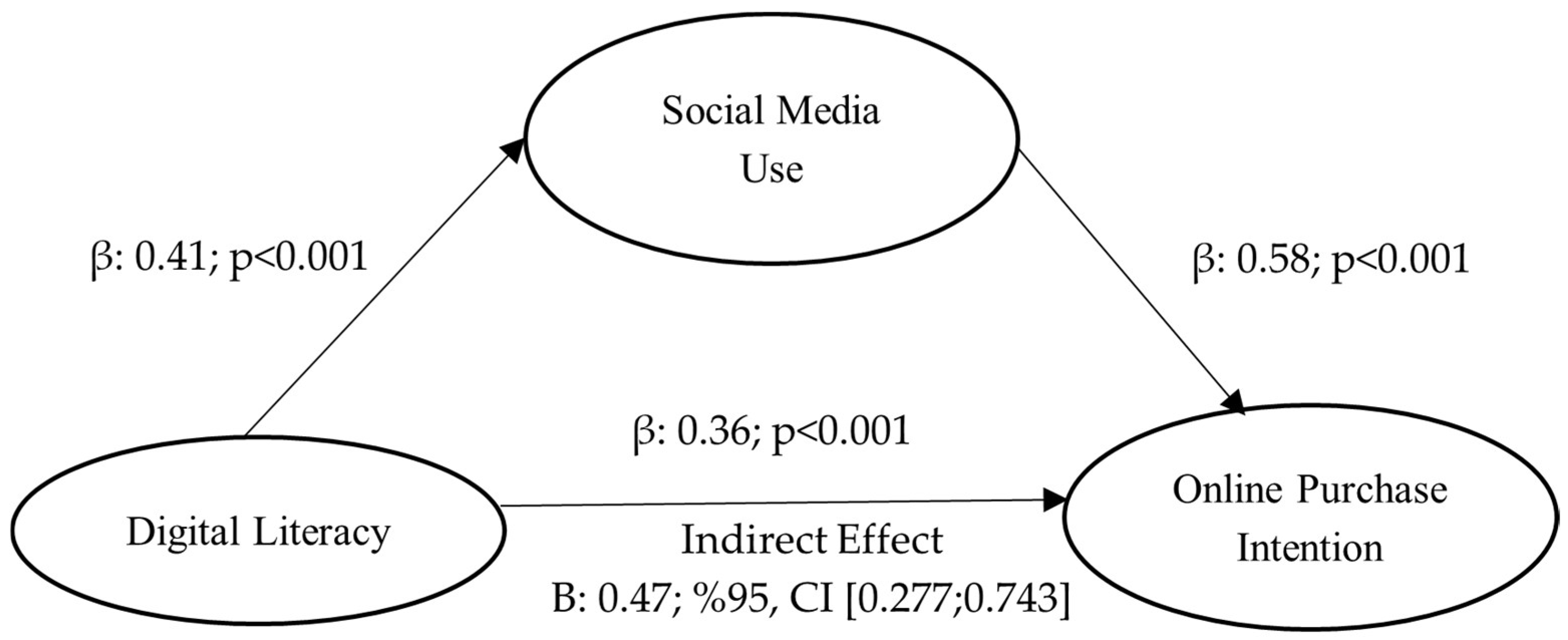
Figure 4 presents the results of the Structural Equation Modeling (SEM) analysis, integrating both direct and indirect pathways among the study variables.
Figure 4. Results of Structural Equation Modeling (SEM).
All paths are positive and statistically significant. Including the mediating variable, Social Media Use, reduced the direct effect of Digital Literacy on Online Purchase Intention, confirming partial mediation.
The final structural model explains 41.1% of the total variance (R2 = 0.411) in online purchase intention, demonstrating strong explanatory power. Model fit indices (χ2/df = 2.454; RMSEA = 0.060; SRMR = 0.052; TLI = 0.935; CFI = 0.945) confirm an acceptable fit according to the conventional SEM standards.
Overall, these findings validate all proposed hypotheses (H1–H4), establishing that digital literacy positively influences online purchase intention both directly and indirectly through social media use. This result emphasizes the mediating role of social media engagement in shaping consumers’ digital purchasing behavior.

5. Discussion

This study aimed to examine the direct effect of digital literacy on online purchase intention and to explore the mediating role of social media use within this relationship. The empirical results support the proposed conceptual model and align with the broader literature on digital consumer behavior and e-commerce.
The findings revealed that digital literacy positively and significantly influences online purchase intentions. This result is consistent with previous studies that identified digital literacy as a key predictor of technology adoption and online shopping behavior [4,45,48,49]. In line with earlier research, social media use was also found to positively affect online purchase intention, reinforcing the findings of Yang [56], Alfikri [58], and Chahdi et al. [59].
A notable contribution of this study lies in the empirical confirmation of the partial mediating role of social media use in the relationship between digital literacy and online purchase intention. This finding suggests that social media serves as a critical mechanism through which digitally literate consumers transform their online competence into purchase-related behaviors. In other words, higher levels of digital literacy not only increase consumers’ ability to navigate online environments but also enhance their motivation and trust in social media-based shopping platforms.
The results further imply that digital literacy, social media engagement, and online purchasing are interrelated constructions that collectively define the modern consumer experience. This integrated model advances the understanding of digital consumption by linking cognitive, behavioral, and technological dimensions within a unified framework. Thus, the study contributes to extending the theoretical discourse surrounding digital competence, online engagement, and consumer decision-making in the era of digital transformation.

6. Conclusions

The present study concludes that digital literacy is a crucial determinant of online purchase intention, exerting both direct and indirect effects through social media engagement. These results underscore the importance of digital competence as a strategic asset for individuals and organizations operating in digital marketplaces.
Another finding of this study is that consumers’ digital literacy, social media, and online purchasing levels, especially among younger consumers, are higher than those of other age groups.

6.1. Practical Implications

From a practical standpoint, the findings highlight that companies seeking to strengthen their digital presence should invest in initiatives that improve consumers’ digital literacy and foster meaningful engagement across social media platforms. Enhancing users’ digital capabilities and providing accessible, transparent, and secure e-commerce interfaces can significantly boost online trust, satisfaction, and purchasing behavior.
Moreover, the research demonstrates that social media functions as a vital intermediary that bridges digital skills and purchasing motivation. By leveraging interactive and trustworthy digital environments, businesses can create long-term value, enhance customer loyalty, and sustain competitive advantage in increasingly digitalized markets.
The research suggests that the high level of digital literacy among young people, in particular, will likely increase in the near future, as will the digital literacy levels of many individuals. Therefore, it will be crucial for businesses to develop strategies and policies aligned with these developments to ensure their future competitiveness.
As e-commerce activities continue to grow in the near future, commercial enterprises will need to prepare their technical infrastructure accordingly and hire web page and social media management experts to manage their e-commerce sites professionally.
As a result of the research, it will be important for businesses to design their e-commerce web pages to be easier to use and more transparent, since the digital literacy, social media use, and online purchasing intentions of middle- and older-age individuals are lower than those of younger individuals.
Finally, this study offers a novel perspective by integrating digital literacy, social media engagement, and online purchase intention into a single analytical model. Future studies may expand on these findings by incorporating cross-cultural comparisons, longitudinal designs, or experimental methods to explore further how evolving digital ecosystems continue to reshape consumer behavior.

6.2. Policy Implications

This research also reveals some important findings for policymakers. According to research, most daily commercial activities will be conducted in the virtual world in the near future. Therefore, it is necessary to implement and update all relevant legal regulations in commercial law, information technology law, cybersecurity, and e-commerce.
The increasing level of digitalization may require businesses to seek professional e-commerce consulting services. Small and medium-sized businesses, in particular, may face difficulties financing these costs. Therefore, policymakers should develop tax and incentive policies that will keep these businesses in the system. They will also need to implement regulations to protect consumers.
Finally, governments and relevant stakeholders need to develop policies that will enable the training of talented and expert individuals who will be needed in these fields in the future by opening programs at educational institutions focused on e-commerce, information technology law, and cybersecurity.

6.3. Consumer Implications

The research reveals that e-commerce will increase in the near future. While this is not a significant problem for young people with high levels of digital literacy, it is for those with low levels. The security of an online transaction is one of the important factors that influences customers’ purchasing decisions.
Consumers must be extremely vigilant, as unethical behaviors we frequently encounter in real life can also be encountered in the virtual world. To do this, they should research and analyze positive and negative reviews for the relevant e-commerce site and make their decisions accordingly. They should also strengthen their skills in this area by attending online and in-person courses and seminars on these topics.

7. Limitations and Future Research

Despite its contributions, this study is not without limitations. Data were collected from individuals residing in four major Turkish cities (Istanbul, Bursa, Konya, and Gaziantep), which may limit the generalizability of the findings. Future research could expand the sample to include different regions and cross-cultural contexts to validate the model across diverse digital ecosystems.
Additionally, the convenience sampling method used in the study constitutes another limitation. Findings from convenience sampling are not generalizable because they are not representative of the population. In other words, they have high internal validity but low external validity [78]. While this sampling technique offers various inherent advantages, such as cost-effectiveness, reduced time consumption, and ease of operation, it also has disadvantages, including the potential for sampling bias, systematic errors, insufficient representativeness, and limited generalizability of research findings [79]. For this reason, future studies may yield different results depending on the samples and sampling methods used.
This study examined social media use in general but did not address which social media tools are most commonly used or their impact on online purchasing intentions. Future studies in these areas could significantly contribute to the literature.
On the other hand, because information technology is rapidly evolving, the results of these studies are subject to change. Therefore, researchers must conduct current research aligned with evolving information technologies.
Future studies could incorporate these moderating factors or adopt longitudinal designs to observe changes in digital literacy and consumer behavior over time. By addressing these directions, future research can deepen understanding of how digital literacy and social media jointly shape consumer decision-making in the ongoing digital transformation era.

Author Contributions

Conceptualization, H.K. and B.S.; methodology, H.K. and B.S.; software, H.K.; validation, H.K. and B.S.; formal analysis, H.K. and B.S.; investigation, H.K.; resources, H.K. and B.S.; data curation, H.K.; writing—original draft preparation, H.K. and B.S.; writing—review and editing, H.K. and B.S.; visualization, H.K. and B.S.; supervision, H.K. and B.S.; project administration, H.K. and B.S.; funding acquisition, H.K. and B.S. All authors have read and agreed to the published version of the manuscript.

Funding

This study is partially financed by the European Union, NextGenerationEU, through the National Recovery and Resilience Plan of the Republic of Bulgaria, project No. BG-RRP-2.013-0001.

Institutional Review Board Statement

This study was reviewed and approved by the Scientific Ethics Committee of the Faculty of Business, Beyşehir Ali Akkanat, Selçuk University (Türkiye). Approval was granted at the meeting held on 29 September 2025 (Decision No: 2025/16) regarding the research project titled “The Effects of Digital Literacy on Online Purchase Intention: The Mediating Role of Social Media Use.” The Committee concluded that the study complies with the principles of scientific research and publication ethics.

Data Availability Statement

The data that support the findings of this study are available from the corresponding author upon reasonable request.

Conflicts of Interest

The authors declare no conflicts of interest.

References

  1. Voogt, J.; Roblin, N.P. A comparative analysis of international frameworks for 21st century competences: Implications for national curriculum policies. J. Curric. Stud. 2012, 44, 299–321. [Google Scholar] [CrossRef]
  2. Eshet, Y. Digital literacy: A conceptual framework for survival skills in the digital era. J. Educ. Multimed. Hypermedia 2004, 13, 93–106. [Google Scholar]
  3. Ng, W. Can we teach digital natives digital literacy? Comput. Educ. 2012, 59, 1065–1078. [Google Scholar] [CrossRef]
  4. Mahmood, M.; Batool, S.H.; Rafiq, M.; Safdar, M. Examining digital information literacy as a determinant of women’s online shopping behavior. Inf. Technol. People 2022, 35, 2098–2114. [Google Scholar] [CrossRef]
  5. Gül, Ö.; Küsbeci, P. İşletmelerde dijital dönüşüm sürecinde e-ticaret ve sosyal ticaretin önemi. Uluslararası Yönetim Ve Sos. Araştırmalar Derg. 2021, 8, 29–38. [Google Scholar]
  6. Türkiye İşveren Sendikalari Konfederasyonu. Dijital 2024: Küresel Görünüm Raporu. Available online: https://www.tisk.org.tr/dokuman/dijital-2024-raporu---ekim.pdf (accessed on 1 October 2025).
  7. Tarsakoo, P.; Charoensukmongkol, P. Dimensions of social media marketing capabilities and their contribution to business performance of firms in Thailand. J. Asia Bus. Stud. 2020, 14, 441–461. [Google Scholar] [CrossRef]
  8. Jamil, K.; Dunnan, L.; Gul, R.F.; Shehzad, M.U.; Gillani, S.H.M.; Awan, F.H. Role of social media marketing activities in influencing customer intentions: A perspective of a new emerging era. Front. Psychol. 2022, 12, 808525. [Google Scholar] [CrossRef]
  9. Appel, G.; Grewal, L.; Hadi, R.; Stephen, A.T. The future of social media in marketing. J. Acad. Mark. Sci. 2020, 48, 79–95. [Google Scholar] [CrossRef]
  10. Nazzal, A.; Thoyib, A.; Zain, D.; Hussein, A.S. The effect of digital literacy and website quality on purchase intention in internet shopping through mediating variable: The case of internet users in Palestine. Webology 2022, 19, 2414–2434. [Google Scholar] [CrossRef]
  11. Özcan, H.M.; Argan, M. The Relationship Between Online Consumer Engagement and Loyalty and Repurchase Intention: Facebook Case. J. Consum. Consum. Res. 2015, 6, 51–82. [Google Scholar]
  12. Altun, A. Gelişen Teknolojiler ve Yeni Okuryazarlıklar; Anı Yayıncılık: Ankara, Turkey, 2005. [Google Scholar]
  13. Etike, Ş. Gençlik ve Dijital Okuryazarlık: İletişim Fakültesi Öğrencileri Üzerine Bir Araştırma. Emek Araştırma Derg. 2021, 21, 295–320. [Google Scholar]
  14. Aşıcı, M. Literacy as a Personal and Social Value. J. Values Educ. 2009, 7, 9–26. [Google Scholar]
  15. Gilster, P. Digital Literacy; Wiley Computer Pub: New York, NY, USA, 1997; p. 1. [Google Scholar]
  16. Reddy, P.; Sharma, B.; Chaudhary, K. Digital literacy: A review of literature. Int. J. Technoethics (IJT) 2020, 11, 65–94. [Google Scholar] [CrossRef]
  17. Semente, E.M.M.; Whyte, G. Assessing digital literacy among Namibian millennials and the impact on consumer decision-making styles: A case study. Int. J. Appl. Manag. Sci. Eng. (IJAMSE) 2020, 7, 54–73. [Google Scholar] [CrossRef]
  18. Jamila, M.U.; Ratnawati, K.; Hussein, A.S. The Effect of Digital Literacy to Behavioral Intention with ICT Self-Efficacy as Variable Moderation (Studies in GoPay Users in Malang). In Proceedings of the 3rd Asia Pacific International Conference of Management and Business Science (AICMBS 2019), Batu, Indonesia, 30 October–1 November 2019; Atlantis Press: Dordrecht, The Netherlands, 2020; pp. 155–160. [Google Scholar]
  19. Nguyen, T.T.; Thị, N.H.T.; Thị, H.M.D.; Dinh, T.K.L.; Nguyen, T.U.N.; Dang, T.M.K. The impact of digital literacy on online security behavior and its influence on consumers’ intention to use e-payment methods. Vnu J. Econ. Bus. 2024, 5, 115. [Google Scholar]
  20. Stankevičienė, J.; Bozdog, L.Ş.; Glovațchi, B.; Mircea, G.; Noja, G.G.; Kostopoulos, G. Shaping consumer behaviour in a digital landscape: The impact of technology readiness on the purchase of sustainable IoT products. Int. Mark. Rev. 2025; ahead-of-print. [Google Scholar]
  21. Pertiwi, I.S.K.; Lestari, M.T. Digital Literacy Analysis: A Case Study of Telkom Indonesia in Exploring Its Work Environment Dynamics. Bricol. J. Magister 2024, 10, 231–244. Available online: https://journal.ubm.ac.id/index.php/bricolage/article/view/5321 (accessed on 13 September 2025). [CrossRef]
  22. Egan, K.L.; Villani, S.; Soule, E.K. Absence of age verification for online purchases of cannabidiol and delta-8: Implications for youth access. J. Adolesc. Health 2023, 73, 195–197. [Google Scholar] [CrossRef]
  23. Shetty, Y.B.; Shetty, S.; Sequeira, P. A Study on Impact of Social Media on Online Shopping. In Proceedings of the 5th International Conference on New Age Marketing, Meghalaya, India, 18–19 January 2024; pp. 1–17. [Google Scholar]
  24. Chung, C.; Muk, A. Online shoppers’ social media usage and shopping behavior. In The Customer Is Not Always Right? Marketing Orientations in a Dynamic Business World, Proceedings of the 2011 World Marketing Congress, Reims, France, 19–23 July 2011; Springer International Publishing: Cham, Switzerland, 2017; p. 133. [Google Scholar]
  25. Tektas, N. A Research on University Students’ Social Networking Habits. J. Hist. Sch. 2014, 17, 851–870. [Google Scholar] [CrossRef]
  26. Arora, A.; Bansal, S.; Kandpal, C.; Aswani, R.; Dwivedi, Y. Measuring social media influencer index-insights from Facebook, Twitter, and Instagram. J. Retail. Consum. Serv. 2019, 49, 86–101. [Google Scholar] [CrossRef]
  27. Liao, L.; Huang, T. The effect of different social media marketing channels and events on movie box office: An elaboration likelihood model perspective. Inf. Manag. 2021, 58, 103481. [Google Scholar] [CrossRef]
  28. Chen, L.; Wang, R. Trust development and transfer from electronic commerce to social commerce: An empirical investigation—American. J. Ind. Bus. Manag. 2016, 6, 568. [Google Scholar] [CrossRef]
  29. Ahmed, J.N.; Adalıer, A.; Özgit, H.; Kamyabi, M. Do Social Media Platforms Control the Sustainable Purchase Intentions of Younger People? Sustainability 2025, 17, 5488. [Google Scholar] [CrossRef]
  30. Catană, Ș.A.; Imbrișcă, C.I.; Veith, C. Understanding Generation Z′ s Purchasing Behavior on Online Marketplaces: A TAM-Based Approach. J. Theor. Appl. Electron. Commer. Res. 2025, 20, 260. [Google Scholar] [CrossRef]
  31. Kotler, P.; Armstrong, G.; Opresnik, M.O. Principles of Marketing, 17th ed.; Pearson Education Limited: London, UK, 2018. [Google Scholar]
  32. Hezarkhani, M.; Jalalinejad, R.; Mohammadpour, F.; Mahmoudi, S. Investigation of the social network marketing influence on consumer behavior with the mediating role of brand value (a case study for iPhone market). Econ. Ann.-XXI 2023, 203, 25–30. [Google Scholar] [CrossRef]
  33. Fitri, R.A.; Wulandari, R. Online purchase intention factors in Indonesian millenial. Int. Rev. Manag. Mark. 2020, 10, 122–127. [Google Scholar] [CrossRef]
  34. Bergeron, J. Antecedents and Consequences of Salesperson Listening Effectiveness in Buyer-Seller Relationships. Ph.D. Thesis, Concordia University, Montreal, QC, Canada, 2004. [Google Scholar]
  35. Farris, P.W.; Bendle, N.; Pfeifer, P.; Reibstein, D. Marketing Metrics: The Definitive Guide to Measuring Marketing Performance; Pearson Education: Upper Saddle River, NJ, USA, 2010. [Google Scholar]
  36. Le, T.T.; Le Thi Cam, T.; Nguyen Thi, N.; Le Ngoc Phuong, V. Do corporate social responsibility drive sustainable purchase intention? An empirical study in an emerging economy. Benchmarking Int. J. 2025, 32, 1141–1172. [Google Scholar] [CrossRef]
  37. Aluri, A.; Slevitch, L.; Larzelere, R. The influence of embedded social media channels on travelers’ gratifications, satisfaction, and purchase intentions. Cornell Hosp. Q. 2016, 57, 250–267. [Google Scholar] [CrossRef]
  38. Yılmaz Uz, C. Factors Affecting Consumers’ Intention to Buy Luxury Brand. Cumhur. Üniversitesi İktisadi Ve İdari Bilim. Derg. 2022, 23, 455–470. [Google Scholar] [CrossRef]
  39. Athapaththu, J.C.; Kulathunga, D. Factors Affecting Online Purchase Intention: Effects of Technology and Social Commerce. Int. Bus. Res. 2018, 11, 111–128. [Google Scholar] [CrossRef]
  40. Yamamoto, G.T. E-Ticaret Kavramlar Gelişim ve Uygulamalar; Kriter Yayınevi: İstanbul, Turkey, 2013. [Google Scholar]
  41. Rahayu, R.; Day, J. Determinant factors of e-commerce adoption by SMEs in developing country: Evidence from Indonesia. Procedia-Soc. Behav. Sci. 2015, 195, 142–150. [Google Scholar] [CrossRef]
  42. Al-Adwan, A.S.; Alrousan, M.K.; Yaseen, H.; Alkufahy, A.M.; Alsoud, M. Boosting online purchase intention in high-uncertainty-avoidance societies: A signaling theory approach. J. Open Innov. Technol. Mark. Complex. 2022, 8, 136. [Google Scholar] [CrossRef]
  43. Zhao, Y.; Cormican, K.; Sampaio, S. Clicks vs. bricks: Exploring the critical success factors for consumer purchase intention in e-commerce. Procedia Comput. Sci. 2024, 239, 590–597. [Google Scholar] [CrossRef]
  44. Mirabi, V.; Akbariyeh, H.; Tahmasebifard, H. A study of factors affecting customers’ purchase intention. J. Multidiscip. Eng. Sci. Technol. (JMEST) 2015, 2, 267–273. [Google Scholar]
  45. Köker, N.E.; Köseoğlu, Ö.; Yakın, M. Is E-Purchase Intention Reinforced by The Use of the Internet and Social Media? A Quantitative Study of University Students. J. Erciyes Commun. 2018, 5, 143–162. [Google Scholar]
  46. Mac Callum, K.; Jeffrey, L. Factors impacting teachers’ adoption of mobile learning. J. Inf. Technol. Educ. Res. 2014, 13, 141–162. [Google Scholar] [CrossRef]
  47. Nawafleh, S. Factors affecting the continued use of e-government websites by citizens: An exploratory study in the Jordanian public sector. Transform. Gov. People Process Policy 2018, 12, 244–264. [Google Scholar] [CrossRef]
  48. Ruskova, S.; Kunev, S. Investigating consumer motivation in the adoption of a new product under the conditions of uncertainty. J. Entrep. Innov. 2022, 14, 54–60. [Google Scholar]
  49. Ullah, M.S.; Khan, M.K.; Rashad, G.; Oglu, A.; Yasmin, T. The influence of digital literacy on consumer perceptions and e-commerce engagement. Policy Res. J. 2025, 3, 92–105. [Google Scholar]
  50. Süzer, Ö.Ö.; Altın, S. The Effect of Female Consumers’ Digital Literacy on E-Purchasing Intention. Int. J. Econ. Bus. Politics 2023, 7, 203–225. [Google Scholar]
  51. Özbakır Umut, M. Examining the Relationship between Digital Literacy Levels and Online Purchase Intentions of Generation X, Y, and Z Consumers. J. Curr. Mark. Approaches Res. 2024, 5, 1–20. [Google Scholar] [CrossRef]
  52. Isnaini, I.; Nasyiriyah, T.N.; Istighfari, N.A.; Rohmah, S.R. The Role of Digital Literacy in Social Media. MIMESIS 2025, 6, 60–75. [Google Scholar] [CrossRef]
  53. Janeth, G.I.; Andiyansari, P. The Influence of Digital Literacy Levels on Social Media Use Among Students. Int. J. Bus. Educ. Humanit. Soc. Sci. 2023, 5, 93–100. [Google Scholar]
  54. Karabayır, G.; Akkoyunlu, M.C.; Ada, S. The Impact of Digital Literacy and Social Media Addiction Levels on Professional Knowledge Acquisition. Karamanoglu Mehmetbey Univ. J. Soc. Econ. Res. 2025, 27, 143–158. [Google Scholar]
  55. Maisuroh, S.; Jamil, M.; Manshur, U. The Role of Social Media in Enhancing Digital Literacy Among Generation Z: A Social and Psychological Perspective. J. Soc. Stud. Educ. 2024, 1, 113–125. [Google Scholar] [CrossRef]
  56. Macías Urrego, J.A.; García Pineda, V.; Montoya Restrepo, L.A. The power of social media in the decision-making of current and future professionals: A crucial analysis in the digital era. Cogent Bus. Manag. 2024, 11, 2421411. [Google Scholar] [CrossRef]
  57. Yang, Y. The influence of social media on purchase decisions and brand attitudes. Trans. Econ. Bus. Manag. Res. 2024, 8, 179–187. [Google Scholar] [CrossRef]
  58. Alfikri, R. Analysis the use of social media on purchase decisions. J. Bisnis Dan Manaj. 2021, 8, 7–15. [Google Scholar] [CrossRef]
  59. Chahdi, F.; Benarous, D.; Louail, B. The impact of social media on purchase decisions in electronic marketing: A field study on a sample of consumers in the Wilaya of Algiers. Int. J. Econ. Perspect. 2024, 18, 805–815. [Google Scholar]
  60. Hu, S.; Zhu, Z. Effects of Social Media Usage on Consumers’ Purchase Intention in Social Commerce: A Cross-Cultural Empirical Analysis. Front. Psychol. 2022, 13, 837752. [Google Scholar] [CrossRef]
  61. Balakrishnan, B.K.; Dahnil, M.I.; Yi, W.J. The Impact of Social Media Marketing Medium toward Purchase Intention and Brand Loyalty among Generation Y. Procedia—Soc. Behav. Sci. 2014, 148, 177–185. [Google Scholar] [CrossRef]
  62. Permatasari, A.; Kuswadi, E. The Impact of Social Media on Consumers’ Purchase Intention: A Study of E-commerce Sites in Jakarta, Indonesia. Rev. Integr. Bus. Econ. Res. 2017, 6, 321–335. [Google Scholar]
  63. AlShawabkeh, A.; Nuseir, M.T.; Aljumah, A. Impacts of social media on the buying intention of the consumers in Edinburgh, UK. Int. J. Procure. Manag. 2021, 14, 470–486. [Google Scholar] [CrossRef]
  64. Zulfikar, I.; Digdowiseiso, K. The Use of Social Media as a Means of Digital Literacy: A Literature Study. Int. J. Econ. Manag. Bus. Soc. Sci. (IJEMBIS) 2023, 3, 399–409. [Google Scholar]
  65. Chen, Y. Does Social Media Use Affect Consumers’ Purchase Intention? In Proceedings of the 2nd International Conference on Management Research and Economic Development, London, UK, 30 May 2024. [Google Scholar] [CrossRef]
  66. Azman, A.B.; Abdul Majid, M.A.; Zainozaman, M.S.; Zulkifly, M.I.; Mahusain, M.A. Scroll, Click, Buy: The Impact of Social Media Attributes on Purchase Intentions among Young Adults. J. Inf. Technol. Manag. 2025, 17, 99–118. [Google Scholar]
  67. Üstündağ, M.T.; Güneş, E.; Bahçivan, E. Turkish adaptation of the digital literacy scale and investigating pre-service science teachers’ digital literacy. J. Educ. Future 2017, 12, 19–29. [Google Scholar]
  68. Hajli, M. A research framework for social commerce adoption. Inf. Manag. Comput. Secur. 2013, 21, 144–154. [Google Scholar] [CrossRef]
  69. Wang, J.C.; Chang, C.H. How online social ties and product-related risks influence purchase intentions: A Facebook experiment. Electron. Commer. Res. Appl. 2013, 12, 337–346. [Google Scholar] [CrossRef]
  70. Kavak, B. Pazarlama ve Pazar Araştırmaları: Tasarim ve Analiz, 2nd ed.; Detay Yayıncılık: Istanbul, Turkey, 2017. [Google Scholar]
  71. Büyüköztürk, Ş.; Akgün, Ö.E.; Demirel, F.; Karadeniz, Ş.; Çakmak, E.K. Bilimsel Araştırma Yöntemleri; Pegem Akademi: Ankara, Turkey, 2015. [Google Scholar]
  72. Tabachnick, B.G.; Fidell, L.S. Using Multivariate Statistics, 6th ed.; Pearson: Boston, MA, USA, 2013. [Google Scholar]
  73. Arı, E.; Altın, M.; Yılmaz, V. Investigation of Household Waste Separation Behaviors: Extended Waste Separation Model. Ank. Hacı Bayram Veli Univ. J. Fac. Econ. Adm. Sci. 2023, 25, 483–510. [Google Scholar]
  74. Hair, J.F.; Black, W.C.; Babin, B.J.; Anderson, R.E. Multivariate Data Analysis, 7th ed.; Prentice Hall: Upper Saddle River, NJ, USA, 2009. [Google Scholar]
  75. Özbaysal, T.; Alkibay, S. İnovasyonun İhracat Performansına Etkisinde Entelektüel Sermayenin Aracılık Rolü Üzerine Bir Araştırma. İşletme Araştırmaları Derg. 2023, 15, 2922–2941. [Google Scholar]
  76. Anderson, J.C.; Gerbing, D.W. Structural equation modeling in practice: A review and recommended two-step approach. Psychol. Bull. 1988, 103, 411. [Google Scholar] [CrossRef]
  77. Fornell, C.; Larcker, D.F. Evaluating structural equation models with unobservable variables and measurement error. J. Mark. Res. 1981, 18, 39–50. [Google Scholar] [CrossRef]
  78. Tütüncü, Ö. Sampling Bias: Do Participants Understand the Survey? Anatolia Tur. Araştırmaları Derg. 2024, 35, 94–108. [Google Scholar]
  79. Golzar, J.; Noor, S.; Tajik, O. Convenience Sampling. Int. J. Educ. Lang. Stud. 2022, 1, 72–77. [Google Scholar]
Disclaimer/Publisher’s Note: The statements, opinions and data contained in all publications are solely those of the individual author(s) and contributor(s) and not of MDPI and/or the editor(s). MDPI and/or the editor(s) disclaim responsibility for any injury to people or property resulting from any ideas, methods, instructions or products referred to in the content.

Article Metrics

Citations

Article Access Statistics

Multiple requests from the same IP address are counted as one view.