sustainability-logo

Journal Browser

Journal Browser

Topical Collection "Sustainability on Production and Industrial Management"

Editor

Dr. Malgorzata Jasiulewicz-Kaczmarek
E-Mail Website1 Website2
Collection Editor
Faculty of Engineering Management, Poznan University of Technology, 61-704 Poznan, Poland
Interests: manufacturing engineering; maintenance technologies; maintenance management; multi-criteria decision-making methods; sustainability performance

Topical Collection Information

Dear Colleagues,

Sustainable production depends on the management of waste minimization, energy consumption, resources saving (e.g., water, energy, etc.), the reliability of the machines used (in regard to the high environmental impact of maintenance, repairs, and replacement), and the increase of human wellbeing in working environments. To develop more sustainable societies, industries need to better understand how to respond to environmental, economic, and social challenges, and to transform industrial behavior.

This Special Issue aims to show recent research on the concepts, methods, tools, and applications for sustainable production in order to advance and promote the development of modern and intelligent production systems and industrial management. I hope that by developing the field tools and knowledge we can help to accelerate the transition towards a sustainable industrial system.

Topics of interest include but are not limited to the following:

  • sustainable technologies
  • sustainable operations and maintenance
  • sustainable work environments
  • methods, tools, and practices for sustainability of production and industrial management
  • sustainability assessment of industrial processes and/or products
  • remanufacturing of industrial products
  • multiple life cycles of industrial products (reuse, recycle, reconditioning)
  • closing the material loops in production process

Dr. Malgorzata Jasiulewicz-Kaczmarek
Collection Editor

Manuscript Submission Information

Manuscripts should be submitted online at www.mdpi.com by registering and logging in to this website. Once you are registered, click here to go to the submission form. Manuscripts can be submitted until the deadline. All papers will be peer-reviewed. Accepted papers will be published continuously in the journal (as soon as accepted) and will be listed together on the collection website. Research articles, review articles as well as short communications are invited. For planned papers, a title and short abstract (about 100 words) can be sent to the Editorial Office for announcement on this website.

Submitted manuscripts should not have been published previously, nor be under consideration for publication elsewhere (except conference proceedings papers). All manuscripts are thoroughly refereed through a single-blind peer-review process. A guide for authors and other relevant information for submission of manuscripts is available on the Instructions for Authors page. Sustainability is an international peer-reviewed open access semimonthly journal published by MDPI.

Please visit the Instructions for Authors page before submitting a manuscript. The Article Processing Charge (APC) for publication in this open access journal is 1900 CHF (Swiss Francs). Submitted papers should be well formatted and use good English. Authors may use MDPI's English editing service prior to publication or during author revisions.

Keywords

  • industrial management
  • business models
  • IT technologies
  • lean & green methods, tools and practices
  • human wellbeing
  • sustainability assessment
  • remanufacturing
  • recycling
  • closed loop processes 

Published Papers (7 papers)

2021

Jump to: 2020

Article
Proposal of Ecotechnologies for Tilapia (Oreochromis niloticus) Production in Mexico: Economic, Environmental, and Social Implications
Sustainability 2021, 13(12), 6853; https://doi.org/10.3390/su13126853 - 17 Jun 2021
Viewed by 661
Abstract
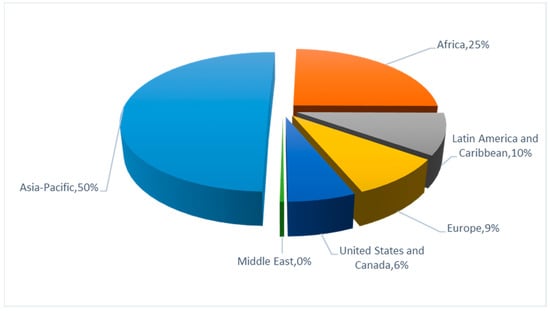
Conventional aquaculture (ACUA-C) in Mexico is an activity that maintains an annual growth rate of 6%. Tilapia (Oreochromis niloticus) aquaculture is the predominant aquaculture in the country with 4623 farms, most of which operate with semi-intensive (SIS) and extensive (ES) production [...] Read more.
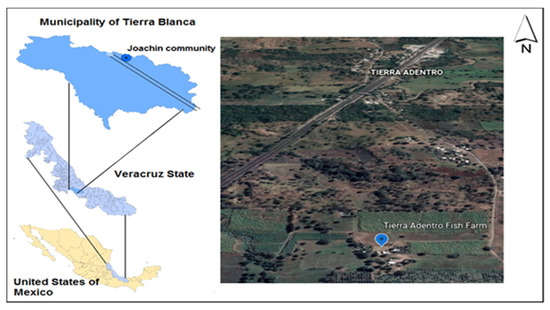
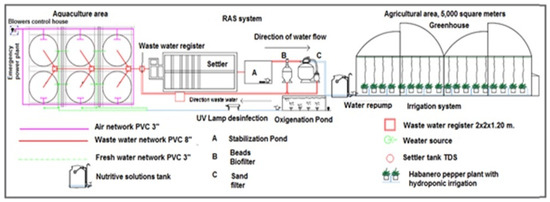
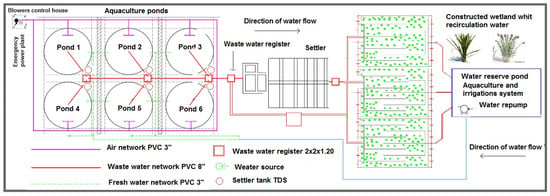
Conventional aquaculture (ACUA-C) in Mexico is an activity that maintains an annual growth rate of 6%. Tilapia (Oreochromis niloticus) aquaculture is the predominant aquaculture in the country with 4623 farms, most of which operate with semi-intensive (SIS) and extensive (ES) production systems, discharging untreated wastewater that negatively impacts the environment. To address this problem, new ecotechnologies such as biofloc (BFT), recirculation systems for aquaculture (RAS), constructed wetlands (CWs) for water treatment, and aquaponics (AS) have emerged to mitigate the environmental impacts of untreated wastewater. The objective of this work is to evaluate the feasibility of tilapia farming with BFT, RAS, CW, and AS ecotechnologies through an economic and financial feasibility analysis, considering their environmental and social implications in a Mexican aquaculture farm located in the state of Veracruz. Open interviews, direct observation, and diagnosis of the semi-intensive tilapia system was carried out between 15 May 2019 and 15 February 2020 in order to calculate, design, and theoretically evaluate the four ecotechnological alternatives (TBF, RAS, CW, and AS). Economic (13), environmental (10), and social (5) variables were applied, making use of the same facilities. The results reveal that the four ecotechnologies implemented in an SIS are economically viable and environmentally acceptable, especially in water management, in addition to being socially feasible. It is concluded that BFT offers an alternative to the producer by having a lower additional cost to improve problems, despite the possible complexity of operation and energy requirements to manage wastewater treatment. The technological transition to BFT is recommended to solve the problem of sustainable water management. Full article
Show Figures

Figure 1

Article
Is Establishing a New Partnership Useful Information for Investors in the Smartphone Supply Market?
Sustainability 2021, 13(10), 5573; https://doi.org/10.3390/su13105573 - 17 May 2021
Viewed by 345
Abstract
This study analyzed partner volatility (new, old, revocation partners) and country-specific signal effects (United States (US), Taiwan, Japan, and South Korea) for Apple iPhone parts suppliers from 2007 to 2018. Mid- to long-term stock price movements were also analyzed to define trading patterns [...] Read more.
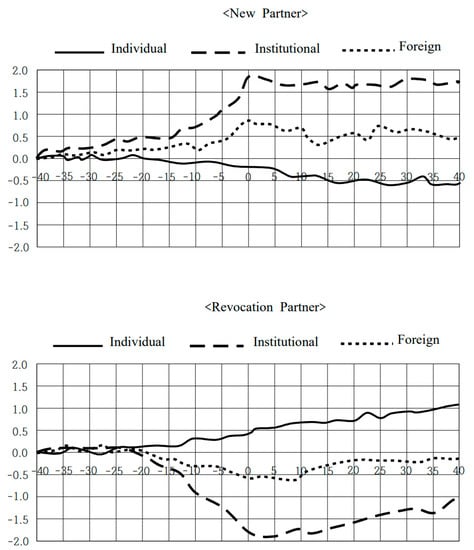
This study analyzed partner volatility (new, old, revocation partners) and country-specific signal effects (United States (US), Taiwan, Japan, and South Korea) for Apple iPhone parts suppliers from 2007 to 2018. Mid- to long-term stock price movements were also analyzed to define trading patterns by investor type. The results using logit regression analysis revealed that new partners and revocation partners each have a signaling effect perceived as positive and negative information in the short term, and the excess returns by country showed a positive signaling effect in the order of the US, Taiwan, South Korea, and Japan. The findings also suggest that the change in the new partners’ stock price after the preannouncement of new products was useful investment information. Moreover, information asymmetry was found between individual investors, institutions, and foreigners. Results indicate that new partner selection in the smartphone market impacts corporate value and serves as useful investment information. Full article
Show Figures

Figure 1

Article
Sustainable Logistics Management Maturity—The Theoretical Assessment Framework and Empirical Results from Poland
Sustainability 2021, 13(9), 5102; https://doi.org/10.3390/su13095102 - 01 May 2021
Viewed by 728
Abstract
Poland is Europe’s leader in international freight transport. The majority of companies in the Polish logistics sector are small-sized enterprises with limited human and material resources, which reduces their ability to implement corporate social responsibility practices. In this paper, we explore the logistics [...] Read more.
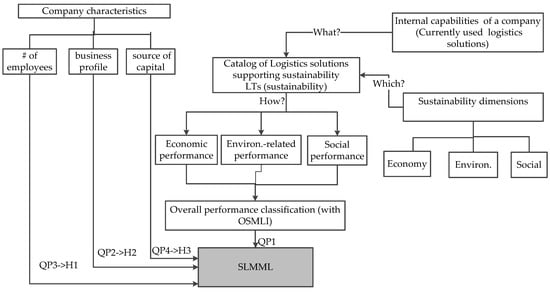
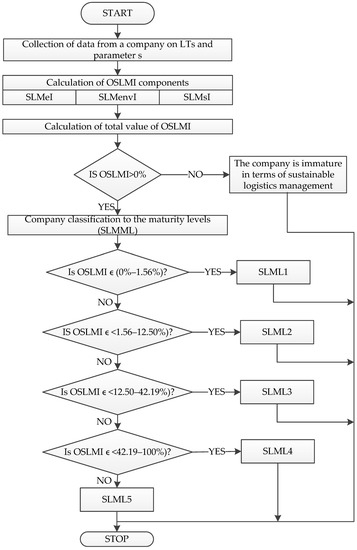
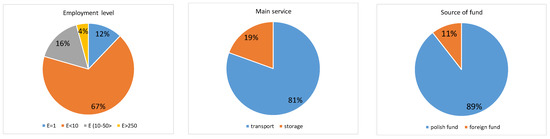
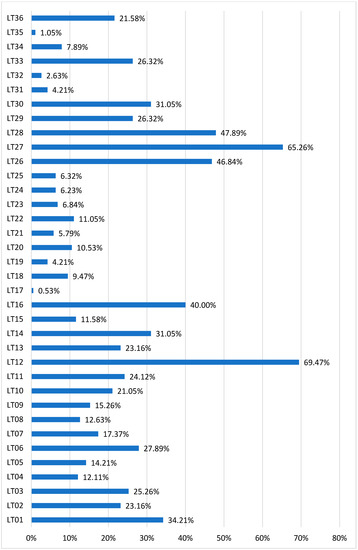
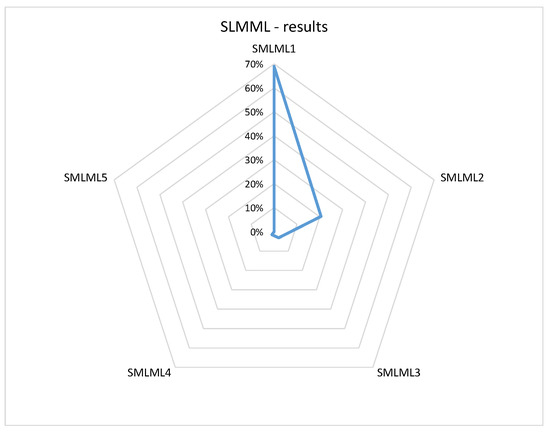
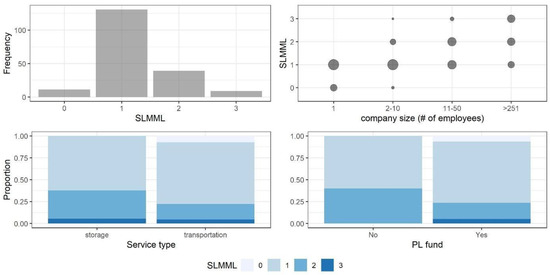
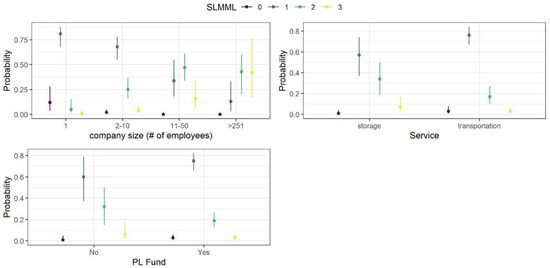
Poland is Europe’s leader in international freight transport. The majority of companies in the Polish logistics sector are small-sized enterprises with limited human and material resources, which reduces their ability to implement corporate social responsibility practices. In this paper, we explore the logistics solutions (tools and practices) implemented by companies in the logistics sector to manage their business operations through the prism of the triple bottom line (TBL). We assume that a company might achieve sustainable performance even if it focuses mainly on the implementation of logistics solutions for economic performance, as some of those tools and practices also have an impact on the environmental and social performance without being dedicated to them per se. We define sustainable logistics management maturity (SLMM), as the extent to which a company implements modern logistics solutions (tools and management practices) to improve performance with regard to the economic, environmental, and social dimensions of sustainability. Results from focus group research are presented, where experts have assessed the impact of tools and management practices in logistics management on the economic, environmental, and social dimensions of sustainability. Then, we define the overall sustainable logistics management maturity indicator (OSLMI) to allow comparison and benchmarking between companies in the logistics sector. The maturity theory is applied, as it is a suitable tool for the positioning and benchmarking of companies. Through the conceptual model, we link the capabilities of a company (expressed by the application of the logistics solutions) with factors related to the company’s characteristics (size, business profile, source of capital), and the ability of a company to achieve a certain maturity level. The maturity concept is used here to measure the effectiveness of the performance of companies. We use a database of 190 Polish companies from the logistics industry to verify three research hypotheses. Bayesian statistics is applied to verify the existence of a relation between the level of SLMM and a company’s characteristics (size, scope of economic activities, and structure of capital). Statistical analysis proves that the size of a company and the type of economic activities it engages in affect its ability to achieve a higher degree of maturity. Full article
Show Figures

Figure 1

Article
Corporate Sustainability: Impact Factors on Organizational Innovation in the Industrial Area
Sustainability 2021, 13(4), 1979; https://doi.org/10.3390/su13041979 - 12 Feb 2021
Cited by 1 | Viewed by 1165
Abstract
In recent years, the principle of sustainability has received increasing attention in corporate governance, and corporate sustainability is usually achieved through organizational innovation. The purpose of this study is to identify the factors that are critical for companies to influence organizational innovation when [...] Read more.
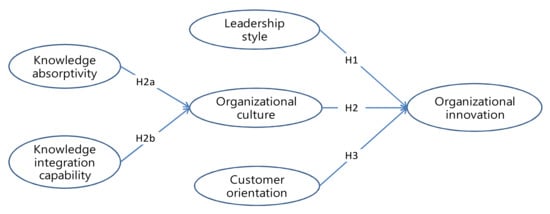
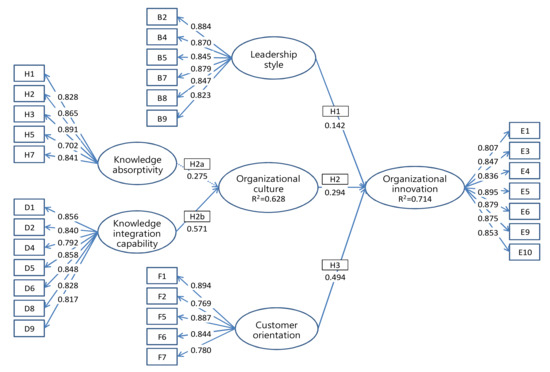
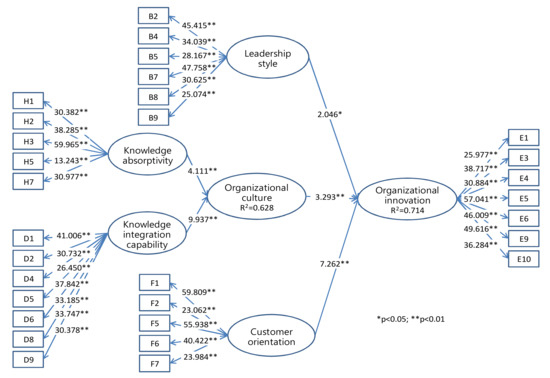
In recent years, the principle of sustainability has received increasing attention in corporate governance, and corporate sustainability is usually achieved through organizational innovation. The purpose of this study is to identify the factors that are critical for companies to influence organizational innovation when promoting Industry 4.0. Our research analyzes the relationship between these factors and Industry 4.0, human resources, and corporate sustainability to investigate organizational innovation and its formative factors against the backdrop of the new industrial era. Integrating partial least squares-structured equation modeling (PLS-SEM), bootstrapping, and other methods, we discover that for companies focusing on promoting Industry 4.0, the most important organizational innovation that affects sustainability is influenced by customer orientation, organizational culture, and leadership style in descending order of influence. Meanwhile, knowledge integration capability (KIC) is more important than knowledge absorptivity. It indicates that in the promotion of Industry 4.0, the trend of sustainability led by the leaders is fading, and the customer-driven trend will become more and more obvious in the future. Full article
Show Figures

Figure 1

2020

Jump to: 2021

Article
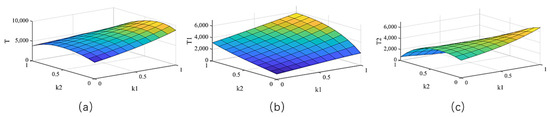
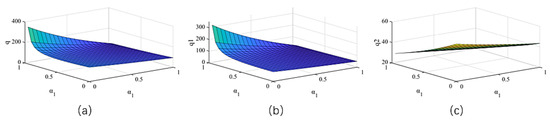
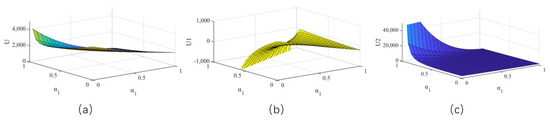
Impact of Strategic Cooperation under Competition on Green Product Manufacturing
Sustainability 2020, 12(24), 10248; https://doi.org/10.3390/su122410248 - 08 Dec 2020
Cited by 10 | Viewed by 672
Abstract
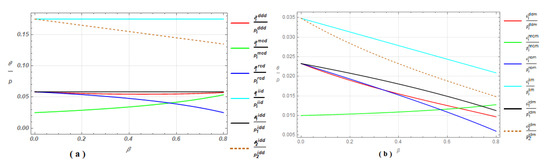
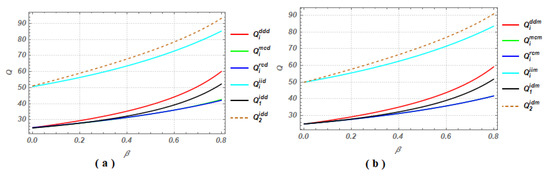
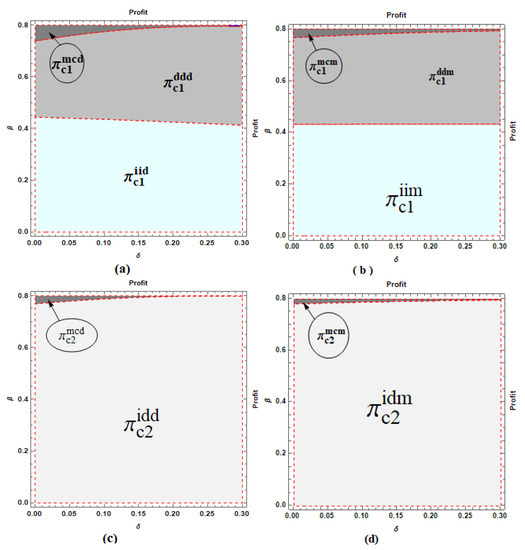
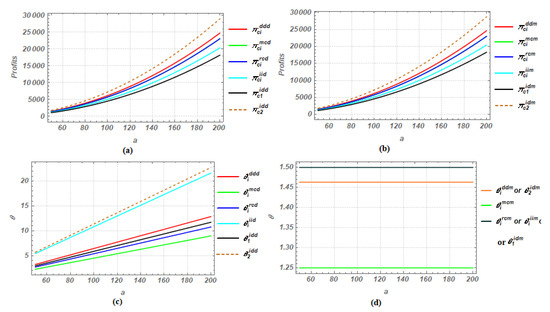
This study explores the optimal pricing and investment decision for two competing green supply chains, both consisting of a manufacturer and an exclusive retailer. Our focus is to explore, does the strategic integration decision with rivals at the horizontal level or with partners [...] Read more.
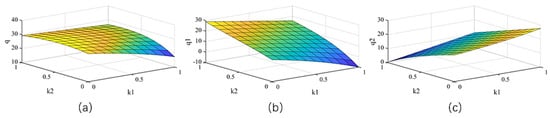
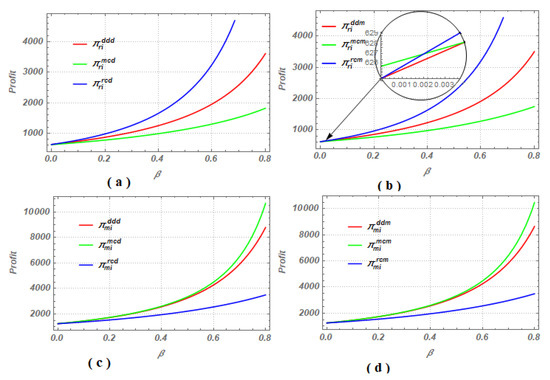
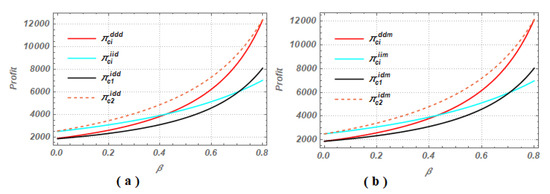
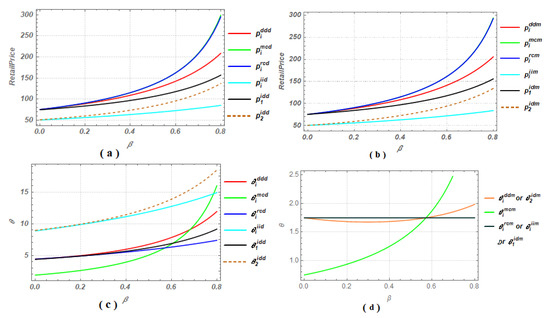
This study explores the optimal pricing and investment decision for two competing green supply chains, both consisting of a manufacturer and an exclusive retailer. Our focus is to explore, does the strategic integration decision with rivals at the horizontal level or with partners at the vertical level have any effect on green product types? The results reveal the following insights: retailer-retailer strategic integration at downstream level leads to a sub-optimal total supply chain profit and green quality level for a development-intensive green product. Two competing manufacturers can produce products at a higher level if they are vertically integrated with respective retailers. Manufacturer-manufacturer integration at upstream level sometimes leads to higher profits and product quality level if cross price-elasticity of consumers is high. However, an opposite phenomenon is observed while they are selling for a marginal-intensive green product, horizontal integration can improve green quality levels, but supply chain members will receive a lower profit. Therefore, selection of green product types and strategic integration decision are interrelated to achieve the profit maximization goal along with the aim to offer products at a higher green quality level. Vertical integration strategy can outperform horizontal integration strategy, especially if cross-price elastic for green products remain high. Full article
Show Figures

Figure 1

Review
Investigating the Theoretical Constructs of a Green Lean Six Sigma Approach towards Environmental Sustainability: A Systematic Literature Review and Future Directions
Sustainability 2020, 12(19), 8247; https://doi.org/10.3390/su12198247 - 07 Oct 2020
Viewed by 724
Abstract
Green lean six sigma (GLSS) is an emerging approach towards environmental sustainability in conjunction with operational achievements. The success of this approach is premised on an understanding of the different components of a GLSS program; being the determinants for its outcomes. The aim [...] Read more.
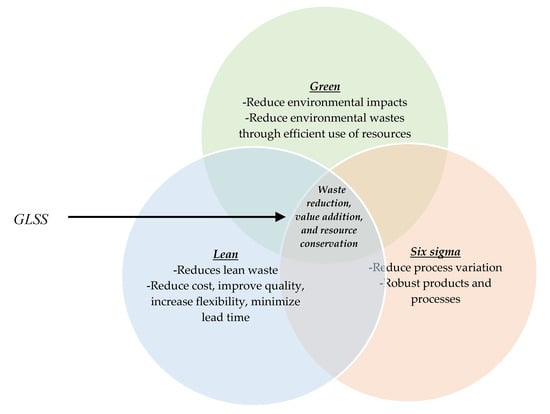
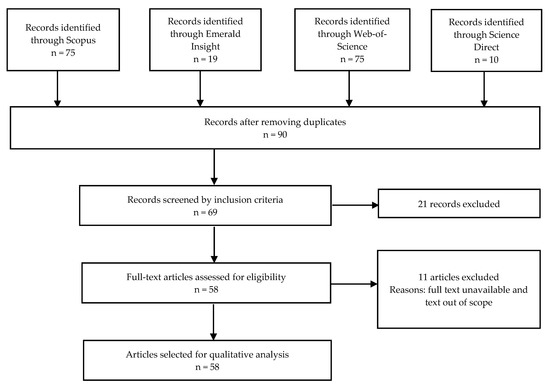
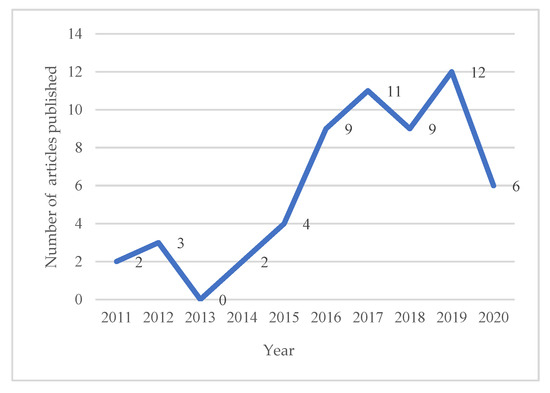
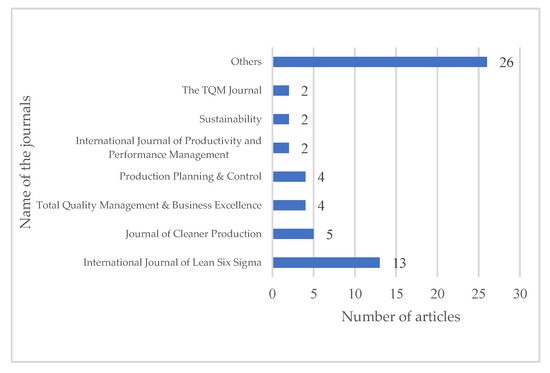
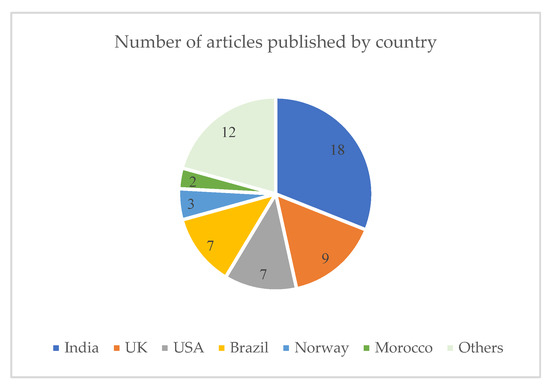
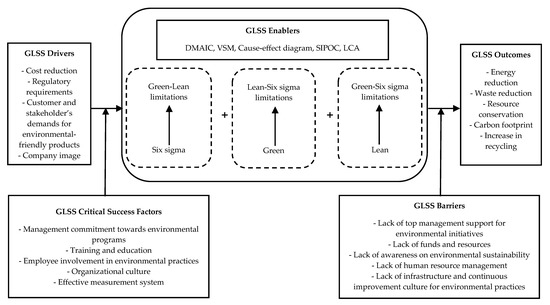
Green lean six sigma (GLSS) is an emerging approach towards environmental sustainability in conjunction with operational achievements. The success of this approach is premised on an understanding of the different components of a GLSS program; being the determinants for its outcomes. The aim of this paper is to investigate the various constructs of GLSS that play an essential role in achieving environmental sustainability. For this purpose, a systematic review of available literature has been conducted to evaluate the drivers, enablers (tools), and outcomes of a GLSS strategy as well as its critical success factors and barriers. Findings reveal that these constructs of GLSS as a holistic approach can facilitate an organization to better accomplish environmental objectives such as waste minimization, emission reduction, and resource conservation as compared to constructs of only one or any two of these strategies. Based on the analysis, an integrated GLSS framework is developed for environmental sustainability in addition to identifying vital research gaps and future directions. Full article
Show Figures

Figure 1

Review
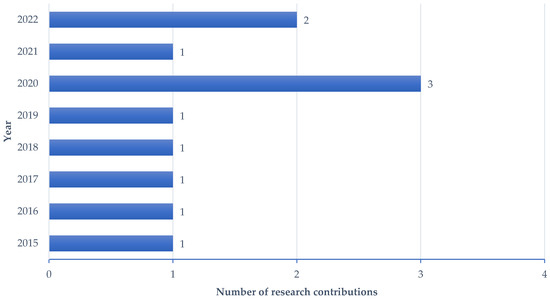
Operational Excellence within Sustainable Development Concept-Systematic Literature Review
Sustainability 2020, 12(19), 7933; https://doi.org/10.3390/su12197933 - 25 Sep 2020
Cited by 1 | Viewed by 724
Abstract
The following paper was developed with a view to identifying the relationship between Sustainable Development and Operational Excellence concepts and to assess the state-of-the-art in Operational Excellence within Sustainable Development concept. Highly unstable business environments and opportunities occurring in the market require a [...] Read more.
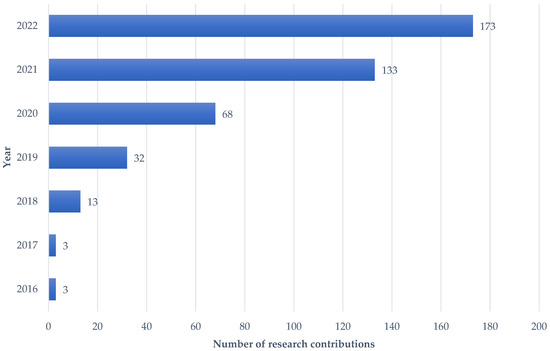
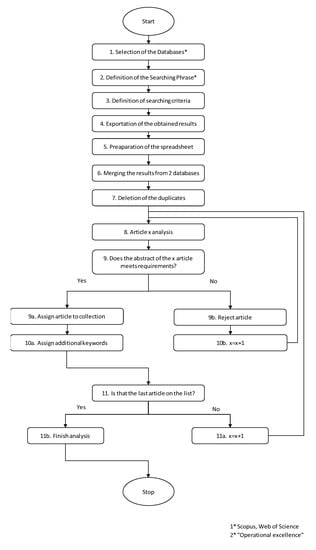
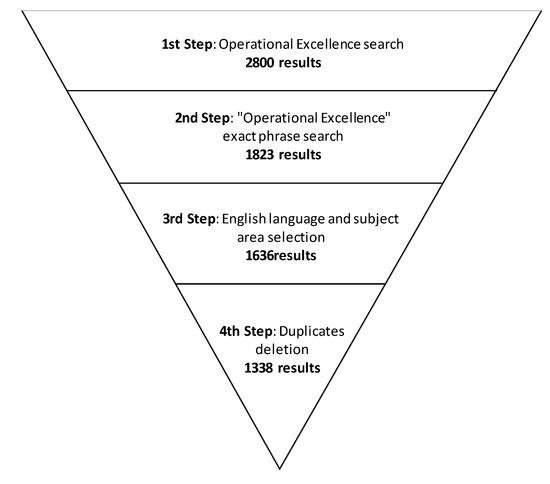
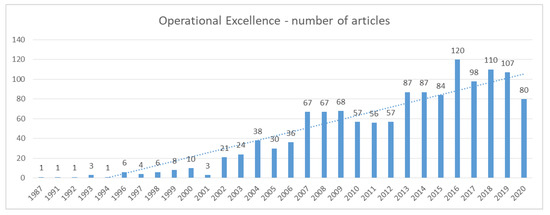
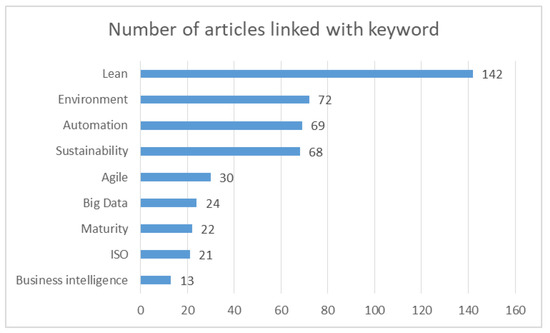
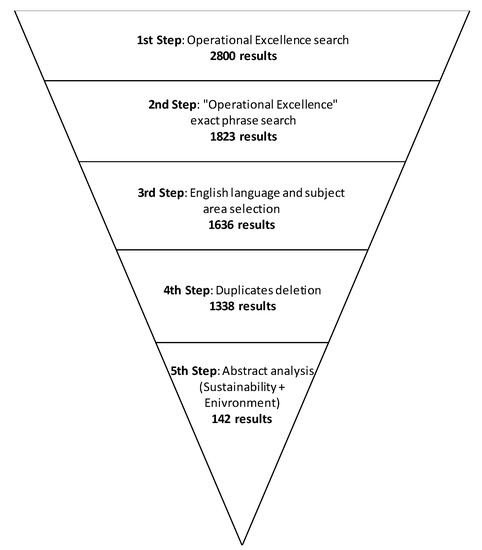
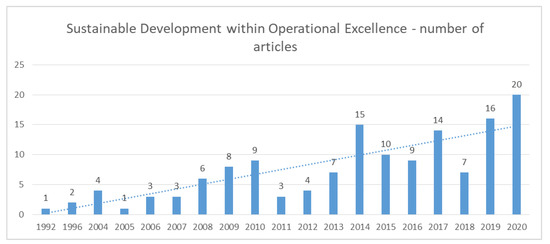
The following paper was developed with a view to identifying the relationship between Sustainable Development and Operational Excellence concepts and to assess the state-of-the-art in Operational Excellence within Sustainable Development concept. Highly unstable business environments and opportunities occurring in the market require a specific approach and knowledge to achieve success. It is the authors’ view that improvements in the delivery of sustainable results through social, environmental, and economic responsibility is possible thanks to modern management concepts, strategies, and tools. These activities and approaches, when properly incorporated, significantly support the functioning of businesses in a responsible and profitable way. This paper outlines a systematic literature review of the subject described above. The literature review has been conducted with the use of two databases: Web of Science and Scopus. The results of the analysis show that there is a visible connection between Operational Excellence and Sustainable Development concepts. On the basis of the review, one can notice a strong relationship between Operational Excellence and management concepts, e.g., Lean Management. Nevertheless, the input of the selected articles based on abstract analysis compared to the whole compilation concerning Sustainable Development shows that there is a gap. The authors believe that this topic is interesting and worth further analysis. Full article
Show Figures

Figure 1
Back to TopTop