Journal Description
Société Internationale d’Urologie Journal
(SIUJ) is an international, peer-reviewed, open access journal that covers all aspects of urology and related fields, published bimonthly online. It is the official journal of the International Society of Urology (SIU).
- Open Access— free for readers and authors (diamond open access), with article processing charges (APC) paid by the Société Internationale d’Urologie.
- Rapid Publication: manuscripts are peer-reviewed and a first decision is provided to authors approximately 51.2 days after submission; acceptance to publication is undertaken in 34.2 days (median values for papers published in this journal in the second half of 2025).
- Recognition of Reviewers: APC discount vouchers, optional signed peer review, and reviewer names published annually in the journal.
Latest Articles
The Indexing Journey
Soc. Int. Urol. J. 2026, 7(3), 44; https://doi.org/10.3390/siuj7030044 - 22 Jun 2026
Abstract
I am sure that editors of all new journals recognise that among their most frequently asked questions are whether the journal is indexed in PubMed and whether it has an Impact Factor [...]
Full article
Open AccessUrology around the World
Integration of Robotic Surgery in African Urology: Measured Progress or Misplaced Priority? A Debate
by
Saleh A. Nedjim, Anteneh Tadesse Kifle, Bencheri Youssef, Kaleab Habtemichael Gebreselassie, Ouima J. D. Ziba, Marcella Derboise Christelle Biyouma, Abdullahi Khalid, Laurent Brureau, Obi Davies Ekwenna, Younes Ahallal, Abhisit Sing, Arvind Ganpule, Aboutaieb Rachid and John Lazarus
Soc. Int. Urol. J. 2026, 7(3), 43; https://doi.org/10.3390/siuj7030043 - 21 Jun 2026
Abstract
In their article entitled “Morocco, a New Era of Robotic Surgery”, published in the Société Internationale d’Urologie Journal, El Anzaoui et al [...]
Full article
Open AccessInteresting Images
Autosomal Dominant Polycystic Kidney Disease Patient, with Exceptionally Enlarged Kidneys
by
Mehdi Salehipour, Alireza Makarem, Dariush Irani, Abdolreza Haghpanah and Ali Eslahi
Soc. Int. Urol. J. 2026, 7(3), 42; https://doi.org/10.3390/siuj7030042 - 21 Jun 2026
Abstract
►▼
Show Figures
A 54-year-old woman, a known case of autosomal dominant polycystic kidney disease (ADPKD) and end-stage renal disease (ESRD) under routine hemodialysis, presented to the urology clinic for pre-renal transplant evaluation [...]
Full article

Figure 1
Open AccessComment
Revisiting Prognostic Nomograms in Upper Tract Urothelial Carcinoma. Comment on Wei et al. External Validation of Postoperative Nomograms in Upper Tract Urothelial Carcinoma Following Radical Nephroureterectomy. Soc. Int. Urol. J. 2026, 7, 40
by
Peter C. Black
Soc. Int. Urol. J. 2026, 7(3), 41; https://doi.org/10.3390/siuj7030041 - 20 Jun 2026
Abstract
Xinyi Wei and colleagues report on outcomes after radical nephroureterectomy for upper tract urothelial carcinoma (UTUC) in 103 patients from a single institution [...]
Full article
Open AccessArticle
External Validation of Postoperative Nomograms in Upper Tract Urothelial Carcinoma Following Radical Nephroureterectomy
by
Xinyi Wei, Samiha Arulshankar, Jasman Bedi, Tran Ngoc An Huynh, Yashvrdhan Khanna, James Huang, Nieroshan Rajarubendra, Kevin Chu, Munad Khan, Matthew Harper, Scott Donnellan and Weranja Ranasinghe
Soc. Int. Urol. J. 2026, 7(3), 40; https://doi.org/10.3390/siuj7030040 - 19 Jun 2026
Abstract
►▼
Show Figures
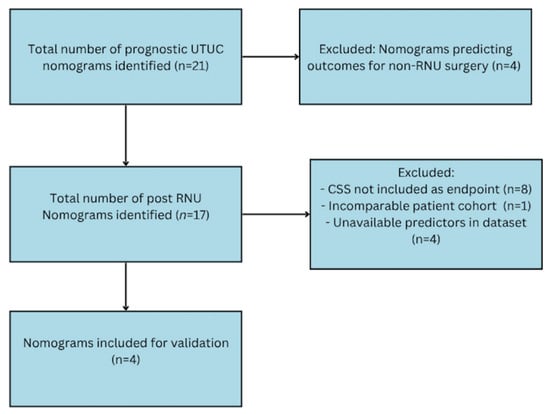
Background/Objectives: To externally validate and compare four postoperative upper tract urothelial carcinoma (UTUC) nomograms in a contemporary Australian radical nephroureterectomy (RNU) cohort, and to identify independent clinicopathological predictors of survival. Methods: We conducted a retrospective study across a multi-site tertiary service in Victoria
[...] Read more.
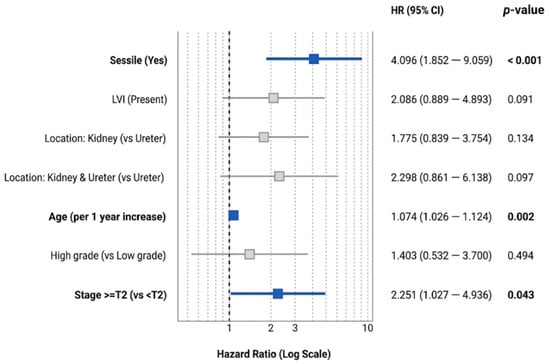
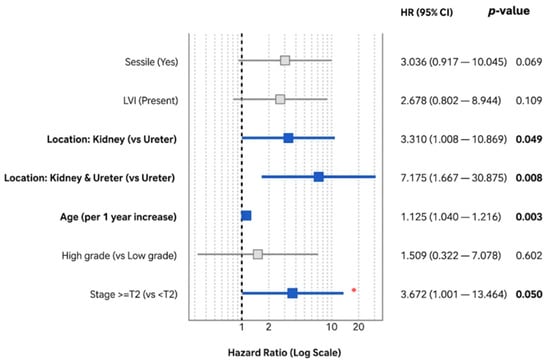
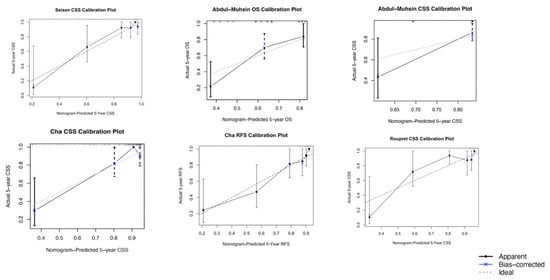
Background/Objectives: To externally validate and compare four postoperative upper tract urothelial carcinoma (UTUC) nomograms in a contemporary Australian radical nephroureterectomy (RNU) cohort, and to identify independent clinicopathological predictors of survival. Methods: We conducted a retrospective study across a multi-site tertiary service in Victoria of patients who underwent RNU for localised UTUC between January 2011 and December 2021. Patients were excluded if RNU was performed for non-UTUC-related reasons or if they had incomplete data. Univariable and multivariable Cox models assessed prognostic factors. Discrimination of the nomograms was evaluated using Harrell’s C-index with bootstrap-corrected calibration. Results: Of 142 total patients undergoing RNU, 103 were included in the final study cohort. In our multivariable Cox regression analysis, increasing age, sessile architecture and higher tumour stage emerged as independent predictive factors for worse overall survival (OS). For cancer-specific survival (CSS), increasing age, higher tumour stage, tumour location in the kidney, and synchronous tumours in the kidney and ureter were statistically significant. Four nomograms (Seisen, Abdul-Muhsin, Cha and Roupret) were identified. External validation showed the best discrimination of CSS for Seisen (C-index 0.814, 95% confidence interval (CI) 0.687–0.915); Abdul-Muhsin had good OS but moderate CSS discrimination (C-index 0.708 and 0.651), Cha showed good CSS but excellent recurrence-free survival (RFS) discrimination (C-index 0.770 and 0.826) and Roupret CSS nomogram showed good CSS discrimination (C-index 0.789, 95% CI (0.653, 0.900). Conclusions: The Seisen nomogram provided the most accurate, well-calibrated five-year cancer-specific predictions after RNU, outperforming the Abdul-Muhsin, Cha and the Roupret models, likely due to its weighting of age, location, and sessile architecture, which are independent predictors of worse CSS. These data endorse a risk-adapted strategy using the Seisen nomogram to guide postoperative counselling, surveillance intensity, and consideration for adjuvant therapy.
Full article

Figure 1
Open AccessComment
Time to Close the Gap. Comment on Deameh et al. The Impact of Social Determinants of Health on Prostate Biopsy: A Systematic Review. Soc. Int. Urol. J. 2026, 7, 38
by
John W. Yaxley
Soc. Int. Urol. J. 2026, 7(3), 39; https://doi.org/10.3390/siuj7030039 - 19 Jun 2026
Abstract
This excellent manuscript from Deameh et al [...]
Full article
Open AccessSystematic Review
The Impact of Social Determinants of Health on Prostate Biopsy: A Systematic Review
by
Mohammad Ghassab Deameh, Wafika A. M. Thaher, Rahma Almari, Omar Mukhtar, Qutiba Alwreikat, Yousef Maher Hassouneh, George Jabrieh, Abdel Rahman Jaber, Shahed Ibrahim, Amr Mohamed Shawkat, Mohamed E. Ashour, Hamza Mohamed, Avi Baskin, Michael Daneshvar, David I. Lee, Tarek Mohamed, Mohamed Ramez and Mohammed Shahait
Soc. Int. Urol. J. 2026, 7(3), 38; https://doi.org/10.3390/siuj7030038 - 19 Jun 2026
Cited by 1
Abstract
►▼
Show Figures
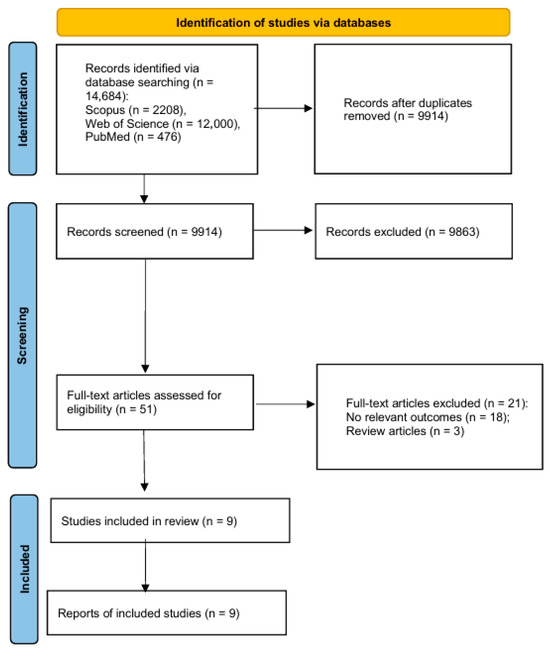
Background/Objectives: Prostate biopsy is essential for diagnosing prostate cancer. Social determinants of health (SDOH), including socioeconomic status, race, occupation, education, and environment, affect access, outcomes, and quality of life. Recognizing disparities from technology access to complications is crucial for equitable care. A
[...] Read more.
Background/Objectives: Prostate biopsy is essential for diagnosing prostate cancer. Social determinants of health (SDOH), including socioeconomic status, race, occupation, education, and environment, affect access, outcomes, and quality of life. Recognizing disparities from technology access to complications is crucial for equitable care. A systematic review examined how SDOH impacts biopsy access, technology, and complications. Methods: A systematic search of PubMed, Web of Science, and Scopus was performed to identify eligible studies published through February 2026. We included studies that evaluated the association between one or more SDOHs and prostate biopsy. Relevant outcomes included biopsy utilization, use of specific biopsy technologies (e.g., magnetic resonance imaging (MRI)-guided, transperineal), and post-procedural complications. Results: Nine observational studies met the inclusion criteria. The findings revealed disparities across three key domains. First, access to advanced biopsy technology was uneven. Four studies showed that Black men were significantly less likely than White men to receive MRI-guided biopsies. Additionally, post-biopsy outcomes showed that Black and Hispanic men faced significantly higher rates of post-biopsy infection and hospitalization compared to White men. Lastly, patients in rural areas, those in public hospitals, and individuals with lower socioeconomic status demonstrated reduced access to modern techniques, including MRI-guided or transperineal biopsy. Conclusions: Social and economic factors influence who receives a prostate biopsy and who has access to advanced technologies. Minority and low-income patients face diagnosis barriers and higher complication rates, highlighting systemic inequities. The healthcare system often rewards access over need, and without bold policy changes, gaps in technology and resources will worsen, moving us further from truly equitable prostate cancer care.
Full article

Figure 1
Open AccessComment
Beyond the Bladder: Exploring the Role of Bowel Function in Patients Undergoing HoLEP. Comment on Tsai et al. The Effects of Preoperative Bowel Function on Lower Urinary Tract Symptoms After Holmium Laser Enucleation of Prostate (HoLEP): A Prospective Study. Soc. Int. Urol. J. 2026, 7, 36
by
David Chung and Smita De
Soc. Int. Urol. J. 2026, 7(3), 37; https://doi.org/10.3390/siuj7030037 - 19 Jun 2026
Abstract
In this month’s issue, Tsai et al [...]
Full article
Open AccessArticle
The Effects of Preoperative Bowel Function on Lower Urinary Tract Symptoms After Holmium Laser Enucleation of Prostate (HoLEP): A Prospective Study
by
Kyle P. Tsai, Nabila Reem Khondakar, Amir Patel, Jenny Guo, Nathan Gill, Alyssa McDonald, Allaa Fadl-Allaa, Perry Xu and Amy E. Krambeck
Soc. Int. Urol. J. 2026, 7(3), 36; https://doi.org/10.3390/siuj7030036 - 18 Jun 2026
Abstract
Background/Objectives: Variations in urinary symptom improvement after benign prostatic hyperplasia (BPH) surgery remain incompletely characterized. Preoperative factors, including bowel dysfunction, may influence postoperative recovery. We evaluated the association between baseline bowel function and urinary outcomes after holmium laser enucleation of the prostate (HoLEP),
[...] Read more.
Background/Objectives: Variations in urinary symptom improvement after benign prostatic hyperplasia (BPH) surgery remain incompletely characterized. Preoperative factors, including bowel dysfunction, may influence postoperative recovery. We evaluated the association between baseline bowel function and urinary outcomes after holmium laser enucleation of the prostate (HoLEP), hypothesizing that worse baseline constipation would be associated with poorer outcomes. Methods: A prospective cohort study of patients undergoing HoLEP by a single surgeon at a high-volume center (December 2023–September 2024) was performed. Patients with neurogenic bladders, bowel disorders, or diabetes mellitus were excluded. Baseline bowel function was assessed using the Constipation Scoring System (CSS) and Vaizey Incontinence Score (VIS). The primary outcomes were 3-month changes in International Prostate Symptom Score (IPSS) and Michigan Incontinence Severity Index (MISI). Associations were evaluated using Spearman correlation and multivariable linear regression. Results: Among 102 patients (median age of 71.6 years), 81 (79.4%) completed follow-up. The median prostate size was 90.5 cc, and 50% had prior urinary retention. The baseline CSS and VIS were low. IPSS, quality of life, and MISI bother improved postoperatively, while MISI severity showed minimal change. Higher CSS correlated with higher VIS (p < 0.001). Baseline CSS and VIS were not associated with changes in IPSS, quality-of-life (QoL), or MISI bother. Baseline VIS was associated with modest improvement in MISI severity (β −1.14, p = 0.01). Conclusions: Baseline bowel function was not associated with urinary symptom improvement after HoLEP. However, preoperative fecal incontinence was associated with improvement in urinary incontinence severity.
Full article
Open AccessArticle
Predictors of Progression to Alternate Minimally Invasive Therapies for Overactive Bladder Following Percutaneous Tibial Nerve Stimulation (PTNS)
by
Allen Ao Guo, Basil Razi, Paul Kim and Amanda Chung
Soc. Int. Urol. J. 2026, 7(3), 35; https://doi.org/10.3390/siuj7030035 - 16 Jun 2026
Abstract
►▼
Show Figures
Background/Objectives: Percutaneous tibial nerve stimulation (PTNS) is a minimally invasive intervention for overactive bladder (OAB) typically utilized in patients for whom behavioural and pharmacological therapies do not work. The aim of this study is to identify predictors of progression to alternate minimally
[...] Read more.
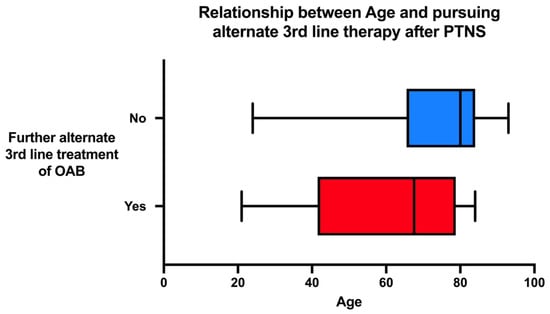
Background/Objectives: Percutaneous tibial nerve stimulation (PTNS) is a minimally invasive intervention for overactive bladder (OAB) typically utilized in patients for whom behavioural and pharmacological therapies do not work. The aim of this study is to identify predictors of progression to alternate minimally invasive treatment options following PTNS in patients with OAB refractory to medical and behavioural therapy. In addition, the aim of this study is to determine predictors of maintenance therapy after completing PTNS induction. Methods: This study is a retrospective cohort analysis of patients that underwent PTNS between March 2018 and June 2023 for management of overactive bladder. The primary outcome of this study is progression to alternate minimally invasive treatment options following PTNS, such as sacral neuromodulation or intradetrusor onabotulinum toxin injections. The secondary outcome of this study is the continuation of maintenance therapy following the initial 12-week PTNS treatment course. Results: A total of 49 patients were included for analysis. Overall, 33% (16/49) of patients had further alternate minimally invasive treatment. Multivariate logistic regression analysis identified only age (odds ratio (OR) = 1.06; p = 0.05) as a significant predictor of progression to alternate minimally invasive OAB treatment following PTNS. Overall, 27 (55%) patients continued with ongoing monthly maintenance PTNS after completing initial weekly treatment for OAB. Multivariate logistic regression only identified sex as a predictor of ongoing maintenance PTNS (OR = 13.2; p = 0.017). Conclusions: The present study identifies younger age as a significant predictor of progression to further minimally invasive OAB treatments after PTNS. Furthermore, female sex was found to be a significant predictor of ongoing maintenance PTNS.
Full article

Figure 1
Open AccessSystematic Review
Challenges of Salvage Holmium Laser Enucleation of the Prostate Following Contemporary Minimally Invasive Surgical Therapies for Benign Prostatic Hyperplasia: A Mixed-Methods Systematic Review with Meta-Analysis
by
Kunind Oberoi, Sadia Hassan, Dan Lenaghan and Kapil Sethi
Soc. Int. Urol. J. 2026, 7(3), 34; https://doi.org/10.3390/siuj7030034 - 16 Jun 2026
Abstract
►▼
Show Figures
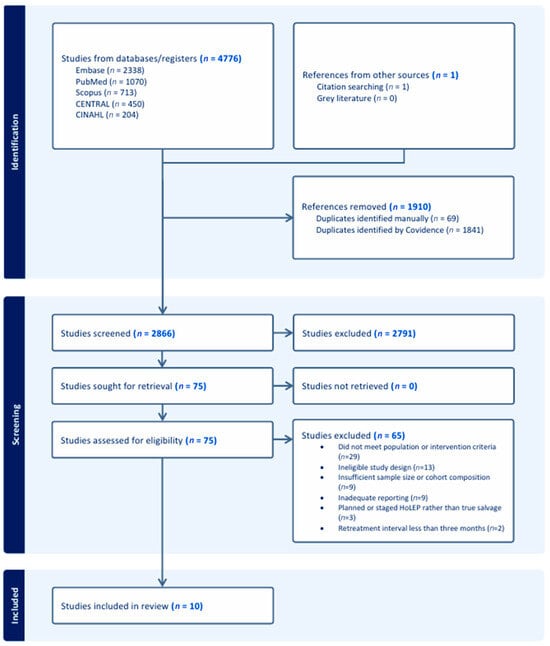
Background/Objectives: Contemporary minimally invasive surgical therapies (MISTs) for benign prostatic hyperplasia carry retreatment rates up to 32%, with holmium laser enucleation of the prostate (HoLEP) increasingly used as salvage therapy. Prior reviews focused on salvage HoLEP (sHoLEP) following transurethral resection; however, technical challenges
[...] Read more.
Background/Objectives: Contemporary minimally invasive surgical therapies (MISTs) for benign prostatic hyperplasia carry retreatment rates up to 32%, with holmium laser enucleation of the prostate (HoLEP) increasingly used as salvage therapy. Prior reviews focused on salvage HoLEP (sHoLEP) following transurethral resection; however, technical challenges specific to the post-MIST field remain uncharacterised. We aimed to characterise technical barriers during sHoLEP following contemporary MISTs, with secondary evaluation of efficacy, safety and feasibility. Methods: Following preferred reporting items for systematic reviews and meta-analyses (PRISMA) guidelines (PROSPERO: CRD420261321711), five databases were searched from inception to February 2026. Studies reporting sHoLEP outcomes in adults with prior MIST were included. Qualitative findings were synthesised thematically; quantitative outcomes reported by three or more studies underwent random-effects meta-analysis. Risk of bias was assessed using methodological index for non-randomized studies methodological index for non-randomized studies (MINORS) and certainty of evidence using grading of recommendations, assessment, development, and evaluation (GRADE). Results: Ten studies (354 sHoLEP, 3618 primary HoLEP (pHoLEP) patients) were included. Technical difficulty was MIST-type dependent: thermoablative procedures and prostatic artery embolisation preserved the enucleation plane, while prostatic urethral lift (PUL) introduced morcellation-specific challenges including blade jamming and staged procedures. Meta-analysis revealed no difference in operative time or tissue weight, but reduced enucleation efficiency (weighted mean difference; WMD −0.11 g/min, p = 0.027) and peak urinary flow improvement (WMD −3.0 mL/s, p < 0.001). Both findings were sensitive to analysis, losing significance on restriction to predominantly MIST cohorts, and the enucleation efficiency result additionally lost significance on removal of the most heavily weighted study (p = 0.94). Complication rates were equivalent (odds ratio (OR) 0.92, p = 0.787). Conclusions: sHoLEP is safe and efficacious following contemporary MIST. Surgeons should anticipate MIST-specific challenges, particularly morcellation difficulties after PUL requiring tailored instrumentation. Prospective MIST-specific studies are needed.
Full article

Figure 1
Open AccessComment
Regional Anesthesia for Open Radical Cystectomy: An Interesting Alternative, but for Whom? Comment on Peich et al. Open Radical Cystectomy Under Combined Spinal-Thoracic Epidural Anesthesia in High-Risk Patients: A Multicenter Retrospective Cohort Study. Soc. Int. Urol. J. 2026, 7, 32
by
Barış Esen and Abdullah Erdem Canda
Soc. Int. Urol. J. 2026, 7(3), 33; https://doi.org/10.3390/siuj7030033 - 11 Jun 2026
Abstract
In the current issue of Société Internationale d’Urologie Journal, Peich et al [...]
Full article
Open AccessArticle
Open Radical Cystectomy Under Combined Spinal-Thoracic Epidural Anesthesia in High-Risk Patients: A Multicenter Retrospective Cohort Study
by
Benedikt Peich, Wilhelm Lindenau, Robert Molchanov and Gralf Popken
Soc. Int. Urol. J. 2026, 7(3), 32; https://doi.org/10.3390/siuj7030032 - 4 Jun 2026
Cited by 1
Abstract
Background/Objectives: To evaluate the feasibility, in-hospital mortality, and perioperative morbidity of open radical cystectomy performed entirely under combined spinal-thoracic epidural anesthesia (CSTEA) in patients with a predominantly high anesthetic risk profile. Methods: This retrospective multicenter cohort study included 145 consecutive adults with histologically
[...] Read more.
Background/Objectives: To evaluate the feasibility, in-hospital mortality, and perioperative morbidity of open radical cystectomy performed entirely under combined spinal-thoracic epidural anesthesia (CSTEA) in patients with a predominantly high anesthetic risk profile. Methods: This retrospective multicenter cohort study included 145 consecutive adults with histologically confirmed bladder cancer who underwent open radical cystectomy with pelvic lymph node dissection and urinary diversion under planned CSTEA at two institutions between 2008 and 2017. The rationale for CSTEA was to preserve spontaneous breathing and avoid planned intubation and neuromuscular blockade in selected patients. The primary endpoint was in-hospital mortality during the index admission. Results: Most patients were classified as American Society of Anesthesiologists (ASA) III (85.5%) or ASA IV (1.4%). Urinary diversion consisted of transureteroureterocutaneostomy in 97 patients (66.9%), ileal conduit in 24 (16.6%), and orthotopic ileal neobladder in 24 (16.6%). No patient required intraoperative conversion to general anesthesia. In-hospital mortality was 0.7% (1/145), and severe complications occurred in 5.5%. Median length of stay was 15 days, and median postoperative pain score was 1. Conclusions: Open radical cystectomy under CSTEA appeared feasible in selected patients and was associated with low in-hospital mortality, low severe complication rates, and favorable early recovery. These findings support CSTEA as a feasibility-based option in experienced centers, while prospective comparative studies using standardized in-hospital, 30-day, and 90-day endpoints are needed.
Full article
Open AccessEditorial
Global Urology in an Era of Geopolitical Division
by
Henry H. Woo
Soc. Int. Urol. J. 2026, 7(2), 31; https://doi.org/10.3390/siuj7020031 - 21 Apr 2026
Abstract
It is difficult to comprehend how much the world has changed since the publication of the last Société Internationale d’Urologie Journal (SIUJ) issue in February [...]
Full article
Open AccessArticle
External Validation of the EAU Guidelines Bot for Urethral Stricture: Accuracy, Completeness, and Clarity Analysis
by
Pietro Spatafora, Riccardo Lombardo, Manfredi Bruno Sequi, Marta Santioni, Eleonora Rosato, Matteo Romagnoli, Sabrina De Cillis, Enrico Checcucci, Daniele Amparore, Mauro Ragonese, Nazario Foschi, Valerio Santarelli, Giorgia Tema, Antonio Franco, Antonio Luigi Pastore, Bernardo Rocco, Mauro Gacci, Sergio Serni, Giacomo Gallo, Vincenzo Pagliarulo, Cristian Fiori, Enrico Finazzi Agrò, Francesco del Giudice, Alessandro Sciarra, Andrea Tubaro and Cosimo De Nunzioadd
Show full author list
remove
Hide full author list
Soc. Int. Urol. J. 2026, 7(2), 30; https://doi.org/10.3390/siuj7020030 - 21 Apr 2026
Abstract
Background/Objectives: Recently the European Association of Urology (EAU) guidelines presented the EAU Guidelines bot to assist urologists in the reading of the guidelines; however, there is a lack of up-to-date external validation. The aim of our study is to assess the accuracy, completeness,
[...] Read more.
Background/Objectives: Recently the European Association of Urology (EAU) guidelines presented the EAU Guidelines bot to assist urologists in the reading of the guidelines; however, there is a lack of up-to-date external validation. The aim of our study is to assess the accuracy, completeness, and clarity of the guidelines bot in urethral strictures. Methods: A total of 117 questions based on the EAU urethral strictures guidelines recommendations were developed. Each question was input to the EAU guidelines bot and the response was assessed by two expert urologists to assess the accuracy, completeness, and clarity. Moreover, 10 simple clinical cases were input. A 5-point Likert scale was used as a score and, in case of discrepancies, a third urologist was queried. Accuracy, completeness and clarity were assessed per chapter and per grade of recommendation. All questions and answers were recorded in an Excel file. Results: Overall 117 questions were developed. In terms of accuracy, 111/117 (95%) were defined as accurate (scores 4–5), 4/117 (3%) presented a fair accuracy (score 3), and 2/117 (2%) were deemed not accurate. In terms of completeness, 93/117 (80%) were defined as complete (scores 4–5), 22/117 (19%) presented a fair completeness (score 3), and 2/117 (2%) were deemed not complete. Finally, in terms of clarity, 104/117 (89%) were defined as clear (scores 4–5), 13/117 (11%) presented a fair clarity (score 3), and 0/109 (0%) were deemed not clear. When comparing strong and weak recommendations, no differences were recorded. Overall the answers to simple clinical cases were in line with the guidelines with good accuracy, completeness and clarity scores. Conclusions: The EAU guidelines bot represents an accurate tool for urethral stenosis guidelines. Some fine-tuning is needed to improve readability and clarity.
Full article
Open AccessArticle
Impact of Expedited Ureteroscopy on Emergency Department Utilisation in Stented Patients with Urolithiasis
by
Henry Wang, Christine Zhao, Andrew Brooks, Ankur Dhar and Simon Bariol
Soc. Int. Urol. J. 2026, 7(2), 29; https://doi.org/10.3390/siuj7020029 - 20 Apr 2026
Abstract
Background/Objectives: Ureteric stents are commonly used in the management of urolithiasis but are associated with significant morbidity, leading to unplanned emergency department presentations and increased healthcare utilisation. This study aimed to evaluate whether reducing ureteric stent dwell time from three months to one
[...] Read more.
Background/Objectives: Ureteric stents are commonly used in the management of urolithiasis but are associated with significant morbidity, leading to unplanned emergency department presentations and increased healthcare utilisation. This study aimed to evaluate whether reducing ureteric stent dwell time from three months to one month was associated with reduced stent-related emergency presentations. Secondary objectives were to assess post-ureteroscopy infective complications and identify predictors of emergency attendance. Methods: A retrospective cohort study was conducted across Western Sydney Local Health District, comparing patients undergoing ureteric stenting prior to ureteroscopy before (n = 189) and after (n = 244) an institutional policy change reducing time to definitive surgery from three months to one month. Patients aged ≥16 years with urolithiasis were included. Results: Following the policy change, mean waiting time for ureteroscopy decreased from 97.3 to 40.6 days. The proportion of patients presenting to the emergency department (ED) for stent-related symptoms decreased from 31.7% to 16.4% (p < 0.001), and mean presentations per patient declined from 0.60 to 0.21 (p < 0.001). Stent irritation accounted for most presentations. Using multivariable analysis, age < 50 years, immunosuppression, and positive pre-operative urine cultures were independently associated with ED attendance. Post-ureteroscopy infective complications were lower in the shortened dwell-time cohort (2.0% vs. 4.2%) but did not reach statistical significance (p = 0.26). Conclusions: Reducing routine ureteric stent dwell time from three months to one month was associated with significantly fewer stent-related emergency presentations. Shorter dwell protocols may reduce patient morbidity and healthcare utilisation and could be associated with lower rates of post-ureteroscopy infective complications.
Full article
Open AccessArticle
Uroflowmetry or Urethroscopy as a Surveillance Tool After End-to-End Anastomotic Urethroplasty Done for PFUI—A Blinded Study
by
Soumya Shivasis Pattnaik, Ganesh Gopalakrishnan, Sistla Bobby Viswaroop, Myilswamy Arul, Natarajan Sridharan, Marimuthu Kanagasabapathi and Sangampalayam Vedanayagam Kandasami
Soc. Int. Urol. J. 2026, 7(2), 28; https://doi.org/10.3390/siuj7020028 - 20 Apr 2026
Abstract
►▼
Show Figures
Background/Objectives: Uroflowmetry is done in the surveillance period after End-to-end Anastomotic Urethroplasty for pelvic fracture urethral injury. But is maximum flow rate a reliable surrogate for urethral calibre in these cases? The above question laid the foundation of the study. The aim
[...] Read more.
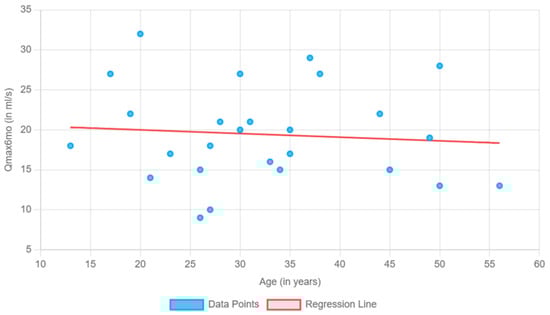
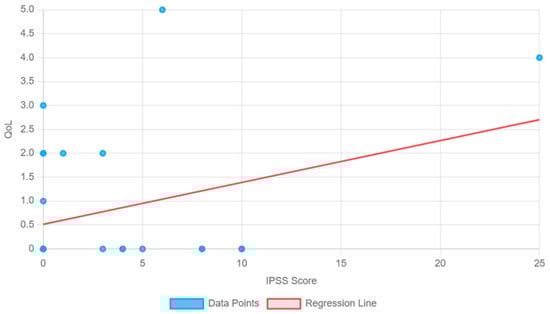
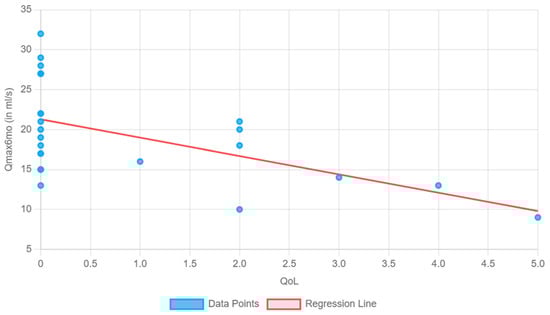
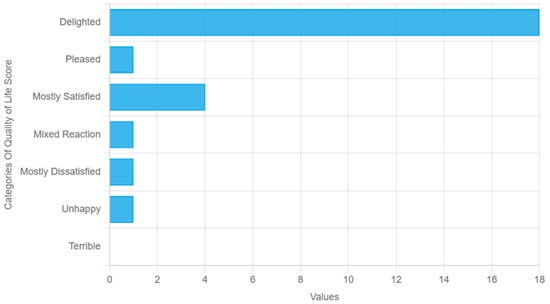
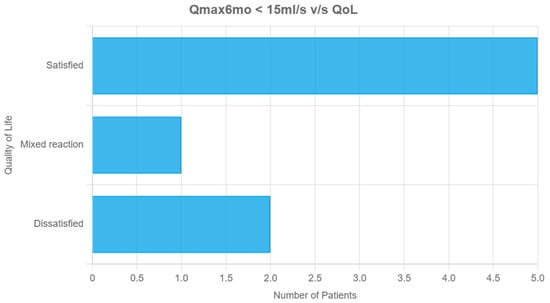
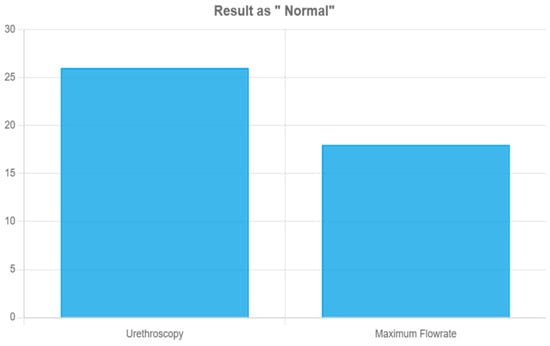
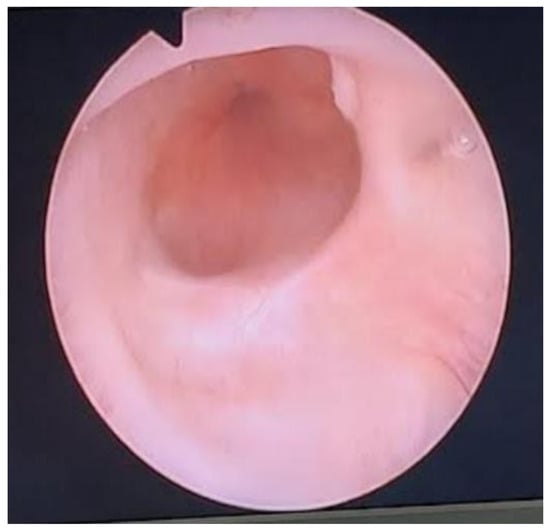
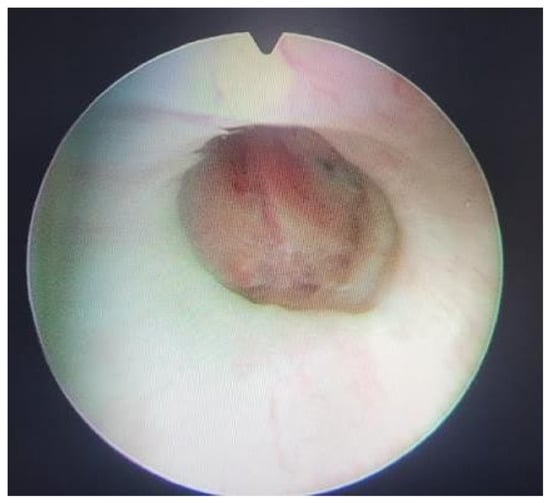
Background/Objectives: Uroflowmetry is done in the surveillance period after End-to-end Anastomotic Urethroplasty for pelvic fracture urethral injury. But is maximum flow rate a reliable surrogate for urethral calibre in these cases? The above question laid the foundation of the study. The aim of the study was: “Is uroflowmetry alone sufficient to predict a successful outcome following urethroplasty after pelvic fracture urethral injury (PFUI)?” Methods: We conducted a prospective masked study of all patients undergoing end-to-end anastomosis (EEA) urethroplasty for PFUI from January 2017 to September 2022. The first follow-up was 4 weeks after surgery, micturating cystourethrogram (MCU) was done after urethral catheter removal and at the same time, uroflowmetry was also done. The second follow-up was 6 months after surgery, when uroflowmetry was repeated, and urethroscopy was performed. The urologist performing urethroscopy was blinded to the uroflowmetry results. Results: In total, 26 patients were included in the study. After 6 months, 1 patient had poor flow (maximum flow rate [Q max] < 10 mL/s), 7 patients had flow with Q max 10–15 mL/s, and 18 patients had normal flow (Q max > 15 mL/s). On urethroscopy, all patients had a normal and easily passable urethra. The International Prostate Symptom Score (IPSS) and quality of life (QoL) scores showed a positive correlation. The urologist performing urethroscopy and the investigator recording uroflowmetry reached different conclusions. Conclusions: A reduced peak on uroflowmetry after EEA urethroplasty in PFUI does not always indicate surgical failure. Urethroscopy enables direct visualisation of the anastomotic site and provides more detailed information than uroflowmetry. The IPSS score and quality of life are more important than Q max alone.
Full article

Figure 1
Open AccessArticle
Artificial Intelligence Chatbots as Information Sources on Testicular Cancer: Quality, Readability and Actionability
by
Harrison Lucas, Brendan Dittmer, Peter Stapleton, Ben Tran, Niall M. Corcoran and Niranjan Sathianathen
Soc. Int. Urol. J. 2026, 7(2), 27; https://doi.org/10.3390/siuj7020027 - 19 Apr 2026
Abstract
►▼
Show Figures
Background/Objectives: Testicular cancer is one of the most common malignancies affecting young adult males. With the rise in artificial intelligence (AI) platforms, many patients seek health information online. Yet chatbot responses specific to testicular cancer remain unassessed. This study aims to evaluate
[...] Read more.
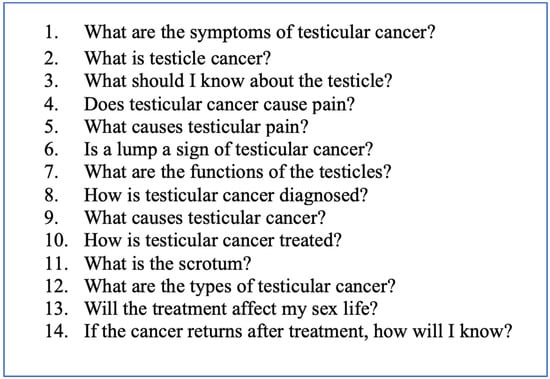
Background/Objectives: Testicular cancer is one of the most common malignancies affecting young adult males. With the rise in artificial intelligence (AI) platforms, many patients seek health information online. Yet chatbot responses specific to testicular cancer remain unassessed. This study aims to evaluate the role of AI chatbots in providing patient information about testicular cancer in terms of its quality, readability and actionability. Methods: Fourteen frequently asked questions about testicular cancer were identified using Google Trends and the Cancer Council Australia website. Questions were then inputted into four different publicly accessible AI platforms: ChatSonic, Bing AI, ChatGPT 4.0 and Perplexity. Chatbot responses were recorded and evaluated using three validated instruments: DISCERN (1–5), Patient Education Materials Assessment Tool (PEMAT)-Understandability and Actionability (0–100%) and Flesch-Kincaid readability scores. Results: All platforms scored low on the DISCERN score with a median of 1 (interquartile range [IQR] 1–4). The median readability score was 34.1 (IQR 26.0–52.2), indicating a reading level suitable for college students. The median word count was 61.5 (IQR, 41.3–91.3). The overall PEMAT-Understandability was moderate (median 58.3, 50.0–66.7), whilst the PEMAT-Actionability was very poor (median 0, IQR 0–25). Conclusions: AI chatbots deliver moderately understandable information on testicular cancer, but this information is typically not actionable and is delivered at an above-average reading level. Despite this, patients may continue to use AI chatbots (AICs) to access health information. It is important that clinicians counsel patients on the benefits and downfalls of this strategy, advocating for the use of AICs as an adjunct rather than a replacement for clinician-led education.
Full article

Figure 1
Open AccessArticle
The Efficacy and Safety Profile of UroLift for Management of Benign Prostatic Hyperplasia in Australia
by
Harrison Lucas, David Homewood, Suzanne Wallace, Helen O’Connell, Justin Chee, Vy Tran, Niall M. Corcoran and Mariolyn Rajakulenthiran
Soc. Int. Urol. J. 2026, 7(2), 26; https://doi.org/10.3390/siuj7020026 - 18 Apr 2026
Abstract
►▼
Show Figures
Background/Objectives: For men with bothersome lower urinary tract symptoms (LUTS) secondary to benign prostatic hyperplasia (BPH) requiring surgical intervention, UroLift has been shown to be an effective and durable, minimally invasive method. Methods: A retrospective review was conducted for 72 patients
[...] Read more.
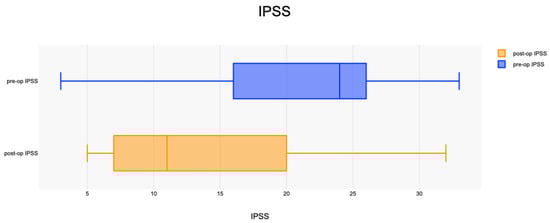
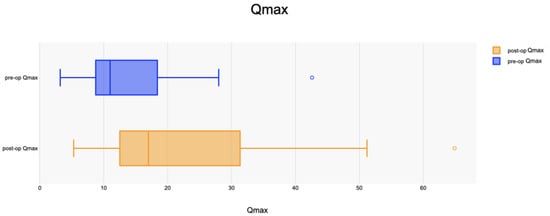
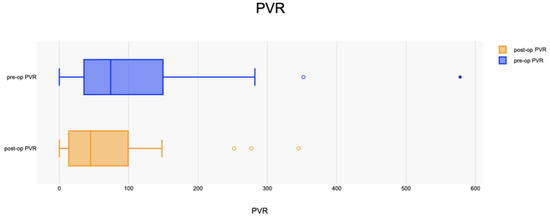
Background/Objectives: For men with bothersome lower urinary tract symptoms (LUTS) secondary to benign prostatic hyperplasia (BPH) requiring surgical intervention, UroLift has been shown to be an effective and durable, minimally invasive method. Methods: A retrospective review was conducted for 72 patients who underwent UroLift at a single hospital in Australia between 2018 and 2025. Data regarding baseline demographics, the pre- and post-operative International Prostate Symptom Score (IPSS), maximum urinary flow rate (Qmax), the post-void residual (PVR), and complications were collected prospectively. Inclusion criteria for patients selected for UroLift were males over 50 years with a prostate volume between 20 and 70 mL, pre-operative PVR of <350 mL and Qmax and IPSSs of <15 mL/s and >12 respectively. The purpose of this study is to assess the clinical outcomes of patients treated with UroLift at our institution and compare these findings to the existing literature. Results: Complete data was available for 34 patients. Our cohort had a median age of 63.0 years (interquartile range [IQR] 58.0–69.0) and UroLift was performed using a median number of 4.05 implants per patient. Median prostate volume (mL) was 43.0 (IQR 38.0–59.0). Post-operatively, the median percentage changes in the IPSS, Qmax (mL/s) and PVR (mL) were −30.9% (IQR 5.8–−71.1, p = 0.0048), 40.1% (IQR −6.6–165.1, p = 0.0159) and −36.4% (IQR −84.6–29.8, p = 0.0232), respectively. Most patients (n = 24, 73.5%) were discharged on the same day of the UroLift procedure with the remainder (n = 9, 26.5%) being discharged on day 1 post-operatively. The median time (months) for post-operative review was 2 (IQR 0.9–3.3). Conclusions: UroLift is safe, effective, and a minimally invasive treatment option in suitable patients with bothersome LUTS requiring surgical intervention.
Full article

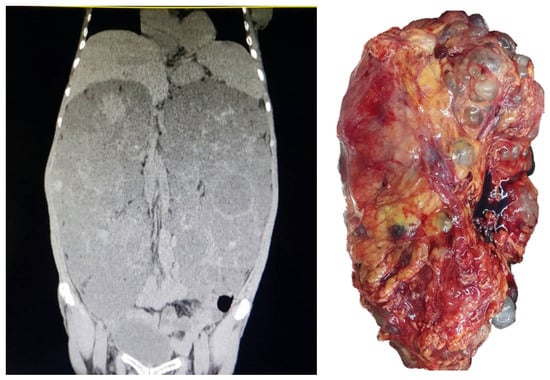
Figure 1
Open AccessArticle
Can Computed Tomography Findings for Kidney, Ureter and Bladder Correlate with Medical Comorbidity in Renal Colic Patients?
by
Lara Sharpe, Basil Razi, Cheryl Fung, Rajni Lal, Marnique Basto and Henry H. Woo
Soc. Int. Urol. J. 2026, 7(2), 25; https://doi.org/10.3390/siuj7020025 - 17 Apr 2026
Abstract
►▼
Show Figures
Background/Objectives: Sarcopenia is a progressive skeletal muscle disorder linked to adverse outcomes. Computed Tomography (CT) can quantify skeletal muscle, while the Charlson Comorbidity Index (CCI) predicts mortality by categorising comorbidities. This study examined whether Computed Tomography of the Kidneys, Ureters, and Bladder (CT-KUB)-derived
[...] Read more.
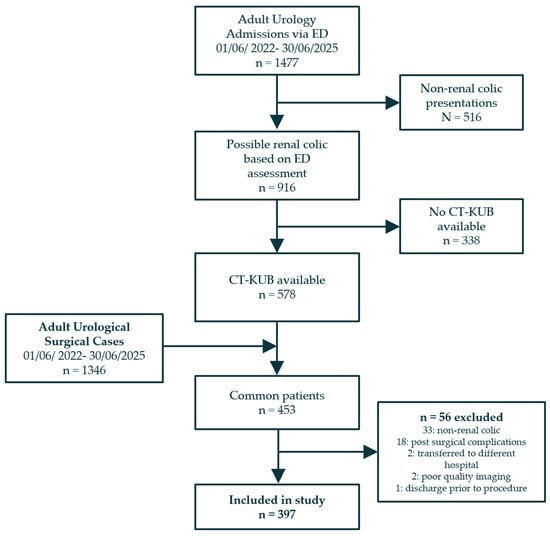
Background/Objectives: Sarcopenia is a progressive skeletal muscle disorder linked to adverse outcomes. Computed Tomography (CT) can quantify skeletal muscle, while the Charlson Comorbidity Index (CCI) predicts mortality by categorising comorbidities. This study examined whether Computed Tomography of the Kidneys, Ureters, and Bladder (CT-KUB)-derived skeletal muscle measurements correlate with CCI scores in hospitalised patients. Methods: This retrospective study included all patients admitted with renal colic to the Urology Department, Blacktown Hospital and underwent cystoscopy between June 2022 and June 2025. Data were obtained from electronic medical records. CCI scores, incorporating age and comorbidities, generated 10-year survival estimates. CT-KUB scans were reviewed for psoas muscle perimeter, area, height, width and Hounsfield unit at the aortic bifurcation. Skeletal Muscle Index (SMI) was calculated as skeletal muscle area (SMA)/height2. Associations between CCI, psoas muscle metrics and outcomes (length of stay, Intensive Care Unit (ICU) admission, Emergency Department (ED) re-presentation) were assessed using Pearson’s correlations and between-group comparisons. Results: A total of 397 patients were analysed. Median Length of Stay (LOS) was 1 day (mean = 1.92, SD = 1.88). ICU admission occurred in 2.3% of patients, and 18.6% re-presented to ED within 30 days. Both CCI survival percentage and psoas muscle metrics (including SMI) were significantly associated with LOS. Lower SMA, Hounsfield unit (HU), length and perimeter were linked to higher ICU admission risk. Neither CCI nor muscle measures predicted ED re-presentation. Conclusions: CCI and CT-derived muscle metrics were independently associated with outcomes such as LOS and ICU admission. Combining these measures may improve risk stratification, warranting further prospective evaluation.
Full article
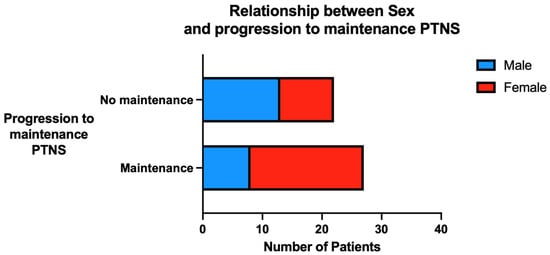
Figure 1
Highly Accessed Articles
Latest Books
E-Mail Alert
News
Topics