Dear Colleagues,
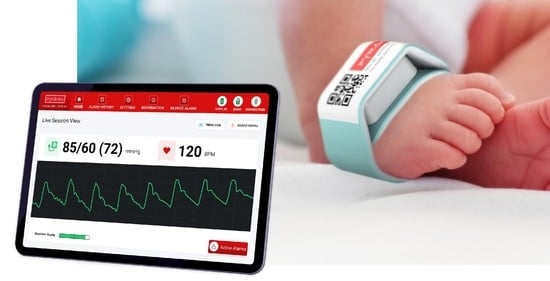
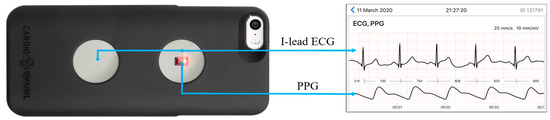
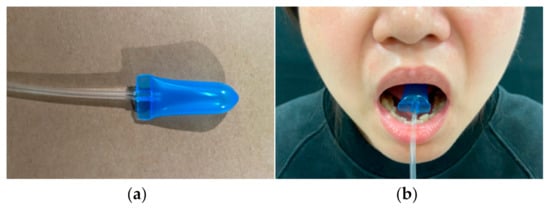
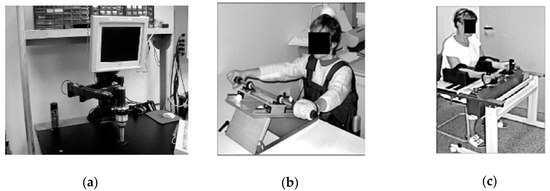
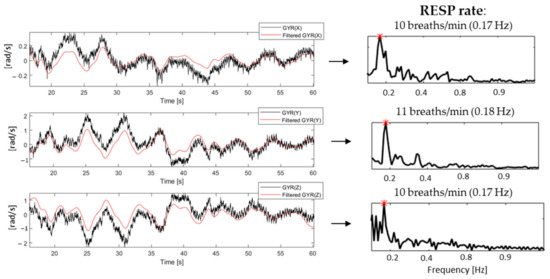
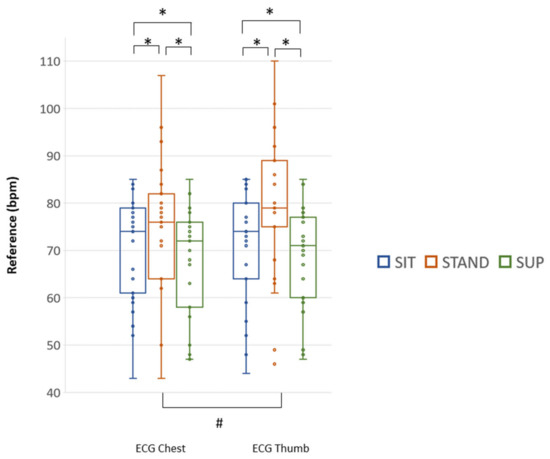
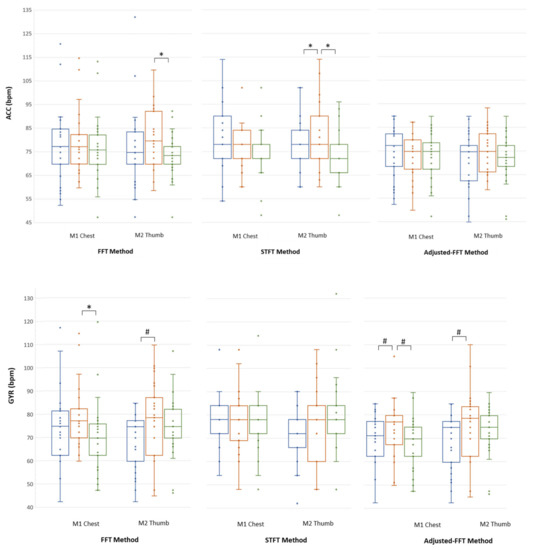
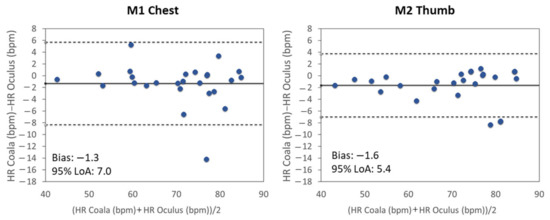
In the context of digital health, there has been a significant increase in research for developing sensors (mechanical, electrical, biochemical) able to collect physiological signals resulting in novel biomarkers useful to monitor human health. These sensors can be an integral part of specific medical devices but could also be embedded or connected to widespread technology (e.g., smartphones), thus widening their potential in their use in a variety of clinical scenarios (e.g., self-measurement), where physiological data collection can reveal important information for the management of patient health. Indeed, thanks to technological advances, data acquisition previously carried out in dedicated laboratories with costly hardware can now be performed via wearable technology during the activities of daily life, ubiquitously, and at a considerably lower price.
Not only could these data help physicians in making the right diagnosis, but also in quantifying the patient adherence to therapy, and in following the different stages during the rehabilitation process.
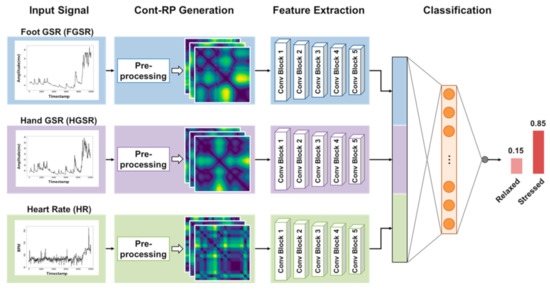
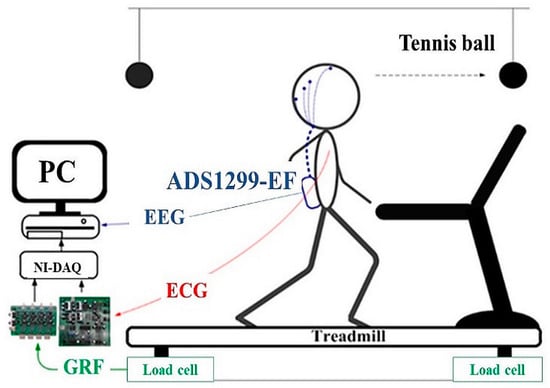
The goal of this Topic Collection is to provide a survey of the state-of-the-art sensing technology for health and to present the latest research, with particular focus on biomedical data sensing and processing, dynamic modeling, analysis and control for clinical diagnosis, and using biosignals as feedback in controlled processes, such as drug delivery and rehabilitation.
Contributions to this Topic Collection are invited from groups active in this field of research, through original papers and focused reviews.
Prof. Enrico G. Caiani
Collection Editor
Manuscript Submission Information
Manuscripts should be submitted online at www.mdpi.com by registering and logging in to this website. Once you are registered, click here to go to the submission form. All submissions that pass pre-check are peer-reviewed. Accepted papers will be published continuously in the journal (as soon as accepted) and will be listed together on the collection website. Research articles, review articles as well as short communications are invited. For planned papers, a title and short abstract (about 250 words) can be sent to the Editorial Office for assessment.
Submitted manuscripts should not have been published previously, nor be under consideration for publication elsewhere (except conference proceedings papers). All manuscripts are thoroughly refereed through a single-anonymized peer-review process. A guide for authors and other relevant information for submission of manuscripts is available on the Instructions for Authors page. Sensors is an international peer-reviewed open access semimonthly journal published by MDPI.
Please visit the Instructions for Authors page before submitting a manuscript.
The Article Processing Charge (APC) for publication in this open access journal is 2600 CHF (Swiss Francs).
Submitted papers should be well formatted and use good English. Authors may use MDPI's
English editing service prior to publication or during author revisions.