Advances in Polymer Films and Coatings: Preparation, Characterization and Applications

A special issue of Processes (ISSN 2227-9717). This special issue belongs to the section "Materials Processes".

Deadline for manuscript submissions: 31 July 2026 | Viewed by 5069

Special Issue Editors


E-Mail Website
Guest Editor
Department of Chemical Engineering, Dr. B.R. Ambedkar National Institute of Technology, Jalandhar 144011, India
Interests: thin-film polymeric functional coatings; modeling and simulation; hydrogen energy; surfactant-enhanced drying; process engineering; CO2 sequestration; water treatment
Special Issues, Collections and Topics in MDPI journals

E-Mail Website
Guest Editor
Department of Chemistry, Aristotle University of Thessaloniki, Plagiari Thes., P.O. Box 454, 57500 Epanomi, Greece
Interests: mathematical modeling; high pressure LDPE reactors; simulation; population balances; free radical copolymerization; gel effect; in situ polymerization; nanocomposites; diffusion controlled reactions
Special Issues, Collections and Topics in MDPI journals

Special Issue Information

Dear Colleagues,

Polymer films and coatings play a critical role in diverse industries, including healthcare, packaging, electronics, automotive, and aerospace. Recent advancements in polymer synthesis, functionalization, and characterization techniques have led to the development of high-performance coatings with enhanced mechanical, thermal, optical, and barrier properties. Furthermore, the emergence of sustainable and bio-based coatings has gained significant attention due to growing environmental concerns and regulatory restrictions.

This Special Issue aims to bring together the latest research and developments in polymer films and coatings, focusing on their preparation, characterization, and applications. Contributions that highlight innovative synthesis methods, advanced characterization techniques, theoretical modeling, and industrial applications are particularly encouraged.

Topics of Interest

We invite researchers and industry professionals to submit original research articles, reviews, and perspectives on topics including, but not limited to, the following:

  • Novel polymer film and coating formulations;
  • Functional coatings with antimicrobial, self-healing, or smart properties;
  • Advances in drying, curing, and crosslinking mechanisms;
  • Advanced characterization techniques for structural and functional analysis;
  • Modeling and simulation of coating formation and performance;
  • Sustainable and bio-based polymer coatings;
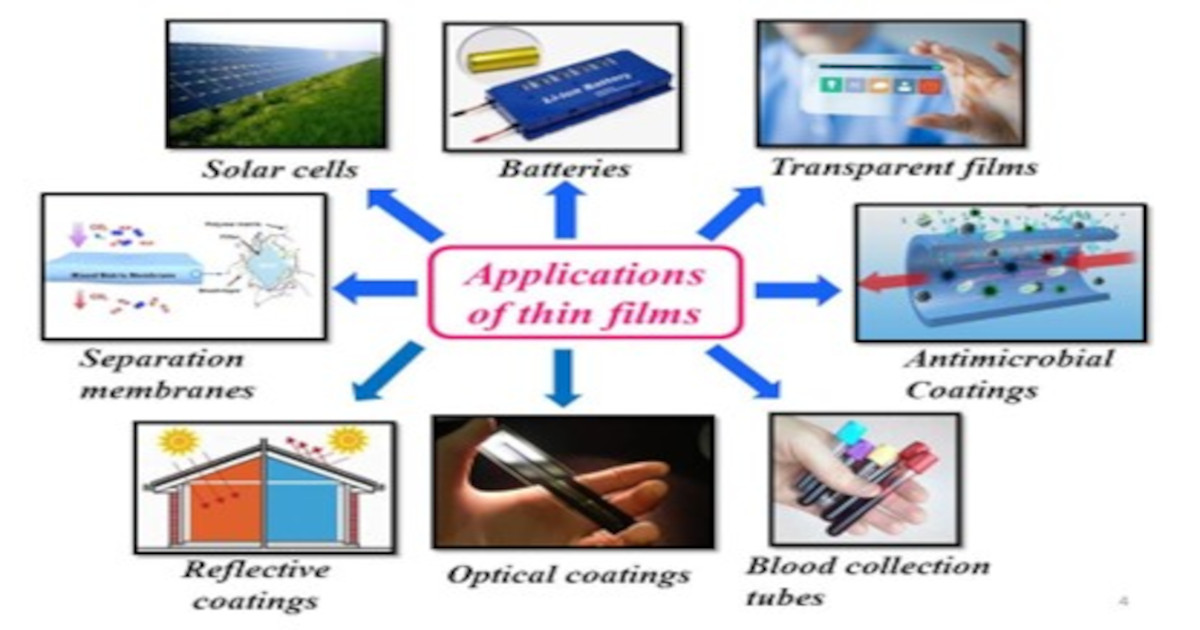
  • Applications in healthcare, energy, automotive, packaging, and electronics.

Dr. Raj Kumar Arya
Dr. George Verros
Guest Editors

Manuscript Submission Information

Manuscripts should be submitted online at www.mdpi.com by registering and logging in to this website. Once you are registered, click here to go to the submission form. Manuscripts can be submitted until the deadline. All submissions that pass pre-check are peer-reviewed. Accepted papers will be published continuously in the journal (as soon as accepted) and will be listed together on the special issue website. Research articles, review articles as well as short communications are invited. For planned papers, a title and short abstract (about 250 words) can be sent to the Editorial Office for assessment.

Submitted manuscripts should not have been published previously, nor be under consideration for publication elsewhere (except conference proceedings papers). All manuscripts are thoroughly refereed through a single-blind peer-review process. A guide for authors and other relevant information for submission of manuscripts is available on the Instructions for Authors page. Processes is an international peer-reviewed open access semimonthly journal published by MDPI.

Please visit the Instructions for Authors page before submitting a manuscript. The Article Processing Charge (APC) for publication in this open access journal is 2400 CHF (Swiss Francs). Submitted papers should be well formatted and use good English. Authors may use MDPI's English editing service prior to publication or during author revisions.

Keywords

  • polymer films
  • functional coatings
  • sustainable coatings
  • advanced characterization
  • smart coatings
  • bio-based polymers
  • drying and curing mechanisms
  • barrier properties
  • antimicrobial coatings
  • modeling and simulation of coatings

Benefits of Publishing in a Special Issue

  • Ease of navigation: Grouping papers by topic helps scholars navigate broad scope journals more efficiently.
  • Greater discoverability: Special Issues support the reach and impact of scientific research. Articles in Special Issues are more discoverable and cited more frequently.
  • Expansion of research network: Special Issues facilitate connections among authors, fostering scientific collaborations.
  • External promotion: Articles in Special Issues are often promoted through the journal's social media, increasing their visibility.
  • Reprint: MDPI Books provides the opportunity to republish successful Special Issues in book format, both online and in print.

Further information on MDPI's Special Issue policies can be found here.

Published Papers (4 papers)

Order results
Result details
Select all
Export citation of selected articles as:

Research

Jump to: Review

14 pages, 3369 KB  
Article
Modeling of Surfactant Enhanced Drying of Polymeric Coatings Using Random Forest Regressor
by Chitresh Kumar Bhargava, Rahul Shrivastava, Bhavya Tiwari, Kaushiki Dubey, Aman Pathania, Kaushal Naresh Gupta, Manju Rawat, Rahul Kumar, Amit Thakur, George D. Verros and Raj Kumar Arya
Processes 2025, 13(11), 3722; https://doi.org/10.3390/pr13113722 - 18 Nov 2025
Viewed by 439
Abstract
Surfactant-based drying of polymeric coatings is a highly non-linear complex process due to the involvement of simultaneous heat and mass transfer. It is quite challenging to model this type of system mathematically. We resorted to a data-driven technique to model this type of [...] Read more.
Surfactant-based drying of polymeric coatings is a highly non-linear complex process due to the involvement of simultaneous heat and mass transfer. It is quite challenging to model this type of system mathematically. We resorted to a data-driven technique to model this type of system. A potent machine learning approach called the random forest (RF) regressor was introduced in this work to model the drying of poly(styrene)-p-xylene coatings improved by surfactants. This model was developed using experimental data. A substantial number of samples were collected by conducting experiments at a wide range of operating conditions. Apart from the accuracy of predicting coating weight loss for given values of inputs, model performance was also evaluated for the variation in the number of samples, and feature extraction was also done, which is an additional advantage of the random forest. Our results demonstrate that the random forest model trained with 80% samples is able to predict coating weight loss with less than ±0.5% error, and even a model trained with just 20% samples is able to predict the remaining 80% samples with just ±2%  error. It also outperformed the regression tree and the artificial neural network (ANN) used in previous studies for the same dataset. Full article
Show Figures

Graphical abstract

33 pages, 5397 KB  
Article
Enhanced Mechanical Properties of Irradiated Ethylene-Vinyl Acetate Copolymer
by Anna Svarcova and Petr Svoboda
Processes 2025, 13(5), 1562; https://doi.org/10.3390/pr13051562 - 18 May 2025
Viewed by 1821
Abstract
This study investigated the effects of electron beam radiation on the room-temperature and high-temperature mechanical properties of two ethylene-vinyl acetate (EVA) copolymers, designated EVA 206 and EVA 212. These copolymers had varying vinyl acetate (VA) contents (6 wt.% and 12 wt.%), with the [...] Read more.
This study investigated the effects of electron beam radiation on the room-temperature and high-temperature mechanical properties of two ethylene-vinyl acetate (EVA) copolymers, designated EVA 206 and EVA 212. These copolymers had varying vinyl acetate (VA) contents (6 wt.% and 12 wt.%), with the same melt flow index of 2.0 g/10 min. Samples were irradiated at doses ranging from 60 to 180 kGy. The impact of electron beam irradiation on the creep, frequency sweep, and stress–strain behaviors of the ethylene-vinyl acetate copolymers was evaluated using a dynamical mechanical analyzer (DMA). Crystallinity was measured using differential scanning calorimetry (DSC) and wide-angle X-ray diffraction (WAXD). Creep compliance was quantitatively analyzed using four-parameter and six-parameter models. While crosslinking had minimal influence on the room-temperature properties, it significantly affected the behavior at 150 °C. With increasing irradiation dose, creep compliance decreased, while the shear modulus, viscosity, and shear stress at a strain of 0.03 increased, indicating enhanced resistance to deformation. Crosslink density also increased with irradiation dose. EVA 212 with a higher vinyl acetate content exhibited a higher resistance to creep and better high-temperature mechanical properties across all measurements. Full article
Show Figures

Figure 1

18 pages, 3609 KB  
Article
Semi-Interpenetrating Polymer Networks Incorporating Polygalacturonic Acid: Physical Characterization and In Vitro Biocompatibility
by Aisling N. O’Carroll, Colin P. McCoy and Louise Carson
Processes 2025, 13(5), 1502; https://doi.org/10.3390/pr13051502 - 14 May 2025
Viewed by 889
Abstract
Polygalacturonic acid (PGA), derived from the natural plant polysaccharide, pectin, has been suggested as a biomaterial for implantable medical devices and tissue engineering; particularly in the field of bone implant materials. As a negatively charged polysaccharide, PGA can be considered similar to hyaluronic [...] Read more.
Polygalacturonic acid (PGA), derived from the natural plant polysaccharide, pectin, has been suggested as a biomaterial for implantable medical devices and tissue engineering; particularly in the field of bone implant materials. As a negatively charged polysaccharide, PGA can be considered similar to hyaluronic acid, a component of the extracellular matrix (ECM). PGA-based biomaterials may therefore exhibit favorable biocompatibility with surface chemistry mimicking the natural ECM. In this study, we synthesized semi-interpenetrating polymer networks (SIPNs) incorporating PGA, and conducted physical characterization and in vitro biocompatibility studies. Biocompatibility testing revealed the SIPNs to be cytocompatible, with the PGA component conferring some resistance to the adherence of the macrophage cell line RAW264.7. In addition, SIPNs did not support the fusion of primary murine macrophages into foreign body giant cells (FBGCs). Macrophage adherence and FBGC formation on implanted biomaterial surfaces are important events in the progression of a foreign body response. Our in vitro studies suggest that PGA-based materials may offer desirable biocompatibility profiles, holding promise for future clinical applications. Full article
Show Figures

Figure 1

Review

Jump to: Research

26 pages, 1640 KB  
Review
Towards Sustainable Biopolymer Innovation: A Review of Opuntia ficus-indica Mucilage
by Yusuf O. Mukaila, Jerry O. Adeyemi and Olaniyi A. Fawole
Processes 2025, 13(12), 3837; https://doi.org/10.3390/pr13123837 - 27 Nov 2025
Viewed by 650
Abstract
Natural biopolymers, such as the mucilage of Opuntia ficus-indica (OFI), are gaining attention as sustainable alternatives to synthetic materials due to their biocompatibility, biodegradability, and functional versatility. Opuntia ficus-indica mucilage, a polysaccharide-rich hydrocolloid extracted from OFI cladodes, has emerged as a promising biomaterial [...] Read more.
Natural biopolymers, such as the mucilage of Opuntia ficus-indica (OFI), are gaining attention as sustainable alternatives to synthetic materials due to their biocompatibility, biodegradability, and functional versatility. Opuntia ficus-indica mucilage, a polysaccharide-rich hydrocolloid extracted from OFI cladodes, has emerged as a promising biomaterial with diverse applications. In the food sector, its use in edible coatings and films can extend shelf life, reduce moisture loss, and deliver bioactive agents, aligning with eco-friendly packaging initiatives. Its physicochemical properties, including high water-holding capacity, viscosity, thermal stability, and film-forming ability, also support potential uses in pharmaceuticals, cosmetics, biomedicine, and environmental remediation. Despite this promise, large-scale adoption is limited by variability in composition, lack of standardized processing, functional inconsistencies, and competition with synthetic polymers. However, the sustainable cultivation of OFI, its resilience under drought, and the possibility of valorizing cladode waste strengthen its profile within circular economy frameworks. This review synthesizes current knowledge on the extraction, properties, and applications of OFI mucilage, while identifying key research gaps and technological challenges. It emphasizes the need for interdisciplinary research and industrial collaboration to overcome barriers and unlock the full potential of OFI mucilage as a high-performance, eco-friendly biopolymer for future applications. Full article
Show Figures

Figure 1

Back to TopTop