
Journal Description
Pathophysiology
Pathophysiology
is an international, peer-reviewed, open access journal on the etiology, development, and elimination of pathological processes, published quarterly online by MDPI (since Volume 21, Issue 1 - 2020). The International Society for Pathophysiology (ISP) is affiliated with Pathophysiology, serving as its official journal. Society members receive discounts on the article processing charges.
- Open Access— free for readers, with article processing charges (APC) paid by authors or their institutions.
- High Visibility: indexed within ESCI (Web of Science), Scopus, PMC, PubMed, and other databases.
- Journal Rank: JCR - Q1 (Pathology) / CiteScore - Q1 (Pathology and Forensic Medicine)
- Rapid Publication: manuscripts are peer-reviewed and a first decision is provided to authors approximately 27.7 days after submission; acceptance to publication is undertaken in 2.9 days (median values for papers published in this journal in the first half of 2026).
- Recognition of Reviewers: APC discount vouchers, optional signed peer review, and reviewer names published annually in the journal.
Impact Factor:
3.5 (2025)
Latest Articles
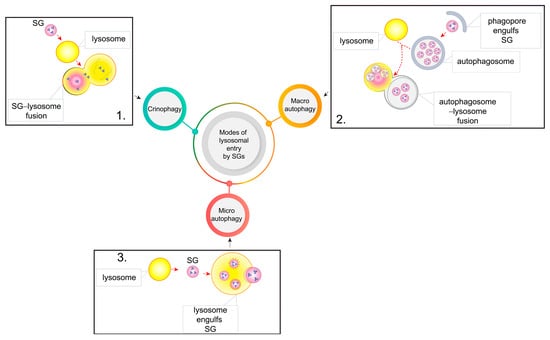
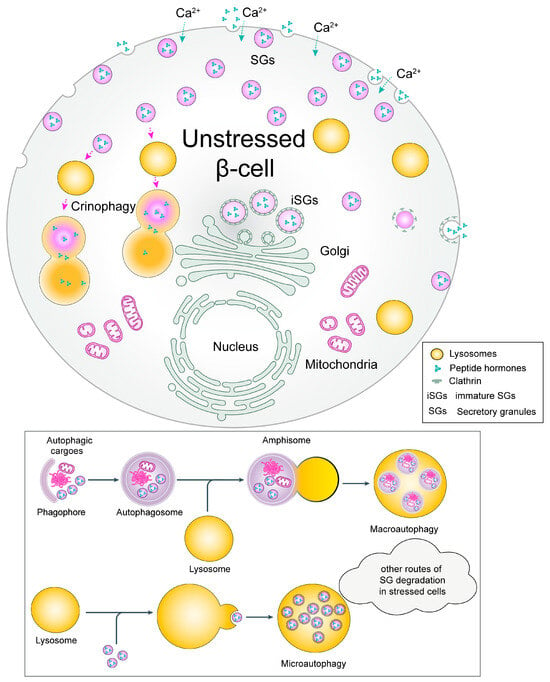
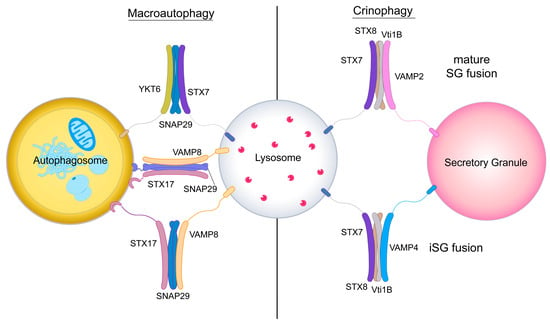
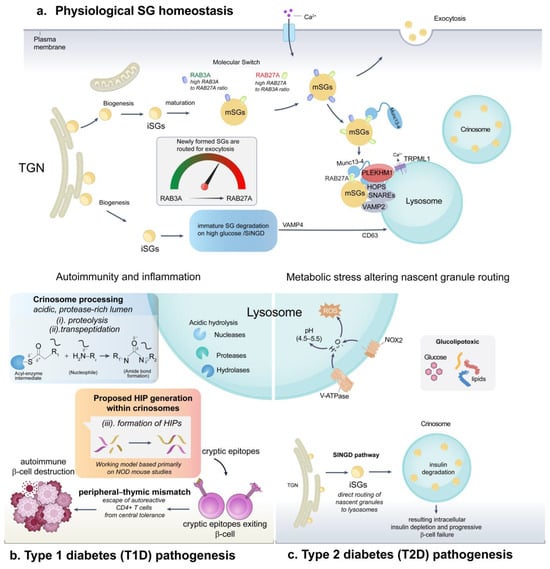
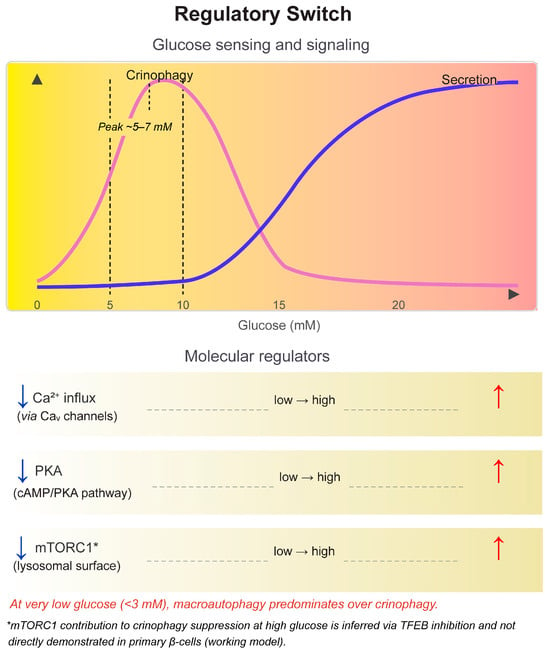
Crinophagy in Pancreatic Beta Cells: From Insulin Granule Turnover to Diabetes Pathogenesis
Pathophysiology 2026, 33(3), 45; https://doi.org/10.3390/pathophysiology33030045 - 3 Jul 2026
Abstract
Pancreatic β-cells maintain glucose homeostasis through tightly regulated insulin biosynthesis, storage, and secretion. To prevent pathological accumulation of excess or aging secretory granules (SGs), β-cells use crinophagy, a selective lysosomal degradation pathway in which mature insulin-containing granules fuse directly with lysosomes to form
[...] Read more.
Pancreatic β-cells maintain glucose homeostasis through tightly regulated insulin biosynthesis, storage, and secretion. To prevent pathological accumulation of excess or aging secretory granules (SGs), β-cells use crinophagy, a selective lysosomal degradation pathway in which mature insulin-containing granules fuse directly with lysosomes to form hybrid organelles termed crinosomes. Crinophagy was historically considered a simple mechanism for discarding obsolete, aged SGs. The acidic, protease-rich environment of crinosomes is proposed to generate unconventional insulin-derived epitopes through cathepsin-mediated proteolysis and transpeptidation reactions. These cryptic epitopes, which include hybrid insulin peptides (HIPs) resulting from the covalent fusion of insulin fragments with peptides from co-resident granule proteins, are largely absent from the thymic epitope repertoire. This creates a “peripheral–thymic mismatch” that allows autoreactive CD4+ T cells to escape central tolerance, ultimately driving β-cell destruction in type 1 diabetes (T1D). Recent studies demonstrate that pharmacological or genetic inhibition of crinophagy reduces crinosome abundance, narrows the pathogenic epitope repertoire, and delays the onset of diabetes in preclinical models. In type 2 diabetes (T2D), a related pathway termed stress-induced nascent granule degradation (SINGD) diverts newly synthesized insulin granules to lysosomes under glucolipotoxic conditions, contributing to insulin depletion and progressive β-cell failure. This review summarizes the current understanding of the molecular mechanisms behind crinophagy. It discusses its two main functions: maintaining physiological quality control and generating pathological antigens. Additionally, the review explores how crinophagy interacts with other cellular stress pathways and highlights new therapeutic strategies aimed at targeting this process to protect pancreatic β-cell function and potentially prevent or delay diabetes.
Full article
(This article belongs to the Section Cellular and Molecular Mechanisms)
►
Show Figures
Open AccessArticle
Pancreatic Hyperenzymemia in Inflammatory Bowel Disease: Clinical Characterization and Outcomes from the European PANDORA Registry
by
Salvatore Crucillà, Asia Berlato, Antonietta Gerarda Gravina, Anneline Cremer, Piotr Eder, Massimo Claudio Fantini, Stefano Festa, Daniela Pugliese, Andreas Blesl, Anna Viola, Chiara Viganò, Sophie Vieujean, Ioannis Koutroubakis, Edoardo Vincenzo Savarino, Lieven Pouillon, Mathieu Uzzan, Pierre Ellul, Marie Truyens, Federico Caldart, Rachele Ciccocioppo, Luca Frulloni and Maria Cristina Conti Bellocchiadd
Show full author list
remove
Hide full author list
Pathophysiology 2026, 33(3), 44; https://doi.org/10.3390/pathophysiology33030044 - 1 Jul 2026
Abstract
Background and Aims: Pancreatic hyperenzymemia in inflammatory bowel disease (IBD) is an under-recognized and challenging condition, as elevated pancreatic enzymes may arise from heterogeneous mechanisms and do not necessarily reflect true pancreatic disorder. This multicenter study aimed to characterize the clinical spectrum, diagnostic
[...] Read more.
Background and Aims: Pancreatic hyperenzymemia in inflammatory bowel disease (IBD) is an under-recognized and challenging condition, as elevated pancreatic enzymes may arise from heterogeneous mechanisms and do not necessarily reflect true pancreatic disorder. This multicenter study aimed to characterize the clinical spectrum, diagnostic work-up, and outcomes of hyperenzymemia in IBD. Methods: This retrospective multicenter study was conducted within the PANDORA network, including 34 international IBD centers. For the present analysis, only centers providing patient-level data on pancreatic hyperenzymemia were considered. Collected variables included demographic, clinical, biochemical, imaging, and therapeutic data. Cases were categorized into three predefined phenotypes: chronic asymptomatic pancreatic hyperenzymemia (CAPH), reclassified acute pancreatitis not meeting Atlanta criteria (recAP), and autoimmune pancreatitis (AIP). Results: A total of 148 IBD patients with elevated pancreatic enzymes were included (CAPH 54.7%, RecAP 35.1%, AIP 10.1%). Ulcerative colitis (UC) accounted for 56.8% of cases and Crohn’s disease (CD) for 43.2%. Overall, 73.6% of patients were asymptomatic at the time of enzyme elevation. Marked hyperenzymemia (≥3× ULN) occurred in 22.3% of patients and was more frequent in RecAP than in CAPH or AIP (50.0%, 6.2%, and 13.3%, respectively). IBD was clinically active in 48.6% of patients, with higher rates in CD. Notably, the clinical meaning of hyperenzymemia differed across IBD phenotypes: in CD it was more often associated with active inflammation, whereas in UC it more frequently prompted advanced imaging and led to the identification of AIP. Imaging strategies differed significantly across phenotypes, and drug withdrawal was common in CAPH and RecAP but unnecessary in AIP. Only two rechallenges confirmed a drug-related mechanism. Conclusions: Pancreatic hyperenzymemia in IBD encompasses a spectrum of conditions with different implications. A phenotype-oriented diagnostic approach is essential to avoid misclassification and unnecessary treatment changes.
Full article
Open AccessArticle
A Differentiated SH-SY5Y Model of Hypoxic–Ischaemic Injury Reveals Dynamic Transcriptomic Responses During Reoxygenation
by
Maryam Adenike Salaudeen, Stuart M. Allan and Emmanuel Pinteaux
Pathophysiology 2026, 33(3), 43; https://doi.org/10.3390/pathophysiology33030043 - 25 Jun 2026
Abstract
Background: Hypoxic–ischaemic brain injury (HI) is a major contributor to neurological deficits following stroke. Understanding what happens to the smallest functional and structural unit of the central nervous system in the face of oxygen and nutrient deprivation is essential to fully comprehend the
[...] Read more.
Background: Hypoxic–ischaemic brain injury (HI) is a major contributor to neurological deficits following stroke. Understanding what happens to the smallest functional and structural unit of the central nervous system in the face of oxygen and nutrient deprivation is essential to fully comprehend the pathogenesis of diseases and disorders associated with HI, such as ischaemic stroke. Aim: The aim of this study was to develop a robust in vitro tool for initial screening of potential therapeutics and identification of diagnostic markers of brain hypoxic injury. Methods: This study details and validates a comprehensive protocol for modelling HI using differentiated SH-SY5Y neuroblastoma cells (Neuron-like Cells, NLCs). First, we optimized the differentiation process and confirmed the maturity and purity of NLCs via standard molecular markers. The NLCs exhibited functional excitotoxicity, demonstrating a graded cell death response to N-methyl-D-aspartate (NMDA), thus validating their functional application. To simulate HI, we initially optimized the oxygen-glucose deprivation (OGD) treatment using graded concentrations of CoCl2 (0.125 mM to 2 mM) in glucose-free media. The validated NLCs were then subjected to the refined OGD protocol (1 mM CoCl2 in glucose-free media) for 3 h, followed by various periods of reoxygenation (1 h, 3 h, 6 h, 12 h, 18 h, and 24 h). Result: Bulk RNA-sequencing revealed a distinct temporal transcriptional response to HI. Injury-associated genes, including heat shock proteins and stress markers, were significantly (p < 0.05) upregulated at 3 h of reoxygenation, peaked at 6 h, and declined thereafter, remaining above baseline at 24 h. Upstream regulator analysis identified IL-1β, TNF-α, and HIF-1α as key drivers during OGD, with additional regulators emerging during reoxygenation. TNF-α and β-oestradiol were consistently identified across time points, while TGF-β1 and NTRK1 became prominent during peak injury and later phases. Analysis of secreted factors showed increased release of inflammatory (TNF-α) and neurotrophic (β-NGF, BDNF, VEGF) mediators with reoxygenation, while maximal cell death occurred at 24 h. Conclusions: This study identifies a transient, time-dependent transcriptional cascade following hypoxic–ischaemic injury, highlighting a critical window for early neuronal response. The model provides a reproducible platform for studying neuronal injury and recovery, and identifies known (TNF-α, IL-β, and HIF-1α), context-specific (NTRK1 and TGF-β) and novel (β-oestradiol) regulators of the injury response with potential relevance for therapeutic targeting.
Full article
(This article belongs to the Section Systemic Pathophysiology)
Open AccessArticle
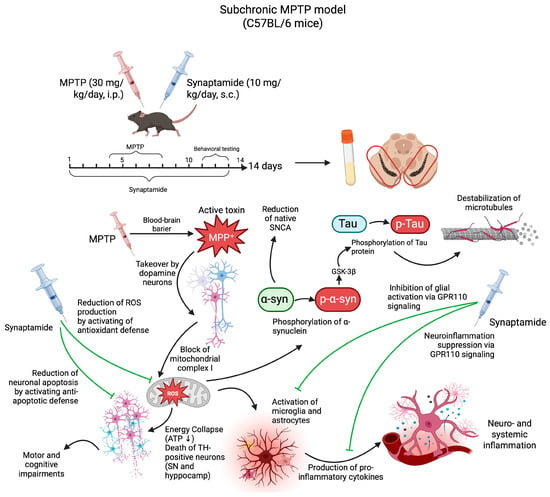
Neuroprotective Potential of Synaptamide in MPTP-Induced Parkinson’s Disease
by
Igor Manzhulo, Yuliya Kipryushina, Ekaterina Gromova, Olga Manzhulo, Elena Milkina and Darya Ivashkevich
Pathophysiology 2026, 33(3), 42; https://doi.org/10.3390/pathophysiology33030042 - 25 Jun 2026
Abstract
Background/Objectives. Parkinson’s disease (PD) is a multifactorial neurodegenerative disorder characterized by dopaminergic neuron loss, α-synuclein pathology, neuroinflammation, and cognitive decline. Synaptamide (N-Docosahexaenoylethanolamine (DHEA)) is an endogenous lipid mediator with documented anti-inflammatory and neurogenic properties, but its effects in PD models remain unexplored. This
[...] Read more.
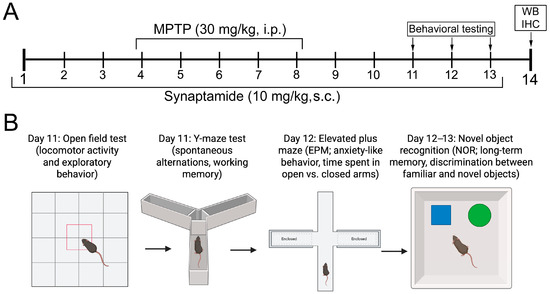
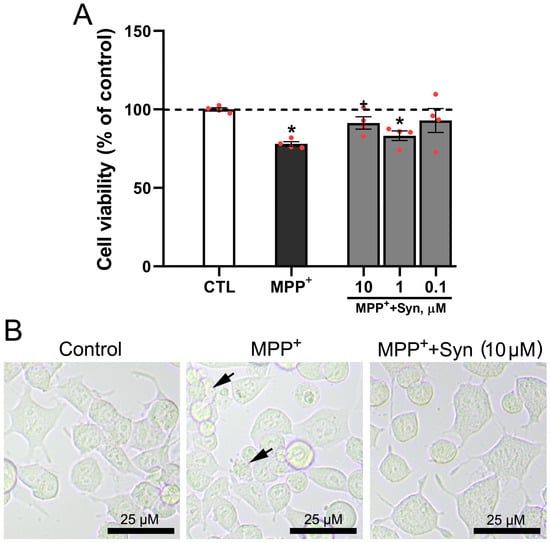
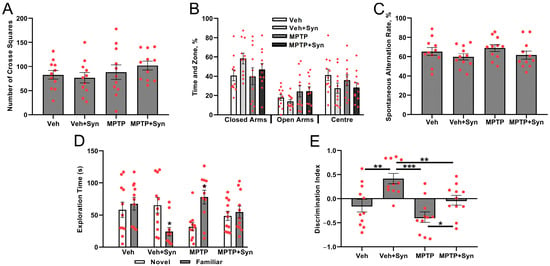
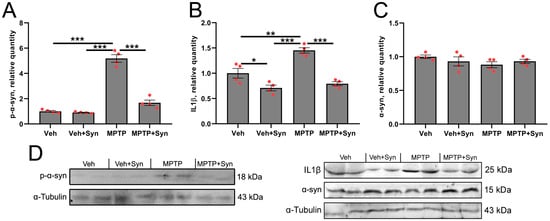
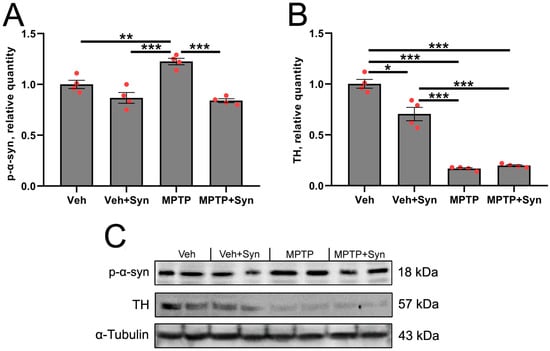
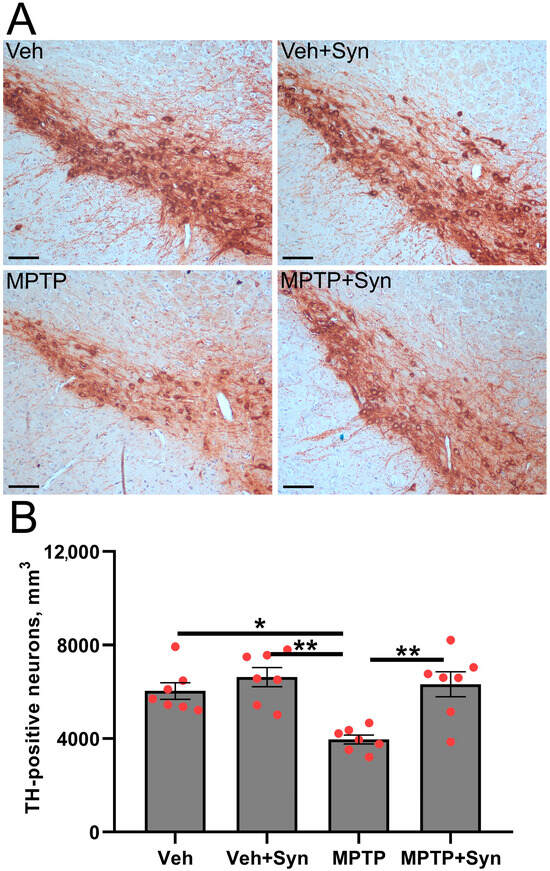
Background/Objectives. Parkinson’s disease (PD) is a multifactorial neurodegenerative disorder characterized by dopaminergic neuron loss, α-synuclein pathology, neuroinflammation, and cognitive decline. Synaptamide (N-Docosahexaenoylethanolamine (DHEA)) is an endogenous lipid mediator with documented anti-inflammatory and neurogenic properties, but its effects in PD models remain unexplored. This study aimed to evaluate the neuroprotective potential of synaptamide in a subchronic MPTP-induced mouse model of PD. Methods. Male C57BL/6 mice received MPTP (30 mg/kg/day, i.p., 5 days) with or without synaptamide (10 mg/kg/day, s.c., 13 days). Behavioral tests (open field, Y-maze, elevated plus maze, novel object recognition (NOR)) were performed, followed by immunohistochemical analysis of tyrosine hydroxylase (TH)-positive neurons in the substantia nigra, and Western blotting for α-synuclein, p-α-synuclein, TH, and IL1β in brain homogenates and serum. In vitro Neuro-2a cells were co-treated with MPP+ (100 µM) and synaptamide (0.1–10 µM) for cytotoxicity assessment (MTS assay). Results. Synaptamide (10 µM) significantly attenuated MPP+-induced cytotoxicity in Neuro-2a cells. In vivo, MPTP caused a marked loss of TH+-neurons in the substantia nigra, which was prevented by synaptamide treatment. Importantly, this subchronic MPTP model recapitulates early biochemical alterations (e.g., α-synuclein phosphorylation at Ser129) rather than mature Lewy body pathology, a limitation that should be considered when interpreting these findings. Although no motor deficits or anxiety-like behavior were observed, the NOR test revealed MPTP-induced long-term memory impairment, which was fully restored by synaptamide. Conclusions. These findings suggest that synaptamide may exert effects on pathological processes associated with PD, warranting further investigation into its potential role in combination or supportive therapy for this disease.
Full article
(This article belongs to the Section Neurodegenerative Disorders)
►▼
Show Figures

Graphical abstract
Open AccessReview
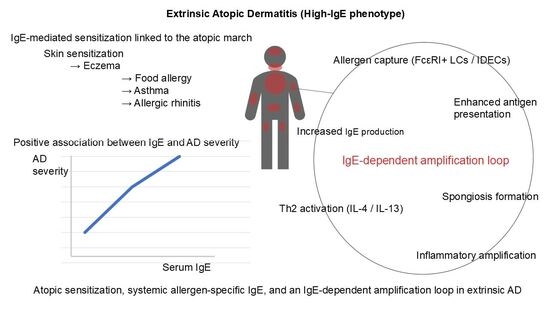
Revisiting Atopy: The IgE-Dependent Amplification Loop as a Forgotten Driver of Atopic Dermatitis
by
Ryoji Tanei and Yasuko Hasegawa
Pathophysiology 2026, 33(2), 41; https://doi.org/10.3390/pathophysiology33020041 - 22 Jun 2026
Abstract
Atopic dermatitis (AD) is increasingly interpreted through frameworks emphasizing barrier dysfunction, type 2 cytokine signaling, pruritus pathways, and microbial dysbiosis, often relegating IgE-mediated mechanisms to secondary roles. In this narrative review, we synthesize historical, clinical, immunologic, and histopathologic evidence to propose a conceptual
[...] Read more.
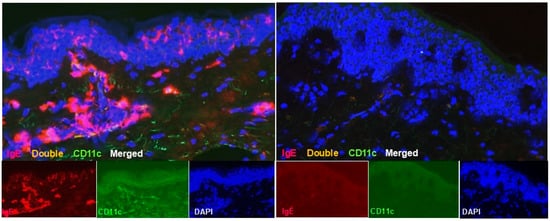
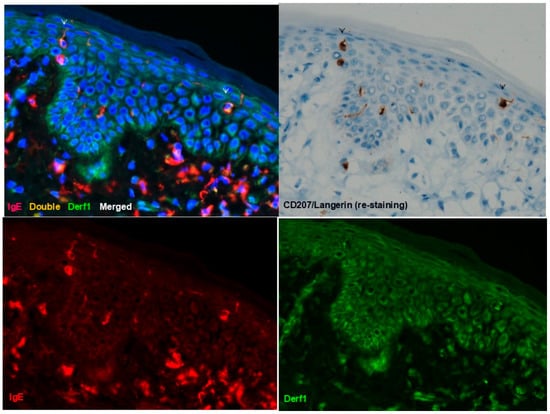
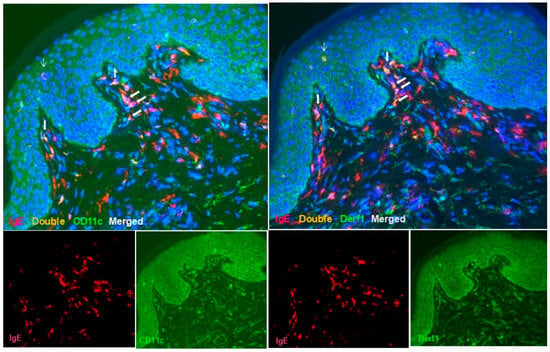
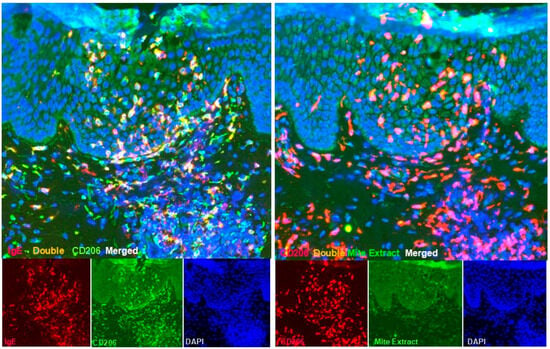
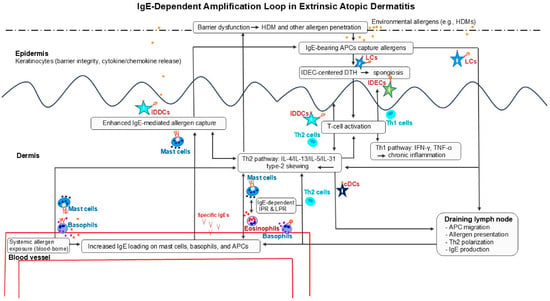
Atopic dermatitis (AD) is increasingly interpreted through frameworks emphasizing barrier dysfunction, type 2 cytokine signaling, pruritus pathways, and microbial dysbiosis, often relegating IgE-mediated mechanisms to secondary roles. In this narrative review, we synthesize historical, clinical, immunologic, and histopathologic evidence to propose a conceptual model in which IgE-bearing antigen-presenting cells (APCs)—including Langerhans cells, inflammatory dermal dendritic cells, and inflammatory dendritic epidermal cells (IDECs)—participate in an IgE-dependent amplification loop that may contribute to the chronicity of extrinsic (IgE-associated) AD. Evidence from human studies indicates that FcεRI-expressing APCs can acquire environmental allergens through IgE, enhancing antigen uptake and T-cell activation, while mast cells and basophils further reinforce type 2 inflammation through IgE-dependent and IgE-augmented pathways. Although these mechanisms have been described across distinct experimental and clinical contexts, their integration into a unified pathogenic circuit remains hypothesis-driven. We therefore present an interpretive framework that organizes these partially validated mechanisms into a coherent model linking cutaneous sensitization, allergen capture, APC activation, Th2 polarization, and spongiosis formation. This conceptual synthesis aims to reposition IgE-mediated processes within the broader pathophysiology of extrinsic AD and to highlight potential therapeutic implications for targeting IgE–FcεRI signaling and IgE-dependent APC biology.
Full article
(This article belongs to the Section Cellular and Molecular Mechanisms)
►▼
Show Figures

Graphical abstract
Open AccessArticle
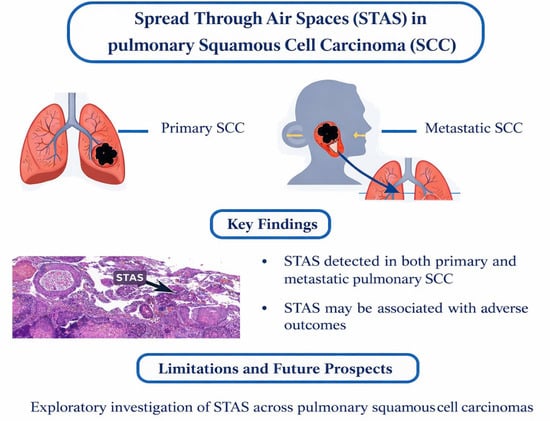
Pulmonary Squamous Cell Carcinoma Dissemination Through Air Spaces (STAS): Clinicopathologic Findings in Different Tumor Origins
by
Bianca Herrmann, Horia Sirbu, Hayk Kikoyan, Mostafa Higaze, Abbas Agaimy, Arndt Hartmann, Ralf Rieker and Mohamed Anwar Haj Khalaf
Pathophysiology 2026, 33(2), 40; https://doi.org/10.3390/pathophysiology33020040 - 17 Jun 2026
Abstract
►▼
Show Figures
Background: Spread through air spaces (STAS) is a recognized histologic pattern of invasion associated with poor prognosis in non-small-cell lung cancer (NSCLC), particularly adenocarcinoma. However, its presence in pulmonary squamous cell carcinoma (SCC), whether primary or metastatic, remains largely unexplored. Given the
[...] Read more.
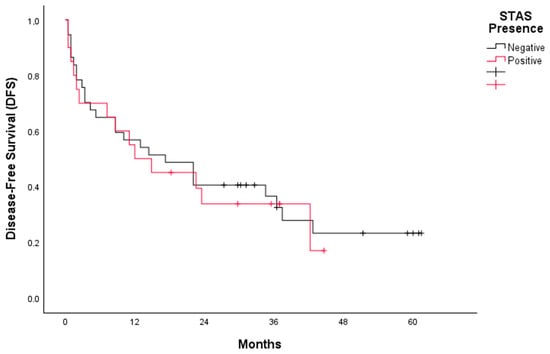
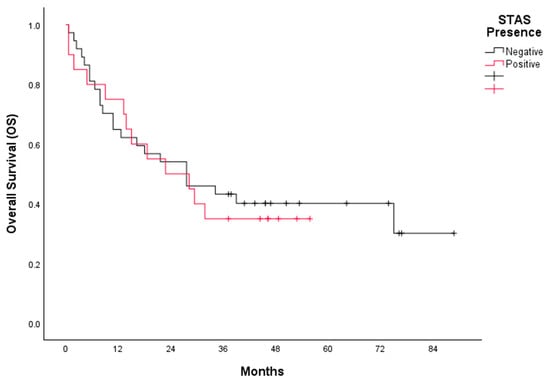
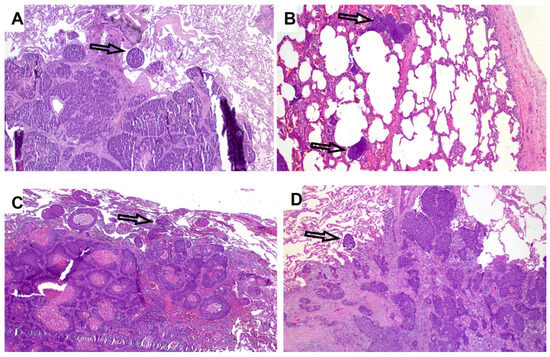
Background: Spread through air spaces (STAS) is a recognized histologic pattern of invasion associated with poor prognosis in non-small-cell lung cancer (NSCLC), particularly adenocarcinoma. However, its presence in pulmonary squamous cell carcinoma (SCC), whether primary or metastatic, remains largely unexplored. Given the limited available evidence, this study was designed as an exploratory analysis to evaluate the prevalence and potential prognostic significance of STAS in pulmonary SCC. Material and Methods: In this exploratory retrospective study, we analyzed 57 patients who underwent surgical resection for pulmonary squamous cell carcinoma (P-SCC) at the Department of Thoracic Surgery at the University Hospital Erlangen between 2008 and 2020. The cohort included both primary lung SCC and metastatic SCC to the lung from extrapulmonary sites, primarily from ear, nose, and throat (ENT) tumors. Histological slides were reviewed to assess the presence of STAS, as defined by established morphological criteria. The Chi-square test was used to investigate the presence of STAS. Disease-free survival (DFS) and overall survival (OS) was evaluated using Kaplan–Meier analysis, and the prognostic impact of STAS along other variables were assessed using Cox proportional hazards regression. Results: A total of 57 patients with squamous cell carcinoma (SCC), 22 (39%) had primary lung SCC and 35 (61%) had metastatic SCC from head and neck tumours (ENT). Spread through air spaces (STAS) was detected in 20 patients (35%). Disease-free survival (DFS) differed according to primary tumour location (p-value of 0.009), with higher 1-, 3-, and 5-year DFS in patients with primary lung SCC (86.4%, 77.3%, 63.3%) than in those with head and neck SCC (54.3%, 31.4%, 22.2%). DFS was also significantly higher in patients undergoing solitary resections compared with multiple resections (78.6%, 64.3%, 49.5% vs. 33.3%, 6.7%, not estimable; p-value < 0.001). DFS was slightly longer in STAS-negative patients compared with STAS-positive patients (1-, 3-, 5-year DFS: 64.9%, 51.4%, 40.5% vs. 70%, 45%, not estimable), (median DFS 36 vs. 25 months; p-value of 0.776). Overall survival (OS) was significantly longer in patients with primary lung SCC (median OS 125 months) than in those with head and neck SCC (27 months; p-value of 0.039). STAS-negative patients had also a longer OS than STAS-positive patients (median OS 46 vs. 38 months; HR = 1.11, 95% CI 0.56–2.20; p-value of 0.771). Conclusions: STAS was identified in metastatic pulmonary SCC lesions as well as in primary lung SCC, occurring in approximately one-third of cases. However, due to the limited cohort size and the exploratory univariate design of the study, the prognostic significance of STAS could not be definitively established and requires further investigation in larger, adequately powered studies.
Full article

Graphical abstract
Open AccessReview
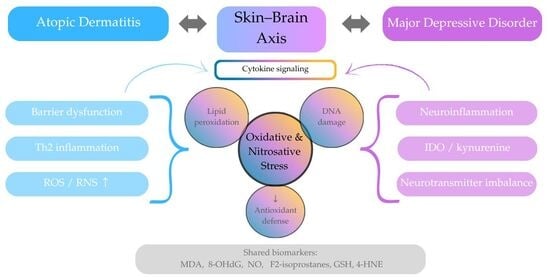
Oxidative and Nitrosative Stress in Atopic Dermatitis and Depression: Similarities in Biomarkers and Pathophysiological Mechanisms
by
Dominika Jabłonka, Stefan Modzelewski and Napoleon Waszkiewicz
Pathophysiology 2026, 33(2), 39; https://doi.org/10.3390/pathophysiology33020039 - 10 Jun 2026
Abstract
►▼
Show Figures
Background: Atopic dermatitis is a chronic inflammatory skin disease characterized by epidermal barrier dysfunction and immune dysregulation, whereas major depressive disorder is a common psychiatric condition with a substantial impact on quality of life; increasing attention has been given to oxidative and nitrosative
[...] Read more.
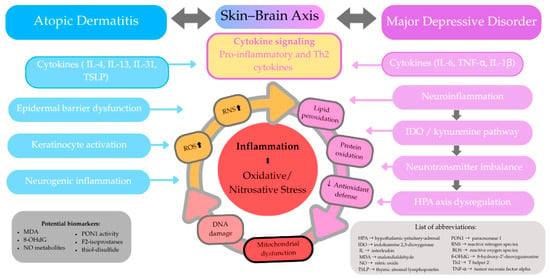
Background: Atopic dermatitis is a chronic inflammatory skin disease characterized by epidermal barrier dysfunction and immune dysregulation, whereas major depressive disorder is a common psychiatric condition with a substantial impact on quality of life; increasing attention has been given to oxidative and nitrosative stress as a potential biological link between these disorders. Methods: This narrative review synthesizes current evidence on molecular biomarkers of oxidative and nitrosative stress in AD and MDD and examines shared mechanisms within the skin–brain axis. Results: Across both conditions, studies consistently report increased markers of lipid peroxidation (e.g., malondialdehyde, 4-hydroxynonenal), oxidative DNA damage (8-hydroxy-2′-deoxyguanosine), and nitrosative stress, alongside impaired antioxidant defenses, particularly involving glutathione; these alterations are closely associated with chronic inflammation, cytokine signaling, mitochondrial dysfunction, and dysregulation of neuroimmune and hypothalamic–pituitary–adrenal axis pathways. Conclusions: Although the available evidence is heterogeneous and largely based on cross-sectional studies, limiting causal inference, the findings support a biologically plausible link between AD and depression mediated by shared redox pathways and highlight the need for further longitudinal and mechanistic research.
Full article

Graphical abstract
Open AccessReview
NG2 Glia and Cellular Crosstalk in Health and Disease: Focus on Spinal Cord Injury
by
Ilyas Kabdesh, Aizilya Bilalova, Yana Mukhamedshina and Yuri Chelyshev
Pathophysiology 2026, 33(2), 38; https://doi.org/10.3390/pathophysiology33020038 - 1 Jun 2026
Abstract
►▼
Show Figures
NG2 glia, also known as oligodendrocyte progenitor cells, represent a unique population of glial cells characterized by dynamic morphology and the ability to extend branched processes that actively contact neurons and other cellular elements. These structural and functional interactions enable NG2 glia to
[...] Read more.
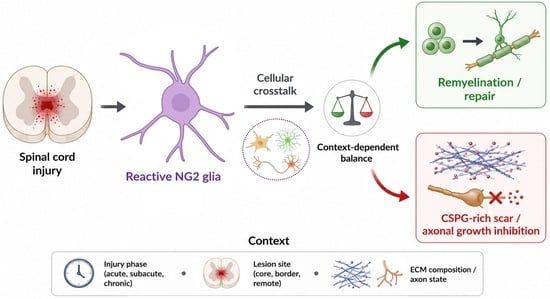
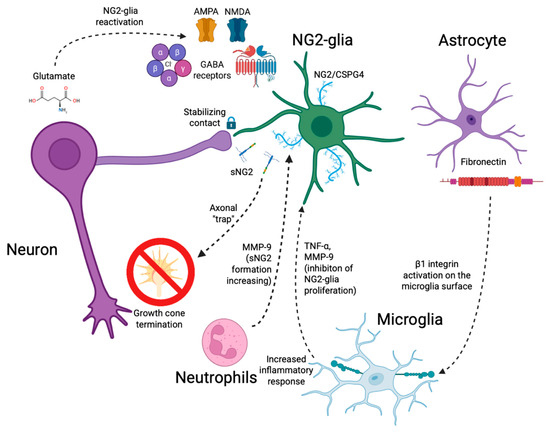
NG2 glia, also known as oligodendrocyte progenitor cells, represent a unique population of glial cells characterized by dynamic morphology and the ability to extend branched processes that actively contact neurons and other cellular elements. These structural and functional interactions enable NG2 glia to contribute to the regulation of axonal excitability, electrical activity, and axonal architecture. Unlike most other glial cells, NG2 glia receive direct synaptic input from neurons and can generate action potentials, defining their distinctive physiological status. A particularly important feature of this cell population is the expression of the chondroitin sulfate proteoglycan NG2/CSPG4, which serves as a key molecular marker and plays an essential role in intercellular interactions. Following spinal cord injury (SCI), NG2 glia rapidly become activated, undergo phenotypic changes, and engage in extensive interactions with neurons, astrocytes, microglia, and endothelial cells. These interactions form a complex regulatory network that influences both the severity of secondary injury and the effectiveness of remodeling and repair processes. Mechanisms of particular importance include the secretion of chondroitin sulfate proteoglycans and alterations in extracellular matrix properties. Finally, this review highlights potential therapeutic approaches aimed at modulating NG2 glial activity and their intercellular interactions. The focus is on strategies designed to reduce the inhibitory effects of proteoglycans while enhancing the remyelinating and neuroprotective potential of these cells, thereby opening new perspectives for regenerative therapies after SCI.
Full article

Graphical abstract
Open AccessArticle
Intracellular Ionic Remodeling During Fetal Development of Hereditary Cardiomyopathy of the Hamster
by
Ghassan Bkaily, Alexandre Normand, Ashley Jazzar, Houssein Najibeddine and Danielle Jacques
Pathophysiology 2026, 33(2), 37; https://doi.org/10.3390/pathophysiology33020037 - 1 Jun 2026
Abstract
►▼
Show Figures
Background/objectives: The development of hereditary cardiomyopathy associated with early death was known to take place during the patients’ lifetime. Previous work showed that remodeling of heart cells in hereditary cardiomyopathy of hamsters (HCMH) took place as early as during postnatal development. The present
[...] Read more.
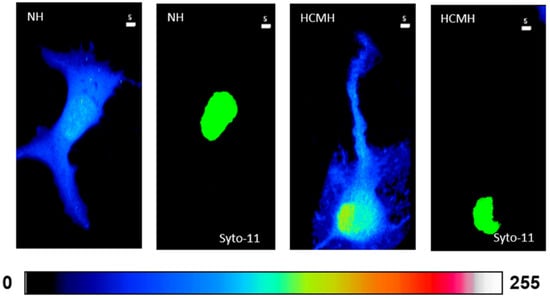
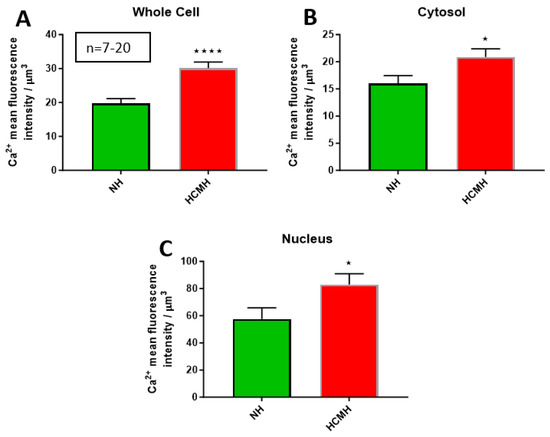
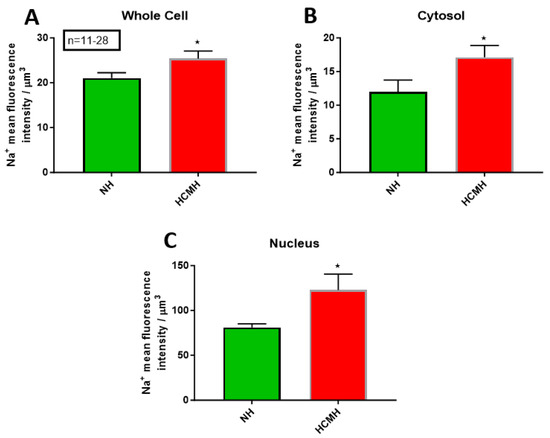
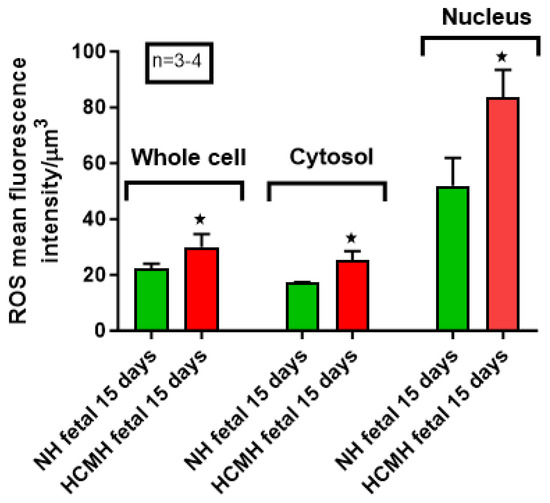
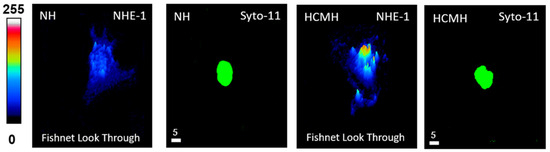
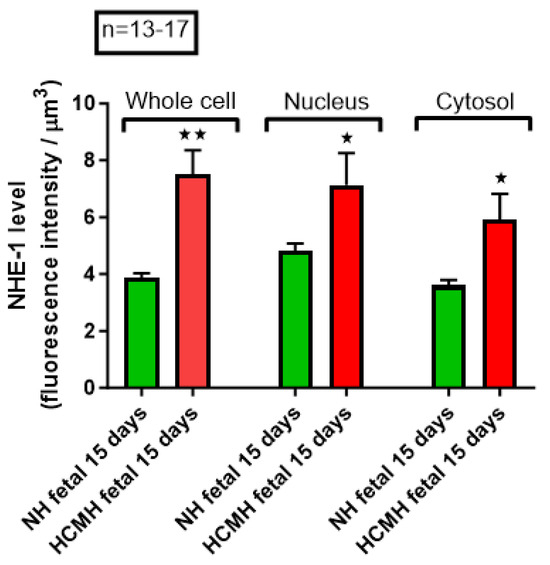
Background/objectives: The development of hereditary cardiomyopathy associated with early death was known to take place during the patients’ lifetime. Previous work showed that remodeling of heart cells in hereditary cardiomyopathy of hamsters (HCMH) took place as early as during postnatal development. The present work tested the hypothesis that cardiomyocyte remodeling in HCMH occurred early in fetal development. Methods and results: Using quantitative 3D confocal microscopy associated with ionic and immunofluorescence, our results showed that, as in the adult heart, cardiomyocytes isolated from 15-day-old fetal HCMH hearts showed an increase in intracellular calcium, sodium, ROS, and sodium-hydrogen exchanger 1 (NHE-1) when compared to age-matched cardiomyocytes of a normal hamster (NH). Conclusions: These results demonstrated that hereditary cardiomyopathy occurred during fetal heart development, and that early treatment with an NHE-1 blocker might have prevented the development of hereditary cardiomyopathy and heart failure that occur during the hamsters’ lifetime.
Full article

Figure 1
Open AccessReview
From Glycocalyx Shedding to Microvascular Collapse in Sepsis: Endothelial Pathophysiology, Organ Dysfunction, and Mechanistic Biomarkers
by
Jhan S. Saavedra-Torres, Lady Viviana Acosta Castillo, Alexandra Montoya Rendon, Daniel Esteban Castro Valencia, Diego A. Lucero Guanga, Manuela Garzon Ovalle, Fabián Darío Arias Rodríguez, Andrés López-Cortés and Juan S. Izquierdo-Condoy
Pathophysiology 2026, 33(2), 36; https://doi.org/10.3390/pathophysiology33020036 - 29 May 2026
Abstract
►▼
Show Figures
Sepsis is a systemic disorder in which infection-induced inflammation progressively disrupts vascular homeostasis and drives organ dysfunction. This review reframes septic pathophysiology as a sequential and self-amplifying process centered on endothelial failure. Early activation of innate immune pathways by pathogen- and damage-associated molecular
[...] Read more.
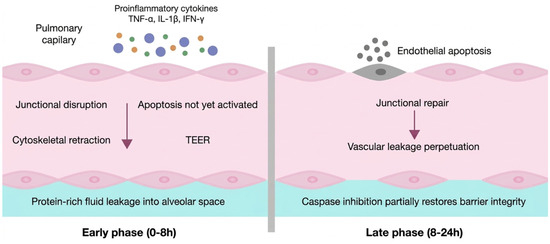
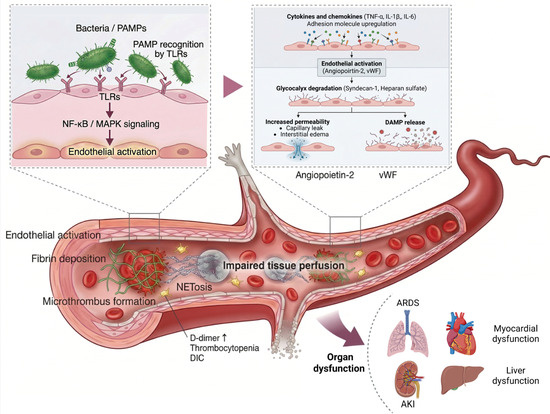
Sepsis is a systemic disorder in which infection-induced inflammation progressively disrupts vascular homeostasis and drives organ dysfunction. This review reframes septic pathophysiology as a sequential and self-amplifying process centered on endothelial failure. Early activation of innate immune pathways by pathogen- and damage-associated molecular patterns promotes cytokine release, oxidative stress, and enzymatic degradation of the endothelial glycocalyx. Loss of this protective surface layer exposes endothelial cells to unbuffered inflammatory and mechanical injury, impairing mechanotransduction, increasing leukocyte and platelet adhesion, and destabilizing vascular barrier function. Subsequent disruption of intercellular junctions promotes capillary leakage, tissue edema, and impaired oxygen diffusion, while mitochondrial dysfunction and redox imbalance reduce endothelial repair capacity. In parallel, complement activation, neutrophil extracellular trap formation, platelet–leukocyte interactions, and loss of anticoagulant signaling shift the microvasculature toward a prothrombotic and proinflammatory state. These interconnected mechanisms culminate in microvascular incoherence, characterized by heterogeneous capillary flow, regional hypoxia, impaired oxygen extraction, and progressive organ failure despite apparent restoration of systemic hemodynamics. Within this framework, biomarkers such as syndecan-1, soluble thrombomodulin, angiopoietin-2, von Willebrand factor, and plasminogen activator inhibitor-1 are best interpreted as mechanistic readouts of glycocalyx shedding, endothelial injury, permeability imbalance, and thromboinflammatory activation. Understanding sepsis as an evolving endothelial pathophysiological process provides a coherent framework for integrating inflammation, vascular leakage, hypoxia, coagulation, and organ dysfunction while identifying mechanistic biomarkers that reflect distinct stages of microvascular collapse.
Full article

Figure 1
Open AccessReview
Mechanistic Insights into the Role of Artificial Intelligence and Machine Learning in the Diagnosis and Management of Multiple Sclerosis
by
Alireza Minagar and Mohammadali Sahraian
Pathophysiology 2026, 33(2), 35; https://doi.org/10.3390/pathophysiology33020035 - 27 May 2026
Abstract
►▼
Show Figures
Multiple sclerosis (MS) is a chronic, immune-mediated demyelinating disease of the central nervous system whose heterogeneous clinical, radiological, and biological course has long resisted precise individual-level prediction. The recent convergence of large longitudinal datasets, advanced computational methods, and increasingly informative biomarkers has created
[...] Read more.
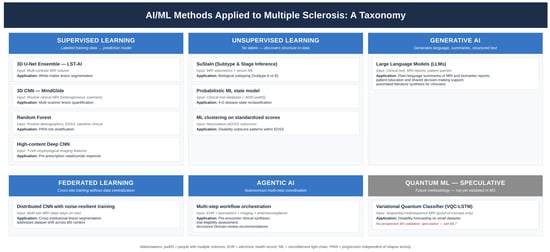
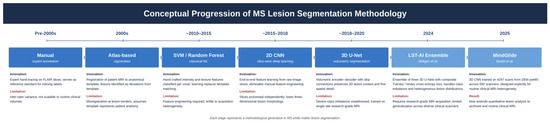
Multiple sclerosis (MS) is a chronic, immune-mediated demyelinating disease of the central nervous system whose heterogeneous clinical, radiological, and biological course has long resisted precise individual-level prediction. The recent convergence of large longitudinal datasets, advanced computational methods, and increasingly informative biomarkers has created conditions in which artificial intelligence (AI) and machine learning (ML) can begin to address that problem substantively. This review surveys the current evidence for AI/ML applications across the MS care continuum, with particular focus on the literature from 2022 through early 2026. Nine domains are examined: automated MRI lesion segmentation and quantification, fluid biomarker interpretation, unsupervised disease subtyping, disability progression prediction, treatment response stratification, drug repurposing and molecular discovery, digital biomarker monitoring, mechanistic interpretability, and integrated clinical management protocols. Notable recent contributions include the SuStaIn-based identification of two biologically distinct MS trajectories distinguished by early versus late serum neurofilament light chain elevation, the MindGlide deep learning platform enabling longitudinal analysis of archived routine clinical MRI data, the T-cell morphological classifier predicting natalizumab treatment response before drug initiation, and the fenebrutinib Phase III program that produced the first Bruton’s tyrosine kinase inhibitor results meeting primary endpoints in both relapsing and primary progressive MS. A proposed AI-Enhanced Management Protocol (AMP-26) reflecting 2026 clinical standards is included as an appendix. Throughout, emphasis is placed on mechanistic interpretability: the distinction between models that correlate features with outcomes and models whose decision logic reflects established MS pathobiology is considered a prerequisite for clinical credibility and regulatory readiness.
Full article

Figure 1
Open AccessHypothesis
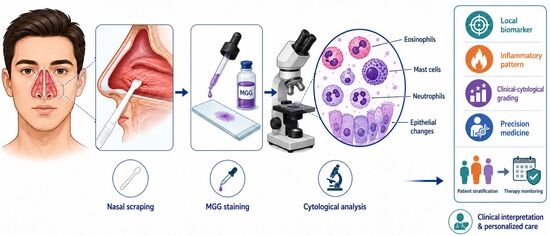
Nasal Cytology as a Local Biomarker of Airway Inflammation: A Paradigm Shift in Precision Medicine
by
Matteo Gelardi
Pathophysiology 2026, 33(2), 34; https://doi.org/10.3390/pathophysiology33020034 - 27 May 2026
Abstract
►▼
Show Figures
Biomarker-driven approaches have markedly improved the stratification and management of airway inflammatory diseases. However, in everyday clinical practice, these strategies still rely mainly on systemic indicators, which often provide only an indirect view of the inflammatory processes occurring within the airway mucosa. This
[...] Read more.
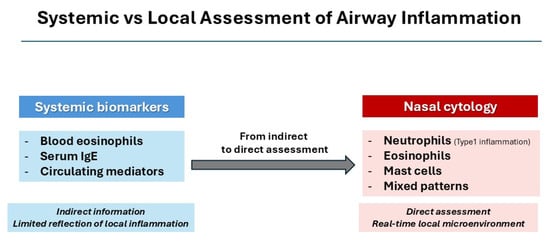
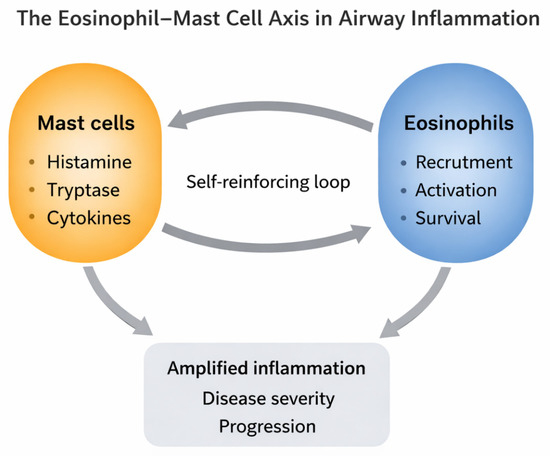
Biomarker-driven approaches have markedly improved the stratification and management of airway inflammatory diseases. However, in everyday clinical practice, these strategies still rely mainly on systemic indicators, which often provide only an indirect view of the inflammatory processes occurring within the airway mucosa. This limitation becomes particularly evident in chronic conditions such as chronic rhinosinusitis with nasal polyps (CRSwNP), where local inflammatory patterns may not relate to circulating biomarkers. Nasal cytology represents a simple, non-invasive, and reproducible technique that allows direct evaluation of the cellular components of the nasal mucosa. By identifying distinct inflammatory patterns, it offers a real-time snapshot of the local inflammatory microenvironment, bringing the clinician closer to the site of disease. In this hypothesis, we propose that airway inflammation is primarily driven by local cytological patterns. In particular, we suggest that the interaction between eosinophils and mast cells constitutes a key pathogenic axis underlying disease activity, severity, and progression. From a pathophysiological perspective, eosinophils may reflect a more chronic component of inflammation, whereas mast cells are more closely associated with active and dynamic phases of the disease. Their coexistence may therefore identify a state of amplified inflammatory activity, often associated with more severe clinical phenotypes. We further propose that integrating cytological findings into clinical–cytological grading (CCG) systems could improve patient stratification and support more personalized therapeutic strategies. This model is readily testable in current clinical and research settings and may contribute to a progressive shift toward the use of local biomarkers in precision medicine.
Full article

Graphical abstract
Open AccessReview
Is There a Unified Etiology of Hypoplastic Left Heart Syndrome? Evaluating Genetic, Structural, and Hemodynamic Models of Disease Initiation
by
Reese Leonhard, Zachary Beau Phillips, Jamie Wilson, Zaid Abu-Mowis, John DiGiorgi, Epiphany N. Wilson, Zane Borenstein, Laura Wilson, Richard Tang, Elizabeth H. Stephens, Adrian Crucean, Michael S. Shillingford, Giles J. Peek, Mark Steven Bleiweis, J. Steven Alexander and Jeffrey Phillip Jacobs
Pathophysiology 2026, 33(2), 33; https://doi.org/10.3390/pathophysiology33020033 - 20 May 2026
Abstract
►▼
Show Figures
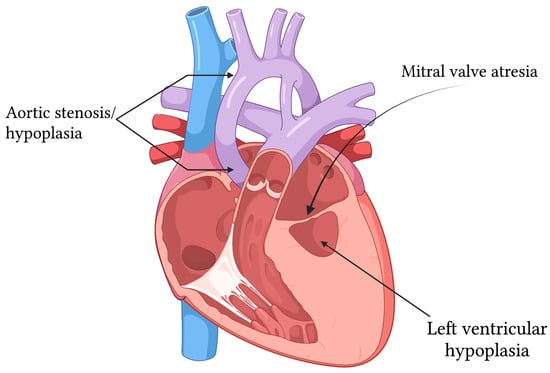
Background: Hypoplastic left heart syndrome (HLHS) is defined as “a spectrum of congenital cardiovascular malformations with normally aligned great arteries without a common atrioventricular junction, characterized by underdevelopment of the left heart with significant hypoplasia of the left ventricle including atresia, stenosis,
[...] Read more.
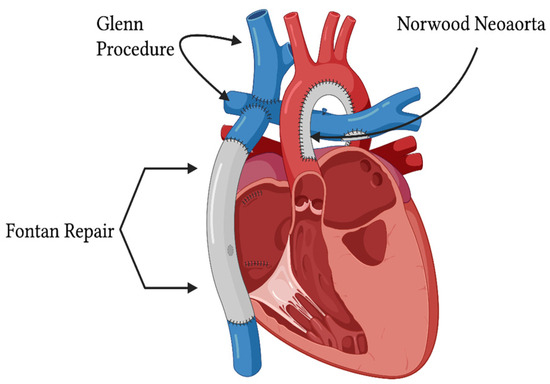
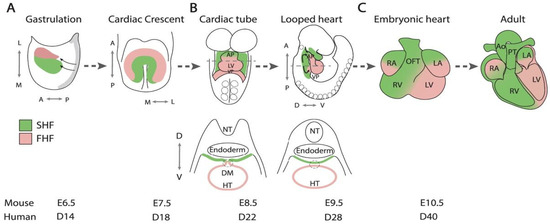
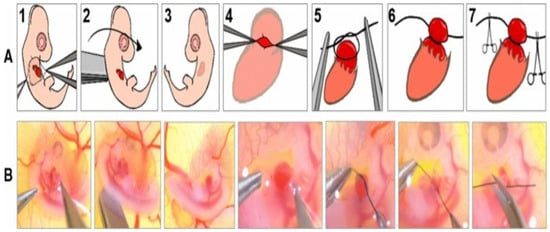
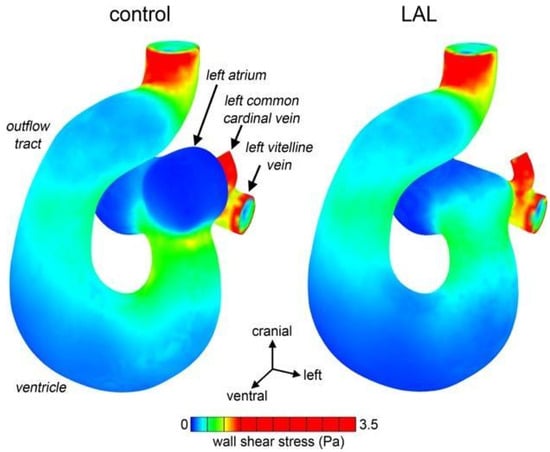
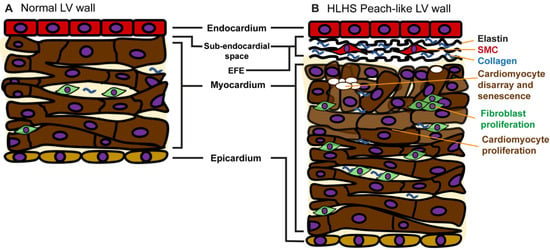
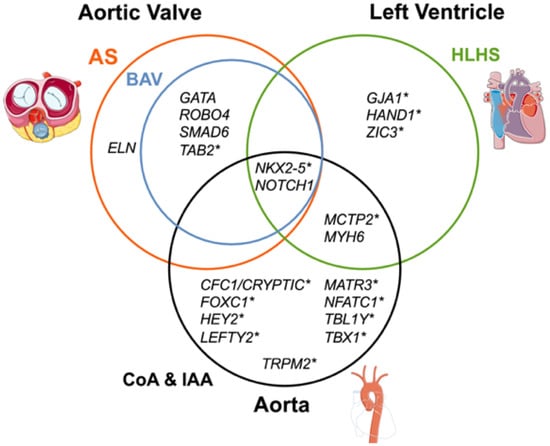
Background: Hypoplastic left heart syndrome (HLHS) is defined as “a spectrum of congenital cardiovascular malformations with normally aligned great arteries without a common atrioventricular junction, characterized by underdevelopment of the left heart with significant hypoplasia of the left ventricle including atresia, stenosis, or hypoplasia of the aortic or mitral valve, or both valves, and hypoplasia of the ascending aorta and aortic arch”. Without treatment, HLHS is usually lethal in the neonate. Many hypotheses have been advanced to explain the etiology of HLHS; however, no single theory appears to fully explain the phenotypic variability seen in HLHS. Furthermore, many of these theories offer no explanations regarding the precipitating events which lead to the development of HLHS. Objective: This review considers and critically evaluates the strengths and weaknesses of the leading theories proposed to explain the pathogenesis of HLHS—including hemodynamic disturbances, primary myocardial structural defects, valvar malformations, and genetic or epigenetic alterations that may provoke developmental and anatomic abnormalities. After presenting each model, we propose a novel, comprehensive, and data-driven framework which may assist researchers in developing models for the pathogenesis of the various subtypes of HLHS. Methods: Key findings from human fetal imaging, histopathology, genetic studies, and animal models were considered, as well as the hypothetical contribution of each in observed HLHS phenotypes. The rationales for these findings as causal factors initiating individual HLHS patterns, as well as how they might contribute to HLHS in general, were critically analyzed. Results: The flow theory is strongly supported by animal models and in utero interventions that demonstrate the impact of altered hemodynamics on cardiac morphogenesis. However, the flow theory fails to identify initial causes of disturbed flow or related histological features of HLHS like endocardial fibroelastosis. The myocardial and valve-first models suggest an important role in developmental defects, but do not necessarily have a strong experimental basis that provides explanations for how they mediate HLHS. Genetic studies in patients with HLHS have identified several candidate causal mutations. However, such genetic causes of HLHS exhibit incomplete phenotypic penetrance and clinical impact. A multifactorial framework attempts to integrate these diverse mechanisms and may provide the most coherent explanation that can accommodate the heterogeneity and variable presentation of HLHS. Such a framework may identify multiple forces that drive disease but does not provide useful pathways for future research about HLHS. Conclusions: No single hypothesis has fully explained how HLHS is initiated, progresses, and presents with the clinical conditions that are encountered by cardiac surgeons and cardiologists. The most current models suggest that the spectrum of HLHS reflects acomplex interaction between genetic susceptibility, flow-dependent cardiac remodeling, and environmental factors in utero. A multifactorial model integrates these diverse mechanisms and may provide the most coherent explanation for the various phenotypic variations in HLHS. Based on our analysis of the most current data and the strengths and weaknesses of the current theoretical frameworks, we propose a novel research strategy aimed at identifying specific cardiac progenitor cell populations whose dysregulation may represent a unifying explanation for the etiology of the various phenotypes of HLHS. Based on the arguments made throughout this manuscript that evaluate the various genetic, structural, and hemodynamic models of initiation of disease, we believe that the significant phenotypic variability across the spectrum of HLHS (i.e., the different anatomic subtypes for “classic” HLHS) most likely reflects different underlying etiologies and mechanisms. At the very least, it is very likely that the timing of the insult is critical in determining anatomic subtype. Based on the published data and the arguments within this manuscript, it seems naive to think that there is a single unifying mechanism explain all forms of HLHLS.
Full article

Figure 1
Open AccessArticle
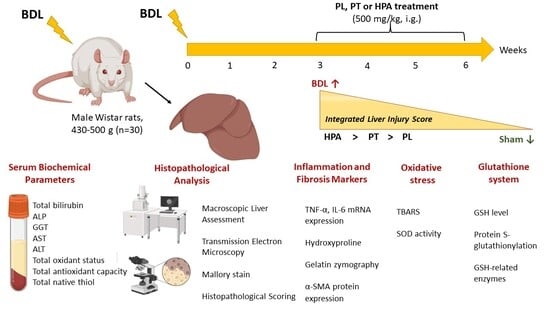
Pantothenic Acid Derivatives Modulate Oxidative Stress and Hepatic Fibrosis in Bile Duct Ligation-Induced Cholestatic Liver Injury
by
Dmitry S. Semenovich, Polina A. Abramicheva, Ljubava D. Zorova, Andrey V. Elchaninov, Maria A. Kozlova, David A. Areshidze, Nadezda V. Andrianova, Nina P. Kanunnikova, Andrey G. Moiseenok, Irina B. Pevzner, Egor Y. Plotnikov and Dmitry B. Zorov
Pathophysiology 2026, 33(2), 32; https://doi.org/10.3390/pathophysiology33020032 - 13 May 2026
Abstract
►▼
Show Figures
Background/Objectives: Inflammation and oxidative stress are key factors contributing to the initiation and progression of liver fibrosis in chronic obstructive cholestasis. Pantothenic acid (PA) and some of its derivatives have been reported to exhibit moderate anti-inflammatory, antioxidant, and regenerative effects. This study aimed
[...] Read more.
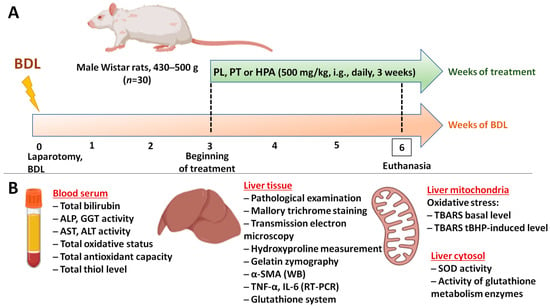
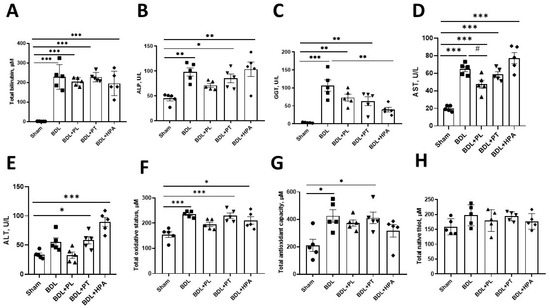
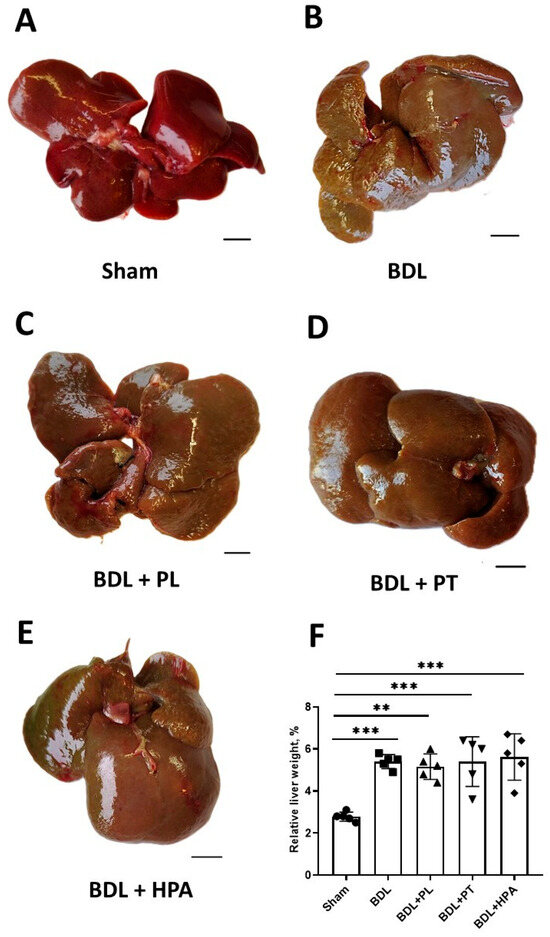
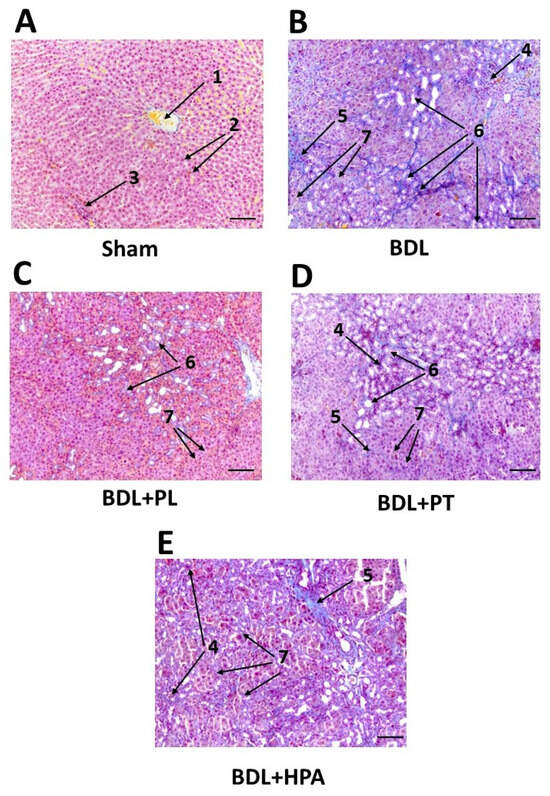
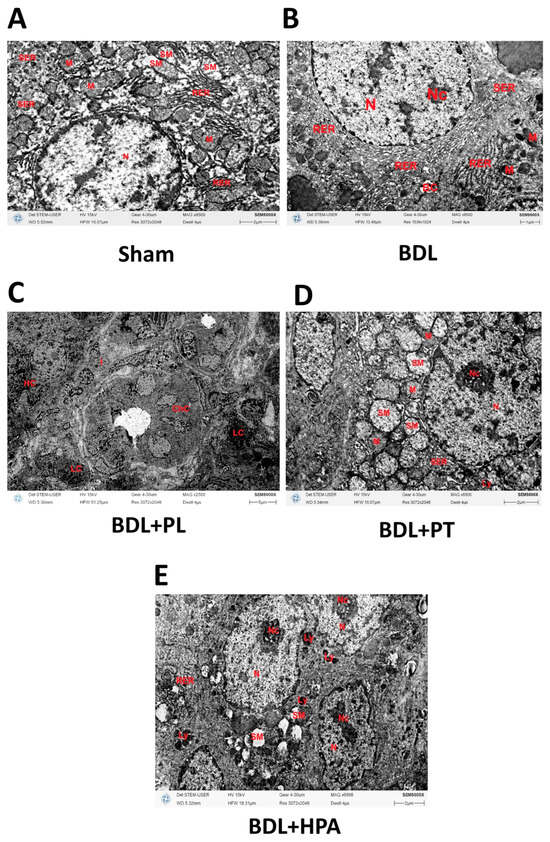
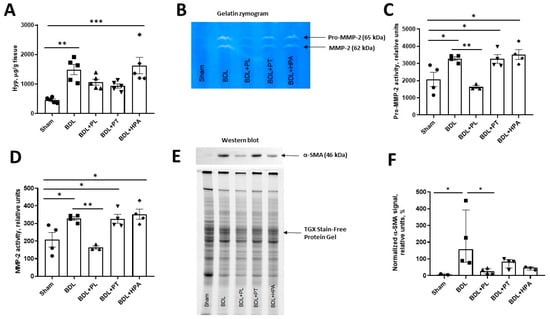
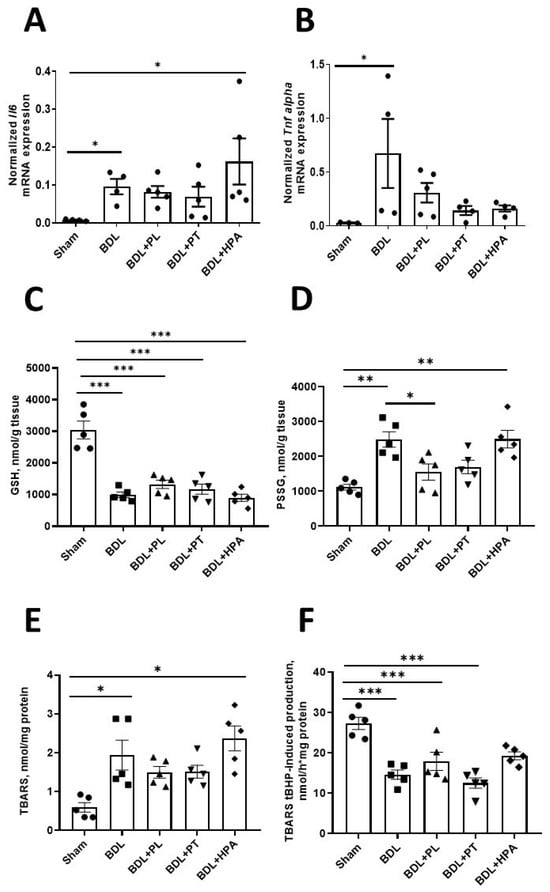
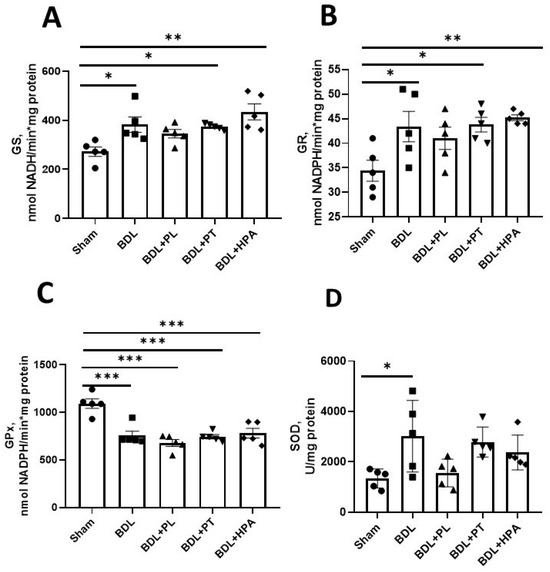
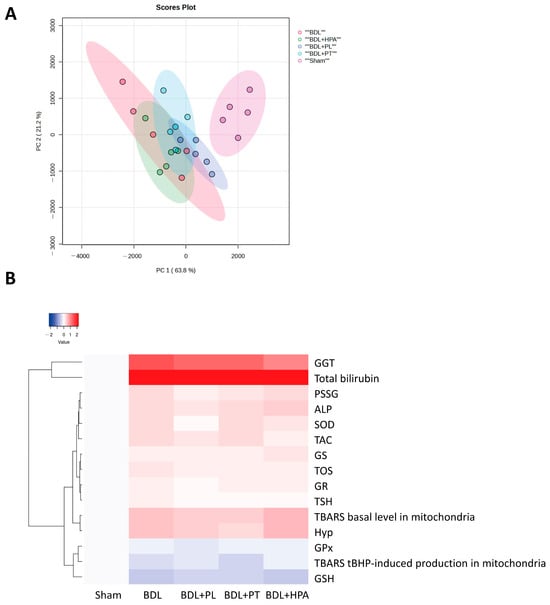
Background/Objectives: Inflammation and oxidative stress are key factors contributing to the initiation and progression of liver fibrosis in chronic obstructive cholestasis. Pantothenic acid (PA) and some of its derivatives have been reported to exhibit moderate anti-inflammatory, antioxidant, and regenerative effects. This study aimed to evaluate the redox-modulating effects of PA derivatives—panthenol (PL), pantethine (PT), and hopantenic acid (HPA) in a rat model of chronic obstructive cholestasis induced by common bile duct ligation (BDL). Methods: Macroscopic, histological, and ultrastructural alterations in the liver were assessed, along with molecular markers of oxidative stress, inflammation, and parameters of the glutathione (GSH) system. Results: BDL-induced liver injury was associated with enhanced lipid peroxidation, mitochondrial structural alterations, depletion of GSH, increased levels of protein S-glutathionylation (PSSG), and elevated thiobarbituric acid-reactive substances in mitochondria. Treatment with PL and, to a lesser extent, PT was associated with attenuation of hepatocellular ultrastructural damage, reduced bile duct hyperplasia, decreased inflammatory and necrotic changes, and moderate improvement in fibrosis-related parameters. In contrast, HPA (a PA antagonist) did not demonstrate hepatoprotective effects and it was associated with more pronounced liver injury. Conclusions: Chronic BDL is accompanied by suppression of glutathione redox capacity and enhanced oxidative stress. PL and PT, but not HPA, were associated with reduced levels of protein S-glutathionylation and partial restoration of redox balance. The protective effects of PL and PT may contribute to their antifibrotic activity, potentially through direct antioxidant capacity or redox-modulating mechanisms associated with the GSH system.
Full article

Graphical abstract
Open AccessArticle
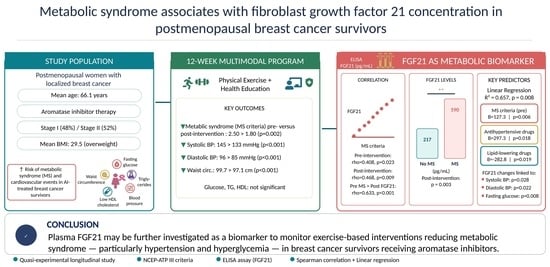
Metabolic Syndrome Is Associated with Increased Plasma Fibroblast Growth Factor 21 (FGF21) in Postmenopausal Breast Cancer Survivors: Implications for Therapy and Diagnosis
by
Pedro Céspedes, Cristina Buigues, María Dolores Torregrosa, Francisco M. Martínez-Arnau, Omar Cauli and Isabel Trapero
Pathophysiology 2026, 33(2), 31; https://doi.org/10.3390/pathophysiology33020031 - 5 May 2026
Abstract
►▼
Show Figures
Background: Fibroblast growth factor 21 (FGF21) is a peptide hormone that is synthesized by several organs and regulates energy homeostasis, including reducing fat mass and lowering hyperglycemia, insulin resistance and dyslipidemia. It also increased metabolic syndrome (MS) and cardiovascular risk in breast cancer
[...] Read more.
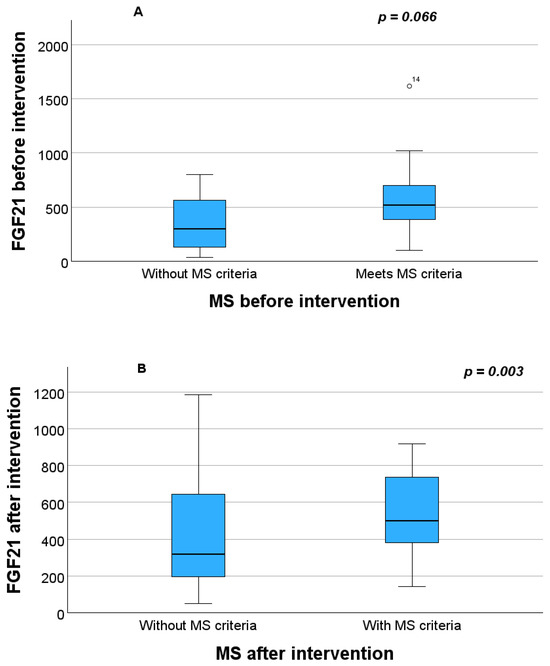
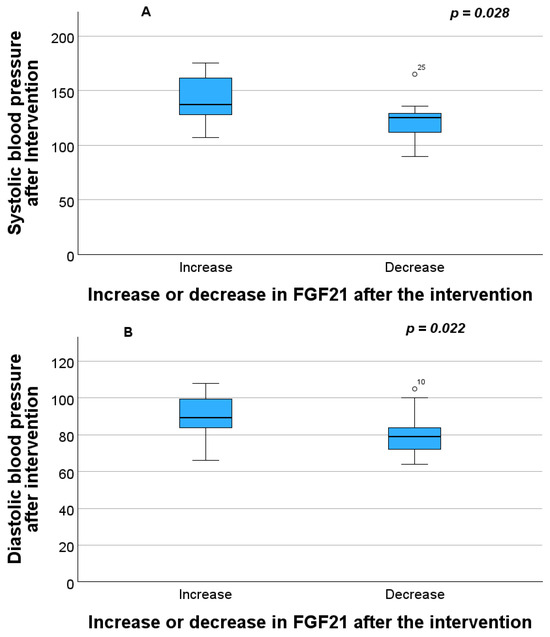
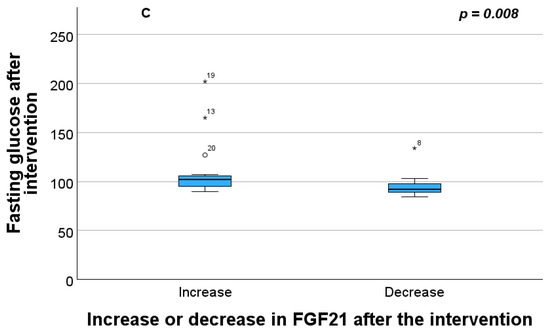
Background: Fibroblast growth factor 21 (FGF21) is a peptide hormone that is synthesized by several organs and regulates energy homeostasis, including reducing fat mass and lowering hyperglycemia, insulin resistance and dyslipidemia. It also increased metabolic syndrome (MS) and cardiovascular risk in breast cancer (BC) survivors treated with aromatase inhibitors (AIs) aimed at reducing cancer recurrence. We evaluated whether blood FGF21 concentration is associated with MS and its five criteria in postmenopausal women treated with AIs, and whether this persists after multimodal interventions that reduce MS. Methods: A quasi-experimental longitudinal study in 31 postmenopausal women with localized BC on Ais, assessed via a 12-week multimodal program. Their MS was evaluated per the NCEP-ATP III guidelines (waist circumference, blood pressure, fasting glucose, triglycerides, HDL-cholesterol). Plasma FGF21 was measured pre/post-intervention via fasting blood samples, centrifugation, and ELISA assay. Results: Pre-intervention FGF21 median: 377.62 pg/mL (38.40–1616.42). Plasma FGF21 concentrations positively correlated with MS criteria number pre- and post-intervention (all p < 0.05). Linear regression confirmed pre-intervention MS criteria (β = 127.262, p = 0.006) and antihypertensive drugs as predictors of post-FGF21 levels. Analysis of individual MS criteria revealed significant associations with blood pressure (p = 0.028 and p = 0.022 for systolic and diastolic pressure, respectively) and fasting glucose changes (p = 0.008). Conclusions: Plasma FGF21 may act as a biomarker for monitoring exercise-based interventions which reduce MSs, particularly hypertension and hyperglycemia, in AI-treated BC survivors.
Full article

Graphical abstract
Open AccessArticle
Astrocytoma-Specific Prognostic Associations of Amyloid-Related Biological Processes
by
Felix Y. Narvaez Irizarry, Tyrel R. Porter, Neisha Ramirez Serrano and Lilia Y. Kucheryavykh
Pathophysiology 2026, 33(2), 30; https://doi.org/10.3390/pathophysiology33020030 - 30 Apr 2026
Abstract
►▼
Show Figures
Background: Amyloid-related pathways are well studied in neurodegenerative diseases but remain poorly characterized in gliomas. Amyloid-related transcriptional programs in low-grade gliomas (astrocytoma grade II-III) and oligodendrogliomas, and their association with patient survival, were analyzed in this study. Methods: Transcriptomic data from 193
[...] Read more.
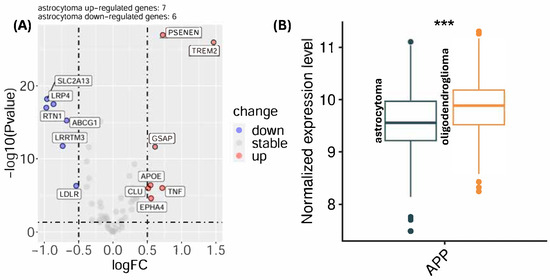
Background: Amyloid-related pathways are well studied in neurodegenerative diseases but remain poorly characterized in gliomas. Amyloid-related transcriptional programs in low-grade gliomas (astrocytoma grade II-III) and oligodendrogliomas, and their association with patient survival, were analyzed in this study. Methods: Transcriptomic data from 193 grade II-III astrocytomas and 191 oligodendrogliomas were analyzed to evaluate histology-specific expression patterns and prognostic significance. Differential and single-sample gene set enrichment analyses (ssGSEA) were used to calculate per-sample enrichment scores for 30 amyloid-related Gene Ontology biological process gene sets across the combined cohort. These scores were used to compare pathway activity between grade II-III astrocytoma and oligodendroglioma samples. Pathway-level survival analyses were performed for each tumor type using ssGSEA enrichment scores to evaluate associations with overall survival. Results: Distinct amyloid-related transcriptional programs were identified between glioma subtypes. Grade II-III astrocytomas showed enrichment of pathways related to amyloid precursor protein (APP) processing and amyloid-β clearance, whereas oligodendrogliomas were enriched in lipid transport and negative regulation of amyloid formation. Survival analyses revealed that higher activity of the positive regulation of APP biosynthetic process and amyloid-β clearance by transcytosis was significantly associated with worse overall survival in grade II-III astrocytoma, but not in oligodendroglioma. Gene-level analyses in astrocytoma demonstrated consistent survival associations across multiple genes within these pathways, supporting coordinated pathway-level effects rather than isolated single-gene prognostic markers. Conclusions: Amyloid-related transcriptional programs differ substantially between diffuse glioma subtypes. Increased APP biosynthesis and amyloid-β transcytosis pathways are associated with poorer survival specifically in grade II-III astrocytoma, suggesting a potential role for amyloid metabolism in tumor progression. These findings identify APP-related pathways as candidates for further mechanistic investigation and potential therapeutic targeting in grade II-III astrocytoma.
Full article

Figure 1
Open AccessArticle
High uPAR and Low miR-221 Expression Predict Poor Disease-Free Survival in Triple-Negative Breast Cancer
by
Weiwei Gong, Yueyang Liu, Natalie Falkenberg, Marion Kiechle, Holger Bronger, Julia Dorn, Viktor Magdolen and Tobias Dreyer
Pathophysiology 2026, 33(2), 29; https://doi.org/10.3390/pathophysiology33020029 - 22 Apr 2026
Abstract
Background: Triple-negative breast cancer (TNBC) is associated with poor prognosis and limited targeted treatment options. The urokinase plasminogen activator receptor (uPAR) contributes to tumor aggressiveness and may be regulated by microRNAs such as miR-221. This study aimed to evaluate the prognostic relevance of
[...] Read more.
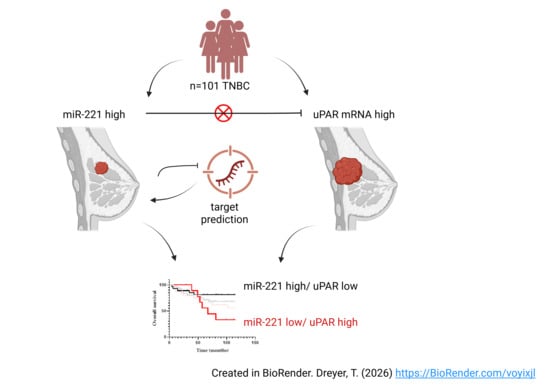
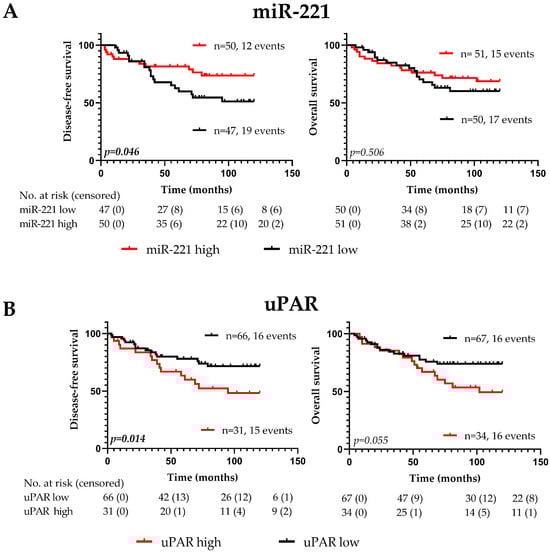
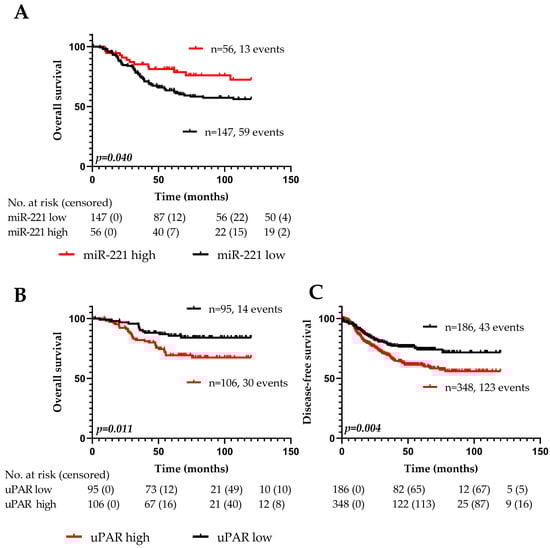
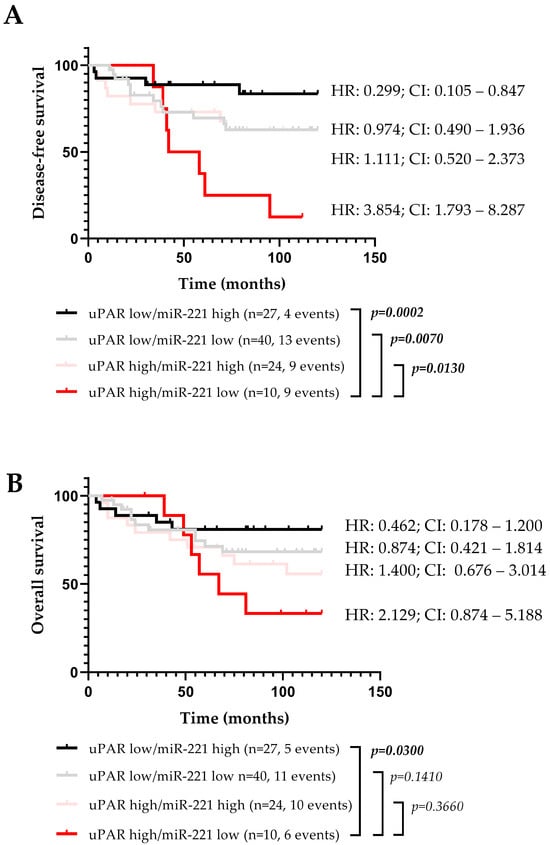
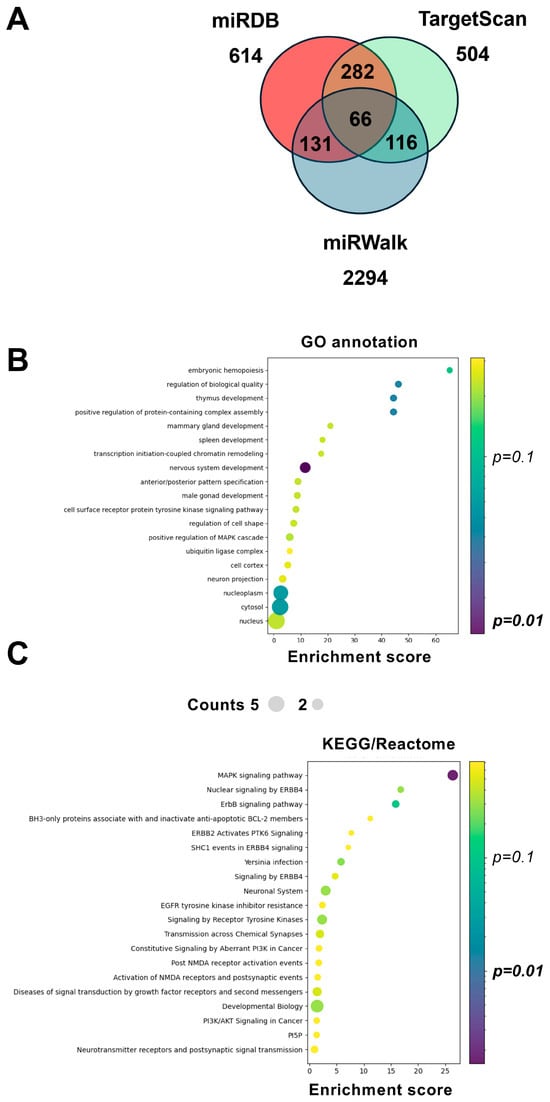
Background: Triple-negative breast cancer (TNBC) is associated with poor prognosis and limited targeted treatment options. The urokinase plasminogen activator receptor (uPAR) contributes to tumor aggressiveness and may be regulated by microRNAs such as miR-221. This study aimed to evaluate the prognostic relevance of uPAR mRNA and miR-221 expression in TNBC. Methods: uPAR mRNA and miR-221 expression levels were quantified by real-time PCR in tumor tissues from 101 patients with TNBC. Associations with clinicopathological parameters and disease-free survival (DFS) were analyzed using univariate and multivariable Cox regression models. In silico analyses of publicly available datasets were performed for validation and, in addition, for further miR-221 target prediction. Results: In both univariate and multivariable analyses, high uPAR mRNA expression was associated with shorter DFS, whereas, in contrast, elevated miR-221 expression correlated with improved DFS. No inverse correlation between uPAR and miR-221 expression was observed, making a direct regulatory miR-221/uPAR axis in TNBC unlikely. Still, combined analysis revealed a pronounced additive prognostic effect, with high uPAR and low miR-221 expression identifying patients with the poorest DFS. These findings were supported by in silico analysis with publicly available patient data. Finally, other potential miR-221 targets were identified by applying in silico target prediction. Conclusions: uPAR and miR-221 represent independent prognostic markers in TNBC. Their combined expression provides additional prognostic value for disease-free survival and supports their potential relevance as biomarkers and therapeutic targets in TNBC.
Full article
(This article belongs to the Section Cellular and Molecular Mechanisms)
►▼
Show Figures

Graphical abstract
Open AccessArticle
Real-Time Single-Cell Measurement and Kinetic Modeling of Daunorubicin Uptake in Multidrug-Resistant Leukemia Cells Using a Microfluidic Biochip
by
Yuchun Chen, Megan Chiem, Nandini Joshi and Paul C. H. Li
Pathophysiology 2026, 33(2), 28; https://doi.org/10.3390/pathophysiology33020028 - 21 Apr 2026
Abstract
►▼
Show Figures
Background/Objectives: Multidrug resistance (MDR) remains a major pathophysiological barrier to effective chemotherapy based on anthracyclines, including daunorubicin (DNR), in the treatment of leukemia. However, conventional population-level measurements of drug uptake do not resolve variability in uptake kinetics among individual leukemia cells, which
[...] Read more.
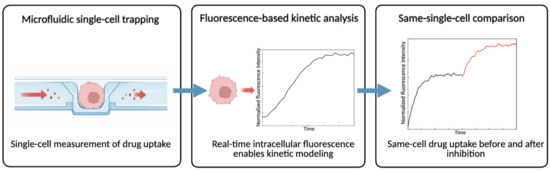
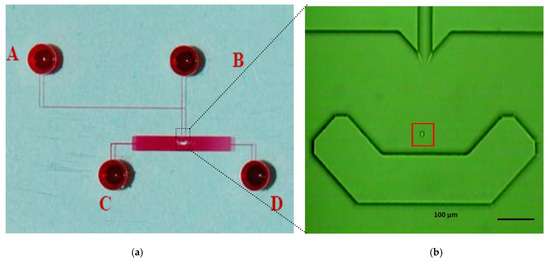
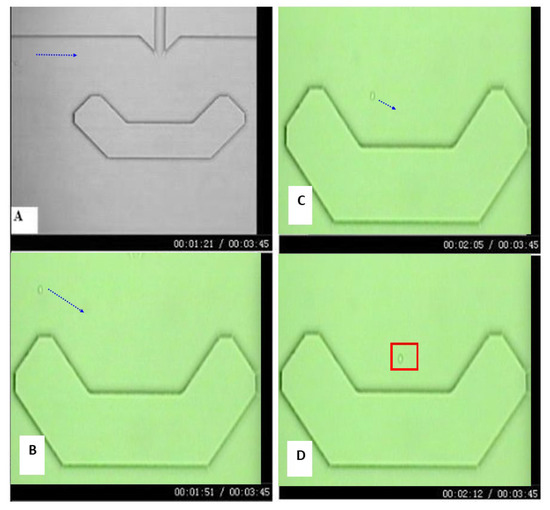
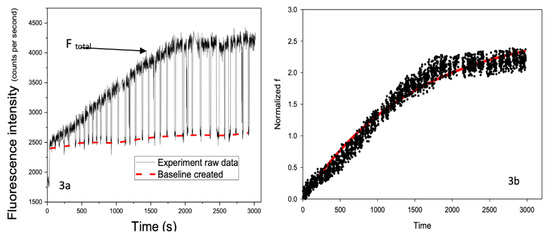
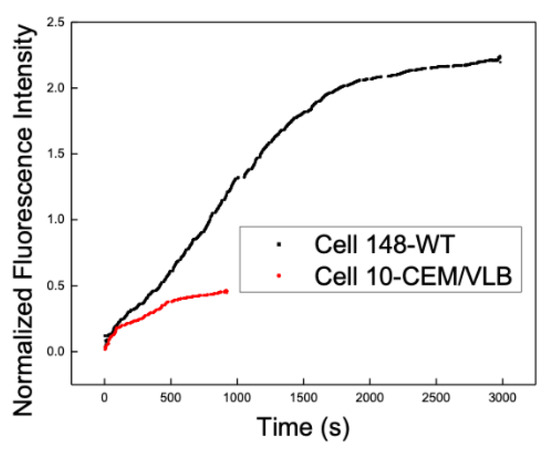
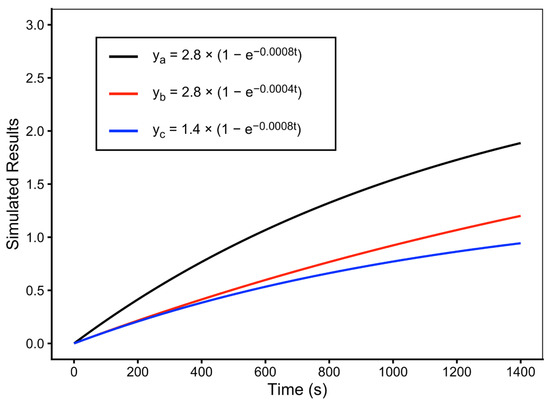
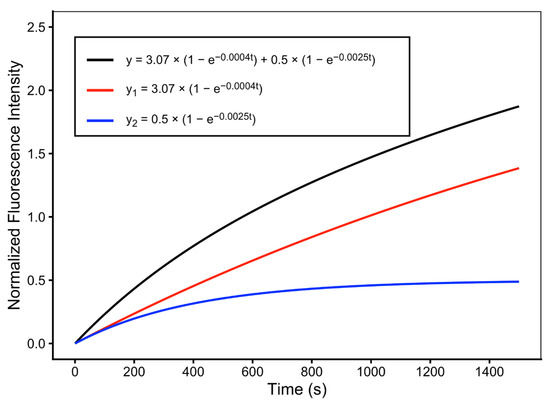
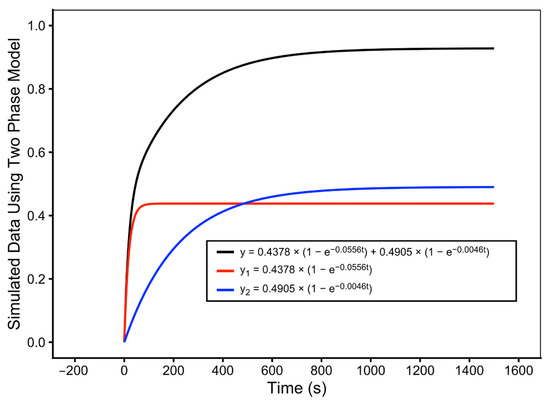
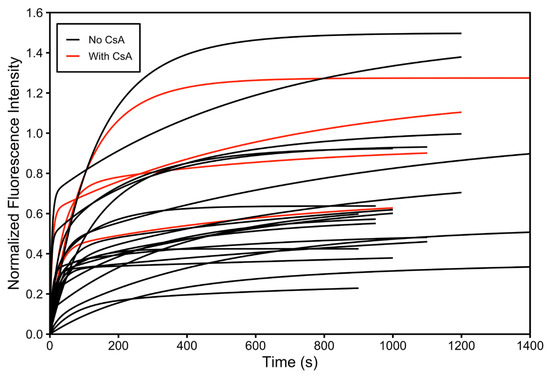
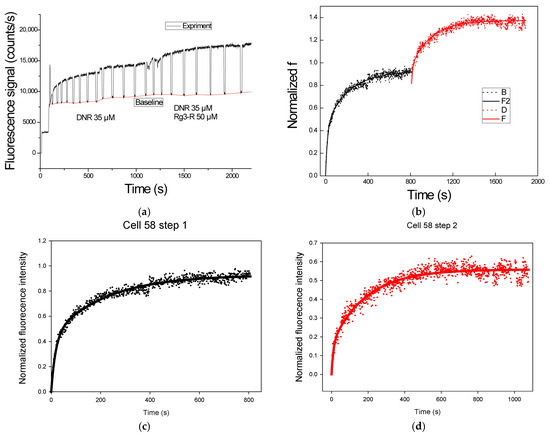
Background/Objectives: Multidrug resistance (MDR) remains a major pathophysiological barrier to effective chemotherapy based on anthracyclines, including daunorubicin (DNR), in the treatment of leukemia. However, conventional population-level measurements of drug uptake do not resolve variability in uptake kinetics among individual leukemia cells, which may influence intracellular drug accumulation and therapeutic response. Methods: In this study, real-time DNR uptake was quantified at the single-cell level using a microfluidic biochip that enabled long-term cellular retention and continuous monitoring. Both wild-type drug-sensitive leukemia cells and a multidrug-resistant mutant overexpressing the P-glycoprotein (P-gp) efflux pump were examined. Results: Kinetic analysis revealed that DNR uptake in drug-sensitive cells was well described by a single dominant uptake process, whereas uptake in MDR cells required a model incorporating two kinetically distinct processes. In both cell populations, pronounced cell-to-cell variation was observed in uptake rates and intracellular drug retention, indicating substantial functional heterogeneity within phenotypically similar cells. This variability persisted following the treatment with an MDR inhibitor and obscured the differences between inhibitor-treated and untreated cells when the uptake was compared across different single cells. To overcome this limitation, a same-single-cell analysis (SASCA) approach was employed, enabling direct comparison of DNR uptake in the same individual cell before and after inhibitor exposure, thereby revealing enhanced intracellular DNR retention and accelerated uptake kinetics following inhibition. Conclusions: Together, these results demonstrate that real-time single-cell kinetic analysis reveals functionally relevant heterogeneity in multidrug-resistant leukemia cells and provides insight into the pathophysiology of MDR that cannot be obtained from population-averaged measurements.
Full article

Graphical abstract
Open AccessCase Report
Hypovolemic Shock in the Setting of Third Spacing with Concentric Left Ventricular Hypertrophy: A Physiology-Guided Management of Fluid Resuscitation—Case Report and Literature Review
by
Akram M. Eraky, Yasser Mokhtar, Guy Grabau, Adnan Khan, Mark Jarosz, Alisha Wright, Matthew Grounds and Kyle Kennedy
Pathophysiology 2026, 33(2), 27; https://doi.org/10.3390/pathophysiology33020027 - 17 Apr 2026
Abstract
►▼
Show Figures
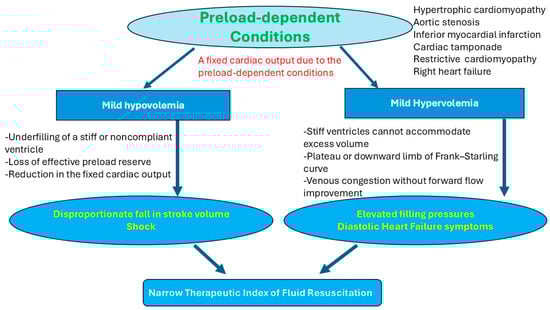
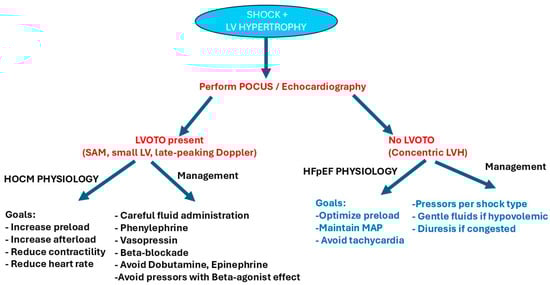
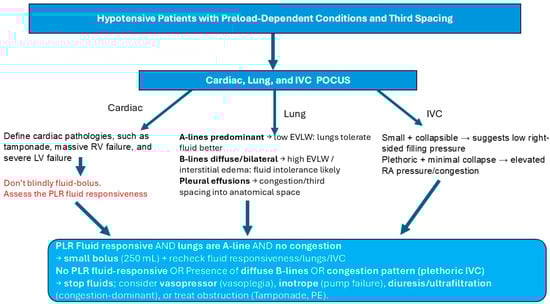
Patients with preload-dependent conditions are at high risk of hemodynamic instability from both hypovolemia and hypervolemia. In hypovolemic states, the presence of third spacing may be misleading and obscure true intravascular volume status. Therefore, management of critically ill patients should be guided by
[...] Read more.
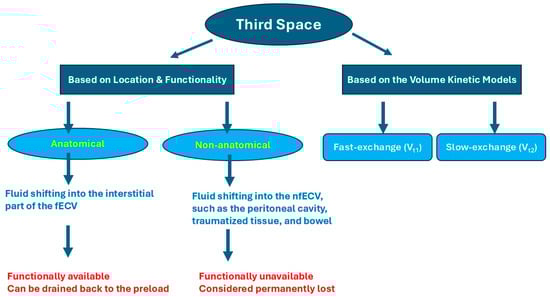
Patients with preload-dependent conditions are at high risk of hemodynamic instability from both hypovolemia and hypervolemia. In hypovolemic states, the presence of third spacing may be misleading and obscure true intravascular volume status. Therefore, management of critically ill patients should be guided by a thorough understanding of physiology and pathophysiology to appropriately address hemodynamic derangements. Overreliance on rigid protocols and protocol-driven care without adequate clinical judgment may, in some cases, adversely affect patient outcomes. Herein, we present a case of hypovolemia-induced hypotension in the setting of third spacing and concentric left ventricular hypertrophy.
Full article

Figure 1
Open AccessReview
Transient Glycocalyx Remodeling by Intravenous Hyaluronidase in Atherosclerosis: A Hypothesis-Generating Review
by
Andreas Pfützner, Tobias Gantner, Harald Burgard, Tilman Steinmeier, Eduard Stappler, Julia Jantz and Petra Wiechel
Pathophysiology 2026, 33(2), 26; https://doi.org/10.3390/pathophysiology33020026 - 10 Apr 2026
Abstract
Atherosclerosis remains the leading cause of death worldwide and imposes a major healthcare burden. Physiologically, elimination of cholesterol from the arterial wall depends on reverse cholesterol transport (RCT). RCT requires access to HDL and apolipoprotein A-I (ApoA-I) to lesional macrophages/foam cells. The endothelial
[...] Read more.
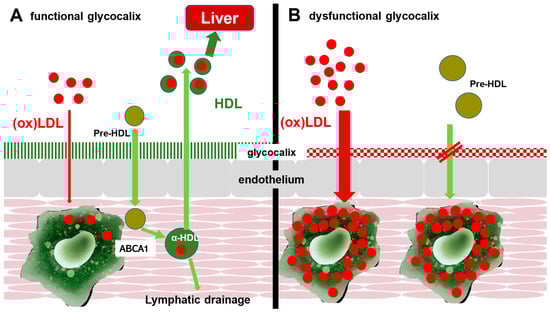
Atherosclerosis remains the leading cause of death worldwide and imposes a major healthcare burden. Physiologically, elimination of cholesterol from the arterial wall depends on reverse cholesterol transport (RCT). RCT requires access to HDL and apolipoprotein A-I (ApoA-I) to lesional macrophages/foam cells. The endothelial glycocalyx is a dynamic and injury-sensitive layer of proteoglycans and glycosaminoglycans (including hyaluronan). It contributes to vascular barrier properties, leukocyte adhesion, mechanotransduction, and macromolecular transport. In atherosclerosis, glycocalyx structure and function are altered; this may facilitate entry/retention of atherogenic lipoproteins and may also alter transport conditions relevant to cholesterol efflux pathways. This article presents a mechanistic hypothesis: short, transient, systemic hyaluronidase exposure could temporarily remodel glycocalyx/extracellular matrix components and thereby facilitate conditions permissive for regulated transport processes relevant to RCT. However, the proposed link between glycocalyx remodeling and improved lesional cholesterol efflux remains theoretical. Direct in vivo evidence that the endothelial glycocalyx is a dominant barrier limiting HDL- or ApoA-I-mediated cholesterol efflux from plaque macrophages is currently limited. Moreover, glycocalyx degradation is widely associated with endothelial dysfunction, increased permeability, inflammation, and thrombosis, all of which could aggravate rather than ameliorate atherosclerosis. Human pharmacokinetic data indicate a very short plasma half-life of circulating hyaluronidase activity, suggesting that any systemic enzymatic effect is brief. Nevertheless, the biological consequences of repeated degradation–regeneration cycles, especially in high-risk states such as diabetes, inflammation, oxidative stress, or chronic kidney disease, remain incompletely understood. Evidence supporting clinical benefit in atherosclerosis is currently limited to heterogeneous animal experiments, historical uncontrolled reports, and a small number of anecdotal case observations, whereas randomized trials have only been performed in other settings such as acute myocardial infarction and do not establish efficacy for plaque regression. We therefore provide a balanced evaluation of knowns, uncertainties, alternative interpretations, potential risks, dosing unknowns, and a translational research agenda including mechanistic preclinical studies, biomarker development, imaging, and carefully designed early-phase clinical investigation.
Full article
(This article belongs to the Section Cardiovascular Pathophysiology)
►▼
Show Figures

Figure 1
Highly Accessed Articles
Latest Books
E-Mail Alert
News
Topics
Topic in
Biomedicines, Clinics and Practice, Diseases, JCM, Pathophysiology, Diagnostics
Evolving Insights into Pathophysiology, Diagnosis, Therapy, and Prognosis in Acute Respiratory Distress Syndrome (ARDS): From Bench to Bedside—Third Edition
Topic Editors: Denise Battaglini, Patricia Rieken Macêdo Rocco, Raffaele MerolaDeadline: 31 March 2027
Special Issues
Special Issue in
Pathophysiology
Cardiovascular Convergence: Bridging Basic, Translational and Clinical Research
Guest Editors: Dragan Djuric, Vladimir JakovljevicDeadline: 30 November 2026
Special Issue in
Pathophysiology
Factors Modifying Response to Breast Cancer Treatment
Guest Editor: Robert Treat ChattertonDeadline: 5 December 2026
Special Issue in
Pathophysiology
Obstructive Sleep Apnea Phenotypes: First Decade of Exploration and Beyond
Guest Editors: Jonathan Steven Alexander, Oleg ChernyshevDeadline: 15 December 2026
Special Issue in
Pathophysiology
Inflammation as a Pathophysiological Link Between Obesity and Diabetes
Guest Editors: Omar Cauli, Oscar CaballeroDeadline: 31 December 2026
Topical Collections
Topical Collection in
Pathophysiology
Feature Papers in Pathophysiology
Collection Editor: Jonathan Steven Alexander