
mathematics-logo

Journal Browser

Journal Browser

Applied Mathematics for Emerging Trends in Mechatronic Systems

A topical collection in Mathematics (ISSN 2227-7390). This collection belongs to the section "E2: Control Theory and Mechanics".

Viewed by 3433

Editors


E-Mail Website
Collection Editor

Topical Collection Information

Dear Colleagues,

We invite high-quality, original research contributions to the Topical Collection "Applied Mathematics for Emerging Trends in Mechatronic Systems". This interdisciplinary collection aims to explore how advanced mathematical methods are shaping the future of mechatronics—an evolving field at the intersection of mechanical, electrical, control, and computer engineering.
Modern mechatronic systems—from autonomous robots and AGVs to smart manufacturing and cyber–physical systems—demand rigorous modeling, robust control, and intelligent optimization. This collection seeks to highlight how applied mathematics plays a pivotal role in addressing these challenges, offering theoretical foundations and practical tools to develop more efficient, adaptive, and intelligent systems.

Scope and Topics of Interest include, but are not limited to, the following:

  • Mathematical modeling and analysis of mechatronic components and systems;
  • Nonlinear dynamics, stability, and control in electromechanical systems;
  • Optimization methods for robotics, automation, and intelligent systems;
  • Computational techniques and numerical methods in mechatronic design;
  • System identification and data-driven modeling approaches;
  • Control algorithm development and real-time embedded implementation;
  • Applications of differential equations, linear algebra, and fractional calculus;
  • Integration of AI techniques (e.g., neural networks, fuzzy logic) in control and modeling;
  • Emerging applications in robotics, AGVs, Industry 4.0, and smart systems.

Prof. Dr. Paolo Mercorelli
Dr. Aydin Azizi
Collection Editors

Manuscript Submission Information

Manuscripts should be submitted online at www.mdpi.com by registering and logging in to this website. Once you are registered, click here to go to the submission form. All submissions that pass pre-check are peer-reviewed. Accepted papers will be published continuously in the journal (as soon as accepted) and will be listed together on the collection website. Research articles, review articles as well as short communications are invited. For planned papers, a title and short abstract (about 250 words) can be sent to the Editorial Office for assessment.

Submitted manuscripts should not have been published previously, nor be under consideration for publication elsewhere (except conference proceedings papers). All manuscripts are thoroughly refereed through a single-blind peer-review process. A guide for authors and other relevant information for submission of manuscripts is available on the Instructions for Authors page. Mathematics is an international peer-reviewed open access semimonthly journal published by MDPI.

Please visit the Instructions for Authors page before submitting a manuscript. The Article Processing Charge (APC) for publication in this open access journal is 2600 CHF (Swiss Francs). Submitted papers should be well formatted and use good English. Authors may use MDPI's English editing service prior to publication or during author revisions.

Keywords

  • applied mathematics
  • mechatronic systems
  • mathematical modeling
  • intelligent control
  • optimization techniques
 

Published Papers (2 papers)

2026

24 pages, 3989 KB  
Article
Optimal Control of Overtaking Trajectories Under Aerodynamic Wake Effects in Motorsport
by Telmo Prego and Aydin Azizi
Mathematics 2026, 14(3), 467; https://doi.org/10.3390/math14030467 - 29 Jan 2026
Viewed by 1035
Abstract
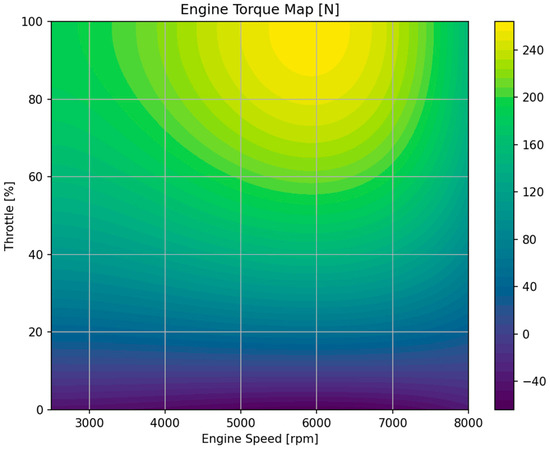
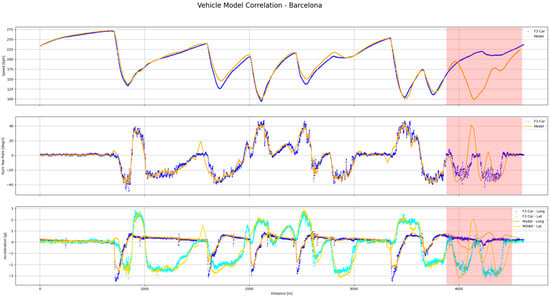
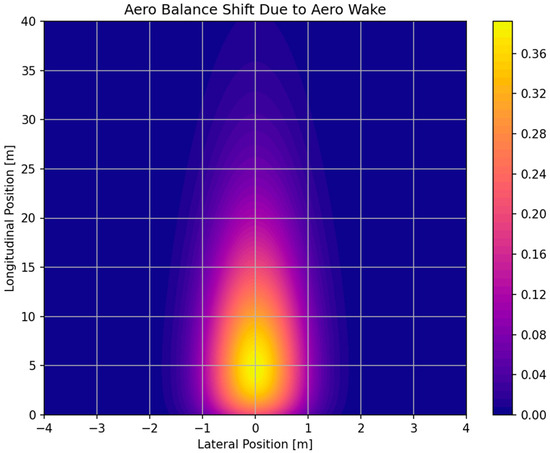
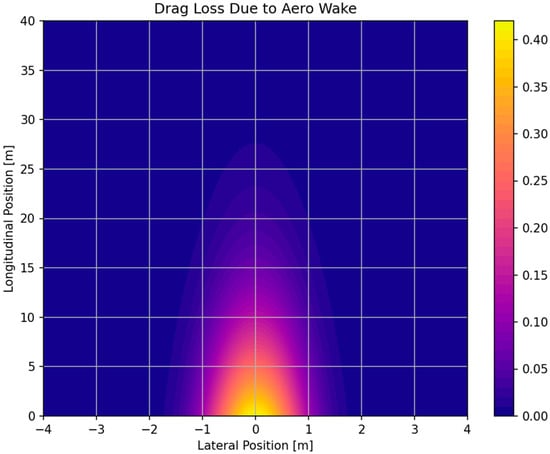
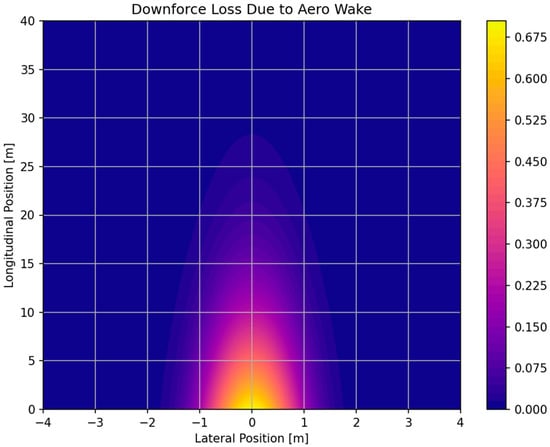
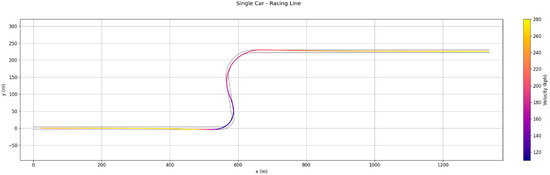
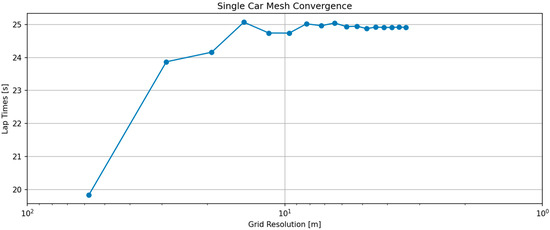
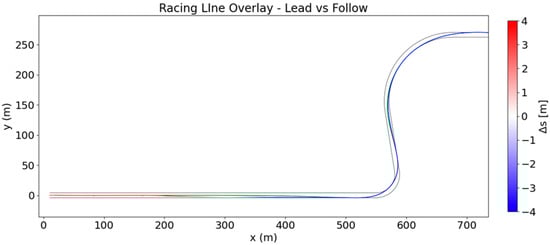
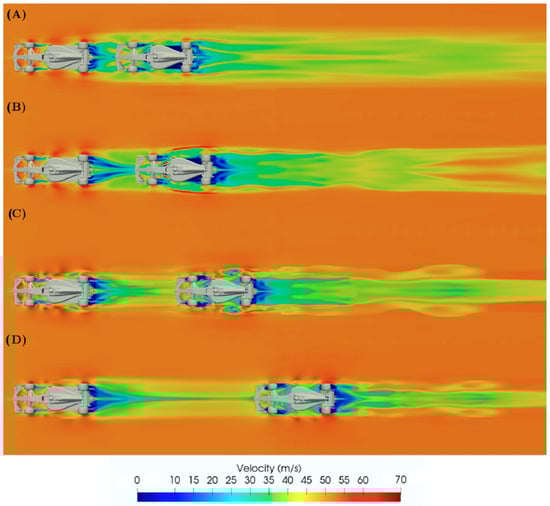
This paper presents a simulation framework for analysing race car overtaking manoeuvres under aerodynamic wake effects using optimal control theory. The proposed formulation integrates wake-dependent aerodynamic disturbances into a spatial-domain optimal control problem, enabling simultaneous optimisation of racing line and control inputs. A [...] Read more.
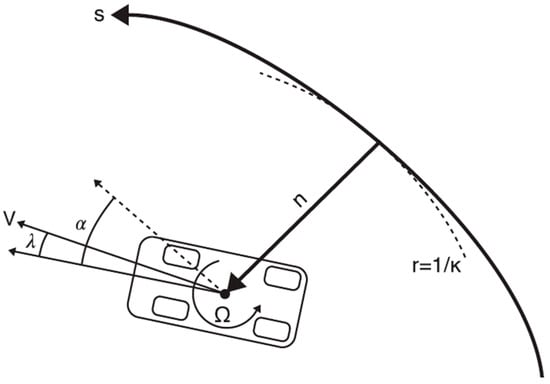
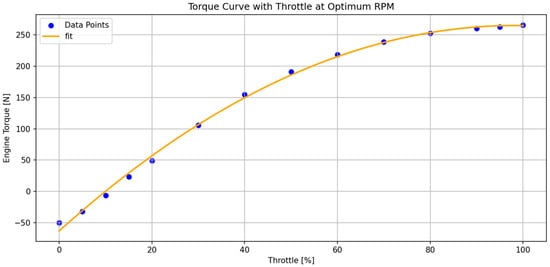
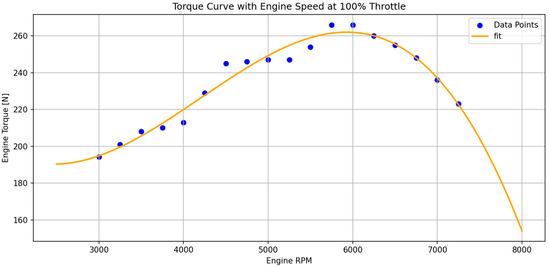
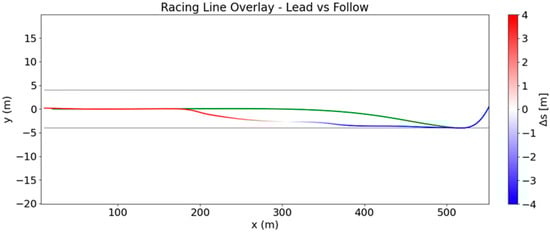
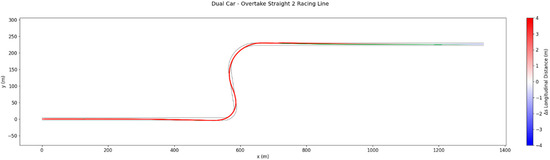
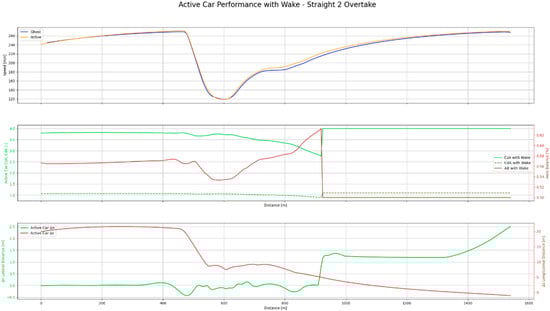
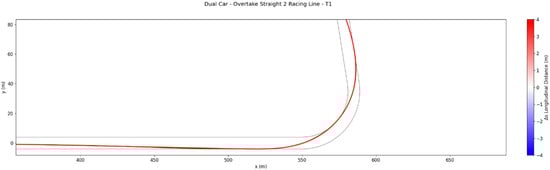
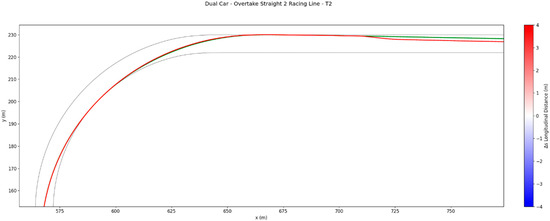
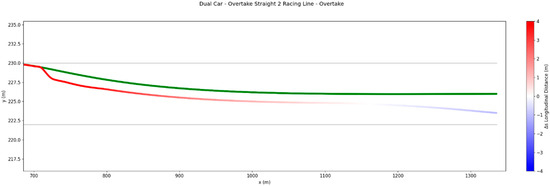
This paper presents a simulation framework for analysing race car overtaking manoeuvres under aerodynamic wake effects using optimal control theory. The proposed formulation integrates wake-dependent aerodynamic disturbances into a spatial-domain optimal control problem, enabling simultaneous optimisation of racing line and control inputs. A planar vehicle model representative of a modern FIA Formula 3 car is employed and calibrated using real telemetry data obtained from Campos Racing. Wake effects are modelled as distance- and offset-dependent aerodynamic loss factors that influence drag, downforce, and aerodynamic balance of the following vehicle. The framework is implemented using the Dymos optimal control library and applied to single-car and two-car overtaking scenarios on a closed circuit. Simulation results demonstrate that wake effects significantly modify optimal braking points, corner entry trajectories, and corner-exit strategies. Moreover, we show that optimal overtaking requires deliberate lateral deviations from the wake core to recover downforce and traction. The study highlights the importance of incorporating aerodynamic interaction effects into trajectory optimisation when analysing performance-critical motorsport manoeuvres. Full article
Show Figures

Figure 1
28 pages, 6394 KB  
Article
Prediction of Blade Root Loads for Wind Turbine Based on RBMO-VMD and TCN-BiLSTM-Attention
by Yifan Liu and Jing Cheng
Mathematics 2026, 14(2), 218; https://doi.org/10.3390/math14020218 - 6 Jan 2026
Cited by 1 | Viewed by 462
Abstract
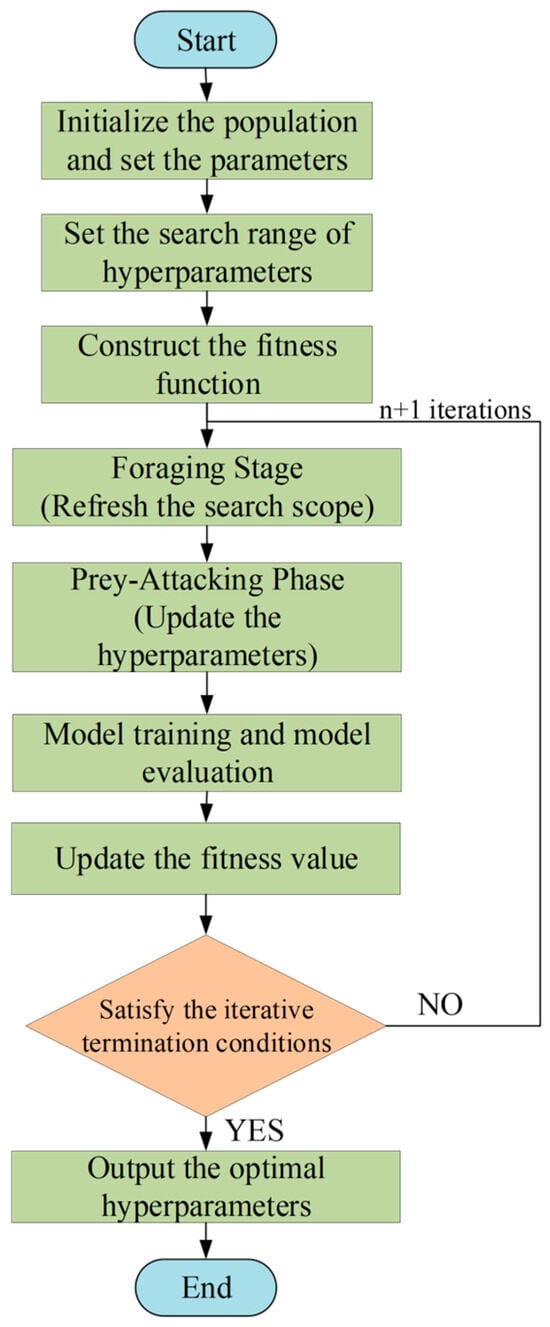
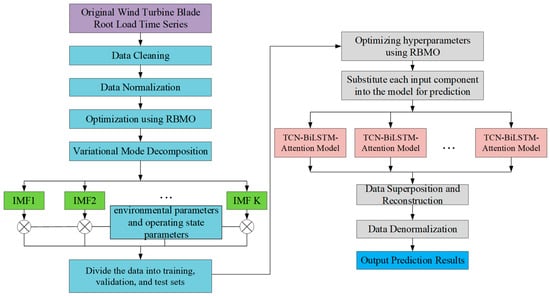
Addressing the challenges associated with wind turbine blade root loads—including nonlinearity, strong coupling effects, high computational complexity, and the limitations of conventional mathematical-physical modeling approaches. This paper proposes a wind turbine blade root load prediction model that integrates Variational Mode Decomposition (VMD) optimized [...] Read more.
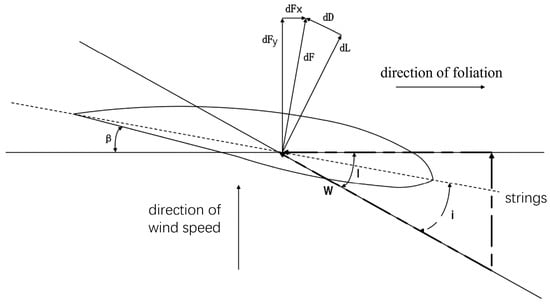
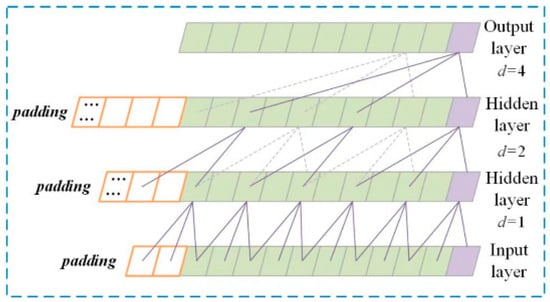
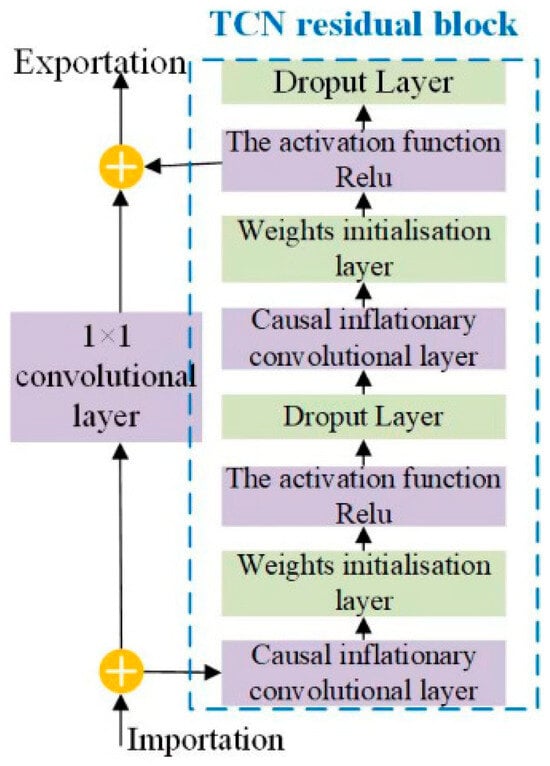
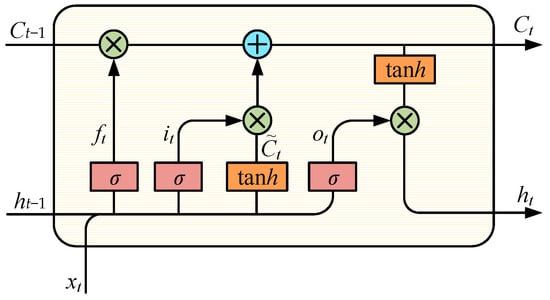
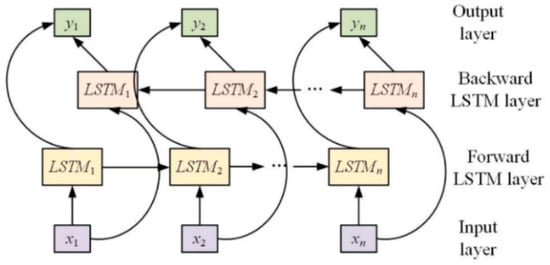
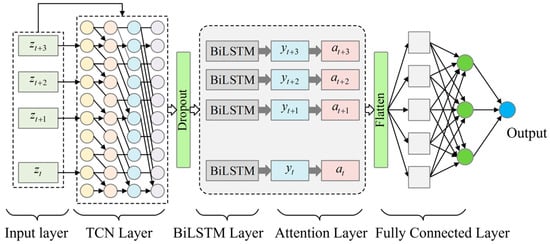
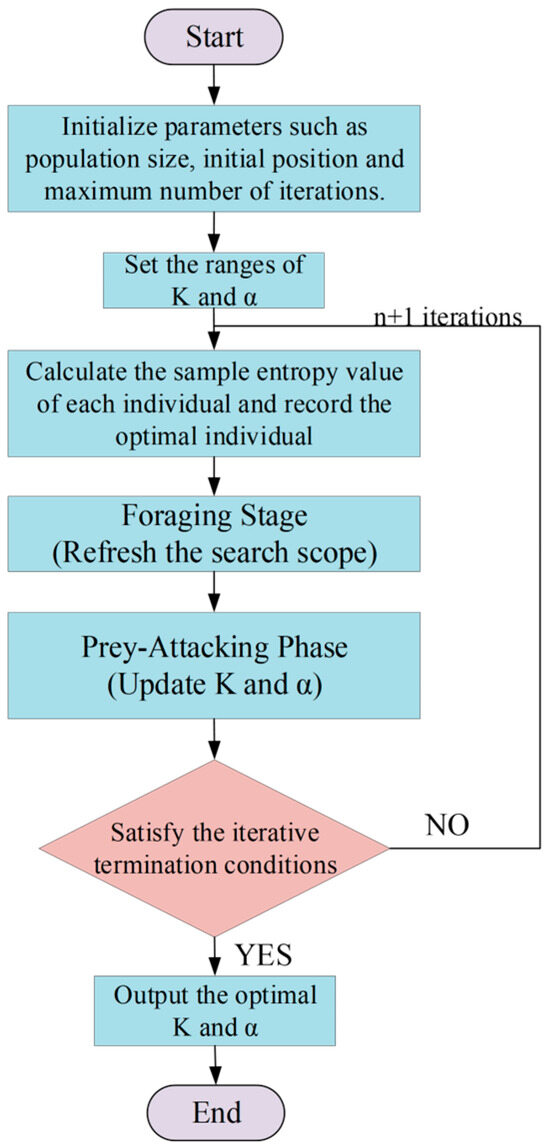
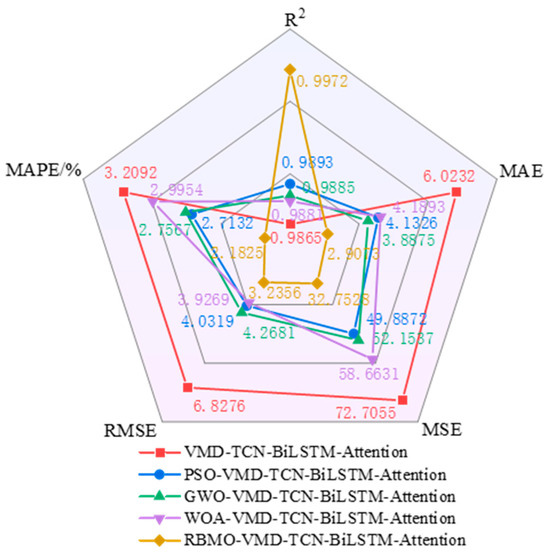
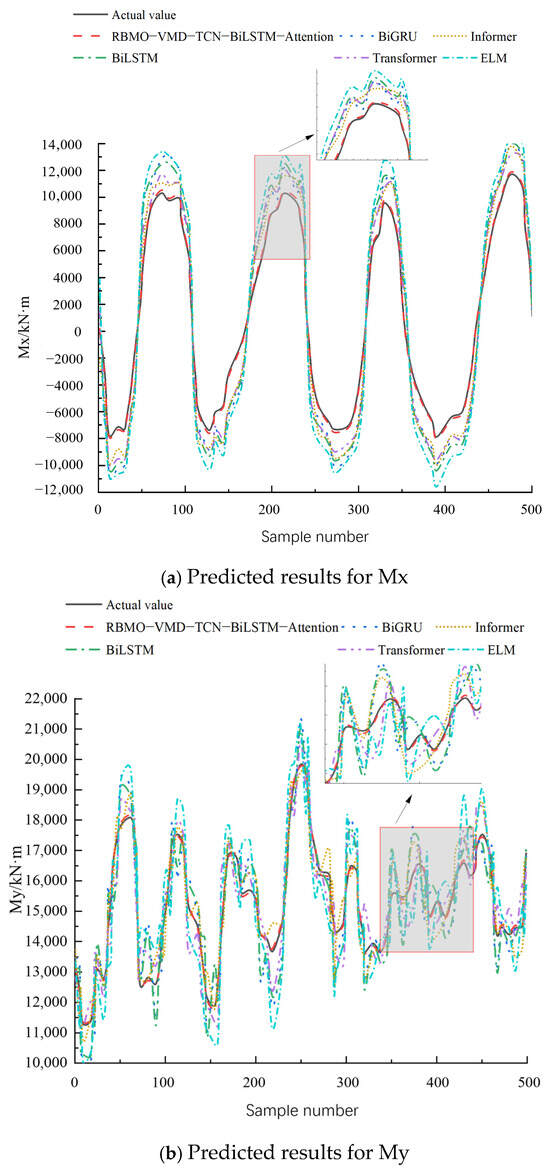
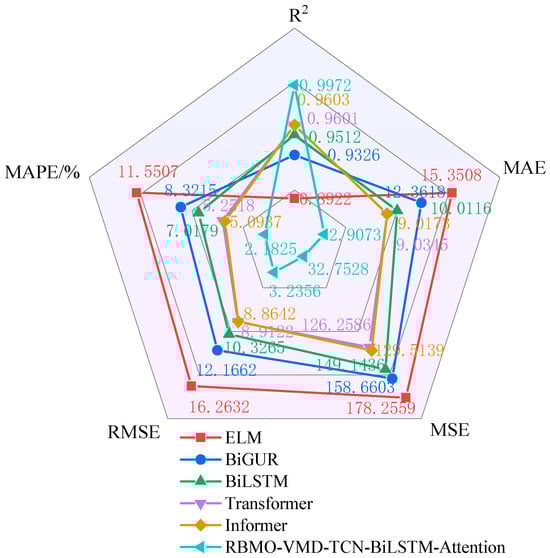
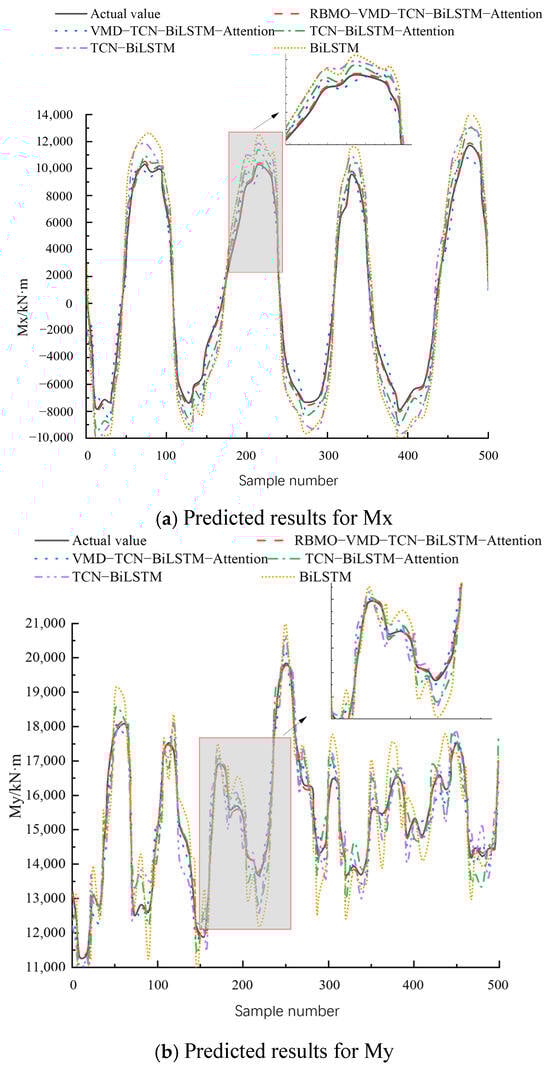
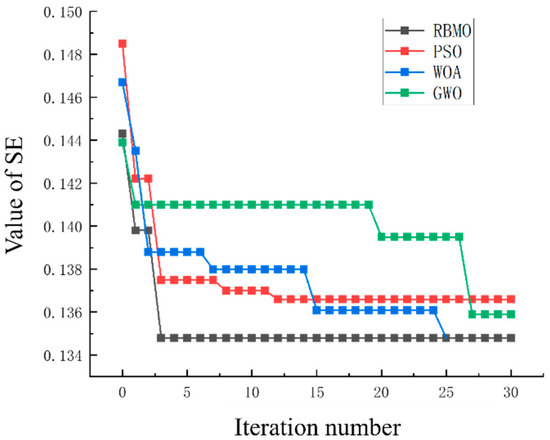
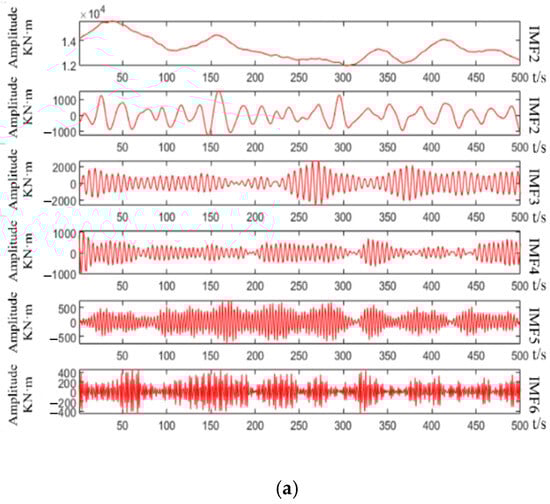
Addressing the challenges associated with wind turbine blade root loads—including nonlinearity, strong coupling effects, high computational complexity, and the limitations of conventional mathematical-physical modeling approaches. This paper proposes a wind turbine blade root load prediction model that integrates Variational Mode Decomposition (VMD) optimized by the Red-billed Blue Magpie Algorithm (RBMO) and a combined Temporal Convolutional Network (TCN)—Bidirectional Long Short-Term Memory (BiLSTM)—Attention mechanism. First, the RBMO algorithm optimizes VMD parameters. VMD decomposes data into multiple sub-sequences, which are combined with environmental and operational parameters to form input components for the TCN-BiLSTM-Attention ensemble prediction model. Finally, the RBMO algorithm determines the optimal hyperparameter configuration for the combined model. Prediction outputs from each component are then aggregated and reconstructed to yield the final blade root load prediction. Predictions are compared against actual data and results from other forecasting models. Results demonstrate superior predictive performance for the proposed model, effectively enhancing the accuracy of blade root load prediction for wind turbines. Full article
Show Figures

Figure 1
Back to TopTop