Dear Colleagues,
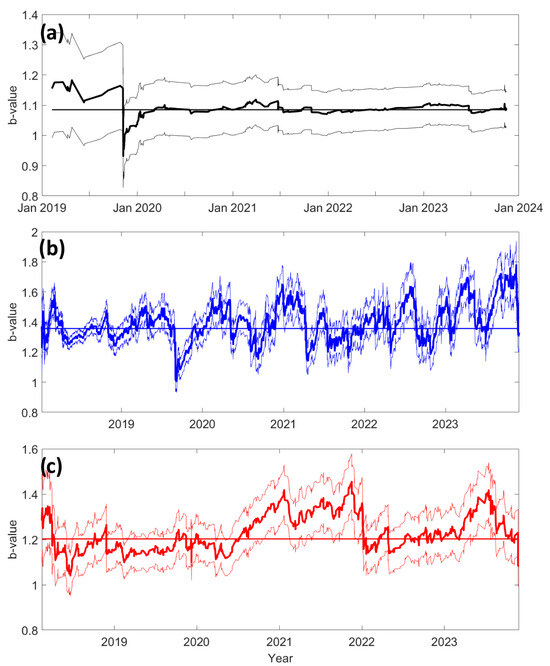
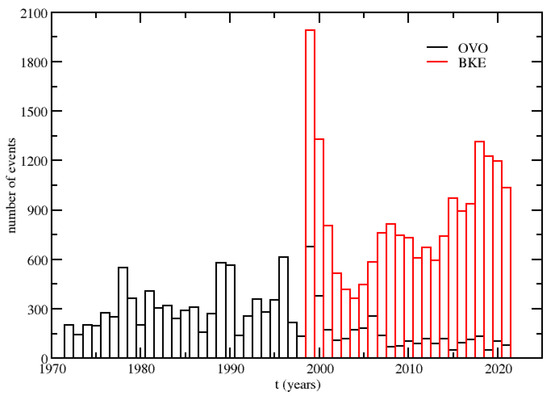
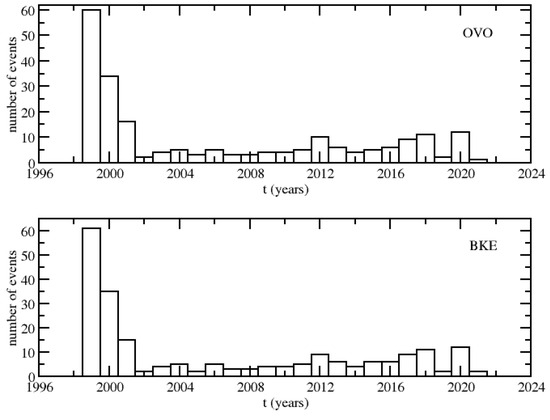
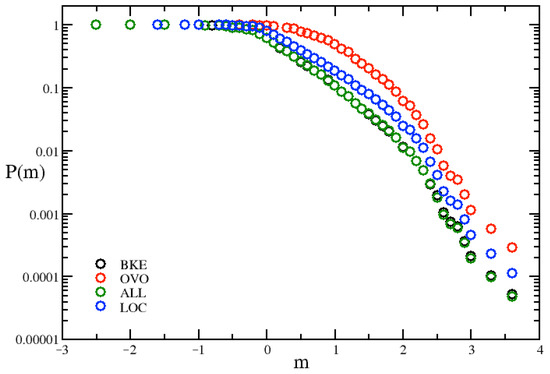
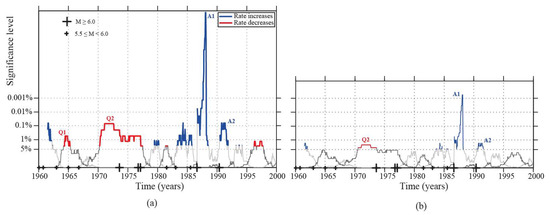
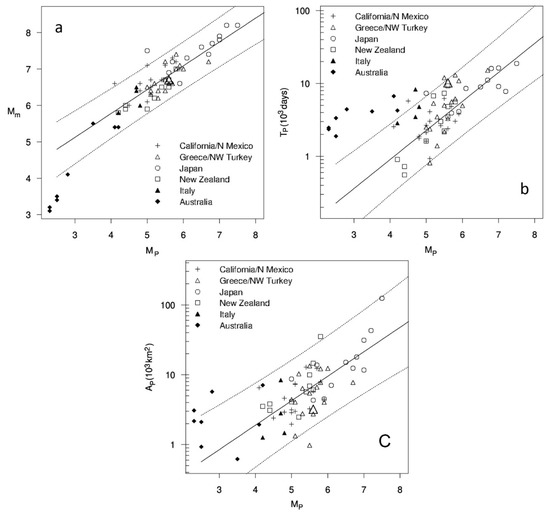
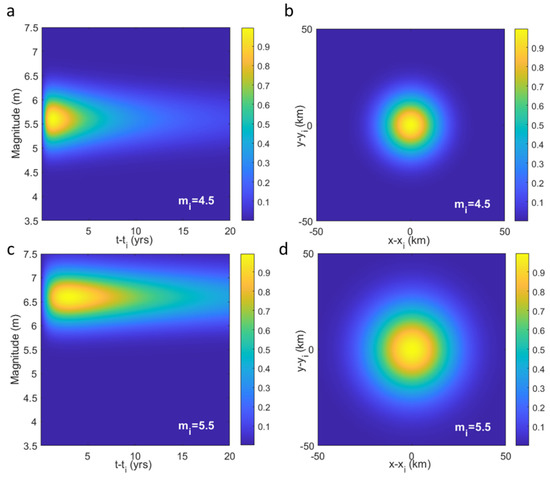
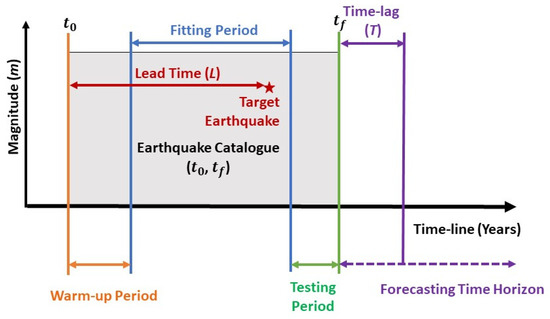
Statistical seismology has been becoming an increasingly developing scientific topic, interfacing physics-based and statistics-based modeling of earthquake occurrence. As complex phenomena, earthquakes require the application of different physicostatistical methods to be fully understood. Earthquakes are a process that evolves in the space–time–magnitude domain, and therefore, different physical and statistical methods would be necessary to analyse them in each domain. The quantification and comprehension of the distribution of seismicity in time, magnitude, and space is only one of the multiple aspects covered by statistical seismology. In fact, it includes statistical behaviour of earthquakes in time, space, and magnitude, earthquake physics, seismic hazard estimation, time-dependent earthquake forecasting, earthquake-induced ground shaking, and testing the forecasting power of physical and statistical models of seismicity. However, the analysis of earthquake-related geophysical variables (geochemical, geoelectrical, magnetotelluric, electromagnetic, acoustic, etc.) can also be reasonably incorporated into statistical seismology since these can contribute to deepen the nature of earthquake phenomena and provide useful ingredient for earthquake forecasting. Fractal, multifractal, informational, topological, or non-extensive methods represent just some of the most recent methods used to disclose different physical and statistical properties of earthquakes.
Authors are encouraged to submit original research articles, case studies, reviews, position papers, and theoretical papers including but not limited to the following topics:
- Statistical analysis of earthquake catalogues and their problems;
- Models and techniques for analyzing seismicity;
- Earthquake predictability and related hypothesis testing;
- Analysis of earthquake precursors;
- Seismic hazard and risk.
Dr. Luciano Telesca
Collection Editor
Manuscript Submission Information
Manuscripts should be submitted online at www.mdpi.com by registering and logging in to this website. Once you are registered, click here to go to the submission form. All submissions that pass pre-check are peer-reviewed. Accepted papers will be published continuously in the journal (as soon as accepted) and will be listed together on the collection website. Research articles, review articles as well as short communications are invited. For planned papers, a title and short abstract (about 250 words) can be sent to the Editorial Office for assessment.
Submitted manuscripts should not have been published previously, nor be under consideration for publication elsewhere (except conference proceedings papers). All manuscripts are thoroughly refereed through a single-blind peer-review process. A guide for authors and other relevant information for submission of manuscripts is available on the Instructions for Authors page. Geosciences is an international peer-reviewed open access monthly journal published by MDPI.
Please visit the Instructions for Authors page before submitting a manuscript.
The Article Processing Charge (APC) for publication in this open access journal is 1800 CHF (Swiss Francs).
Submitted papers should be well formatted and use good English. Authors may use MDPI's
English editing service prior to publication or during author revisions.