



-
Intralesional Fibroma Injection with Hyaluronidase and Triamcinolone Acetonide, a Novel Treatment Option for Ledderhose Disease -
Performance Validation of ORTHOSEG, a Novel Artificial Intelligence Tool for the Segmentation of Orthopantomographs and Intra-Oral X-Rays -
Thyroid Monitoring and Amiodarone-Induced Thyroid Disease in Australian General Practice: A Retrospective Cohort Study
Journal Description
Clinics and Practice
is an international, peer-reviewed, open access journal on clinical medicine, published monthly online by MDPI (from Volume 11, Issue 1 - 2021).
- Open Access— free for readers, with article processing charges (APC) paid by authors or their institutions.
- High Visibility: indexed within Scopus, ESCI (Web of Science), PubMed, PMC, Embase, and other databases.
- Journal Rank: JCR - Q2 (Medicine, General and Internal) / CiteScore - Q2 (General Medicine)
- Rapid Publication: manuscripts are peer-reviewed and a first decision is provided to authors approximately 25.7 days after submission; acceptance to publication is undertaken in 3.8 days (median values for papers published in this journal in the second half of 2025).
- Recognition of Reviewers: APC discount vouchers, optional signed peer review, and reviewer names published annually in the journal.
Impact Factor:
2.2 (2024);
5-Year Impact Factor:
1.9 (2024)
Latest Articles
Digital Access for Screens and Smiles: Telehealth Use and Dental Care Access in the U.S
Clin. Pract. 2026, 16(5), 91; https://doi.org/10.3390/clinpract16050091 - 6 May 2026
Abstract
Background/Objectives: Cost-related delays hinder access to dental care in the United States, while the growing use of telehealth has an uncertain impact on population-level access to dental services. The study examined factors associated with cost-related delays in dental care among U.S. adults and
[...] Read more.
Background/Objectives: Cost-related delays hinder access to dental care in the United States, while the growing use of telehealth has an uncertain impact on population-level access to dental services. The study examined factors associated with cost-related delays in dental care among U.S. adults and whether telemedicine use in the past year was associated with these delays. Methods: This cross-sectional study utilized nationally representative data from the 2023 National Health Interview Survey (NHIS) to examine the association between telehealth use and oral health services utilization in the past 12 months. All analyses were performed using R version 4.5.1 within the RStudio IDE (version 2025.09.0+387). Results: Adults who visited a dental provider within the past 12 months had lower odds of cost-related dental care delay, whereas telemedicine users had higher odds of delay. Higher odds of delayed dental care were observed among women, those aged below 65 years, Hispanics, those with poorer health, and those living in the Midwest, South, and West. Education and family income-to-poverty ratio were not significantly associated with delay in the adjusted analysis. Conclusions: Cost-related delays in dental care remain common and reflect persistent sociodemographic inequities and patterns of healthcare engagement. Telemedicine use alone does not appear to contribute to overcoming barriers to dental care access. Policies that reduce financial barriers and connect telehealth encounters with oral health referral pathways may improve equitable access to dental services.
Full article
(This article belongs to the Section Dentistry and Oral Medicine)
Open AccessArticle
Efficacy and Safety of Glycerol Lidocaine Ear Drops in the Non-Antibiotic Treatment of Otitis Externa Symptoms—An Observational Study
by
Maria Sobol, Ewelina Sielska-Badurek, Mariusz Cięciara, Artur Wrzosek, Justyna Tomaszewska and Beata Roman
Clin. Pract. 2026, 16(5), 90; https://doi.org/10.3390/clinpract16050090 - 30 Apr 2026
Abstract
Purpose: The aim of this study was to investigate the safety and efficacy, as well as relief of symptoms after regular use, of 0.5% lidocaine hydrochloride solution in anhydrous glycerol (Auridol) in the form of ear drops, in patients with symptoms of otitis
[...] Read more.
Purpose: The aim of this study was to investigate the safety and efficacy, as well as relief of symptoms after regular use, of 0.5% lidocaine hydrochloride solution in anhydrous glycerol (Auridol) in the form of ear drops, in patients with symptoms of otitis externa (OE) in a real-world setting. Methods: This real-world pre–post study included 64 subjects aged 1 to 69 years with symptoms as follow: swelling, pain due to regular exposure to water or caused by frequent use of detergents, pain due to prolonged wearing of earphones, or earwax clogging the external auditory canal. In each subject, following an otoscopic examination and interview given by an ENT, the Auridol treatment was initiated. The product was administered as two drops into the affected ear up to three times daily in patients with symptoms of OE. During each visit, physical and functional symptom were evaluated. In addition, the efficacy of using the product was assessment using a VAS scale. At the end of the study, subjects rated the product according to a Likert scale. Results: A statistically significant reduction in perceived pain was observed at t = 30’ as well as t = 3 days after application. For physical symptoms assessed by an ENT, a statistically significant difference was observed between consecutive scores for two of the assessed parameters (redness and swelling.) The product was rated very highly by the subjects. Conclusions: The results suggest that a combination of anhydrous glycerol and 0.5% of lidocaine in the form of ear drops has a positive effect in the treatment of symptoms of OE.
Full article
Open AccessArticle
Development of a Core Set of Nursing-Sensitive Patient Outcomes in Intensive Care Units: A Delphi Consensus Study
by
Luciano Cellura, Anna Maria Grugnetti, Stefano Gabriele Scaglia, Attilio Quaini, Silvia Natoli and Giuseppina Grugnetti
Clin. Pract. 2026, 16(5), 89; https://doi.org/10.3390/clinpract16050089 - 30 Apr 2026
Abstract
►▼
Show Figures
Introduction/Aim: Nursing care constitutes a fundamental determinant of patient outcomes in intensive care units (ICUs); however, the absence of standardised nursing-sensitive indicators constrains the objective evaluation of care quality within this setting. The present study aimed to develop an evidence-informed core set of
[...] Read more.
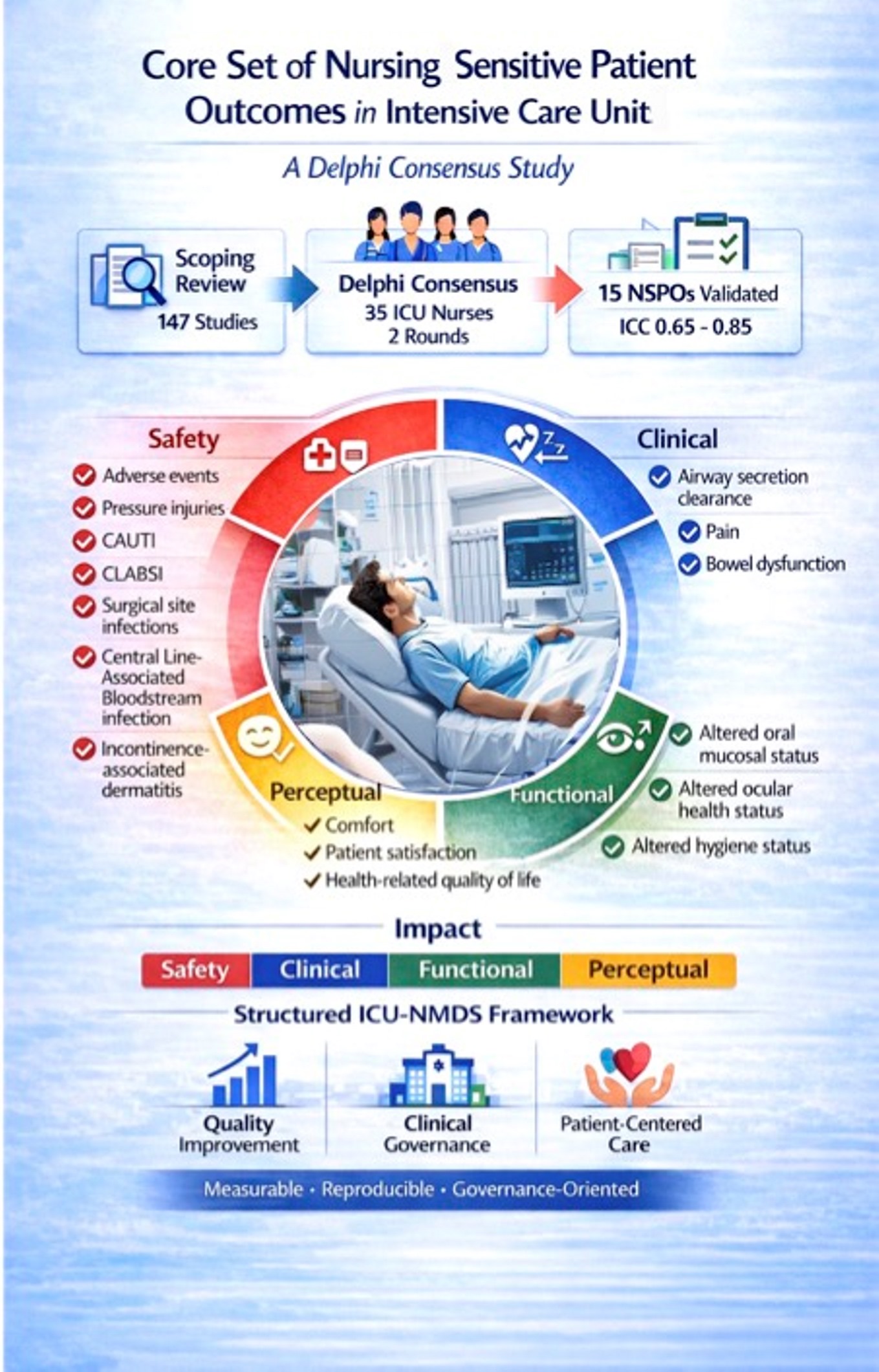
Introduction/Aim: Nursing care constitutes a fundamental determinant of patient outcomes in intensive care units (ICUs); however, the absence of standardised nursing-sensitive indicators constrains the objective evaluation of care quality within this setting. The present study aimed to develop an evidence-informed core set of nursing-sensitive patient outcomes (NSPOs) specific to intensive care nursing. Methods: A Delphi consensus study was conducted between September 2023 and February 2025 at the IRCCS Policlinico San Matteo Foundation, Pavia, Italy. The process comprised a preliminary scoping review, followed by two iterative Delphi rounds and a final consensus meeting aimed at refining conceptual domains without modifying item ratings. Thirty-eight ICU nurses evaluated 35 evidence-based NSPOs using a five-point Likert scale. Consensus was defined a priori as ≥75% agreement (scores 4–5), with a minimum response rate of ≥80%. Reliability was assessed using a two-way random-effects Intraclass Correlation Coefficient (ICC). Results: Fifteen NSPOs achieved the predefined consensus threshold and demonstrated moderate-to-excellent reliability (ICC = 0.65–0.85). The validated core set was organised into four domains—safety, clinical, functional, and perceptual—reflecting both preventive–technical and holistic dimensions of ICU nursing care. Conclusions: This study produced the first ICU-specific evidence-based NSPO core set in Italy, providing a measurable and reproducible framework to support systematic outcome monitoring, and quality improvement in critical care practice.
Full article

Graphical abstract
Open AccessArticle
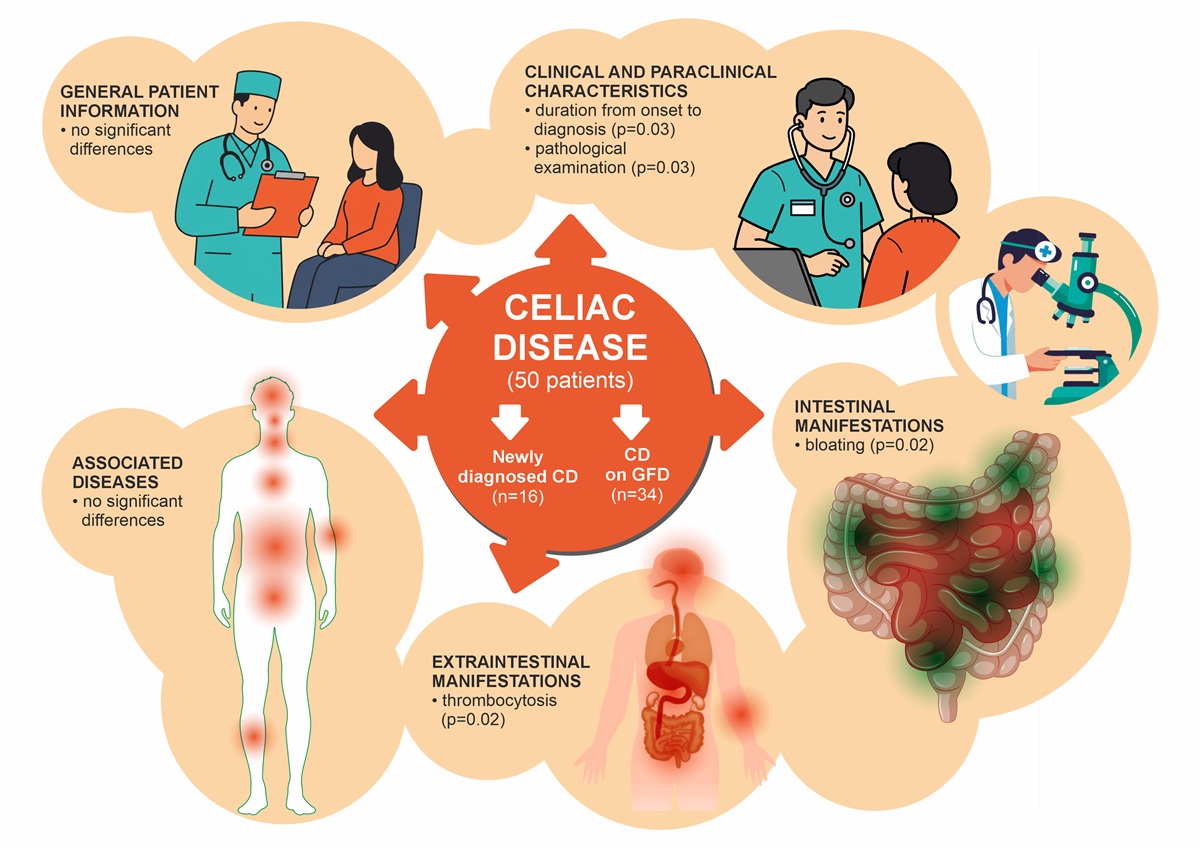
Clinical and Histopathological Profile of Adults with Celiac Disease at Diagnosis and on a Gluten-Free Diet: A Cross-Sectional Observational Study
by
Elena Maria Domsa, Ioana Para, Adela Viviana Sitar Taut, Teodora Atena Pop, Elena Ofelia Mosteanu, Laura Elena Gligor, Mihaela Elvira Cîmpianu, Antonia Gabriela Nitescu, Viorel Lucian Marina, Bogdan Nicolae Mucea and Vasile Andreica
Clin. Pract. 2026, 16(5), 88; https://doi.org/10.3390/clinpract16050088 - 30 Apr 2026
Abstract
►▼
Show Figures
Background/Objectives: Celiac disease (CD) is a chronic immune-mediated enteropathy triggered by gluten ingestion in genetically predisposed individuals, with a highly heterogeneous clinical presentation encompassing both intestinal and extraintestinal manifestations. Despite growing clinical awareness, diagnostic delay remains a significant challenge, and the evolution of
[...] Read more.
Background/Objectives: Celiac disease (CD) is a chronic immune-mediated enteropathy triggered by gluten ingestion in genetically predisposed individuals, with a highly heterogeneous clinical presentation encompassing both intestinal and extraintestinal manifestations. Despite growing clinical awareness, diagnostic delay remains a significant challenge, and the evolution of clinical and histopathological features following gluten-free diet (GFD) initiation remains incompletely characterized. This study aimed to compare the clinical, serological, and histopathological profile of adults with newly diagnosed CD and those maintained on a long-term GFD. Methods: This prospective observational study enrolled 50 adult patients with biopsy-confirmed CD: 16 at the time of diagnosis (gluten-consuming) and 34 on a GFD for at least one year. All participants underwent standardized clinical assessment, serological testing (IgA anti-tissue transglutaminase [tTG] and/or IgA anti-endomysial antibodies [EMAs]), upper digestive endoscopy with duodenal biopsies graded according to the Marsh–Oberhuber classification, and evaluation for Helicobacter pylori co-infection. Between-group comparisons were performed using the Mann–Whitney U test, Fisher's exact test, and chi-square test, as appropriate. Results: Newly diagnosed patients exhibited a significantly longer median duration from symptom onset to diagnosis compared to the GFD group (p = 0.03). Histopathological severity was greater in the newly diagnosed group, with more advanced Marsh–Oberhuber grades (p = 0.03). Among individual symptoms, bloating was significantly more frequent in newly diagnosed patients (p = 0.02). Notably, thrombocytosis was identified significantly more often in the newly diagnosed group compared to GFD patients (p = 0.02), representing a potentially underrecognized extraintestinal marker of active CD. Overall rates of intestinal and extraintestinal manifestations and CD-specific seropositivity did not differ significantly between groups. Conclusions: The clinical and histopathological profile of adults with celiac disease differs meaningfully between the time of diagnosis and during GFD adherence. Bloating and thrombocytosis were significantly more prevalent at diagnosis, with thrombocytosis emerging as a potentially underrecognized marker of active disease. Conversely, several manifestations persisted despite dietary treatment, underscoring the heterogeneous nature of CD across its clinical course. These findings may support earlier disease recognition and more individualized follow-up strategies in routine clinical practice.
Full article

Graphical abstract
Open AccessArticle
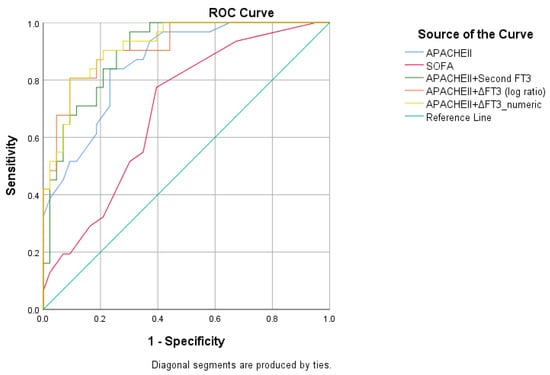
Prognostic Significance of Dynamic Free T3 Changes in Critically Ill Patients
by
Yakup Özgüngör, Burak Emre Gilik, Emre Karagöz, Hicret Yeniay, Mensure Çakırgöz, Özlem Melis Korkmaz Özgüngör, İhsan Birol and Sıla Seven
Clin. Pract. 2026, 16(5), 87; https://doi.org/10.3390/clinpract16050087 - 30 Apr 2026
Abstract
Background: Non-thyroidal illness syndrome is frequent in critically ill patients, but the prognostic value of dynamic changes in thyroid function tests remains unclear. This study evaluated whether serial measurements of thyroid-stimulating hormone (TSH) and free triiodothyronine (FT3) provide additional predictive value for 30-day
[...] Read more.
Background: Non-thyroidal illness syndrome is frequent in critically ill patients, but the prognostic value of dynamic changes in thyroid function tests remains unclear. This study evaluated whether serial measurements of thyroid-stimulating hormone (TSH) and free triiodothyronine (FT3) provide additional predictive value for 30-day mortality beyond conventional severity scores in ICU patients. Methods: This single-center retrospective observational study included 74 adult patients treated for ≥72 h in a general ICU who had TSH and FT3 measured within 24 h of admission and repeated at 48–72 h. Patients aged 18 years or above admitted to the intensive care unit were included in the study. Demographic characteristics, comorbidities, APACHE II, SOFA, modified NUTRIC (mNUTRIC) scores, and routine laboratory data (including albumin, CRP, and lactate) were recorded. The primary outcome was 30-day mortality. Between-group comparisons were performed using t-tests, Mann–Whitney U, and Chi-square tests. Variables significant in univariate analyses were entered into binary logistic regression models, and predictive performance was assessed using receiver operating characteristic (ROC) curves and the Youden index. Results: The mean age was 68.7 ± 14.7 years, and 41.9% (n = 31) of the patients died within 30 days. Non-survivors had higher APACHE II, SOFA, and mNUTRIC scores and lower albumin, lymphocyte count, and second FT3 levels compared with survivors (all p ≤ 0.003). Baseline FT3 and TSH were not associated with mortality, whereas both the subsequent FT3 measurements and the ΔT3 (variance in former to latter FT3) were remarkably predictive. The latter FT3 < 1.63 pg/mL produced an AUC of 0.835 (sensitivity: 77%, specificity: 74%), and a ΔT3 log ratio threshold of −0.09 (≈20% early FT3 decline) produced an AUC of 0.835 (sensitivity: 71%, specificity: 81%). The APACHE II + ΔT3 (numeric) model showed the best discrimination (AUC: 0.921; sensitivity: 87.1%, specificity: 81.4%), outperforming APACHE II alone (AUC: 0.861). Conclusions: In critically ill adult patients, dynamic T3 kinetics—particularly premature decline in FT3 within the first 72 h—provide incremental prognostic value for 30-day mortality beyond APACHE II. Serial FT3 monitoring may help identify high-risk patients whose endocrine adaptation to critical illness is failing.
Full article
(This article belongs to the Topic Hospitalization in Frail Patients: A Public Health Challenge)
►▼
Show Figures

Figure 1
Open AccessCase Report
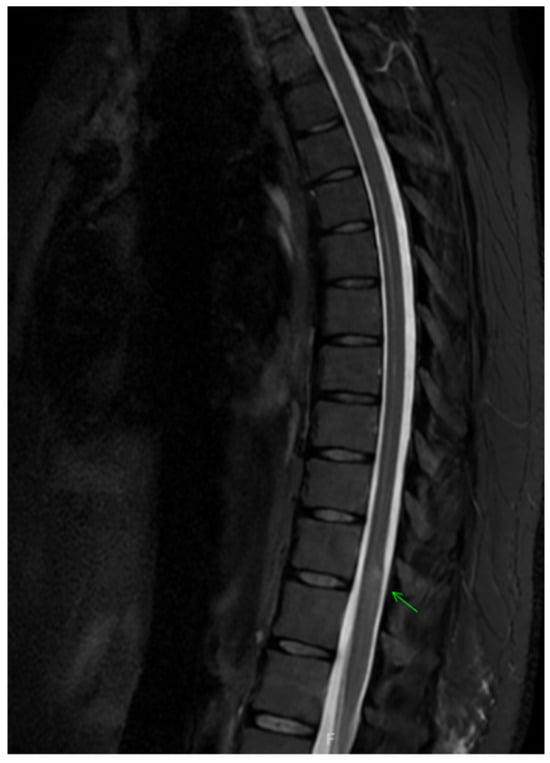
Steroid Refractory and Plasma Exchange Partially Responsive Longitudinally Extensive Transverse Myelitis Due to Tumor Necrosis Factor-Alpha (Etanercept): A Case Report
by
Jelena Stojsavljevic, Rafael R. Perez, Emilia Petcu, Celestine Odenigbo, Cristian Madrid, Igor Dumic and Charles W. Nordstrom
Clin. Pract. 2026, 16(5), 86; https://doi.org/10.3390/clinpract16050086 - 29 Apr 2026
Abstract
►▼
Show Figures
Background: Acute transverse myelitis (ATM) is an inflammatory disorder of the spinal cord with heterogeneous etiologies, including autoimmune, infectious, paraneoplastic, and drug-induced causes. Tumor necrosis factor-alpha (TNF-α) inhibitors have been infrequently associated with inflammatory central nervous system events, including transverse myelitis. TNF-inhibitor-associated myelitis
[...] Read more.
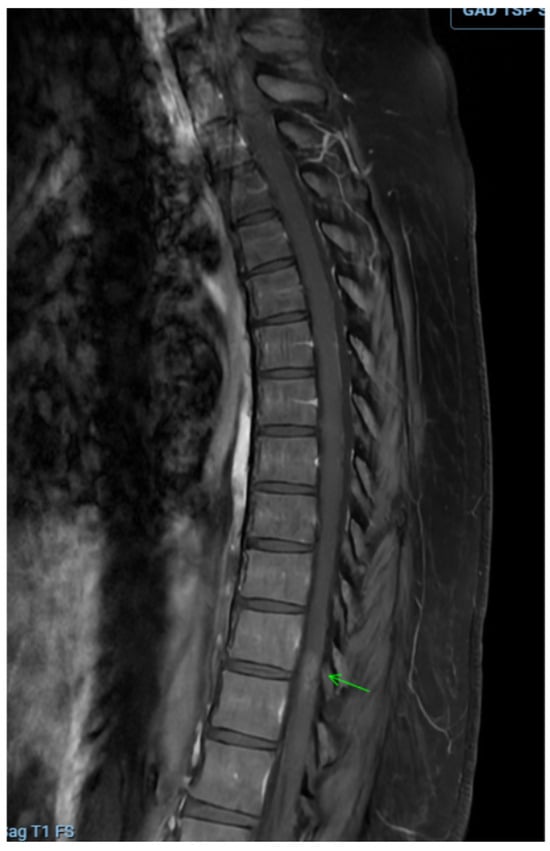
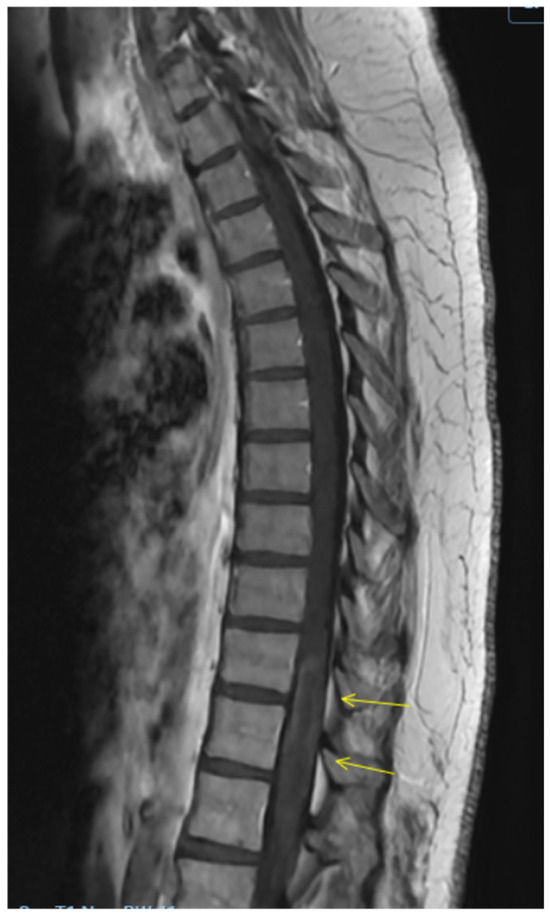
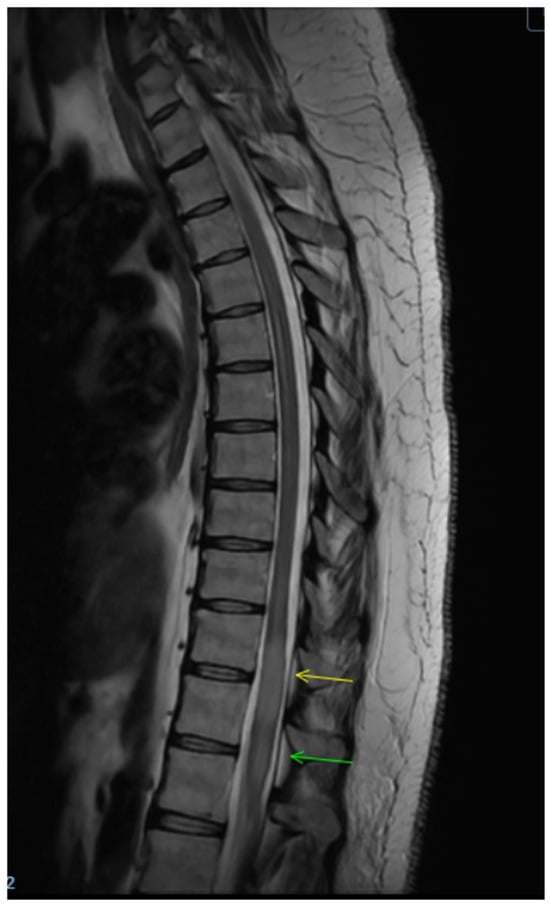
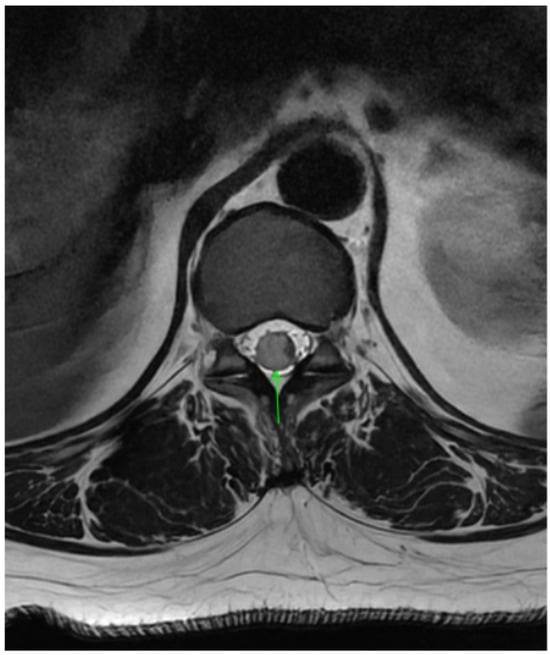
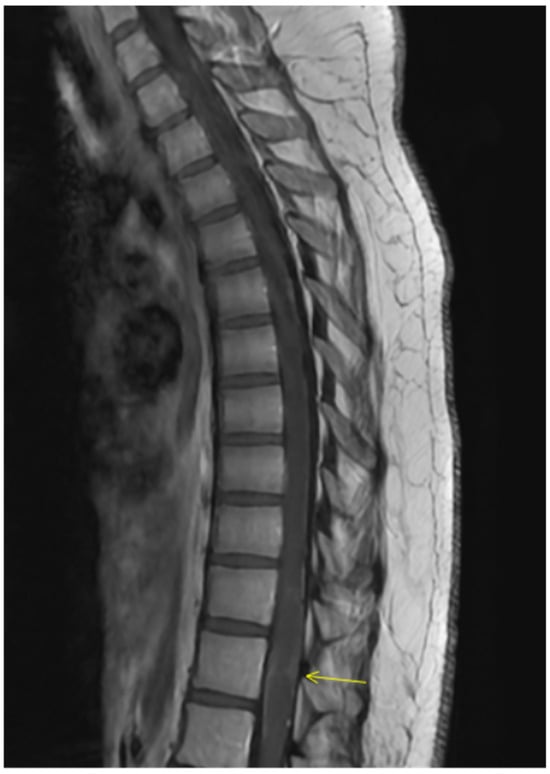
Background: Acute transverse myelitis (ATM) is an inflammatory disorder of the spinal cord with heterogeneous etiologies, including autoimmune, infectious, paraneoplastic, and drug-induced causes. Tumor necrosis factor-alpha (TNF-α) inhibitors have been infrequently associated with inflammatory central nervous system events, including transverse myelitis. TNF-inhibitor-associated myelitis typically presents with short-segment lesions, a normal brain MRI, and partial responsiveness to corticosteroids. Longitudinally extensive transverse myelitis (LETM) and steroid-refractory cases are uncommon. Case Presentation: A 39-year-old woman with psoriatic arthritis treated with etanercept for two years presented with subacute progressive bilateral lower-extremity sensory loss and weakness. MRI revealed a T2 hyperintense spinal cord lesion extending from T11 to L1 with gadolinium enhancement, consistent with transverse myelitis, while brain MRI was normal. Cerebrospinal fluid analysis showed lymphocytic pleocytosis, elevated protein, oligoclonal bands, and increased kappa free light chains. Extensive infectious, metabolic, paraneoplastic, and autoimmune testing, including aquaporin-4 and MOG antibodies, was negative. Despite high-dose intravenous corticosteroids and the discontinuation of etanercept, the patient experienced clinical worsening with lesion expansion, meeting criteria for LETM, and developed urinary retention. She subsequently underwent plasma exchange, resulting in radiologic improvement and moderate clinical recovery. Conclusions: This case highlights an atypical presentation of TNF-inhibitor-associated myelitis characterized by a biphasic course, longitudinally extensive spinal cord involvement, steroid refractoriness, and responsiveness to plasma exchange. These features suggest either an unusually severe TNF-inhibitor-related inflammatory phenotype or a TNF-inhibitor-triggered antibody-mediated demyelinating process. Reports of TNF-inhibitor-associated myelitis evolving into longitudinally extensive, steroid-refractory disease remain limited, and this presentation may broaden the recognized clinical spectrum of TNF-α-related CNS inflammatory events. Close neurologic follow-up and heightened awareness of severe CNS complications associated with TNF-α inhibitors are warranted.
Full article

Figure 1
Open AccessArticle
Efficacy of Combining Kegel Exercises with EMS-Based Pelvic Floor Muscle Electrostimulation in Postmenopausal Women with Involuntary Urinary Leakage
by
Lucian Șerbănescu, Sebastian Mirea, Paris Ionescu, Ionuț Iorga, Traian-Virgiliu Surdu, Vadym Rotar, Stere Popescu, Elena Mocanu, Luana Alexandrescu, Cosmin Nișcoveanu and Radu-Andrei Baz
Clin. Pract. 2026, 16(5), 85; https://doi.org/10.3390/clinpract16050085 - 29 Apr 2026
Abstract
Background/Objectives: Urinary incontinence (UI) is a frequent condition in postmenopausal women and is associated with a substantial negative impact on quality of life. Conservative management can include pelvic floor muscle training (PFMT) and high-intensity focused electromagnetic stimulation (HIFEM); however, data regarding the potential
[...] Read more.
Background/Objectives: Urinary incontinence (UI) is a frequent condition in postmenopausal women and is associated with a substantial negative impact on quality of life. Conservative management can include pelvic floor muscle training (PFMT) and high-intensity focused electromagnetic stimulation (HIFEM); however, data regarding the potential benefit of combining these modalities remain limited. This study aimed to evaluate whether the addition of a structured Kegel exercise program to EMSELLA-based electromagnetic stimulation is associated with enhanced clinical outcomes in postmenopausal women with urinary incontinence. Methods: This prospective comparative study included 99 postmenopausal women with stress, urgency, or mixed urinary incontinence and an International Consultation on Incontinence Questionnaire–Urinary Incontinence Short Form (ICIQ-UI SF) score ≥ 6. Participants received either EMSELLA therapy alone (Group A, n = 49) or EMSELLA combined with a standardized Kegel exercise program (Group B, n = 50) over a three-month period. Symptom severity was assessed at baseline and at three months using the ICIQ-UI SF. Between-group comparisons were performed using analysis of covariance, adjusting for baseline scores. Results: Both therapeutic approaches were associated with clinically meaningful improvement in urinary incontinence symptoms. After adjustment for baseline severity, lower follow-up ICIQ-UI SF scores, greater mean symptom reduction, and higher response rates were observed in the combined-therapy group. Across all menopausal-duration subgroups, outcomes consistently favored the association of EMSELLA therapy with Kegel exercises. No treatment-related adverse events were reported. Conclusions: The association of EMSELLA electromagnetic stimulation with a structured Kegel exercise program was associated with greater symptom improvement than electromagnetic stimulation alone, suggesting an additive therapeutic effect of voluntary pelvic floor muscle training. This combined conservative approach was well tolerated and may represent a useful management strategy for postmenopausal urinary incontinence.
Full article
Open AccessCorrection
Correction: Lago et al. Serotonin–Norepinephrine Reuptake Inhibitors in Fibromyalgia Management: An Integrative Literature Review of Clinical Evidence. Clin. Pract. 2026, 16, 68
by
Isabella Oliveira do Lago, Bruna Moura Medina Diniz, Daniela Vieira Buchaim and Rogerio Leone Buchaim
Clin. Pract. 2026, 16(5), 84; https://doi.org/10.3390/clinpract16050084 - 29 Apr 2026
Abstract
In the original publication [...]
Full article
Open AccessArticle
Patterns of Enteral Feeding, Feeding Intolerance, and Mortality in Traumatic Brain Injury: An Observational Study
by
Hasan M. Al-Dorzi, Abdulaziz R. Al-Qwizani, Turki F. Al-Saikhan, Yousef Alshahwan, Bandar F. Bindayel, Raed Alharthi and Raymond Khan
Clin. Pract. 2026, 16(5), 83; https://doi.org/10.3390/clinpract16050083 - 26 Apr 2026
Abstract
►▼
Show Figures
Background: Patients with traumatic brain injury (TBI) are often underfed and frequently experience enteral feeding (EF) intolerance. We examined the association between EF timing, caloric intake and EF intolerance, and mortality. Methods: We retrospectively evaluated adult patients with moderate-to-severe TBI in a tertiary-care
[...] Read more.
Background: Patients with traumatic brain injury (TBI) are often underfed and frequently experience enteral feeding (EF) intolerance. We examined the association between EF timing, caloric intake and EF intolerance, and mortality. Methods: We retrospectively evaluated adult patients with moderate-to-severe TBI in a tertiary-care ICU. In the first 7 days, we recorded daily caloric intake from EF and the occurrence of EF intolerance—defined as a gastric residual volume > 500 mL or >250 mL with vomiting. Results: Among 298 patients, 210 (70.4%) received early EF. The median 7-day cumulative caloric intake was 7766 kcal for the early EF group (64.7% of caloric requirement) and 2783 kcal (23.1% of caloric requirement) for the late (after 48 h) EF group (p < 0.001). EF intolerance occurred in only 24 patients (8.1%), with no significant difference between the early and late groups. Hospital mortality was 13.8% with early EF versus 30.7% with late EF (p = 0.001), 8.5% with caloric intake ≥ 80% of requirement versus 21.3% with lower caloric intake (p = 0.02) and 50% in patients with EF intolerance versus 16.1% in those without intolerance (p < 0.001). In multivariable logistic regression analysis, early EF was associated with lower mortality (odds ratio 0.326; 95% confidence interval 0.165–0.644), whereas EF intolerance was associated with higher mortality (odds ratio 7.451; 95% confidence interval 2.787–19.922). Conclusions: In patients with moderate-to-severe TBI, early EF was associated with higher caloric intake and lower mortality compared to late EF. EF intolerance was uncommon but strongly associated with higher mortality.
Full article

Figure 1
Open AccessArticle
Exploring Associations Between Early Cognitive Impairment and Echocardiographic Markers in Middle-Aged Patients with Atrial Fibrillation and Cardiometabolic Comorbidities: A Pilot Study
by
Borislava Atanasova, Mariya Tokmakova, Angel M. Dzhambov, Rafiela Chitak and Penka Atanassova
Clin. Pract. 2026, 16(5), 82; https://doi.org/10.3390/clinpract16050082 - 24 Apr 2026
Abstract
►▼
Show Figures
Objectives: Atrial fibrillation (AF), the most common sustained cardiac arrhythmia, and cardiometabolic comorbidity, have been increasingly associated with cognitive impairment and dementia. These associations, however, remain underexplored and underappreciated in middle-aged individuals with AF. This study aimed to explore the associations of
[...] Read more.
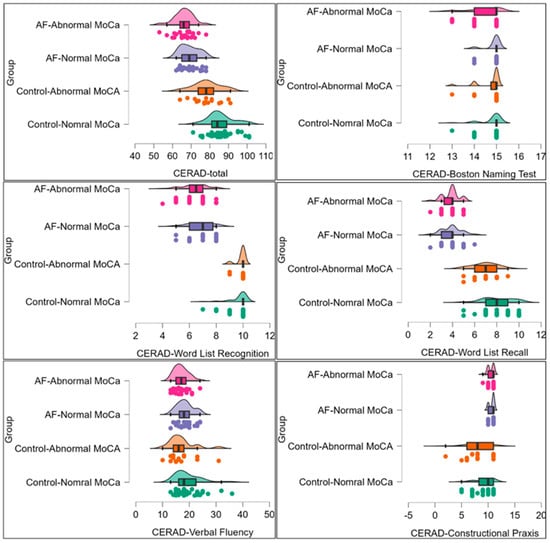
Objectives: Atrial fibrillation (AF), the most common sustained cardiac arrhythmia, and cardiometabolic comorbidity, have been increasingly associated with cognitive impairment and dementia. These associations, however, remain underexplored and underappreciated in middle-aged individuals with AF. This study aimed to explore the associations of early cognitive impairment with the presence of cardiometabolic comorbidities and potential associations with echocardiographic markers in middle-aged patients with and without AF. Methods: Between 2023–2024, fifty-six consecutive outpatients with a diagnosis of AF aged 45–65 years underwent clinical evaluation, transthoracic echocardiography, and comprehensive neuropsychological assessment using the Montreal Cognitive Assessment (MoCA) and the Consortium to Establish a Registry for Alzheimer’s Disease battery (CERAD). A control group of 58 age group-matched individuals without known cardiometabolic disease was included in comparative cognitive analyses. Results: Patients with AF and cardiometabolic comorbidities demonstrated early cognitive deficits, particularly in episodic memory and visuospatial functions, detectable even in individuals with normal MoCA scores, compared with the control group. However, no associations were observed between cognitive performance and conventional echocardiographic parameters in the group with AF. Conclusions: This study corroborated prior evidence of an association between cardiometabolic impairment and subtle cognitive impairment, but did not identify a specific contribution of echocardiography markers. More extensive and sensitive biomarkers of left atrial structure and function may be required to detect harmful associations with subtle cognitive impairment in middle-aged individuals. Further prospective studies, with a more balanced control for comorbidities, are warranted to clarify the clinical relevance of atrial structural remodeling in this context.
Full article

Figure 1
Open AccessCase Report
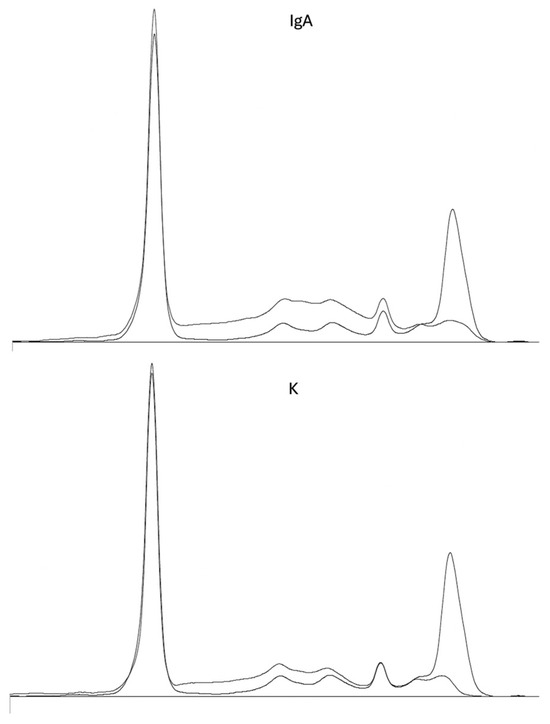
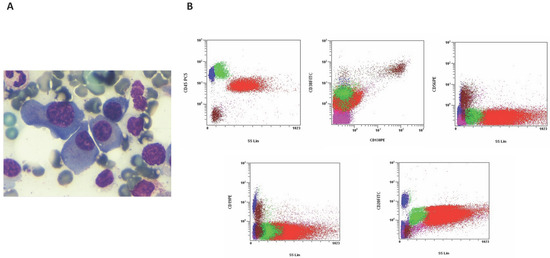
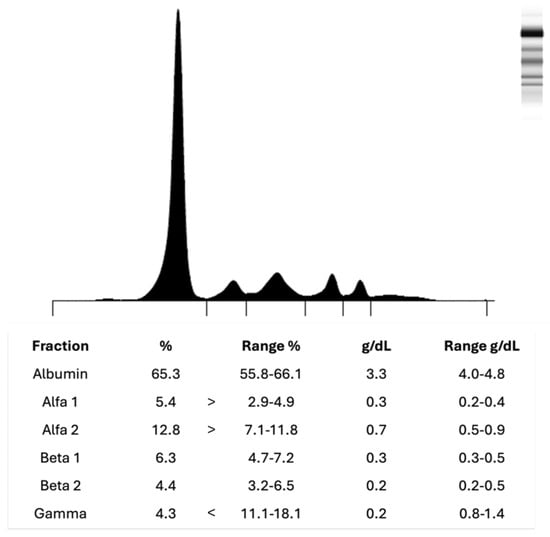
Clinical Significance of Serum Protein Electrophoresis in Rapid Progression of Multiple Myeloma: A Case Report
by
Silvia Iannelli, Melania Scarcella, Antonella Cusano, Federica Feleppa, Ylenia Pancione, Luigi Michele Pavone and Pasquale Cocchiaro
Clin. Pract. 2026, 16(4), 81; https://doi.org/10.3390/clinpract16040081 - 21 Apr 2026
Abstract
►▼
Show Figures
Background/Objectives: Serum protein electrophoresis (SPE) is a widely used laboratory test for the detection and monitoring of monoclonal gammopathies, including multiple myeloma (MM). Although SPE is usually recommended in the presence of specific clinical or laboratory abnormalities, monoclonal gammopathies may occasionally develop
[...] Read more.
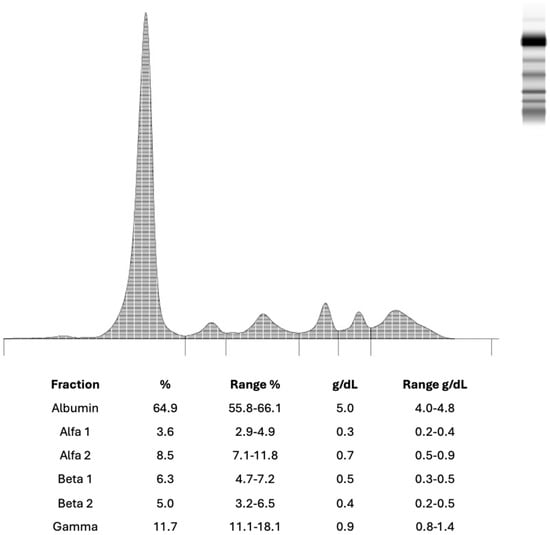
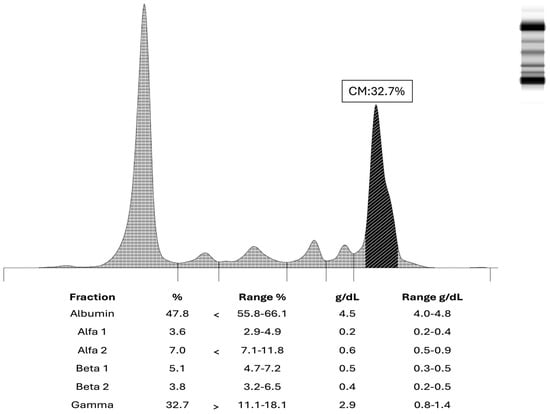
Background/Objectives: Serum protein electrophoresis (SPE) is a widely used laboratory test for the detection and monitoring of monoclonal gammopathies, including multiple myeloma (MM). Although SPE is usually recommended in the presence of specific clinical or laboratory abnormalities, monoclonal gammopathies may occasionally develop rapidly and without typical symptoms. This case report aims to emphasize the diagnostic value of SPE in identifying an unexpected and fast-evolving monoclonal gammopathy. Methods: We report the clinical and laboratory eight-month follow-up of a 58-year-old male who initially underwent SPE for unrelated clinical conditions. Serial SPE analyses were performed using capillary zone electrophoresis. When abnormalities emerged, immunotyping and serum free light chain (FLC) assays were conducted. The diagnostic workup was completed with bone marrow aspiration, flow cytometry, and imaging studies according to current international diagnostic criteria. Results: The initial SPE (November 2023) showed a normal protein profile. After eight months, follow-up SPE revealed a prominent monoclonal spike in the gamma region (2.9 g/dL), associated with increased total serum proteins (91 g/L; range 64–82 g/L), elevated IgA levels (20.0 g/L; range 0.4–3.5 g/L), and a markedly abnormal κ/λ FLC ratio (54.00; range 0.31–1.56). Bone marrow analysis demonstrated >18% plasma cell infiltration, confirming the diagnosis of IgA-κ MM. The patient underwent standard therapy followed by autologous stem cell transplantation, achieving disease remission. Conclusions: This case highlights that clinically relevant monoclonal gammopathies may arise rapidly in the absence of classical diagnostic features. Routine SPE represents a cost-effective and accessible screening tool that can identify subtle protein abnormalities, prompting the timely use of more specific and invasive diagnostic procedures for aggressive plasma cell disorders.
Full article

Figure 1
Open AccessStudy Protocol
Assessment of Physical Activity During Radiation Therapy for Lung Cancer: Study Protocol of the APART-LUNG Study
by
Dirk Rades, Maria Karolin Streubel, Laura Doehring, Stefan Janssen, Sabine Bohnet, Christian F. Schulz, Hanne Falk Grauslund and Charlotte Kristiansen
Clin. Pract. 2026, 16(4), 80; https://doi.org/10.3390/clinpract16040080 - 20 Apr 2026
Abstract
Background/Objectives: Radiation therapy is a common treatment modality for non-small-cell and small-cell lung cancer that can be associated with considerable side effects, mainly reactions of healthy tissues in the radiation field. Radiation therapy may lead to significant fatigue, which can potentially be
[...] Read more.
Background/Objectives: Radiation therapy is a common treatment modality for non-small-cell and small-cell lung cancer that can be associated with considerable side effects, mainly reactions of healthy tissues in the radiation field. Radiation therapy may lead to significant fatigue, which can potentially be mitigated by maintaining or increasing physical activity during treatment. Since achieving this goal may be a challenge for patients, they may benefit from a mobile application reminding them daily to perform a predefined number of steps. Such a reminder app will be investigated prospectively in a phase 2 trial. The current APART-LUNG study (NCT07380815) is a mandatory study for designing the prospective trial. Methods: The main objective of the APART-LUNG (exploratory non-interventional) study is to report patterns of physical activity during radiation therapy for lung cancer patients and generate hypotheses based on our findings. Our primary endpoint is the within-patient difference in weekly average steps per wear hour of the smartphone (week 5 minus week 1 of radiation therapy), and our secondary aim is to estimate differences in operational measures (wear time of the smartphone) between week 5 and week 1. The sample size of approximately 20 patients (full analysis set) allows us to detect a moderate-to-large standardized within-patient difference and is driven by feasibility and the intent to obtain preliminary estimates of effect size and variability. The results of the APART-LUNG study will be very important for appropriately designing a phase 2 trial.
Full article
(This article belongs to the Special Issue Exercise and Sports for Chronic Diseases)
Open AccessArticle
Outcomes of Intracranial Haemorrhage in Patients Taking Direct Oral Anticoagulants or Vitamin K Antagonists: A Seven-Year Single-Centre Retrospective Analysis
by
Mallika Sathitwat, Surat Tanprawate, Atiwat Soontornpun, Chayasak Wantaneeyawong, Chutithep Teekaput, Nopdanai Sirimaharaj, Angkana Nudsasarn, Chatree Chai-Adisaksopha and Kitti Thiankhaw
Clin. Pract. 2026, 16(4), 79; https://doi.org/10.3390/clinpract16040079 - 18 Apr 2026
Abstract
►▼
Show Figures
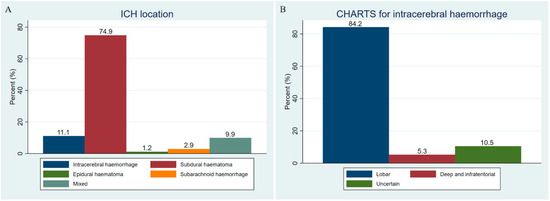
Background: The clinical outcomes of patients with intracranial haemorrhage (ICH) whilst using direct oral anticoagulants (DOACs) and vitamin K antagonists (VKAs) are uncertain. This study aimed to assess outcomes and management in patients receiving DOACs compared with those receiving VKAs. Methods: In this
[...] Read more.
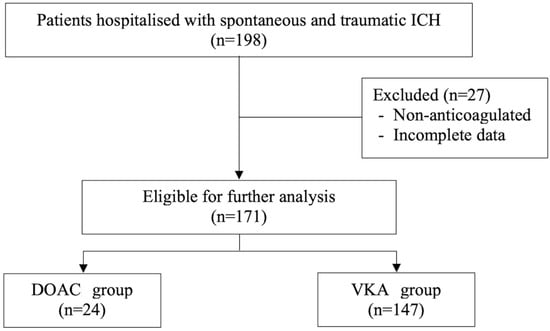
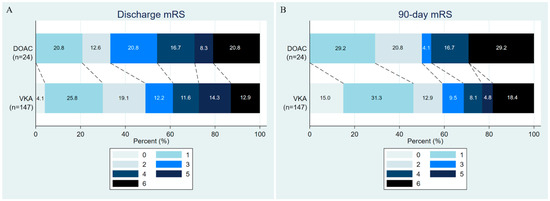
Background: The clinical outcomes of patients with intracranial haemorrhage (ICH) whilst using direct oral anticoagulants (DOACs) and vitamin K antagonists (VKAs) are uncertain. This study aimed to assess outcomes and management in patients receiving DOACs compared with those receiving VKAs. Methods: In this retrospective study, patients hospitalised during the period from 1 January 2017 to 31 December 2023 for traumatic and non-traumatic ICH and using oral anticoagulants (OACs) were included. The primary outcomes were mortality and functional outcomes, as measured by the modified Rankin Scale (mRS) during admission and 90-day follow-up. ICH management and complications were studied and compared between the two OAC groups. Results: A total of 171 eligible patients were included, comprising 24 patients on DOACs and 147 patients on VKAs. Patients receiving DOACs were older (79.1 vs. 66.8, p < 0.001) and had a higher proportion of traumatic ICH (75.0% vs. 46.3%, p = 0.009) than those receiving VKAs. In-hospital and 90-day outcomes were not statistically different between the two groups, with an adjusted odds ratio (aOR) of 1.30 (0.39–4.36) for in-hospital mortality, p = 0.67, and an aOR of 0.89 (0.33–2.41) for mRS 0–2 at 90 days, p = 0.83. In total, 81.3% of patients received at least one reversal agent; fresh frozen plasma was commonly used in the VKA group (78.9% vs. 33.3%, p < 0.001), whereas prothrombin complex concentrate was significantly prescribed in patients with DOAC-associated ICH (29.2% vs. 3.4%, p < 0.001). Conclusions: Patients with DOAC-associated ICH had comparable in-hospital and long-term clinical outcomes to those with VKA use.
Full article

Figure 1
Open AccessArticle
Recommended Cardiometabolic Screening Guidelines for Unhoused Adults: A Street Medicine Needs Assessment
by
Sanjana Arun, Joaquin Cardozo, Andre Shon Hirakawa, Teresa Anh Tran, Van Dexter Calo and Robert Fauer
Clin. Pract. 2026, 16(4), 78; https://doi.org/10.3390/clinpract16040078 - 17 Apr 2026
Abstract
►▼
Show Figures
Background: Unhoused individuals face disproportionately high rates of preventable chronic disease due to fragmented access to care and prolonged exposure to environmental stressors. Street medicine programs offer a mobile, low-barrier model to assess and address these unmet needs. Despite well-documented disparities, no publications
[...] Read more.
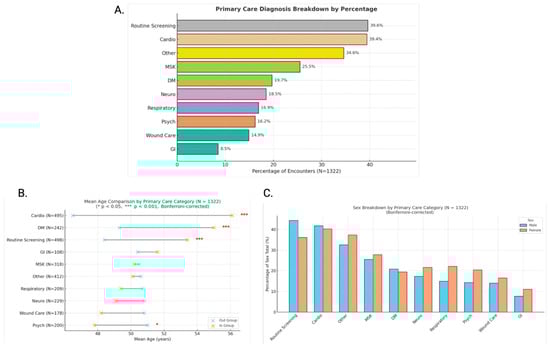
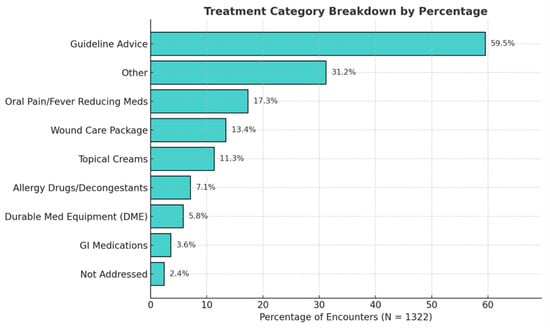
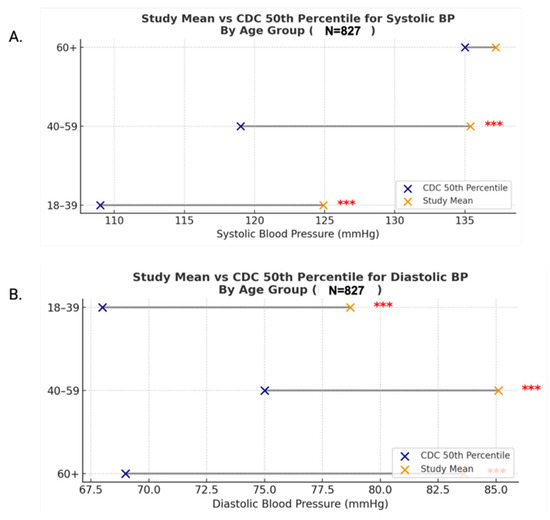
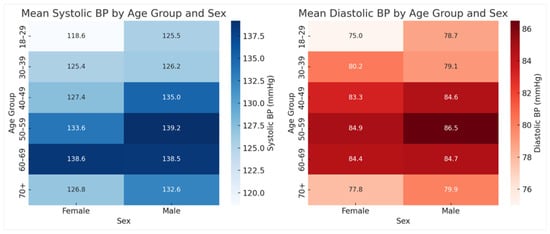
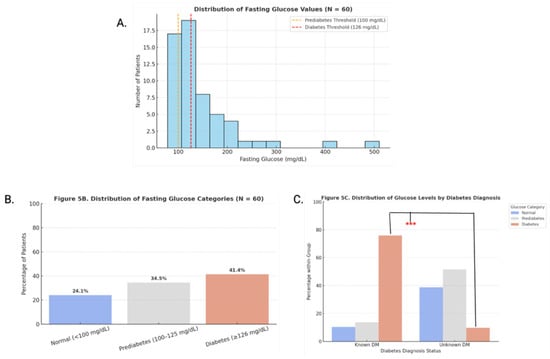
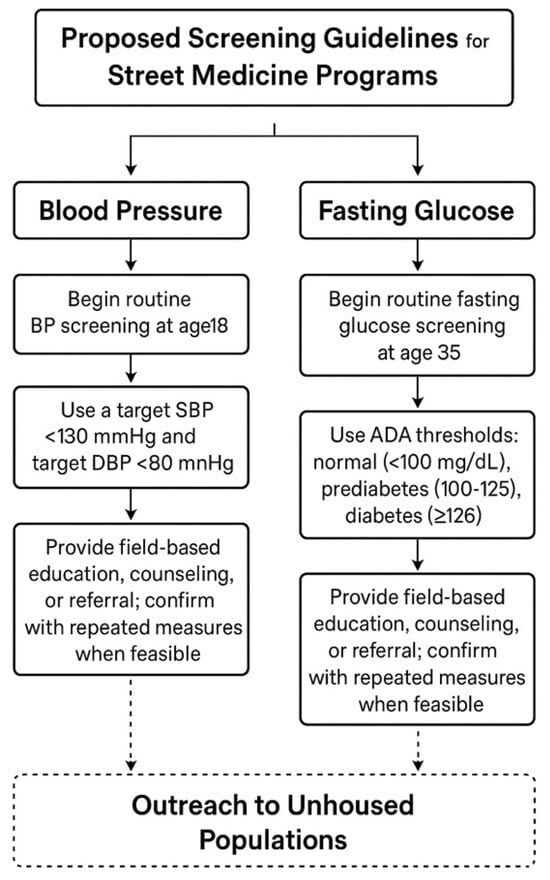
Background: Unhoused individuals face disproportionately high rates of preventable chronic disease due to fragmented access to care and prolonged exposure to environmental stressors. Street medicine programs offer a mobile, low-barrier model to assess and address these unmet needs. Despite well-documented disparities, no publications in the current literature provide numerically specific screening recommendation guidelines tailored to unhoused populations. This study fills that gap using clinical data from Street Medicine Phoenix (SMP), a mobile healthcare initiative serving urban Arizona. Methods: We retrospectively reviewed 1322 clinical encounters recorded by SMP between August 2023 and October 2024. Diagnoses and treatments were manually categorized. Blood pressure (BP) and glucose values were analyzed using descriptive statistics and compared against national norms (CDC 50th percentile and ADA guidelines). Kruskal–Wallis and Dunn’s tests assessed age-based differences, while chi-square and Mann–Whitney U tests examined glucose patterns. Results: The mean patient age was 51.4 years; 34.5% identified as female. Cardiovascular issues (39.4%) and routine screenings (39.6%) were most frequently documented. Systolic and diastolic BP values were significantly elevated across all age groups except those 60+, with even the 18–39 group showing median systolic BP above CDC norms (124.0 mmHg). Among 60 patients with fasting glucose data, 41.4% met ADA criteria for diabetes, and 10.7% of those without a known diagnosis had diabetic-range values. Conclusions: Our findings suggest that cardiometabolic disease may emerge earlier and more aggressively among unhoused individuals than in the general U.S. population, reflecting patterns of accelerated biological aging. The elevation of cohort-based BP percentiles suggests that current national benchmarks may underrepresent clinical risk in this group. We propose initiating blood pressure screening at age 18 and fasting glucose screening by age 35 in unhoused individuals—adaptations of existing USPSTF recommendations based on cohort-specific trends. These screening thresholds can be feasibly implemented in street medicine settings to promote earlier detection and improve long-term health outcomes.
Full article

Figure 1
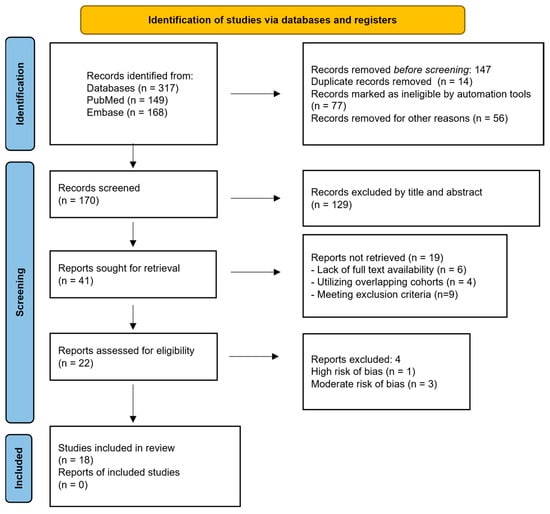
Open AccessSystematic Review
Systematic Review: The Impact of COVID-19 Vaccination on Myocarditis Risk and Recovery
by
Yibo Liu, Christopher Khatchadourian, Luke Sanders, Quincy Eweroke, Cyvannah Warner-McCutcheon, Jackson Lewis, Joaquin Santos and Vishwanath Venketaraman
Clin. Pract. 2026, 16(4), 77; https://doi.org/10.3390/clinpract16040077 - 17 Apr 2026
Abstract
►▼
Show Figures
Background: Myocarditis is an uncommon but recognized adverse event following mRNA COVID-19 vaccination, with risk varying by age, sex, dose number, and vaccine product. Clarifying the magnitude of risk, clinical course, and recovery—relative to myocarditis following SARS-CoV-2 infection—is essential for risk–benefit assessment and
[...] Read more.
Background: Myocarditis is an uncommon but recognized adverse event following mRNA COVID-19 vaccination, with risk varying by age, sex, dose number, and vaccine product. Clarifying the magnitude of risk, clinical course, and recovery—relative to myocarditis following SARS-CoV-2 infection—is essential for risk–benefit assessment and public health guidance. Methods: We performed a systematic PubMed and Embase search (January 2020–December 2024) and synthesized cohort, registry, and surveillance data on myocarditis incidence and outcomes following mRNA COVID-19 vaccination. Outcomes included incidence, observed-to-expected (OE) or incidence rate (IRRs) ratios, hospitalization, and short-term recovery. Study selection followed PRISMA 2020 systematic review guidelines. Results: Myocarditis following mRNA COVID-19 vaccination was identified as a rare adverse event, most commonly occurring after the second dose and in younger male individuals. Across multiple cohort and registry-based studies, cases were generally mild and self-limited, with most patients recovering without complication. In contrast, myocarditis following SARS-CoV-2 infection was consistently associated with more severe outcomes, including higher rates of hospitalization and mortality. Conclusions: Vaccine-associated myocarditis is rare, typically mild, and self-limited, with excellent short-term recovery; vaccinated individuals also exhibit lower odds of in-hospital death and intubation. In contrast, infection-associated myocarditis is more frequent and severe. Overall, the benefit–risk profile of mRNA vaccination remains strongly favorable.
Full article

Figure 1
Open AccessArticle
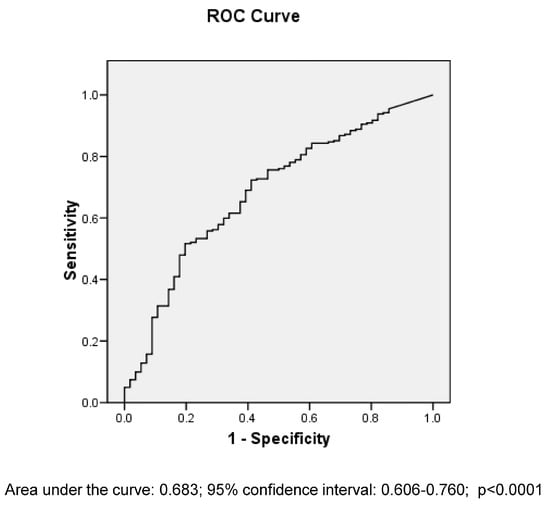
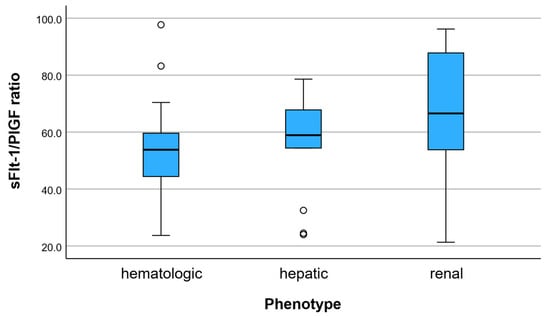
Angiogenic Imbalance Defines Multisystem Phenotypes of Preeclampsia: A Phenotype-Oriented Cohort Study
by
Anca Tătaru-Copos, Florin Szasz, Anca Carmen Huniadi, Rodica Georgeta Negrini, Mircea Ioachim Popescu, Paula Trif, Gelu Florin Murvai, Radu Galiș, Cristian Sava and Romina Viorela Murvai
Clin. Pract. 2026, 16(4), 76; https://doi.org/10.3390/clinpract16040076 - 17 Apr 2026
Abstract
►▼
Show Figures
Background: Preeclampsia is a heterogeneous multisystem disorder characterized by endothelial dysfunction and angiogenic imbalance. While the sFlt-1/PlGF ratio is widely used for diagnostic purposes, its role in defining biological phenotypes of preeclampsia remains insufficiently explored. This study aimed to investigate whether angiogenic imbalance
[...] Read more.
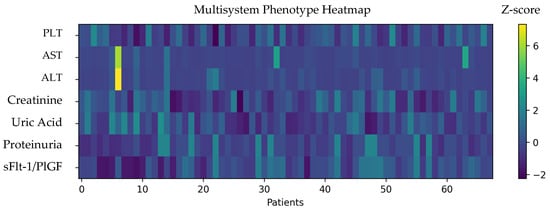
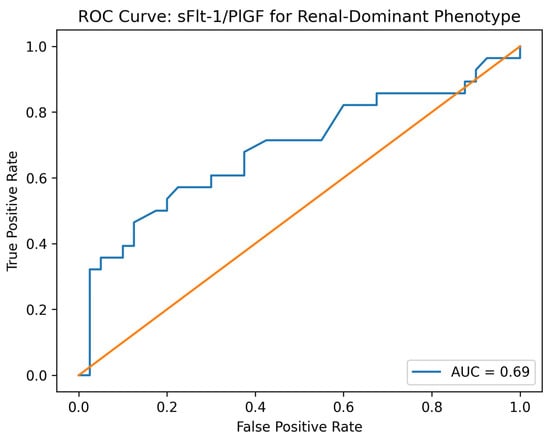
Background: Preeclampsia is a heterogeneous multisystem disorder characterized by endothelial dysfunction and angiogenic imbalance. While the sFlt-1/PlGF ratio is widely used for diagnostic purposes, its role in defining biological phenotypes of preeclampsia remains insufficiently explored. This study aimed to investigate whether angiogenic imbalance is associated with distinct multisystem phenotypes of preeclampsia and with perinatal outcomes. Methods: We conducted a retrospective cohort study including 320 pregnant women, of whom 68 were diagnosed with preeclampsia. Multisystem phenotypes were defined using laboratory markers reflecting renal, hepatic, and hematologic involvement. The sFlt-1/PlGF ratio was compared across phenotypes. Associations with gestational age at delivery, birth weight, Apgar score, and neonatal intensive care unit (NICU) admission were evaluated. Receiver operating characteristic (ROC) analysis assessed the discriminatory performance of the sFlt-1/PlGF ratio for identifying the renal-dominant phenotype. Results: The mean sFlt-1/PlGF ratio was higher in preeclampsia compared to normotensive pregnancies (58.5 ± 20.3 vs. 34.6 ± 15.9). Within preeclampsia, the renal-dominant phenotype showed the highest ratio (66.0 ± 22.5), followed by hepatic (55.9 ± 18.2) and hematologic phenotypes (52.0 ± 16.8). The renal phenotype was associated with earlier delivery (34.6 weeks), lower birth weight (2196 g), higher NICU admission (10.7%), and lower Apgar scores. The sFlt-1/PlGF ratio demonstrated moderate discrimination for the renal phenotype (AUC = 0.69). Conclusions: Angiogenic imbalance varies across multisystem phenotypes of preeclampsia and is associated with meaningful perinatal differences. The sFlt-1/PlGF ratio may contribute to phenotype-based risk stratification, supporting a move toward precision obstetrics. Prospective studies are needed to validate phenotype-oriented classification models.
Full article

Figure 1
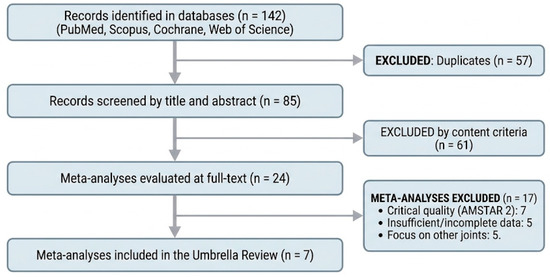
Open AccessReview
Efficacy and Safety of Platelet-Rich Plasma in Knee Osteoarthritis: Umbrella Meta-Analysis Based on Clinical Evidence, Methodological Quality and Therapeutic Positioning
by
María Ángeles Ventura-García, Tesifón Parrón-Carreño, David Lozano-Paniagua, Bruno José Nievas-Soriano, Antonio Fernando Murillo-Cancho, Elena María Gázquez-Aguilera and Delia Cristobal-Cañadas
Clin. Pract. 2026, 16(4), 75; https://doi.org/10.3390/clinpract16040075 - 14 Apr 2026
Abstract
►▼
Show Figures
Background/Objectives: Despite being a standard biological therapy for knee osteoarthritis, inconsistent results across studies—due to varied protocols—have obscured the clinical standing of platelet-rich plasma. This meta-analysis evaluates the efficacy and safety of PRP for pain, function, and adverse events, and examines the
[...] Read more.
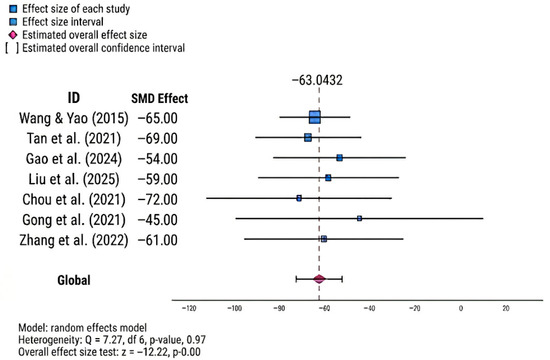
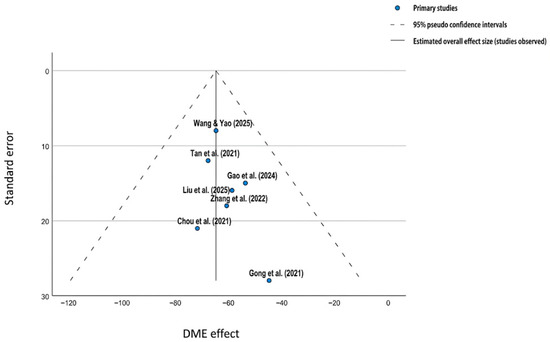
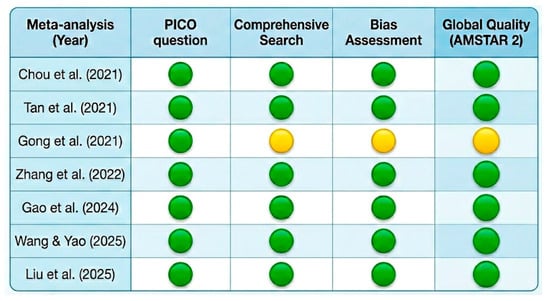
Background/Objectives: Despite being a standard biological therapy for knee osteoarthritis, inconsistent results across studies—due to varied protocols—have obscured the clinical standing of platelet-rich plasma. This meta-analysis evaluates the efficacy and safety of PRP for pain, function, and adverse events, and examines the potential benefits of combining it with hyaluronic acid. Methods: An umbrella review was conducted following the PRIOR (Preferred Reporting Items for Umbrella Reviews) and PRISMA (Preferred Reporting Items for Systematic Reviews and Meta-Analyses) recommendations. Meta-analyses evaluating PRP in knee osteoarthritis were included. Quantitative estimates of pain, function, and safety were extracted. Random-effects models were applied when possible. Methodological quality was assessed using AMSTAR 2, and study overlaps were assessed using the CCA method. Publication bias was analyzed using a funnel plot. Results: The meta-analyses included consistently showed the superiority of PRP over hyaluronic acid and placebo in reducing pain and improving function. Pooled estimates indicated clinically relevant improvements, especially in mild-to-moderate osteoarthritis. The combination of PRP and hyaluronic acid demonstrated superior functional recovery and a potential reduction in adverse events compared to PRP monotherapy. The overall safety profile was favorable. Conclusions: PRP is an effective and safe therapy for knee osteoarthritis, with consistent evidence of superiority over conventional intra-articular treatments. Combined PRP and HA administration suggests superior clinical efficacy compared to monotherapy. Standardization of protocols and appropriate patient selection will be key in future clinical guidelines.
Full article

Figure 1
Open AccessSystematic Review
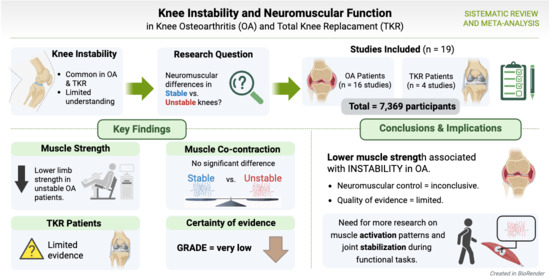
Neuromuscular Characteristics Associated with Knee Instability in Osteoarthritis and After Total Knee Replacement: A Systematic Review and Meta-Analysis
by
Ariane P. Lallès, Luisa Cedin and Markus A. Wimmer
Clin. Pract. 2026, 16(4), 74; https://doi.org/10.3390/clinpract16040074 - 14 Apr 2026
Abstract
►▼
Show Figures
Background/Objectives: Knee joint instability is frequently reported in individuals with knee osteoarthritis (OA) and may persist after total knee replacement (TKR), where it represents a leading cause of revision. However, neuromuscular factors associated with knee instability remain poorly understood. This systematic review
[...] Read more.
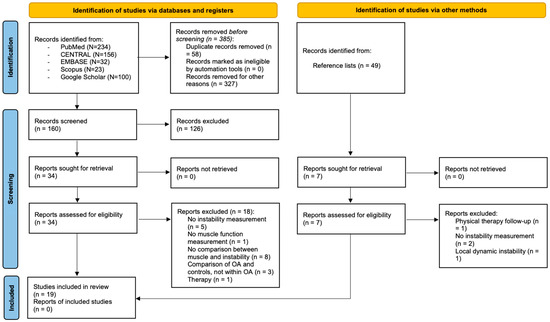
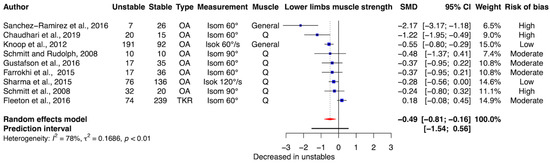
Background/Objectives: Knee joint instability is frequently reported in individuals with knee osteoarthritis (OA) and may persist after total knee replacement (TKR), where it represents a leading cause of revision. However, neuromuscular factors associated with knee instability remain poorly understood. This systematic review and meta-analysis aimed to compare neuromuscular characteristics between individuals with stable and unstable knees in OA and TKR populations. Methods: PubMed, CENTRAL, Scopus, and EMBASE were searched from inception to 10 January 2025. Studies comparing neuromuscular outcomes between stable and unstable knees were included. Neuromuscular parameters included: muscle strength, muscle power, muscle activation pattern, and joint stiffness. Where appropriate, pooled standardized mean differences (SMD) were calculated using random-effects models. Certainty of evidence was evaluated using the GRADE approach. Results: Nineteen studies (16 OA, 3 TKR; n = 7369 participants) were included, with eleven studies eligible for meta-analysis. OA individuals with unstable knees demonstrated significantly lower limb muscle strength compared with stable counterparts (SMD = −0.49, 95% CI −0.81 to −0.16, p = 0.003). Muscle co-contraction did not differ significantly between groups (SMD = 0.12, 95% CI −0.70 to 0.94, p = 0.77). The overall certainty of evidence was rated as very low. Conclusions: Knee instability in OA populations is associated with reduced lower limb muscle strength, although evidence quality is limited and findings regarding neuromuscular control strategies remain inconclusive. Evidence in TKR populations is scarce. Future studies should investigate muscle activation patterns and dynamic joint stabilization during functional tasks to clarify the neuromuscular mechanisms underlying knee instability.
Full article

Graphical abstract
Open AccessArticle
Complications Related to Urgent Initiation of Peritoneal Dialysis in a Mexican Hospital with Limited Resources: A Prospective Cohort
by
Camila Baas-Yama, Eduardo Rivera-Huerta, Ivan Zepeda-Quiroz, Carlos A. Guzmán-Martín, Demian Trueba-Lozano, Sebastian Toledo-Ramirez, Ana Ortega-Gonzalez, Irma Archundia-Riveros, Brenda Barrera-Mota, María Jimenez-Baez, Ciria Vázquez-Macias and Daniel Juárez-Villa
Clin. Pract. 2026, 16(4), 73; https://doi.org/10.3390/clinpract16040073 - 13 Apr 2026
Abstract
►▼
Show Figures
Background: Urgent-start peritoneal dialysis (UPD) has emerged as an alternative modality for initiating kidney replacement therapy when immediate hemodialysis is not available. However, early initiation after catheter placement may increase the risk of mechanical complications. Evidence from real-world settings, particularly in resource-limited
[...] Read more.
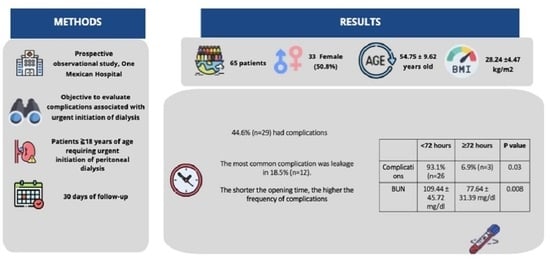
Background: Urgent-start peritoneal dialysis (UPD) has emerged as an alternative modality for initiating kidney replacement therapy when immediate hemodialysis is not available. However, early initiation after catheter placement may increase the risk of mechanical complications. Evidence from real-world settings, particularly in resource-limited healthcare systems, remains limited. Objective: To determine the frequency of early complications associated with urgent-start peritoneal dialysis and to identify clinical factors associated with their occurrence. Methods: We conducted a prospective observational cohort study including adult patients with chronic kidney disease who initiated peritoneal dialysis within 14 days after catheter placement at a public hospital in Mexico. Patients were followed for 30 days after dialysis initiation. The primary outcome was the occurrence of any dialysis-related complication within 30 days after initiation of peritoneal dialysis. Comparisons were performed according to dialysis initiation timing (<72 h vs. ≥72 h). Multivariable logistic regression was used to identify independent predictors of complications. Results: Sixty-five patients were included, of whom 29 (44.6%) developed complications within the first 30 days. Mechanical complications predominated, particularly pericatheter leakage (18.5%) and drainage failure (10.8%). Patients who initiated dialysis within 72 h after catheter placement experienced a significantly higher complication rate. In multivariable analysis, initiation of peritoneal dialysis within <72 h remained independently associated with complications (OR 5.75, 95% CI 1.06–31.29, p = 0.043). Conclusions: Initiating peritoneal dialysis within 72 h after catheter placement was associated with a significantly increased risk of early complications. When clinically feasible, delaying dialysis initiation beyond 72 h may reduce mechanical complications in urgent-start peritoneal dialysis programs.
Full article

Graphical abstract
Open AccessArticle
Real-World Distributions and Concordance of C-Reactive Protein and Erythrocyte Sedimentation Rate Across Rheumatic Diseases
by
Claudiu C. Popescu, Luminița Enache, Carmen Ștențel, Corina Mogoșan and Cătălin Codreanu
Clin. Pract. 2026, 16(4), 72; https://doi.org/10.3390/clinpract16040072 - 13 Apr 2026
Abstract
►▼
Show Figures
Objective: The objective of this study was to characterize real-world distributions of C-reactive protein (CRP) and erythrocyte sedimentation rate (ESR) across major rheumatic diagnoses and to quantify concordance/discordance patterns and combined CRP-ESR inflammatory phenotypes. Methods: We retrospectively extracted all CRP and
[...] Read more.
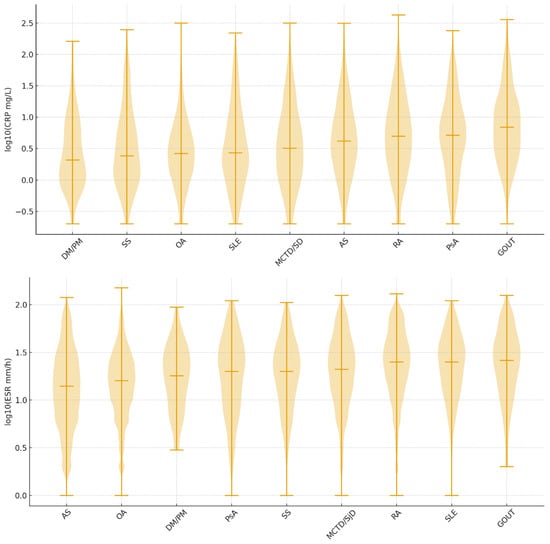
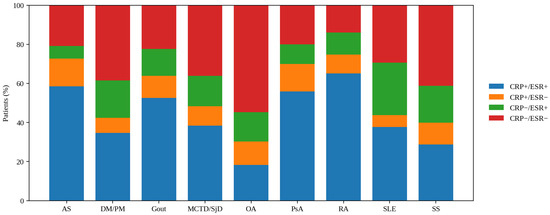
Objective: The objective of this study was to characterize real-world distributions of C-reactive protein (CRP) and erythrocyte sedimentation rate (ESR) across major rheumatic diagnoses and to quantify concordance/discordance patterns and combined CRP-ESR inflammatory phenotypes. Methods: We retrospectively extracted all CRP and ESR tests performed in a tertiary university rheumatology hospital (January 2018–December 2023), including ICD-10-coded diagnoses. Analyses were conducted at the measurement level and patient level (medians across repeated tests). CRP and ESR were expressed as raw values and multiples of ULN and categorized into severity strata. CRP and ESR datasets were merged by patient identifier and calendar date to define same-day pairs; paired analyses used Spearman correlations and ULN-based phenotype classes. Sensitivity analyses tested alternative pairing windows, first-pair-only analyses, phenotype persistence rules, and tertile/quartile discordance definitions. Results: Among 16,921 patients with ≥1 CRP and 17,126 with ≥1 ESR, CRP was more disease-discriminative and only negligibly age-related, whereas ESR increased modestly with age and showed marked sex shifts across severity categories. Inflammatory burden was highest in gout and rheumatoid arthritis, intermediate in psoriatic arthritis and ankylosing spondylitis, and lower in connective tissue diseases (systemic lupus erythematosus, mixed connective tissue disease, Sjogren’s disease, systemic sclerosis, and dermato/polymyositis) and osteoarthritis; CRP distributions were more strongly right-tailed than ESR. Merging yielded 44,427 same-day CRP-ESR pairs from 16,824 patients (99.1% match). CRP and ESR were moderately correlated at measurement and patient levels, yet discordance was common: 27.3% of pairs showed isolated elevation of a single marker. Conclusions: In routine rheumatology care, CRP and ESR provide complementary information. CRP-ESR dissociation is frequent, persists at the patient level, and follows diagnosis-dependent phenotype patterns.
Full article

Figure 1
Journal Menu
► ▼ Journal Menu-
- Clinics and Practice Home
- Aims & Scope
- Editorial Board
- Topical Advisory Panel
- Instructions for Authors
- Special Issues
- Topics
- Sections
- Article Processing Charge
- Indexing & Archiving
- Editor’s Choice Articles
- Most Cited & Viewed
- Journal Statistics
- Journal History
- Journal Awards
- Conferences
- Editorial Office
Journal Browser
► ▼ Journal BrowserHighly Accessed Articles
Latest Books
E-Mail Alert
News
Topics
Topic in
Clinics and Practice, JCM, Medicina, JCDD
Cardiac Imaging: State of the Art, 2nd Edition
Topic Editors: Camilla Calvieri, Nicola Galea, Francesco SecchiDeadline: 30 June 2026
Topic in
Applied Sciences, Diagnostics, JCM, Clinics and Practice, Therapeutics
Advances in Diagnosis and Treatment of Dental Diseases and Temporomandibular Joints
Topic Editors: Rafał Obuchowicz, Małgorzata Pihut, Karolina Nurzynska, Andrzej UrbanikDeadline: 31 July 2026
Topic in
Microorganisms, JCM, Biomedicines, Oral, Clinics and Practice
Periodontal and Peri-Implant Disease: Contemporary Perspectives on Pathogenesis and Precision Management
Topic Editors: Giuseppe Troiano, Vito Carlo Alberto Caponio, Mario DioguardiDeadline: 31 August 2026
Topic in
Biomedicines, Clinics and Practice, Diagnostics, JCM, Rheumato
Rheumatic Disorder: From Basic Science to Clinical Practice—2nd Edition
Topic Editors: Andreina Manfredi, Caterina Vacchi, Giulia CassoneDeadline: 20 September 2026
Conferences
Special Issues
Special Issue in
Clinics and Practice
The Effect of Dietary Compounds on Inflammation-Mediated Diseases
Guest Editors: Charalampia Amerikanou, Efstathia Papada, Aristea GioxariDeadline: 20 May 2026
Special Issue in
Clinics and Practice
Clinical Nutritional Management of Patients with Kidney Disease
Guest Editors: Sara Morales Palomares, Stefano MancinDeadline: 30 June 2026
Special Issue in
Clinics and Practice
Advances in First-Line and Second-Line Treatment Research for Renal Cell Carcinoma
Guest Editors: Francesco Ditonno, Celeste Manfredi, Antonio FrancoDeadline: 15 July 2026
Special Issue in
Clinics and Practice
Innovations in Youth Psychiatry and Psychology: Challenges and Advances
Guest Editor: Vassilis MartiadisDeadline: 15 July 2026