Journal Description
Physchem
Physchem
is an international, peer-reviewed, open access journal on science and technology in physical chemistry published quarterly online by MDPI.
- Open Access— free for readers, with article processing charges (APC) paid by authors or their institutions.
- High Visibility: indexed within Scopus, ESCI (Web of Science) and other databases.
- Rapid Publication: manuscripts are peer-reviewed and a first decision is provided to authors approximately 24.3 days after submission; acceptance to publication is undertaken in 3.3 days (median values for papers published in this journal in the first half of 2025).
- Recognition of Reviewers: APC discount vouchers, optional signed peer review, and reviewer names published annually in the journal.
Impact Factor:
1.7 (2024);
5-Year Impact Factor:
1.6 (2024)
Latest Articles
Elaboration of Natural Hydroxyapatite Coating by Plasma Spraying
Physchem 2025, 5(4), 57; https://doi.org/10.3390/physchem5040057 - 17 Dec 2025
Abstract
Metallic implants used in orthopedics, such as titanium alloys, possess excellent mechanical strength but suffer from corrosion and poor bio-integration, often necessitating revision surgeries. Bioactive coatings, particularly hydroxyapatite, can enhance implant osteoconductivity, but high-purity synthetic hydroxyapatite is costly. This study investigates the development
[...] Read more.
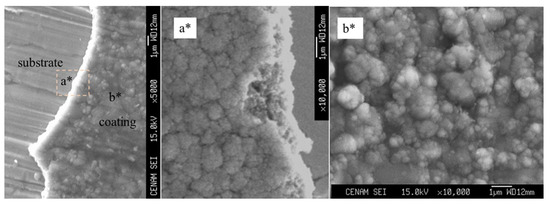
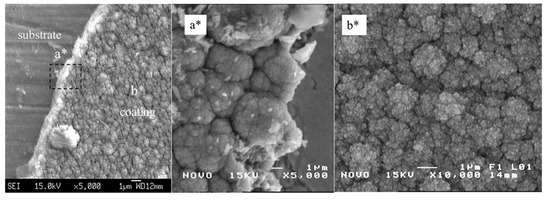
Metallic implants used in orthopedics, such as titanium alloys, possess excellent mechanical strength but suffer from corrosion and poor bio-integration, often necessitating revision surgeries. Bioactive coatings, particularly hydroxyapatite, can enhance implant osteoconductivity, but high-purity synthetic hydroxyapatite is costly. This study investigates the development and characterization of a low-cost, biocompatible coating using hydroxyapatite derived from an unconventional natural source dromedary bone applied onto a titanium substrate via plasma spraying. Hydroxyapatite powder was synthesized from dromedary femurs through a thermal treatment process at 1000 °C. The resulting powder was then deposited onto a sandblasted titanium dioxide substrate using an atmospheric plasma spray technique. The physicochemical, structural, and morphological properties of both the source powder and the final coating were comprehensively analyzed using Scanning Electron Microscopy, Energy Dispersive X-ray Spectroscopy, X-ray Diffraction, and Fourier-Transform Infrared Spectroscopy. Characterization of the powder confirmed the successful synthesis of pure, crystalline hydroxyapatite, with Fourier-Transform Infrared Spectroscopy analysis verifying the complete removal of organic matter. The plasma-sprayed coating exhibited good adhesion and a homogenous, lamellar microstructure typical of thermal spray processes, with an average thickness of approximately 95 μm. X-ray Diffraction analysis of the coating revealed that while hydroxyapatite remained the primary phase, partial decomposition occurred during spraying, leading to the formation of secondary phases, including tricalcium phosphate and calcium oxide. Scanning Electron Microscopy imaging showed a porous surface composed of fully and partially melted particles, a feature potentially beneficial for bone integration. The findings demonstrate that dromedary bone is a viable and low-cost precursor for producing bioactive hydroxyapatite coatings for orthopedic implants. The plasma spray method successfully creates a well-adhered, porous coating, though process-induced phase changes must be considered for biomedical applications.
Full article
(This article belongs to the Section Surface Science)
►
Show Figures
Open AccessArticle
Structural Determinants for the Antidepressant Activity of St. John’s Wort (Hypericum perforatum): A Combined Theoretical and Experimental Study
by
Afrodite Tryfon, George Petsis, Panagiota Siafarika, Evanthia Soubasi and Angelos G. Kalampounias
Physchem 2025, 5(4), 56; https://doi.org/10.3390/physchem5040056 - 14 Dec 2025
Abstract
This study presents a systematic investigation of the dynamic and structural characteristics of St. John’s wort (Hypericum perforatum) in alcoholic solutions using experimental and theoretical techniques. Ultrasonic relaxation spectroscopy was employed to investigate medium-range dynamic processes, while density functional theory (DFT)
[...] Read more.
This study presents a systematic investigation of the dynamic and structural characteristics of St. John’s wort (Hypericum perforatum) in alcoholic solutions using experimental and theoretical techniques. Ultrasonic relaxation spectroscopy was employed to investigate medium-range dynamic processes, while density functional theory (DFT) calculations were employed to explore the molecular structure and vibrational properties of the system. Theoretical calculations revealed two Hyperforin conformers, a keto derivative, and three protonated species. Acoustic spectra revealed three distinct Debye-type relaxation processes, corresponding to conformational changes in hyperforin, enol-to-keto tautomerization, and proton transfer mechanisms. In addition, St. John’s wort oil (Oleum Hyperici) was studied, using attenuated total reflection (ATR) infrared spectroscopy for several extraction intervals. These spectra were compared with the theoretical IR spectra of hypericin, hyperforin, and its derivatives, confirming the presence of hyperforin, keto, and two protonated species in the oil. Besides structural and dynamical evaluations, the study assessed the toxicity and biological activity of hyperforin and all species found in the solutions, offering information about potential pharmaceutical uses, suggesting that hyperforin and its keto form have the best antidepressant activity. This comprehensive analysis enhances the understanding of hyperforin’s molecular behavior and strengthens the therapeutic potential of St. John’s wort as a natural antidepressant agent.
Full article
(This article belongs to the Section Experimental and Computational Spectroscopy)
►▼
Show Figures

Figure 1
Open AccessArticle
Computational Biocompatibility and Safety Evaluation of Metal-Doped PET-Carbon Quantum Dots via Multi-Target Molecular Docking and ADMET Analysis on Human Proteins
by
Christian Ebere Enyoh, Tochukwu Oluwatosin Maduka, Qingyue Wang, Miho Suzuki and Ifunanya Scholastica Enyoh
Physchem 2025, 5(4), 55; https://doi.org/10.3390/physchem5040055 - 10 Dec 2025
Abstract
Polyethylene terephthalate-derived fluorescent carbon quantum dots (PET-CQDs) are promising nanomaterials for sensing and biomedical uses, yet their biological interactions after metal doping require careful evaluation. Here, we report an in silico assessment of pristine and dual-site (via graphitic [G] and carbonyl [O]) metal-doped
[...] Read more.
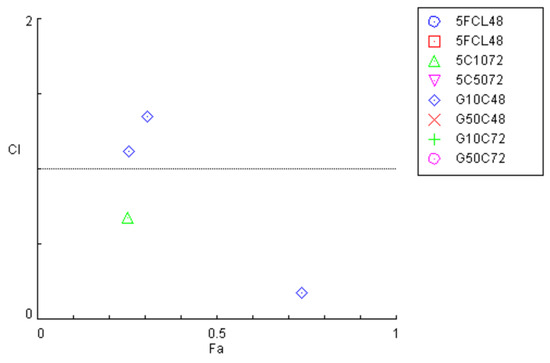
Polyethylene terephthalate-derived fluorescent carbon quantum dots (PET-CQDs) are promising nanomaterials for sensing and biomedical uses, yet their biological interactions after metal doping require careful evaluation. Here, we report an in silico assessment of pristine and dual-site (via graphitic [G] and carbonyl [O]) metal-doped PET-CQDs (Ca, Mg, Fe, Zn) using molecular docking against eight human proteins: HSA (distribution), CYP3A4 (metabolism), hemoglobin (systemic biocompatibility), transferrin (uptake), GST (detoxification), ERα (endocrine regulation), IL-6 (inflammation), and caspase-3 (cytotoxic signaling) together with ADMET profiling and DFT–docking correlation analysis. Docking affinities were compared with controls and ranged from −7.8 to −10.4 kcal·mol−1 across systems, with binding stabilized by π–π stacking, hydrogen bonding and metal–ligand coordination involving residues such as arginine, tyrosine and serine. Importantly, top-performing CQD variants differed by target: PET-CQDs, MgG_PET-CQDs and FeG_PET-CQDs were best for GST; ERα interacted favorably with all doped variants; IL-6 bound best to CaO_PET-CQDs and FeO_PET-CQDs (≈−7.1 kcal·mol−1); HSA favored CaG_PET-CQDs (−10.0 kcal·mol−1) and FeO_PET-CQDs (−9.9 kcal·mol−1); CYP3A4 bound most strongly to pristine PET-CQDs; hemoglobin favored MgG_PET-CQDs (−9.6 kcal·mol−1) and FeO_PET-CQDs (−9.3 kcal·mol−1); transferrin favored FeG_PET-CQDs; caspase-3 showed favored binding overall (pristine −6.8 kcal·mol−1; doped −7.4 to −7.6 kcal·mol−1). ADMET predictions indicated high GI absorption, improved aqueous solubility for some dopants (~18.6 mg·mL−1 for Ca-O/Mg-O), low skin permeability and no mutagenic/carcinogenic flags. Regression analysis showed frontier orbital descriptors (HOMO/LUMO) partially explain selective affinities for ERα and IL-6. These results support a target-guided selection of PET-CQDs for biomedical applications, and they call for experimental validation of selected dopant–target pairs.
Full article
(This article belongs to the Section Theoretical and Computational Chemistry)
►▼
Show Figures

Figure 1
Open AccessArticle
Co3O4/SnO2 Hybrid Nanorods as High-Capacity Anodes for Lithium-Ion Batteries
by
Qiyao Zhang, Jingchao Zhu, Lichao Fu, Dapeng Liu and Yu Zhang
Physchem 2025, 5(4), 54; https://doi.org/10.3390/physchem5040054 - 10 Dec 2025
Abstract
With the surging demand for high-performance energy storage devices, enhancing the energy density and charge-discharge efficiency of lithium-ion batteries has become an urgent need. Co3O4, with a high theoretical specific capacity of 890 mAh g−1, is regarded
[...] Read more.
With the surging demand for high-performance energy storage devices, enhancing the energy density and charge-discharge efficiency of lithium-ion batteries has become an urgent need. Co3O4, with a high theoretical specific capacity of 890 mAh g−1, is regarded as a promising anode candidate. In this work, rod-like hybrid Co3O4/SnO2 composites were successfully prepared via the pyrolysis of cobalt-tin ethylene glycolate precursor. Notably, when the Co/Sn molar ratio is tuned to 3.8:1, the product evolves into nanorods. Lithium-ion batteries using Co3.8Sn1 as the anode deliver an initial specific capacity of 1588.9 mAh g−1, and retain a reversible capacity of 427.9 mAh g−1 after 500 cycles at 2 A g−1, demonstrating that Sn-doping-induced optimization of morphology and conductivity effectively enhances electrochemical performance.
Full article
(This article belongs to the Section Electrochemistry)
►▼
Show Figures

Graphical abstract
Open AccessArticle
Influence of OH Groups of Hydroxyfullerene on the Mechanism of Its Complex Formation with the Lys-2Gly Peptide Dendrimer
by
Valeriy V. Bezrodnyi, Sofia E. Mikhtaniuk, Alexey Y. Vakulyuk, Igor M. Neelov, Nadezhda N. Sheveleva, Denis A. Markelov and Oleg V. Shavykin
Physchem 2025, 5(4), 53; https://doi.org/10.3390/physchem5040053 - 3 Dec 2025
Abstract
Fullerenes are promising drug candidates, but they are virtually insoluble in water. Surface hydroxylation of fullerenes and their encapsulation in nanocarrier systems, such as dendrimers, can be used to increase their solubility. However, hydroxylated fullerene (hydroxyfullerene, fullerenol) has lower bioactivity than fullerene. Our
[...] Read more.
Fullerenes are promising drug candidates, but they are virtually insoluble in water. Surface hydroxylation of fullerenes and their encapsulation in nanocarrier systems, such as dendrimers, can be used to increase their solubility. However, hydroxylated fullerene (hydroxyfullerene, fullerenol) has lower bioactivity than fullerene. Our previous research showed that fullerene is encapsulated by the Lys-2Gly dendrimer. This study demonstrates, for the first time, that hydroxylated fullerenes C60(OH)n with n = 12, 24, 36 form complexes with the same dendrimer. All these fullerenols are encapsulated near the dendrimer’s center, similar to fullerene. Surprisingly, the complex’s structure remains stable even at the maximal hydroxylation (n = 36), despite a significant reduction in hydrophobicity of the fullerene surface. We demonstrated that this stability results from an increase in the number of hydrogen bonds between the dendrimer and the fullerenol with increasing n. Thus, we established that the mechanism of complex formation changes from hydrophobic interactions to hydrogen bonding as hydroxylation increases. This means that simultaneous partial hydroxylation of the fullerene and encapsulation within a water-soluble dendrimeric nanocarrier enhances its solubility in water. This combined approach enables the use of less hydroxylated fullerene derivatives to achieve desired solubility while maintaining higher biological activity.
Full article
(This article belongs to the Section Biophysical Chemistry)
►▼
Show Figures

Figure 1
Open AccessArticle
Process Optimization Using Experimental and Statistical Modeling in Biodiesel Production from Palm Oil
by
Sushovan Chatterjee and Sagar Roy
Physchem 2025, 5(4), 52; https://doi.org/10.3390/physchem5040052 - 20 Nov 2025
Abstract
The optimization of biodiesel production through experimental design and statistical modeling carries significant industrial and economic benefits. The utilization of Response Surface Methodology (RSM) and statistical modeling permits accurate manipulation of the crucial process parameters. In this work, a statistical model was effectively
[...] Read more.
The optimization of biodiesel production through experimental design and statistical modeling carries significant industrial and economic benefits. The utilization of Response Surface Methodology (RSM) and statistical modeling permits accurate manipulation of the crucial process parameters. In this work, a statistical model was effectively applied to optimize two major process parameters (namely reaction time and reaction temperature) for the production of biodiesel during the transesterification of palm oil. The transesterification of palm oil was studied using experiments designed through RSM to determine the optimal reaction conditions. Based on the statistical model generated by RSM, the optimal parameters for maximizing methyl ester yield were identified as a reaction time of 343 min and a temperature of 58.3 °C. Under these conditions, the model predicted a methyl ester yield of 83.57%. Experimental validation under the same conditions resulted in a yield of 83.80%, closely aligning with the predicted value and confirming the model’s reliability.
Full article
(This article belongs to the Section Theoretical and Computational Chemistry)
►▼
Show Figures

Figure 1

Open AccessArticle
Characterization of Alginate from Drifted Pelagic Sargassum natans and Sargassum fluitans Along the Moroccan Atlantic Coast
by
Khansae Kamal, Zahira Belattmania, Khaoula Khaya, Abdellatif Chaouti, Fouad Bentiss, Charafeddine Jama, Valérie Stiger-Pouvreau and Brahim Sabour
Physchem 2025, 5(4), 51; https://doi.org/10.3390/physchem5040051 - 19 Nov 2025
Abstract
The unprecedented influx of pelagic Sargassum represents both a serious ecological concern and a potential opportunity regarding biopolymer production. Assessing the quality, preservation status, and processing potential of these species is crucial to transforming this environmental challenge into a sustainable benefit for industrial
[...] Read more.
The unprecedented influx of pelagic Sargassum represents both a serious ecological concern and a potential opportunity regarding biopolymer production. Assessing the quality, preservation status, and processing potential of these species is crucial to transforming this environmental challenge into a sustainable benefit for industrial valorization. In the present work, we investigated the alginate yields (21.2 ± 0.57% and 18.1 ± 0.11% dw) and the structural characteristics of sodium alginates extracted from Sargassum natans and Sargassum fluitans encountered drifting along Moroccan coasts, respectively. The FTIR analysis indicated that the extracted alginates from both species exhibited similar spectral profile of the commercial alginate obtained from Sigma-Aldrich. The 1H NMR spectra of the extracted alginates displayed characteristic signals for monads M and G and diads MM, GG, and MG/GM, consistent with M/G ratios above 1, with fairly abundant heteropolymeric fractions (FGM/FMG) accounting for more than 52% of the polymer diads. Intrinsic and molecular weight analyses revealed differences between S. natans ([η] = 1.39 dL/g; Mw = 0.65 × 10⁻⁵ g/mol) and S. fluitans ([η] = 0.80 dL/g; Mw = 0.37 × 10⁻⁵ g/mol). Both values are comparable to commercial alginate but remarkably lower in viscosity. Consequently, alginates from these species are foreseen to form elastic, flexible, and softer gels, making them suitable for applications such as drug delivery, cancer therapy, bioactive encapsulation, controlled nutrient release, and environmental remediation.
Full article
(This article belongs to the Section Physical Organic Chemistry)
►▼
Show Figures

Figure 1
Open AccessArticle
A Multiscale Approach to Examine the Adsorption of Fatty Acid Surfactants in Bacterial Membranes
by
Ioannis Tanis
Physchem 2025, 5(4), 50; https://doi.org/10.3390/physchem5040050 - 12 Nov 2025
Abstract
The manufacturing of detergent products such as laundry detergents or household cleaners is of increasing interest to the chemical industry. Surfactants and fatty acids are the most important ingredients in detergent formulations, as they are responsible for the cleaning power and the antimicrobial
[...] Read more.
The manufacturing of detergent products such as laundry detergents or household cleaners is of increasing interest to the chemical industry. Surfactants and fatty acids are the most important ingredients in detergent formulations, as they are responsible for the cleaning power and the antimicrobial efficiency of the cleaning product. Computational tools can play a key role in the design and performance optimization of detergent products as they allow for quick and efficient screening of candidate surfactants in detergent formulations. In the present study, an automated fragmentation and parametrization protocol is utilized to investigate the adsorption of candidate fatty acid surfactants towards bacterial inner membranes. The effect of the surfactant size, concentration, and tendency for micelle formation on the degree of their adsorption on the inner membrane is examined. Analysis demonstrates that surfactant–inner membrane interaction weakens with surfactant size and aggregation tendency, as confirmed by pertinent experimental and simulation studies. The outcome of this study demonstrates that the adopted multiscale protocol allows for an accurate and cost-effective description of the systems examined at timescales much shorter than those required in laboratory experiments and atomistic simulations.
Full article
(This article belongs to the Section Theoretical and Computational Chemistry)
►▼
Show Figures

Figure 1

Open AccessArticle
Efficient Photocathode of an Ultrathin Organic p-n Bilayer Comprising p-Type Zinc Phthalocyanine and n-Type Fullerene for Hydrogen Peroxide Production
by
Yuika Sakaguchi, Kosuke Ikezoi and Toshiyuki Abe
Physchem 2025, 5(4), 49; https://doi.org/10.3390/physchem5040049 - 5 Nov 2025
Abstract
Hydrogen peroxide (H2O2) is a clean and environmentally friendly oxidant. At present, as an alternative to the conventional industrial procedure, namely, the anthraquinone method, a clean H2O2 production method is desired. The construction of an artificial
[...] Read more.
Hydrogen peroxide (H2O2) is a clean and environmentally friendly oxidant. At present, as an alternative to the conventional industrial procedure, namely, the anthraquinone method, a clean H2O2 production method is desired. The construction of an artificial photosynthetic system in which H2O2 can ideally be prepared from water and dioxygen (O2) is a promising approach. In such a system, an organic p-n bilayer comprising zinc phthalocyanine (ZnPc, p-type) and fullerene (C60, n-type) acts as a photocathode capable of O2 reduction to H2O2, where loading gold (Au) onto the C60 surface is necessary to achieve the corresponding reaction. However, the enhancement of the photocathodic activity of the organic p-n bilayer for H2O2 formation remains a critical issue. In this study, the effect of the thickness of an organo-bilayer (organo-photocathode) on photocathodic activity for H2O2 production was investigated. When both ZnPc and C60 were thin (approximately 10 nm each in thickness), the photocathodic activity of the ZnPc/C60 organo-photocathode was approximately 3.4 times greater than that of the thick ZnPc/C60 bilayer (i.e., ZnPc = ca. 70 nm and C60 = ca. 120 nm). The thin ZnPc/C60 bilayer exhibited a built-in potential at the p-n interface, where efficient charge separation occurs, resulting in a high concentration of electrons available for O2 reduction.
Full article
(This article belongs to the Section Photophysics, Photochemistry and Photobiology)
►▼
Show Figures

Graphical abstract
Open AccessReview
Recent Advances in Bio-Inspired Superhydrophobic Coatings Utilizing Hierarchical Nanostructures for Self-Cleaning and Anti-Icing Surfaces
by
Florence Acha, Daniel Egbebunmi, Shamsudeen Ahmadu, Aishat Ojuolape and Titus Egbosiuba
Physchem 2025, 5(4), 48; https://doi.org/10.3390/physchem5040048 - 4 Nov 2025
Abstract
Bio-inspired superhydrophobic coatings have garnered significant attention in recent years due to their potential in creating self-cleaning and anti-icing surfaces. Drawing inspiration from natural systems such as lotus leaves and insect wings, these coatings leverage hierarchical nanostructures to achieve extreme water repellency and
[...] Read more.
Bio-inspired superhydrophobic coatings have garnered significant attention in recent years due to their potential in creating self-cleaning and anti-icing surfaces. Drawing inspiration from natural systems such as lotus leaves and insect wings, these coatings leverage hierarchical nanostructures to achieve extreme water repellency and low surface adhesion. This review explores recent advances in the design, fabrication, and functional performance of bio-inspired superhydrophobic materials, with a focus on hierarchical micro/nanostructured surfaces. We discuss the underlying mechanisms of wettability, the role of surface chemistry, and the integration of durable nanostructures for enhanced durability. Additionally, the paper discusses the latest progress in scalable manufacturing techniques, environmental adaptability, and multifunctional performance, particularly in self-cleaning and anti-icing applications. Emerging trends, such as stimuli-responsive surfaces and smart coatings, are also examined to provide a comprehensive overview of the field. This review discusses the challenges and future directions for translating laboratory-scale innovations into real-world applications, particularly in aerospace, automotive, energy, and infrastructure sectors.
Full article
(This article belongs to the Special Issue Nanocomposites for Catalysis and Environment Applications)
►▼
Show Figures

Figure 1
Open AccessReview
Quantum Transport Behavior in Quasi-One-Dimensional Topological Matter Bi4X4 (X = Br, I)
by
Zixin Gong, Jingyuan Zhong, Qiyi Li, Huayi Shen, Jincheng Zhuang and Yi Du
Physchem 2025, 5(4), 47; https://doi.org/10.3390/physchem5040047 - 4 Nov 2025
Abstract
Quasi-one-dimensional (quasi-1D) topological matter Bi4X4 (X = Br, I) possesses versatile topological phases determined by its molar ratio of halide and the stacking mode. Establishing the intrinsic relationship between these topological orders and the quantum transport properties is extremely
[...] Read more.
Quasi-one-dimensional (quasi-1D) topological matter Bi4X4 (X = Br, I) possesses versatile topological phases determined by its molar ratio of halide and the stacking mode. Establishing the intrinsic relationship between these topological orders and the quantum transport properties is extremely crucial for both of fundamental research and device applications. Here we review the recent work on the characteristic quantum transport behavior of the Bi4X4 system originating from various electronic states, including three-dimensional (3D) bulk states, two-dimensional (2D) surface states, and one-dimensional (1D) topological hinge states. Specifically, variable range hopping effect, Lifshitz transition, metal–insulator transition, and Shubnikov de Haas oscillations are evoked by the gapped bulk states with significant doping carriers. In 2D limits, the (100) surface states exhibit Dirac-type dispersion to produce weak antilocalization, which is a strong 1D nature due to quasi-1D crystal and electronic structure and evidenced by anomalous planar Hall effect. Last but not the least, coherent transport with Aharonov–Bohm oscillations is observed in thin-layer devices, implying the existence of 1D topological hinge states separated by the (100) surface. These unconventional quantum transport features verify the topological nature of Bi4X4 in different dimensions, signifying an ideal platform to design and utilize multiple topological orders in this quasi-one-dimensional material system.
Full article
(This article belongs to the Section Surface Science)
►▼
Show Figures

Figure 1

Open AccessArticle
Recipe for the One-Pot Synthesis of C-/O-Doped Luminescent Boron Nitride Quantum Dots with Tunable Optical Properties for Bioapplications
by
Anastasiya Bahdanava, Lena Golubewa, Yaraslau Padrez, Nadzeya Valynets and Tatsiana Kulahava
Physchem 2025, 5(4), 46; https://doi.org/10.3390/physchem5040046 - 26 Oct 2025
Abstract
One-pot hydrothermal synthesis of boron nitride quantum dots (BNQDs) offers a simple and widely accessible approach to produce nanoparticles with tailored properties for biomedical purposes, including bioimaging and drug delivery. However, growing evidence suggests that most reported BNQD syntheses yield products with insufficient
[...] Read more.
One-pot hydrothermal synthesis of boron nitride quantum dots (BNQDs) offers a simple and widely accessible approach to produce nanoparticles with tailored properties for biomedical purposes, including bioimaging and drug delivery. However, growing evidence suggests that most reported BNQD syntheses yield products with insufficient purity and poorly defined structures, limiting their bioapplications where precise composition and controlled synthesis are paramount. In this study, we present a formation mechanism and demonstrate multiple BNQD synthesis pathways that can be precisely controlled by modulating the reaction equilibrium during hydrothermal synthesis under varying experimental conditions. We demonstrate that carbon-related defects shift BNQD photoluminescence (PL) from the UV to the 400–450 nm region, making them suitable for bioimaging, while BO2− enrichment introduces additional phosphorescence. Furthermore, we show that as-synthesized BNQD suspensions contain significant contamination by non-luminescent ammonium polyborate salts, which is overlooked in prior studies, and disclose the mechanism of their formation as well as effective purification method. Finally, we assess the biocompatibility of purified BNQDs with tuned PL properties and demonstrate their application in bioimaging using Vero cells. The elucidated nanoparticle formation mechanisms, combined with methods for precise control of optical properties, structural defects and sample purity, enable the reproducible production of reliable and effective BNQDs for bioimaging.
Full article
(This article belongs to the Section Biophysical Chemistry)
►▼
Show Figures

Figure 1
Open AccessArticle
Preparation of Poly(vinylidene fluoride-co-hexafluoropropylene) Doped Cellulose Acetate Films for the Treatment of Calcium-Based Hardness from Aqueous Solution
by
Khaleke Veronicah Ramollo, Lutendo Evelyn Macevele, Abayneh Ataro Ambushe and Takalani Magadzu
Physchem 2025, 5(4), 45; https://doi.org/10.3390/physchem5040045 - 20 Oct 2025
Abstract
Calcium (Ca2+ ions) is one of the dominant elements that contribute to water hardness, scaling in pipes, bathroom faucets, and kitchen utensils. Herein, we report on the development of poly(vinylidene fluoride-co-hexafluoropropylene) cellulose acetate (PVDF-HFP/CA) films for the treatment of Ca2+ ions
[...] Read more.
Calcium (Ca2+ ions) is one of the dominant elements that contribute to water hardness, scaling in pipes, bathroom faucets, and kitchen utensils. Herein, we report on the development of poly(vinylidene fluoride-co-hexafluoropropylene) cellulose acetate (PVDF-HFP/CA) films for the treatment of Ca2+ ions as one of the constituents that causes water hardness. CA and PVDF-HFP polymers, and their blend consisting of 3 wt.% PVDF-HFP/CA, were effectively synthesised through the phase inversion technique. Analysis using thermogravimetric analysis (TGA), Fourier transform infrared (FTIR) spectroscopy, and scanning electron microscopy (SEM) confirmed the effective incorporation of 3 wt.% PVDF-HFP into the cellulose acetate film. Parameters such as temperature, initial concentration, pH, adsorbent dosage and contact time were investigated in batch studies during the removal of Ca2+ ions in synthetic water samples. Under optimal conditions (pH 7, adsorbent dosage of 0.5 mg/L, and concentration of 120 mg/L), the 3 wt.% PVDF-HFP/CA film achieved a 99% adsorption efficiency for Ca2+ ions in 90 min. The adsorption process adhered to pseudo-second-order and Freundlich isotherm models, which suggest that the adsorption of Ca2+ ions is heterogeneous. The maximum adsorption efficiency achieved was 56 mg/g, indicating an endothermic physisorption process. The 3 wt.% PVDF-HFP/CA film maintained higher adsorption in the presence of counter ions and in a binary system, and it could be recycled at least three times. Thus, the findings demonstrated that the 3 wt.% PVDF-HFP/CA film could be a valuable material for Ca2+ ions removal to acceptable drinking water levels.
Full article
(This article belongs to the Section Surface Science)
►▼
Show Figures

Graphical abstract
Open AccessArticle
Effect of Vibration on Open-Cathode Direct Methanol Fuel Cell Stack Performance
by
Selahattin Celik, Gamze Atalmis Sari, Mikail Yagiz, Hasan Özcan and Bahman Amini Horri
Physchem 2025, 5(4), 44; https://doi.org/10.3390/physchem5040044 - 8 Oct 2025
Abstract
This study investigates the impact of vibration frequency on the performance of a 10-cell open-cathode direct methanol fuel cell (OC-DMFC) stack. Experiments were conducted using three different vibration frequencies (15, 30, and 60 Hz) and compared against a baseline condition without vibration. Performance
[...] Read more.
This study investigates the impact of vibration frequency on the performance of a 10-cell open-cathode direct methanol fuel cell (OC-DMFC) stack. Experiments were conducted using three different vibration frequencies (15, 30, and 60 Hz) and compared against a baseline condition without vibration. Performance was evaluated under varying methanol–water fuel flow rates (1, 5, 25, and 50 mL·min−1) while maintaining constant operating conditions: methanol temperature at 70 °C, methanol concentration at 1 M, and cathode air flow velocity at 4.8 m·s−1. The optimal performance was observed at a fuel flow rate of 5 mL·min−1, where the maximum power density reached 26.05 mW·cm−2 under 15 Hz vibration—representing a 14% increase compared to the non-vibrated condition. These findings demonstrate that low-frequency vibration can enhance fuel cell performance by improving mass transport characteristics.
Full article
(This article belongs to the Section Electrochemistry)
►▼
Show Figures

Graphical abstract
Open AccessArticle
Controlled Hydrophilic–Hydrophobic Transition of PET Films via Fluorination and Drying
by
Zhipeng He, Jae-Ho Kim and Susumu Yonezawa
Physchem 2025, 5(4), 43; https://doi.org/10.3390/physchem5040043 - 7 Oct 2025
Abstract
Polyethylene terephthalate (PET) films were modified by direct fluorination using fluorine gas at room temperature and 660 torr for reaction times ranging from 10 min to 5 h. Some of the fluorinated samples were dried at 70 °C for 7 days. FT-IR and
[...] Read more.
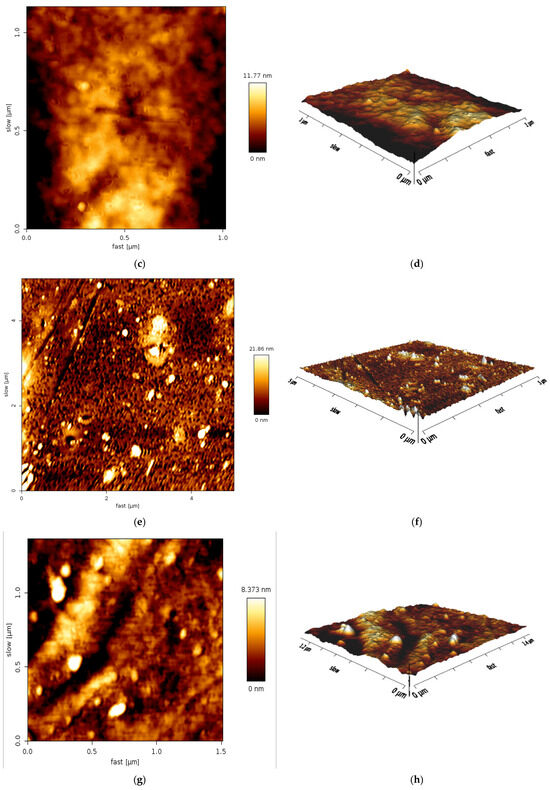
Polyethylene terephthalate (PET) films were modified by direct fluorination using fluorine gas at room temperature and 660 torr for reaction times ranging from 10 min to 5 h. Some of the fluorinated samples were dried at 70 °C for 7 days. FT-IR and XPS analyses confirmed the successful incorporation of fluorine into the PET structure, with the formation of -CHF- and -CF2- groups. The degree of fluorination increased with the reaction time, but excessive reaction led to the formation and loss of CF4. Drying further decreased the fluorine content due to the continued CF4 formation. XRD revealed that fluorination increased the crystallinity of PET owing to increased polarity, whereas drying decreased the crystallinity owing to increased crosslinking. The DSC results showed an increase in the glass transition temperature (Tg) after fluorination and drying, which was attributed to increased polarity and crosslinking, respectively. The surface hydrophilicity of PET increased significantly with fluorination time, and the water contact angle decreased to as low as 3.35°. This was due to the introduction of polar fluorine atoms and the development of a rough and porous surface morphology, as observed by AFM. Interestingly, drying of the fluorinated samples led to an increase in the water contact angle, with a maximum of 85.95°, owing to increased crosslinking and particle formation on the surface. This study demonstrates a simple and effective method for controlling the hydrophilicity and hydrophobicity of PET surfaces via direct fluorination and drying.
Full article
(This article belongs to the Section Surface Science)
►▼
Show Figures

Graphical abstract
Open AccessArticle
Top-Down Ultrasonication Method for ZnO Nanoparticles Fabrication and Their Application in Developing Pectin-Glycerol Bionanocomposite Films
by
Maulida Nur Astriyani, Nugraha Edhi Suyatma, Vallerina Armetha, Eko Hari Purnomo, Tjahja Muhandri, Faleh Setia Budi, Boussad Abbes and Ahmed Tara
Physchem 2025, 5(4), 42; https://doi.org/10.3390/physchem5040042 - 3 Oct 2025
Abstract
Ultrasonication offers a safer, lower-temperature method for synthesizing zinc oxide nanoparticles (ZnO-NPs). This study details the development of a pectin-glycerol bionanocomposite film reinforced with ZnO-NPs produced using the top-down ultrasonication method. ZnO-NPs were fabricated with varying ultrasonication durations (0, 30, and 60 min)
[...] Read more.
Ultrasonication offers a safer, lower-temperature method for synthesizing zinc oxide nanoparticles (ZnO-NPs). This study details the development of a pectin-glycerol bionanocomposite film reinforced with ZnO-NPs produced using the top-down ultrasonication method. ZnO-NPs were fabricated with varying ultrasonication durations (0, 30, and 60 min) and the addition of pectin as a capping agent. Extended ultrasonication duration resulted in smaller particle size and more defined morphology. Bionanocomposite films were prepared using the solvent casting method by incorporating ZnO-NPs (0, 0.5, 1, 2.5% w/w) and glycerol (0, 10, 20% w/w) as a plasticizer to a pectin base. The inclusion of ZnO-NPs and glycerol did not affect the shear-thinning behavior of the film-forming solution. FTIR analysis indicated interactions between ZnO-NPs, glycerol, and pectin. The addition of ZnO-NPs and glycerol reduced tensile strength but increased flexibility. ZnO-NPs improved barrier and thermal properties by reducing water vapor permeability and increasing melting point, whereas glycerol lowered glass transition temperature, thus enhancing film flexibility. The best film performance was observed with a combination of 0.5% ZnO and 20% glycerol. These results highlight the effectiveness of the top-down ultrasonication method as a sustainable approach for ZnO-NPs fabrication, supporting the development of pectin/ZnO-NPs/glycerol films as a promising material for eco-friendly packaging.
Full article
(This article belongs to the Section Nanoscience)
►▼
Show Figures

Graphical abstract
Open AccessArticle
Predicting the Bandgap of Graphene Based on Machine Learning
by
Qinze Yu, Lingtao Zhan, Xiongbai Cao, Tingting Wang, Haolong Fan, Zhenru Zhou, Huixia Yang, Teng Zhang, Quanzhen Zhang and Yeliang Wang
Physchem 2025, 5(4), 41; https://doi.org/10.3390/physchem5040041 - 1 Oct 2025
Abstract
Over the past decade, two-dimensional materials have become a research hotspot in chemistry, physics, materials science, and electrical and optical engineering due to their excellent properties. Graphene is one of the earliest discovered 2D materials. The absence of a bandgap in pure graphene
[...] Read more.
Over the past decade, two-dimensional materials have become a research hotspot in chemistry, physics, materials science, and electrical and optical engineering due to their excellent properties. Graphene is one of the earliest discovered 2D materials. The absence of a bandgap in pure graphene limits its application in digital electronics where switching behavior is essential. In the present study, researchers have proposed a variety of methods for tuning the graphene bandgap. Machine learning methodologies have demonstrated the capability to enhance the efficiency of materials research by automating the recording of characteristic parameters from the discovery and preparation of 2D materials, property calculations, and simulations, as well as by facilitating the extraction and summarization of governing principles. In this work, we use first principle calculations to build a dataset of graphene band gaps under various conditions, including the application of a perpendicular external electric field, nitrogen doping, and hydrogen atom adsorption. Support Vector Machine (SVM), Random Forest (RF), and Multi-Layer Perceptron (MLP) Regression were utilized to successfully predict the graphene bandgap, and the accuracy of the models was verified using first principles. Finally, the advantages and limitations of the three models were compared.
Full article
(This article belongs to the Section Application of New Technologies: Artificial Intelligence, Virtual Reality, Quantum Computing and Machine Learning)
►▼
Show Figures

Figure 1
Open AccessArticle
Viscosity Analysis of Electron-Beam Degraded Gellan in Dilute Aqueous Solution
by
Fathi Elashhab, Lobna Sheha, Nada Elzawi and Abdelsallam E. A. Youssef
Physchem 2025, 5(4), 40; https://doi.org/10.3390/physchem5040040 - 30 Sep 2025
Abstract
Gellan gum (Gellan), a versatile polysaccharide applied in gel formation and prebiotic formulations, is often processed to tailor its molecular properties. Previous studies employed gamma irradiation and chemical hydrolysis, though without addressing systematic scaling behavior. This study investigates the structural and conformational modifications
[...] Read more.
Gellan gum (Gellan), a versatile polysaccharide applied in gel formation and prebiotic formulations, is often processed to tailor its molecular properties. Previous studies employed gamma irradiation and chemical hydrolysis, though without addressing systematic scaling behavior. This study investigates the structural and conformational modifications of Gellan in dilute aqueous salt solutions using a safer and eco-friendly approach: atmospheric low-dose electron beam (e-beam) degradation coupled with viscosity analysis. Native and E-beam-treated Gellan samples (0.05 g/cm3 in 0.1 M KCl) were examined by relative viscosity at varying temperatures, with intrinsic viscosity and molar mass determined via Solomon–Ciuta and Mark–Houwink relations. Molar mass degradation followed first-order kinetics, yielding rate constants and degradation lifetimes. Structural parameters, including radius of gyration and second virial coefficient, produced scaling coefficients of 0.62 and 0.15, consistent with perturbed coil conformations in a good solvent. The shape factor confirmed preservation of an ideal random coil structure despite irradiation. Conformational flexibility was further analyzed using theoretical models. Transition state theory (TST) revealed that e-beam radiation lowered molar mass and activation energy but raised activation entropy, implying reduced flexibility alongside enhanced solvent interactions. The freely rotating chain (FRC) model estimated end-to-end distance (Rθ) and characteristic ratio (C∞), while the worm-like chain (WLC) model quantified persistence length (lp). Results indicated decreased Rθ, increased lp, and largely unchanged C∞, suggesting diminished chain flexibility without significant deviation from ideal coil behavior. Overall, this work provides new insights into Gellan’s scaling laws and flexibility under aerobic low-dose E-beam irradiation, with relevance for bioactive polysaccharide applications.
Full article
(This article belongs to the Section Theoretical and Computational Chemistry)
►▼
Show Figures

Figure 1
Open AccessArticle
Experimental Thermal Analysis of Box-Type Shell-and-Tube Configuration Filled with RT42 Phase Change Material: A Case Study
by
Ihsan Ur Rahman, Numan Khan, Oronzio Manca, Bernardo Buonomo and Sergio Nardini
Physchem 2025, 5(4), 39; https://doi.org/10.3390/physchem5040039 - 28 Sep 2025
Abstract
Thermal management in heat exchangers is crucial in many industrial, medical, and scientific applications. However, reducing dependency on active energy sources still represents a substantial challenge. In this context, phase change materials (PCMs) offer an effective solution due to their ability to store
[...] Read more.
Thermal management in heat exchangers is crucial in many industrial, medical, and scientific applications. However, reducing dependency on active energy sources still represents a substantial challenge. In this context, phase change materials (PCMs) offer an effective solution due to their ability to store and release large amounts of latent heat, assisting in passive thermal management. Therefore, this study proposes the use of RT42 PCM inside a box-type shell-and-tube configuration to establish the relationship between flow rate and charging and discharging behavior of PCM. In the proposed system, heat transferring fluid (HTF) water is circulated in the internal tubes at 60 °C, where the temperature is monitored by a series of thermocouples strategically placed inside the box-type configuration. To evaluate the effect of the flow of HTF on the thermal behavior of the PCM, the charging (melting) and discharging (solidification) analysis is performed by varying the water flow rate at three levels: 1.2, 0.8, and 0.4 L/min inside the laminar region (Re < 2300). A thermal camera and two webcams were used to assess the surface temperature distribution and PCM response, respectively. It was determined that increasing the flow rate accelerates charging and discharging with fluctuations in temperature curves during melting.
Full article
(This article belongs to the Section Kinetics and Thermodynamics)
►▼
Show Figures

Figure 1
Open AccessArticle
Effect of Organic Acid Mixtures on the Extraction Efficiency, Physicochemical, and Thermal Properties of Pigskin Gelatin and Resulting Films
by
Diego Ezequiel Velazquez and María Emilia Latorre
Physchem 2025, 5(3), 38; https://doi.org/10.3390/physchem5030038 - 11 Sep 2025
Abstract
Animal tissue by-products, rich in collagen, represent a valuable source of biomaterials. Understanding their physicochemical and thermal behavior is essential for expanding their applications. In this study, pigskin gelatin was extracted through acid hydrolysis using a combination of acetic acid (AH) and either
[...] Read more.
Animal tissue by-products, rich in collagen, represent a valuable source of biomaterials. Understanding their physicochemical and thermal behavior is essential for expanding their applications. In this study, pigskin gelatin was extracted through acid hydrolysis using a combination of acetic acid (AH) and either lactic, citric, or ascorbic acid (75:25, v:v, [0.5 M]), followed by thermal denaturation. We evaluated the physicochemical properties of the gelatin solutions (pH, hydroxyproline content, and extraction yield), as well as the macroscopic gel characteristics. Gelatin films were then prepared and analyzed for moisture content, color, and thermal properties. One-way ANOVA was applied to compare treatments, and Pearson’s correlation was used to assess the relationship between the solution pH and physicochemical parameters. Significant differences in the final pH of the solutions were observed among the acid mixture treatments, though the hydroxyproline content and extraction yield were not significantly affected. All gelatin solutions formed stable gels, and the resulting films exhibited similar moisture content. Thermal analysis revealed treatment-dependent variations. Specifically, a significant negative correlation (p < 0.005) was found between the gelatin solution pH and the melting temperature. These results suggest that the use of organic acid mixtures can effectively modulate gelatin properties, offering a versatile approach for tailoring biomaterials for both food and non-food applications.
Full article
(This article belongs to the Section Biophysical Chemistry)
►▼
Show Figures

Figure 1
Highly Accessed Articles
Latest Books
E-Mail Alert
News
Topics
Topic in
Materials, Physchem, Polymers, AppliedPhys, Laboratories
Polymer Physics
Topic Editors: Martin Kröger, Ying LiDeadline: 31 March 2026
Special Issues
Special Issue in
Physchem
Computational Studies on Bioinspired Transition-Metal-Based Catalysts
Guest Editor: Ferran Acuña-ParésDeadline: 31 December 2025
Special Issue in
Physchem
Nanocomposites for Catalysis and Environment Applications
Guest Editor: Haradhan KolyaDeadline: 31 March 2026
Special Issue in
Physchem
Photophysics and Photochemistry in Materials for Advanced Technologies
Guest Editors: Eralci Therézio, Paulo Ernesto MarcheziDeadline: 31 May 2026
Special Issue in
Physchem
Metal–Semiconductor Interfaces for Etching, Sensing, Catalysis, and Other Cutting-Edge Technologies
Guest Editor: Enrique Quiroga-GonzálezDeadline: 30 June 2026
Topical Collections
Topical Collection in
Physchem
Batteries Beyond Mainstream
Collection Editors: Sergei Manzhos, Masashi Kotobuki