



Journal Description
BioTech
BioTech
- formerly High-Throughput - is an international, peer-reviewed, open access journal on biotechnology, published bimonthly online by MDPI.
- Open Access— free for readers, with article processing charges (APC) paid by authors or their institutions.
- High Visibility: indexed within ESCI (Web of Science), Scopus, PubMed, PMC, Inspec, CAPlus / SciFinder, and other databases.
- Journal Rank: JCR - Q2 (Biotechnology and Applied Microbiology) / CiteScore - Q2 (Biomedical Engineering)
- Rapid Publication: manuscripts are peer-reviewed and a first decision is provided to authors approximately 20.7 days after submission; acceptance to publication is undertaken in 3.2 days (median values for papers published in this journal in the first half of 2026).
- Recognition of Reviewers: reviewers who provide timely, thorough peer-review reports receive vouchers entitling them to a discount on the APC of their next publication in any MDPI journal, in appreciation of the work done.
Impact Factor:
3.6 (2025)
Latest Articles
Whole Genome Sequencing of the Moruga Hill Rice (Oryza glaberrima) Reveals Its African Ancestry and the Presence of Candidate Stress-Tolerance Genes
BioTech 2026, 15(4), 73; https://doi.org/10.3390/biotech15040073 - 25 Aug 2026
Abstract
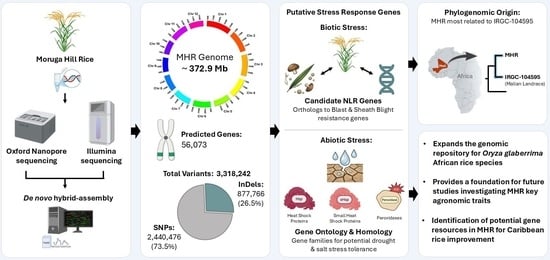
Moruga Hill Rice (MHR) is an African rice (Oryza glaberrima Steud.) brought to Trinidad by formerly enslaved African Americans and has been grown for many generations in Trinidad at subsistence and commercial scale. Despite its historical and agricultural significance, genomic resources specific
[...] Read more.
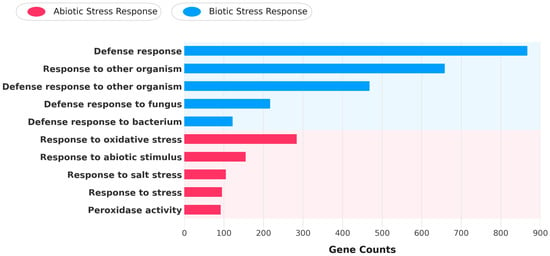
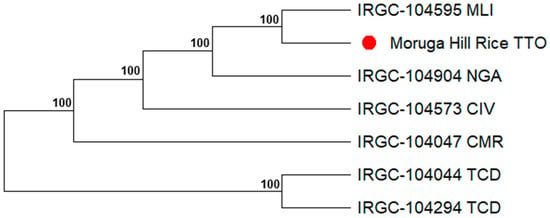
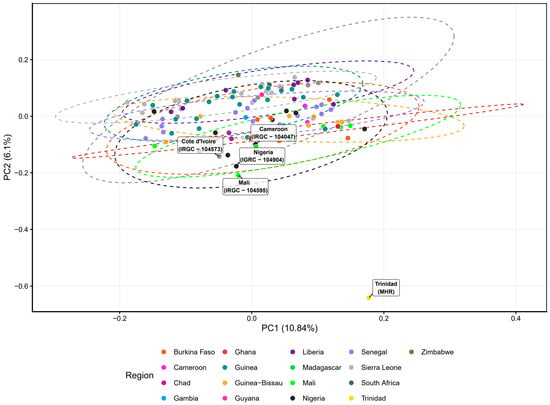
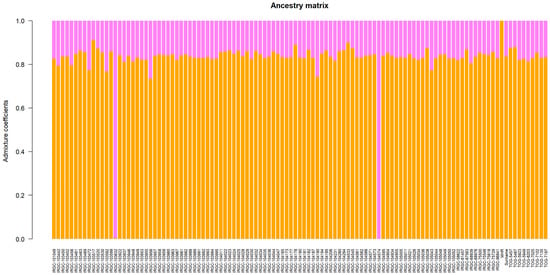
Moruga Hill Rice (MHR) is an African rice (Oryza glaberrima Steud.) brought to Trinidad by formerly enslaved African Americans and has been grown for many generations in Trinidad at subsistence and commercial scale. Despite its historical and agricultural significance, genomic resources specific to MHR remain unexplored, and its genetic composition, evolutionary history, and potential agronomic traits have not been characterized. This current study presents the first draft genome assembly of the MHR genome using a hybrid sequencing approach. The MHR genome size was found to be ~372.9 Mb with 56,073 predicted genes. Variant analysis revealed a total of 3,318,242 variants, of which 2,440,476 were SNPs, and 877,766 were InDels. Several candidate genes encoding proteins with orthology to previously characterized biotic resistance and abiotic stress-responsive genes in rice were identified. Potential gene families identified prompt further investigation of their roles in MHR drought and salt stress responses. Phylogenomic analysis of O. glaberrima landraces suggests that MHR shares close genetic affinity with the IRGC−104595 Malian landrace, consistent with historical records. This assembly thus expands the African rice genomic repository, providing a foundation to understand the genetic architecture underlying key phenotypic traits and identifying potential novel gene sources in MHR for rice improvement in the Caribbean region.
Full article
(This article belongs to the Section Industry, Agriculture and Food Biotechnology)
►
Show Figures
Open AccessArticle
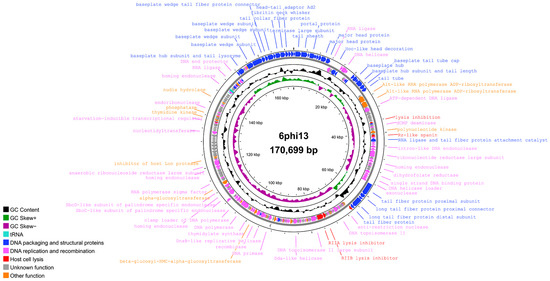
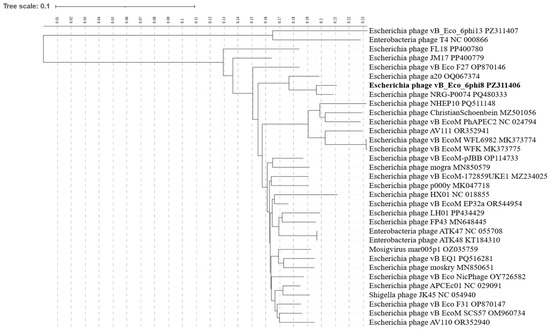
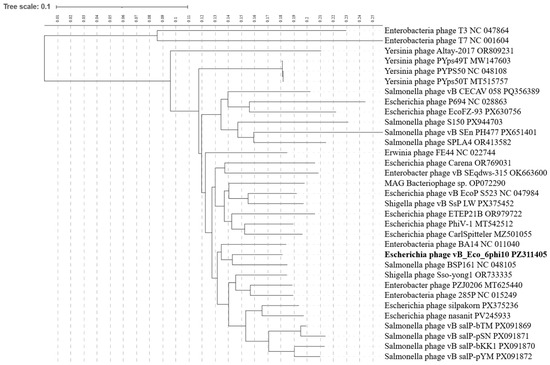
Bacteriophages 6phi8, 6phi10, and 6phi13 Isolated from the Therapeutic Cocktail “Sextaphag®”
by
Vladislav Kulyabin and Andrey Shadrin
BioTech 2026, 15(4), 72; https://doi.org/10.3390/biotech15040072 - 24 Aug 2026
Abstract
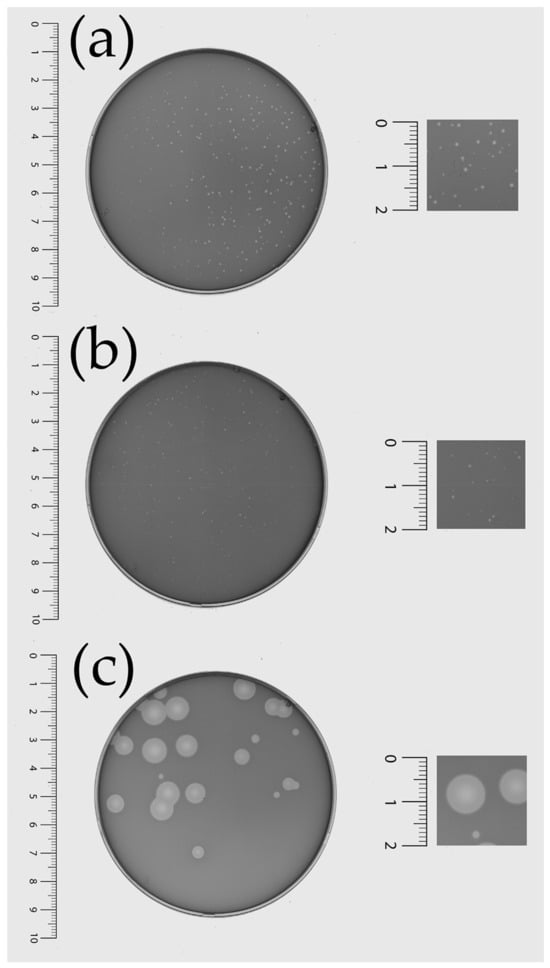
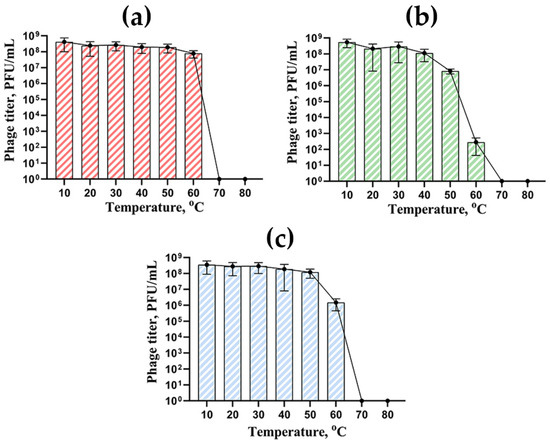
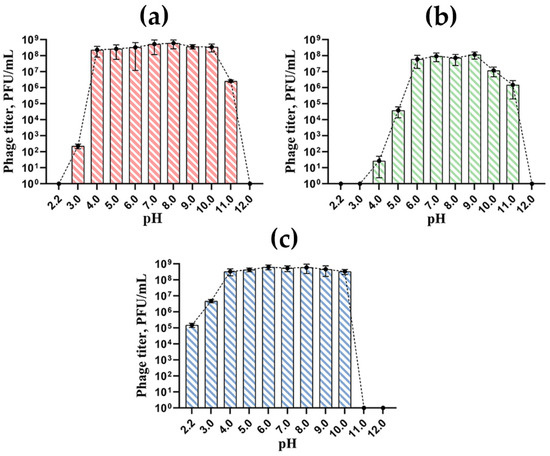
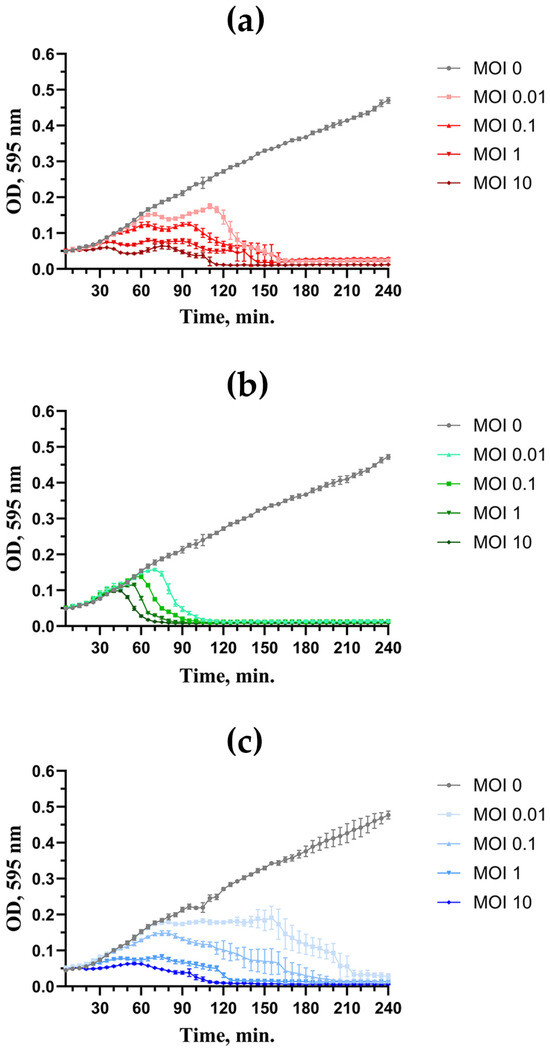
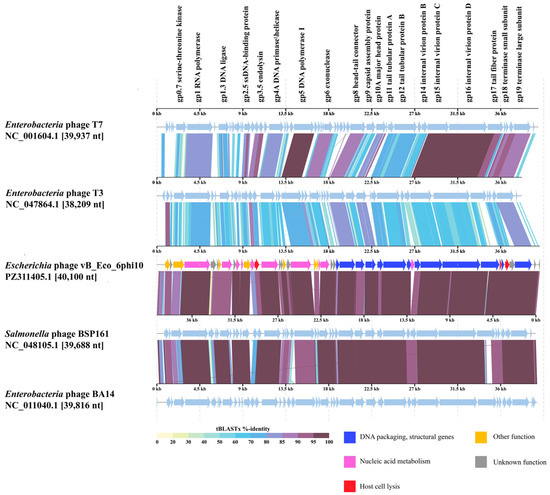
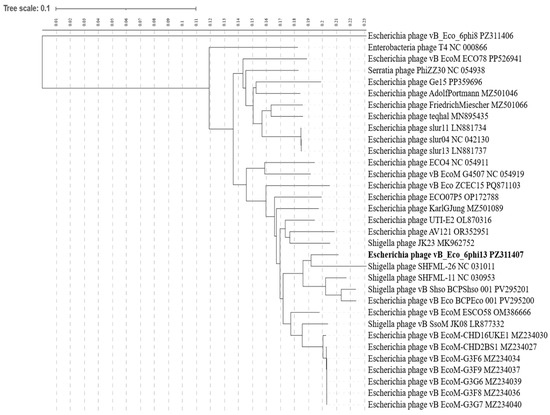
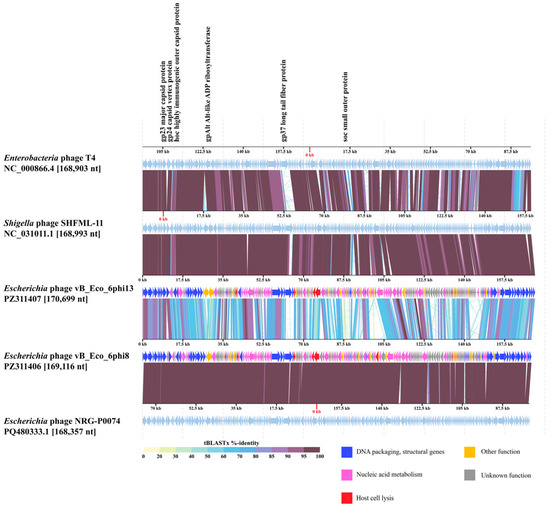
The present study provides the physicochemical and genomic characterization of three Escherichia bacteriophages (6phi8, 6phi10, and 6phi13) isolated from the commercial phage preparation “Sextaphag®”. For each bacteriophage, lytic activity against E. coli MG1655, as well as pH and thermal stability, were
[...] Read more.
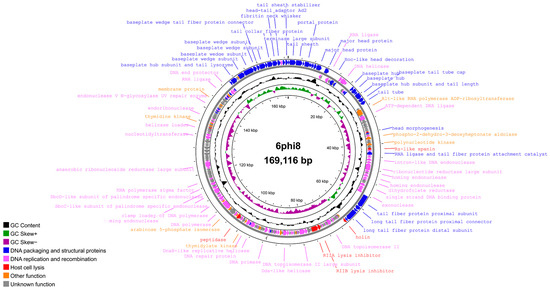
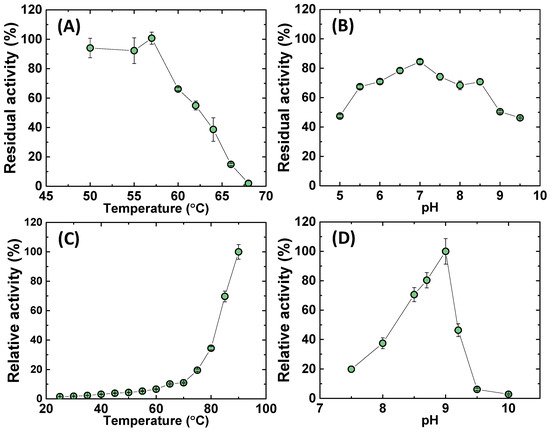
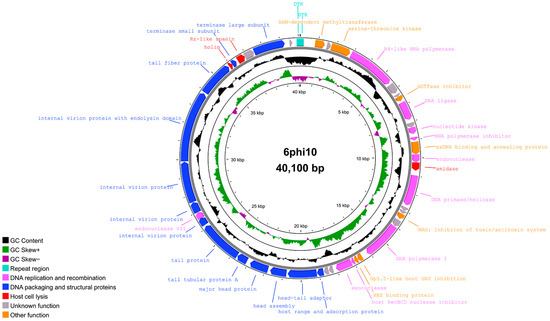
The present study provides the physicochemical and genomic characterization of three Escherichia bacteriophages (6phi8, 6phi10, and 6phi13) isolated from the commercial phage preparation “Sextaphag®”. For each bacteriophage, lytic activity against E. coli MG1655, as well as pH and thermal stability, were determined. Whole-genome sequencing was performed, followed by bioinformatic annotation and comparative genomic analysis. Bacteriophages 6phi8 and 6phi13 belong to the T4-like myoviruses with large genomes (~169 and ~171 kb, respectively), whereas 6phi10 is a T7-like podovirus with a genome size of 40.1 kb. Phage 6phi8 was assigned to the genus Mosigvirus of the family Straboviridae, 6phi13 was classified within the genus Tequatrovirus of the same family, and 6phi10 was identified as a putative novel species of the genus Berlinvirus within the family Autotranscriptaviridae. The genomes of the studied phages lack genes associated with the lysogenic cycle, as well as virulence and antibiotic resistance determinants. The results expand current knowledge of the genomic properties of phages included in therapeutic cocktails and may contribute to the development of phage preparations against infections caused by E. coli and other members of the family Enterobacteriaceae.
Full article
(This article belongs to the Section Medical Biotechnology)
►▼
Show Figures

Figure 1
Open AccessArticle
Optimizing MatB–MatC-Dependent Malonyl-CoA Supply for Enhanced Raspberry Ketone Production in Escherichia coli
by
Kurumi Usui, Naoki Takaya and Shunsuke Masuo
BioTech 2026, 15(3), 71; https://doi.org/10.3390/biotech15030071 - 21 Aug 2026
Abstract
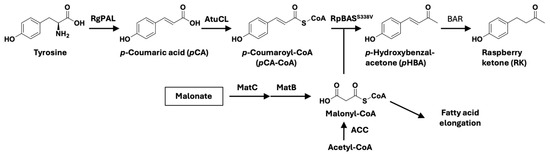
Raspberry ketone (RK) is a valuable natural flavor compound, but its extraction from plants is inefficient because of its low natural abundance. Microbial production of RK offers a promising alternative; however, insufficient availability of malonyl-CoA can limit RK biosynthesis. In this study, we
[...] Read more.
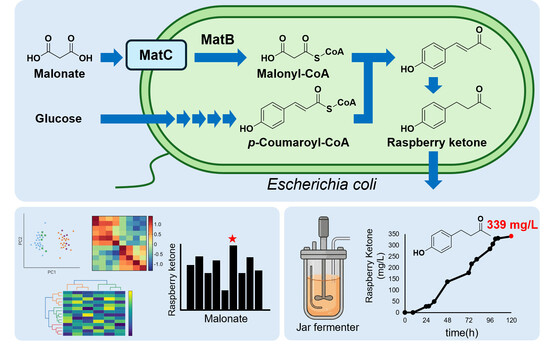
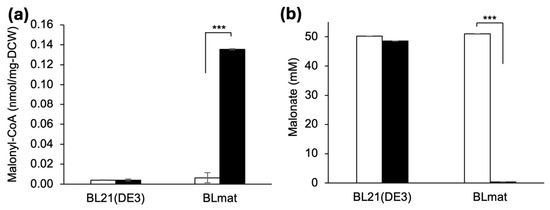
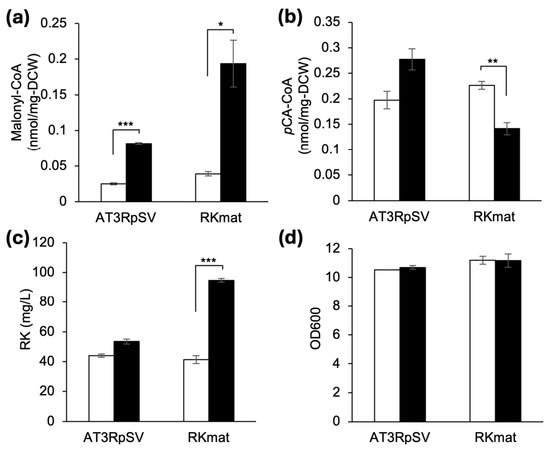
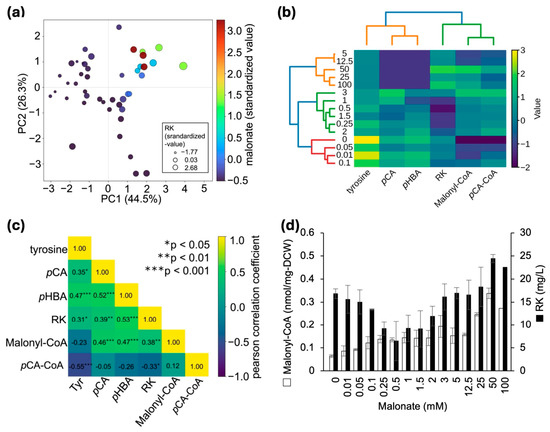
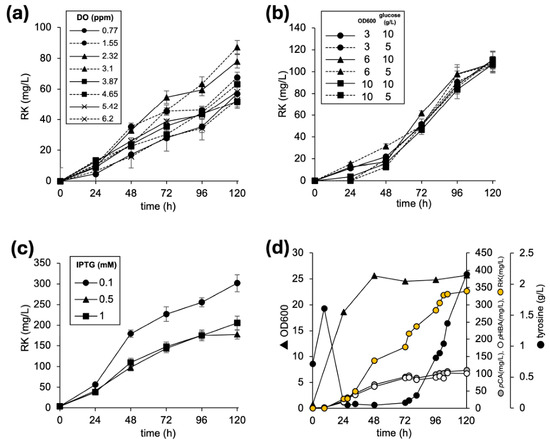
Raspberry ketone (RK) is a valuable natural flavor compound, but its extraction from plants is inefficient because of its low natural abundance. Microbial production of RK offers a promising alternative; however, insufficient availability of malonyl-CoA can limit RK biosynthesis. In this study, we introduced a malonate-dependent malonyl-CoA supply module into an engineered Escherichia coli strain designed for de novo RK production through heterologous expression of malonyl-CoA synthetase MatB and malonate transporter MatC. In the presence of malonate, the introduction of the MatB–MatC module increased RK production by 2.3-fold. To optimize malonate supplementation, RK pathway metabolites, including intracellular acyl-CoA intermediates, were quantified by liquid chromatography–mass spectrometry, and the resulting metabolite profiles were analyzed by principal component analysis, hierarchical clustering, and correlation analysis. This study indicated that 50-mM malonate was optimal, yielding 24 mg/L RK during 96-deep-well plate cultivation. Fed-batch optimization increased RK production to 301 mg/L in a 100-mL jar fermenter, and scale-up cultivation in a 2-L jar fermenter produced 340 mg/L RK. In this study, optimizing MatB–MatC-dependent malonyl-CoA supply, combined with pathway-level metabolic profiling and controlled fed-batch cultivation, enhanced de novo RK production in E. coli.
Full article
(This article belongs to the Section Industry, Agriculture and Food Biotechnology)
►▼
Show Figures

Graphical abstract
Open AccessReview
Diverse Roles of Cohesin in Chromosome Dynamics and Stem Cells
by
Eui-Hwan Choi
BioTech 2026, 15(3), 70; https://doi.org/10.3390/biotech15030070 - 19 Aug 2026
Abstract
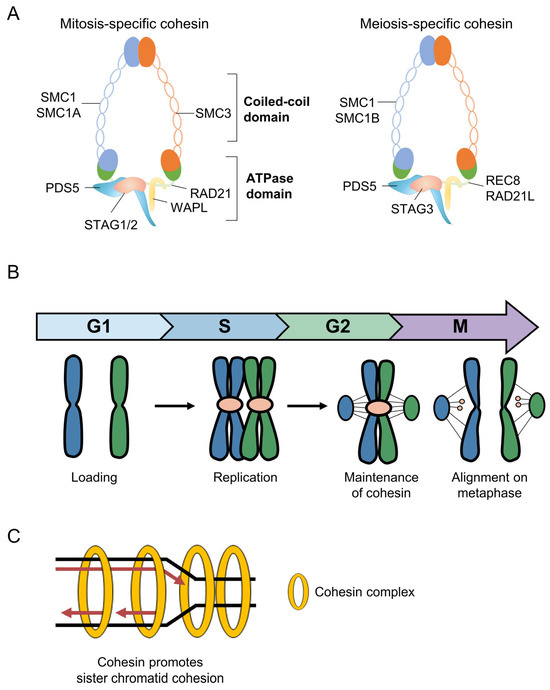
The cohesin complex is a highly conserved, ring-shaped protein assembly that plays fundamental roles in chromosome biology. Originally identified as the molecular glue that holds sister chromatids together from DNA replication until cell division, cohesin has since been recognized as a pleiotropic regulator
[...] Read more.
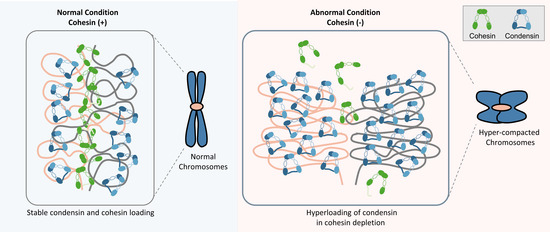
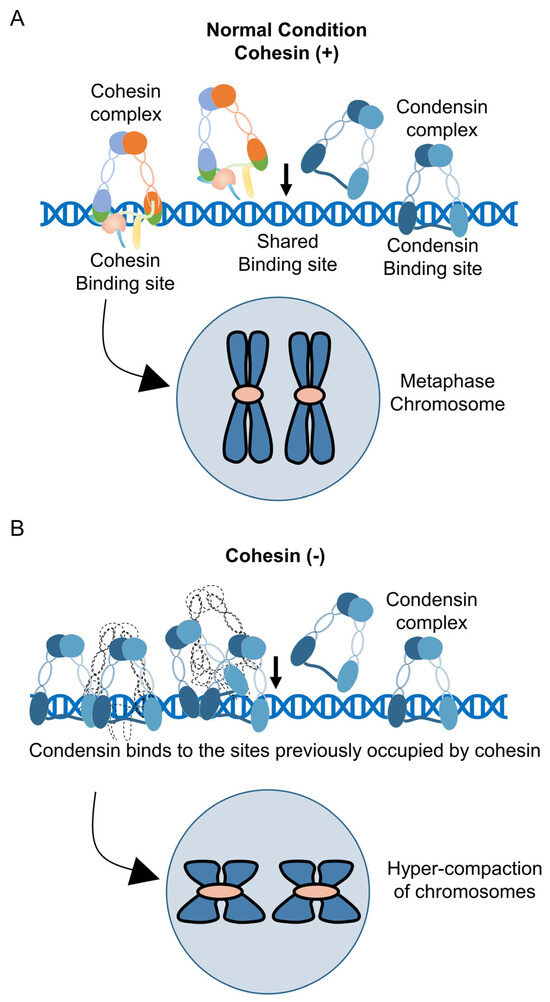
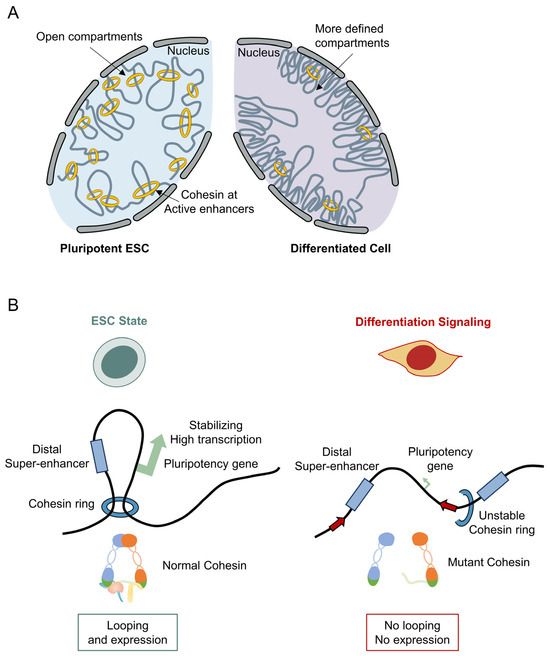
The cohesin complex is a highly conserved, ring-shaped protein assembly that plays fundamental roles in chromosome biology. Originally identified as the molecular glue that holds sister chromatids together from DNA replication until cell division, cohesin has since been recognized as a pleiotropic regulator of genome organization, gene expression, DNA repair, and cell fate determination. In embryonic stem cells (ESCs), cohesin’s functions extend beyond canonical sister chromatid cohesion to include the maintenance of three-dimensional (3D) chromatin architecture through DNA loop extrusion, regulation of pluripotency-associated transcriptional programs, and facilitation of homologous recombination-mediated DNA repair during the prolonged S phase. Recent discoveries have revealed that meiosis-specific cohesin components, particularly the α-kleisin subunit REC8 and its interacting partner STAG3, are expressed and functionally active in mitotic ESC chromosomes, where they contribute to chromosomal organization and sister chromatid cohesion in concert with mitotic RAD21-containing cohesin. Furthermore, the interplay between cohesin and condensin complexes at shared genomic binding sites has emerged as a critical determinant of chromosome topology, with cohesin depletion leading to aberrant condensin accumulation and chromosome hypercompaction. Importantly, perturbations in cohesin function not only impair ESC self-renewal but also direct lineage-specific differentiation, linking cohesin to stem cell fate determination. Germline mutations in cohesin and its regulators underlie a spectrum of developmental disorders termed cohesinopathies, while somatic mutations are frequently observed in various cancers. This review provides a comprehensive overview of the diverse roles of cohesin in chromosome structure, cell cycle regulation, and stem cell biology, with particular emphasis on recent findings in ESCs that illuminate the complex interplay between mitotic and meiotic cohesin complexes.
Full article
(This article belongs to the Topic Advances in Gene Therapy of Human Diseases)
►▼
Show Figures

Graphical abstract
Open AccessArticle
Analysis of Quality Normative Requirements: Contributions to the Alignment and Standardization of Standards Applied in Health Laboratories
by
Saada L. C. Fernandez, Katharine V. S. Hodel, Renata Almeida de Souza, Hayna Malta-Santos, Camila Duarte Ferreira Ribeiro and Bruna A. S. Machado
BioTech 2026, 15(3), 69; https://doi.org/10.3390/biotech15030069 - 19 Aug 2026
Abstract
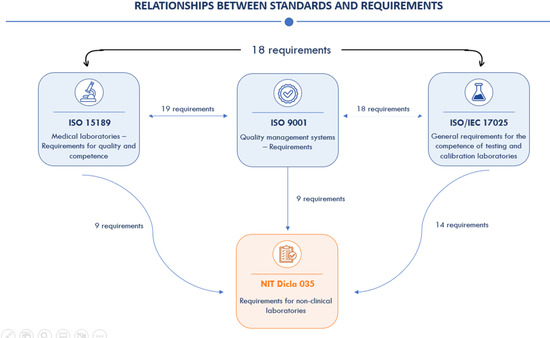
The implementation of Quality Management Standards (QMS) in health laboratories is essential to ensuring the traceability, reliability, and reproducibility of results, thus supporting compliance and continuous improvement. This study identifies and compares the requirements adopted in four widely used four standards for health
[...] Read more.
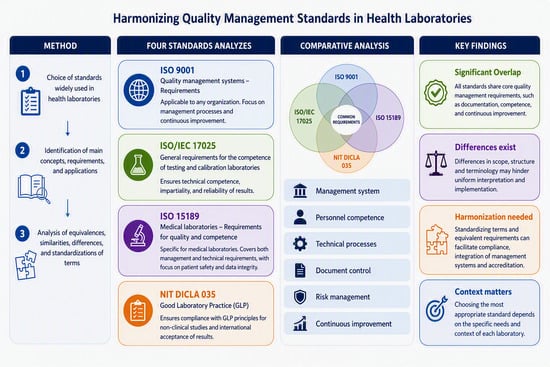
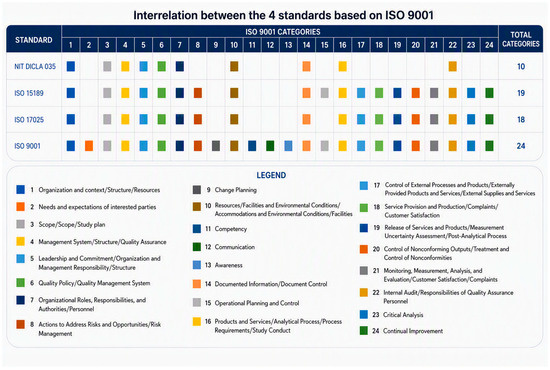
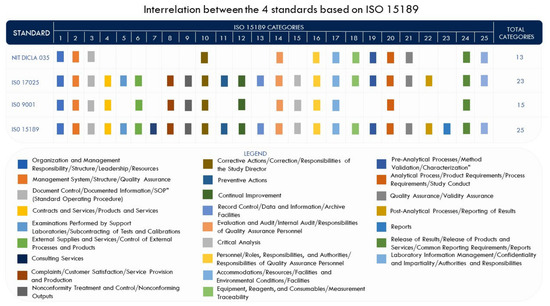
The implementation of Quality Management Standards (QMS) in health laboratories is essential to ensuring the traceability, reliability, and reproducibility of results, thus supporting compliance and continuous improvement. This study identifies and compares the requirements adopted in four widely used four standards for health laboratoriesto evaluate their equivalence and contribute to the harmonization of normative terminology. A comparative analysis of the requirements and their applications in health laboratories was conducted. Subsequently, interrelationships and equivalence among the standards were assessed, followed by an evaluation of the terminology used and the grouping of requirements across the four normative documents. The results revealed a substantial overlap among the standards, particularly regarding quality management, risk management, personnel competence, documentation control, and continuous improvement. However, differences in terminology, structure, and scope were identified, which may hinder the uniform interpretation and implementation of quality systems. The harmonization of terms and equivalent requirements could facilitate compliance, integration of management systems, and accreditation processes. The findings demonstrate that standardizing normative terminology contributes to greater alignment among quality standards, improving their understanding, dissemination, and application in health laboratories while supporting more efficient and reliable quality management practices.
Full article
(This article belongs to the Section Biotechnology Regulation)
►▼
Show Figures

Graphical abstract
Open AccessCommunication
A Novel Polyamine Oxidase from Kluyveromyces marxianus with Potential for Total Polyamine Determination
by
Egor P. Sergeev and Denis L. Atroshenko
BioTech 2026, 15(3), 68; https://doi.org/10.3390/biotech15030068 - 15 Aug 2026
Abstract
Polyamines and their acetylated derivatives are promising biomarkers for noninvasive cancer diagnostics, creating demand for robust enzymatic tools for their detection. In this study, we screened several phylogenetically diverse yeast polyamine oxidases and identified a new enzyme from Kluyveromyces marxianus (KmaPAO) as a
[...] Read more.
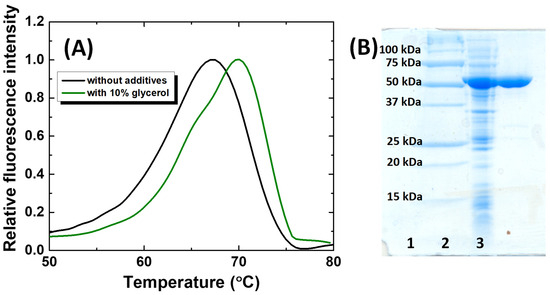
Polyamines and their acetylated derivatives are promising biomarkers for noninvasive cancer diagnostics, creating demand for robust enzymatic tools for their detection. In this study, we screened several phylogenetically diverse yeast polyamine oxidases and identified a new enzyme from Kluyveromyces marxianus (KmaPAO) as a promising candidate for analytical development. Among the tested candidates, only enzymes from K. marxianus and Lachancea thermotolerans were obtained in soluble active form, while only KmaPAO could be purified and characterized in detail. KmaPAO was produced in soluble active form in Escherichia coli at approximately 250 ± 40 mg of active enzyme per liter of culture, purified to near homogeneity in a single IMAC step, and showed a melting temperature of 66.6 ± 0.5 °C. The enzyme preferred acetylated polyamines and spermine, while showing lower activity toward spermidine. Kinetic analysis revealed sub-micromolar or low-micromolar Michaelis constants for several substrates and the highest catalytic efficiency toward spermine, 2.2 × 10⁷ M−1 s−1. Due to its favorable expression level, stability, and substrate profile, KmaPAO represents a promising basis for the development of enzymatic assays for total polyamine determination.
Full article
(This article belongs to the Section Industry, Agriculture and Food Biotechnology)
►▼
Show Figures

Figure 1
Open AccessArticle
Valorization of Agave Leaf Juice for Optimized Kocuria sediminis AS04 Production and Its Delivery via Immobilized Films to Mitigate Saline Stress in Capsicum annuum var. glabriusculum
by
Claudia Estefania Cabrera-Muro, Rosa María Camacho-Ruiz, Miguel Angel Lorenzo-Santiago, Jacobo Rodriguez-Campos and Silvia Maribel Contreras-Ramos
BioTech 2026, 15(3), 67; https://doi.org/10.3390/biotech15030067 - 15 Aug 2026
Abstract
Halotolerant plant growth-promoting bacteria offer a sustainable strategy to improve crop performance under saline conditions. This study evaluated Agave tequilana Weber var. Azul leaf juice was used as an alternative growth medium for Kocuria sediminis AS04, and the bacterium’s ability to alleviate salt
[...] Read more.
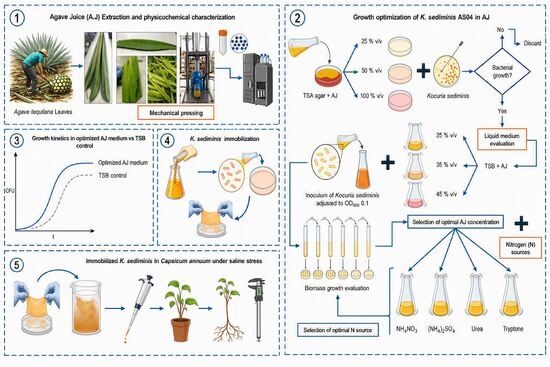
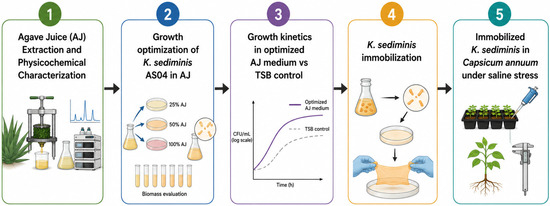
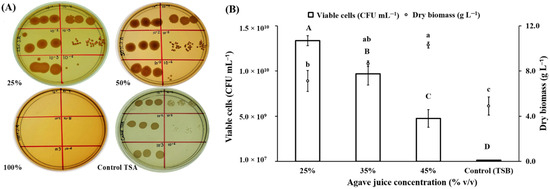
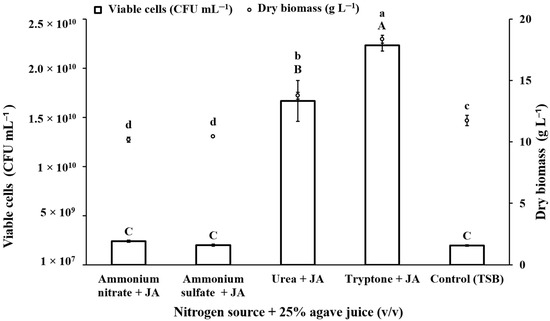
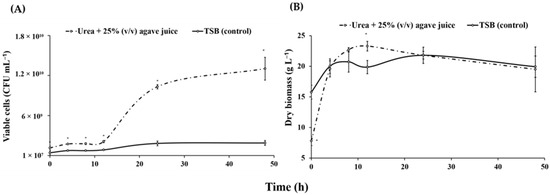
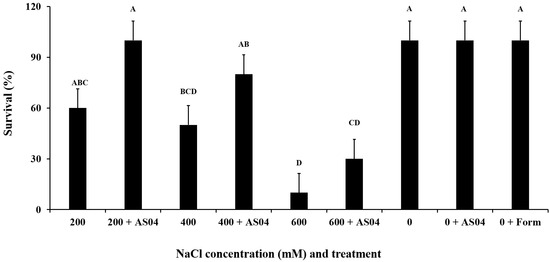
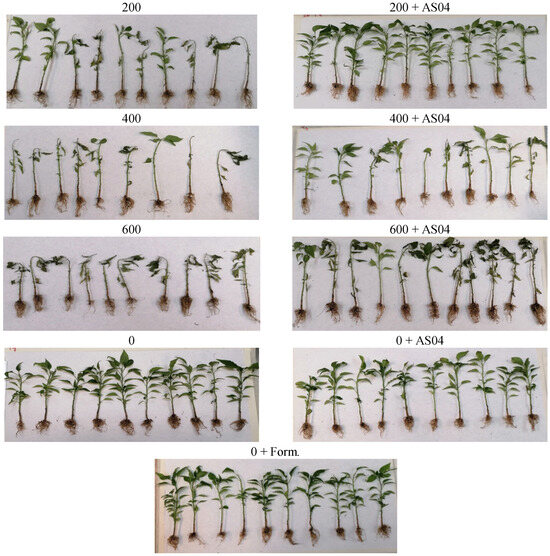
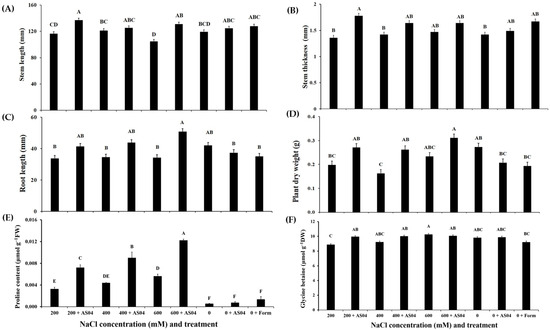
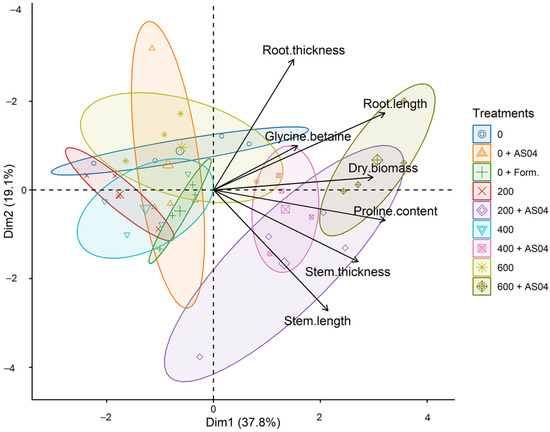
Halotolerant plant growth-promoting bacteria offer a sustainable strategy to improve crop performance under saline conditions. This study evaluated Agave tequilana Weber var. Azul leaf juice was used as an alternative growth medium for Kocuria sediminis AS04, and the bacterium’s ability to alleviate salt stress in chiltepin (Capsicum annuum) was evaluated. The chiltepin seedlings were grown in a specialized chamber and exposed to higher salt levels (200, 400, and 600 mM NaCl) for 10 days. During this time, the protective effect of K. sediminis AS04, which was held in a polymer film, was examined. K. sediminis AS04 grew well in a medium containing 25% agave juice and urea, reaching a density of 1.3 × 10¹⁰ CFU mL−1. Compared with conventional Tryptic Soy Broth, the medium formulated from agave leaf juice and urea could reduce the cost per kilogram of biomass by approximately 4-fold. Under severe salinity stress, plants inoculated with immobilized K. sediminis at 600 mM NaCl exhibited the highest shoot biomass (0.31 g−1 plant), root length (50.7 mm), and proline accumulation (11.25 µmol g−1 fresh weight), whereas uninoculated plants displayed reduced biomass (0.16 g plant−1) and shorter roots (34.5 mm). At 600 mM NaCl, inoculation increased shoot biomass, root length, and plant survival by approximately 94%, 47%, and 200%, respectively, compared with uninoculated seedlings. This method values agro-industrial waste and enhances chiltepin performance under high-salinity conditions. It promotes sustainable production and helps create affordable inoculants for agricultural biotechnology.
Full article
(This article belongs to the Section Industry, Agriculture and Food Biotechnology)
►▼
Show Figures

Graphical abstract
Open AccessArticle
Risk-Aware Computational Prioritization and Validation Route Design for Medicine–Food Homology Plant Compounds in a Parkinson’s Disease Context
by
Jinhao Zou, Siyi Wang, Jingjiao Yong, Liangyu Yan, Hong Hui and Ye Sun
BioTech 2026, 15(3), 66; https://doi.org/10.3390/biotech15030066 - 10 Aug 2026
Abstract
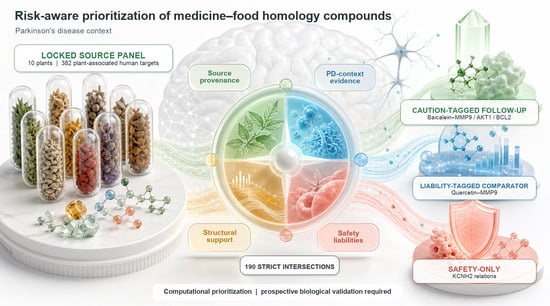
Network pharmacology studies of medicine–food homology plants have identified broad injury response pathways and hubs that cannot support compound-level or Parkinson’s disease (PD)-specific claims. We developed a traceable, non-weighted framework that separates regulatory provenance, PD-context evidence, structural support, and safety/developability liabilities. A ten-plant
[...] Read more.
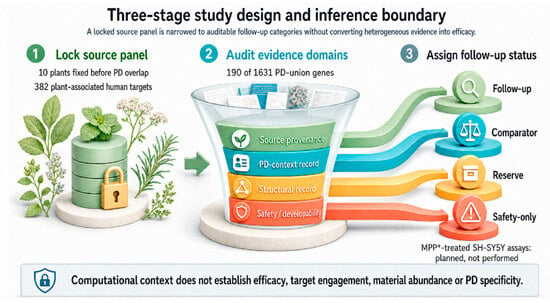
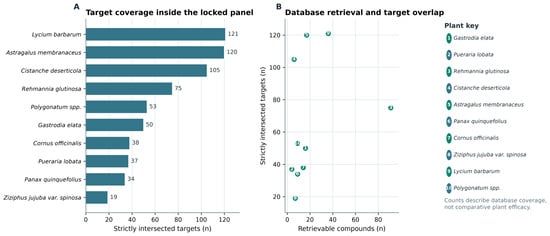
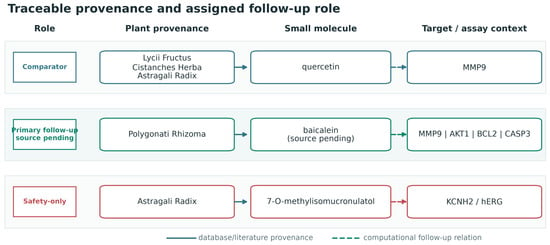
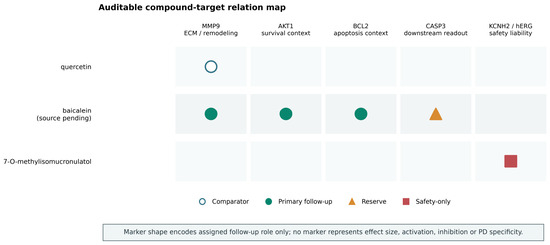
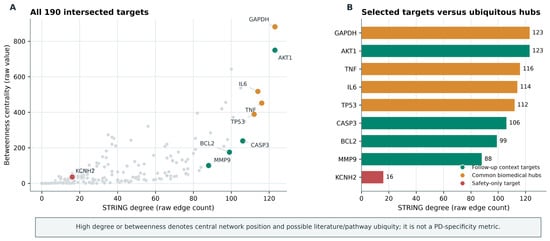
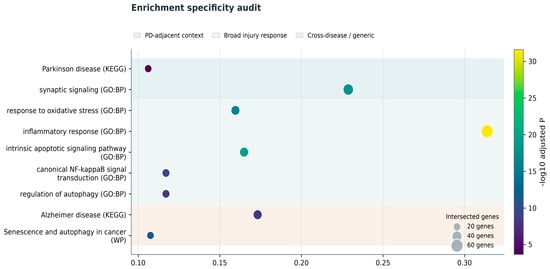
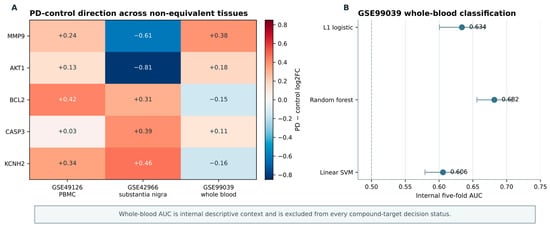
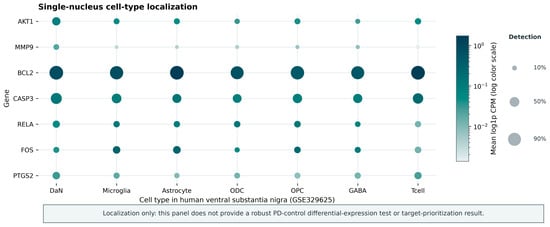
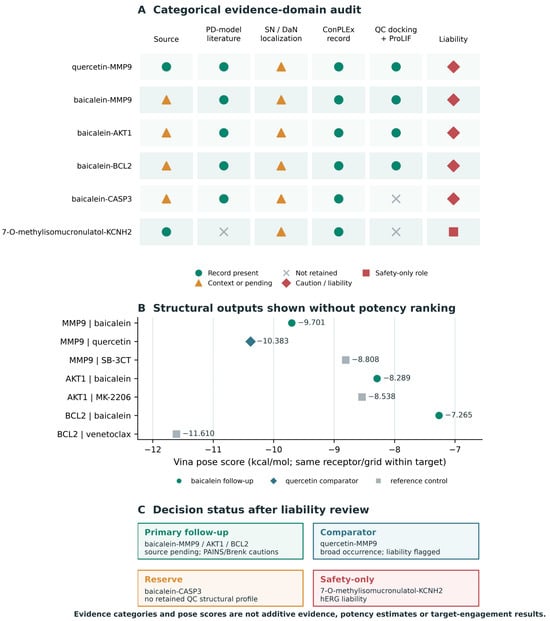
Network pharmacology studies of medicine–food homology plants have identified broad injury response pathways and hubs that cannot support compound-level or Parkinson’s disease (PD)-specific claims. We developed a traceable, non-weighted framework that separates regulatory provenance, PD-context evidence, structural support, and safety/developability liabilities. A ten-plant feasibility panel was locked before overlap with a 1631-gene PD union, yielding 382 plant-associated targets and 190 strict intersections. Leave-one-plant-out analysis retained 173–190 targets, whereas disease source and threshold stress tests showed curation dependence. Whole-blood classifiers showed modest five-fold discrimination (area under the curve, 0.606–0.682) and were excluded from candidate decisions. Redocking-validated AutoDock Vina and protein–ligand interaction fingerprints retained baicalein–MMP9, baicalein–AKT1, and baicalein–BCL2 as caution-tagged follow-up pairs. Quercetin–MMP9 was retained as a liability-tagged comparator, while KCNH2 relations were safety-only. Because no biological validation is presented, these pairs remain hypotheses for prospective MPP+-treated SH-SY5Y testing with orthogonal injury, dopaminergic phenotypes, target dependency, material confirmation and safety controls. Baicalein remains source-pending for the material chain.
Full article
(This article belongs to the Section Computational Biology)
►▼
Show Figures

Graphical abstract
Open AccessArticle
Effects of Orange Peel-Derived Carbon Sources on Nannochloropsis salina Mixotrophic Cultivation
by
Carlo Esposito, Giancarlo Aldini, Yanan Yin, Stefano Gandolfi, Gianluca Ottolina and Francesco Secundo
BioTech 2026, 15(3), 65; https://doi.org/10.3390/biotech15030065 - 7 Aug 2026
Abstract
Microalgae are recognized as sustainable biofactories for metabolites relevant to nutraceutical, pharmaceutical, and marine drug applications. Nannochloropsis salina is notable for its production of bioactive lipids, including the pharmaceutically relevant omega-3 eicosapentaenoic acid (EPA). Here, we evaluated orange peel extract (OPE), a citrus
[...] Read more.
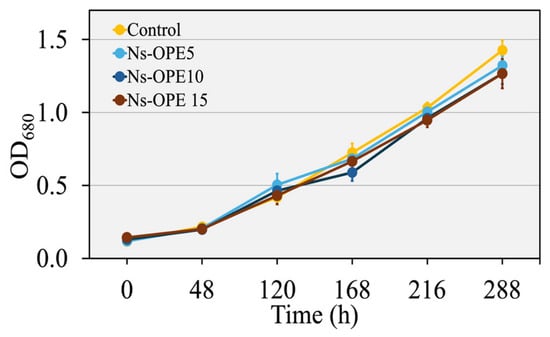
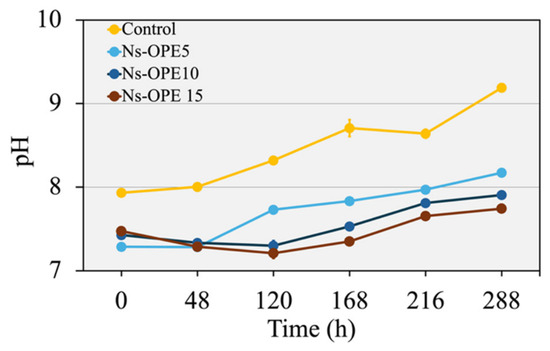
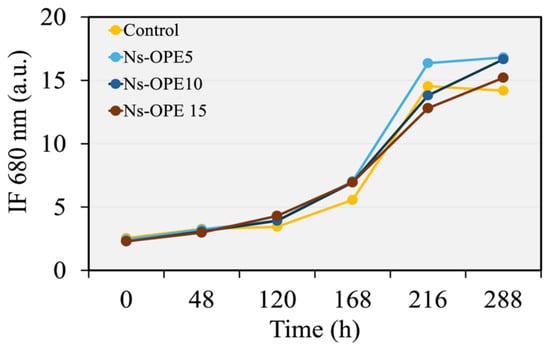
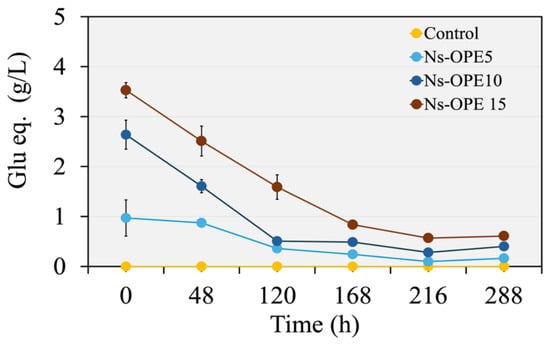
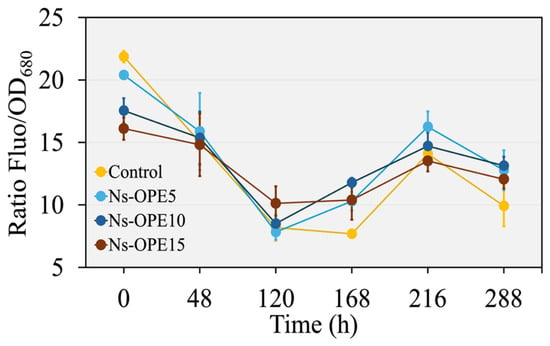
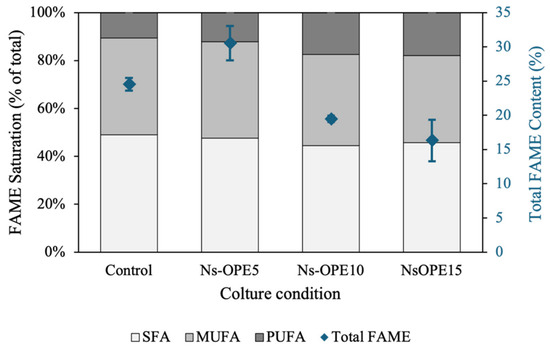
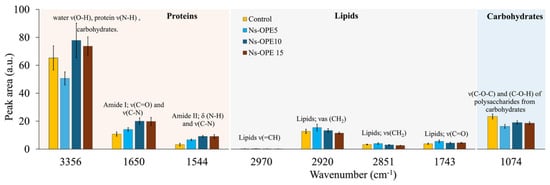
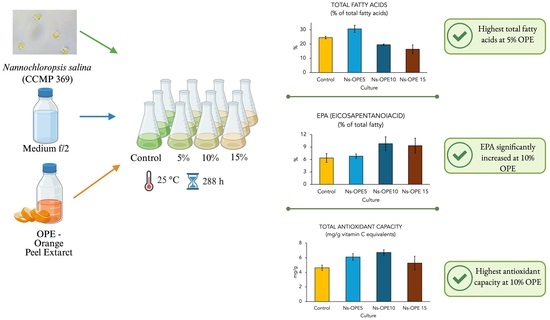
Microalgae are recognized as sustainable biofactories for metabolites relevant to nutraceutical, pharmaceutical, and marine drug applications. Nannochloropsis salina is notable for its production of bioactive lipids, including the pharmaceutically relevant omega-3 eicosapentaenoic acid (EPA). Here, we evaluated orange peel extract (OPE), a citrus by-product, as a substrate for mixotrophic cultivation of N. salina within a bioeconomy framework. OPE supplementation triggered dose-dependent physiological responses. Among the tested OPE concentrations, 5% supplementation resulted in the highest total fatty acid content, increasing fatty acids from 24.4% (control) to 30.6% and EPA from 6.4% to 9.8%, whereas 10% OPE maintained biomass pigmentation. Higher OPE levels enhanced antioxidant potential, raising total antioxidant capacity from 4.6 (control) to 6.7 mg/g vitamin C equivalents (with 10% OPE), while the highest concentrations induced metabolic stress, reducing biomass and altering lipid composition. Fourier transform infrared spectroscopy analyses revealed biochemical adjustments consistent with metabolic reorganization, including increased intensities of the amide I and II bands associated with protein-rich structures. Overall, OPE emerges as a cost-effective supplement capable of modulating the biochemical quality of N. salina while valorizing agro-industrial residues. The increases in EPA and antioxidant capacity support the potential of OPE-supplemented cultures as a platform for the production of marine-derived bioactive compounds.
Full article
(This article belongs to the Section Industry, Agriculture and Food Biotechnology)
►▼
Show Figures

Graphical abstract
Open AccessArticle
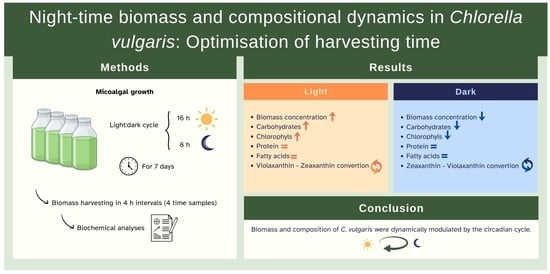
Night-Time Biomass and Compositional Dynamics in Chlorella vulgaris: Optimisation of Harvesting Time
by
Sofia Pires, Susana Casal, Tânia G. Tavares, José C. M. Pires and Joana Oliveira
BioTech 2026, 15(3), 64; https://doi.org/10.3390/biotech15030064 - 6 Aug 2026
Abstract
Global population growth has emphasised the need to have sustainable and alternative sources of nutrients. In this context, microalgae have emerged as a potential solution due to their rich biochemical composition, including high-quality proteins, carbohydrates, lipids, and pigments. This study investigates the variation
[...] Read more.
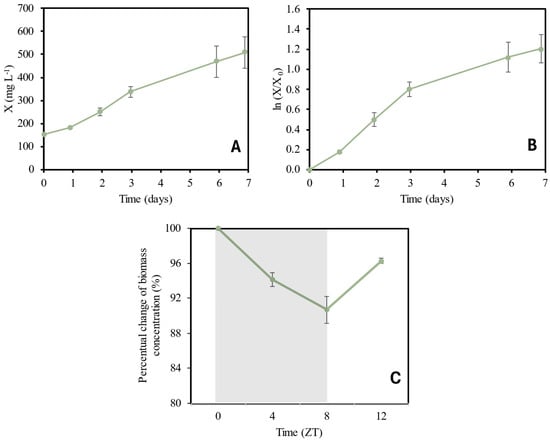
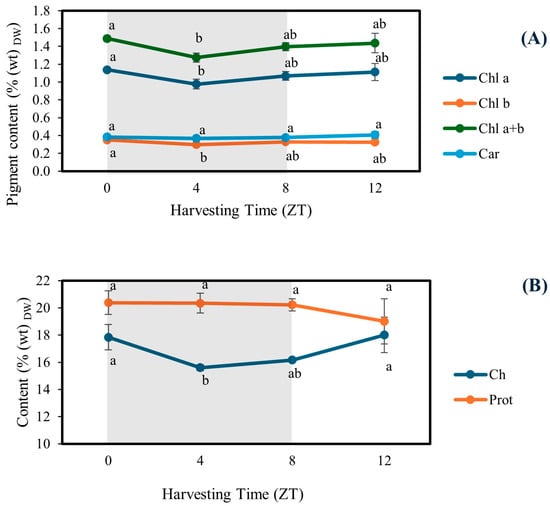
Global population growth has emphasised the need to have sustainable and alternative sources of nutrients. In this context, microalgae have emerged as a potential solution due to their rich biochemical composition, including high-quality proteins, carbohydrates, lipids, and pigments. This study investigates the variation in microalgal growth and biochemical composition over a light:dark cycle, with a focus on the night period. Batch experiments were performed with eight Chlorella vulgaris cultures over a 7-day period. On the seventh day, biomass samples were collected at four time points in four-hour intervals and stored for subsequent biochemical analyses. During the eight-hour dark period, biomass, carbohydrate, and total chlorophyll concentrations decreased by 9%, 12.5%, and 14.4%, respectively. After four hours of light exposure, these parameters increased significantly by 6%, 15.4%, and 12.7%, respectively. Total protein, carotenoids, and fatty acid contents remained relatively stable throughout the evaluated cycle, although variations were observed in the carotenoid profile. During the dark phase, zeaxanthin decreased by 38.0%, whereas violaxanthin increased by 27.2%, suggesting complementary pigment interconversion consistent with xanthophyll cycle activity. Overall, these results highlight the importance of optimising harvesting time to enhance the production of target compounds in a sustainable production of microalgal biomass.
Full article
(This article belongs to the Section Environmental Biotechnology)
►▼
Show Figures

Graphical abstract
Open AccessFeature PaperArticle
Differential Correlation Across Subpopulations of Single Cells in Subtypes of Acute Myeloid Leukemia
by
Reginald L. McGee II, Jake Reed, Gregory K. Behbehani and Kevin R. Coombes
BioTech 2026, 15(3), 63; https://doi.org/10.3390/biotech15030063 - 5 Aug 2026
Abstract
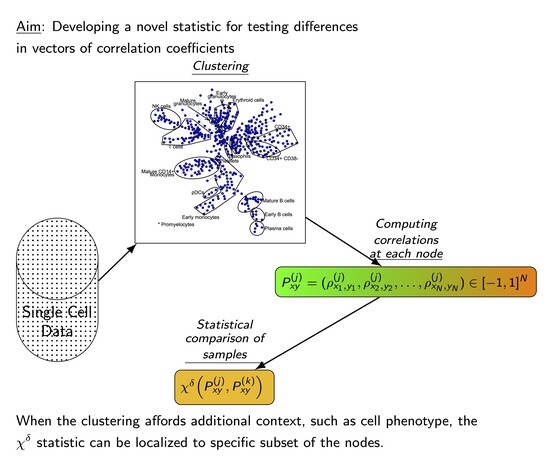
Mass cytometers can record 40–50 parameters per single cell for millions of cells in a sample. Many methods have been developed to cluster phenotypically similar cells within cytometry data, but there are fewer methods to visualize activity and interactions of pairs of proteins
[...] Read more.
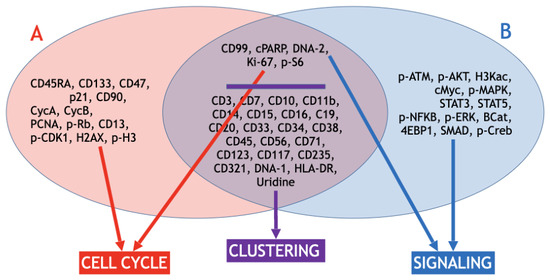
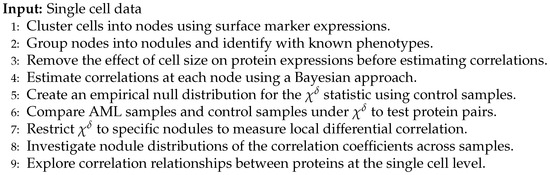
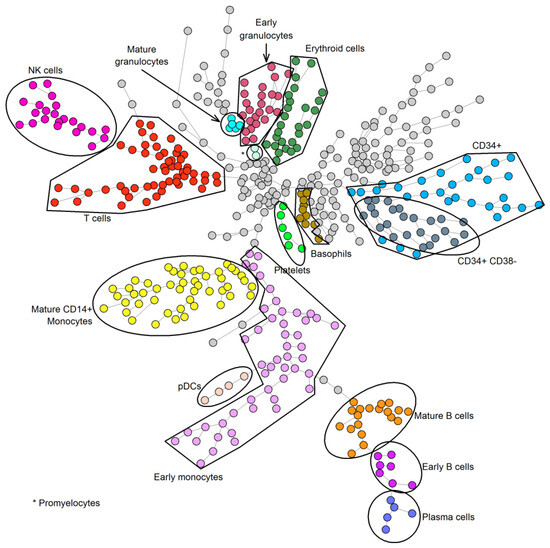
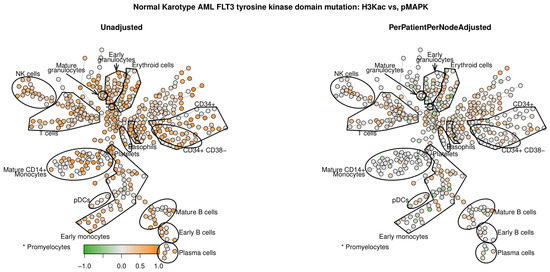
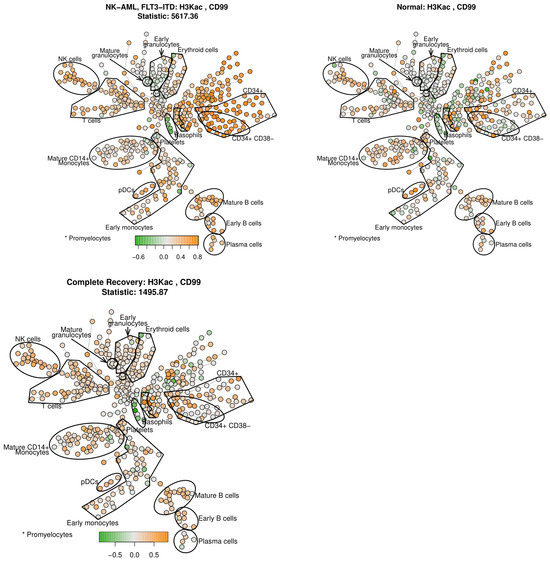
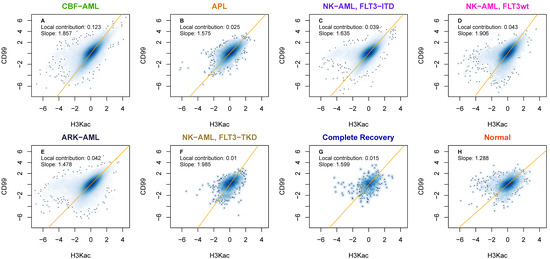
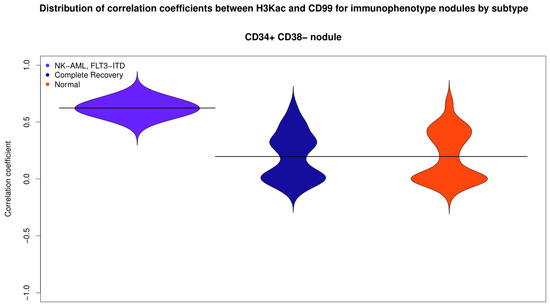
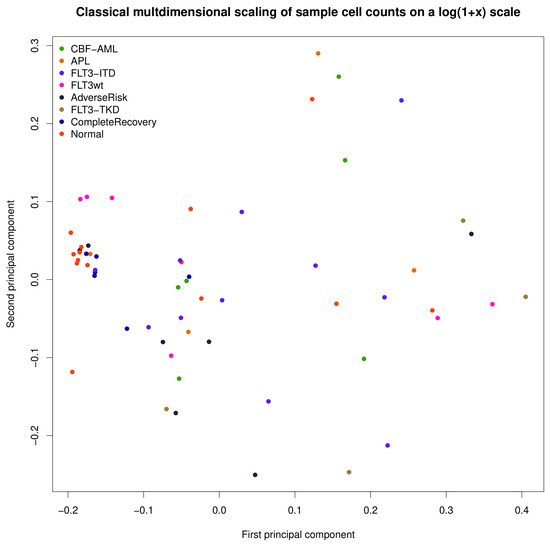
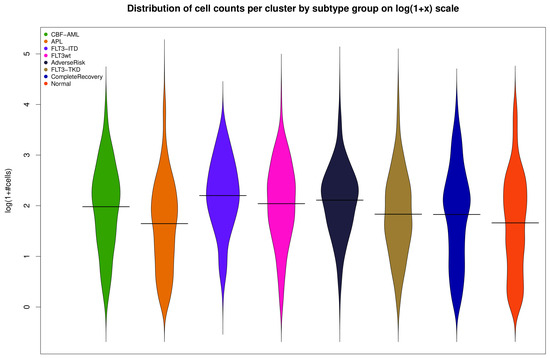
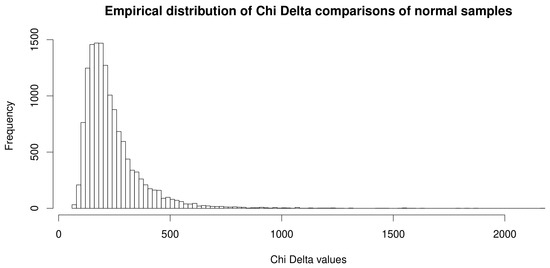
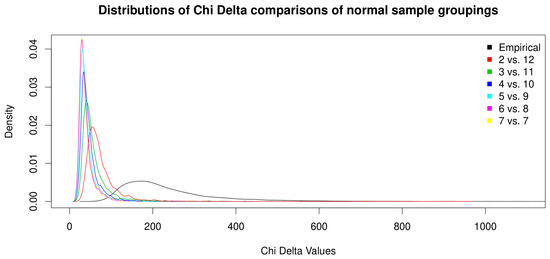
Mass cytometers can record 40–50 parameters per single cell for millions of cells in a sample. Many methods have been developed to cluster phenotypically similar cells within cytometry data, but there are fewer methods to visualize activity and interactions of pairs of proteins across these populations. We have developed a workflow for analyzing correlations associated with predefined populations. By clustering blood samples from acute myeloid leukemia (AML) patients and normal controls using an established algorithm, we obtained a minimum spanning tree of clusters of single cells. Using surface marker expression, we identified clusters on the tree that belonged to phenotypes of interest. Next, we computed correlations between pairs of proteins in each cluster. We developed a novel, coherent, probability-based statistic to test differences between vectors of correlation coefficients. By comparing all combinations of the normal controls under the statistic, we created an empirical distribution that could provide a conservative threshold of differential correlation. Using this empirically derived distribution to define significance, we compared pooled samples from AML subtypes and normal controls to detect differential correlations. Given the structure present within this cytometry dataset, we found it natural to consider correlations in this manner versus aggregating all data and computing a single correlation. Our approach has the advantage that we can localize the statistical measure to determine contributions from particular phenotypic populations. Differentially correlated pairs of proteins can be further explored as possible testable hypotheses by considering a population’s distribution of correlation coefficients or biaxially plotting protein expressions within individual cells in a given population.
Full article
(This article belongs to the Section Computational Biology)
►▼
Show Figures

Graphical abstract
Open AccessArticle
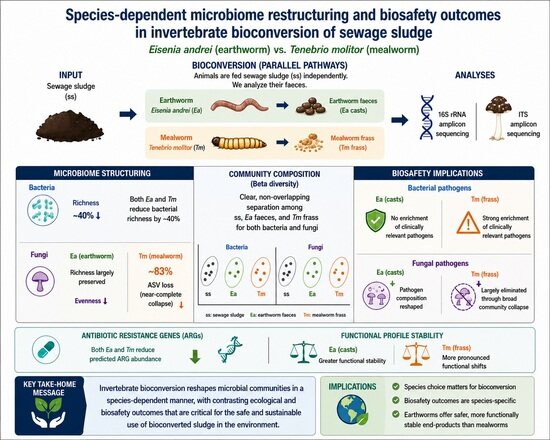
Eisenia andrei and Tenebrio molitor Divergently Restructure the Bacteriome and Mycobiome of Sewage Sludge with Contrasting Biosafety Consequences
by
Eduardo Mancilla, Marcos Pérez-Losada, Manuel Aira and Jorge Domínguez
BioTech 2026, 15(3), 62; https://doi.org/10.3390/biotech15030062 - 3 Aug 2026
Abstract
The use of invertebrates for sewage sludge bioconversion offers a sustainable strategy for waste valorization, yet species-specific effects on microbial communities and biosafety remain unclear. Here, we compared the impacts of the earthworm Eisenia andrei (Ea) and the mealworm Tenebrio molitor (Tm) on
[...] Read more.
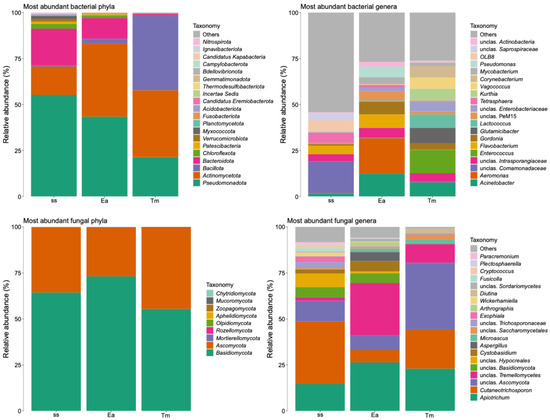
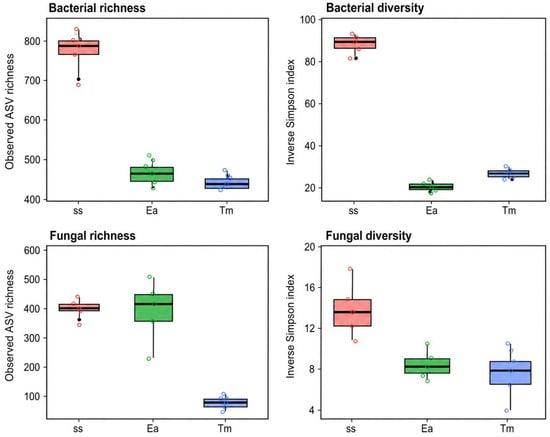
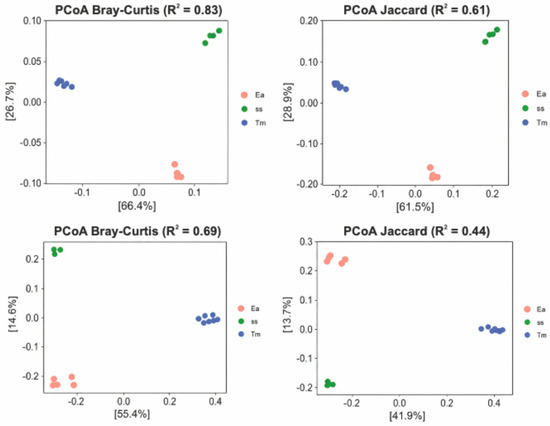
The use of invertebrates for sewage sludge bioconversion offers a sustainable strategy for waste valorization, yet species-specific effects on microbial communities and biosafety remain unclear. Here, we compared the impacts of the earthworm Eisenia andrei (Ea) and the mealworm Tenebrio molitor (Tm) on the bacteriomes and mycobiomes of sewage sludge (ss) using 16S rRNA and ITS amplicon sequencing. Gut passage in both Ea and Tm markedly altered bacterial and fungal composition relative to ss, but produced distinct community profiles with differential shifts across multiple taxa. Both invertebrates reduced bacterial richness by ~40%, while fungal responses diverged: Ea largely preserved mycobiome richness despite reduced evenness, whereas Tm caused a near-complete collapse (~83% Amplicon Sequence Variant loss). Beta diversity analyses revealed clear, non-overlapping separation among ss, Ea, and Tm for both microbial domains. Tm frass showed strong enrichment of clinically relevant bacterial pathogens, while Ea casts exhibited no such enrichment. For fungi, Ea reshaped pathogen composition, whereas Tm largely eliminated fungal pathogens through broad community collapse. Both treatments reduced predicted antibiotic resistance gene abundance, but functional profiles differed, with Ea showing greater functional stability. These findings demonstrate that microbiome restructuring during bioconversion is species-dependent, with contrasting ecological and biosafety implications for downstream environmental use.
Full article
(This article belongs to the Special Issue Biotechnology for Wastewater Treatment: Current Situation and Future Prospects)
►▼
Show Figures

Graphical abstract
Open AccessArticle
Detection of an ExPEC-like Escherichia coli ST536 Isolated from Depurated Retail Mussels: Genomic Insights into Food Safety and One Health Surveillance
by
Ricardo J. Figueiredo, Guilherme Moreira, Ana Machado, Eliane Silva, Adriano A. Bordalo and João R. Mesquita
BioTech 2026, 15(3), 61; https://doi.org/10.3390/biotech15030061 - 31 Jul 2026
Abstract
►▼
Show Figures
Filter-feeding bivalves can accumulate fecal bacteria and antimicrobial resistance determinants, yet routine regulatory monitoring relies mainly on quantitative Escherichia coli criteria. This study provides a whole-genome characterization of an ExPEC-like E. coli ST536 (O21) isolate recovered from commercially depurated retail mussels originating from
[...] Read more.
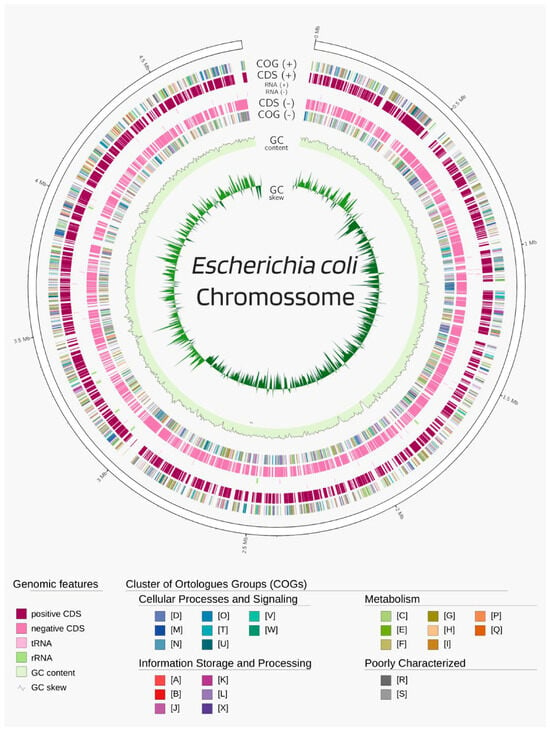
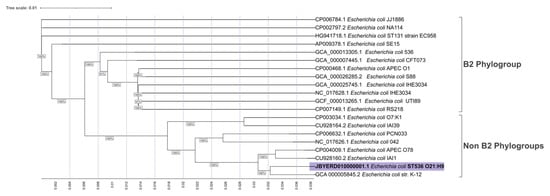
Filter-feeding bivalves can accumulate fecal bacteria and antimicrobial resistance determinants, yet routine regulatory monitoring relies mainly on quantitative Escherichia coli criteria. This study provides a whole-genome characterization of an ExPEC-like E. coli ST536 (O21) isolate recovered from commercially depurated retail mussels originating from a Class B harvesting area in Portugal. The isolate was phenotypically identified by MicroScan WalkAway Plus and subjected to antimicrobial susceptibility testing and Oxford Nanopore long-read sequencing, followed by genome assembly, annotation, antimicrobial resistance and virulence screening, plasmid and prophage detection, and phylogenomic analysis. Phenotypically, only resistance to tobramycin was detected using the MicroScan WalkAway system. Genomic analysis revealed a complex mobile element-rich architecture, including multiple resistance-associated determinants, 116 virulence-associated loci, prophage regions, and a mobilizable IncY plasmid carrying CTX-like class A β-lactamase-associated hits detected by ABRicate. Despite its ST536 assignment and ExPEC-associated traits, phylogenomic analysis placed the isolate within a phylogroup A/commensal-like background rather than among classical B2 ExPEC lineages, suggesting acquisition of pathoadaptive modules by an atypical environmental lineage. These findings highlight the potential utility of WGS as a complementary tool and suggest that depurated bivalves may serve as sentinels, warranting further investigation.
Full article

Figure 1
Open AccessFeature PaperArticle
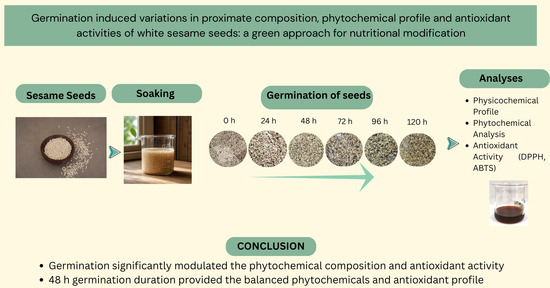
Germination-Induced Variations in Proximate Composition, Phytochemical Profile and Antioxidant Activities of White Sesame Seeds: A Green Approach for Nutritional Modification
by
Oneeza Anwar, Iahtisham-Ul-Haq, Ramiz Arif, Waqas Ahmed and Hafiz Ansar Rasul Suleria
BioTech 2026, 15(3), 60; https://doi.org/10.3390/biotech15030060 - 29 Jul 2026
Abstract
Germination is a cost-effective bioprocessing technique for enhancing seed properties such as sesame seeds, an underutilized seed crop. This research evaluates modifications in physicochemical and antioxidant activity of white sesame seeds (Sesamum indicum L.) influenced by germination. In this context, non-germinated seeds
[...] Read more.
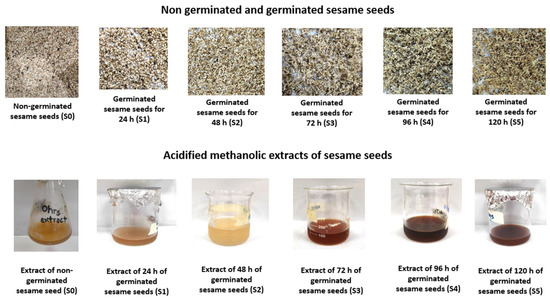
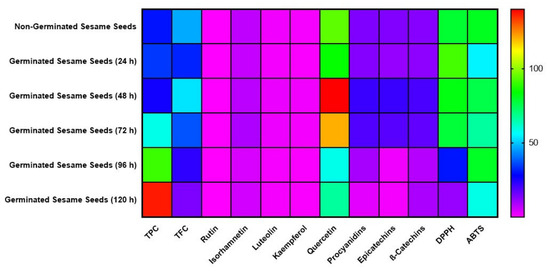
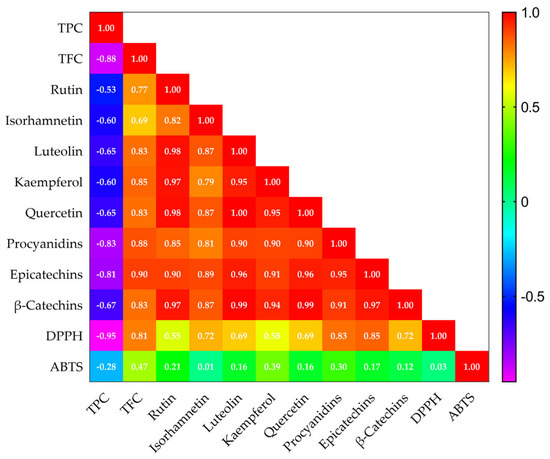
Germination is a cost-effective bioprocessing technique for enhancing seed properties such as sesame seeds, an underutilized seed crop. This research evaluates modifications in physicochemical and antioxidant activity of white sesame seeds (Sesamum indicum L.) influenced by germination. In this context, non-germinated seeds and germinated seeds at 24, 48, 72, 96, and 120 h were evaluated separately for their phytochemical profile, including TFC (aluminum chloride colorimetric method), TPC (Folin–Ciocalteu method) and antioxidant properties (DPPH and ABTS radical scavenging assays). Significant variations in the proximate composition, phytochemical densities, and antioxidant activities of white sesame seeds were observed as influenced by germination. The statistical analysis showed an increase in flavonoid content when germination was extended to 48 h, but a decline when extended beyond 48 h, whereas higher polyphenol quantities were observed in sesame seeds germinated for 96 and 120 h. The DPPH activity of germinated (24 h) sesame seed extracts was highest. In contrast, ABTS activity was higher in non-germinated seeds than in seeds germinated for 96 h, and it began to decline at 120 h. In general, a negative correlation between antioxidant activity and extended germination time (120 h) has been observed. For the incorporation of sesame seeds into functional food products, 48 h of germination appeared to have potential suitability for a favorable antioxidant and phytochemical profile.
Full article
(This article belongs to the Collection Natural Antioxidants in Food and Nutraceuticals: Methodological Innovations, Bioavailability and Health Mechanisms)
►▼
Show Figures

Graphical abstract
Open AccessArticle
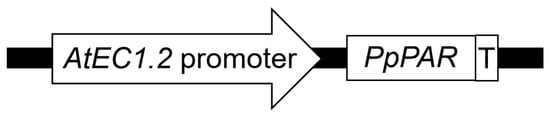
Establishment of a High-Efficiency In Vitro Regeneration and Agrobacterium-Mediated Genetic Transformation System for Ajania achilleoides (Turcz.) Poljakov
by
Xiaoyue Zheng, Hao Li, Shu Wang, Huiyan Cheng and Huien Zhao
BioTech 2026, 15(3), 59; https://doi.org/10.3390/biotech15030059 - 28 Jul 2026
Abstract
►▼
Show Figures
Ajania achilleoides, a wild species with strong environmental adaptability, is a valuable germplasm resource for genetic improvement and functional gene studies. However, efficient in vitro regeneration and genetic transformation systems for this species remain undeveloped, limiting functional gene characterization and genetic improvement
[...] Read more.
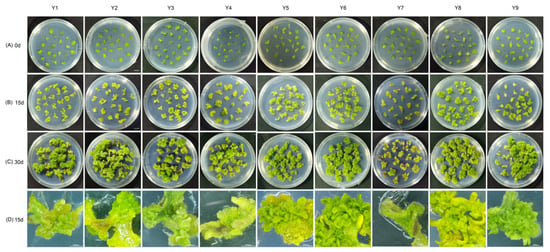
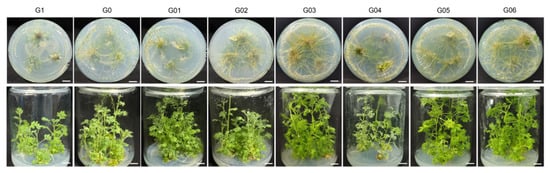
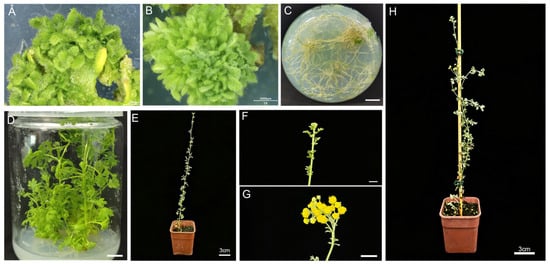
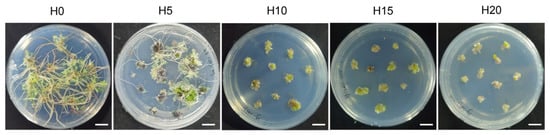
Ajania achilleoides, a wild species with strong environmental adaptability, is a valuable germplasm resource for genetic improvement and functional gene studies. However, efficient in vitro regeneration and genetic transformation systems for this species remain undeveloped, limiting functional gene characterization and genetic improvement of this valuable germplasm resource. In this study, leaf explants were used to establish an efficient regeneration system by evaluating different combinations of plant growth regulators and to develop an Agrobacterium tumefaciens-mediated genetic transformation system for A. achilleoides. MS medium supplemented with 2.0 mg/L 6-benzyladenine (6-BA) and 1.0 mg/L α-naphthaleneacetic acid (NAA) achieved the highest adventitious shoot regeneration rate (99%), while 1/2 MS medium containing 0.5 mg/L indole-3-butyric acid (IBA) was optimal for rooting, resulting in a 100% rooting rate. Critical hygromycin concentrations for shoot regeneration and rooting selection were determined to be 25 mg/L and 10 mg/L, respectively. For transformation, the best results were obtained with a 3-day preculture, bacterial suspension at OD600 = 0.2, 30 min infection, and 2-day co-cultivation. PCR and sequencing confirmed the successful integration of the target genes into the genome, yielding three positive transgenic lines with a molecular confirmation rate of 30%. This study establishes a stable and efficient regeneration and transformation system for A. achilleoides, providing a platform for functional gene analysis and molecular breeding of wild chrysanthemum species.
Full article

Figure 1
Open AccessReview
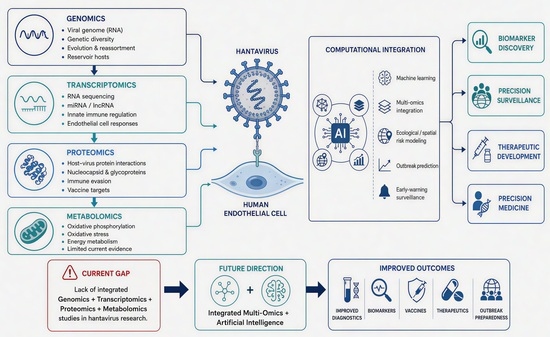
Omics Approaches in Hantavirus Research: Current Advances, Challenges, and Future Perspectives
by
Soroosh Najafi, Maryam Jojani, Kianoosh Najafi and Giovanni N. Roviello
BioTech 2026, 15(3), 58; https://doi.org/10.3390/biotech15030058 - 23 Jul 2026
Abstract
Hantaviruses are zoonotic RNA viruses responsible for two severe human diseases: hemorrhagic fever with renal syndrome (HFRS) and hantavirus cardiopulmonary syndrome (HCPS). Worldwide case fatality rates vary from 1% to 40%. Although single-layer genomics, transcriptomics, proteomics, and metabolomics studies have advanced our understanding
[...] Read more.
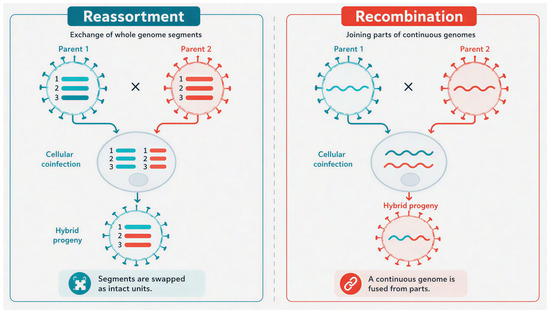
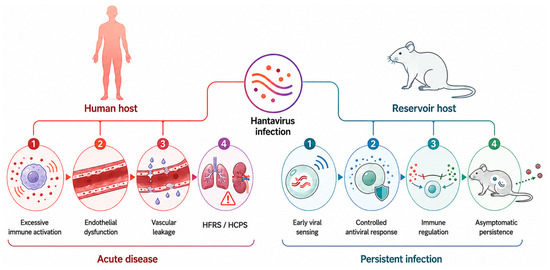
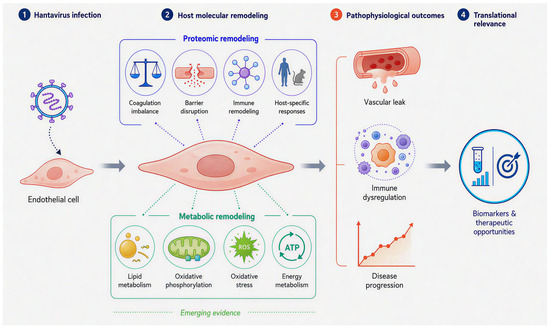
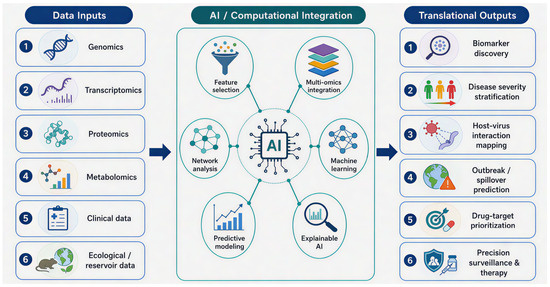
Hantaviruses are zoonotic RNA viruses responsible for two severe human diseases: hemorrhagic fever with renal syndrome (HFRS) and hantavirus cardiopulmonary syndrome (HCPS). Worldwide case fatality rates vary from 1% to 40%. Although single-layer genomics, transcriptomics, proteomics, and metabolomics studies have advanced our understanding of hantavirus biology, true multi-omics integration remains scarce, leaving systems-level mechanisms of disease severity and host–pathogen interactions unresolved. High-throughput omics technologies have greatly advanced the study of hantavirus–host interactions. This review summarizes genomic, transcriptomic, proteomic, metabolomic, and AI-enabled approaches in hantavirus research. Genomic studies have clarified viral diversity, evolution, and reassortment, while transcriptomics has identified regulatory networks governing endothelial and innate immune responses. Proteomics has revealed host proteins involved in immune regulation, endothelial dysfunction, and potential therapeutic targeting, whereas metabolomics indicates substantial metabolic reprogramming during infection, although dedicated studies remain limited. AI-based approaches are increasingly applied to outbreak prediction, surveillance, and risk modeling. Drawing on successful multi-omics frameworks developed for other viral infections, we discuss opportunities to improve biomarker discovery, surveillance, therapeutic development, and future precision medicine strategies for hantavirus infections.
Full article
(This article belongs to the Special Issue Integrative Omics Approaches for Precision Biotech: Tools, Applications and Future Perspectives)
►▼
Show Figures

Graphical abstract
Open AccessArticle
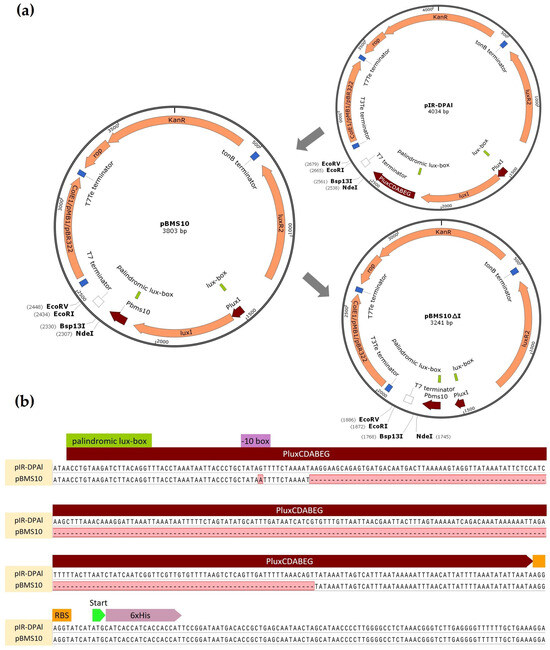
Psychrophilic Quorum Sensing Genes Enable Unimodal, Adjustable Protein Expression Across the Entire Escherichia coli Population
by
Ekaterina Scheglova, Sabina Nebieva, Kamilla Mekhantseva, Siarhei Bukhalovich, Anna Kudryavtseva, Nikolay Bondarev, Nikolay Ilyinsky, Sergey Bazhenov and Ilya Manukhov
BioTech 2026, 15(3), 57; https://doi.org/10.3390/biotech15030057 - 21 Jul 2026
Abstract
►▼
Show Figures
A previous study demonstrated that quorum sensing (QS) genes from the psychrophilic bacterium Aliivibrio logei can be used in Escherichia coli to obtain bacterial cultures with controlled amounts of a target protein. However, the QS system may be induced non-uniformly across the cell
[...] Read more.
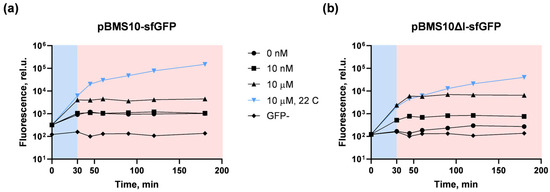
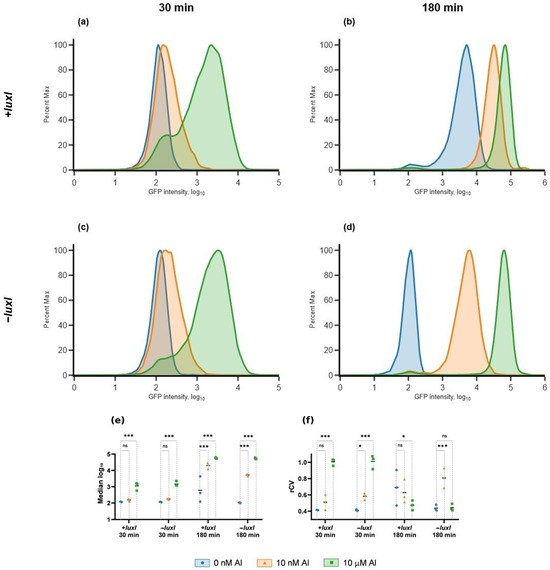
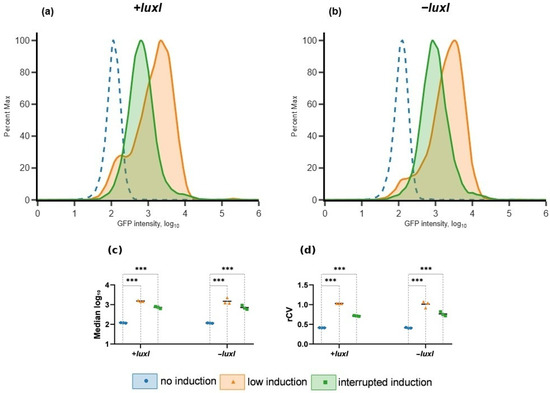
A previous study demonstrated that quorum sensing (QS) genes from the psychrophilic bacterium Aliivibrio logei can be used in Escherichia coli to obtain bacterial cultures with controlled amounts of a target protein. However, the QS system may be induced non-uniformly across the cell population. In this study, we used an expression vector containing luxR/luxI regulatory genes from A. logei carrying sfGFP as a reporter gene. Reporter expression was regulated by the autoinducer 3OxoC6-HSL, activated at 22 °C, and terminated at 37 °C. Flow cytometry was used to assess the GFP fluorescence distribution at the single-cell level. The system provided dose-dependent unimodal expression lacking formation of distinct ON/OFF subpopulations, while the robust coefficient of variation decreased with increasing autoinducer concentration. The autoinducer synthase LuxI enabled autoinduction, but under the tested conditions, no substantial effect on expression homogeneity was detected. Raising the temperature to 37 °C effectively halted expression, allowing intermediate target protein values to be fixed at the single-cell level. Overall, the developed system represents a promising tool for biotechnological applications requiring precise and uniform control of expression.
Full article

Figure 1
Open AccessReview
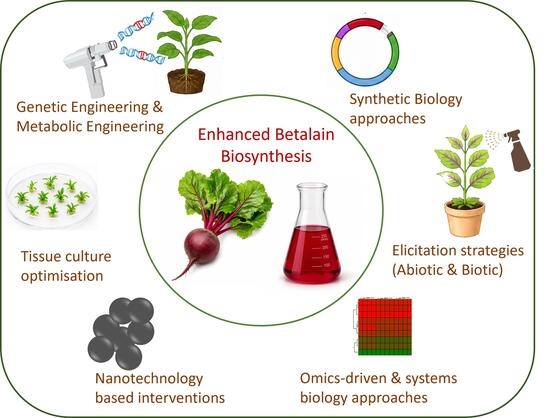
Advances in Betalain Biosynthesis and Metabolic Engineering for Sustainable Natural Pigment Production
by
Saravanan Monisha, Marimuthu Kanchana, Aiyar Balasubramanian and Rajendran K. Selvakesavan
BioTech 2026, 15(3), 56; https://doi.org/10.3390/biotech15030056 - 19 Jul 2026
Abstract
Betalains are water-soluble pigments containing nitrogen, and they exist naturally in the plants of the order Caryophyllales. They have gained increasing attention in recent years because of their intense colours, antioxidant activity, and safety, thus making them suitable replacements for artificial dyes. The
[...] Read more.
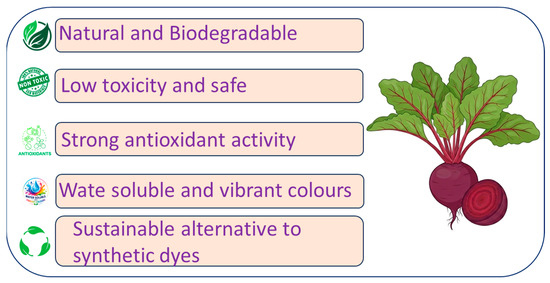
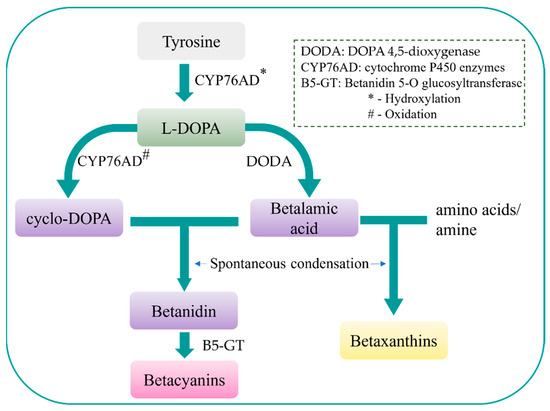
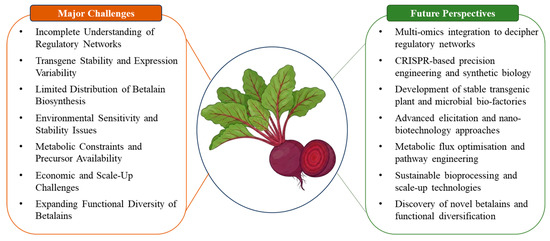
Betalains are water-soluble pigments containing nitrogen, and they exist naturally in the plants of the order Caryophyllales. They have gained increasing attention in recent years because of their intense colours, antioxidant activity, and safety, thus making them suitable replacements for artificial dyes. The increasing interest in natural pigments has led to intensified research on betalain biosynthesis and optimization of pigment production. Nonetheless, their application in industry faces limitations, such as their low natural occurrence, sensitivity to environmental conditions, and instability during manufacturing and storage. Unlike previous reviews that primarily focused on betalain chemistry, biosynthesis pathways, or biological activity, the present review highlights recent developments in the engineering of the biosynthesis pathways, synthetic biology, elicitation approaches, omics-based pathway identification, and nanobiotechnology for betalain pigments. Special attention is paid to the comparison of plant, plant cell, yeast, and bacterial production systems, as well as recent advancements towards industrial production of betalain pigments and bottlenecks in the commercialization of sustainable betalain bio-factories.
Full article
(This article belongs to the Section Industry, Agriculture and Food Biotechnology)
►▼
Show Figures

Graphical abstract
Open AccessArticle
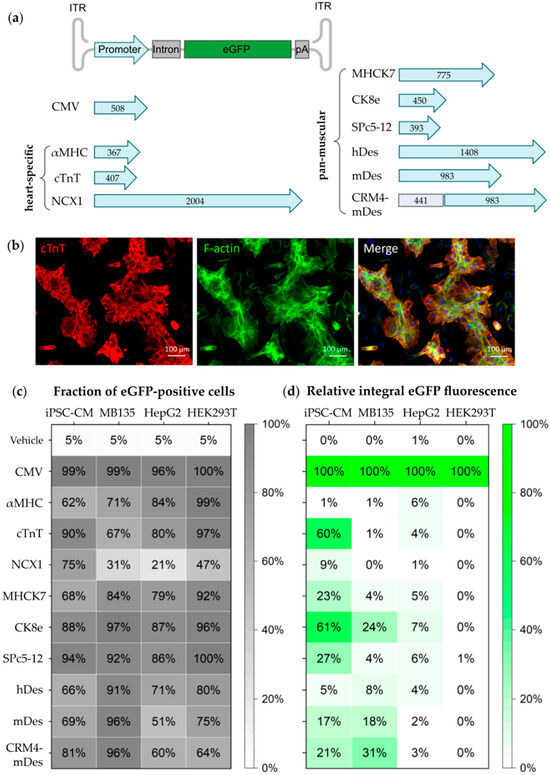
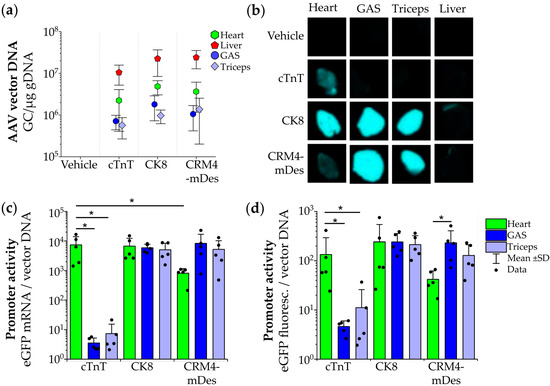
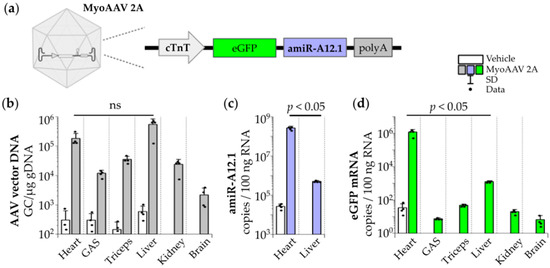
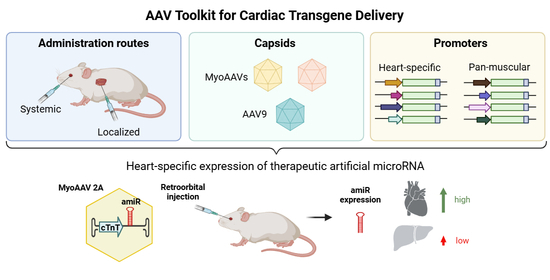
AAV Vector Toolkit for the Delivery and Expression of the Artificial microRNA in the Murine Heart
by
Ivan I. Galkin, Viktoriia V. Skopenkova, Maria Y. Shubina, Anna V. Polikarpova, Svetlana G. Vassilieva, Irina M. Savchenko, Olga S. Lebedeva, Daria V. Goliusova, Margarita Y. Sharikova, Vladimir V. Gureev, Tatiana N. Malorodova, Alexey V. Deikin, Tatiana V. Egorova and Maryana V. Bardina
BioTech 2026, 15(3), 55; https://doi.org/10.3390/biotech15030055 - 17 Jul 2026
Abstract
Background: Adeno-associated virus (AAV) vector-mediated gene transfer is an emerging treatment strategy for severe cardiac disorders with genetic etiology. We refined the AAV toolkit to achieve efficient and selective expression of the therapeutic transgene in mouse hearts. Methods: Using vectors with a reporter
[...] Read more.
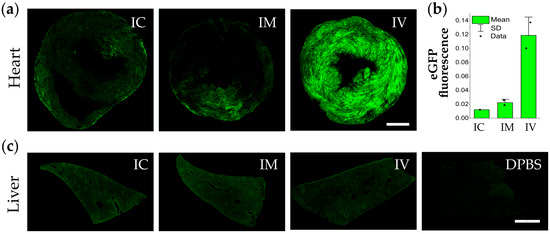
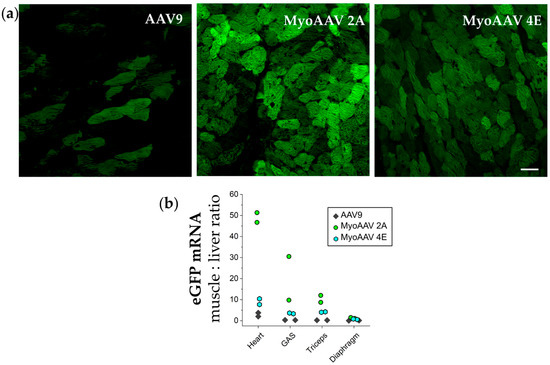
Background: Adeno-associated virus (AAV) vector-mediated gene transfer is an emerging treatment strategy for severe cardiac disorders with genetic etiology. We refined the AAV toolkit to achieve efficient and selective expression of the therapeutic transgene in mouse hearts. Methods: Using vectors with a reporter transgene, we evaluated AAV administration routes, AAV serotype tropism to the myocardium, and cardiospecific promoters. Results: We showed that systemic AAV administration provides potent delivery and uniform transduction of cardiac tissue, outperforming localized injection techniques. The MyoAAV 2A capsid variant enabled an improved heart-to-liver transduction ratio compared to the parental AAV9 serotype. Screening a panel of cardiac and pan-muscular promoters in vitro and in vivo verified the superiority of the cardiac troponin T (cTnT) promoter for robust heart-specific transgene expression. Finally, we demonstrated that the cumulative properties of systemic AAV delivery, the MyoAAV 2A serotype, and the cTnT promoter allowed for efficient cardiac synthesis of the therapeutic transgene—an artificial miRNA designed for the gene suppression strategy of FLNC-related cardiomyopathy. Conclusions: Our findings establish an effective AAV approach for transgene transfer into the mouse heart and promote the development of gene therapy for cardiac disorders.
Full article
(This article belongs to the Topic Advances in Gene Therapy of Human Diseases)
►▼
Show Figures

Graphical abstract
Open AccessReview
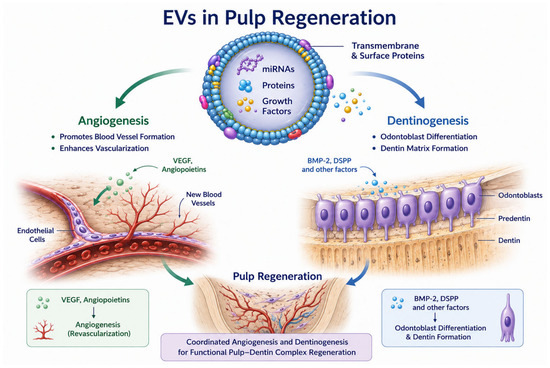
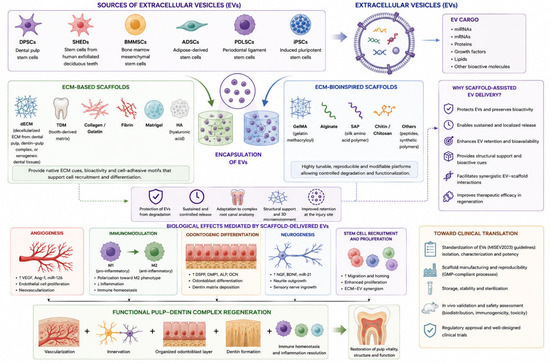
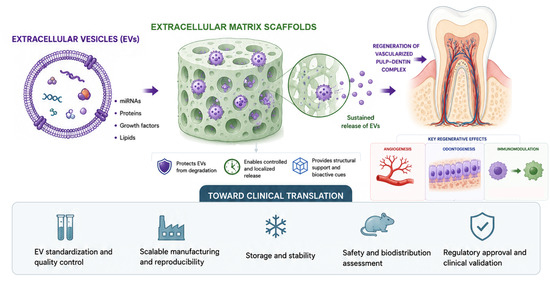
Extracellular Matrix-Based and Extracellular Matrix-Bioinspired Scaffolds for Extracellular Vesicle Delivery in Dental Pulp Regeneration: A Narrative Review
by
Nevena Cvetic, Anđelka Zivaljevic, Kristina Krstic, Suzana Zivanovic, Milos Papic, Natalija Arsenijevic, Miona Glisic, Tamara Milunovic, Renata Petrovic and Milica Popovic
BioTech 2026, 15(3), 54; https://doi.org/10.3390/biotech15030054 - 14 Jul 2026
Abstract
Vital pulp therapy aims to preserve pulp vitality by stimulating reparative processes. However, conventional approaches often result in incomplete tissue regeneration. Extracellular vesicles (EVs) have emerged as promising cell-free therapeutic agents because of their ability to regulate angiogenesis, odontogenesis, and immune responses through
[...] Read more.
Vital pulp therapy aims to preserve pulp vitality by stimulating reparative processes. However, conventional approaches often result in incomplete tissue regeneration. Extracellular vesicles (EVs) have emerged as promising cell-free therapeutic agents because of their ability to regulate angiogenesis, odontogenesis, and immune responses through the transfer of bioactive molecules. Despite their significant regenerative potential, the clinical application of EVs remains limited by rapid clearance, insufficient local retention, and uncontrolled release following administration. To address these challenges, various extracellular matrix (ECM)-based and ECM-bioinspired scaffolds have been developed as delivery platforms. These scaffolds can provide structural support and enable controlled, localized release of EVs. This narrative review critically evaluates the current evidence regarding scaffold systems as EV delivery platforms for dental pulp regeneration, comparing their biological performance, methodological quality, and translational potential. Across the available studies, scaffold-assisted EV delivery consistently enhanced angiogenesis, odontogenic differentiation, mineralization, and immunomodulation; however, the evidence remains preclinical and is characterized by substantial heterogeneity regarding EV source, isolation and characterization methods, scaffold composition, experimental models, and outcome assessment. Current findings support the feasibility of scaffold-assisted EV delivery for regenerative endodontics, but important challenges remain, including standardization of EV production and characterization, scalable manufacturing, regulatory approval, and demonstration of long-term safety and functional pulp–dentin complex regeneration. Further well-designed translational and clinical studies will be essential before routine clinical implementation can be considered.
Full article
(This article belongs to the Section Medical Biotechnology)
►▼
Show Figures

Graphical abstract

Journal Menu
► ▼ Journal Menu-
- BioTech Home
- Aims & Scope
- Editorial Board
- Reviewer Board
- Early Career Editorial Board
- Instructions for Authors
- Special Issues
- Topics
- Sections & Collections
- Article Processing Charge
- Indexing & Archiving
- Editor’s Choice Articles
- Most Cited & Viewed
- Journal Statistics
- Journal History
- Journal Awards
- Conferences
- Editorial Office
Journal Browser
► ▼ Journal BrowserHighly Accessed Articles
Latest Books
E-Mail Alert
News
Topics
Topic in
Applied Sciences, BioTech, Foods, Molecules, Processes, Sustainability
Sustainable Food Processing: 2nd Edition
Topic Editors: Đurđica Ačkar, Ivana FlanjakDeadline: 31 December 2026
Topic in
Bioengineering, BioTech, ChemEngineering, Fermentation, Processes, Water
Bioreactors: Control, Optimization and Applications—3rd Edition
Topic Editors: Francesca Raganati, Alessandra ProcenteseDeadline: 31 January 2027
Topic in
Biomedicines, BioTech, Genes, IJMS, CIMB, Cells
Advances in Gene Therapy of Human Diseases
Topic Editors: Leonidas A. Phylactou, Andrie Koutsoulidou, Nicola Borbone, Monica TerraccianoDeadline: 28 February 2027
Topic in
BDCC, Biology, BioMedInformatics, Biomolecules, BioTech, Cancers, Genes, IJMS
Bioinformatics: Computational Tools, AI Methods and Translational Biomedical Applications
Topic Editors: Shoba Ranganathan, Maria Luisa ChiusanoDeadline: 15 April 2027
Conferences
Special Issues
Special Issue in
BioTech
Integrative Omics Approaches for Precision Biotech: Tools, Applications and Future Perspectives
Guest Editor: Valeria D’ArgenioDeadline: 30 October 2026
Special Issue in
BioTech
Biobanking: The Blueprint of Future Biomedicine
Guest Editor: Melissa V. OlsonDeadline: 30 November 2026
Special Issue in
BioTech
Plant Biotechnology in the Fight Against Human Diseases
Guest Editor: Vehary SakanyanDeadline: 31 December 2026
Special Issue in
BioTech
Biotechnology for Wastewater Treatment: Current Situation and Future Prospects
Guest Editors: Davide Liberti, Luísa BarreiraDeadline: 31 January 2027
Topical Collections
Topical Collection in
BioTech
Natural Antioxidants in Food and Nutraceuticals: Methodological Innovations, Bioavailability and Health Mechanisms
Collection Editor: Gregorio Peron