Journal Description
Biology and Life Sciences Forum
is an open access journal dedicated to publishing findings resulting from conferences, workshops, and similar events, in all areas of biology, life sciences and at the interface of related disciplines. The conference organizers and proceedings editors are responsible for managing the peer-review process and selecting papers for conference proceedings.
Latest Articles
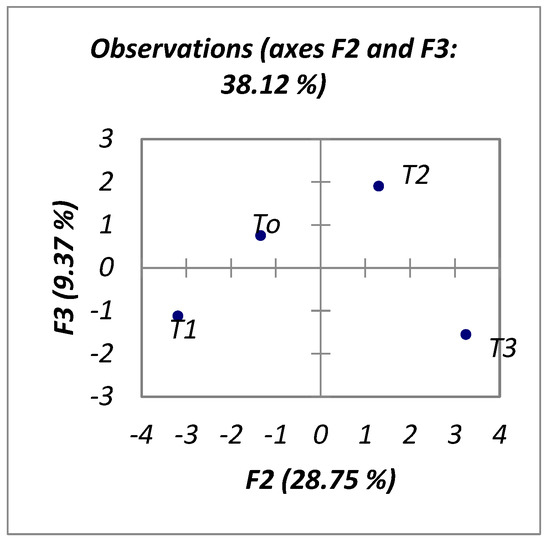
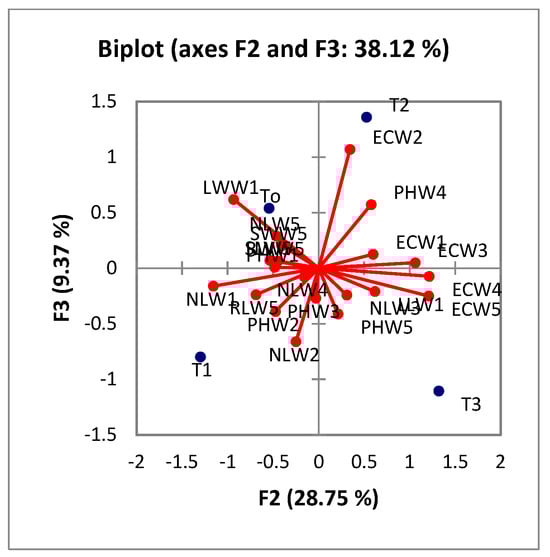
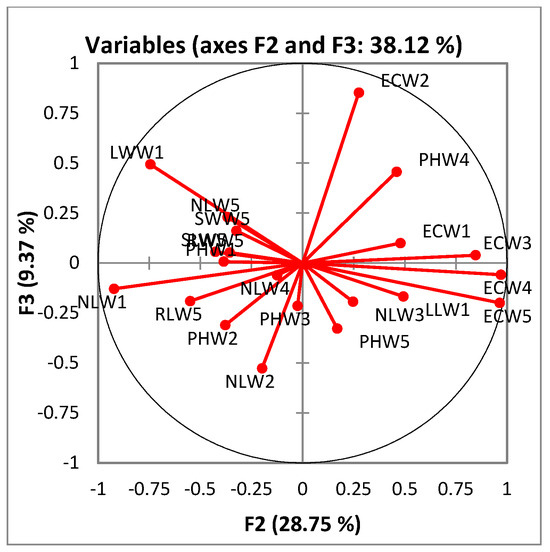
Related Effects of Climate Change on Root System Dynamics and Symbiotic Activity in Local Bean Varieties (Phaseolus vulgaris L.) in the Humid Tropics of Costa Rica
Biol. Life Sci. Forum 2025, 54(1), 16; https://doi.org/10.3390/blsf2025054016 - 5 Feb 2026
Abstract
Climate change poses an increasing challenge to tropical agriculture, particularly for heat-sensitive crops such as local varieties of beans (Phaseolus vulgaris L.). This study evaluated the effects of induced passive heat on the root architecture and symbiotic interactions of two local genotypes,
[...] Read more.
Climate change poses an increasing challenge to tropical agriculture, particularly for heat-sensitive crops such as local varieties of beans (Phaseolus vulgaris L.). This study evaluated the effects of induced passive heat on the root architecture and symbiotic interactions of two local genotypes, Tayní and Bruncas, using Open Top Chambers under field conditions. Both varieties were included in the analysis and exhibited consistent qualitative responses to warming, with no contrasting cultivar-specific trends detected. Both varieties developed more roots and greater root area compared to the control, while mycorrhizal colonization increased up to 80% under warming. Soil temperature emerged as the main environmental factor influencing root expansion. These findings highlight the adaptive plasticity of local bean varieties under induced passive heat.
Full article
(This article belongs to the Proceedings of The 3rd International Online Conference on Agriculture)
►
Show Figures
Open AccessProceeding Paper
Enhancing the Safety and Quality of Coconut Residue from Virgin Coconut Oil Wet Processing Through Thermal Pretreatment: A Preliminary Study
by
Mary Michelle Velasquez, Jin Mark Pagulayan and Casiana Blanca Villarino
Biol. Life Sci. Forum 2026, 56(1), 14; https://doi.org/10.3390/blsf2026056014 - 5 Feb 2026
Abstract
Coconut residue (CR) is a major by-product generated during the wet processing of virgin coconut oil (VCO). Despite its potential as a raw material for value-added products such as dietary fiber, it remains underutilized due to its perishable nature, highlighting the need for
[...] Read more.
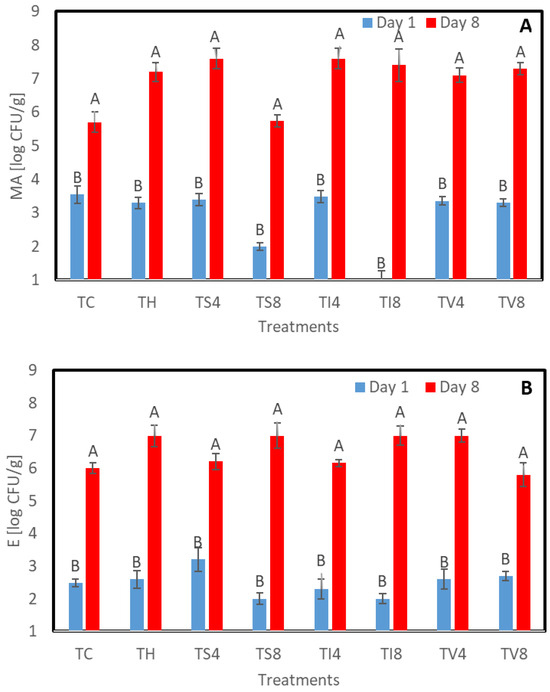
Coconut residue (CR) is a major by-product generated during the wet processing of virgin coconut oil (VCO). Despite its potential as a raw material for value-added products such as dietary fiber, it remains underutilized due to its perishable nature, highlighting the need for appropriate pretreatment to improve safety and quality prior to valorization. This study evaluated the effects of thermal pretreatments, namely pan-roasting at 65–70 °C, hot-air drying at 50 °C and 60 °C, and their combinations, on the microbiological and physicochemical properties of CR. Microbiological quality was assessed through aerobic plate count, yeast and mold count, and total coliform analysis, while physicochemical properties were evaluated using pH, titratable acidity (TA), and instrumental color measurements. Results showed that CR subjected to pan-roasting, either alone or followed by drying at 60 °C, maintained acceptable microbial counts and generally exhibited lower TA and higher pH compared to other treatments, suggesting improved stability and reduced acidity development. However, pan-roasting caused color changes as reflected by a significant reduction in lightness (L*) values relative to the control. Overall, pan-roasting could serve as a promising thermal pretreatment step to enhance microbiological safety and preserve the physicochemical quality of CR. While these results indicate its potential for preparing CR for dietary fiber valorization, confirmation through analysis of fiber content, techno-functional properties, and validation using CR from commercial VCO processing facilities is still required.
Full article
Open AccessProceeding Paper
Bigger Edible Pods, Smaller Gene Pools? Exploring Trade-Offs Across Inga edulis Mart. Cultivation Systems
by
David Draper, Fani Tinitana, Ángel Benítez and Isabel Marques
Biol. Life Sci. Forum 2025, 54(1), 15; https://doi.org/10.3390/blsf2025054015 - 4 Feb 2026
Abstract
Inga edulis Mart. (Fabaceae) is a multipurpose fruit tree widely cultivated in Ecuador. We explored how contrasting cultivation systems are associated with variation in fruit traits and genetic diversity by comparing agroforestry plantations and traditional home gardens. Trees in agroforestry systems exhibited significantly
[...] Read more.
Inga edulis Mart. (Fabaceae) is a multipurpose fruit tree widely cultivated in Ecuador. We explored how contrasting cultivation systems are associated with variation in fruit traits and genetic diversity by comparing agroforestry plantations and traditional home gardens. Trees in agroforestry systems exhibited significantly larger pods whereas home-garden populations showed higher levels of genetic diversity. These patterns suggest a potential trade-off between productivity-oriented management and the maintenance of genetic variation, possibly reflecting differences in management practices and seed sourcing. These results highlight the complementary roles of agroforestry and home gardens in the sustainable use and in situ conservation of I. edulis within traditional landscapes.
Full article
(This article belongs to the Proceedings of The 3rd International Online Conference on Agriculture)
►▼
Show Figures

Figure 1

Open AccessProceeding Paper
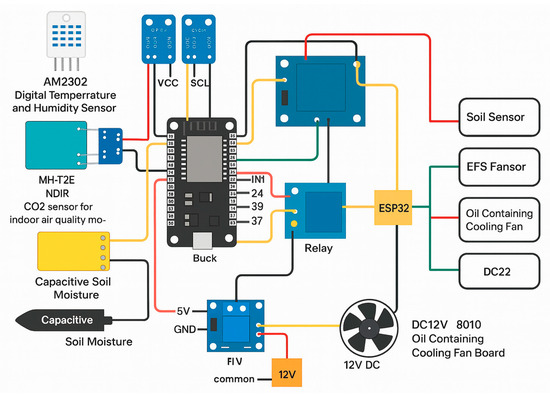
Optimizing Microclimate for Maize–Mushroom Intercropping Under Semi-Arid Conditions: A Climate-Smart Farming Approach
by
Devanakonda Venkata Sai Chakradhar Reddy, Dheebakaran Ga, Thiribhuvanamala Gurudevan, Sathyamoorthy Nagaranai Karuppasamy, Divya Dharshini Saravanan, Selvaprakash Ramalingam, Hirekari Chandrakant Raj and Sake Manideep
Biol. Life Sci. Forum 2025, 54(1), 14; https://doi.org/10.3390/blsf2025054014 - 3 Feb 2026
Abstract
Agriculture in semi-arid regions faces increasing challenges from temperature extremes and moisture stress, necessitating climate-smart and resource-efficient production systems. This study examined maize–mushroom intercropping as a climate-smart strategy for semi-arid regions. Field experiments conducted at Tamil Nadu Agricultural University evaluated four maize planting
[...] Read more.
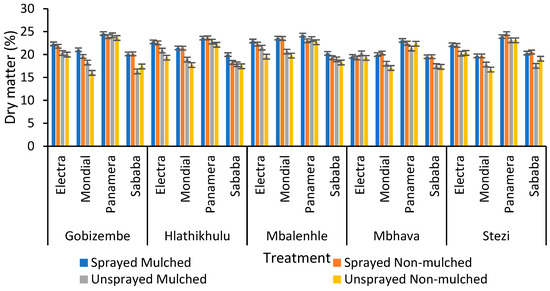
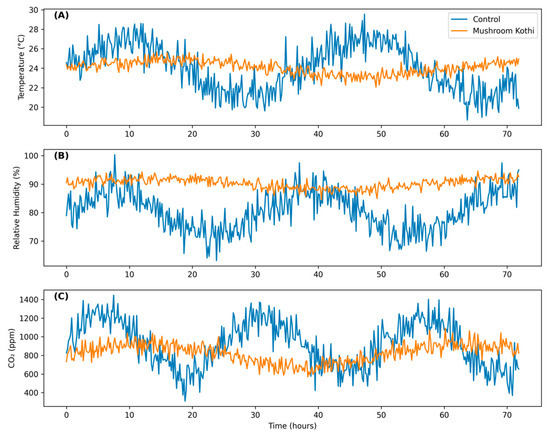
Agriculture in semi-arid regions faces increasing challenges from temperature extremes and moisture stress, necessitating climate-smart and resource-efficient production systems. This study examined maize–mushroom intercropping as a climate-smart strategy for semi-arid regions. Field experiments conducted at Tamil Nadu Agricultural University evaluated four maize planting geometries, with and without mulch, in 2022. Results showed that close-maize spacing (45 × 25 cm) with mulch moderated temperature, increased humidity, and improved mushroom yield and biological efficiency. The treatment achieved a land equivalent ratio above one, indicating superior land use efficiency. Optimal microclimatic conditions (26–33 °C; 80–98% RH) enhanced paddy straw mushroom growth, demonstrating that simple field-level modifications can stabilize microclimate and promote resilient farming in semi-arid ecosystems.
Full article
(This article belongs to the Proceedings of The 3rd International Online Conference on Agriculture)
►▼
Show Figures

Figure 1
Open AccessProceeding Paper
Sensory Profile of Two Gluten-Free Breads Formulated with Neltuma affinis Pods Powders
by
Nancy N. Esposito, Verónica M. Busch, María del P. Buera and Carolina E. Genevois
Biol. Life Sci. Forum 2026, 56(1), 13; https://doi.org/10.3390/blsf2026056013 - 3 Feb 2026
Abstract
►▼
Show Figures
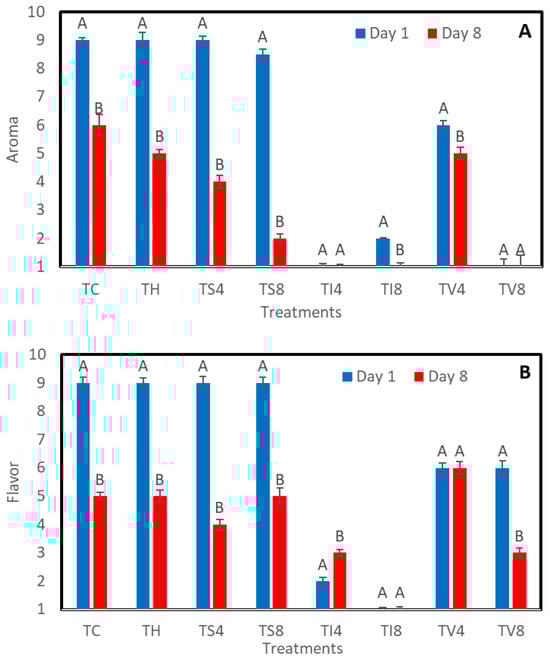
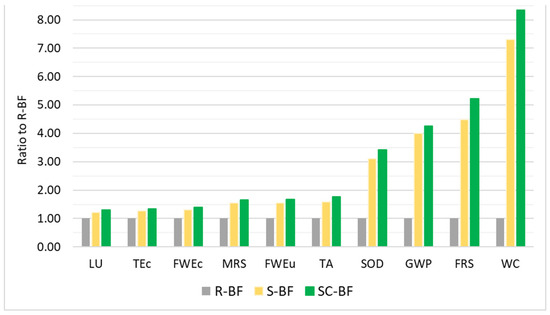
The aim of this study was to characterize the sensory profile of two gluten-free (GF) bread formulations developed with powders obtained by dry grinding from the endocarp–seed (ESP) and epicarp–mesocarp (EMP) fractions of the Neltuma affinis pods. Two GF bread formulations optimized previously
[...] Read more.
The aim of this study was to characterize the sensory profile of two gluten-free (GF) bread formulations developed with powders obtained by dry grinding from the endocarp–seed (ESP) and epicarp–mesocarp (EMP) fractions of the Neltuma affinis pods. Two GF bread formulations optimized previously by experimental design were tested: FA with 20.0% ESP, and FB with 20.0% ESP and 2.4% EMP. Check-All-That-Apply, Just-About-Right scaling, and 9-point Hedonic Scale were used in a mix panel with regular and gluten-related disorders consumers (N = 105). Both formulations exhibited different sensory profiles; FA was characterized as “tasty” and “light crumb”, receiving an acceptability of 7 ± 2 points in overall acceptability. FB was described as “moist” and “very airy crumb”, with a 6 ± 2 point in overall acceptability. Penalty analysis showed “taste”, “odour”, “firmness”, and “moisture” as sensory attributes to be improved in FA and FB.
Full article

Figure 1
Open AccessProceeding Paper
Retrieving Canopy Chlorophyll Content from Sentinel-2 Imagery Using Google Earth Engine
by
Tarun Teja Kondraju, Rabi N. Sahoo, Rajan G. Rejith, Amrita Bhandari, Rajeev Ranjan, Devanakonda V. S. C. Reddy and Selvaprakash Ramalingam
Biol. Life Sci. Forum 2025, 54(1), 13; https://doi.org/10.3390/blsf2025054013 - 2 Feb 2026
Abstract
Google Earth Engine (GEE) has revolutionised remote sensing. The GEE cloud platform lets users quickly analyse large satellite imagery datasets with custom programmes, enhancing global-scale analysis. Crop condition monitoring using GEE would greatly help in decision-making and precision agriculture. Estimating canopy chlorophyll content
[...] Read more.
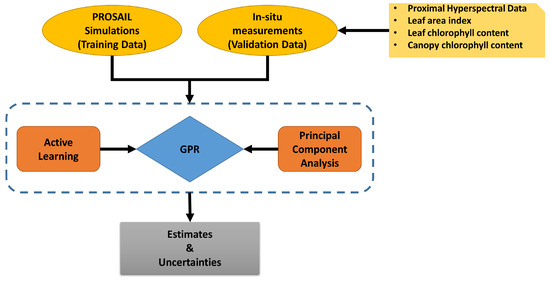
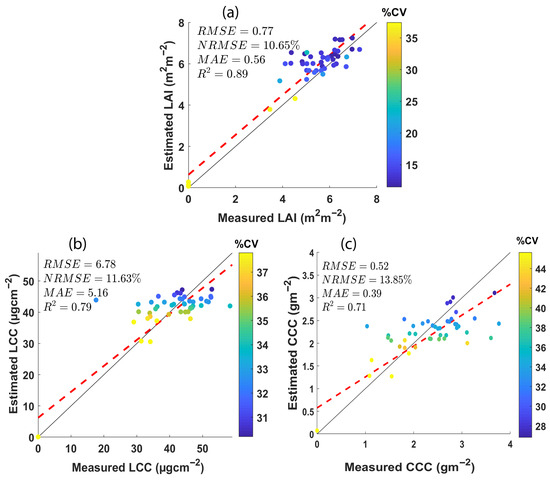
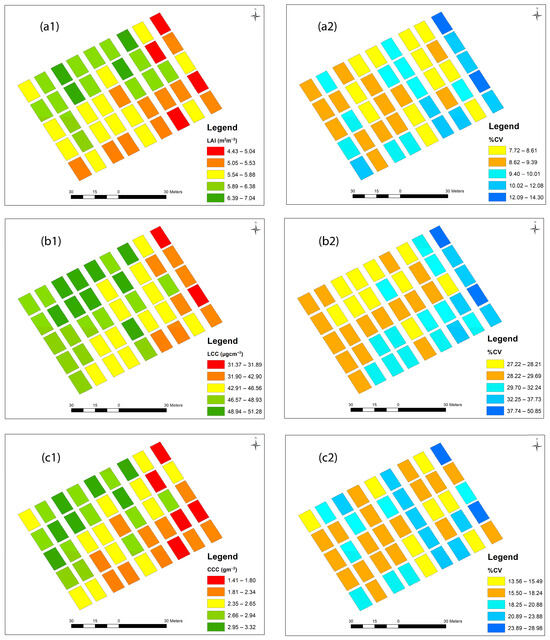
Google Earth Engine (GEE) has revolutionised remote sensing. The GEE cloud platform lets users quickly analyse large satellite imagery datasets with custom programmes, enhancing global-scale analysis. Crop condition monitoring using GEE would greatly help in decision-making and precision agriculture. Estimating canopy chlorophyll content (CCC) is an effective way to monitor crops using remote sensing because leaf chlorophyll is a key indicator. A hybrid model that combines radiative transfer models (RTMs), such as PROSAIL, with Gaussian Process Regression (GPR) can effectively estimate crop biophysical parameters using remote sensing images. GPR has proven to be one of the best methods for this purpose. This study aimed to develop a hybrid model to estimate CCC from S2 imagery and transfer it to the GEE platform for efficient data processing. In this work, the CCC (g/cm2) data from the S2 biophysical processor toolbox for the S2 imagery of the ICAR-Indian Agricultural Research Institute (IARI) on 23 February 2023 were used as observation data to train the hybrid algorithm. The hybrid model was successfully validated against the 155 input data with an R2 of 0.94, RMSE of 10.02, and NRMSE of 5.04%. The model was integrated into GEE to successfully generate a CCC-estimated map of IARI using S2 imagery from 23 February 2023. An R2 value of 0.96 was observed when GEE-estimated CCC values were compared against CCC values estimated locally. This establishes that the GEE-based CCC estimation with the PROSAIL + GPR hybrid model is an effective and accurate method for monitoring vegetation and crop conditions over large areas and extended periods.
Full article
(This article belongs to the Proceedings of The 3rd International Online Conference on Agriculture)
►▼
Show Figures

Figure 1

Open AccessProceeding Paper
Evaluation of the Productive Behavior and Quality of Different Varieties of Strawberries (Fragaria x ananassa) Cultivated in Santiago del Estero, Argentina
by
Silvana Cecilia Ruiz, Diego Ricardo Gutierrez, Yesica Noemí Gramajo Dominguez, Julio Federico Benites and Silvia del Carmen Rodriguez
Biol. Life Sci. Forum 2026, 56(1), 12; https://doi.org/10.3390/blsf2026056012 - 2 Feb 2026
Abstract
►▼
Show Figures
The agronomic performance and quality of different strawberry (Fragaria x ananassa) varieties produced in Santiago del Estero, Argentina, were studied. The following varieties were evaluated in 2023 and 2024 under semi-forced cultivation and bioinputs: Rociera (RO), Frontera (FR), Sahara (SH), Savana
[...] Read more.
The agronomic performance and quality of different strawberry (Fragaria x ananassa) varieties produced in Santiago del Estero, Argentina, were studied. The following varieties were evaluated in 2023 and 2024 under semi-forced cultivation and bioinputs: Rociera (RO), Frontera (FR), Sahara (SH), Savana (SV), and Sabrina (SB). The crop performance was evaluated through yield production, and fruit quality was determined through titratable acidity (TA), soluble solids (SSs), firmness, and instrumental color with L* (luminosity), a* (red-green color), and b* (blue-yellow color) parameters. The results obtained indicate that the evaluated varieties had good productive performance, especially FR and RO, through viable production yields.
Full article

Figure 1
Open AccessProceeding Paper
Innovative Processing Approaches for Heavy Metal Detoxification in Seafood
by
Ana. O. S. Jorge, M. Carpena, J. Echave, P. Barciela, R. Nogueira-Marques, M. A. Prieto and Maria. B. P. P. Oliveira
Biol. Life Sci. Forum 2026, 56(1), 11; https://doi.org/10.3390/blsf2026056011 - 2 Feb 2026
Abstract
►▼
Show Figures
Heavy metal contamination of seafood remains a critical challenge for public health and industrial processing. Emerging research demonstrates that post-mortem treatments can reduce toxic elements through distinct mechanistic pathways, including diffusion-driven leaching, ligand-specific chelation, thermal redistribution, and physicochemical separation. This article synthesizes recent
[...] Read more.
Heavy metal contamination of seafood remains a critical challenge for public health and industrial processing. Emerging research demonstrates that post-mortem treatments can reduce toxic elements through distinct mechanistic pathways, including diffusion-driven leaching, ligand-specific chelation, thermal redistribution, and physicochemical separation. This article synthesizes recent evidence to evaluate innovative processing approaches through a mechanistic and technology-oriented lens. Acidified marinades promote proton-mediated desorption and diffusion of arsenic, achieving reductions approaching 90%. Chelation strategies using food-grade ligands such as sodium acetate or combined cysteine–EDTA systems show strong affinity for divalent metals, removing up to 88.6% of lead, 80% of nickel, and over 90% of mercury. In parallel, advanced green technologies, such as supercritical CO2 extraction and electrocoagulation, enable 90–98% removal.
Full article

Figure 1
Open AccessProceeding Paper
Correlation of Vendor Food Handling Practices in a Public Market on Microbiological Quality of Ready-to-Eat Filipino Steamed Rice Cakes
by
Elaine Rizza P. Javinal and Gerieka R. Anapi
Biol. Life Sci. Forum 2026, 56(1), 10; https://doi.org/10.3390/blsf2026056010 - 2 Feb 2026
Abstract
►▼
Show Figures
Few studies exist on the handling practices and microbial quality of ready-to-eat (RTE) Filipino steamed rice cakes sold in public markets. This study assessed the correlation between food handling practices of public market vendors (n = 15) and the microbiological quality of steamed
[...] Read more.
Few studies exist on the handling practices and microbial quality of ready-to-eat (RTE) Filipino steamed rice cakes sold in public markets. This study assessed the correlation between food handling practices of public market vendors (n = 15) and the microbiological quality of steamed rice cakes. Vendors showed very good handling practices (mean = 12), though some observations deviated from self-reports. Physicochemical (pH = 4.82–5.91; aw = 0.94–0.97) and microbial analyses (Aerobic Plate Count (APC) = 8.37–12.7 log CFU/g; Yeast and Mold Count (YMC) = 9.47–10.60 log CFU/g; Escherichia coli = <1.8–3.15 MPN/g) exceeded standards. Weak negative correlations (APC = −0.62; E. coli = −0.18) and low positive correlations (YMC = 0.15) indicate a need for improved food safety guidance.
Full article

Figure A1
Open AccessConference Report
The Abstracts of the 3rd International Online Conference on Agriculture
by
Bin Gao
Biol. Life Sci. Forum 2025, 54(1), 12; https://doi.org/10.3390/blsf2025054012 - 28 Jan 2026
Abstract
This collection presents the accepted abstracts for the 3rd International Online Conference on Agriculture (IOCAG2025), organized by the MDPI journal Agriculture, and held online from 22 to 24 October 2025. The event highlighted integrative solutions and data-driven innovations for building resilient agricultural
[...] Read more.
This collection presents the accepted abstracts for the 3rd International Online Conference on Agriculture (IOCAG2025), organized by the MDPI journal Agriculture, and held online from 22 to 24 October 2025. The event highlighted integrative solutions and data-driven innovations for building resilient agricultural systems, spanning topics from climate-smart practices, precision water management, and AI-enhanced smart farming to sustainable crop protection, soil health, and advanced crop genetics. Discussions emphasized translating research into practical applications that balance productivity with environmental stewardship. Collectively, IOCAG2025 showcased forward-looking approaches and collaborative insights aimed at advancing sustainable, efficient, and climate-adapted agriculture on a global scale.
Full article
(This article belongs to the Proceedings of The 3rd International Online Conference on Agriculture)
Open AccessProceeding Paper
Landraces of Barley Exhibit Superior Drought Resistance: Insights from Agro-Morphological and Physiological Analysis
by
Abhisek Shrestha, Bharti Thapa, Santosh Marahatta, Krishna Hari Dhakal, Dhurva Prasad Gauchan and Tirth Narayan Yadav
Biol. Life Sci. Forum 2025, 54(1), 11; https://doi.org/10.3390/blsf2025054011 - 28 Jan 2026
Abstract
Barley is a marginalized crop subjected to several types of abiotic stress but need to intensify for future climate smart crop. This study investigated the drought resistance of barley landraces focusing on agro-morphological and physiological traits under controlled drought conditions. The experiment employed
[...] Read more.
Barley is a marginalized crop subjected to several types of abiotic stress but need to intensify for future climate smart crop. This study investigated the drought resistance of barley landraces focusing on agro-morphological and physiological traits under controlled drought conditions. The experiment employed a two-factorial completely randomized design (CRD) with 14 barley landraces (of which 8 completed the maturity period examination) subjected to drought stress at three growth stages (CRI, tillering, and grain filling). Key parameters such as SPAD values (chlorophyll content), tiller number, and yield attributes were measured and analyzed using drought tolerance indices. Fourteen genotypes were initially tested, of which six failed to reach maturity; eight genotypes completed the full growth cycle and were used for yield and stress index analysis. Results revealed significant genotypic variation in drought response. Eight landraces exhibited higher SPAD values under drought, indicating better photosynthetic retention. Notably, AFU202501 demonstrated high yield stability (Stress Tolerance Index, STI = 1.782) under both stress and non-stress conditions, while Saptari Local showed exceptional drought avoidance (low Stress Susceptibility Index, SSI = −0.068) through early maturity and minimal yield reduction. In contrast, genotypes like Muktinath and NGRC 6010 were highly sensitive to drought, with significant yield losses (49–87%). Physiological traits such as chlorophyll retention and phenological plasticity (e.g., accelerated maturity under stress) were critical for drought adaptation. The findings highlight the potential of landraces like AFU202501 and Saptari Local as genetic resources for breeding climate-resilient barley varieties. The study underscores the importance of integrating traditional landraces into modern breeding programs to enhance food security in drought-prone regions.
Full article
(This article belongs to the Proceedings of The 3rd International Online Conference on Agriculture)
Open AccessProceeding Paper
Comparative Evaluation of the Physicochemical, and Antioxidant Properties of Milk Thistle Seed Cake Oils Extracted via Soxhlet and Microwave-Assisted Methods
by
Sina Makouie, Joanna Bryś, Jolanta Małajowicz, Eliza Gruczyńska-Sękowska and Marko Obranović
Biol. Life Sci. Forum 2026, 56(1), 9; https://doi.org/10.3390/blsf2026056009 - 28 Jan 2026
Abstract
►▼
Show Figures
Milk thistle seed cake, a by-product of silymarin production, contains residual oil with valuable bioactive compounds. This study compared oils extracted using microwave-assisted extraction (MAE) and Soxhlet extraction. MAE produced higher yields and better preserved polyunsaturated fatty acids. It also generated oils with
[...] Read more.
Milk thistle seed cake, a by-product of silymarin production, contains residual oil with valuable bioactive compounds. This study compared oils extracted using microwave-assisted extraction (MAE) and Soxhlet extraction. MAE produced higher yields and better preserved polyunsaturated fatty acids. It also generated oils with lower acid and peroxide values, higher total phenolic content, and greater antioxidant capacity. Oxidative stability evaluated by pressure differential scanning calorimetry (PDSC) showed longer induction times for MAE-derived oils, indicating improved resistance to oxidation. These trends are consistent with the shorter extraction times and reduced thermal exposure associated with MAE. Overall, MAE proved more effective for recovering high-quality oil from milk thistle seed cake, supporting its use as a valuable resource in waste-to-value applications.
Full article

Figure 1
Open AccessProceeding Paper
Evaluation of the Postharvest Performance of Kiwifruit Under the Application of a Glycine-Betaine-Based Biostimulant During the Growing Season
by
Vasileios Papantzikos
Biol. Life Sci. Forum 2026, 57(1), 1; https://doi.org/10.3390/blsf2026057001 - 28 Jan 2026
Abstract
►▼
Show Figures
The demand for high-quality agricultural products is increasing; however, this requirement is becoming increasingly challenging due to the effects of climate change, which can cause abiotic stress. In this research, we studied the performance of kiwifruit (Actinidia deliciosa var. ‘Hayward’) 60 days
[...] Read more.
The demand for high-quality agricultural products is increasing; however, this requirement is becoming increasingly challenging due to the effects of climate change, which can cause abiotic stress. In this research, we studied the performance of kiwifruit (Actinidia deliciosa var. ‘Hayward’) 60 days after storage for two different cultivation periods, in which a glycine betaine biostimulant (GB) was applied to the kiwi trees via irrigation under field conditions. Postharvest analysis was performed by measuring the fresh and dry weight of the kiwifruit, the soluble solids content, and titratable acidity. To assess the antioxidant traits of the kiwifruit, DPPH and ascorbic acid contents were recorded. Data analysis revealed that the GB treatment proved beneficial for kiwifruit during storage, enhancing their antioxidant capacity as indicated by their higher ascorbic acid content (vitamin C) compared to the control. This qualitative difference may benefit the commercial requirements of kiwifruit cultivation under the abiotic conditions of climate change, which prompts us to further investigate the application of amino acid biostimulants. This research complements the existing literature on the implementation of biostimulants, as reports regarding their application in kiwifruit cultivation are limited, and provides an optional solution for meeting the commercial needs of kiwifruit cultivation and improving the adaptability of kiwifruit cultivation under abiotic stress conditions.
Full article

Figure 1
Open AccessConference Report
Abstracts of the 1st International Online Conference on Veterinary Sciences (IOCVS 2025)
by
Wentao Li
Biol. Life Sci. Forum 2026, 58(1), 1; https://doi.org/10.3390/blsf2026058001 - 28 Jan 2026
Abstract
The 1st International Online Conference on Veterinary Sciences (IOCVS 2025) took place online from 3 to 5 December 2025. This conference report is an abstract collection from five different sessions of IOCVS 2025.
Full article
(This article belongs to the Proceedings of The 1st International Online Conference on Veterinary Sciences)
Open AccessProceeding Paper
Oil Uptake Lessening and Functionality Amelioration of Deep-Fried Fish Fillets Using Egg White Protein Edible Coating
by
Kumar Gaurav and Naresh Kumar Mehta
Biol. Life Sci. Forum 2026, 56(1), 8; https://doi.org/10.3390/blsf2026056008 - 26 Jan 2026
Abstract
►▼
Show Figures
This study aimed to develop an edible egg white protein coating to reduce fat uptake and mitigate protein oxidation in deep-fried Labeo rohita fillets. Fillets (4 × 4 × 2 cm) were coated with 2.5–25% egg white protein and analyzed for proximate composition,
[...] Read more.
This study aimed to develop an edible egg white protein coating to reduce fat uptake and mitigate protein oxidation in deep-fried Labeo rohita fillets. Fillets (4 × 4 × 2 cm) were coated with 2.5–25% egg white protein and analyzed for proximate composition, frying yield, coating pickup, protein solubility, water-holding capacity, carbonyls, sulfhydryl groups, texture, colour, and sensory attributes. Increasing coating concentration improved coating pickup (2.65–8.36%), frying yield (70.45–80.26%), and reduced fat uptake (9.67–48.66%), while offering partial oxidative protection. Sensory evaluation identified 15% egg white protein coating as most acceptable, and it also effectively lowered fat absorption while preserving protein quality, yielding a healthier fried fish product.
Full article

Graphical abstract
Open AccessProceeding Paper
Spatial Assessment and Mapping of Soil Micronutrient Status in Cultivated Lands of Karaikal District, Puducherry, India
by
Muhilan Gangadaran, Bagavathi Ammal Uma, Sankar Ramasamy, Mummadi Thrivikram Reddy and Hemavathi Manivannan
Biol. Life Sci. Forum 2025, 54(1), 10; https://doi.org/10.3390/blsf2025054010 - 23 Jan 2026
Abstract
Soil micronutrient assessment is crucial for ensuring sustainable crop production and environmental quality, particularly in intensively cultivated regions. This study aimed to evaluate and map the spatial distribution of Diethylenetriamine Pentaacetic Acid (DTPA)-extractable micronutrients (Fe, Mn, Zn and Cu) in agricultural lands of
[...] Read more.
Soil micronutrient assessment is crucial for ensuring sustainable crop production and environmental quality, particularly in intensively cultivated regions. This study aimed to evaluate and map the spatial distribution of Diethylenetriamine Pentaacetic Acid (DTPA)-extractable micronutrients (Fe, Mn, Zn and Cu) in agricultural lands of Thirunallar commune, Karaikal, for augmenting site-specific nutrient management. A total of 233 geo-referenced surface soil samples (0–20 cm) were collected using a handheld GPS on a pre-defined grid and analyzed for available micronutrients. The spatial variability and distribution patterns were generated in ArcGIS 10.8.2 using semivariogram-based kriging interpolation. The results indicated that Fe, Mn and Cu were sufficient across the study area, with concentrations ranging from 4.74 to 99.80 ppm, 3.70–97.40 ppm, and 1.46–12.40 ppm, respectively, mainly due to the presence of iron-rich minerals, reduced manganese forms, and continuous application of copper-based inputs. Zinc showed greater variability (0.52–17.20 ppm), ranging from deficient to sufficient levels, likely influenced by fertilizer application and organic matter additions. The findings emphasize the importance of site-specific nutrient management to optimize fertilizer usage and crop productivity, particularly in fine-textured clay soils. This study demonstrates the effectiveness of geostatistical approaches for supporting precision agriculture in micronutrient-deficient areas.
Full article
(This article belongs to the Proceedings of The 3rd International Online Conference on Agriculture)
►▼
Show Figures

Graphical abstract
Open AccessProceeding Paper
AI-Driven Wheat Crop Optimization and Yield Prediction Tool
by
Wareesha Ayub, Muhammad Sameer, Muhammad Ali and Sharaf Hussain
Biol. Life Sci. Forum 2025, 54(1), 9; https://doi.org/10.3390/blsf2025054009 - 16 Jan 2026
Abstract
Precise prediction of wheat yield plays a crucial role in food security and resource management in Pakistan. The current research suggests an artificial intelligence-driven framework based on 23 years of agro-meteorological and yield data that predicts wheat production. Several machine learning models were
[...] Read more.
Precise prediction of wheat yield plays a crucial role in food security and resource management in Pakistan. The current research suggests an artificial intelligence-driven framework based on 23 years of agro-meteorological and yield data that predicts wheat production. Several machine learning models were compared, and a two-layer LSTM model performed better because it was able to capture temporal dependencies. The model managed to achieve high accuracy (R2 = 0.979) and low prediction errors, confirming the applicability of deep learning in agricultural forecasting in climate-sensitive regions and its applicability to other staple crops.
Full article
(This article belongs to the Proceedings of The 3rd International Online Conference on Agriculture)
►▼
Show Figures

Figure 1

Open AccessProceeding Paper
Baseline Susceptibility of Eldana saccharina to Coragen® SC: Implications for Resistance Monitoring and Management in Sugarcane
by
Kwanele Phiwinhlanhla Msele, Caswell Munyai, Ewald Hendrik Albertse and Lawrence Nkosikhona Malinga
Biol. Life Sci. Forum 2025, 54(1), 8; https://doi.org/10.3390/blsf2025054008 - 16 Jan 2026
Abstract
Eldana saccharina Walker is a major sugarcane pest in South Africa, primarily controlled with chemical insecticides, though resistance threatens their effectiveness. Laboratory bioassays at the South African Sugarcane Research Institute evaluated the baseline susceptibility of E. saccharina to six concentrations of Coragen®
[...] Read more.
Eldana saccharina Walker is a major sugarcane pest in South Africa, primarily controlled with chemical insecticides, though resistance threatens their effectiveness. Laboratory bioassays at the South African Sugarcane Research Institute evaluated the baseline susceptibility of E. saccharina to six concentrations of Coragen® (chlorantraniliprole). Mortality and larval weight data were analysed using probit analysis to determine LC50 and LC95 values and assess growth inhibition. Mortality and weight reduction increased with concentration, with the highest concentration causing 79% mortality.
Full article
(This article belongs to the Proceedings of The 3rd International Online Conference on Agriculture)
►▼
Show Figures

Figure 1
Open AccessProceeding Paper
Exploring Flavonoids and Citric Acid Extraction Yields from Lemon Peels Across Glucanase, Cellulase, and Pectinase Enzymes
by
Rosa Zapata, Lorena Martínez-Zamora and Francisco Artés-Hernández
Biol. Life Sci. Forum 2026, 56(1), 7; https://doi.org/10.3390/blsf2026056007 - 15 Jan 2026
Abstract
►▼
Show Figures
Lemon peel, which contains a wide variety of antioxidant compounds and biopolymers, is an interesting byproduct for valorization. In this study, pectin and cellulose were obtained from lemon peel with 36% and 23% extraction yields. Meanwhile, when evaluating the extraction of secondary metabolites
[...] Read more.
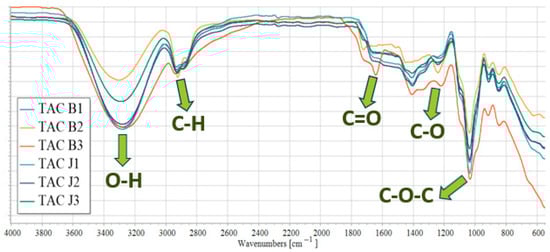
Lemon peel, which contains a wide variety of antioxidant compounds and biopolymers, is an interesting byproduct for valorization. In this study, pectin and cellulose were obtained from lemon peel with 36% and 23% extraction yields. Meanwhile, when evaluating the extraction of secondary metabolites using various enzymes, it was found that their concentrations increased the most in the case of pectin methylesterase, by up to 21.7% for eriocitrin, although the solid residue was not affected spectroscopically by the enzymatic activity. In contrast, enzyme mixes with β-glucosidase activity showed no presence of the O-glycosylated flavonoids, suggesting their hydrolysis into the aglycones.
Full article

Figure 1
Open AccessProceeding Paper
Short-Chain Fatty Acids as Functional Postbiotics in Colorectal Cancer Management
by
Cinzia Zolfanelli, Vincenzo Lauciello, Alessio Di Ciancia, Alessio Vagliasindi, Theodoros Varzakas and Teresa D’Amore
Biol. Life Sci. Forum 2026, 56(1), 5; https://doi.org/10.3390/blsf2026056005 - 14 Jan 2026
Abstract
►▼
Show Figures
Short-chain fatty acids (SCFAs), such as butyrate, acetate, and propionate, are the result of microbial fermentation and have been demonstrated to exert anticancer effects in different experimental models. We systematically reviewed 27 studies on postbiotics in colorectal cancer models, enclosing a range of
[...] Read more.
Short-chain fatty acids (SCFAs), such as butyrate, acetate, and propionate, are the result of microbial fermentation and have been demonstrated to exert anticancer effects in different experimental models. We systematically reviewed 27 studies on postbiotics in colorectal cancer models, enclosing a range of study types including cell lines, animal models, and organoids. Eight studies that focused specifically on SCFAs were identified and analyzed. SCFAs promoted apoptosis through caspase activation, influenced NF-κB and MAPK signaling, increased mucin expression, and strengthened barrier function. Butyrate has also been demonstrated to induce autophagy via LKB1–AMPK signaling. Studies using SCFA-containing supernatants showed similar effects, although the presence of multiple biomolecules limited attribution. Overall, these findings provide a robust foundation for further research, particularly in the context of translational studies that can bridge the gap between preclinical and clinical research.
Full article

Figure 1
Journal Menu
► ▼ Journal Menu-
- Biology and Life Sciences Forum Home
- Aims & Scope
- Advisory Board
- Instructions for Authors
- Conference Series
- Instructions for Conference Organizers
- Instructions for Editors
- Article Processing Charge
- Indexing & Archiving
- Most Cited & Viewed
- Journal Statistics
- Journal History
- Conferences
- Editorial Office
Journal Browser
► ▼ Journal BrowserHighly Accessed Articles
Latest Books
E-Mail Alert
News
Topics