


Abstract
Magnetooptics (MO) explores light—matter interactions in magnetized media and has advanced rapidly with progress in materials science, spectroscopy, and integrated photonics. This review highlights recent developments in fundamental principles, experimental techniques, and emerging applications. We revisit the canonical MO effects: Faraday, MO Kerr effect (MOKE), Voigt, Cotton—Mouton, Zeeman, and Magnetic Circular Dichroism (MCD), which underpin technologies ranging from optical isolators and high-resolution sensors to advanced spectroscopic and imaging systems. Ultrafast spectroscopy, particularly time-resolved MOKE, enables femtosecond-scale studies of spin dynamics and nonequilibrium processes. Hybrid magnetoplasmonic platforms that couple plasmonic resonances with MO activity offer enhanced sensitivity for environmental and biomedical sensing, while all-dielectric magnetooptical metasurfaces provide low-loss, high-efficiency alternatives. Maxwell-based modeling with permittivity tensor () and machine-learning approaches are accelerating materials discovery, inverse design, and performance optimization. Benchmark sensitivities and detection limits for surface plasmon resonance, SPR and MOSPR systems are summarized to provide quantitative context. Finally, we address key challenges in material quality, thermal stability, modeling, and fabrication. Overall, magnetooptics is evolving from fundamental science into diverse and expanding technologies with applications that extend far beyond current domains.
1. Introduction
Magnetooptics (MO) explores the interaction between electromagnetic radiation and magnetized media, providing critical insights into spin dynamics, optical manipulation, and quantum behavior in materials [1,2]. The pioneering contributions of Michael Faraday [3] and John Kerr [4] in the 19th century revealed how magnetic fields could alter the polarization and reflection properties of light, phenomena that now underpin key applications such as optical isolators [5,6], high-precision sensors [7], and magnetooptical data storage systems [8], to name a few.
James Clerk Maxwell’s unification of electromagnetic theory further formalized the underlying principles [9,10], setting the stage for the modern evolution of magnetooptical technologies. Today, MO effects serve as indispensable tools in diverse fields, including spintronics [11,12,13], optical communication [14,15], data storage [8,16], quantum computing [17], and nanophotonics [18], among many others.
Technological breakthroughs in ultrafast laser systems [19,20,21], material engineering [6,22,23], and nanofabrication [24] have propelled MO research into femtosecond and nanoscale domains [25]. Advanced characterization techniques [26,27] such as the time-resolved magnetooptical Kerr effect (TR-MOKE) [28], magnetic circular dichroism (MCD) [29], and Kerr microscopy [27] now enable real-time imaging [30] of magnetic domain structures and spin dynamics [19,20] at ultrafast timescales [31].
Simultaneously, the integration of MO effects with plasmonic structures has led to the emergence of magnetoplasmonics [32,33]. These hybrid platforms leverage both magnetic and optical resonances to significantly increase sensitivity, spatial resolution, and functional diversity for applications such as environmental monitoring, biosensing, and optical modulation, among others [7,34]. The rise of all-dielectric magnetooptical metasurfaces presents a promising alternative to metallic architectures by minimizing optical losses while preserving strong MO coupling [35,36,37]. In addition, computational approaches driven by artificial intelligence (AI) are increasingly being used to model, design, and optimize complex MO devices [38,39,40,41].
Figure 1 shows a unified conceptual framework of MO and advances in magnetoplasmonics (MP), capturing the organization and interconnections of the review. The diagram begins with the Introduction, which sets the stage for discussions on the foundational aspects of the field. From this starting point, the framework branches into multiple themes that collectively define the scope of current research.
Figure 1.
Schematic overview of key themes and research directions in magnetooptics and magnetoplasmonics, linking theory, materials, devices, and characterization techniques. Central nodes (blue) represent major thematic categories, while white nodes denote subtopics within each theme. Arrows indicate conceptual flow and relationships between sections, illustrating how foundational principles lead to applied research directions and conclusions.
The development of MO is presented alongside the core understanding of MO effects, both of which provide context for subsequent innovations. Building on these foundations, the discussion extends into materials, architectures, and experiments, encompassing advances in MP sensors, 2D quantum materials, all-dielectric MO metasurfaces, and quadratic MO Kerr effects.
These emerging material platforms highlight the expansion of magnetooptical phenomena into new domains of nanoscale engineering [42,43]. Recent studies, including the work of Gabbani et al. on doped transparent conductive oxide (TCO) nanocrystals, further demonstrate that carefully engineered nanoparticles can surpass the magnetoplasmonic performance of conventional noble metals by nearly an order of magnitude [44,45].
Building on these advances, current research increasingly emphasizes novel device architectures and emerging application frontiers. These efforts encompass next-generation photonic platforms, multifunctional sensing paradigms, and spintronic integrations that collectively expand the translational potential of magnetooptical systems [34].
Central to this progression is the integrative framework of Translational Synthesis: Comparative Analysis, Challenges, and Readiness for Applications (see Section 7). This framework systematically evaluates performance trade-offs, identifies key barriers, including thermal stability, fabrication complexity, and reproducibility, and assesses the technological maturity required for real-world deployment. In doing so, this review bridges the gap between fundamental discoveries and application-ready solutions, culminating in perspectives that consolidate current insights and highlight emerging opportunities.
2. Historical and Theoretical Foundations of Magnetooptics
2.1. Historical Background
Magnetooptics (MO) traces its foundation to Michael Faraday’s 1845 discovery that a magnetic field can rotate the plane of polarization of transmitted light, now known as the Faraday effect [3]. This was followed by Kerr’s 1877 observation that the polarization state of reflected light depends on the magnetization, M of a material, establishing the MO Kerr effect (MOKE) [4]. These two findings first demonstrated a direct interaction between light and magnetic order. The theoretical framework for these effects was later solidified through Maxwell’s unification of electricity, magnetism, and light [9,46], which laid the groundwork for interpreting MO phenomena in terms of electromagnetic wave—matter interactions. Subsequent milestones include the discovery of Zeeman splitting in magnetic fields [47,48] and the development of quadratic MO effects by Voigt and Cotton—Mouton [49,50], broadening the understanding of optical responses to magnetic symmetry.
Historical records prior to these scientific developments describe magnets and optical phenomena separately but do not indicate any awareness of a coupling between them. For example, the Sushruta Samhita documents the medical use of lodestones for extracting iron from wounds [51,52], while Ibn al-Haytham’s Book of Optics presents a foundational theory of vision and optical propagation [53]. However, neither tradition connects magnetism with optical behavior. The realization that light can actively probe or manipulate magnetic states is, therefore, a distinctly modern concept, further advanced in the 20th and 21st centuries through synchrotron-based spectroscopies and ultrafast laser techniques, which revealed femtosecond spin dynamics and enabled all-optical magnetization switching [54,55]. Today, MO effects, including the Faraday, Kerr, and Voigt effects, among others, are described using tensorial dielectric models that capture both anisotropy and non-reciprocity [56]. These theoretical foundations underpin modern advances in spintronics, nanophotonics, and sensing, underscoring the enduring importance of rigorous electromagnetic theory in driving progress within magnetooptical science [1].
The evolution of MO has been shaped by pivotal discoveries and technological milestones that span more than a century [9,43]. Early investigations were constrained by weak and incoherent light sources, limiting the detection of subtle MO phenomena [57]. However, the development of lasers in the mid-20th century transformed the field [58,59,60,61,62], enabling precise control and detection of polarization effects such as the Faraday and Kerr effects, now foundational to modern MO systems [3,4].
With the advent of synchrotron radiation and X-ray techniques in the twentieth century [43,63], MO research entered a new era of precision and depth. These developments enabled element-specific imaging of magnetic domains through X-ray magnetic circular dichroism (XMCD) [64] and related high-energy probes [63], vastly expanding the experimental landscape for probing magnetic and electronic structures at the nanoscale. By the 2000s, nonlinear optics and ultrafast laser technology had enabled sub-picosecond probing of spin, charge, and lattice dynamics, catalyzing the emergence of magnetoplasmonics, a synergistic field that combines surface plasmon resonances with MO effects [20,65]. These hybrid systems improved light-matter interaction at the nanoscale and enabled applications in biosensing, photonic modulation, and environmental diagnostics [34,66].
Recent research has expanded to 2D materials, such as graphene and transition metal dichalcogenides, which exhibit strong MO responses and tunable electronic properties [67]. Moreover, terahertz and X-ray MO studies have uncovered new regimes of spin-lattice interactions and quantum phenomena, supported by high-brilliance synchrotron and free-electron laser sources [68,69]. These improvements continue to guide research into novel materials and fabrication techniques, reinforcing magnetooptics as a driving force in next-generation quantum and photonic technologies [24,70]. Integrating MO materials into practical devices remains a challenge due to issues such as thermal stability, reproducibility, and system integration [6,40,71,72]. It faces hurdles such as waveguide birefringence and material compatibility [6]. These findings highlight the need for further research to improve device performance and reliability.
The availability of advanced light sources has also expanded the scope of MO research to new materials and effects [73,74,75,76,77,78]. For example, early studies focused on ferromagnetic materials because of their strong magnetooptical responses [60,79]. Later, the development of sophisticated spectroscopic techniques allowed researchers to explore antiferromagnetic and ferrimagnetic systems, uncovering complex interactions that were previously inaccessible [69,80,81,82]. Table 1 presents a comprehensive timeline of major developments in magnetooptics and related technologies from 2008 to 2025, offering valuable historical insights into the evolution and convergence of magnetooptical science, nanophotonics, and magnetoplasmonics [83].
Table 1.
Comprehensive timeline of major developments in magnetooptics (MO) and magnetoplasmonics (MP) from 2008 to 2025, illustrating the progression of theoretical models, material platforms, and device innovations that have driven the field’s evolution [83].
With this historical context established, we now turn to the fundamental principles of magnetooptics, which describe how magnetic fields influence the propagation and polarization of light in magnetized media. Building on these foundations, magnetoplasmonics, an interdisciplinary field combining magnetooptics and plasmonics, extends these interactions to the nanoscale, where collective electron oscillations (plasmons) couple with magnetic phenomena to yield enhanced and tunable light—matter responses.
2.2. Theoretical Foundations of Magnetooptics
At its core, magnetooptics (MO) refers to the study of how magnetic fields affect the propagation of electromagnetic waves in materials, including magnetic media, dielectric substances, and their composites [1,100]. In MO materials, permittivity, becomes a tensor to account for the anisotropic and non-reciprocal behavior introduced by magnetization, or applied magnetic fields. The off-diagonal elements of this tensor are responsible for MO effects [101]. For example, the dielectric tensor in the presence of a magnetic field in all three directions can be expressed as [1,5,43,102,103,104,105,106,107,108]:
where, the permittivity tensors , , and correspond to the longitudinal, transverse, and polar magnetooptical configurations, respectively, with their coordinate axes defined in Figure 2. This figure also depicts the associated experimental setups, showing the incidence angle , the wave vector of the incident and reflected beams , and the electric-field components that govern the observed Kerr response.
Figure 2.
Main configurations of the MO Kerr effect (MOKE), expressed in terms of the interaction between the incident electromagnetic wave , the reflected wave, and the M vector [1]. (a) L-MOKE (Longitudinal configuration): lies in the plane of incidence and parallel to the sample surface. (b) T-MOKE (Transverse configuration): is parallel to the sample surface and perpendicular to the plane of incidence. (c) P-MOKE (Polar configuration): is oriented ⊥ to the sample surface.
According to Maxwell’s curl equations, and , where denotes the magnetization-induced current, the magnetooptical Kerr response originates from the coupling between electromagnetic fields and the magnetization-dependent off-diagonal elements of the permittivity tensor. Depending on the orientation of the magnetization vector relative to the plane of incidence and the sample surface, three distinct Kerr geometries emerge. In the longitudinal configuration (), lies parallel to both the surface and the plane of incidence, resulting in coupling between the y and z tensor components (). In the transverse configuration (), is oriented perpendicular to the plane of incidence, leading to coupling in the components (). In the polar configuration (), is aligned normal to the surface, producing off-diagonal coupling between the x and z components (). These orientations define the principal MOKE geometries illustrated in Figure 2.
A comparative summary of the three principal MOKE geometries: longitudinal, polar, and transverse, is presented in Table 2, extending the configurations previously introduced in Figure 2. While Figure 2 outlines the conceptual distinctions among these geometries, Table 2 highlights their specific magnetization sensitivities and typical application domains, including thin films, perpendicular anisotropy systems, and surface-sensitive measurements.
Table 2.
Comparison of the three principal MOKE configurations: longitudinal (L-MOKE), polar (P-MOKE), and transverse (T-MOKE) highlighting their sensitivity and representative application areas in thin films, surface magnetism, and systems with perpendicular magnetic anisotropy.
Building on the tensorial framework expressed in Equation (1), the coupling between electromagnetic waves and magnetization gives rise to six fundamental magnetooptical (MO) effects, each associated with distinct geometric configurations and material parameters.
As illustrated in Figure 3, these effects form the basis of modern magnetooptical phenomena. We first consider Faraday rotation, historically the earliest observed MO effect, which arises when linearly polarized light propagates parallel to the applied magnetic field in a magnetized medium [3]. In such a medium, the presence of magnetization, breaks time-reversal symmetry and induces optical anisotropy, causing the refractive indices for the right- and left-circularly polarized light components to differ () [84].
Figure 3.
Comprehensive illustration of the six fundamental magnetooptic (MO) effects: Faraday rotation, MO Kerr effect, Zeeman effect, Voigt effect, Cotton—Mouton effect, and magnetic circular dichroism (MCD). Each effect is shown with its corresponding nanostructure configuration, indicating the orientation of the relative to the sample surface and the plane of incidence. The incident and reflected lights are represented by their wavevectors , and polarization states are shown by the E-field symbols. Gray regions denote the magnetic medium, while blue shading indicates the surrounding dielectric. Selected arrows and line styles highlight key physical features: red arrows show light propagation, polarization symbols indicate rotation or ellipticity changes, dashed lines mark the surface normal, and blue arrows denote the H-field direction ( or ), distinguishing the symmetry conditions of each MO effect.
As these two components accumulate a relative phase shift while traversing the material, the plane of polarization of the transmitted light rotates at an angle given by [5,105,106,107]:
where V is the Verdet constant, an intrinsic material parameter that quantifies the MO activity, B is the magnetic flux density, and d is the optical path length through the medium. The sign and magnitude of depend both on the direction of and on the dispersive nature of . This rotation, known as the Faraday effect forms the physical basis for optical isolators, circulators, and fiber-based magnetic field sensors [6,108], where controlled non-reciprocal light propagation is essential.
The magnetooptical Kerr effect (MOKE) represents another fundamental manifestation of magnetooptical interactions, describing changes in the polarization state of light upon reflection from a magnetized surface. As the physical origin, tensorial description, and experimental geometries of MOKE have already been discussed in detail in the preceding part of this section, they are not repeated here. Briefly, MOKE is commonly classified into longitudinal, transverse, and polar configurations, determined by the orientation of the magnetization vector relative to the sample surface and the plane of incidence, as illustrated earlier in Figure 2.
Having outlined the magnetooptical Kerr effect (MOKE), which arises from -dependent modifications of reflected light, we now consider magnetooptical phenomena that occur in transmission geometries. As illustrated in Figure 3, the Cotton—Mouton effect represents such a case, wherein a magnetic field applied perpendicular to the direction of light propagation induces birefringence in otherwise isotropic media, such as gases or liquids. This effect exhibits a quadratic dependence on the magnetic field strength, expressed as , highlighting the influence of magnetic ordering even in non-magnetic materials.
However, magnetooptical phenomena are not restricted to refractive-index modulation alone. A particularly important manifestation involves differential light absorption, most prominently observed in Magnetic Circular Dichroism (MCD). MCD describes the unequal absorption of left- and right-circularly polarized light in a magnetized medium, originating from magnetic field—induced symmetry breaking, and can be expressed as:
where and are the absorption coefficients for right- and left-circularly polarized light, respectively. It serves as a powerful probe of electronic structure, molecular magnetism, and spin-state dynamics [64].
Magnetic skyrmions, which arise from the interplay of exchange interactions, spin—orbit coupling, and external magnetic fields, constitute a prominent class of topologically nontrivial spin textures and have attracted significant interest for both fundamental studies and potential spintronic applications [109].
Within this broader context, we next consider the Zeeman effect, which describes the magnetic-field-induced splitting of atomic or molecular energy levels, resulting in distinct spectral features [48]. The Zeeman interaction underpins many spectroscopic probes of magnetic order and plays a central role in characterizing magnetic anisotropy, symmetry breaking, and spin-dependent energy landscapes in both conventional magnetic systems and complex spin textures such as skyrmions. Depending on the role of spin—orbit coupling, the effect is classified into normal and anomalous Zeeman regimes, with important implications for magnetooptical response and spin-resolved spectroscopy.
In astrophysics, Zeeman splitting serves as a key diagnostic of stellar and interstellar magnetic fields, whereas in condensed matter, it provides insight into electron spin dynamics and band structure modifications [47,110]. The quantitative analysis of line splitting, , continues to serve as a benchmark for testing fundamental theories of magnetism and quantum mechanics. In this expression, is the Zeeman energy splitting, g is the Landé g-factor, is the Bohr magneton, is the magnetic quantum number associated with the total angular momentum, and B is the external magnetic field strength.
Also known as linear magnetic birefringence, the Voigt effect appears in anisotropic crystals under magnetic fields that are perpendicular to the light propagation [111,112]. It alters the refractive index based on polarization and enables precise control in optical modulators and sensors. Unlike the Faraday effect, which is odd in the magnetic field, the Voigt effect is quadratic (), making it useful for high-field measurements and material characterization. It plays an important role in the design of magnetooptical modulators for telecommunication systems and can enhance the contrast in magnetooptical imaging. Moreover, the Voigt effect provides a pathway for non-destructive probing of hidden magnetic orders and excitonic states in complex oxides and semiconductor heterostructures.
Taken together, the six principal magneto-optical effects offer complementary perspectives on how magnetic fields influence light—matter interactions. Table 3 provides a concise comparison of their underlying physical mechanisms and highlights their diverse technological applications, ranging from spectroscopy and sensing to optical communication and advanced magnetic materials research. Having established the key MO effects, we now proceed to introduce the sensitivity metrics used to evaluate their detection performance.
Table 3.
Comparison of all six MO effects, including their physical descriptions and key applications in fields such as magnetooptical storage, spectroscopy, and advanced materials research.
2.3. Sensitivity Comparison
Table 4 compiles benchmark sensitivities and detection limits for representative surface plasmon resonance (SPR) and magnetooptic—SPR architectures and highlights how material choice and nanoscale stacking govern performance across platforms [42,119]. Early bilayers such as Au/Fe/Au on Cr/glass establish a useful reference, showing magnetooptic SPR (MOSPR) signals roughly twice those of conventional SPR and a detection limit on the order of RIU [120], where RIU denotes refractive index unit.
Table 4.
SPR and MOSPR sensitivities and detection limits. Note RIU = Refractive Index Unit; SPR = Surface Plasmon Resonance. MOSPR = magnetooptic SPR. Adopted from [42].
Introducing protected Co layers in Au/Co/Au on Ti/glass yields a ∼ MO gain over SPR, together with improved signal-to-noise for biosensing [121]. Periodic Co/Au superlattices increase MO contrast and maintain practical detection limits through multilayer interference control, though with moderate absolute sensitivities that depend on the number of repeats and the environment (air vs. water) [123]. Symmetric magnetic stacks, such as Co/Au/Co in Kretschmann geometry, further enhance transverse MOKE (T-MOKE) without explicit detection-limit quantification [119].
Architectures that exploit localized plasmons, e.g., nanoporous Ag/CoFeB/Ag, demonstrate clear localized surface plasmon resonance (SPR) and localized surface plasmon resonance—molecular orbital (LSPR—MO) coupling with sensitivities in the mid- range and typical detection limits near RIU [124]. Flexible Polydimethylsiloxane (PDMS)/Gold/CoFeB lattices provide ∼ enhancements of both LSPR and Kerr response via hotspot formation, illustrating the trade-off between mechanical compliance and the ultimate detection limit [125]. Lithographic Au/Co/Au nanodisks exhibit strong Kerr activity in the 2.2 to 2.5 eV window, which underscores the role of shape anisotropy and mode engineering [79].
Finally, trilayers such as Au/Fe/Ag in glass leverage low-loss Ag to boost the plasmonic field and deliver MO signals up to ∼ stronger than SPR [126]. Taken together, the literature points to a consistent trend: low-loss plasmonic metals (notably Ag), ultrathin ferromagnetic layers, and carefully tuned multilayer or nanostructured resonances systematically increase magnetooptic SPR (MOSPR) sensitivity while pushing detection limits toward the – RIU regime, providing a clear design map for next-generation magnetoplasmonic sensors.
3. Electromagnetic Theory and Modeling
Electromagnetic theory provides the fundamental framework for understanding the interaction of light with magnetized materials [46,127,128]. At its core, plasmonics investigates how electromagnetic waves couple with free electrons in metals, leading to collective oscillations known as surface plasmons [129]. When confined to metal—dielectric interfaces, these excitations, referred to as surface plasmon polaritons (SPPs), exhibit strong sensitivity to changes in the surrounding dielectric environment. This property underpins a wide range of applications, spanning optical sensing, nanophotonics, energy-harvesting technologies, and beyond.
The phenomenon of surface plasmon resonance (SPR) arises when incident p-polarized light excites surface plasmons under specific resonance conditions, resulting in a characteristic dip in reflected intensity [119]. Such resonances, which are highly tunable by material and structural design, enable a wide range of applications, ranging from label-free biosensing and environmental monitoring to other sensing and photonic technologies [34,130].
Plasmon excitation also leads to pronounced field localization and enhancement, particularly in nanostructures or sharp metallic features [130]. These “hot spots” can amplify local electromagnetic fields by several orders of magnitude relative to the incident field, enabling phenomena such as surface-enhanced Raman scattering (SERS) and single-molecule detection [131].
The integration of magnetooptical activity with plasmonics introduces an additional degree of freedom: external magnetic fields can modulate the dielectric tensor of a material, thereby tuning resonance conditions [101]. This magnetooptical modulation of SPR allows dynamic control of spectral properties, including the resonance angle, linewidth, and intensity, paving the way for advanced optical switches, modulators, and active sensing devices [132].
As discussed by Kittel and Yeh, the theoretical description of these interactions is rooted in Maxwell’s equations, augmented by appropriate constitutive relations to account for anisotropic, symmetry-dependent, and non-reciprocal material responses governing electromagnetic wave propagation in solids and layered media [133,134]. In magnetooptical systems, the dielectric becomes a tensor with off-diagonal elements that are directly linked to the magnetization. Linear magnetooptical effects, such as the Faraday and Kerr rotations, originate from these off-diagonal components and scale with the magnetization vector [1].
Higher-order effects, on the other hand, emerge from quadratic or more complex dependencies, introducing additional anisotropy and enhancing the sensitivity of detection techniques. To accurately model both linear and nonlinear responses, the full dielectric tensor, including its magnetic-field-dependent components, must be considered [135].
Several computational approaches have been developed to solve Maxwell’s equations under realistic material and boundary conditions [46,128,136,137]. The transfer matrix method (TMM) offers efficient analytical solutions for layered planar structures, while the finite element method (FEM) and finite-difference time-domain (FDTD) techniques provide versatile frameworks for simulating arbitrarily complex geometries and time-resolved dynamics.
These numerical methods are essential for predicting optical spectra, field distributions, and magnetooptical responses in nanostructured systems. They also guide experimental design by enabling the optimization of multilayer architectures, resonance conditions, and sensing performance before fabrication.
Figure 4 illustrates the conceptual framework, starting from electromagnetic theory and advancing through computational solvers, magnetoplasmonic modeling, and ultrafast spin dynamics (3TM/LLG), before extending to quadratic nonlinear MOKE and ultimately culminating in practical applications.
Figure 4.
Conceptual flow linking electromagnetic theory, computational solvers, magnetoplasmonic (MP) modeling, ultrafast spin dynamics described by the Three-Temperature Model (3TM) and the Landau–Lifshitz–Gilbert (LLG) equation, and nonlinear quadratic MOKE, toward applications.
Having outlined the modeling framework, we now turn to the fundamental principles of plasmonics, which form the physical basis for many magnetoplasmonic phenomena. Plasmonics investigates the interaction between electromagnetic waves and free electrons in conductive materials, typically metals [129]. At optical frequencies, this interaction gives rise to surface plasmons, coherent oscillations of conduction electrons coupled to electromagnetic fields at metal-dielectric interfaces. These plasmonic modes are highly sensitive to changes in the local dielectric environment, making them foundational to optical sensing, nanophotonics, and photothermal applications [18].
Surface Plasmon Resonance (SPR) in a single metal-dielectric interface occurs when incident p-polarized light at a specific angle excites surface plasmons at that interface, leading to a characteristic dip in the reflected light intensity [119]. The resonance condition is achieved when the in-plane wavevector, of incident light matches that of the surface plasmon mode, which depends on the angular frequency (), the speed of light (c), and the dielectric constants of the metal () and dielectric (), as shown in Equation (4):
where represents the magnetically tuned dielectric constant of the metal. Such modulation forms the basis of magnetooptical sensors and switchable photonic devices.
This momentum-matching condition is highly sensitive to changes in the refractive index near the interface, enabling precise detection of molecular binding events. Due to this sensitivity, SPR has become a powerful and widely used technique for label-free biosensing, environmental monitoring, and real-time molecular interaction studies [119].
In contrast, multilayer SPR involves a stack of alternating metal () and dielectric () layers, where the plasmonic mode results from the hybridization of multiple metal—dielectric interfaces. The dispersion relation of these coupled surface modes, represented by the in-plane wavevector , is obtained by solving Maxwell’s boundary conditions across all layers using the transfer-matrix method [138]. This leads to more complex field distributions and , allowing for tunable mode coupling. Consequently, while single-layer SPR supports a single interface-bound mode , multilayer SPR enables mode splitting and enhanced field confinement through interference and coupling between adjacent plasmonic interfaces.
Although conventional plasmonic systems rely solely on material and structural properties to define their optical response, the introduction of an external magnetic field adds an additional degree of freedom, enabling active control over plasmonic behavior. In magnetoplasmonic systems, the application of an external magnetic field modulates the plasmonic resonance by altering the dielectric tensor of the material [37]. This tunability introduces anisotropy and enables active control of SPR characteristics, such as the resonance angle and linewidth [66,132].
Localized surface plasmon resonance (LSPR) arises from the collective oscillation of conduction electrons confined to metallic nanostructures, such as nanoparticles, tips, or sharp edges [129,139,140,141]. Plasmon excitation leads to intense local electromagnetic field enhancement near the metal surface, producing nanoscale “hot spots.” The enhancement factor F is defined as
where is the peak local electric field amplitude, and is the incident field amplitude. These localized enhancements underpin phenomena such as surface-enhanced Raman scattering (SERS), enabling single-molecule detection and ultrasensitive optical sensing [131].
Although magnetic fields can externally tune plasmonic resonances, an even more powerful approach arises from the intrinsic coupling between magnetic and plasmonic excitations, which gives rise to hybridized modes with enhanced tunability. The interaction between magnetic excitations and plasmonic modes produces hybrid resonances characterized by dynamically tunable optical responses. This coupling can be described through an effective permittivity formulation, as discussed in Section 4, Equation (17). Such interactions enable active control of resonance conditions, making hybrid magnetoplasmonic structures ideal for applications in active sensing, optical modulation, and integrated photonic systems [80,117,142,143].
To accurately capture and predict the complex behavior of hybrid magneto—plasmonic systems, it is essential to employ rigorous electromagnetic modeling based on Maxwell’s equations [133]. Such modeling requires a detailed treatment of light—matter interactions under the influence of external magnetic fields. These interactions, governed by Maxwell’s equations, are described through the dielectric tensor , which becomes anisotropic and non-reciprocal in the presence of magnetization. The general form of this tensor can be expressed as:
where the diagonal terms () represent the intrinsic permittivity along the principal axes, while the off-diagonal terms () describe the magnetooptical coupling induced by the magnetization vector . These off-diagonal components are typically antisymmetric () and proportional to the components of , i.e.,
where Q is the magneto–optical Voigt constant and is the Levi-Civita symbol. This formulation captures magnetooptical phenomena such as polarization rotation, circular birefringence, and non-reciprocal light propagation in magnetoplasmonic media [101].
Numerical simulations that incorporate the full magnetooptical dielectric tensor are essential for accurately predicting both the MO spectra (e.g., Kerr rotation and ellipticity) and the corresponding electromagnetic field distributions in complex nanoscale systems. These simulations, commonly implemented using finite-difference time-domain (FDTD) or finite element method (FEM) solvers, enable quantitatively reliable analysis of multilayers, metasurfaces, and resonant nano-architectures, where analytical or effective-medium approximations fail.
As summarized in Table 5, such modeling approaches play a critical role in optimizing sensor designs, interpreting experimental measurements, and guiding the development of new MO-active materials. Readers seeking a broader theoretical context and modeling framework are refereed to the magnetooptics Roadmap ([43], pp. 9–10) by de Sousa and García-Martín, where electromagnetic theory and numerical simulation methodologies for MO systems are discussed in detail.
Table 5.
Comparison of computational techniques used in magnetooptics modeling.
Accurate modeling also relies on computational methods capable of solving Maxwell’s equations under realistic boundary conditions. The Transfer Matrix Method (TMM) provides analytical solutions for layered media, making it well suited for planar multilayer structures. The Finite Element Method (FEM) offers high spatial accuracy for complex geometries by discretizing the system into meshes, while the Finite-Difference Time-Domain (FDTD) method simulates time-resolved electromagnetic fields in arbitrary nanostructures. These numerical tools are indispensable for predicting optical spectra, field distributions, and magnetooptical responses in device-scale architectures.
Beyond steady-state optical responses, modeling ultrafast magnetization dynamics is essential for understanding femtosecond spin—electron—lattice interactions. One widely used framework is the Three-Temperature Model (3TM) [144], which captures nonequilibrium energy transfer among three coupled subsystems: electrons, lattice, and phonons. The electron temperature evolves as:
where is the electron heat capacity and G is the electron—lattice coupling constant. The lattice temperature and the phonon temperature follow:
where and are the heat capacities of the lattice and the phonons, and is the relaxation time. This framework explains ultrafast demagnetization and recovery driven by femtosecond laser pulses. To capture vector magnetization dynamics, the Landau—Lifshitz—Gilbert (LLG) equation is employed [145]:
where is the gyromagnetic ratio, is the Gilbert damping coefficient, is the saturation magnetization, and is the effective magnetic field. The first term describes the precession of around , while the second term accounts for damping, driving the system toward equilibrium.
As presented in Equation (10), the Landau—Lifshitz—Gilbert equation (LLG) is widely used to model the dynamics of magnetization under the influence of external magnetic fields and ultrafast excitations [145]. This phenomenological framework describes both the precessional motion and the damping behavior of the magnetization vector in response to the effective magnetic field . These interactions arise from second-order contributions to the dielectric tensor and are expressed as:
where
- is the total permittivity tensor that describes the optical response of the material.
- is the permittivity tensor of the material in the absence of magnetization (i.e., the dielectric constant).
- is the first-order magnetooptical coefficient (a third-rank tensor), responsible for linear effects such as Faraday and Kerr rotation.
- is the second-order magnetooptical coefficient (a fourth-rank tensor) that accounts for quadratic coupling to magnetization.
- , are components of the magnetization vector . The term thus represents the quadratic magnetooptical coupling.
Incorporating this quadratic permittivity into a dynamical model introduces an additional torque in the Landau-Lifshitz-Gilbert equation (LLG) [145]:
where
- is the macroscopic magnetization vector.
- is the gyromagnetic ratio.
- is the effective magnetic field, which may include contributions from external, anisotropy, and exchange fields.
- is the Gilbert damping parameter.
- is the saturation magnetization.
- is the optically induced quadratic torque arising from the second-order term in permittivity.
This torque represents second-order optical driving forces that can trigger ultrafast magnetization switching and strong nonlinear magnetic responses. These quadratic contributions are fundamental mechanisms for all-optical magnetic switching and coherent control of spin states, offering promising pathways for the development of next-generation ultrafast spintronic memory and logic devices.
Although theoretical models such as 3TM provide valuable insights into the underlying spin—electron—lattice interactions, experimental validation is crucial for revealing their physical manifestations. Consequently, a range of experimental techniques has been developed to observe and quantify higher-order MO effects [105,135,146,147,148,149,150,151]. Quadratic MOKE, for example, is designed to be sensitive to the components of magnetization and has been applied effectively to antiferromagnetic (AFM) and ferrimagnetic materials. Table 6 provides a comparative summary of linear and quadratic magnetooptical (MO) effects, emphasizing their respective dependencies on magnetization, typical material classes, detection sensitivity, and spectroscopic characterization methods.
Table 6.
Comparison of linear and higher-order MO effects.
Theoretical modeling is crucial for quantitatively interpreting the observed magnetooptical responses. In Kerr microscopy, the modeling framework is derived from Maxwell’s equations in media with magnetooptical activity. In such materials, the propagation of electromagnetic waves is described by the vector wave equation, which incorporates the magnetization-dependent permittivity tensor [1,127,152]:
where is the electric—field vector, is the magnetization-dependent dielectric tensor and c is the speed of light in vacuum [1,147].
For a linear magneto—optical response (first order in ), the dielectric tensor can be written [1,127,147,152]
or, in matrix form,
where denotes the isotropic background permittivity, g is the magneto—optical (gyration) coefficient, is the Kronecker delta, is the Levi—Civita symbol (a fully antisymmetric tensor encoding the handedness of the coordinate system), and are the components of the magnetization vector . The off—diagonal terms of the permittivity tensor arise from this coupling between light and magnetization and are responsible for the observed Kerr and Faraday rotations [147].
To solve Equation (13) for realistic nanostructured materials, numerical simulation approaches such as the finite—difference time domain (FDTD) method and the finite element method (FEM) are commonly used [128,153]. These computational models provide predictive insight into the spatial and spectral distribution of the magnetooptical Kerr effect (MOKE) signals, supporting both the design and interpretation of experimental observations.
Beyond structural and optical modeling, the magnetooptical Kerr effect also serves as a powerful probe of spin-dependent phenomena, providing direct insight into the dynamic behavior of magnetization and spin—orbit interactions in magnetic materials. The magnetooptical Kerr effect (MOKE) is a powerful and widely used technique for investigating spin dynamics in magnetic materials, particularly in thin films and nanostructured systems [4,146,147].
When linearly polarized light reflects off a magnetized surface, interactions with spin-polarized electrons result in a modification of the polarization state of the reflected beam. This magnetization-dependent optical response gives rise to two measurable quantities: Kerr rotation (), which corresponds to the rotation of the plane of polarization, and Kerr ellipticity (), which quantifies the induced ellipticity of the reflected light [116,148,149]. These observables are intrinsically linked to the complex dielectric tensor of the material, especially the off-diagonal component , which encapsulates the optical anisotropy arising from magnetization and spin—orbit coupling. The complex Kerr angle is given by:
where and represent the diagonal elements of the tensor along the in-plane and out-of-plane directions, respectively, and is responsible for magnetooptically induced birefringence and dichroism [154,155].
The interaction of polarized light with the spin-dependent electronic band structure leads to polarization-dependent reflection coefficients, making MOKE particularly sensitive to magnetization orientation and magnitude. By analyzing and , researchers can monitor real-time magnetic switching, domain wall motion, and ultrafast spin reorientation processes [115,150,156]. Furthermore, the use of different MOKE geometries: longitudinal, transverse, and polar-allows selective sensitivity to magnetization components both in-plane and out-of-plane, reinforcing the status of MOKE as an indispensable tool in spintronics, magnetooptics, and ultrafast magnetism research [12,13,157].
To further complement these techniques, more sophisticated magnetooptical methods have been developed to probe complex dielectric responses and ultrafast spin dynamics. magnetooptical ellipsometry provides full complex tensor measurements and is capable of resolving subtle non-linear contributions that cannot be captured by traditional MOKE setups [103,158]. Nonlinear optical spectroscopy, particularly when employing ultrafast femtosecond laser pulses, enables the excitation and detection of magnetization dynamics beyond the linear regime. These methods have proven effective for probing spin reorientation transitions, magnetic phase boundaries, and the interplay between spin, charge, and lattice degrees of freedom in correlated systems.
4. Materials, Architectures, and Experimental Platforms
A wide range of materials, architectures, and experimental platforms forms the foundation of modern magnetooptical research. Among these, magnetooptics provides a unique tool for probing quantum materials, a class of substances with exotic electronic, magnetic, and optical properties [159]. These materials, which include topological insulators, Weyl semimetals, and quantum spin liquids, are distinguished by their non-trivial band structures and the intricate interplay of spin-orbit coupling and electronic correlations [160,161,162]. By leveraging the interaction between light and magnetic properties, magnetooptics enables researchers to probe the fundamental physics of these systems and explore their potential for next-generation technologies.
The same magnetooptical phenomena that provide deep insights into the physics of quantum materials are now being harnessed in applied contexts to engineer advanced photonic architectures. By translating fundamental principles of light—matter—spin interaction into functional device platforms, researchers have driven rapid progress in magnetoplasmonic and magnetophotonic sensor technologies, where the strategic combination of optical and magnetic components enables enhanced sensitivity, tunability, and multifunctionality.
Realizing these advances in practice requires careful material selection and structural engineering. In particular, the performance of magnetoplasmonic and magnetophotonic devices is strongly influenced by the choice and integration of plasmonic metals, ferromagnetic layers, and dielectric components that together determine the strength and tunability of optical and magnetooptical responses. Gold (Au) is widely used due to its chemical stability and efficient surface plasmon resonance (SPR) characteristics, whereas silver (Ag) offers superior field confinement but is limited by its susceptibility to oxidation and reduced durability. Ferromagnetic materials such as cobalt (Co), nickel (Ni), and iron (Fe) are commonly incorporated to induce MO activity, particularly in Kerr and Faraday configurations.
To mitigate optical losses associated with metallic layers, modern sensor architectures integrate dielectric materials such as SiO2 and Si3N4, as well as high-index dielectrics, to support Mie-type resonances in all-dielectric magnetooptical metasurfaces (ADMOMSs) [35,37]. These dielectric components improve light transmission, broaden spectral tunability, and enhance overall sensor stability. Furthermore, for enhanced chemical and biological selectivity, functional polymer layers, such as Nafion (for humidity detection) and Pb-phthalocyanine (for NO2 detection), are often applied to the sensor surface. The key materials employed in magnetoplasmonic sensor architectures, along with their functional roles, are summarized in Table 7.
Table 7.
Materials commonly used in magnetoplasmonic sensors and their functional roles. ADMOMS = all-dielectric magnetooptical metasurfaces.
The performance of magnetoplasmonic platforms is strongly affected by the intrinsic magneton damping (Gilbert) of the magnetic constituent. High damping in common ferromagnets such as Ni, Fe, and Co accelerates magnetization relaxation, broadens magneto—optical (MO) resonance linewidths, reduces coherence, and, thereby, degrades the signal-to-noise ratio and sensing stability. Consequently, there is a clear motivation to identify and integrate magnetic media with low damping constants, as reduced damping improves the quality factor of spin dynamics and sharpens MO spectra, which can translate into higher phase and intensity sensitivity in plasmon-enhanced transduction [145].
Ongoing research explores several material families that balance low damping with optical and nanofabrication compatibility: ferrimagnetic oxides (e.g., YIG) exhibiting ultra-low damping (down to ) yet requiring epitaxial growth and careful integration with noble metals; metallic ferromagnet alloys (e.g., CoFe, FeCoB) that offer damping lower than pure 3d ferromagnets, with CMOS-process compatibility but introduce additional optical loss; and emerging organic ferrimagnets such as V[TCNE]x that display low-loss spin dynamics in thin films while posing challenges in long-term chemical stability and heterogeneous integration [164]. Table 8 summarizes these classes, outlining representative examples along with the advantages and known limitations relevant to the engineering of magnetoplasmonic devices.
Table 8.
Comparative overview of magnetic and hybrid materials for magnetoplasmonics, including conventional ferromagnets, low-damping candidates, and emerging transparent conductive oxides (TCOs). ADMOMS = all-dielectric magnetooptical metasurfaces.
Transparent conductive oxides (TCOs), including ZnO, indium tin oxide (ITO), and copper chalcogenides such as Se, are attracting growing attention as alternatives to conventional noble metals for magnetoplasmonic architectures [45]. Their tunable carrier density over a broad spectral range, combined with the ability to support localized surface plasmon resonances (LSPRs), provides a versatile means of enhancing magnetooptical modulation. Recent studies have shown that co-doping TCOs with paramagnetic ions can further tailor both carrier concentration and magnetic response, thereby enabling hybrid material platforms with enhanced functionality. Importantly, Gabbani et al. [45] demonstrated that the magnetoplasmonic response of doped TCO nanocrystals can surpass that of conventional Ag or Au nanostructures by nearly an order of magnitude, underscoring their potential to reshape the materials landscape in this field. While stability, reproducibility, and integration challenges remain, TCOs represent a highly promising class of materials that could significantly broaden the design space for next-generation magnetoplasmonic devices.
The presence of an external magnetic field, , applied via a circular magnet surrounding the sample, induces a magnetooptic response by modulating the plasmonic dispersion relation. This -dependent modulation enables real-time detection of changes due to analyte interaction, improving the sensor sensitivity to gasses, humidity, or biological media. The resonance condition for surface plasmon resonance (SPR) is determined by the relation given in Equation (4) [129].
Recent advances in magnetoplasmonic sensing have highlighted the importance of accurately modeling the effective permittivity () to describe the intricate coupling between surface plasmon polaritons (SPPs), localized surface plasmons (LSPs), and magnetooptical effects such as Kerr rotation [4,138,165]. To capture this coupling in a simplified form, effective permittivity can be phenomenologically expressed as follows:
where is the magnetization of the magnetic medium, is the externally applied magnetic field, represents the background (non-magnetic) permittivity, and denotes the intrinsic dielectric constant of the plasmonic material. This simplified expression does not constitute a rigorous microscopic derivation; instead, it serves as a phenomenological model to illustrate how variations in magnetization and magnetic field strength influence the effective dielectric response of the hybrid system. It emphasizes the field- and -dependent tunability of magnetoplasmonic interactions, which is key to optimizing device sensitivity and performance in advanced sensing architectures.
Figure 5 shows a typical experimental setup based on the Kretschmann configuration, which is used to characterize and measure the probing sample [42]. The system integrates a peristaltic pump, an electromagnetic coil, and an angle-resolved detection unit. In this setup, a laser beam is directed through a refractive index, n, of the BK-7 prism to achieve total internal reflection at the metal-dielectric interface, generating evanescent waves that excite surface plasmons [119]. A thin metal layer (e.g., Au or Ag) is coated with magnetic and dielectric films that support the SPR condition.
Figure 5.
Schematic of an excitation platform incorporating an electromagnetic coil, peristaltic pump, light input, and angle-resolved detection system. Adopted from C. Rizal and S. Malla, “Optimized magnetooptic multilayer structures for enhanced surface plasmon resonance detection,” Journal of Applied Physics 138, 074901 (2025), published by AIP Publishing under a Creative Commons CC BY license [42].
5. Characterization and Imaging Techniques
Understanding the spatial organization, temporal evolution, and nanoscale behavior of magnetic materials requires direct access to their underlying spin configurations and domain structures. Thus, magnetic imaging has become a central tool in contemporary magnetism research, providing the critical link between theoretical predictions and experimentally observed phenomena [30,150]. By enabling direct visualization of domain patterns, spin textures, topological defects, and dynamical processes, these techniques offer essential insights into the mechanisms governing magnetization behavior and device performance.
Over recent decades, major advances in magnetooptical techniques, electron microscopy, X-ray imaging, and scanning probe methods have broadened the spatial and temporal regimes accessible for magnetic characterization. Modern imaging approaches now allow not only the observation of static magnetic configurations but also the tracking of ultrafast spin dynamics, three-dimensional magnetization textures, and the behavior of individual skyrmions or propagating spin waves [109]. These capabilities are shaping the development of next-generation spintronic devices, magnetic data storage systems, and quantum magnetic platforms.
Within this progress, magnetooptical imaging has emerged as a particularly powerful approach due to its noninvasive nature, compatibility with device geometries, and ability to capture dynamic processes with high temporal resolution. Improvements in spatial resolution and light—matter interaction sensitivity have made it possible to probe emergent magnetic states and ultrafast magnetization responses relevant to both fundamental research and applied material design.
Among these approaches, advanced implementations of the magnetooptical Kerr effect (MOKE), Brillouin light scattering (BLS) microscopy, and near-field scanning optical microscopy (NSOM) have become widely adopted for probing spin-wave excitations, nanoscale magnetic textures, and domain evolution [166,167,168]. These techniques provide complementary access to static and dynamic aspects of magnetization, enabling the visualization of domain structures, the mapping of magnon dispersion, and the resolution of sub-diffraction magnetic features. Despite these advances, ongoing challenges remain, including improving signal—to—noise ratios, increasing compatibility with device-scale architectures, and developing scalable imaging strategies suitable for integrated magnetic platforms [90].
The following subsections examine each technique in detail, emphasizing the underlying contrast mechanisms: magnetooptical rotation, spin-wave scattering, near-field optical confinement, and polarization-dependent absorption, that govern measurement sensitivity and guide the design of next-generation, high-resolution magnetic imaging tools.
5.1. Magnetooptical Kerr Effect (MOKE) Microscopy
Magnetic imaging techniques provide direct access to the spatial distribution and temporal evolution of magnetization by probing the interaction between magnetic materials and external signals such as light or X-rays. Among optical approaches, the magnetooptical Kerr effect (MOKE) is one of the most widely used methods. In MOKE-based imaging, the polarization of reflected light is rotated by an amount proportional to the magnetization of the material:
enabling sensitive and quantitative visualization of magnetic domain patterns and real-time switching processes, particularly in thin films and nanostructured systems. The contrast originates in the magnetization-induced off-diagonal elements of the dielectric tensor. The complex Kerr angle (rotation and ellipticity ) is [155,156,169,170]:
where and are Fresnel reflection coefficients. In a gyrotropic medium the permittivity can be written
and an effective-index form emphasizes optical-constant dependence [1]:
Under an applied magnetic field H, a convenient empirical magnetization model for reversal is [100,171]:
with the saturation magnetization and the coercive field, capturing the switching and domain evolution seen in Kerr loops.
Experimentally, a linearly polarized laser, a high-NA objective, and polarization analysis upon reflection (analyzer + CCD/photodiode) are used, often with lock-in detection for weak Kerr signals [147,171,172]. The diffraction-limited lateral resolution obeys
where is the wavelength and NA is the numerical aperture [127]. Geometry determines vector sensitivity: longitudinal (in-plane, parallel to the plane of incidence), transverse (in-plane, perpendicular), and polar (out-of-plane) [1,147,171,172,173].
Recent advances include magnetization noise spectroscopy in artificial spin systems [174,175], super-Nyquist sampling MOKE for broadband spin dynamics [176], and femtosecond time-resolved Kerr microscopy for ultrafast demagnetization, spin precession, and reversal pathways ([43], pp. 7–8). These developments position MOKE microscopy as a versatile, device-compatible platform for real-time studies of domains, DW dynamics, and spin—orbit torque phenomena.
5.2. Brillouin Light Scattering (BLS) Microscopy
To probe the dynamic properties of magnetization beyond static domains, Brillouin Light Scattering (BLS) microscopy measures the frequency shift of light inelastically scattered by spin waves (magnons) [177]. The sampled dispersion can be expressed as
with the spin-wave frequency, the gyromagnetic ratio, the magnon wave vector, and the magnetization. In the provided formulation, a practical working relation connecting the observed shift and magnon kinematics is
where is a characteristic magnon velocity and is the probe-light wavelength [178,179]. Micro-focused BLS (-BLS) achieves lateral resolution ∼200–300 nm (optical focusing limited) while delivering energy resolution down to a few MHz (eV), enabling access to nanometric-wavelength magnons in reciprocal space () even when real-space features are below the optical limit. BLS quantifies magnon propagation, nonreciprocal transport (e.g., DMI-induced asymmetries), nonlinear magnon—magnon scattering, relaxation, coherence, and skyrmion dynamics [180].
Technological advances have enhanced frequency-resolved imaging and polarization sensitivity, boosting the detectability of weak magnon populations [181]. Typical limitations include weak inelastic cross-sections and longer acquisition times [168].
5.3. Near-Field Scanning Optical Microscopy (NSOM)
For nanoscale magnetic structures that lie below the optical diffraction limit, NSOM confines light through a nanoscale aperture positioned in the near field. The spatial resolution is determined by aperture size a [182]:
enabling nanometer-scale mapping of domain walls, vortices, and skyrmions [109,115]. Near-field throughput scales approximately as , which motivates plasmonic concentration; a useful enhancement scaling is [129,131]:
with d the probe—sample distance and n geometry dependent. NSOM enables studies of magnetoplasmonics and nanoscale device concepts [80,117], but it requires precise alignment and mitigation of tip-induced artefacts [127,152,183]. Recent advances include plasmonic antennas, optimized probe designs, and adaptive feedback scanning that improve SNR and robustness [35,184,185,186], advancing spintronic device metrology and high-density magnetic storage studies [12,13,16,43].
5.4. Magnetooptical Microscopy
A complementary far-field approach is magnetooptical microscopy, which uses polarization-sensitive optics to convert Kerr rotation into intensity contrast. The detected intensity I varies with the analyzer angle and Kerr rotation as
enabling real-time monitoring of domain nucleation, domain-wall motion, and magnetization reversal under fields or currents. This technique offers device-compatible imaging with video-rate feedback and spatial resolution set by Equation (23) [127].
5.5. X-Ray Magnetic Circular Dichroism
X-Ray Magnetic Circular Dichroism (XMCD) provides element-specific magnetic contrast by measuring the absorption difference between opposite X-ray helicities:
where and are the right-/left-circular absorption coefficients. By tuning in to core-level edges, XMCD isolates the spin and orbital contributions of specific elements. In combination with STXM or PEEM, XMCD enables element-resolved nanoscale imaging (∼10–50 nm) of multilayers and interfaces central to spin—orbitronics [187].
5.6. Spectroscopic Magnetooptical Characterization
Building on the magnetooptical techniques discussed above, spectroscopic implementations enable wavelength-resolved probing of electronic structure, magnetic anisotropy, and spin dynamics [43,105,146,147,148,149,157]. The underlying magnetooptical phenomena governing these spectroscopic responses were introduced earlier in Section 2 and summarized in Figure 3, which provides a unifying framework for interpreting the wavelength-dependent effects examined in this section. In transmission, Faraday rotation for transparent media is
with Verdet constant V, magnetic flux density B, and optical path L [3,43,147]. Magnetic circular dichroism (MCD) measures differential absorption for circular polarizations,
and is sensitive to spin—orbit coupling, spin polarization, and the local chemical environment [1,16,50], supporting studies of molecular magnets, chiral systems, and topological semimetals [68,188,189,190]. In reflection, MOKE spectroscopy (longitudinal, transverse, polar) remains central for thin films and surface magnetism, with the complex-angle formalism consistent with Equation (19) and geometry selecting the probed magnetization component [4,14,146,148,149]. Table 9 compares widely used spectroscopic magnetooptical techniques, emphasizing their practical capabilities, limitations, and performance metrics.
Table 9.
Comparison of key spectroscopic magnetooptical techniques.
5.7. Comparison of Advanced Magnetic Imaging Techniques
The complementary strengths and limitations of the above methods are summarized in Table 10, emphasizing spatial/temporal resolution, applications, and practical constraints. NSOM surpasses far-field MCD/MOKE/BLS in real-space spatial resolution by breaking the diffraction limit and directly resolving nanoscale textures that other techniques can only infer indirectly [12,13,109,115,127,152].
Table 10.
Comparison of advanced magnetic imaging techniques, summarizing spatial resolution, typical applications, and primary limitations. BLS = Brillouin Light Scattering, NSOM = Near-field Scanning Optical Microscopy, MOKE = magnetooptical Kerr Effect, XMCD = X-ray Magnetic Circular Dichroism.
5.8. Concluding Perspective
Taken together, these imaging techniques offer complementary perspectives on magnetic systems, from domain-scale magnetization patterns (MOKE, magnetooptical microscopy) to dynamic spin-wave phenomena (BLS), element-resolved nanoscale behavior (XMCD), and sub-diffraction real-space textures (NSOM). Spectroscopic implementations (Faraday, MCD, MOKE) and ultrafast frameworks (3TM, LLG) enrich temporal, spectral, and microscopic interpretability [21,54,105,144,145,157,194] and ([43], pp. 11–12). Their combined use enables comprehensive, multi-scale characterization that supports advances in spintronics [11,12], quantum information processing [17,195], and broader materials science [8,43].
6. Emerging Architectures and Future Directions in Applications
6.1. Ferromagnetic—Nonmagnetic Configuration-Based Magnetoplasmonic Configurations
Magnetoplasmonics is an interdisciplinary field that integrates magnetic and plasmonic materials to enhance and control light—matter interactions at the nanoscale [32,33]. In multilayer magnetoplasmonic architectures, such as metal/ferromagnet/metal (M/FM/M) or dielectric/metal/ferromagnet stacks, the key optical response arises from propagating surface plasmon polaritons (SPPs) supported at extended planar interfaces.
The underlying physics of SPP excitation and dispersion in layered thin films has already been discussed in Section 3; therefore, here we emphasize their magnetoplasmonic role. Embedding a ferromagnetic layer within an SPP-supporting multilayer enables magnetic control of the plasmon resonance, producing tunable reflectivity, polarization modulation, and magnetooptical signal enhancement through the coupling between plasmonic mode confinement and the magnetic permeability of the ferromagnetic layer [117,132]. These multilayer-based SPP configurations are particularly attractive for device-compatible platforms because they allow long-range propagation, on-chip integration, and field-tunable responses suitable for waveguide modulators and plasmonic readout architectures.
In contrast to multilayer SPP systems, magnetoplasmonic nanostructures based on localized surface plasmon resonances (LSPR) rely on the collective oscillation of conduction electrons confined within metallic nanoparticles or nanostructured arrays [129,131,196]. When illuminated, the localized plasmon mode produces a strong nanoscale electromagnetic near-field enhancement, significantly amplifying the optical response of adjacent magnetic materials. The magnetooptical contribution, originating from ferromagnetic elements such as Co, Fe, or Ni, modulates the polarization or amplitude of the scattered or transmitted light under applied magnetic fields [1,83,117]. The interplay between field localization and magnetic birefringence leads to a resonance-enhanced magnetooptical response, commonly observed as a change in reflectivity:
where and represent the reflectivity in the magnetized and demagnetized states, respectively. This enhancement is maximized at the LSPR wavelength due to the intensified local electromagnetic fields concentrated at the nanoparticle surface [39,143]. As a result, LSPR-based magnetoplasmonic systems enable strong, tunable magnetooptical effects and are central to applications in ultrafast optical switching, polarization control, and high-sensitivity biosensing.
Realizing functional magnetoplasmonic structures requires advanced nanofabrication techniques capable of producing well-defined and reproducible nanoscale architectures. Electron beam lithography (EBL) remains the standard method for patterning nanostructures with dimensions of up to a few tens of nanometers, offering excellent resolution and flexibility in design [26]. For scalable and cost-effective production, nanoimprint lithography (NIL) is increasingly employed to replicate nanoscale patterns over large areas [26]. Additionally, physical vapor deposition (PVD) techniques, including sputtering and thermal evaporation, are routinely used to fabricate thin-film multilayers combining magnetic and plasmonic materials [120,121]. Chemical synthesis offers another route for the production of colloidal hybrid nanoparticles, allowing the integration of magnetic cores and plasmonic shells within a single nanostructure through wet chemical processes [45,124]. These fabrication strategies enable precise control over geometry, composition, and interfacial quality, key factors that dictate the performance of magnetoplasmonic devices [34,80,184].
The structural diversity of magnetoplasmonic platforms supports a wide range of functionalities. A prominent architecture is the core—shell nanoparticle, where a ferromagnetic core (such as cobalt or iron) is encapsulated by a plasmonic shell (typically gold), providing tunable LSPR and an enhanced MO response in a single entity. Another widely adopted configuration involves plasmonic nanoantennas, such as nanodisks or nanorods, which exhibit shape- and size-dependent resonance characteristics and serve as optical modulators in sensing and communication devices. Dielectric metasurfaces, which integrate magnetic and dielectric components, have also emerged as promising alternatives, offering enhanced MO effects while mitigating optical losses typically associated with metallic systems.
One of the key achievements in magnetoplasmonics is the plasmonic amplification of MO effects. This enhancement is often evaluated using a figure of merit (FOM), defined as , where is the full-width at half-maximum of the resonance peak [66]. A high FOM indicates sharper resonances and a stronger MO response, making such systems attractive for applications in biosensing and environmental monitoring. In addition to static enhancement, ultrafast magnetoplasmonics leverages femtosecond laser pulses to probe spin and charge carrier dynamics at sub-picosecond timescales. This allows for the observation of ultrafast demagnetization, spin precession, and all-optical switching, thereby facilitating the development of high-speed optoelectronic and spintronic devices.
Recent investigations have also focused on nonlinear magnetoplasmonics, where second-order and higher-order optical processes such as second-harmonic generation (SHG) and four-wave mixing (FWM) are utilized to control magnetization and light propagation at low power thresholds. These nonlinear effects open new possibilities for coherent control, quantum state manipulation, and low-energy photonic computing.
A comparative evaluation of plasmonic and magnetoplasmonic systems reveals several key differences, as summarized in Table 11. Although both platforms leverage strong LSPR, magnetoplasmonic systems provide the added benefit of MO coupling, leading to greater functionality in areas such as data storage, light modulation, and active sensing. However, these enhancements often come at the cost of added complexity in integration and susceptibility to thermal effects. Emerging trends in pure plasmonics focus on dielectric and actively tunable materials, whereas magnetoplasmonics is evolving towards hybrid metasurfaces and the incorporation of quantum technologies for next-generation opto-magnetic platforms.
Table 11.
Comparison of plasmonic and magnetoplasmonic systems.
Magnetoplasmonics continues to bridge nanophotonics, magnetism, and materials science, offering new paradigms for controlling light and spin at the nanoscale [32,33]. As fabrication technologies mature and theoretical models evolve, the path to practical applications in quantum information processing, biomedical diagnostics, and compact magnetic sensors becomes increasingly viable. The combination of strong optical confinement with magnetic tunability presents a compelling platform for the future of multifunctional photonic and spintronic systems.
The future of magnetoplasmonics lies in its convergence with quantum optics, AI-enhanced design, and bio-integrated platforms [185]. As fabrication tools and simulation capabilities mature, magnetoplasmonic systems are poised to drive next-generation sensing, logic, and energy-efficient photonic circuits ([43], pp. 32–34).
6.2. All-Dielectric Magnetooptical Metasurfaces
All-dielectric magnetooptical metasurfaces (ADMOMSs) represent a rapidly advancing frontier in nanophotonics, offering a low-loss, highly tunable alternative to conventional plasmonic architectures [35,36,37]. Their functionality arises from the intrinsic properties of dielectric materials, which are capable of supporting both electric and magnetic Mie resonances. Unlike plasmonic metasurfaces, which rely on the excitation of surface plasmon resonances (SPRs) and often suffer from high optical losses due to free-carrier absorption in metals, ADMOMSs exhibit significantly reduced dissipation. This enables more efficient light—matter interactions, enhanced magnetooptical activity, and improved compatibility with integrated photonic platforms, paving the way for next-generation non-reciprocal devices and on-chip magneto-photonic technologies.
These dielectric metasurfaces are distinguished by their high transparency and minimal absorption losses across the visible and near-infrared spectral regimes. Commonly used materials, such as silicon and titanium dioxide, provide excellent platforms for metasurface engineering due to their favorable refractive indices and low-loss characteristics. Importantly, ADMOMSs support high-quality factor resonances, which enhance light—matter interactions and enable precise control of the magnetooptical behavior that is governed by the dielectric tensor , which takes the form as [155]; see Figure 3. The ability of ADMOMSs to tightly confine light in subwavelength dielectric resonators amplifies these magnetooptical effects, allowing for efficient modulation of polarization, phase, and intensity.
In comparison to plasmonic systems, ADMOMSs offer several critical advantages. First, they exhibit significantly lower optical losses due to the absence of conduction electrons, which mitigates absorption and heating issues [35,132,201]. Second, their sharp Mie resonances contribute to higher quality factors (Q), enhancing sensitivity and spectral resolution in magnetooptical applications [35,36,202]. Third, dielectric materials are generally abundant and cost-effective, improving the scalability and manufacturability of all-dielectric metasurfaces and photonic devices for real-world applications [17,132,195].
The fabrication of all-dielectric magnetooptic metasurfaces (ADMOMSs) leverages state-of-the-art nanofabrication techniques [35]. Electron beam lithography (EBL) provides high-resolution patterning capabilities to define subwavelength dielectric features with nanometric precision [185]. Reactive ion etching (RIE) is employed to carve these features into high-index materials like silicon or gallium arsenide [201]. Nanoimprint lithography enables large-scale, low-cost replication of the dielectric metasurface, while atomic layer deposition (ALD) ensures uniform conformal coating of ultrathin films with precise thickness control, crucial for tuning optical and magnetooptical properties at the nanoscale [36].
A side-by-side comparison of plasmonic and all-dielectric metasurfaces is provided in Table 12, highlighting differences in optical loss characteristics, resonance types, quality factors, application domains, and scalability. This comparison illustrates the distinct advantages of ADMOMSs for future optical and magnetooptical technologies that require low-loss, tunable, and scalable platforms.
Table 12.
Comparison of plasmonic and all-dielectric metasurfaces.
6.3. THz Magnetooptics and Ellipsometry
The terahertz (THz) frequency range, which spans from 0.1 to 10 THz, occupies a unique position in the electromagnetic spectrum, bridging the gap between microwave and infrared frequencies [204]. Berger et al. discuss the application of generalized magnetooptical ellipsometry to characterize materials, demonstrating how magnetooptical effects in the terahertz regime can be quantitatively linked to both optical and magnetic response functions [103]. This region has gained significant attention in recent years for its powerful capabilities in magnetooptics [205], particularly in probing low-energy excitations such as magnons, phonons, and spin waves in quantum and correlated materials. THz magnetooptics and ellipsometry provide deep insights into ultrafast spin, charge, and lattice dynamics, which are critical for understanding fundamental physical phenomena and advancing next-generation technologies.
The principles of THz magnetooptics revolve around the interaction between THz electromagnetic waves and magnetized materials. This interaction manifests primarily through two phenomena: the Faraday effect, characterized by the rotation of the polarization plane as THz radiation propagates through a magnetized medium, and the Kerr effect, observed as a change in the polarization state of light upon reflection from magnetized surfaces [206]. These effects are governed by the dielectric tensor () and are expressed as [1,147,207]:
where represents the angular frequency of the THz radiation, and characterizes the magnetooptical coupling. The capability of THz waves to probe low-energy quasiparticles enables detailed investigations into spin-lattice coupling, phase transitions, and dynamic processes in a non-invasive manner [1,147].
THz ellipsometry, an extension of traditional optical ellipsometry into the terahertz regime, is a non-destructive method for analyzing changes in the polarization state of reflected or transmitted light [103,205,208]. It provides broadband spectral coverage, making it ideal for investigating a wide array of excitations while also preserving the integrity of thin films and delicate samples. The ellipsometric parameters and are extracted using the relationship [103]:
where and are the Fresnel reflection coefficients for p- and s-polarized light, respectively. It offers high precision in determining the dielectric tensor elements and is particularly sensitive to both the magnetic and electronic properties of materials [206].
In the context of quantum materials [159], THz magnetooptics and ellipsometry are invaluable for investigating the behaviors of topological insulators, Weyl semimetals, and strongly correlated electron systems [209]. These tools provide critical insights into spin-lattice coupling, detect non-trivial topological states, and enable real-time monitoring of magnetic phase transitions under varying thermal and magnetic environments. Similarly, ultrafast spin dynamics, including spin relaxation and spin-polarized current generation, can be directly probed using THz pulses, offering insight into the fundamental processes that govern spin transport and dissipation in magnetic and quantum materials.
The role of THz magnetooptics in photonic device engineering and metamaterials is increasingly prominent. Devices such as isolators and circulators benefit from magnetooptically driven polarization control, and sensors leveraging these effects offer high precision for detecting both material properties and external magnetic fields. These applications reflect the breadth of utility for THz magnetooptical technologies [210].
Continued progress in THz source and detection technology has considerably expanded experimental capabilities. Compact tabletop THz sources, including photo-conductive antennas and optical rectification platforms, now provide accessible means of generating high-intensity THz pulses [210]. Free electron lasers (FELs) offer tunable and high-brilliance radiation sources suitable for probing intricate material systems. Additionally, THz time-domain spectroscopy (TDS) facilitates phase-resolved measurements, allowing researchers to extract both amplitude and phase information of transmitted or reflected THz waves, which is crucial for determining complex dielectric functions, conductivity spectra, and dynamic response properties of advanced materials with high temporal and spectral resolution [211].
Table 13 provides a comparison between optical and terahertz (THz) magnetooptics across four key aspects: frequency range, excitations probed, time resolution, and applications. Optical magnetooptics typically operates in the visible to near-infrared (NIR) region and primarily probes electronic transitions, offering femtosecond-level time resolution with applications in photonic devices and optical sensing. In contrast, THz magnetooptics covers a broader spectral range (0.1–10 THz), is sensitive to low-energy excitations such as magnons and phonons, achieves sub-picosecond temporal resolution, and is widely used to investigate spin dynamics and emergent phenomena in quantum materials.
Table 13.
Comparison of optical and THz magnetooptics.
6.4. Detection Methods in Magnetoplasmonic Sensors
Magnetoplasmonic sensors exploit the coupling between surface plasmons and magnetic fields to achieve highly sensitive analyte detection [138,186]. Various detection mechanisms have been developed, each offering distinct operational advantages and challenges suited to specific applications [33]. Recent perspectives by Paolo Vavassori and co-authors highlight how advances in confined geometries and hybrid nanostructures continue to expand the functional capabilities of magnetoplasmonic platforms, particularly in enhancing light—matter interactions and detection sensitivity [32]. Details of the underlying physical principles are discussed in earlier sections on magnetooptical and plasmonic theory and are therefore not elaborated upon here. Interested readers are directed to studies covering various detection strategies, including surface plasmon resonance [34,119], magnetooptical effects [213,214], fluorescence-based sensing [215,216], electrochemical approaches [217,218], thermal imaging methods [91], and data-driven techniques [117,219], which outline their operational principles, benefits, and limitations.
6.5. Quantum Mechanical Description of Magnetooptics
Magnetooptics at the quantum mechanical level investigates the fundamental interaction between light and magnetic moments in matter, which primarily originates from the spin and orbital angular momentum of electrons [220]. These interactions are governed by quantum mechanical laws, where phenomena such as spin—orbit coupling, spin polarization, and optical transitions play a central role. The theoretical understanding of such phenomena is crucial for the design of next-generation spintronic and opto-magnetic devices, especially those operating on ultrafast timescales. Advancements in this area have contributed significantly to the transformation of spin-based technologies by elucidating the mechanisms behind ultrafast magnetization processes and enabling precise control over spin dynamics.
The foundation of quantum magnetooptics rests on the time-dependent Schrödinger equation [221,222], which governs the evolution of quantum states in a system [223]:
where is the time-dependent wave-function of an electron, ℏ is the reduced Planck constant, and is the Hamiltonian operator that describes the total energy of the system. In magnetooptical systems, the Hamiltonian includes contributions from the electronic kinetic energy, potential energy, spin—orbit coupling, and interaction with external magnetic fields, H. It can be written as [133,224,225]:
where is the momentum operator, represents the potential energy landscape, denotes the spin—orbit coupling term, where is the orbital angular momentum operator, is the spin angular momentum operator of the electron, and is the material-dependent spin—orbit coupling constant describing the strength of the interaction between and ; is the Bohr magneton, and is the applied magnetic field. This formulation allows for the description of how spin-polarized electrons interact with both internal atomic fields and externally applied electromagnetic radiation, giving rise to magnetooptical effects such as Kerr rotation and circular dichroism.
A key phenomenon in ultrafast MO is spin dynamics, particularly when materials are excited by femtosecond laser pulses. These ultrafast optical excitations can trigger rapid changes in spin populations and induce demagnetization on the order of seconds. The time evolution of magnetization under such conditions is commonly described by the Landau-Lifshitz-Gilbert equation (LLG) [145], which captures both the precession of magnetization around the effective field and the damping mechanisms that drive it toward equilibrium. This theoretical framework is fundamental for understanding laser-induced spin dynamics and the subsequent relaxation processes in magnetic materials.
Another quantum mechanical mechanism that has gained considerable attention is optically induced spin transfer (OISTR), wherein ultrafast laser pulses selectively redistribute spin populations across spin-split electronic bands. Unlike traditional magnetic switching, OISTR does not require an external magnetic field [226]. Instead, it relies on the coherent excitation of electrons using polarized light, leading to a change in the net magnetization of the material. This process is typically described using a spin-dependent density matrix formalism, with its time evolution governed by the quantum Liouville equation [227]:
where is the time-dependent density matrix, is the system Hamiltonian incorporating optical interactions, and accounts for relaxation and decoherence effects. This formalism enables the study of non-equilibrium spin transport and magnetization switching in strongly driven systems, offering pathways to all-optical spintronic devices.
To investigate these ultrafast phenomena, time-dependent density functional theory (TD-DFT) is increasingly employed, extending ground-state DFT by introducing explicit time dependence into the Kohn—Sham framework [228,229]. The TD-DFT formalism can be written as
where are the time-dependent Kohn—Sham orbitals, is the external potential due to applied fields, is the Hartree potential representing electron—electron repulsion, and is the exchange—correlation potential. TD-DFT enables first-principles simulation of transient electronic structures and magnetooptical responses, capturing the evolution of spin and charge densities in real time.
Table 14 provides a comparative overview of commonly used quantum computational methods in magnetooptics. These include TD-DFT, Green’s functions, the Bethe—Salpeter equation, and the tight-binding method [230]. TD-DFT is particularly effective for simulating time-dependent electron dynamics with high accuracy in small systems; however, it is computationally intensive. Green’s function techniques are suitable for modeling many-body effects and electron correlations but require substantial computational resources.
Table 14.
A comparative overview of quantum computational methods in magnetooptics.
The Bethe—Salpeter equation incorporates excitonic effects, making it ideal for investigating optical absorption spectra. However, its use is typically limited to small systems due to its computational cost [230]. In contrast, the tight-binding method offers a simplified approach to electronic structure calculations, allowing scalability to be applied to large or extended systems; however, its accuracy is reduced for materials with complex or strongly correlated electron behavior. The comparative analysis in Table 14 illustrates the trade-offs between computational efficiency and theoretical rigor, guiding researchers in selecting the most appropriate method based on system size, complexity, and targeted magnetooptical properties.
6.6. Time-Resolved Ultrafast Magnetooptics: Exploring Femtosecond Spin Dynamics
Time-resolved ultrafast magnetooptics is a rapidly advancing field that employs femtosecond ( s) and picosecond ( s) laser pulses to probe and control magnetization dynamics on their intrinsic timescales, enabling access to processes that are far beyond the reach of conventional measurement techniques [234]. This technique has revolutionized the understanding of spin relaxation, transient magnetic states, and photo-induced phase transitions in condensed matter systems [1,31,54,105,146,212]. In pump—probe spectroscopy, a femtosecond pump pulse excites the material, while a delayed probe monitors polarization changes via Faraday or Kerr effects, offering direct access to spin—lattice and spin—charge coupling dynamics [43,235]. Such studies reveal processes such as ultrafast demagnetization, remagnetization, and photo-induced magnetism arising from spin—flip scattering, electron—phonon coupling, and spin—orbit interactions.
Advances in femtosecond laser engineering, ultrafast X-ray, and terahertz spectroscopy have further expanded the scope of magnetooptical research. Techniques such as X-ray magnetic circular dichroism (XMCD) enable element-specific probing of spin dynamics, while THz spectroscopy explores low-energy excitations, including magnons and phonons [36,236] and ([43], pp. 11–12). Nonlinear optical methods, such as second harmonic generation (SHG) and four-wave mixing (FWM), add sensitivity to symmetry-breaking phenomena in electronic and magnetic structures.
On the theoretical side, modern computational approaches—such as time-dependent density functional theory (TD-DFT) and non-equilibrium Green’s function methods—allow real-time simulations of coupled spin, charge, and lattice dynamics under strong-field excitation [237,238]. These developments establish ultrafast magnetooptics as a cornerstone for exploring nonequilibrium magnetism and quantum spin control. Interested readers are referred to recent comprehensive reviews on ultrafast magnetooptics ([43], pp. 26–28).
To guide the selection of techniques for various applications, Table 15 presents a comparison of common approaches in ultrafast magnetooptics. Pump—probe spectroscopy excels in temporal resolution but often requires careful analysis to separate overlapping contributions from spin, charge, and thermal effects [239]. XMCD offers exceptional elemental sensitivity but is dependent on access to synchrotron or free-electron laser facilities. THz spectroscopy is uniquely suited to probing low-energy spin—lattice interactions; however, it generally suffers from lower spatial resolution. Nonlinear optical techniques are highly sensitive to symmetry changes and ultrafast coherent effects, but they require high-intensity lasers and careful calibration. Each method provides complementary information and, when combined, can offer a complete picture of ultrafast magnetism [236].
Table 15.
Comparison of techniques in ultrafast magnetooptics.
6.7. Future Directions in Applications
As will be discussed in Section 7, the wide-ranging applications and persistent challenges of magnetooptics highlight both the versatility and complexity of the field. Looking ahead, the integration of magnetooptical (MO) effects with emerging technologies such as quantum computing, artificial intelligence (AI), and advanced nanofabrication presents significant opportunities for transformative advancements across science and engineering. The evolution of 3D nanofabrication and epitaxial growth has enabled the precise construction of intricate nanostructures with improved MO properties [160,243]. Quantum materials, including topological insulators and two-dimensional (2D) magnets, are being actively explored for quantum sensing and computing due to their strong magnetooptic (MO) responses and compatibility with ultrathin architectures [161].
Time-resolved magnetooptical Kerr effect (TR-MOKE) and terahertz time-domain spectroscopy (THz-TDS) now probe ultrafast spin and charge dynamics with femtosecond precision [28,89], enabling studies that are essential for the operation of spintronic devices. Future spectroscopic MO characterization is expected to leverage AI/ML for real-time data processing, anomaly detection, and spectral classification [37,244], while high-brilliance light sources (synchrotrons, XFELs) push spatial and temporal resolution to the nanoscale and femtosecond regimes. Quantum-enhanced protocols (e.g., entangled-photon schemes) may unlock sub-femtosecond temporal resolution and sensitivity gains. Ultrafast magnetooptics, especially all-optical control, continues to drive innovations in spintronics and quantum technology [245]; hybrid approaches combining ultrafast optics with Raman spectroscopy, microscopy, and ultrafast electron diffraction (UED) offer comprehensive views of coupled spin—lattice—charge dynamics [246].
In parallel, advances in magnetic imaging, including nitrogen-vacancy (NV) centers in diamond, enable nanoscale magnetic field mapping with high spatial resolution [115,247,248,249]. Combining these sensors with plasmonic enhancements and electron/X-ray microscopies promises substantial improvements in materials characterization ([43], pp. 48–49). In THz magnetooptics, efforts center on compact, tunable, high-brilliance THz sources [210]; continuous-wave photomixing supports spectral agility, and AI-assisted analysis accelerates data interpretation [250,251], particularly in hybrid deep learning—quantum sensor configurations. For magnetoplasmonics, the roadmap emphasizes active, reconfigurable systems: phase-change materials and quantum-confined structures (quantum dots, topological insulators) enable tunable spectra and ultrafast switching [21,252], while hybrid plasmonic lattices deliver sensitive refractive-index detection and real-time modulation [253]. All-dielectric magnetooptical metasurfaces (ADMOMSs) are expected to mature from planar to 3D geometries, improving confinement and MO coupling; when paired with AI-based inverse design, they target quantum sensing and optical computing [254].
Translating these directions into applications, Magnetooptics already impacts telecommunications, renewable energy, and medicine. magnetooptical isolators and modulators, essential to optical communication, enhance network efficiency and reliability [108,255]. In renewable energy, magnetoplasmonic sensors monitor system performance and safety [256]. In medicine, magnetoplasmonic tools enable sensitive diagnostics and therapeutic monitoring [257]. Integrating ferromagnets and metallic nanoparticles in magnetoplasmonic sensors advances biomedical sensing, environmental monitoring, and data storage, where tunable optical responses deliver sensitivity and multifunctionality [258,259]. 2D materials (graphene, TMDCs) bring quantum Hall physics, spin—orbit coupling, and topological states to MO spectroscopy [260]; notably, polar MOKE detects magnetic order in monolayer . Plasmonic—magnetic nanostructures combined with 2D MO materials enhance light—matter interactions for highly sensitive magnetic and chemical detection [94].
Ultrafast MO techniques further open pathways in spintronics, quantum computing, and high-density storage: spin valves and MRAM benefit from insights into spin injection, transfer, and switching [261]; heat-assisted magnetic recording (HAMR) exploits ultrafast optics for rapid, dense writing [262]; and ultrafast control underpins qubit initialization/readout and decoherence mitigation in quantum information processing [263]. Hybrid measurement platforms that combine magnetoplasmonics with ultrafast electron diffraction (UED) and Raman spectroscopy capture coupled dynamics across spin, charge, and lattice channels [34]. For environmental monitoring, magnetoplasmonic sensors detect atmospheric species such as and humidity through real-time refractive-index tracking, providing robust and cost-effective industrial solutions [264]. ADMOMSs promises high-speed modulators and low-loss isolators for telecommunications, integrated photonics for quantum technologies, and sharp-resonance platforms for biosensing and nanoscale magnetic imaging [265]. Kerr microscopy remains central to visualizing complex spin textures, including skyrmions, and quantifying interlayer coupling, exchange bias, and anisotropy in layered systems [30].
Realizing these opportunities requires addressing fabrication tolerances, optical losses, and integration constraints. Precision optical metrology, including weak-measurement schemes, improves the accuracy of the Kerr parameters [252]. Low-loss dielectric magnetophotonic structures provide promising alternatives to plasmonic components for photonic integration [266]. Strategic roadmaps, including the 2022 magnetooptics Roadmap [43,267], outline opportunities such as applying MO ellipsometry to verify Jones-type reflection matrices ([43], pp. 23–25) and embedding MO materials into nanoscale resonators and metasurfaces for subwavelength light control [268]. Together, the continued convergence of AI-assisted design, ultrafast optical techniques, quantum and 2D materials, and hybrid photonic architectures, along with advances in low-loss material platforms and precision metrology, positions magnetooptics to drive the next generation of photonic, spintronic, and quantum technologies [21,37,89,244,246,248,249,254]. As these interdisciplinary advances continue to mature, magnetooptics is poised to transition from primarily laboratory demonstrations to robust, scalable technologies with a real-world impact [34,94,255,256,257,258,259,261,263,264,265,269].
7. Translational Synthesis: Comparative Analysis, Challenges, and Readiness for Applications
Magnetooptical (MO) and magnetoplasmonic platforms have advanced significantly in recent years, driven by developments in materials engineering, multilayer architectures, and nanoscale light—matter coupling. These advances have enabled unprecedented sensitivity in biochemical sensing, environmental monitoring, and spin—photon control. However, translating laboratory demonstrations into functional technologies requires an integrated assessment of material constraints, fabrication scalability, device robustness, and system-level compatibility.
This section synthesizes comparative performance across magneto-photonic architectures, evaluates persistent cross-cutting challenges, and identifies pathways toward technological readiness. The overarching trends align with the perspectives discussed in recent reviews on emerging magnetooptical architectures and translational trajectories [32,43,117] and are consistent with the broader evolution of magnetooptics summarized in [2,18,34] and the comprehensive survey in Ref. [83].
7.1. Comparative Performance Across MO-Enhanced Sensing Platforms
Magnetoplasmonic sensors based on Kretschmann configurations integrating Au/Co, Au/Co/Ag, or periodic Co/Au stacks demonstrate a clear enhancement of transverse magnetooptical Kerr effect (T-MOKE) signals due to the strong overlap between plasmonic near-fields and magnetic layers [66,117].
As summarized in Table 16, magnetophotonic platforms leveraging hybrid SPP—LSP excitation achieved attomole analytical sensitivity [18], whereas multilayer Au/Co/polyimide stacks targeted gas-phase analytes and delivered improvements of an order of magnitude beyond conventional SPR [34]. These systems differ in theoretical treatment and optimization strategies: the former employs propagation constant analysis for mode coupling, while the latter uses T-MOKE and multi-thickness tuning to engineer depth-dependent field enhancement. Rizal et al. demonstrate attomole-level analyte detection through careful tuning of SPP and LSP dispersion [18]. In contrast, Sapkota et al. report a tenfold sensitivity increase over conventional SPR sensors in gas monitoring applications [34].
Table 16.
Comparison of MO-enhanced sensor approaches by [18,34].
Both approaches strategically exploit field confinement to enhance MO responses, though they do so through different optimization pathways. This contrast is reflected in the Q-factor [66],
which captures how spectral sharpness influences sensitivity.
Nanostructured magnetoplasmonic architectures, including Au/Co/Au nanodisks and nanoporous Ag/CoFeB/Ag composites, further improve sensing performance by generating highly confined electromagnetic “hot spot” regions at plasmonic resonance. These localized fields substantially amplify the Kerr response and reduce the refractive index detection limit to the order of RIU [18,132]. Such enhancements are consistent with broader advances in magnetoplasmonics, where engineered field confinement and plasmon—magnetization mode hybridization serve as key design strategies for maximizing sensitivity and tunability [32,117]. Figure 6 illustrates that MOSP provides higher refractive index sensitivity than conventional SPR through magnetic field—induced changes in reflectivity [34,119]. This enhanced response underpins the improved detection performance of magnetooptical sensing platforms.
Figure 6.
Comparison of SPR (reflectance vs. incident angle) and MOSP (change in reflectivity under a saturating magnetic field) sensitivities for a Co-coated sensor. The blue and red curves correspond to SPR and MOSPR sensitivities expressed in %/RIU, respectively, demonstrating enhanced refractive index sensitivity when magnetooptical modulation is employed. Adopted from [34].
7.2. Materials Landscape and Integration Readiness
The maturity of these platforms varies largely due to material constraints. Conventional ferromagnets (Co, Fe, Ni) provide a robust magnetooptical (MO) response but suffer from high damping and optical absorption, which limit resonance sharpness and stability. Ferrimagnetic garnets (e.g., YIG) offer ultra-low damping and excellent magnetooptical (MO) efficiency but require epitaxial growth, which complicates integration with plasmonic metals. Hybrid candidates such as CoFeB and emerging organic ferrimagnets (e.g., V[TCNE]x) reduce damping while retaining compatibility with planar fabrication; however, they require improved environmental stability and interface passivation for long-term operation.
Transparent conductive oxides (TCOs), including indium tin oxide (ITO) and doped copper chalcogenide nanocrystals, are gaining traction due to their tunable carrier density and capacity to support localized surface plasmon resonance (LSPR)-like modes. Recent findings suggest that optimized TCO-based nanostructures can exhibit magnetoplasmonic activity exceeding that of noble metals by nearly an order of magnitude, positioning them as compelling candidates for scalable and CMOS-compatible integration.
7.3. Cross-Cutting Challenges and Scalability Needs
Despite rapid advances in magnetooptical (MO) and magnetoplasmonic platforms, several foundational challenges continue to limit scalability, device robustness, and broad technological adoption. These constraints stem from the intrinsic coupling of optical, magnetic, and electronic degrees of freedom, which requires precise control over material composition, nanoscale geometry, interfacial quality, and excitation conditions [32,117,270]. In particular, many of the highest-performing structures rely on ultrathin ferromagnetic layers and plasmonic resonators with sub-wavelength feature sizes, where even small deviations in geometry or surface roughness can significantly alter resonance conditions, Kerr rotation amplitude, and overall device stability. Achieving reproducible functionality, therefore, demands fabrication techniques capable of sub-10 nm precision over large areas, which remains a persistent manufacturing bottleneck.
Furthermore, the optical and magnetic loss mechanisms in transition-metal ferromagnets introduce trade-offs that complicate optimization. Metallic ferromagnets with strong MO coefficients (e.g., Co, Fe) also exhibit high optical absorption in the visible and near-infrared regimes, reducing plasmonic quality factors and limiting field confinement. Conversely, low-loss plasmonic or dielectric media may provide minimal magnetooptical (MO) response unless carefully engineered through multilayer stacking, strain tuning, or interfacial symmetry breaking. These competing requirements become more stringent in dynamic or ultrafast applications, where spin—lattice interactions, thermal transport, and coherent spin precession must remain stable under repeated pulsed excitation.
On the system level, integration with semiconductor photonics and CMOS-compatible electronics is constrained by lattice mismatch, thermal expansion differences, and environmental degradation of magnetic layers, particularly in flexible, transparent, or wearable platforms [6,271,272]. Long-term operational stability also depends on suppressing oxidation, controlling interlayer diffusion, and maintaining low surface roughness—all of which require carefully optimized encapsulation strategies that do not compromise optical performance.
Finally, the characterization and control of these systems increasingly rely on high-dimensional datasets generated by pump—probe spectroscopy, spectroscopic ellipsometry, and magnetooptical imaging. Extracting physically meaningful insights from such data requires machine learning and physics-informed modeling approaches; yet, these methods are only as reliable as the quality, diversity, and interpretability of the training data provided. Automated pattern recognition and adaptive feedback platforms offer promising solutions, but they must be implemented with rigorous physical constraints to avoid misinterpretation or overfitting.
Taken together, continued progress in MO and magnetoplasmonic technologies will require coordinated advancements in: (1) materials synthesis to reduce loss while preserving or enhancing MO response, (2) wafer-scale and flexible nanofabrication capable of producing uniform, reproducible architectures, (3) multiscale theoretical and computational frameworks that bridge quantum, electronic, and optical behavior, and (4) AI-assisted data interpretation and closed-loop experiment control to accelerate discovery and device optimization. These cross-cutting needs provide the foundation for the translational strategies and application pathways discussed in the following sections.
7.3.1. Fabrication Scalability
Achieving high-performance magnetooptical and magnetoplasmonic responses often relies on fabrication strategies that provide nanometer-scale control over layer thickness, interface quality, and pattern geometry. Techniques such as electron-beam lithography, epitaxial thin-film deposition, and high-vacuum sputtering are routinely employed to achieve this precision [24,160,243]. However, these methods are inherently limited in throughput and cost, posing a significant barrier to large-area device manufacturing and commercial-scale deployment. In particular, e-beam lithography enables exceptional pattern fidelity but is intrinsically serial in nature, and epitaxial growth processes require lattice-matched substrates and stringent thermal conditions that restrict material choices and substrate size.
Translating these architectures onto flexible, CMOS-compatible, or heterogeneous device platforms remains challenging. Mechanical mismatch between magnetic layers and polymeric or oxide substrates can induce film cracking or delamination, while differential thermal expansion can degrade interfacial order during processing or device operation [6,271]. Additionally, environmental exposure, especially to oxygen and moisture can promote oxidation, interlayer diffusion, and surface roughening in both magnetic and plasmonic films, degrading magnetooptical (MO) contrast and long-term stability [272]. Protective encapsulation layers can mitigate degradation but often introduce additional refractive index contrast or optical absorption that must be carefully managed.
A further challenge is the fundamental trade-off between maximizing the MO response and minimizing optical loss [270]. Strong MO activity is often associated with transition-metal ferromagnets (e.g., Co, Fe, Ni) that exhibit high absorption in the visible and near-infrared ranges, reducing the quality factor of plasmonic and cavity resonances. Conversely, noble metals and transparent conducting oxides offer low optical loss but a comparatively weak magnetic response. Hybrid metal—dielectric and metal—oxide heterostructures, multilayer metamaterials, and epsilon-near-zero (ENZ) platforms are being actively explored to balance these competing requirements; however, their performance remains highly sensitive to nanoscale interface quality and repeatable large-area fabrication.
Addressing fabrication scalability, therefore, requires the transition from serial nanofabrication to parallel, high-throughput techniques. Nanoimprint lithography, roll-to-roll processing, and directed self-assembly show promise for pattern transfer at wafer and substrate scales but require improved control over feature uniformity, defect density, and alignment across heterogeneous layer stacks. Bridging these gaps represents a key step toward practical MO-enabled sensors, integrated photonic circuits, and reconfigurable metasurface platforms.
7.3.2. Signal Stability and Environmental Robustness
Surface oxidation, thermal fluctuations, and analyte adsorption variability can shift plasmonic resonances and reduce measurement reproducibility in MOSPR platforms [272]. The detected MO signal scales quadratically with the magnetic moment,
making low-moment or nanoscale materials intrinsically challenging to probe [115]. Plasmonic amplification enhances sensitivity through localized near-field enhancement as:
but is constrained by thermal heating, geometric disorder, and fabrication tolerances [129].
7.3.3. Multiphysics Modeling and Predictive Design Complexity
Accurate device prediction requires simultaneously modeling electron interactions, magnetic ordering, and electromagnetic propagation. Many-body interactions are captured using Green’s function formalism,
While the ground-state electronic structure is determined through density functional theory,
yet both methods face scalability and accuracy limitations in disordered and strongly correlated systems [228,273,274,275,276].
At the continuum scale, homogenization approaches,
must be validated using full-wave electromagnetic calculations,
to account for structural dispersion, near-field coupling, and nonlocal dielectric effects.
7.3.4. Phase Stability and Ultrafast Spin Dynamics
The stability of emergent magnetic phases is governed by the competition between Zeeman energy and thermal entropy.
implying that fragile spin configurations often require cryogenic stabilization. Ultrafast pump—probe techniques probe spin—lattice relaxation dynamics via
but are constrained by the time—frequency uncertainty bound,
which imposes strict requirements on laser pulse stabilization and noise suppression [277,278].
7.3.5. Data Complexity and AI-Driven Optimization Needs
High-resolution pump—probe spectroscopy, spectroscopic ellipsometry, and magnetooptical (MO) microscopy increasingly produce large, high-dimensional datasets that are difficult to interpret using conventional analytical workflows. Machine learning and artificial intelligence offer powerful pathways for automated feature extraction, pattern recognition, and adaptive experimental control [37,40]. However, the deployment of such models requires careful incorporation of physical constraints to ensure reliable performance and prevent overfitting or erroneous signal attribution.
Realizing these capabilities will depend on coordinated progress across multiple fronts, including the development of low-loss MO materials, wafer-scale and CMOS-compatible nanofabrication, multiscale computational modeling frameworks, and AI-assisted experiment design and optimization strategies [32,43]. Together, these advances will be essential for transitioning magnetooptical technologies from research-grade instrumentation to robust, intelligent, and application-ready platforms.
7.4. Roadmap for Technological Translation
A number of clear pathways are emerging that can accelerate the transition of magnetooptical and magnetoplasmonic systems toward application-ready platforms. First, the adoption of low-loss magnetic media and transparent-conducting-oxide (TCO) plasmonic hybrids offers a promising route to reducing damping and improving resonance quality factors; in particular, materials such as yttrium iron garnet (YIG) thin films, CoFeB alloys, and TCO-based plasmonic layers can enable a stronger magnetooptical response with minimal optical absorption. Second, progress in fabrication must shift from laboratory-scale nanopatterning toward scalable manufacturing. Techniques such as nanoimprint lithography and roll-to-roll pattern transfer are compatible with large-area flexible substrates and therefore represent viable pathways for producing deployable sensors for environmental monitoring and industrial diagnostics. Third, the integration of closed-loop sensing architectures with artificial intelligence and machine-learning—assisted spectral interpretation is expected to enhance system robustness and adaptability. Data-driven models can dynamically optimize operational set points, compensate for thermal or environmental drift, and significantly improve selectivity and molecular identification accuracy in real time [37,40]. Together, these strategies outline a practical roadmap toward reliable, scalable, and intelligent magnetooptical sensing platforms.
7.5. Translational Outlook
Collectively, magnetoplasmonic and magnetooptical-enhanced sensing systems are approaching a level of functional maturity that supports translation into practical applications, including gas sensing, biomedical diagnostics, and lab-on-chip photonic platforms. However, large-scale adoption will require further progress in the standardization of material stacks, scalable wafer-level fabrication, and seamless integration with CMOS-compatible optical and electronic subsystems. Notably, the growing convergence of materials science and device engineering with artificial intelligence (AI) and machine learning (ML)—driven experimental automation is accelerating this transition, enabling data-guided optimization of materials, architectures, and measurement protocols. Together, these advances indicate that magnetooptical technologies are moving beyond exploratory research toward robust, deployable, and application-ready sensing platforms.
8. Conclusions
This review highlights the central role of magnetooptics (MO) and magnetoplasmonics in connecting fundamental spin—photon interactions with emerging device technologies. The field has evolved from classical polarization-based measurements to a multidisciplinary landscape encompassing materials science, photonics, and quantum information. Techniques such as the MO Kerr Effect, MOKE, THz polarimetry, and spectroscopic ellipsometry, along with the development of all-dielectric and hybrid magnetooptical metasurfaces, now enable the controlled probing and manipulation of magnetic, electronic, and optical degrees of freedom at ultrafast timescales and nanoscale dimensions. These advances have driven progress across spintronics, ultrafast magnetism, quantum computing architectures, and high-sensitivity sensing, with growing impact in areas ranging from chemical detection in the food industry to environmental monitoring and biomedical diagnostics.
The integration of tailored magnetooptical materials, controlled thin-film growth, and precise nanoscale fabrication has continued to push the frontiers of MO research. Advanced characterization tools such as time-resolved THz spectroscopy and Kerr microscopy now provide unprecedented access to ultrafast spin and charge dynamics, while improved epitaxial and layer-engineered synthesis has enabled the realization of emergent quantum phases, including manifestations of the quantum anomalous Hall effect. In parallel, the coupling of plasmonic and magnetic functionalities has introduced new routes for enhancing field confinement, sensitivity, and spectral tunability, positioning magnetoplasmonic platforms as promising candidates for reconfigurable sensing, communication, and information technologies.
Looking ahead, the convergence of magnetooptics with artificial intelligence (AI) and machine learning (ML) is expected to accelerate material discovery and device optimization. However, challenges remain, including the need for high-quality training datasets, improved model interpretability (i.e., the ability for humans to understand algorithmic decision-making), and the mitigation of computational constraints to ensure reliable and transparent AI- and ML-driven platforms. Addressing these challenges will be essential to fully unlock the potential of magnetooptics as a foundation for next-generation magnetoplasmonic technologies, advanced information processing, high-density data storage, and emerging quantum and precision sensing applications.
Funding
This work was supported by the Owner’s Investment Fund and shareholders’ contributions of Seed NanoTech International Inc., dedicated to advancing nanotechnology and sharing scientific knowledge. Additional support was provided by the Scientific Research and Experimental Development (SR&ED) program, Canada Revenue Agency, under Claim No. SR&ED-2024-70728170.
Data Availability Statement
Data is contained within the article.
Conflicts of Interest
Author Conrad Rizal was employed by the Seed NanoTech International Inc. and NexPico Inc.
References
- Zvezdin, A.K.; Kotov, V.A. Modern Magnetooptics and Magnetooptical Materials; Institute of Physics Publishing: Bristol, UK, 1997. [Google Scholar]
- Rizal, C. Magnetooptic-plasmonic sensors with improved performance. IEEE Trans. Magn. 2020, 57, 1–5. [Google Scholar] [CrossRef] [Scilit]
- Faraday, M. I. Experimental researches in electricity.—Nineteenth series. Philos. Trans. R. Soc. Lond. 1846, 1–20. [Google Scholar] [CrossRef] [Scilit]
- Kerr, J. XLIII. On rotation of the plane of polarization by reflection from the pole of a magnet. Lond. Edinb. Dublin Philos. Mag. J. Sci. 1877, 3, 321–343. [Google Scholar] [CrossRef] [Scilit]
- Tian, H.; Liu, J.; Siddharth, A.; Wang, R.N.; Blésin, T.; He, J.; Kippenberg, T.J.; Bhave, S.A. Magnetic-free silicon nitride integrated optical isolator. Nat. Photonics 2021, 15, 828–836. [Google Scholar] [CrossRef] [Scilit]
- Stadler, B.J.; Mizumoto, T. Integrated magnetooptical materials and isolators: A review. IEEE Photonics J. 2013, 6, 1–15. [Google Scholar] [CrossRef] [Scilit]
- Weiss, M.; Srivastava, R.; Groger, H. Experimental investigation of a surface plasmon-based integrated-optic humidity sensor. Electron. Lett. 1996, 32, 842–843. [Google Scholar] [CrossRef] [Scilit]
- Sander, D.; Valenzuela, S.O.; Makarov, D.; Marrows, C.; Fullerton, E.; Fischer, P.; McCord, J.; Vavassori, P.; Mangin, S.; Pirro, P.; et al. The 2017 magnetism roadmap. J. Phys. D Appl. Phys. 2017, 50, 363001. [Google Scholar] [CrossRef] [Scilit]
- Maxwell, J.C. XXVI. On a method of making a direct comparison of electrostatic with electromagnetic force; with a note on the electromagnetic theory of light. Philos. Trans. R. Soc. Lond. 1868, XXVI, 643–657. [Google Scholar] [CrossRef] [Scilit]
- Maxwell, J.C. The Scientific Papers of James Clerk Maxwell; Cambridge University Press: New York, NY, USA, 1890; Volume 2. [Google Scholar]
- Ikeda, S.; Hayakawa, J.; Lee, Y.M.; Matsukura, F.; Ohno, Y.; Hanyu, T.; Ohno, H. Magnetic tunnel junctions for spintronic memories and beyond. IEEE Trans. Electron Devices 2007, 54, 991–1002. [Google Scholar] [CrossRef] [Scilit]
- Ohno, H.; Stiles, M.D.; Dieny, B. Spintronics. Proc. IEEE. Inst. Electr. Electron. Eng. 2016, 104, 1782. [Google Scholar] [CrossRef] [Scilit]
- Willoughby, A.; Capper, P.; Kasap, S.O. Spintronics for Next Generation Innovative Devices; Wiley Online Library: Hoboken, NJ, USA, 2015. [Google Scholar]
- Ignatyeva, D.; Prisyazhnyuk, A.; Krichevsky, D.; Belotelov, V. Magnetooptics and Optomagnetism in Nanostructures. Bull. Lebedev Phys. Inst. 2023, 50, S1297–S1311. [Google Scholar] [CrossRef] [Scilit]
- Rath, A.; Palai, G. Designing of efficient optical waveguide using magnetic photonic crystal for communication application. J. Opt. 2025, 54, 799–808. [Google Scholar] [CrossRef] [Scilit]
- Fumagalli, P.; Schoenes, J. Magnetooptics: An Introduction; Walter de Gruyter GmbH & Co KG: Berlin, Germany, 2021. [Google Scholar]
- Blumenthal, D.J.; Isichenko, A.; Chauhan, N. Enabling photonic integrated 3D magnetooptical traps for quantum sciences and applications. Opt. Quantum 2024, 2, 444–457. [Google Scholar] [CrossRef] [Scilit]
- Rizal, C.; Manera, M.G.; Ignatyeva, D.O.; Mejía-Salazar, J.R.; Rella, R.; Belotelov, V.I.; Pineider, F.; Maccaferri, N. Magnetophotonics for sensing and magnetometry toward industrial applications. J. Appl. Phys. 2021, 130, 230901. [Google Scholar] [CrossRef] [Scilit]
- Ju, G. Ultrafast Spin Dynamics and Coherent Magnetization Switching in Ferromagnetic Thin Films. Doctoral Thesis, Brown University, Providence, RI, USA, 1999. [Google Scholar]
- Tapani, T.; Henriksson, N.; Deckert, T.; Lin, H.; Ciuciulkaite, A.; Allerbeck, J.; Rodríguez, A.V.; Vaccarelli, O.; Kim, W.; Lee, H.; et al. Ultrafast Plasmon-driven Charge and Spin Dynamics in Au-Ni Magnetoplasmonic Nanostructures. In Proceedings of the CLEO: Fundamental Science, Charlotte, NC, USA, 5–10 May 2024; FM1N–1. Optica Publishing Group: Washington, DC, USA, 2024. [Google Scholar]
- Kirilyuk, A.; Kimel, A.V.; Rasing, T. Ultrafast optical manipulation of magnetic order. Rev. Mod. Phys. 2010, 82, 2731–2784. [Google Scholar] [CrossRef] [Scilit]
- El Haber, G.; Goutal, F.; Luneau, D.; Jamon, D.; Chatelon, J.P.; Michalon, J.Y.; Ollier, N.; Donnet, C.; Bleu, Y.; Lefkir, Y.; et al. magnetooptical Properties of Cobalt and Co3O4 Thin Films: Influence of Microstructural Properties. J. Appl. Phys. 2025, 137, 12. [Google Scholar] [CrossRef] [Scilit]
- Lan, T.; Ding, B.; Liu, B. magnetooptic effect of two-dimensional materials and related applications. Nano Select 2020, 1, 298–310. [Google Scholar] [CrossRef] [Scilit]
- Inoue, M.; Levy, M.; Baryshev, A.V. Magnetophotonics: From Theory to Applications; Springer Science & Business Media: New York, NY, USA, 2013. [Google Scholar]
- Jeppson, S.; Kukreja, R. Capturing ultrafast magnetization phenomenon using femtosecond x rays. APL Mater. 2021, 9, 10101. [Google Scholar] [CrossRef] [Scilit]
- Ossai, C.I.; Raghavan, N. Nanostructure and nanomaterial characterization, growth mechanisms, and applications. Nanotechnol. Rev. 2018, 7, 209–231. [Google Scholar] [CrossRef] [Scilit]
- Schäfer, R.; McCord, J. Magnetooptical microscopy. In Magnetic Measurement Techniques for Materials Characterization; Springer Nature: Cham, Switzerland, 2021; pp. 171–229. [Google Scholar]
- Chen, J.Y.; Zhu, J.; Zhang, D.; Lattery, D.M.; Li, M.; Wang, J.P.; Wang, X. Time-resolved magnetooptical Kerr effect of magnetic thin films for ultrafast thermal characterization. J. Phys. Chem. Lett. 2016, 7, 2328–2332. [Google Scholar] [CrossRef] [Scilit]
- Sutcliffe, J.; Johansson, J.O. A femtosecond magnetic circular dichroism spectrometer. Rev. Sci. Instrum. 2021, 92, 113001. [Google Scholar] [CrossRef] [Scilit]
- Johansen, T.H.; Shantsev, D.V. Magnetooptical Imaging; Springer Science & Business Media: Dordrecht, The Netherlands, 2012; Volume 142. [Google Scholar]
- Bauer, M. Femtosecond ultraviolet photoelectron spectroscopy of ultra-fast surface processes. J. Phys. D Appl. Phys. 2005, 38, R253. [Google Scholar] [CrossRef] [Scilit]
- Maccaferri, N.; Gabbani, A.; Pineider, F.; Kaihara, T.; Tapani, T.; Vavassori, P. Magnetoplasmonics in confined geometries: Current challenges and future opportunities. Appl. Phys. Lett. 2023, 122, 120502. [Google Scholar] [CrossRef] [Scilit]
- Rizal, C.; Niraula, B.; Lee, H. Bio-magnetoplasmonics, emerging biomedical technologies and beyond. J. Nanomed. Res. 2016, 3, 00059. [Google Scholar] [CrossRef] [Scilit]
- Sapkota, R.; Isik, S.; Suyanto, H.; Rupiasih, N.N.; Ingles, N.; Rizal, C. Sensor with Combined Plasmonic and Magnetic Activities. Biosens. Bioelectron. X 2024, 19, 100506. [Google Scholar] [CrossRef] [Scilit]
- Ignatyeva, D.O.; Karki, D.; Voronov, A.A.; Kozhaev, M.A.; Krichevsky, D.M.; Chernov, A.I.; Levy, M.; Belotelov, V.I. All-dielectric magnetic metasurface for advanced light control in dual polarizations combined with high-Q resonances. Nat. Commun. 2020, 11, 5487. [Google Scholar] [CrossRef] [Scilit]
- Carvalho, W.O.F.; Mejía-Salazar, J.R. All-dielectric magnetophotonic gratings for maximum TMOKE enhancement. Phys. Chem. Chem. Phys. 2022, 24, 5431–5436. [Google Scholar] [CrossRef] [Scilit] [PubMed]
- Carvalho, W.O.; Aiex Taier Filho, M.T.; Oliveira, O.N., Jr.; Mejía-Salazar, J.R.; Pereira de Figueiredo, F.A. Toward Machine-Learning-Accelerated Design of All-Dielectric Magnetophotonic Nanostructures. ACS Appl. Mater. Interfaces 2024, 16, 42828–42834. [Google Scholar] [CrossRef] [Scilit]
- Kudyshev, Z.A.; Shalaev, V.M.; Boltasseva, A.; Kildishev, A.V. Machine learning assisted global optimization of photonic devices. arXiv 2020, arXiv:2007.02205. [Google Scholar] [CrossRef] [Scilit]
- Abdelraouf, O.A.; Ahmed, A.M.; Eldele, E.; Omar, A.A. Physics-Informed Neural Networks in Electromagnetic and Nanophotonic Design. arXiv 2025, arXiv:2505.03354. [Google Scholar] [CrossRef] [Scilit]
- Pintus, P.; Dumont, M.; Shah, V.; Murai, T.; Shoji, Y.; Huang, D.; Moody, G.; Bowers, J.E.; Youngblood, N. Integrated non-reciprocal magnetooptics with ultra-high endurance for photonic in-memory computing. Nat. Photonics 2025, 19, 54–62. [Google Scholar] [CrossRef] [Scilit]
- Li, Y.; Lei, G.; Bramerdorfer, G.; Peng, S.; Sun, X.; Zhu, J. Machine Learning for Design Optimization of Electromagnetic Devices: Recent Developments and Future Directions. Appl. Sci. 2021, 11, 1627. [Google Scholar] [CrossRef] [Scilit]
- Rizal, C.; Malla, S. Optimized magnetooptic multilayer structures for enhanced surface plasmon resonance detection. J. Appl. Phys. 2025, 138, 074901. [Google Scholar] [CrossRef] [Scilit]
- Kimel, A.; Zvezdin, A.; Sharma, S.; Shallcross, S.; De Sousa, N.; García-Martín, A.; Salvan, G.; Hamrle, J.; Stejskal, O.; McCord, J.; et al. The 2022 Magnetooptics roadmap. J. Phys. D Appl. Phys. 2022, 55, 463003. [Google Scholar] [CrossRef] [Scilit]
- Gabbani, A.; Petrucci, G.; Pineider, F. magnetooptical methods for magnetoplasmonics in noble metal nanostructures. J. Appl. Phys. 2021, 129, 211101. [Google Scholar] [CrossRef] [Scilit]
- Gabbani, A.; Sangregorio, C.; Tandon, B.; Nag, A.; Gurioli, M.; Pineider, F. Enhanced Magnetoplasmonic Effects in Doped Transparent Conductive Oxide Nanocrystals. Nano Lett. 2022, 22, 9036–9044. [Google Scholar] [CrossRef] [Scilit]
- Maxwell, J.C. A Treatise on Electricity and Magnetism; Clarendon Press: Oxford, UK, 1873; Volume 1. [Google Scholar]
- Arabatzis, T. The Zeeman Effect and the Discovery of the Electron. In Histories of the Electron: The Birth of Microphysics; Buchwald, J.Z., Warwick, A., Eds.; The MIT Press: Cambridge, MA, USA, 2001; Chapter 5. [Google Scholar]
- Zeeman, P. XXXII. On the influence of magnetism on the nature of the light emitted by a substance. Lond. Edinb. Dublin Philos. Mag. J. Sci. 1897, 43, 226–239. [Google Scholar] [CrossRef] [Scilit]
- Wielinga, R.F. Critical Behaviour in Magnetic Crystals. In Progress in Low Temperature Physics; Elsevier: Amsterdam, The Netherlands, 1970; Volume 6, pp. 333–373. [Google Scholar]
- Cotton, A.; Mouton, H. Cotton–Mouton Effect. Wikipedia. Available online: https://en.wikipedia.org/wiki/Cotton-Mouton_effect (accessed on 16 June 2025).
- Bhishagratna, K.K. The Sushruta Samhita: An English Translation; Calcutta: Calcutta, India, 1907. [Google Scholar]
- Susruta, S. An English translation of the Sushruta Samhita, Based on Original Sanskrit Text; Ripol Classic; Alpha Editions: Delhi, India, 1963; Volume 3. [Google Scholar]
- Daneshfard, B.; Dalfardi, B.; Nezhad, G.S.M. Ibn al-Haytham (965–1039 AD), the original portrayal of the modern theory of vision. J. Med Biogr. 2016, 24, 227–231. [Google Scholar] [CrossRef] [Scilit]
- Beaurepaire, E.; Merle, J.C.; Daunois, A.; Bigot, J.Y. Ultrafast spin dynamics in ferromagnetic nickel. Phys. Rev. Lett. 1996, 76, 4250. [Google Scholar] [CrossRef] [Scilit]
- Stanciu, C.D.; Hansteen, F.; Kimel, A.V.; Kirilyuk, A.; Tsukamoto, A.; Itoh, A.; Rasing, T. All-optical magnetic recording with circularly polarized light. Phys. Rev. Lett. 2007, 99, 047601. [Google Scholar] [CrossRef] [Scilit] [PubMed]
- Loche, P.; Ayaz, C.; Schlaich, A.; Uematsu, Y.; Netz, R.R. Giant axial dielectric response in water-filled nanotubes and effective electrostatic ion–ion interactions from a tensorial dielectric model. J. Phys. Chem. B 2019, 123, 10850–10857. [Google Scholar] [CrossRef] [Scilit]
- Spencer, J.B. On the varieties of nineteenth-century magnetooptical discovery. Isis 1970, 61, 34–51. [Google Scholar] [CrossRef] [Scilit]
- Maiman, T.H. Stimulated optical radiation in ruby. Nature 1960, 187, 493–494. [Google Scholar] [CrossRef] [Scilit]
- Schawlow, A.L.; Townes, C.H. Infrared and optical masers. Phys. Rev. 1958, 112, 1940–1949. [Google Scholar] [CrossRef] [Scilit]
- Gould, G. The LASER, Light Amplification by Stimulated Emission of Radiation. Unpublished Notes from Ann Arbor Conference on Optical Pumping, University of Michigan. 1959. Available online: https://en.wikipedia.org/wiki/Gordon_Gould (accessed on 6 June 2025).
- Javan, A.; Bennett, W.R.; Herriott, D.R. Population inversion and continuous optical maser oscillation in a gas discharge containing a He—Ne mixture. Phys. Rev. Lett. 1961, 6, 106–110. [Google Scholar] [CrossRef] [Scilit]
- Hecht, J. Short history of laser development. SPIE Prof. 2010, 49, 091002. [Google Scholar]
- Willmott, P. An Introduction to Synchrotron Radiation: Techniques and Applications; John Wiley & Sons: Hoboken, NJ, USA, 2019. [Google Scholar]
- Thole, B.T.; Carra, P.; Sette, F.; van der Laan, G. X-ray circular dichroism as a probe of orbital magnetization. Phys. Rev. Lett. 1992, 68, 1943–1946. [Google Scholar] [CrossRef] [Scilit] [PubMed]
- Zheng, W.; Liu, X.; Hanbicki, A.T.; Jonker, B.T.; Lüpke, G. Nonlinear magnetoplasmonics. Opt. Mater. Express 2015, 5, 2597–2602. [Google Scholar] [CrossRef] [Scilit]
- Ignatyeva, D.O.; Knyazev, G.A.; Kapralov, P.O.; Dietler, G.; Sekatskii, S.K.; Belotelov, V.I. Magnetooptical plasmonic heterostructure with ultranarrow resonance for sensing applications. Sci. Rep. 2016, 6, 28077. [Google Scholar] [CrossRef] [Scilit] [PubMed]
- Zhang, H.; Chhowalla, M.; Liu, Z. 2D nanomaterials: Graphene and transition metal dichalcogenides. Chem. Soc. Rev. 2018, 47, 3015–3017. [Google Scholar] [CrossRef] [Scilit]
- Neugebauer, P.; Bloos, D.; Marx, R.; Lutz, P.; Kern, M.; Aguilà, D.; Vaverka, J.; Laguta, O.; Dietrich, C.; Clérac, R.; et al. Ultra-broadband EPR spectroscopy in field and frequency domains. Phys. Chem. Chem. Phys. 2018, 20, 15528–15534. [Google Scholar] [CrossRef] [Scilit]
- Ohmichi, E.; Fujimoto, T.; Minato, K.; Ohta, H. Terahertz electron paramagnetic resonance spectroscopy using continuous-wave frequency-tunable photomixers based on photoconductive antennae. Appl. Phys. Lett. 2020, 116, 051101. [Google Scholar] [CrossRef] [Scilit]
- Caballero, B.; García-Martín, A.; Cuevas, J.C. Hybrid Magnetoplasmonic Crystals Boost the Performance of Nanohole Arrays as Plasmonic Sensors. ACS Photonics 2016, 3, 203–208. [Google Scholar] [CrossRef] [Scilit]
- Anthony, T.; Brug, J.; Naberhuis, S.; Birecki, H. Thermal stability of magnetooptic quadrilayers. J. Appl. Phys. 1986, 59, 213–217. [Google Scholar] [CrossRef] [Scilit]
- Temnov, V.V. Ultrafast acousto-magnetoplasmonics. Nat. Photonics 2012, 6, 728–736. [Google Scholar] [CrossRef] [Scilit]
- Devreese, J.T. Theoretical Aspects and New Developments in Magnetooptics; Springer Science & Business Media: New York, NY, USA, 2013; Volume 60. [Google Scholar]
- Zouhdi, S.; Sihvola, A.; Vinogradov, A.P. Metamaterials and Plasmonics: Fundamentals, Modelling, Applications; Springer Science & Business Media: Dordrecht, The Netherlands, 2008. [Google Scholar]
- Armelles, G.; González-Díaz, J.B.; García-Martín, A.; García-Martín, J.M.; Cebollada, A.; González, M.U.; Acimovic, S.; Cesario, J.; Quidant, R.; Badenes, G. Localized Surface Plasmon Resonance Effects on the magnetooptical Activity of Continuous Au/Co/Au Trilayers. Opt. Express 2008, 16, 16104–16112. [Google Scholar] [CrossRef] [Scilit] [PubMed]
- Levin, C.S.; Hofmann, C.; Ali, T.A.; Kelly, A.T.; Morosan, E.; Nordlander, P.; Whitmire, K.H.; Halas, N.J. Magnetic-Plasmonic Core-Shell Nanoparticles. ACS Nano 2009, 3, 1379–1388. [Google Scholar] [CrossRef] [Scilit]
- Armelles, G.; Cebollada, A.; García-Martín, A.; García-Martín, J.M.; González, M.U.; González-Díaz, J.B.; Ferreiro-Vila, E.; Torrado, J.F. Magnetoplasmonic Nanostructures: Systems Supporting Both Plasmonic and Magnetic Properties. J. Opt. A Pure Appl. Opt. 2009, 11, 114023. [Google Scholar] [CrossRef] [Scilit]
- González-Díaz, J.B. Magnetoplasmonics. Magnetooptics in Plasmonics Systems. Ph.D. Thesis, Universidad Autónoma de Madrid, Madrid, Spain, 2010. [Google Scholar]
- González-Díaz, J.B.; Sepúlveda, B.; García-Martín, A.; Armelles, G. Cobalt dependence of the magnetooptical response in magnetoplasmonic nanodisks. Appl. Phys. Lett. 2010, 97, 043114. [Google Scholar] [CrossRef] [Scilit]
- Temnov, V.V.; Armelles, G.; Woggon, U.; Guzatov, D.; Cebollada, A.; García-Martín, A.; Thomay, T. Active magnetoplasmonics in hybrid metal—ferromagnet structures. Nat. Photonics 2010, 4, 107–111. [Google Scholar] [CrossRef] [Scilit]
- Liu, J.; Qiao, S.Z.; Hu, Q.H.; (Max) Lu, G.Q. Magnetic Nanocomposites with Mesoporous Structures: Synthesis and Applications. Small 2011, 7, 425–443. [Google Scholar] [CrossRef] [Scilit] [PubMed]
- Estevez, M.C.; Alvarez, M.; Lechuga, L.M. Integrated optical devices for lab-on-a-chip biosensing applications. Laser Photonics Rev. 2012, 6, 463–487. [Google Scholar] [CrossRef] [Scilit]
- Rizal, C.; Shimizu, H.; Mejía-Salazar, J.R. Magnetooptics effects: New trends and future prospects for technological developments. Magnetochemistry 2022, 8, 94. [Google Scholar] [CrossRef] [Scilit]
- Chin, J.Y.; Steinle, T.; Wehlus, T.; Dregely, D.; Weiss, T.; I Belotelov, V.; Stritzker, B.; Giessen, H. Nonreciprocal plasmonics enables giant enhancement of thin-film Faraday rotation. Nat. Commun. 2013, 4, 1599. [Google Scholar] [CrossRef] [Scilit] [PubMed]
- Zhou, H.; Zou, F.; Koh, K.; Lee, J. Multifunctional magnetoplasmonic nanomaterials and their biomedical applications. J. Biomed. Nanotechnol. 2014, 10, 2921–2949. [Google Scholar] [CrossRef] [Scilit]
- Belotelov, V.I.; Kreilkamp, L.E.; Kalish, A.N.; Akimov, I.A.; Bykov, D.A.; Kasture, S.; Yallapragada, V.J.; Gopal, A.V.; Grishin, A.M.; Khartsev, S.I.; et al. Magnetophotonic Intensity Effects in Hybrid Metal-Dielectric Structures. Phys. Rev. B 2014, 89, 045118. [Google Scholar] [CrossRef] [Scilit]
- Cai, Z.; Leong, E.S.P.; Wang, Z.; Niu, W.; Zhang, W.; Ravaine, S.; Yakovlev, N.L.; Liu, Y.J.; Teng, J.; Lu, X. Sandwich-structured Fe2O3@SiO2@Au nanoparticles with magnetoplasmonic responses. J. Mater. Chem. C 2015, 3, 11645–11652. [Google Scholar] [CrossRef] [Scilit]
- Lin, G.; Makarov, D.; Schmidt, O.G. Magnetic Sensing Platform Technologies for Biomedical Applications. Lab Chip 2017, 17, 1884–1912. [Google Scholar] [CrossRef] [Scilit]
- Salvan, G. Magnetooptical Kerr effect spectrocopy of magnetic oxides and organic/oxide Heterostructures. Appl. Surf. Sci. 2017, 421, 378–382. [Google Scholar]
- Cardoso, S.; Leitao, D.C.; Dias, T.M.; Valadeiro, J.; Silva, M.D.; Chicharo, A.; Silverio, V.; Gaspar, J.; Freitas, P.P. Challenges and Trends in Magnetic Sensor Integration with Microfluidics for Biomedical Applications. J. Phys. D Appl. Phys. 2017, 50, 213001. [Google Scholar] [CrossRef] [Scilit]
- Tran, V.T.; Kim, J.; Tufa, L.T.; Oh, S.; Kwon, J.; Lee, J. Magnetoplasmonic Nanomaterials for Biosensing/Imaging and In Vitro/In Vivo BioUsability. Anal. Chem. 2017, 90, 225–239. [Google Scholar] [CrossRef] [Scilit] [PubMed]
- Madhura, T.R.; Kumar, G.G.; Ramaraj, R. Gold Nanoparticles Decorated Silicate Sol—Gel Matrix Embedded Reduced Graphene Oxide and Manganese Ferrite Nanocomposite Materials Modified Electrode for Glucose Sensor Application. J. Chem. Sci. 2019, 131, 35. [Google Scholar] [CrossRef] [Scilit]
- Bhatia, P.; Verma, S.S.; Sinha, M.M. Tunable Optical Properties of Ni–Ag and Ni–Au Nanoparticles in Magnetoplasmonic Nanostructures. Opt. Quantum Electron. 2020, 52, 473. [Google Scholar] [CrossRef] [Scilit]
- Szunerits, S.; Nait Saada, T.; Meziane, D.; Boukherroub, R. Magnetooptical Nanostructures for Viral Sensing. Nanomaterials 2020, 10, 1271. [Google Scholar] [CrossRef] [Scilit]
- Üzek, R.; Sari, E.; Merkoçi, A. Magnetoplasmonic Nanosensors. In Plasmonic Sensors and Their Applications; Wiley: Hoboken, NJ, USA, 2021; pp. 103–120. [Google Scholar]
- Sarker, I.H. Machine Learning: Algorithms, Real-World Applications and Research Directions. SN Comput. Sci. 2021, 2, 160. [Google Scholar] [CrossRef] [Scilit]
- Sofi, A.; Regita, J.J.; Rane, B.; Lau, H.H. Structural Health Monitoring Using Wireless Smart Sensor Network—An Overview. Mech. Syst. Signal Process. 2022, 163, 108113. [Google Scholar] [CrossRef] [Scilit]
- Ansari, G.; Pal, A.; Srivastava, A.K.; Verma, G. Machine learning approach to surface plasmon resonance bio-chemical sensor based on nanocarbon allotropes for formalin detection in water. Sens. Bio-Sens. Res. 2023, 42, 100605. [Google Scholar] [CrossRef] [Scilit]
- Wang, Z.; Cui, X.; Zhu, R.; Li, J.; Zhang, B.; Song, Y. Hybrid magnetoplasmonic structure consisting of hexagonal periodic nanodisks array with giant transverse magnetooptical Kerr effect for sensing application. J. Phys. D Appl. Phys. 2024, 57, 355004. [Google Scholar] [CrossRef] [Scilit]
- Smith, S. Magnetooptics. In Optical Properties of Solids: Papers from the NATO Advanced Study Institute on Optical Properties of Solids Held August 7–20, 1966, at Freiburg, Germany; Springer: New York, NY, USA, 1969; pp. 85–122. [Google Scholar]
- Belotelov, V.I.; Kalish, A.N.; Zvezdin, A.K. Magnetoplasmonics. In Encyclopedia of Applied Physics; Wiley-VCH Verlag GmbH & Co. KGaA: Hoboken, NJ, USA, 2019; pp. 1–24. [Google Scholar]
- Tuniz, A.; Song, A.Y.; Della Valle, G.; de Sterke, C.M. Coupled mode theory for plasmonic couplers. Appl. Phys. Rev. 2024, 11, 021309. [Google Scholar] [CrossRef] [Scilit]
- Berger, A.; Pufall, M. Generalized magnetooptical ellipsometry. Appl. Phys. Lett. 1997, 71, 965–967. [Google Scholar] [CrossRef] [Scilit]
- Kushwaha, M.; Djafari-Rouhani, B. A Green-Function Theory of Plasmons in Two-Dimensional Semiconductor Structures: Finite Magnetic Field. Ann. Phys. 1998, 265, 1–51. [Google Scholar] [CrossRef] [Scilit]
- Dionne, G.F. magnetooptical properties. In Magnetic Oxides; Springer: Boston, MA, USA, 2009; pp. 343–384. [Google Scholar]
- Yao, P.; Chen, X.; Hao, P.; Xiao, H.; Ding, Z.; Liu, T.; Steve Yao, X. Introduction and measurement of the effective Verdet constant of spun optical fibers. Opt. Express 2021, 29, 23315–23330. [Google Scholar] [CrossRef] [Scilit]
- Ukhanov, Y.I. Magnetooptic Faraday effect in semiconductors. Sov. Phys. Usp. 1973, 16, 236. [Google Scholar] [CrossRef] [Scilit]
- Zayets, V.; Ando, K. Magnetooptical devices for optical integrated circuits. In Frontiers in Guided Wave Optics and Optoelectronics; InTech: Rijeka, Croatia, 2010; p. 674. [Google Scholar]
- Fert, A.; Reyren, N.; Cros, V. Magnetic skyrmions: Advances in physics and potential applications. Nat. Rev. Mater. 2017, 2, 1–15. [Google Scholar] [CrossRef] [Scilit]
- Mestel, L. Stellar Magnetism; Oxford University Press: Oxford, UK, 2012; Volume 154. [Google Scholar]
- Voigt, W. Doppelbrechung von im Magnetfelde befindlichem Natriumdampf in der Rischtung normal zu den Kraftlinien. Nachrichten Ges. Wiss. Gött. Math.-Phys. Kl. 1898, 1898, 355–359. [Google Scholar]
- Xu, L.; Liu, C.; Zheng, D.; Cao, Z.; Cai, W. Digital signal processor-based high-precision on-line Voigt lineshape fitting for direct absorption spectroscopy. Rev. Sci. Instrum. 2014, 85, 123108. [Google Scholar] [CrossRef] [Scilit]
- Park, Y.P.; Park, K.S.; Park, N.C. Next generation storage technology in magnetic and optical recording system. In Proceedings of the Eighth International Symposium on Optical Storage and 2008; International Workshop on Information Data Storage, Wuhan, China, 24–27 November 2008; SPIE: Bellingham, WA, USA, 2009; Volume 7125, pp. 15–22. [Google Scholar]
- Yokoyama, Y.; Suzuki, Y.; Yuasa, S.; Ando, K.; Shigeto, K.; Shinjo, T.; Gogol, P.; Miltat, J.; Thiaville, A.; Ono, T.; et al. Kerr microscopy observations of magnetization process in microfabricated ferromagnetic wires. J. Appl. Phys. 2000, 87, 5618–5620. [Google Scholar] [CrossRef] [Scilit]
- McCord, J. Progress in magnetic domain observation by advanced magnetooptical microscopy. J. Phys. D Appl. Phys. 2015, 48, 333001. [Google Scholar] [CrossRef] [Scilit]
- Kim, D.; Oh, Y.-W.; Kim, J.U.; Lee, S.; Baucour, A.; Shin, J.; Kim, K.-J.; Park, B.-G.; Seo, M.-K. Extreme Anti-Reflection Enhanced magnetooptic Kerr Effect Microscopy. Nat. Commun. 2020, 11, 5937. [Google Scholar] [CrossRef] [Scilit]
- Armelles, G.; Cebollada, A.; García-Martín, A.; González, M.U. Magnetoplasmonics: Combining magnetic and plasmonic functionalities. Adv. Opt. Mater. 2013, 1, 10–35. [Google Scholar] [CrossRef] [Scilit]
- Maksymov, I.S.; Kostylev, M. Magneto-electronic hydrogen gas sensors: A critical review. Chemosensors 2022, 10, 49. [Google Scholar] [CrossRef] [Scilit]
- Rizal, C.; Pisana, S.; Hrvoic, I. Improved magnetooptic surface plasmon resonance biosensors. Photonics 2018, 5, 15. [Google Scholar] [CrossRef] [Scilit]
- Regatos, D.; Farina, D.; Calle, A.; Cebollada, A.; Sepúlveda, B.; Armelles, G.; Lechuga, L.M. Au/Fe/Au multilayer transducers for magnetooptic surface plasmon resonance sensing. J. Appl. Phys. 2010, 108. [Google Scholar] [CrossRef] [Scilit]
- Regatos, D.; Sepúlveda, B.; Fariña, D.; Carrascosa, L.G.; Lechuga, L.M. Suitable combination of noble/ferromagnetic metal multilayers for enhanced magnetoplasmonic biosensing. Opt. Express 2011, 19, 8336–8346. [Google Scholar] [CrossRef] [Scilit]
- Rizal, C. magnetooptic surface plasmon resonance Ti/Au/Co/Au/Pc configuration and sensitivity. Magnetochemistry 2018, 4, 35. [Google Scholar] [CrossRef] [Scilit]
- Rizal, C.; Pisana, S.; Hrvoic, I.; Fullerton, E.E. Microstructure and magnetooptical surface plasmon resonance of Co/Au multilayers. J. Phys. Commun. 2018, 2, 055010. [Google Scholar] [CrossRef] [Scilit]
- Song, Y.; Yin, W.; Wang, Y.H.; Zhang, J.P.; Wang, Y.; Wang, R.; Han, J.; Wang, W.; Nair, S.V.; Ruda, H.E. Magneto-plasmons in periodic nanoporous structures. Sci. Rep. 2014, 4, 4991. [Google Scholar] [CrossRef] [Scilit]
- Shnan, N.; Roostaei, N.; Hamidi, S.M. magnetooptical engineering by plasmonic and dielectric metasurfaces in a CoFeB perforated microstructure. J. Opt. Soc. Am. B 2023, 40, 2243–2248. [Google Scholar] [CrossRef] [Scilit]
- Khaghani, Z.; Hosseini Farzad, M.; Asgari, A. Enhanced magnetooptical effect in three layer based magnetoplasmonic structures. Opt. Quantum Electron. 2022, 54, 645. [Google Scholar] [CrossRef] [Scilit]
- Born, M.; Wolf, E. Principles of Optics: Electromagnetic Theory of Propagation, Interference and Diffraction of Light, 7th ed.; Cambridge University Press: Cambridge, UK, 1999. [Google Scholar]
- Taflove, A.; Hagness, S.C.; Piket-May, M. Computational electromagnetics: The finite-difference time-domain method. Electr. Eng. Handb. 2005, 3, 15. [Google Scholar]
- Maier, S.A. Plasmonics: Fundamentals and Applications; Springer: New York, NY, USA, 2007. [Google Scholar]
- Soler, M.; Lechuga, L.M. Label-Free Photonic Biosensors: Key Technologies for Precision Diagnostics. ChemistryEurope 2025, 3, e202400106. [Google Scholar] [CrossRef] [Scilit]
- Brolo, A.G. Plasmonics for future biosensors. Nat. Photonics 2012, 6, 709–713. [Google Scholar] [CrossRef] [Scilit]
- Ignatyeva, D.O.; Krichevsky, D.M.; Belotelov, V.I.; Royer, F.; Dash, S.; Levy, M. All-dielectric magneto-photonic metasurfaces. J. Appl. Phys. 2022, 132, 100902. [Google Scholar] [CrossRef] [Scilit]
- Kittel, C.; Paul, M. Nanostructures. In Introduction to Solid State Physics, 8th ed.; Wiley: Cambridge, UK, 2005. [Google Scholar]
- Yeh, P. Optical Waves in Layered Media; American Institute of Physics: New York, NY, USA, 1990. [Google Scholar] [CrossRef] [Scilit]
- Wohlrath, V.; Sadeghi, Z.; Kimák, J.; Hovořáková, K.; Kubaščík, P. Quadratic magneto-optical Kerr effect spectroscopy: Polarization variation method for investigation of magnetic and magneto-optical anisotropies. J. Phys. D Appl. Phys. 2025, 58, 155001. [Google Scholar] [CrossRef] [Scilit]
- Joseph, R.M.; Taflove, A. FDTD Maxwell’s equations models for nonlinear electrodynamics and optics. IEEE Trans. Antennas Propag. 2002, 45, 364–374. [Google Scholar] [CrossRef] [Scilit]
- Makarov, P.; Ustyugov, V. Features of Numerical Solution of the Maxwell Equations by the FDTD Method in the Homogeneous and Inhomogeneous Formulations. Tech. Phys. 2024, 69, 2227–2240. [Google Scholar] [CrossRef] [Scilit]
- Rizal, C.; Belotelov, V. Sensitivity comparison of surface plasmon resonance (SPR) and magnetooptic SPR biosensors. Eur. Phys. J. Plus 2019, 134, 435. [Google Scholar] [CrossRef] [Scilit]
- Novotny, L.; van Hulst, N. Antennas for light. Nat. Photonics 2011, 5, 83–90. [Google Scholar] [CrossRef] [Scilit]
- Kneipp, K.; Wang, Y.; Kneipp, H.; Perelman, L.T.; Itzkan, I.; Dasari, R.R.; Feld, M.S. Single molecule detection using surface-enhanced Raman scattering (SERS). Phys. Rev. Lett. 1997, 78, 1667–1670. [Google Scholar] [CrossRef] [Scilit]
- Le Ru, E.C.; Etchegoin, P.G. Principles of Surface-Enhanced Raman Spectroscopy and Related Plasmonic Effects; Elsevier: Amsterdam, The Netherlands, 2009. [Google Scholar]
- Pourjamal, S.; Kataja, M.; Maccaferri, N.; Vavassori, P.; van Dijken, S. Tunable magnetoplasmonics in lattices of Ni/SiO2/Au dimers. Sci. Rep. 2019, 9, 9907. [Google Scholar] [CrossRef] [Scilit]
- Belotelov, V.I.; Akimov, I.A.; Pohl, M.; Kotov, V.A.; Kasture, S.; Vengurlekar, A.S.; Yakovlev, D.R.; Zvezdin, A.K.; Bayer, M. Enhanced magnetooptical effects in magnetoplasmonic crystals. Nat. Nanotechnol. 2011, 6, 370–376. [Google Scholar] [CrossRef] [Scilit]
- Koopmans, B.; Ruigrok, J.J.M.; Longa, F.D.; de Jonge, W.J.M. Ultrafast Magnetization Dynamics in Multisublattice Magnets. Phys. Rev. Lett. 2005, 95, 267207. [Google Scholar] [CrossRef] [Scilit]
- Gilbert, T.L. A phenomenological theory of damping in ferromagnetic materials. IEEE Trans. Magn. 2004, 40, 3443–3449. [Google Scholar] [CrossRef] [Scilit]
- Buschow, K.J. Handbook of Magnetic Materials; Elsevier: Amsterdam, The Netherlands, 2003; Volume 15. [Google Scholar]
- Visnovsky, S. Optics in Magnetic Multilayers and Nanostructures; CRC Press: Boca Raton, FL, USA, 2018. [Google Scholar]
- Liang, J.; Xiao, X.; Li, J.; Zhu, B.; Zhu, J.; Bao, H.; Zhou, L.; Wu, Y. Quantitative study of the quadratic magnetooptical Kerr effects in Fe films. Opt. Express 2015, 23, 11357–11366. [Google Scholar] [CrossRef] [Scilit]
- Uba, L.; Uba, S.; Antonov, V. magnetooptical Kerr spectroscopy of noble metals. Phys. Rev. B 2017, 96, 235132. [Google Scholar] [CrossRef] [Scilit]
- Grechishkin, R.; Kustov, M.; Ilyashenko, S.; Gasanov, O.; Dumas-Bouchiat, F.; Dempsey, N.M. Magnetooptical imaging and analysis of magnetic field micro-distributions with the aid of biased indicator films. J. Appl. Phys. 2016, 120, 172417. [Google Scholar] [CrossRef] [Scilit]
- Budker, D.; Kimball, D.F.; Yashchuk, V.V.; Zolotorev, M. Nonlinear magnetooptical rotation with frequency-modulated light. Phys. Rev. A 2002, 65, 055403. [Google Scholar] [CrossRef] [Scilit]
- Novotny, L.; Hecht, B. Principles of Nano-Optics; Cambridge University Press: Cambridge, UK, 2012. [Google Scholar]
- Skylaris, C.K.; Haynes, P.D.; Mostofi, A.A.; Payne, M.C. Introducing ONETEP: Linear-scaling density functional simulations on parallel computers. J. Chem. Phys. 2005, 122, 084119. [Google Scholar] [CrossRef] [Scilit]
- Visnovsky, Š. magnetooptical permittivity tensor in crystals. Czechoslov. J. Phys. B 1986, 36, 1424–1433. [Google Scholar]
- Sangalli, D.; Marini, A.; Debernardi, A. Pseudopotential-Based First-Principles Approach to the magnetooptical Kerr Effect: From Metals to the Inclusion of Local Fields and Excitonic Effects. Phys. Rev. B 2012, 86, 125139. [Google Scholar] [CrossRef] [Scilit]
- Schäfer, R. magnetooptical microscopy and its application. In Handbook of Advanced Magnetic Materials; Wiley: Hoboken, NJ, USA, 2007. [Google Scholar]
- Postava, K.; Pištora, J.; Yamaguchi, T. magnetooptic vector magnetometry for sensor applications. Sens. Actuators A Phys. 2004, 110, 242–246. [Google Scholar] [CrossRef] [Scilit]
- Maximova, O.A.; Ovchinnikov, S.; Lyaschenko, S.A. Analytical calculation of dielectric permittivity tensor from magnetooptical ellipsometry measurements. J. Phys. A Math. Theor. 2021, 54, 295201. [Google Scholar] [CrossRef] [Scilit]
- Prudnikov, O.N.; Taichenachev, A.V.; Yudin, V.I. Three-dimensional theory of the magnetooptical trap. J. Exp. Theor. Phys. 2015, 120, 587–594. [Google Scholar] [CrossRef] [Scilit]
- R"oßler, M.; Fan, D.; M"unning, F.; Legg, H.F.; Bliesener, A.; Lippertz, G.; Uday, A.; Yazdanpanah, R.; Feng, J.; Taskin, A.; et al. Top-down fabrication of bulk-insulating topological insulator nanowires for quantum devices. Nano Lett. 2023, 23, 2846–2853. [Google Scholar] [CrossRef] [Scilit]
- Tu, N.H.; Tanabe, Y.; Satake, Y.; Huynh, K.K.; Le, P.H.; Matsushita, S.Y.; Tanigaki, K. Large-Area and Transferred High-Quality Three-Dimensional Topological Insulator Bi2-xSbxTe3-ySey Ultrathin Film by Catalyst-Free Physical Vapor Deposition. Nano Lett. 2017, 17, 2354–2360. [Google Scholar] [CrossRef] [Scilit] [PubMed]
- Nagaosa, N.; Tokura, Y. Topological properties and dynamics of magnetic skyrmions. Nat. Nanotechnol. 2013, 8, 899–911. [Google Scholar] [CrossRef] [Scilit]
- Ignatov, A.I.; Merzlikin, A.M. Two optical sensing elements for H2O and NO2 gas sensing based on the single plasmonic–photonic crystal slab. Adv. Opt. Technol. 2020, 9, 203–208. [Google Scholar] [CrossRef] [Scilit]
- Zhu, N.; Zhang, X.; Froning, I.H.; Flatté, M.E.; Johnston-Halperin, E.; Tang, H.X. Low loss spin wave resonances in organic-based ferrimagnet vanadium tetracyanoethylene thin films. Appl. Phys. Lett. 2016, 109, 082402. [Google Scholar] [CrossRef] [Scilit]
- Hendriks, F.; Guimarães, M.H.D. Enhancing magneto-optic effects in two-dimensional magnets by thin-film interference. AIP Adv. 2021, 11, 035010. [Google Scholar] [CrossRef] [Scilit]
- Borovik-Romanov, A.S.; Kreines, N.M. Brillouin-Mandelstam scattering from thermal and excited magnons. Phys. Rep. 1982, 81, 351–408. [Google Scholar] [CrossRef] [Scilit]
- Hillebrands, B.; Baumgart, P.; Güntherodt, G. Brillouin light scattering from spin waves in magnetic layers and multilayers. Appl. Phys. A 1989, 49, 589–598. [Google Scholar] [CrossRef] [Scilit]
- Mock, R.; Hillebrands, B.; Sandercock, R. Construction and performance of a Brillouin scattering set-up using a triple-pass tandem Fabry-Perot interferometer. J. Phys. E Sci. Instrum. 1987, 20, 656. [Google Scholar] [CrossRef] [Scilit]
- Wikipedia Contributors. Magnetooptic Effect. Wikipedia, The Free Encyclopedia. Available online: https://en.wikipedia.org/wiki/magnetooptic_effect (accessed on 31 July 2025).
- Wikipedia Contributors. Magnetooptic Kerr Effect. Wikipedia, The Free Encyclopedia. Available online: https://en.wikipedia.org/wiki/magnetooptic_Kerr_effect (accessed on 31 August 2025).
- Hubert, A.; Schäfer, R. Magnetic Domains: The Analysis of Magnetic Microstructures; Springer: Berlin/Heidelberg, Germany, 1998. [Google Scholar]
- Qiu, Z.Q.; Bader, S.D. Surface magnetooptic Kerr effect. Rev. Sci. Instrum. 2000, 71, 1243–1255. [Google Scholar] [CrossRef] [Scilit]
- Johnson, M.T.; Bloemen, P.J.H.; den Broeder, F.J.A.; de Vries, J.J. Magnetic Anisotropy in Metallic Multilayers; Springer: Berlin/Heidelberg, Germany, 1997. [Google Scholar]
- Goryca, M.; Zhang, X.; Li, J.; Balk, A.L.; Watts, J.D.; Leighton, C.; Nisoli, C.; Schiffer, P.; Crooker, S.A. Field-induced magnetic monopole plasma in artificial spin ice. Phys. Rev. X 2021, 11, 011042. [Google Scholar] [CrossRef] [Scilit]
- Goryca, M.; Zhang, X.; Ramberger, J.; Watts, J.D.; Nisoli, C.; Leighton, C.; Schiffer, P.; Crooker, S.A. Deconstructing magnetization noise: Degeneracies, phases, and mobile fractionalized excitations in tetris artificial spin ice. Proc. Natl. Acad. Sci. USA 2023, 120, e2310777120. [Google Scholar] [CrossRef] [Scilit]
- Dreyer, R.; Liebing, N.; Edwards, E.R.; Müller, A.; Woltersdorf, G. Spin-wave localization and guiding by magnon band structure engineering in yttrium iron garnet. Phys. Rev. Mater. 2021, 5, 064411. [Google Scholar] [CrossRef] [Scilit] [PubMed]
- Kalinikos, B.A.; Slavin, A.N. Theory of dipole-exchange spin wave spectrum for ferromagnetic films with mixed exchange boundary conditions. J. Phys. C Solid State Phys. 1986, 19, 7013. [Google Scholar] [CrossRef] [Scilit]
- Wojewoda, O.; Hrtoň, M.; Dhankhar, M.; Krčma, J.; Davídková, K.; Klíma, J.; Holobrádek, J.; Ligmajer, F.; Šikola, T.; Urbánek, M. Phase-resolved optical characterization of nanoscale spin waves. Appl. Phys. Lett. 2023, 122, 202405. [Google Scholar] [CrossRef] [Scilit]
- Wojewoda, O.; Ligmajer, F.; Hrtoň, M.; Klíma, J.; Dhankhar, M.; Davídková, K.; Staňo, M.; Holobrádek, J.; Krčma, J.; Zlámal, J.; et al. Observing high-k magnons with Mie-resonance-enhanced Brillouin light scattering. Commun. Phys. 2023, 6, 94. [Google Scholar] [CrossRef] [Scilit]
- Sebastian, T.; Schultheiss, K.; Obry, B.; Hillebrands, B.; Schultheiss, H. Micro-focused Brillouin light scattering: Imaging spin waves at the nanoscale. Front. Phys. 2015, 3, 35. [Google Scholar] [CrossRef] [Scilit]
- Kabakova, I.; Zhang, J.; Xiang, Y.; Caponi, S.; Bilenca, A.; Guck, J.; Scarcelli, G. Brillouin microscopy. Nat. Rev. Methods Prim. 2024, 4, 8. [Google Scholar] [CrossRef] [Scilit]
- Betzig, E.; Lewis, A.; Harootunian, A.; Isaacson, M.; Kratschmer, E. Near field scanning optical microscopy (NSOM): Development and biophysical applications. Biophys. J. 1986, 49, 269–279. [Google Scholar] [CrossRef] [Scilit] [PubMed]
- Pershan, P. magnetooptical effects. J. Appl. Phys. 1967, 38, 1482–1490. [Google Scholar] [CrossRef] [Scilit]
- Maccaferri, N.; Bergamini, L.; Pancaldi, M.; Schmidt, M.K.; Kataja, M.; Dijken, S.v.; Zabala, N.; Aizpurua, J.; Vavassori, P. Anisotropic nanoantenna-based magnetoplasmonic crystals for highly enhanced and tunable magnetooptical activity. Nano Lett. 2016, 16, 2533–2542. [Google Scholar] [CrossRef] [Scilit]
- Singh, R.S.; Sarswat, P.K. From fundamentals to applications: The development of magnetoplasmonics for next-generation technologies. Mater. Today Electron. 2023, 4, 100033. [Google Scholar] [CrossRef] [Scilit]
- Shcherbakov, M.R.; Dolgova, T.V.; Fedyanin, A.A. Recent advances in nanoplasmonics and magnetoplasmonics. In Nanoscale Applications for Information and Energy Systems; Springer: Dordrecht, The Netherlands, 2012; pp. 41–75. [Google Scholar]
- Goering, E.; Fuss, A.; Weber, W.; Will, J.; Schütz, G. Element specific x-ray magnetic circular dichroism magnetization curves using total electron yield. J. Appl. Phys. 2000, 88, 5920–5923. [Google Scholar] [CrossRef] [Scilit]
- Tesařová, N.; Šubrt, J.; Malỳ, P.; Němec, P.; Ellis, C.; Mukherjee, A.; Cerne, J. High precision magnetic linear dichroism measurements in (Ga, Mn) As. Rev. Sci. Instrum. 2012, 83, 123108. [Google Scholar] [CrossRef] [Scilit]
- Lu, H.Z.; Shen, S.Q.; Yao, H.; Dai, X. Detecting monopole charge in Weyl semimetals via quantum interference transport. Phys. Rev. B 2016, 93, 161110. [Google Scholar] [PubMed]
- Zhang, C.L.; Xu, S.Y.; Belopolski, I.; Yuan, Z.; Lin, Z.; Tong, B.; Bian, G.; Alidoust, N.; Lee, C.C.; Huang, S.M.; et al. Signatures of the Adler–Bell–Jackiw chiral anomaly in a Weyl fermion semimetal. Nat. Commun. 2016, 7, 1–9. [Google Scholar] [CrossRef] [Scilit]
- Betzig, E.; Trautman, J.K. Near-field optics: Microscopy, spectroscopy, and surface modification beyond the diffraction limit. Science 1992, 257, 189–195. [Google Scholar] [CrossRef] [Scilit]
- Pohl, D.W.; Denk, W.; Lanz, M. Optical stethoscopy: Image recording with resolution λ/20. Appl. Phys. Lett. 1984, 44, 651–653. [Google Scholar] [CrossRef] [Scilit]
- Bossini, D.; Belotelov, V.I.; Zvezdin, A.K.; Kalish, A.N.; Kimel, A.V. Magnetoplasmonics and femtosecond optomagnetism at the nanoscale. ACS Photonics 2016, 3, 1385–1400. [Google Scholar] [CrossRef] [Scilit]
- Anisimov, S.; Kapeliovich, B.; Perelman, T. Electron emission from metal surfaces exposed to ultrashort laser pulses. Zh. Eksp. Teor. Fiz 1974, 66, 375–377. [Google Scholar]
- Lee, C.; Lawrie, B.; Pooser, R.; Lee, K.G.; Rockstuhl, C.; Tame, M. Quantum plasmonic sensors. Chem. Rev. 2021, 121, 4743–4804. [Google Scholar] [CrossRef] [Scilit]
- Mejía-Salazar, J.R.; Oliveira, O.N. Plasmonic Biosensing. Chem. Rev. 2018, 118, 10617–10625. [Google Scholar] [CrossRef] [Scilit] [PubMed]
- Homola, J.; Piliarik, M. Surface Plasmon Resonance (SPR) Sensors; Springer: Berlin/Heidelberg, Germany, 2006; pp. 45–67. [Google Scholar]
- Schasfoort, R.B. Handbook of Surface Plasmon Resonance; Royal Society of Chemistry: London, UK, 2017. [Google Scholar]
- Olney, R.D.; Romagnoli, R.J.; Ferguson, P. Optical and magnetooptical effects of surface plasma waves with damping in iron thin films. JOSA B 1986, 3, 1526–1528. [Google Scholar] [CrossRef] [Scilit]
- Wu, Y.; Xie, P.; Ding, Q.; Li, Y.; Yue, L.; Zhang, H.; Wang, W. Magnetic plasmons in plasmonic nanostructures: An overview. J. Appl. Phys. 2023, 133, 030902. [Google Scholar] [CrossRef] [Scilit]
- Babicheva, V.E.; Evlyukhin, A.B. Interplay and coupling of electric and magnetic multipole resonances in plasmonic nanoparticle lattices. MRS Commun. 2018, 8, 712–717. [Google Scholar] [CrossRef] [Scilit]
- Evlyukhin, A.B.; Tuz, V.R. Electromagnetic scattering by arbitrary-shaped magnetic particles and multipole decomposition: Analytical and numerical approaches. Phys. Rev. B 2023, 107, 155425. [Google Scholar] [CrossRef] [Scilit]
- Hasib, M.H.H.; Nur, J.N.; Rizal, C.; Shushama, K.N. Improved transition metal dichalcogenides-based surface plasmon resonance biosensors. Condens. Matter 2019, 4, 49. [Google Scholar] [CrossRef] [Scilit]
- Kampfrath, T.; Sell, A.; Klatt, G.; Pashkin, A.; Mährlein, S.; Dekorsy, T.; Wolf, M.; Fiebig, M.; Leitenstorfer, A.; Huber, R. Terahertz spin current pulses controlled by magnetic heterostructures. Nat. Nanotechnol. 2013, 8, 256–260. [Google Scholar] [CrossRef] [Scilit]
- Rabensteiner, A. Development of a Setup for Fourier-Space Generalized magnetooptical Ellipsometry. Ph.D. Thesis, Technische Universität Wien, Wien, Austria, 2025. [Google Scholar]
- Valderrama, C.M.; Quintana, M.; Martínez-de Guerenu, A.; Yamauchi, T.; Hamada, Y.; Kurokawa, Y.; Yuasa, H.; Berger, A. Insertion layer magnetism detection and analysis using transverse magnetooptical Kerr effect (T-MOKE) ellipsometry. J. Phys. D Appl. Phys. 2021, 54, 435002. [Google Scholar] [CrossRef] [Scilit]
- Kampfrath, T.; Sell, A.; Klatt, G.; Pashkin, A.; Mährlein, S.; Dekorsy, T.; Wolf, M.; Fiebig, M.; Leitenstorfer, A.; Huber, R. Coherent terahertz control of antiferromagnetic spin waves. Nat. Photonics 2013, 7, 680–690. [Google Scholar] [CrossRef] [Scilit]
- Politano, G.G.; Versace, C. Spectroscopic ellipsometry: Advancements, applications and future prospects in optical characterization. Spectrosc. J. 2023, 1, 163–181. [Google Scholar] [CrossRef] [Scilit]
- Szola, M. THz Spectroscopy of Dirac Matter. Ph.D. Thesis, Université de Montpellier, Montpellier, France, 2023. [Google Scholar]
- Fedorova, K.A.; Gorodetsky, A.; Rafailov, E.U. Compact all-quantum-dot-based tunable THz laser source. IEEE J. Sel. Top. Quantum Electron. 2016, 23, 1–5. [Google Scholar] [CrossRef] [Scilit]
- Koch, M.; Mittleman, D.M.; Ornik, J.; Castro-Camus, E. Terahertz time-domain spectroscopy. Nat. Rev. Methods Prim. 2023, 3, 48. [Google Scholar] [CrossRef] [Scilit]
- Kimel, A.V.; Kirilyuk, A.; Usachev, P.A.; Pisarev, R.V.; Balbashov, A.M.; Rasing, T. Ultrafast non-thermal control of magnetization by instantaneous photomagnetic pulses. Nature 2005, 435, 655–657. [Google Scholar] [CrossRef] [Scilit]
- Bonanni, V.; Bonetti, S.; Pakizeh, T.; Pirzadeh, Z.; Chen, J.; Nogués, J.; Vavassori, P.; Hillenbrand, R.; Åkerman, J.; Dmitriev, A. Designer Magnetoplasmonics with Nickel Nanoferromagnets. Nano Lett. 2011, 11, 5333–5338. [Google Scholar] [CrossRef] [Scilit]
- Gabbani, A.; Sangregorio, C.; Tandon, B.; Nag, A.; Gurioli, M.; Pineider, F. Magnetoplasmonics beyond Metals: Ultrahigh Sensing Performance in Transparent Conductive Oxide Nanocrystals. Nano Lett. 2022, 22, 9036–9044. [Google Scholar] [CrossRef] [Scilit] [PubMed]
- Wu, C.-H. Magnetoplasmonic Nanoparticle Platform for Detection of Rare Cells and Cell Therapy. Ph.D. Thesis, The University of Texas at Austin, Austin, TX, USA, 2014. [Google Scholar]
- Nguyen, T.T.; Mammeri, F.; Ammar, S. Iron oxide and Gold-based magneto-Plasmonic Nanostructures for Medical Applications: A Review. Nanomaterials 2018, 8, 149. [Google Scholar] [CrossRef] [Scilit]
- Gabbani, A.; Campo, G.; Bonanni, V.; van Rhee, P.; Bottaro, G.; Fernández, C.d.J.; Bello, V.; Fantechi, E.; Biccari, F.; Gurioli, M.; et al. High magnetic field magnetooptics on plasmonic silica-embedded silver nanoparticles. J. Phys. Chem. C 2022, 126, 1939–1945. [Google Scholar] [CrossRef] [Scilit]
- Raturi, P.; Khan, I.; Joshi, G.; Kumar, S.; Gupta, S. Ferrite nanoparticles for sensing applications. In Engineered Ferrites and Their Applications; Springer: Berlin/Heidelberg, Germany, 2023; pp. 151–187. [Google Scholar]
- Chandra, S.; Cozart, J.; Biswas, A.; Lee, S.; Chanda, D. Magnetoplasmons for ultrasensitive label-free biosensing. ACS Photonics 2021, 8, 1316–1323. [Google Scholar] [CrossRef] [Scilit]
- Elhanoty, M.F.; Eriksson, O.; Ong, C.S.; Grånäs, O. How quantum selection rules influence the magnetooptical effects of driven ultrafast magnetization dynamics. Phys. Rev. B 2025, 111, 144410. [Google Scholar] [CrossRef] [Scilit]
- Schrödinger, E. Quantisierung als eigenwertproblem. Ann. Phys. 1926, 385, 437–490. [Google Scholar] [CrossRef] [Scilit]
- Griffiths, D.J.; Schroeter, D.F. Introduction to Quantum Mechanics; Cambridge University Press: Cambridge, UK, 2019. [Google Scholar]
- Chang, D.C. Derivation of the Schrödinger Equation: What is the Physical Meaning of Its Wave Function? In On the Wave Nature of Matter: A New Approach to Reconciling Quantum Mechanics and Relativity; Springer: Cham, Switzerland, 2024; pp. 113–121. [Google Scholar]
- Landau, L.D.; Lifshitz, E.M. Quantum Mechanics: Non-Relativistic Theory; Elsevier: Amsterdam, The Netherlands, 2013; Volume 3. [Google Scholar]
- Dresselhaus, G.F. Electronic Energy Bands in Semiconductors with Cubic Crystal Structure. Ph.D. Thesis, University of California, Berkeley, CA, USA, 1955. [Google Scholar]
- Hofherr, M.; Häuser, S.; Dewhurst, J.K.; Tengdin, P.; Sakshath, S.; Nembach, H.T.; Weber, S.T.; Shaw, J.M.; Silva, T.J.; Kapteyn, H.C.; et al. Ultrafast optically induced spin transfer in ferromagnetic alloys. Sci. Adv. 2020, 6, eaay8717. [Google Scholar] [CrossRef] [Scilit] [PubMed]
- Markowich, P.A.; Ringhofer, C. An analysis of the quantum Liouville equation. ZAMM-J. Appl. Math. Mech./Z. Angew. Math. Mech. 1989, 69, 121–127. [Google Scholar] [CrossRef] [Scilit]
- Gross, E.; Kohn, W. Time-dependent density-functional theory. Adv. Quantum Chem. 1990, 21, 255–291. [Google Scholar]
- Runge, E.; Gross, E.K. Density-functional theory for time-dependent systems. Phys. Rev. Lett. 1984, 52, 997. [Google Scholar] [CrossRef] [Scilit]
- Blase, X.; Duchemin, I.; Jacquemin, D.; Loos, P.F. The Bethe–Salpeter equation formalism: From physics to chemistry. J. Phys. Chem. Lett. 2020, 11, 7371–7382. [Google Scholar] [CrossRef] [Scilit]
- Marques, M.A.; Gross, E.K. Time-dependent density functional theory. Annu. Rev. Phys. Chem. 2004, 55, 427–455. [Google Scholar] [CrossRef] [Scilit]
- Freericks, J.K. An Introduction to Many-Body Green’s Functions in and out of Equilibrium. arXiv 2019, arXiv:1907.11302. [Google Scholar] [CrossRef] [Scilit]
- Foulkes, W.M.C.; Haydock, R. Tight-binding models and density-functional theory. Phys. Rev. B 1989, 39, 12520. [Google Scholar] [CrossRef] [Scilit] [PubMed]
- Koopmans, B.; Van Kampen, M.; Kohlhepp, J.; De Jonge, W. Ultrafast magnetooptics in nickel: Magnetism or optics? Phys. Rev. Lett. 2000, 85, 844. [Google Scholar] [CrossRef] [Scilit]
- Kimel, A.V.; Li, M. Writing magnetic memory with ultrashort light pulses. Nat. Rev. Mater. 2019, 4, 189–200. [Google Scholar] [CrossRef] [Scilit]
- Kepaptsoglou, D.; Castellanos-Reyes, J.Á.; Kerrigan, A.; Alves do Nascimento, J.; Zeiger, P.M.; El Hajraoui, K.; Idrobo, J.C.; Mendis, B.G.; Bergman, A.; Lazarov, V.K.; et al. Magnon spectroscopy in the electron microscope. Nature 2025, 644, 83–88. [Google Scholar] [CrossRef] [Scilit]
- Duffy, D.G. Green’s Functions with Applications; Chapman and Hall/CRC: Boca Raton, FL, USA, 2015. [Google Scholar]
- Roach, G.F. Green’s Functions; Cambridge University Press: Cambridge, UK, 1982. [Google Scholar]
- Fischer, M.C.; Wilson, J.W.; Robles, F.E.; Warren, W.S. Pump-probe microscopy. Rev. Sci. Instrum. 2016, 87, 031101. [Google Scholar] [CrossRef] [Scilit] [PubMed]
- Majchrzak, P.; Zhang, Y.; Kuibarov, A.; Chapman, R.; Wyatt, A.; Springate, E.; Borisenko, S.; Büchner, B.; Hofmann, P.; Sanders, C.E. Access to the full three-dimensional Brillouin zone with time resolution, using a new tool for pump—Probe angle-resolved photoemission spectroscopy. Rev. Sci. Instrum. 2024, 95, 063001. [Google Scholar] [CrossRef] [Scilit] [PubMed]
- Gehring, G.A.; Alshammari, M.S.; Score, D.S.; Neal, J.R.; Mokhtari, A.; Fox, A.M. Magnetooptic studies of magnetic oxides. J. Magn. Magn. Mater. 2012, 324, 3422–3426. [Google Scholar] [CrossRef] [Scilit]
- Newell, A. Nonlinear Optics; CRC Press: Boca Raton, FL, USA, 2018. [Google Scholar]
- Williams, G.; Hunt, M.; Boehm, B.; May, A.; Taverne, M.; Ho, D.; Giblin, S.; Read, D.; Rarity, J.; Allenspach, R.; et al. Two-photon lithography for 3D magnetic nanostructure fabrication. Nano Res. 2018, 11, 845–854. [Google Scholar] [CrossRef] [Scilit]
- Jakšić, Z. Synergy between AI and optical metasurfaces: A critical overview of recent advances. Photonics 2024, 11, 442. [Google Scholar] [CrossRef] [Scilit]
- Van Kampen, M.; Jozsa, C.; Kohlhepp, J.; LeClair, P.; Lagae, L.; De Jonge, W.; Koopmans, B. All-optical probe of coherent spin waves. Phys. Rev. Lett. 2002, 88, 227201. [Google Scholar] [CrossRef] [Scilit]
- Aseyev, S.A.; Ryabov, E.A.; Mironov, B.N.; Kochikov, I.V.; Ischenko, A.A. Time-resolved electron diffraction and microscopy of laser-induced processes in thin films. Chem. Phys. Lett. 2022, 797, 139599. [Google Scholar] [CrossRef] [Scilit]
- Kim, D.; Ibrahim, M.I.; Foy, C.; Trusheim, M.E.; Han, R.; Englund, D.R. A CMOS-integrated quantum sensor based on nitrogen–vacancy centres. Nat. Electron. 2019, 2, 284–289. [Google Scholar] [CrossRef] [Scilit]
- Stepanov, V.; Cho, F.H.; Abeywardana, C.; Takahashi, S. High-frequency and high-field optically detected magnetic resonance of nitrogen-vacancy centers in diamond. Appl. Phys. Lett. 2015, 106, 063111. [Google Scholar] [CrossRef] [Scilit]
- Fernández-Pacheco, A.; Streubel, R.; Fruchart, O.; Hertel, R.; Fischer, P.; Cowburn, R.P. Three-dimensional nanomagnetism. Nat. Commun. 2017, 8, 15756. [Google Scholar] [CrossRef] [Scilit] [PubMed]
- Zhao, Z.; Peng, Y.; Zhang, H.; Zhang, X.; Zhong, D. Machine Learning Techniques for THz Imaging and Time-Domain Spectroscopy. Sensors 2021, 21, 1186. [Google Scholar] [CrossRef] [Scilit] [PubMed]
- Cao, C.; Zhang, Z.; Zhao, X.; Zhang, T. Terahertz spectroscopy and machine learning algorithm for non-destructive evaluation of protein conformation. Opt. Quantum Electron. 2020, 52, 225. [Google Scholar] [CrossRef] [Scilit]
- Boltasseva, A.; Atwater, H.A. Reflecting upon the losses in plasmonics and metamaterials. MRS Bull. 2012, 37, 115–121. [Google Scholar] [CrossRef] [Scilit]
- Pourjamal, S.; Kataja, M.; Maccaferri, N.; Vavassori, P.; van Dijken, S. Hybrid Ni/SiO2/Au dimer arrays for high-resolution refractive index sensing. Opt. Express 2018, 26, 9829–9840. [Google Scholar] [CrossRef] [Scilit]
- Bai, B.; Tervo, J.; Turunen, J. Polarization conversion in resonant magnetooptic gratings. New J. Phys. 2006, 8, 205. [Google Scholar] [CrossRef] [Scilit]
- Pintus, P.; Ranzani, L.; Pinna, S.; Huang, D.; Gustafsson, M.V.; Karinou, F.; Casula, G.A.; Shoji, Y.; Takamura, Y.; Mizumoto, T.; et al. An integrated magneto-optic modulator for cryogenic applications. Nat. Electron. 2022, 5, 604–610. [Google Scholar] [CrossRef] [Scilit]
- Niewczas, P.; McDonald, J.R. Advanced optical sensors for power and energy systems applications. IEEE Instrum. Meas. Mag. 2007, 10, 18–28. [Google Scholar] [CrossRef] [Scilit]
- Heidari, H.; Nabaei, V. Magnetic Sensors for Biomedical Applications; John Wiley & Sons: Hoboken, NJ, USA, 2019. [Google Scholar]
- Belyaev, V.K.; Rodionova, V.V.; Grunin, A.A.; Inoue, M.; Fedyanin, A.A. Magnetic field sensor based on magnetoplasmonic crystal. Sci. Rep. 2020, 10, 7133. [Google Scholar] [CrossRef] [Scilit]
- Yang, X. Manipulating the Inverse Faraday Effect at the Nanoscale. Ph.D. Thesis, Sorbonne Université, Paris, France, 2024. [Google Scholar]
- Luk’yanchuk, B.; Zheludev, N.I.; Maier, S.A.; Halas, N.J.; Nordlander, P.; Giessen, H.; Chong, C.T. The Fano resonance in plasmonic nanostructures and metamaterials. Nat. Mater. 2010, 9, 707–715. [Google Scholar] [CrossRef] [Scilit] [PubMed]
- Cormier, M.; Ferré, J.; Mougin, A.; Cromières, J.P.; Klein, V. High resolution polar Kerr magnetometer for nanomagnetism and nanospintronics. Rev. Sci. Instrum. 2008, 79, 033706. [Google Scholar] [CrossRef] [Scilit] [PubMed]
- Challener, W.A.; Peng, C.; Itagi, A.V.; Karns, D.; Peng, W.; Peng, Y.; Yang, X.; Zhu, X.; Gokemeijer, N.J.; Hsia, Y.-T.; et al. Heat-assisted magnetic recording by a near-field transducer with efficient optical energy transfer. Nat. Photonics 2009, 3, 220–224. [Google Scholar] [CrossRef] [Scilit]
- Vedral, V. Introduction to Quantum Information Science; Oxford University Press: Oxford, UK, 2006. [Google Scholar]
- Lee, C.Y.; Lee, G.B. Humidity sensors: A review. Sens. Lett. 2005, 3, 1–2. [Google Scholar] [CrossRef] [Scilit]
- Bozhevolnyi, S.I. Shaping wavefronts of single photons with metasurfaces. In Proceedings of the Metamaterials XII, Online Only, 6–10 April 2020; SPIE: Bellingham, WA, USA, 2020; Volume 11344, p. 113440O. [Google Scholar]
- Brandl, M.; Schindler, P.; Hannig, S.; Bodoky, F.; Nigg, D.; Monz, T.; Chwalla, M.; Hennrich, M.; Blatt, R. Cryogenic setup for trapped ion quantum computing. Rev. Sci. Instrum. 2016, 87, 113103. [Google Scholar] [CrossRef] [Scilit]
- Khurgin, J.; Bykov, A.Y.; Zayats, A.V. Hot-electron dynamics in plasmonic nanostructures: Fundamentals and applications. eLight 2024, 4, 15. [Google Scholar] [CrossRef] [Scilit]
- Krinner, S.; Valenzuela, S.; Segovia, J.; Kohler, S.; García-Ripoll, J.; Steffen, L.; Wallraff, A.; Filipp, S. Engineering cryogenic setups for 100-qubit scale superconducting circuit systems. EPJ Quantum Technol. 2019, 6, 2. [Google Scholar] [CrossRef] [Scilit]
- Novoselov, K.S.; Geim, A.K.; Morozov, S.V.; Jiang, D.; Zhang, Y.; Dubonos, S.V.; Grigorieva, I.V.; Firsov, A.A. Electric field effect in atomically thin carbon films. Science 2004, 306, 666–669. [Google Scholar] [CrossRef] [Scilit]
- Carothers, K.J.; Norwood, R.A.; Pyun, J. High Verdet constant materials for magnetooptical Faraday rotation: A review. Chem. Mater. 2022, 34, 2531–2544. [Google Scholar] [CrossRef] [Scilit]
- Kumari, S. A comprehensive study of magnetooptic materials and its applications. Mater. Today Proc. 2022, 56, 100–106. [Google Scholar] [CrossRef] [Scilit]
- Luong, H.M.; Ngo, T.A.; Pham, M.T.; Zhao, Y.; Larsen, G.K.; Nguyen, T.-Q.; Nguyen, T.D. Ultra-fast and sensitive magnetooptical hydrogen sensors using a magnetic nano-cap array. Nano Energy 2023, 109, 108332. [Google Scholar] [CrossRef] [Scilit]
- Kohn, W.; Sham, L.J. Self-consistent equations including exchange and correlation effects. Phys. Rev. 1965, 140, A1133. [Google Scholar] [CrossRef] [Scilit]
- Rg, P. Density-Functional Theory of Atoms and Molecules; Oxford University Press USA: New York, NY, USA, 1989. [Google Scholar]
- Alves, R.A.; Guerreiro, A.; Navarro-Cía, M. Bridging the hydrodynamic Drude model and local transformation optics theory. Phys. Rev. B 2020, 101, 235412. [Google Scholar] [CrossRef] [Scilit]
- da Silva, A.A.D.; Alves, H.P.; Marcolino, F.C.; do Nascimento, J.F.; Martins-Filho, J.F. Computational modeling of optical fiber-based magnetic field sensors using the Faraday and Kerr magnetooptic effects. IEEE Trans. Magn. 2020, 56, 1–9. [Google Scholar] [CrossRef] [Scilit]
- Berger, L. Emission of spin waves by a magnetic multilayer traversed by a current. Phys. Rev. B 1996, 54, 9353. [Google Scholar] [CrossRef] [Scilit] [PubMed]
- Paschotta, R. Optical Fiber Communications. RP Photonics Encyclopedia. Available online: https://www.rp-photonics.com/optical_fiber_communications.html (accessed on 1 November 2024).
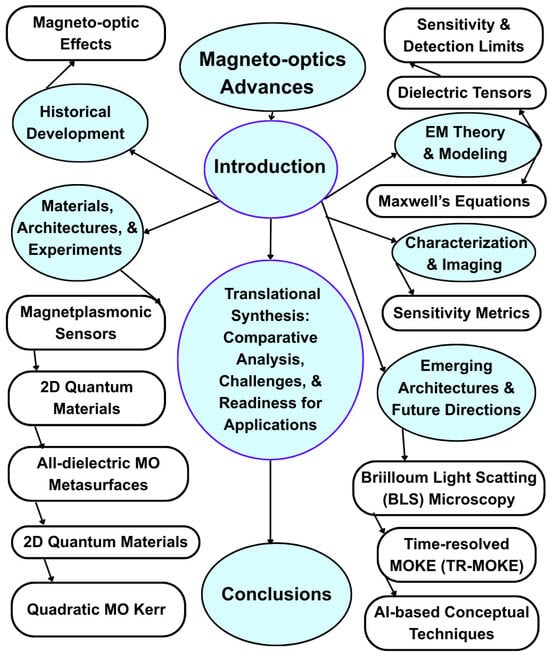
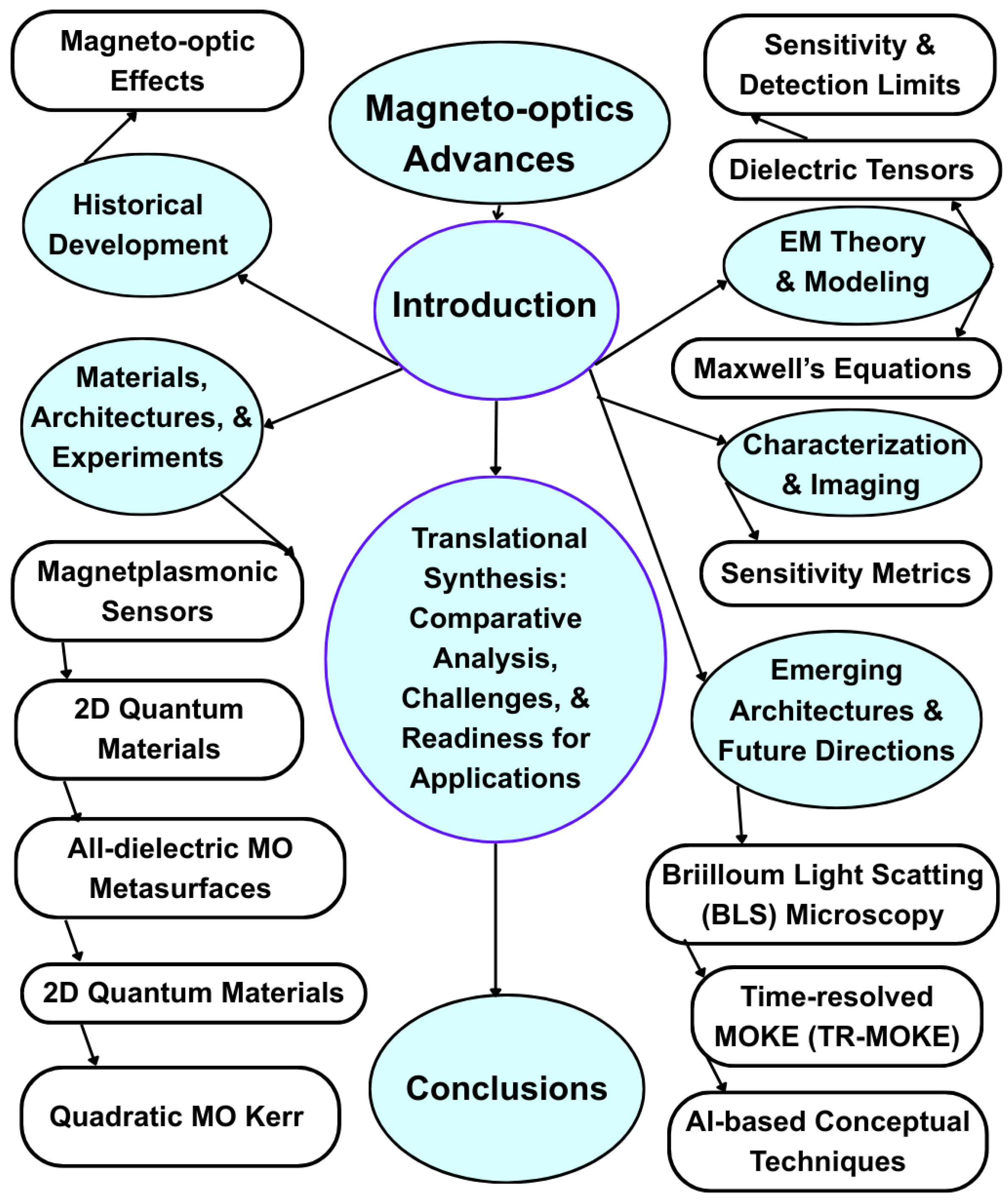
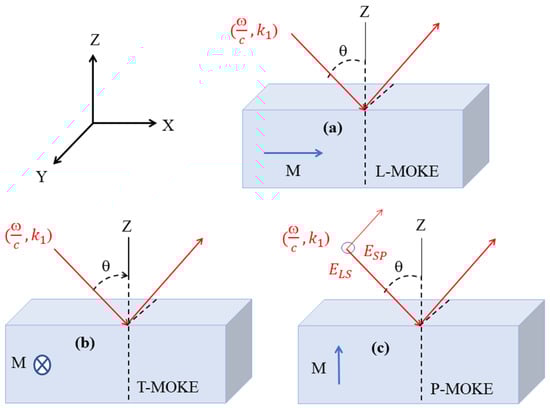
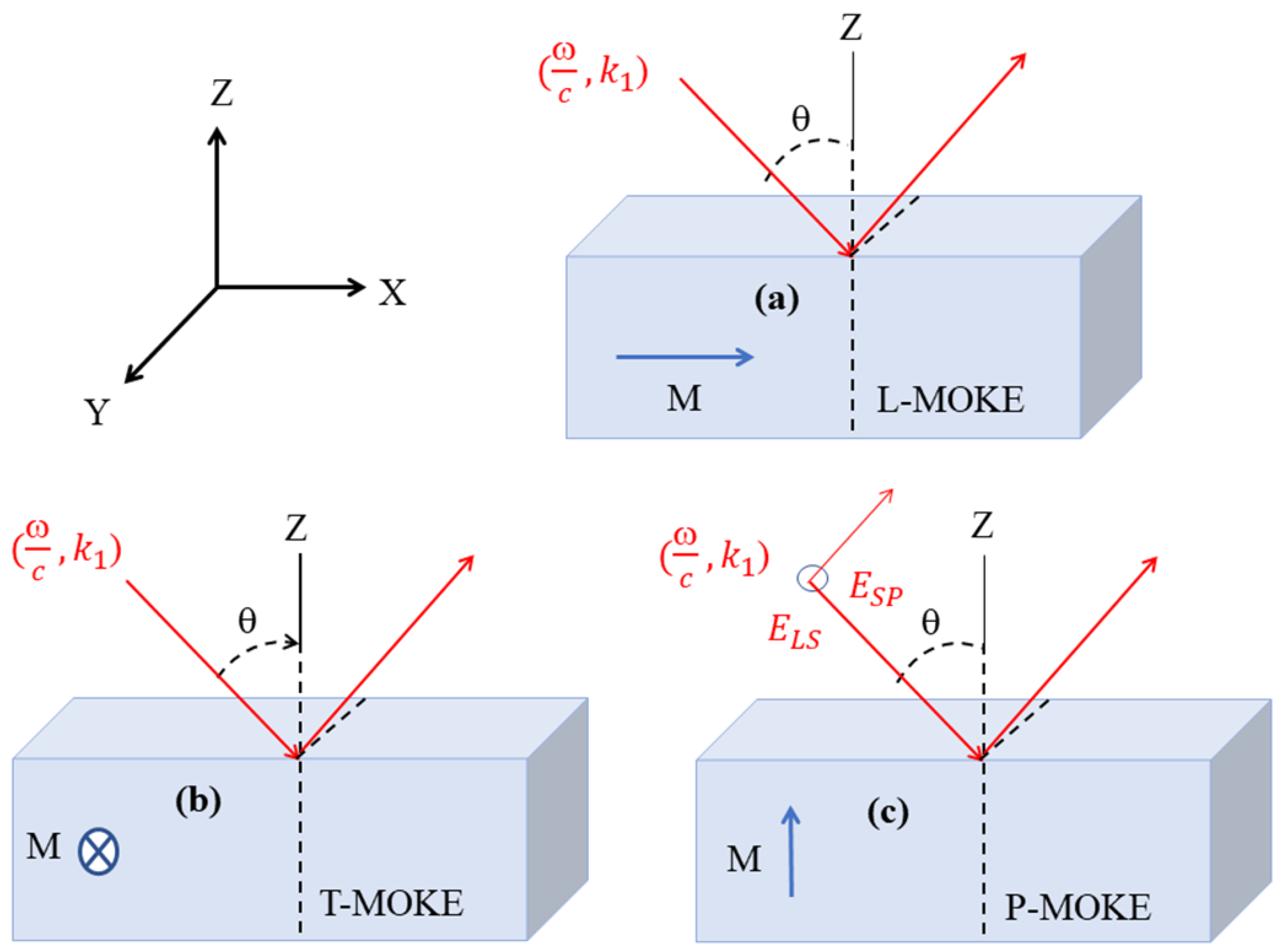
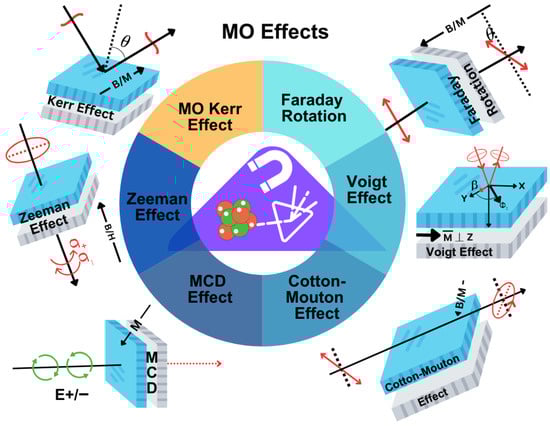
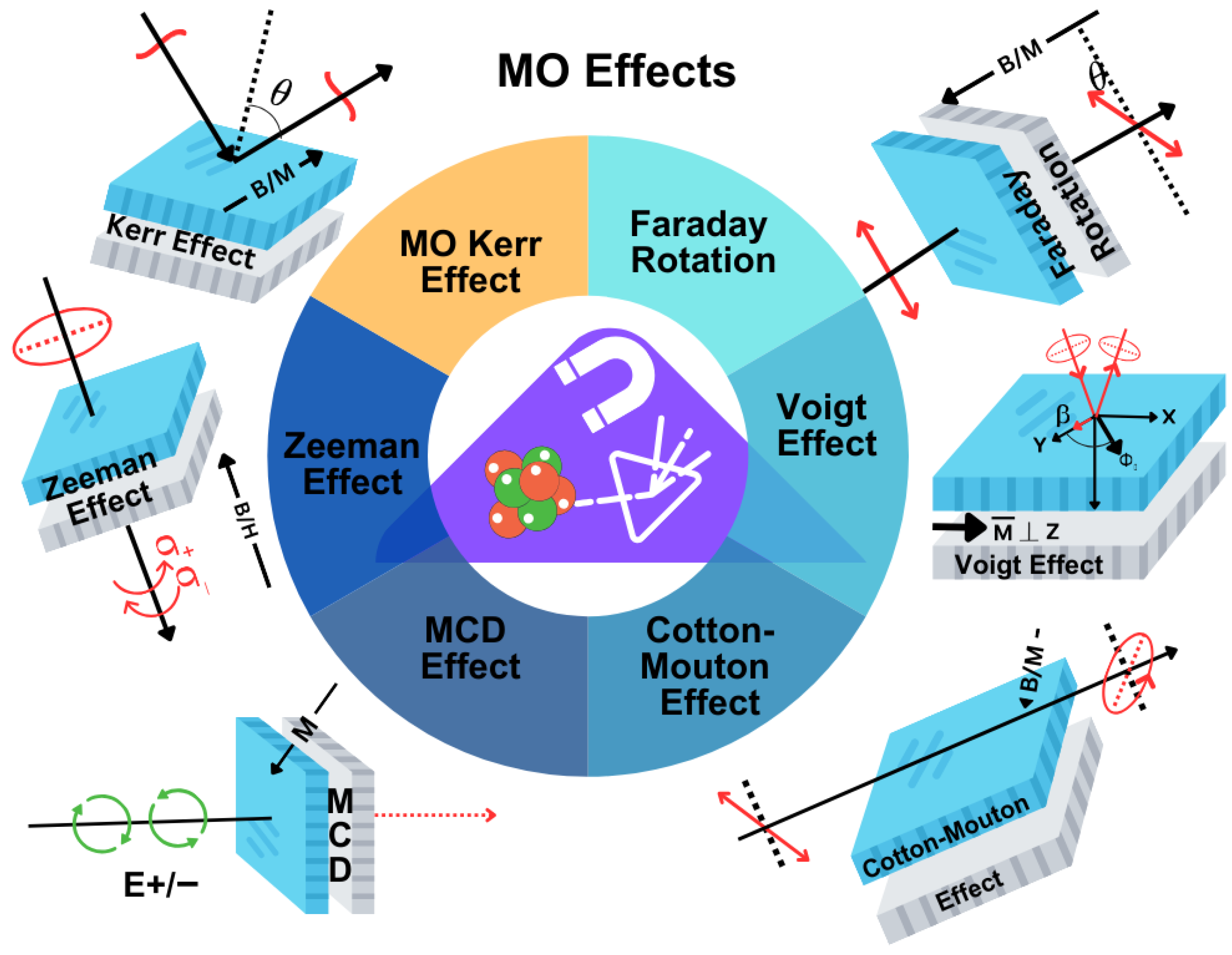
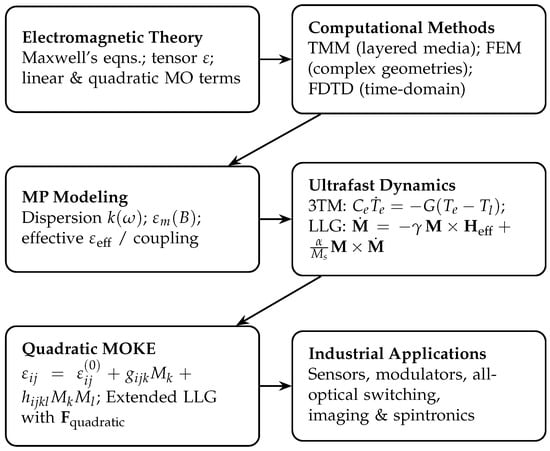
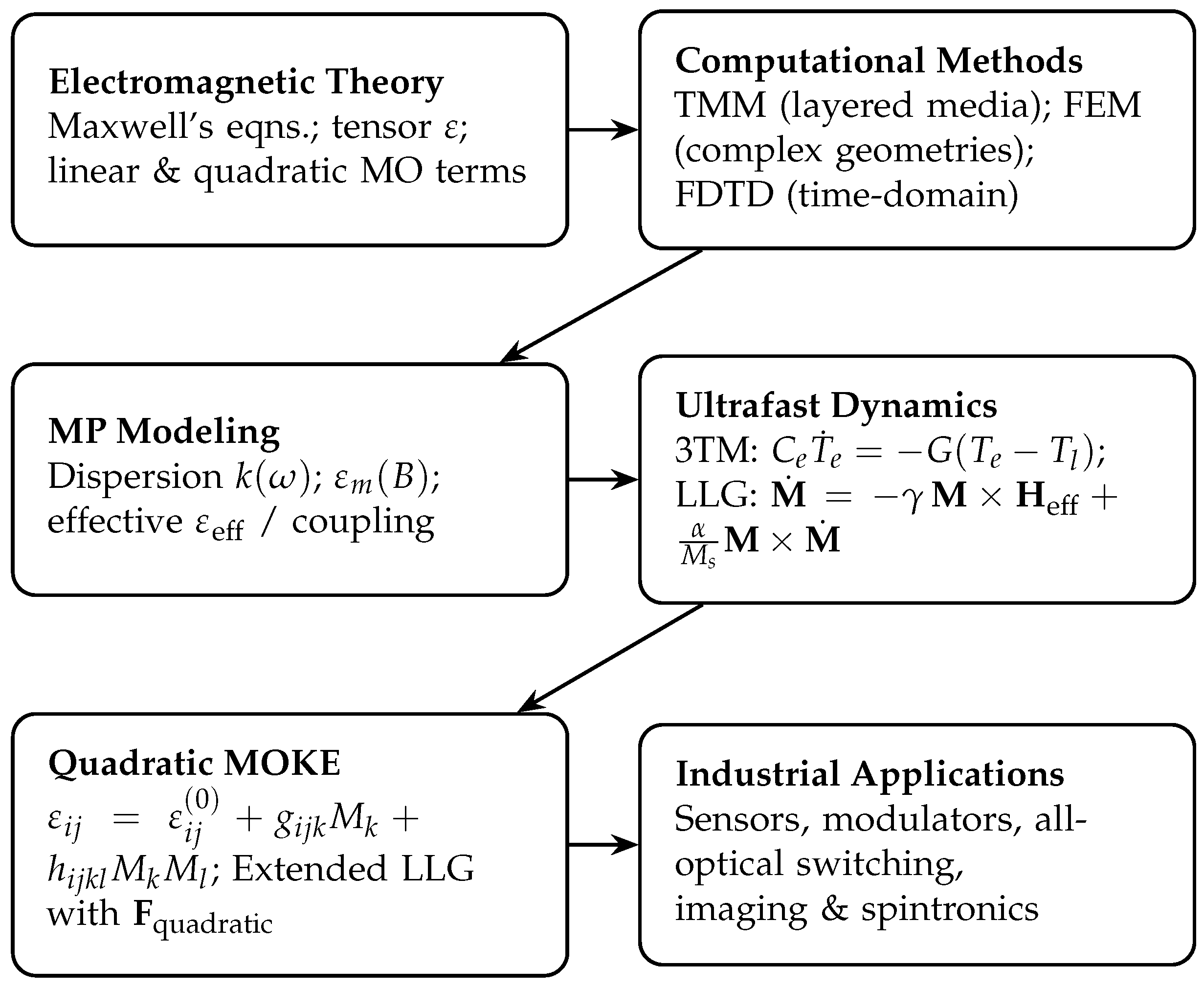
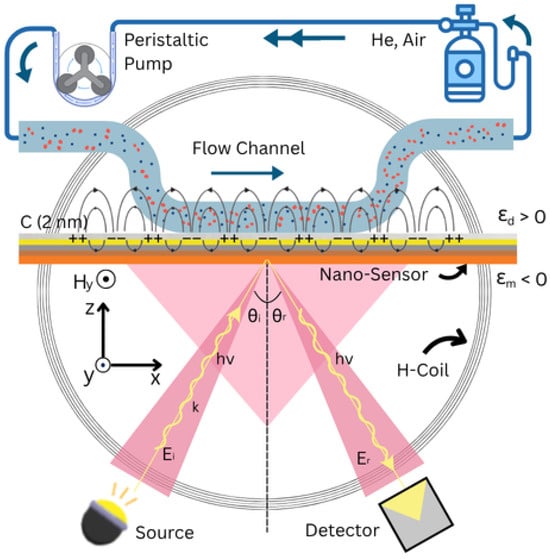
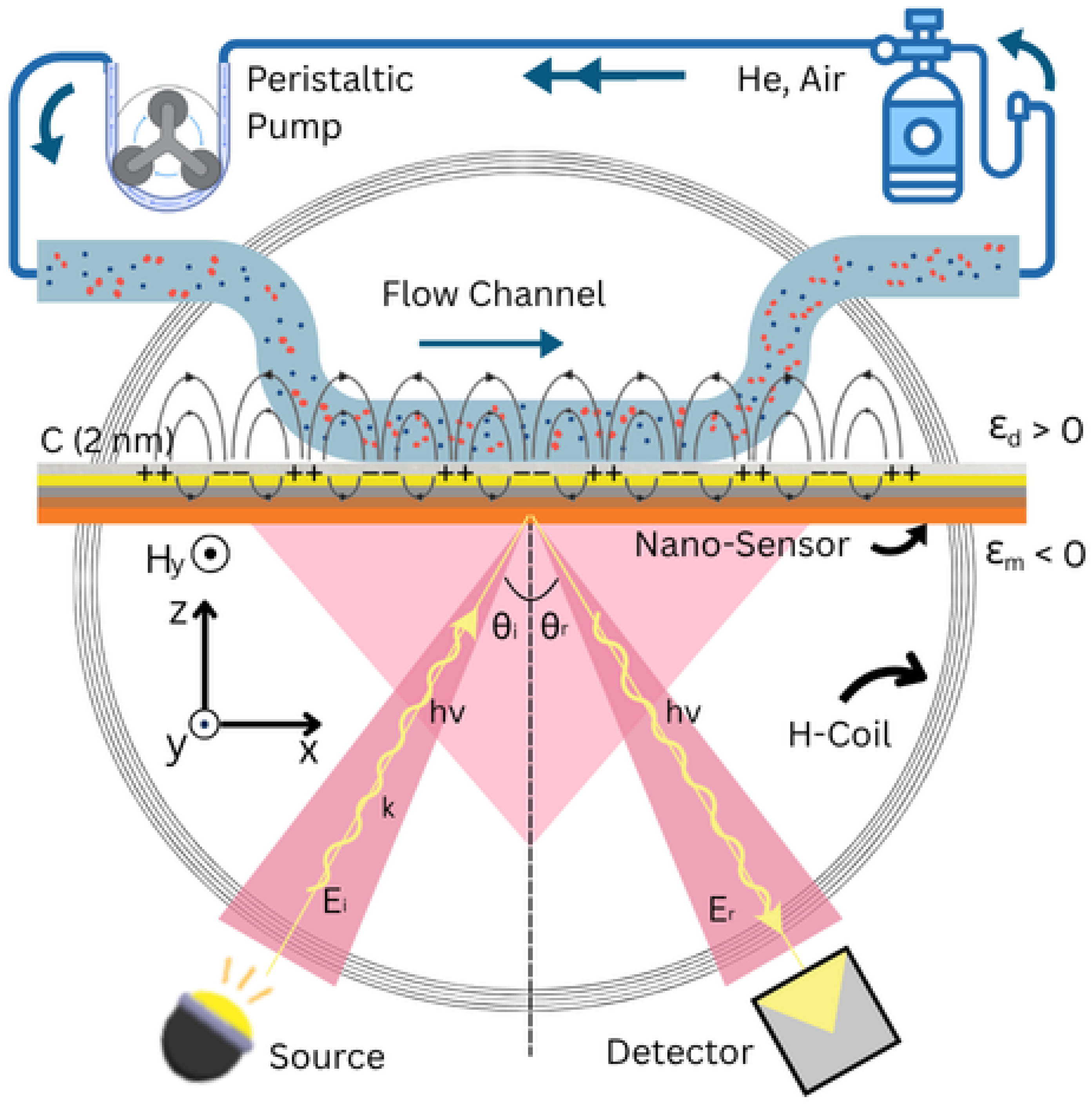
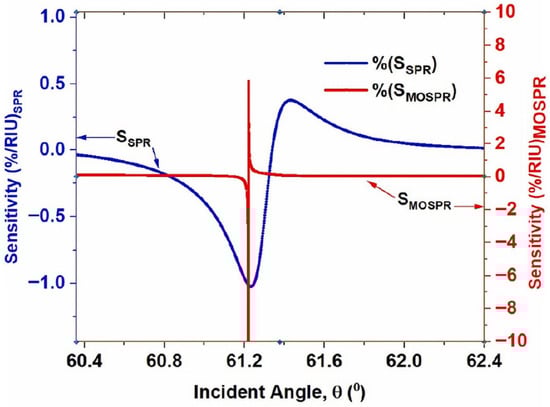
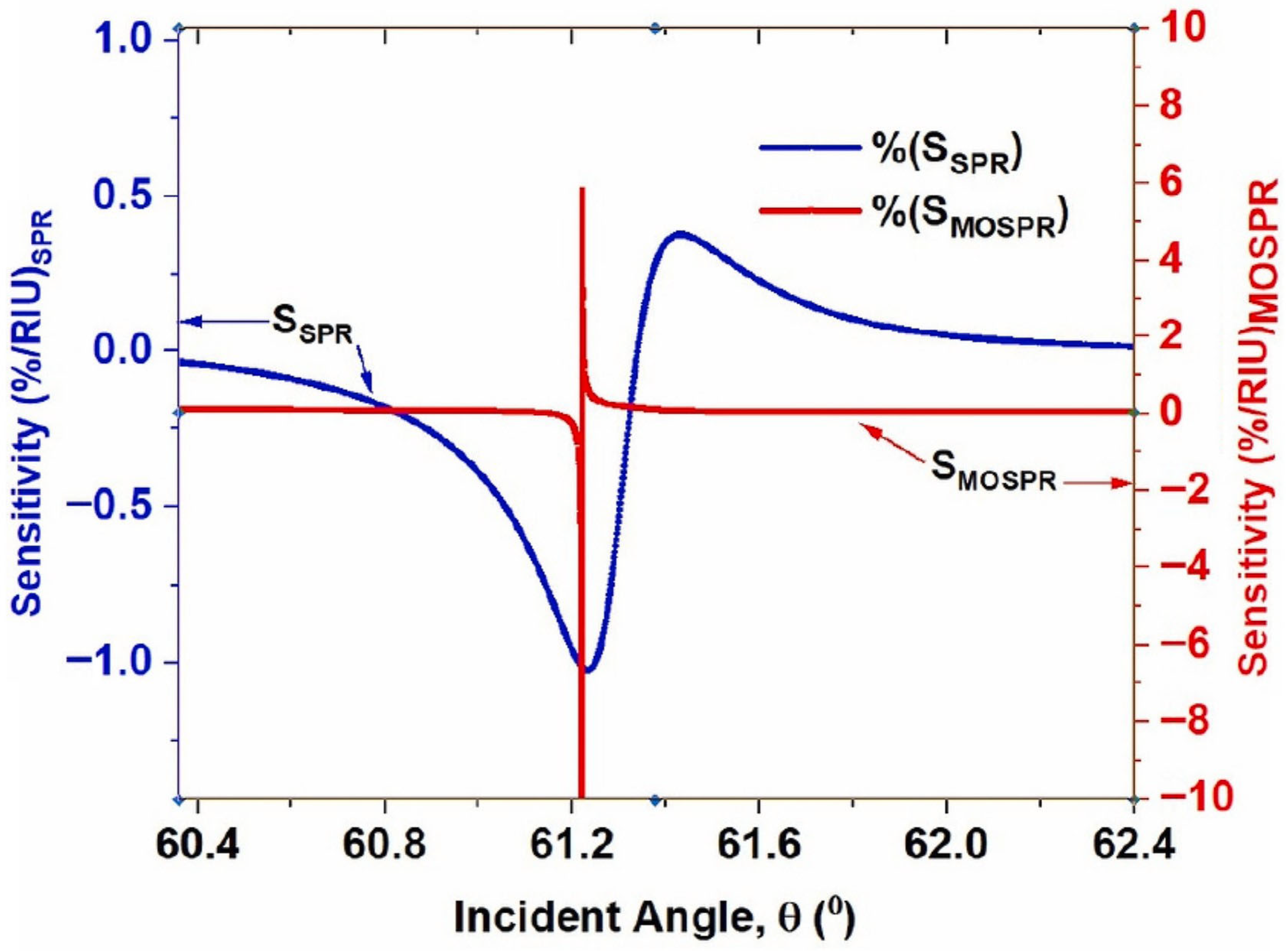

Disclaimer/Publisher’s Note: The statements, opinions and data contained in all publications are solely those of the individual author(s) and contributor(s) and not of MDPI and/or the editor(s). MDPI and/or the editor(s) disclaim responsibility for any injury to people or property resulting from any ideas, methods, instructions or products referred to in the content. |
© 2025 by the author. Licensee MDPI, Basel, Switzerland. This article is an open access article distributed under the terms and conditions of the Creative Commons Attribution (CC BY) license.