


Abstract
The aim of this project is to verify the suitability of three-dimensional (3D) scanners with computer-aided systems as a new method of geometric feature inspection. Three-dimensional scanners are widely used for field recording and model reconstruction. However, at present, 3D scanning is rarely used in the field of inspection in the production process. This paper uses the Artec Leo 3D scanner as the basic equipment, randomly selects three different shapes of products for scanning, and then uses computer-aided software to optimize and feature the model. The analysis of the characteristics of the measurement data shows that the scanner has the potential to be used as an inspection tool in industrial production processes.
1. Introduction
Despite the rapid development of non-contact 3D scanners, their application in the industrial field is still relatively rare, especially in the inspection process of industrial production lines [1]. In this context, manual inspection and semi-automatic inspection still account for most of the inspection process. How to improve production efficiency, save costs, and improve product quality is the main problem that enterprises face in the process of product development [2,3]. As an accurate and comprehensive aid, 3D scanning has the potential to replace the human eye and other inspection tools to measure the quality and characteristics of objects. In previous work, CCD and image analysis software were used to build automated inspection systems for inspecting the quality of sandwiches produced in automation [4,5]. Semiconductor devices are also used for individual and batch process inspection, and a potential automation scheme is proposed [6].
This project uses Artec Leo 3D Scanner as the base equipment. Three products with different shapes are randomly selected first for scanning, and then the scanned model is optimized and inspects the model features by using computer-aided software.
2. Methodology
2.1. Scaning of the Products
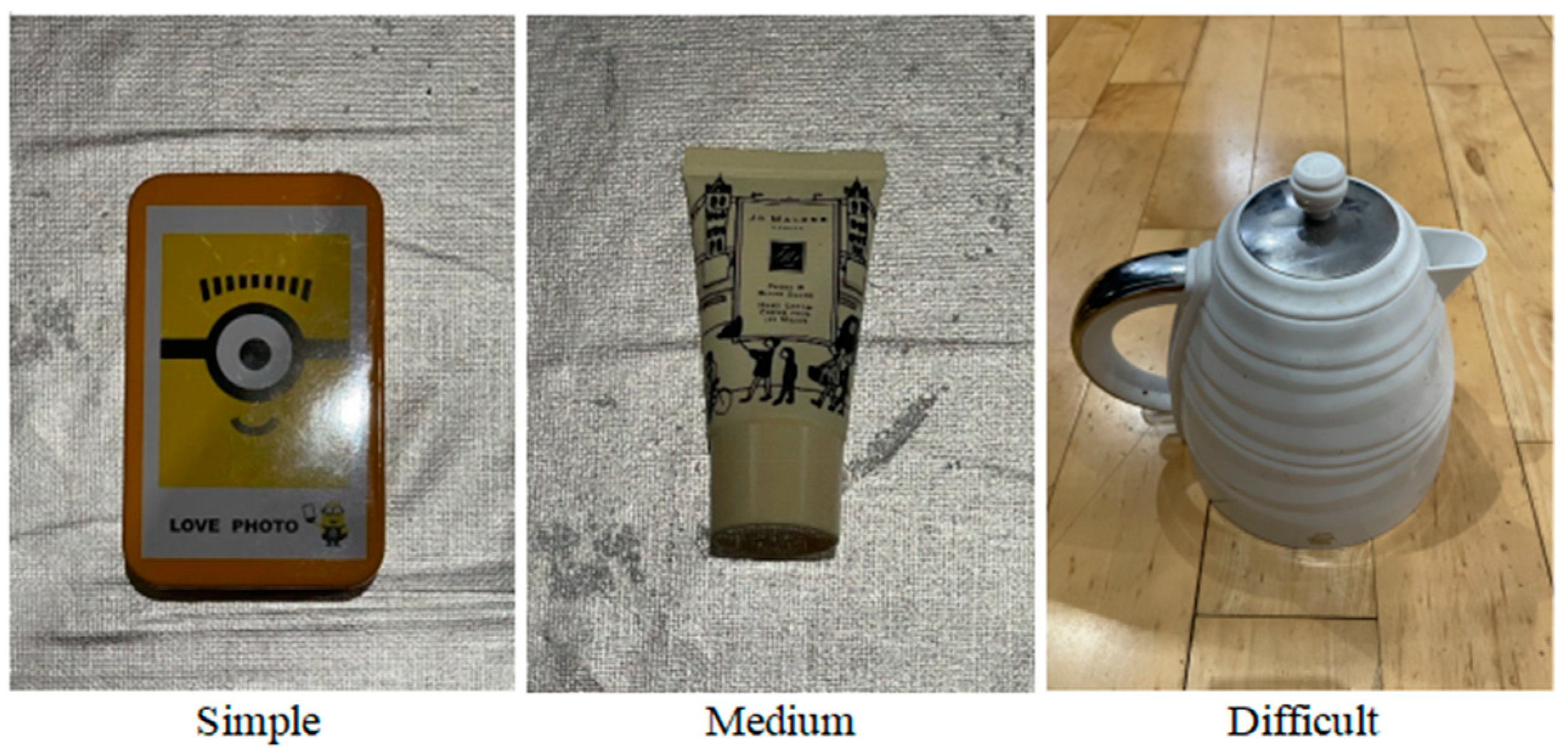
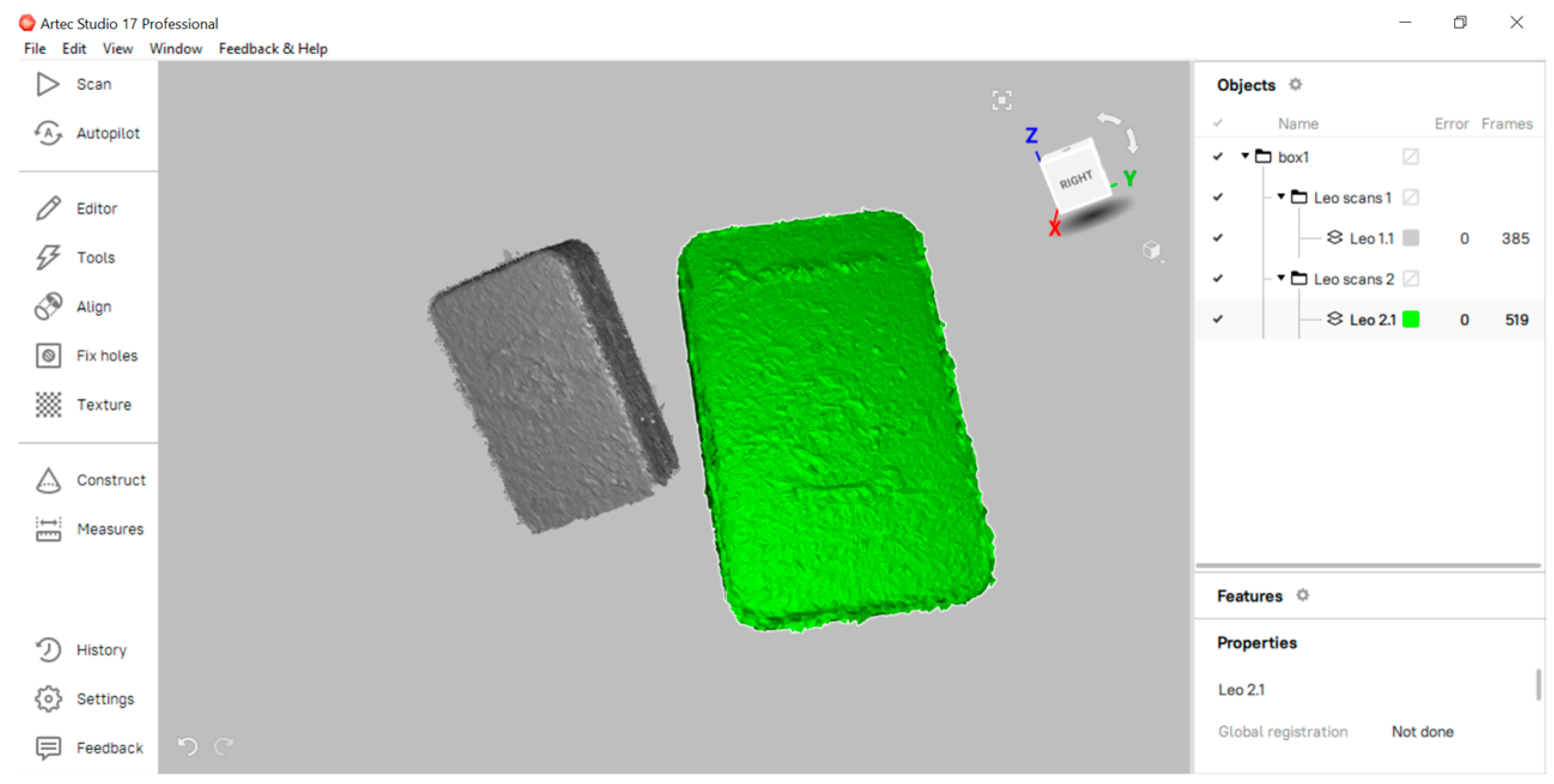
As shown in Figure 1, three products with different features and inspection difficulties are selected, then scanned in order from simple to difficult. The product is placed on a background that is different from its own colour, and the handheld scanner scans the product at about 1.5 m from the product. After the first scan, the product is flipped so that the side in contact with the background is exposed, and then a second scan is performed. Then, it is imported to the Artec Studio. Figure 2 shows the results of scanning the front and back sides of the same product. They are shown in different colors; Artec Studio is used to erase the excess lines and then align them together to repair the product.
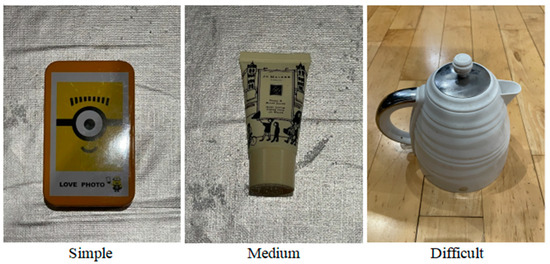
Figure 1.
Products for scanning inspection.
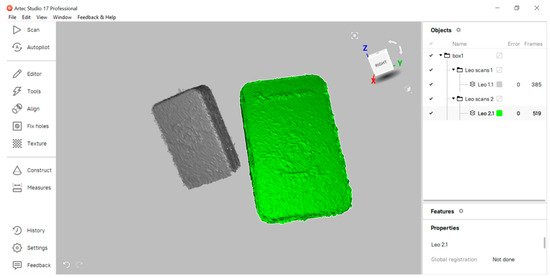
Figure 2.
Import the project.
2.2. Measurement of Features
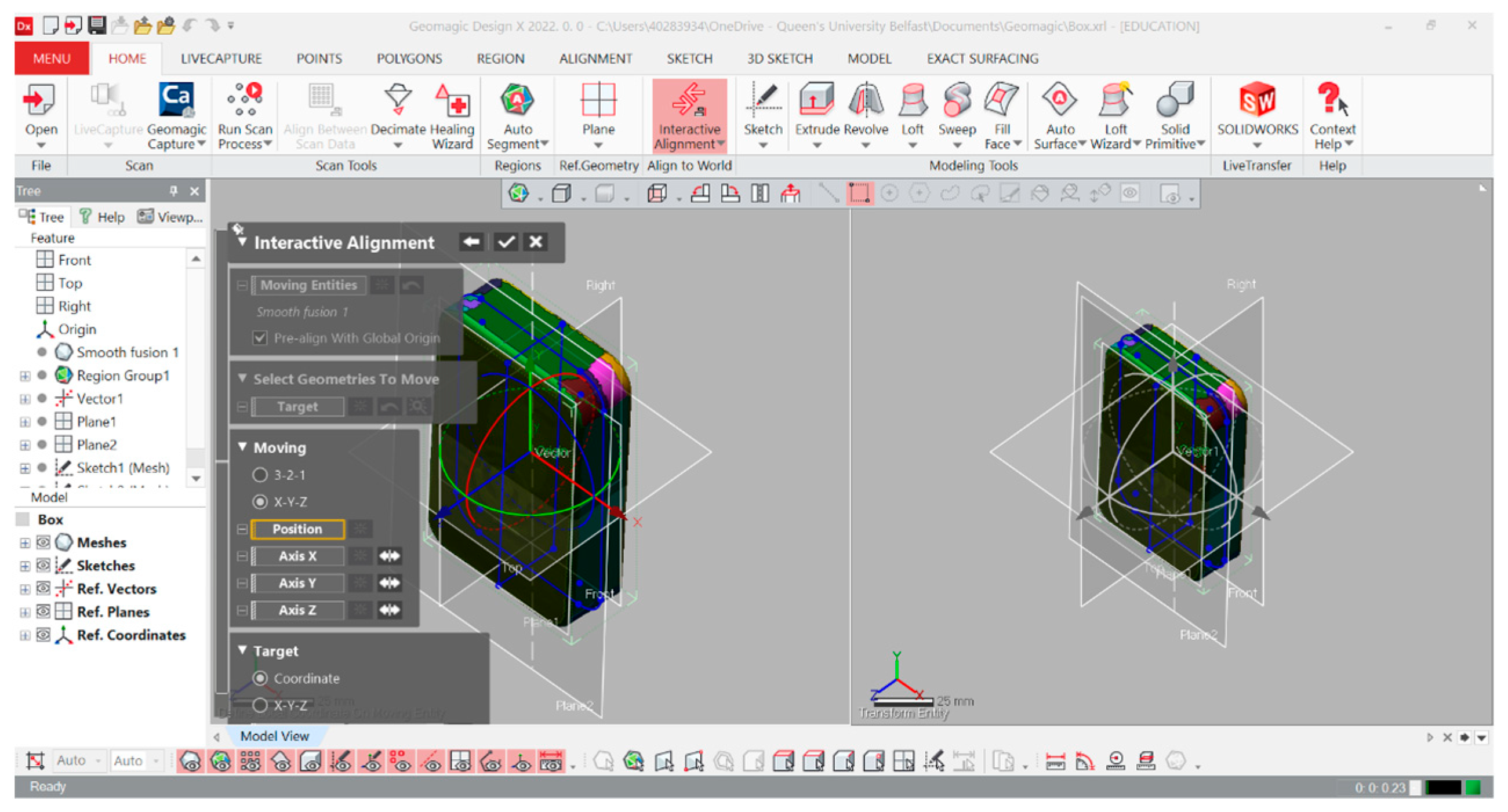
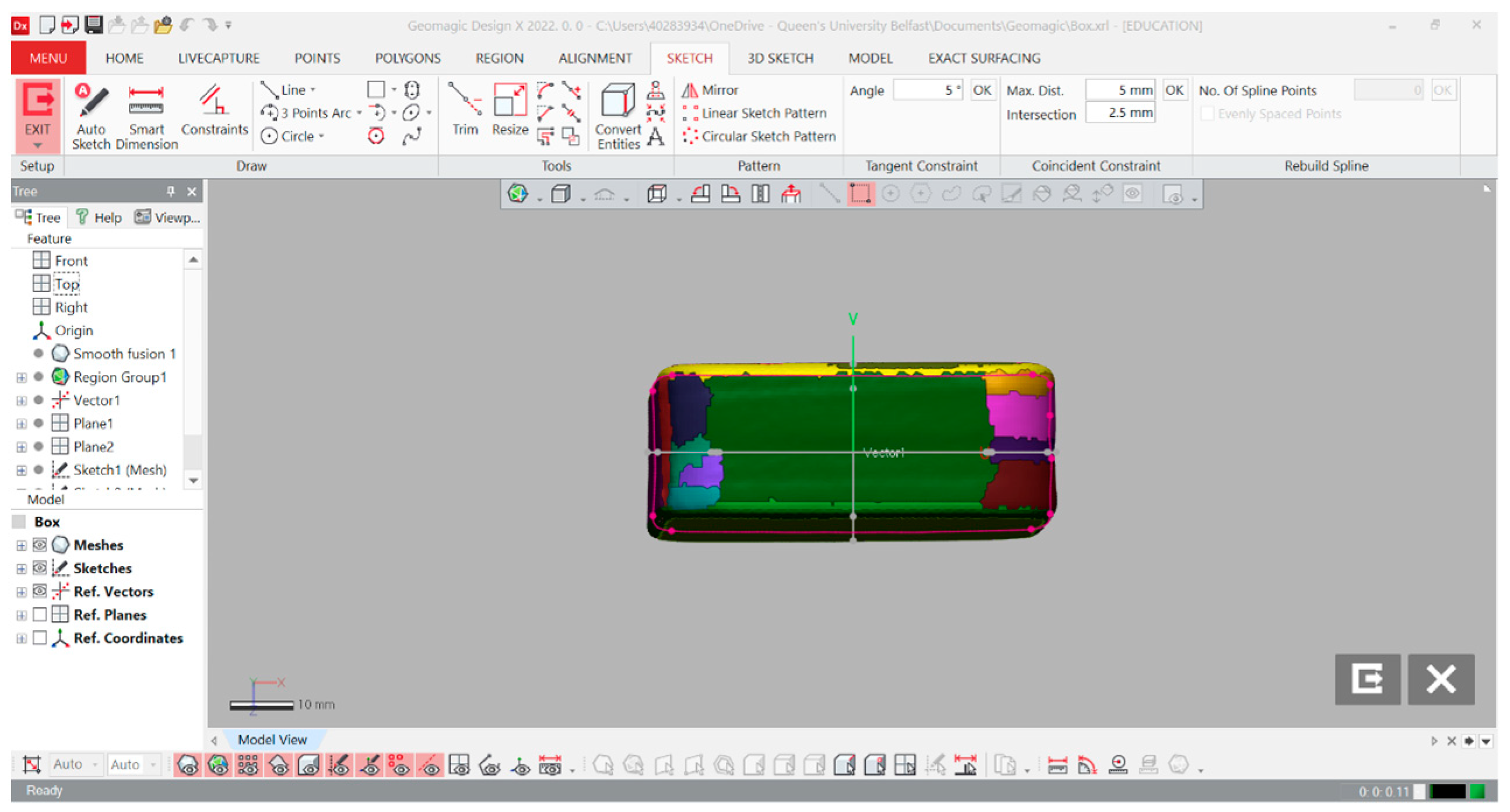
The processed scan products are exported to Geomagic Design X for data analysis. First, the model’s three-dimensional coordinate system is built based on the product’s centre point (as shown in Figure 3). Then, the three-dimensional datum of the model is selected as the base plane to enter sketch mode (as shown in Figure 4). Finally, the outlines of the products are drawn using sketches, and the main characteristic data of the items are measured according to the contour information.
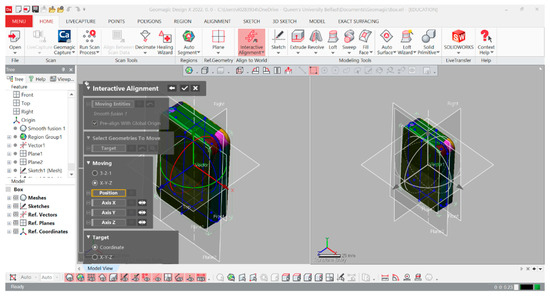
Figure 3.
The 3D coordinate system of the model.
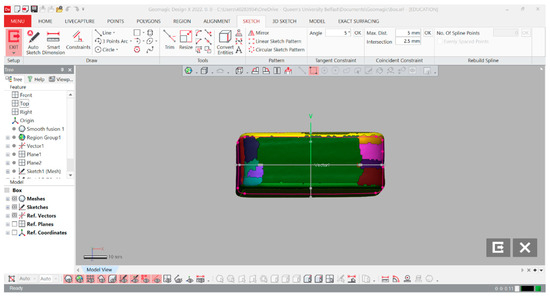
Figure 4.
Enter sketch mode.
3. Results and Discussion
3.1. Model Feature
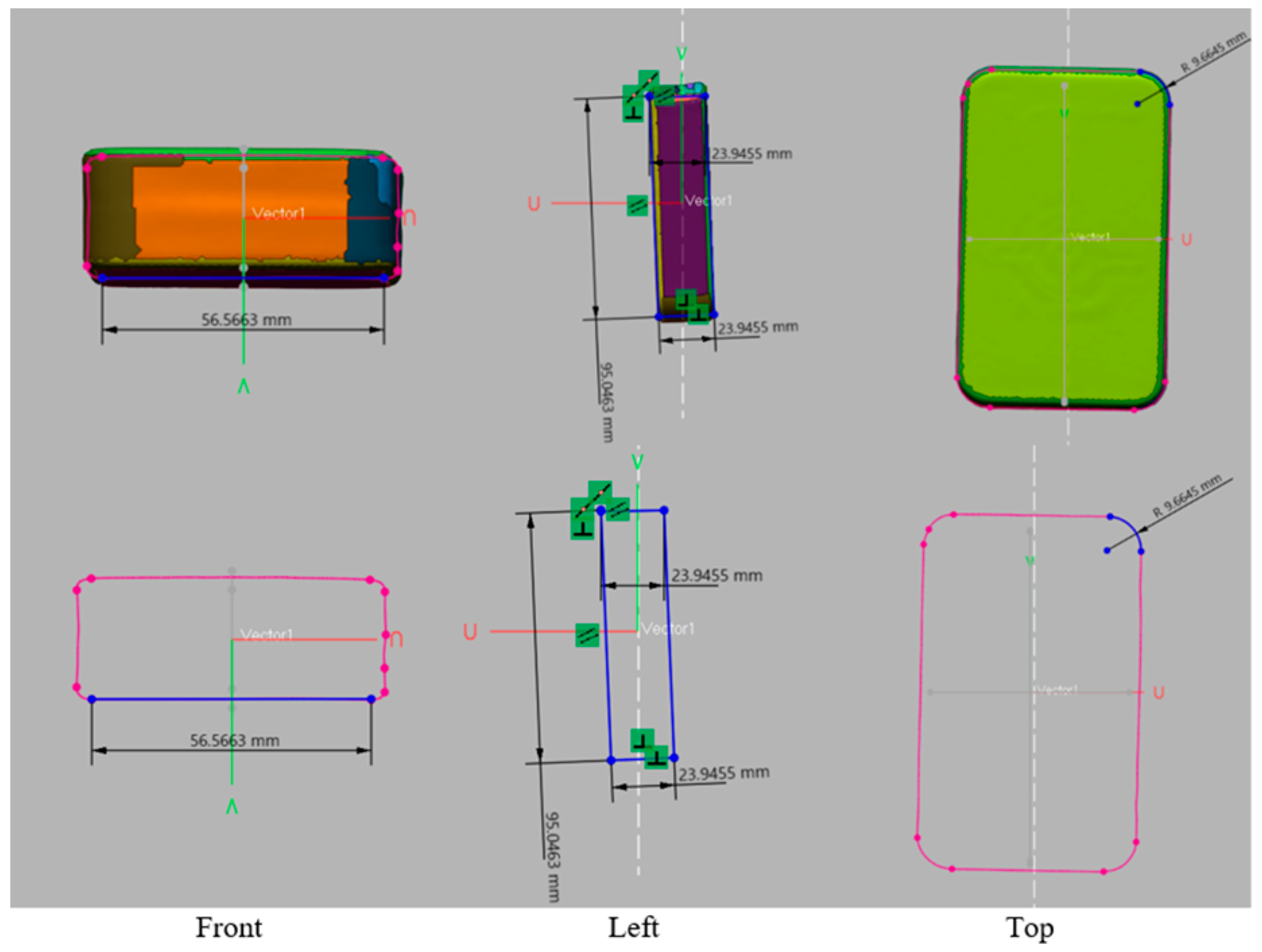
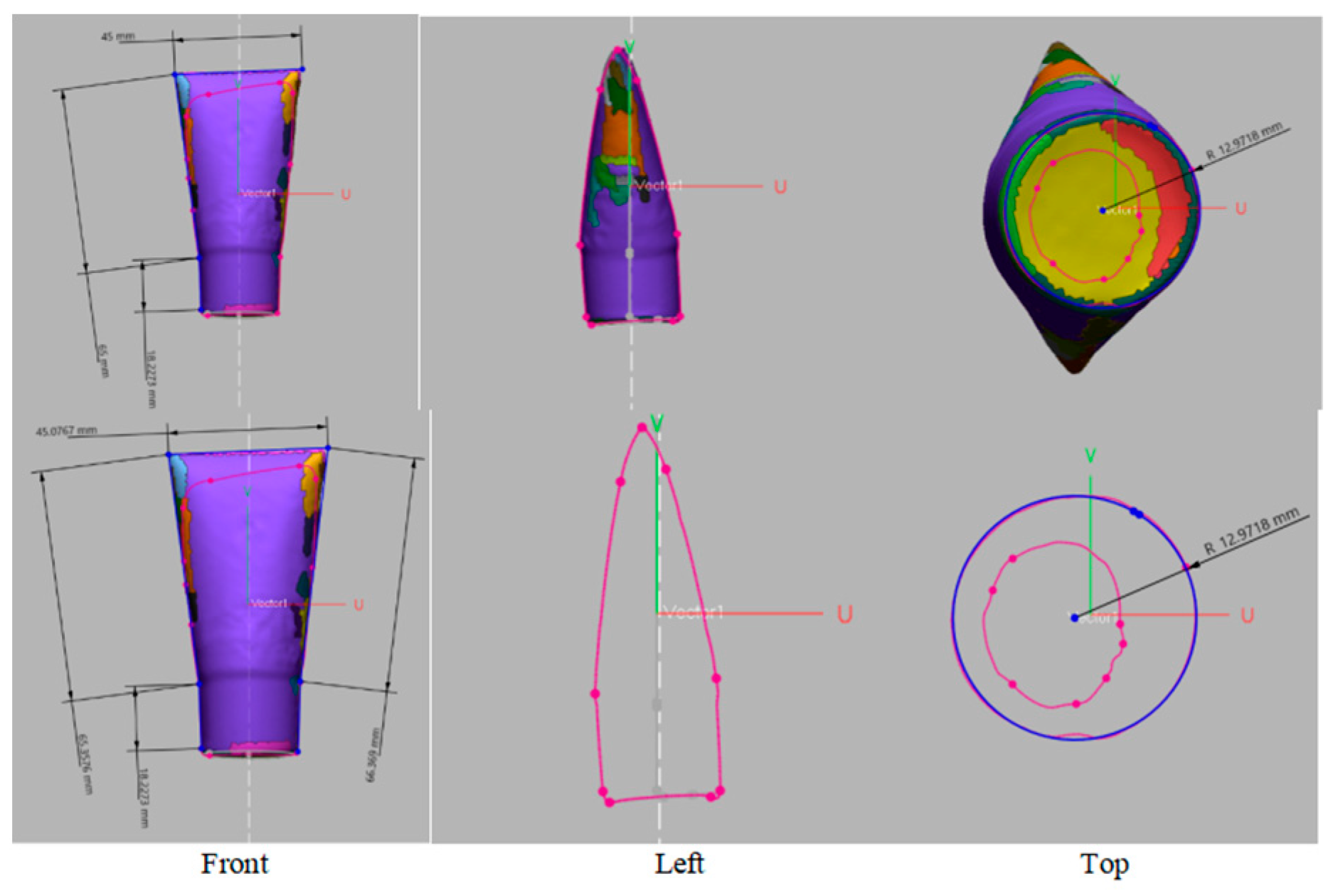
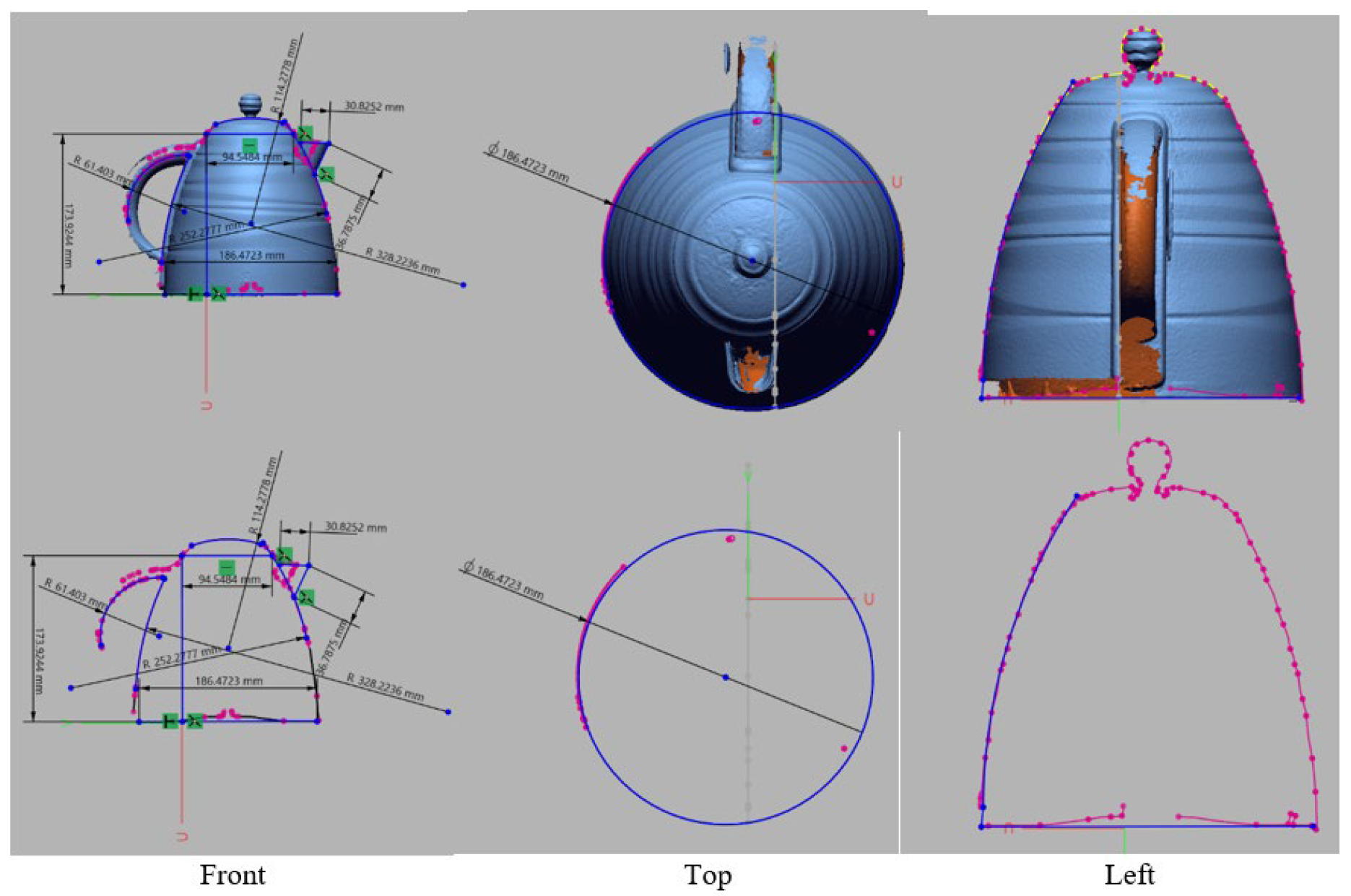
Regarding the feature measurements of the model, the characteristic data and projection of the model are based on the three-dimensional coordinate plane and the desired measured features as shown in Figure 5, Figure 6 and Figure 7, respectively.
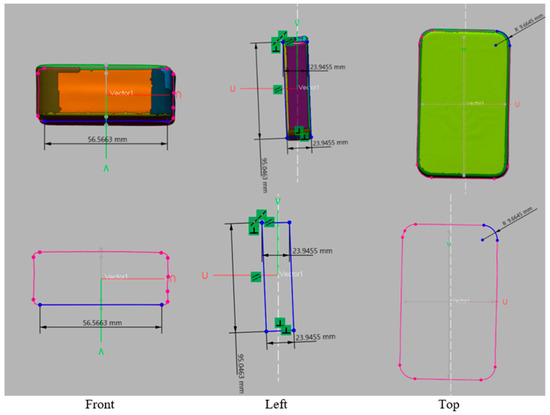
Figure 5.
Simple model features.
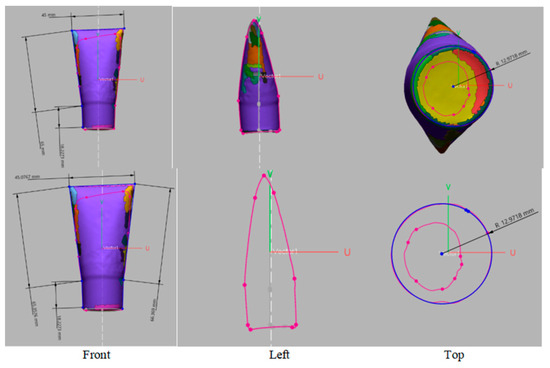
Figure 6.
Simple model features.
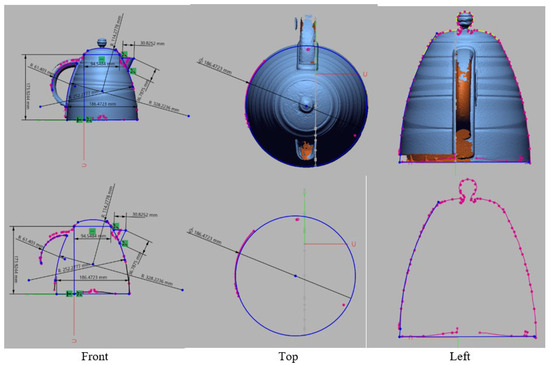
Figure 7.
Simple model features.
3.2. Compare with a Manual Inspection Method
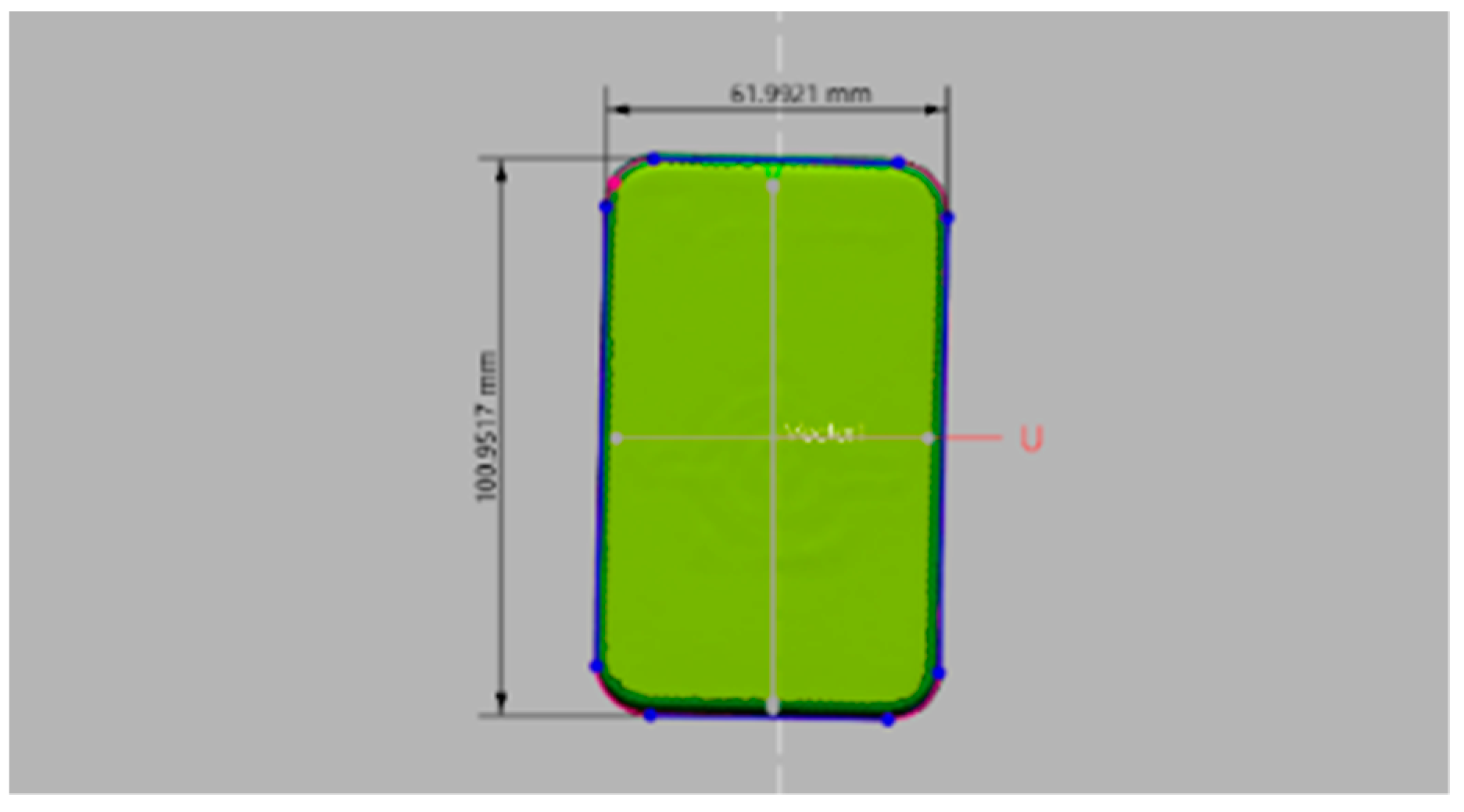
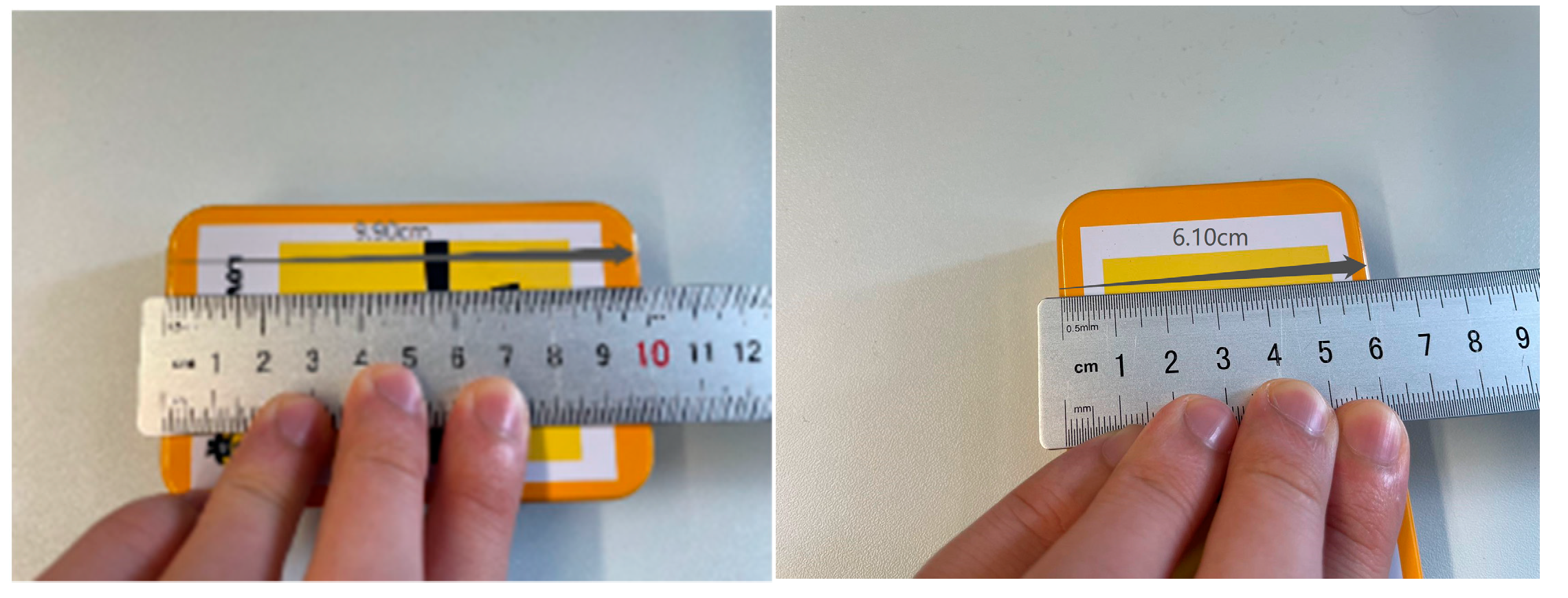
As shown in Figure 8 and Figure 9, by comparing the calculation results of computer-aided software with the manual inspection results, it can be seen that the error between them is roughly 1 mm, and the results obtained by 3D scanning can achieve an accuracy of 0.0001 mm, which is more precise.
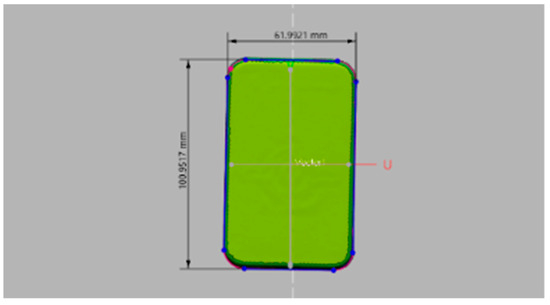
Figure 8.
Computer-aided software inspects the length of the simple model.
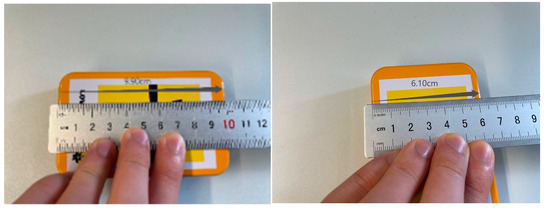
Figure 9.
Manual inspection of the length of the simple model.
4. Conclusions
Artec Leo 3D scanners have a fast scanning speed, allowing them to quickly scan objects and generate corresponding digital 3D models. However, in the scanning process, it is preferable to use a background that is different from the color of the object, making it convenient for the scanner to distinguish the product from the background and reduce the difficulty of post-processing. Moreover, if the material of the scanned product is transparent and/or highly reflective, a reflective coating that is easy to clean needs to be applied to the outside of the product.
As can be seen from the results, the Artec Leo 3D scanner has a high level of accuracy. Under the calculation of computer-aided software, it can reach 0.0001 mm. Moreover, the scanner performs extremely well in measuring different shapes and features. Through the measurement comparison of the two qualified products, it can also be verified that the scanning accuracy is high, and the error range is controlled within 1 mm. This provides an important guarantee for the scanner as an inspection tool.
Author Contributions
Conceptualization, C.L. and M.A.A.R.; methodology, C.L. and M.A.A.R.; software, C.L.; validation, C.L.; formal analysis, C.L.; investigation, C.L.; resources, C.L.; data curation, C.L.; writing—original draft preparation, C.L.; writing—review and editing, C.L. and M.A.A.R.; visualization, C.L.; supervision, M.A.A.R. and P.G.M.; project administration, C.L.; funding acquisition, M.A.A.R. All authors have read and agreed to the published version of the manuscript.
Funding
This research received no external funding.
Institutional Review Board Statement
Not applicable.
Informed Consent Statement
Not applicable.
Data Availability Statement
No new data were created.
Acknowledgments
The authors are grateful to the academic and technical staff in the School of Mechanical and Aerospace Engineering, Queen’s University Belfast, for providing material support and other helpful information.
Conflicts of Interest
The authors declare no conflict of interest.
References
- Helle, R.H.; Lemu, H.G. A case study on use of 3D scanning for reverse engineering and quality control. Mater. Today Proc. 2021, 45, 5255–5262. [Google Scholar] [CrossRef]
- Ghobakhloo, M. Industry 4.0, digitization, and opportunities for sustainability. J. Clean. Prod. 2020, 252, 119869. [Google Scholar] [CrossRef]
- Sony, M.; Naik, S. Key ingredients for evaluating Industry 4.0 readiness for organizations: A literature review. Benchmarking Int. J. 2020, 27, 2213–2232. [Google Scholar] [CrossRef]
- Lin, C.; Rahman, M.A.A.; Maropoulos, P.G. Enhancing the quality inspection process in the food manufacturing industry through automation. In Proceedings of the 2022 8th International Conference on Control, Decision and Information Technologies (CoDIT), Istanbul, Turkey, 17–20 May 2022; Volume 1, pp. 379–384. [Google Scholar]
- Lin, C.; Rahman, A.A.; Maropoulos, P. Reconfiguration of quality inspection approach to the food processing industry. In Proceedings of the 38th International Manufacturing Conference (IMC38), Dublin, Ireland, 30 August 2022; pp. 207–214. [Google Scholar]
- Rahman, M.A.A.; Lin, C.; Maropoulus, P.G.; Teoh, W.S.; Rahman, A.A.A.; Mohamad, E. Design and Validation of an Automation Strategy for the Strip Test Process in the Semiconductor Industry. In Proceedings of the 2023 International Conference on Robotics and Automation in Industry (ICRAI), Peshawar, Pakistan, 3–5 March 2023; pp. 1–6. [Google Scholar]
Disclaimer/Publisher’s Note: The statements, opinions and data contained in all publications are solely those of the individual author(s) and contributor(s) and not of MDPI and/or the editor(s). MDPI and/or the editor(s) disclaim responsibility for any injury to people or property resulting from any ideas, methods, instructions or products referred to in the content. |
© 2024 by the authors. Licensee MDPI, Basel, Switzerland. This article is an open access article distributed under the terms and conditions of the Creative Commons Attribution (CC BY) license (https://creativecommons.org/licenses/by/4.0/).