1. Introduction
As global energy consumption rates continue to rise, the issue of greenhouse gas (GHG) emissions has become increasingly severe, prompting governments and international organizations to accelerate the development of emission reduction policies and regulatory frameworks [
1]. The research indicates that the systematic replacement of fossil fuels with renewable energy sources can significantly reduce net anthropogenic carbon dioxide (CO
2) emissions, thereby effectively mitigating the progression of climate change [
2]. As one of the earliest renewable energy sources utilized by humankind, biomass energy is widely regarded as a key component of future low-carbon energy systems due to its carbon cycling characteristics and potential for sustainable utilization [
3]. For many years, the annual global production of wood pellets has been steadily increasing, rising from 27 million metric tons in 2015 to approximately 47 million metric tons in 2020 [
4]. With the large-scale application of wood chips in the energy sector, safety incidents arising during their production, storage, and transportation have increasingly drawn attention. Exhaust gases and self-heating have been identified as the primary challenges in the large-scale storage and transportation of wood pellet fuel [
5,
6]. The storage of large quantities of wood chips in enclosed spaces generates multiple gases, including carbon monoxide (CO), CO
2, methane (CH
4), and various volatile organic compounds (VOCs) such as hexanal and monoterpenes [
7]. Among these emissions, VOCs have drawn particular attention due to their complex chemical behavior and dual impacts on both the environment and human health.
In recent years, extensive research has focused on the variations in Biogenic VOCs (BVOC) emissions among tree species, the mechanisms of environmental regulation, and the differences observed during wood processing and storage [
8]. Bao et al. [
9] evaluated the BVOC emission characteristics of 357 plant species. The results indicated that 89% of deciduous trees emitted isoprene, monoterpenes, and sesquiterpenes, whereas only 53% of evergreen trees did so. The effects of environmental stress on the emission of different BVOC types exhibited distinct compound specificity. Lun et al. [
10] reviewed the influencing factors of BVOC emissions in Asia. The study indicated that BVOC emissions were significantly affected by vegetation type, environmental factors, and anthropogenic disturbances. Yang et al. [
11] experimentally investigated the effect of temperature on BVOC emissions. The results showed that the moderately elevated temperature between 303 K and 313 K significantly enhanced BVOC emissions, whereas exceeding the optimal temperature range led to a decrease in BVOC emissions. Lüpke et al. [
12] studied the effects of summer drought on VOCs emissions, and found that isoprene emission rates decreased from 0.60 nmol/(m
2·s) to 0.19 nmol/(m
2·s), a 70% reduction, but recovered to normal levels after humidification.
In specific studies on the impact of ventilation on VOCs emissions, scholars have made significant discoveries through experiments [
13]. Caron et al. [
14] investigated the effect of ventilation on VOCs emissions from wood particleboard based on experimental data. Results indicated that when the air change rate increased from 2.5 air changes per hour to 5.5 air changes per hour, the formaldehyde release rate significantly increased by 28% (from 214.6
to 274.2
). Hormigos-Jimenez et al. [
15] proposed a method for determining ventilation rates based on total volatile organic compounds (TVOC) emissions. Their research indicates that TVOC concentrations in newly renovated buildings peak during the initial period (within 3 months), requiring a ventilation rate of 1.28 air changes per hour. This requirement decreases to 0.31 air changes per hour after 2 years. Domhagen et al. [
16] employed passive sampling and ventilation humidity monitoring to determine that indoor VOCs concentrations are primarily governed by absolute humidity and ventilation rates, with temperature exerting a lesser influence. Joo et al. [
17] analyzed the effects of ventilation patterns and space occupancy on VOCs removal efficiency. Results indicated that introducing 50% fresh air reduced TVOC by 55.1%. The highest TVOC concentration observed on occupied days was 919.2% higher than that on unoccupied days during the same period.
CFD has been proven to be an effective and powerful method to simulating three-dimensional visualization pollutant concentration fields [
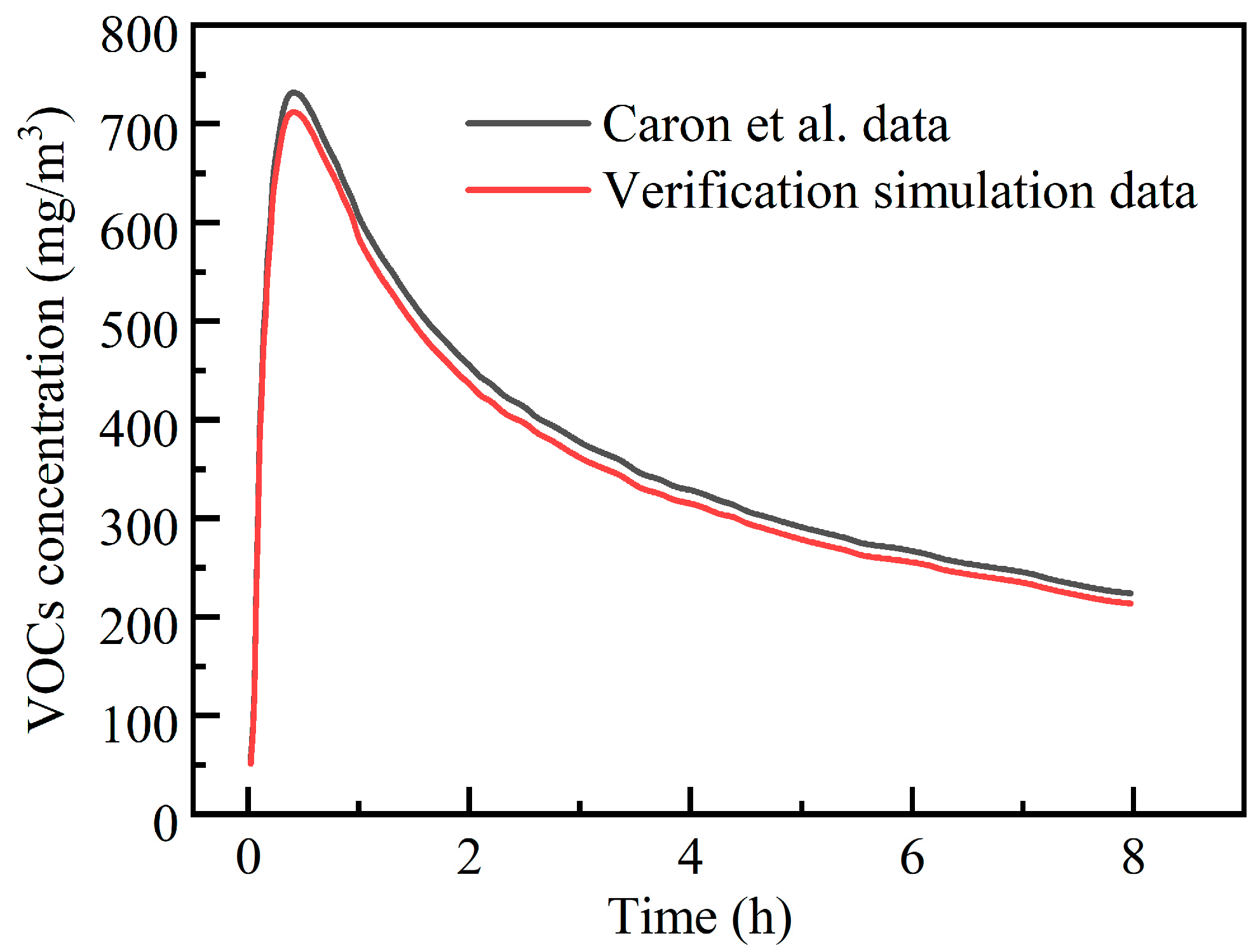
18]. Caron et al. [
19] employed the dynamic distribution patterns of various VOCs emitted from particleboard in ventilated chambers using a combined experimental and numerical simulation approach. Their primary finding was that simulated concentrations of key VOCs such as formaldehyde and acetone showed good agreement with experimental data. Zhang et al. [
20] investigated the influence of ventilation parameters on VOCs purification efficiency using CFD technology. Through comparative analysis with the Langmuir–Hinshelwood kinetic model, they found that their predictions deviated from the L–H model by only 0.8% on surface-average while reducing computational time by 99%.
Egedy et al. [
21] conducted CFD simulations on VOCs removal processes in industrial silos, ultimately determining that a purge flow rate of 3 m
3/h at 353 K represents the optimal operating condition. This configuration ensures efficient removal while minimizing energy consumption. Malayeri et al. [
22] investigated the effect of passive removal materials (PRM) on formaldehyde concentration distribution in a test chamber by establishing a CFD model. Results indicated that the presence of PRM significantly reduced indoor formaldehyde levels under various air supply configurations, with formaldehyde removal efficiency in the breathing zone increasing by 38.4% to 47.2%. Yoo et al. [
23] developed an optimization design method for bus stop air purification systems, determining the optimal layout for purification equipment, with the system achieving a maximum purification efficiency of 35.9%. Teodosiu et al. [
24] simulated VOC emissions from office equipment under cold, neutral, and warm supply air conditions, confirming that variations in supply air temperature induce highly non-uniform concentration distribution fields and exposure levels. Nandan et al. [
25] analyzed the release characteristics of VOCs in printing plants. Results indicated that as operating time, temperature (308~313 K), and printing speed (120~200 copies per hour) increased, emissions of volatile organic compounds, benzene, and toluene rose from 0.09 to 1.13 ppm, 0.17 to 1.87 ppm, and 30 to 235 ppm (by volume), respectively.
In summary, significant progress has been made by domestic and international scholars on VOCs emission characteristics and ventilation control using CFD and experimental methods. However, few published studies have involved the VOCs diffusion and migration in the semi-enclosed high-space industrial facilities. First, many studies focus on small-scale or conventional spaces (such as offices and laboratories), lacking systematic analysis of the unique airflow organization, temperature stratification, and pollutant distribution pattern characteristic in the semi-enclosed high-space industrial facilities. Secondly, quantitative research on VOCs migration pathways, concentration distribution, and safety risks in semi-enclosed high-space industrial facilities under mechanical ventilation conditions remains scarce. Therefore, there is a lack of effective methods suitable for such scenarios.
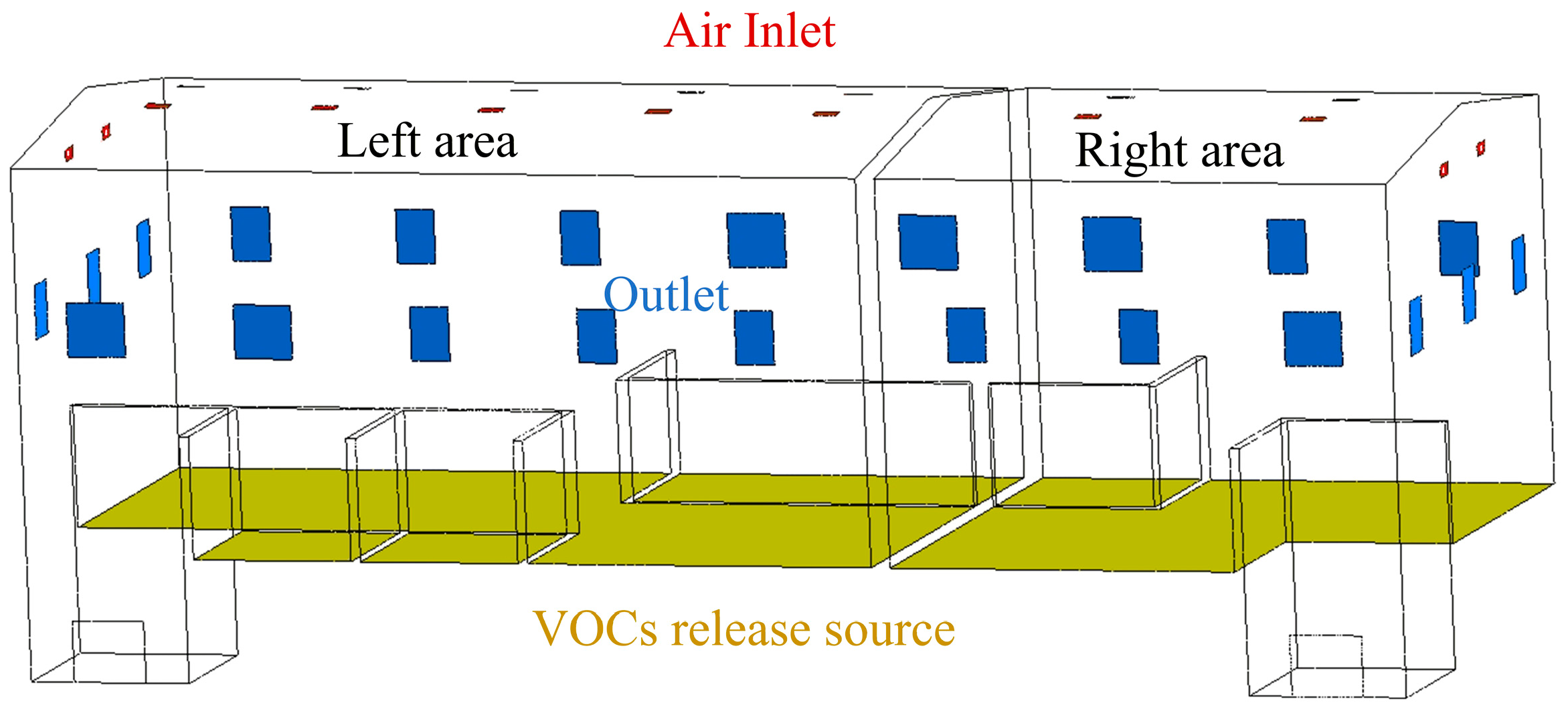
Based on above analysis, the focus of this study is the migration and diffusion characteristic of VOCs in the semi-enclosed high-space wood chip fuel storage shed. A CFD model based on a study case of the semi-enclosed high-space wood chip fuel storage shed located in Belgium was built and proposed. The surface-averaged mass fraction, LEL, and the proportion of areas exceeding 5% LEL were used as evaluation indexes. Then, the influence of time, temperature, fresh air humidity, wood chip stacking height, and VOCs type on the migration and diffusion of VOCs were investigated and compared based on the simulated data. The primary objective of this study is to analyze the migration patterns of VOCs released from known sources within semi-enclosed high spaces and to evaluate the impact of factors such as ventilation. While the CFD methodology employed is standard, the innovation of this work lies in its novel application to a critical and underexplored industrial scenario. Specifically, this research provides the following: a high-fidelity, three-dimensional analysis of transient VOC dispersion and explosion risk in a real-scale, semi-enclosed wood chip storage shed—a scenario rarely investigated in prior literature; systematic quantification of the non-intuitive effects of key operational parameters (e.g., time, temperature, stacking height, VOC type) on both local concentration peaks and the spatial extent of hazardous areas; novel, quantitative engineering insights and design guidelines for ventilation optimization and hazard control tailored to high-space biomass storage facilities, filling a critical gap between fundamental CFD simulation and practical industrial safety.
3. Results and Discussions
3.1. Effect of Time on VOCs Migration
VOCs diffusion behavior depends on the observed time. The numerical simulation was performed under the following condition: ventilation rate of 8 air changes per hour (ACH), ambient temperature () of 300 K, air relative humidity () of 10%, wood chip stacking height () of 5 m, and C10H16O release rate of 0.068 g/(kg·h).
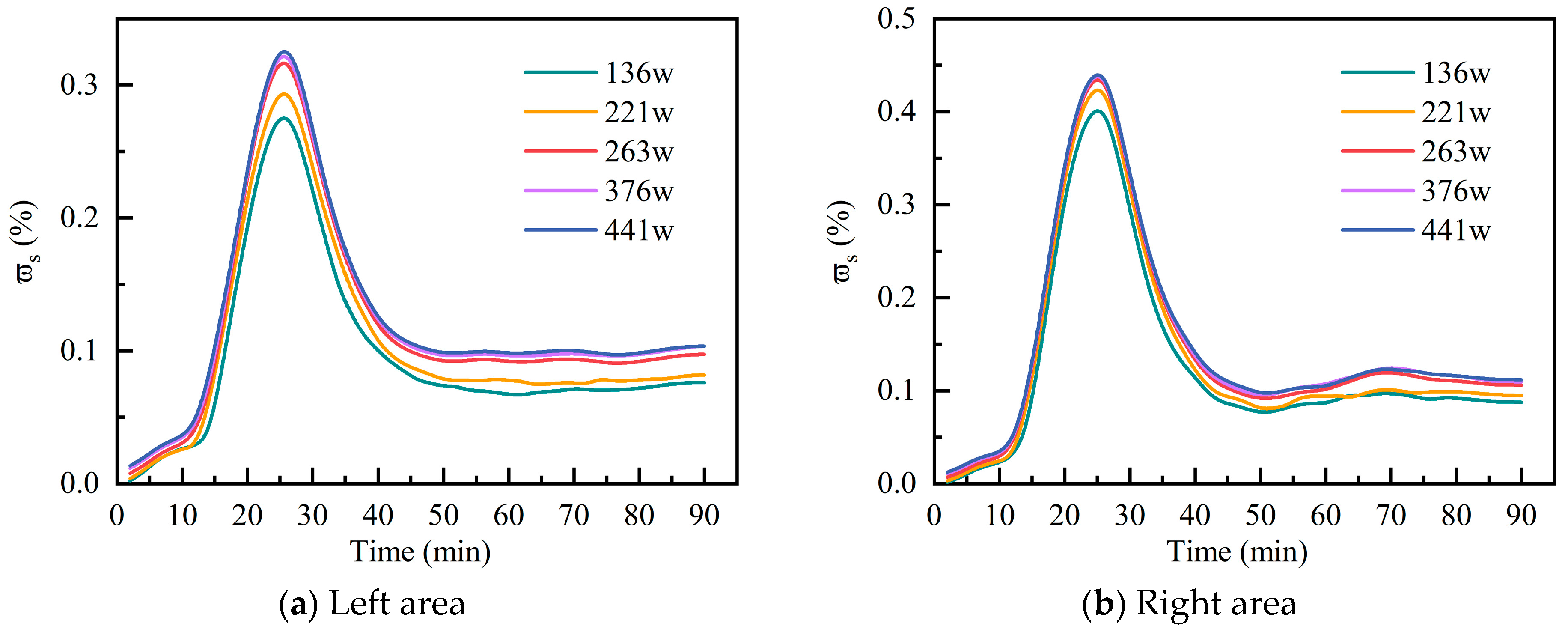
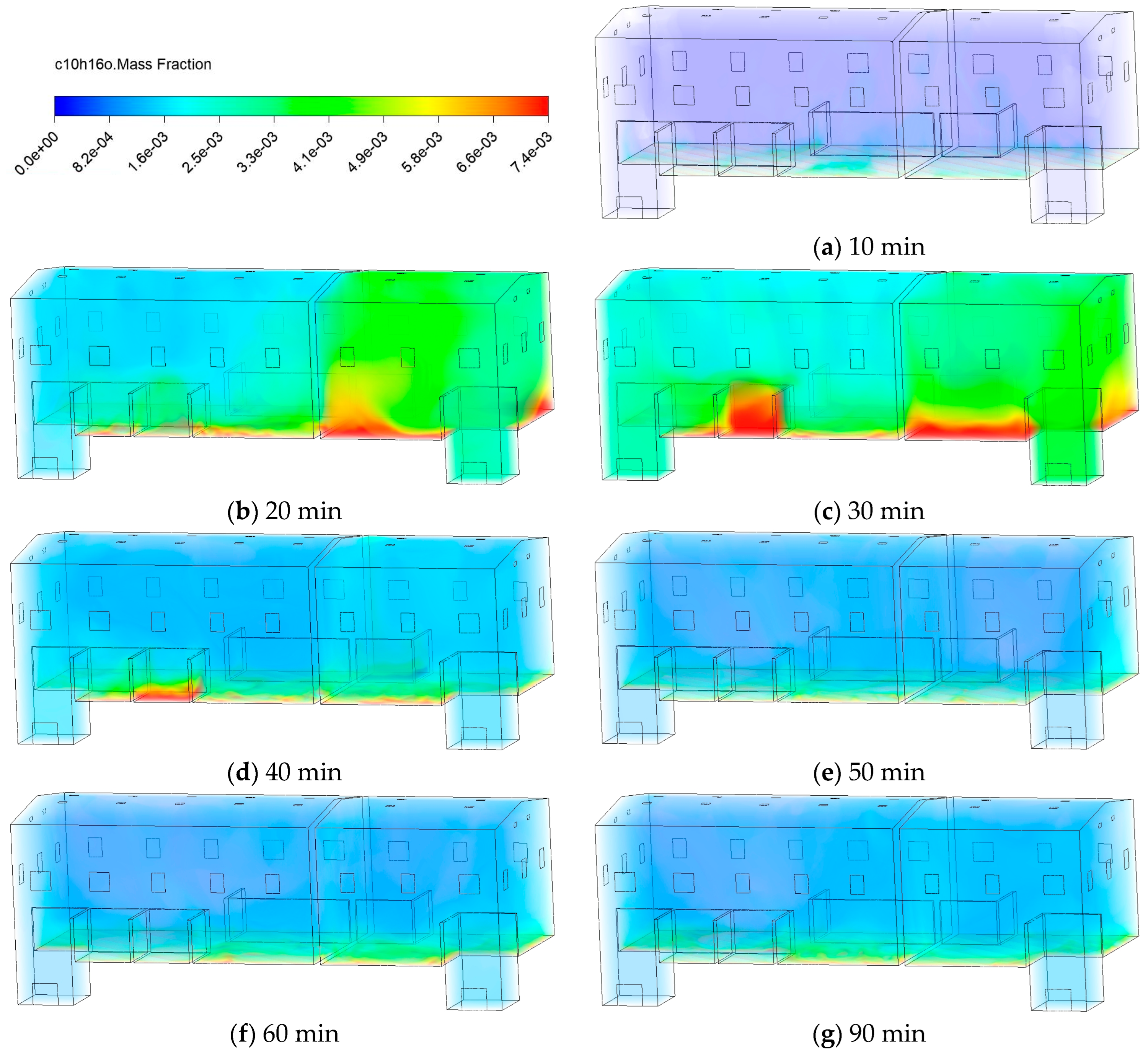
Figure 5 shows the evolution of the mass fraction (
) of C
10H
16O as a function of time. During the first 10 min, as pollutant emissions begin, only localized initial enrichment areas formed near the upper surface of the wood chips, with no significant global diffusion yet observed, as initial dispersion was dominated by molecular diffusion before large-scale convective flows were fully established. From 20 to 30 min, pollutants underwent rapid upward migration and space-wide diffusion, primarily driven by the combined effects of thermal buoyancy and the organized mechanical ventilation flow. At 40~50 min, the system exhibits distinct dynamic characteristics, with pollutant accumulation beneath both areas noticeably decreasing. After 60 min, the system gradually approaches a quasi-steady state, signifying that a balance was achieved between the constant emission rate from the source and the removal rate by the ventilation system.
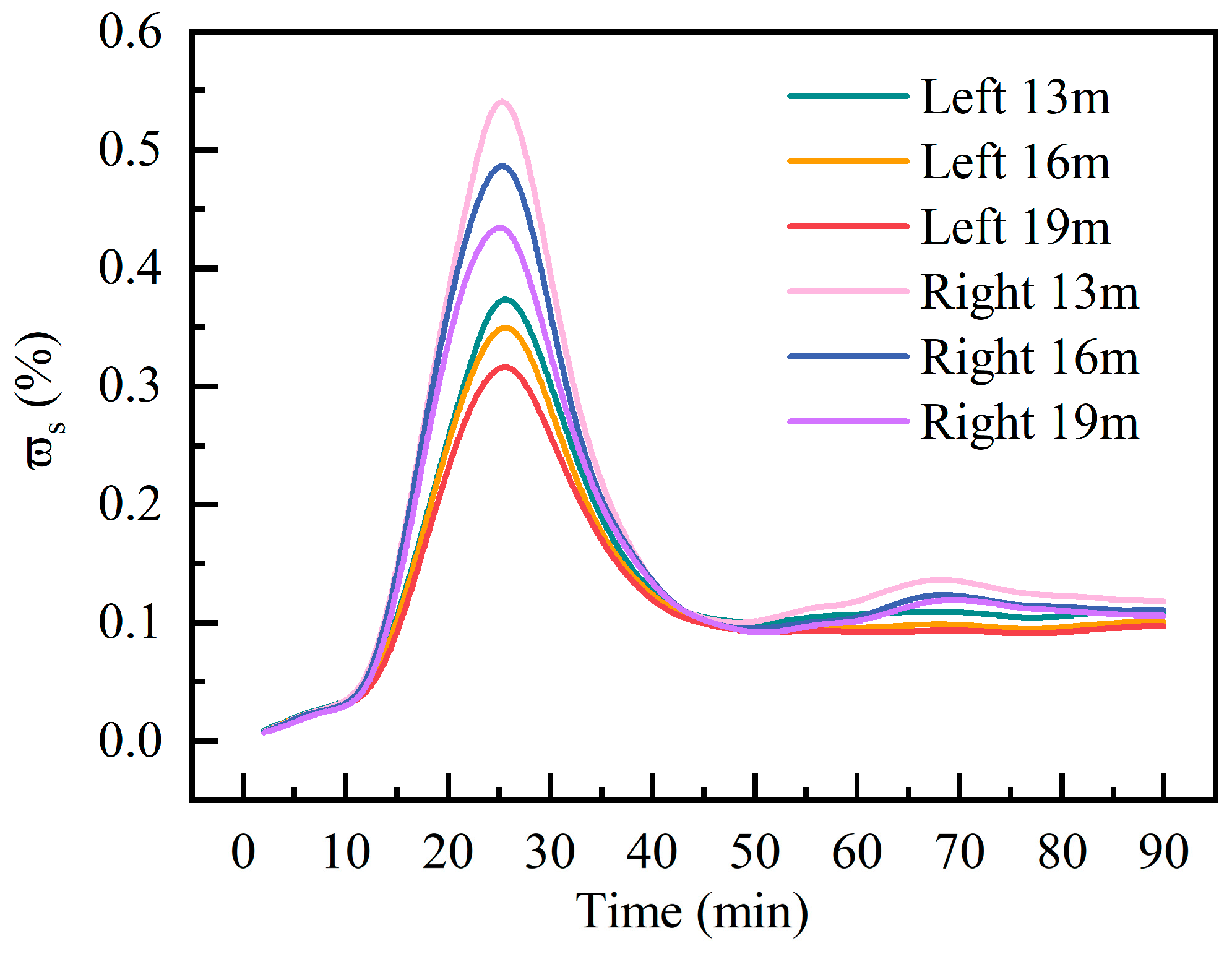
Figure 6 presents the distribution characteristics of pollutants at different heights. It illustrates the temporal variations in the surface-averaged C
10H
16O mass fraction (
) at the 13 m, 16 m, and 19 m levels within both the left and right areas. Concentration time series for all monitoring planes were analyzed, and peak occurrence times for each plane were precisely determined using cubic spline interpolation. Peak times across all monitoring planes clustered within a narrow range of 25.2 min (right side 19 m) to 26.8 min (right side 13 m), with a maximum time difference of only 1.6 min. This result confirms the high spatial synchrony of pollutant peaks across different locations. The right area exhibits its highest
of 0.55% at 13 m, decreasing to 0.49% at 16 m and 0.44% at 19 m. Corresponding heights on the left-area show values of 0.38%, 0.36%, and 0.32%, respectively, indicating pronounced vertical concentration gradients in both areas. With time, the
of C
10H
16O gradually decreased and eventually stabilized at 0.09~0.12%. The reasons for this trend are as follows: firstly, the directional flow created by pressure imports and exports promotes the initial transport of pollutants. Secondly, the baffle forms a local stagnation area near the release source below, affecting the accumulation and decay rates of C
10H
16O at different heights. This phenomenon is consistent with the volatile organic compound release dynamics observed by Caron et al. [
19] in small ventilated compartments.
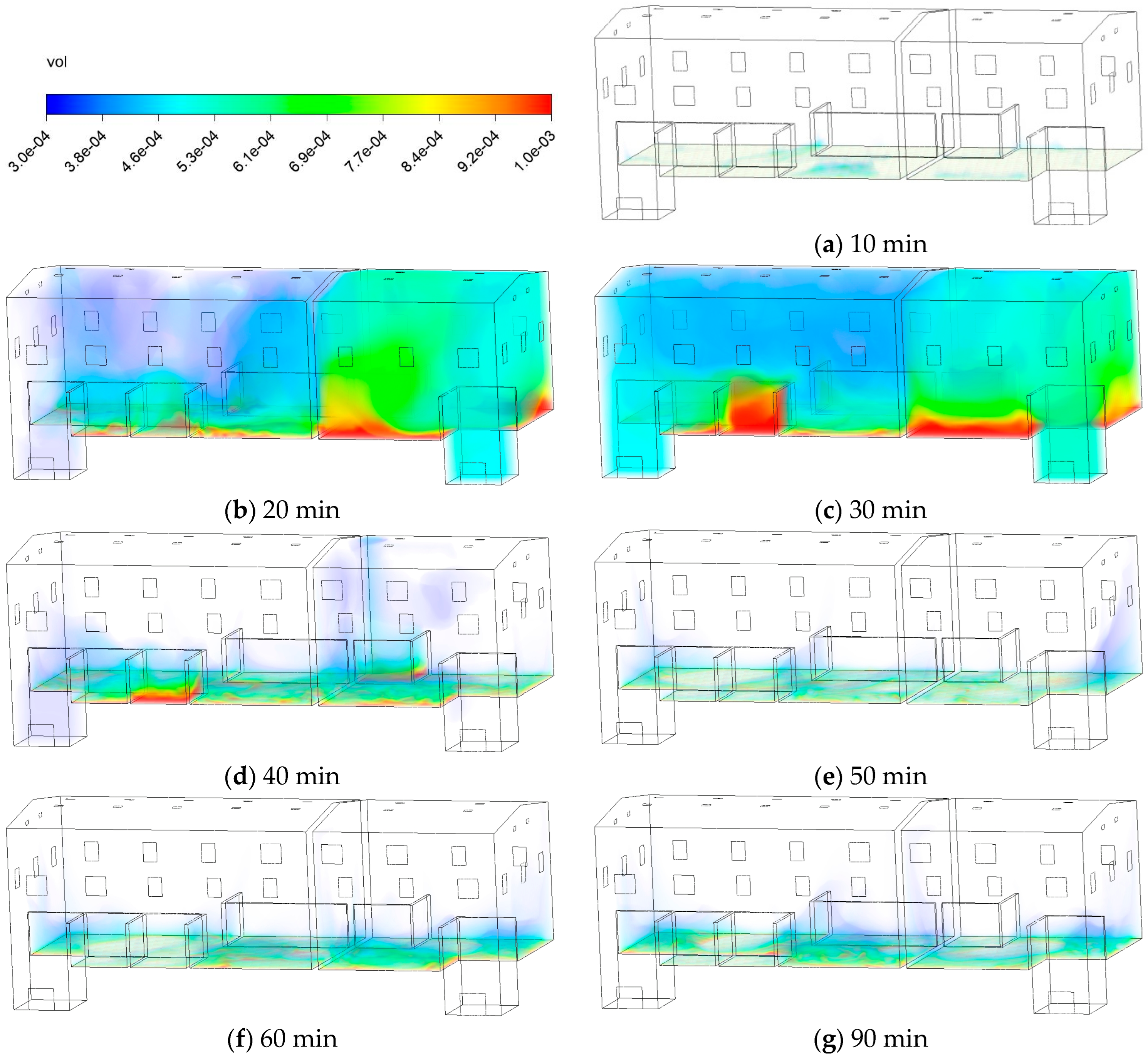
Figure 7 shows the temporal evolution of the C
10H
16O volume fraction distribution within the simulated space. The visualization methodology in this figure utilizes a minimum threshold corresponding to the 5% LEL of C
10H
16O, below which pollutant volume fractions are omitted. During 10~30 min, pollutants accumulate significantly in the lower section and gradually disperse across both areas to a broader area, as the established ventilation flow actively transported vapors from the source, filling the space faster than they could be exhausted, which caused most areas to exceed 5% LEL. At the 40~50 min, only a small portion of the area exceeds 5% LEL, indicating that the continuous ventilation began to effectively dilute the overall concentration, overcoming the initial pollutant loading rate. However, a high-concentration stagnation zone persisted above the source in the smaller partitioned space, which is attributed to the formation of a local recirculation zone or weak airflow due to the specific geometry, shielding it from the main ventilation stream. Within 60 to 90 min, pollutants are effectively diluted in most areas, with only marginal areas retaining levels near the 5% LEL.
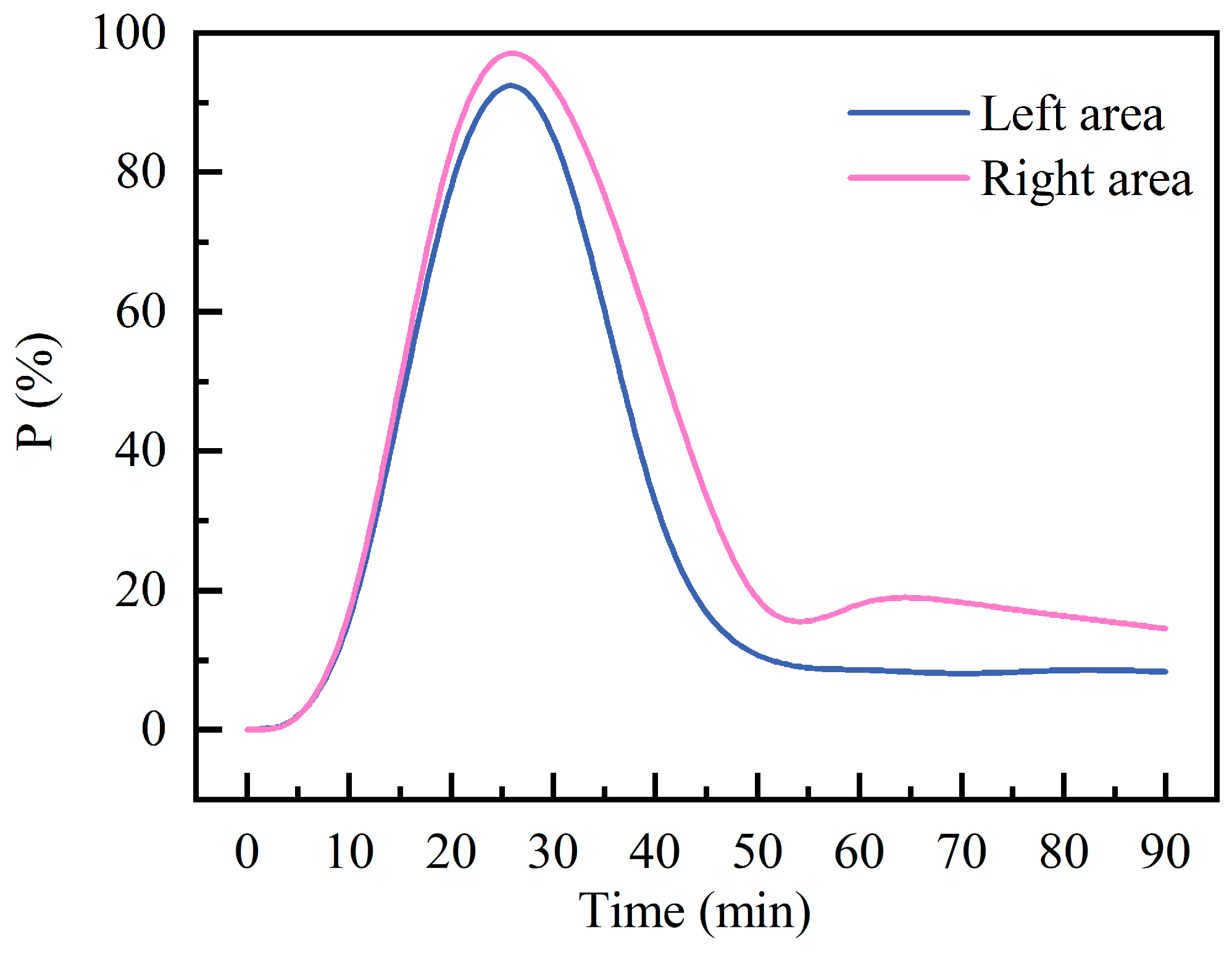
Figure 8 shows the temporal variation in the percentage of volume fraction exceeding the 5% LEL area (
). The results indicate that during the initial release phase, the
rapidly increased in both left and right areas, with essentially identical growth rates. Concentration peaks are reached within the 24~26 min interval for both areas. The peak proportion of exceedances in the right area reached 99.83%, slightly higher than the 99.28% recorded in the left area. Following the peak period of concentration, continuous ventilation leads to a gradual decrease in
levels across both areas. At steady state, the
in the right area remains 6.15% higher than in the left area. This indicates that the right zone is more prone to localized accumulation of high-concentration pollutants due to specific airflow organization characteristics and spatial structural influences.
The pattern of VOCs’ concentrations peaking between 25 and 27 min has been clearly identified. This provides critical evidence for implementing dynamic or programmed control of ventilation systems. Within the first 30 min after material feeding, enhance local ventilation or increase air exchange rates to rapidly reduce peak VOC concentrations and prevent explosion risks.
3.2. Effect of Ambient Temperature on VOCs Migration
Ambient temperature () is a critical factor influencing the migration process of VOCs. The numerical simulation is performed under the following conditions: ventilation rate of 8 ACH, air of 10%, of 5 m, and C10H16O release rate of 0.068 g/(kg·h).
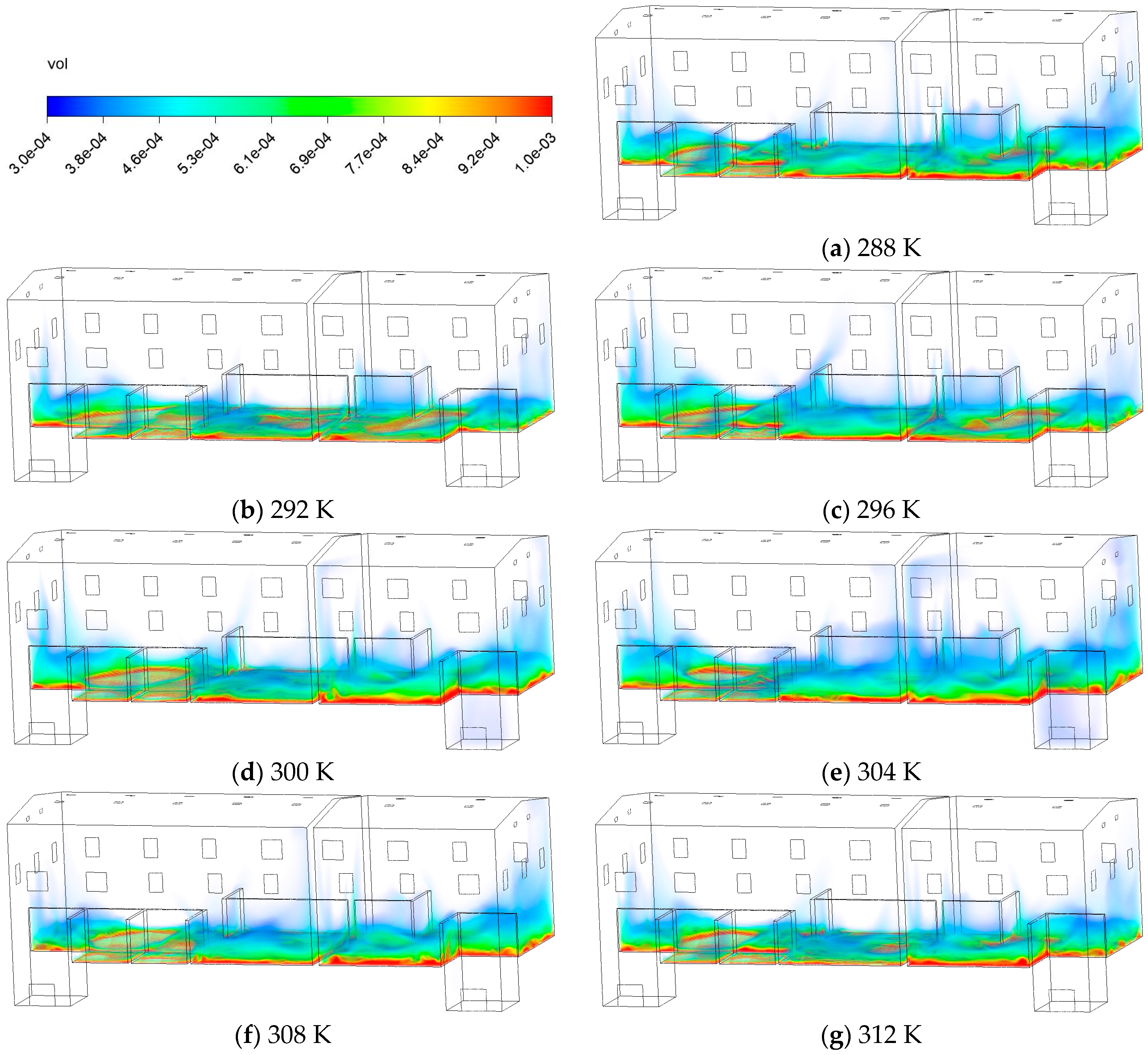
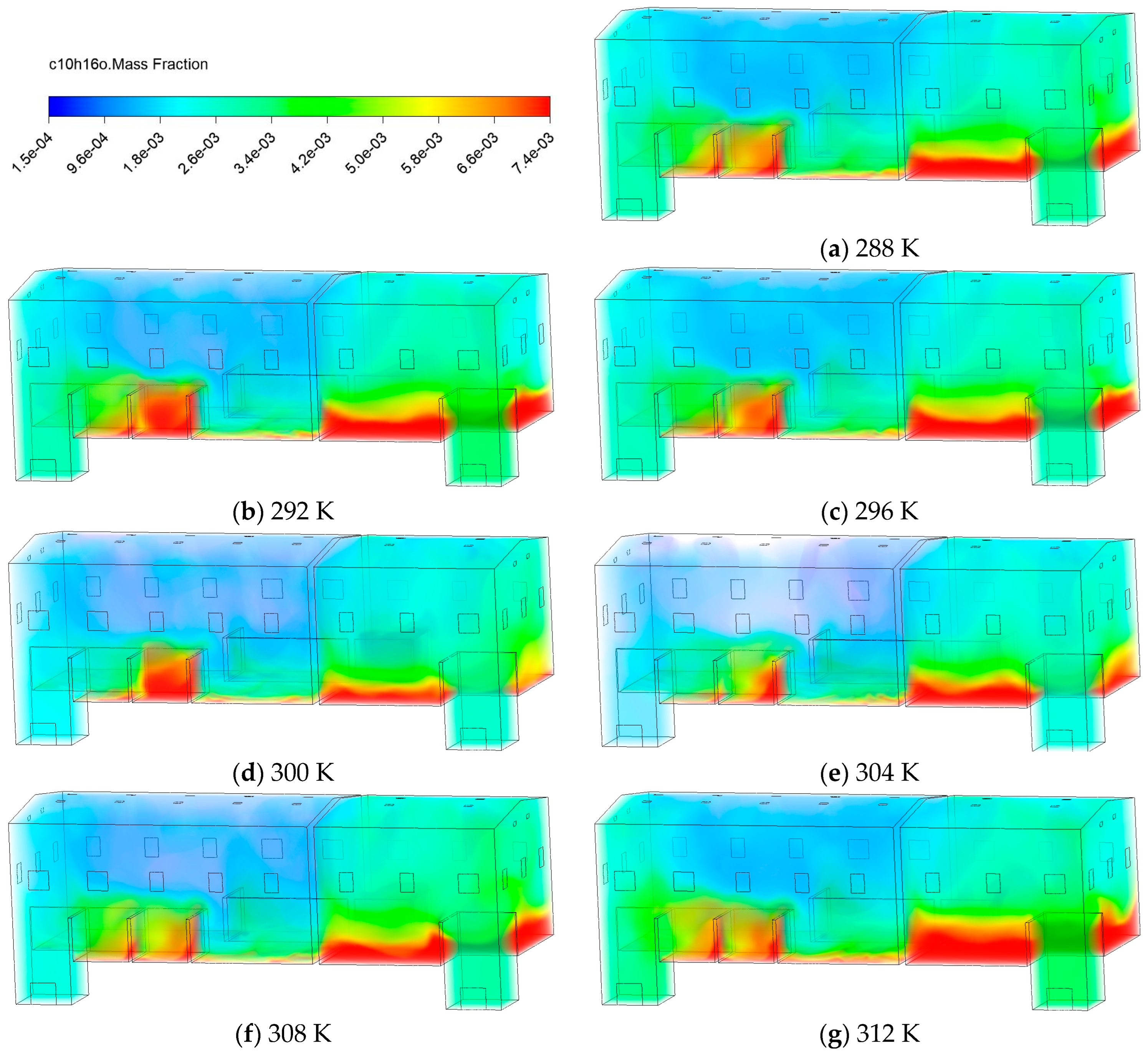
Figure 9 shows the
contours of C
10H
16O at 30 min for
of 288 K, 292 K, 296 K, 300 K, 304 K, 308 K, and 312 K. At lower
(288~296 K), gas molecules have lower kinetic energy and restricted diffusion capabilities, making it difficult for C
10H
16O to rise to higher spaces and preventing effective dilution by airflow. When the
rises to 300 K, the accumulation zone beneath the pollutants significantly diminishes, mainly due to enhanced upward diffusion and the ventilation-driven dilution effect. At
of 304 K and above, the high concentration region of C
10H
16O significantly expands. This is primarily due to the following two factors caused by rising
: (1) increasing thermal buoyancy, which enhances the upward dispersion of pollutants accumulated below; (2) reducing viscosity coupled with enhancing turbulence, which promotes mixing and dilution, ultimately resulting in an overall reduction in
.
Across all
(288~312 K) and heights (13 m, 16 m, 19 m), the peak times varied only within a narrow range of 25~27 min, indicating that temperature mainly affects the magnitude of the peak rather than the timing.
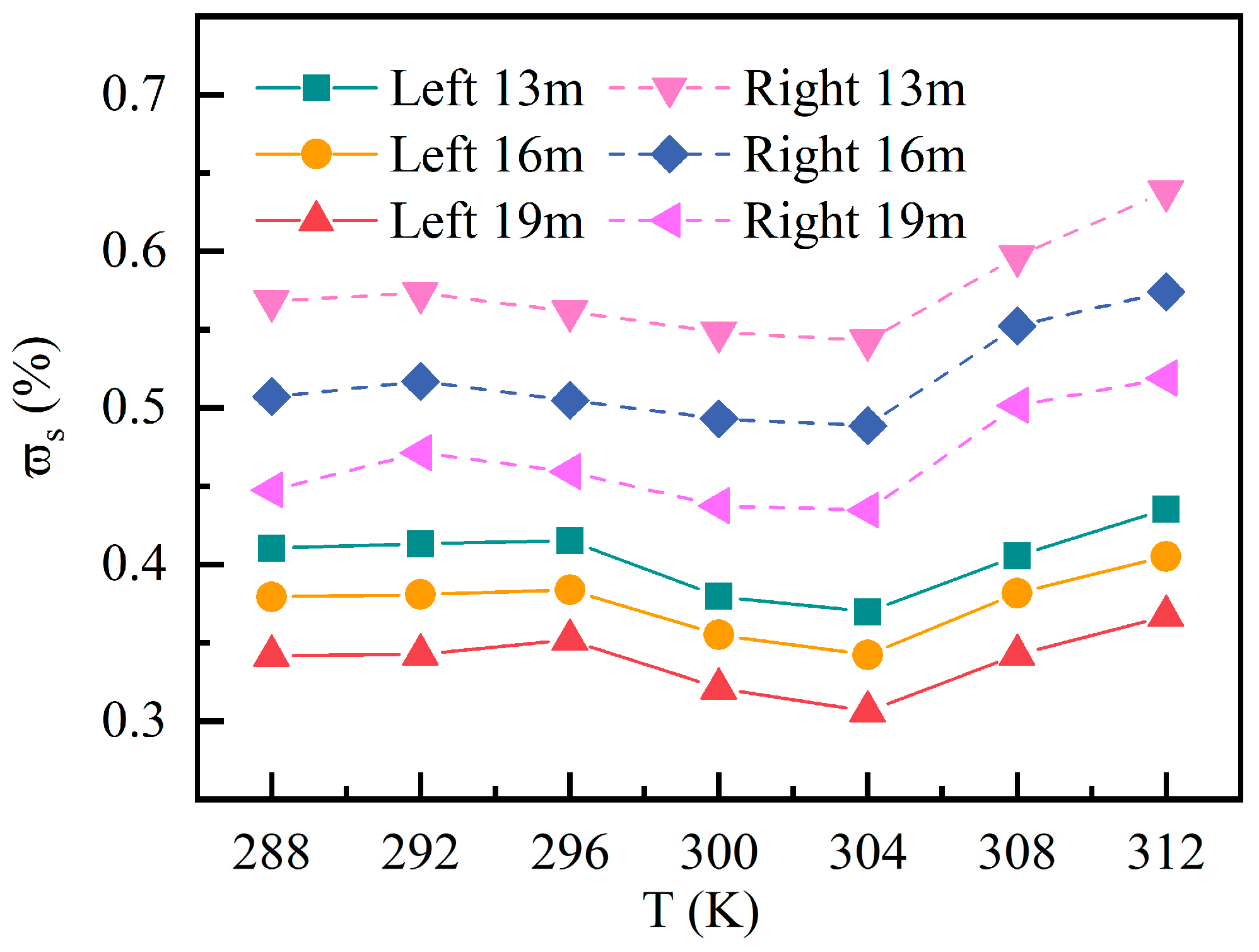
Figure 10 displays the peak
within 90-minute period across various temperatures. Both regions exhibit a stable spatial gradient as follows: 13 m > 16 m > 19 m, with the left area showing lower peaks. The low
range (288~296 K): diffusion and turbulent mixing are relatively weak, and
induced peak variations are mild. Within the middle
range (300~304 K): enhanced mixing and dilution yield the lowest peaks. The
peak minimum values in the left area at the 13 m, 16 m, and 19 m levels are 0.37%, 0.34%, and 0.31%, respectively, while those in the right area are 0.54%, 0.49%, and 0.43%, respectively. In the high
range (308~312 K), despite stronger turbulence, pollutants rise rapidly due to thermal buoyancy. Peaks rebound and reach the highest levels at 312 K, increasing by 0.01~0.09% compared to 304 K. The nonlinear temperature dependence observed in this study aligns with previous findings in indoor air quality research [
11,
24].
In
Section 3.1, the system reaches a quasi-steady state after 60 min. Volume fraction contours at the 60 min mark are selected to compare the attainment of 5% LEL levels at different
.
Figure 11 presents the volume fraction contours at different
after 60 min. Between 288~296 K, the thickness of the colored band decreases slightly, indicating that the influx dilution and turbulent mixing in this
range can largely offset the enhanced thermal buoyancy. As the
rises to 300~304 K, the near-source layer thickens significantly and shifts upward. At 308 K and above, the thickness of this layer decreases due to stronger thermal buoyancy and intensified turbulent mixing.
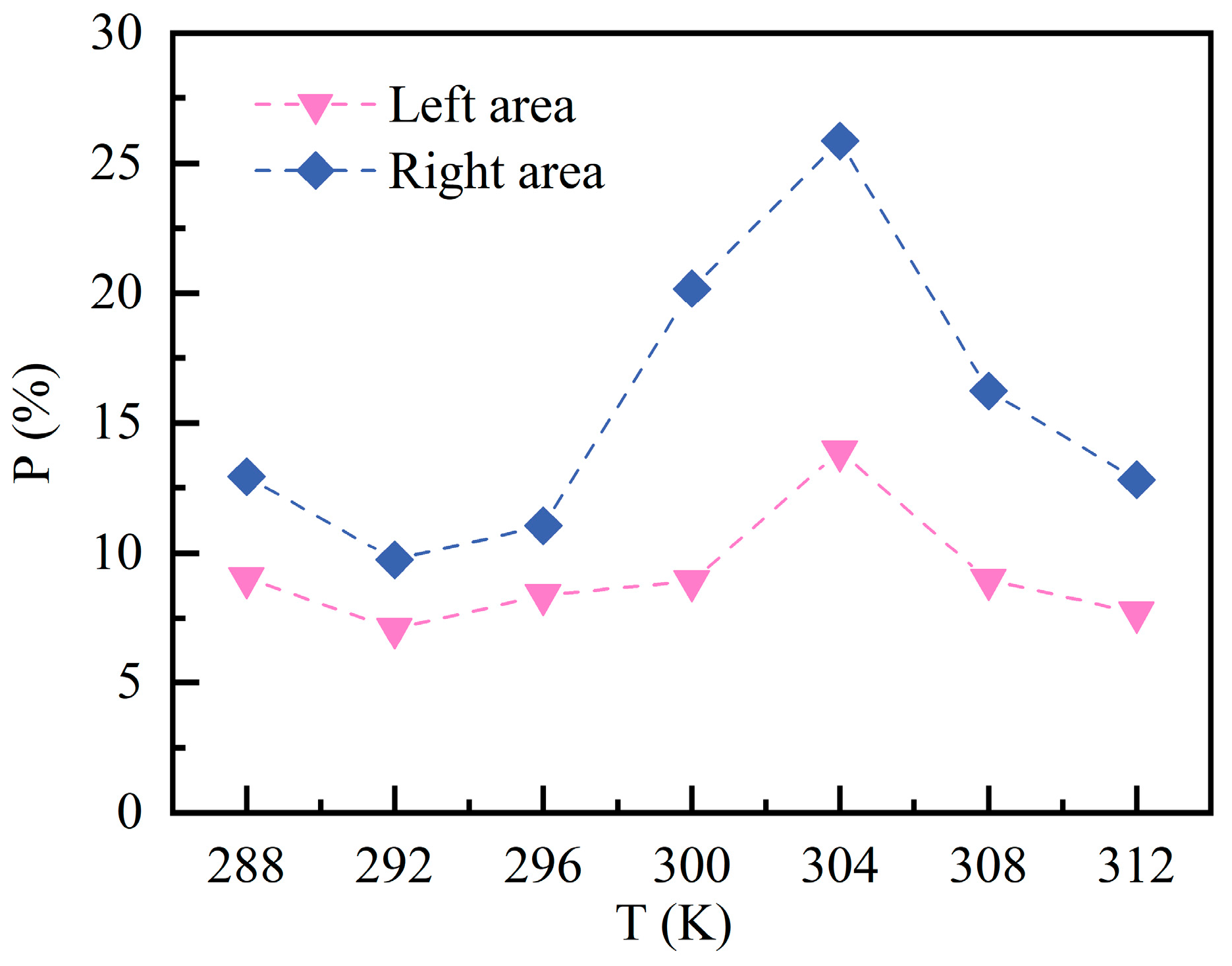
Figure 12 shows the
of C
10H
16O at different
over a 60 min period. The risk level in the right area is consistently higher than that in the left area across the entire
range. Particularly at 304 K, the right area reaches a maximum
of approximately 25.87%, whereas the left area accounts for only 13.90% at the same
. This indicates that the reduction in concentration comes at the cost of an expanded area of contamination. The overall trend shows a pattern of initial decrease, subsequent increase, and eventual decrease. At
above 304 K, the area exceeding standards actually decreases. This is due to the combined effects of thermal buoyancy and increased turbulence, which reduce the concentration of pollutants in the lower regions.
The nonlinear effect of on VOC migration reveals the complexity of ventilation system design. Research indicates that between 300~304 K, despite the lowest peak concentrations, the area exceeding permissible limits is the largest, representing a potential “hidden high-risk” condition. Within this range, ventilation systems must operate at full capacity to dilute widely dispersed combustible gases. At elevated temperatures (>308 K), enhanced thermal buoyancy reduces the efficiency of conventional mixed ventilation. Consequently, we recommend considering displacement ventilation or stratified air conditioning systems in high-temperature regions or during summer months to more effectively disperse pollutants and disrupt thermal stratification.
3.3. Effect of Fresh Air Humidity on VOCs Migration
The effect of fresh air humidity () on pollutant migration processes is investigated under the following conditions: ventilation rate of 8 ACH, indoor of 10%, of 5 m, of 300 K, and C10H16O release rate of 0.068 g/(kg·h).
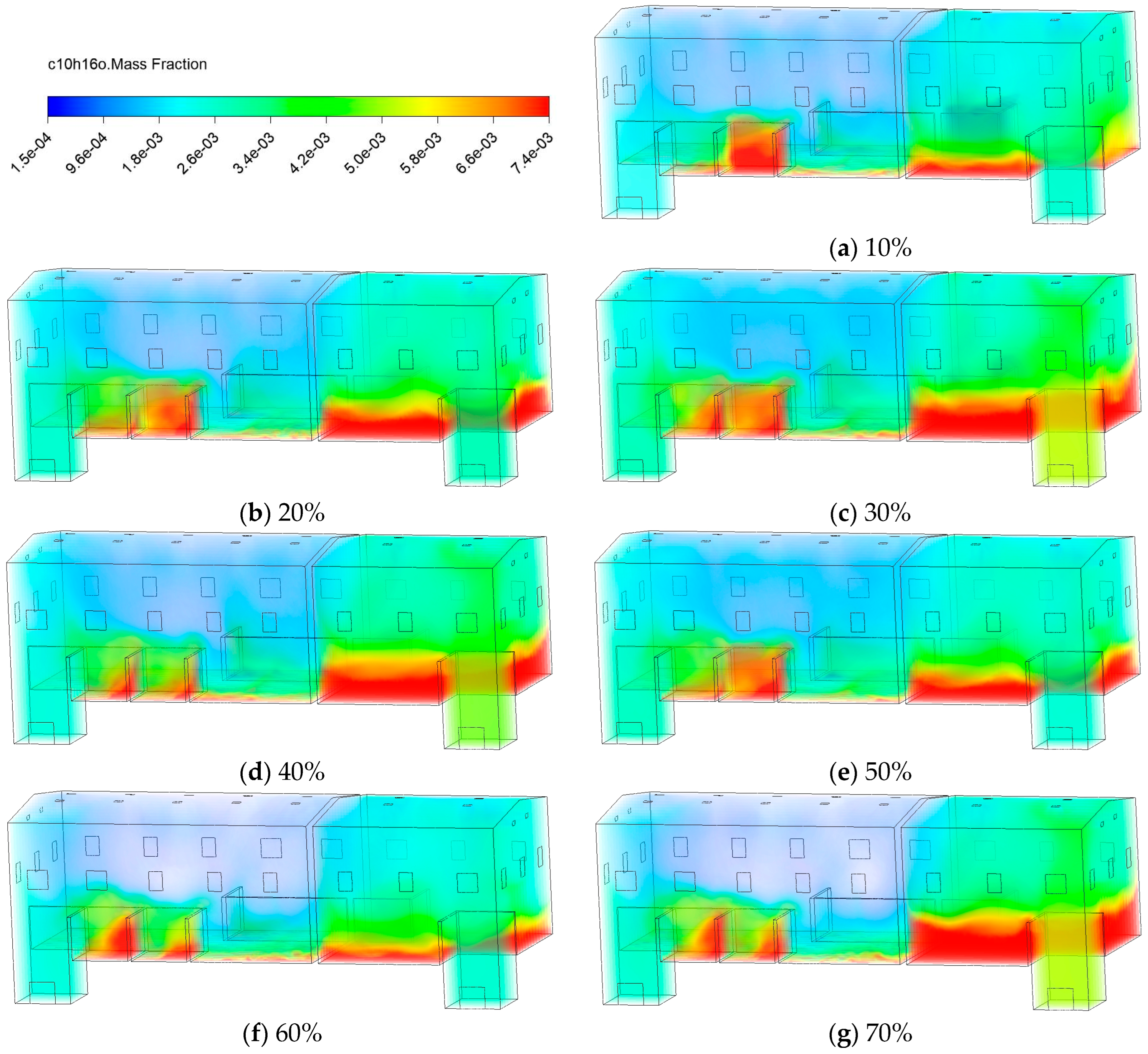
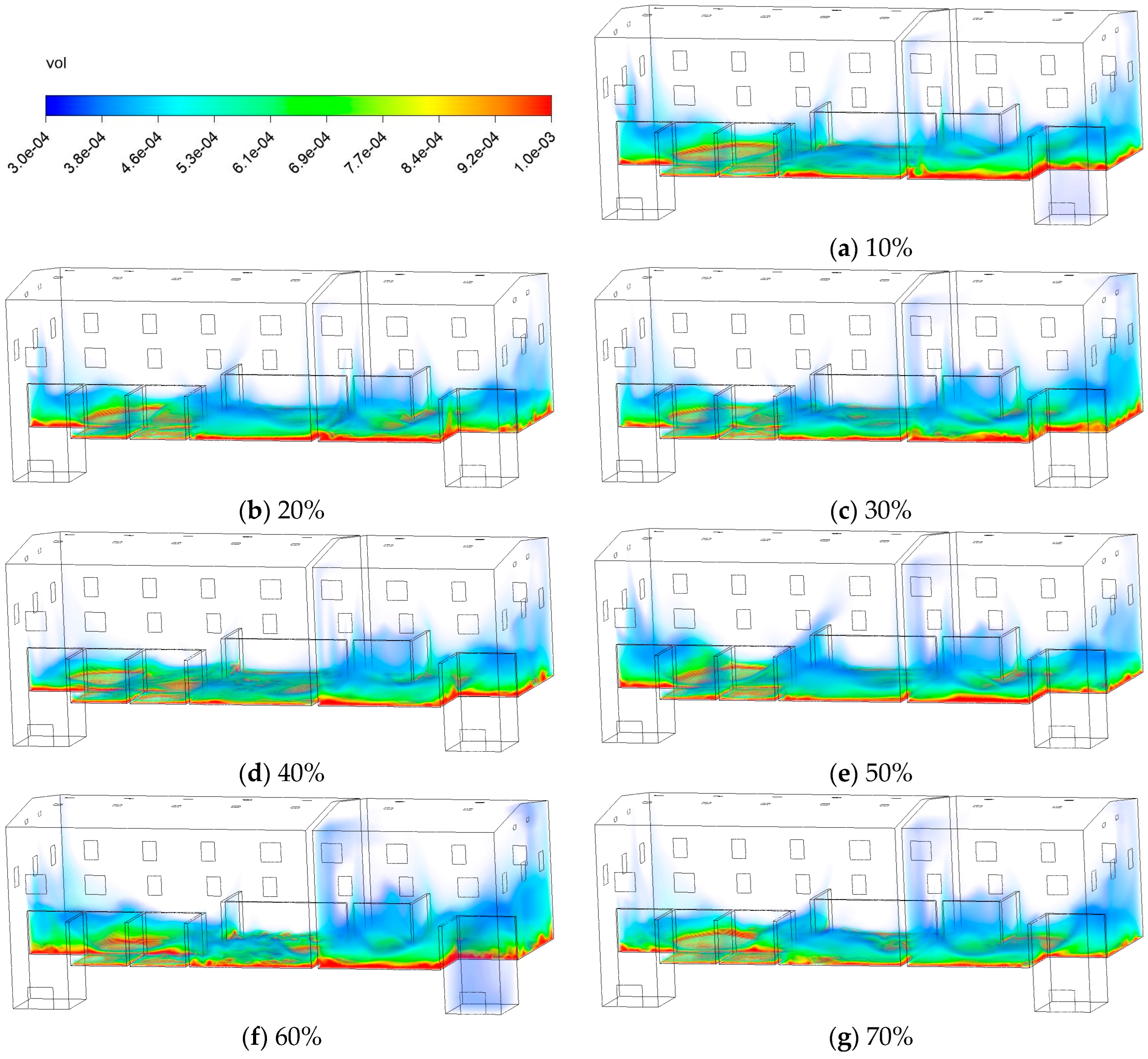
Figure 13 displays the contours of C
10H
16O
at 30 min under different
conditions, ranging from 10% to 70%. At lower
levels (10~30%), high-concentration zones extensively expand along the lower edge of the partition and the lower space. As
rises to 40~60%, the area of high concentration zones gradually shrinks, and pollutant distribution becomes more uniform vertically. This indicates that moderately humidified fresh air enhances airflow mixing and convective dilution, thereby helping to reduce pollutant accumulation. However, when
reaches 70%, localized concentration increases occur near the emission sources. This indicates that in high
environments, the coupling of local airflow disturbances with building structures may reduce ventilation efficiency and promote pollutant accumulation in lower zones.
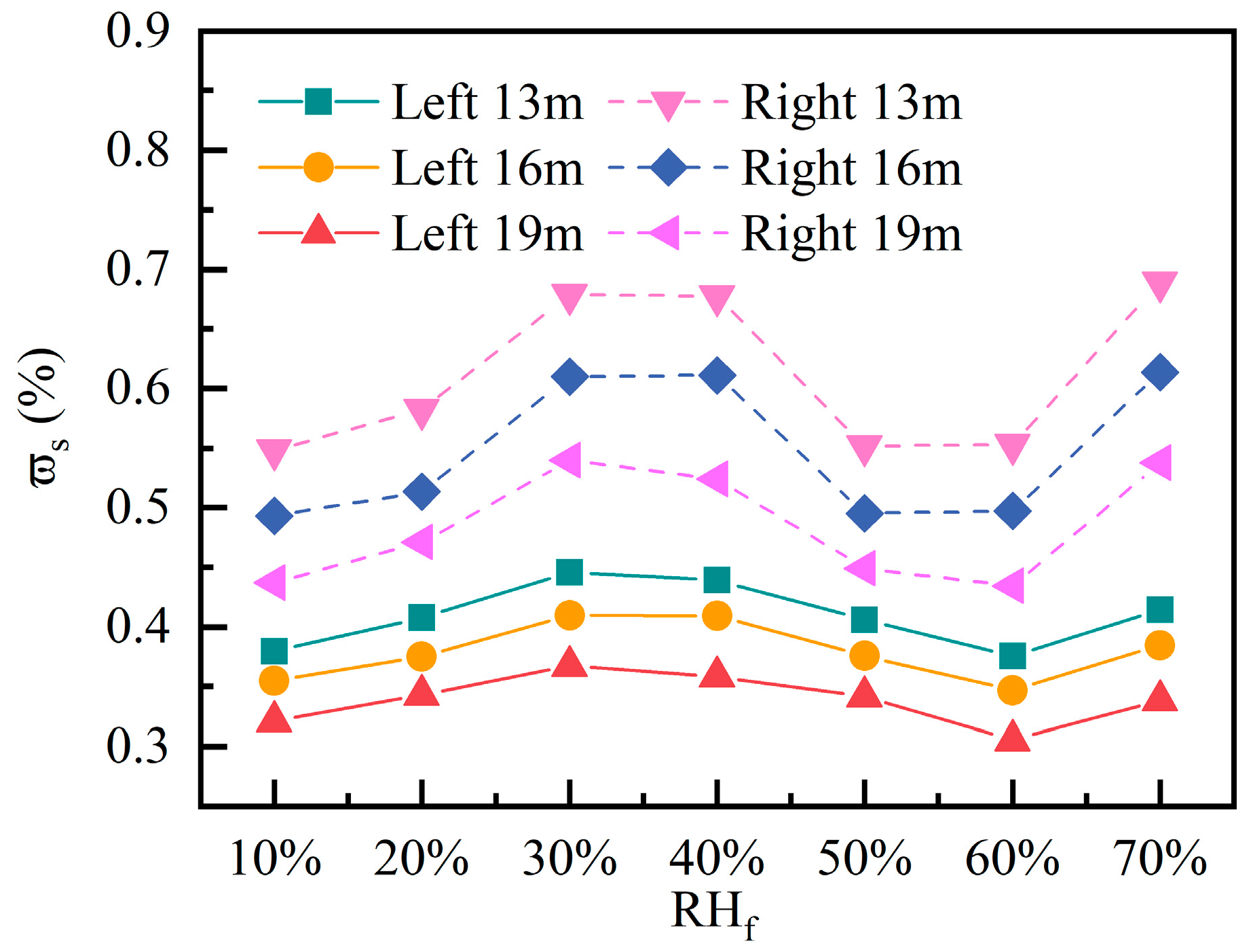
Figure 14 shows the peak variation patterns of the
of C
10H
16O in the left and right areas at heights of 13 m, 16 m, and 19 m within a 90 min period under different
. In the low
range (10~30%), the peak concentrations continue to rise. For every 10% increase in
, the left area shows a mass fraction increase of 0.08%, while the right area shows a mass fraction increase of 0.17%. When
reaches 40% to 60%, the peak shows a decreasing trend. Compared to conditions at 30%
, the left and right areas each exhibit a decrease of approximately 0.06% and 0.11%, respectively, across each surface. At 70%
, concentrations rose again, suggesting that excessively high humidity may reduce ventilation drive, leading to decreased air exchange efficiency. However, Lüpke et al. [
12] previously found that drought suppresses plant VOC emissions, which appears to contradict our simulation showing “low humidity leads to high concentrations”. The key distinction lies in their focus on biogenic emission processes, whereas our model assumes constant source strengths and emphasizes the physical diffusion of pollutants in space.
As shown in
Figure 15, the volume fraction distribution of C
10H
16O at 60 min under different
conditions are analyzed. At lower
levels (10~40%), the high-concentration pollution zones near the emission sources visibly thinned, indicating a certain dilution effect. This can be attributed to the enhanced air buoyancy and turbulent mixing in drier air, which promotes the dilution and dispersion of VOC vapors. When
increases to 50~60%, localized volume fraction increases occur near walls and partitions, and the area not failing to meet 5% LEL requirements expands. As
continues to rise, localized high-concentration zones gradually diminish, and the overall volume fraction decreases significantly. At high humidity (70%), the competition from water vapor molecules and altered dispersion dynamics promote overall dilution, reducing both local and overall concentrations. In summary, appropriately increasing ambient humidity can reduce the equilibrium concentration of C
10H
16O, thereby lowering the risk of combustion.
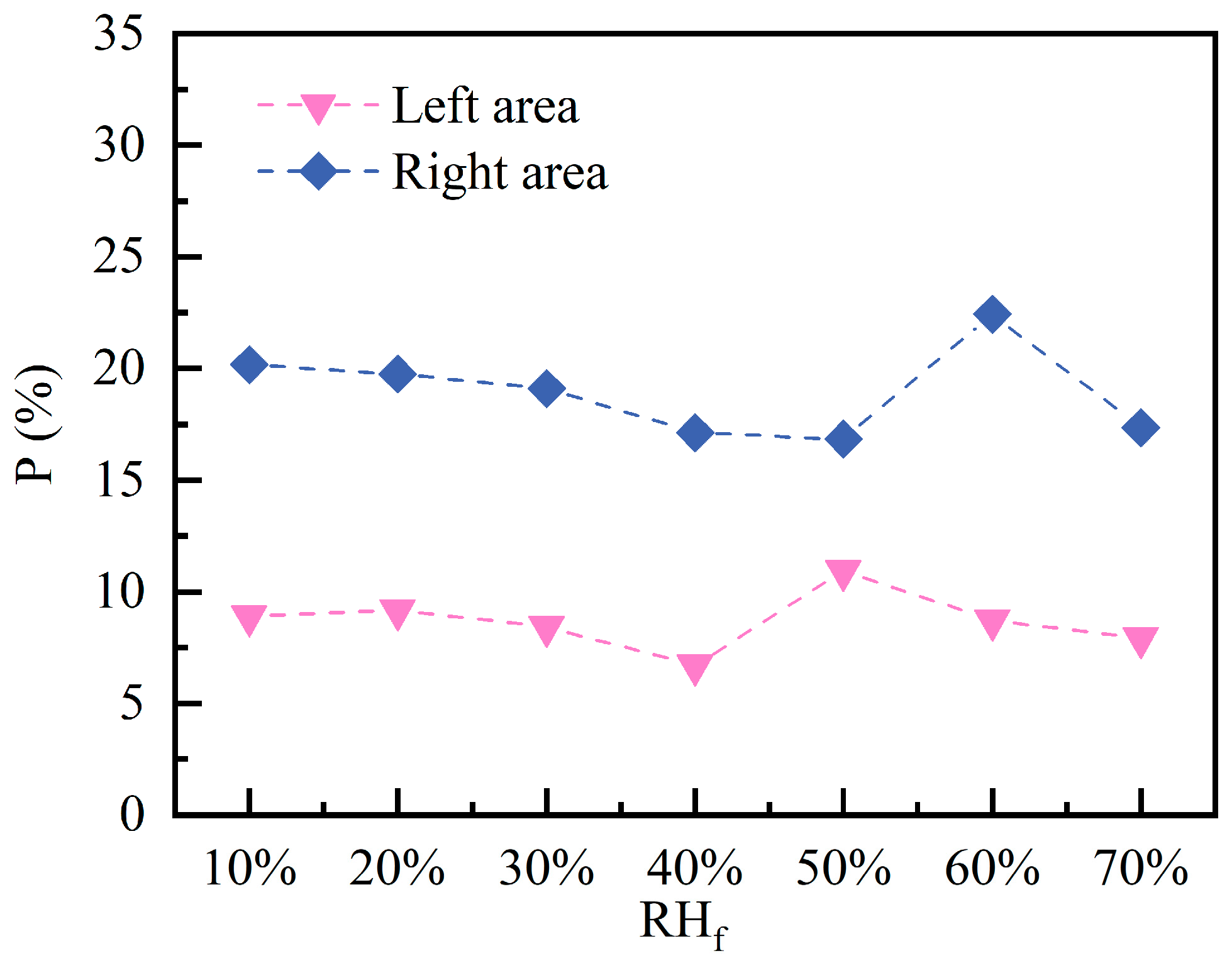
Figure 16 indicates the
of C
10H
16O at 60 min under different
conditions. The
in the left area remains relatively low, ranging from 6.72% to 10.95%. The minimum value occurs at 40%
, while the maximum corresponds to 50%
, exhibiting a similar “trough-to-peak” trend. The same trend is observed in the right area, with a maximum value of 22.45% occurring at 60%
and a minimum value of 16.86% occurring at 50%
. This pattern indicates that under moderately
conditions, pollutants can be partially adsorbed and diffusion enhanced, thereby suppressing the formation of hazardous zones. Conversely, in high
environments, the coupled effects of airflow turbulence and volatilization behavior may actually intensify the tendency for localized pollutant accumulation.
Optimizing humidity control offers a low-cost, high-benefit approach to enhancing ventilation efficiency. This study demonstrates that pre-conditioning incoming to a moderate range of 40–60% within warehouses effectively promotes airflow mixing and reduces peak concentrations. Therefore, installing humidification or dehumidification equipment in ventilation systems holds significant engineering value in both arid and humid climates. This approach prevents rapid dispersion under low- conditions and localized accumulation under high- conditions, enabling the ventilation system to operate stably and efficiently under any humidity environment. Consequently, it establishes a reliable climate-adaptive safety barrier.
3.4. Effect of Wood Chip Stacking Height on VOCs Migration
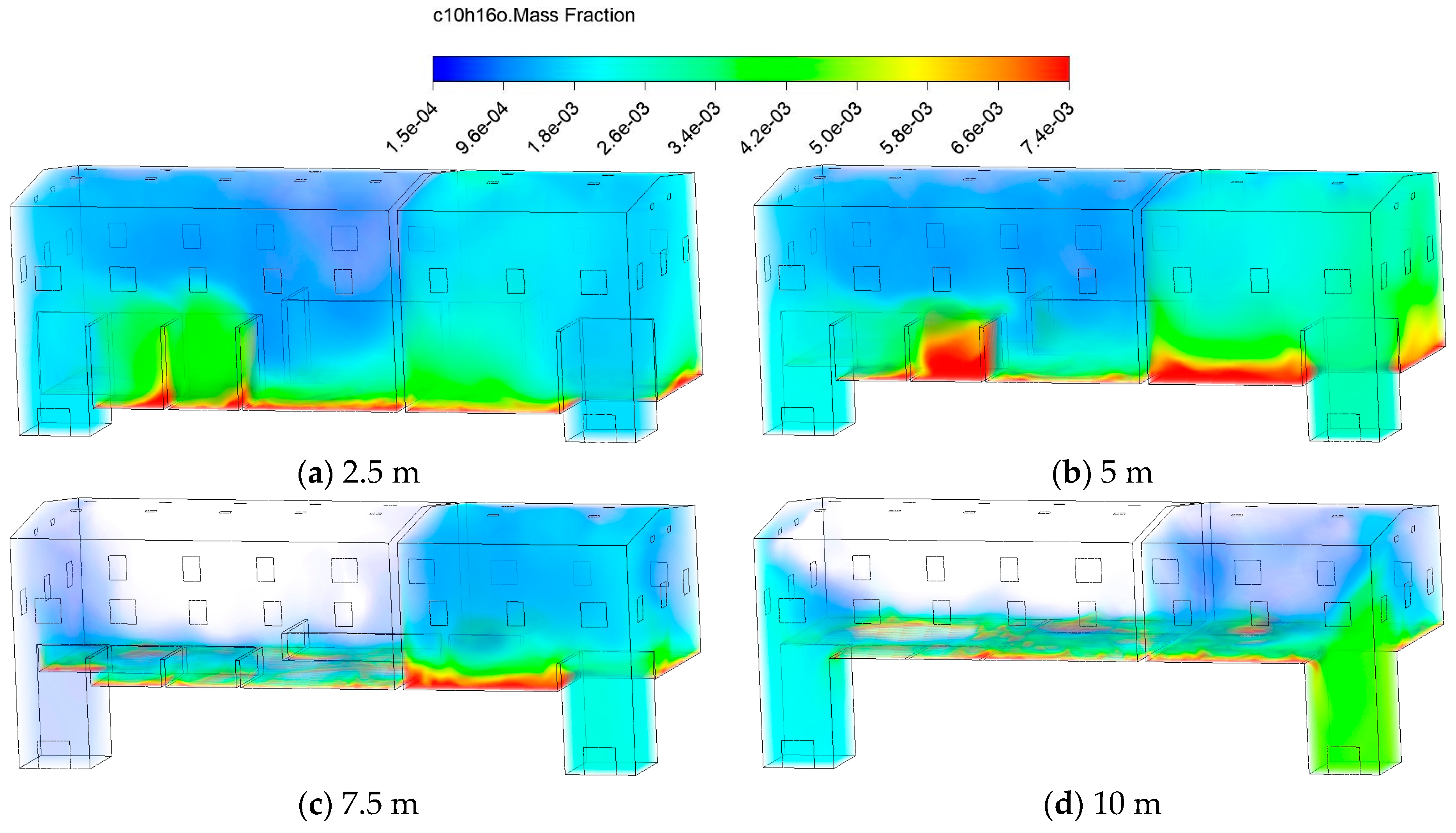
The wood chip stacking height () determines the internal air volume and the amount of pollutant volatilization. At ventilation rate of 8 ACH, an of 10%, a release rate of C10H16O of 0.068 g/(kg·h), and a of 300 K, simulations are conducted for various .
Figure 17 shows the
distribution of C
10H
16O after 30 min of release at different
(2.5 m, 5 m, 7.5 m, 10 m). At an
of 2.5 m, vertical dispersion of pollutants is restricted, mainly accumulating in lower areas and exhibiting a pronounced accumulation effect. As the
increases to 5 m, the upward dispersion range of pollutants expands, but the lower space remains the primary area affected. At
of 7.5 m and 10 m, airflow becomes more vigorous, allowing pollutants to disperse further into the upper regions. The overall
decreases significantly, indicating enhanced pollutant dilution capacity and a marked reduction in pollution accumulation.
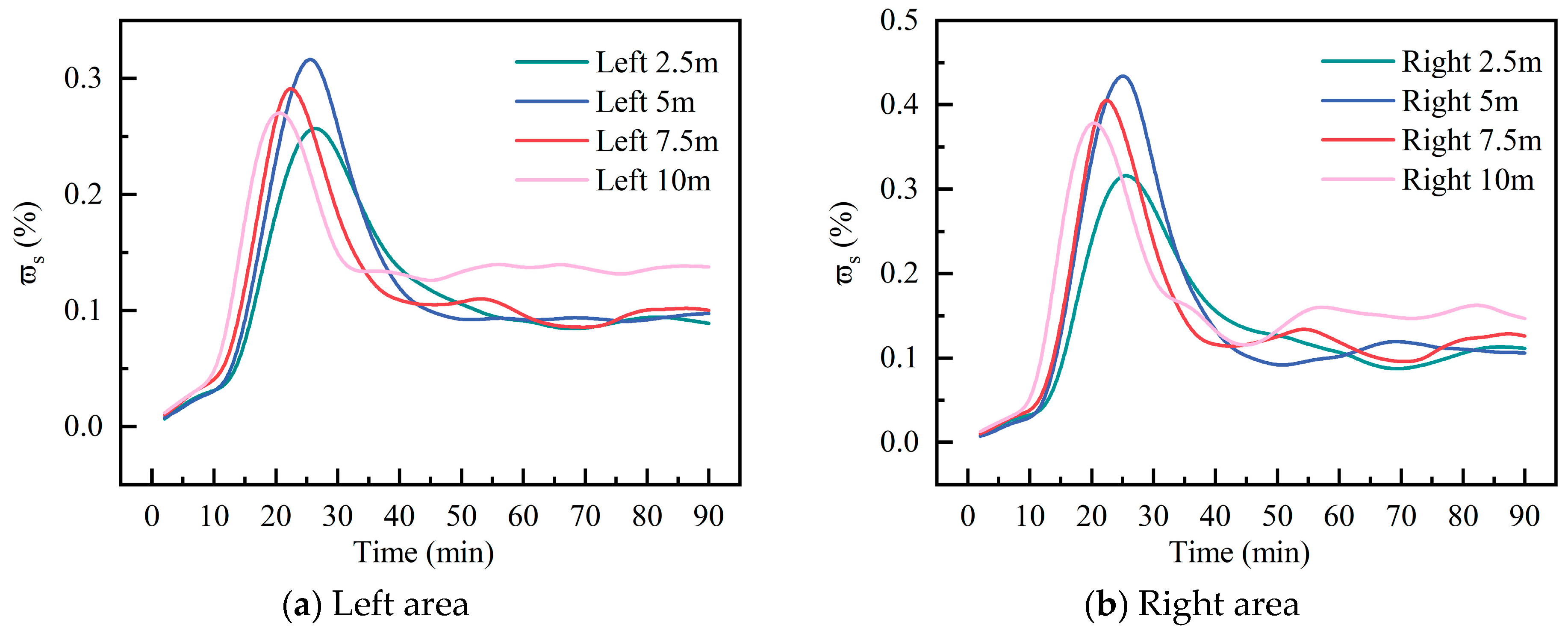
Figure 18 shows the temporal variation in the
of C
10H
16O at the 19 m surface under different
. At both 2.5 m and 5 m
, the
in both areas peak around 26 min, reaching 0.32% and 0.44%, respectively, increases of 0.06% and 0.12% compared to the 2.5 m condition. Increasing the
advanced the peak occurrence time. At
of 2.5 m and 5 m, peaks occurred at 26.2 and 26.4 min, respectively. When the
was increased to 7.5 m and 10 m, the peaks advanced to 22.3 min and 20.4 min, respectively. Moreover, the maximum
at 10 m decreased significantly to 0.21% and 0.28%. This indicates that under identical ventilation rates, a
with a smaller enclosed space facilitates faster diffusion and dilution of indoor pollutants, resulting in lower peak concentrations. However, at a
of 10 m, the
of pollutants in the final stabilization phase is higher than at other
. This is because the higher
results in more significant pollutant emissions, and the smaller space leads to higher concentrations per unit volume. Increased
leads to higher total emissions and reduced effective ventilation space, consistent with Krigstin et al.’s [
27] observation that larger wood chip piles pose heightened risks of self-heating and gas release.
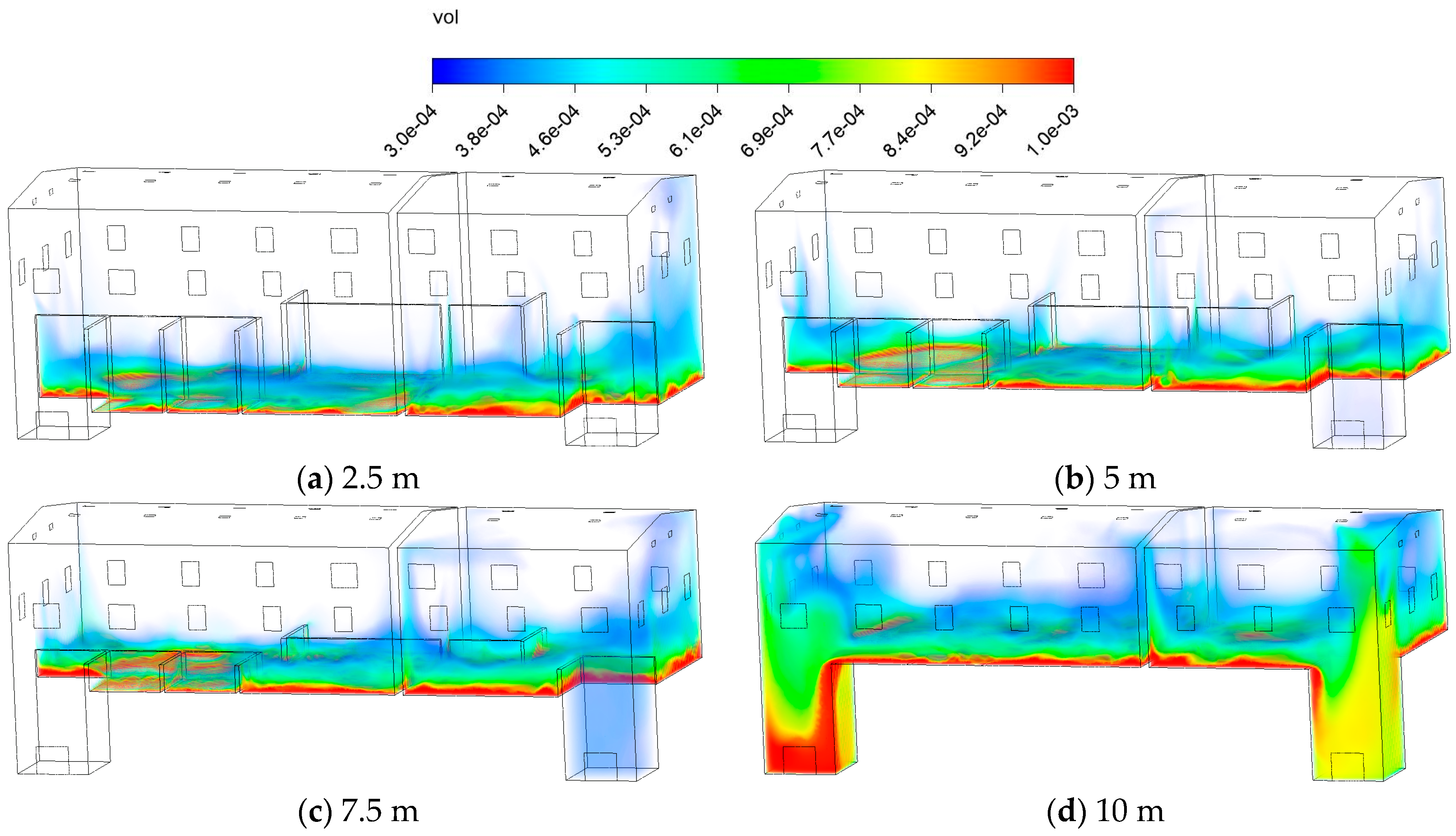
Figure 19 shows the volume fraction distribution of C
10H
16O at 60 min under different
. The left area exhibits reduced concentrations near the wall at
ranging from 2.5 to 7.5 m, with the right area showing the same trend between 2.5 and 5 m. However, as the
on both sides continues to increase, the high-concentration zones exhibit continuous distribution patterns, and the upward transport capacity of pollutants is weakened. Concurrently, the larger accumulation volume of wood chips leads to a higher pollutant release rate, resulting in reduced overall dilution efficiency. At a 10 m condition, the guiding effect of the partition on airflow weakens, causing some pollutants with higher densities to settle toward the doorway area and form distinct stagnation zones in the bottom corners.
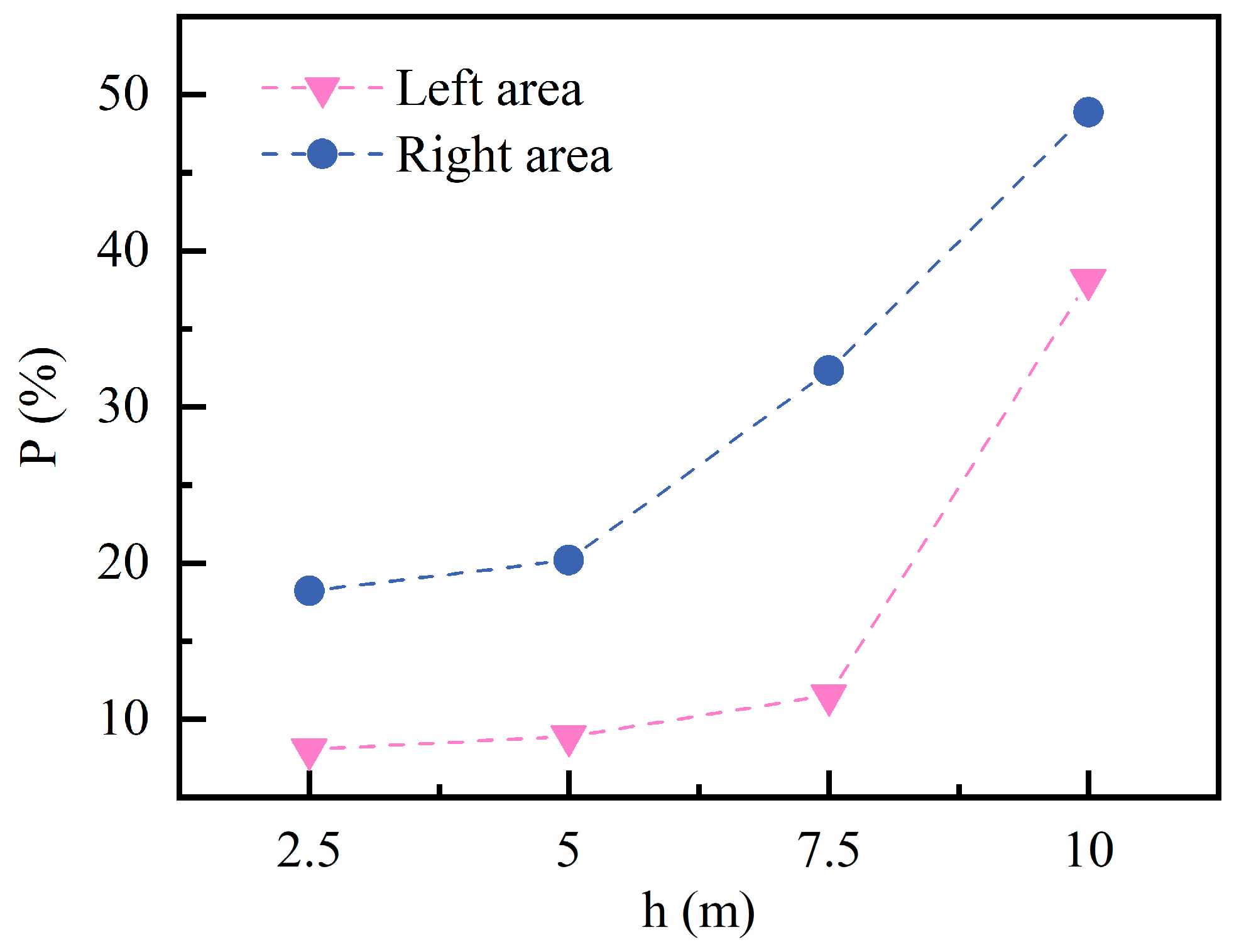
Figure 20 illustrates the trend in the
after 60 min of C
10H
16O release at different
. From the right area, the
exhibits an approximately linear increase, rising steadily from 18.22% to 48.87%. This is attributed to increased pollutant volatilization under
conditions, coupled with a significant reduction in effective ventilation space. In contrast, the response trend in the left area is relatively flat. When the
increases from 2.5 m to 7.5 m, the
increases are only marginal, from 8.06% to 11.52%. However, as the
is further raised to 10 m, the value rises sharply to 38.13%, demonstrating a pronounced stepwise growth pattern. This transition is primarily caused by the restricted vertical diffusion pathways of pollutants and the weakened airflow organization in upper areas.
This quantitative analysis reveals that the risk of VOC explosions significantly increases when exceeds 7.5 m, with high-risk zones accounting for 48.87% at 10 m. Therefore, it is recommended to establish a dynamic intelligent ventilation system with a “safe volume threshold” based on CFD simulations. Should exceed the threshold, causing the effective volume to fall below the threshold, the system automatically switches to enhanced ventilation mode—such as increasing air exchange rates or activating localized exhaust. By integrating sensors with automated control systems, this approach achieves closed-loop management transitioning from static design to dynamic response, ensuring precise safety in large-scale spaces.
3.5. Effect of VOCs Types on VOCs Migration
Different types of VOCs significantly influence the migration process of pollutants within a space due to their varying physicochemical properties. The simulation is carried out for five VOCs (C10H16, C10H16O, C10H18O, C10H10O2, and C15H26O) under the following conditions: air change rate of 8 ACH, air of 10%, of 5 m, volatilization rate of 0.068 g/(kg·h), and of 300 K.
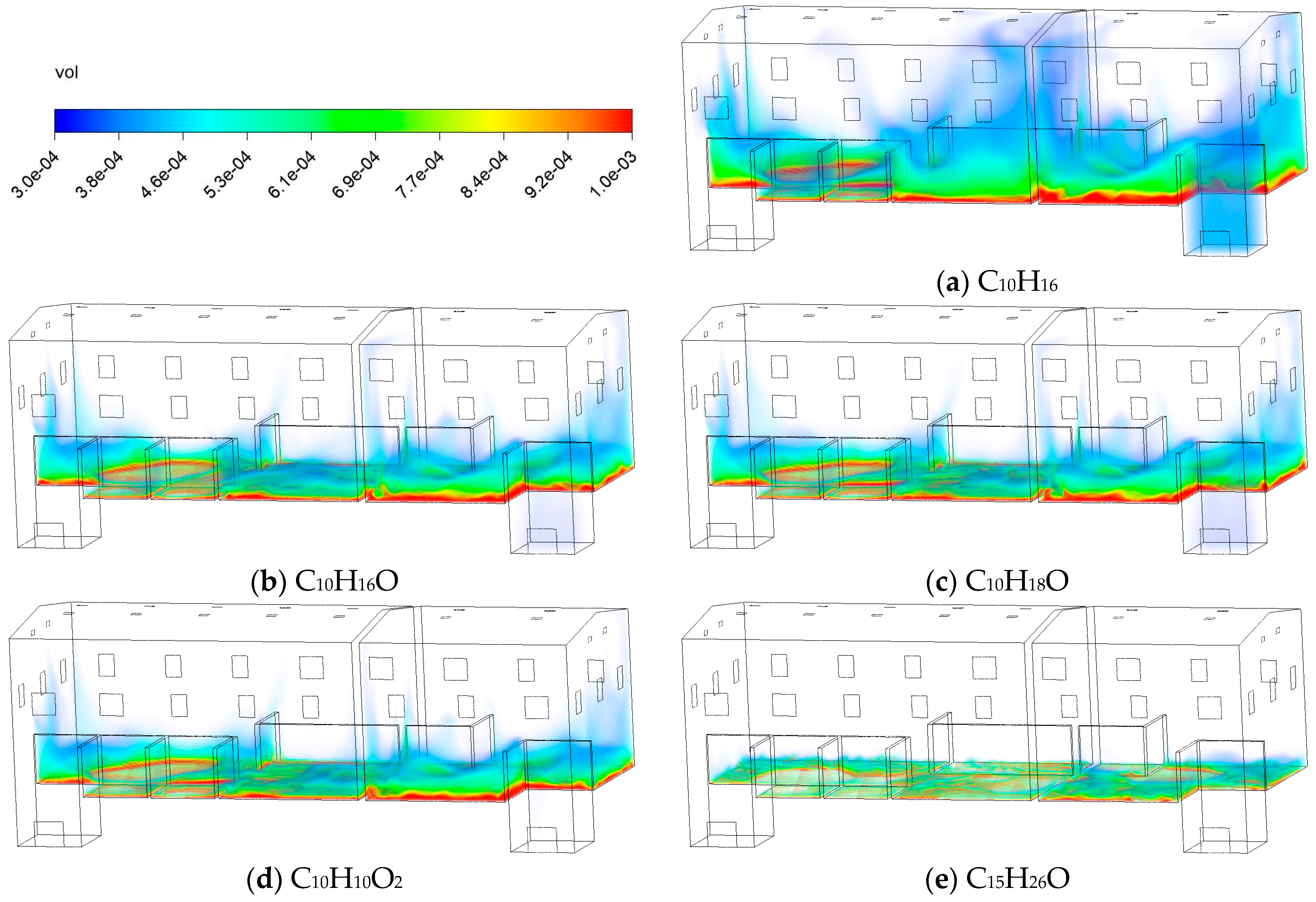
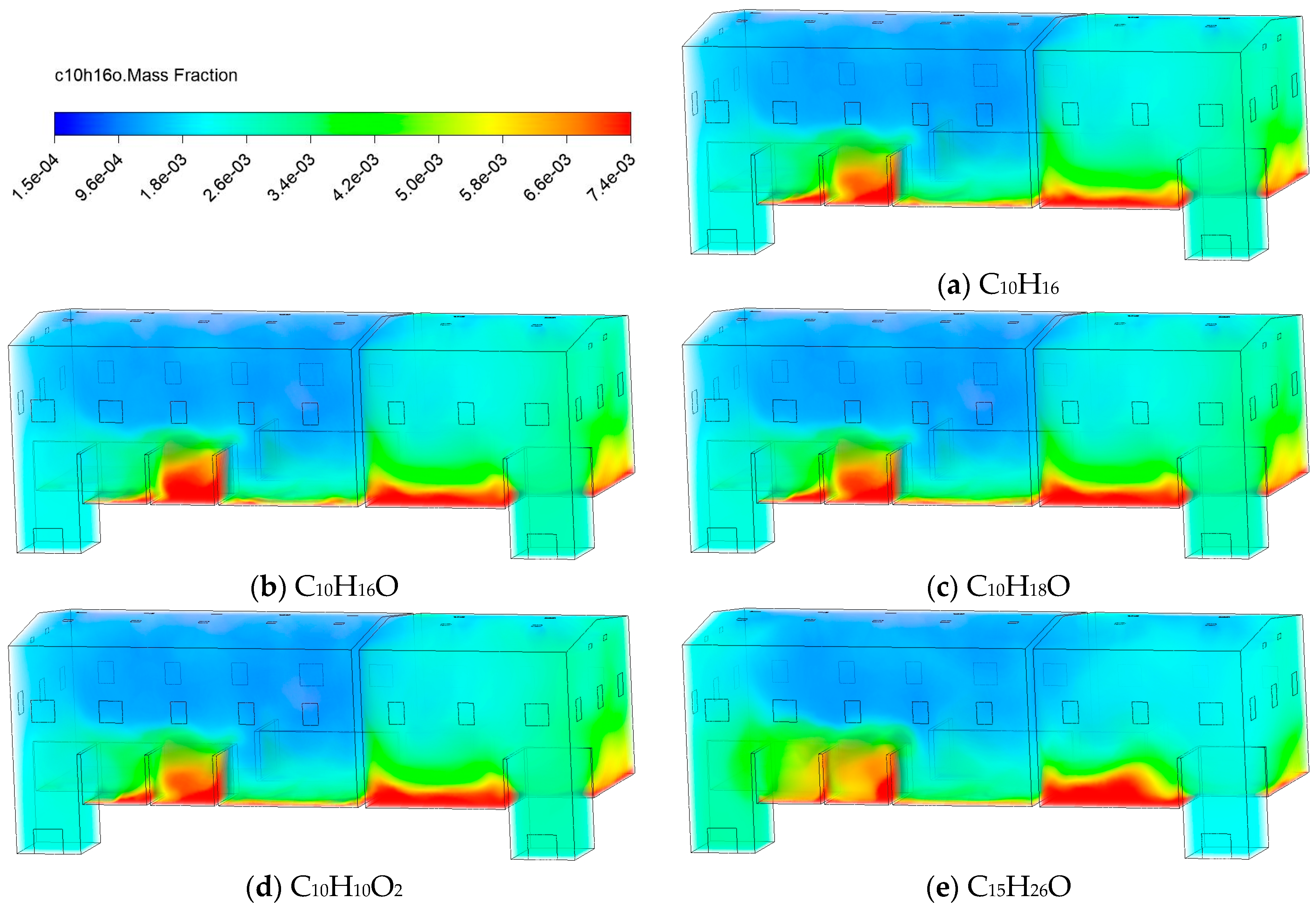
Figure 21 exhibits the
distribution of various VOCs after 30 minutes of release. The substances C
10H
16, C
10H
16O, and C
10H
18O, characterized by relatively low molecular weights and weak polarity, exhibit stronger diffusion capabilities. They distribute more widely in space, readily diffuse upward with air currents into upper regions, and tend to form high-concentration accumulation zones in structurally complex areas. Meanwhile, the species with more oxygen-containing functional groups or larger molecular volumes, such as C
10H
10O
2 and C
15H
26O, exhibit higher stability in the gaseous state. They tend to accumulate near the source area, resulting in a more centralized
distribution and significantly reduced migration capacity of bottom pollutants.
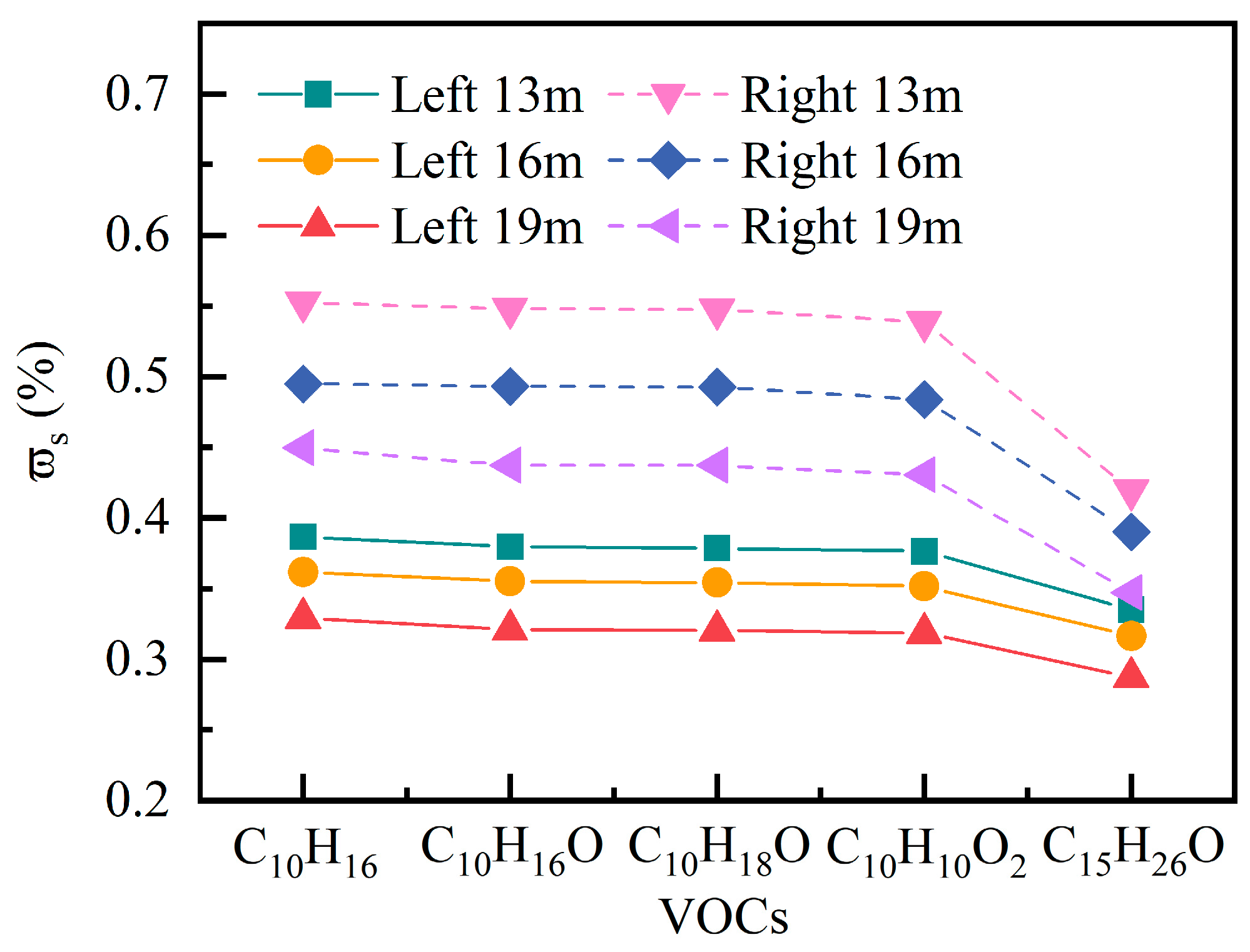
Figure 22 exhibits the peak
of various VOCs recorded at three representative locations (13 m, 16 m, 19 m) within 90 min. The effect of pollutant type on peak concentrations shows that the maximum
gradually decreases with increasing molecular weight and polarity of VOCs. In the right area at 13 m, the
of C
10H
16 is 0.39%, while that of the more polar and higher molecular weight compound C
15H
26O decreases to 0.34%. The same trend is observed in the left area: C
10H
16 at 0.55%, while C
15H
26O is only 0.42%. These results indicate that low-molecular-weight, low-polarity VOCs possess stronger volatilization and gas-phase diffusion capabilities, making them more prone to form high
accumulations in areas with complex spatial structures and relatively restricted ventilation. VOCs with different polarities and molecular weights exhibit distinctly different diffusion behaviors, which fully align with the VOC specificity emphasized in the meta-analysis by Bao et al. [
9].
Figure 23 shows the volume fraction contours of five typical VOCs at 60 min. As the molecular weight of VOCs increases and polarity intensifies, the spatial range extent of the tinted area exhibits a gradual contraction. In the case of C
10H
16, its tinted area shows the widest distribution, indicating that such low-polarity, low-molecular-weight substances are more prone to rapid volatilization and accumulation in confined spaces. However, at the same ventilation and volatilization conditions, the tinted area for C
15H
26O is significantly smaller, forming only a localized and mildly exceeded area near the source term, far below that of other types of VOCs. This result indicates that high-molecular-weight alcohols or alkanes exhibit slower diffusion rates in indoor air and are more susceptible to structural obstructions.
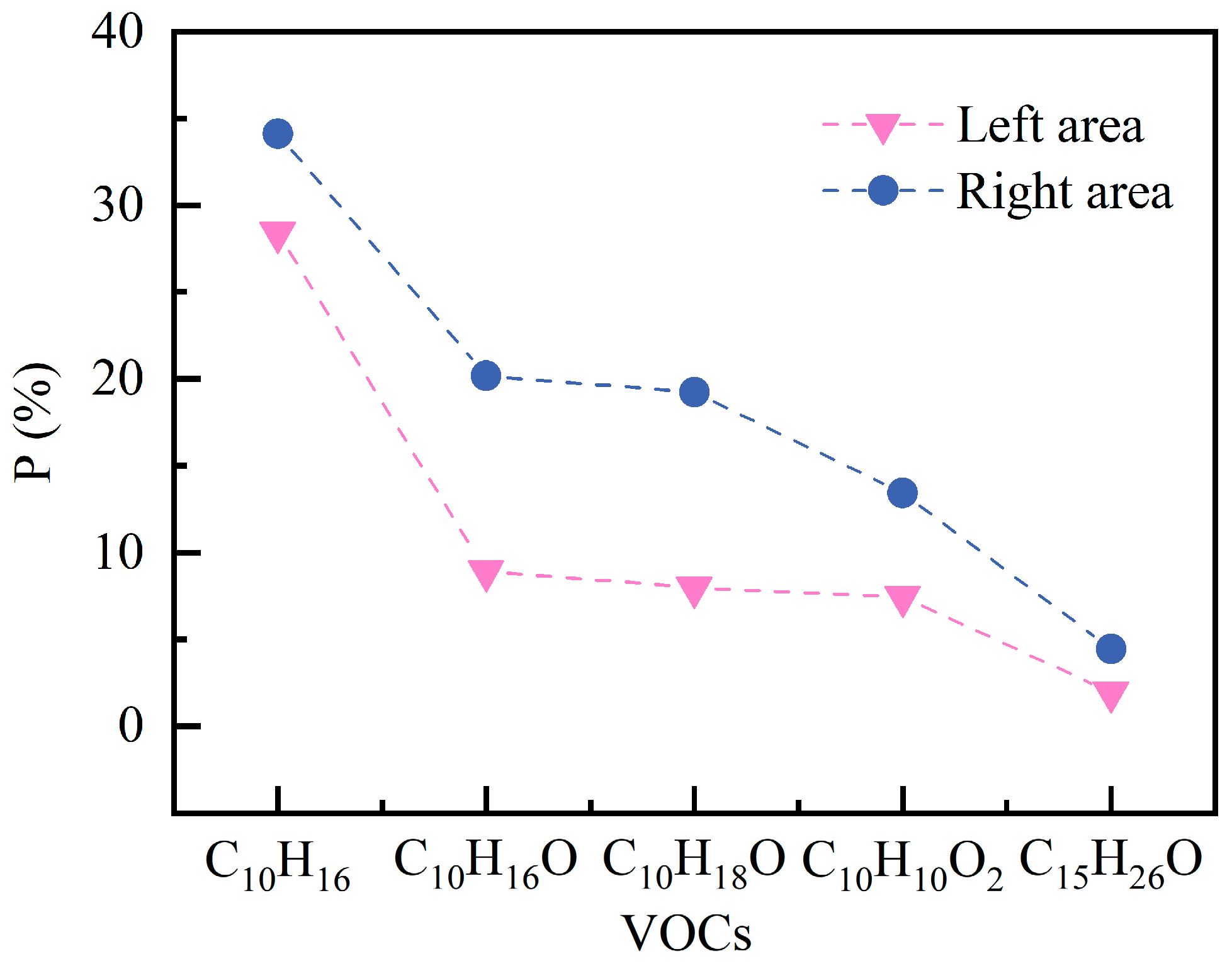
Figure 24 illustrates the spatial coverage changes in five representative VOCs with
after 60 min of release. The extent of the
decreases significantly with increasing molecular weight and polarity of the VOCs. In the case of C
10H
16, the
in the left and right zones are 28.41% and 34.10%, respectively, and are substantially higher than those of the other VOCs. Its high volatility and rapid diffusion allow it to form a widespread flammable atmosphere. Meanwhile, as a high-molecular-weight oxygen-containing compound, C
15H
26O accounts for only 1.98% and 4.48% in the two regions, respectively, representing a reduction of more than 86% compared to C
10H
16. This reflects its inherently lower vapor pressure and slower diffusion rate, which confine it to accumulation zones near the emission source under the current ventilation conditions.
Based on the differing migration characteristics of VOCs, customized ventilation strategies are recommended for various wood species. For storing coniferous woods like pine (which primarily release small-molecule VOCs such as C10H16), high-intensity comprehensive ventilation is advisable to achieve spatial dilution. For storing certain hardwoods (which primarily release large-molecule VOCs like C15H26O), a combined approach of “basic comprehensive ventilation and local exhaust ventilation” is recommended. This involves installing exhaust hoods above stacks for source control, ensuring safety while effectively reducing system energy consumption.
4. Conclusions
This study investigates the migration behavior of typical VOCs in semi-enclosed high-space wood chip fuel storage shed spaces. A CFD mode of a semi-enclosed high-space wood chip fuel storage shed was built and proposed. Then, the effects of various parameters including temporal evolution, ambient temperature (), fresh air humidity (), wood chip stacking height (), and VOC types, on migration and diffusion characteristics of VOCs were investigated and evaluated in-depth. A typical emission scenario is constructed using C10H16O as a model pollutant. The surface-averaged mass fraction () and the proportion of areas exceeding the 5% LEL () as evaluation indexes are used.
(1) In terms of temporal evolution, C10H16O initially accumulated near the bottom of the source area. As ventilation and convection are established, it gradually disperses throughout the space, reaching a quasi-steady state after 60 min. The concentrations at different heights (13 m, 16 m, 19 m) all show an initial increase followed by a decrease, with peaks occurring between 25 and 27 min. The peak at the right side are 0.55%, 0.49%, and 0.44%, respectively, while those at the left side are 0.38%, 0.36%, and 0.32%.
(2) exerts a dominant and nonlinear influence on the peak of the . In the range of 300~304 K, the peak is lowest (0.31% and 0.43% at a height of 19 m in both areas, respectively), yet the corresponding steady-state area is largest. For the 19 m plane on the left, when the rises from 304 K to 312 K, its peak increases by 19.88%.
(3) For , moderate humidity conditions (40~60% ) most effectively promote airflow mixing. Within this range, peak concentrations decrease by a mass fraction of 0.06% (left area) and 0.11% (right area). Both low humidity (<30% ) and high humidity (70% ) environments are detrimental to pollutant control. The effect of on is relatively insignificant at 60 min.
(4) The increase from 7.5 m to 10 m resulted in the most significant change in the . Increasing the to 7.5 m enhances dilution, advancing the peak occurrence time from 26 to 22 min. At 19 m height, peak decrease to 0.21% (left) and 0.28% (right). However, excessively high (10 m) caused a significant increase in total emissions and reduced effective ventilation space, resulting in an increase in the in the right area from 25% at 7.5 m to 48.87%.
(5) The physicochemical properties of VOCs play a decisive role in determining their migration capacity and associated fire and explosion risks. Low-molecular-weight, weakly polar VOCs (C10H16) exhibit strong diffusion capabilities, with their accounting for as much as 34.10% (right area). In contrast, high-molecular-weight, strongly polar VOCs (C15H26O) demonstrate weak migration capabilities, resulting in a significant decrease in to 4.48%, a reduction exceeding 86%. The peak shows a noticeable decrease only for C15H26O (left area: 0.39~0.34%, right area: 0.55~0.42%).
(6) This study employed CFD simulations to reveal the migration patterns of VOCs within a semi-enclosed, tall wood chip shed. However, certain limitations exist, pointing to directions for future research. First, VOC emission sources were simplified as uniform surface sources. Subsequent work could consider the flow and mass transfer processes within the porous medium of the wood chip pile to more accurately describe actual emission behavior. Second, while this study primarily focused on mechanical ventilation, future research could explore the applicability of natural or mixed ventilation modes under varying climatic conditions, providing a basis for designing low-energy, safe ventilation systems.