Skip Content
You are currently on the new version of our website. Access the old version .
HorticulturaeHorticulturae
  • This is an early access version, the complete PDF, HTML, and XML versions will be available soon.
  • Article
  • Open Access

2 February 2026

The Role of Biofilm Formation by Paracidovorax citrulli in the Infection Process of Hami Melon

,
and
1
Key Laboratory at the Universities of Xinjiang Uygur Autonomous Region for Oasis Agricultural Pest Management and Plant Resource Utilization, College of Agronomy, Shihezi University, Shihezi 832003, China
2
State Key Laboratory of Advanced Energy Storage Materials and Technology, College of Sciences, Shihezi University, Shihezi 832003, China
*
Authors to whom correspondence should be addressed.
This article belongs to the Section Plant Pathology and Disease Management (PPDM)

Abstract

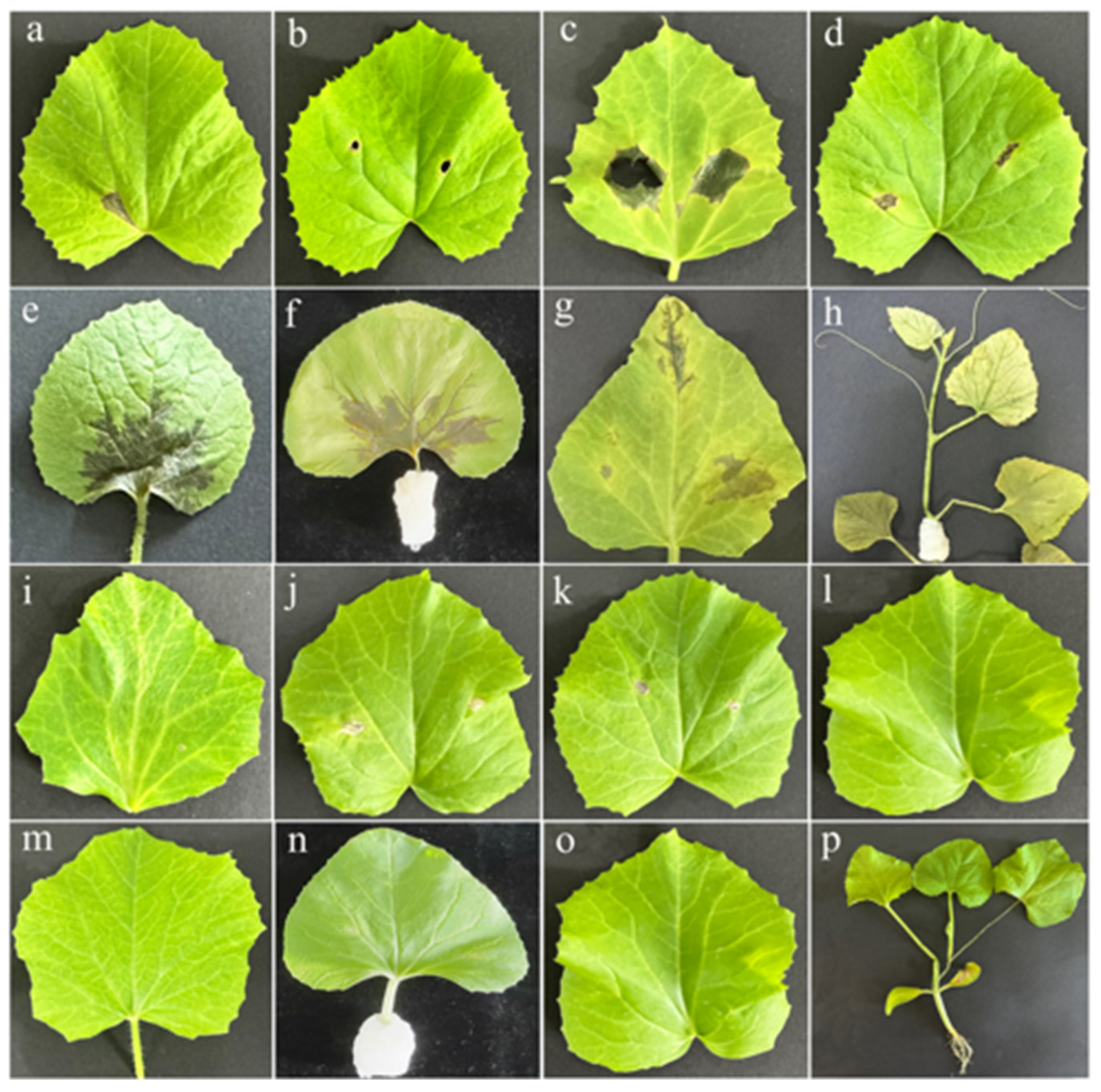
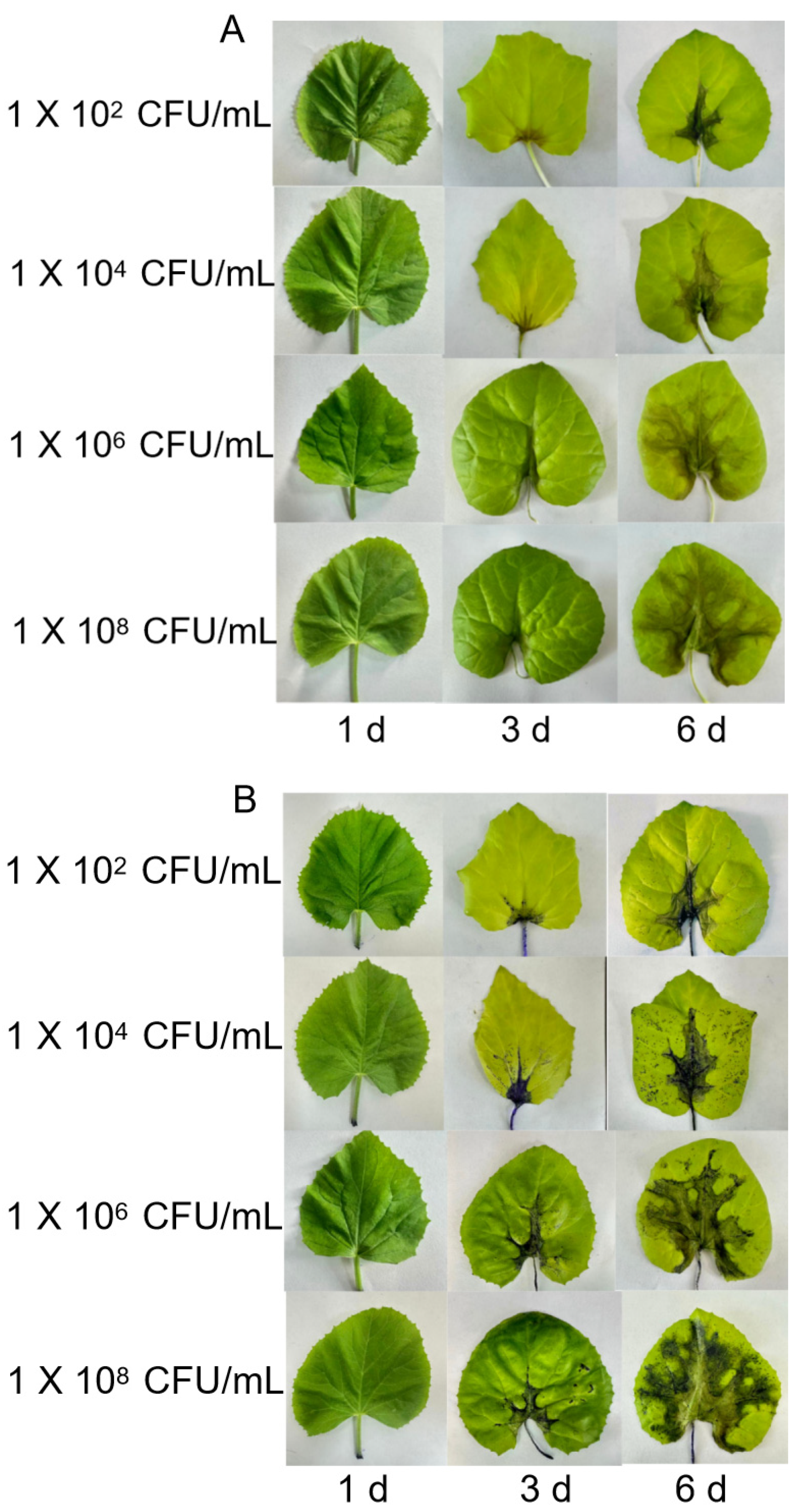
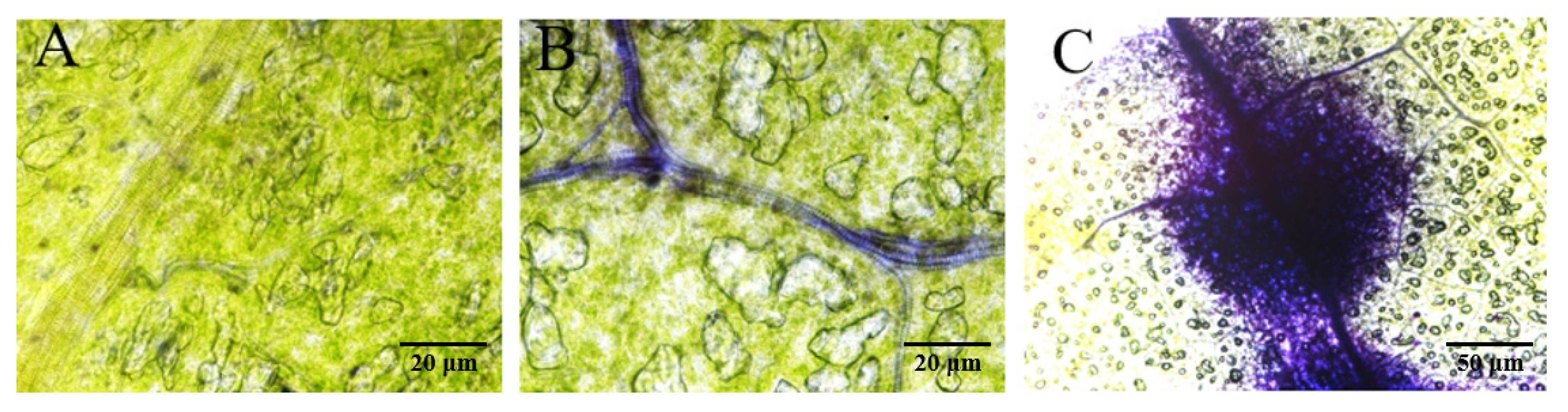
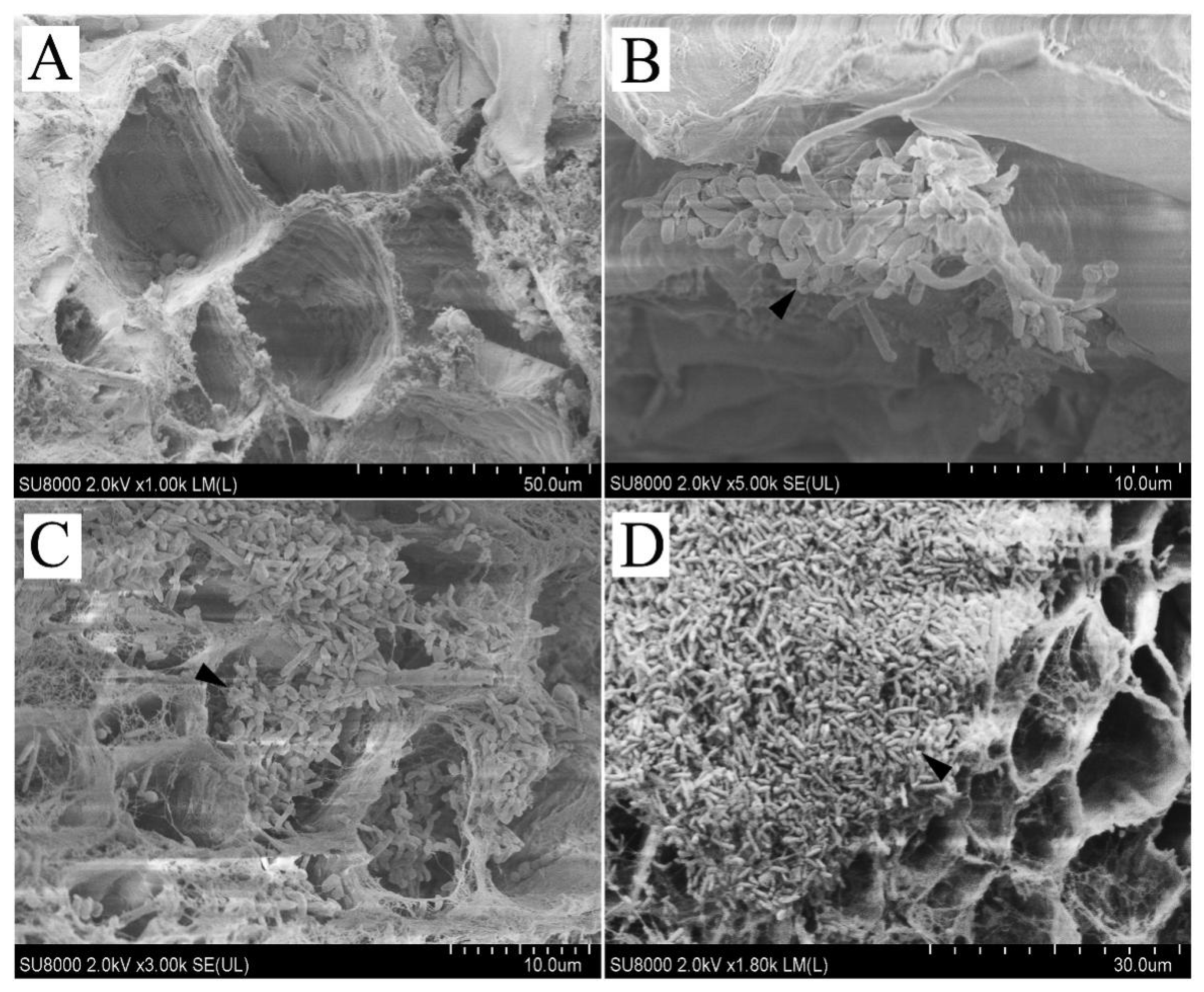
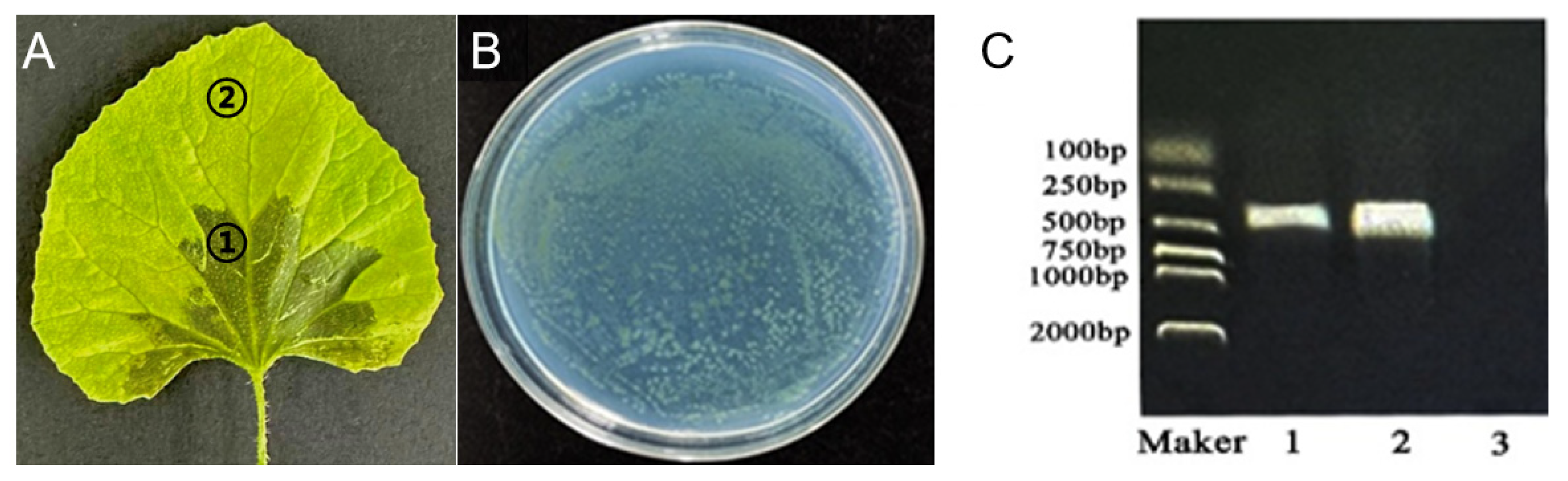
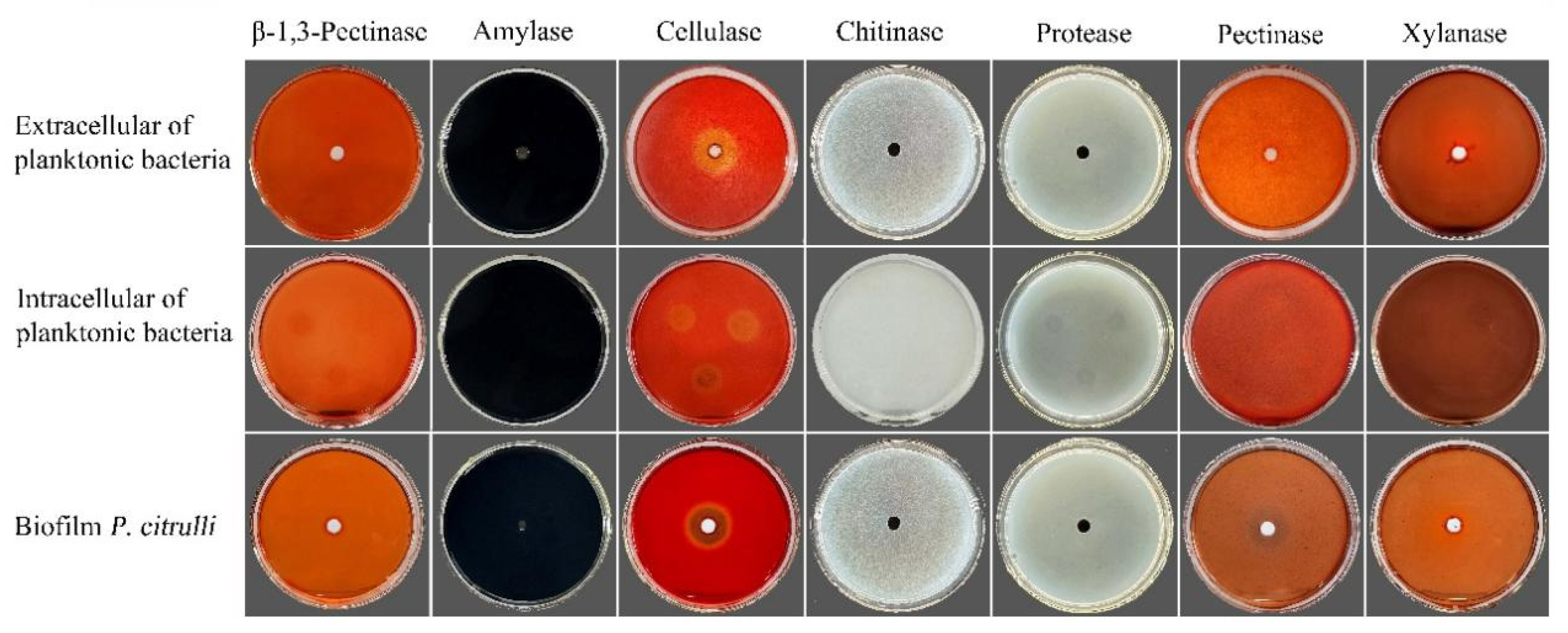
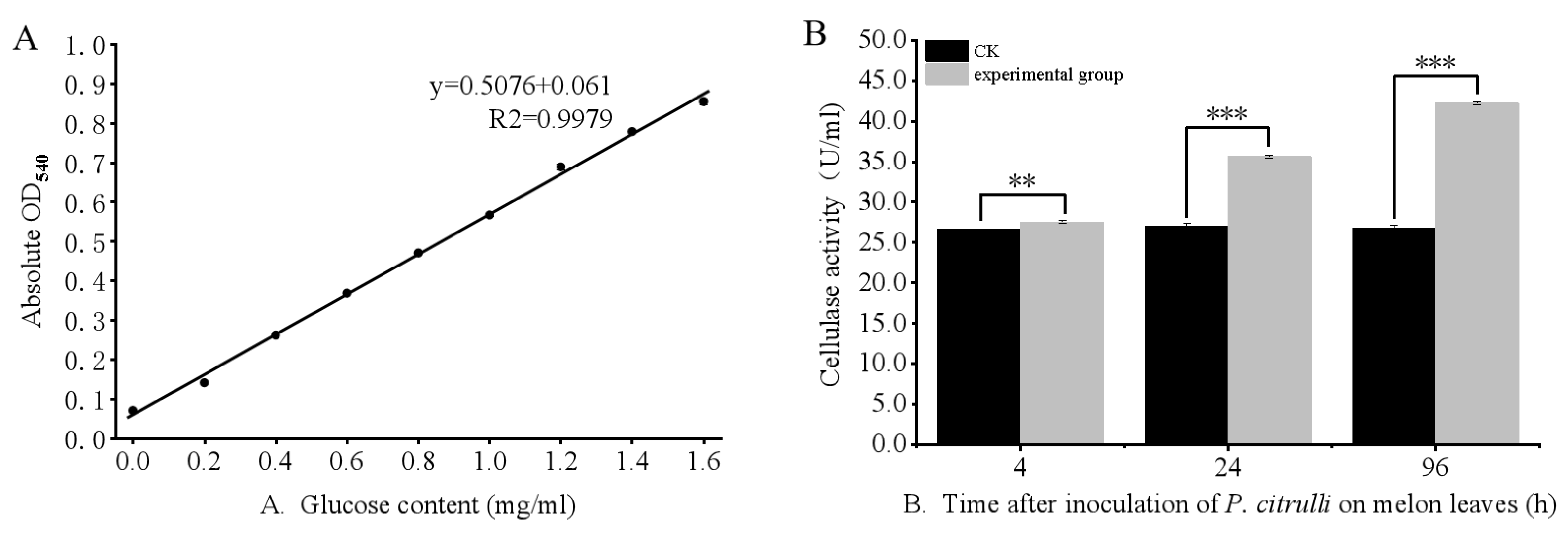
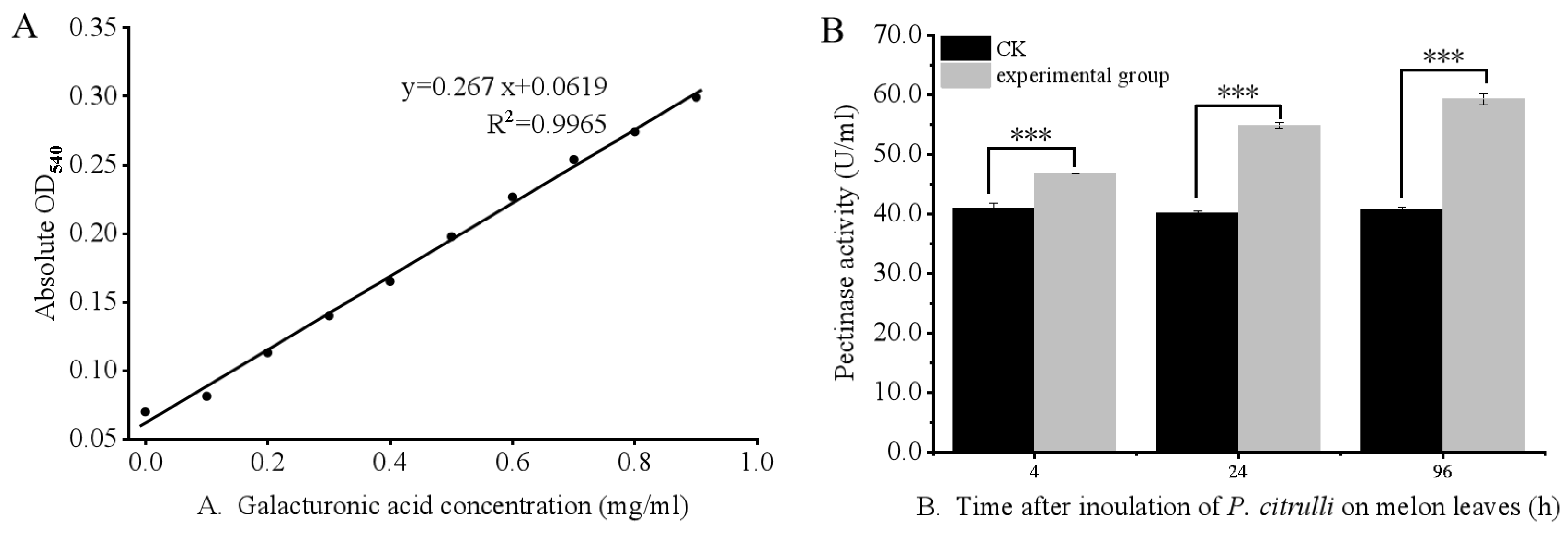
It has been well established that biofilm formation plays a critical role in the pathogenesis of various plant pathogenic bacteria. However, research on this process in Paracidovorax citrulli, the causal agent of bacterial fruit blotch (BFB) in cucurbits, remains limited. Through screening of the infection pathways of P. citrulli in sweet melon leaves, observing biofilm formation morphology at bacterial colonization sites, and detecting the activities of pathogenicity-related enzymes, this study revealed that P. citrulli readily colonizes Hami melon vascular tissues following inoculation via petiole immersion, petiole dipping, or vine injection. Dense biofilms were observed within the vascular bundles of symptomatic leaf veins. Furthermore, P. citrulli was confirmed to secrete cellulase and pectinase, with enzymatic activities increasing progressively as disease severity intensified. These findings suggest that BFB development in Hami melon is likely associated with the synergistic action of P. citrulli, biofilm-mediated occlusion of xylem vessels and hydrolytic degradation of plant cell walls, which may contribute to initial water-soaked lesions and subsequent vein-associated necrosis in leaf tissues. This study provides a theoretical foundation for further elucidation of the pathogenic mechanisms of P. citrulli.

Article Metrics

Citations

Article Access Statistics

Article metric data becomes available approximately 24 hours after publication online.