Review

Urospermum dalechampii (Asteraceae): A Neglected Mediterranean Wild Edible Plant with Nutritional, Phytochemical and Agronomic Potential

by
Luigia Mandriota
and
Massimiliano Renna
*
Department of Soil, Plant and Food Sciences, University of Bari Aldo Moro, Via Amendola 165/A, 70126 Bari, Italy
*
Author to whom correspondence should be addressed.
Horticulturae 2026, 12(2), 186; https://doi.org/10.3390/horticulturae12020186
Submission received: 28 December 2025 / Revised: 27 January 2026 / Accepted: 28 January 2026 / Published: 2 February 2026

Abstract

Wild edible plants represent an underexploited resource for enhancing agrobiodiversity and promoting more sustainable food systems. Urospermum dalechampii (Asteraceae) is a traditional Mediterranean wild edible species widely used in local cuisines, yet it remains marginal in modern horticulture. This review provides an overview of the current knowledge on the nutritional composition, phytochemical profile, biological activities, and agronomic potential of U. dalechampii. Available evidence indicates that its edible tissues are characterized by a favorable nutritional profile, including appreciable levels of dietary fiber, minerals, and beneficial fatty acids. Moreover, the species is a rich source of bioactive compounds—particularly phenolic acids, flavonoids, and terpenoids—which have been associated with antioxidant, anti-inflammatory, and antimicrobial activities. Recent studies have demonstrated the feasibility of domesticating U. dalechampii through both soil-based and soilless cultivation systems, including baby-leaf and microgreen production, thereby enabling controlled yields and reducing harvesting pressure on wild populations. Nevertheless, research on this species remains fragmented, and several knowledge gaps persist, notably the absence of standardized agronomic protocols, limited information on post-harvest management and safety, and potential market constraints related to bitterness and variability in product quality. Overall, U. dalechampii emerges as a promising candidate for sustainable horticulture and the development of functional foods.

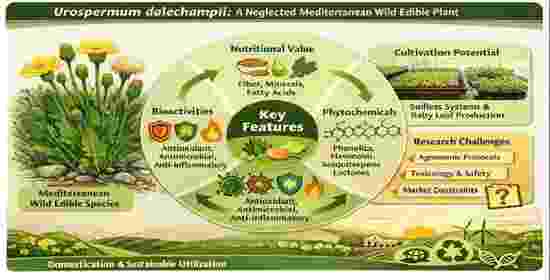
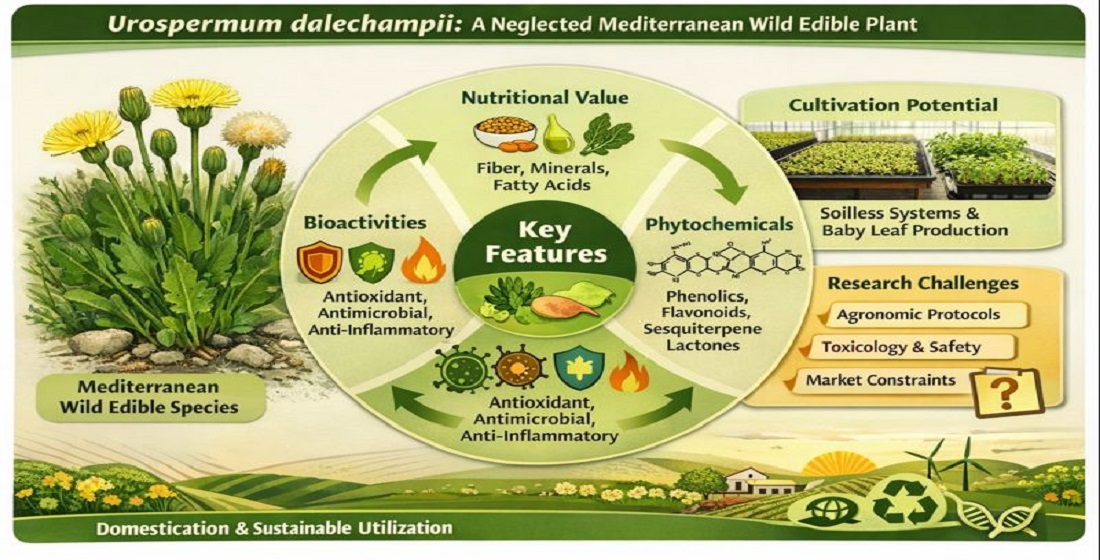
Graphical Abstract

1. Introduction

The concept of biodiversity, developed by entomologist Edward O. Wilson (1986), refers to the overall variety of living forms. Agrobiodiversity includes the stock of plant, animal and microbial genetic resources, specific to agricultural systems (agroecosystems). The conservation of and enhancement in agrobiodiversity are necessary for sustainability and food security, as well as to ensure the resilience of agroecosystems and adaptation to climate change [1,2]. Unfortunately, the increase in the cultivation and consumption of high-yield commercial varieties lead to a progressive genetic erosion of crops and a limitation of the plant diversity available for human consumption [3]. Therefore, spontaneous edible species, or wild edible plants (WEPs), can be understood as resources to ensure healthy and eco-sustainable nutrition, as well as the cultural identity of local communities; furthermore, from an ecological and nutritional point of view, WEPs take on a crucial role in the diversification of food sources and in the conservation of agricultural genetic biodiversity [4]. Spontaneous plants, particularly those typical of the Mediterranean region, have for centuries been an integral part of the traditional diet and medicine [5]. For example, in southern Italy, specifically in the Apulia region, about 2500 wild herbaceous species have been identified, and, among these, more than 500 are assimilated into local gastronomic dishes [6,7,8]. The Mediterranean basin, with its climate, geography and soil quality, has allowed for the development of abundant flora, including multiple wild horticultural species, which have adapted to hostile environmental conditions, such as the scarcity of water resources [9]. In periods of war or famine, Mediterranean WEPs represented a primary food resource [10]. However, they take on a peculiar role in the Mediterranean diet, owing to the healthy compounds they contain [6,9]. For example, many wild edible greens are not sufficiently rich in fat to be considered a good source of fatty acids. However, they have a healthy fat profile due to their proportions of n-6 and n-3 fatty acids [1].
In this regard, the scientific literature demonstrates that species belonging to the Asteraceae (Bercht. & J.Presl), in particular, contain significant quantities of vitamins, fiber, minerals, polyunsaturated fatty acids and phenolic compounds [11,12]. The Asteraceae, in fact, constitutes one of the most diverse and significant botanical families in the nutritional and medicinal fields; it includes over 1600 genera and approximately 25,000 species [4]. Many species belonging to this family, such as Sìlybum marianum (L.) Gaertn., Cynara cardunculus L. and Sonchus oleraceus L. are traditionally adopted for their therapeutic properties and in territorial gastronomy [13,14].
Among the species belonging to the Asteraceae, the genus Urospermum Scop. stands out for its evolutionary and applied value [15]. It includes two closely related species: Urospermum dalechampii (L.) Scop. ex F.W. Schmidt (“smooth golden fleece”) and Urospermum picroides (L.) Scop. ex F.W. Schmidt (“prickly golden fleece”) [16]. Both are widespread in the Mediterranean and Macaronesia, and exhibit morphological and genomic differences associated with environmental adaptation phenomena and episodes of homoploid hybridization [17,18,19,20].
Urospermum dalechampii is a species known for its traditional uses as food, a tonic, and a purifying and diuretic plant [21]. It is frequently collected in rural landscapes of southern Italy and Tunisia, where its leaves and inflorescences are consumed raw or cooked, often in association with other spontaneous horticultural species [22]. Its nutritional qualities have recently been confirmed: the aerial and root parts contain high percentages of carbohydrates (46.6–78.0%), fiber (10.4–24.6%), proteins (5.4–13.5%) and a mineral profile dominated by potassium, calcium and iron. The low oil content (1.0–1.5%), is characterized by a high percentage of unsaturated fatty acids, with a favorable UFA/SFA profile and excellent nutritional indices [21,23].
Regarding the phytochemical characteristics, U. dalechampii contains significant concentrations of phenolic and flavonoid compounds (quercetin, luteolin, naringenin) [24], as well as sesquiterpene lactones, which contribute to antioxidant and anti-inflammatory activity. Its use in traditional Mediterranean medicine is supported by the remarkable analgesic, anti-inflammatory and antioxidant effects found in the aerial parts of the plant and in related methanolic extracts [25,26].
Likewise, U. picroides has aroused scientific curiosity for its capabilities as a functional food. In fact, the most recent studies have recognized 77 metabolites in vitro, including the 12 new sesquiterpene-amino acid conjugates, which give the species anti-inflammatory activity [24]. As an affirmation of the function of WEPs in Mediterranean gastronomic culture, especially in Egypt and Southern Italy, U. picroides and U. dalechampii are used in traditional dishes such as “Chòrta Vramena” and “mixed leaves” [26].
In addition to its nutritional and pharmacological qualities, U. dalechampii exhibits significant allelopathic activity, acting as a natural bioherbicide: the germination of Lactuca sativa can be inhibited by leaf and root extracts. This property enhances its relevance in sustainable agriculture, which is founded on ecological weed management strategies and the valorization of spontaneous plant resources [12].
Urospermum dalechampii, in all its peculiarities, represents the convergence of agricultural biodiversity, ethnobotanical value and nutraceutical potential. Its recovery and scientific study contribute to the conservation of the Mediterranean WEPs and the diversification of horticultural species, providing new production possibilities for agri-food supply chains, based on the use of local varieties adapted to climate change [27].
In recent years, Renna et al. have focused extensively on the valorization and domestication of various spontaneous Mediterranean species, primarily used in healthy diet rich in nutritious elements, such as Heracleum sphondylium L. and Crithmum maritimum L. [28,29,30,31].
In the age of climate and food crises, integrating spontaneous species, such as U. dalechampii and U. picroides, into current agricultural systems and dietary regimes becomes a strong strategy to combine sustainability, innovation and protection of the Mediterranean ethnobotanical heritage [19,23]. However, this species remains the least studied among the Asteraceae family.
In this context, the available knowledge on U. dalechampii remains fragmented across botanical descriptions, phytochemical investigations, ethnobotanical reports and occasional nutritional studies. What is currently lacking is an integrated synthesis that combines these perspectives and provides a comprehensive overview of the agronomic, gastronomic and potential nutraceutical value of the species. Therefore, this manuscript presents a narrative review aimed at collecting, organizing and critically discussing the existing literature on U. dalechampii. Specifically, this review intends to (i) describe the morphological, biological and ecological features of the species within Mediterranean agroecosystems; (ii) summarize traditional harvesting practices and culinary uses, with particular attention to their cultural significance in local communities; (iii) analyze the available evidence concerning the nutritional profile and bioactive compounds, highlighting the species’ potential nutraceutical relevance; and (iv) explore possible agronomic applications, including prospects for crop valorization and integration into sustainable farming systems.
Taken together, these elements are intended to provide an integrated and up-to-date overview of the current state of knowledge while emphasizing both the opportunities and the research gaps that emerge in view of a future valorization of U. dalechampii as an agricultural, gastronomic and cultural resource.

2. Materials and Methods

This work intends to provide an interdisciplinary and international overview of Urospermum dalechampii (L.) F.W. Schmidt, as no previous reviews exclusively dedicated to this species have been identified in the literature.
Initially, bibliographic databases and main websites were selected, and target research questions and relevant search terms were defined. Subsequently, operational criteria were adopted for the selection of sources considered relevant. In a third step, precise methodological criteria for this review were implemented; finally, the information and data retrieved were examined and organized into the various chapters of this review.

2.1. Step 1: Selecting Research Questions, Databases, Websites, and Appropriate Search Terms

The research questions have taken on a rather broad approach, as no comprehensive scientific contributions relating to U dalechampii (L.) F.W. Schmidt have been found. Therefore, questions such as “How is it used?”, “What are the salient features?”, and “In which territory is it mostly found?” were asked.
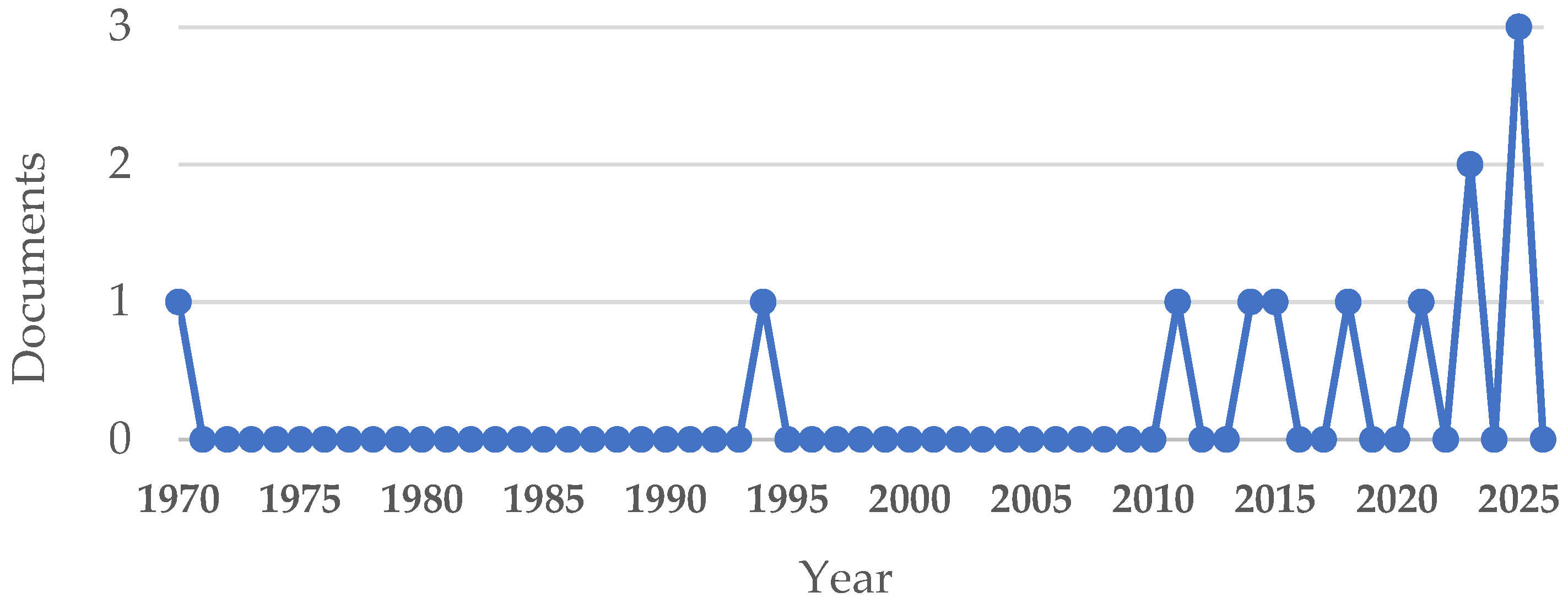
A bibliometric analysis was conducted using the Scopus database to assess the evolution and development of research on Urospermum dalechampii to date, with the aim of evaluating the level of scientific interest in this species. This study concludes with an examination of the results of more than 30 recent research papers, highlighting the current knowledge on this still-understudied plant with significant phytochemical and biological properties. Scopus analytical tools and Boolean operators were used to review and analyze the literature from 1970 to 2026. The search, based on the descriptor “Urospermum AND dalechampii” within the title, abstract, and keyword fields, retrieved a total of 12 articles (Figure 1).
Considering the limited number of scientific articles retrieved using these criteria in the Scopus database (Figure 1), the literature search was extended to additional sources. This is in accordance with the recommendations of Tranfield et al. [32], who suggested that bibliographic surveys should not be limited exclusively to academic databases. In fact, this review was conducted through a systematic analysis of the scientific literature and grey literature published from the 1970s to the present. The literature search was carried out using the scientific name Urospermum dalechampii (L.) F.W. Schmidt, and querying major international databases, including Scopus, Web of Science, and Google Scholar. Contributions of various types (scientific articles, book chapters, conference proceedings, theses, reports, unpublished studies, doctoral theses, internal company reports, and university handouts) were included, without limitations related to the language of publication, geographic area, author affiliation, or subject area. The initial survey produced approximately 89 contributions, which were subsequently subjected to a critical content evaluation. Works in which the species was cited only in the bibliography or mentioned without providing relevant information from a botanical, ethnobotanical, ecological, nutritional, or pharmacological perspective were excluded. To ensure more up-to-date and reliable data, priority was given to publications after the 2000s. The application of the selection criteria led to the final inclusion of 41 sources. To complement the indexed scientific literature, 13 specialized and institutional websites were consulted, used to delve deeper into the food uses, ethnobotanical knowledge, and traditional uses of Urospermum dalechampii, as well as to find floristic and popular information relating to the distribution and territorial development of the species. To this end, non-strictly academic bibliographic research has been conducted using, in addition to the scientific name, several common and vulgar names attributed to the species, including Big Boccione, Daléchamp’s Lettuce, Dalechamp’s Urospermo, Bunommo, Amarago, Bitter Ciconia, Dairy, and Scorzanera trifoliata [33]. Particular attention was paid to avoiding information overlapping with related species belonging to the Asteraceae Bercht family.

2.2. Step 2: Applying Practical Screening Criteria

The selection of materials involved scientific articles, monographs, book chapters, research reports, and conference proceedings, integrating both empirical contributions and works of a conceptual or theoretical nature. The present review aims to provide a comprehensive overview of U. dalechampii, and therefore any formal quality criteria, such as rankings or journal scores, were excluded.

2.3. Step 3: Applying Methodological Screening Criteria

The review protocol, developed for the systematic analysis of the content of the selected documents, was divided into three main sections. The first summarizes the essential bibliographic information of each source, i.e., the authors, title, year of publication, affiliation of the authors, type of contribution, and name of the journal, in the case of articles. The second section illustrates the methodology used, distinguishing between theoretical-conceptual, empirical, and applied studies. The last section examines the texts, i.e., the works relating to “biology and morphology”, which were used for drafting the section describing the plant, while those concerning “use” were identified as relevant for the preparation of the chapter on food uses.
Finally, the stored data and information were structured and extensively discussed in the following sections, also incorporating the authors’ thoughts on the prospects of the species.

3. Results and Discussion

3.1. Biology and Morphology

The main morphological, cytogenetic and phylogenetic traits are summarized in Table 1. U. dalechampii is a perennial species of the Asteraceae, widespread in the Mediterranean, with an erect stem, basal rosette of leaves and large yellow flower heads that flower in spring [23].
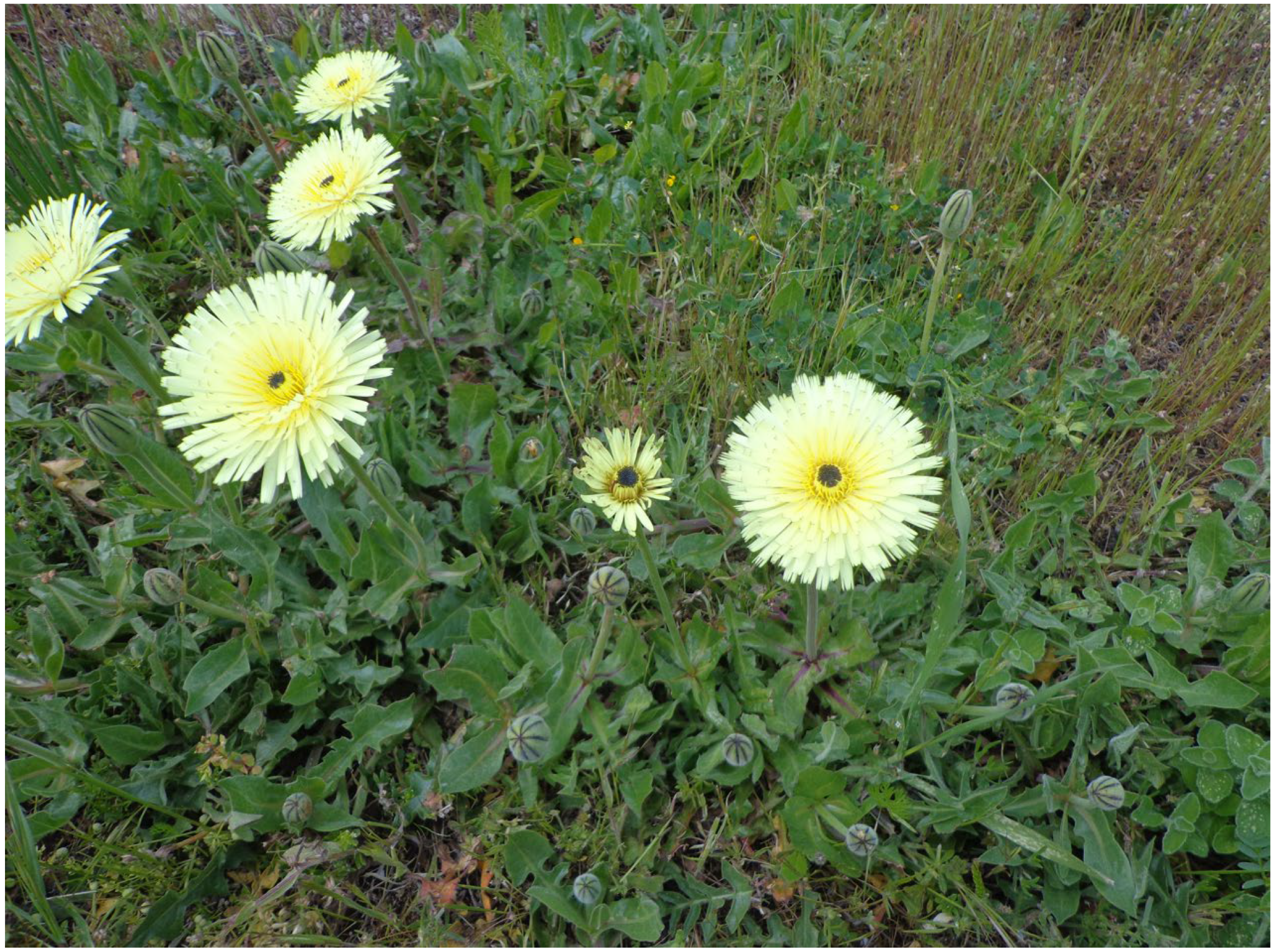
It is a perennial species widespread in Central Europe, North Africa and Western Asia, typical of uncultivated lands, meadows and fields: erect pubescent stems (10–60 cm), panduriform/oblong-lanceolate basal leaves, large flower heads with yellow flowers and external purple shades, tomentose lanceolate bract shells (Figure 2), and black achenes with rostrum and pappus [23,34].
In Apulia, it is documented as a traditional alimurgic species: perennial plant with pale yellow flower heads and large basal leaves with a bitter taste, an integral part of the regional ethnobotanical heritage [22]. As a Mediterranean WEP (smooth golden fleece), it has been historically consumed: leaves, buds and roots have been used, respectively, as substitutes for spinach, capers and potatoes. From a morphological perspective, it is characterized by large basal leaves, showy yellow-pale flower heads and a generally smoother habitus than that of U. picroides [35].
Morphologically, it has a robust taproot and an erect, hollow, velvety floral scape, sometimes exceeding 80 cm. The basal leaves have an opaque green color, reaching 20 cm in length, and vary from lanceolate to deeply runcinate or pinnatifid with wavy and toothed margins. The lower cauline leaves are progressively larger and less divided and the upper cauline leaves are lanceolate, subentire, auriculate and amplexicaul, sometimes in whorls of three. A dense pubescence (tomentosity) covers the leaves, stems and calyx, giving the plants a velvety–bristly appearance. The upper cauline leaves, smaller and amplexicaul, have mostly entire margins. The solitary flower heads consist exclusively of hermaphroditic ligulate flowers and are borne on a long, hollow, and enlarged peduncle. Flowering occurs from March to August; in deep soils and during humid years, the peduncle may reach up to 6 cm in diameter. Each capitulum bears 7–8 uniseriate involucral bracts with reddish margins and contains more than 200 florets. The fruit is a rostrate black achene (1000 achenes weigh approximately 1.6 g) with a long beak surmounted by a dark, feathery pappus arranged in two series (dandelion type), which enables anemophilous dispersal over long distances. Biologically, the species is a scapose hemicryptophyte, i.e., a perennial plant with overwintering buds at ground level and an elongated floral axis. It as an erect, weakly branched stem (20–40 cm), pinnately divided petiolate basal leaves (up to 6 cm), opposite upper lanceolate leaves, and sulfur-yellow ligules (approximately 20 mm long) with central red streaks [36,37,38,39,40,41,42].
U. dalechampii is distinguished by its morphological and genomic characters: it has large flower heads with soft, tomentose involucral bracts, in contrast to the spinulose bracts of U. picroides. Cytogenetically, the species is diploid, with a chromosome number of 2n = 14 (x = 7), and possesses a relatively large genome (2.26 pg/2C) compared to U. picroides (1.93 pg/2C), of which approximately 74% consists of repetitive DNA, dominated by LTR Ty1/Copia retrotransposons. These traits allow for a clear distinction from U. picroides and have enabled the species to be identified as a maternal progenitor in homoploid hybridization events. The integration of morphological, cytogenetic, and genomic data confirms its autonomous evolutionary identity and its key role in the diversification of the genus Urospermum, providing new insights into adaptation and evolution within the Asteraceae [23,34].
In the study by Fernández-Mazuecos et al. [16], U. dalechampii was analyzed within a phylogenetic framework of the tribe Cichorieae (Asteraceae), based on nuclear ITS (Internal Transcribed Spacer) sequences and the plastid matK (maturase K) gene. The results showed that U. dalechampii and U. picroides form a monophyletic clade, closely related to Avellara fistulosa and Prenanthes purpurea, together constituting the so-called APU clade (Avellara–Prenanthes–Urospermum). A BEAST-dated analysis indicated a divergence between Avellara and Urospermum in the middle–late Miocene (15.58–8.62 Ma), followed by a subsequent divergence between U. dalechampii and U. picroides during the Late Miocene–Quaternary (7.00–2.34 Ma), highlighting a long evolutionary history and prolonged genetic isolation within the Mediterranean region.
Table 1. U. dalechampii main morphological, cytogenetic and phylogenetic traits.
ReferencesParameterObservation
[23]Life formPerennial herb of Asteraceae with erect stem and basal rosette
[36,42]Vegetative traitsErect pubescent stems (10–60 cm), basal leaves 10–20 cm, tomentose and runcinate
[36,42]Reproductive traitsLarge yellow capitula (≈6 cm), ligules ≈ 20 mm; flowering March–August
[36,42]FruitBlack rostrate achenes (~1.6 g/1000) with feathery pappus for wind dispersal
[23,34]CytogeneticsDiploid (2n = 14); nuclear DNA = 2.26 pg/2C; ≈74% repetitive DNA (LTR Ty1/Copia)
[23,34]Comparative genomicsLarger genome than U. picroides (1.93 pg); maternal progenitor in homoploid hybridization
[16]PhylogenyForms monophyletic APU clade (Avellara–Prenanthes–Urospermum); Miocene divergence (15.6–2.3 Ma)
Note. Abbreviations and units—cm: centimeter; mm: millimeter; g: gram; pg: picogram; Ma: million years ago; 2C: diploid nuclear DNA content; LTR Ty1/Copia: Long Terminal Repeat Ty1/Copia retrotransposons.

3.2. Ethnobotanical Knowledge and Habitat

The genus Urospermum derives from the Greek ourá (“tail”) and spérma (“seed”), in reference to the dark achenes with a long caudate appendage; the epithet “Dalechampii” honors Jacques Daléchamps (1513–1588), author of Historia Generalis Plantarum [36]. In addition to its botanical interest, U. dalechampii has ornamental value for its yellow flowers and emits white latex when cut. Ethnobotanical uses are summarized in Table 2.
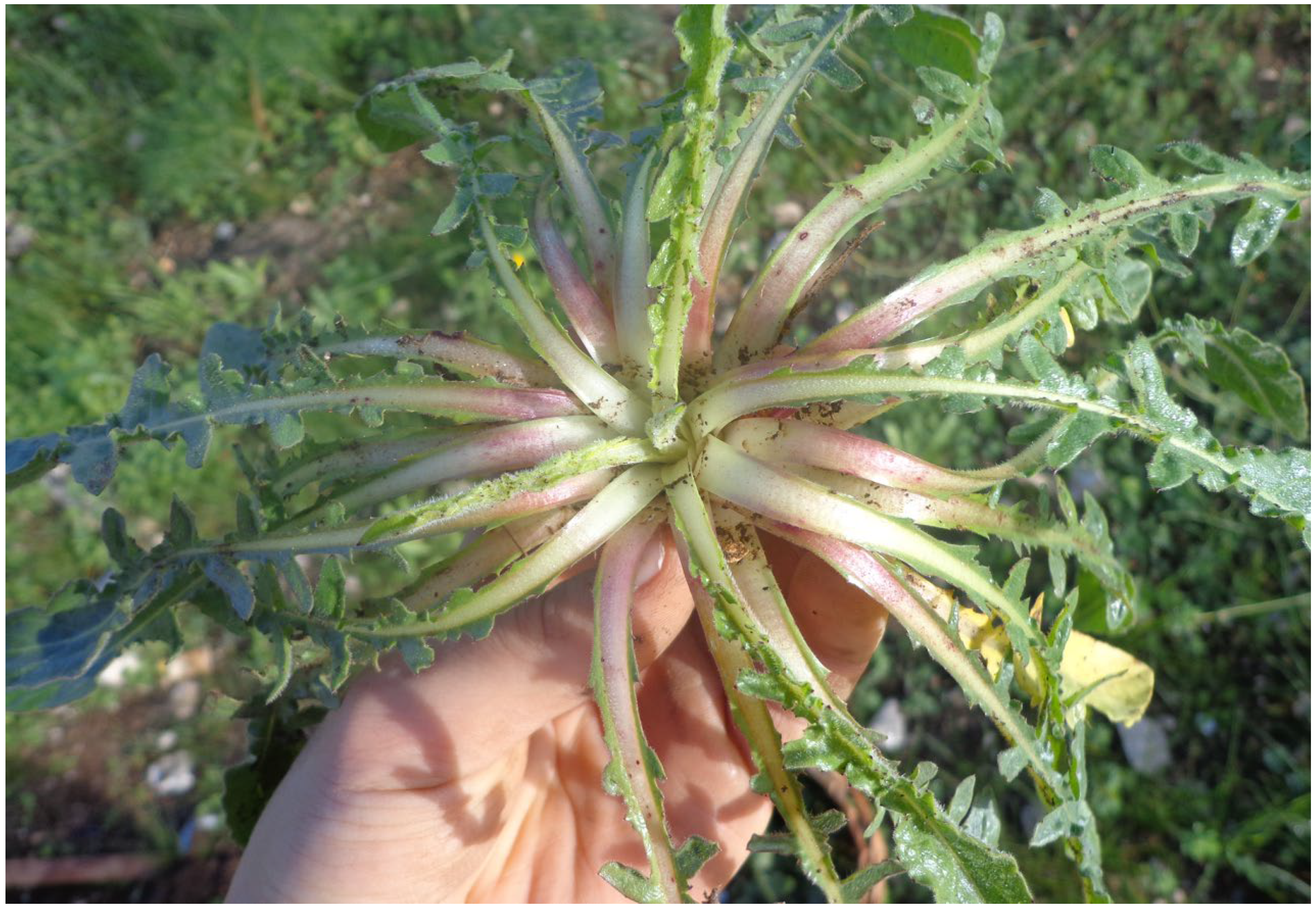
In Apulia (Southern Italy), the species is rooted in popular and culinary tradition, especially in Manduria town, where it is called “cequaire all’ammérse” for its curved leaves (Figure 3); it also inspired photographic works by Stephen Sharnoff [36]. Since 2021, it has been included among the Traditional Apulian Agri-food Products (TAFP) [43]. It is visited by small Apoidea and, to a lesser extent, by bees, and serves as a natural reservoir of AILV in the Apulian artichoke. Basal leaves and buds are collected in late winter and spring. There are numerous regional vernacular names (e.g., Daléchamps lettuce, Bitter Ciconia, Dairy, Amaragous, Scorzanera trifoliata, Beliommi/Bunommi) [33,36,43,44,45,46]. Known as smooth golden fleece, it belongs to the Euro-Western Mediterranean and Steno-Mediterranean corotypes and is widespread in the Mediterranean basin, temperate Europe, North Africa, and Asia Minor [17,47]. It is common in Central–Southern Italy but absent in Alpine regions [34,38,48].
A strictly Mediterranean species, it tolerates calcareous and poor soils and contributes to xerophilous ecosystems. It prefers sunny, well-drained environments, from 0 to 1200 m [33]. Flowering runs from March to August [38,48].
In ethnobotany, it is prized for its diuretic, depurative, and digestive properties; infusions are used as calming and hepatoprotective agents. Agronomically, it is rustic, undemanding, easily propagated by seed and sometimes confused with T. officinale or Sonchus spp., but distinguishable by larger flower heads and robust habit. It contributes to Mediterranean biodiversity and resilience [49,50].
Systematically, it belongs to the tribe Hypochaeridinae (Asteraceae), as Hypochaeris radicata L. Traditionally thought to be galactogenic, it is now recognized mainly for its diuretic, depurative and hepatoprotective effects [37,39,51]. Ethnobotanical knowledge persists marginally, indicating little-explored pharmacological potential. Its high adaptability makes it a model for ecological and evolutionary studies [52]. Homoploid hybridization is documented in Catalonia and southern France [34]. In Tunisia, aqueous extracts inhibit lettuce germination by up to 100%, suggesting use as a natural bioherbicide [12]. Culinary resilience practices integrate it with interest as a “functional food”, rich in sesquiterpenes, flavonoids, terpenoids, mucilages, and phenols with antioxidant, analgesic, and antimicrobial activities; no acute toxicity emerges [23,24,25].
Ethnobotanical use reflects both historical scarcity and the revaluation of the Mediterranean diet [27]. It is among the most common WEPs in Italy: raw or cooked tender leaves; shoots and roots as substitutes for spinach, capers and potatoes [35,44,45,46]. Ecologically, it is important for pollinators: In Corsica, it represents 41% of spring visits to Asteraceae [53,54]. In Alta Murgia, it has limited coverage (0.2%) but is relevant for functional biodiversity [55]. Mallorca is home to numerous Cetoniinae [56]. In Sicily, it constitutes 10.1% of the pastures, influencing the forage quality and traceability of Ragusano DOP cheese [57].
In folk medicine, galactogenic attribution was based on morphological analogy. Bitter compounds, mucilages, mineral salts, and vitamins support antibacterial, anti-inflammatory, antioxidant, hepatoprotective, and digestive activities [36,48]. In Sardinia, the raw root is used for gastric disorders; the extracts show antimicrobial action [37,50,58,59].
Table 2. Research regarding the ethnobotanical uses of U. dalechampii.
ReferencesGeographical AreaEthnobotanical UsePlant Part(s) Used
[33,35,36,43,46]Central–Southern Italy (Apulia, Tuscany, Liguria); calcareous, dry soils, 0–1200 m a.s.l.Edible wild vegetable (leaves, shoots); used in mixed greens; ornamental relevanceLeaves, young shoots
[17,34,38,47,48]Mediterranean Basin; widespread in Central–Northern Italy, absent from Alpine regionsHardy species enhancing agroecosystem stability and biodiversityWhole plant
[37,39,49,50,51,52]Mediterranean drylands, fallows, olive grovesDiuretic, depurative, hepatoprotective, digestive; used in herbal preparationsAerial parts, roots
[23,24,25,27,35,44,45,46]Central–Southern Italy; traditional Mediterranean diet contextsFunctional food with antioxidant, analgesic, antimicrobial properties (infusions)Aerial parts, Leaves
[12,34,53,56]Spain, Southern France, Tunisia, Mediterranean islandsPollinator resource; allelopathic potential; spontaneous hybridization zonesFlowers
[55,57]Apulia (Murgia), Sicily (Iblean Plateau); rocky semi-natural pasturesPasture quality indicator; linked to Ragusano PDO cheese traceabilityWhole plant
[33]Mediterranean lowlands and rural slopes (vineyards, olive groves, roadsides)Fodder and minor folk uses; contributes to soil biodiversity and ecological resilienceAerial parts
[37]General European folk traditionMedicinal purposes with hepatoprotective effectsLeaves, roots
[36,48]Not region-specific (laboratory studies)Antimicrobial activity from acid–rich extracts and essential oilsRoots, aerial parts
[37,50,58,59]Sardinia (Italy)Roots for gastric issues; decoctions digestive/depurative; infusions for bile disordersRoots, aerial parts

3.3. Food Uses

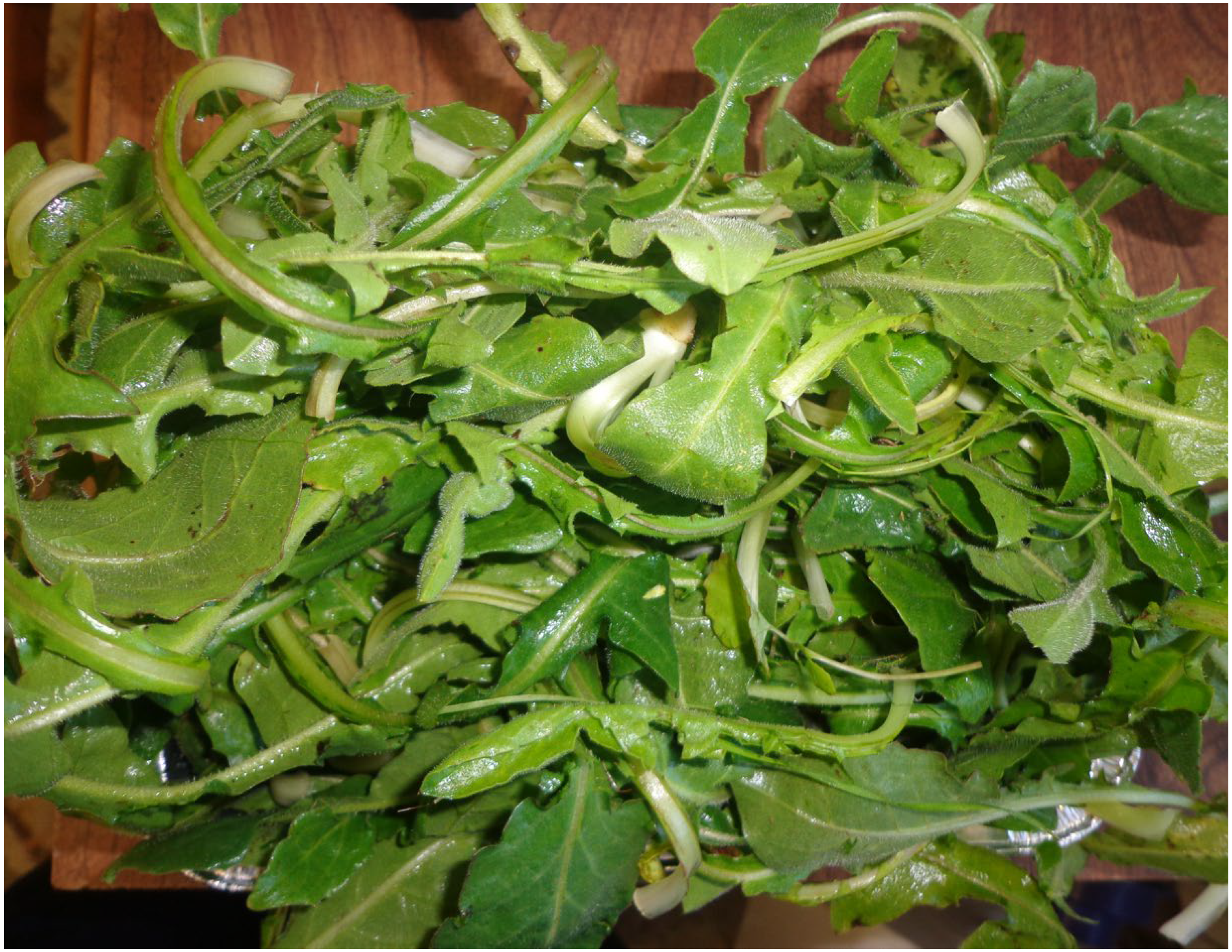
Among the main bitter herbs of Italian cuisine, the seasonal culinary use of U. dalechampii confirms its role in the traditional Mediterranean diet as both food and a digestive remedy [58,60]. The plant, morphologically distinguished by large, soft flower heads, is still appreciated today in Mediterranean markets and gastronomy [22]. Before flowering, the basal leaves are harvested (Figure 4); although bitter, they are edible and commonly used in soups, omelets, or sautéed with oil and garlic. The green, streaked buds are preserved in brine or pickle as caper substitutes and feature in traditional recipes [30,33], confirming their local alimurgic (famine-food) value [61]. The versatility of the species makes it a characteristic element of local cuisines. In central Italy, U. dalechampii is employed in a traditional wild herb mixture known in peasant dialect as “mad grass” (Ciociarian erua pazza). This dish consists of a salad prepared from a mix of wild herbs and flowers, assembled according to seasonal availability and historically associated with periods of food scarcity [38,59]. In Sicily (Italy), U. dalechampii is consumed as a spontaneous vegetable: boiled or fried leaves and shoots enter mixed dishes and soups [58].
In Umbria (Italy), the buds are used as caper substitutes, while the young leaves, characterized by a bitter taste, are boiled and simply seasoned. Harvesting before flowering reduces bitterness, and the species remains a defining element of rural cuisine and of the local health tradition [50,59].
The Sardinian soup S’Erbuzu combines about seventeen wild herbs (including Foeniculum vulgare, Reichardia picroides, Sonchus oleraceus, Chondrilla juncea, Andryala integrifolia), cooked with lard, beans, and pickled curd to a creamy consistency. The young leaves of U. dalechampii, with a delicate but slightly bitter taste, are sometimes eaten raw but more often cooked, and are commonly combined with species having a sweeter flavor to balance bitterness, in keeping with Mediterranean culinary traditions based on mixed herbs [49,50].
In Liguria, following periods of intense rains, wild herbs rapidly recolonize fields. When a leaf of U. dalechampii is cut, an artichoke-like aroma can be perceived, attributed to its bitter sesquiterpene lactones. In the Ligurian Apennines, a portion of preboggiòn—a traditional mixture of wild herbs briefly boiled—also including U. dalechampii, is used as a filling for a stuffed meat dish, cooked in a flavored broth and served sliced [37].
As part of the Ligurian prebuggiun, the species provides the bitter component of the mixture. When young, it can also be eaten raw; however, due to the intensity of its flavor, it is rarely consumed alone and is more commonly cooked. It is often combined with other wild herbs, such as Sonchus oleraceus, Tragopogon pratensis, Apium nodiflorum, Hypochaeris radicata, and Papaver rhoeas, which are boiled and seasoned with oil or sautéed with garlic, oil, and chili pepper. Harvesting is carried out by cutting at the base of the rosette in order to preserve the leaves and roots. The plant is used in soups and as a filling for piadina with watercress, and these preparations are appreciated for their yield and nutritional value [38,62].
The young rosettes, harvested at the end of winter, are boiled and used in omelets, savory pies, soups, or as a filling for ravioli and pansotti [37]. In Apulia, the dialect expression “foje creste” refers to blanched and sautéed mixtures of wild herbs used as a condiment [44,45,46]. In Abbruzzo, similar preparations are employed in the traditional dish “pizza e foje”, consisting of a soft corn-based flatbread baked in the oven and served with wild vegetables sautéed with garlic and chili pepper, accompanied by browned sardines and roasted sweet peppers [63]. In addition, in Abruzzo (Italy), a sauce obtained by macerating the aerial parts (excluding the flowers) in cooking water, then puréeing and acidulating it with lemon juice, is prepared to season meat dishes with a characteristic bitter note [36,48].
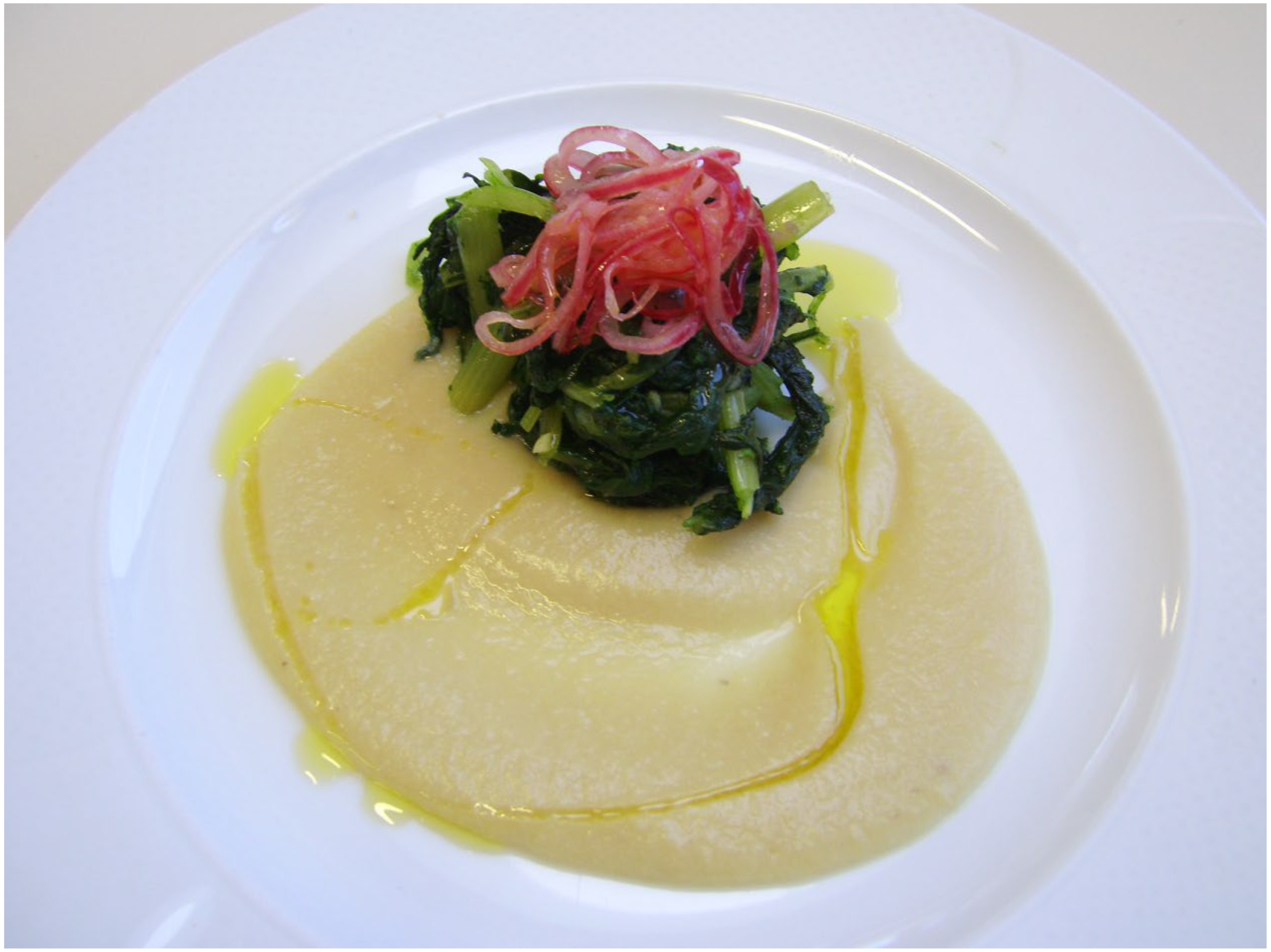
In Apulia, U. dalechampii is used in typical dishes such as “Callarredda”, a lamb-based preparation with wild herbs from the Murgia area, where it serves as an alternative to cultivated chicory (Cichorium intybus) [22,43,44,45,46,61]. Moreover, the term “Fògghj ammìske” (“mixed leaves”) refers to a collection of different wild edible species—including U. dalechampii—gathered from uncultivated fields. This mixture of wild greens is cooked and used as an ingredient in various traditional dishes, such as “Fave bianche e cicorie” (Figure 5).
As a Mediterranean alimurgic species, the green, dark-streaked buds of U. dalechampii are preserved in brine as caper substitutes or prepared in a sweet-and-sour style. After washing and drying, the buds are mixed daily with coarse salt for about one week until dehydrated, and then placed in glass jars and stored in a cool, dry environment. The resulting product, characterized by an intense flavor, is used as a condiment [37,59,61,64,65]. The roots are also cooked and used as a substitute for potatoes [63].
In the western Mediterranean basin, particularly in Spain and Morocco, the species belongs to the group of wild vegetables employed in mixed preparations (“mixed recipes of cooked vegetables”), in which the basal leaves are traditionally boiled together with other species and seasoned simply with salt and oil [66,67]. This consumption pattern, based on the use of the basal rosette and boiling, represents a characteristic feature of rural Ibero-Maghreb cuisine [67]. The core distribution of the species lies in the Iberian area, where it is especially exploited for food purposes [68]. The species shows remarkable versatility in Iberian and North African culinary traditions: in addition to the leaves, the flower buds and roots are also used, generally cooked and mixed with other herbs. The buds may be preserved in brine and used as such as capers substitute, while the root, resembling a small potato, is consumed as a cooked vegetable. Preparations include boiling, raw consumption in salads, incorporation into savory wild herb cakes, and use in mixed cooked vegetable dishes [50,69].
The tradition of wild edible greens is shared with Greek, Cypriot and Levantine cuisines, where U. dalechampii is commonly boiled and seasoned with oil and lemon, or sautéed with onion, garlic, and spices, as in the Greek recipe Tsigarelli (horta tsigari) [70,71]. In Cyprus, U. dalechampii is boiled, sautéed with onion and blended with bitter citrus fruits, while many preparations flow into hortopita, savory pies filled with wild vegetables [70,72]. In Greece and in Crete, the congener Urospermum is consumed as a raw wild edible green, sautéed, mixed with other herbs or boiled and seasoned with oil [25,52].
Overall, U. dalechampii is embedded in the Mediterranean tradition of spring wild vegetables, prepared through boiling, stewing, raw consumption, inclusion in mixed cooked vegetable dishes, preservation of the buds as caper substitutes, and use of the roots as small tubers. These practices collectively define the species as a characteristic gastronomic element of the western Mediterranean.

3.4. Genomic, Nutritional and Bioactive Profile

U. dalechampii has been the subject of an integrated cytogenetics and genomic phytocomposition analysis, with a focus on the repetitive structure of DNA and its role in genome evolution. Approximately 74.16% of the genome is made up of repetitive sequences, predominantly LTR retrotransposons of the Ty1/Copia (24%) and Ty3/Gypsy (11%) families, with the SIRE and Tekay lines predominating. The homoploid hybrid (U. dalechampii × U. picroides) shows an intermediate genome (1.89 pg/2 C), reflecting a balanced combination of the parental genomes. Retrotransposon activity and partial loss of ribosomal DNA indicate post-hybridative reorganization processes, with implications for adaptation and genomic stability of the species [34].
From a nutritional point of view, Hammami et al. state that U. dalechampii presents a high-quality profile, with carbohydrates (46.6–78.0%), proteins (5.4–13.5%), raw fibers (10.4–24.6%), ash (5.2–13.8%), and a modest but valuable lipid fraction (1.0–1.5%) [21]. The plant appears rich in macroelements such as potassium (404 mg/100 g), calcium (91 mg/100 g), and magnesium (20 mg/100 g), and shows a secondary metabolism oriented towards the production of phenols and flavonoids, positively correlated with antiradical activity [35]. It should be noted that quantitative differences reported among studies may partly reflect variability in analytical methods and sample preparation procedures. Furthermore, the trace elements (Fe, Zn, Cu) contribute to remineralizing and antioxidant properties. The lipid profile, dominated by oleic (33.3%), palmitic (19.5%), stearic (18.4%), α-linolenic (12.9%), and linoleic acids (8.4%), results in a UFA/SFA ratio > 1.3 and low atherogenic (AI = 0.51) and thrombogenic (TI = 0.62) indices, supporting the nutraceutical and cardioprotective potential of the species [21].
Anaclerio et al. [35] further support the relevance of the phytochemical and nutraceutical profile of U. dalechampii. According to their study, the species is characterized by total polyphenols (90.17 mg CAE/100 g fw) and antioxidant activity (0.09 g Trolox/100 g fw) [35]. However, these values should be interpreted in light of the plant matrix analyzed and the extraction conditions adopted (Table 3).
In particular, Hammami et al. [12] point out that U. dalechampii shows a complex phenolic profile, with polyphenols (9.67 mg GAE/g DW), flavonoids (4.24 mg RE/g DW) and tannins (0.04 mg CE/g DW), accompanied by a high antioxidant capacity (50.99 mg AAE/g DW) and scavenger activity (IC50 = 0.032 g/mL). LC–MS analysis identified 17 phenolic compounds, including chlorogenic, protocatechuic, 1,3-di-O-capheoylquinic, salviolic and flavonoid acids such as luteolin (7.98 mg/g DW), quercetin, rutin and apigenin [12] Differences in compound abundance reported in the literature may also depend on whether aerial parts, roots, or whole plants were used (Table 3).
According to Bouzid et al., the methanolic extract of U. dalechampii (UDME) shows a high concentration of phenols (154.91 μg GAE/mg), flavonoids (29.96 μg QE/mg) and tannins (9.65 μg CE/mg), together with alkaloids, terpenoids, saponins, coumarins and steroids [24].
Phytochemical investigations on the essential oil of U. dalechampii, conducted by Ramdani et al. [23], reveal a composition dominated by fatty acids and oxygenated aromatic compounds. GC/MS analysis identified 26 major constituents (97.82% of the total), including palmitic acid (24.3%), henicosan (10.1%), 2-methyl-Z, Z-3,13-octadecadienol (7.1%), dill apiole (5.25%), myristic and lauric acids, myristicin and elemycin. These compounds, belonging to terpenoids, phenylpropanoids and saturated fatty acids, are associated with marked antimicrobial activity against Gram-negative bacteria (A. baumannii, S. typhimurium) and moderate against Gram-positive ones (S. aureus) [23]. Comparability with other studies is influenced by differences in distillation methods and analytical sensitivity.
U. dalechampii Methanolic Extract (UDME) also shows significant antioxidant activity (IC50 = 45.42 μg/mL) and iron chelation capacity (IC50 = 0.54 mg/mL). In vivo models indicate dose-dependent anti-inflammatory and analgesic effects, with inhibition of up to 80.6% of acetic acid-induced contortions, without antipyretic activity. The absence of acute toxicity (LD50 > 2000 mg/kg) supports the safety of use and potential pharmacological applications [24]. However, toxicological assessment and biosafety evaluation are crucial aspects that should be considered for the potential use of products derived by this species.
Aqueous extracts of roots and aerial parts exhibit marked allelopathic activity, with total inhibition of lettuce (Lactuca sativa L.) germination at combined concentrations of 5%, attributable to the synergistic action of phenols and flavonoids [12]. This functional variability further emphasizes the influence of plant part selection on bioactivity outcomes.
Finally, U. dalechampii has been explored for innovative applications in metallurgy. Remache et al. [73] demonstrated that its extracts act as effective natural corrosion inhibitors (up to 83%) for carbon steel in acidic environments, functioning as environmentally friendly green inhibitors through combined physical and chemical adsorption mechanisms [73].
Table 3. Research regarding phytochemicals of U. dalechampii.
ReferencePhytochemical(s)Chemical ClassPlant Part(s) UsedAnalytical Method(s)
[12]Chlorogenic acid, protocatechuic acid, salvianolic acid, 1,3-di-O-caffeoylquinic acidPhenolic acidsAerial parts (leaves and stems)Aqueous extraction; spectrophotometric assays; LC–MS
[24]Total flavonoidsFlavonoidsAerial partsMethanolic extraction; colorimetric assay
[12]Luteolin, quercetin, rutin, apigeninFlavonoids (flavones and flavonols)Aerial partsAqueous extraction; LC–MS; colorimetric assay
[24]Total polyphenols, tanninsPolyphenolsAerial partsMethanolic extraction; Folin–Ciocalteu assay
[24]Sesquiterpene lactonesTerpenoidsAerial partsQualitative phytochemical screening
[24]Alkaloids, saponins, coumarins, steroidsAlkaloids and terpenoid-derived compoundsAerial partsQualitative phytochemical screening
[23]Palmitic, myristic and lauric acidsSaturated fatty acidsWhole plantHydrodistillation; GC–MS
[23]Dill apiole, myristicin, elemicinPhenylpropanoidsWhole plantHydrodistillation; GC–MS
[12]Total phenolics, total flavonoids (aqueous extracts)Polyphenols and flavonoidsLeaves and rootsAqueous extraction; spectrophotometric assays
[35]Total phenols, antioxidant compoundsPolyphenolsLeaves (wild and cultivated plants)Methanolic extraction; Folin–Ciocalteu assay; ABTS test
Note. Spectrophotometric assays refer to colorimetric methods commonly used for the determination of total phenolics (Folin–Ciocalteu method) and total flavonoids (AlCl3-based assay). LC–MS: liquid chromatography–mass spectrometry. GC–MS: gas chromatography–mass spectrometry. Qualitative phytochemical screening indicates preliminary tests aimed at detecting major classes of secondary metabolites.

3.5. Domestication

Both ethnobotanical knowledge and food uses suggest good potential for the domestication of U. dalechampii.
U. dalechampii is a hardy and xerophilous species. It prefers full-sun exposure but tolerates partial shade. The species withstands temperatures down to 5 °C. It requires protection from frost during winter. U. dalechampii grows on loose and well-drained soils. It requires little organic fertilization. It needs irrigation only during prolonged drought [45,46]. The species grows in soils with medium-to-low fertility. It tolerates pH values from slightly acidic to basic. The species flowers from March to August. Flowering is favored by full-sun conditions. Pollination is entomogamous. Seed dispersal occurs through a feathery pappus or, as in related species, through epizoochory [51]. Sowing takes place between winter and spring, with germination in 6–12 weeks. The leaves, bitter but tender, are harvested in March–April, cutting the apical parts to encourage regrowth [46]. The cut leaves tend to curve, resembling octopus tentacles, hence the dialect name “cequaire all’ammérse”. The plant, which is also valued for ornamental purposes, flowers from March to July/August and is harvested from late winter to early spring, before flowering, when the basal leaves are more tender. In deep soils and rainy years, the flowers can exceed 6 cm in diameter. The greater snake is harvested from fields and uncultivated land by wild herb collectors [43].
It is resistant to parasites but can suffer powdery mildew or rot from humidity. In Italy, it coexists with U. picroides (lesser bush), and with annual, bristlier and light flowers. U. dalechampii is appreciated as an ornamental, melliferous and useful plant for vegetable gardens because it attracts entomophagous insects. The leaves are eaten raw or cooked in minestrone soups, fillings and rustic cakes, while the buds can be preserved in brine or used in sweet-and-sour applications [39].
U. dalechampii is a perennial vascular plant typical of temperate–Mediterranean climates (zone 8), capable of surviving prolonged droughts owing to its xerophytic physiology. This perennial plant is well adapted to Mediterranean climates and grows easily owing to its robust root system and photophilic physiology. It performs best under bright light at around 20 °C, with average humidity of about 50%, and requires at least six hours of full sunlight per day. The species prefers moderate weekly watering and sandy or calcareous soils with a pH between 6.0 and 7.5. It tolerates a wide range of temperatures, from −20 °C to 38 °C (zones 5–9), and does not require specific climate protection. To prevent root rot, water stagnation should be avoided, and balanced fertilizers may be applied monthly during the growing season. Pruning is recommended in spring and summer to remove dry tissues and improve air circulation, while the removal of withered flower heads helps to prolong flowering. Fertilization requirements are generally low, and repotting is usually carried out in spring. The species propagates naturally by seed after the last frost, but it can also be propagated by cuttings or spring transplantation. Plants typically reach 10–50 cm in height, produce characteristic bright yellow flowers up to 5 cm in diameter, and develop a crown up to 60 cm wide. U. dalechampii is not toxic to humans or animals, contains latex, and is considered a hardy medicinal herb with moderate maintenance requirements [51,74].
In the paper by Chenot-Lescure et al. [75], U. dalechampii is reported as one of the characteristic species of the Mediterranean arid meadows of the Crau plain (southern France). After five years of experimentation on different artificial substrates in former quarries, the species appeared only in unseeded lots, indicating spontaneous colonization favored by natural substrates. It is therefore considered an indicator of taxon of ecological success in the reconstitution of typical Mediterranean dry grasslands.
Spontaneous edible species (SEP), including U. dalechampii, represent an agrobiodiversity resource with cultural and genetic value, useful for the domestication of new crops. The increase in demand for fresh-cut products has led to studies of their cultivation above ground, in pots with sub-irrigation and in floating systems [76]. In support of these activities, some studies demonstrate that the cultivation and domestication of edible spontaneous species, in high-tech soilless systems, can be ecologically sustainable if integrated into a circular economy model. Buttaro et al. show that innovative photovoltaic greenhouses maintain acceptable yields and quality by reducing energy consumption and emissions, thus promoting energy self-sufficiency [77]. Gonnella and Renna [78] highlight that the evolved soilless systems allow for the efficient use of water and nutrients, the recycling of substrates and the employment of organic by-products, reducing the environmental impact. These crops, if managed with renewable materials and closed circuits, represent a concrete way for sustainable food production, even in urban contexts [78].
Therefore, Anaclerio et al. [76] studied three spontaneous edible species, U. dalechampii and U. picroides, in soilless culture and these showed good domestication potential, with average yields of approximately 26 t/ha in two months. The cultivated plants showed morphological differences compared to the spontaneous ones and a high mineral content (especially K+, Ca2+ and Mg2+). These species represent promising resources for expanding and diversifying the production of fresh-cut vegetables.
The same research group tested the domestication of U. dalechampii and U. picroides in floating hydroponic cultivation to obtain baby leaves. The plants, grown at two densities (412 and 824 plants/m2), were harvested after 44–54 days for U. dalechampii and 35 days for U. picroides, showing good precocity. U. dalechampii showed more leaves and higher concentrations of sodium, chlorine and nitrates; U. picroides produced greater leaf weight, dry matter, potassium, calcium and phenols (+49%), with superior antioxidant activity (+61%). Lower densities favored phenols and antioxidant capacity, while higher densities increased yield and mineral content. Spontaneous plants, compared to cultivated ones, had more phenols and antioxidants, but lower water and nitrate contents. Edible microgreens were also obtained, demonstrating the feasibility of controlled large-scale production. Hydroponic cultivation confirmed the potential suitability of both species for range IV while requiring control of the nitrate content [35].
U. dalechampii, as a rustic Mediterranean species tolerant to drought and poor substrates (Table 4), is indicated as a plant useful for urban biodiversity and for use in green roofs and peri-urban agriculture owing to its ability to attract pollinators and resist extreme environmental conditions [79]. In parallel, the species is recognized for its ethnobotanical and nutraceutical value, traditionally consumed as a wild herb and today re-evaluated for the production of microgreens and baby leaves in sustainable hydroponic systems, for the high content of antioxidants, vitamins and minerals, as well as for the bitter and aromatic flavor typical of Mediterranean alimurgic plants [80,81]. Overall, it represents a bridge between traditional use and agroecological innovation, with a potential role in the valorization of spontaneous plant resources.
Table 4. U. dalechampii pedoclimatic characteristics.
ReferencesParameterObservation
[45,46,51,74]Climate zones5–9 (USDA hardiness zones)
[45,46,51,74]Climate tolerance–20 to 38 °C (optimal: 20 °C); 50% RH
[45,46]Water and soilIrrigation only under drought; avoid waterlogging; pH 6.0–7.5
[46]Growth cycleSowing winter–spring; germination 6–12 weeks; harvest after 44–54 days
[35,46]Harvest periodMarch–April

4. Prospect

Based on the integrated review of botanical, nutritional, phytochemical, ethnobotanical, and agronomic data, U. dalechampii emerges as a Mediterranean wild plant with significant multifunctional potential, offering concrete benefits in terms of biodiversity, food security, sustainability, and the valorization of ethnobotanical heritage. Therefore, in order to evaluate whether this species can be regarded as a new horticultural crop with a concrete chance to succeed, a SWOT analysis was performed (Table 5).
Table 5. SWOT analysis related to the exploitation of U. dalechampii as a new cash crop.
STRENGTHS
Horticulturae 12 00186 i001
WEAKNESSES
Horticulturae 12 00186 i002
Environmental adaptabilityLack of standardized agronomic protocols
Nutritional and nutraceutical valueFragmented scientific knowledge
Multiple uses and functionsOrganoleptic and market limitations
Cultural and ethnobotanical value
OPPORTUNITIES
Horticulturae 12 00186 i003
THREATS
Horticulturae 12 00186 i004
Domestication and sustainable cultivationGenetic erosion and pressure on wild populations
Integration into contemporary Mediterranean dietRegulatory and legal barriers
Biodiversity conservation and agroecological resilienceCompetition with established crops
Development of functional and nutraceutical productsQualitative and agronomic variability
Research and innovation

4.1. Strengths

U. dalechampii presents notable environmental adaptability, being hardy, xerophytic, and tolerant of poor, arid, or calcareous soils, water stress, Mediterranean conditions, and wide thermal ranges. These traits make it suitable for cultivation in marginal, hilly, or semi-arid areas, including regions impacted by climate change. The species also has high nutritional and nutraceutical value, with carbohydrates, fibers, proteins, minerals (K, Ca, Mg, trace elements), unsaturated fatty acids, and bioactive compounds (phenols, flavonoids, sesquiterpene lactones), supporting its use in functional foods, microgreens, fresh-cut products, and health-oriented dishes. Beyond dietary applications, U. dalechampii provides ornamental value, supports pollinators, enhances biodiversity in xerophilic ecosystems, and has potential nutraceutical and phytopharmaceutical applications. Its traditional use in Mediterranean cuisine further connects cultural heritage with agricultural innovation.

4.2. Weaknesses

Key limitations for wider adoption include:
  • Lack of standardized agronomic protocols: optimal cultivation, post-harvest handling, variety selection, and bitterness management remain undefined.
  • Fragmented scientific knowledge: data on agronomic yield, genetic stability, and trait variability under controlled conditions are limited.
  • Organoleptic and market limitations: natural bitterness and variable sensory traits may reduce consumer acceptance, while regulatory barriers could constrain commercialization.

4.3. Opportunities and Future Research Directions

Addressing these weaknesses can guide research with measurable horticultural outcomes:
  • Standardized cultivation protocols: optimize sowing density, substrates (soil, soilless, hydroponics), irrigation, nutrition, harvesting, and post-harvest handling to improve yield, quality, uniformity, and bitterness mitigation.
  • Varietal selection and improvement: identify ecotypes with superior agronomic and sensory traits; assess genetic and metabolic stability to ensure consistent performance.
  • Phytochemical and nutraceutical evaluation: quantify bioactive compounds and evaluate antioxidant, anti-inflammatory, and hepatoprotective properties, including preliminary safety and efficacy studies.
  • Market and socio-economic assessment: investigate consumer perception, regulatory feasibility, and short-supply-chain potential to facilitate adoption.
  • Agroecological integration: evaluate performance in crop associations, urban/peri-urban systems, and regenerative agriculture to enhance biodiversity, pollinator support, and ecosystem resilience.

4.4. Threats

Potential risks include:
  • Genetic erosion and pressure on wild populations: overharvesting could threaten biodiversity and local germplasm; research should include conservation programs and sustainable domestication strategies.
  • Regulatory and legal barriers: Compliance with novel food regulations, safety assessments, and toxicological requirements is essential; studies should generate data to support authorizations.
  • Competition with established crops: new “traditional vegetables” may struggle to gain market share; breeding for desirable traits and marketing research can mitigate this risk.
  • Qualitative and agronomic variability: inconsistent nutritional and phytochemical quality could affect consumer acceptance; future research should focus on standardization, varietal improvement, and controlled cultivation techniques.
By linking weaknesses and threats to specific research priorities, this approach provides a coherent roadmap for sustainable domestication, measurable horticultural outcomes, and valorization of U. dalechampii.

5. Conclusions

Urospermum dalechampii is a multifunctional Mediterranean wild species that combines notable ecological resilience, a favorable nutritional profile and a rich phytochemical composition. The available evidence indicates that U. dalechampii provides significant amounts of carbohydrates, fibers and essential minerals, a beneficial fatty acid profile, and a wide array of phenolic and terpenoid compounds associated with antioxidant, anti-inflammatory and antimicrobial activities. Cultivation trials and soilless production trials demonstrate that domestication and controlled production (baby leaves, microgreens and baby-leaf ready-to-eat chains) are feasible and can reduce pressure on wild populations. Despite these strengths, the body of literature remains fragmented and several research gaps limit immediate commercialization. Addressing these gaps will require coordinated agronomic, phytochemical and socio-economic studies, combined with germplasm conservation strategies to avoid genetic erosion. Future research activities should include standardized cultivation trials (soil and soilless), selection of low-bitterness genotypes, pilot-scale post-harvest assessments, and socio-economic analyses of supply chain feasibility. Furthermore, toxicological assessment and biosafety evaluation are crucial aspects that should be considered for the potential use of products derived by this species. When integrated with conservation measures and circular production systems, U. dalechampii could become a locally adapted crop that enhances Mediterranean agrobiodiversity while offering novel, health-promoting food products.

Author Contributions

All authors contributed equally to the drafting of all parts of this manuscript. All authors have read and agreed to the published version of the manuscript.

Funding

This study was carried out within the Agritech National Research Center (Spoke 7) and received funding from the European Union Next-GenerationEU (PIANO NAZIONALE DI RIPRESA E RESILIENZA (PNRR)—MISSIONE 4 COMPONENTE 2, INVESTIMENTO 1.4—D.D. 1032 17/06/2022, CN00000022). This manuscript reflects only the authors’ views and opinions; neither the European Union nor the European Commission can be considered responsible for them. This research was also supported by the Regione Puglia Administration under Rural Development Program 2014–2020, Project ‘Biodiversity of Apulian vegetable species (BiodiverSO Veg)’, Measure 10, Sub measure 10.2, Operation 1 “Program for the conservation and the valorization of the genetic resources in agriculture” (DDS No. 04250182807, CUP: B97H22003760009)—No. 22.

Data Availability Statement

No new data were created or analyzed in this study.

Acknowledgments

The authors gratefully acknowledge Pietro Santamaria for his valuable assistance in the selection of photographic images.

Conflicts of Interest

The authors declare no conflicts of interest.

References

  1. Elia, A.; Santamaria, P. Biodiversity in Vegetable Crops, a Heritage to Save: The Case of Puglia Region. Ital. J. Agron. 2013, 8, e4. [Google Scholar] [CrossRef]
  2. Geraci, A.; Amato, F.; Di Noto, G.; Bazan, G.; Schicchi, R. The wild taxa utilized as vegetables in Sicily (Italy): A traditional component of the Mediterranean diet. J. Ethnobiol. Ethnomed. 2018, 14, 14. [Google Scholar] [CrossRef] [PubMed]
  3. Mattirolo, O.; Gallino, B.; Pallavicin, G. Phytoalimurgia Pedemontana. Come Alimentarsi con le Piante Selvatiche; Blu Edizioni: Pevegnano, Italy, 2011. [Google Scholar]
  4. Le Floc’h, E.; Boulos, L.; Vela, E. Catalogue Synonymique Commenté de la Flore de Tunisie; République Tunisienne Ministère de l’environnement et du Développement Durable Banque Nationale de Gènes: Tunis, Tunisia, 2010. [Google Scholar]
  5. Cornara, L.; La Rocca, A.; Marsili, S.; Mariotti, M.G. Traditional uses of plants in the Eastern Riviera (Liguria, Italy). J. Ethnopharmacol. 2009, 125, 16–30. [Google Scholar] [CrossRef] [PubMed]
  6. Renna, M.; Cocozza, C.; Gonnella, M.; Abdelrahman, H.; Santamaria, P. Elemental characterization of wild edible plants from countryside and urban areas. Food Chem. 2015, 177, 29–36. [Google Scholar] [CrossRef]
  7. Bianco, V.V.; Renna, M.; Santamaria, P. Ortaggi Liberati: L’e-Book-Dieci Prodotti Straordinari Della Biodiversità Pugliese e Qualcosa in Più; Università degli Studi di Bari Aldo Moro: Bari, Italy, 2018. [Google Scholar]
  8. Renna, M.; Montesano, F.F.; Signore, A.; Gonnella, M.; Santamaria, P. BiodiverSO: A Case Study of Integrated Project to Preserve the Biodiversity of Vegetable Crops in Puglia (Southern Italy). Agriculture 2018, 8, 128. [Google Scholar] [CrossRef]
  9. Petropoulos, S.A.; Karkanis, A.; Martins, N.; Ferreira, I.C.F.R. Edible halophytes of the Mediterranean basin: Potential candidates for novel food products. Trends Food Sci. Technol. 2018, 74, 69–84. [Google Scholar] [CrossRef]
  10. Redžić, S.; Ferrier, J. The Use of Wild Plants for Human Nutrition During a War: Eastern Bosnia (Western Balkans); Springer: New York, NY, USA, 2014; pp. 149–182. [Google Scholar] [CrossRef]
  11. Ogwu, M.C.; Osawaru, M.E. Traditional Methods of Plant Conservation for Sustainable Utilization and Development. In Biodiversity in Africa: Potentials, Threats and Conservation; Chibueze Izah, S., Ed.; Springer Nature: Singapore, 2022; pp. 451–472. [Google Scholar]
  12. Hammami, N.; Benabderrahim, M.A.; Hannachi, H. Modeling approach of allelopathy effect of Urospermum dalechampii and Andryala integrifolia on lettuce-seed germination and seedling growth. Euro-Mediterr. J. Environ. Integr. 2025, 10, 1889–1899. [Google Scholar] [CrossRef]
  13. Nouidha, S.; Selmi, S.; Guigonis, J.M.; Pourcher, T.; Chekir-Ghedira, L.; Kilani-Jaziri, S. Metabolomics Profiling of Tunisian Sonchus oleraceus L. Extracts and Their Antioxidant Activities. Chem. Biodivers. 2023, 20, e202300290. [Google Scholar] [CrossRef]
  14. Maaloul, S.; Mahmoudi, M.; Mighri, H.; Ghzaiel, I.; Bouhamda, T.; Boughalleb, F.; El Midaoui, A.; Vejux, A.; Lizard, G.; Abdellaoui, R. Tunisian Silybum Species: Important Sources of Polyphenols, Organic Acids, Minerals, and Proteins across Various Plant Organs. Plants 2024, 13, 989. [Google Scholar] [CrossRef]
  15. Talavera, S.; Talavera, M.; Berjano, R. Urospermum Scop. [nom. cons.]. In Flora iberica. Plantas Vasculares de la Península Ibérica e Islas Baleares; Talavera, S., Buira, A., Quintanar, A., García, M.Á., Talavera, M., Fernández Piedra, P., Aedo, C., Eds.; Real Jardín Botánico de Madrid: Madrid, Spain, 2017; Volume XVI, pp. 1063–1068. [Google Scholar]
  16. Fernández-Mazuecos, M.; Jiménez-Mejías, P.; Martín-Bravo, S.; Buide, M.L.; Álvarez, I.; Vargas, P. Narrow endemics on coastal plains: Miocene divergence of the critically endangered genus Avellara (Compositae). Plant Biol. 2016, 18, 729–738. [Google Scholar] [CrossRef]
  17. Berjano, R.; Talavera, M.; Talavera, S. El género Urospermum en el oeste de la región mediterránea. The genus Urospermum in Western Mediterranean. Acta Bot. Malacit. 2014, 39, 117–128. [Google Scholar] [CrossRef][Green Version]
  18. Abbott, R.; Albach, D.; Ansell, S.; Arntzen, J.W.; Baird, S.J.; Bierne, N.; Boughman, J.; Brelsford, A.; Buerkle, C.A.; Buggs, R.; et al. Hybridization and speciation. J. Evol. Biol. 2013, 26, 229–246. [Google Scholar] [CrossRef] [PubMed]
  19. Roux, C.; Fraïsse, C.; Romiguier, J.; Anciaux, Y.; Galtier, N.; Bierne, N. Shedding Light on the Grey Zone of Speciation along a Continuum of Genomic Divergence. PLoS Biol. 2016, 14, e2000234. [Google Scholar] [CrossRef] [PubMed]
  20. Nieto Feliner, G.; Álvarez, I.; Fuertes-Aguilar, J.; Heuertz, M.; Marques, I.; Moharrek, F.; Piñeiro, R.; Riina, R.; Rosselló, J.A.; Soltis, P.S.; et al. Is homoploid hybrid speciation that rare? An empiricist’s view. Heredity 2017, 118, 513–516. [Google Scholar] [CrossRef]
  21. Hammami, N.; Rodrigues, M.J.; M’rabet, Y.; Saadellaoui, W.; Hosni, K.; Stambouli-Essassi, S.; Hannachi, H. Nutritional composition of the unexplored Mediterranean plant Urospermum dalechampii (L.) Scop. ex F.W.Schmidt from Tunisia. J. Food Compos. Anal. 2025, 148, 108206. [Google Scholar] [CrossRef]
  22. Biscotti, N.; Bonsanto, D.; Del Viscio, G. The traditional food use of wild vegetables in Apulia (Italy) in the light of Italian ethnobotanical literature. Ital. Bot. 2018, 5, 1–24. [Google Scholar]
  23. Ramdani, M.; Lograda, T.; Chalard, P.; Figueredo, G.; Laidoudi, H.; Ounoughi, A. Chemical composition, Antimicrobial activity and chromosome number of Urospermum dalechampii from Algeria. Sch. Acad. J. Pharm. 2014, 3, 477–482. [Google Scholar]
  24. Bouzid, W.; Yahia, M.; Benkiki, N.; Hachemi, M.; Meziti, A.; Haba, H. Antioxidant, anti-inflammatory, analgesic, and antipyretic effects of Urospermum dalechampii (L.) scop. ex F.W.Schmidt. Current Bioactive Compounds. Pharmacol. Toxicol. Et Pharm. 2018, 14, 264–272. [Google Scholar] [CrossRef]
  25. Saber, F.R.; Elosaily, A.H.; Mahrous, E.A.; Pecio, Ł.; Pecio, S.; El-Amier, Y.A.; Korczak, M.; Piwowarski, J.P.; Świątek, Ł.; Skalicka-Woźniak, K. Detailed metabolite profiling and in vitro studies of Urospermum picroides as a potential functional food. Food Chem. 2023, 427, 136677. [Google Scholar] [CrossRef]
  26. Nebel, S.; Pieroni, A.; Heinrich, M. Ta chòrta: Wild edible greens used in the Graecanic area in Calabria, Southern Italy. Appetite 2006, 47, 333–342. [Google Scholar] [CrossRef]
  27. Guarrera, P.M.; Savo, V. Wild food plants used in traditional vegetable mixtures in Italy. J. Ethnopharmacol. 2016, 185, 202–234. [Google Scholar] [CrossRef]
  28. Renna, M.; Gonnella, M. The use of the sea fennel as a new spice-colorant in culinary preparations. Int. J. Gastron. Food Sci. 2012, 1, 111–115. [Google Scholar] [CrossRef]
  29. Renna, M.; Gonnella, M.; Caretto, S.; Mita, G.; Serio, F. Sea fennel (Crithmum maritimum L.): From underutilized crop to new dried product for food use. Genet. Resour. CROP Evol. 2017, 64, 205–216. [Google Scholar] [CrossRef]
  30. Renna, M. Reviewing the Prospects of Sea Fennel (Crithmum maritimum L.) as Emerging Vegetable Crop. Plants 2018, 7, 92. [Google Scholar] [CrossRef] [PubMed]
  31. Matarrese, E.; Renna, M. Prospects of Hogweed (Heracleum sphondylium L.) as a New Horticultural Crop for Food and Non-Food Uses: A Review. Horticulturae 2023, 9, 246. [Google Scholar] [CrossRef]
  32. Tranfield, D.; Denyer, D.; Smart, P. Towards a Methodology for Developing Evidence-Informed Management Knowledge by Means of Systematic Review. Br. J. Manag. 2003, 14, 207–222. [Google Scholar] [CrossRef]
  33. Trieste, U.O.; Sciences, D.o.L. Dryades-Flora of Rome. Available online: https://dryades.units.it/Roma/ (accessed on 2 November 2025).
  34. Pellicer, J.; Balant, M.; Fernández, P.; Rodríguez González, R.; Hidalgo, O. Morphological and Genome-Wide Evidence of Homoploid Hybridisation in Urospermum (Asteraceae). Plants 2022, 11, 182. [Google Scholar] [CrossRef]
  35. Anaclerio, M.; Renna, M.; Di Venere, D.; Sergio, L.; Santamaria, P. Smooth Golden Fleece and Prickly Golden Fleece as Potential New Vegetables for the Ready-to-Eat Production Chain. Agriculture 2021, 11, 74. [Google Scholar] [CrossRef]
  36. Bianco, V.V.; Mariani, R. Asteracee Spontanee Commestibili di Puglia. Saperi, Sapori e Salute; E-book edition; Università degli studi di Bari “Aldo Moro”: Bari, Italy, 2025. [Google Scholar]
  37. Brattel, L. Nel prato di Laura-No. 16. Available online: https://www.quilianonline.it/ (accessed on 2 November 2025).
  38. Rauzino, V. Boccione maggiore. Copyright © 2013 suryanamaskara.altervista.org. Available online: https://suryanamaskara.altervista.org/piantealimurgiche/journal1.php?id=23 (accessed on 2 November 2025).
  39. Bennet, L. Boccione maggiore-Urospermum dalechampii. Apiweb s.r.l. © 2025—Casa e Giardino. Available online: https://www.casaegiardino.it/lifestyle/boccione-maggiore-urospermum-dalechampii.php (accessed on 2 November 2025).
  40. Jana, B.K.; Mukherjee, S.K. Exomorphic and histological characters of fruits in some taxa of the tribe-Lactuceae (Asteraceae). J. Econ. Taxon. Botany. India 2013, 37, 372–378. [Google Scholar]
  41. Thompson, I.R. A taxonomic treatment of tribe Lactuceae (Asteraceae) in Australia. Muelleria 2007, 25, 59–100. [Google Scholar] [CrossRef]
  42. Park, S.J.; Korompai, E.J.; Francisco-Ortega, J.; Santos-Guerra, A.; Jansen, R.K. Phylogenetic relationships of Tolpis (Asteraceae: Lactuceae) based on ndhF sequence data. Plant Syst. Evol. 2001, 226, 23–33. [Google Scholar] [CrossRef]
  43. Atlante dei PAT. Boccione Maggiore. Available online: https://www.patpuglia.it/it/ (accessed on 2 November 2025).
  44. Bianco, V.V.; Mariani, R.; Santamaria, P. Piante Spontanee Nella Cucina Tradizionale Molese; Levante Editori: Bari, Italy, 2009. [Google Scholar]
  45. Accogli, R.; Medagli, P. Erbe Spontanee Salentine. Guida Al Riconoscimento e All’Uso Delle Piante Alimentari Tradizionali; Ezio Grifo Editore: Lecce, Italy, 2014. [Google Scholar]
  46. Serio, F.; Florio, G.; Aarente, P.; Santamaria, P. Specie erbacee della flora infestante pugliese utilizzabili come ortaggi e piante da condimento. Accad. Pugl. Delle Sci. 2005, 46, 11–27. [Google Scholar]
  47. Jiménez López, J.; Talavera Solís, M.; Sánchez Casimiro-Soriguer, C.; Terrab Benjelloun, A.; Talavera Lozano, S. Tipificación de Crepis bursifolia y su distribución en Marruecos. Typification of Crepis bursifolia and chorology in Morocco. Acta Bot. Malacit. 2013, 38, 222–224. [Google Scholar] [CrossRef]
  48. Pica, A.; Lupoletti, J. Il Boccione Maggiore. Available online: https://www.floradabruzzo.it/ (accessed on 2 November 2025).
  49. Boccione Maggiore o Lattugaccio, Urospermum Dalechampii L. Available online: https://www.vivigreen.eu/ (accessed on 2 November 2025).
  50. Ranfa, A.; Orlandi, F.; Maurizi, A.; Bodesmo, M. Ethnobotanical knowledge and nutritional properties of two edible wild plants from Central Italy: Tordylium apulum L. and Urospermum dalechampii (L.) F.W. Schmid. J. Appl. Bot. Food Qual. 2015, 88, 49–254. [Google Scholar] [CrossRef]
  51. Come Coltivare e Curare Boccione Maggiore. Available online: https://www.picturethisai.com/it/ (accessed on 2 November 2025).
  52. Christoforidi, I.; Daliakopoulos, I.N.; Papadimitriou, D.M.; Tzanakakis, V.A.; Louloudakis, I.; Papadopoulos, I.; Pnevmatikakis, M.; Tsitsiridou, M.; Kafkala, Τ.; Kontekas, K.; et al. Effect of foliar fertilization on Urospermum picroides, an indigenous plant of the traditional cretan-mediterranean diet. Sci. Hortic. 2024, 332, 113202. [Google Scholar] [CrossRef]
  53. Maestracci, P.Y.; Plume, L.; Gibernau, M. Anthophilous insectsߣ seasonal variation in Corsican thermo-Mediterranean shrubland maquis. Biodivers. Data J. 2025, 13, e144560. [Google Scholar] [CrossRef] [PubMed]
  54. Maestracci, P.Y.; Plume, L.; Gibernau, M. Insect floral visitors of thermo-Mediterranean shrubland maquis (Ajaccio, Corsica, France). Biodivers. Data J. 2024, 12, e118614. [Google Scholar] [CrossRef]
  55. Ciani, E.; Tedone, L.; Terzi, M.; De Cillis, F.M.; Castellana, E.; Fracchiolla, M. Characterization of plant diversity of pastures and volatile organic compound analysis in ewe’s milk from a typical farm system in the Alta Murgia national Park (southern Italy). Oppor. A Sustain. Land Use 2012, 7, e19. [Google Scholar] [CrossRef]
  56. Shields, J.M.; Singer-Pennell, L.M. Springtime Habitat Survey of Oxythyrea sp. and Tropinota sp. in Northern Mallorca, Plant Preferences, and Ecological and Conservation Concerns of Roadside Proximity. Res. Sq. 2024, preprint. [Google Scholar] [CrossRef]
  57. Copani, V.; Guarnaccia, P.; Biondi, L.; Lesina, S.C.; Longo, S.; Testa, G.; Cosentino, S.L. Pasture quality and cheese traceability index of Ragusano PDO cheese. Ital. J. Agron. 2015, 10, 667. [Google Scholar] [CrossRef]
  58. Lentini, F.; Venza, F. Wild food plants of popular use in Sicily. J. Ethnobiol. Ethnomed. 2007, 3, 15. [Google Scholar] [CrossRef]
  59. Ranfa, A.; Bodesmo, M. An Ethnobotanical investigation of traditional knowledge and uses of edible wild plants in the Umbria Region, Central Italy. J. Appl. Bot. Food Qual. 2017, 90, 246–258. [Google Scholar]
  60. Renna, M. Wild edible plants as a source of mineral elements in the daily diet. Prog. Nutr. 2017, 19, 219–222. [Google Scholar] [CrossRef]
  61. Monzani, P.; Lambardi, S. Boccione Maggiore SottߣAceto. Available online: https://campiditeo-buonipropositi.blogspot.com/ (accessed on 2 November 2025).
  62. Canepa, L. Bunommo…O Bell’Ommo? Available online: https://www.lellacanepa.com/ (accessed on 2 November 2025).
  63. Pizza e Foje, Il Comfort Food della Tradizione. Available online: https://www.ilpescara.it/cucina/pizza-foje-ricetta-originale.html (accessed on 2 November 2025).
  64. Boccione Maggiore Sottosale. Available online: https://cookpad.com/it/ricette/17018425 (accessed on 2 November 2025).
  65. Plantarum, A. Urospermum dalechampii (L.) Scop. ex F.W.Schmidt-IPFI page, Acta Plantarum. Available online: https://www.actaplantarum.org/flora/flora_info.php?id=506219 (accessed on 2 November 2025).
  66. Łuczaj, Ł.; Pieroni, A. Nutritional ethnobotany in Europe: From emergency foods to healthy folk cuisines and contemporary foraging trends. In Mediterranean Wild Edible Plants: Ethnobotany and Food Composition Tables; Springer: Cham, Switzerland, 2016; pp. 33–56. [Google Scholar]
  67. Kozuharova, E.; Malfa, G.A.; Acquaviva, R.; Valdés, B.; Batovska, D.; Stoycheva, C.; Rejdali, M.; Marino, P.; Spadaro, V. Wild Species from the Asteraceae Family, Traditionally Consumed in Some Mediterranean Countries. Plants 2025, 14, 2006. [Google Scholar] [CrossRef] [PubMed]
  68. Savo, V. Ethnobotanical Analysis in the Amalfi Coast and Evaluation of Results on A Scientific and Economic Point of View. Ph.D. Thesis, Environmental Biology Department, Università degli Studi Roma Tre, Rome, Italy, 2008. [Google Scholar]
  69. Dop, M.C.; Kefi, F.; Karous, O.; Verger, E.O.; Bahrini, A.; Ghrabi, Z.; El Ati, J.; Kennedy, G.; Termote, C. Identification and frequency of consumption of wild edible plants over a year in central Tunisia: A mixed-methods approach. Public Health Nutr. 2020, 23, 782–794. [Google Scholar] [CrossRef]
  70. Adams, A. Gathering Wild Greens and a Recipe for Hortopita, or Wild Greens Pie. 2011. Available online: https://theshepherdandtheolivetree.wordpress.com/2011/11/25/gathering-wild-greens-and-a-recipe-for-wild-greens-pie-2/ (accessed on 2 November 2025).
  71. Bergo, A. Foraged Greens with Garlic and Paprika (Tsigarelli). Forager | Chef LLC 2024, Leafy Greens. 2024. Available online: https://foragerchef.com/tsigarelli-wild-greens-with-paprika/ (accessed on 2 November 2025).
  72. Wild Greens with Bitter Orange. cyprusfoodmuseum. 2025. Available online: https://www.cyprusfoodmuseum.com/en/sylloges/paradosiakes-syntages/wild-greens-bitter-orange (accessed on 2 November 2025).
  73. Remache, S.; Khamaysa, O.M.A.; Benahmed, M.; Lgaz, H.; Lee, H.S.; Sehnoune, D.; Aldalbahi, A.; Laouar, H. Mechanistic understanding and performance assessment of Urospermum dalechampii-based green inhibitors for enhanced corrosion resistance of carbon steel in acidic media. Colloids Surf. A Physicochem. Eng. Asp. 2025, 727, 138076. [Google Scholar] [CrossRef]
  74. Urospermum dalechampii . Available online: https://earthone.io/plant/ (accessed on 2 November 2025).
  75. Chenot-Lescure, J.; Jaunatre, R.; Buisson, E.; Ramone, H.; Dutoit, T. Using various artificial soil mixtures to restore dry grasslands in quarries. Restor. Ecol. 2022, 30, e13620. [Google Scholar] [CrossRef]
  76. Anaclerio, M.; Buttaro, D.; Leoni, B.; Renna, M.; Serio, F.; Santamaria, P. Boccioni e grespini: Da piante spontanee a nuovi ortaggi da foglia per la IV gamma. In Proceedings of the Atti di Convegno-11 Convegno Nazionale Sulla Biodiversità, Matera, Italy, 9–10 June 2016. [Google Scholar]
  77. Buttaro, D.; Renna, M.; Gerardi, C.; Blando, F.; Santamaria, P.; Serio, F. Soilless production of wild rocket as affected by greenhouse coverage with photovoltaic modules. Acta Sci. Pol. Hortorum Cultus 2016, 15, 129–142. [Google Scholar]
  78. Gonnella, M.; Renna, M.J.A. The evolution of soilless systems towards ecological sustainability in the perspective of a circular economy. Is it really the opposite of organic agriculture? Agronomy 2021, 11, 950. [Google Scholar] [CrossRef]
  79. Bretzel, F.; Vannucchi, F.; Benvenuti, S.; Rumble, H. Biodiversity of flora and fauna. In Rooftop Urban Agriculture; Springer: Cham, Switzerland, 2017; pp. 235–252. [Google Scholar]
  80. Di Gioia, F.; Renna, M.; Santamaria, P. Sprouts, microgreens and “baby leaf” vegetables. In Minimally Processed Refrigerated Fruits and Vegetables; Springer: Cham, Switzerland, 2017; pp. 403–432. [Google Scholar]
  81. Paradiso, V.M.; Castellino, M.; Renna, M.; Leoni, B.; Caponio, F.; Santamaria, P. Simple tools for monitoring chlorophyll in broccoli raab and radish microgreens on their growing medium during cold storage. Prog. Nutr. 2018, 20, 415–422. [Google Scholar]
Figure 1. Number of articles on U. dalechampii published from 1970 to 2025 (data retrieved from Scopus® database).
Horticulturae 12 00186 g001
Figure 2. Plants of U. dalechampii on a plot of uncultivated land as typical example of natural habitat for this species. The image is original and was created by the authors.
Horticulturae 12 00186 g002
Figure 3. Appearance of a plant of U. dalechampii just harvested, with its recurved leaves, from which the dialectal term “cequaire all’ammérse” derives, meaning an edible wild plant with its leaves turned upside down. The image is original and was created by the authors.
Horticulturae 12 00186 g003
Figure 4. Leaves of U. dalechampii cleaned and ready to be used in various gastronomic preparations. The image is original and was created by the authors.
Horticulturae 12 00186 g004
Figure 5. Fave bianche e cicorie: purée of husked broad beans presented with boiled “Fògghj ammìske” (mixed wild leaves) and Cipolla rossa di Acquaviva (an Apulian local variety of onion). The image is original and was created by the authors.
Horticulturae 12 00186 g005
Disclaimer/Publisher’s Note: The statements, opinions and data contained in all publications are solely those of the individual author(s) and contributor(s) and not of MDPI and/or the editor(s). MDPI and/or the editor(s) disclaim responsibility for any injury to people or property resulting from any ideas, methods, instructions or products referred to in the content.