



A Global Review of Geographical Diversity of Kefir Microbiome

 ,
,  , , , and
Abstract
1. Introduction
2. Materials and Methods
2.1. Eligibility Criteria
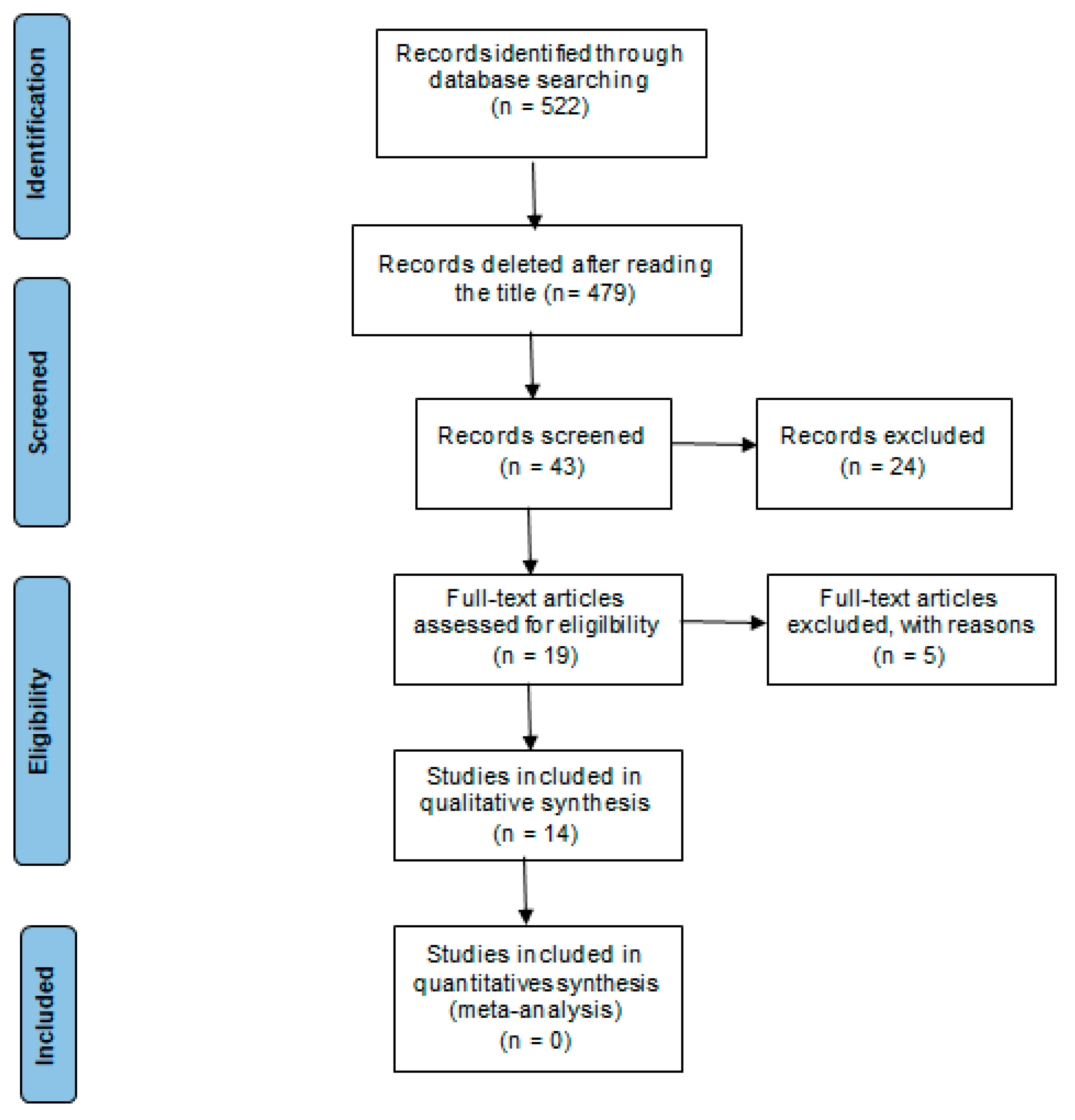
2.2. Search Strategy
- (“kefir milk” OR “artisanal kefir”) AND (“metagenomics” AND “cow”)—Retrieves studies that mention artisanal kefir milk and metagenomics of cow’s milk.
- “bacterial diversity” OR “fungal diversity” AND “artisanal cow’s milk kefir”—Expands the search to include studies on microbial diversity in artisanal kefir.
2.3. Study Selection
3. Results and Discussion
3.1. Bacterial Analysis of Kefir and Its Grains
3.2. Dominant Bacterial Families and Genera
3.3. Bacteria During Fermentation
3.4. Species Diversity and Probiotic Potential
3.5. Metagenomic Insights into Kefir Microbiota
3.6. Health Implications of Kefir Consumption
3.7. Fungal Analysis of Kefir and Its Grains
3.7.1. Composition of Fungal Phyla
3.7.2. Dominant Fungal Genera
3.7.3. Temporal Dynamics and Environmental Influences
4. Conclusions
Author Contributions
Funding
Institutional Review Board Statement
Informed Consent Statement
Data Availability Statement
Conflicts of Interest
References
- Oliveira Leite, A.M.; Miguel, M.A.; Peixoto, R.S.; Rosado, A.S.; Silva, J.T.; Paschoalin, V.M. Microbiological, technological and therapeutic properties of kefir: A natural probiotic beverage. Braz. J. Microbiol. 2013, 44, 341–349. [Google Scholar] [CrossRef] [Scilit] [PubMed]
- Rosa, D.D.; Dias, M.M.S.; Grześkowiak, Ł.M.; Reis, S.A.; Conceição, L.L.; Peluzio, M.D.C.G. Milk kefir: Nutritional, microbiological and health benefits. Nutr. Res. Rev. 2017, 30, 82–96. [Google Scholar] [CrossRef] [Scilit] [PubMed]
- Bengoa, A.A.; Iraporda, C.; Garrote, G.L.; Abraham, A.G. Kefir micro-organisms: Their role in grain assembly and health properties of fermented milk. J. Appl. Microbiol. 2019, 126, 686–700. [Google Scholar] [CrossRef] [Scilit]
- Vardjan, T.; Mohar Lorbeg, P.; Rogelj, I.; Čanžek Majhenič, A. Characterization and stability of lactobacilli and yeast microbiota in kefir grains. J. Dairy Sci. 2013, 96, 2729–2736. [Google Scholar] [CrossRef] [Scilit]
- Klippel, B.F.; Duemke, L.B.; Leal, M.A.; Friques, A.G.; Dantas, E.M.; Dalvi, R.F.; Gava, A.L.; Pereira, T.M.; Andrade, T.U.; Meyrelles, S.S.; et al. Effects of Kefir on the Cardiac Autonomic Tones and Baroreflex Sensitivity in Spontaneously Hypertensive Rats. Front. Physiol. 2016, 7, 211. [Google Scholar] [CrossRef] [Scilit]
- De Montijo-Prieto, S.; Moreno, E.; Bergillos-Meca, T.; Lasserrot, A.; Ruiz-López, M.D.; Ruiz-Bravo, A.; Jiménez-Valera, M. A Lactobacillus plantarum strain isolated from kefir protects against intestinal infection with Yersinia enterocolitica O9 and modulates immunity in mice. Res. Microbiol. 2015, 166, 626–632. [Google Scholar] [CrossRef] [Scilit]
- Arena, M.P.; Russo, P.; Spano, G.; Capozzi, V. Exploration of the Microbial Biodiversity Associated with North Apulian Sourdoughs and the Effect of the Increasing Number of Inoculated Lactic Acid Bacteria Strains on the Biocontrol against Fungal Spoilage. Fermentation 2019, 5, 97. [Google Scholar] [CrossRef] [Scilit]
- Brasil, G.A.; Silva-Cutini, M.A.; Moraes, F.S.A.; Pereira, T.M.C.; Vasquez, E.C.; Lenz, D.; Andrade, T.U. The Benefits of Soluble Nonbacterial Fraction of Kefir on Blood Pressure and Cardiac Hypertrophy in Hypertensive Rats Are Mediated by an Increase in Baroreflex Sensitivity and Decrease in Angiotensin-Converting Enzyme Activity. Nutrition 2018, 51–52, 66–72. [Google Scholar] [CrossRef] [Scilit] [PubMed]
- González-Orozco, B.D.; García-Cano, I.; Escobar-Zepeda, A.; Jiménez-Flores, R.; Álvarez, V.B. Metagenomic analysis and antibacterial activity of kefir microorganisms. J. Food Sci. 2023, 88, 2933–2949. [Google Scholar] [CrossRef] [Scilit]
- Yılmaz, B.; Sharma, H.; Melekoglu, E.; Ozogul, F. Recent Developments in Dairy Kefir-Derived Lactic Acid Bacteria and Their Health Benefits. Food Biosci. 2022, 46, 101592. [Google Scholar] [CrossRef] [Scilit]
- Youn, H.; Seo, K.; Kim, H.; Kim, Y.; Kim, H. Effect of Postbiotics Derived from Kefir Lactic Acid Bacteria-Mediated Bioconversion of Citrus Pomace Extract and Whey on High-Fat Diet-Induced Obesity and Gut Dysbiosis. Food Res. Int. 2022, 162, 112345. [Google Scholar] [CrossRef] [Scilit]
- Chen, H.L.; Hung, K.F.; Yen, C.C.; Liao, C.H.; Wang, J.L.; Lan, Y.W.; Chong, K.Y.; Fan, H.C.; Chen, C.M. Kefir Peptides Alleviate Particulate Matter <4 μm (PM4.0)-Induced Pulmonary Inflammation by Inhibiting the NF-κB Pathway Using Luciferase Transgenic Mice. Sci. Rep. 2019, 9, 11529. [Google Scholar]
- Wang, Y.; Xu, N.; Xi, A.; Ahmed, Z. Effects of Lactobacillus plantarum MA2 Isolated from Tibet Kefir on Lipid Metabolism and Intestinal Microflora of Rats Fed on High-Cholesterol Diet. Appl. Microbiol. Biotechnol. 2009, 84, 341–347. [Google Scholar] [CrossRef] [Scilit] [PubMed]
- Hurtado-Romero, A.; Toro-Barbosa, D.; Gradilla-Hernández, M.S.; Garcia-Amezquita, L.E.; García-Cayuela, T. Probiotic Properties, Prebiotic Fermentability, and GABA-Producing Capacity of Microorganisms Isolated from Mexican Milk Kefir Grains: A Clustering Evaluation for Functional Dairy Food Applications. Foods 2021, 10, 2275. [Google Scholar] [CrossRef] [Scilit] [PubMed]
- Miguel, M.G.d.C.P.; Cardoso, P.G.; Lago, L.d.A.; Schwan, R.F. Diversity of bacteria present in milk kefir grains using culture-dependent and culture-independent methods. Food Res. Int. 2010, 43, 1523–1528. [Google Scholar] [CrossRef] [Scilit]
- Nejati, F.; Junne, S.; Neubauer, P. A Big World in Small Grain: A Review of Natural Milk Kefir Starters. Microorganisms 2020, 8, 192. [Google Scholar] [CrossRef] [Scilit] [PubMed]
- Farnworth, E.R. Kefir: A Complex Probiotic. Food Sci. Technol. Bull. Funct. Foods 2005, 2, 1–17. [Google Scholar] [CrossRef] [Scilit]
- Leeuwendaal, N.K.; Stanton, C.; O’Toole, P.W.; Beresford, T.P. Fermented Foods, Health and the Gut Microbiome. Nutrients 2022, 14, 1527. [Google Scholar] [CrossRef] [Scilit]
- Garbers, I.M.; Britz, T.J.; Witthuhn, R.C. PCR-Based Denaturing Gradient Gel Electrophoretic Typification and Identification of the Microbial Consortium Present in Kefir Grains. World J. Microbiol. Biotechnol. 2004, 20, 687–693. [Google Scholar] [CrossRef] [Scilit]
- Fan, D.; Stoyanova, L.G.; Netrusov, A.I. Microbiome and Metabiotic Properties of Kefir Grains and Kefirs Based on Them. Microbiology 2022, 91, 339–355. [Google Scholar]
- Yamane, T.; Sakamoto, T.; Nakagaki, T.; Nakano, Y. Lactic Acid Bacteria from Kefir Increase Cytotoxicity of Natural Killer Cells to Tumor Cells. Foods 2018, 7, 1–9. [Google Scholar] [CrossRef] [Scilit]
- Bourrie, B.C.; Willing, B.P.; Cotter, P.D. The Microbiota and Health Promoting Characteristics of the Fermented Beverage Kefir. Front. Microbiol. 2016, 7, 647. [Google Scholar] [CrossRef] [Scilit] [PubMed]
- Farnworth, E.R.; Mainville, I. Kefir: A fermented milk product. In Handbook of Fermented Functional Foods; CRC Press: Boca Raton, FL, USA, 2003; p. 89. [Google Scholar]
- Chen, H.C.; Wang, S.Y.; Chen, M.J. Microbiological study of lactic acid bacteria in kefir grains by culture-dependent and culture-independent methods. Food Microbiol. 2008, 25, 492–501. [Google Scholar] [CrossRef] [Scilit]
- Kumar, H.; Yadav, D.; Kumar, N.; Seth, R.; Goyal, A. Nutritional and nutraceutical properties of goat milk-A review. Indian J. Dairy Sci. 2016, 69, 513–518. [Google Scholar]
- Nayik, G.A.; Jagdale, Y.D.; Gaikwad, S.A.; Devkatte, A.N.; Dar, A.H.; Dezmirean, D.S.; Bobis, O.; Ranjha, M.M.A.N.; Ansari, M.J.; Hemeg, H.A.; et al. Recent Insights into Processing Approaches and Potential Health Benefits of Goat Milk and Its Products: A Review. Front. Nutr. 2021, 8, 789117. [Google Scholar] [CrossRef] [Scilit] [PubMed]
- Ströher, J.A.; Oliveira, W.D.C.; Freitas, A.S.D.; Salazar, M.M.; Flôres, S.H.; Malheiros, P.D.S. Microbial Dynamics and Volatile Compound Profiles in Artisanal Kefir During Storage. Fermentation 2025, 11, 105. [Google Scholar] [CrossRef] [Scilit]
- You, L.; Yang, C.; Jin, H.; Kwok, L.-Y.; Sun, Z.; Zhang, H. Metagenomic features of traditional fermented milk products. LWT Food Sci. Technol. 2022, 155, 112945. [Google Scholar] [CrossRef] [Scilit]
- Tenorio-Salgado, S.; Castelán-Sánchez, H.G.; Dávila-Ramos, S.; Huerta-Saquero, A.; Rodríguez-Morales, S.; Merino-Pérez, E.; Roa de la Fuente, L.F.; Solis-Pereira, S.E.; Pérez-Rueda, E.; Lizama-Uc, G. Metagenomic analysis and antimicrobial activity of two fermented milk kefir samples. MicrobiologyOpen 2021, 10, e1183. [Google Scholar] [CrossRef] [Scilit]
- Bresciani, L.; Ströher, J.A.; da Silva, L.D.; Lehn, D.N.; Rama, G.R.; de Souza, E.M.; Wilsmann, L.M.; Salazar, M.M. Kefir artesanal: Análise dos atributos de qualidade em relação aos requisitos da legislação brasileira. Obs. La Econ. Latinoam. 2024, 22, 1–17. [Google Scholar] [CrossRef] [Scilit]
- Castellanos-Rozo, J.; Pérez Pulido, R.; Grande, M.J.; Lucas, R.; Gálvez, A. Analysis of the Bacterial Diversity of Paipa Cheese (a Traditional Raw Cow’s Milk Cheese from Colombia) by High-Throughput Sequencing. Microorganisms 2020, 8, 218. [Google Scholar] [CrossRef] [Scilit]
- Kamilari, E.; Anagnostopoulos, D.A.; Papademas, P.; Kamilaris, A.; Tsaltas, D. Characterizing Halloumi cheese’s bacterial communities through metagenomic analysis. LWT 2020, 126, 109298. [Google Scholar] [CrossRef] [Scilit]
- Salameh, J.P.; Bossuyt, P.M.; McGrath, T.A.; Thombs, B.D.; Hyde, C.J.; Macaskill, P.; Deeks, J.J.; Leeflang, M.; Korevaar, D.A.; Whiting, P.; et al. Preferred reporting items for systematic review and meta-analysis of diagnostic test accuracy studies (PRISMA-DTA): Explanation, elaboration, and checklist. BMJ (Clin. Res. Ed.) 2020, 370, m2632. [Google Scholar] [CrossRef] [Scilit]
- Leite, A.M.; Mayo, B.; Rachid, C.T.; Peixoto, R.S.; Silva, J.T.; Paschoalin, V.M.; Delgado, S. Assessment of the microbial diversity of Brazilian kefir grains by PCR-DGGE and pyrosequencing analysis. Food Microbiol. 2012, 31, 215–221. [Google Scholar] [CrossRef] [Scilit]
- Zanirati, D.F.; Abatemarco, M., Jr.; Sandes, S.H.C.; Nicoli, J.R.; Nunes, Á.C.; Neumann, E. Selection of lactic acid bacteria from Brazilian kefir grains for potential use as starter or probiotic cultures. Anaerobe 2015, 32, 70–76. [Google Scholar] [CrossRef] [Scilit] [PubMed]
- Ströher, J.A.; da Silva, L.D.; Lehn, D.N.; Bresciani, L.; Rama, G.R.; de Souza, E.M.; Wilsmann, L.M.; Salazar, M.M. A influência das boas práticas de fabricação nos atributos físico-químicos do kefir artesanal ao longo de sua vida útil. Obs. La Econ. Latinoam. 2024, 22, 1–22. [Google Scholar] [CrossRef] [Scilit]
- Zheng, J.; Wittouck, S.; Salvetti, E.; Franz, C.M.A.P.; Harris, H.M.B.; Mattarelli, P.; Lebeer, S. A Taxonomic Note on the Genus Lactobacillus: Description of 23 Novel Genera, Emended Description of the Genus Lactobacillus Beijerinck 1901, and Union of Lactobacillaceae and Leuconostocaceae. Int. J. Syst. Evol. Microbiol. 2020, 70, 2782–2858. [Google Scholar] [CrossRef] [Scilit] [PubMed]
- Gao, X.; Li, B. Chemical and microbiological characteristics of kefir grains and their fermented dairy products: A review. Cogent Food Agric. 2016, 2, 1272152. [Google Scholar] [CrossRef] [Scilit]
- Prado, M.R.; Blandón, L.M.; Vandenberghe, L.P.; Rodrigues, C.; Castro, G.R.; Thomaz-Soccol, V.; Soccol, C.R. Milk kefir: Composition, microbial cultures, biological activities, and related products. Front. Microbiol. 2015, 6, 1177. [Google Scholar] [CrossRef] [Scilit] [PubMed]
- Sindi, A.; Badsha, M.B.; Ünlü, G. Bacterial Populations in International Artisanal Kefirs. Microorganisms 2020, 8, 1318. [Google Scholar] [CrossRef] [Scilit]
- De Almeida Brasiel, P.G.; Dutra Medeiros, J.; Barbosa Ferreira Machado, A.; Schuchter Ferreira, M.; Gouveia Peluzio, M.d.C.; Potente Dutra Luquetti, S.C. Microbial community dynamics of fermented kefir beverages changes over time. Int. J. Dairy Technol. 2021, 74, 324–331. [Google Scholar] [CrossRef] [Scilit]
- Garofalo, C.; Ferrocino, I.; Reale, A.; Sabbatini, R.; Milanović, V.; Alkić-Subašić, M.; Boscaino, F.; Aquilanti, L.; Pasquini, M.; Trombetta, M.F.; et al. Study of kefir drinks produced by backslopping method using kefir grains from Bosnia and Herzegovina: Microbial dynamics and volatilome profile. Food Res. Int. 2020, 137, 109369. [Google Scholar] [CrossRef] [Scilit]
- Alraddadi, F.A.J.; Ross, T.; Powell, S.M. Evaluation of the microbial communities in kefir grains and kefir over time. Int. Dairy J. 2023, 136, 105490. [Google Scholar] [CrossRef] [Scilit]
- Cufaoglu, G.; Erdinc, A.N. Comparative analyses of milk and water kefir: Fermentation temperature, physicochemical properties, sensory qualities, and metagenomic composition. Food Biosci. 2023, 55, 103079. [Google Scholar] [CrossRef] [Scilit]
- Sumarmono, J.; Kusuma, R.J.; Rahayu, N.; Sukarno, A.S.; Wulansari, P.D. Metagenomic analysis of the microbial community in kefir grains from different milk sources. Biodiversitas J. Biol. Divers. 2023, 24, 5302–5308. [Google Scholar] [CrossRef] [Scilit]
- Kalamaki, M.S.; Angelidis, A.S. High-Throughput, Sequence-Based Analysis of the Microbiota of Greek Kefir Grains from Two Geographic Regions. Food Technol. Biotechnol. 2020, 58, 138–146. [Google Scholar] [CrossRef] [Scilit] [PubMed]
- Ilıkkan, Ö.K.; Bağdat, E.Ş. Comparison of bacterial and fungal biodiversity of Turkish kefir grains with high-throughput metagenomic analysis. LWT 2021, 152, 112375. [Google Scholar] [CrossRef] [Scilit]
- Liu, S.; Lu, S.Y.; Qureshi, N.; Enshasy, H.A.E.; Skory, C.D. Antibacterial Property and Metagenomic Analysis of Milk Kefir. Probiotics Antimicrob. Proteins 2022, 14, 1170–1183. [Google Scholar] [CrossRef] [Scilit]
- Gao, W.; Zhang, L. Comparative analysis of the microbial community composition between Tibetan kefir grains and milks. Food Res. Int. 2019, 116, 137–144. [Google Scholar] [CrossRef] [Scilit]
- Zeng, X.; Wang, Y.; Jia, H.; Wang, Z.; Gao, Z.; Luo, Y.; Sheng, Q.; Yuan, Y.; Yue, T. Metagenomic analysis of microflora structure and functional capacity in probiotic Tibetan kefir grains. Food Res. Int. 2022, 151, 110849. [Google Scholar] [CrossRef] [Scilit]
- Biçer, Y.; Telli, A.E.; Sönmez, G.; Turkal, G.; Telli, N.; Uçar, G. Comparison of commercial and traditional kefir microbiota using metagenomic analysis. Int. J. Dairy Technol. 2021, 74, 528–534. [Google Scholar] [CrossRef] [Scilit]
- Tamang, J.P.; Shin, D.H.; Jung, S.J.; Chae, S.W. Functional Properties of Microorganisms in Fermented Foods. Front. Microbiol. 2016, 7, 578. [Google Scholar] [CrossRef] [Scilit] [PubMed]
- Tamang, J.P.; Watanabe, K.; Holzapfel, W.H. Review: Diversity of Microorganisms in Global Fermented Foods and Beverages. Front. Microbiol. 2016, 7, 377. [Google Scholar] [CrossRef] [Scilit] [PubMed]
- Wang, S.Y.; Chen, K.N.; Lo, Y.M.; Chiang, M.L.; Chen, H.C.; Liu, J.R.; Chen, M.J. Investigation of microorganisms involved in biosynthesis of the kefir grain. Food Microbiol. 2012, 32, 274–285. [Google Scholar] [CrossRef] [Scilit] [PubMed]
- Raposo, A.; Pérez, E.; de Faria, C.T.; Ferrús, M.A.; Carrascosa, C. Food Spoilage by Pseudomonas spp.—An Overview. In Foodborne Pathogens and Antibiotic Resistance; John Wiley & Sons: Hoboken, NJ, USA, 2016; pp. 41–71. [Google Scholar]
- Ströher, J.; Salazar, M.; Lehn, D.; Silva, L.; Flôres, S.; Malheiros, P. Percepções sobre a produção artesanal de kefir em um grupo focal. Rev. Conex. UEPG 2024, 20, 1–21. [Google Scholar] [CrossRef] [Scilit]
- Mokoena, M.P. Lactic Acid Bacteria and Their Bacteriocins: Classification, Biosynthesis and Applications against Uropathogens: A Mini-Review. Molecules 2017, 22, 1255. [Google Scholar] [CrossRef] [Scilit]
- Zheng, Y.; Lu, Y.; Wang, J.; Yang, L.; Pan, C.; Huang, Y. Probiotic properties of Lactobacillus strains isolated from Tibetan kefir grains. PLoS ONE 2013, 8, e69868. [Google Scholar] [CrossRef] [Scilit]
- Slattery, C.; Cotter, P.D.; O’Toole, P.W. Analysis of Health Benefits Conferred by Lactobacillus Species from Kefir. Nutrients 2019, 11, 1252. [Google Scholar] [CrossRef] [Scilit]
- Ghoneum, M.; Felo, N. Selective induction of apoptosis in human gastric cancer cells by Lactobacillus kefiri (PFT), a novel kefir product. Oncol. Rep. 2015, 34, 1659–1666. [Google Scholar] [CrossRef] [Scilit]
- Carasi, P.; Díaz, M.; Racedo, S.M.; De Antoni, G.; Urdaci, M.C.; Serradell, M. de L. Safety characterization and antimicrobial properties of kefir-isolated Lactobacillus kefiri. BioMed Res. Int. 2014, 2014, 208974. [Google Scholar] [CrossRef] [Scilit]
- Perez, R.H.; Zendo, T.; Sonomoto, K. Novel bacteriocins from lactic acid bacteria (LAB): Various structures and applications. Microb. Cell Factories 2014, 13, 1–13. [Google Scholar] [CrossRef] [Scilit]
- Takizawa, S.; Kojima, S.; Tamura, S.; Fujinaga, S.; Benno, Y.; Nakase, T. Lactobacillus kefirgranum sp. nov. and Lactobacillus parakefir sp. nov., Two New Species from Kefir Grains. Int. J. Syst. Evol. Microbiol. 1994, 44, 435–439. [Google Scholar] [CrossRef] [Scilit]
- Korsak, N.; Taminiau, B.; Leclercq, M.; Nezer, C.; Crevecoeur, S.; Ferauche, C.; Detry, E.; Delcenserie, V.; Daube, G. Short communication: Evaluation of the microbiota of kefir samples using metagenetic analysis targeting the 16S and 26S ribosomal DNA fragments. J. Dairy Sci. 2015, 98, 3684–3689. [Google Scholar] [CrossRef] [Scilit] [PubMed]
- Taverniti, V.; Guglielmetti, S. Health-Promoting Properties of Lactobacillus helveticus. Front. Microbiol. 2012, 3, 392. [Google Scholar] [CrossRef] [Scilit]
- FitzGerald, R.J.; Murray, B.A.; Walsh, D.J. Hypotensive peptides from milk proteins. J. Nutr. 2004, 134, 980S–988S. [Google Scholar] [CrossRef] [Scilit] [PubMed]
- Wang, J.; Wu, T.; Fang, X.; Min, W.; Yang, Z. Characterization and immunomodulatory activity of an exopolysaccharide produced by Lactobacillus plantarum JLK0142 isolated from fermented dairy tofu. Int. J. Biol. Macromol. 2018, 115, 985–993. [Google Scholar] [CrossRef] [Scilit] [PubMed]
- Zhang, M.; Dang, N.; Ren, D.; Zhao, F.; Lv, R.; Ma, T.; Bao, Q.; Menghe, B.; Liu, W. Comparison of Bacterial Microbiota in Raw Mare’s Milk and Koumiss Using PacBio Single Molecule Real-Time Sequencing Technology. Front. Microbiol. 2020, 11, 581610. [Google Scholar] [CrossRef] [Scilit]
- Bengmark, S. Bio-ecological control of chronic liver disease and encephalopathy. Metab. Brain Dis. 2008, 24, 223–236. [Google Scholar] [CrossRef] [Scilit]
- O’Flaherty, M.; Buchan, I.; Capewell, S. Contributions of treatment and lifestyle to declining CVD mortality: Why have CVD mortality rates declined so much since the 1960s? Heart (Br. Card. Soc.) 2013, 99, 159–162. [Google Scholar] [CrossRef] [Scilit]
- Thangardurai, D.; Nollet, L.M.L.; Islam, S.; Sangeetha, J. Sequencing Technologies in Microbial Food Safety and Quality; CRC Press: Boca Raton, FL, USA, 2021. [Google Scholar]
- Hsu, S.-A.; Chou, J.-Y. Yeasts in fermented food and kefir: In vitro characterization of probiotic traits. JAPS J. Anim. Plant Sci. 2021, 31, 567–582. [Google Scholar]
- Johansen, P.G.; Owusu-Kwarteng, J.; Parkouda, C.; Padonou, S.W.; Jespersen, L. Occurrence and Importance of Yeasts in Indigenous Fermented Food and Beverages Produced in Sub-Saharan Africa. Front. Microbiol. 2019, 10, 1789. [Google Scholar] [CrossRef] [Scilit]
- Garofalo, C.; Osimani, A.; Milanović, V.; Aquilanti, L.; De Filippis, F.; Stellato, G.; Di Mauro, S.; Turchetti, B.; Buzzini, P.; Ercolini, D.; et al. Bacteria and yeast microbiota in milk kefir grains from different Italian regions. Food Microbiol. 2015, 49, 123–133. [Google Scholar] [CrossRef] [Scilit] [PubMed]
- Diosma, G.; Romanin, D.E.; Rey-Burusco, M.F.; Londero, A.; Garrote, G.L. Yeasts from kefir grains: Isolation, identification, and probiotic characterization. World J. Microbiol. Biotechnol. 2014, 30, 43–53. [Google Scholar] [CrossRef] [Scilit]
- Fakruddin, M.; Hossain, M.N.; Ahmed, M.M. Antimicrobial and antioxidant activities of Saccharomyces cerevisiae IFST062013, a potential probiotic. BMC Complement. Altern. Med. 2017, 17, 64. [Google Scholar] [CrossRef] [Scilit]
- Hong, J.Y.; Lee, N.K.; Yi, S.H.; Hong, S.P.; Paik, H.D. Short communication: Physicochemical features and microbial community of milk kefir using a potential probiotic Saccharomyces cerevisiae KU200284. J. Dairy Sci. 2019, 102, 10845–10849. [Google Scholar] [CrossRef] [Scilit] [PubMed]
- O’Brien, M.; O’Kiely, P.; Forristal, P.D.; Fuller, H.T. Fungi isolated from contaminated baled grass silage on farms in the Irish Midlands. FEMS Microbiol. Lett. 2005, 247, 131–135. [Google Scholar] [CrossRef] [Scilit]
- Bengoa, A.A.; Llamas, M.G.; Iraporda, C.; Dueñas, M.T.; Abraham, A.G.; Garrote, G.L. Impact of growth temperature on exopolysaccharide production and probiotic properties of Lactobacillus paracasei strains isolated from kefir grains. Food Microbiol. 2018, 69, 212–218. [Google Scholar] [CrossRef] [Scilit] [PubMed]
- Suezawa, Y.; Suzuki, M.; Mori, H. Genotyping of a miso and soy sauce fermentation yeast, Zygosaccharomyces rouxii, based on sequence analysis of the partial 26S ribosomal RNA gene and two internal transcribed spacers. Biosci. Biotechnol. Biochem. 2008, 72, 2452–2455. [Google Scholar] [CrossRef] [Scilit]
- Liu, L.; Zhang, L.; Zhou, H.; Yuan, M.; Hu, D.; Wang, Y.; Sun, H.; Xu, J.; Lan, R. Antimicrobial Resistance and Molecular Characterization of Citrobacter spp. Causing Extraintestinal Infections. Front. Cell. Infect. Microbiol. 2021, 11, 737636. [Google Scholar] [CrossRef] [Scilit]
- Nejati, F.; Junne, S.; Kurreck, J.; Neubauer, P. Quantification of Major Bacteria and Yeast Species in Kefir Consortia by Multiplex TaqMan qPCR. Front. Microbiol. 2020, 11, 1291. [Google Scholar] [CrossRef] [Scilit]
- Barao, C.E.; Klososki, S.J.; Pinheiro, K.H.; Marcolino, V.; Junior, O.V.; Cruz, A.G.; Silva, T.T.D.; Pimentel, T. Growth Kinetics of Kefir Biomass: Influence of the Incubation Temperature in Milk. Chem. Eng. Trans. 2019, 75, 499–504. [Google Scholar]
- Gul, O.; Mortas, M.; Atalar, I.; Dervisoglu, M.; Kahyaoglu, T. Manufacture and characterization of kefir made from cow and buffalo milk, using kefir grain and starter culture. J. Dairy Sci. 2015, 98, 1517–1525. [Google Scholar] [CrossRef] [Scilit] [PubMed]
- Kazou, M.; Grafakou, A.; Tsakalidou, E.; Georgalaki, M. Zooming into the Microbiota of Home-Made and Industrial Kefir Produced in Greece Using Classical Microbiological and Amplicon-Based Metagenomics Analyses. Front. Microbiol. 2021, 12, 621069. [Google Scholar] [CrossRef] [Scilit] [PubMed]
- Blasche, S.; Kim, Y.; Mars, R.A.T.; Machado, D.; Maansson, M.; Kafkia, E.; Milanese, A.; Zeller, G.; Teusink, B.; Nielsen, J.; et al. Metabolic cooperation and spatiotemporal niche partitioning in a kefir microbial community. Nat. Microbiol. 2021, 6, 196–208. [Google Scholar] [CrossRef] [Scilit]
- Dobson, A.; O’Sullivan, O.; Cotter, P.D.; Ross, P.; Hill, C. High-throughput sequence-based analysis of the bacterial composition of kefir and an associated kefir grain. FEMS Microbiol. Lett. 2011, 320, 56–62. [Google Scholar] [CrossRef] [Scilit] [PubMed]
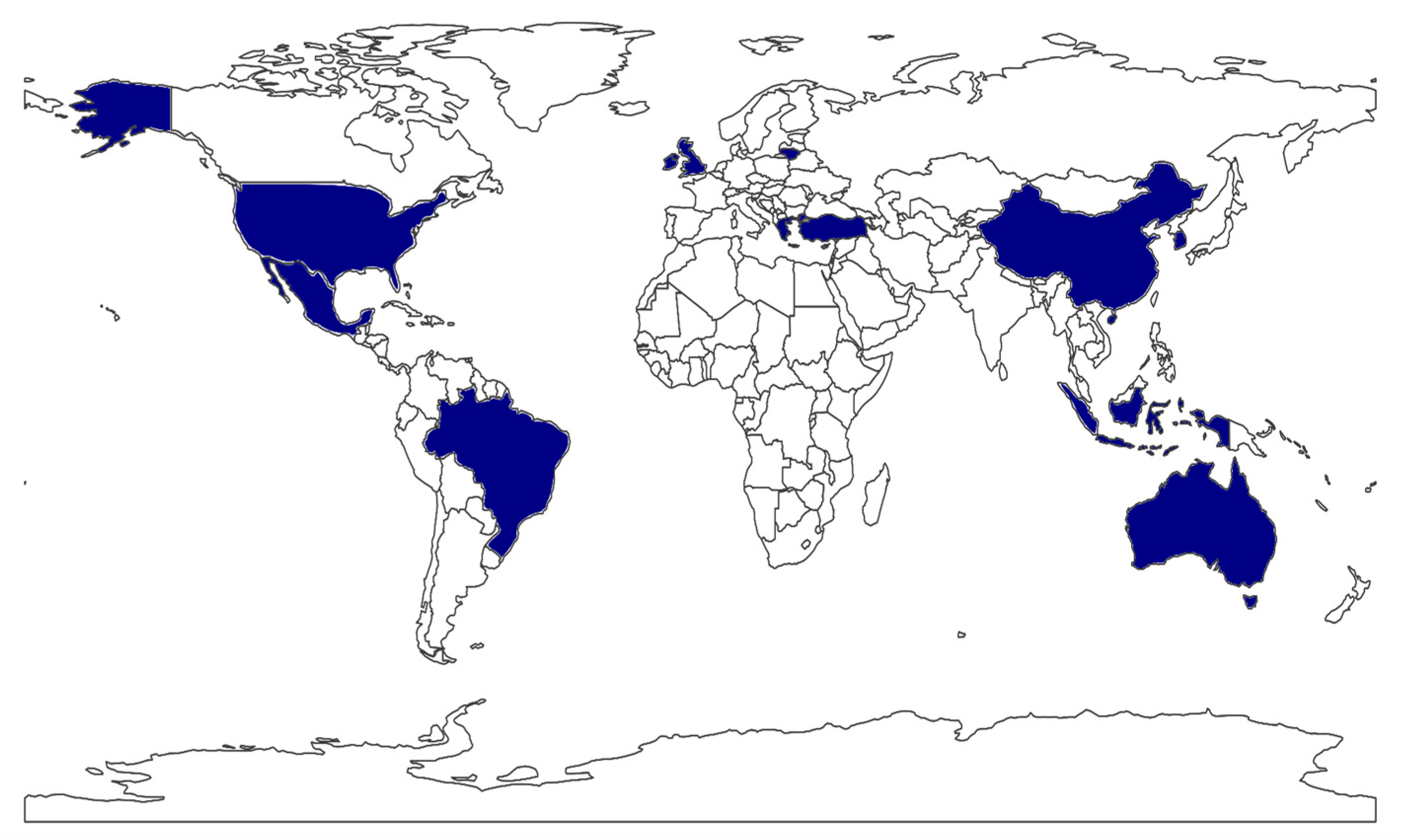

| No. | Article Title | Objective | Study Region | Materials and Methods | Bacterial Microbiota Found in Greater Abundance | Fungal Microbiota Found in Greater Abundance | Statistical Analyses Performed | Conclusion of the Article | Reference |
|---|---|---|---|---|---|---|---|---|---|
| 1 | Bacterial Populations in International Artisanal Kefir. | rRNA gene sequencing to identify the diversity and abundance of LAB populations in international artisanal kefir. | It included artisanal kefir grains sourced from South Korea, Ireland, Lithuania, Great Britain and the Caucasus region and a blend of grains sourced worldwide. | rRNA gene sequencing; abundance analysis and taxonomic correlations. | Lactobacillus. kefiranofaciens, Lentilactobacillus kefiri, Lactobacillus ultunensis, Lactobacillus apis, Lactobacillus gigeriorum, Gluconobacter morbifer, Acetobacter orleanensis, Acetobacter pasteurianus, Acidocella aluminumidurans and Lactobacillus helveticus. | Not studied. | Correlation analysis between species using heat maps. Hierarchical clustering (HC) dendrogram. | Kefir has the potential to produce bacteriocins, influencing microbial composition. Variations in grains and production methods reflect regional differences and possible antimicrobial benefits. | Sindi et al. [40]. |
| 2 | Microbial community dynamics of fermented kefir beverages changes over time. | Investigating the microbial dynamics of kefir production based on high-throughput DNA sequencing over 30 days. | Includes artisanal kefir grains originating from the city of Viçosa, Brazil. | Fermentation of kefir grains in pasteurized whole milk for 30 days; DNA extraction and sequencing; ASV analysis and taxonomy. | Predominance of Firmicutes, Bacteroidetes and Proteobacteria. Streptococcaceae was the most prevalent family, with Leuconostoc, Lactococcus and Acetobacter the most abundant genera. | The phylum Ascomycota was predominant in the kefir fungal community, with the genera Aspergillus, Cordyceps, Saccharomyces, Sarocladium, Cladosporium and Fusarium being observed. | Rarefaction curves to assess sequencing coverage. Estimation of community diversity using species indices. Observed and Simpson. Creation of taxonomy and phylogeny plots using DECIPHER (United States) and R (New Zealand) packages such as phyloseq and ggplot2. | Sequencing analyses identified changes in the microbiota of milk kefir over time, with variations in microbial diversity during cultivation, emphasizing the prevalence of the genus Lactococcus. | De Almeida Brasiel et al. [41]. |
| 3 | Metagenomic analysis and antibacterial activity of kefir microorganisms. | Evaluate the microbiota of kefir grains and milk kefir, identifying relevant microorganisms, their probiotic properties and highlighting Lactobacillus strains with probiotic potential. | Kefir grains were obtained from suppliers in McKinney, TX, and Dallas, GA, in the United States. | Fermentation of kefir grains in UHT milk; DNA extraction; metagenomic sequencing. | In kefir grains, L. kefiranofaciens, L. helveticus and Lactobacillus kefiri predominated, while in milk kefir, L. helveticus, L. kefiranofaciens, Stenotrophomonas stood out maltophilia and Pseudomonas luteola. | Kluyveromyces marxianus was the most prevalent yeast on grains, followed by Kazachstania africana and Naumovozyma dairenensis, while in milk kefir, N. dairenensis predominated, followed by several other species without notable predominance. | High-quality reads were taxonomically and functionally annotated using Kraken2, Bracken, Pavian, SPAdes, Prokka, and eggNOG-mapper to assemble and predict genes, as well as link functions to species. | The study highlights the need for further research on kefir isolates to explore their probiotic potential and understand their antibacterial mechanisms, suggesting the complete sequencing of the genomes of L. kefiri and L. kefiranofaciens. | González-Orozco et al. [9]. |
| 4 | Study of kefir drinks produced by backslopping method using kefir grains from Bosnia and Herzegovina: Microbial dynamics and volatilome profile. | Volatilomic profile during kefir production using traditional and backslopping methods, based on five collected kefir grains. | Private residences in Bosnia and Herzgovina. | Fermentation of kefir grains in UHT milk; DNA extraction; sequencing of the V3–V4 regions of 16S rRNA and D1 of 26S rRNA. | L. kefiranofaciens, Acetobacter syzygii, Lactococcus lactis, Leuconostoc pseudomesenteroides, Bacillus sporothermoduras and L. kefiri. | Kazachstania unispora, Saccharomyces cerevisiae and K. marxianus, S. cerevisiae, K. unispora, Torulaspora delbrueckii and Pichia fermentans, Alternaria tenuissima, Cladosporium cladosporioides and Malassezia spp. | UniFrac distance matrices to identify differences between samples with Anosim and Adonis tests. | L. kefiranofaciens in kefir grains was highlighted, with the identificaton of minority strains and a variety of yeasts, emphasizing the importance of careful selection of microbial starters and hygiene practices. | Garofalo et al. [42]. |
| 5 | Evaluation of the microbial communities in kefir grains and kefir over time. | To assess the microbial communities of kefir grains and kefir over time using high-throughput amplicon sequencing. | Supplied by Leap Farm in Copping, Tasmania, Australia. | Artisanal kefir fermentation; DNA extraction; sequencing of 16S rRNA and ITS-2 regions. | Kefir grains: Lactobacillus, Lentilactobacillus, Lactococcus, Leuconostoc; kefir: Lactococcus, Lactobacillus, Lentilactobacillus, Leuconostoc, Anoxybacillus. | Kefir grains and in kefir: Kazachstania and Torulaspora, Kluyveromyces, Clavispora and Saccharomyces (although there were variations). | Importing metadata and OTU tables into Calypso. Removing OTUs with less than 0.01% relative abundance. Normalizing and transforming data prior to NMDS analysis in Primer 7. Calculating alpha diversity metrics with rarefied data. | Throughout the study, L. kefiranofaciens were identified in kefir grains and Lactococcus lactis in kefir, along with K. turicensis as the main yeast species. | Alraddadi et al. [43]. |
| 6 | Comparative analyses of milk and water kefir: fermentation temperature, physicochemical properties, sensory qualities, and metagenomic composition. | Milk and water kefir were compared in terms of biomass growth, physical-chemical properties, sensory characteristics and microbial load. | Local production in Turkey. | DNA extraction; sequencing of 16S rRNA and ITS regions; metagenomic analysis with QIIME2. | Firmicutes predominant in milk kefir grains; Lactobacillaceae predominant; common species include Lentilactobacillus parakefiri, Ileibacterium valens, L. kefiranofaciens. | Ascomycota was the most abundant phylum in milk kefir grains, mainly in the order Saccharomycetales, family Dipodascaceae and genus Geotrichum. Geotrichum silvicola was the dominant species with the greatest relative abundance. | Alpha diversity assessment using Shannon and inverse Simpson indices. | L. parakefiri and Geotrichum silvicultural were identified as dominant species in milk kefir, highlighting significant differences between milk and water kefir in physicochemical, sensory and microbial properties. | Cufaoglu and Erdinc [44]. |
| 7 | Metagenomic analysis of the microbial community in kefir grains from different milk sources. | Fermentation of kefir grains in UHT milk; DNA extraction; sequencing of the V3–V4 regions of 16S rRNA and D1 of 26S rRNA. | Milk kefir grains belonging to the Biojaya Kefir collection, located in Tasikmalaya, West Java, Indonesia. | DNA extraction; sequencing of the V3–V4 regions of 16S rRNA and ITS-1. | Predominant Lactobacillaceae family; Species include Lactobacillus agilis, Lactobacillus delbrueckii, L. kefiri, Lactobacillus mucosae, Lactobacillus murinus, Lactobacillus plantarum, L. kefiranofaciens. | Family Saccharomycetaceae, Kazachstania and Kluyveromyces in order of abundance, followed by the genera Kazachstania and Kluyveromyces and small amounts of Aspergillus species. | Processing of sequencing data using FLASH, Qiime, Uparse, Mothur and MUSCLE for taxonomic and functional analyses. Using the Tax4Fun function for functional analysis. Assessment of alpha diversity to ensure robustness of results. | Milk type influences the diversity of bacteria and yeasts in kefir, with L. kefiranofaciens predominant in grains grown in cow’s and goat’s milk, and Kazachstania and Kluyveromyces as common yeast genera. | Sumarmono et al. [45]. |
| 8 | High-throughpu, sequence-based analysis of the microbiota of Greek kefir grains from two geographic regions. | Fermentation of kefir grains in UHT milk; DNA extraction; sequencing of the V3–V4 regions of 16S rRNA and D1 of 26S rRNA. | Cities of Athens and Greta in Greece. | DNA extraction; sequencing of the V4 region of 16S rRNA. | Firmicutes and Lactobacillaceae predominant; predominant species L. kefiranofaciens, L. kefiri. | Not studied. | Data processing for diversity assessment using indexes such as Shannon, Simpson, and Hill. Alpha and beta diversity analyzes with QIIME, including PCoA based on the UniFrac matrix. | Both kefir grains were dominated by three Lactobacillus species, with minimal differences in bacterial profiles, indicating high homogeneity despite distinct geographic origins. | Kalamaki and Angelidis [46]. |
| 9 | Comparison of bacterial and fungal biodiversity of Turkish kefir grains with high- throughput metagenomic analysis. | Fermentation of kefir grains in UHT milk; DNA extraction; sequencing of the V3–V4 regions of 16S rRNA and D1 of 26S rRNA. | Two types of artisanal kefir grains (A and G) obtained from two different local suppliers in Ankara Province (Kahramankazan District), Turkey. | DNA extraction; sequencing of V3–V4 regions of 16S rRNA and ITS-1 of fungal DNA. | Firmicutes and Proteobacteria; Bifidobacterium longum in grain A, L. kefiranofaciens, Lactococcus lactis, L. helveticus in grain G. | The dominant phylum was Ascomycota, with Saccharomycetaceae as the most abundant family. In kefir A, the most abundant species were N. dairenensis, K. marxianus, Zygosaccharomyces rouxii and K. africana. In kefir G, Zygosaccharomyces rouxii was the predominant species, followed by Kazachstania naganishii, K. africana, Naumovozyma and Tetrapisispora blattae. | Clustering data into OTU classes with Kraken Metagenomic Visualization with heatmaps using the R package pheatmap. Calculation of Shannon and Simpson diversity indices. | Turkish kefir exhibits diverse and beneficial microbial communities, with potential starter culture combinations for industrial production, emphasizing the importance of integrated methods to understand microbial interaction. | Ilıkkan and Baghdad [47]. |
| 10 | Metagenomic analysis and antimicrobial activity of two fermented milk kefir samples. | Fermentation of kefir grains in UHT milk; DNA extraction; sequencing of the V3–V4 regions of 16S rRNA and D1 of 26S rRNA. | Two samples of kefir C and kefir E, collected in the city of Campeche and Escárcega, Mexico. | DNA extraction; sequencing of the V3–V4 regions of 16S rRNA and ITS-2. | Actinobacteria, Proteobacteria, Firmicutes predominant; genera include Lactobacillus, Acetobacter, Gordonia, Micromonospora. | The fungal phylum Ascomycota and the genus Saccharomyces were predominant in both kefir samples. S. cerevisiae was more prevalent in kefir E compared to kefir C. | Diversity assessment using Phyloseq. Sampling effort analysis with rarefaction curves using the R Vegan library. | The kefir samples from Escárcega and Campeche show antagonism against pathogens, possessing bioactives such as polyketides and non-ribosomal peptides, as well as high bacterial diversity, with a predominance of Actinobacteria and distinct proportions of Ascomycota. | Tenorio-Salgado et al. [29]. |
| 11 | Antibacterial property and metagenomic analysis of milk Kefir. | Fermentation of kefir grains in UHT milk; DNA extraction; sequencing of the V3–V4 regions of 16S rRNA and D1 of 26S rRNA. | Three different kefir grains (kefir 1, kefir 2, and kefir 3) from the United States. | DNA extraction; sequencing of the V3–V4 regions of 16S rRNA and ITS-2; antimicrobial activity assays. | Kefir sample 1 has similar levels of Lactococcus, Leuconostoc and Aeromonas. Kefir 2 is more abundant in Lactococcus, followed by Leuconostoc, Aeromonas, Pseudomonas, Citrobacter and Lactobacillus. Kefir 3 is rich in Kluyvera, followed by Leuconostoc and Pseudomonas. | Not studied. | Metagenome assembly (MEGAHIT), followed by gene prediction and abundance analysis. Taxonomic annotation with NCBI- nr database and MEGAN tool. Functional annotation of genes with KEGG, eggNOG and CAZy databases. Quantification of gene abundance with SoapAligne. | The samples showed beneficial enzymes for digesting plant polymers. Kefir sample 2 stood out for its high presence of lactic acid bacteria and strong antibacterial activity, with two new strains isolated, Leuconostoc mesenteroides 28-1 and L. kefiri 25-2. | Liu et al. [48]. |
| 12 | Comparative analysis of the microbial community composition between Tibetan kefir grains and milks. | Fermentation of kefir grains in UHT milk; DNA extraction; sequencing of the V3–V4 regions of 16S rRNA and D1 of 26S rRNA. | Kefir grains were collected from five different counties (Anduo, Jiali, Nima, Baqing and Naqu) of the Naqu region of Tibet, China. | DNA extraction; metagenomic sequencing; functional analysis. | Main species such as L. kefiranofaciens, Lactococcus lactis, Leuconostoc mesenteroides, L. kefiri, L. helveticus, Acetobacter okinawensis, Acetobacter orientalis, and Enterobacter aerogenes. | Major families identified included Saccharomycetaceae, Pichiaceae and Trichocomaceae. At the species level, the sequences were classified into forty-six different species, with K. unispora, Kazachstania turicensis, K. marxianus, S. cerevisiae, Dekkera anomala and Aspergillus amstelodami being the most abundant. | Calculation of Shannon and Good’s indices coverage via Mothur. Venn analyses, principal coordinates, clustering and ANOSIM in the R package, based on Bray–Curtis distances. Statistical difference analysis with STAMP, using Welch’s t-test and Benjamani–Hochberg FDR correction. | Comparative bioinformatic analyses indicated differences in bacterial community composition between grain and milk groups from Tibet, China. | Gao and Zhang [49]. |
| 13 | Metagenomic analysis of microflora structure and functional capacity in probiotic Tibetan kefir grains. | Fermentation of kefir grains in UHT milk; DNA extraction; sequencing of the V3–V4 regions of 16S rRNA and D1 of 26S rRNA. | Three grains collected from households in Lhasa, Tibet, China. | DNA extraction; sequencing of the V3–V4 regions of 16S rRNA and ITS-2. | Lactobacillaceae and Acetobacteraceae predominant; L. kefiranofaciens common in all samples; Acetobacter ghanensis variable in abundance. | The most abundant family was Saccharomycetaceae. | Heatmap construction with the R” pheatmap” package. Principal component analysis (PCA) based on taxonomic compositions using RPKM. Graphical construction with the R “ggplot2” package. | L. kefiranofaciens as the dominant species. | Zeng et al. [50]. |
| 14 | Comparison of commercial and traditional kefir microbiota using metagenomic analysis. | Fermentation of kefir grains in UHT milk; DNA extraction; sequencing of the V3–V4 regions of 16S rRNA and D1 of 26S rRNA. | Five different brands of kefir available commercially, plus artisanal kefir donated by a family in Turkey. | DNA extraction; sequencing of the V3–V4 regions of 16S rRNA and ITS-2. | Firmicutes predominant; Streptococcaceae predominant in commercial beverages, Lactobacillaceae and Streptococcaceae in traditional kefir; genera include Lactococcus, Streptococcus, Enterococcus. | Not studied. | Multidimensional metric scaling analysis (PCoA) to assess microbiological diversity among samples. Generation of PCoA plots to visualize and compare differences. | Traditional kefir presents greater microbial diversity compared to commercial versions, highlighting the need for additional studies on microbiota, sensory effects and microbial interactions. | Biçer et al. [51]. |
Disclaimer/Publisher’s Note: The statements, opinions and data contained in all publications are solely those of the individual author(s) and contributor(s) and not of MDPI and/or the editor(s). MDPI and/or the editor(s) disclaim responsibility for any injury to people or property resulting from any ideas, methods, instructions or products referred to in the content. |
© 2025 by the authors. Licensee MDPI, Basel, Switzerland. This article is an open access article distributed under the terms and conditions of the Creative Commons Attribution (CC BY) license (https://creativecommons.org/licenses/by/4.0/).
Share and Cite
Ströher, J.A.; Oliveira, W.d.C.; de Freitas, A.S.; Salazar, M.M.; da Silva, L.d.F.F.; Bresciani, L.; Flôres, S.H.; Malheiros, P.d.S. A Global Review of Geographical Diversity of Kefir Microbiome. Fermentation 2025, 11, 150. https://doi.org/10.3390/fermentation11030150
Ströher JA, Oliveira WdC, de Freitas AS, Salazar MM, da Silva LdFF, Bresciani L, Flôres SH, Malheiros PdS. A Global Review of Geographical Diversity of Kefir Microbiome. Fermentation. 2025; 11(3):150. https://doi.org/10.3390/fermentation11030150
Chicago/Turabian StyleStröher, Jeferson Aloísio, Wemerson de Castro Oliveira, Anderson Santos de Freitas, Marcela Mendes Salazar, Lilian de Fátima Ferreira da Silva, Laís Bresciani, Simone Hickmann Flôres, and Patrícia da Silva Malheiros. 2025. "A Global Review of Geographical Diversity of Kefir Microbiome" Fermentation 11, no. 3: 150. https://doi.org/10.3390/fermentation11030150
APA StyleStröher, J. A., Oliveira, W. d. C., de Freitas, A. S., Salazar, M. M., da Silva, L. d. F. F., Bresciani, L., Flôres, S. H., & Malheiros, P. d. S. (2025). A Global Review of Geographical Diversity of Kefir Microbiome. Fermentation, 11(3), 150. https://doi.org/10.3390/fermentation11030150

