
Pisa Syndrome Secondary to Drugs: A Scope Review

 ,
,  , and
, and
Abstract
1. Introduction
2. Methodology
2.1. Search Strategy
2.2. Inclusion and Exclusion Criteria
2.3. Data Extraction
2.4. Statistical Analysis
2.5. Definitions
3. Prevalence and Risk Factors Associated with Pisa Syndrome
Risk Factors
4. Drugs Associated with Pisa Syndrome
5. Physical Examination and Diagnostic Criteria
6. Pathophysiology

7. Clinical Manifestations
8. Differential Diagnosis
9. Management
9.1. Conservative Management
9.2. Specialized Peripheral Denervation
9.3. Deep Brain Stimulation
10. New Perspectives and Future Studies
11. Limitations
12. Conclusions
Author Contributions
Funding
Institutional Review Board Statement
Informed Consent Statement
Data Availability Statement
Conflicts of Interest
Correction Statement
References
- Mimura, Y.; Kurose, S.; Takata, T.; Tabuchi, H.; Mimura, M.; Funayama, M. Pisa Syndrome Induced by Switching of a Choline-Esterase Inhibitor Treatment from Donepezil to Galantamine: A Case Report. BMC Neurol. 2020, 20, 183. [Google Scholar] [CrossRef] [Scilit] [PubMed]
- Faridhosseini, F.; Kashani, F.O.; Baradaran, A. Pisa Syndrome Associated with Clozapine: A Rare Case Report and Literature Review. Spine Deform. 2015, 3, 386–389. [Google Scholar] [CrossRef] [Scilit] [PubMed]
- Ekbom, K.; Lindholm, H.; Ljungberg, L. New Dystonic Syndrome Associated with Butyrophenone Therapy. Z. Neurol. 1972, 202, 94–103. [Google Scholar] [CrossRef] [Scilit] [PubMed]
- Fasano, A.; Matteo, A.; Vitale, C.; Squintani, G.; Ferigo, L.; Bombieri, F.; Santangelo, G.; Amboni, M.; Barone, P.; Tinazzi, M. Reversible Pisa Syndrome in Patients with Parkinson’s Disease on Rasagiline Therapy. Mov. Disord. 2011, 26, 2578–2580. [Google Scholar] [CrossRef] [Scilit] [PubMed]
- Barone, P.; Santangelo, G.; Amboni, M.; Pellecchia, M.T.; Vitale, C. Pisa Syndrome in Parkinson’s Disease and Parkinsonism: Clinical Features, Pathophysiology, and Treatment. Lancet Neurol. 2016, 15, 1063–1074. [Google Scholar] [CrossRef] [Scilit] [PubMed]
- Santos, H.; Dornelles, E.; Pereira, J.; Vieira, A. What Is the Pisa Syndrome? A Review. Eur. Psychiatry 2022, 65, 725. [Google Scholar] [CrossRef] [Scilit]
- Page, M.J.; Moher, D.; Bossuyt, P.M.; Boutron, I.; Hoffmann, T.C.; Mulrow, C.D.; Shamseer, L.; Tetzlaff, J.M.; Akl, E.A.; Brennan, S.E.; et al. PRISMA 2020 explanation and elaboration: Updated guidance and exemplars for reporting systematic reviews. BMJ 2021, 372, n160. [Google Scholar] [CrossRef] [PubMed]
- De Vries, E.; Schoonvelde, M.; Schumacher, G. No Longer Lost in Translation: Evidence That Google Translate Works for Comparative Bag-of-Words Text Applications. Political Anal. 2018, 26, 417–430. [Google Scholar] [CrossRef] [Scilit]
- Naranjo, C.A.; Busto, U.; Sellers, E.M.; Sandor, P.; Ruiz, I.; Roberts, E.A.; Janecek, E.; Domecq, C.; Greenblatt, D.J. A method for estimating the probability of adverse drug reactions. Clin. Pharmacol. Ther. 1981, 30, 239–245. [Google Scholar] [CrossRef] [Scilit]
- Rissardo, J.P.; Vora, N.; Mathew, B.; Kashyap, V.; Muhammad, S.; Fornari Caprara, A.L. Overview of Movement Disorders Secondary to Drugs. Clin. Pract. 2023, 13, 959–976. [Google Scholar] [CrossRef] [Scilit]
- Castrioto, A.; Piscicelli, C.; Pérennou, D.; Krack, P.; Debû, B. The Pathogenesis of Pisa Syndrome in Parkinson’s Disease. Mov. Disord. 2014, 29, 1100–1107. [Google Scholar] [CrossRef] [Scilit] [PubMed]
- Yassa, R.; Nastase, C.; Cvejic, J.; Laberge, G. The Pisa Syndrome (or Pleurothotonus): Prevalence in a Psychogeriatric Population. Biol. Psychiatry 1991, 29, 942–945. [Google Scholar] [CrossRef] [Scilit] [PubMed]
- Stübner, S.; Padberg, F.; Grohmann, R.; Hampel, H.; Hollweg, M.; Hippius, H.; Möller, H.J.; Rüther, E. Pisa Syndrome (Pleurothotonus): Report of a Multicenter Drug Safety Surveillance Project. J. Clin. Psychiatry 2000, 61, 569–574. [Google Scholar] [CrossRef] [Scilit] [PubMed]
- Tinazzi, M.; Fasano, A.; Geroin, C.; Morgante, F.; Ceravolo, R.; Rossi, S.; Thomas, A.; Fabbrini, G.; Bentivoglio, A.; Tamma, F.; et al. Pisa Syndrome in Parkinson Disease: An Observational Multicenter Italian Study. Neurology 2015, 85, 1769–1779. [Google Scholar] [CrossRef] [Scilit] [PubMed]
- Lee, Y.F. Antipsychotic-Induced Pisa Dyndrome: A 2-Year Follow-up Study. Clin. Neuropharmacol. 2018, 41, 60–63. [Google Scholar] [CrossRef] [Scilit] [PubMed]
- Naguy, A.; Rensburg, S.M.; AlKhadhari, S. Lithium-Induced Ekbom Syndrome in a Case of Juvenile Bipolar Mood Disorder. Am. J. Ther. 2022, 29, 361–362. [Google Scholar] [CrossRef] [Scilit] [PubMed]
- Wyant, K.J.; Chou, K.L.; Marder, S. Drug-Induced Parkinsonism; UpToDate: Waltham, MA, USA, 2023. [Google Scholar]
- Suzuki, T.; Matsuzaka, H. Drug-Induced Pisa Syndrome (Pleurothotonus): Epidemiology and Management. CNS Drugs 2002, 16, 165–174. [Google Scholar] [CrossRef] [Scilit] [PubMed]
- Duvoisin, R.C.; Marsden, C.D. Note on the Scoliosis of Parkinsonism. J. Neurol. Neurosurg. Psychiatry 1975, 38, 787–793. [Google Scholar] [CrossRef] [Scilit] [PubMed]
- Pellene, A.; Farret, M.S.; Micheli, F. Recurrent and Alternating Pisa Syndrome. Clin. Neuropharmacol. 2015, 38, 252–254. [Google Scholar] [CrossRef] [Scilit] [PubMed]
- Wrede, A.; Margraf, N.G.; Goebel, H.H.; Deuschl, G.; Schaeffer, W.J.S. Myofibrillar Disorganization Characterizes Myopathy of Camptocormia in Parkinson’s Disease. Acta Neuropathol. 2012, 123, 419–432. [Google Scholar] [CrossRef] [Scilit]
- Revuelta, G.J.; Benatar, M.; Freeman, A.; Wichmann, T.; Jinnah, H.A.; DeLong, M.R.; Factor, S.A. Clinical Subtypes of Anterocollis in Parkinsonian Syndromes. J. Neurol. Sci. 2012, 315, 100–103. [Google Scholar] [CrossRef] [Scilit] [PubMed]
- Kashihara, K.; Imamura, T. Frequency and Clinical Correlates of Retrocollis in Parkinson’s Disease. J. Neurol. Sci. 2013, 324, 106–108. [Google Scholar] [CrossRef] [Scilit]
- Doherty, K.M.; Davagnanam, I.; Molloy, S.; Moriyama, L.S.; Lees, A.J. Pisa Syndrome in Parkinson’s Disease: A Mobile or Fixed Deformity? J. Neurol. Neurosurg. Psychiatry 2013, 84, 1400–1403. [Google Scholar] [CrossRef] [Scilit] [PubMed]
- Suzuki, T.; Hori, T.; Baba, A.; Abe, S.; Shiraishi, H.; Moroji, T.; Piletz, J.E. Effectiveness of Anticholinergics and Neuroleptic Dose Reduction on Neuroleptic-Induced Pleurothotonus (the Pisa Syndrome). J. Clin. Psychopharmacol. 1999, 19, 277–280. [Google Scholar] [CrossRef] [Scilit]
- Suzuki, T.; Koizumi, J.; Moroji, T.; Sakuma, K.; Hori, M.; Hori, T. Clinical Characteristics of the Pisa Syndrome. Acta Psychiatr. Scand. 1990, 82, 454–457. [Google Scholar] [CrossRef] [Scilit]
- Walder, A.; Greil, W.; Baumann, P. Drug-Induced Pisa Syndrome under Quetiapine. Prog. Neuropsychopharmacol. Biol. Psychiatry 2009, 33, 1286–1287. [Google Scholar] [CrossRef] [Scilit]
- Güneş, S.; Ekinci, Ö.; Direk, M.Ç.; Yıldırım, V.; Okuyaz, Ç.; Toros, F. Risperidone Induced Pisa Syndrome in a Male Adolescent. Clin. Psychopharmacol. Neurosci. 2016, 14, 104–106. [Google Scholar] [CrossRef] [Scilit]
- Casey, D.E.; Gerlach, J.; Christensson, E. Dopamine, Acetylcholine, and GABA Effects in Acute Dystonia in Primates. Psychopharmacology 1980, 70, 83–87. [Google Scholar] [CrossRef] [Scilit] [PubMed]
- Keepers, G.A.; Casey, D.E. Prediction of Neuroleptic-Induced Dystonia. J. Clin. Psychopharmacol. 1987, 7, 342–345. [Google Scholar] [CrossRef] [Scilit]
- Mascia, M.M.; Defazio, G. Cocaine-Induced Pisa Syndrome. Neurol Sci 2021, 42, 3927–3928. [Google Scholar] [CrossRef] [Scilit]
- van Harten, P.N.; van Trier, J.C.; Horwitz, E.H.; Matroos, G.E.; Hoek, H.W. Cocaine as a Risk Factor for Neuroleptic-Induced Acute Dystonia. J. Clin. Psychiatry 1998, 59, 128–130. [Google Scholar] [CrossRef] [Scilit] [PubMed]
- Suzuki, T.; Kurita, H.; Hori, T.; Sasaki, M.; Baba, A.; Shiraishi, H.; Piletz, J.E. The Pisa Syndrome (Pleurothotonus) during Antidepressant Therapy. Biol. Psychiatry 1997, 41, 234–236. [Google Scholar] [CrossRef] [Scilit]
- Cossu, G.; Melis, M.; Melis, G.; Maccioni, E.; Putzu, V.; Catte, O.; Putzu, P.F. Reversible Pisa Syndrome (Pleurothotonus) Due to the Cholinesterase Inhibitor Galantamine: Case Report. Mov. Disord. 2004, 19, 1243–1244. [Google Scholar] [CrossRef] [Scilit] [PubMed]
- Yassa, R. The Pisa Syndrome: A Report of Two Cases. Br. J. Psychiatry 1985, 146, 93–95. [Google Scholar] [CrossRef] [Scilit] [PubMed]
- Guy, N.; Raps, A.; Assael, M. The Pisa Syndrome during Maintenance Antipsychotic Therapy. Am. J. Psychiatry 1986, 143, 1492. [Google Scholar] [CrossRef] [Scilit]
- Saxena, S. Tardive Dystonia and Pisa Syndrome. Br. J. Psychiatry 1986, 149, 524. [Google Scholar] [CrossRef] [Scilit]
- Amore, M.; Cerisoli, M.; Campanile, S.; Campanile, A. Pisa Syndrome. Report of a Case. Ital. J. Neurol. Sci. 1988, 9, 273–274. [Google Scholar] [CrossRef] [Scilit]
- Davidson, M.; Powchik, P.; Davis, K.L. Pisa Syndrome in Alzheimer’s Disease. Biol. Psychiatry 1988, 23, 213. [Google Scholar] [CrossRef] [Scilit]
- Remington, G.J. The Pisa Syndrome: Possible Role for Serotonin and Noradrenaline. J. Clin. Psychopharmacol. 1988, 8, 228–229. [Google Scholar] [CrossRef] [Scilit]
- Chiu, H.F.; Li, S.W.; Lee, S. Pisa Syndrome in a Chinese Patient. Aust. N. Z. J. Psychiatry 1989, 23, 127–128. [Google Scholar] [CrossRef] [Scilit]
- Turk, J.; Lask, B. Pisa Syndrome in an Adolescent on Neuroleptic Medication. Br. J. Psychiatry 1991, 158, 422–423. [Google Scholar] [CrossRef] [Scilit] [PubMed]
- Fichtner, C.G.; Pechter, B.M.; Jobe, T.H. Pisa Syndrome Mistaken for Conversion in an Adolescent. Br. J. Psychiatry 1992, 161, 849–852. [Google Scholar] [CrossRef] [Scilit] [PubMed]
- Suzuki, E.; Kanba, S.; Nibuya, M.; Shintani, F.; Kinoshita, N.; Yagi, G.; Asai, M. Use of Pimozide in the Pisa Syndrome. Am. J. Psychiatry 1992, 149, 1114–1115. [Google Scholar] [CrossRef] [Scilit] [PubMed]
- Bruneau, M.A.; Stip, E. Metronome or Alternating Pisa Syndrome: A Form of Tardive Dystonia under Clozapine Treatment. Int. Clin. Psychopharmacol. 1998, 13, 229–232. [Google Scholar] [CrossRef] [Scilit] [PubMed]
- Padberg, F.; Stübner, S.; Buch, K.; Hegerl, U.; Hampel, H. Pisa Syndrome during Treatment with Sertindole. Br. J. Psychiatry 1998, 173, 351–352. [Google Scholar] [CrossRef] [Scilit] [PubMed]
- Kwak, Y.T.; Han, I.W.; Baik, J.; Koo, M.S. Relation between Cholinesterase Inhibitor and Pisa Syndrome. Lancet 2000, 355, 2222. [Google Scholar] [CrossRef] [Scilit] [PubMed]
- Kropp, S.; Hauser, U.; Emrich, H.M.; Grohmann, R. Metoclopramide-Related Pisa Syndrome in Clozapine Treatment. J. Neuropsychiatry Clin. Neurosci. 2001, 13, 427–428. [Google Scholar] [CrossRef] [PubMed]
- Miyaoka, T.; Seno, H.; Yamamori, C.; Inagaki, T.; Itoga, M.; Tsubouchi, K.; Horiguchi, J. Pisa Syndrome Due to a Cholinesterase Inhibitor (Donepezil): A Case Report. J. Clin. Psychiatry 2001, 62, 573–574. [Google Scholar] [CrossRef] [Scilit]
- Wölfl, H.R. Pisa Syndrome (Pleurothotonus) in a Polytoxicomanic Patient. Int. J. Psychiatry Clin. Pract. 2001, 5, 145–147. [Google Scholar] [CrossRef] [Scilit]
- Jagadheesan, K.; Nizamie, S.H. Risperidone-Induced Pisa Syndrome. Aust. N. Z. J. Psychiatry 2002, 36, 144. [Google Scholar] [CrossRef] [Scilit]
- Harada, K.; Sasaki, N.; Ikeda, H.; Nakano, N.; Ozawa, H.; Saito, T. Risperidone-Induced Pisa Syndrome. J. Clin. Psychiatry 2002, 63, 166. [Google Scholar] [CrossRef] [Scilit] [PubMed]
- Azcano, P.D.; Salvador, D.I.; Gilabert, N.B. Pisa Syndrome Secondary to Antipsychotic Use: A Case Report. Psicosom. Psiquiatr. 2003, 1, 20–22. [Google Scholar]
- Villarejo, A.; Camacho, A.; Ramos, R.G.; Moreno, T.; Penas, M.; Juntas, R.; Ruiz, J. Cholinergic-Dopaminergic Imbalance in Pisa Syndrome. Clin. Neuropharmacol. 2003, 26, 119–121. [Google Scholar] [CrossRef] [Scilit] [PubMed]
- Ziegenbein, M.; Schomerus, G.; Kropp, S. Ziprasidone-Induced Pisa Syndrome after Clozapine Treatment. J. Neuropsychiatry Clin. Neurosci. 2003, 15, 458–459. [Google Scholar] [CrossRef] [PubMed]
- Duggal, H.S.; Sivamony, S.; Umapathy, C. Pisa Syndrome and Atypical Antipsychotics. Am. J. Psychiatry 2004, 161, 373. [Google Scholar] [CrossRef] [Scilit] [PubMed]
- Cannas, A.; Solla, P.; Floris, G.; Borghero, G.; Tacconi, P.; Spissu, A. Reversible Pisa Syndrome in Parkinson’s Disease during Treatment with Pergolide: A Case Report. Clin. Neuropharmacol. 2005, 28, 252. [Google Scholar] [CrossRef] [Scilit]
- Vanacore, N.; Suzzareddu, G.; Maggini, M.; Casula, A.; Capelli, P.; Raschetti, R. Pisa Syndrome in a Cohort of Alzheimer’s Disease Patients. Acta Neurol. Scand. 2005, 111, 199–201. [Google Scholar] [CrossRef] [Scilit] [PubMed]
- Arora, M.; Praharaj, S.K.; Sarkar, S. Clozapine Effective in Olanzapine-Induced Pisa Syndrome. Ann. Pharmacother. 2006, 40, 2273–2275. [Google Scholar] [CrossRef] [Scilit] [PubMed]
- González Pablos, E.; Andrés, R.S. A Case of Pisa Syndrome (Tardive Distonia) Induced by Risperidone. An. Psiquiatr. 2006, 22, 116–119. [Google Scholar]
- Yohanan, M.; Aulakh, J.S.; Weith, J.; Hawkins, J.W. Pisa Syndrome in a Patient in a Wheelchair Taking Valproic Acid. Am. J. Psychiatry 2006, 163, 325–326. [Google Scholar] [CrossRef] [Scilit]
- Huvent-Grelle, D.; Roche, J.; Camus, F.E.; Dewailly, P.; Puisieux, F. Relationship between Cholinesterase Inhibitors and Pisa Syndrome in a Cohort of Five French Patients with Alzheimer’s Disease. J. Am. Geriatr. Soc. 2007, 55, 1472–1475. [Google Scholar] [CrossRef] [Scilit] [PubMed]
- Hung, T.H.; Lee, Y.; Chang, Y.Y.; Chong, M.Y.; Lin, P.Y. Reversible Pisa Syndrome Induced by Clozapine: A Case Report. Clin. Neuropharmacol. 2007, 30, 370–372. [Google Scholar] [CrossRef] [Scilit] [PubMed]
- Nishimura, K.; Mikami, Y.; Tsuchibuchi, S.; Horikawa, N. Pisa Syndrome Resolved after Switching to Olanzapine. J. Neuropsychiatry Clin. Neurosci. 2007, 19, 202–203. [Google Scholar] [CrossRef] [PubMed]
- Rota, E.; Bergesio, G.; Dettoni, E.; Demicheli, C.M. Pisa Syndrome during Aripiprazole Treatment: A Case Report. Prog. Neuropsychopharmacol. Biol. Psychiatry 2007, 31, 286–287. [Google Scholar] [CrossRef] [Scilit] [PubMed]
- Strauss, H.; Homri, W.; Houenou, J. Pisa Syndrome during Risperidone Treatment: Review and Case Report. Eur. Psychiatry 2007, 22, 169. [Google Scholar] [CrossRef] [Scilit]
- Chen, C.F.; Hsu, H.C.; Ouyang, W.C.; Lin, Y.C. Galantamine-Induced Pisa Syndrome: Memantine as an Alternative. Int. J. Geriatr. Psychiatry 2008, 23, 660–661. [Google Scholar] [CrossRef] [Scilit] [PubMed]
- Cordeiro, Q.; Zung, S.; Vallada, H. Pisa Syndrome Induced by Rapid Increase and High Dosage of Risperidone. Arq. Neuropsiquiatr. 2008, 66, 896–897. [Google Scholar] [CrossRef] [Scilit] [PubMed]
- Ogihara, T.; Sasayama, D.; Hanihara, T.; Amano, N. Pisa Syndrome during Treatment with Donepezil. Int. J. Neuropsychopharmacol. 2008, 11, 174. [Google Scholar]
- Solla, P.; Cannas, A.; Congia, S.; Floris, G.; Aste, R.; Tacconi, P.; Marrosu, M.G. Levodopa/Carbidopa/Entacapone-Induced Acute Pisa Syndrome in a Parkinson’s Disease Patient. J. Neurol. Sci. 2008, 275, 154–156. [Google Scholar] [CrossRef] [Scilit]
- Uemura, T.; Kasai, Y.; Araki, K.; Uchida, A. Pisa Syndrome. J. Spinal Disord. Tech. 2008, 21, 455–457. [Google Scholar] [CrossRef] [Scilit]
- Wang, H.C.; Chiu, J.H. Rivastigmine-Induced Pisa Syndrome. Taiwan J. Psych. 2008, 22, 154–158. [Google Scholar]
- Huvent-Grelle, D.; Roche, J.; Gaxatte, C.; Dewailly, P.; Puisieux, F. Relation between Pisa Syndrome and Cholinesterase Inhibitors in a Cohort of Alzheimer’s Disease Patients. Presse Med. 2009, 38, 150–153. [Google Scholar] [CrossRef] [Scilit]
- Huang, Y.C.; Lee, Y.; Lin, P.Y. Reversible Pisa Syndrome Associated with Switching from Haloperidol to Aripiprazole during Lithium Treatment. Prog. Neuropsychopharmacol. Biol. Psychiatry 2009, 33, 1284–1285. [Google Scholar] [CrossRef] [Scilit]
- Kuo, S.C.; Yeh, Y.W.; Chen, C.Y.; Chen, C.L. Low-Dose Amisulpride Induced Pisa Syndrome in an Alcohol-Dependent Patient with Liver Cirrhosis. Prog. Neuropsychopharmacol. Biol. Psychiatry 2009, 33, 1080–1081. [Google Scholar] [CrossRef] [Scilit]
- Silić, A.; Sago, D.; Bogović, A.; Lončar, A.; Mihanović, M. Pisa Syndrome after Switching from Olanzapine to Ziprasidone. Psychiatria Danubina 2009, 21, 142. [Google Scholar]
- Yeh, Y.W.; Chen, Y.C.; Chen, C.K.; Feng, H.M.; Wang, T.Y.; Chen, C.L. Chronic Pisa Syndrome Associated with Switching Antipsychotics from Olanzapine to Ziprasidone. Prog. Neuropsychopharmacol. Biol. Psychiatry 2009, 33, 162–163. [Google Scholar] [CrossRef] [Scilit] [PubMed]
- Albuquerque, A.V.; Júnior, H.D. Pisa Syndrome: Case Report. Rev. Bras. Neurol. 2010, 18, 63–65. [Google Scholar] [CrossRef] [Scilit]
- Chen, H.K.; Wu, B.J.; Shao, C.H. Drug-Induced Pisa Syndrome Associated with Aripiprazole during Clozapine Treatment. Prog. Neuropsychopharmacol. Biol. Psychiatry 2010, 34, 707–708. [Google Scholar] [CrossRef] [Scilit]
- Li, T.C.; Chiu, H.W.; Liu, H.H. Pisa Syndrome during Amisulpride Treatment. J. Neuropsychiatry Clin. Neurosci. 2010, 22, 352.e27. [Google Scholar] [CrossRef]
- Ulhaq, I.; Murthy, S.; Hussain, I. Pisa Syndromes in Patients with Intellectual Disability. Ment. Health Learn. Disab. Res. Pract. 2010, 7, 59–63. [Google Scholar] [CrossRef] [Scilit]
- Wu, P.C.; Shiah, I.S.; Lee, W.K.; Chen, C.Y.; Kao, Y.C.; Chou, M.K. Amisulpride-Associated Acute Pisa Syndrome in Schizophrenia. Acta Neuropsych. 2010, 22, 163–164. [Google Scholar] [CrossRef] [Scilit]
- Miodownik, C.; Lerner, V.; Witztum, E. Pisa Syndrome and Laryngeal Dystonia Induced by Novel Antipsychotics. Isr. J. Psychiatry Relat. Sci. 2011, 48, 195–200. [Google Scholar] [PubMed]
- Shinfuku, M.; Nakajima, S.; Uchida, H.; Watanabe, K.; Kocha, H.; Kashima, H. Pisa Syndrome Caused by an Acetylcholinesterase Inhibitor in a Patient with Dementia with Lewy Bodies. Psychiatry Clin. Neurosci. 2011, 65, 299. [Google Scholar] [CrossRef] [Scilit]
- Ducasse, V.; Chung, S.; Teixeira, A. Iatrogenic Preference or the Pisa Syndrome. NPG Neurol. Psych. Geriatr. 2012, 12, 237–239. [Google Scholar]
- Ioannidis, P.; Maiovis, P.; Balamoutsos, G.; Karacostas, D. Acute Pisa Syndrome after Administration of a Single Dose of Donepezil. J. Neuropsychiatry Clin. Neurosci. 2012, 24, 26. [Google Scholar] [CrossRef] [Scilit]
- Kaufmann, A.; Boesch, S.; Fleischhacker, W.W.; Hofer, A. Management of a Risperidone-Induced Tardive Pisa Syndrome: A Case Report. J. Clin. Psychopharmacol. 2012, 32, 418–420. [Google Scholar] [CrossRef] [Scilit] [PubMed]
- Leelavathi, M.; Rosdinom, R.; Suguna, M. Pisa Syndrome Secondary to Rivastigmine: A Case Report. Clin. Ter. 2012, 163, 31–32. [Google Scholar]
- Liuu, E.; Baudemont, C.; Bellarbre, F.; Chicoine, I.M.; Paccalin, M. Pisa Syndrome after Valpromide Treatment. Rev. Geriatr. 2012, 37, 289–291. [Google Scholar]
- Perrone, V.; Antoniazzi, S.; Carnovale, C.; Clementi, E.; Radice, S.; Ba, G.; Viganò, C.; Charitos, S.; Zabotto, M.; Spagnolo, G.; et al. A Case of Pisa Syndrome during Sertraline and Quetiapine Treatment. J. Neuropsychiatry Clin. Neurosci. 2012, 24, 31–32. [Google Scholar] [CrossRef] [Scilit]
- Iuppa, C.A.; Diefenderfer, L.A. Risperidone-Induced Pisa Syndrome in MS: Resolution with Lurasidone and Recurrence with Chlorpromazine. Ann. Pharmacother. 2013, 47, 1223–1228. [Google Scholar] [CrossRef] [Scilit]
- Guerrero, A.M.; Llamas, S.; Murcia, F.J.; Ruíz, J. Acute Pisa Syndrome after Administration of a Single Dose of Mirtazapine. Clin. Neuropharmacol. 2013, 36, 133–134. [Google Scholar] [CrossRef] [Scilit] [PubMed]
- Teng, P.R.; Lai, T.J. Paliperidone-Related Pisa Syndrome. J. Clin. Psychopharmacol. 2013, 33, 129–131. [Google Scholar] [CrossRef] [Scilit] [PubMed]
- Galati, S.; Möller, J.C.; Städler, C. Ropinirole-Induced Pisa Syndrome in Parkinson Disease. Clin. Neuropharmacol. 2014, 37, 58–59. [Google Scholar] [CrossRef] [Scilit] [PubMed]
- Olsson, H. Camptocormia and pleurothotonus: Rare side effects of neuroleptics. Lakartidningen 2014, 111, 337–339. [Google Scholar] [PubMed]
- Pan, P.Y.; Chou, H.W.; Cheng, C.C.; Hsu, Y.C.; Tzeng, N.S. Pisa Syndrome Induced by Paliperidone. J. Neuropsychiatry Clin. Neurosci. 2014, 26, 7–8. [Google Scholar] [CrossRef] [Scilit] [PubMed]
- Wang, E.H.; Yang, A.C. Pisa Syndrome after Discontinuation of Clotiapine in a Patient with Intractable Insomnia. J. Clin. Psychopharmacol. 2014, 34, 276–277. [Google Scholar] [CrossRef] [Scilit] [PubMed]
- Zannas, A.S.; Okuno, Y.; Doraiswamy, P.M. Cholinesterase Inhibitors and Pisa Syndrome: A Pharmacovigilance Study. Pharmacotherapy 2014, 34, 272–278. [Google Scholar] [CrossRef] [Scilit] [PubMed]
- Arjunan, A.; Appadurai, K.; Kanagarajah, S. Risperidone Induced Pleurothotonus/Pisa Syndrome—Literature Review. Australas. J. Ageing 2015, 34, 56. [Google Scholar]
- Miletić, V.; Radić, B.; Relja, M. Acute Pisa Syndrome as a Neurological Emergency. J. Neuropsychiatry Clin. Neurosci. 2015, 27, 159–160. [Google Scholar] [CrossRef] [Scilit]
- Botturi, A.; Silvani, A.; Pravettoni, G.; Paoli, R.A.; Lucchiari, C. Reversible Valproate Induced Pisa Syndrome and Parkinsonism in a Neuro-Oncology Patient with Depression and Epilepsy. Case Rep. Neurol. 2016, 8, 115–119. [Google Scholar] [CrossRef] [Scilit]
- De Risio, L.; Pettorruso, M.; Nicola, M.; Martinotti, G.; Janiri, L.; Fasano, A. Management of Aripiprazole-Induced Tardive Pisa Syndrome: A Case Report and Literature Review. Int. Clin. Psychopharmacol. 2016, 31, 57–60. [Google Scholar] [CrossRef] [Scilit] [PubMed]
- Tsou, C.C.; Huang, S.Y. Olanzapine as a Possible Replacement Choice for Paliperidone-Induced Pisa Syndrome: A Case Report. Australas. Psychiatry 2016, 24, 545–547. [Google Scholar] [CrossRef] [Scilit]
- Hsu, C.W.; Lee, Y.; Lee, C.Y.; Lin, P.Y. Reversible Pisa Syndrome Induced by Rivastigmine in a Patient with Early-Onset Alzheimer Disease. Clin. Neuropharmacol. 2017, 40, 147–148. [Google Scholar] [CrossRef] [Scilit]
- Kumar, N.; Mendonça, D.A.; Jog, M. Teaching Video NeuroImages: Lithium-Induced Reversible Pisa Syndrome. Neurology 2017, 88, e184. [Google Scholar] [CrossRef] [Scilit] [PubMed]
- Mahmoud, I.; Aissi, M.; Mokni, N.; Masmoudi, R.; Daoussi, N.; Ayed, M.F. Pisa Syndrome. Rev. Neurol. 2017, 173, 153. [Google Scholar] [CrossRef] [Scilit]
- Pollock, D.; Cunningham, E.; McGuinness, B.; Passmore, A.P. Pisa Syndrome Due to Donepezil: Pharmacokinetic Interactions to Blame? Age Ageing 2017, 46, 529–530. [Google Scholar] [CrossRef] [Scilit] [PubMed]
- Suresh Kumar, P.N.; Gopalakrishnan, A. Clozapine-Associated Pisa Syndrome: A Rare Type of Tardive Dystonia. Indian J. Psychiatry 2017, 59, 390–391. [Google Scholar] [CrossRef] [Scilit]
- Sutter, M.M.; Walter, M.; Dürsteler, K.M.; Strasser, J.; Vogel, M. Psychosis after Switch in Opioid Maintenance Agonist and Risperidone-Induced Pisa Syndrome: Two Critical Incidents in Dual Diagnosis Treatment. J. Dual. Diagn. 2017, 13, 157–165. [Google Scholar] [CrossRef] [Scilit]
- Chao, P.C.; Li, J.C.; Yeh, T.C.; Yeh, C.B. A Very Low Dose of Rivastigmine-Induced Pisa Syndrome in a Clozapine-Treated Patient. Aust. N. Z. J. Psychiatry 2018, 52, 204–205. [Google Scholar] [CrossRef] [Scilit]
- Filipe, T.P.; Marques, J.G. Pleurothotonus (Pisa Syndrome) Induced by an Association of Clozapine and Mirabegron. Prim. Care Companion CNS Disord. 2018, 20, 17l02161. [Google Scholar] [CrossRef] [Scilit]
- Huang, S.Y.; Huang, M.W.; Tseng, S.Y.; Huang, L.C. Reversible Pisa Syndrome Related to the Interaction between Lithium and Clotiapine: Case Report. Kaohsiung J. Med. Sci. 2018, 34, 707–708. [Google Scholar] [CrossRef] [Scilit] [PubMed]
- López-Blanco, R.; Molina, M.P.G.; Aleja, J.G.; Morales, J.R. Acute Pisa syndrome secondary to betahistine treatment in a patient with mild cognitive impairment. Neurologia 2018, 33, 204–205. [Google Scholar] [CrossRef] [Scilit] [PubMed]
- Mukku, S.S.R.; Achary, U.; Sivakumar, P.T.; Varghese, M. Recurrent Truncal Dystonia (Pisa Syndrome) Due to Donepezil—A Case Report. Asian J. Psychiatr. 2018, 35, 47–49. [Google Scholar] [CrossRef] [Scilit] [PubMed]
- Sosa, P.S.; Machado, P.E.C.; Cristiano, E. Pisa syndrome associated with codeine. Rev. Neurol. 2018, 67, 73–74. [Google Scholar] [PubMed]
- Yamada, Y.; Takano, H.; Yamada, M.; Satake, N.; Hirabayashi, N.; Okazaki, M.; Nakagome, K. Pisa Syndrome Associated with Mirtazapine: A Case Report. BMC Pharmacol. Toxicol. 2018, 19, 82. [Google Scholar] [CrossRef] [Scilit] [PubMed]
- Yasuda, Y. Reversible Istradefylline-Induced Pleurothotonus in a Patient with Parkinson’s Disease: A Case Report and Literature Review. eNeurologicalSci 2018, 13, 5–7. [Google Scholar] [CrossRef] [Scilit]
- Ciner, Ö.A.; Uyanık, V.; Ciner, M.; Erol, A. Does Pisa Syndrome Develop with Atypical Antipsychotic Use? Paliperidone as a Probable Trigger. Psychiatry Clin. Psychopharmacol. 2019, 29, 156–157. [Google Scholar]
- Guler, H.A.; Turkoglu, S.; Cetin, F.H.; Ucar, H.N.; Erdogan, Y. Olanzapine-Associated Pisa Syndrome in an Autistic Adolescent. Clin. Neuropharmacol. 2020, 43, 48–49. [Google Scholar] [CrossRef] [Scilit] [PubMed]
- Hsieh, H.T.; Yeh, Y.W. Dose-Dependent Effects of Lithium Treatment on the Aggravation of Antipsychotic-Induced Pisa Syndrome. Clin Neuropharmacol. 2020, 43, 90–91. [Google Scholar] [CrossRef] [Scilit]
- Atmaca, M.M.; Bilgiç, B.; Hanağası, H. Piribedil-Induced Reversible Pisa Syndrome in a Patient with Lewy Body Dementia. Turk. J. Neurol. 2021, 27, 192–194. [Google Scholar] [CrossRef] [Scilit]
- Bicho, M.; Coelho, J.; Peixoto, C.; Fontes, H. Pisa Syndrome—A Case Report. Eur. Psychiatry 2021, 64, 800. [Google Scholar] [CrossRef] [Scilit]
- Bruggeman, A.; Levrau, L.; Santens, P. Reversible Drug-Induced Pisa Syndrome Due to a Cholinesterase Inhibitor. Mov. Disord. Clin. Pract. 2021, 8, 961–962. [Google Scholar] [CrossRef] [Scilit]
- Erdem, N.Ş.; Özkaynak, S.S. Chronic Form of Pisa Syndrome after Prolonged Exposure to Low-Dose Amisulpride Treatment. Ideggyogy Sz 2021, 74, 356–360. [Google Scholar] [CrossRef] [Scilit] [PubMed]
- Santos, H.C.; Oliveira, J.; Vieira, A.S.; Pereira, J. Clozapine-Associated Pisa Syndrome: A Case Report of an Acute Reaction in a Bipolar Patient. Clin. Neuropharmacol. 2021, 44, 222–224. [Google Scholar] [CrossRef] [Scilit]
- Simões, F.T.; Rosa, C.P.; Moura, K.M.; Cabral, P.G.; Oliveira, L.M.A.; Toledo, M.A.V. Case Report: Pisa Syndrome Caused by Acetylcholinesterase Inhibitors. Braz. J. Health Rev. 2021, 4, 23761–23765. [Google Scholar] [CrossRef] [Scilit]
- Nagai, Y.; Yamazaki, T.; Sugita, T.; Shibata, N. Brexpiprazole-Associated Pisa Syndrome (Pleurothotonus) in a Patient with Dementia. Clin. Neuropharmacol. 2022, 45, 72–73. [Google Scholar] [CrossRef] [Scilit] [PubMed]
- Shen, J.Y.; Tzeng, N.S.; Yeh, C.B.; Chen, T.Y. Clozapine-Induced Reversible Pisa Syndrome in a Patient with Delusional Parasitosis. Am. J. Ther. 2022, 29, 595–596. [Google Scholar] [CrossRef] [Scilit]
- Weise, J.; Schomerus, G.; Speerforck, S. Add-on Cariprazine in Patients with Long-Term Clozapine Treatment and Treatment Resistant Schizophrenia: Two Cases of Psychotic Deterioration and Pisa Syndrome. Clin. Psychopharmacol. Neurosci. 2022, 20, 398–401. [Google Scholar] [CrossRef] [Scilit]
- Muller, C.; Merignac, J.; Moog, C.; Schorr, B.; Javelot, H.; Blanc, F. Pimavanserin and trazodone combination in behavioral disorders in severe dementia with Lewy bodies. Geriatr. Psychol. Neuropsychiatr. Vieil. 2023, 21, 116–127. [Google Scholar] [CrossRef] [Scilit]
- Waykar, V.; Jog, P.; Low, J.S. Pisa syndrome secondary to donepezil. Prog. Neurol. Psychiatry 2023, 27, 34–36. [Google Scholar] [CrossRef] [Scilit]
- Tinazzi, M.; Geroin, C.; Gandolfi, M.; Smania, N.; Tamburin, S.; Morgante, F.; Fasano, A. Pisa Syndrome in Parkinson’s Disease: An Integrated Approach from Pathophysiology to Management. Mov. Disord. 2016, 31, 1785–1795. [Google Scholar] [CrossRef] [Scilit] [PubMed]
- Tassorelli, C.; Furnari, A.; Buscone, S.; Alfonsi, E.; Pacchetti, C.; Zangaglia, R.; Pichiecchio, A.; Bastianello, S.; Lozza, A.; Allena, M.; et al. Pisa Syndrome in Parkinson’s Disease: Clinical, Electromyographic, and Radiological Characterization. Mov. Disord. 2012, 27, 227–235. [Google Scholar] [CrossRef] [Scilit] [PubMed]
- Vrtovec, T.; Pernus, F.; Likar, B. A Review of Methods for Quantitative Evaluation of Spinal Curvature. Eur. Spine J. 2009, 18, 593–607. [Google Scholar] [CrossRef] [Scilit] [PubMed]
- Bonanni, L.; Thomas, A.; Varanese, S.; Scorrano, V.; Onofrj, M. Botulinum Toxin Treatment of Lateral Axial Dystonia in Parkinsonism. Mov. Disord. 2007, 22, 2097–2103. [Google Scholar] [CrossRef] [Scilit] [PubMed]
- Doherty, K.M.; Warrenburg, B.P.; Peralta, M.C.; Moriyama, L.S.; Azulay, J.P.; Gershanik, O.S.; Bloem, B.R. Postural Deformities in Parkinson’s Disease. Lancet Neurol. 2011, 10, 538–549. [Google Scholar] [CrossRef] [Scilit] [PubMed]
- Zak, M.; Sikorski, T.; Wasik, M.; Krupnik, S.; Andrychowski, J.; Brola, W. Pisa Syndrome: Pathophysiology, Physical Rehabilitation and Falls Risk. NeuroRehabilitation 2021, 49, 363–373. [Google Scholar] [CrossRef] [Scilit] [PubMed]
- Tinazzi, M.; Juergenson, I.; Squintani, G.; Vattemi, G.; Montemezzi, S.; Censi, D.; Barone, P.; Bovi, T.; Fasano, A. Pisa Syndrome in Parkinson’s Disease: An Electrophysiological and Imaging Study. J. Neurol. 2013, 260, 2138–2148. [Google Scholar] [CrossRef] [Scilit] [PubMed]
- Ungerstedt, U. Striatal Dopamine Release after Amphetamine or Nerve Degeneration Revealed by Rotational Behaviour. Acta Physiol. Scand. 1971, 82, 49–68. [Google Scholar] [CrossRef] [Scilit] [PubMed]
- Marschitz, M.H.; Utsumi, H.; Ungerstedt, U. Scoliosis in Rats with Experimentally-Induced Hemiparkinsonism: Dependence upon Striatal Dopamine Denervation. J. Neurol. Neurosurg. Psychiatry 1990, 53, 39–43. [Google Scholar] [CrossRef] [Scilit]
- Henderson, J.M.; Annett, L.E.; Ryan, L.J.; Chiang, W.; Hidaka, S.; Torres, E.M.; Dunnett, S.B. Subthalamic Nucleus Lesions Induce Deficits as Well as Benefits in the Hemiparkinsonian Rat. Eur. J. Neurosci. 1999, 11, 2749–2757. [Google Scholar] [CrossRef] [Scilit]
- Henderson, J.M.; Annett, L.E.; Torres, E.M.; Dunnett, S.B. Behavioural Effects of Subthalamic Nucleus Lesions in the Hemiparkinsonian Marmoset (Callithrix Jacchus). Eur. J. Neurosci. 1998, 10, 689–698. [Google Scholar] [CrossRef] [Scilit] [PubMed]
- Su, P.C.; Tseng, H.M.; Liou, H.H. Postural Asymmetries Following Unilateral Subthalomotomy for Advanced Parkinson’s Disease. Mov. Disord. 2002, 17, 191–194. [Google Scholar] [CrossRef] [Scilit] [PubMed]
- Vaugoyeau, M.; Azulay, J.P. Role of Sensory Information in the Control of Postural Orientation in Parkinson’s Disease. J. Neurol. Sci. 2010, 289, 66–68. [Google Scholar] [CrossRef] [Scilit] [PubMed]
- Vitale, C.; Marcelli, V.; Furia, T.; Santangelo, G.; Cozzolino, A.; Longo, K.; Allocca, R.; Amboni, M.; Marciano, E.; Barone, P. Vestibular Impairment and Adaptive Postural Imbalance in Parkinsonian Patients with Lateral Trunk Flexion. Mov. Disord. 2011, 26, 1458–1463. [Google Scholar] [CrossRef] [Scilit] [PubMed]
- Pereira, C.B.; Kanashiro, A.K.; Maia, F.M.; Barbosa, E.R. Correlation of Impaired Subjective Visual Vertical and Postural Instability in Parkinson’s Disease. J. Neurol. Sci. 2014, 346, 60–65. [Google Scholar] [CrossRef] [Scilit] [PubMed]
- Hozumi, I.; Piao, Y.S.; Inuzuka, T.; Matsuyama, Z.; Yamada, Y.; Hara, A.; Hirose, T.; Tsuchiya, K.; Takahashi, H. Marked Asymmetry of Putaminal Pathology in an MSA-P Patient with Pisa Syndrome. Mov. Disord. 2004, 19, 470–472. [Google Scholar] [CrossRef] [Scilit] [PubMed]
- Hung, C.J.J.; Wang, S.C.; Cheng, Y.Y.; Chang, S.T. Brain Imaging Findings in Parkinson Disease with Pisa Syndrome: A Case Report. Medicine 2021, 100, e24631. [Google Scholar] [CrossRef] [Scilit] [PubMed]
- Shih, L.C.; Vanderhorst, V.G.; Lozano, A.M.; Hamani, C.; Moro, E. Improvement of Pisa Syndrome with Contralateral Pedunculopontine Stimulation. Mov. Disord. 2013, 28, 555–556. [Google Scholar] [CrossRef] [Scilit] [PubMed]
- Cannas, A.; Solla, P.; Mascia, M.; Muroni, A.; Floris, G.L.; Borghero, G.; Orofino, G.; Meloni, M.; Marrosu, F. Pisa-like Syndrome under Baclofen in a Patient with Spastic Hemiparesis Due to Ischemic Stroke. Clin. Neuropharmacol. 2015, 38, 217–219. [Google Scholar] [CrossRef] [Scilit]
- Campbell, F.; Ashburn, A.; Thomas, P.; Amar, K. An Exploratory Study of the Consistency of Balance Control and the Mobility of People with Parkinson’s Disease (PD) between Medication Doses. Clin. Rehabil. 2003, 17, 318–324. [Google Scholar] [CrossRef] [Scilit]
- Inden, M.; Takata, K.; Yanagisawa, D.; Ashihara, E.; Tooyama, I.; Shimohama, S.; Kitamura, Y. A4 Nicotinic Acetylcholine Receptor Modulated by Galantamine on Nigrostriatal Terminals Regulates Dopamine Receptor-Mediated Rotational Behavior. Neurochem. Int. 2016, 94, 74–81. [Google Scholar] [CrossRef] [Scilit] [PubMed]
- Shimizu, S.; Mizuguchi, Y.; Sobue, A.; Fujiwara, M.; Morimoto, T.; Ohno, Y. Interaction between Anti-Alzheimer and Antipsychotic Drugs in Modulating Extrapyramidal Motor Disorders in Mice. J. Pharmacol. Sci. 2015, 127, 439–445. [Google Scholar] [CrossRef] [Scilit] [PubMed]
- Vitale, C.; Falco, F.; Trojano, L.; Erro, R.; Moccia, M.; Allocca, R.; Agosti, V.; Santangelo, F.; Barone, P.; Santangelo, G. Neuropsychological Correlates of Pisa Syndrome in Patients with Parkinson’s Disease. Acta Neurol. Scand. 2016, 134, 101–107. [Google Scholar] [CrossRef] [Scilit] [PubMed]
- Wong, B.; Lucente, D.E.; MacLean, J.; Padmanabhan, J.; Quimby, M.; Brandt, K.D.; Putcha, D.; Sherman, J.; Frosch, M.P.; McGinnis, S.; et al. Diagnostic Evaluation and Monitoring of Patients with Posterior Cortical Atrophy. Neurodegener. Dis. Manag. 2019, 9, 217–239. [Google Scholar] [CrossRef] [Scilit] [PubMed]
- Biassoni, E.; Kreshpa, W.; Massa, F.; D’Amico, F.; Bauckneht, M.; Arnaldi, D.; Pardini, M.; Orso, B.; Girtler, N.; Brugnolo, A.; et al. Right posterior hypometabolism in Pisa syndrome of Parkinson’s disease: A key to explain body schema perception deficit? Parkinsonism Relat. Disord. 2023, 110, 105371. [Google Scholar] [CrossRef] [Scilit]
- Yoritaka, A.; Hayashi, T.; Fusegi, K.; Nakayama, S.; Haneda, J.; Hattori, N. Hypoperfusion in Supramarginal and Orbital Gyrus, Position Discrimination Test, and Microsaccades as a Predictor of Pisa Syndrome in Parkinson’s Disease. Parkinsons Dis. 2024, 2024, 5550362. [Google Scholar] [CrossRef] [Scilit]
- Pastor, M.A.; Day, B.L.; Marsden, C.D. Vestibular Induced Postural Responses in Parkinson’s Disease. Brain 1993, 116, 1177–1190. [Google Scholar] [CrossRef] [Scilit] [PubMed]
- Scocco, D.H.; Wagner, J.N.; Racosta, J.; Chade, A.; Gershanik, O.S. Subjective Visual Vertical in Pisa Syndrome. Parkinsonism Relat. Disord. 2014, 20, 878–883. [Google Scholar] [CrossRef] [Scilit]
- Di Matteo, A.; Fasano, A.; Squintani, G.; Ricciardi, L.; Bovi, T.; Fiaschi, A.; Barone, P.; Tinazzi, M. Lateral Trunk Flexion in Parkinson’s Disease: EMG Features Disclose Two Different Underlying Pathophysiological Mechanisms. J. Neurol. 2011, 258, 740–745. [Google Scholar] [CrossRef] [Scilit]
- Yokochi, F. Lateral Flexion in Parkinson’s Disease and Pisa Syndrome. J. Neurol. 2006, 253, 17–20. [Google Scholar] [CrossRef] [Scilit]
- Praharaj, S.K.; Arora, M. Pisa Syndrome: Acute and Tardive Forms. South Med. J. 2007, 100, 853–854. [Google Scholar] [CrossRef] [Scilit] [PubMed]
- Martin, J.P. Curvature of the Spine in Post-Encephalitic Parkinsonism. J. Neurol. Neurosurg. Psychiatry 1965, 28, 395–400. [Google Scholar] [CrossRef] [Scilit] [PubMed]
- Proctor, F.; Riklan, M.; Cooper, I.S.; Teuber, H.L. Judgment of Visual and Postural Vertical by Parkinsonian Patients. Neurology 1964, 14, 287–293. [Google Scholar] [CrossRef] [Scilit] [PubMed]
- Cannas, A.; Solla, P.; Floris, G.; Tacconi, P.; Serra, A.; Piga, M.; Marrosu, F.; Marrosu, M.G. Reversible Pisa Syndrome in Patients with Parkinson’s Disease on Dopaminergic Therapy. J. Neurol. 2009, 256, 390–395. [Google Scholar] [CrossRef] [Scilit]
- Di Biase, L.; Santo, A.; Caminiti, M.L.; Pecoraro, P.M.; Carbone, S.P.; Lazzaro, V. Dystonia Diagnosis: Clinical Neurophysiology and Genetics. J. Clin. Med. 2022, 11, 4184. [Google Scholar] [CrossRef] [Scilit] [PubMed]
- Burke, R.E.; Fahn, S.; Jankovic, J.; Marsden, C.D.; Lang, A.E.; Gollomp, S.; Ilson, J. Tardive Dystonia: Late-Onset and Persistent Dystonia Caused by Antipsychotic Drugs. Neurology 1982, 32, 1335–1346. [Google Scholar] [CrossRef] [Scilit] [PubMed]
- Stahl, S.M.; Davis, K.L.; Berger, P.A. The Neuropharmacology of Tardive Dyskinesia, Spontaneous Dyskinesia, and Other Dystonias. J. Clin. Psychopharmacol. 1982, 2, 321–328. [Google Scholar] [CrossRef] [Scilit] [PubMed]
- Jankovic, J.; Linden, C. Dystonia and Tremor Induced by Peripheral Trauma: Predisposing Factors. J. Neurol. Neurosurg. Psychiatry 1988, 51, 1512–1519. [Google Scholar] [CrossRef] [Scilit] [PubMed]
- Schott, G.D. The Relationship of Peripheral Trauma and Pain to Dystonia. J. Neurol. Neurosurg. Psychiatry 1985, 48, 698–701. [Google Scholar] [CrossRef] [Scilit]
- Shetty, A.S.; Bhatia, K.P.; Lang, A.E. Dystonia and Parkinson’s Disease: What Is the Relationship? Neurobiol. Dis. 2019, 132, 104462. [Google Scholar] [CrossRef] [Scilit]
- Walshe, J.M.; Yealland, M. Chelation Treatment of Neurological Wilson’s Disease. Q. J. Med. 1993, 86, 197–204. [Google Scholar] [PubMed]
- Bertrand, C.M. Selective Peripheral Denervation for Spasmodic Torticollis: Surgical Technique, Results, and Observations in 260 Cases. Surg. Neurol. 1993, 40, 96–103. [Google Scholar] [CrossRef] [Scilit] [PubMed]
- Michel, S.F.; Carrión, O.A.; Correa, T.E.S.; Alejandro, P.L.; Micheli, F. Pisa Syndrome. Clin. Neuropharmacol. 2015, 38, 135–140. [Google Scholar] [CrossRef] [Scilit] [PubMed]
- Kumar, R.; Lozano, A.M.; Sime, E.; Lang, A.E. Long-Term Follow-up of Thalamic Deep Brain Stimulation for Essential and Parkinsonian Tremor. Neurology 2003, 61, 1601–1604. [Google Scholar] [CrossRef] [Scilit] [PubMed]
- Putzke, J.D.; Wharen, R.E.; Wszolek, Z.K.; Turk, M.F.; Strongosky, A.J.; Uitti, R.J. Thalamic Deep Brain Stimulation for Tremor-Predominant Parkinson’s Disease. Parkinsonism Relat. Disord. 2003, 10, 81–88. [Google Scholar] [CrossRef] [Scilit] [PubMed]
- Bittar, R.G.; Kar-Purkayastha, I.; Owen, S.L.; Bear, R.E.; Green, A.; Wang, S.; Aziz, T.Z. Deep Brain Stimulation for Pain Relief: A Meta-Analysis. J. Clin. Neurosci. 2005, 12, 515–519. [Google Scholar] [CrossRef] [Scilit] [PubMed]
- Rissardo, J.P.; Vora, N.M.; Tariq, I.; Mujtaba, A.; Caprara, A.L.F. Deep Brain Stimulation for the Management of Refractory Neurological Disorders: A Comprehensive Review. Medicina 2023, 59, 1991. [Google Scholar] [CrossRef] [Scilit]
- Yianni, J.; Bain, P.G.; Gregory, R.P.; Nandi, D.; Joint, C.; Scott, R.B.; Stein, J.F.; Aziz, T.Z. Post-Operative Progress of Dystonia Patients Following Globus Pallidus Internus Deep Brain Stimulation. Eur. J. Neurol. 2003, 10, 239–247. [Google Scholar] [CrossRef] [Scilit]



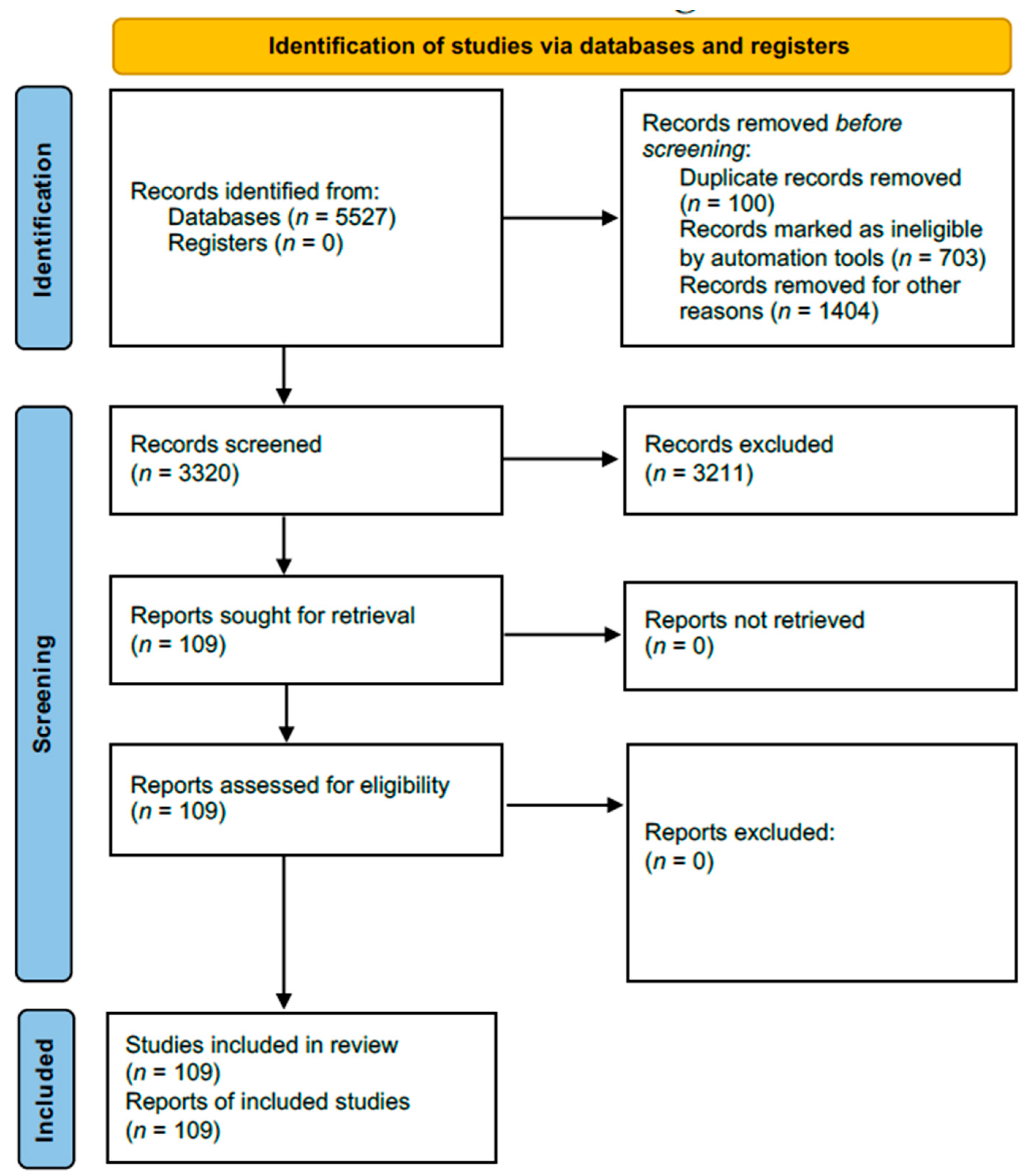
| Query | Search Terms | Results |
|---|---|---|
| Pisa syndrome | “Pisa” [All Fields] AND (“syndrom” [All Fields] OR “syndromal” [All Fields] OR “syndromally” [All Fields] OR “syndrome” [MeSH Terms] OR “syndrome” [All Fields] OR “syndromes” [All Fields] OR “syndromes” [All Fields] OR “syndromic” [All Fields] OR “syndroms” [All Fields]) | 3506 |
| Pleurothotonus | “Pleurothotonus” [All Fields] | 31 |
| Reference | Prevalence | Note |
|---|---|---|
| Yassa et al. (1991) [12] | 9.3% of females and 6.4% of males, and the mean was 8.3% | Antipsychotic treatment between 1984 and 1989 at a Canadian center |
| Stübner et al. (2000) [13] | 0.037% | Large population with psychiatric disorders |
| Tinazzi et al. (2015) [14] | 15% | Patients with PD who developed dopaminergic drug-induced Pisa syndrome |
| Lee et al. (2018) [15] | 0.45% of males and 0.37% of females | Neuroleptic treatment. Also, there is a higher frequency of occurrence in males than in females unlike previous studies |
| Naguy et al. (2022) [16] | 0.04% | Patients with Alzheimer’s disease taking acetylcholinesterase inhibitors |
| Wyant et al. (2023) [17] | 0.09% to 1.7% | Antipsychotic treatment |
| Reference | Age/Sex | Cause of Pisa Syndrome | Movement Disorder Onset | Management | Movement Disorder Recovery | Note |
|---|---|---|---|---|---|---|
| Ekbom et al. (1972) [3] | 59/F | Methylperone | Days | Methylperone was discontinued. | 2 months. Partial recovery | |
| 63/F | Methylperone | 7 days | Methylperone was discontinued. | 2 days. CR. | ||
| 69/F | Methylperone | 2 days | Methylperone was discontinued. | 2 weeks | ||
| Yassa et al. (1985) [35] | 57/M | Chlorpromazine | 8 years | Chlorpromazine was discontinued. Benztropine trial was unsuccessful. | 16 h. CR. | |
| 32/M | Chlorpromazine | 1 week | Benztropine trial was unsuccessful. | No recovery. | ||
| Guy et al. (1986) [36] | 44/F | Antipsychotic | NA | Antipsychotic was discontinued. | Undetermined time. Partial recovery. | |
| Saxena et al. (1986) [37] | 37/M | Fluphenazine | 3 years | Fluphenazine was discontinued. | 6 months. CR. | |
| Amore et al. (1988) [38] | 25/M | Haloperidol and chlorpromazine | NA | Haloperidol and chlorpromazine were discontinued. | Undetermined time. CR. | |
| Davidson et al. (1988) [39] | 66/M | Haloperidol | 1 week | Haloperidol dose was maintained. Amantadine was prescribed. | Undetermined time. Partial recovery. | |
| Remington et al. (1988) [40] | 46/M | Amitriptyline and thioridazine. | 4 days | Amitriptyline and thioridazine were discontinued. | 2 days. | Benztropine was administered, but no effect was observed. |
| Chiu et al. (1989) [41] | 38/F | Several antipsychotics | Variable times | Several antipsychotics. | Variable times. Partial recovery. | Patient had partial improvement even though structural changes were observed. |
| Turk et al. (1991) [42] | 15/F | Trifluoperazine | 4 days | Trifluoperazine was discontinued. | 1 week. CR. | |
| Fichtner et al. (1992) [43] | 15/F | Droperidol, prochlorperazine | 2 days | Droperidol and prochlorperazine were discontinued. | 1 day. CR. | Misdiagnosed as a functional disorder. |
| Suzuki et al. (1992) [44] | 22/M | Haloperidol | NA | Haloperidol was switched to pimozide. | Undetermined time. CR. | |
| Suzuki et al. (1997) [33] | 58/M | Nortriptyline | 9 days | Nortriptyline dose was maintained. Biperiden was started. | 4 days. CR. | |
| Bruneau et al. (1998) [45] | 45/F | Clozapine | 6 weeks | Clozapine dose was maintained. Procyclidine was started. | Undetermined time. CR. | |
| Padberg et al. (1998) [46] | 85/F | Sertindole | 10 weeks | Sertindole dose was reduced. | 4 days. CR. | |
| Kwak et al. (2000) [47] | 53/F | Donepezil | 4 weeks | Donepezil was discontinued. | 7 days | |
| 73/F | Rivastigmine | 10 days | Rivastigmine was discontinued. | 3 weeks | ||
| Kropp et al. (2001) [48] | 62/F | Metoclopramide | 2 days | Metoclopramide was discontinued. | 8 days. CR. | |
| Miyaoka et al. (2001) [49] | 57/M | Donepezil | 4 weeks | Donepezil was discontinued. | 7 days | |
| Wölfl et al. (2001) [50] | 33/M | Intoxication with tramadol, alprazolam, diazepam, bromazepam, alcohol and dothiepin | 3 days | Intoxication episode. | 3 days. CR. | |
| Jagadheesan et al. (2002) [51] | 24/F | Risperidone | 2 weeks | Risperidone was discontinued. Trihexyphenidyl was started. | Undetermined time. Partial recovery. | |
| Harada et al. (2002) [52] | 25/M | Risperidone | 15 months | Risperidone was discontinued. Biperiden dose was decreased. | 3 weeks. Partial recovery. | |
| Azcano et al. (2003) [53] | 19/M | Paliperidone | 1 year | Paliperidone was discontinued. | Undetermined time. CR. | |
| Villarejo et al. (2003) [54] | 77/F | Donepezil | 4 weeks | Donepezil was discontinued. Biperiden was prescribed. | NA | |
| 72/F | Donepezil | 2 months | Donepezil was discontinued. | 10 days | ||
| Ziegenbein et al. (2003) [55] | 38/F | Ziprasidone | 18 days | Ziprasidone was discontinued. | 14 days. CR. | |
| Cossu et al. (2004) [34] | 72/F | Galantamine | 4 weeks | Galantamine was discontinued. Responsive to botulinum toxin. | Partial recovery. | |
| Duggal et al. (2004) [56] | 82/F | Clozapine | 11 days | Clozapine was discontinued. | 2 days. CR. | |
| Cannas et al. (2005) [57] | 56/M | Pergolide | 4 months | Pergolide was discontinued. | 3 months. CR. | |
| Vanacore et al. (2005) [58] | 83/F | Donepezil | 1 month | Donepezil was discontinued. | 16 days | |
| 84/F | Donepezil | 4 months | Donepezil was discontinued. | 7 days | ||
| 75/F | Donepezil | 2.5 years | Donepezil was discontinued. | 14 days | ||
| Arora et al. (2006) [59] | 22/M | Olanzapine | 9 months | Olanzapine was switched to clozapine. | 6 weeks. CR. | |
| González Pablos et al. (2006) [60] | 60/F | Risperidone | 1 year | Risperidone was discontinued. | NA. | |
| Yohanan et al. (2006) [61] | 65/M | Valproate | Months | Valproate was discontinued. | Undetermined time. CR. | |
| Huvent-Grelle et al. (2007) [62] | 78/F | Galantamine | 11 months | Galantamine was discontinued. | 15 days | |
| 75/F | Donepezil | 4 years | Donepezil was discontinued. | 15 days | ||
| 72/F | Galantamine | 6 months | Galantamine was discontinued. | NA | Switching to rivastigmine. | |
| 76/F | Donepezil | 12 months | Donepezil was discontinued. | Partial recovery. | ||
| 79/M | Rivastigmine | 24 months | Rivastigmine was discontinued. | NA | ||
| Hung et al. (2007) [63] | 39/F | Clozapine | 5 months | Clozapine dose was reduced. | 4 weeks. CR. | |
| Nishimura et al. (2007) [64] | 29/M | Risperidone | 4 months | Risperidone was discontinued. Trihexyphenidyl was started. | 2 months. Partial recovery. | |
| Rota et al. (2007) [65] | 77/F | Aripiprazole | 6 days | Aripiprazole was discontinued. | 3 days | |
| Strauss et al. (2007) [66] | 50/F | Risperidone | NA | Risperidone was discontinued. | Undetermined time. CR. | |
| Chen et al. (2008) [67] | 65/F | Galantamine | 6 months | Galantamine was discontinued. | Partial recovery. | |
| Cordeiro et al. (2008) [68] | 18/M | Risperidone | 8 weeks | Risperidone was discontinued. Biperiden was started. | 3 days. CR. | |
| Ogihara et al. (2008) [69] | 70/F | Donepezil | NA | Donepezil was discontinued. | 4 weeks. | Pisa syndrome only appeared after the introduction in a long-term donepezil therapy. |
| 67/F | Donepezil | 16 months | Donepezil was discontinued. | 3 weeks | Previous episodes of Pisa syndrome with quetiapine and trazodone. | |
| Solla et al. (2008) [70] | 62/M | Levodopa/carbidopa/entacapone | 2 weeks | Levodopa/carbidopa/entacapone was discontinued. | Days. CR. | |
| Uemura et al. (2008) [71] | 56/F | Clomipramine | 2 months | Clomipramine dose was reduced. | 1 month. CR. | |
| Wang et al. (2008) [72] | 77/M | Rivastigmine | 2 weeks | Rivastigmine dose was reduced. | 3 days. CR. | Rivastigmine was correlated with a dose-dependent effect. |
| Huvent-Grelle et al. (2009) [73] | 98/M | Donepezil | 3 months | Donepezil was discontinued. | 7 days. CR. | |
| 80/M | Donepezil | 18 months | Donepezil was discontinued. | Partial recovery | ||
| Huang et al. (2009) [74] | 46/F | Aripiprazole | 3 days | Aripiprazole was discontinued. | 3 days | |
| Kuo et al. (2009) [75] | 57/M | Amilsupride | 10 days | Amilsupride was discontinued. | 2 days | |
| Silić et al. (2009) [76] | NA/M | Ziprasidone | 6 days | Ziprasidone was discontinued. Biperiden was started. | 1 day | |
| Yeh et al. (2009) [77] | 38/M | Ziprasidone | 1 month | Ziprasidone was discontinued. Amilsupride was started without motor symptoms. | 1 week | |
| Walder et al. (2009) [27] | 69/F | Quetiapine | 5 days | Quetiapine was discontinued. | 3 days | |
| Albuquerque et al. (2010) [78] | 33/F | Haloperidol | 13 year | Haloperidol was discontinued. Trihexyphenidyl was started. | 3 months. Partial recovery. | New worsening with risperidone. |
| Chen et al. (2010) [79] | 44/F | Aripiprazole | 2 months | Aripiprazole was discontinued. | 4 days | |
| Li et al. (2010) [80] | 26/M | Amilsupride | 2 weeks | Amilsupride was discontinued. | 12 days. Partial recovery. | |
| Ulhaq et al. (2010) [81] | 31/M | Risperidone | NA | Risperidone was discontinued. | Undetermined time. CR. | Reports of patients with intellectual disability. |
| 46/F | Risperidone | NA | Risperidone was discontinued. | Undetermined time. CR. | ||
| Wu et al. (2010) [82] | 29/M | Amisulpride | 3 days | Amilsupride was discontinued. Trihexyphenidyl was started. | 1 day. CR. | |
| Fasano et al. (2011) [5] | 64/M | Rasagiline | 3 weeks | Rasagiline was discontinued. | 4 weeks | |
| 73/M | Rasagiline | 4 weeks | Rasagiline was discontinued. | 4 weeks | ||
| 72/M | Rasagiline | 3 weeks | Rasagiline was discontinued. | 2 weeks | ||
| 67/F | Rasagiline | 4 weeks | Rasagiline was discontinued. | 3 weeks | ||
| Miodownik et al. (2011)—Case 1 and Case 2 [83] | 58/M | Sertindole | 6 weeks | Sertindole was discontinued. | 2 weeks. Partial recovery. | |
| 38/M | Ziprasidone | 3 months | Ziprasidone was discontinued. | 2 weeks. Partial recovery. | ||
| Shinfuku et al. (2011) [84] | 71/F | Donepezil | 12 months | Donepezil was discontinued. | Partial recovery. | |
| Ducasse et al. (2012) [85] | 72/F | Risperidone | 1 weeks | Risperidone was discontinued. | Undetermined time. Partial recovery. | |
| Ioannidis et al. (2012) [86] | 74/F | Donepezil | 1 day | Donepezil was discontinued. | 8 days | |
| Kaufmann et al. (2012) [87] | 23/F | Risperidone | 1 year | Risperidone was discontinued. Biperiden was discontinued. Baclofen was started. | 1 week. Partial recovery. | |
| Leelavathi et al. (2012) [88] | 80/M | Rivastigmine | 18 months | Rivastigmine was discontinued. | Partial recovery. | Switching to donepezil. |
| Liuu et al. (2012) [89] | 73/M | Valproate | NA | NA | NA | |
| Perrone et al. (2012) [90] | 47/F | Sertraline | 1 month | Sertraline was discontinued. | 3 weeks. Partial recovery. | |
| Iuppa et al. (2013) [91] | 31/M | Risperidone | 11 years | Risperidone was discontinued. | 1 week | |
| Méndez Guerrero et al. (2013) [92] | 61/F | Mirtazapine | Single dose | Mirtazapine was discontinued. | Three days. CR. | |
| Teng et al. (2013) [93] | 42/M | Paliperidone | 2 months | Paliperidone was discontinued. | 2 weeks. CR. | |
| Galati et al. (2014) [94] | 68/F | Ropinirole | NA | Ropinirole was discontinued. | Undetermined time. CR. | |
| Olsson et al. (2014) Case 2 [95] | 38/M | Olanzapine | days | Olanzapine dose was reduced. | Undetermined time. CR. | |
| Pan et al. (2014) [96] | 18/M | Paliperidone | 12 months | Paliperidone was discontinued. | 1 week. CR. | |
| Wang et al. (2014) [97] | 60/F | Clotiapine withdrawal | 3 days | Baclofen and biperiden were started. | Partial recovery. | |
| Zannas et al. (2014) [98] | 74.7 (mean)/17F+ 4M | Donepezil | NA | NA | NA | Food and Drug Administration Adverse Event Reporting System database |
| 73.9 (mean)/13F + 4M | Galantamine | NA | NA | NA | ||
| 75.1 (mean)/5F + 9M | Rivastigmine | NA | NA | NA | ||
| Arjunan et al. (2015) [99] | 83/M | Risperidone | 2 days | Risperidone was discontinued. | Undetermined time. CR. | |
| Faridhosseini et al. (2015) [2] | 33/F | Clozapine | 2 years | Clozapine dose was reduced. Biperiden was started. | 1 month. CR. | |
| Miletić et al. (2015) [100] | 67/F | Risperidone | 3 days | Risperidone was discontinued. | 2 weeks. Partial recovery. | |
| Pellene et al. (2015) [20] | 71/M | Pramipexole | 4 years | Pramipexole was discontinued. | 20 days. CR. | |
| Botturi et al. (2016) [101] | 59/M | Valproate | 3 months | Valproate was discontinued. | Weeks. Partial recovery. | |
| De Risio et al. (2016) [102] | 25/F | Aripiprazole | 28 months | Aripiprazole was discontinued. | 4 weeks | |
| Güneş et al. (2016) [28] | 15/M | Risperidone | 4 years | Risperidone dose was reduced. | 2 weeks | |
| Tsou et al. (2016) [103] | 37/M | Paliperidone | 3 months | Paliperidone was discontinued. Anticholinergic drugs were prescribed, but no improvement was observed. | 1 month | |
| Hsu et al. (2017) [104] | 57/F | Rivastigmine | 19 months | Rivastigmine was discontinued. | 1 month | |
| Kumar et al. (2017) [105] | 49/M | Lithium | 2 years | Lithium was discontinued. | 3 months | |
| Mahmoud et al. (2017) [106] | 14/NA | Valproate | 5 years | Valproate was discontinued. | NA | |
| Pollock et al. (2017) [107] | 87/M | Donepezil | 2 years | Donepezil was discontinued. | 3 months | |
| Suresh Kumar et al. (2017) [108] | 52/F | Clozapine | 2 years | NA | NA | |
| Sutter et al. (2017) [109] | 56/F | Risperidone | 4 years | Risperidone was discontinued. | 6 months | |
| Chao et al. (2018) [110] | 67/F | Rivastigmine | 5 days | Rivastigmine was discontinued. | 7 days | |
| Filipe et al. (2018) [111] | 56/F | Clozapine and mirabegron | 5 days | Clozapine and mirabegron | 30 days. CR. | |
| Huang et al. (2018) [112] | 31/F | Clotiapine | 2 weeks | Clotiapine was discontinued. | 10 days | |
| Lee et al. (2018) [15] | 47 (mean)/9M, 4F | Antipsychotics | NA | NA | NA | 13 individuals |
| López-Blanco et al. (2018) [113] | 76/F | Betahistine | Single dose | Betahistine was discontinued. | 1 day | |
| Mukku et al. (2018) [114] | 60/M | Donepezil | 3 months | Donepezil was discontinued. Promethazine was prescribed with partial response. Clonazepam was infective. | 3 days | |
| Sosa et al. (2018) [115] | 77/F | Codeine | 1 day | Codeine was discontinued. | 3 days | |
| Yamada et al. (2018) [116] | 79/F | Mirtazapine | 12 days | Mirtazapine was discontinued. | 3 days | |
| Yasuda et al. (2018) [117] | 68/M | Istradefylline | 4 months | Istradefylline was discontinued. | 4 months | Patient already had a previous trunk deviation due to lumbar spondylosis. The istradefylline increased the angle. |
| Ciner et al. (2019) [118] | 45/M | Paliperidone | 2 years | Paliperidone was discontinued. | NA | |
| Guler et al. (2020) [119] | 12/F | Olanzapine | 3 months | Olanzapine was discontinued. Biperiden was prescribed. | 15 days | |
| Hsieh et al. (2020) [120] | 62/M | Lithium | 1 week | Lithium was discontinued. | 1 day | There was worsening of the angle with lithium therapy. Dose-dependent effect. |
| Mimura et al. (2020) [1] | 60/F | Galantamine | 2 weeks | Galantamine was discontinued. | 2 weeks | |
| Atmaca et al. (2021) [121] | 81/F | Piribedil | 1 month | Piribedil was discontinued. | 1 month | |
| Bicho et al. (2021) [122] | 48/F | Antipsychotic | NA | Antipsychotic discontinuation. Anticholinergic prescribed. | NA | |
| Bruggeman et al. (2021) [123] | 68/F | Donepezil | 5 years | Donepezil discontinuation. | 6 months. CR. | Video. |
| Erdem et al. (2021) [124] | 47/M | Amilsupride | 10 years | Amilsupride discontinued. Biperiden and baclofen were started. | Partial recovery | Attempt of botulinum toxin injection without improvement. |
| Mascia et al. (2021) [31] | 46/M | Cocaine, sniffed | 1 h | Biperiden prescription. | 2 h | Cocaine rechallenged revealed reappearance of the symptoms. |
| Santos et al. (2021) [125] | 73/F | Clozapine | NA | NA | NA | |
| Simões et al. (2021) [126] | 72/F | Donepezil | 5 months | Donepezil discontinuation. | 7 days. CR. | Rivastigmine was attempted, but she had similar symptoms of donepezil use. |
| Nagai et al. (2022) [127] | 71/F | Brexpiprazole | 2 months | Brexpiprazole was switched to quetiapine. | NA. Partial recovery. | |
| Naguy et al. (2022) [16] | 13/M | Lithium | 4 weeks | Lithium discontinuation. | 2 weeks. CR. | |
| Shen et al. (2022) [128] | 62/M | Clozapine | 3 years | Clozapine dose was reduced. | 3 days. Partial recovery. | Pisa syndrome with oral-buccal-lingual dyskinesia. |
| Weise et al. (2022) [129] | 41/F | Clozapine and cariprazine | 4 weeks | Discontinuation of cariprazine. Lorazepam and biperiden were prescribed. | 3 days. CR. | Add-on cariprazine in resistant schizophrenia. |
| 63/M | Clozapine and cariprazine | 2 weeks | Discontinuation of cariprazine. Prescription of biperiden. | 3 weeks. CR. | Add-on cariprazine in resistant schizophrenia. | |
| Muller et al. (2023) [130] | NA | Clozapine | NA | NA | NA | |
| Waykar et al. (2023) [131] | 75/F | Donepezil | 6 months | Discontinuation of donepezil. Mematine prescription. | 1 month. CR. |
| Drug Class | Number of Reports | Medications |
|---|---|---|
| Acetylcholinesterase inhibitors | 87 | Donepezil [126], galantamine [1], rasagiline [4], rivastigmine [47]. |
| Atypical antipsychotics | 50 | Amilsupride [124], aripiprazole [102], brexpiprazole [127], clotiapine [112], clozapine [129], olanzapine [119], paliperidone [118], risperidone [109], ziprasidone [83]. |
| Typical antipsychotics | 30 | Chlorpromazine [35], droperidol [43], fluphenazine [37], haloperidol [78], methylperone [3], sertindole [46], trifluoperazine [42]. |
| Antiparkisonian medications | 6 | Istradefylline [117], levodopa/carbidopa/entacapone [70], pergolide [57], piribedil [121], pramipexole [20], ropinirole [94]. |
| Anti-seizure medications | 4 | Valproate [106]. |
| Antidepressants | 3 | Mirtazapine [116], sertraline [90]. |
| Mood stabilizers | 3 | Lithium [16]. |
| Tricyclic antidepressants | 3 | Amitriptyline [40], clomipramine [71], nortriptyline [33]. |
| Opioid | 1 | Codeine [115]. |
| Antiemetics | 1 | Metoclopramide [48]. |
| Addictive stimulant drug | 1 | Cocaine [31]. |
| Anti-vertigo medication | 1 | Betahistine [113]. |
| Intoxication | 1 | Intoxication with a mixture of tramadol, alprazolam, diazepam, bromazepam, alcohol, and dothiepin [50]. |
| Criteria | Reference |
|---|---|
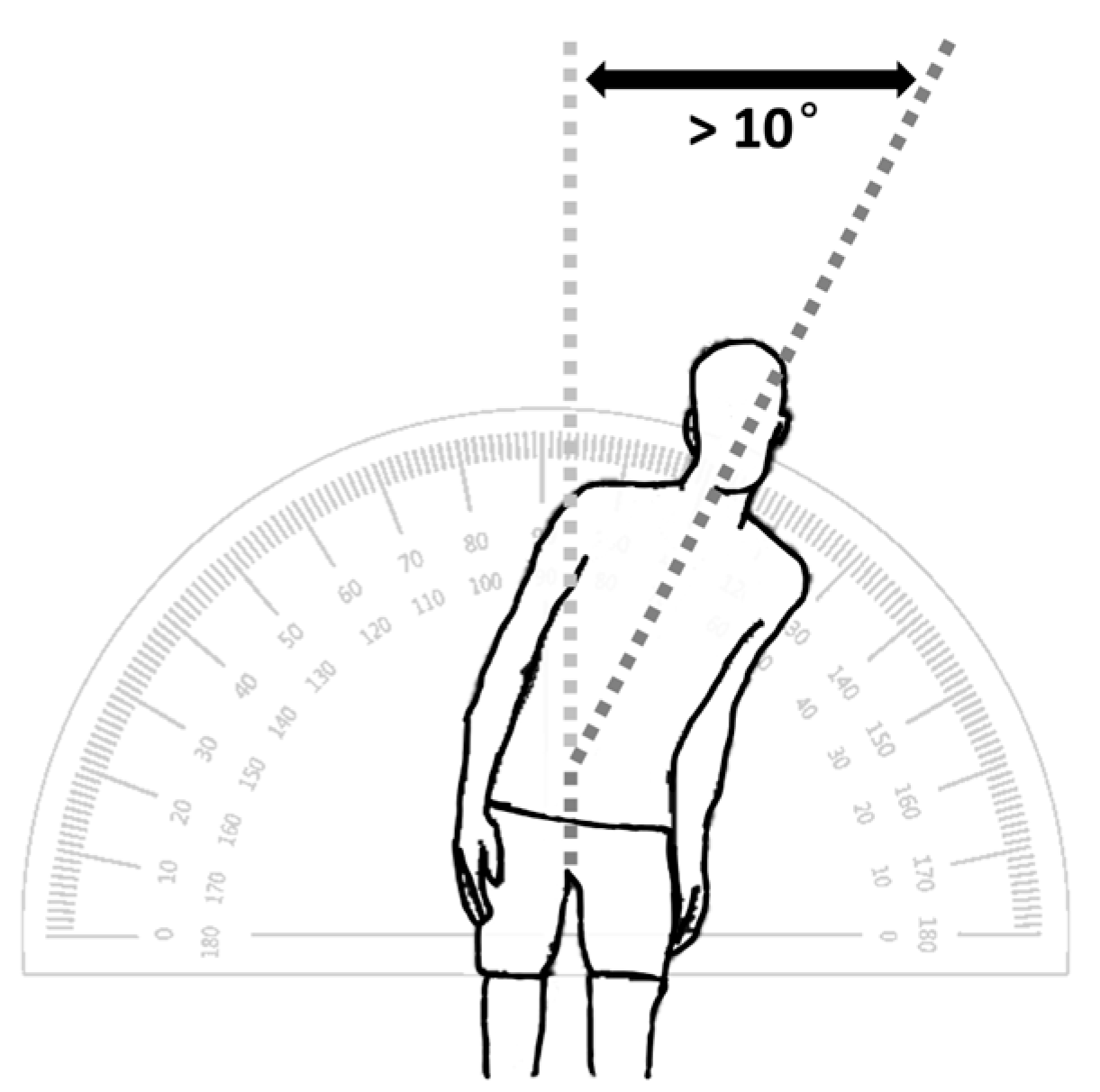
| (A) More than 10 degrees of lateral trunk flexion. Bonanni et al. recommended more than 15 degrees. Tinazzi et al. classified mild (<20°) or severe (>20°) according to the angle. | Doherty et al. (2011) [136] Bonanni et al. (2007) [135] Tinazzi et al. (2015) [14] |
| (B) Lateral trunk flexion is relieved by passive mobilization or supine posture. | Doherty et al. (2011) [136] |
| (C) Lateral trunk flexion worsens during walking and in the absence of any mechanical restriction of the trunk. | Bonanni et al. (2007) [131] Ekbom et al. (1972) [3] |
| (D) Electromyography pattern of activation of paraspinal muscles and non-paraspinal muscles. | Tassorelli et al. (2012) [133] |
| (E) Supplementary imaging of neurospine for evaluation of degenerative process and musculoskeletal abnormalities. |
| Medication | Movement Disorder Onset | Movement Disorder Recovery | Reference |
|---|---|---|---|
| Levodopa/Benserazide | 15 days | 20 days | Cannas et al. (2009) [165] |
| Carbidopa/Levodopa/Entacapone | 2 weeks to 1 month | Few days to 10 days | Solla et al. (2008) [70] Cannas et al. (2009) [165] |
| Rasagiline | 3–4 weeks | 2–4 weeks | Fasano et al. (2011) [4] |
| Pramipexole | 2 months | 40 days | Cannas et al. (2009) [165] |
| Levodopa/Carbidopa | 2 months | 2 months | Cannas et al. (2009) [165] |
| Pergolide | 2–3 months | 3 months | Cannas et al. (2005) [57] Cannas et al. (2009) [165] |
| Istradefylline | 4 months | 4 months | Yasuda et al. (2018) [117] |
| Ropinirole | 1 year | 3 months | Galati et al. (2014) [94] |
Disclaimer/Publisher’s Note: The statements, opinions and data contained in all publications are solely those of the individual author(s) and contributor(s) and not of MDPI and/or the editor(s). MDPI and/or the editor(s) disclaim responsibility for any injury to people or property resulting from any ideas, methods, instructions or products referred to in the content. |
© 2024 by the authors. Licensee MDPI, Basel, Switzerland. This article is an open access article distributed under the terms and conditions of the Creative Commons Attribution (CC BY) license (https://creativecommons.org/licenses/by/4.0/).
Share and Cite
Pitton Rissardo, J.; Murtaza Vora, N.; Danaf, N.; Ramesh, S.; Shariff, S.; Fornari Caprara, A.L. Pisa Syndrome Secondary to Drugs: A Scope Review. Geriatrics 2024, 9, 100. https://doi.org/10.3390/geriatrics9040100
Pitton Rissardo J, Murtaza Vora N, Danaf N, Ramesh S, Shariff S, Fornari Caprara AL. Pisa Syndrome Secondary to Drugs: A Scope Review. Geriatrics. 2024; 9(4):100. https://doi.org/10.3390/geriatrics9040100
Chicago/Turabian StylePitton Rissardo, Jamir, Nilofar Murtaza Vora, Naseeb Danaf, Saivignesh Ramesh, Sanobar Shariff, and Ana Letícia Fornari Caprara. 2024. "Pisa Syndrome Secondary to Drugs: A Scope Review" Geriatrics 9, no. 4: 100. https://doi.org/10.3390/geriatrics9040100
APA StylePitton Rissardo, J., Murtaza Vora, N., Danaf, N., Ramesh, S., Shariff, S., & Fornari Caprara, A. L. (2024). Pisa Syndrome Secondary to Drugs: A Scope Review. Geriatrics, 9(4), 100. https://doi.org/10.3390/geriatrics9040100