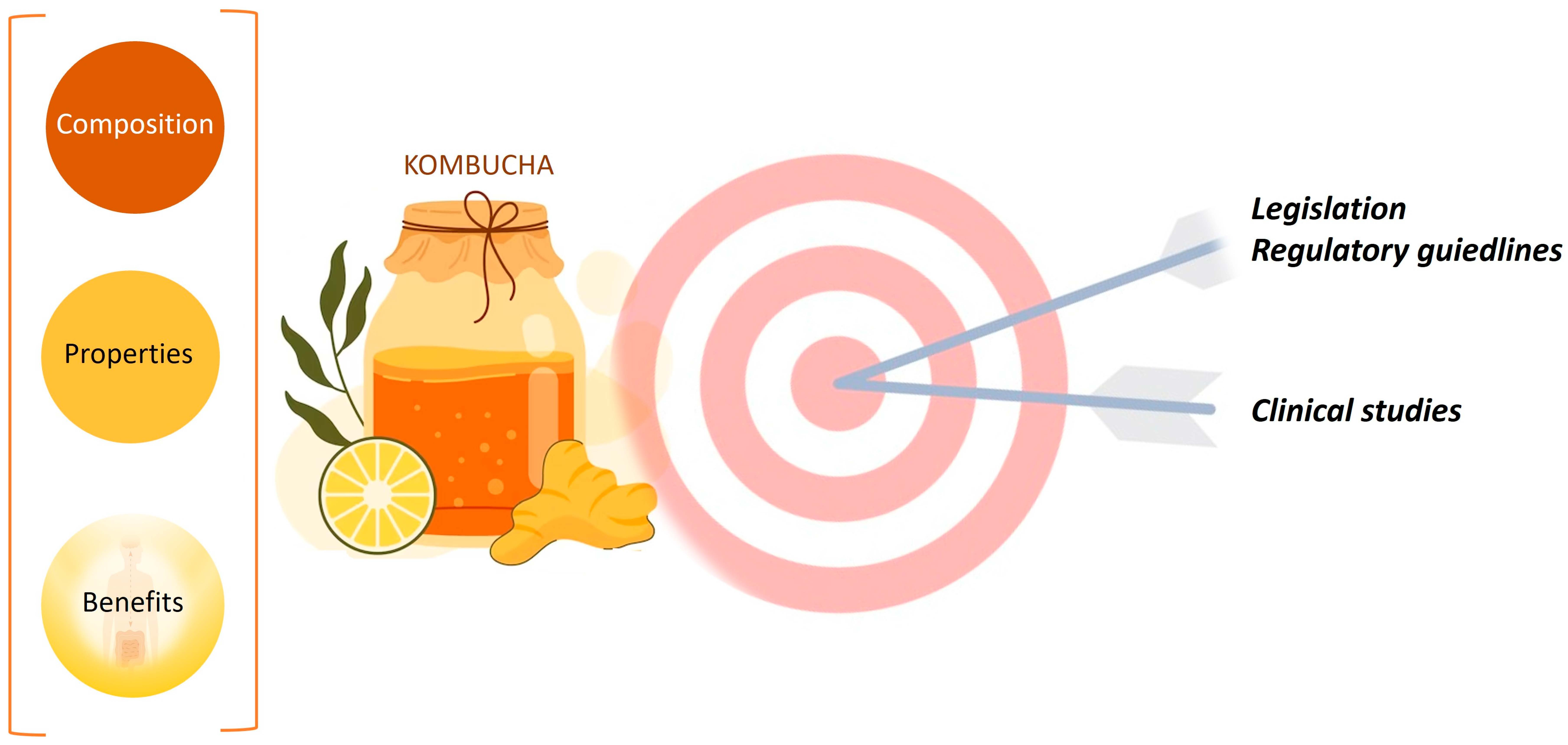
Kombucha: Challenges for Health and Mental Health

 , ,
, ,  and
and 
Abstract
1. Introduction
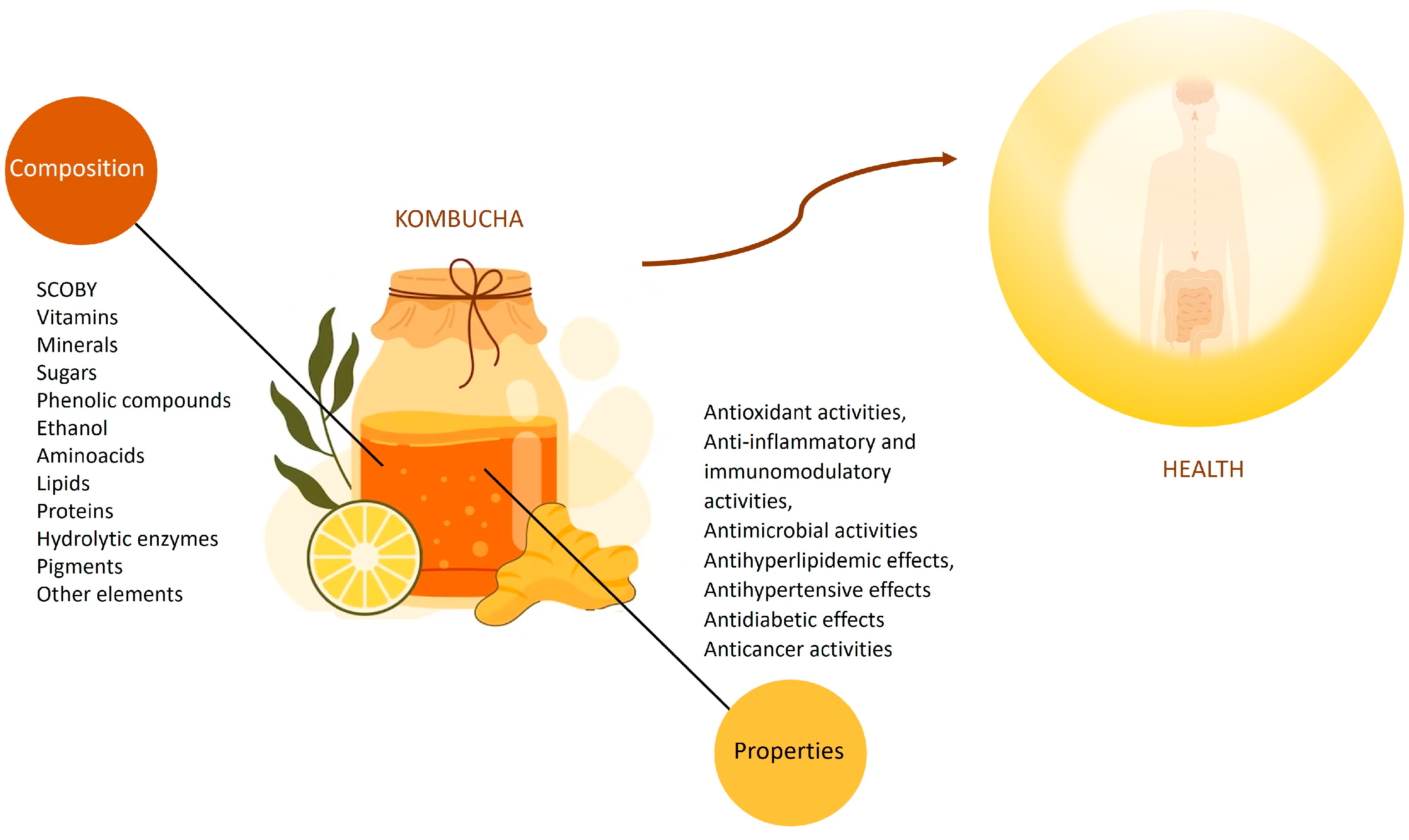
1.1. The Kombucha Beverage
1.2. Mental Health via Gut–Brain Axis
1.3. Probiotics/Kombucha Impact on Mental Health
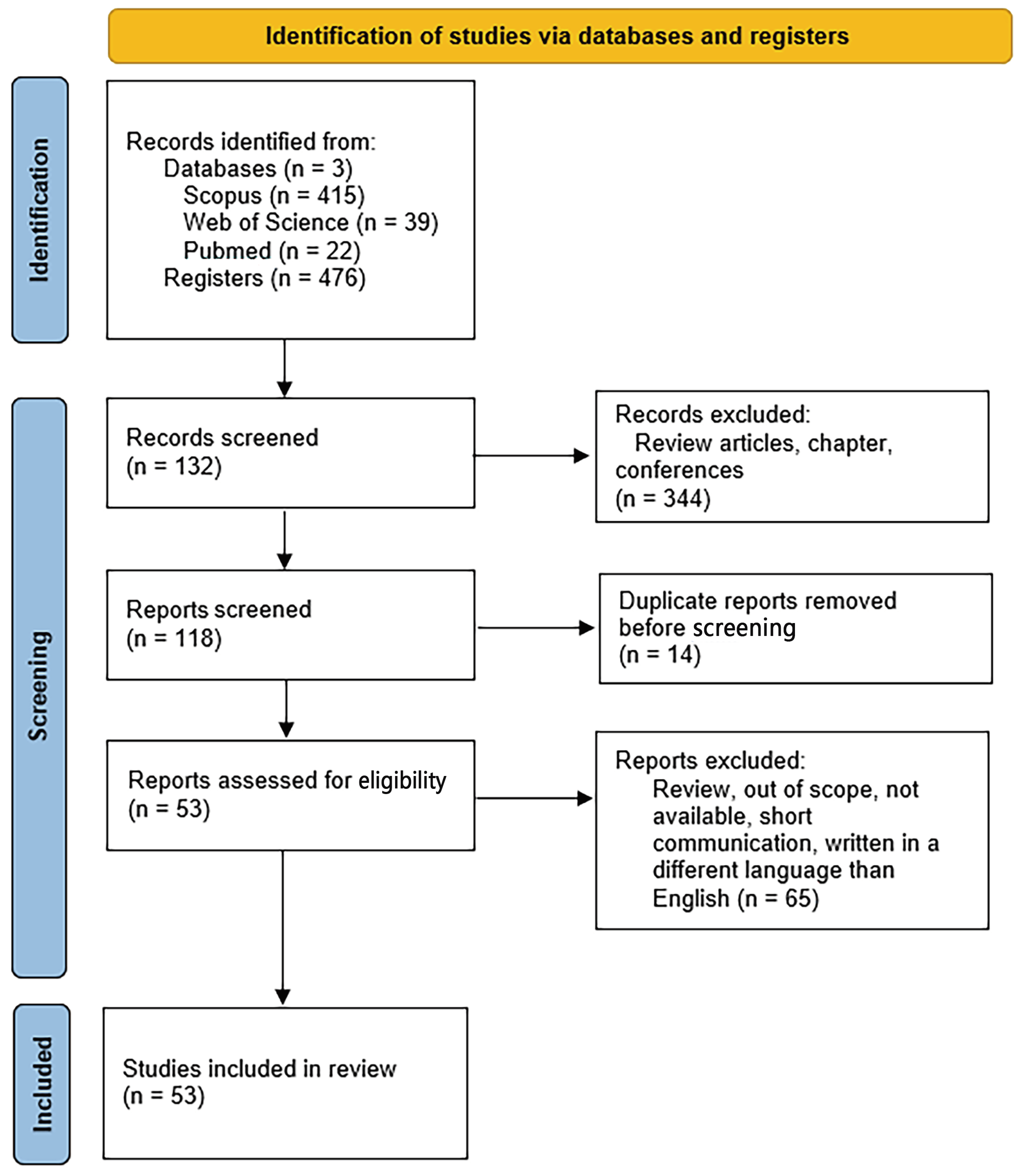
2. Methodology
- (a)
- Inclusion: research articles, clinical assays, publications written in English.
- (b)
- Exclusion: outside the scope of the subject, other types of publications (reviews, comments, editorials, discussions, correspondence, letters, short communications), publications in languages other than English, and studies whose full texts were not available.
3. Results
4. Discussion
5. Conclusions and Future Perspectives
Author Contributions
Funding
Conflicts of Interest
References
- Rochefort, G.; Lapointe, A.; Mercier, A.-P.; Parent, G.; Provencher, V.; Lamarche, B. A Rapid Review of Territorialized Food Systems and Their Impacts on Human Health, Food Security, and the Environment. Nutrients 2021, 13, 3345. [Google Scholar] [CrossRef] [Scilit]
- Addanki, S.; Koti, E.; Juturi, R.K. Nutraceuticals: Health Claims Regulatory Overview. Int. J. Pharm. Res. 2021, 13, 4024–4033. [Google Scholar]
- Chopra, A.S.; Lordan, R.; Horbańczuk, O.K.; Atanasov, A.G.; Chopra, I.; Horbańczuk, J.O.; Jóźwik, A.; Huang, L.; Pirgozliev, V.; Banach, M. The current use and evolving landscape of nutraceuticals. Pharmacol. Res. 2022, 175, 106001. [Google Scholar] [CrossRef] [Scilit] [PubMed]
- da Costa, J.P. A current look at nutraceuticals–Key concepts and future prospects. Trends Food Sci. Technol. 2017, 62, 68–78. [Google Scholar] [CrossRef] [Scilit]
- Tarabella, A.; Varese, E.; Buffagni, S. Functional Foods. In Food Products Evolution: Innovation Drivers and Market Trends; Tarabella, A., Ed.; Springer International Publishing: Cham, Switzerland, 2019; pp. 117–142. [Google Scholar]
- Granato, D.; Barba, F.J.; Kovačević, D.B.; Lorenzo, J.M.; Cruz, A.G.; Putnik, P. Functional Foods: Product Development, Technological Trends, Efficacy Testing, and Safety. Annu. Rev. Food Sci. Technol. 2020, 11, 93–118. [Google Scholar] [CrossRef] [Scilit] [PubMed]
- Essa, M.M.; Bishir, M.; Bhat, A.; Chidambaram, S.B.; Al-Balushi, B.; Hamdan, H.; Govindarajan, N.; Freidland, R.P.; Qoronfleh, M.W. Functional foods and their impact on health. J. Food Sci. Technol. 2021, 60, 820–834. [Google Scholar] [CrossRef] [Scilit]
- Martirosyan, D.M.; Singh, J. A new definition of functional food by FFC: What makes a new definition unique? Funct. Foods Health Dis. 2015, 5, 209–223. [Google Scholar] [CrossRef] [Scilit]
- Research, G.V. Functional Foods Market Size, Growth & Trends, Industry Report, 2025; ID: GVR-1-68038-195-5; 20209; Grand View Research: San Francisco, CA, USA, 2020. [Google Scholar]
- Insights, F.B. Market Research Report; Fortune Business Insights: Maharashtra, India, 2020; p. 144. [Google Scholar]
- Koirala, S.; Anal, A.K. Probiotics-based foods and beverages as future foods and their overall safety and regulatory claims. Future Foods 2021, 3, 100013. [Google Scholar] [CrossRef] [Scilit]
- Mousavi Khaneghah, A.; Abhari, K.; Eş, I.; Soares, M.B.; Oliveira, R.B.A.; Hosseini, H.; Rezaei, M.; Balthazar, C.F.; Silva, R.; Cruz, A.G.; et al. Interactions between probiotics and pathogenic microorganisms in hosts and foods: A review. Trends Food Sci. Technol. 2020, 95, 205–218. [Google Scholar] [CrossRef] [Scilit]
- Sivamaruthi, B.S.; Prasanth, M.I.; Kesika, P.; Chaiyasut, C. Probiotics in human mental health and diseases—A minireview. Trop. J. Pharm. Res. 2019, 18, 889–895. [Google Scholar] [CrossRef] [Scilit]
- Cryan, J.F.; O’Riordan, K.J.; Cowan, C.S.; Sandhu, K.V.; Bastiaanssen, T.F.; Boehme, M.; Codagnone, M.G.; Cussotto, S.; Fulling, C.; Golubeva, A.V. The microbiota-gut-brain axis. Physiol. Rev. 2019, 99, 1877–2013. [Google Scholar] [CrossRef] [Scilit] [PubMed]
- Kesika, P.; Suganthy, N.; Sivamaruthi, B.S.; Chaiyasut, C. Role of gut-brain axis, gut microbial composition, and probiotic intervention in Alzheimer's disease. Life Sci. 2021, 264, 118627. [Google Scholar] [CrossRef] [Scilit]
- Martins, E.M.F.; Ramos, A.M.; Vanzela, E.S.L.; Stringheta, P.C.; de Oliveira Pinto, C.L.; Martins, J.M. Products of vegetable origin: A new alternative for the consumption of probiotic bacteria. Food Res. Int. 2013, 51, 764–770. [Google Scholar] [CrossRef] [Scilit]
- Vargas, B.K.; Fabricio, M.F.; Ayub, M.A.Z. Health effects and probiotic and prebiotic potential of Kombucha: A bibliometric and systematic review. Food Biosci. 2021, 44, 101332. [Google Scholar] [CrossRef] [Scilit]
- Emiljanowicz, K.E.; Malinowska-Pańczyk, E. Kombucha from alternative raw materials–The review. Crit. Rev. Food Sci. Nutr. 2020, 60, 3185–3194. [Google Scholar] [CrossRef] [Scilit]
- Chakravorty, S.; Bhattacharya, S.; Chatzinotas, A.; Chakraborty, W.; Bhattacharya, D.; Gachhui, R. Kombucha tea fermentation: Microbial and biochemical dynamics. Int. J. Food Microbiol. 2016, 220, 63–72. [Google Scholar] [CrossRef] [Scilit]
- Villarreal-Soto, S.A.; Beaufort, S.; Bouajila, J.; Souchard, J.-P.; Renard, T.; Rollan, S.; Taillandier, P. Impact of fermentation conditions on the production of bioactive compounds with anticancer, anti-inflammatory and antioxidant properties in kombucha tea extracts. Process Biochem. 2019, 83, 44–54. [Google Scholar] [CrossRef] [Scilit]
- Vitas, J.S.; Cvetanović, A.D.; Mašković, P.Z.; Švarc-Gajić, J.V.; Malbaša, R.V. Chemical composition and biological activity of novel types of kombucha beverages with yarrow. J. Funct. Foods 2018, 44, 95–102. [Google Scholar] [CrossRef] [Scilit]
- Bortolomedi, B.M.; Paglarini, C.S.; Brod, F.C.A. Bioactive compounds in kombucha: A review of substrate effect and fermentation conditions. Food Chem. 2022, 385, 132719. [Google Scholar] [CrossRef] [Scilit]
- Majid, A.A.; Suroto, D.A.; Utami, T.; Rahayu, E.S. Probiotic potential of kombucha drink from butterfly pea (Clitoria ternatea L.) flower with the addition of Lactiplantibacillus plantarum subsp. plantarum Dad-13. Biocatal. Agric. Biotechnol. 2023, 51, 102776. [Google Scholar] [CrossRef] [Scilit]
- Morales, D. Biological activities of kombucha beverages: The need of clinical evidence. Trends Food Sci. Technol. 2020, 105, 323–333. [Google Scholar] [CrossRef] [Scilit]
- Tong, J.; Satyanarayanan, S.K.; Su, H. Nutraceuticals and probiotics in the management of psychiatric and neurological disorders: A focus on microbiota-gut-brain-immune axis. Brain Behav. Immun. 2020, 90, 403–419. [Google Scholar] [CrossRef] [Scilit] [PubMed]
- Huang, R.; Wang, K.; Hu, J. Effect of probiotics on depression: A systematic review and meta-analysis of randomized controlled trials. Nutrients 2016, 8, 483. [Google Scholar] [CrossRef] [Scilit] [PubMed]
- McKean, J.; Naug, H.; Nikbakht, E.; Amiet, B.; Colson, N. Probiotics and subclinical psychological symptoms in healthy participants: A systematic review and meta-analysis. J. Altern. Complement. Med. 2017, 23, 249–258. [Google Scholar] [CrossRef] [Scilit]
- Eastwood, J.; Walton, G.; Van Hemert, S.; Williams, C.; Lamport, D. The effect of probiotics on cognitive function across the human lifespan: A systematic review. Neurosci. Biobehav. Rev. 2021, 128, 311–327. [Google Scholar] [CrossRef] [Scilit]
- Amirani, E.; Milajerdi, A.; Mirzaei, H.; Jamilian, H.; Mansournia, M.A.; Hallajzadeh, J.; Ghaderi, A. The effects of probiotic supplementation on mental health, biomarkers of inflammation and oxidative stress in patients with psychiatric disorders: A systematic review and meta-analysis of randomized controlled trials. Complement. Ther. Med. 2020, 49, 102361. [Google Scholar] [CrossRef] [Scilit]
- Leta, V.; Ray Chaudhuri, K.; Milner, O.; Chung-Faye, G.; Metta, V.; Pariante, C.M.; Borsini, A. Neurogenic and anti-inflammatory effects of probiotics in Parkinson’s disease: A systematic review of preclinical and clinical evidence. Brain Behav. Immun. 2021, 98, 59–73. [Google Scholar] [CrossRef] [Scilit]
- Barrio, C.; Arias-Sánchez, S.; Martín-Monzón, I. The gut microbiota-brain axis, psychobiotics and its influence on brain and behaviour: A systematic review. Psychoneuroendocrinology 2022, 137, 105640. [Google Scholar] [CrossRef] [Scilit]
- Song, X.; Wang, L.; Liu, Y.; Zhang, X.; Weng, P.; Liu, L.; Zhang, R.; Wu, Z. The gut microbiota–brain axis: Role of the gut microbial metabolites of dietary food in obesity. Food Res. Int. 2022, 153, 110971. [Google Scholar] [CrossRef] [Scilit]
- Cheng, W.-Y.; Ho, Y.-S.; Chang, R.C.-C. Linking circadian rhythms to microbiome-gut-brain axis in aging-associated neurodegenerative diseases. Ageing Res. Rev. 2022, 78, 101620. [Google Scholar] [CrossRef] [Scilit]
- Hur, H.J.; Park, H.Y. Gut Microbiota and Depression, Anxiety, and Cognitive Disorders. In Sex/Gender-Specific Medicine in the Gastrointestinal Diseases; Springer: Berlin/Heidelberg, Germany, 2022; pp. 379–391. [Google Scholar]
- Chakrabarti, A.; Geurts, L.; Hoyles, L.; Iozzo, P.; Kraneveld, A.D.; La Fata, G.; Miani, M.; Patterson, E.; Pot, B.; Shortt, C.; et al. The microbiota–gut–brain axis: Pathways to better brain health. Perspectives on what we know, what we need to investigate and how to put knowledge into practice. Cell. Mol. Life Sci. 2022, 79, 80. [Google Scholar] [CrossRef] [Scilit] [PubMed]
- Liu, L.; Huh, J.R.; Shah, K. Microbiota and the gut-brain-axis: Implications for new therapeutic design in the CNS. EBioMedicine 2022, 77, 103908. [Google Scholar] [CrossRef] [Scilit] [PubMed]
- Chang, L.; Wei, Y.; Hashimoto, K. Brain–gut–microbiota axis in depression: A historical overview and future directions. Brain Res. Bull. 2022, 182, 44–56. [Google Scholar] [CrossRef] [Scilit] [PubMed]
- Casertano, M.; Fogliano, V.; Ercolini, D. Psychobiotics, gut microbiota and fermented foods can help preserving mental health. Food Res. Int. 2022, 152, 110892. [Google Scholar] [CrossRef] [Scilit]
- Wen, C.; Wei, S.; Zong, X.; Wang, Y.; Jin, M. Microbiota-gut-brain axis and nutritional strategy under heat stress. Anim. Nutr. 2021, 7, 1329–1336. [Google Scholar] [CrossRef] [Scilit]
- Hill, C.; Guarner, F.; Reid, G.; Gibson, G.R.; Merenstein, D.J.; Pot, B.; Morelli, L.; Canani, R.B.; Flint, H.J.; Salminen, S.; et al. The International Scientific Association for Probiotics and Prebiotics consensus statement on the scope and appropriate use of the term probiotic. Nat. Rev. Gastroenterol. Hepatol. 2014, 11, 506–514. [Google Scholar] [CrossRef] [Scilit]
- Lof, J.; Smits, K.; Melotte, V.; Kuil, L.E. The health effect of probiotics on high-fat diet-induced cognitive impairment, depression and anxiety: A cross-species systematic review. Neurosci. Biobehav. Rev. 2022, 136, 104634. [Google Scholar] [CrossRef] [Scilit]
- Zendeboodi, F.; Khorshidian, N.; Mortazavian, A.M.; da Cruz, A.G. Probiotic: Conceptualization from a new approach. Curr. Opin. Food Sci. 2020, 32, 103–123. [Google Scholar]
- Shafi, A.; Naeem Raja, H.; Farooq, U.; Akram, K.; Hayat, Z.; Naz, A.; Nadeem, H.R. Antimicrobial and antidiabetic potential of synbiotic fermented milk: A functional dairy product. Int. J. Dairy Technol. 2019, 72, 15–22. [Google Scholar] [CrossRef] [Scilit]
- Kumar, N.; Sahoo, N.K.; Mehan, S.; verma, B. The importance of gut-brain axis and use of probiotics as a treatment strategy for multiple sclerosis. Mult. Scler. Relat. Disord. 2023, 71, 104547. [Google Scholar] [CrossRef] [Scilit]
- Leblhuber, F.; Ehrlich, D.; Steiner, K.; Geisler, S.; Fuchs, D.; Lanser, L.; Kurz, K. The Immunopathogenesis of Alzheimer’s Disease Is Related to the Composition of Gut Microbiota. Nutrients 2021, 13, 361. [Google Scholar] [CrossRef] [Scilit] [PubMed]
- Luna, R.A.; Foster, J.A. Gut brain axis: Diet microbiota interactions and implications for modulation of anxiety and depression. Curr. Opin. Biotechnol. 2015, 32, 35–41. [Google Scholar] [CrossRef] [Scilit] [PubMed]
- Akkasheh, G.; Kashani-Poor, Z.; Tajabadi-Ebrahimi, M.; Jafari, P.; Akbari, H.; Taghizadeh, M.; Memarzadeh, M.R.; Asemi, Z.; Esmaillzadeh, A. Clinical and metabolic response to probiotic administration in patients with major depressive disorder: A randomized, double-blind, placebo-controlled trial. Nutrition 2016, 32, 315–320. [Google Scholar] [CrossRef] [Scilit] [PubMed]
- Dey, G.; Mookherjee, S. Probiotics-targeting new milestones from gut health to mental health. FEMS Microbiol. Lett. 2021, 368, fnab096. [Google Scholar] [CrossRef] [Scilit]
- Bhattacharya, D.; Bhattacharya, S.; Patra, M.M.; Chakravorty, S.; Sarkar, S.; Chakraborty, W.; Koley, H.; Gachhui, R. Antibacterial Activity of Polyphenolic Fraction of Kombucha Against Enteric Bacterial Pathogens. Curr. Microbiol. 2016, 73, 885–896. [Google Scholar] [CrossRef] [Scilit]
- Laavanya, D.; Shirkole, S.; Balasubramanian, P. Current challenges, applications and future perspectives of SCOBY cellulose of Kombucha fermentation. J. Clean. Prod. 2021, 295, 126454. [Google Scholar] [CrossRef] [Scilit]
- Lee, C.; Kim, J.; Wang, S.; Sung, S.; Kim, N.; Lee, H.-H.; Seo, Y.-S.; Jung, Y. Hepatoprotective effect of kombucha tea in rodent model of nonalcoholic fatty liver disease/nonalcoholic steatohepatitis. Int. J. Mol. Sci. 2019, 20, 2369. [Google Scholar] [CrossRef] [Scilit]
- Liberati, A.; Altman, D.G.; Tetzlaff, J.; Mulrow, C.; Gøtzsche, P.C.; Ioannidis, J.P.; Clarke, M.; Devereaux, P.J.; Kleijnen, J.; Moher, D. The PRISMA statement for reporting systematic reviews and meta-analyses of studies that evaluate health care interventions: Explanation and elaboration. J. Clin. Epidemiol. 2009, 62, e1–e34. [Google Scholar] [CrossRef] [Scilit]
- Urrútia, G.; Bonfill, X. PRISMA declaration: A proposal to improve the publication of systematic reviews and meta-analyses. Med. Clin. 2010, 135, 507–511. [Google Scholar] [CrossRef] [Scilit]
- Yuliana, N.; Nurainy, F.; Sari, G.W.; Widiastuti, E.L. Total microbe, physicochemical property, and antioxidative activity during fermentation of cocoa honey into kombucha functional drink. Appl. Food Res. 2023, 3, 100297. [Google Scholar] [CrossRef] [Scilit]
- Kilic, G.; Sengun, I.Y. Bioactive properties of Kombucha beverages produced with Anatolian hawthorn (Crataegus orientalis) and nettle (Urtica dioica) leaves. Food Biosci. 2023, 53, 102631. [Google Scholar] [CrossRef] [Scilit]
- Lazzaroli, C.; Sordini, B.; Daidone, L.; Veneziani, G.; Esposto, S.; Urbani, S.; Selvaggini, R.; Servili, M.; Taticchi, A. Recovery and valorization of food industry by-products through the application of Olea europaea L. leaves in kombucha tea manufacturing. Food Biosci. 2023, 53, 102551. [Google Scholar] [CrossRef] [Scilit]
- Ferreira de Miranda, J.; Martins Pereira Belo, G.; Silva de Lima, L.; Alencar Silva, K.; Matsue Uekane, T.; Gonçalves Martins Gonzalez, A.; Naciuk Castelo Branco, V.; Souza Pitangui, N.; Freitas Fernandes, F.; Ribeiro Lima, A. Arabic coffee infusion based kombucha: Characterization and biological activity during fermentation, and in vivo toxicity. Food Chem. 2023, 412, 135556. [Google Scholar] [CrossRef] [Scilit] [PubMed]
- Choi, E.J.; Kim, H.; Hong, K.-B.; Suh, H.J.; Ahn, Y. Hangover-Relieving Effect of Ginseng Berry Kombucha Fermented by Saccharomyces cerevisiae and Gluconobacter oxydans in Ethanol-Treated Cells and Mice Model. Antioxidants 2023, 12, 774. [Google Scholar] [CrossRef] [Scilit] [PubMed]
- Atkinson, F.S.; Cohen, M.; Lau, K.; Brand-Miller, J.C. Glycemic index and insulin index after a standard carbohydrate meal consumed with live kombucha: A randomised, placebo-controlled, crossover trial. Front. Nutr. 2023, 10, 1036717. [Google Scholar] [CrossRef] [Scilit] [PubMed]
- Teixeira Oliveira, J.; Machado da Costa, F.; Gonçalvez da Silva, T.; Dotto Simões, G.; dos Santos Pereira, E.; Quevedo da Costa, P.; Andreazza, R.; Cavalheiro Schenkel, P.; Pieniz, S. Green tea and kombucha characterization: Phenolic composition, antioxidant capacity and enzymatic inhibition potential. Food Chem. 2023, 408, 135206. [Google Scholar] [CrossRef] [Scilit]
- Grassi, A.; Cristani, C.; Palla, M.; Di Giorgi, R.; Giovannetti, M.; Agnolucci, M. Storage time and temperature affect microbial dynamics of yeasts and acetic acid bacteria in a kombucha beverage. Int. J. Food Microbiol. 2022, 382, 109934. [Google Scholar] [CrossRef] [Scilit]
- Kaya, Z.; Asir, Y. Assessment of instrumental and sensory quality characteristics of the bread products enriched with Kombucha tea. Int. J. Gastron. Food Sci. 2022, 29, 100562. [Google Scholar] [CrossRef] [Scilit]
- Permatasari, H.K.; Firani, N.K.; Prijadi, B.; Irnandi, D.F.; Riawan, W.; Yusuf, M.; Amar, N.; Chandra, L.A.; Yusuf, V.M.; Subali, A.D.; et al. Kombucha drink enriched with sea grapes (Caulerpa racemosa) as potential functional beverage to contrast obesity: An in vivo and in vitro approach. Clin. Nutr. ESPEN 2022, 49, 232–240. [Google Scholar] [CrossRef] [Scilit]
- de Noronha, M.C.; Cardoso, R.R.; dos Santos D’Almeida, C.T.; Vieira do Carmo, M.A.; Azevedo, L.; Maltarollo, V.G.; Júnior, J.I.R.; Eller, M.R.; Cameron, L.C.; Ferreira, M.S.L.; et al. Black tea kombucha: Physicochemical, microbiological and comprehensive phenolic profile changes during fermentation, and antimalarial activity. Food Chem. 2022, 384, 132515. [Google Scholar] [CrossRef] [Scilit]
- Barbosa, E.L.; Netto, M.C.; Bendel Junior, L.; de Moura, L.F.; Brasil, G.A.; Bertolazi, A.A.; de Lima, E.M.; Vasconcelos, C.M. Kombucha fermentation in blueberry (Vaccinium myrtillus) beverage and its in vivo gastroprotective effect: Preliminary study. Future Foods 2022, 5, 100129. [Google Scholar] [CrossRef] [Scilit]
- Permatasari, H.K.; Nurkolis, F.; Gunawan, W.B.; Yusuf, V.M.; Yusuf, M.; Kusuma, R.J.; Sabrina, N.; Muharram, F.R.; Taslim, N.A.; Mayulu, N.; et al. Modulation of gut microbiota and markers of metabolic syndrome in mice on cholesterol and fat enriched diet by butterfly pea flower kombucha. Curr. Res. Food Sci. 2022, 5, 1251–1265. [Google Scholar] [CrossRef] [Scilit] [PubMed]
- Aung, T.; Eun, J.-B. Impact of time and temperature on the physicochemical, microbiological, and nutraceutical properties of laver kombucha (Porphyra dentata) during fermentation. LWT 2022, 154, 112643. [Google Scholar] [CrossRef] [Scilit]
- Kluz, M.I.; Pietrzyk, K.; Pastuszczak, M.; Kacaniova, M.; Kita, A.; Kapusta, I.; Zaguła, G.; Zagrobelna, E.; Struś, K.; Marciniak-Lukasiak, K.; et al. Microbiological and Physicochemical Composition of Various Types of Homemade Kombucha Beverages Using Alternative Kinds of Sugars. Foods 2022, 11, 1523. [Google Scholar] [CrossRef] [Scilit]
- He, S.; Zhang, Y.; Gu, C.Q.; Wu, Y.X.; Farooq, M.A.; Young, D.J.; Wong, J.W.C.; Chang, K.; Tian, B.; Kumari, A.; et al. Impact of different processing techniques on reduction in oil content in deep-fried donuts when using kombucha cellulose hydrolysates. Front. Sustain. Food Syst. 2022, 6, 997097. [Google Scholar] [CrossRef] [Scilit]
- Silva Júnior, J.C.d.; Magnani, M.; Almeida da Costa, W.K.; Madruga, M.S.; Souza Olegário, L.; da Silva Campelo Borges, G.; Macedo Dantas, A.; Lima, M.d.S.; de Lima, L.C.; de Lima Brito, I.; et al. Traditional and flavored kombuchas with pitanga and umbu-cajá pulps: Chemical properties, antioxidants, and bioactive compounds. Food Biosci. 2021, 44, 101380. [Google Scholar] [CrossRef] [Scilit]
- Permatasari, H.K.; Nurkolis, F.; Augusta, P.S.; Mayulu, N.; Kuswari, M.; Taslim, N.A.; Wewengkang, D.S.; Batubara, S.C.; Ben Gunawan, W. Kombucha tea from seagrapes (Caulerpa racemosa) potential as a functional anti-ageing food: In vitro and in vivo study. Heliyon 2021, 7, e07944. [Google Scholar] [CrossRef] [Scilit]
- Sharifudin, S.A.; Ho, W.Y.; Yeap, S.K.; Abdullah, R.; Koh, S.P. Fermentation and characterisation of potential kombucha cultures on papaya-based substrates. LWT 2021, 151, 112060. [Google Scholar] [CrossRef] [Scilit]
- Silva, K.A.; Uekane, T.M.; de Miranda, J.F.; Ruiz, L.F.; da Motta, J.C.B.; Silva, C.B.; de Souza Pitangui, N.; Gonzalez, A.G.M.; Fernandes, F.F.; Lima, A.R. Kombucha beverage from non-conventional edible plant infusion and green tea: Characterization, toxicity, antioxidant activities and antimicrobial properties. Biocatal. Agric. Biotechnol. 2021, 34, 102032. [Google Scholar] [CrossRef] [Scilit]
- Urrutia, M.A.D.; Ramos, A.G.; Menegusso, R.B.; Lenz, R.D.; Ramos, M.G.; Tarone, A.G.; Cazarin, C.B.B.; Cottica, S.M.; da Silva, S.A.V.; Bernardi, D.M. Effects of supplementation with kombucha and green banana flour on Wistar rats fed with a cafeteria diet. Heliyon 2021, 7, e07081. [Google Scholar] [CrossRef] [Scilit]
- Aung, T.; Eun, J.-B. Production and characterization of a novel beverage from laver (Porphyra dentata) through fermentation with kombucha consortium. Food Chem. 2021, 350, 129274. [Google Scholar] [PubMed]
- Sknepnek, A.; Tomić, S.; Miletić, D.; Lević, S.; Čolić, M.; Nedović, V.; Nikšić, M. Fermentation characteristics of novel Coriolus versicolor and Lentinus edodes kombucha beverages and immunomodulatory potential of their polysaccharide extracts. Food Chem. 2021, 342, 128344. [Google Scholar] [PubMed]
- Rasouli, L.; Aryaeian, N.; Gorjian, M.; Nourbakhsh, M.; Amiri, F. Evaluation of cytotoxicity and anticancer activity of kombucha and doxorubicin combination therapy on colorectal cancer cell line HCT-116. J. Educ. Health Promot. 2021, 10, 376. [Google Scholar] [PubMed]
- Değirmencioğlu, N.; Yıldız, E.; Sahan, Y.; Güldas, M.; Gürbüz, O. Impact of tea leaves types on antioxidant properties and bioaccessibility of kombucha. J. Food Sci. Technol. 2021, 58, 2304–2312. [Google Scholar]
- La Torre, C.; Fazio, A.; Caputo, P.; Plastina, P.; Caroleo, M.C.; Cannataro, R.; Cione, E. Effects of Long-Term Storage on Radical Scavenging Properties and Phenolic Content of Kombucha from Black Tea. Molecules 2021, 26, 5474. [Google Scholar] [CrossRef] [Scilit] [PubMed]
- Tamer, C.E.; Temel, S.G.; Suna, S.; Karabacak, A.O.; Ozcan, T.; Ersan, L.Y.; Kaya, B.T.; Copur, O.U. Evaluation of bioaccessibility and functional properties of kombucha beverages fortified with different medicinal plant extracts. Turk. J. Agric. For. 2021, 45, 13–32. [Google Scholar]
- Lavefve, L.; Cureau, N.; Rodhouse, L.; Marasini, D.; Walker, L.M.; Ashley, D.; Lee, S.O.; Gadonna-Widehem, P.; Anton, P.M.; Carbonero, F. Microbiota profiles and dynamics in fermented plant-based products and preliminary assessment of their in vitro gut microbiota modulation. Food Front. 2021, 2, 268–281. [Google Scholar]
- Lopes, D.R.; Santos, L.O.; Prentice-Hernández, C. Antioxidant and antibacterial activity of a beverage obtained by fermentation of yerba-maté (Ilex paraguariensis) with symbiotic kombucha culture. J. Food Process. Preserv. 2021, 45, e15101. [Google Scholar] [CrossRef] [Scilit]
- Villarreal-Soto, S.A.; Bouajila, J.; Pace, M.; Leech, J.; Cotter, P.D.; Souchard, J.-P.; Taillandier, P.; Beaufort, S. Metabolome-microbiome signatures in the fermented beverage, Kombucha. Int. J. Food Microbiol. 2020, 333, 108778. [Google Scholar]
- Mizuta, A.G.; de Menezes, J.L.; Dutra, T.V.; Ferreira, T.V.; Castro, J.C.; da Silva, C.A.J.; Pilau, E.J.; Machinski Junior, M.; Abreu Filho, B.A.d. Evaluation of antimicrobial activity of green tea kombucha at two fermentation time points against Alicyclobacillus spp. LWT 2020, 130, 109641. [Google Scholar]
- Tu, C.; Hu, W.; Tang, S.; Meng, L.; Huang, Z.; Xu, X.; Xia, X.; Azi, F.; Dong, M. Isolation and identification of Starmerella davenportii strain Do18 and its application in black tea beverage fermentation. Food Sci. Hum. Wellness 2020, 9, 355–362. [Google Scholar]
- Ben Taheur, F.; Mansour, C.; Ben Jeddou, K.; Machreki, Y.; Kouidhi, B.; Abdulhakim, J.A.; Chaieb, K. Aflatoxin B1 degradation by microorganisms isolated from Kombucha culture. Toxicon 2020, 179, 76–83. [Google Scholar] [PubMed]
- Bhattacharya, D.; Sinha, R.; Mukherjee, P.; Howlader, D.R.; Nag, D.; Sarkar, S.; Koley, H.; Withey, J.H.; Gachhui, R. Anti-virulence activity of polyphenolic fraction isolated from Kombucha against Vibrio cholerae. Microb. Pathog. 2020, 140, 103927. [Google Scholar] [PubMed]
- Cardoso, R.R.; Neto, R.O.; dos Santos D’Almeida, C.T.; do Nascimento, T.P.; Pressete, C.G.; Azevedo, L.; Martino, H.S.D.; Cameron, L.C.; Ferreira, M.S.L.; Barros, F.A.R.d. Kombuchas from green and black teas have different phenolic profile, which impacts their antioxidant capacities, antibacterial and antiproliferative activities. Food Res. Int. 2020, 128, 108782. [Google Scholar]
- Harisman, E.K.; Puspitasari, Y.E. The kombucha from Rhizophora mucronata Lam. herbal tea: Characteristics and the potential as an antidiabetic beverage. J. Pharm. Pharmacogn. Res. 2020, 8, 410–421. [Google Scholar]
- Zofia, N.-Ł.; Aleksandra, Z.; Tomasz, B.; Martyna, Z.-D.; Magdalena, Z.; Zofia, H.-B.; Tomasz, W. Effect of Fermentation Time on Antioxidant and Anti-Ageing Properties of Green Coffee Kombucha Ferments. Molecules 2020, 25, 5394. [Google Scholar]
- Zubaidah, E.; Afgani, C.A.; Kalsum, U.; Srianta, I.; Blanc, P.J. Comparison of in vivo antidiabetes activity of snake fruit Kombucha, black tea Kombucha and metformin. Biocatal. Agric. Biotechnol. 2019, 17, 465–469. [Google Scholar]
- Tu, C.; Tang, S.; Azi, F.; Hu, W.; Dong, M. Use of kombucha consortium to transform soy whey into a novel functional beverage. J. Funct. Foods 2019, 52, 81–89. [Google Scholar]
- Gaggìa, F.; Baffoni, L.; Galiano, M.; Nielsen, D.S.; Jakobsen, R.R.; Castro-Mejía, J.L.; Bosi, S.; Truzzi, F.; Musumeci, F.; Dinelli, G.; et al. Kombucha Beverage from Green, Black and Rooibos Teas: A Comparative Study Looking at Microbiology, Chemistry and Antioxidant Activity. Nutrients 2019, 11, 1. [Google Scholar]
- Abuduaibifu, A.; Tamer, C.E. Evaluation of physicochemical and bioaccessibility properties of goji berry kombucha. J. Food Process. Preserv. 2019, 43, e14077. [Google Scholar]
- Zubaidah, E.; Dewantari, F.J.; Novitasari, F.R.; Srianta, I.; Blanc, P.J. Potential of snake fruit (Salacca zalacca (Gaerth.) Voss) for the development of a beverage through fermentation with the Kombucha consortium. Biocatal. Agric. Biotechnol. 2018, 13, 198–203. [Google Scholar]
- Uțoiu, E.; Matei, F.; Toma, A.; Diguță, C.F.; Ștefan, L.M.; Mănoiu, S.; Vrăjmașu, V.V.; Moraru, I.; Oancea, A.; Israel-Roming, F.; et al. Bee Collected Pollen with Enhanced Health Benefits, Produced by Fermentation with a Kombucha Consortium. Nutrients 2018, 10, 1365. [Google Scholar]
- Vázquez-Cabral, B.D.; Larrosa-Pérez, M.; Gallegos-Infante, J.A.; Moreno-Jiménez, M.R.; González-Laredo, R.F.; Rutiaga-Quiñones, J.G.; Gamboa-Gómez, C.I.; Rocha-Guzmán, N.E. Oak kombucha protects against oxidative stress and inflammatory processes. Chem.-Biol. Interact. 2017, 272, 1–9. [Google Scholar]
- Mahmoudi, E.; Saeidi, M.; Marashi, M.A.; Moafi, A.; Mahmoodi, V.; Zeinolabedini Zamani, M. In vitro activity of kombucha tea ethyl acetate fraction against Malassezia species isolated from seborrhoeic dermatitis. Curr. Med. Mycol. 2016, 2, 30–36. [Google Scholar] [PubMed]
- Sun, T.-Y.; Li, J.-S.; Chen, C. Effects of blending wheatgrass juice on enhancing phenolic compounds and antioxidant activities of traditional kombucha beverage. J. Food Drug Anal. 2015, 23, 709–718. [Google Scholar] [PubMed]
- Hrnjez, D.; Vaštag, Ž.; Milanović, S.; Vukić, V.; Iličić, M.; Popović, L.; Kanurić, K. The biological activity of fermented dairy products obtained by kombucha and conventional starter cultures during storage. J. Funct. Foods 2014, 10, 336–345. [Google Scholar]
- Bhattacharya, S.; Gachhui, R.; Sil, P.C. Effect of Kombucha, a fermented black tea in attenuating oxidative stress mediated tissue damage in alloxan induced diabetic rats. Food Chem. Toxicol. 2013, 60, 328–340. [Google Scholar]
- Srihari, T.; Arunkumar, R.; Arunakaran, J.; Satyanarayana, U. Downregulation of signalling molecules involved in angiogenesis of prostate cancer cell line (PC-3) by kombucha (lyophilized). Biomed. Prev. Nutr. 2013, 3, 53–58. [Google Scholar]
- Aloulou, A.; Hamden, K.; Elloumi, D.; Ali, M.B.; Hargafi, K.; Jaouadi, B.; Ayadi, F.; Elfeki, A.; Ammar, E. Hypoglycemic and antilipidemic properties of kombucha tea in alloxan-induced diabetic rats. BMC Complement. Altern. Med. 2012, 12, 63. [Google Scholar]
- Jayabalan, R.; Subathradevi, P.; Marimuthu, S.; Sathishkumar, M.; Swaminathan, K. Changes in free-radical scavenging ability of kombucha tea during fermentation. Food Chem. 2008, 109, 227–234. [Google Scholar]
- Chu, S.-C.; Chen, C. Effects of origins and fermentation time on the antioxidant activities of kombucha. Food Chem. 2006, 98, 502–507. [Google Scholar] [CrossRef] [Scilit]
- Soares, M.G.; de Lima, M.; Reolon Schmidt, V.C. Technological aspects of kombucha, its applications and the symbiotic culture (SCOBY), and extraction of compounds of interest: A literature review. Trends Food Sci. Technol. 2021, 110, 539–550. [Google Scholar] [CrossRef] [Scilit]
- El-Fawal, H.A.N. Neurotoxicology. In Encyclopedia of Environmental Health; Nriagu, J.O., Ed.; Elsevier: Burlington, MA, USA, 2011; pp. 87–106. [Google Scholar]
- Banerjee, S.; Poore, M.; Gerdes, S.; Nedveck, D.; Lauridsen, L.; Kristensen, H.T.; Jensen, H.M.; Byrd, P.M.; Ouwehand, A.C.; Patterson, E.; et al. Transcriptomics reveal different metabolic strategies for acid resistance and gamma-aminobutyric acid (GABA) production in select Levilactobacillus brevis strains. Microb. Cell Factories 2021, 20, 173. [Google Scholar] [CrossRef] [Scilit] [PubMed]
- Pal, M.M. Glutamate: The Master Neurotransmitter and Its Implications in Chronic Stress and Mood Disorders. Front. Hum. Neurosci. 2021, 15, 722323. [Google Scholar] [CrossRef] [Scilit]
- Grimaldi, R.; Gibson, G.R.; Vulevic, J.; Giallourou, N.; Castro-Mejía, J.L.; Hansen, L.H.; Leigh Gibson, E.; Nielsen, D.S.; Costabile, A. A prebiotic intervention study in children with autism spectrum disorders (ASDs). Microbiome 2018, 6, 133. [Google Scholar] [CrossRef] [Scilit]
- Pinto-Sanchez, M.I.; Hall, G.B.; Ghajar, K.; Nardelli, A.; Bolino, C.; Lau, J.T.; Martin, F.-P.; Cominetti, O.; Welsh, C.; Rieder, A. Probiotic Bifidobacterium longum NCC3001 reduces depression scores and alters brain activity: A pilot study in patients with irritable bowel syndrome. Gastroenterology 2017, 153, 448–459.e8. [Google Scholar] [CrossRef] [Scilit]
- Tamtaji, O.R.; Heidari-Soureshjani, R.; Mirhosseini, N.; Kouchaki, E.; Bahmani, F.; Aghadavod, E.; Tajabadi-Ebrahimi, M.; Asemi, Z. Probiotic and selenium co-supplementation, and the effects on clinical, metabolic and genetic status in Alzheimer's disease: A randomized, double-blind, controlled trial. Clin. Nutr. 2019, 38, 2569–2575. [Google Scholar] [CrossRef] [Scilit]
- Johnson, D.; Letchumanan, V.; Thum, C.C.; Thurairajasingam, S.; Lee, L.-H. A Microbial-Based Approach to Mental Health: The Potential of Probiotics in the Treatment of Depression. Nutrients 2023, 15, 1382. [Google Scholar] [CrossRef] [Scilit]
- Ghaderi, A.; Banafshe, H.R.; Mirhosseini, N.; Moradi, M.; Karimi, M.-A.; Mehrzad, F.; Bahmani, F.; Asemi, Z. Clinical and metabolic response to vitamin D plus probiotic in schizophrenia patients. BMC Psychiatry 2019, 19, 77. [Google Scholar] [CrossRef] [Scilit]
- Aghamohammad, S.; Hafezi, A.; Rohani, M. Probiotics as functional foods: How probiotics can alleviate the symptoms of neurological disabilities. Biomed. Pharmacother. 2023, 163, 114816. [Google Scholar] [CrossRef] [Scilit]
- Kim, J.; Adhikari, K. Current trends in kombucha: Marketing perspectives and the need for improved sensory research. Beverages 2020, 6, 15. [Google Scholar] [CrossRef] [Scilit]
- Batista, P.; Penas, M.R.; Pintado, M.; Oliveira-Silva, P. Kombucha: Perceptions and Future Prospects. Foods 2022, 11, 1977. [Google Scholar] [CrossRef] [Scilit] [PubMed]


| Year Ref | Aim | Methodology | Main Results | |||
|---|---|---|---|---|---|---|
| Kombucha Production/development | Type of study | Features | ||||
| Kombucha source | Fermentation process | |||||
| 2023 | ||||||
| [54] | To evaluate properties of cocoa honey-based Kombucha. | Cocoa honey | 30 °C 8 days | Characterization and in vitro assay | - Total microbes; - TPC and TFC; - AOA. | The fermentation time affected the total microbe, physicochemical, in vitro antioxidant activity, and phenolic and flavonoid contents of this Kombucha. |
| [55] | To evaluate the bioactive properties of plant tea and the Kombucha produced. | Anatolian hawthorn Kombucha, nettle leaves Kombucha | 25 °C 21 days | Characterization | - Acidity and pH; - TPC and TFC; - AOA; - AMA. | Anatolian hawthorn and nettle leaves are interesting for the production of Kombucha beverages which have distinct bioactive properties. |
| [56] | To investigated the application of a sustainable production model of Kombucha. | Organic Assam black tea leaves (Camelia sinensis L.) and locally sourced Moraiolo olive leaves (Olea europaea L.) | 25 °C 12 days | Characterization | - Chemical analysis; - TPC; - Tannin content; - AOA; - Sensory analysis. | Olive leaves (polyphenol-rich substrate) may represent a viable strategy to valorize agro-industrial waste, reduce production costs, preserve the antioxidant properties of Kombucha and enrich its sensory profile. |
| [57] | To produce Kombucha using coffee infusion, and to evaluate the physicochemical profile, antioxidant, microbial, and possible toxic effects in vivo. | Arabic coffee infusion | 25 °C 0, 6, 12, 15 and 21 days | Characterization | - pH and total acidity; - TSS; - RS; - Bioactive compounds analysis; - AOA and AMA; - ABA and AFA. | Kombucha producion is feasible since the changes in the physicochemical characteristics, such as reduction in the contents of total soluble solids and reducing sugars and increase in acidity expressed as acetic acid proved the metabolic activity of SCOBY. According to the pH value, coffee infusion can be considered safe from a microbiological point of view. |
| In vivo assay | - n = 50 (5 groups with 10 Galleria mellonella larvae); - Toxicity assays. | |||||
| [58] | To evaluate the hangover relieving effect of ginseng berry Kombucha (GBK) fermented with Saccharomyces cerevisiae and Gluconobacter oxydans in in vitro and in vivo models. | Black tea infusion. Ginseng berries | 30 °C 18 days | In vitro assay | - Radical scavenging activity; - Content of ginsenosides; - Cell viability assay (HepG2 cells); - mRNA expression; - Analysis of genes related to OS and alcohol metabolism; - Malondialdehyde assay. | The radical scavenging activity of GBK was increased by fermentation. In HepG2 cells in which oxidative stress was induced, GBK significantly increased the expression of antioxidant enzymes by upregulating the Nrf2/Keap1 pathway. GBK significantly reduced blood ethanol and acetaldehyde concentrations in ethanol-treated mice. GBK significantly increased the levels of alcohol-metabolizing enzymes, including alcohol dehydrogenase and acetaldehyde dehydrogenase. The behavioral assays revealed that high-dose GBK significantly ameliorated ethanol-induced behavioral changes. GBK exerted a protective effect against ethanol-induced liver damage by regulating the Nrf2/Keap1 pathway. |
| In vivo assay | - n = 30 ICR mice (5 groups); - Blood ethanol and acetaldehyde concentrations; - ADH and ALDH activities in the liver tissue; - Serum alanine aminotransferase, aspartate aminotransferase, glucose, and lactate dehydrogenase levels; - Behavioral analysis following ethanol administration. | |||||
| [59] | To determine the glycemic index and insulin index responses when a standard high carbohydrate, high GI meal is consumed with a complex living Kombucha, compared with either soda water or diet soft drink. | Organic Kombucha (The Good Brew Company Pty Ltd., Victoria, Australia) | Not reported | Human assay | - Randomised, single-blinded, placebo-controlled crossover design with 11 healthy adults with normal glucose tolerance and BMI, aged between 18 and 45 years. | There wase no statistically significant difference in GI or II between the standard meal consumed with soda water or diet soft drink. In contrast, when Kombucha was consumed, there was a clinically significant reduction in GI and II compared with the meal consumed with soda water. |
| [60] | To carry out the physicochemical, antioxidant, and enzymatic characterization of green tea and Kombucha. | Green tea leaves Commercial Kombucha, Viva Mais® brand, | 24 °C 7 days | Characterization | - pH and total acidity; - TSS and TPC;. - AOA; - thiobarbituric acid reactive substances; - EIC. | Kombucha had lower pH, higher acidity, and solids content compared with green tea. TPC showed no significant difference between the beverages. Green tea and Kombucha presented significant antioxidant capacity, and significant inhibitory activity of the α-glucosidase enzyme; however, green tea presented superior inhibitory potential. Kombucha exhibited pro-oxidant activity. |
| 2022 | ||||||
| [61] | To identify Kombucha’s microbial community during storage. | Organic green tea and aromatic herbs: Aloysia citrodora (lemon verbena), Malva sylvestris (mallow), Rosa spp. (wild rose), Mentha × piperita (peppermint) | 25 °C 4 days | Characterization | - Microorganisms molecular identifcation; - Functional characterization of yeast isolates. | This Kombucha represents not only a plant-based, non-dairy fermented beverage, but also a valuable source of potentially functional yeast strains. |
| [62] | To develop newly formulated bread products from Kombucha tea, and to compare them with the classical bread recipe based on some instrumental and sensory quality characteristics. | Kombucha tea, made from black (KBT) and green tea (KGT) | 33 °C 9 days | Characterization | - Physical characteristics; - TPC; - AOA; - Sensory analysis. | Breads enriched with both Kombuchas had higher specific volume, greater pore ratio, lower moisture content and higher mineral content than the control bread. Bread with KBT presented a dark color formed by browning reactions of phenolic compounds in the black tea. Kombuchas affected the textural characteristics of the breads: higher hardness and less elasticity were obtained. Bread enriched with KBT was liked and preferred as the best bread by panelists. |
| [63] | To assess the effect of Sea grapes Kombucha drink on lipase activity in vitro and the lipid profile in vivo. | Sea grapes (Caulerpa racemosa) | 20–25 °C 12 days | In vitro assay | - Lipase inhibitory activity; | The lipase inhibitory activity of Kombucha was similar to orlistat (an inhibitor of gastrointestinal lipase approved for for obesity and dyslipidemia treatments). Kombucha treatment also induced weight loss and increased levels of liver SOD. Kombucha improved lipid profiles: reducing total cholesterol, TG, LDL, and increasing HDL levels compared with CFED and normal groups. This Kombucha has good potential as a functional beverage with anti-obese and lipid improving activity. |
| In vivo assay | - n = 40 albino Swiss mice (Mus musculus) (4 groups of 10); - SOD activity; - Lipid profile (LDL, HDL, TG and total cholesterol); - Biomedical analysis of blood sample. | |||||
| [64] | To characterize the changes in physicochemical and microbiological composition, and in the phenolic profile of Kombucha during fermentation. | Black tea | 25 °C 10 days | Characterization, and in vitro assay | - pH and total acidicity; - MC; - Theaflavin and thearubigin profile; - TPC; - antiplasmidial test. | Changes in the Kombucha phenolic profile take place during fermentation, which may lead to the higher bioctive potential and contribute to a better understanding of the Kombucha fermentation process. |
| [65] | To develop and evaluate the protective effect of blueberry fermented and unfermented Kombucha beverages after induction of gastric ulcer in mice. | Commercial Kombucha from Kombucha Caseira® | Not reported | Characterization | - pH, density and turbidity; - TPC; - Tannin and anthocyanin content; - AOA. | The use of blueberry for fermentation of Kombucha was favorable in relation to the physicochemical aspects: increased TPC, tannins and anthocyanins contents. However, the fermentation product had lower antioxidant activity when compared with the unfermented beverage. The gastroprotective effect of the fermented Kombucha beverage: the biochemical parameters remained at normal levels; however, some animals showed gastric lesions in an expressive area. |
| In vivo assays | - n = 24 (4 groups (n = 6)) Swiss mice; - Biochemical analysis; - Lipid peroxidation and advance oxidation protein products determination. | |||||
| [66] | To incorporate butterfly pea into an innovative drink through a SCOBY fermentation and to evaluate the biological activity (in vitro and in vivo). | Butterfly pea flower Kombucha (KBPF) | 20–25 °C 12 days | Characterization and in vitro assay | - Metabolomic profiling untargeted; - Lipase inhibition assay; - α-Glucosidase and α-Amylase inhibition assay; - AOA. | A total of 79 secondary metabolite compounds were successfully identified in KBPF. In vitro studies showed the potential activity of KBPF in inhibiting not only ABTS, but also lipid (lipase) and carbohydrate (α-amylase, α-glucosidase) hydrolyzing enzymes. In the in vivo study, the administration of KBPF (130 mg/kg BW) significantly alleviated metabolic disorders caused caused by a high-fat diet. Lipid profile (HDL, LDL, TC, TG), blood glucose, markers of oxidative stress, metabolic enzymes (lipase, amylase), and markers of inflammation (PGC-1α, TNF-α, and IL-10) were, in most cases, restored to normal values. The gut microbiota community analysis showed that KBPF has a positive effect on both the Bacteroidetes phylum and the Firmicutes phylum. |
| In vivo assay | - n = 40 albino Swiss (Mus musculus) mice; - Metabolic and inflammatory biomarkers. - Study design of treatments; - Biomedical analysis of collected blood samples; - Gut microbiota community. | |||||
| [67] | To explore the effects of both temperature and time on the dynamic changes induced during fermentation on the properties of laver Kombucha. | Dried laver (Porphyra dentata) sheets | 25 or 30 °C 22 days | Characterization | - pH and TA; - RS; - TAA; - TSS; - organic acid content; - MC; - Total of bioactive components; - AOA; - Sensory analysis. | Longer fermentation can promote the excessive accumulation of acid and can affect the taste of the final products. Higher fermentation temperatures expedite the fermentation process, enhancing the microorganism growth and biofilm yield with respect to the higher acidity and lower pH. Fermentation of laver Kombucha at 25 °C can maintain important total flavonoid compounds and enhance the α-amylase inhibitory activity. |
| [68] | To determinate of the chemical composition, microbiological SCOBY composition, mineral content, and organoleptic composition of new kinds of homemade Kombucha beverages using alternative kinds of sugars. | Black, green, and white teas (Camellia sinensis), from Kenya, Tanzania, and China, sugars (cane and coconut sugars) | 22 °C 14 days | Characterization | - pH; - Alcohol, sugar, mineral contents; - Polyphenols profile; - ABA; - Identification of Kombucha microflor;a - Organoleptic evaluation. | Black and green tea beverages showed the highest antibacterial activity. The bacteria E. coli and Salmonella sp. were the most sensitive to the effects of Kombucha. A total of 17 bioactive compounds were found in Kombucha. Kombucha contained many elements such as aluminium, calcium, iron, potassium, magnesium, sodium, phosphorus, and sulphur. Tea mushroom microflora contained the following microorganisms: Gluconacetobacter xylinus, Acetobacter xylinum, Bacterium gluconicum, Gluconobacter oxydans, Leuconostoc mesenteroides, Propionibacterium spp., Acetobacter nitrogenifigens, Gluconacetobacter kombucha, Saccharomyces cerevisiae, Candida vini, Schizosaccharomyces pombe, Pichia membranefaciens, Kloeckera apiculate, Kluyveromyces marxianus, and Pichia kluyveri. The aroma most highly rated by the evaluators was that of Kombucha No. 4 from green tea and coconut sugar, while Kombucha No. 1 from black tea and cane sugar had a less desirable aroma. |
| [69] | To analyze the several preparation procedures in relation to the water-holding and oil-holding capabilities of hydrolysates made from Kombucha cellulose. | Not reported | 25 °C 15 days | Characterization and in vitro assay | - Cellulose purification; - Cellulose hydrolysates produced. - Determination of oil and water-holding capacity; - Particle size; - Deep-fried donut production; - Water and oils contents - Texture profile analysis. | The water-holding capacity of the Kombucha cellulose hydrolysates was higher than for the intact Kombucha cellulose, while the oil-holding capacity was lower. The hydrolysates of Kombucha cellulose and the intact Kombucha cellulose were used to make deep-fried donuts. In vitro digestion results suggested that there would be no adverse health effects from substituting Kombucha cellulose hydrolysates into the deep-fried donut formula. |
| 2021 | ||||||
| [70] | To evaluate the impact of the addition of pitanga and umbu-cajá fruits on the physicochemical parameters, volatiles, phenolics and antioxidant capacity of Kombucha. | Green tea and fruits: pitanga (Eugenia uniflora L.), and umbu-cajá, (Spondia tuberosa). | 25 °C 48 h | Characterization and in vitro assay | - pH and TA; - TSS and TPC; - Profile of organic acids and sugars; - Profile of volatile compounds; - AOA; - Digestion. | After a simulated gastrointestinal digestion, the phenolic contents in all Kombuchas decreased, resulting in a significant drop in the antioxidant capacity. The findings demonstrated that pitanga and umbu-cajá contribute to diversifying and improving the chemical and bioactive characteristics of the Kombucha, resulting in a sweeter beverage, with a tendency to fruity aromas. |
| [71] | To investigate the effects of Kombucha tea based on blood glucose levels, total cholesterol, and PGC-1α in Swiss albino mice that were given CFED. | Seagrapes (Caulerpa racemosa) | In vitro assays | - Anti-glycation activity; - Tyrosinase inhibitory activity; - α-glucosidase inhibitory activity; - α-Amylase activity assay; | This Kombucha was shown to improve blood glucose level, total cholesterol level, and PGC-1α on mice fed with CFED. Anti-glycation, tyrosinase inhibition, α-glucosidase, α-amylase inhibition properties of Kombucha tea were also observed. | |
| In vivo assays | - n = 40 Swiss albino mice (n = 10 per group); - Blood glucose levels, PGC-1α; - Total cholesterol. | |||||
| [72] | To isolate, identify and characterize the microorganisms found in the Kombucha starter. | Papaya (Carica papaya Linn.) | 37 °C 4 days | Characterization | - pH; - TSS; - Ethanol and acetic acid analysis; - Phylogenetic analysis. | These preliminary results showed the potential of using these isolated strains as starter cultures for the production of novel functional fermented beverages from papaya pulp and leaves. |
| [73] | To produce unfermented and Kombucha beverages, and assess their physicochemical characteristics, in vivo toxicities, antioxidant activities and antimicrobial properties. | Malvaviscus arboreus and Camellia sinensis | 24 °C 14 days | Characterization | - pH and total acidity; - TSS; - TPC; - AOA; - MC and AMA. | It was possible to elaborate a fermented beverage using a non-conventional edible plant. Beverages produced with Malvaviscus showed antioxidant activity but not antimicrobial activity. Beverages produced with green tea showed high antioxidant and antimicrobial activity. First time the use of this in vivo model of toxicity. |
| In vivo assay | - n = 50 Galleria mellonella larvae model (5 groups of 10 larvae); - Toxicity assay. | |||||
| [74] | To evaluate the effects of supplementation with Kombucha and green banana flour on Wistar rats fed with a cafeteria diet. | Green tea | Room temperature 15 days | In vivo assay | - n = 35 Wistar rats (5 groups); - Biochemical parameters; - Liver enzymes and histology; - Body composition (fat, protein, ash, and moisture levels of the viscerated carcasses); - Serum and liver AOA. | The intake of caffeine altered the lipid and liver profile of the animals and the consumption of Kombucha and green banana flour did not prevent these changes. The high polyphenols level in Kombucha did not exert a hepatoprotective effect as an antioxidant. |
| [75] | To develop a novel functional Kombucha beverage using laver, with beneficial physicochemical characteristics, antioxidant effects, and nutraceutical properties. | Dried laver (Porphyra dentata) sheets, dried green tea, black tea | 25 °C 14 days | Characterization | - pH and TA; - RS; - MC; - Biofilm yield, colour, and TSS; - Organic acid content; - Bioactive components analysis; - AOA; - Sensory evaluation. | Tea Kombucha showed higher amounts of total phenols and flavonoids, and ferric-reducing antioxidant power, while ultrasound-assisted extracts exhibited the highest content of organic acid, especially, α- ketoglutaric, and acetic acid, which had the highest titratable acidity, lower pH value and enhanced antioxidant scavenging ability. |
| [76] | To develop and characterize a novel Kombucha prepared form medicinal mushrooms. | Mushrooms: Coriolus versicolor and Lentinus edodes | 24 °C 11 days | Characterization and in vitro assay | - pH and total acids; - Total microorganisms; - Sucrose, glucose, fructose and ethanol contents. - Qualitative and quantitative chemical analysis of polysaccharides; - Cyotoxicity (PBMC cells); - Cytokines detection. | There is great potential for using medicinal mushrooms as a substrate in Kombucha fermentation. Hot water extraction of produced mushroom fruiting bodies enabled the generation of substrate, which stimulated total acid production and consequently provided shorter fermentation time. The Kombucha products possess significant amounts of bioactive components. The analysis of the biological properties of Kombucha polysaccharides suggests they have highly desirable immunomodulatory properties in human cell cultures. |
| [77] | To evaluate the natural potential of combination therapy of this natural product with doxorubicin as a chemotherapeutic agent. | 2 Kombucha (pasteurized fermented green tea) | 2 weeks and 3 weeks | In vitro assay | - Cyotoxicity; - Anticancer activity; - Apoptosis assays (HCT-116 cell line). | Kombucha beverage inhibited antiapoptotic function Kombucha beverages prepared from green tea possess interesting antiproliferative properties associated with significant antiapoptotic activity in cellular and molecular scales. |
| [78] | To study the effects of tea leaves on the antioxidant capacity, phenolic content, and bioaccessibility of Kombucha teas during fermentation, investigated by the simulated in vitro gastrintestinal digestion method. | 5 teas: White tea (Silver Needle, China), green tea (Matcha, Japan), oolong tea (Milk Oolong, Taiwan), black tea (Keemun Black, China) and pu-erh tea (Golden pu-erh, China) | 30 °C 15 days | In vitro assay | - Digestion enzymatic extraction; - TPC; - AOA; - Bioaccessibility. | Kombucha fermentation with tea leaves led to an increase in antioxidant capacity, TPC and bioaccessibility. Among the kombucha tea types, the green tea Kombucha had the highest antioxidant capacity levels. The bioaccessibility levels did not significantly change during the fermentation. The TPC content in the extractable fractions was higher compared with hydrolysable fractions due to complex interactions among the constituents. |
| [79] | To evaluate the effects of long-term storage at 4 °C on the pH, total phenolic and flavonoid contents, and free radical scavenging properties of Kombucha during 9 months with a sampling interval of 30 days, aiming to determine the period during which these parameters are stable. | Not reported | 30 days | Characterization | - Monitoring of pH; - TPC and TFC; - AOA. | After 4 months, the phenolic content decreased significantly from the initial value, as well its antioxidant capacity. The pH value increased from 2.82 to 3.16. The novel findings of this pilot study revealed that Kombucha from sugared black tea can be stored at refrigerator temperature for four months. After this period the antioxidant properties of Kombucha are no longer retained. |
| [80] | To investigate the possibility of the fortification of traditional Kombucha beverage with different medicinal plant infusions. | Linden, lemon balm, sage, echinacea, mint, and cinnamon infusions | 28 °C 14 days | Characterization and in vitro assay | - TPC; - AOA. - Organic acids and minerals contents; - Sensory analysis; - Gastrointestinal digestion assay; - Microbiological analysis. | After fermentation, the antioxidant capacity of the Kombucha increased. On days 0 and 9 of storage, the bioaccessibility of the total phenolics and antioxidant capacity in all of the samples showed a significant increase after gastric and intestinal digestion when compared with pregastric digestion. The antioxidant capacity after in vitro digestion at the beginning and end of storage in all of the beverages also increased after gastric digestion compared with pregastric digestion; however, it decreased after intestinal digestion. |
| [81] | To characterize fermented foods produced at small scale, archaeal and bacterial microbiota composition were determined and a preliminary in vitro gut microbiota experiment was conducted to assess the potential prebiotic or probiotic properties of the kraut product and Kombucha. | Black tea | Room temperature 7 days | In vitro assay | - Fermentation study; - Microbial DNA extraction; - Dual-index bacterial amplicon library preparation and sequencing. | The Kombucha fermentation was dominated by Gluconacetobacter, but also characterized by a high abundance of Bacteroides. The microbiota composition and dynamics were very different between the two Kombucha batches tested, suggesting redundancy in microorganisms’ fermentative roles. A preliminary in vitro fermentation study was indicative of a potential bifidogenic effect of microbial metabolites from Kombucha. |
| [82] | To characterize yerba-maté Kombucha (YMK) by investigating its oxidative stress inhibitory property with Saccharomyces cerevisiae yeast as the model and to determine its antibacterial activity against Staphylococcus aureus and Escherichia coli. | Yerba-maté | 25 °C 12 days | Characterization | - pH and acidity; - RS; - TPC; - AOA and ABA. | The antioxidant activity was higher than that of the unfermented extracts. YMK exhibited antibacterial activity and was also effective at preventing the oxidative stress in S. cerevisiae. YMK contains bioactive compounds that have potential applications in the food industry. Polyphenols are the main compounds found in YMK, whose properties demonstrated in in vitro and in vivo tests, such as antioxidant activity, are potentially beneficial to health. Organic acids produced during fermentation inhibited bacterial growth, increasing the shelf life of the beverage. |
| 2020 | ||||||
| [83] | To investigate the fermentation kinetics, metabolite production, microbiome and potential health promoting properties of 3 different Kombucha consortia. | Black tea | 25 °C 15 days | Characterization and in vitro assays | - Metagenomic analysis; - Sugars, ethanol and acetic acid quantification; - Phenolic and aromatic compounds determination. - AOA and TPC; - AIA and antiprolifeartion evaluation (cancer cells). | Metagenomic DNA from the solid and liquid phases of 3 Kombucha consortia revealed differences across Kombuchas and between the two phases. Fermentation kinetics showed an association between the microbiota, sugar consumption, and secondary metabolite production. The most abundant species of bacteria were the same in all the samples, differing only in relative abundance. The yeast populations differed most considerably. Microbiota differences were observed in the biological profiles of the obtained teas. |
| [84] | To evaluate the antimicrobial activity of green tea Kombucha at two fermentation time points against Alicyclobacillus spp. | Green tea (local grower in Maringá, Paraná) | Room temperature 7 and 14 days | Characterization | - AOA; - AMA; - Compounds characterization; | Kombuchas fermented for different times showed effective inhibitory and bactericidal activities at low concentrations against all evaluated Alicyclobacillus spp. The length of fermentation affects the antimicrobial activity of Kombucha against spoilage bacteria: the longer the fermentation time, the greater the antimicrobial activity. Fermented green tea showed a higher number of metabolites than green tea not fermented by symbiotic bacteria. |
| [85] | To isolate and identify a yeast strain from Kombucha and evaluate in vitro its potential as a novel starter in beverage fermentation. | Black tea | 30 °C 48 h | Characterization, and in vitro assay | - Yeast isolation, identification and DNA sequencing; - Phenotypic characterization (sugar, carbohydrates, cholesterol, and pH); - Fermentation properties (pH, high-sucrose stress tolerance, organic acids content, AOA, TPC and TFC); - Digestion. | The yeast strain has a cholesterol-lowering capacity of 45%, grew at a temperature of 37 °C and is resistant to pH 1.5. The yeast has pH reduction capacity and can produce organic acids and volatile compounds such as 2-phenylethanol. The fermented beverage also has high total phenolics and flanonoids content and showed great AOA and AMA. The findings of this research provide strong evidence that Starmerella davenportii Do18 has good fermentation properties and is a potential starter in food and beverage fermentation. |
| [86] | To determine the microbiota properties of Kombucha and to isolate the active bacteria and/or yeasts in aflatoxin B1 (AFB1) biodegradation. To select and identify strains involved in AFB1 degradation. To evaluate the byproducts’ safety by cell cytotoxicity tests. | Black tea | 25 °C 7 days | Characterization and in vitro assay | - MC; - Degradation and absortion of mycotoxin content; - Cytotoxicity (Hep2 cells). | After 7 days of fermentation, Kombucha was able to degrade 97% of AFB1 in black tea. Yeasts present in Kombucha: Pichia occidentalis, Candida sorboxylosa and Hanseniaspora opuntiae. The highest AFB1 degradation capacity was accorded to P. occidentalis (59%) when cultivated in black tea. Cytotoxicity tests showed that the biodegraded products were less toxic than pure AFB1. |
| [87] | To investigated the anti-virulence activity of a polyphenolic fraction previously isolated from Kombucha. | Black tea | 28 °C 14 days | Characterization | - ABA; - Effect on bacterial motility and proteolytic activity; | The overall results imply that Kombucha might be considered as a potential alternative source of anti-virulence polyphenols against V. cholerae. This is the first report on the anti-virulence activity of Kombucha, mostly attributed to its polyphenolic content. |
| [88] | To determine the antioxidant capacities, and antibacterial and antiproliferative activities. | Green tea or black tea | 25 °C 10 days | Characterization and in vitro assay | - pH and total acidity; - RS, organic acids and ethanol; - MC; - TPC; - Theaflavin and thearubigin; - AOA and ABA; - Cytotoxicity and proliferation (A549, HCT8, CACO-2, IMR90 cells). | A greater diversity and abundance of phenolic compounds were detected in black tea Kombucha, which resulted in a higher antioxidant capacity. The green tea Kombucha was the only one that presented antibacterial activity against all the bacteria tested and an increased antiproliferative activity against the cancer cell lines. The type of tea used in the Kombucha production influences its bioactive composition and properties. |
| [89] | To evaluate the characteristics and the antidiabetic potential of Kombucha herbal tea from R. mucronata fruit based on in vitro, chemical, and physical analyses. | Mangrove fruit herbal tea was made from R. mucronata fruit. | Room temperature 7, 14, and 21 days | Characterization | - Antidiabetic activity assay; - TPC; - Total acid analysis; - Organoleptic test. | The sugar concentration and fermentation time significantly affected the characteristics of the produced Kombucha in inhibiting α-glucosidase. The optimum treatment for inhibition was at 10% sugar concentration- The Kombucha from R. mucronata fruit had a pH of 3.11 and contained total phenolics of 19,679.82 mg GAE/100 g, 0.52% of total acids, and was quite preferred by panelists. |
| [90] | To present a comprehensive evaluation of the ferments obtained from green coffee beans after different fermentation times with Kombucha. | Arabica green coffee beans | 25 °C 7, 14 and 28 days | Characterization and in vitro assay | - Determination of bioactive compounds; - AOA; - OS and SOD; - Cytotoxicity; - Metallopeptidases inhibition; - Transepidermal water loss and skin moisture; - Determination of sun protection factor (in vitro). | Results for the ferments were compared with the green coffee extract that was not fermented. The fermentation time has a positive effect on the content of bioactive compounds and antioxidant properties. The highest values were recorded for the tested samples after 28 days of fermentation. After 14 days of the fermentation process, it was observed that the analyzed ferments were characterized by low cytotoxicity to keratinocytes and fibroblasts. On the other hand, the short fermentation time of 7 days had a negative effect on the properties of the analyzed ferments. |
| 2019 | ||||||
| [91] | To compare the antidiabetic activity of snake fruit Kombucha, black tea Kombucha and metformin in streptozotocin-induced diabetic rats. | Black tea | Room temperature 14 days | Characterization | - pH and total acidity; - RS and AOA; - TPC and TSS; -Tannins. | The 3 treatments (snake fruit Kombucha, black tea Kombucha and metformin) were effective as diabetes therapy agents in the rat model by lowering FPG, improving oxidation stress status and lipid profiles. Improvements in the pancreas by these 3 treatments. The snake fruit Kombucha was as effective as the metformin in managing the induced diabetes, and more effective than the black tea Kombucha. |
| In vivo assay | - n = 25 Wistar rats (5 groups) - FPG, SOD-malondialdehyde levels; - Lipid profiles; - Pancreas immunohistochemistry staining. | |||||
| [92] | To investigate the feasibility of transforming soy whey into a novel functional beverage using Kombucha consortium. | “Commercial Kombucha” | 28 °C 7 days | Characterization | - pH and TA; - RS; - TFC; - Glucuronic acid, organic acids and isoflavones contents; - AOA and AMA; - Sensory analysis. | The antioxidant capacity of kombucha-fermented soy whey was significantly enhanced and showed antibacterial activity against Staphylococcus aureus, Bacillus subtilis and Escherichia coli. The fermentation produced new aroma-active volatiles (esters and higher aldehydes) which imparted the fruity flavor of soy whey and improved its sensory quality. |
| [93] | To provide a deep insight into traditionally prepared Kombuchas and gain new knowledge on the use of rooibos herbal tea, which has never been considered as a substrate, in spite of its well-known bioactivity and potential health benefits. | Infusion teas: green tea “Sencha”, black tea “Ceylon”, and, rooibos (Aspalathus linearis) | 27 °C 14 days | Characterization and in vitro assay | - Sugar and acid organics analysis; - TPC; - AOA; - Catechins identification and quantification; - Oxidative cell treatments and citotoxicity (L929); - Microbiology; - Molecular identification of acetic acid bacteria and yeast isolates. | All of the Kombuchas showed similarity in bacterial composition, with the dominance of Komagataeibacter spp. The yeast community was significantly different among all tea substrates, between 7 and 14 days of fermentation and between the biofilm and Kombucha, indicating the influence of the substrate on the fermenting microbiota. Kombucha from rooibos has a low ethanol concentration, and a glucuronic acid level comparable to black tea. Although antioxidant activity was higher in black and green kombucha compared with rooibos, the latter showed an important effect on the recovery of oxidative damage on fibroblast cell lines against oxidative stress. |
| [94] | To evaluate if black goji berry and red goji berry fruits are suitable for Kombucha beverage production. | Black tea, red goji berry (Lycium barbarum L.) and black goji berry (Lycium ruthenicum Murr.) | 28 °C 48 h | Characterization and in vitro assay | - pH and total acidity; - Determination of water soluble solids. - TPC; - AOA; - Sensory analysis; - Digestion. | Total phenolic content of all Kombucha samples fluctuated during fermentation and storage. All Kombucha samples had higher antioxidant activity than their infusions. Total phenolic content and antioxidant capacity in in vitro predigestion and postdigestion of samples were ranked as follows: black tea Kombucha > black goji berry Kombucha > red goji berry Kombucha. |
| 2018 | ||||||
| [21] | To investigate the possibility of producing of a new variety of Kombucha beverages. | Yarrow (Achillea millefolium L.) (Southeast region of Serbia) | 25 °C 7 days | Characterization and in vitro assay | - pH and total acidity; - Biomass measurement; - Organic acids analysis; - TPC and TFC; - vitamin C analysis; - AOA; - Sensory analysis; - Cytotoxity (RD, Hep2c, L2OB). | Kombucha beverages were successfully produced on yarrow infusions and subcritical water extracts. The most suitable substrate was obtained with the following fermentation process parameters: subcritical water extract at 115 °C, and 2.26 g of yarrow flowers in 500 mL water. Organic acids (oxalic, formic, acetic, succinic and malic) content was higher in beverages produced from subcritical water extracts. Vitamin C values were higher in beverages produced with infusions. Total phenols and flavonoids contents depended directly on the amount of herb. Yarrow kombucha produced by fermentation on subcritical water extracts showed higher antioxidant activity but lower antimicrobial and antiproliferative activity in comparison with products obtained by infusions. Kombucha beverages produced from subcritical water extracts of yarrow had the highest sensory score. |
| [95] | To investigate fermentation of snake fruit with the Kombucha consortium. To evaluate the physicochemical and sensory properties of the fermented products. To assess the antioxidant and antibacterial activities of the most promising cultivars and their bioactive compounds. | “Commercial Kombucha” | Room temperature 14 days | Characterization | - Physicochemical analysis; - MC; - AOA and ABA; - Bioactive compounds analysis; - Sensory analysis. | Sugared snake fruit juices from five Indonesian snake fruit cultivars (Salak Doyong, Salak Madu, Salak Pondoh, Salak Segaran, and Salak Suwaru) can potentially be used to produce fermented beverages with the Kombucha consortium. The fermentation affected the physicochemical and sensory properties of the juices, enhanced the antioxidant and antibacterial activities of the resulting products, and increased the levels of the bioactive compounds, indicating the desirable overall properties of the fermented beverage. |
| [96] | To enhance the health-related benefits of pollen by fermentation with a Kombucha/SCOBY consortium. | Green tea (Basilur green tea, Ceylon) | 28 °C 30 days | Characterization | - Total polyphenols; - TPC and TFC; - AOA; - Lactic acid; - Structural and morphological analysis; - Real-time PCR technique; - Analysis of organic acids, hydroxy-acids and short chains fatty acids; - Biocompatibility (normal mouse fibroblast cell line); - Antitumoral activity (Hep-2, Caco-2 cells). | The pollen addition increased the proportion of Lactic acid bacteria in the total population of SCOBY microbial strains. Scanning electron microscopy images highlighted the adhesion of the SCOBY bacteria to pollen. The content of bioactive compounds (polyphenols, soluble silicon species and short chain fatty acids) was higher in the fermented pollen and the product shows a moderate antitumoral effect on Caco-2 cells. The health benefits of pollen are enhanced by fermentation with a Kombucha consortium. |
| 2017 | ||||||
| [97] | To investigate the antioxidant activity and anti-inflammatory effects of Kombucha analogues from oak by examining their modulation ability on macrophage-derived TNF-alpha and IL-6. | Herbal infusions from oak and black tea | 28 °C 7 days | Characterization and in vitro assay | - Chemical characterization; - Sugar, gluconic and glucuronic acid content; - TPC; - AOA and AIA; - Cell viability (THP-1) - Suppression of TNF-alpha and IL-6 release; - Nitric oxide and OS determination. | Kombucha analogues from oak showed good antioxidant properties, attributed particularly to their phenolic composition. The major effect detected was their ability to suppress lipopolysaccharide-induced production of nitric oxide, TNF-alpha and IL-6, showing an important anti-inflammatory activity. |
| 2016 | ||||||
| [98] | To investigate the antifungal activity of Kombucha tea ethyl acetate fraction (KEAF) against Malassezia species obtained from the patients with seborrheic dermatitis. | Kombucha tea, black tea (Golestan, Tehran, Iran) | 24 °C 14 days | In vitro assay | - Culture and identification of Malassezia species; - DNA sequencing; - Antifungal properties. | The results of the DNA sequence analysis indicated that M. furfur was the predominant species, followed by M. globosa, M. sloofie, M. sympodialis, and M. restricta, respectively. The findings of the study highlight the antifungal properties of KEAF. KEAF showed inhibitory activity against Malassezia species. KEAF had the lowest and highest MIC value against M. sloofie and M. restricta, respectively. |
| 2015 | ||||||
| [99] | To assess changes in Kombucha’s antioxidant activity and phenolic compounds during fermentation as affected by different ratios of sugared black tea decoction and wheatgrass juice (WGJ). | Sweetened black tea and WGJ (Triticum aestivum L.) | 29 °C 12 days | Characterization | - pH; - TPC and TFC; - Total anthocyanin content; - Phenolic composition; - AOA. | The results showed that the TPC, TFC and AOA of the modified Kombucha were higher than those of traditional preparations. All WGJ-blended Kombucha preparations were characterized as having higher concentrations of various phenolic compounds such as galic acid, catechin, caffeic acid, ferulic acid, rutin, and chlorogenic acid, compared with traditional preparations. The highest antioxidant activity was obtained using a 1:1 (v/v) black tea decoction to WGJ ratio and 3 days of fermentation, which produced various types of phenolic acids. |
| 2014 | ||||||
| [100] | To investigate the effects of Kombucha inoculum as a new starter culture for milk fermentation, during 14 days of storage. | Black tea (Camellia sinensis) | 25 °C 7 days | Characterization | - pH; - Protein total; - Degree of proteolysis; - ACE inhibitory activity; - AOA; - Vitamin C content; - Sensory analysis. | The Kombucha fermented milk product showed similar trend of changes in pH, degree of proteolysis, and sensory properties as products obtained by probiotic and yoghurt starters. Significant ACE inhibitory was determined in all fermented products, which increased during storage, and the Kombucha product had the highest ACE activity at the end of storage compared with probiotic and yoghurt products. In all products, higher radical scavenging activity was determined, while both activities slightly decreased during storage. |
| 2013 | ||||||
| [101] | To investigat the antidiabetic and antioxidant effects of Kombucha in comparison with unfermented black tea, in alloxan monohydrate (ALX)-induced diabetic rats. | Black tea | Room temperature 14 days | Characterization | - TPC and TFC; - Organic acids composition; - AOA. | ALX exposure lowered the body weight and plasma insulin by about 28.12% and 61.34%, respectively, and elevated blood glucose level and glycated Hb. The oxidative stress-related parameters, including lipid peroxidation end products (increased), protein carbonyl content (increased) and glutathione content (decreased), and antioxidant enzyme activities, were also altered in the pancreatic, hepatic, renal and cardiac tissues of diabetic animals. The results showed the significant antidiabetic potential of the fermented beverage as it effectively restored ALX-induced pathophysiological changes. It could ameliorate DNA fragmentation and caspase-3 activation in the pancreatic tissue of diabetic rats. Although unfermented black tea is effective in the above pathophysiology, Kombucha tea was found to be more efficient. This might be due to the formation of some antioxidant molecules during the fermentation period. |
| In vivo assay | - n = 36 Swiss albino rats (6 groups); - Tissue collection; - Fasting serum glucose level; - Glycosylated hemoglobin and insulin; - Biochemical parameters; - Histological studies; - Measurment of tissue ROS levels; - Estimation of lipid and protein damage. - Antioxidant enzymes; - Glutathione level DNA fragmentation assay. | |||||
| [102] | To examine the anti-angiogenic effect of Kombucha on angiogenesis stimulators/regulators in a human androgen-independent prostate cancer cell line. | Kombucha baby mat with its mother liquor “commercial” | 28 °C 14 days | In vitro assay | - Cell viability (PC-3 cells); - RNA isolation; - Gene expression. | Kombucha significantly inhibits angiogenesis through alterations in the expression of angiogenic stimulators. Kombucha drink may lead to growth inhibition of tumors and a reduced likelihood of cancer metastasis with daily limited consumption. This suggests the need for clinical investigation of Kombucha in the prevention of cancer invasion. |
| 2012 | ||||||
| [103] | To investigate and compare the hypoglycemic and antilipidemic effects of Kombucha and black teas, two natural drinks commonly consumed around the world, in surviving diabetic rats. | Black tea powder (Lipton) | 28 °C 12 days | In vivo asssay | - n = 48 (6 groups); - Histologcal assays; - Plasma and pancreas ɑ-amylase activity, glucose levels; - pancreas lipase activity and plasma lipids concentrations; - liver–kidney dysfunction indices. | Compared with black tea, Kombucha tea was a better inhibitor of α-amylase and lipase activities in the plasma and pancreas and a better suppressor of increased blood glucose levels. Kombucha was noted to induce a marked delay in the absorption of LDL-cholesterol and triglycerides and a significant increase in HDL-cholesterol. Histological analyses showed an ameliorative action on the pancreas and effective protection of liver–kidney function in diabetic rats, evidenced by significant decreases in aspartate transaminase, alanine transaminase, and gamma-glytamyl transpeptidase activities in the plasma, as well as in the creatinine and urea contents. |
| 2008 | ||||||
| [104] | To elucidate the relationship between the fermentation time and antioxidant activities of Kombucha. To determine changes in free-radical scavenging abilities along with pH and total phenolic compounds of Kombucha tea during fermentation. | Green tea, and black tea, and tea waste material. From Camellia sinensis (L). | 24 °C 18 days | Characterization | - pH; - TPC; - AOA; - Anti-lipid peroxidation. | The prepared Kombucha teas have excellent antioxidant activities. Kombucha exhibited increased free-radical scavenging activities during fermentation. The extent of these activities depends upon the fermentation time, type of tea material and the normal microbiota of the Kombucha culture, which in turn determined the forms of their metabolites. |
| 2006 | ||||||
| [105] | To study the effects of the origins of Kombucha on antioxidant ability of Kombucha collected from households throughout Taiwan during fermentation. | Black tea leaf (Ten-Ren, Taiwan) | 30 °C 15 days | - TPC; - AOA. - Inhibition of linoleic acid peroxidation measure. | The Kombucha exhibited increased antioxidant activities during fermentation. The extent of activity depended on the culture period and starter origins, which in turn determined the forms of their metabolites. | |
Disclaimer/Publisher’s Note: The statements, opinions and data contained in all publications are solely those of the individual author(s) and contributor(s) and not of MDPI and/or the editor(s). MDPI and/or the editor(s) disclaim responsibility for any injury to people or property resulting from any ideas, methods, instructions or products referred to in the content. |
© 2023 by the authors. Licensee MDPI, Basel, Switzerland. This article is an open access article distributed under the terms and conditions of the Creative Commons Attribution (CC BY) license (https://creativecommons.org/licenses/by/4.0/).
Share and Cite
Batista, P.; Rodrigues Penas, M.; Vila-Real, C.; Pintado, M.; Oliveira-Silva, P. Kombucha: Challenges for Health and Mental Health. Foods 2023, 12, 3378. https://doi.org/10.3390/foods12183378
Batista P, Rodrigues Penas M, Vila-Real C, Pintado M, Oliveira-Silva P. Kombucha: Challenges for Health and Mental Health. Foods. 2023; 12(18):3378. https://doi.org/10.3390/foods12183378
Chicago/Turabian StyleBatista, Patrícia, Maria Rodrigues Penas, Catarina Vila-Real, Manuela Pintado, and Patrícia Oliveira-Silva. 2023. "Kombucha: Challenges for Health and Mental Health" Foods 12, no. 18: 3378. https://doi.org/10.3390/foods12183378
APA StyleBatista, P., Rodrigues Penas, M., Vila-Real, C., Pintado, M., & Oliveira-Silva, P. (2023). Kombucha: Challenges for Health and Mental Health. Foods, 12(18), 3378. https://doi.org/10.3390/foods12183378