1. Introduction
Cobalt-based superalloy Co06A, with cobalt as the matrix, establishes a multi-stage strengthening system by introducing elements such as nickel, chromium, and tungsten, demonstrating irreplaceable comprehensive performance advantages under extreme high-temperature environments. Compared to nickel-based alloys, its significantly higher thermal conductivity (22–25 W/m·K) and lower coefficient of thermal expansion (12.5 × 10
−6 K
−1) substantially mitigate thermal stress concentration issues. Furthermore, maintaining a tensile strength above 650 MPa at 900 °C and a molten salt corrosion rate only one-third that of nickel-based alloys endows it with exceptional creep resistance and high-temperature service stability. These characteristics make cobalt-based alloys core materials for hot-end components such as aero-engine combustion chamber flame tubes, marine gas turbine guide vanes, and rocket engine injectors, offering decisive advantages particularly under conditions involving severe temperature gradients and stringent thermomechanical fatigue [
1]. Direct laser deposition (DLD), an additive manufacturing technology characterized by the repair of complex components and the fabrication of functionally graded materials, was introduced and further propelled the breakthrough application of cobalt-based superalloys in cutting-edge fields like workpiece coating, repair, and functionally graded structure manufacturing. For example, when direct laser deposition was used to repair cobalt-based alloy coatings on aero-engine high-temperature components (e.g., turbine blade seal rings, combustion chamber liners), the wear resistance and hot corrosion resistance of the parts were significantly enhanced [
2]. However, as a significant additive manufacturing technology, the quality of DLD-formed parts is also profoundly constrained by various defects during processing [
3]. Especially during the unstable melt pool evolution process, phenomena such as “keyhole porosity” [
4,
5], “balling” [
6,
7], and “cracking” [
8,
9] occurred extensively, which significantly affect the geometric accuracy and strength and notably shorten the service life of the material. The application of direct laser deposition cobalt-based alloys in industrial production has severely been hindered.
Thus, to clarify the mechanism behind the melt pool instability evolution, reduce the formation of aforementioned defects in engineering applications, and enhance the quality of the manufacturing product, extensive research has been conducted on defect formation and the adjustment of process parameters to minimize defect formation. Xu et al. [
10] discussed the relationship between unreasonable process parameter settings and part defect formation. Their results showed that excessively high or low laser power and scan speed lead to decreased part density and exacerbation of defects. By studying the selective laser melting (SLM) process of iron-based alloys, Kruth found that the likelihood of the balling phenomenon decreases when the aspect ratio of the melt pool shape was relatively small [
11]. Zhang et al. [
12] used direct laser deposition technology to prepare Ti-6Al-4V with different energy densities (50 J/mm
3, 62.5 J/mm
3, and 75 J/mm
3) and investigated the effect on the alloy’s microstructure and mechanical properties. The results indicated that as the energy density increased, the DLD-formed Ti-6Al-4V alloy exhibited superior mechanical properties at 75 J/mm
3. Yang et al. [
13] studied the effect of scan speed on the mechanical properties and microstructure of ER630 wire repair layers laser-deposited via direct laser deposition on 45 steel substrates. The results showed that with continuously increasing scan speed, slag inclusions in the ER630 repair layer gradually increased in number and size. Harun et al. [
14] investigated the influence of process parameters and material structure on 316L stainless steel prepared by direct energy deposition. The results indicated that the most critical process parameters affecting pore formation were energy density and powder feed rate, with porosity increasing as energy density increased and decreasing as the powder feed rate increased.
Owing to the requirement to meet multiple key quality indicators in the actual product manufacturing process, the orthogonal experimental design and multi-objective optimization strategies have been introduced and widely applied in the optimization of direct laser deposition process parameters [
15]. Sefene et al. [
16] combined the Taguchi method with grey relational analysis (GRA) to conduct multi-objective optimization of friction stir welding processes; Peng et al. [
17] conducted multi-objective optimization of process parameters including laser power, welding speed, fixture clamping force, and preheating temperature through orthogonal experiments; Zhang et al. [
18] used response surface methodology to establish the relationship between the process parameters of rectangular point laser cladding of iron-based alloy coatings and the coating performance. They analyzed the influence of process parameters including laser power, feed speed, and scanning speed on coating thickness, dilution rate, and microhardness and predicted the optimal process parameters within a certain range: laser power 2.61 kW, feed speed 2.28 rpm, and scanning speed 1.5 mm/s. Yu et al. [
19] studied and explored the application of three different laser shock peening (LSP) techniques in surface modification of Zr-4 alloy and comprehensively compared the surface integrity and corrosion resistance of Zr-4 alloy under different types of laser shock peening. Qiao et al. [
20] pointed out in their research that in friction stir additive manufacturing of AA6061 aluminum alloy, the influence of process parameters on key performance indicators such as microhardness and tensile strength showed opposite trends; thus, multi-objective optimization was needed to achieve the best balance of comprehensive performance. Regarding direct laser deposition of cobalt-based superalloys, recent studies have also focused on determining the process window through multi-objective methods. Yue et al.’s research conducted multi-objective optimization of laser power, scanning speed, and powder feeding rate through grey relational analysis, successfully obtaining an optimal process parameter combination that achieved a balanced improvement in multiple performance indicators of cobalt-based alloy laser cladding.
Whether from the perspective of manufacturing optimization or defects formation, extensive research has been conducted on the use strategy and impact of program parameters based on multi-response regression or even multi-objective optimization. Adjusting program parameters to achieve high-quality cladding formation is currently a hot topic in direct laser deposition research. In fact, from the point of view of the manufacturing mechanism, the essence of adjusting program parameters is to adjust the ratio of the energy/mass input. Obviously, in the direct laser deposition process, an excessively small or large energy/mass input ratio is extremely detrimental to the cladding layer and component formation (the fundamental reason for the various formation of defects). An optimized energy/mass input ratio range is a prerequisite for ensuring formation quality. In addition, optimizing the energy/mass input ratio also has a significant effect on reducing energy and mass waste. In the current era of “green manufacturing”, energy conservation also holds broad prospects in the direct laser deposition process. How to integrate the concept of energy conservation and achieve true matching input of energy and mass while ensuring formation quality and efficiency is of great significance for improving the direct laser deposition manufacturing process.
The process of applying direct laser deposition cobalt-based alloy (Co06A) technology holds promising engineering prospects, provided that the matching input of energy and mass during the process is precisely controlled to ensure high-quality formed cladding layers. Therefore, the primary objective of this study was to experimentally explore the impact of varying the direct laser deposition energy/mass input ratio on the forming quality of Co06A, offering reference and suggestions to obtain the optimized manufacturing parameter range with the premise of energy saving for practical engineering manufacturing. As a pilot study, in this paper, only three key parameters, powder efficiency, cladding layer roughness, and dilution rate, were introduced as target indicators, and just one cladding layer during a single-track process was applied to evaluate manufacturing efficiency and quality. Then, an orthogonal design method was employed to study the matching process of the input laser power, scan speed, and powder feed rate in the direct laser deposition process, analyzing the influence patterns of different factor matching strategies on the evolution of these three factors in the manufactured layer. Finally, through further range analysis and multiple regression analysis of the experimental results, the dominant controlling parameters for factor evolution and the optimized process conditions were obtained.
3. Experimental Process and Specimen Preparation
According to the data arrangements in
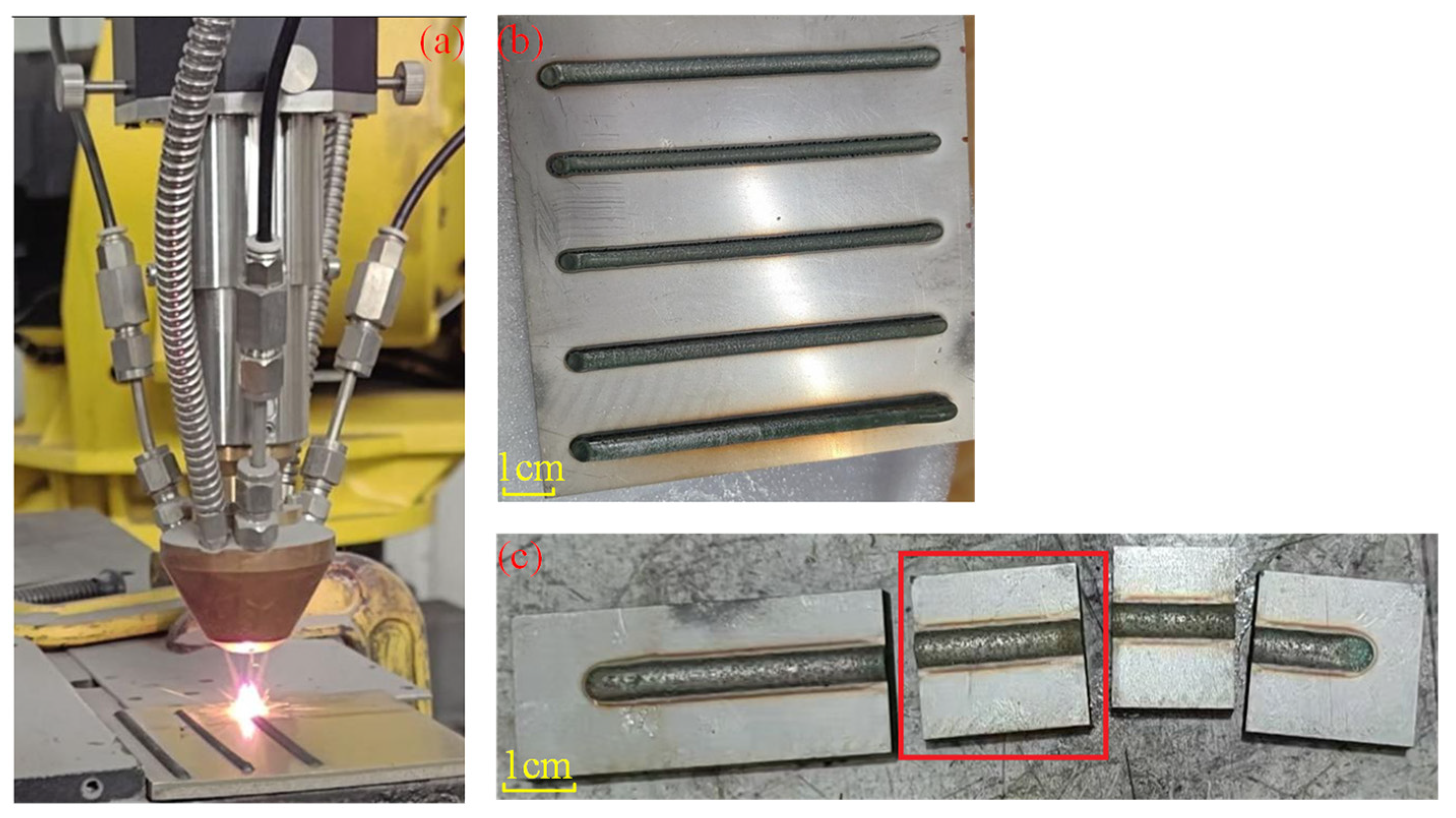
Table 3, twenty-five experimental specimens under different conditions were fabricated on the 316L substrate. The resultant specimen length was 80 mm, and the morphology of one of those specimens is shown in
Figure 3b.
To accurately characterize the microstructure and melt pool morphology of the deposition layer, all specimens then underwent a standard metallographic preparation process. First, the specimen was sectioned perpendicular to the deposition direction using slow wire electrical discharge machining (wire–EDM). This method offered the advantage of avoiding the intense thermo-mechanical coupling effects generated by traditional mechanical cutting, thereby preserving the most original microstructural features at the interface between the deposition layer and the substrate intact. The middle portion of the sectioned specimens was used for subsequent measurements to obtain more accurate results. The sectioned specimen size was 20 mm × 20 mm, as shown in
Figure 3c. Then, the specimen was ground using 2000-grit sandpaper (Jinhu Sandpaper Co., Ltd., Xianning, China) to eliminate scratches and the deformation layer left by the previous step, obtaining a flat observation surface.
After polishing, the specimen surfaces were treated using an electrochemical etching method. The primary reason for choosing electrochemical etching was that the corrosion rate and depth could be precisely controlled by an external electric field [
22], avoiding issues of over-etching or under-etching caused by uneven reaction rates in traditional chemical etching, thus yielding a clearer microstructural morphology. During electrochemical etching, insufficient etching prevented microstructural features from being fully revealed, making metallographic observation impossible; excessive etching overly corroded grain boundaries and phase boundaries, distorting the true microstructure. The etching extent in a solution with the same concentration mainly depended on the etching time and voltage intensity. Therefore, to determine the optimal electrochemical etching parameters, pre-experiments were conducted using non-specimen sections from the wire-cut parts: a full-factorial experiment with etching times (5 s, 10 s, 15 s, 20 s) and voltage intensities (3 V, 5 V, 7 V, 9 V) was performed, preparing 16 sets of control specimens. Observation revealed that under low parameter combinations (e.g., 5 s/3 V), the microstructure was under-etched, and the boundary between the melt pool and the substrate was unclear. Under high parameter combinations (e.g., 20 s/9 V), obvious over-etching occurred, damaging microstructural details. By comprehensively comparing the etching effects of all specimens, the optimal process parameters were determined as a 15 s etching time with a 5 V voltage, under which the observation of melt pool boundaries achieved the best result.
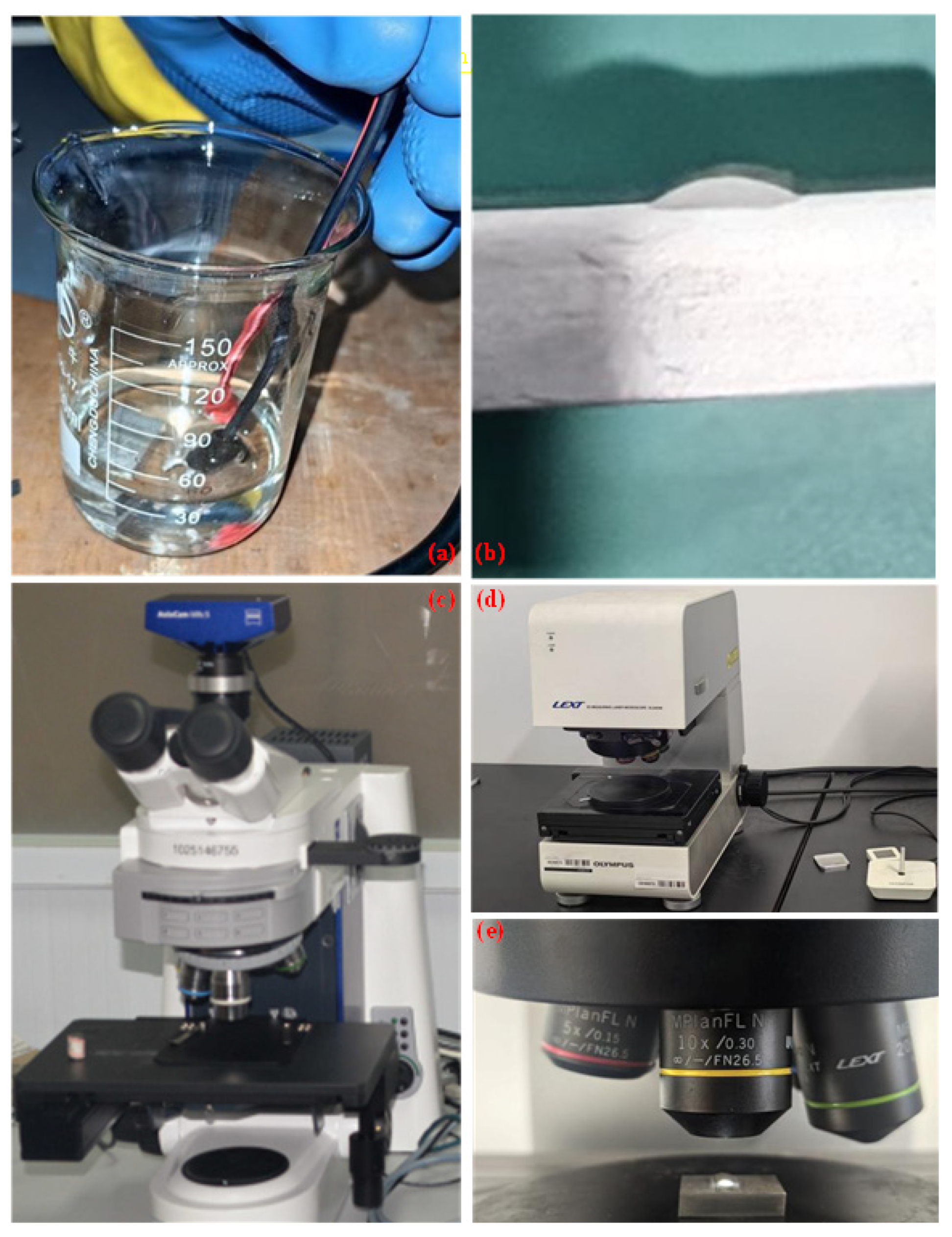
As shown in
Figure 4a, using a 10 vol% dilute hydrochloric acid aqueous solution as the electrolyte, the specimen was immersed in the electrolyte and etched for 15 s under a 5 V DC voltage. After etching, the specimen was immediately rinsed with anhydrous ethanol and quickly dried with cool air to terminate the reaction. This treatment clearly revealed key microstructural features such as melt pool boundaries and the metallurgical bonding interface between the deposition layer and the substrate (
Figure 4b), providing high-quality specimens for subsequent morphological observation and measurement with the metallographic microscope.
3.1. Powder Capture Efficiency Measurement
The powder capture efficiency (
PE) in the direct laser deposition process refers to the ratio of the mass of powder that ultimately melted and solidified to become part of the deposition layer to the total mass of powder delivered by the feeding system towards the melt pool during the same time period [
23]. It was a key indicator for measuring material use efficiency, directly reflecting the process economy and stability. Pinkerton and Li [
24] pointed out that the powder capture efficiency was not 100%, and its value was significantly affected by parameters such as laser power, scan speed, and powder feed rate. The calculation formula is as follows:
where
m1 is the mass of powder in the deposition layer and
m2 is the mass of fed powder.
To obtain a more accurate powder capture efficiency, for each processed test specimen, after brief cooling to room temperature, its mass was measured and recorded. The difference between the recorded data and the substrate mass represented the actual mass of powder captured by the melt pool during direct laser deposition. The mass of fed powder was calculated as follows:
3.2. Dilution Rate Measurement
The dilution rate (
η) in direct laser deposition refers to the proportion of the melted portion of the substrate material (or the previously deposited material) relative to the entire melt pool (including the deposition layer and the melted substrate) [
25]. It determines the bonding quality between the deposition layer and the substrate, the composition and properties of the deposition layer, and the final forming accuracy. The commonly used formula for the dilution rate is based on the cross-sectional geometric dimensions of the cladding layer and the melt pool. In this experiment, a high-temperature metallographic electron microscope, YM430 (
Figure 4c, Carl Zeiss AG., Oberkochen, Germany), was used to observe and measure the cross-sectional morphology and dimensions of the sectioned specimens. The dilution rate calculation formula is as follows [
26]:
where
A1 is the cross-sectional area of the cladding layer and
A2 is the cross-sectional area of the melt pool.
3.3. Surface Roughness Measurement
In the direct laser deposition process, due to the complex and anisotropic surface morphology, the surface roughness (
Sa) is commonly used to describe surface characteristics [
27]. It not only measures “smoothness” but is also a comprehensive parameter reflecting the rationality of process parameters, process stability, and key final part performance (fatigue, wear, corrosion, etc.). By monitoring and controlling the
Sa value, higher-quality near-net-shape manufacturing can be achieved, post-processing costs can be reduced, and parts can be ensured to meet stringent service requirements. Confocal laser scanning microscopes are specifically designed for 3D measurement and roughness measurement, offering advantages such as a large adjustable magnification range, non-contact measurement, ease of operation, and precise roughness analysis [
28]. In this experiment, an LEXT OLS4000 confocal laser scanning microscope (
Figure 4d, Renishaw PLC., Gloucester, UK) was used to measure the surface roughness
Sa of the 25 sets of test specimens. An MPLFLN10× objective lens was selected, as shown in
Figure 4e. The three-dimensional
Sa (arithmetic mean height) was evaluated according to the ISO 25178-2 standard [
29], and its calculation formula is shown as follows [
30]:
where
A is the area of the evaluation region and
Z(
x,
y) is the measured height at point (
x,
y) within the evaluation region.
4. Results and Data Statistics
4.1. Orthogonal Experiment Results
Through the above measurement processes and calculation of relevant data, this study obtained the
PE,
η, and
Sa for the 25 sets of test specimens under different conditions. The results are shown in
Table 3 (the orthogonal experiment table).
Based on the data obtained from the 25 sets of experiments, this study primarily employed multiple linear regression analysis (MLRA) to establish quantitative predictive models and evaluate the significant influence of each parameter. The model construction, significance testing, and diagnostics followed the standard methods described by Montgomery et al. [
31]. Additionally, the range analysis (RA) method was used to intuitively reveal the primary and secondary order of parameters and their variation trends. The combination of these two methods provided a solid theoretical basis and data support for the optimization and control of the direct laser deposition process.
Before conducting the range analysis and multiple linear regression analysis based on 25 sets of orthogonal experimental data, in order to enhance the robustness of the model and the reliability of the analysis results, this study screened and processed the outliers and influential points in the original experimental data. The specific process was as follows: Firstly, the box plot method was used to conduct a preliminary check on the original data of the three response indicators (η, Sa, and PE), identifying potential outliers that significantly deviated from the main distribution of the data. Subsequently, standardized residual analysis was applied to diagnose the initially fitted model to identify the strong influential points that had an excessive influence on the parameter estimation of the regression model. Based on the comprehensive judgment of these two methods, before conducting the final formal analysis, the following experimental data points were excluded:
For η, the data of experimental sequence numbers 6, 17, and 20 were excluded.
For Sa, the data of experimental sequence numbers 5, 6, 16, and 19 were excluded.
For PE, the data of experimental sequence numbers 12, 13, and 16 were excluded.
This preprocessing step aimed to reduce the interference caused by individual abnormal experimental conditions or measurement fluctuations on the overall pattern analysis, ensuring that the final range analysis and regression model could more accurately reveal the general intrinsic relationship between process parameters and response indicators.
4.2. Data Statistics of Dilution Rate
RA is an intuitive and efficient data processing method that determines the primary and secondary order of factor influence by calculating the range (
R value) of the average values of the corresponding indicator at different levels of each factor. A larger range indicates that changes in the level of that factor have a more significant impact on the indicator [
32]. The
η data from the 22 experiments were processed, and the means and ranges for
P,
u, and
f at each level were calculated. The results are summarized in
Table 4. The RA results showed that the relationship between the ranges of the three factors was
Rf >
Rp >
Ru. This indicated that, within the range of factor level variations, the average effect of the
f was the most prominent, making it the primary factor affecting
η, followed by
P, with
u having the relatively weakest influence.
The RA only considered the average effect of parameters at several discrete levels. To obtain a continuous and precise influence relationship, this study further established an MLRA model for
η with respect to these process parameters (
u,
f, and
P). The regression analysis results are shown in
Table 5. The following was found:
where
R2 is 0.716. As for the
F-test of the model,
F was 15.122, and
p << 0.05. Obviously, the model was valid, and these three parameters,
u,
f, and
p, could explain 71.6% of the variation in
η. The regression coefficient for
f was −1.281, meaning that
f had a significant negative influence on
η. The
p value for
P was 0.006, indicating that
P also had a positive influence on
η. The order of significance of the factor coefficients was as follows:
f >
P >
u.
As shown in
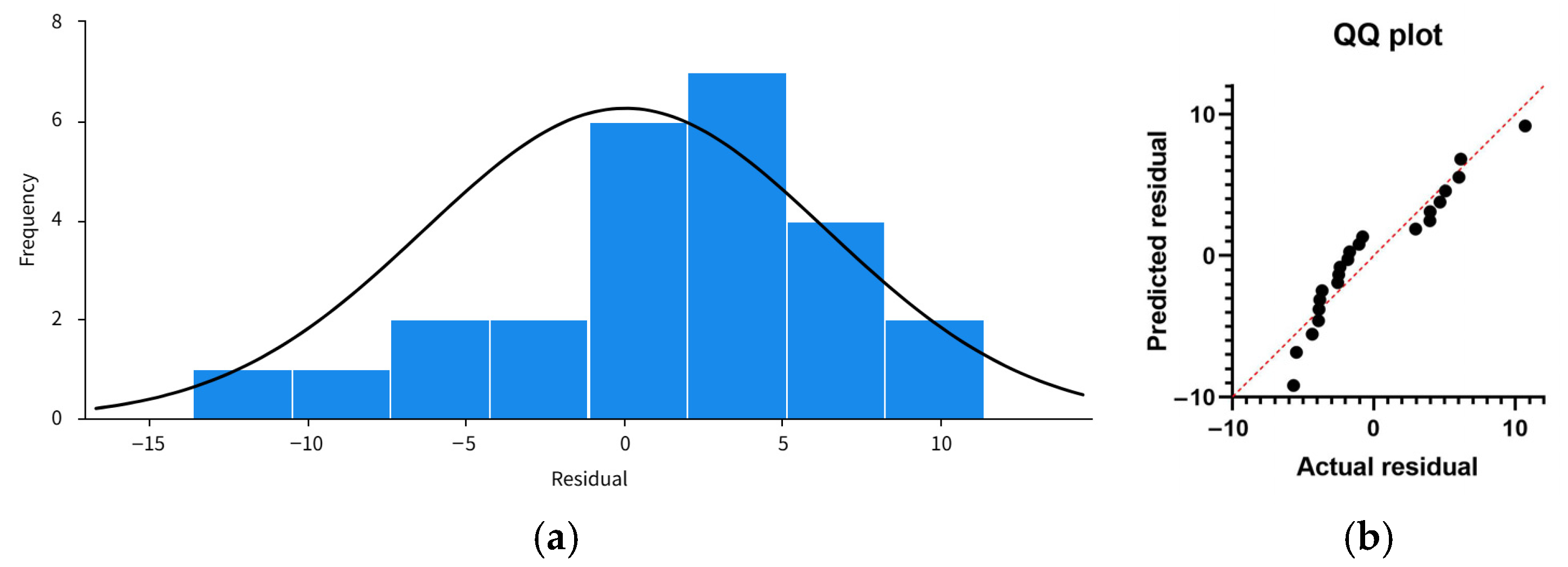
Figure 5, the Q-Q and residual normality plots visually confirmed that the residuals of our regression models approximately followed a normal distribution, thereby validating the fundamental assumption of our statistical analysis and proving the reliability of the reported significance tests and confidence intervals.
4.3. Data Statistics of Surface Roughness
After conducting RA on the surface roughness from the 21 sets of experiments, the results were obtained and are summarized in
Table 6.
The calculated ranges were Rf > Rp > Ru. This result indicated that f and P were the dominant factors affecting Sa, with their influence strength greater than that of u. Controlling the level of f was an effective means to determine the surface morphology flatness.
Here, taking the scan speed (
u), powder feed rate (
f), and laser power (
P) as independent variables and the surface roughness (
Sa) as the dependent variable, the MLRA was established as well. The results are shown in
Table 7. It was found that the regression relationship of
Sa with
u,
f, and
P was calculated as follows:
In the above,
R2 is 0.793. The three process parameters collectively could explain 79.3% of the variation in the
Sa value. This meant that other factors not included in the model (such as melt pool stability, powder characteristics, shielding gas flow, etc.) and random fluctuations also had an important influence on the surface morphology. However, the F-test result for the model was significant (F = 21.718,
p < 0.001), proving that the regression model is statistically valid, i.e.,
f and
P had a significant linear influence on
Sa [
32]. Furthermore, the Variance Inflation Factor (VIF) values were all less than 5, indicating no multicollinearity issues in the model; the Durbin–Watson (D-W) value was close to 2, suggesting no autocorrelation, meaning there was no correlation between sample data and the model had high reliability [
33].
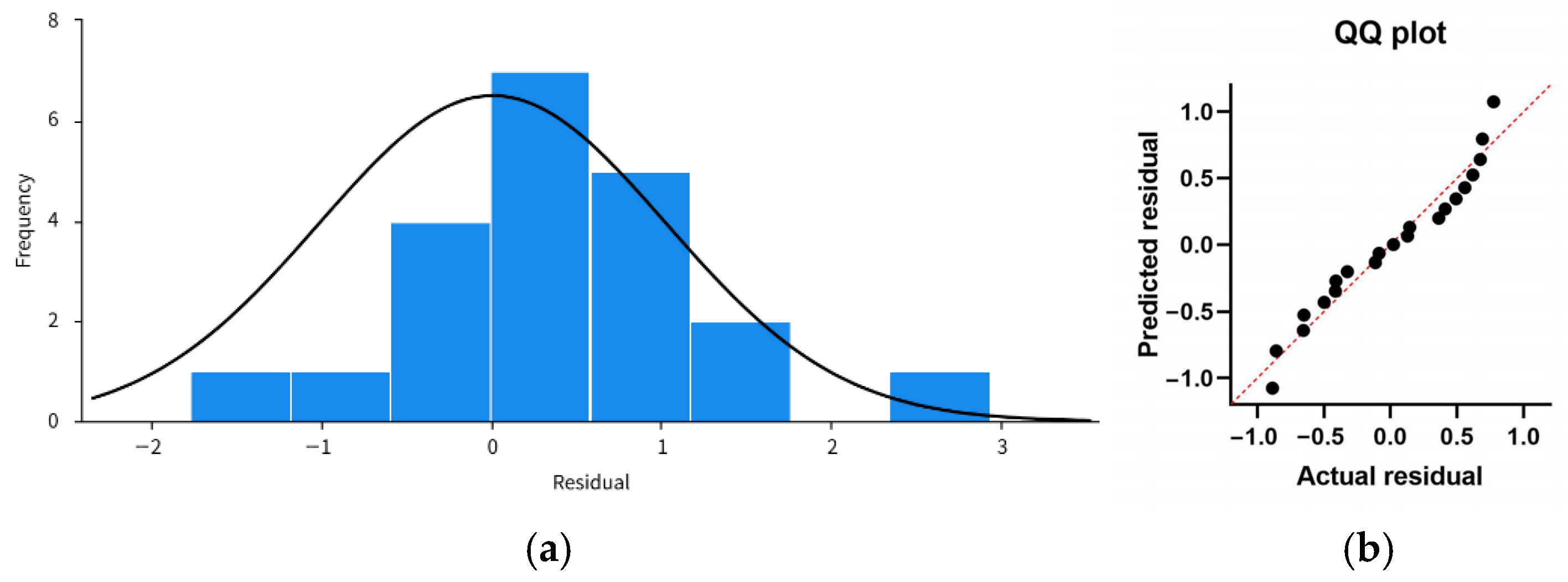
Figure 6 also displays the Q-Q and residual normality plots for
Sa, and it was found that the residuals of the regression models approximately followed a normal distribution as well.
4.4. Data Statistics of Powder Capture Efficiency
The RA results for
PE under different conditions are shown in
Table 8. The relationship between the three factors was
Rp >
Rf >
Ru. Within the parameter range of this experiment,
P was the primary factor affecting the fluctuation of
PE, and its level change caused the largest alteration in powder capture efficiency. The influence of
f was secondary, while the range for
u was relatively the smallest.
Table 9 shows the results of the further conducted MLRA on
PE under the interactive influence of multiple factors:
The coefficient of R
2 is 0.769, indicating that the three process parameters collectively explained 76.9% of the variation in
PE. The significant positive influence of
P (
p value < 0.001) indicated that, when other parameters were kept constant, an increase in
P significantly increased
PE. The VIF values were all less than 5, the
D-W value was close to 2, and the model had high reliability.
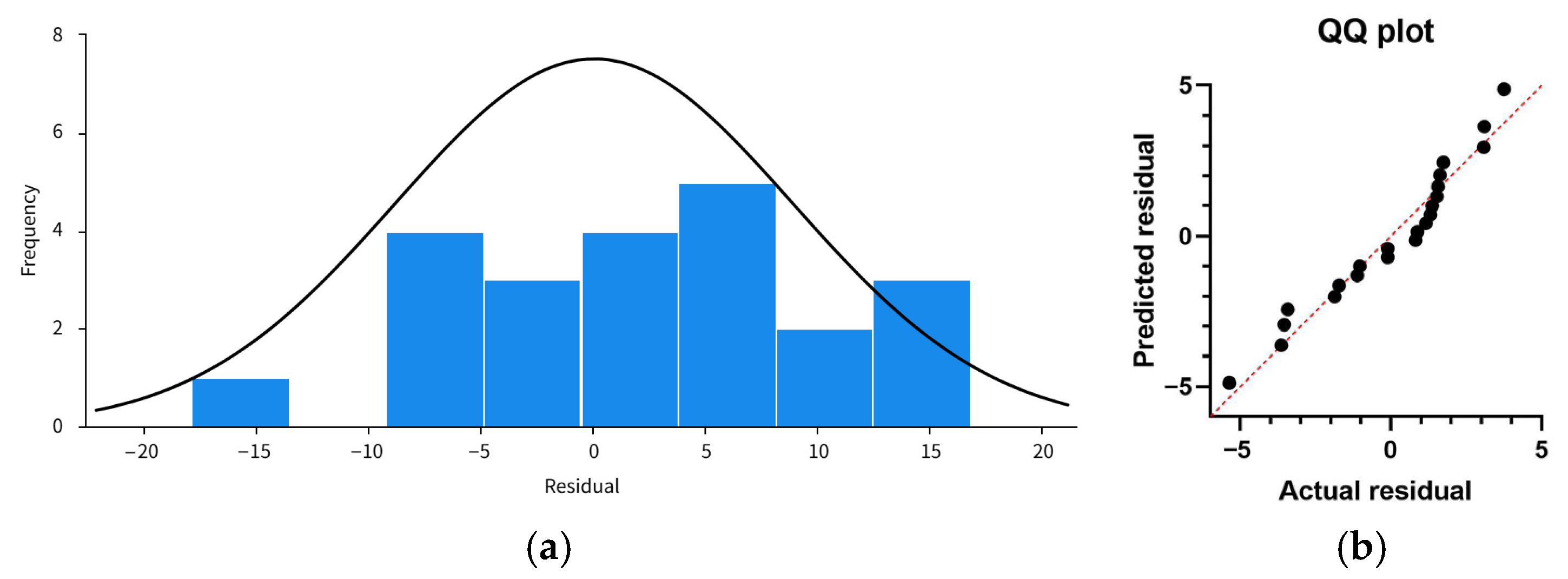
Figure 7 displays the Q-Q and residual normality plots for
PE as well, and its residuals of the regression models still approximately followed a normal distribution.
5. Data Analysis and Discussion
5.1. Dilution Rate
The physical essence of the dilution rate (
η) is the metallurgical mixing of two materials. In the direct laser deposition process, the laser simultaneously melted the powder and a shallow layer of the substrate, forming a common melt pool. Within the melt pool, the deposited material and the substrate material were fully mixed through convection, diffusion, and other mechanisms. After the melt pool solidified, a mixing zone with continuous transitions in composition, microstructure, and properties was formed at the bonding interface. The
η value quantitatively reflected the size of this mixing zone. If the
η was too low, it meant the substrate material was insufficiently melted, and a sufficiently thick metallurgical bonding layer with continuous composition and microstructure transitions could not be formed between the deposition layer and the substrate [
34]. The bonding interface became weak, and during part operation (especially under impact or alternating loads), the Co-based alloy wear-resistant layer was prone to spalling from the interface. This not only caused coating failure but may also have led to the scrapping of the entire part. An excessively high
η also affected part quality. Since the main component of most substrates was iron, when the
η was too high, a large amount of Fe element flowed into the melt pool, generating internal stresses at the bonding interface upon cooling. These internal stresses could lead to crack formation and reduce the part corrosion resistance [
35]. Therefore, the acceptable range of
η depended on the application requirements. For most applications, controlling the
η between 5% and 15% was a common target. This range ensured sufficient metallurgical bond strength while minimizing adverse effects on the composition and properties of the deposition layer.
The value of
η was essentially determined by the penetration depth. As the most significant factor, when
f increased substantially, the mass of powder delivered into the melt pool per unit time increased significantly. Melting of these powders consumed a large amount of laser energy, directly “diverting” the energy share originally used for melting the substrate. Therefore, even if the laser power remained constant, the energy effectively available for increasing penetration depth decreased relatively, leading to a significant reduction in
η. Conversely, decreasing the powder feed rate allowed more energy to act on the substrate, promoting an increase in
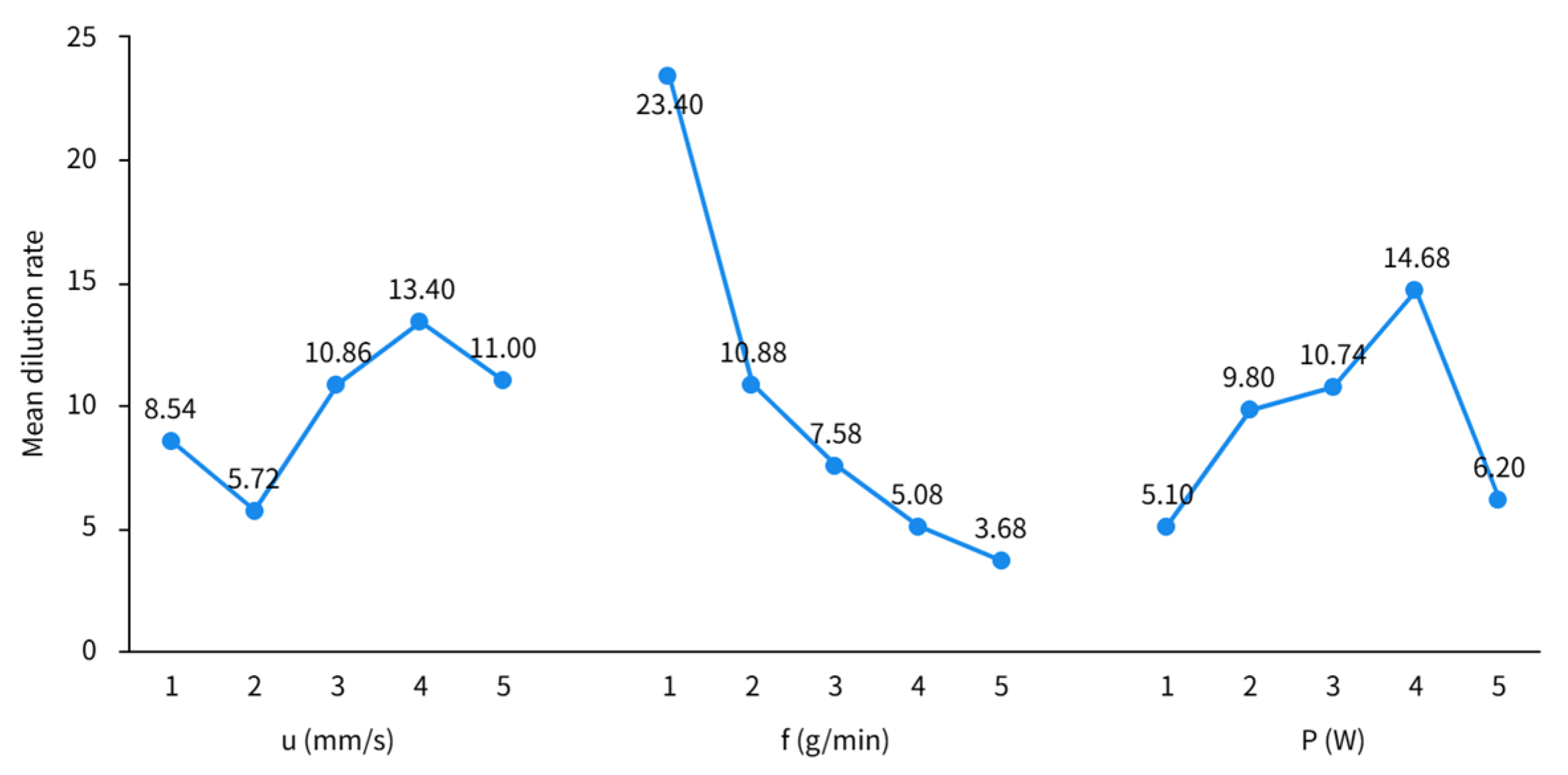
η. Just as shown in
Figure 8, as
f increased, the corresponding average
η value overall showed a decreasing trend. Consequently, the key to controlling
η was the precise regulation of this energy allocation via
f. Range analysis indicated that maintaining f around 22 g/min effectively brought
η from high levels into the ideal target window of 5–15%, providing a crucial process window for achieving sound metallurgical bonding while avoiding excessive dilution.
5.2. Surface Roughness
The physical essence of surface roughness (
Sa) is the microscopic unevenness of the cladding layer surface morphology. In the direct laser deposition process, the stability, fluidity, and solidification kinetics of the melt pool collectively determined the quality of the deposited surface. A stable and appropriately sized melt pool could fully melt the previously deposited layer or substrate surface and spread under surface tension to form a flat cladding layer. Subsequently, the melt pool solidified rapidly, forming the final surface. If the process parameters were mismatched, causing the melt pool energy to be insufficient, excessive, or unstable, defects such as balling, spatter, and poor overlap could be induced, significantly increasing the surface roughness. Excessively high
Sa values not only indicated poor forming capability, requiring more subsequent machining, but also became stress concentration points during part service, significantly reducing fatigue strength and corrosion resistance [
36,
37]. Therefore, controlling the
Sa value was crucial for improving manufacturing efficiency, reducing costs, and ensuring part service reliability.
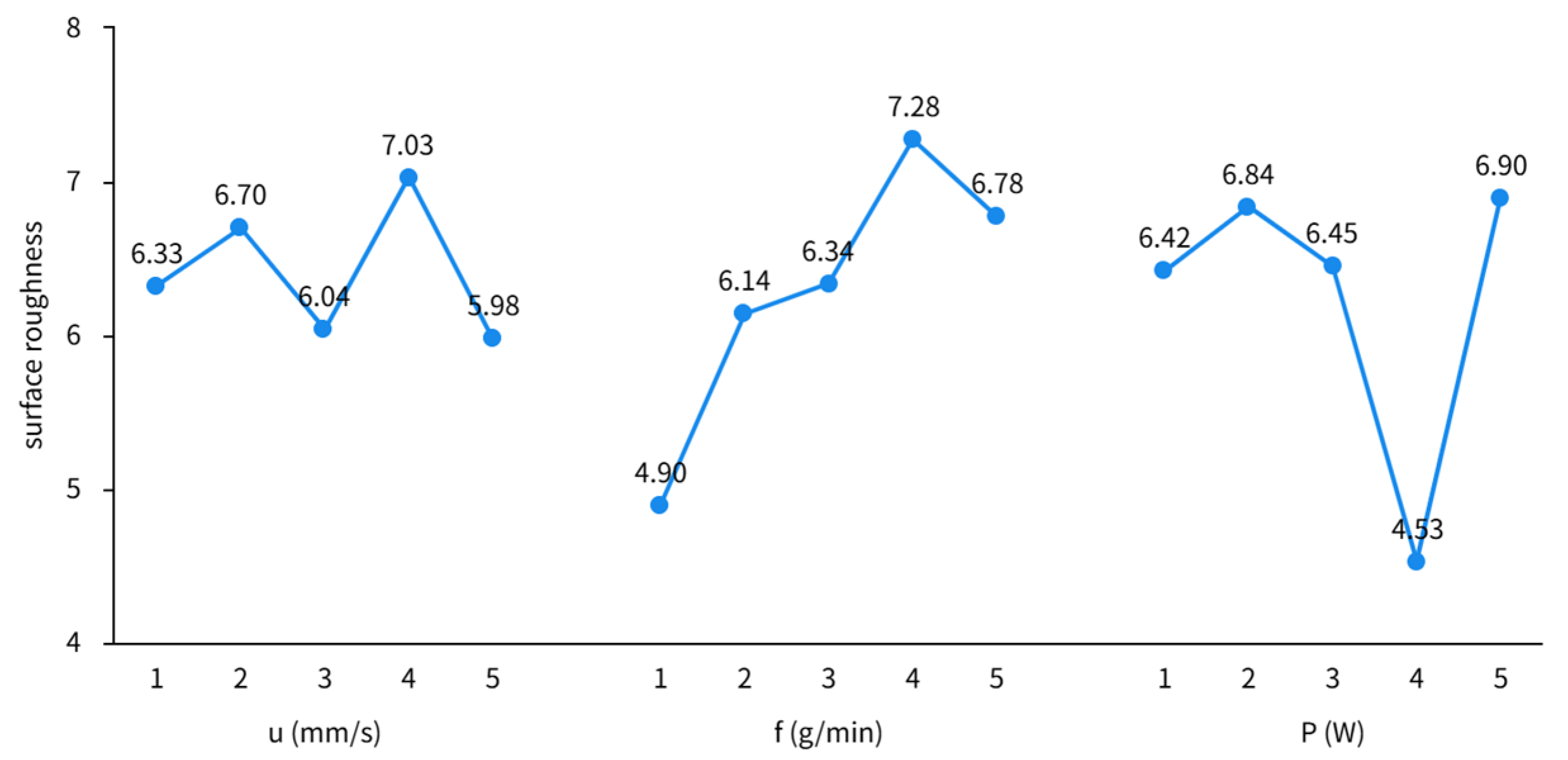
Figure 9 presents the mean surface roughness for different process parameters. It was observed that at the five different level values, the average
Sa values corresponding to
u and
P showed small increases or decreases, and the overall trends for those two were relatively stable. In contrast, the average
Sa values changed sharply as
f changed.
f was the most significant factor affecting
Sa, and the two were strongly positively correlated. An increase in
f significantly increased
Sa. The reason for this phenomenon was that when
f increased continuously and the changes in
P and
u failed to provide a sufficient energy increment, the average energy available per unit mass of powder decreased. This led to insufficient laser energy to completely melt all the powder delivered into the melt pool. A large number of un-melted or partially melted powder particles could not achieve good metallurgical bonding with the melt pool but adhered to the surface or edges of the deposition layer in solid form. These randomly distributed particles greatly increased the microscopic unevenness of the surface, significantly increasing
Sa. Additionally, the fluidity of the melt pool deteriorated accordingly, resulting in obvious steps and deep hollows during overlap, further increasing
Sa. The regression coefficients for
u were negative, indicating a trend that increasing the scan speed or decreasing the laser power might slightly favor reducing
Sa, but this effect was very weak and unstable. This might be because, within the parameter range of this experiment, the strong dominant effect of
f on the surface morphology overshadowed the independent influence of
u. Their effects might manifest through interactions with
f rather than through simple linear relationships. Therefore, minimizing Sa required optimizing the energy–mass matching to ensure complete powder melting and good melt pool flow. Within the studied parameter range, the lowest
f level (10 g/min) corresponded to the optimal energy–mass matching state, resulting in the best surface smoothness.
5.3. Powder Capture Efficiency
The PE value in the direct laser deposition process was a core indicator for measuring material conversion efficiency during the process. It was defined as the ratio of the mass of powder that ultimately melted and solidified to become part of the deposition layer to the total mass of powder delivered by the feeding system towards the melt pool during the same time period. This parameter directly reflected the efficiency of the interaction between laser energy and powder material and was a key indicator for assessing the process economy and stability. The physical essence of PE strictly follows the energy–mass matching principle, i.e., the laser energy input into the melt pool per unit time should balance the thermal demand brought by the mass of powder delivered per unit time. This balance directly determined the level of PE: when the laser power was insufficient or the powder feeding rate was too high, the energy that can be obtained per unit mass of powder was insufficient, resulting in the powder not being fully melted. Moreover, the excessive powder acted as a “heat sink”, thereby deteriorating its ability to capture and metallurgically bond the powder. Conversely, when the laser power was too high or the powder feeding rate was relatively insufficient, it caused the molten pool to overheat, triggering intense metal evaporation and steam back-pressure, inducing molten pool splashing and material loss and also reducing the powder capture efficiency.
When the energy–mass input fell within an appropriate range, as the primary and most significant influencing factor of PE, the greater P was, the greater PE would be. Higher power resulted in a higher molten pool temperature, which significantly reduced its surface tension and enhanced fluidity. This not only prolonged the heating time of the powder within the laser beam, allowing more powder to reach the molten or semi-molten state, but more importantly, the high-temperature and highly flowing molten pool had a stronger wetting ability. It could more effectively fuse with the incoming powder particles and, through the intense thermal convection within the molten pool, quickly pull the particles into the central area instead of pushing them to the edges or causing spatter loss. The powder feed efficiency also exhibited significant influence. It governed the mass of powder delivered into the melt pool per unit time, and its matching degree with the laser power directly regulated the effective utilization of energy. A mismatch led to either insufficient or excessive relative energy, thereby significantly reducing the capture efficiency. Although the powder feed rate importantly regulated PE by influencing the energy per unit mass of powder, P determined the upper limit of the system’s available energy and was the prerequisite for achieving high PE. Within the experimental parameter domain, employing the maximum power of 2600 W maximized the energy supply, consequently achieving the highest possible PE.
5.4. Microstructure Evolution and Surface Topography
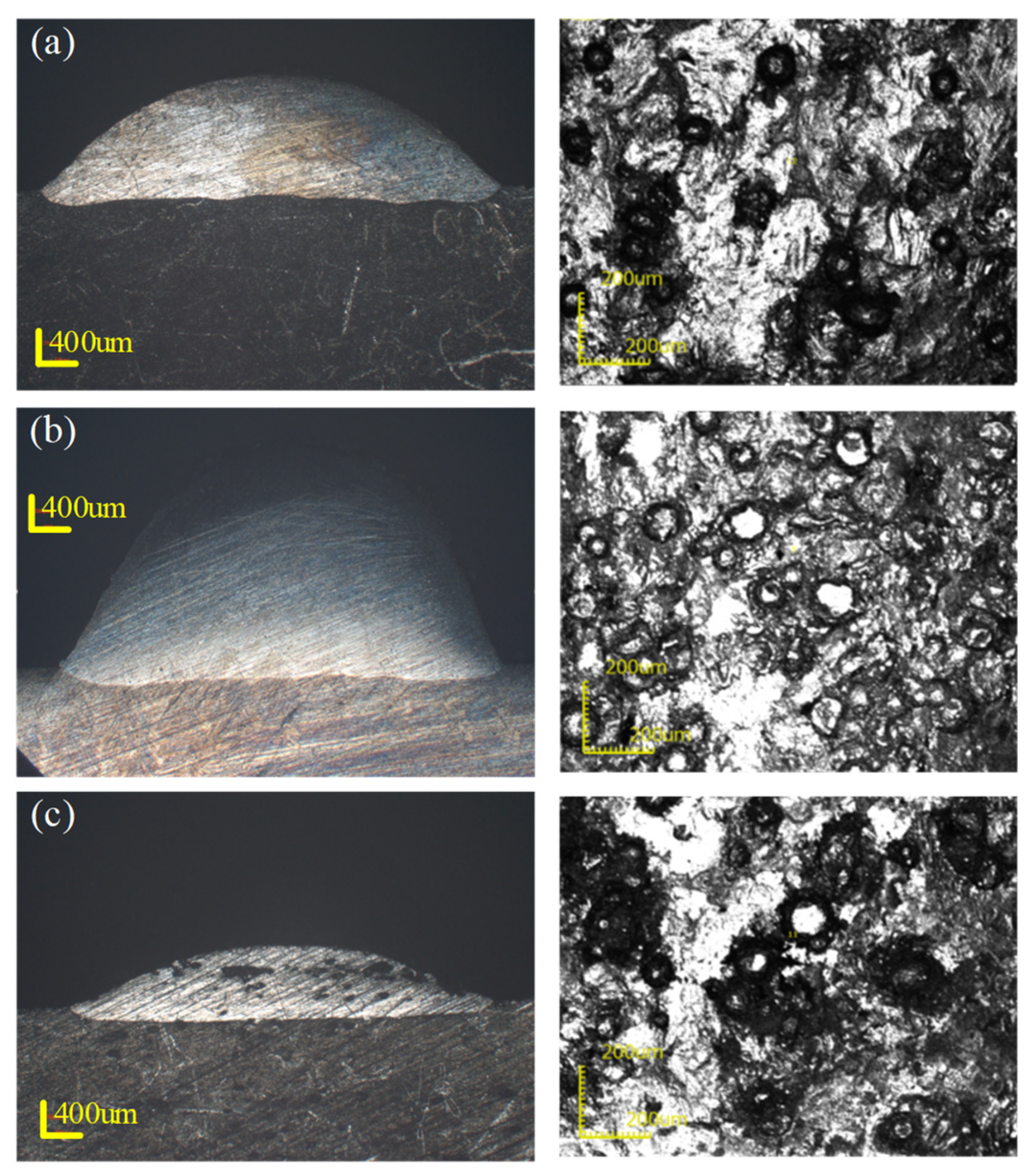
Figure 10 displays the surface topography and microstructure evolution under various process parameters. From the perspective of microstructure formation, it could be found that the variation in
η indeed was dominantly controlled by
f. A comparison of the melt pool cross-sectional morphology and
η values across the three typical conditions revealed a distinct trend: as
f increased from 10 g/min to 14 g/min and further to 26 g/min, the corresponding melt pool shape transitioned from being narrow and deep with a significant substrate melting zone to having a moderate depth and a smooth bonding interface and finally to becoming wide and shallow with a narrow dilution zone. Accordingly, the
η value significantly decreased from 26.2% to 11.9% and then further dropped to 7.2%. This evolution trend accurately corresponded to the core characteristic of the governing equation
η = 6.960 + 0.327
u − 1.281
f + 0.011
P, where the absolute value of the coefficient for
f was the largest. This indicated that an increase in
f strongly suppressed the dilution rate by “diverting” the laser energy originally intended for melting the substrate, making it the most sensitive parameter determining the melt pool geometry and bonding zone depth. In contrast,
P exhibited a compensatory positive effect within a certain range, while the influence of
u was relatively weak. Therefore, this also demonstrated that precise control of
f was the key to achieving an ideal
η.
The variation law of
Sa closely aligned with the equation
Sa = 6.756 − 0.046
u + 0.189
f − 0.002
P. The
Sa values for No. 2 and No. 21 were similar, at 5.2 μm and 5.3 μm, respectively, which was the result of the combined effects of different parameters. Compared to No. 21, No. 2 had a higher
f, which tended to significantly increase
Sa. However, it also had a higher
P and a lower
u, both of which tended to decrease
Sa. The dominant positive influence of
f in the equation was partially offset by the weaker negative influences resulting from the higher
P and lower
u, causing the
Sa values for the two groups to converge. In contrast, the
Sa value for No. 5 was significantly higher. This was primarily attributed to its extremely high
f. According to the equation, the substantial increase in
f produced a strong positive influence. Although the higher laser power
P provided some negative compensation, it was far from sufficient to counteract the former effect. This severe energy–mass mismatch directly led to insufficient energy per unit mass of powder, resulting in incomplete melting of a large amount of powder. This was manifested in the corresponding surface micro-scanning images as densely distributed spheroidized particles. These semi-molten metal droplets spheroidized under surface tension and adhered to the surface, severely compromising surface continuity and directly leading to higher surface roughness, as shown in
Figure 10.
As for PE, it was mainly determined by the combined influence of P and f, with P playing the dominant role, while the effect of u was relatively minor. Under the condition corresponding to No. 5, the higher P ensured sufficient thermal energy input, which could partially offset the negative impact caused by the significantly increased f. Consequently, this group achieved the highest PE value. In contrast, No. 21 had a lower f, which reduced the energy burden. However, its P was relatively limited, and the higher u further reduced the energy interaction time. Therefore, although the PE value was at a relatively high level, it failed to increase further. In addition, under the No. 2 condition, P did not provide a significant advantage, while the energy competition effect introduced by the powder feed rate was more pronounced, resulting in the lowest PE value.
5.5. Recommended Process Parameter Prediction
Through the above analysis, we identified obvious trade-off relationships among the three performance indicators: reducing Sa often required a higher scan speed, but this reduced the melt pool existence time, thereby lowering powder efficiency; increasing PE required a higher laser power and lower powder feed rate, but this could lead to the dilution rate exceeding the standard; pursuing low Sa required optimizing the track morphology, which might conflict with the goal of high-efficiency deposition. Therefore, the optimization of process parameters should consider their comprehensive performance, enabling optimization of various performance indicators based on meeting requirements such as quality and economy.
Based on the previously established MLRA models for η, Sa, and PE, a multi-objective optimization method was employed to identify a set of process parameter combinations with optimal comprehensive performance. The optimization objectives were as follows: to control η within the ideal range of 5–15%, to keep Sa at a low level, and to maximize PE as much as possible.
Considering the priorities of the three objectives and the process requirements, the following constrained optimization model was established:
Experimental Parameter Range Constraints: u ∈ [6, 14] mm/s, f ∈ [10, 26] g/min, P ∈ [1600, 2600] W
To address this multi-objective optimization problem, this study employed the Pareto optimization method [
38]. The optimization program first conducted systematic sampling within the parameter space to ensure a comprehensive and uniform exploration of the design space. Using a dense grid method (step sizes:
u = 0.6 mm/s,
f = 1.2 g/min,
P = 150 W) combined with a ±5% random perturbation technique, 1800 sets of theoretical data points were generated within the feasible parameter domain. After merging 12 sets of experimental data meeting the constraints, a total of 801 valid data points were obtained for analysis.
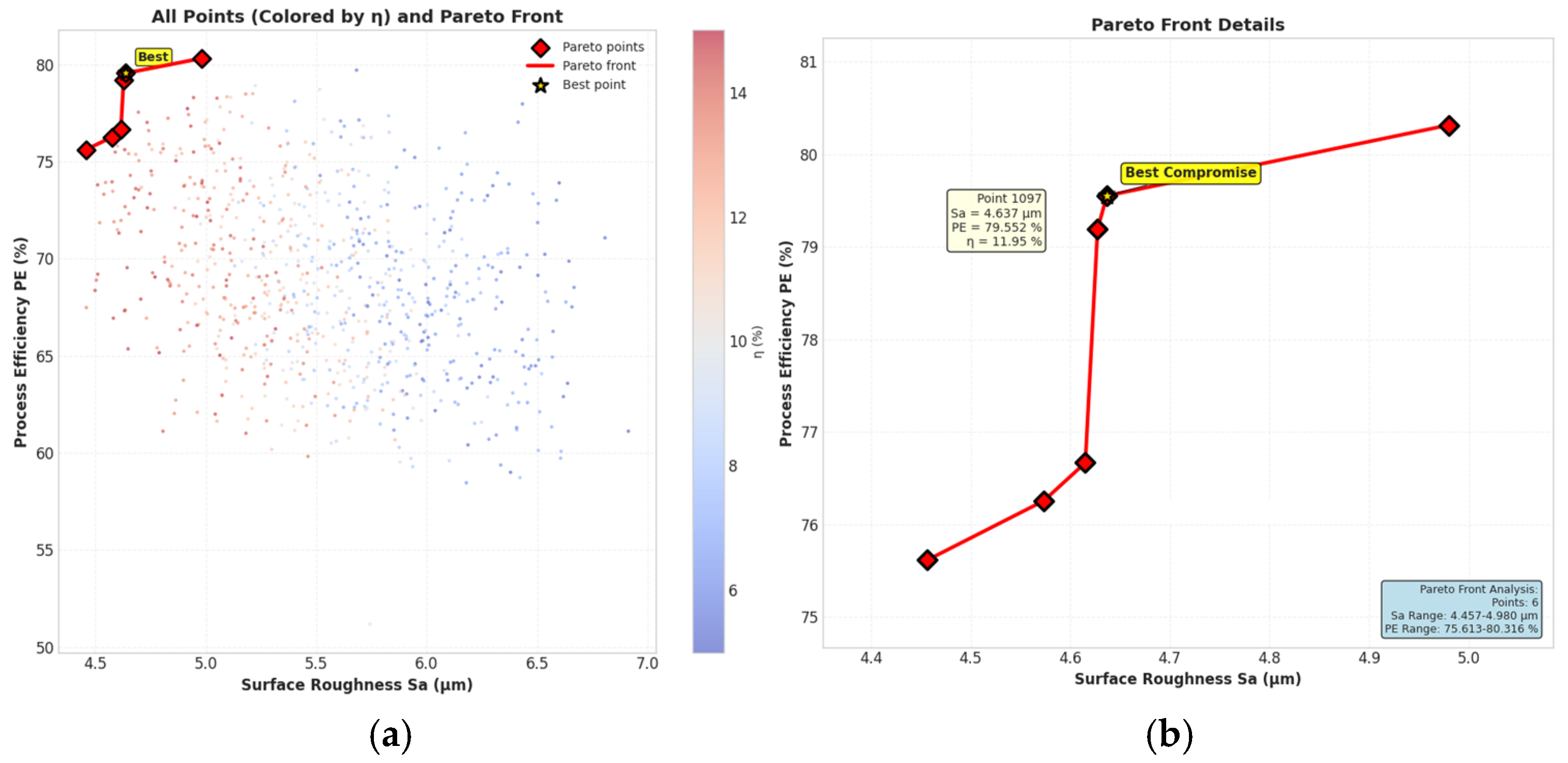
Through the Pareto dominance criterion, six non-dominated solutions forming the optimal frontier were identified. These solutions represented the optimal trade-off boundary between surface roughness and process efficiency. Frontier analysis indicated that as Sa increased from 4.457 μm to 4.980 μm, PE correspondingly improved from 75.6% to 80.3%, validating the competitive relationship between the two objectives. The normalized distance method was used to calculate the Euclidean distance from each frontier point to the ideal point (minimum Sa = 4.457 μm, maximum PE = 80.3%). Point 1097 was determined to be the best compromise solution, corresponding to the following process parameters: u = 6.66 mm/s, f = 20.81 g/min, P = 2543 W. At this point, Sa = 4.637 μm, PE = 79.6%, and dilution rate η = 11.95%, representing the optimal comprehensive performance.
Analysis of the results showed that the Pareto frontier exhibited a typical negative correlation curve, confirming the conflicting relationship between reducing surface roughness and improving process efficiency, as shown in
Figure 11. The uniform distribution of frontier points indicated that the influence of process parameters on performance metrics was continuous and controllable. The best compromise point was located in the middle of the frontier, balancing the competing demands of the two optimization objectives.
It should be noted that the optimized parameter set was a model-based prediction derived from the statistical regression and Pareto optimization framework within the experimental domain studied. While it represented a mathematically balanced solution for the conflicting objectives, this recommendation served as a first guideline for practical application, pending future experimental validation to confirm its performance and robustness. This optimization procedure quantified the trade-off relationships, provided scientific decision-making support for the selection of process parameters, and demonstrated the significant value of energy–quality matching and multi-objective optimization in the direct laser deposition process.
5.6. Quantitative Impact of Energy/Mass Input Ratio
The introduction of a quantitative parameter was essential for research on energy–mass matching input. However, considerable deliberation was still required to ensure this concept adequately encompassed the implications described above. In the DLD process, the energy input per unit time and area was primarily allocated to three aspects: sustaining a stable and evolving melt pool, melting all particles entering the melt pool, and dissipating heat to the surroundings. This process imposed a minimum requirement for energy density. Under conditions of minimal heat dissipation to the external environment, it was crucial to ensure the complete melting of all particles entering the melt pool. Otherwise, the deposited layer either failed to form properly or exhibited high porosity in its cross-section, resulting in poor forming quality. Once this fundamental requirement was satisfied, an increase in the energy/mass input ratio led to a rise in melt pool temperature, an expansion of its area, more intense dynamic evolution, and a sharp increase in heat dissipation to the surroundings. When the energy input became excessive, phenomena such as spattering, excessive air entrapment, and instability in melt pool evolution occurred. These not only degraded the forming quality but also resulted in significant energy waste. In the DLD process, a relatively optimized range for the energy/mass input ratio indeed existed.
In practice, if the direct laser deposition process was simplified and based on the following assumptions:
- (1)
It was assumed that except for the deposited layer and the region near the melt pool, the temperature rise in other areas remained relatively small and could be neglected in the total energy consumption.
- (2)
The flow effects within the melt pool were ignored, and heat loss from the melt pool surface was considered, accounting for 30% of the total input energy based on reference [
39].
- (3)
The temperature of the substrate melt pool was assumed to be the same as that of the particle-formed coating layer, which was taken as the higher melting point between the substrate and the powder material.
- (4)
Complete melting of both the particles and the melt pool was taken as the reference point for an energy/mass input ratio of 1.
Based on these simplifications and assumptions, the following formula for the energy/mass input ratio (denoted as
ξ) was derived:
where:
After further introducing the relationship between
η and cross-section area (melt pool volume = volume of captured particles × η), the formula was expressed as follows:
Among these,
η and
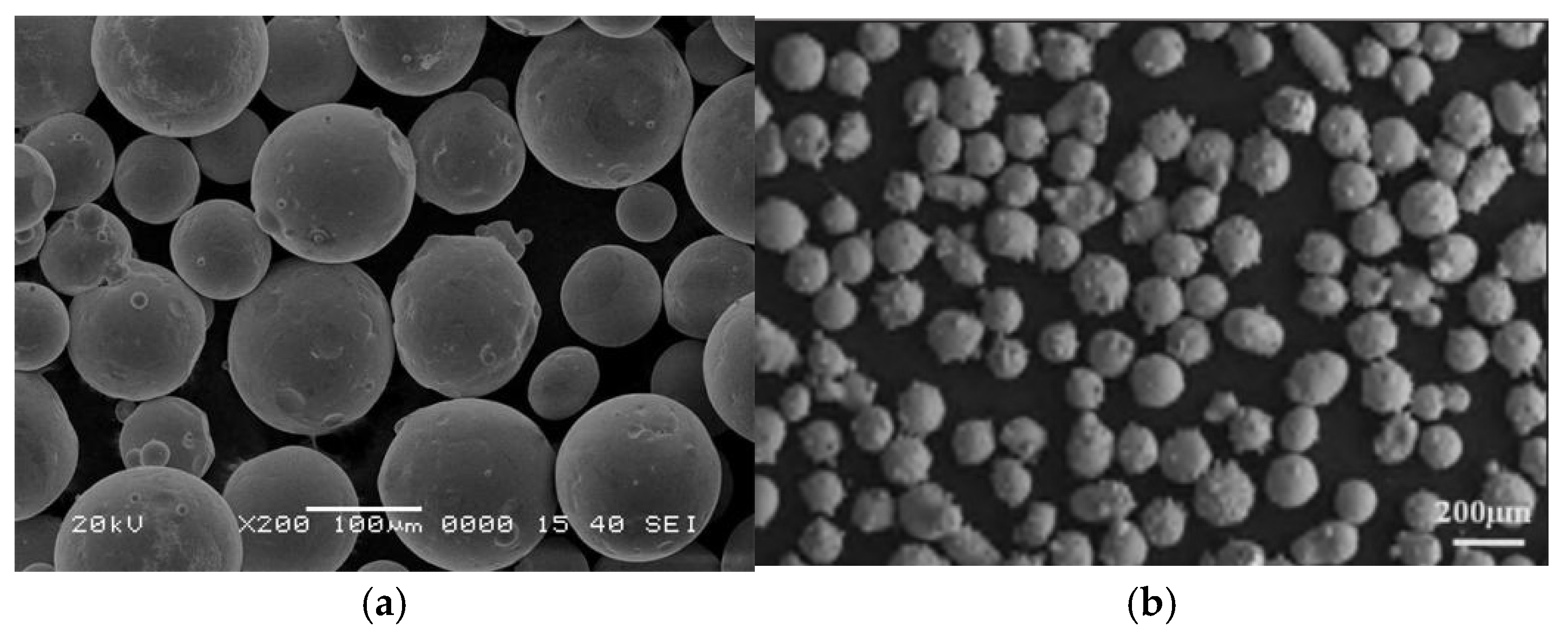
PE were calculated using the multilinear relationship obtained previously. The properties of the substrate and particles are shown in
Table 10.
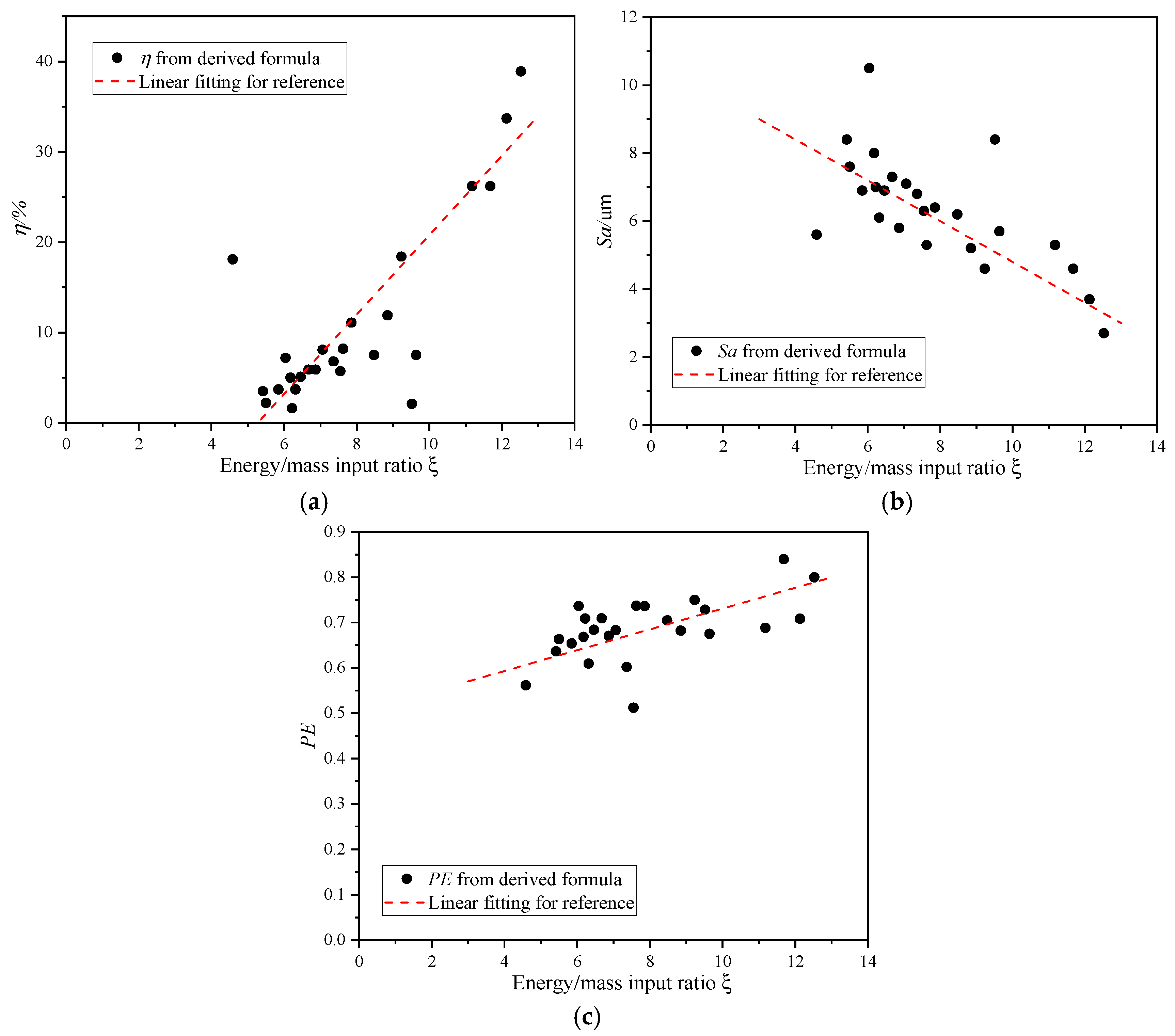
Figure 12 illustrates the quantitative influence of the variation in the energy/mass input ratio (
ξ), derived in this study, on the dilution ratio, surface roughness, and capture efficiency. The
ξ values obtained from the process parameter combinations used in this study ranged between 4 and 13, which were greater than the reference point proposed in the study. This indicated that well-bonded fabrication layers should have been formed under all experimental conditions, which was consistent with the actual fabrication results. From a global perspective, as
ξ increased, both
η and
PE showed an upward trend. They increased from a minimum of approximately 2% and 55% at
ξ ≈ 4, to a maximum of approximately 40% and 80% at
ξ ≈ 13, respectively. The trend for Sa was opposite, decreasing from a maximum of about 10 µm to a minimum of about 2 µm. This trend aligned with the earlier analysis in this study regarding the primary influence of single factors and was also consistent with the conclusions drawn from the microstructural evolution. Regarding the influence of individual factors on the target metrics, the patterns of change remained essentially the same as those concluded in prior research. Taking Sa as an example, since it was inversely proportional to
ξ, factors that increased
ξ—such as a higher laser power or lower powder feed rate—would all lead to a decrease in Sa. This was entirely consistent with the signs of the corresponding terms in the regression analysis equation. Both η and PE increased with a higher laser power and decreased powder feed rate, which also matched the signs of the corresponding terms in the regression equation. The energy/mass input ratio model and the multi-objective optimization results could be mutually verified. When the optimized process parameters—
u = 6.66 mm/s,
f = 20.81 g/min,
P = 2543 W—were substituted into the model, the resulting
ξ was approximately 8, which was on the lower side within the studied range. From
Figure 12, it can be observed that at
ξ ≈ 8,
η was approximately 12%,
PE was approximately 0.75, and
Sa was approximately 6 µm. These values largely corresponded with the metric results presented by the multi-objective optimization.
After this quantitative ratio was introduced, the input conditions of energy and mass were more directly reflected in the manufacturing process, which held significant importance from an energy-saving perspective. However, since the desired effects of this ratio on each target factor were inconsistent—η was expected to remain within a relatively low range, whereas higher values were preferred for both PE and Sa—relying solely on this ratio to analyze and determine the optimal operating conditions was insufficient. A more effective approach to selecting favorable operating conditions involved combining multivariable regression analysis with this ratio to identify a suitable parameter range. Finally, it is worth noting that in the calculation process, the parameter u was only incorporated into η and PE. From the regression analysis of these two factors, it could be observed that within the studied parameter range, u was not a significant influencing factor. Therefore, when analyzing the impact of ξ on u, certain deviations from the regression model existed, which may be related to the model’s lower sensitivity to u and the high level of simplification in the theoretical model of ξ. In subsequent research, a more accurate theoretical model of the melt pool (including aspects such as volume and heat dissipation) as well as manufacturing-economy-related theories will be introduced to further refine the influence of the energy/mass input ratio, providing robust guidance for practical manufacturing.
6. Conclusions
This study conducted 25 sets of direct laser deposition experiments through an orthogonal design, systematically investigating the influence patterns of three key process parameters, i.e., the laser power, scan speed, and powder feed rate, on the dilution rate, surface roughness, and powder capture efficiency in a one-layer single Co06A track process. By comprehensively applying range analysis, multiple linear regression analysis, and multi-objective optimization methods, the following main conclusions were drawn:
In the pre-experiment to determine the optimal metallographic etching process, by systematically comparing the effects of different parameter combinations of etching time (5 s, 10 s, 15 s, 20 s) and voltage intensity (3 V, 5 V, 7 V, 9 V), the optimized process parameters of a 15 s etching time with a 5 V voltage were ultimately determined. Under these parameters, the cross-sectional features of the specimen could be clearly revealed while effectively avoiding microstructural distortion caused by over-etching.
The powder feed rate was the dominant factor affecting the dilution rate and surface roughness, while the powder capture efficiency was significantly influenced by laser power. Among different process indicators, different physical mechanisms induced different dominant roles and positions, which provided a theoretical basis for targeted process optimization.
The introduction of multiple regression model analysis based on the orthogonal design results demonstrated good engineering application prospects. The parameter combination calculated from the multi-objective optimization model recommended (u = 6.66 mm/s, f = 20.81 g/min, P = 2543 W, ξ ≈ 8) for high powder efficiency and low surface roughness requirements was predicted to achieve a powder efficiency of 79.6% and a surface roughness of 4.64 µm; however, the dilution rate was only approximately 11.95%.
The balance between the laser power and powder feeding rate directly determined the energy utilization efficiency, while the scanning speed modulated this balance effect by adjusting the interaction time. By establishing a constrained optimization strategy of “first controlling the surface quality, then optimizing the powder capture efficiency, and finally adjusting the dilution rate”, the multi-objective collaborative optimization can be effectively achieved and used as a first-layer process window map for Co06A cladding.
Shortcomings and prospects: The content presented in this article currently only involved the coating process of a single-track and single-layer; however, in practical direct laser deposition applications for aero-engine or turbine components, multi-track and multi-layer builds are crucial and often introduce additional defects (lack of fusion between tracks, cumulative residual stresses, etc.). Secondly, this paper only utilized three target indicators for constraints, which is insufficient for practical processes. Indicators such as mechanical properties and porosity are equally important. In future research, it is still necessary to consider more important indicators. Thirdly, this study did not consider the interactive effects between program parameters, which hindered in-depth understanding of the mechanism by which program parameters affected indicator factors. Currently, the impact of program parameters only reached about 80%. Finally, the current research conclusions are only theoretical results and still need to be verified and revised through a large number of experimental processes. This is also one of the tasks that will be carried out in the follow-up work of this study.