Framework for the Strategic Adoption of Industry 4.0: A Focus on Intelligent Systems

 ,
,  ,
, 
Abstract
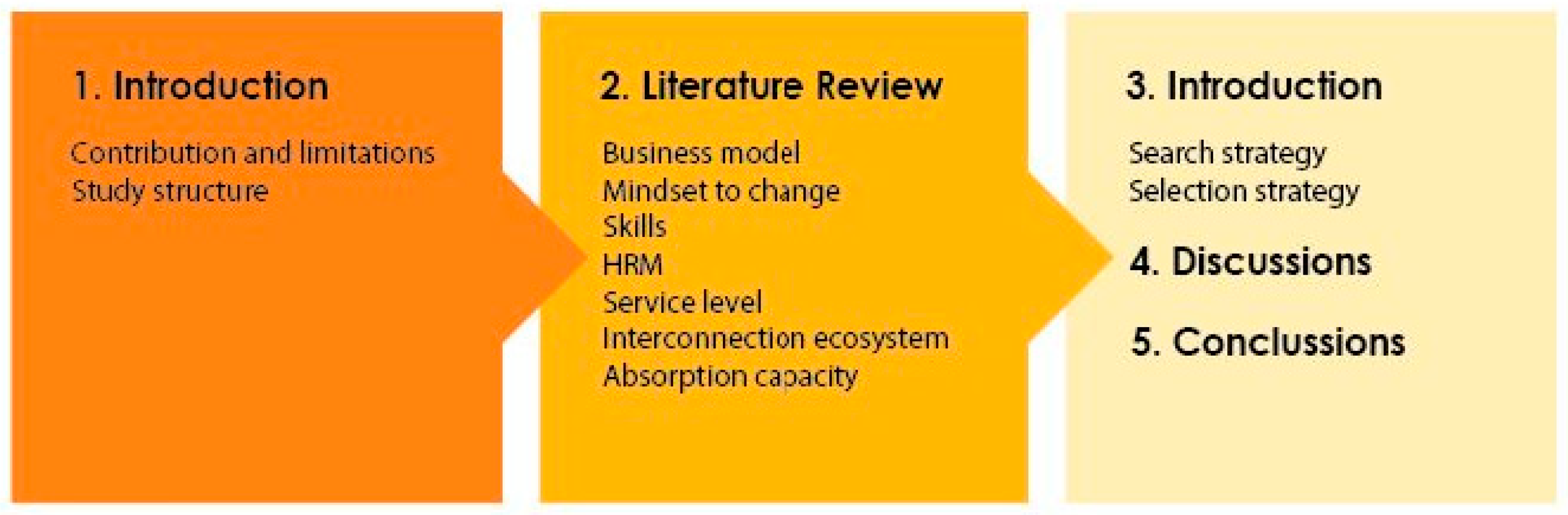
1. Introduction
1.1. Contribution and Limitations
1.2. Study Structure
2. Literature Review
2.1. Strategic Alignment Perspectives for Industry 4.0
2.1.1. Business Model
2.1.2. Change Mindset
2.1.3. Skills
2.1.4. Human Resources Management
2.1.5. Service Level
2.1.6. Interconnected Ecosystems
2.1.7. Absorption Capacity
3. Methodology
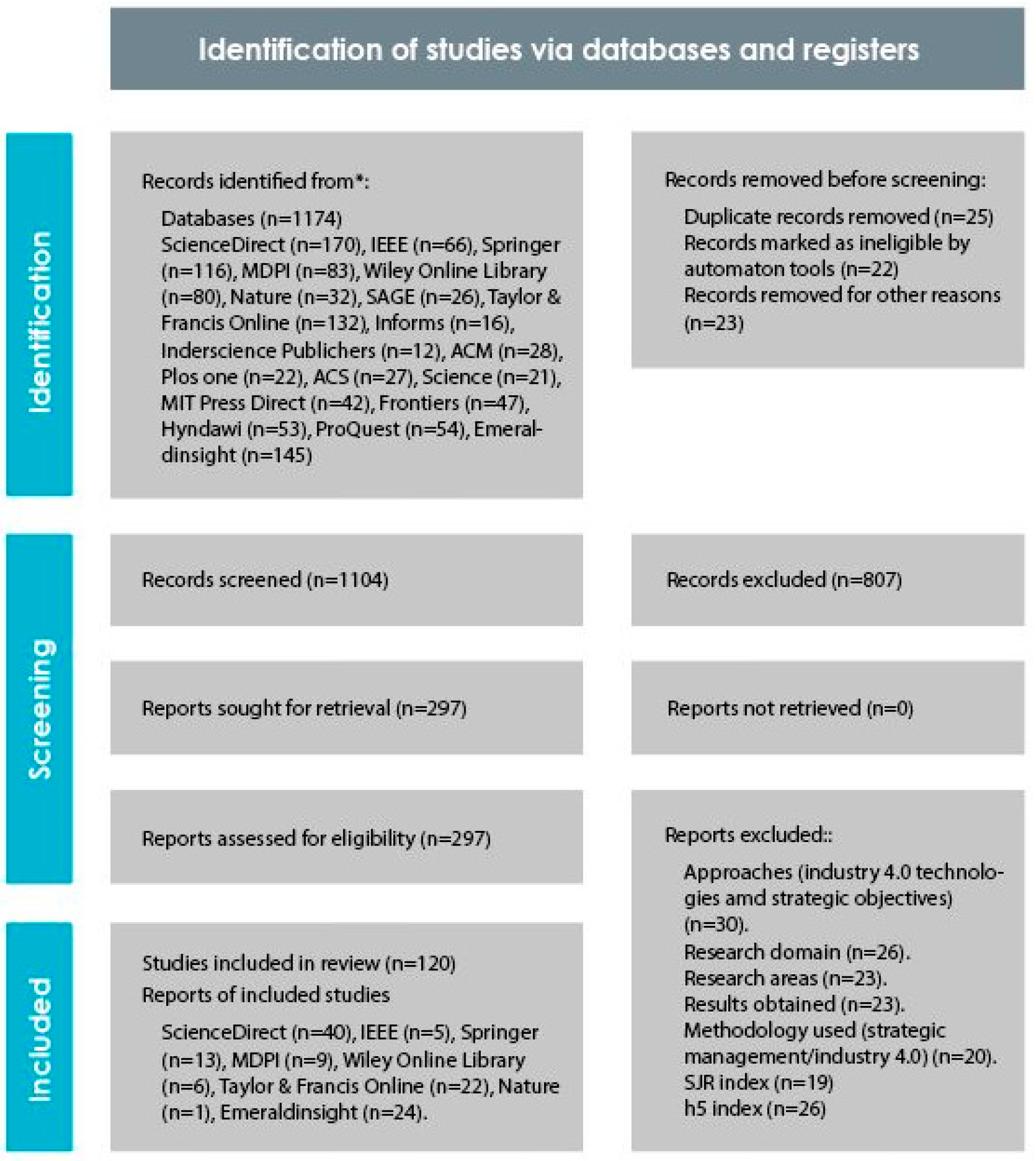
3.1. Search Strategy
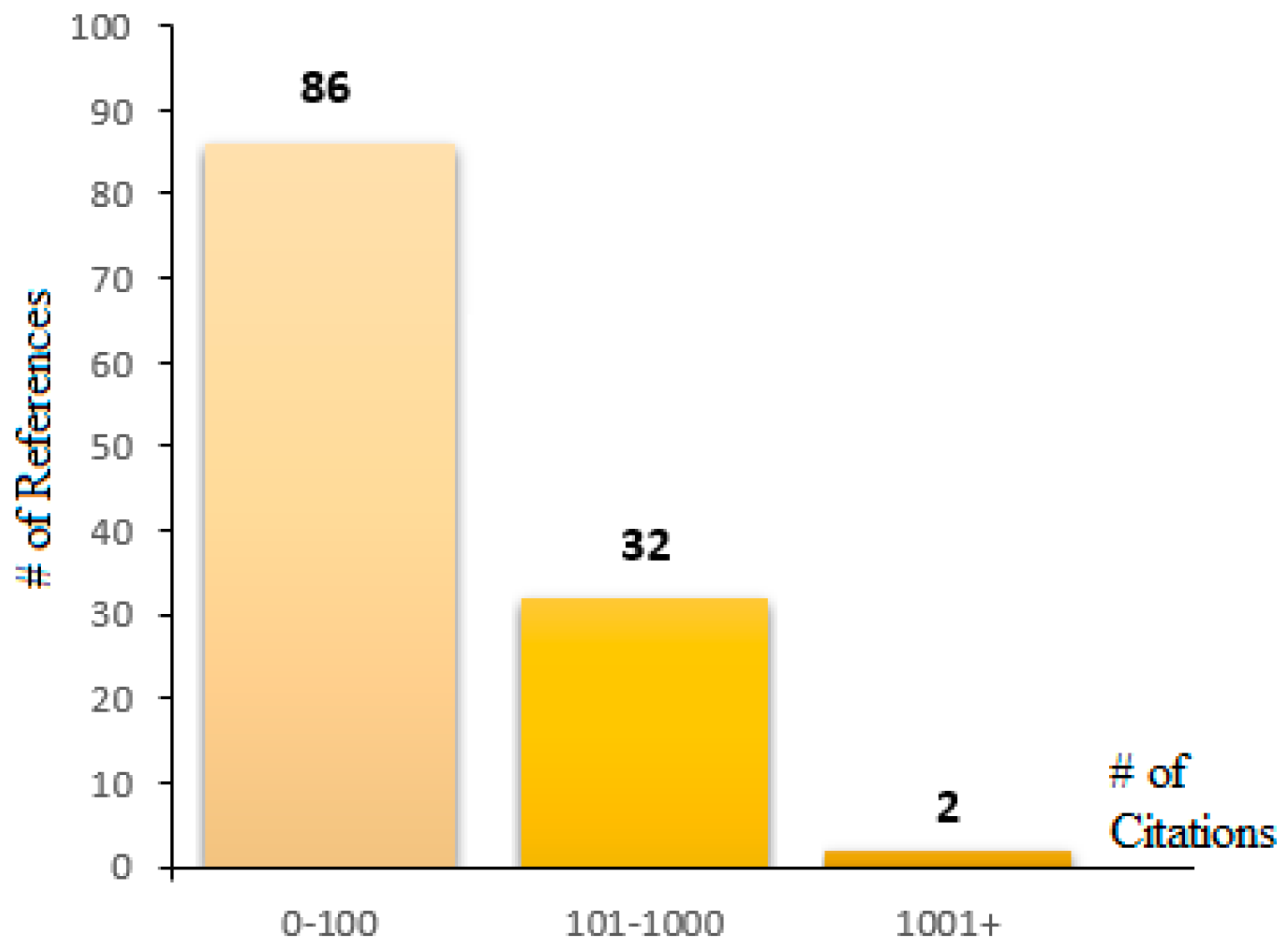
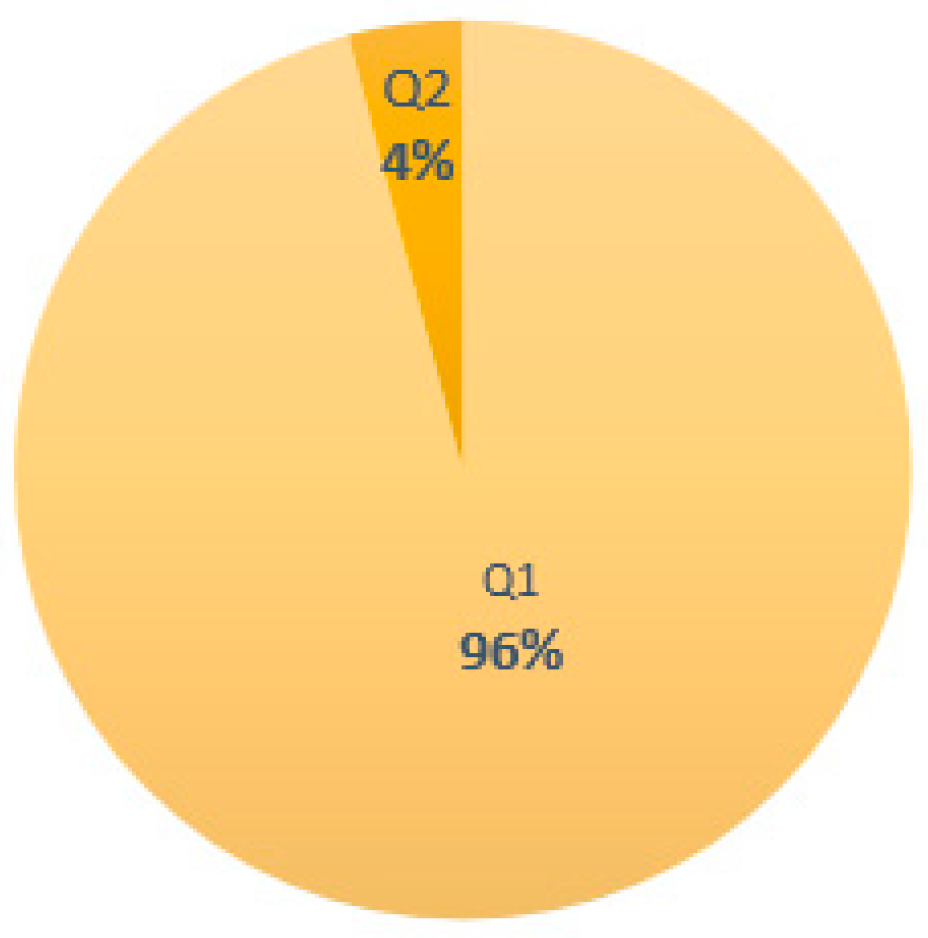
3.2. Selection Strategy
4. Discussion
- Industrial transformation: this relationship is revolutionizing industrial operations. Theoretical frameworks need to be adapted to comprehend and elucidate these changes, while practical implementation must integrate new technologies and strategies to fully harness this convergence.
- Decision-making: artificial intelligence enables intelligent, data-driven decisions in real time. Theoretically, this requires a reevaluation of decision-making models. In practice, it entails implementing artificial intelligence systems to enhance the efficiency and quality of decisions.
- Personalization and adaptability: Industry 4.0, combined with artificial intelligence, facilitates enhanced personalization in production. This affects both the theoretical and practical aspects of operations management. Companies must realign their processes to efficiently meet evolving customer demands.
- Training and skills: the fusion of Industry 4.0 and artificial intelligence requires a workforce with new skills. In theory, this underscores the need to develop novel training and educational models. In practice, companies must invest in staff training or hire talent specialized in artificial intelligence.
- Security and ethics: artificial intelligence and Industry 4.0 present ethical and security challenges. Theoretical exploration should focus on how to address these concerns and establish clear ethical guidelines. In practice, companies must implement security measures and adhere to ethical practices in the use of artificial intelligence.
- Global competition: successful adoption of Industry 4.0 and artificial intelligence can enhance global competitiveness for companies. Theoretical exploration should focus on how companies can attain sustainable competitive advantages, while practical implementation requires effective integration of these technologies to remain competitive in the market.
5. Conclusions
Author Contributions
Funding
Data Availability Statement
Acknowledgments
Conflicts of Interest
References
- Serey, J.; Alfaro, M.; Fuertes, G.; Vargas, M.; Durán, C.; Ternero, R.; Rivera, R.; Sabattin, J. Pattern Recognition and Deep Learning Technologies, Enablers of Industry 4.0, and Their Role in Engineering Research. Symmetry 2023, 15, 535. [Google Scholar] [CrossRef]
- Sony, M.; Naik, S. Critical Factors for the Successful Implementation of Industry 4.0: A Review and Future Research Direction. Prod. Plan. Control 2019, 31, 799–815. [Google Scholar] [CrossRef]
- Bonaccorsi, A.; Chiarello, F.; Fantoni, G.; Kammering, H. Emerging Technologies and Industrial Leadership. A Wikipedia-Based Strategic Analysis of Industry 4.0. Expert. Syst. Appl. 2020, 160, 113645. [Google Scholar] [CrossRef]
- Bravi, L.; Murmura, F. Industry 4.0 Enabling Technologies as a Tool for the Development of a Competitive Strategy in Italian Manufacturing Companies. J. Eng. Technol. Manag. 2021, 60, 101629. [Google Scholar] [CrossRef]
- Santos, M.Y.; Oliveira e Sá, J.; Andrade, C.; Vale Lima, F.; Costa, E.; Costa, C.; Martinho, B.; Galvão, J. A Big Data System Supporting Bosch Braga Industry 4.0 Strategy. Int. J. Inf. Manag. 2017, 37, 750–760. [Google Scholar] [CrossRef]
- Ghobakhloo, M.; Iranmanesh, M.; Grybauskas, A.; Vilkas, M.; Petraitė, M. Industry 4.0, Innovation, and Sustainable Development: A Systematic Review and a Roadmap to Sustainable Innovation. Bus. Strategy Environ. 2021, 30, 4237–4257. [Google Scholar] [CrossRef]
- Ching, N.T.; Ghobakhloo, M.; Iranmanesh, M.; Maroufkhani, P.; Asadi, S. Industry 4.0 Applications for Sustainable Manufacturing: A Systematic Literature Review and a Roadmap to Sustainable Development. J. Clean. Prod. 2022, 334, 130133. [Google Scholar] [CrossRef]
- Shi, Z.; Xie, Y.; Xue, W.; Chen, Y.; Fu, L.; Xu, X. Smart Factory in Industry 4.0. Syst. Res. Behav. Sci. 2020, 37, 607–617. [Google Scholar] [CrossRef]
- Khan, S.A.R.; Razzaq, A.; Yu, Z.; Miller, S. Industry 4.0 and Circular Economy Practices: A New Era Business Strategies for Environmental Sustainability. Bus. Strategy Environ. 2021, 30, 4001–4014. [Google Scholar] [CrossRef]
- Dahmani, N.; Benhida, K.; Belhadi, A.; Kamble, S.; Elfezazi, S.; Jauhar, S.K. Smart Circular Product Design Strategies towards Eco-Effective Production Systems: A Lean Eco-Design Industry 4.0 Framework. J. Clean. Prod. 2021, 320, 128847. [Google Scholar] [CrossRef]
- Lin, D.; Lee, C.K.M.; Lau, H.; Yang, Y. Strategic Response to Industry 4.0: An Empirical Investigation on the Chinese Automotive Industry. Ind. Manag. Data Syst. 2018, 118, 589–605. [Google Scholar] [CrossRef]
- Tang, C.S.; Veelenturf, L.P. The Strategic Role of Logistics in the Industry 4.0 Era. Transp. Res. E Logist. Transp. Rev. 2019, 129, 1–11. [Google Scholar] [CrossRef]
- Kaya, İ.; Erdoğan, M.; Karaşan, A.; Özkan, B. Creating a Road Map for Industry 4.0 by Using an Integrated Fuzzy Multicriteria Decision-Making Methodology. Soft Comput. 2020, 24, 17931–17956. [Google Scholar] [CrossRef]
- Morawski, M.; Ignaciuk, P. Choosing a Proper Control Strategy for Multipath Transmission in Industry 4.0 Applications. IEEE Trans. Ind. Inform. 2022, 18, 3609–3619. [Google Scholar] [CrossRef]
- Ancarani, A.; Di Mauro, C.; Mascali, F. Backshoring Strategy and the Adoption of Industry 4.0: Evidence from Europe. J. World Bus. 2019, 54, 360–371. [Google Scholar] [CrossRef]
- Culot, G.; Nassimbeni, G.; Orzes, G.; Sartor, M. Behind the Definition of Industry 4.0: Analysis and Open Questions. Int. J. Prod. Econ. 2020, 226, 107617. [Google Scholar] [CrossRef]
- da Silva, V.L.; Kovaleski, J.L.; Pagani, R.N. Technology Transfer in the Supply Chain Oriented to Industry 4.0: A Literature Review. Technol. Anal. Strateg. Manag. 2018, 31, 546–562. [Google Scholar] [CrossRef]
- Abidi, M.H.; Alkhalefah, H.; Umer, U. Fuzzy Harmony Search Based Optimal Control Strategy for Wireless Cyber Physical System with Industry 4.0. J. Intell. Manuf. 2021, 33, 1795–1812. [Google Scholar] [CrossRef]
- Reiman, A.; Kaivo-oja, J.; Parviainen, E.; Takala, E.P.; Lauraeus, T. Human Factors and Ergonomics in Manufacturing in the Industry 4.0 Context—A Scoping Review. Technol. Soc. 2021, 65, 101572. [Google Scholar] [CrossRef]
- Yu, Z.; Khan, S.A.R.; Umar, M. Circular Economy Practices and Industry 4.0 Technologies: A Strategic Move of Automobile Industry. Bus. Strategy Environ. 2022, 31, 796–809. [Google Scholar] [CrossRef]
- Robert, M.; Giuliani, P.; Gurau, C. Implementing Industry 4.0 Real-Time Performance Management Systems: The Case of Schneider Electric. Prod. Plan. Control 2022, 33, 244–260. [Google Scholar] [CrossRef]
- Colli, M.; Berger, U.; Bockholt, M.; Madsen, O.; Møller, C.; Wæhrens, B.V. A Maturity Assessment Approach for Conceiving Context-Specific Roadmaps in the Industry 4.0 Era. Annu. Rev. Control 2019, 48, 165–177. [Google Scholar] [CrossRef]
- Ghobakhloo, M. The Future of Manufacturing Industry: A Strategic Roadmap toward Industry 4.0. J. Manuf. Technol. Manag. 2018, 29, 910–936. [Google Scholar] [CrossRef]
- Müller, J.M. Business Model Innovation in Small- and Medium-Sized Enterprises: Strategies for Industry 4.0 Providers and Users. J. Manuf. Technol. Manag. 2019, 30, 1127–1142. [Google Scholar] [CrossRef]
- Cucculelli, M.; Dileo, I.; Pini, M. Filling the Void of Family Leadership: Institutional Support to Business Model Changes in the Italian Industry 4.0 Experience. J. Technol. Transf. 2021, 47, 213–241. [Google Scholar] [CrossRef]
- Sahi, G.K.; Gupta, M.C.; Cheng, T.C.E. The Effects of Strategic Orientation on Operational Ambidexterity: A Study of Indian SMEs in the Industry 4.0 Era. Int. J. Prod. Econ. 2020, 220, 107395. [Google Scholar] [CrossRef]
- Teixeira, J.E.; Tavares-Lehmann, A.T.C.P. Industry 4.0 in the European Union: Policies and National Strategies. Technol. Forecast. Soc. Change 2022, 180, 121664. [Google Scholar] [CrossRef]
- Bonamigo, A.; Frech, C.G. Industry 4.0 in Services: Challenges and Opportunities for Value Co-Creation. J. Serv. Mark. 2020, 35, 412–427. [Google Scholar] [CrossRef]
- Di Maria, E.; De Marchi, V.; Galeazzo, A. Industry 4.0 Technologies and Circular Economy: The Mediating Role of Supply Chain Integration. Bus. Strategy Environ. 2022, 31, 619–632. [Google Scholar] [CrossRef]
- Arromba, I.F.; Martin, P.S.; Cooper Ordoñez, R.; Anholon, R.; Rampasso, I.S.; Santa-Eulalia, L.A.; Martins, V.W.B.; Quelhas, O.L.G. Industry 4.0 in the Product Development Process: Benefits, Difficulties and Its Impact in Marketing Strategies and Operations. J. Bus. Ind. Mark. 2021, 36, 522–534. [Google Scholar] [CrossRef]
- Kucukaltan, B.; Saatcioglu, O.Y.; Irani, Z.; Tuna, O. Gaining Strategic Insights into Logistics 4.0: Expectations and Impacts. Prod. Plan. Control 2020, 33, 211–227. [Google Scholar] [CrossRef]
- Trzaska, R.; Sulich, A.; Organa, M.; Niemczyk, J.; Jasiński, B. Digitalization Business Strategies in Energy Sector: Solving Problems with Uncertainty under Industry 4.0 Conditions. Energies 2021, 14, 7997. [Google Scholar] [CrossRef]
- Ghobakhloo, M.; Iranmanesh, M. Digital Transformation Success under Industry 4.0: A Strategic Guideline for Manufacturing SMEs. J. Manuf. Technol. Manag. 2021, 32, 1533–1556. [Google Scholar] [CrossRef]
- Mukhuty, S.; Upadhyay, A.; Rothwell, H. Strategic Sustainable Development of Industry 4.0 through the Lens of Social Responsibility: The Role of Human Resource Practices. Bus. Strategy Environ. 2022, 31, 2068–2081. [Google Scholar] [CrossRef]
- Chiarini, A.; Belvedere, V.; Grando, A. Industry 4.0 Strategies and Technological Developments. An Exploratory Research from Italian Manufacturing Companies. Prod. Plan. Control 2020, 31, 1385–1398. [Google Scholar] [CrossRef]
- Smuts, S.; van der Merwe, A.; Smuts, H. A Strategic Organisational Perspective of Industry 4.0: A Conceptual Model. In Proceedings of the Responsible Design, Implementation and Use of Information and Communication Technology; Springer: Skukuza, South Africa, 2020; pp. 89–101. [Google Scholar]
- Müller, J.M.; Buliga, O.; Voigt, K.I. The Role of Absorptive Capacity and Innovation Strategy in the Design of Industry 4.0 Business Models—A Comparison between SMEs and Large Enterprises. Eur. Manag. J. 2021, 39, 333–343. [Google Scholar] [CrossRef]
- Chauhan, C.; Singh, A.; Luthra, S. Barriers to Industry 4.0 Adoption and Its Performance Implications: An Empirical Investigation of Emerging Economy. J. Clean. Prod. 2021, 285, 124809. [Google Scholar] [CrossRef]
- Virmani, N.; Salve, U.R.; Kumar, A.; Luthra, S. Analyzing Roadblocks of Industry 4.0 Adoption Using Graph Theory and Matrix Approach. IEEE Trans. Eng. Manag. 2021, 70, 454–463. [Google Scholar] [CrossRef]
- Benešová, A.; Basl, J.; Tupa, J.; Steiner, F. Design of a Business Readiness Model to Realise a Green Industry 4.0 Company. Int. J. Comput. Integr. Manuf. 2021, 34, 920–932. [Google Scholar] [CrossRef]
- Lin, T.C.; Wang, K.J.; Sheng, M.L. To Assess Smart Manufacturing Readiness by Maturity Model: A Case Study on Taiwan Enterprises. Int. J. Comput. Integr. Manuf. 2020, 33, 102–115. [Google Scholar] [CrossRef]
- Benitez, G.B.; Ferreira-Lima, M.; Ayala, N.F.; Frank, A.G. Industry 4.0 Technology Provision: The Moderating Role of Supply Chain Partners to Support Technology Providers. Supply Chain. Manag. 2022, 27, 89–112. [Google Scholar] [CrossRef]
- Mubarak, M.F.; Petraite, M. Industry 4.0 Technologies, Digital Trust and Technological Orientation: What Matters in Open Innovation? Technol. Forecast. Soc. Change 2020, 161, 120332. [Google Scholar] [CrossRef]
- Frank, A.G.; Dalenogare, L.S.; Ayala, N.F. Industry 4.0 Technologies: Implementation Patterns in Manufacturing Companies. Int. J. Prod. Econ. 2019, 210, 15–26. [Google Scholar] [CrossRef]
- Herceg, I.V.; Kuč, V.; Mijušković, V.M.; Herceg, T. Challenges and Driving Forces for Industry 4.0 Implementation. Sustainability 2020, 12, 4208. [Google Scholar] [CrossRef]
- Senna, P.P.; Ferreira, L.M.D.F.; Barros, A.C.; Bonnín Roca, J.; Magalhães, V. Prioritizing Barriers for the Adoption of Industry 4.0 Technologies. Comput. Ind. Eng. 2022, 171, 108428. [Google Scholar] [CrossRef]
- Zhang, C.; Chen, Y.; Chen, H.; Chong, D. Industry 4.0 and Its Implementation: A Review. Inf. Syst. Front. 2021, 1–11. [Google Scholar] [CrossRef]
- Wamba, S.F.; Queiroz, M.M. Industry 4.0 and the Supply Chain Digitalisation: A Blockchain Diffusion Perspective. Prod. Plan. Control 2020, 33, 193–210. [Google Scholar] [CrossRef]
- Ghobakhloo, M.; Fathi, M. Corporate Survival in Industry 4.0 Era: The Enabling Role of Lean-Digitized Manufacturing. J. Manuf. Technol. Manag. 2020, 31, 1–30. [Google Scholar] [CrossRef]
- Prause, M. Challenges of Industry 4.0 Technology Adoption for SMEs: The Case of Japan. Sustainability 2019, 11, 5807. [Google Scholar] [CrossRef]
- Liu, B.; De Giovanni, P. Green Process Innovation through Industry 4.0 Technologies and Supply Chain Coordination. Ann. Oper. Res. 2019, 1–36. [Google Scholar] [CrossRef]
- Jabr, W.; Zheng, Z. Exploring Firm Strategy Using Financial Reports: Performance Impact of Inward and Outward Relatedness with Digitisation. Eur. J. Inf. Syst. 2020, 31, 145–165. [Google Scholar] [CrossRef]
- Yuan, C.; Liu, W.; Zhou, G.; Shi, X.; Long, S.; Chen, Z.; Yan, X. Supply Chain Innovation Announcements and Shareholder Value under Industries 4.0 and 5.0: Evidence from China. Ind. Manag. Data Syst. 2022, 122, 1909–1937. [Google Scholar] [CrossRef]
- Bai, C.; Orzes, G.; Sarkis, J. Exploring the Impact of Industry 4.0 Technologies on Social Sustainability through a Circular Economy Approach. Ind. Mark. Manag. 2022, 101, 176–190. [Google Scholar] [CrossRef]
- Kosolapova, N.A.; Matveeva, L.G.; Nikitaeva, A.Y.; Molapisi, L. The Rational Use of Water Resources in the Strategy of Industry 4.0. Water Resour. Manag. 2021, 35, 3023–3041. [Google Scholar] [CrossRef]
- Ramanathan, K.; Samaranayake, P. Assessing Industry 4.0 Readiness in Manufacturing: A Self-Diagnostic Framework and an Illustrative Case Study. J. Manuf. Technol. Manag. 2022, 33, 468–488. [Google Scholar] [CrossRef]
- Asokan, D.R.; Huq, F.A.; Smith, C.M.; Stevenson, M. Socially Responsible Operations in the Industry 4.0 Era: Post-COVID-19 Technology Adoption and Perspectives on Future Research. Int. J. Oper. Prod. Manag. 2022, 42, 185–217. [Google Scholar] [CrossRef]
- Calzavara, M.; Battini, D.; Bogataj, D.; Sgarbossa, F.; Zennaro, I. Ageing Workforce Management in Manufacturing Systems: State of the Art and Future Research Agenda. Int. J. Prod. Res. 2019, 58, 729–747. [Google Scholar] [CrossRef]
- Caputo, F.; Cillo, V.; Candelo, E.; Liu, Y. Innovating through Digital Revolution: The Role of Soft Skills and Big Data in Increasing Firm Performance. Manag. Decis. 2019, 57, 2032–2051. [Google Scholar] [CrossRef]
- James, A.T.; Kumar, G.; Tayal, P.; Chauhan, A.; Wadhawa, C.; Panchal, J. Analysis of Human Resource Management Challenges in Implementation of Industry 4.0 in Indian Automobile Industry. Technol. Forecast. Soc. Change 2022, 176, 121483. [Google Scholar] [CrossRef]
- Ciffolilli, A.; Muscio, A. Industry 4.0: National and Regional Comparative Advantages in Key Enabling Technologies. Eur. Plan. Stud. 2018, 26, 2323–2343. [Google Scholar] [CrossRef]
- Nagy, J.; Oláh, J.; Erdei, E.; Máté, D.; Popp, J. The Role and Impact of Industry 4.0 and the Internet of Things on the Business Strategy of the Value Chain—The Case of Hungary. Sustainability 2018, 10, 3491. [Google Scholar] [CrossRef]
- Castelo-Branco, I.; Cruz-Jesus, F.; Oliveira, T. Assessing Industry 4.0 Readiness in Manufacturing: Evidence for the European Union. Comput. Ind. 2019, 107, 22–32. [Google Scholar] [CrossRef]
- Mittal, S.; Khan, M.A.; Purohit, J.K.; Menon, K.; Romero, D.; Wuest, T. A Smart Manufacturing Adoption Framework for SMEs. Int. J. Prod. Res. 2020, 58, 1555–1573. [Google Scholar] [CrossRef]
- Caiado, R.G.G.; Scavarda, L.F.; Gavião, L.O.; Ivson, P.; de Mattos Nascimento, D.L.; Garza-Reyes, J.A. A Fuzzy Rule-Based Industry 4.0 Maturity Model for Operations and Supply Chain Management. Int. J. Prod. Econ. 2021, 231, 107883. [Google Scholar] [CrossRef]
- Jamwal, A.; Agrawal, R.; Sharma, M.; Kumar, A.; Kumar, V.; Garza-Reyes, J.A.A. Machine Learning Applications for Sustainable Manufacturing: A Bibliometric-Based Review for Future Research. J. Enterp. Inf. Manag. 2022, 35, 566–596. [Google Scholar] [CrossRef]
- Xu, X.; Hua, Q. Industrial Big Data Analysis in Smart Factory: Current Status and Research Strategies. IEEE Access 2017, 5, 17543–17551. [Google Scholar] [CrossRef]
- Khayyam, H.; Jamali, A.; Bab-Hadiashar, A.; Esch, T.; Ramakrishna, S.; Jalili, M.; Naebe, M. A Novel Hybrid Machine Learning Algorithm for Limited and Big Data Modeling with Application in Industry 4.0. IEEE Access 2020, 8, 111381–111393. [Google Scholar] [CrossRef]
- López Martínez, P.; Dintén, R.; Drake, J.M.; Zorrilla, M. A Big Data-Centric Architecture Metamodel for Industry 4.0. Future Gener. Comput. Syst. 2021, 125, 263–284. [Google Scholar] [CrossRef]
- Jagatheesaperumal, S.K.; Rahouti, M.; Ahmad, K.; Al-Fuqaha, A.; Guizani, M. The Duo of Artificial Intelligence and Big Data for Industry 4.0: Applications, Techniques, Challenges, and Future Research Directions. IEEE Internet Things J. 2022, 9, 12861–12885. [Google Scholar] [CrossRef]
- Kumar, P.; Singh, R.K. Application of Industry 4.0 Technologies for Effective Coordination in Humanitarian Supply Chains: A Strategic Approach. Ann. Oper. Res. 2021, 319, 379–411. [Google Scholar] [CrossRef]
- Zhang, G.; Yang, Y.; Yang, G. Smart Supply Chain Management in Industry 4.0: The Review, Research Agenda and Strategies in North America. Ann. Oper. Res. 2022, 322, 1075–1117. [Google Scholar] [CrossRef] [PubMed]
- Raji, I.O.; Shevtshenko, E.; Rossi, T.; Strozzi, F. Industry 4.0 Technologies as Enablers of Lean and Agile Supply Chain Strategies: An Exploratory Investigation. Int. J. Logist. Manag. 2021, 32, 1150–1189. [Google Scholar] [CrossRef]
- Lassnig, M.; Müller, J.M.; Klieber, K.; Zeisler, A.; Schirl, M. A Digital Readiness Check for the Evaluation of Supply Chain Aspects and Company Size for Industry 4.0. J. Manuf. Technol. Manag. 2022, 33, 1–18. [Google Scholar] [CrossRef]
- Mittal, S.; Khan, M.A.; Romero, D.; Wuest, T. A Critical Review of Smart Manufacturing & Industry 4.0 Maturity Models: Implications for Small and Medium-Sized Enterprises (SMEs). J. Manuf. Syst. 2018, 49, 194–214. [Google Scholar] [CrossRef]
- Saad, S.M.; Bahadori, R.; Jafarnejad, H. The Smart SME Technology Readiness Assessment Methodology in the Context of Industry 4.0. J. Manuf. Technol. Manag. 2021, 32, 1037–1065. [Google Scholar] [CrossRef]
- Lizarralde, D.R.; Ganzarain, E.J.; Lopez, L.C.; Serrano, L.I. An Industry 4.0 Maturity Model for Machine Tool Companies. Technol. Forecast. Soc. Change 2020, 159, 120203. [Google Scholar] [CrossRef]
- Tang, Y.M.; Chau, K.Y.; Fatima, A.; Waqas, M. Industry 4.0 Technology and Circular Economy Practices: Business Management Strategies for Environmental Sustainability. Environ. Sci. Pollut. Res. 2022, 29, 49752–49769. [Google Scholar] [CrossRef]
- Gallego-García, S.; Groten, M.; Halstrick, J. Integration of Improvement Strategies and Industry 4.0 Technologies in a Dynamic Evaluation Model for Target-Oriented Optimization. Appl. Sci. 2022, 12, 1530. [Google Scholar] [CrossRef]
- Chang, S.C.; Chang, H.H.; Lu, M.T. Evaluating Industry 4.0 Technology Application in SMEs: Using a Hybrid MCDM Approach. Mathematics 2021, 9, 414. [Google Scholar] [CrossRef]
- Bruno, G.; Antonelli, D. Dynamic Task Classification and Assignment for the Management of Human-Robot Collaborative Teams in Workcells. Int. J. Adv. Manuf. Technol. 2018, 98, 2415–2427. [Google Scholar] [CrossRef]
- Cimini, C.; Pirola, F.; Pinto, R.; Cavalieri, S. A Human-in-the-Loop Manufacturing Control Architecture for the next Generation of Production Systems. J. Manuf. Syst. 2020, 54, 258–271. [Google Scholar] [CrossRef]
- Somohano-Rodríguez, F.M.; Madrid-Guijarro, A.; López-Fernández, J.M. Does Industry 4.0 Really Matter for SME Innovation? J. Small Bus. Manag. 2020, 60, 1001–1028. [Google Scholar] [CrossRef]
- Bag, S.; Gupta, S.; Kumar, S. Industry 4.0 Adoption and 10R Advance Manufacturing Capabilities for Sustainable Development. Int. J. Prod. Econ. 2021, 231, 107844. [Google Scholar] [CrossRef]
- Hahn, G.J. Industry 4.0: A Supply Chain Innovation Perspective. Int. J. Prod. Res. 2019, 58, 1425–1441. [Google Scholar] [CrossRef]
- Soni, G.; Kumar, S.; Mahto, R.V.; Mangla, S.K.; Mittal, M.L.; Lim, W.M. A Decision-Making Framework for Industry 4.0 Technology Implementation: The Case of FinTech and Sustainable Supply Chain Finance for SMEs. Technol. Forecast. Soc. Change 2022, 180, 121686. [Google Scholar] [CrossRef]
- Kim, J.; Campbell, A.S.; de Ávila, B.E.F.; Wang, J. Wearable Biosensors for Healthcare Monitoring. Nat. Biotechnol. 2019, 37, 389–406. [Google Scholar] [CrossRef] [PubMed]
- Benitez, G.B.; Ayala, N.F.; Frank, A.G. Industry 4.0 Innovation Ecosystems: An Evolutionary Perspective on Value Cocreation. Int. J. Prod. Econ. 2020, 228, 107735. [Google Scholar] [CrossRef]
- Ertz, M.; Sun, S.; Boily, E.; Kubiat, P.; Quenum, G.G.Y. How Transitioning to Industry 4.0 Promotes Circular Product Lifetimes. Ind. Mark. Manag. 2022, 101, 125–140. [Google Scholar] [CrossRef]
- Paiola, M.; Schiavone, F.; Khvatova, T.; Grandinetti, R. Prior Knowledge, Industry 4.0 and Digital Servitization. An Inductive Framework. Technol. Forecast. Soc. Change 2021, 171, 120963. [Google Scholar] [CrossRef]
- Alkaraan, F.; Albitar, K.; Hussainey, K.; Venkatesh, V.G. Corporate Transformation toward Industry 4.0 and Financial Performance: The Influence of Environmental, Social, and Governance (ESG). Technol. Forecast. Soc. Change 2022, 175, 121423. [Google Scholar] [CrossRef]
- Sung, T.K. Industry 4.0: A Korea Perspective. Technol. Forecast. Soc. Change 2018, 132, 40–45. [Google Scholar] [CrossRef]
- Sony, M.; Naik, S. Key Ingredients for Evaluating Industry 4.0 Readiness for Organizations: A Literature Review. Benchmark. Int. J. 2020, 27, 2213–2232. [Google Scholar] [CrossRef]
- Tripathi, S.; Gupta, M. A Holistic Model for Global Industry 4.0 Readiness Assessment. Benchmark. Int. J. 2021, 28, 3006–3039. [Google Scholar] [CrossRef]
- Fuertes, G.; Zamorano, J.; Alfaro, M.; Vargas, M.; Sabattin, J.; Duran, C.; Ternero, R.; Rivera, R. Opportunities of the Technological Trends Linked to Industry 4.0 for Achieve Sustainable Manufacturing Objectives. Sustainability 2022, 14, 11118. [Google Scholar] [CrossRef]
- Yang, F.; Gu, S. Industry 4.0, a Revolution That Requires Technology and National Strategies. Complex. Intell. Syst. 2021, 7, 1311–1325. [Google Scholar] [CrossRef]
- Rocha, C.F.; Quandt, C.O.; Deschamps, F.; Philbin, S. R&D Collaboration Strategies for Industry 4.0 Implementation: A Case Study in Brazil. J. Eng. Technol. Manag. 2022, 63, 101675. [Google Scholar] [CrossRef]
- Rosin, F.; Forget, P.; Lamouri, S.; Pellerin, R. Impacts of Industry 4.0 Technologies on Lean Principles. Int. J. Prod. Res. 2019, 58, 1644–1661. [Google Scholar] [CrossRef]
- Verma, A.; Venkatesan, M. Industry 4.0 Workforce Implications and Strategies for Organisational Effectiveness in Indian Automotive Industry: A Review. Technol. Anal. Strateg. Manag. 2021, 35, 1241–1249. [Google Scholar] [CrossRef]
- Mian, S.H.; Salah, B.; Ameen, W.; Moiduddin, K.; Alkhalefah, H. Adapting Universities for Sustainability Education in Industry 4.0: Channel of Challenges and Opportunities. Sustainability 2020, 12, 6100. [Google Scholar] [CrossRef]
- Vereycken, Y.; Ramioul, M.; Desiere, S.; Bal, M. Human Resource Practices Accompanying Industry 4.0 in European Manufacturing Industry. J. Manuf. Technol. Manag. 2021, 32, 1016–1036. [Google Scholar] [CrossRef]
- da Silva, L.B.P.; Soltovski, R.; Pontes, J.; Treinta, F.T.; Leitão, P.; Mosconi, E.; de Resende, L.M.M.; Yoshino, R.T. Human Resources Management 4.0: Literature Review and Trends. Comput. Ind. Eng. 2022, 168, 108111. [Google Scholar] [CrossRef]
- Ansari, F.; Hold, P.; Khobreh, M. A Knowledge-Based Approach for Representing Jobholder Profile toward Optimal Human–Machine Collaboration in Cyber Physical Production Systems. CIRP J. Manuf. Sci. Technol. 2020, 28, 87–106. [Google Scholar] [CrossRef]
- Bogoviz, A.V. Perspective Directions of State Regulation of Competition between Human and Artificial Intellectual Capital in Industry 4.0. J. Intellect. Cap. 2020, 21, 583–600. [Google Scholar] [CrossRef]
- Brocal, F.; González, C.; Komljenovic, D.; Katina, P.F.; Sebastián, M.A.; Garciá-Alcaraz, J.L. Emerging Risk Management in Industry 4.0: An Approach to Improve Organizational and Human Performance in the Complex Systems. Complexity 2019, 2019, 13. [Google Scholar] [CrossRef]
- Leong, W.D.; Teng, S.Y.; How, B.S.; Ngan, S.L.; Rahman, A.A.; Tan, C.P.; Ponnambalam, S.G.; Lam, H.L. Enhancing the Adaptability: Lean and Green Strategy towards the Industry Revolution 4.0. J. Clean. Prod. 2020, 273, 122870. [Google Scholar] [CrossRef]
- Stentoft, J.; Adsbøll Wickstrøm, K.; Philipsen, K.; Haug, A. Drivers and Barriers for Industry 4.0 Readiness and Practice: Empirical Evidence from Small and Medium-Sized Manufacturers. Prod. Plan. Control 2020, 32, 811–828. [Google Scholar] [CrossRef]
- Calabrese, A.; Levialdi Ghiron, N.; Tiburzi, L. ‘Evolutions’ and ‘Revolutions’ in Manufacturers’ Implementation of Industry 4.0: A Literature Review, a Multiple Case Study, and a Conceptual Framework. Prod. Plan. Control 2020, 32, 213–227. [Google Scholar] [CrossRef]
- Moeuf, A.; Pellerin, R.; Lamouri, S.; Tamayo-Giraldo, S.; Barbaray, R. The Industrial Management of SMEs in the Era of Industry 4.0. Int. J. Prod. Res. 2018, 56, 1118–1136. [Google Scholar] [CrossRef]
- Fatorachian, H.; Kazemi, H. Impact of Industry 4.0 on Supply Chain Performance. Prod. Plan. Control 2020, 32, 63–81. [Google Scholar] [CrossRef]
- Pacchini, A.P.T.; Lucato, W.C.; Facchini, F.; Mummolo, G. The Degree of Readiness for the Implementation of Industry 4.0. Comput. Ind. 2019, 113, 103125. [Google Scholar] [CrossRef]
- Silvestri, L.; Forcina, A.; Introna, V.; Santolamazza, A.; Cesarotti, V. Maintenance Transformation through Industry 4.0 Technologies: A Systematic Literature Review. Comput. Ind. 2020, 123, 103335. [Google Scholar] [CrossRef]
- Ivanov, D.; Dolgui, A.; Sokolov, B. The Impact of Digital Technology and Industry 4.0 on the Ripple Effect and Supply Chain Risk Analytics. Int. J. Prod. Res. 2018, 57, 829–846. [Google Scholar] [CrossRef]
- Cagliano, R.; Canterino, F.; Longoni, A.; Bartezzaghi, E. The Interplay between Smart Manufacturing Technologies and Work Organization: The Role of Technological Complexity. Int. J. Oper. Prod. Manag. 2019, 39, 913–934. [Google Scholar] [CrossRef]
- Dressler, M.; Paunovic, I. Converging and Diverging Business Model Innovation in Regional Intersectoral Cooperation–Exploring Wine Industry 4.0. Eur. J. Innov. Manag. 2020, 24, 1625–1652. [Google Scholar] [CrossRef]
- Sklyar, A.; Kowalkowski, C.; Sörhammar, D.; Tronvoll, B. Resource Integration through Digitalisation: A Service Ecosystem Perspective. J. Mark. Manag. 2019, 35, 974–991. [Google Scholar] [CrossRef]
- Queiroz, M.M.; Pereira, S.C.F.; Telles, R.; Machado, M.C. Industry 4.0 and Digital Supply Chain Capabilities: A Framework for Understanding Digitalisation Challenges and Opportunities. Benchmark. Int. J. 2021, 28, 1761–1782. [Google Scholar] [CrossRef]
- Oluyisola, O.E.; Bhalla, S.; Sgarbossa, F.; Strandhagen, J.O. Designing and Developing Smart Production Planning and Control Systems in the Industry 4.0 Era: A Methodology and Case Study. J. Intell. Manuf. 2022, 33, 311–332. [Google Scholar] [CrossRef]
- Salam, M.A. Analyzing Manufacturing Strategies and Industry 4.0 Supplier Performance Relationships from a Resource-Based Perspective. Benchmark. Int. J. 2019, 28, 1697–1716. [Google Scholar] [CrossRef]
- Zhong, Y.; Oh, S.; Moon, H.C. Service Transformation under Industry 4.0: Investigating Acceptance of Facial Recognition Payment through an Extended Technology Acceptance Model. Technol. Soc. 2021, 64, 101515. [Google Scholar] [CrossRef]
- Bui, T.D.; Tseng, J.W.; Tran, T.P.T.; Ha, H.M.; Tseng, M.L.; Lim, M.K. Circular Business Strategy Challenges and Opportunities for Industry 4.0: A Social Media Data-Driven Analysis. Bus. Strategy Environ. 2022, 32, 1765–1781. [Google Scholar] [CrossRef]
- Veile, J.W.; Schmidt, M.C.; Voigt, K.I. Toward a New Era of Cooperation: How Industrial Digital Platforms Transform Business Models in Industry 4.0. J. Bus. Res. 2022, 143, 387–405. [Google Scholar] [CrossRef]
- Cohen, W.M.; Levinthal, D.A. Absorptive Capacity: A New Perspective on Learning and Innovation. Adm. Sci. Q. 1990, 35, 128. [Google Scholar] [CrossRef]
- Lepore, D.; Dubbini, S.; Micozzi, A.; Spigarelli, F. Knowledge Sharing Opportunities for Industry 4.0 Firms. J. Knowl. Econ. 2022, 13, 501–520. [Google Scholar] [CrossRef]
- Zahra, S.A.; George, G. Absorptive Capacity: A Review, Reconceptualization, and Extension. Acad. Manag. Rev. 2002, 27, 185–203. [Google Scholar] [CrossRef]
- Flatten, T.C.; Greve, G.I.; Brettel, M. Absorptive Capacity and Firm Performance in SMEs: The Mediating Influence of Strategic Alliances. Eur. Manag. Rev. 2011, 8, 137–152. [Google Scholar] [CrossRef]
- Solano Ruiz, C.; Joaquim Pina Queirós, P.; Yañez-Araque, B.; Sancho-Zamora, R.; Hernández-Perlines, F.; Peña-García, I.; Gutiérrez-Broncano, S. The Impact of Absorptive Capacity on Innovation: The Mediating Role of Organizational Learning. Int. J. Environ. Res. Public. Health 2022, 19, 842. [Google Scholar] [CrossRef]
- Serey, J.; Quezada, L.; Alfaro, M.; Fuertes, G.; Ternero, R.; Gatica, G.; Gutierrez, S.; Vargas, M. Methodological Proposals for the Development of Services in a Smart City: A Literature Review. Sustainability 2020, 12, 10249. [Google Scholar] [CrossRef]
- Keele, S. Guidelines for Performing Systematic Literature Reviews in Software Engineering. In Proceedings of the Technical Report, Version 2.3; EBSE: Durham, UK, 2007. [Google Scholar]
- Fuertes, G.; Soto, I.; Carrasco, R.; Vargas, M.; Sabattin, J.; Lagos, C. Intelligent Packaging Systems: Sensors and Nanosensors to Monitor Food Quality and Safety. J. Sens. 2016, 2016, 4046061. [Google Scholar] [CrossRef]
- Parmentola, A.; Petrillo, A.; Tutore, I.; De Felice, F. Is Blockchain Able to Enhance Environmental Sustainability? A Systematic Review and Research Agenda from the Perspective of Sustainable Development Goals (SDGs). Bus. Strategy Environ. 2022, 31, 194–217. [Google Scholar] [CrossRef]
- Banguera, L.; Sepulveda, J.M.; Fuertes, G.; Carrasco, R.; Vargas, M. Reverse and Inverse Logistic Models for Solid Waste Management. S. Afr. J. Ind. Eng. 2017, 28, 120–132. [Google Scholar] [CrossRef][Green Version]
- Fuertes, G.; Alfaro, M.; Vargas, M.; Gutierrez, S.; Ternero, R.; Sabattin, J. Conceptual Framework for the Strategic Management: A Literature Review—Descriptive. J. Eng. 2020, 2020, 6253013. [Google Scholar] [CrossRef]
- Horkoff, J.; Aydemir, F.B.; Cardoso, E.; Li, T.; Maté, A.; Paja, E.; Salnitri, M.; Piras, L.; Mylopoulos, J.; Giorgini, P. Goal-Oriented Requirements Engineering: An Extended Systematic Mapping Study. Requir. Eng. 2019, 24, 133–160. [Google Scholar] [CrossRef] [PubMed]
- Vargas, M.; Alfaro, M.; Karstegl, N.; Fuertes, G.; Gracia, M.D.; Mar-Ortiz, J.; Sabattin, J.; Duran, C.; Leal, N. Reverse Logistics for Solid Waste from the Construction Industry. Adv. Civil. Eng. 2021, 2021, 6654718. [Google Scholar] [CrossRef]
- Valenzuela, J.; Alfaro, M.; Fuertes, G.; Vargas, M.; Sáez-Navarrete, C. Reverse Logistics Models for the Collection of Plastic Waste: A Literature Review. Waste Manag. Res. 2021, 39, 1–19. [Google Scholar] [CrossRef] [PubMed]
- Serey, J.; Quezada, L.; Alfaro, M.; Fuertes, G.; Vargas, M.; Ternero, R.; Sabattin, J.; Duran, C.; Gutierrez, S. Artificial Intelligence Methodologies for Data Management. Symmetry 2021, 13, 2040. [Google Scholar] [CrossRef]
- Page, M.J.; McKenzie, J.E.; Bossuyt, P.M.; Boutron, I.; Hoffmann, T.C.; Mulrow, C.D.; Shamseer, L.; Tetzlaff, J.M.; Akl, E.A.; Brennan, S.E.; et al. The PRISMA 2020 Statement: An Updated Guideline for Reporting Systematic Reviews. Syst. Rev. 2021, 10, 1–11. [Google Scholar] [CrossRef]
- Page, M.J.; Moher, D.; Bossuyt, P.M.; Boutron, I.; Hoffmann, T.C.; Mulrow, C.D.; Shamseer, L.; Tetzlaff, J.M.; Akl, E.A.; Brennan, S.E.; et al. PRISMA 2020 Explanation and Elaboration: Updated Guidance and Exemplars for Reporting Systematic Reviews. BMJ 2021, 372, n160. [Google Scholar] [CrossRef] [PubMed]
- Neuendorf, K.A. The Content Analysis Guidebook, 2nd ed.; SAGE Publications: Cleveland, OH, USA, 2017. [Google Scholar]
- Google Scholar H5-Index. Available online: https://scholar.google.com/citations?view_op=top_venues&hl=es&vq=en (accessed on 25 November 2021).
- Scimago Journal & Country Rank (SJR). Available online: https://www.scimagojr.com/ (accessed on 25 November 2021).
- Liu, J.; Liu, Z.; Yang, Q.; Osmani, M.; Demian, P. A Conceptual Blockchain Enhanced Information Model of Product Service Systems Framework for Sustainable Furniture. Buildings 2022, 13, 85. [Google Scholar] [CrossRef]
- Kamble, S.S.; Gunasekaran, A.; Sharma, R. Analysis of the Driving and Dependence Power of Barriers to Adopt Industry 4.0 in Indian Manufacturing Industry. Comput. Ind. 2018, 101, 107–119. [Google Scholar] [CrossRef]
- Horváth, D.; Szabó, R.Z. Driving Forces and Barriers of Industry 4.0: Do Multinational and Small and Medium-Sized Companies Have Equal Opportunities? Technol. Forecast. Soc. Change 2019, 146, 119–132. [Google Scholar] [CrossRef]
- Hizam-Hanafiah, M.; Soomro, M.A.; Abdullah, N.L. Industry 4.0 Readiness Models: A Systematic Literature Review of Model Dimensions. Information 2020, 11, 364. [Google Scholar] [CrossRef]
- Antony, J.; Sony, M.; McDermott, O. Conceptualizing Industry 4.0 Readiness Model Dimensions: An Exploratory Sequential Mixed-Method Study. TQM J. 2021, 35, 577–596. [Google Scholar] [CrossRef]
- Paulk, M.C.; Curtis, B.; Chrissis, M.B.; Weber, C.V. Capability Maturity Model, Version 1.1. IEEE Softw. 1993, 10, 18–27. [Google Scholar] [CrossRef]
- Dutta, G.; Kumar, R.; Sindhwani, R.; Singh, R.K. Digitalization Priorities of Quality Control Processes for SMEs: A Conceptual Study in Perspective of Industry 4.0 Adoption. J. Intell. Manuf. 2021, 32, 1679–1698. [Google Scholar] [CrossRef]
- Amaral, A.; Peças, P. SMEs and Industry 4.0: Two Case Studies of Digitalization for a Smoother Integration. Comput. Ind. 2021, 125, 103333. [Google Scholar] [CrossRef]
- Wagire, A.A.; Joshi, R.; Rathore, A.P.S.; Jain, R. Development of Maturity Model for Assessing the Implementation of Industry 4.0: Learning from Theory and Practice. Prod. Plan. Control 2020, 32, 603–622. [Google Scholar] [CrossRef]
- Schumacher, A.; Erol, S.; Sihn, W. A Maturity Model for Assessing Industry 4.0 Readiness and Maturity of Manufacturing Enterprises. Procedia CIRP 2016, 52, 161–166. [Google Scholar] [CrossRef]
- Liker, J.K. Toyota Way: 14 Management Principles from the World’s Greatest Manufacturer; McGraw-Hill: New York, NY, USA, 2004; ISBN 9780071392310. [Google Scholar]
- Sanders, A.; Elangeswaran, C.; Wulfsberg, J. Industry 4.0 Implies Lean Manufacturing: Research Activities in Industry 4.0 Function as Enablers for Lean Manufacturing. J. Ind. Eng. Manag. 2016, 9, 811–833. [Google Scholar] [CrossRef]
- Mayr, A.; Weigelt, M.; Kühl, A.; Grimm, S.; Erll, A.; Potzel, M.; Franke, J. Lean 4.0—A Conceptual Conjunction of Lean Management and Industry 4.0. Procedia CIRP 2018, 72, 622–628. [Google Scholar] [CrossRef]
- Dombrowski, U.; Richter, T.; Krenkel, P. Interdependencies of Industrie 4.0 & Lean Production Systems: A Use Cases Analysis. Procedia Manuf. 2017, 11, 1061–1068. [Google Scholar] [CrossRef]
- Sanders, A.; Karthik, K.R.; Redlich, T.; Wulfsberg, J.P. Industry 4.0 and Lean Management—Synergy or Contradiction? In Proceedings of the International Conference on Advances in Production Management Systems; Springer: Berlin/Heidelberg, Germany, 2017; Volume 514, pp. 341–349. [Google Scholar]
- Sony, M. Industry 4.0 and Lean Management: A Proposed Integration Model and Research Propositions. Prod. Manuf. Res. 2018, 6, 416–432. [Google Scholar] [CrossRef]
- Cong, J.; Chen, C.H.; Meng, X.; Xiang, Z.; Dong, L. Conceptual Design of a User-Centric Smart Product-Service System Using Self-Organizing Map. Adv. Eng. Inform. 2023, 55, 101857. [Google Scholar] [CrossRef]
- Arioli, V.; Ruggeri, G.; Sala, R.; Pirola, F.; Pezzotta, G. A Methodology for the Design and Engineering of Smart Product Service Systems: An Application in the Manufacturing Sector. Sustainability 2022, 15, 64. [Google Scholar] [CrossRef]
- Bag, S.; Telukdarie, A.; Pretorius, J.H.C.; Gupta, S. Industry 4.0 and Supply Chain Sustainability: Framework and Future Research Directions. Benchmark. Int. J. 2021, 28, 1410–1450. [Google Scholar] [CrossRef]
- Kumar, A.; Agrawal, R.; Wankhede, V.A.; Sharma, M.; Mulat-weldemeskel, E. A Framework for Assessing Social Acceptability of Industry 4.0 Technologies for the Development of Digital Manufacturing. Technol. Forecast. Soc. Change 2022, 174, 121217. [Google Scholar] [CrossRef]




| Thematic Axis | 2017–2022 | References |
|---|---|---|
| Business models | 20 | [2,6,7,22,24,33,35,37,38,39,40,41,42,43,44,45,46,47,48,49] |
| Market factors | 5 | [3,50,51,52,53] |
| Organizational adjustments | 12 | [4,16,21,25,54,55,56,57,58,59,60,61] |
| Data management | 13 | [5,14,15,29,62,63,64,65,66,67,68,69,70] |
| Technological ecosystems | 21 | [9,12,17,18,32,71,72,73,74,75,76,77,78,79,80,81,82,83,84,85,86] |
| Product management | 8 | [10,26,28,30,87,88,89,90] |
| Industry 4.0 performance strategies | 14 | [11,13,23,27,46,91,92,93,94,95,96,97,98] |
| Labor force | 8 | [19,99,100,101,102,103,104,105] |
| Production system | 15 | [20,31,106,107,108,109,110,111,112,113,114,115,116,117,118] |
| Customer relationship | 4 | [119,120,121,122] |
| Research Topics | Ref. | Prospects for Strategic Alignment for Industry 4.0 | ||||||
|---|---|---|---|---|---|---|---|---|
| Business Model | Change Mindset | Skills | HRM | Service Level | Interconnected Ecosystems | Absorption Capacity | ||
| Digital business model innovation | [2,22,24,33,37,38,39,45] | X | ||||||
| [42,48] | X | |||||||
| [43] | X | |||||||
| Market and industry disruption | [3] | X | ||||||
| [50] | X | |||||||
| [51,53] | X | |||||||
| [52] | X | |||||||
| Expectations of organizational culture change | [4,61] | X | ||||||
| [25] | X | |||||||
| [60] | X | |||||||
| Big data management | [5,62] | X | ||||||
| [14,69] | X | |||||||
| [65] | X | |||||||
| Optimizing investment in technology | [6] | X | ||||||
| [35,44] | X | |||||||
| [41,49] | X | |||||||
| [46] | X | |||||||
| Improving business opportunities | [7] | X | ||||||
| [40] | X | |||||||
| Digital ecosystems | [9,75,76,83,85] | X | ||||||
| [32] | X | |||||||
| [73] | X | |||||||
| [82] | X | |||||||
| [91,96] | X | |||||||
| [117] | X | |||||||
| Optimizing strategic objectives | [11] | X | ||||||
| Enabling Organizational Agility | [13] | X | ||||||
| Security considerations in ICT | [18] | X | ||||||
| The complexity of workforce management | [19,102] | X | ||||||
| Generation of big data from products and processes | [29,63,66,70] | X | ||||||
| [64,68] | X | |||||||
| Workforce Education Alignment | [34,100,104] | X | ||||||
| Competitive advantages | [95,97] | X | ||||||
| Capitalizing on the value of knowledge management | [47] | X | ||||||
| Human-Centered Design Transformation | [54] | X | ||||||
| [57] | X | |||||||
| [58,59] | X | |||||||
| Data-driven decision making | [15] | X | ||||||
| [67] | X | |||||||
| Linking the virtual model and the physical environment | [12] | X | ||||||
| [72,77] | X | |||||||
| [79] | X | |||||||
| [81] | X | |||||||
| Technology-centric convergence | [17,71,74] | X | ||||||
| [78,86] | X | |||||||
| [80] | X | |||||||
| [84] | X | |||||||
| Product portfolio innovation | [10,26] | X | ||||||
| [28] | X | |||||||
| [87] | X | |||||||
| [89] | X | |||||||
| [90] | X | |||||||
| Product customization | [30] | X | ||||||
| [88] | X | |||||||
| Workforce Skills Qualifications | [99,101,103] | X | ||||||
| Innovation in the work environment | [105] | X | ||||||
| Digitization of the value chain | [31] | X | ||||||
| [107,113,116,118] | X | |||||||
| [111] | X | |||||||
| [114] | X | |||||||
| [115] | X | |||||||
| Process optimization | [20,55,106,108] | X | ||||||
| [109,110] | X | |||||||
| [112] | X | |||||||
| Improving client-organization interactions | [119] | X | ||||||
| Customer experience differentiation | [120] | X | ||||||
| Improving client-organization interactions | [121] | X | ||||||
| [122] | X | |||||||
| Ref. | Type of Study | Journals | SJR | h5 Index | Year | Quartile | Number References |
|---|---|---|---|---|---|---|---|
| Sony and Naik [2] | Review | Production Planning & Control | 1.33 | 82 | 2022 | Q1 | 122 |
| Bonaccorsi et al. [3] | Research | Expert Systems with Applications | 2.07 | 164 | 2020 | Q1 | 12 |
| Bravi and Murmura [4] | Case Study | Journal of Engineering and Technology Management | 1.04 | 42 | 2021 | Q1 | 28 |
| Santos et al. [5] | Research | International Journal of Information Management | 2.77 | 164 | 2017 | Q1 | 180 |
| Ghobakhloo et al. [6] | Review | Business Strategy and the Environment | 2.24 | 94 | 2022 | Q1 | 11 |
| Ching et al. [7] | Review | Journal of Cleaner Production | 1.94 | 245 | 2021 | Q1 | 82 |
| Khan et al. [9] | Research | Business Strategy and the Environment | 2.24 | 94 | 2022 | Q1 | 205 |
| Dahmani et al. [10] | Research | Journal of Cleaner Production | 1.94 | 245 | 2021 | Q1 | 14 |
| Lin et al. [11] | Research | Industrial Management & Data Systems | 1.01 | 80 | 2018 | Q2 | 189 |
| Tang and Veelenturf [12] | Review | Transportation Research Part E: Logistics and Transportation Review | 2.84 | 100 | 2019 | Q1 | 205 |
| Kaya et al. [13] | Research | Soft Computing | 0.88 | 93 | 2020 | Q2 | 18 |
| Morawski and Ignaciuk [14] | Research | IEEE Transactions on Industrial Informatics | 2.5 | 149 | 2022 | Q1 | 5 |
| Ancarani et al. [15] | Research | Journal of World Business | 2.73 | 102 | 2019 | Q1 | 121 |
| Culot et al. [16] | Review | International Journal of Production Economics | 2.41 | 140 | 2020 | Q1 | 248 |
| da Silva et al. [17] | Review | Technology Analysis & Strategic Management | 0.73 | 55 | 2019 | Q2 | 133 |
| Abidi et al. [18] | Research | Journal of Intelligent Manufacturing | 1.27 | 86 | 2021 | Q1 | 9 |
| Reiman et al. [19] | Review | Technology in Society | 1.14 | 63 | 2021 | Q1 | 35 |
| Yu et al. [20] | Research | Business Strategy and the Environment | 2.24 | 94 | 2022 | Q1 | 21 |
| Robert et al. [21] | Case study | Production Planning & Control | 1,33 | 82 | 2022 | Q1 | 17 |
| Colli et al. [22] | Research | Annual Reviews in Control | 3.74 | 77 | 2019 | Q1 | 66 |
| Ghobakhloo [23] | Review | Journal of Manufacturing Technology Management | 1.9 | 70 | 2018 | Q1 | 832 |
| Müller [24] | Research | Journal of Manufacturing Technology Management | 1.9 | 70 | 2019 | Q1 | 155 |
| Cucculelli et al. [25] | Survey | The Journal of Technology Transfer | 1.61 | 89 | 2021 | Q1 | 11 |
| Sahi et al. [26] | Case Study | International Journal of Production Economics | 2.41 | 140 | 2020 | Q1 | 66 |
| Teixeira and Tavares-Lehmann [27] | Case Study | Technological Forecasting and Social Change | 2.23 | 165 | 2022 | Q1 | 41 |
| Bonamigo and Frech [28] | Review | Journal of Services Marketing | 1.6 | 71 | 2020 | Q1 | 10 |
| Di Maria et al. [29] | Survey | Business Strategy and the Environment | 2.24 | 94 | 2022 | Q1 | 18 |
| Arromba et al. [30] | Review | Journal of Business and Industrial Marketing | 0.78 | 59 | 2021 | Q1 | 12 |
| Kucukaltan et al. [31] | Research | Production Planning & Control | 1.33 | 82 | 2022 | Q1 | 19 |
| Trzaska et al. [32] | Research | Energies | 0.65 | 113 | 2021 | Q1 | 32 |
| Ghobakhloo and Iranmanesh [33] | Research | Journal of Manufacturing Technology Management | 1.9 | 70 | 2021 | Q1 | 27 |
| Mukhuty et al. [34] | Research | Business Strategy and the Environment | 2.24 | 94 | 2022 | Q1 | 65 |
| Chiarini et al. [35] | Research | Production Planning & Control | 1.33 | 82 | 2022 | Q1 | 100 |
| Müller et al. [37] | Research | European Management Journal | 1.48 | 87 | 2021 | Q1 | 151 |
| Chauhan et al. [38] | Research | Journal of Cleaner Production | 1.94 | 245 | 2021 | Q1 | 65 |
| Virmani et al. [39] | Research | IEEE Transactions on Engineering Management | 0.88 | 44 | 2021 | Q1 | 11 |
| Benešová et al. [40] | Research | International Journal of Computer Integrated Manufacturing | 1.1 | 64 | 2021 | Q1 | 4 |
| Lin et al. [41] | Case Study | International Journal of Computer Integrated Manufacturing | 1.1 | 64 | 2020 | Q1 | 46 |
| Benitez et al. [42] | Research | Supply Chain Management | 2.39 | 80 | 2022 | Q1 | 25 |
| Mubarak and Petraite [43] | Research | Technological Forecasting and Social Change | 2.23 | 165 | 2020 | Q1 | 87 |
| Frank et al. [44] | Research | International Journal of Production Economics | 2.41 | 140 | 2019 | Q1 | 1447 |
| Herceg et al. [45] | Survey | Sustainability | 0.66 | 180 | 2020 | Q1 | 65 |
| Senna et al. [46] | Research | Computers & Industrial Engineering | 1.78 | 117 | 2022 | Q1 | 26 |
| Zhang et al. [47] | Review | Information Systems Frontiers | 1.43 | 83 | 2021 | Q1 | 22 |
| Wamba and Queiroz [48] | Research | Production Planning & Control | 1.33 | 82 | 2020 | Q1 | 101 |
| Ghobakhloo and Fathi [49] | Case Study | Journal of Manufacturing Technology Management | 1.9 | 70 | 2020 | Q1 | 237 |
| Prause [50] | Research | Sustainability | 0.66 | 180 | 2019 | Q1 | 87 |
| Liu and De Giovanni [51] | Research | Annals of Operations Research | 1.17 | 95 | 2019 | Q1 | 78 |
| Jabr and Zheng [52] | Research | European Journal of Information Systems | 2.2 | 88 | 2022 | Q1 | 4 |
| Yuan et al. [53] | Research | Industrial Management & Data Systems | 1.01 | 83 | 2022 | Q1 | 7 |
| Bai et al. [54] | Research | Industrial Marketing Management | 2.21 | 131 | 2022 | Q1 | 34 |
| Kosolapova et al. [55] | Research | Water Resources Management | 0.63 | 93 | 2021 | Q1 | 18 |
| Ramanathan and Samaranayake [56] | Research | Journal of Manufacturing Technology Management | 1.9 | 70 | 2022 | Q1 | 16 |
| Asokan et al. [57] | Research | International Journal of Operations & Production Management | 2.29 | 105 | 2022 | Q1 | 26 |
| Calzavara et al. [58] | Research | International Journal of Production Research | 2.78 | 190 | 2019 | Q1 | 95 |
| Caputo et al. [59] | Research | Management Decision | 1.16 | 96 | 2019 | Q1 | 94 |
| James et al. [60] | Research | Technological Forecasting and Social Change | 2.23 | 165 | 2022 | Q1 | 20 |
| Ciffolilli and Muscio [61] | Research | European Planning Studies | 1.24 | 70 | 2018 | Q1 | 179 |
| Nagy et al. [62] | Case Study | Sustainability | 0.66 | 180 | 2018 | Q1 | 474 |
| Castelo-Branco et al. [63] | Survey | Computers in Industry | 2.43 | 115 | 2019 | Q1 | 304 |
| Mittal et al. [64] | Case study | International Journal of Production Research | 2.78 | 190 | 2020 | Q1 | 103 |
| Caiado et al. [65] | Research | International Journal of Production Economics | 2.41 | 140 | 2021 | Q1 | 103 |
| Jamwal et al. [66] | Review | Journal of Enterprise Information Management | 1,24 | 84 | 2021 | Q1 | 51 |
| Xu and Hua [67] | Research | IEEE Access | 0.93 | 350 | 2017 | Q1 | 146 |
| Khayyam et al. [68] | Case study | IEEE Access | 0.93 | 350 | 2020 | Q1 | 29 |
| López Martínez et al. [69] | Research | Future Generation Computer Systems | 2.04 | 224 | 2021 | Q1 | 33 |
| Jagatheesaperumal et al. [70] | Review | IEEE Internet of Things Journal | 3.85 | 212 | 2022 | Q1 | 19 |
| Kumar and Singh [71] | Research | Annals of Operations Research | 1,17 | 95 | 2021 | Q1 | 13 |
| Zhang et al. [72] | Case Study | Annals of Operations Research | 1.17 | 95 | 2022 | Q1 | 34 |
| Raji et al. [73] | Research | The International Journal of Logistics Management | 1.5 | 55 | 2021 | Q1 | 11 |
| Lassnig et al. [74] | Research | Journal of Manufacturing Technology Management | 1.9 | 70 | 2022 | Q1 | 40 |
| Mittal et al. [75] | Review | Journal of Manufacturing Systems | 2.95 | 116 | 2018 | Q1 | 661 |
| Saad et al. [76] | Research | Journal of Manufacturing Technology Management | 1.9 | 70 | 2021 | Q1 | 13 |
| Lizarralde et al. [77] | Research | Technological Forecasting and Social Change | 2.23 | 165 | 2020 | Q1 | 74 |
| Tang et al. [78] | Research | Environmental Science and Pollution Research | 0.83 | 148 | 2022 | Q1 | 15 |
| Gallego-García et al. [79] | Research | Applied Sciences | 0.51 | 140 | 2022 | Q2 | 3 |
| Chang et al. [80] | Research | Mathematics | 0.54 | 72 | 2021 | Q2 | 9 |
| Bruno and Antonelli [81] | Research | The International Journal of Advanced Manufacturing Technology | 0.92 | 110 | 2018 | Q1 | 66 |
| Cimini et al. [82] | Research | Journal of Manufacturing Systems | 2.95 | 116 | 2020 | Q1 | 121 |
| Somohano-Rodríguez et al. [83] | Survey | Journal of Small Business Management | 1.36 | 82 | 2020 | Q1 | 26 |
| Bag et al. [84] | Survey | International Journal of Production Economics | 2.41 | 140 | 2021 | Q1 | 205 |
| Hahn [85] | Research | International Journal of Production Research | 2.78 | 190 | 2019 | Q1 | 191 |
| Soni et al. [86] | Research | Technological Forecasting and Social Change | 2.23 | 165 | 2022 | Q1 | 17 |
| Kim et al. [87] | Review | Nature Biotechnology | 20.1 | 315 | 2019 | Q1 | 1336 |
| Benitez et al. [88] | Research | International Journal of Production Economics | 2.41 | 140 | 2020 | Q1 | 201 |
| Ertz et al. [89] | Review | Industrial Marketing Management | 2.21 | 131 | 2022 | Q1 | 12 |
| Paiola et al. [90] | Research | Technological Forecasting and Social Change | 2.23 | 165 | 2020 | Q1 | 23 |
| Alkaraan et al. [91] | Research | Technological Forecasting and Social Change | 2,23 | 165 | 2022 | Q1 | 96 |
| Sung [92] | Case Study | Technological Forecasting and Social Change | 2.23 | 165 | 2018 | Q1 | 554 |
| Sony and Naik [93] | Review | Benchmarking: An International Journal | 0.89 | 82 | 2019 | Q1 | 239 |
| Tripathi and Gupta [94] | Review | Benchmarking: An International Journal | 0.89 | 82 | 2021 | Q1 | 11 |
| Fuertes et al. [95] | Review | Sustainability | 0.66 | 180 | 2022 | Q1 | 6 |
| Yang and Gu [96] | Review | Complex and Intelligent Systems | 1.14 | 62 | 2021 | Q1 | 72 |
| Rocha et al. [97] | Case study | Journal of Engineering and Technology Management | 1.04 | 42 | 2022 | Q1 | 9 |
| Rosin et al. [98] | Research | International Journal of Production Research | 2,78 | 190 | 2019 | Q1 | 188 |
| Yang and Gu [96] | Review | Complex & Intelligent Systems | 1.14 | 75 | 2021 | Q1 | 167 |
| Verma and Venkatesan [99] | Review | Technology Analysis & Strategic Management | 0.73 | 55 | 2021 | Q2 | 7 |
| Mian et al. [100] | Research | Sustainability | 0.66 | 180 | 2018 | Q1 | 64 |
| Vereycken et al. [101] | Case Study | Journal of Manufacturing Technology Management | 1.9 | 70 | 2019 | Q1 | 9 |
| da Silva et al. [102] | Review | Computers & Industrial Engineering | 1.78 | 117 | 2022 | Q1 | 6 |
| Ansari et al. [103] | Research | CIRP Journal of Manufacturing Science and Technology | 1.06 | 117 | 2020 | Q1 | 35 |
| Bogoviz [104] | Research | Journal of Intellectual Capital | 1.16 | 94 | 2020 | Q1 | 25 |
| Brocal et al. [105] | Research | Complexity | 0.46 | 79 | 2019 | Q1 | 47 |
| Leong et al. [106] | Research | Journal of Cleaner Production | 1.94 | 245 | 2021 | Q1 | 37 |
| Stentoft et al. [107] | Research | Production Planning & Control | 1.33 | 82 | 2020 | Q1 | 146 |
| Calabrese et al. [108] | Review | Production Planning & Control | 1.33 | 82 | 2020 | Q1 | 67 |
| Moeuf et al. [109] | Survey | International Journal of Production Research | 2.78 | 190 | 2018 | Q1 | 841 |
| Fatorachian and Kazemi [110] | Review | Production Planning & Control | 1.33 | 82 | 2020 | Q1 | 220 |
| Pacchini et al. [111] | Research | Computers in Industry | 2.43 | 115 | 2019 | Q1 | 173 |
| Silvestri et al. [112] | Review | Computers in Industry | 2.43 | 115 | 2020 | Q1 | 89 |
| Ivanov et al. [113] | Review | International Journal of Production Research | 2,78 | 190 | 2018 | Q1 | 931 |
| Cagliano et al. [114] | Research | International Journal of Operations & Production Management | 2.29 | 105 | 2019 | Q1 | 58 |
| Dressler and Paunovic [115] | Research | European Journal of Innovation Management | 1.02 | 65 | 2020 | Q1 | 25 |
| Sklyar et al. [116] | Survey | Journal of Marketing Management | 1.24 | 74 | 2019 | Q1 | 79 |
| Queiroz et al. [117] | Review | Benchmarking: An International Journal | 0.89 | 82 | 2021 | Q1 | 129 |
| Oluyisola et al. [118] | Case Study | Journal of Intelligent Manufacturing | 1.27 | 86 | 2022 | Q1 | 35 |
| Salam [119] | Research | Benchmarking: An International Journal | 0.89 | 82 | 2019 | Q1 | 40 |
| Zhong et al. [120] | Research | Technology in Society | 1.14 | 63 | 2021 | Q1 | 45 |
| Bui et al. [121] | Research | Business Strategy and the Environment | 2.24 | 94 | 2022 | Q1 | 1 |
| Veile et al. [122] | Research | Journal of Business Research | 2.23 | 233 | 2022 | Q1 | 12 |
Disclaimer/Publisher’s Note: The statements, opinions and data contained in all publications are solely those of the individual author(s) and contributor(s) and not of MDPI and/or the editor(s). MDPI and/or the editor(s) disclaim responsibility for any injury to people or property resulting from any ideas, methods, instructions or products referred to in the content. |
© 2023 by the authors. Licensee MDPI, Basel, Switzerland. This article is an open access article distributed under the terms and conditions of the Creative Commons Attribution (CC BY) license (https://creativecommons.org/licenses/by/4.0/).
Share and Cite
Serey, J.; Alfaro, M.; Fuertes, G.; Vargas, M.; Ternero, R.; Duran, C.; Sabattin, J.; Gutierrez, S. Framework for the Strategic Adoption of Industry 4.0: A Focus on Intelligent Systems. Processes 2023, 11, 2973. https://doi.org/10.3390/pr11102973
Serey J, Alfaro M, Fuertes G, Vargas M, Ternero R, Duran C, Sabattin J, Gutierrez S. Framework for the Strategic Adoption of Industry 4.0: A Focus on Intelligent Systems. Processes. 2023; 11(10):2973. https://doi.org/10.3390/pr11102973
Chicago/Turabian StyleSerey, Joel, Miguel Alfaro, Guillermo Fuertes, Manuel Vargas, Rodrigo Ternero, Claudia Duran, Jorge Sabattin, and Sebastian Gutierrez. 2023. "Framework for the Strategic Adoption of Industry 4.0: A Focus on Intelligent Systems" Processes 11, no. 10: 2973. https://doi.org/10.3390/pr11102973
APA StyleSerey, J., Alfaro, M., Fuertes, G., Vargas, M., Ternero, R., Duran, C., Sabattin, J., & Gutierrez, S. (2023). Framework for the Strategic Adoption of Industry 4.0: A Focus on Intelligent Systems. Processes, 11(10), 2973. https://doi.org/10.3390/pr11102973