Abstract
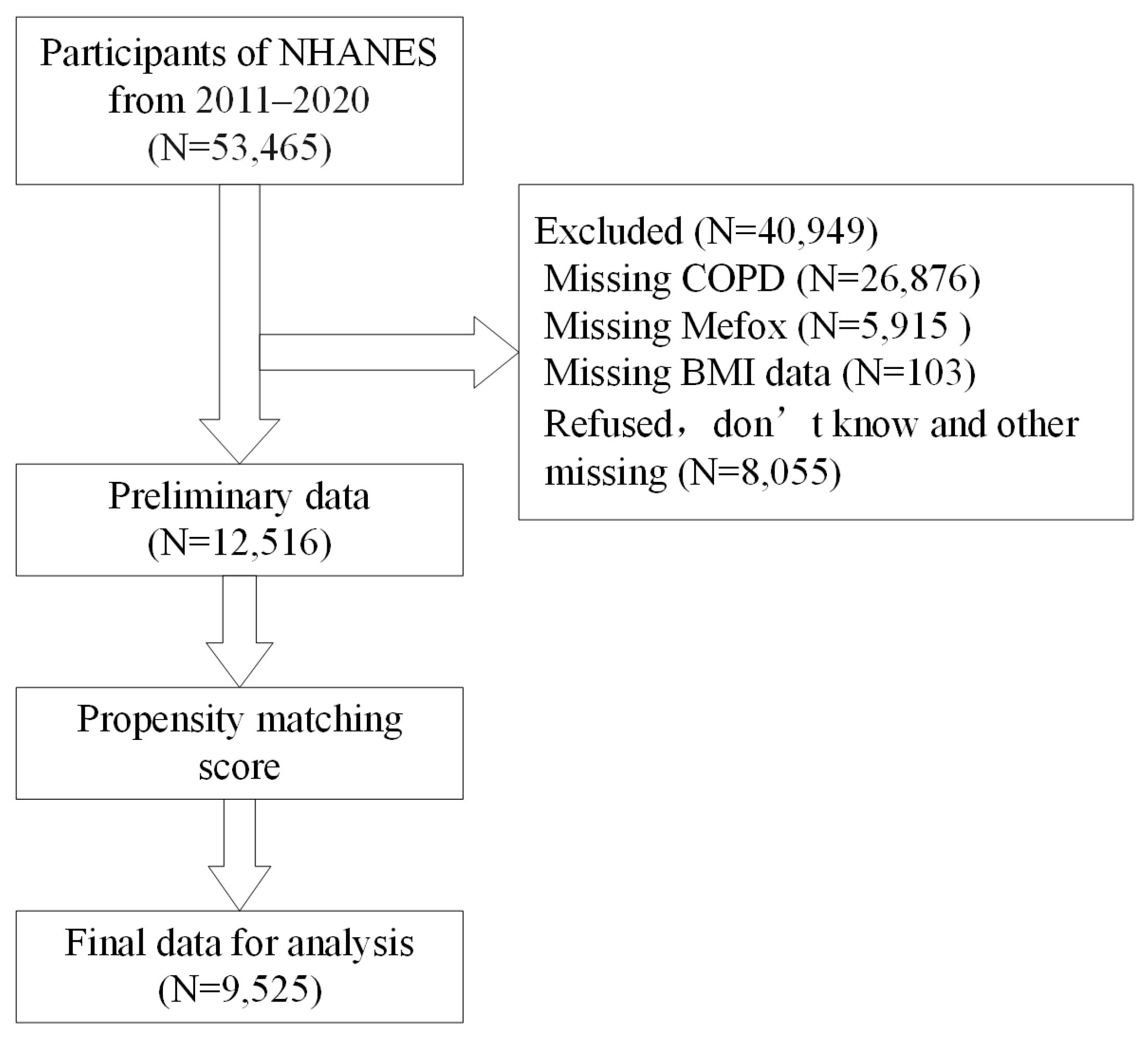
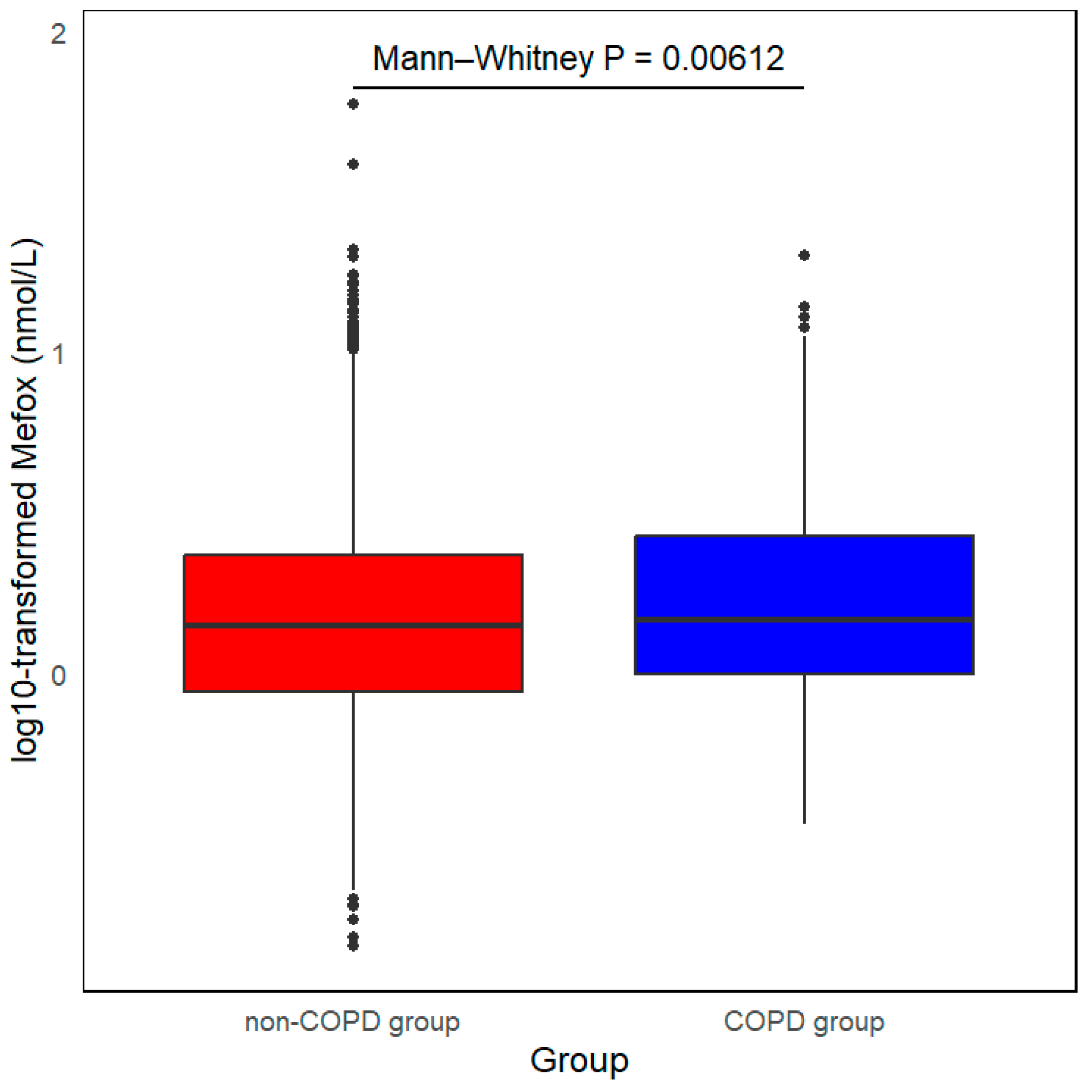
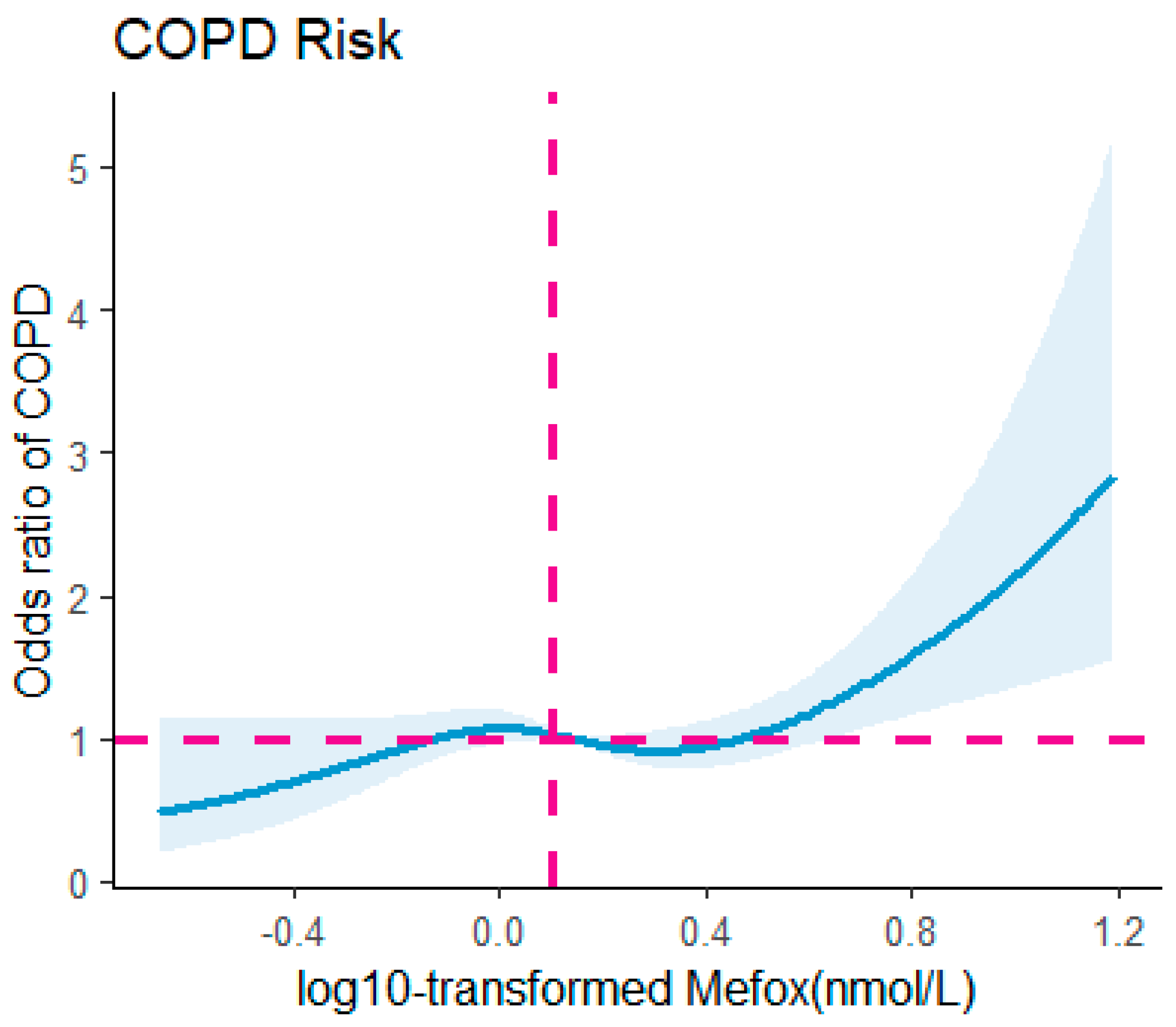
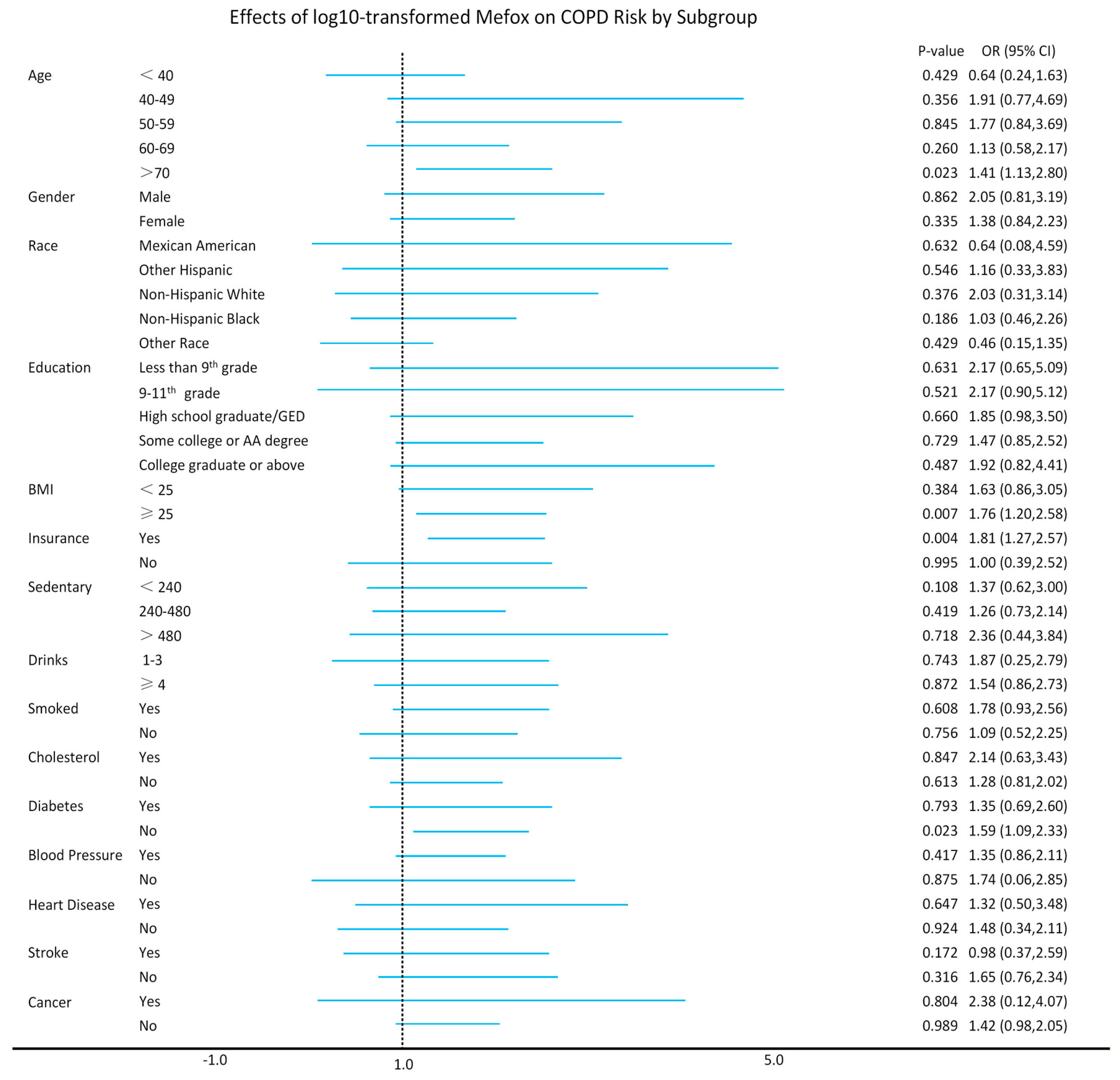
Objective: This study aimed to investigate the relationship between Mefox (a pyrazino-s-triazine derivative of 4α-hydroxy-5-methyl-tetrahydrofolate and an oxidative stress marker derived from folate metabolism) levels and the prevalence of Chronic Obstructive Pulmonary Disease (COPD) using data from the National Health and Nutrition Examination Survey (NHANES) collected between 2011 and 2020. Methods: The analysis included 9525 participants after excluding those with incomplete data. COPD was defined through self-reported diagnoses, while Mefox levels were measured using HPLC-MS/MS techniques. Logistic regression analyses were conducted to assess the association between Mefox and COPD prevalence, with adjustments for demographic and clinical covariates. Restricted cubic spline (RCS) regression models were employed to explore the dose–response relationship. Results: The weighted prevalence of COPD was found to be 4.0%. Higher Mefox levels were significantly associated with increased COPD risk (p = 0.00117, odds ratio [OR] 1.72, 95% confidence interval [CI] 1.24–2.39). A nonlinear association was observed, with risk stability at lower Mefox levels, followed by a significant increase at higher levels. Subgroup analyses revealed consistent associations across demographics, with significant interactions noted in age > 70 years adults and individuals with BMI ≥ 25. Additionally, inflammatory markers showed significant correlations with Mefox levels. Conclusions: The findings highlight a significant association between elevated Mefox levels and increased COPD risk, suggesting that disruptions in folate metabolism and inflammation may play crucial roles in COPD pathogenesis. These results underscore the need for further research to explore potential therapeutic interventions targeting folate metabolism in COPD management.