Abstract
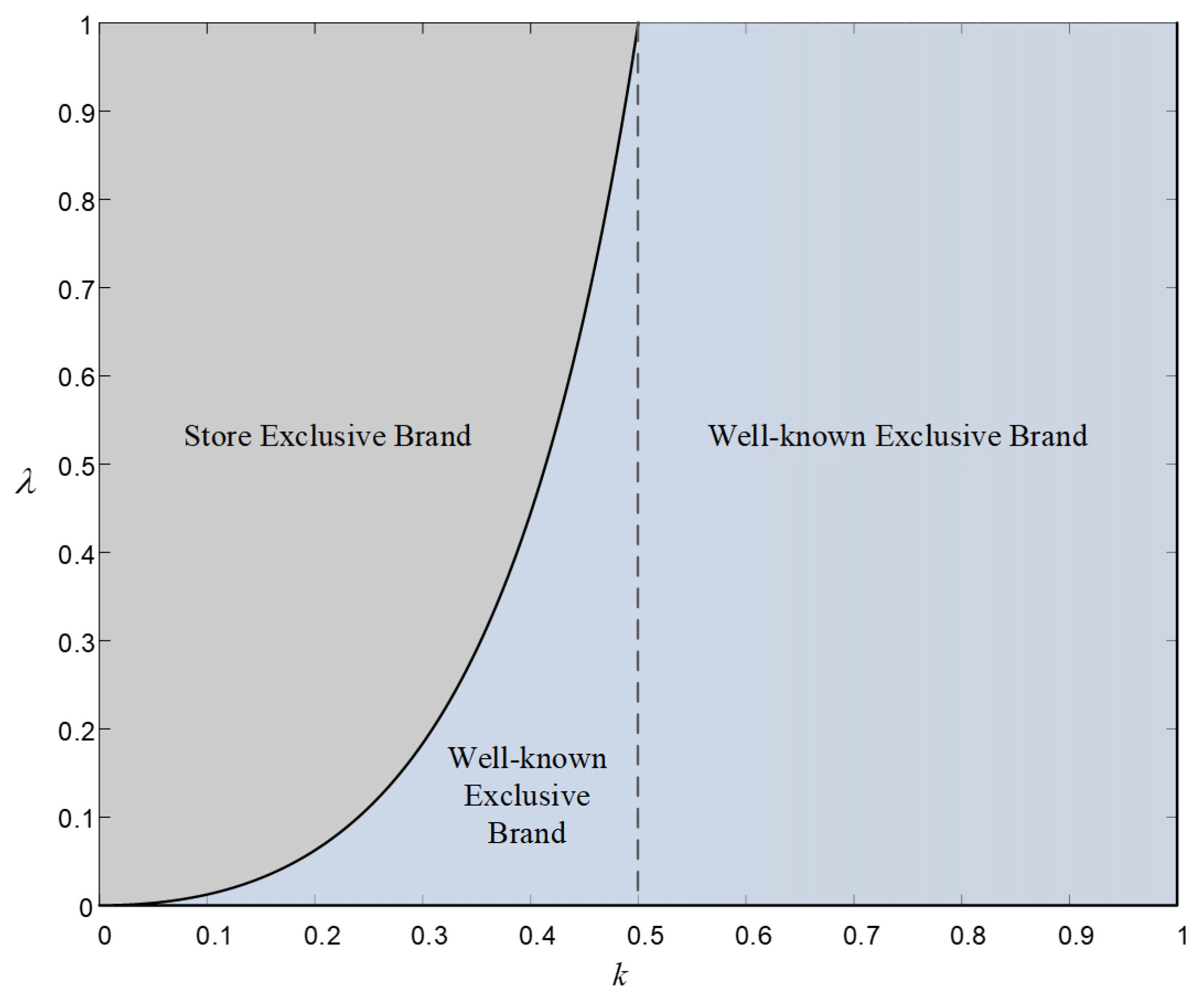
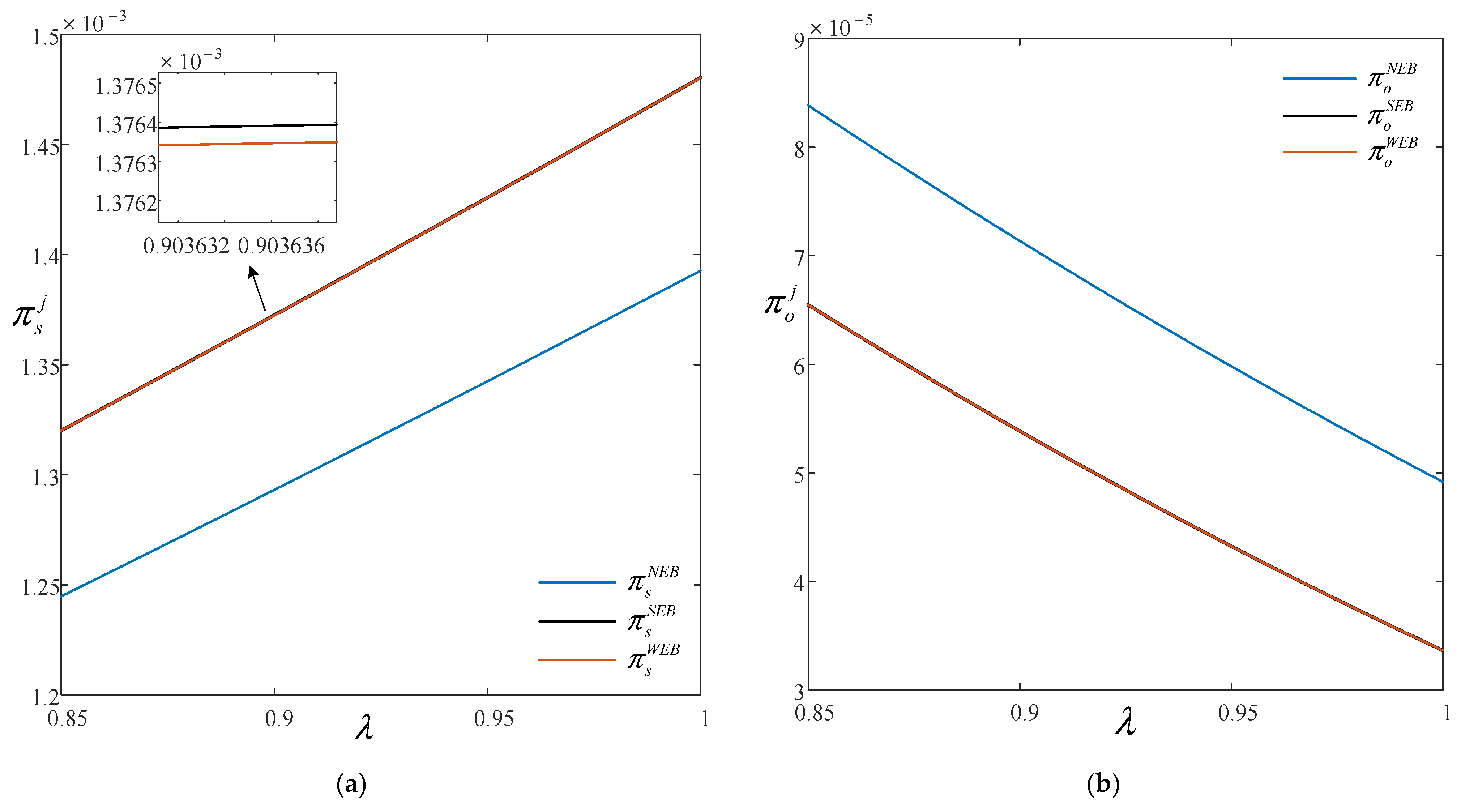
Showrooming behavior on the part of consumers undoubtedly undermines the interests of brick-and-mortar (BM) retailers and hinders the growth of the physical economy. In response to this crisis, BM retailers can employ exclusive product strategies, although the questions of which specific strategy is most beneficial and what factors influence retailers’ choices remain unanswered. Based on utility theory and optimization theory, this paper investigates two strategies: the store exclusive brand (SEB) strategy and the well-known exclusive brand (WEB) strategy. First, we identify the pricing methods for both strategies employed by BM retailers, thereby revealing that the pricing of exclusive products under the SEB strategy should be higher than the corresponding pricing under the WEB strategy, whereas the pricing of nonexclusive products should be the opposite. Moreover, service levels should remain consistent under both strategies. Second, both strategies benefit retailers primarily by increasing their market share; interestingly, this process leads to the same overall growth in market share for BM retailers. Third, our analysis reveals that exclusive strategies always yield higher profits than nonexclusive strategies do. We also address the optimal choice between the SEB strategy and the WEB strategy for BM retailers. This choice depends on the relationship between the probability that a consumer can evaluate and purchase the best-fit product correctly online and the proportion of low-type consumers. If the former probability is low while the latter proportion is high, the SEB strategy is the best strategy. Otherwise, the WEB strategy is superior. Finally, numerical examples are provided to facilitate discussion of the effects of critical parameters on the outcomes of both strategies. Overall, this study explores the application of exclusive product strategies by BM retailers seeking to mitigate the negative effects of showrooming on service-oriented products; this research also emphasizes the crucial factors involved in the process of implementing these two strategies.