Pteridium aquilinum (L.) Kuhn—A Review of Its Toxicology, Pharmacology, and Phytochemistry

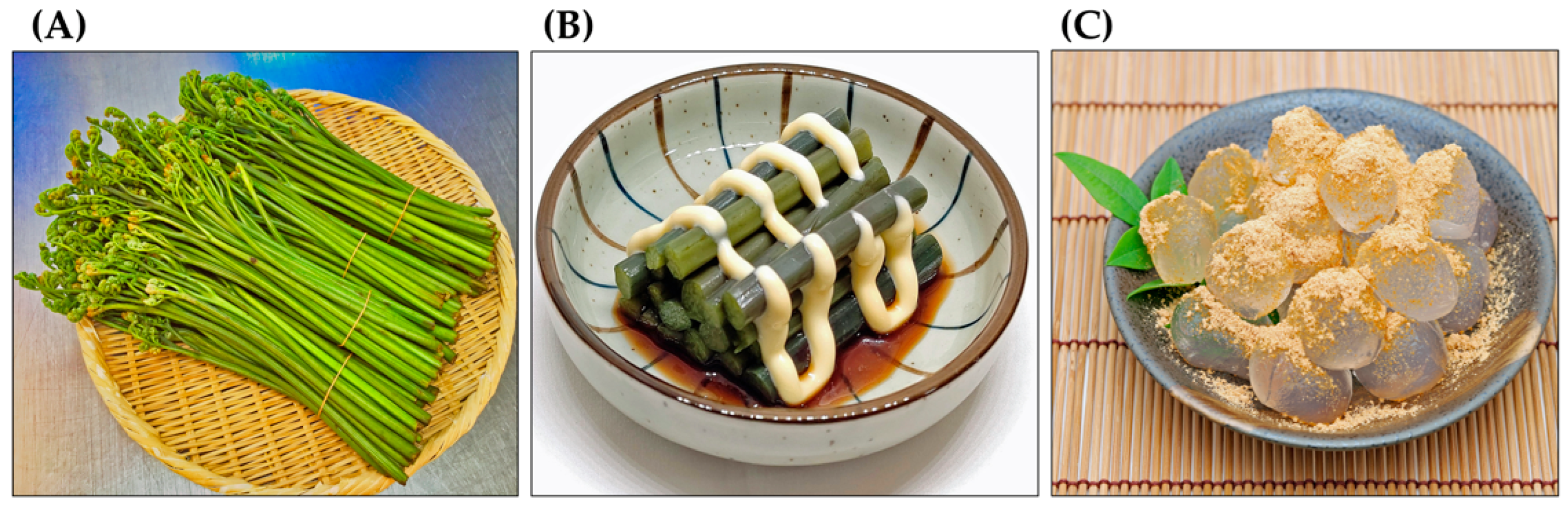
Abstract
1. Introduction
2. Toxicology
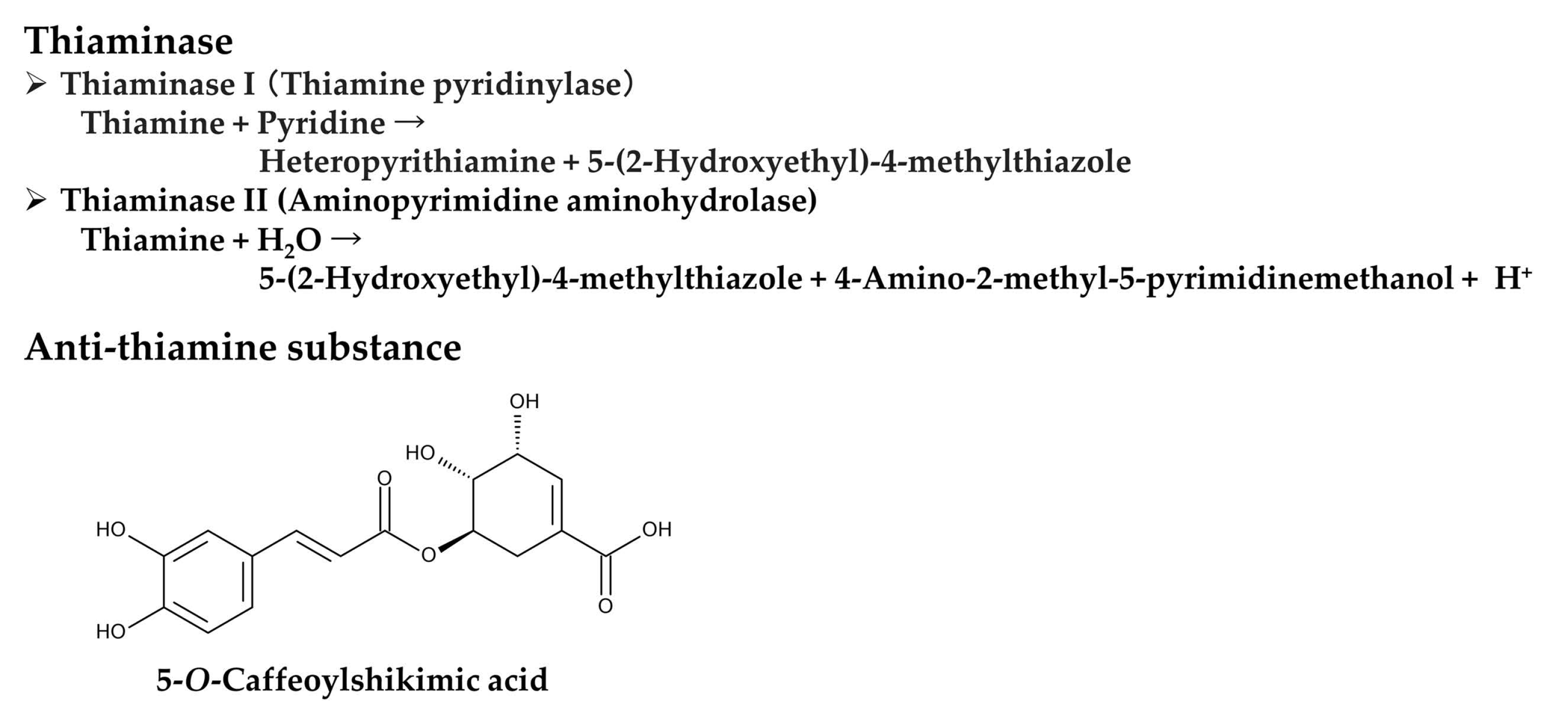
2.1. Anti-Thiamine Factors
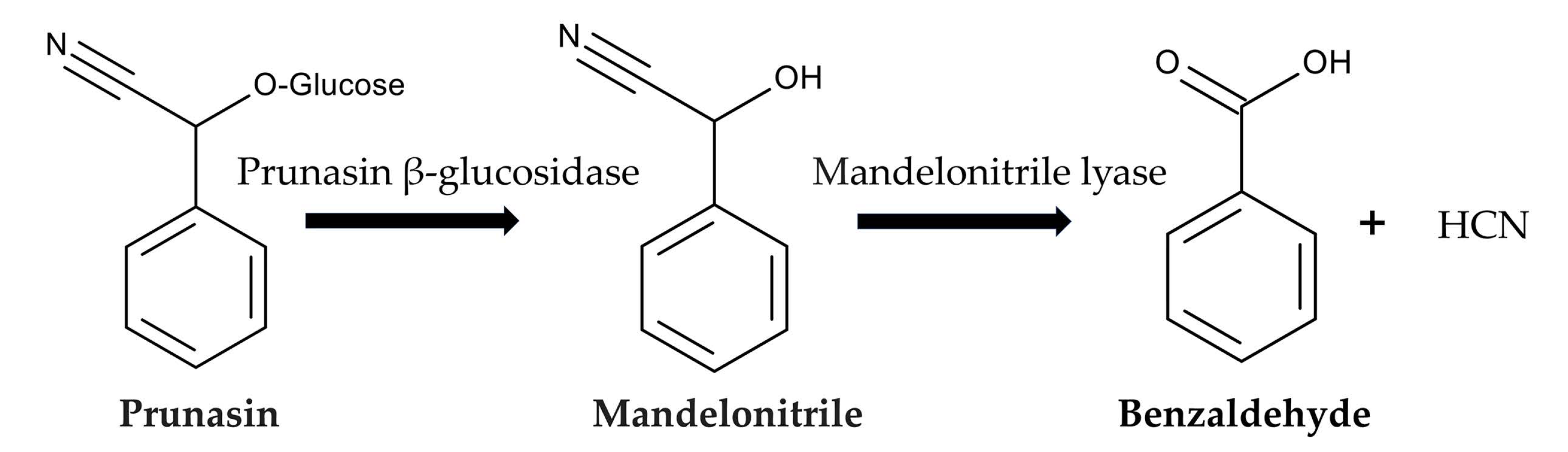
2.2. Cyanogenic Factor
2.3. Carcinogenic Factor
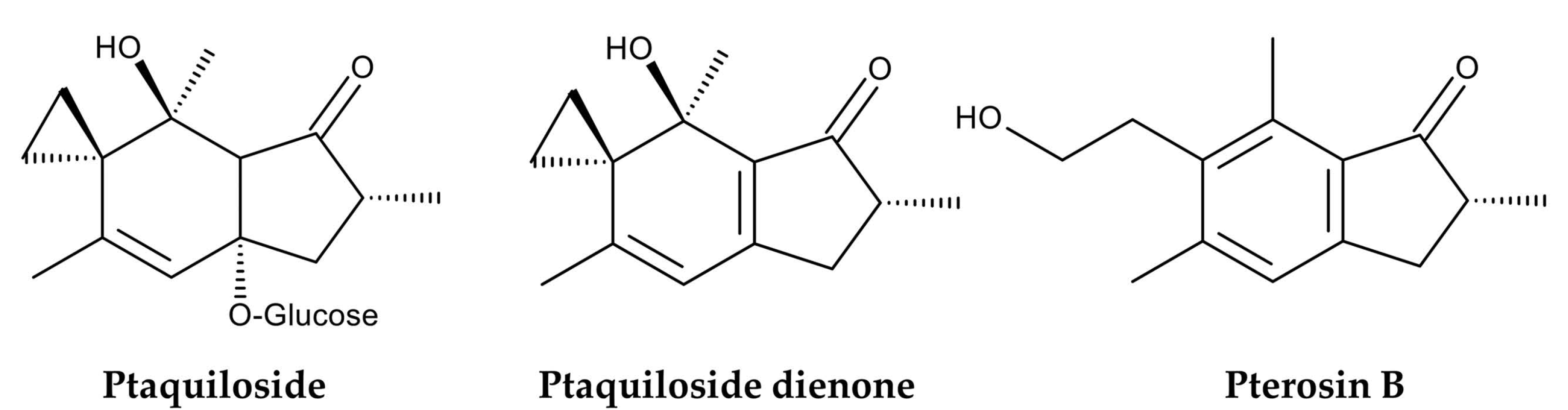
2.3.1. Identification of Ptaquiloside as a Carcinogenic Factor
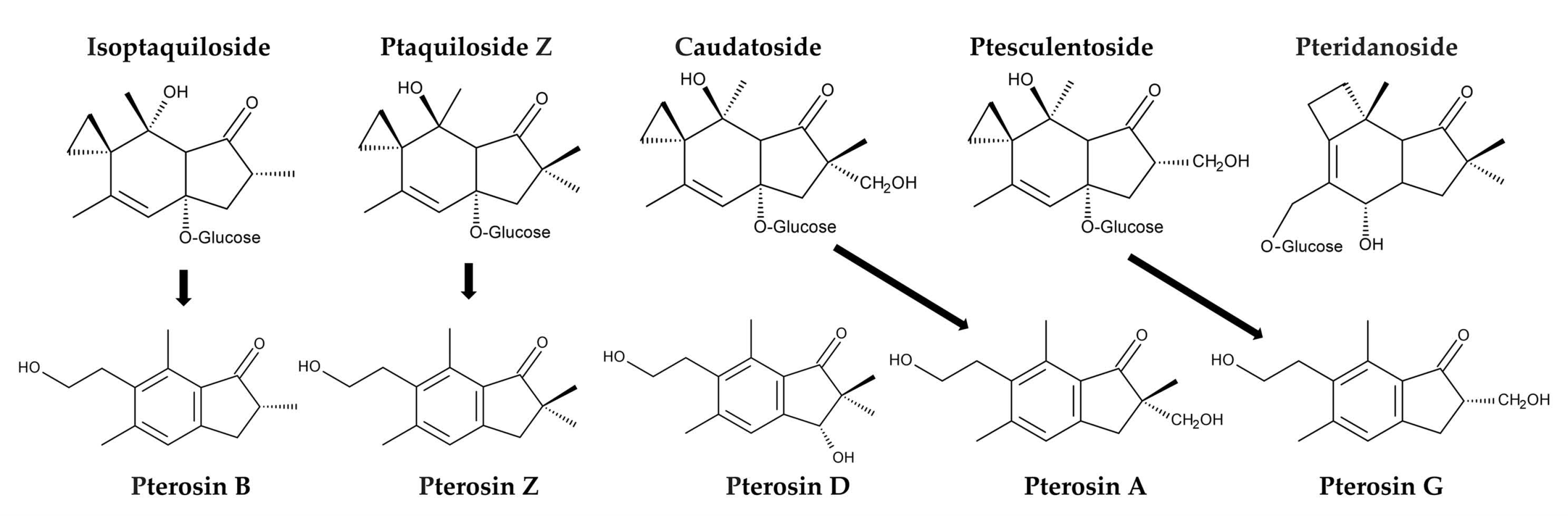
2.3.2. Occurrence of Ptaquiloside
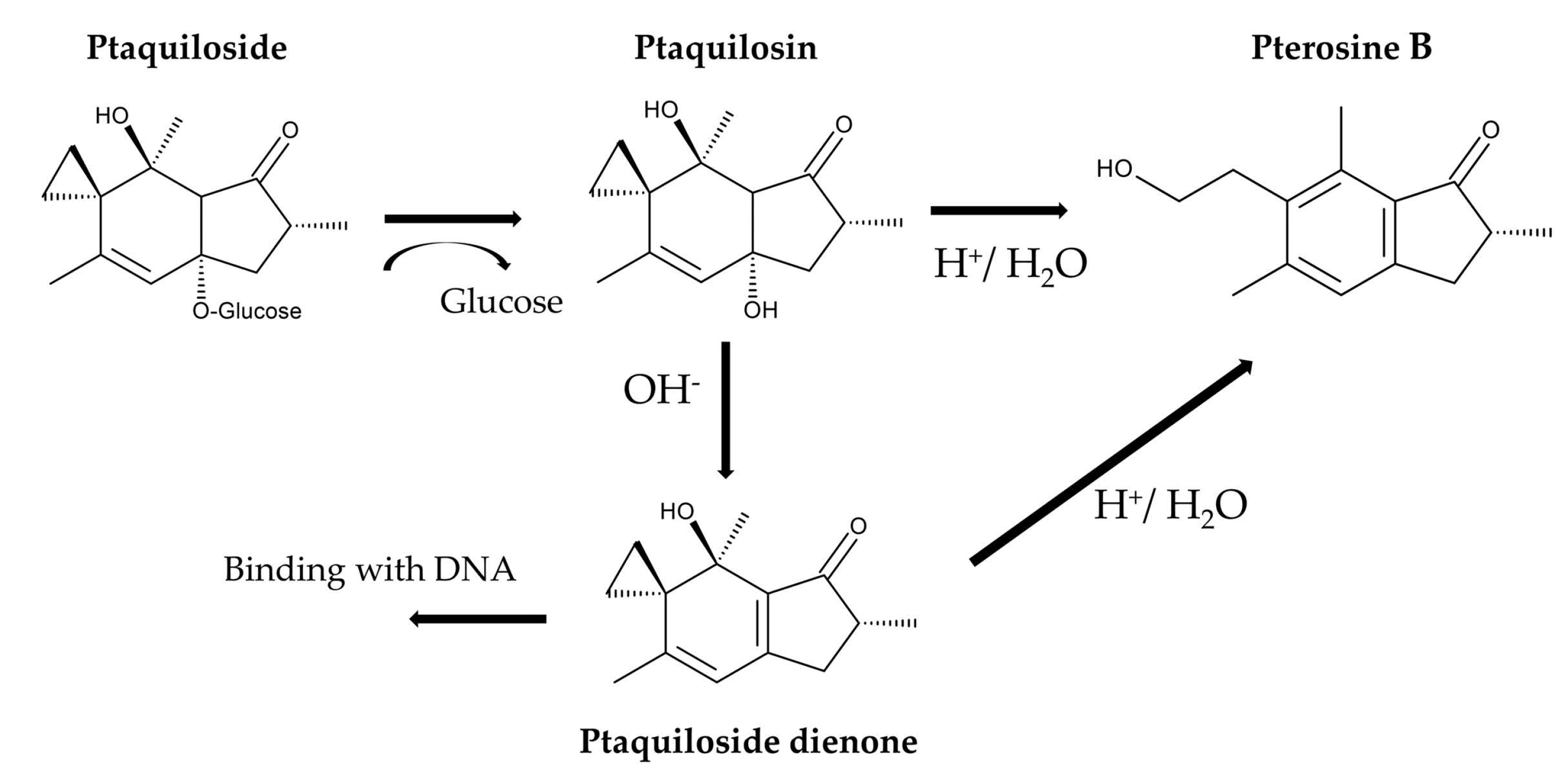
2.3.3. Metabolism of Ptaquiloside
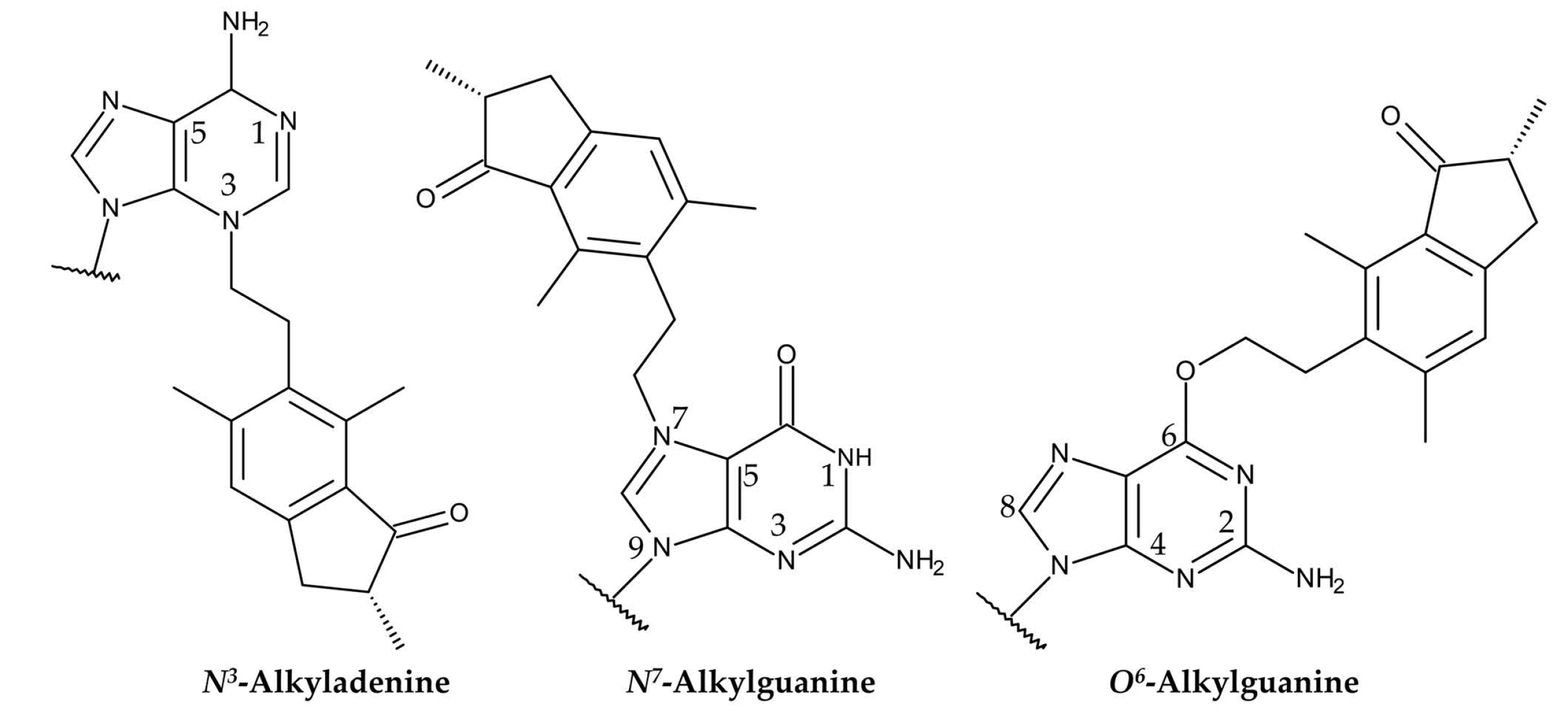
2.3.4. Mode of Action of Ptaquiloside
3. Pharmacology
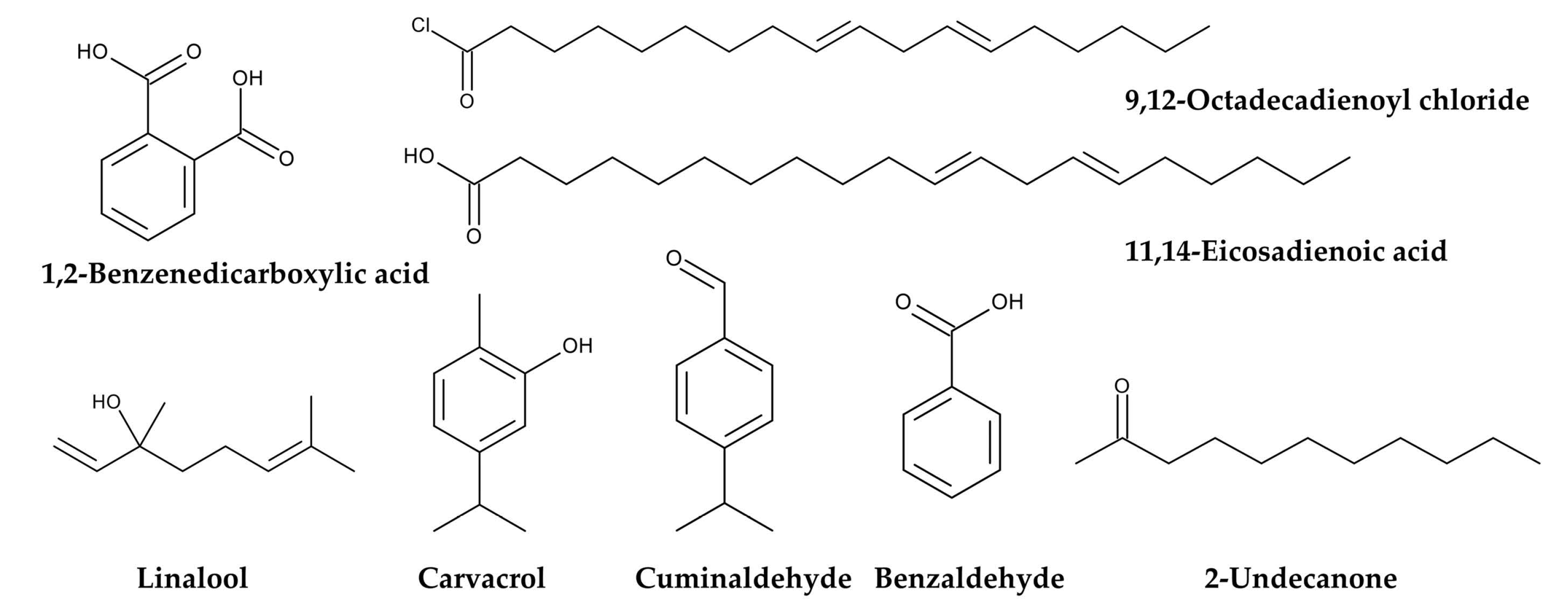
3.1. Antimicrobial and Antiviral Properties
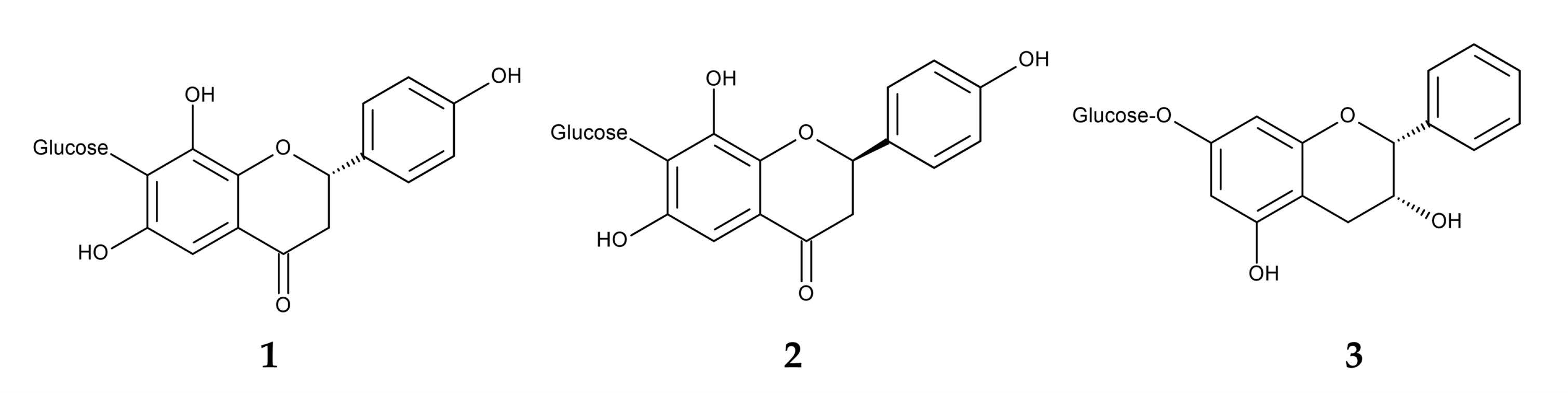
3.2. Antioxidant, Anti-Inflammatory and Immunomodulatory Properties
3.3. Antidepressant Property
3.4. Antidiarrheal Property
3.5. Anticancer Effects and Ptaquiloside
3.6. Pterosin Pharmacology
3.6.1. Anti-Osteoarthritis Property
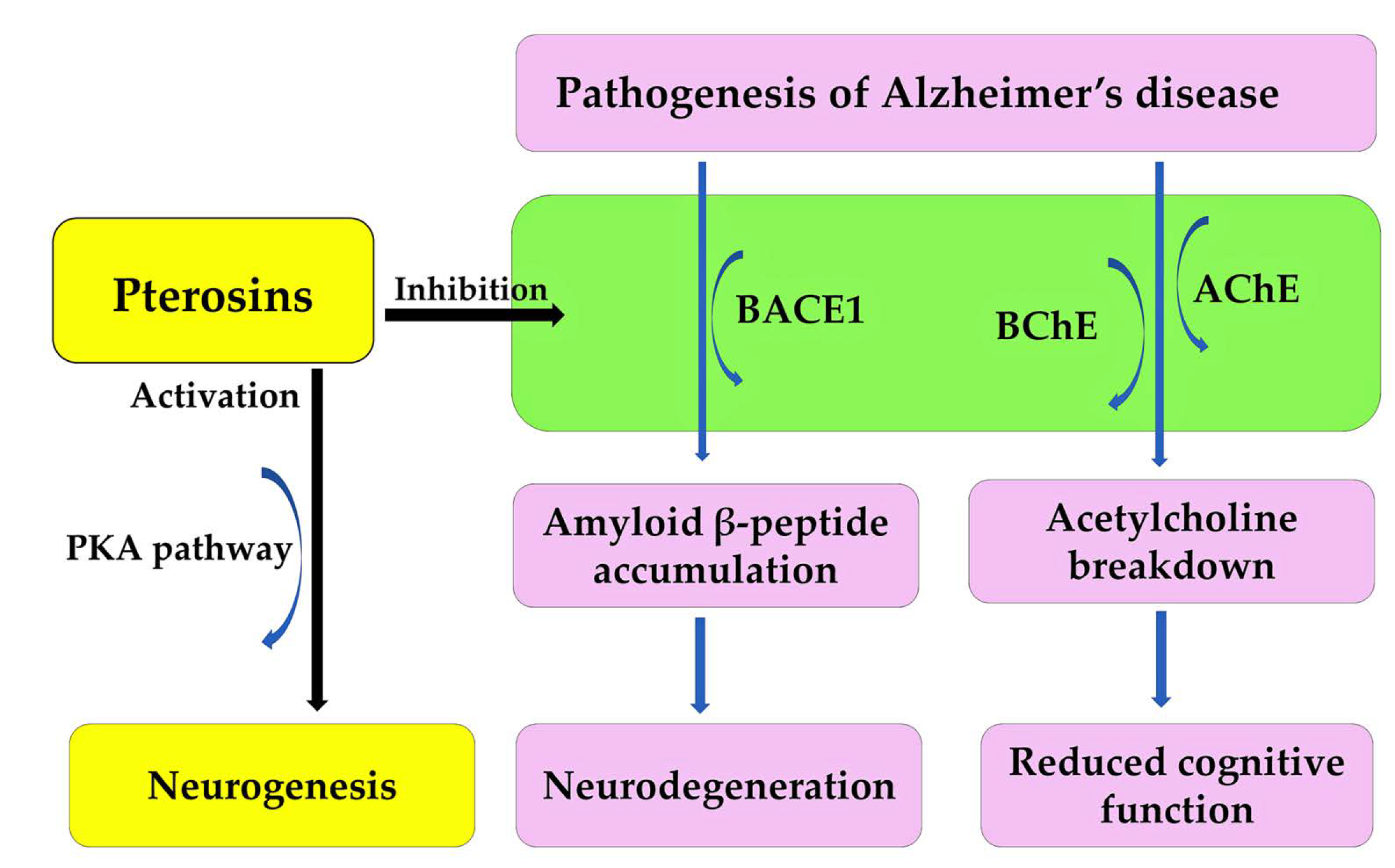
3.6.2. Anti-Alzheimer’s Diseases and Neuroprotective Properties
3.6.3. Anti-Cardiomyocyte Hypertrophy Property
3.6.4. Anti-Diabetic Property
3.6.5. Smooth Muscle Relaxant Property
4. Conclusions
Funding
Data Availability Statement
Conflicts of Interest
References
- Kew Royal Botanical Garden. Pteridium aquilinum (L.) Kuhn. Available online: https://powo.science.kew.org/taxon/urn:lsid:ipni.org:names:17210060-1 (accessed on 21 December 2025).
- EPPO Global Database. Pteridium aquilinum. Available online: https://gd.eppo.int/taxon/PTEAQ (accessed on 21 December 2025).
- Thomson, J.A. Towards a taxonomic revision of Pteridium (Dennstaedtiaceae). Telopea 2004, 10, 793–803. [Google Scholar]
- Zhou, S.; Dong, W.; Chen, X.; Zhang, X.; Wen, J.; Schneider, H. How many species of bracken (Pteridium) are there? Assessing the Chinese brackens using molecular evidence. Taxon 2014, 63, 509–521. [Google Scholar] [CrossRef] [Scilit]
- Schwartsburd, P.B.; Perrie, L.R.; Brownsey, P.; Shepherd, L.D.; Shang, H.; Barrington, D.S.; Sundue, M.A. New insights into the evolution of the fern family Dennstaedtiaceae from an expanded molecular phylogeny and morphological analysis. Mol. Phylogenet. Evol. 2020, 150, 106881. [Google Scholar]
- Dinan, L.; Lafont, F.; Lafont, R. The distribution of phytoecdysteroids among terrestrial vascular plants: A comparison of two databases and discussion of the implications for plant/insect interactions and plant protection. Plants 2023, 12, 776. [Google Scholar] [CrossRef] [Scilit]
- Marrs, R.H.; Watt, A.S. Biological flora of the British isles: Pteridium aquilinum (L.) Kuhn. J. Ecol. 2006, 94, 1272–1321. [Google Scholar] [CrossRef] [Scilit]
- Sheffield, E.; Wolf, P.G.; Rumsey, F.J.; Robson, D.J.; Ranker, T.A.; Challinor, S.M. Spatial distribution and reproductive behaviour of a triploid bracken (Pteridium aquilinum) clone in Britain. Ann. Bot. 1993, 72, 231–237. [Google Scholar] [CrossRef] [Scilit]
- Ekrt, L.; Podroužek, J.; Hornych, O.; Košnar, J.; Koutecký, P. Cytotypes of bracken (Pteridium aquilinum) in Europe: Widespread diploids and scattered triploids of likely multiple origin. Flora 2021, 274, 151725. [Google Scholar] [CrossRef] [Scilit]
- Parks, J.C.; Werth, C.R. A study of spatial features of clones in a population of bracken fern, Pteridium aquilinum (Dennstaedtiaceae). Am. J. Bot. 1993, 80, 537–544. [Google Scholar]
- Fernández, H.; Sierra, L.M. Pteridium aquilinum: A threat to biodiversity and human and animal health. In Ferns: Biotechnology, Propagation, Medicinal Uses and Environmental Regulation; Marimuthu, J., Fernández, H., Kumar, A., Thangaiahm, S., Eds.; Springer Nature: Singapore, 2022; pp. 697–713. [Google Scholar]
- Štefanić, E.; Japundžić-Palenkić, B.; Antunović, S.; Gantner, V.; Zima, D. Botanical characteristics, toxicity and control of bracken fern (Pteridium aquilinum (L.) Kuhn). Zb. Veleuc. Rij. 2022, 10, 467–478. [Google Scholar]
- de Silva, Ú.S.R.D.; Matos, D.M.D.S. The invasion of Pteridium aquilinum and the impoverishment of the seed bank in fire prone areas of Brazilian Atlantic forest. Biodivers. Conserv. 2006, 15, 3035–3043. [Google Scholar] [CrossRef] [Scilit]
- Cox, E.S.; Marrs, R.H.; Pakeman, R.J.; Le Duc, M.G. Factors affecting the restoration of heathland and acid grassland on Pteridium aquilinum—Infested land across the United Kingdom: A multisite study. Restor. Ecol. 2008, 16, 553–562. [Google Scholar]
- Amouzgar, L.; Ghorbani, J.; Shokri, M.; Marrs, R.H.; Alday, J.G. Pteridium aquilinum performance is driven by climate, soil and land-use in Southwest Asia. Folia Geobot. 2020, 55, 301–314. [Google Scholar] [CrossRef] [Scilit]
- Utah State University. Western Bracken Fern. Available online: https://extension.usu.edu/rangeplants/forbs-herbaceous/western-brackenfern (accessed on 21 December 2025).
- PreachBio. Pteridium aquilinum (bracken fern): Structure, Life Cycle, and Ecological Impact of a Widespread Fern Species. Available online: https://www.preachbio.com/2025/02/pteridium-aquilinum-bracken-fern.html (accessed on 21 December 2025).
- Zenkteler, E.; Michalak, K.M.; Nowak, O. Characteristics of indusia and sori in the two subspecies of Pteridium aquilinum (L.) Kuhn. occurring in Poland. Biodiv. Res. Conserv. 2022, 67, 1–8. [Google Scholar]
- Rymer, L. The history and ethnobotany of bracken. Bot. J. Linn. Soc. 1976, 73, 151–176. [Google Scholar] [CrossRef] [Scilit]
- Nwosu, M.O. Ethnobotanical studies on some pteridophytes of southern Nigeria. Econ. Bot. 2002, 56, 255–259. [Google Scholar] [CrossRef] [Scilit]
- Grosu, E.; Ichim, M.C. Turning meadow weeds into valuable species for the Romanian ethnomedicine while complying with the environmentally friendly farming requirements of the European Union’s common agricultural policy. Front. Pharmacol. 2020, 11, 529. [Google Scholar] [CrossRef] [Scilit]
- Huang, Y.; Yang, J.; Zhao, G.; Shama, Z.; Ge, Q.; Yang, Y.; Yang, J. Modeling the future of a wild edible fern under climate change: Distribution and cultivation zones of Pteridium aquilinum var. latiusculum in the Dadu—Min River Region. Plants 2025, 14, 2123. [Google Scholar]
- Dioscorides. De Materia Medica. Available online: https://ia802907.us.archive.org/16/items/de-materia-medica/scribd-download.com_dioscorides-de-materia-medica.pdf (accessed on 21 December 2025).
- Mannan, M.M.; Maridass, M.; Victor, B. A review on the potential uses of ferns. Ethnobot. Leafl. 2008, 12, 281–285. [Google Scholar]
- Goswami, H.K.; Sen, K.; Mukhopadhyay, R. Pteridophytes: Evolutionary boon as medicinal plants. Plant Genet. Res. 2016, 14, 328–355. [Google Scholar]
- Madeja, J.; Harmata, K.; Kołaczek, P.; Karpińska-Kołaczek, M.; Piątek, K.; Naks, P. Bracken (Pteridium aquilinum (L.) Kuhn), mistletoe (Viscum album (L.)) and bladder-nut (Staphylea pinnata (L.))—Mysterious plants with unusual applications. Cultural and ethnobotanical studies. Cultural and ethnobotanical studies. In Plants and Culture: Seeds of the Cultural Heritage of Europe; Morel, J.M., Mercur, A.M., Eds.; EDIPUGLIA: Brussels, Belgium, 2009; pp. 2007–2015. [Google Scholar]
- Ibadullayeva, S.; Shiraliyeva, G.S.; Askerova, N.A.; Mammadova, H.C. Pteridophytes: Ethnobotanical use and active chemical composition. Indian J. Tradit. Knowl. 2022, 21, 353–359. [Google Scholar] [CrossRef] [Scilit]
- Nwiloh, B.I.; Monago-Ighorodje, C.C.; Onwubiko, G.N. Analyses of bioactive compounds in fiddleheads of Pteridium aquilinum L. Kuhn collected from Khana, Southern Nigeria, using gas chromatography-flame ionization detector. J. Pharmacogn. Phytochem. 2020, 9, 1079–1086. [Google Scholar]
- Baskaran, X.R.; Geo Vigila, A.V.; Zhang, S.Z.; Feng, S.X.; Liao, W. A review of the use of pteridophytes for treating human ailments. J. Zhejiang Univ. Sci. B 2018, 19, 85–119. [Google Scholar]
- Giri, P.; Kumari, P.; Sharma, P.; Uniyal, P.L. Ethnomedicinal uses of pteridophytes for treating various human ailments in India. New Vistas Indian Flora 2021, 2, 199–212. [Google Scholar]
- Viegi, L.; Pieroni, A.; Guarrera, P.M.; Vangelisti, R. A review of plants used in folk veterinary medicine in Italy as basis for a databank. J. Ethnopharmacol. 2003, 89, 221–244. [Google Scholar] [CrossRef] [Scilit]
- Vetter, J. A biological hazard of our age: Bracken fern [Pteridium aquilinum (L.) Kuhn]—A review. Acta Vet. Hung. 2009, 57, 183–196. [Google Scholar]
- Nekrasov, E.V.; Svetashev, V.I. Edible far Eastern ferns as a dietary dource of long-chain polyunsaturated fatty acids. Foods 2021, 10, 1220. [Google Scholar]
- Osawa, Y. Ethnobotanical review of traditional use of wild food plants in Japan. J. Ethnobiol. Ethnomed. 2024, 20, 100. [Google Scholar]
- Li, K.; Zhang, T.; Ren, H.; Zhao, W.; Hong, S.; Ge, Y.; Li, X.; Corke, H. Structural and physicochemical properties of bracken fern (Pteridium aquilinum) starch. Front. Nutr. 2023, 10, 1201357. [Google Scholar] [CrossRef] [Scilit]
- Useful Tropical Plants Database. Pteridium aquilinum. Available online: https://tropical.theferns.info/viewtropical.php?id=Pteridium+aquilinum (accessed on 21 December 2025).
- Liu, Y.; Wujisguleng, W.; Long, C. Food uses of ferns in China: A review. Acta Soc. Bot. Pol. 2012, 81, 263–270. [Google Scholar] [CrossRef] [Scilit]
- Malik, M.; Mika, O.J.; Navratilova, Z.; Killi, U.K.; Tlustoš, P.; Patočka, J. Health and environmental hazards of the toxic Pteridium aquilinum (L.) Kuhn (bracken fern). Plants 2024, 13, 18. [Google Scholar]
- Agarwal, K.; Haldar, S.; Boland, W.; Venkatesan, R. Chemical ecology of bracken ferns. In Ferns: Ecology, Importance to Humans and Threats; Nowicki, L., Kowalska, A., Eds.; Nova Science Publishers: Hauppauge, NY, USA, 2018; pp. 58–96. [Google Scholar]
- Smith, B.L.; Lauren, D.R.; Prakash, A.S. Bracken fern (Pteridium) toxicity in animal and human health. In Bracken Fern: Toxicity, Biology and Control; Taylor, J.A., Smith, R.T., Eds.; IBG: Aberystwyth, UK, 2000; pp. 76–85. [Google Scholar]
- Da Costa, R.G.; Bastos, M.M.; Oliveira, P.A.; Lopes, C. Bracken-associated human and animal health hazards: Chemical, biological and pathological evidence. J. Hazard. Mater. 2012, 203, 1–12. [Google Scholar] [CrossRef] [Scilit]
- Kigoshi, H.; Tanaka, H.; Hirokawa, J.; Mizuta, K.; Yamada, K. Synthesis of analogs of a bracken ultimate carcinogen and their DNA cleaving activities. Tetrahedron Lett. 1992, 33, 6647–6650. [Google Scholar] [CrossRef] [Scilit]
- International Agency for Research on Cancer. List of Classifications, Bracken Fern. Available online: https://monographs.iarc.who.int/list-of-classifications (accessed on 21 December 2025).
- Alonso-Amelot, M.E.; Avendaño, M. Human carcinogenesis and bracken fern: A review of the evidence. Curr. Medi. Chem. 2002, 9, 675–686. [Google Scholar] [CrossRef] [Scilit]
- Da Costa, R.M.G.; Povey, A.; Medeiros-Fonseca, B.; Ramwell, C.; O’Driscoll, C.; Williams, D.; Hansen, H.C.B.; Rasmussen, L.H.; Fletcher, M.T.; O’Connor, P.; et al. Sixty years of research on bracken fern (Pteridium spp.) toxins: Environmental exposure, health risks and recommendations for bracken fern control. Environ. Res. 2024, 257, 119274. [Google Scholar] [CrossRef] [Scilit]
- Waret-Szkuta, A.; Jégou, L.; Lucas, M.N.; Gaide, N.; Morvan, H.; Martineau, G.P. A case of eagle fern (Pteridium aquilinum) poisoning on a pig farm. Porc. Health Manag. 2021, 7, 2. [Google Scholar] [CrossRef] [Scilit]
- Roudsari, M.T.; Bahrami, A.R.; Dehghani, H.; Iranshahi, M.; Matin, M.M.; Mahmoudi, M. Bracken-fern extracts induce cell cycle arrest and apoptosis in certain cancer cell lines. Asian Pac. J. Cancer Prev. 2012, 13, 6047–6053. [Google Scholar] [CrossRef] [Scilit]
- Williams, C.; Allison, S.J.; Phillips, R.M.; Linley, P.A.; Wright, C.W. An efficient method for the isolation of toxins from Pteridium aquilinum and evaluation of ptaquiloside against cancer and non-cancer cells. Planta Med. 2021, 87, 892–895. [Google Scholar] [CrossRef] [Scilit]
- Yahara, Y.; Takemori, H.; Okada, M.; Kosai, A.; Yamashita, A.; Kobayashi, T.; Fujita, K.; Itoh, Y.; Nakamura, M.; Fuchino, H.; et al. Pterosin B prevents chondrocyte hypertrophy and osteoarthritis in mice by inhibiting Sik3. Nat. Commun. 2016, 7, 10959. [Google Scholar] [CrossRef] [Scilit]
- Gopinath, L. Outsmarting Alzheimer’s disease. Chem. Br. 1998, 34, 38–40. [Google Scholar]
- Wang, Y.D.; Xu, L.R.; Wen, L.J.; Ma, W.L.; You, S.Z.; He, K.R.; Yang, K.X. Studies on experimental bovine bracken poisoning. Acta Vet Zootech. Sin. 1984, 15, 235–239. [Google Scholar]
- Smith, B.L. Bracken fern (genus Pteridium) toxicity—A global problem. In Poisonous Plants and Related Toxins; Acamovic, T., Stewart, C.S., Pennycott, T.W., Eds.; CAB International: Wallingford, PA, USA, 2004; pp. 224–240. [Google Scholar]
- Cranwell, M.P. Bracken poisoning. Cattle Pract. 2004, 12, 205–207. [Google Scholar]
- Carvalho, T.; Pinto, C.; Peleteiro, M.C. Urinary bladder lesions in bovine enzootic haematuria. J. Comp. Pathol. 2006, 134, 336–346. [Google Scholar] [CrossRef] [Scilit]
- Plessers, E.; Pardon, B.; Deprez, P.; De Backer, P.; Croubels, S. Acute hemorrhagic syndrome by bracken poisoning in cattle in Belgium. Vlaams Diergeneeskd. Tijdschr. 2013, 82, 31–37. [Google Scholar]
- Hirono, I.; Ito, M.; Yagyu, S.; Haga, M.; Wakamatsu, K.; Kishikawa, T.; Nishikawa, O.; Yamada, K.; Ojika, M.; Kigoshi, H. Reproduction of progressive retinal degeneration (bright blindness) in sheep by administration of ptaquiloside contained in bracken. J. Vet. Med. Sci. 1993, 55, 979–983. [Google Scholar] [CrossRef] [Scilit]
- Stegelmeier, B.L.; Field, R.; Panter, K.E.; Hall, J.O.; Welch, K.D.; Pfister, J.A.; Gardner, D.R.; Lee, S.T.; Colegate, S.; Davis, T.Z.; et al. Selected poisonous plants affecting animal and human health. In Haschek and Rousseaux’s Handbook of Toxicologic Pathology, 3rd ed.; Haschek, W.M., Rousseaux, C.G., Wallig, M.A., Eds.; Academic Press: Boston, MA, USA, 2013; pp. 1259–1314. [Google Scholar]
- Evans, W.C. Bracken Thiaminase—Mediated neurotoxic syndromes. Bot. J. Linn. Soc. 1976, 73, 113–131. [Google Scholar]
- Riet-Correa, F.; Saures, M.P.; del Mendez, M.C. Intoxications of horses in Brazil. Cienc. Rural 1998, 28, 715–722. [Google Scholar] [CrossRef] [Scilit]
- Caloni, F.; Cortinovis, C. Plants poisonous to horses in Europe. Equine Vet. Educ. 2015, 27, 269–274. [Google Scholar]
- Hirono, I.; Fujimoto, M.; Yamada, K.; Yoshida, Y.; Ikagawa, M. Induction of tumors in ACI rats given a diet containing ptaquiloside, a bracken carcinogen. J. Natl. Cancer Inst. 1987, 79, 1143–1149. [Google Scholar]
- Rao, D.S.T.; Joshi, H.C.; Kumar, M.; Singh, G.K. Pathological studies on brackenfern (Pteris aquilina) induced haematuria in calves and rats. Ind. J. Anim. Sci. 1990, 60, 654–656. [Google Scholar]
- Gounalan, S.; Somwanshi, R.; Kumar, R.; Dash, S.; Devi, V. Clinico-pathological effects of bracken fern (Pteridium aquilinum) feeding in laboratory rats. Ind. J. Anim. Sci. 1999, 69, 385–388. [Google Scholar]
- Latorre, A.O.; Furlan, M.S.; Sakai, M.; Fukumasu, H.; Hueza, I.M.; Haraguchi, M.; Górniak, S.L. Immunomodulatory effects of Pteridium aquilinum on natural killer cell activity and select aspects of the cellular immune response of mice. J. Immunotoxicol. 2009, 6, 104–114. [Google Scholar] [CrossRef] [Scilit] [PubMed]
- Caniceiro, B.D.; Latorre, A.O.; Fukumasu, H.; Sanches, D.S.; Haraguchi, M.; Gorniak, S.L. Immunosuppressive effects of Pteridium aquilinum enhance susceptibility to urethane-induced lung carcinogenesis. J. Immunotoxicol. 2015, 12, 74–80. [Google Scholar] [CrossRef] [Scilit]
- Evans, W.C.; Widdop, B.; Harding, J.D.J. Experimental poisoning by bracken rhizomes in pigs. Vet. Rec. 1972, 90, 471–475. [Google Scholar] [CrossRef] [Scilit]
- Bringuier, P.P.; Piaton, E.; Berger, N.; Debruyne, F.; Perrin, P.; Schalken, J.; Devonec, M. Bracken fern-induced bladder tumors in guinea pigs. A model for human neoplasia. Am. J. Pathol. 1995, 147, 858. [Google Scholar]
- Fenwick, G.R. Bracken (Pteridium aquilinum)—Toxic effects and toxic constituents. J. Sci. Food Agric. 1989, 46, 147–173. [Google Scholar] [CrossRef] [Scilit]
- Khrishna, L.; Dawra, R.K. Bracken fern induced carcinoma in guinea pigs. Indian J. Vet. Pathol. 1994, 18, 21–26. [Google Scholar]
- Gounalan, S.; Somwanshi, R.; Kataria, M.; Bisht, G.S.; Smith, B.L.; Lauren, D.R. Effect of bracken (Pteridium aquilinum) and dryopteris (Dryopteris juxtaposita) fern toxicity in laboratory rabbits. Ind. J. Exp. Biol. 1999, 37, 980–985. [Google Scholar]
- Hirono, I.; Shibuya, C.; Shimizu, M.; Fushimi, K. Carcinogenic activity of processed bracken used as human food. J. Natl. Cancer Inst. 1972, 48, 1245–1250. [Google Scholar] [PubMed]
- Hirono, I.; Ushimaru, Y.; Kato, K.; Mori, H.; Sasaoka, I. Carcinogenicity of boiling water extract of bracken, Pteridium aquilinum. Jan. J. Cancer Res. 1978, 69, 383–388. [Google Scholar]
- Lee, C.H.; Shin, S.L. Functional activities of ferns for human health. In Working with Ferns: Issues and Applications; Kumar, A., Fernández, H., Revilla, M.A., Eds.; Springer: New York, NY, USA, 2010; pp. 347–359. [Google Scholar]
- Fattal-Valevski, A. Thiamine (vitamin B1). J. Evid. Based Complement. Altern. Med. 2011, 16, 12–20. [Google Scholar]
- Mrowicka, M.; Mrowicki, J.; Dragan, G.; Majsterek, I. The importance of thiamine (vitamin B1) in humans. Biosci. Rep. 2023, 43, BSR20230374. [Google Scholar] [CrossRef] [Scilit] [PubMed]
- Roberts, H.E.; Evans, E.T.; Evans, J.W.C. The production of “bracken staggers” in the horse and its treatment by B1 therapy. Vet. Rec. 1949, 61, 549–550. [Google Scholar]
- Evans, E.T.; Evans, W.C.; Roberts, H.E. Studies on bracken poisoning in the horse. Brit. Vet. J. 1951, 107, 364–371. [Google Scholar] [CrossRef] [Scilit]
- Evans, W.C.; Evans, I.A.; Humphreys, D.J.; Lewin, B.; Davies, W.E.J.; Axford, R.F.E. Induction of thiamine deficiency in sheep, with lesions similar to those of cerebrocortical necrosis. J. Comp. Pathol. 1975, 85, 253–267. [Google Scholar] [CrossRef] [Scilit]
- Meyer, P. Thiaminase activities and thiamine content of Pteridium aquilinum, Equisetum ramossisimum, Malva parviflora, Pennisetum clandestinum and Medicago sativa. J. Vet. Res. 1984, 56, 145–146. [Google Scholar]
- MetaCyc. Aminopyrimidine Aminohydrolase. Available online: https://biocyc.org/META/substring-search?type=NIL&object=3.5.99.2 (accessed on 21 December 2025).
- MetaCyc. Thiamine Pyridinylase. Available online: https://biocyc.org/META/substring-search?type=NIL&object=2.5.1.2 (accessed on 21 December 2025).
- Fukuoka, M. Chemical and toxicological studies on bracken fern, Pteridium aquilinum var. latiusculum. VI. Isolation of 5-O-caffeoylshikimic acid as an antithiamine factor. Chem. Pharm. Bull. 1982, 30, 3219–3224. [Google Scholar] [CrossRef] [Scilit]
- Schreiner, I.; Nafus, D.; Pimentel, D. Effects of cyanogenesis in bracken fern (Pteridium aquilinum) on associated insects. Ecol. Entomol. 1984, 9, 69–79. [Google Scholar] [CrossRef] [Scilit]
- Cooper-Driver, G.; Finch, S.; Swain, T.; Bernays, E. Seasonal variation in secondary plant compounds in relation to the palatability of Pteridium aquilinum. Biochem. Syst. Ecol. 1977, 5, 177–183. [Google Scholar] [CrossRef] [Scilit]
- Alonso-Amelot, M.E.; Oliveros, A. A method for the practical quantification and kinetic evaluation of cyanogenesis in plant material. Application to Pteridium aquilinum and Passiflora capsularis. Phytochem. Anal. 2000, 11, 309–316. [Google Scholar] [CrossRef] [Scilit]
- Cressey, P.; Reeve, J. Metabolism of cyanogenic glycosides: A review. Food Chem. Toxicol. 2019, 125, 225–232. [Google Scholar] [CrossRef] [Scilit]
- Hartanti, D.; Cahyani, A.N. Plant cyanogenic glycosides: An overview. J. Farm. Il. Kes. 2020, 5, 1–6. [Google Scholar]
- MetaCyc. Prunasin β-Glucosidase (EC 3.2.1.118). Available online: https://biocyc.org/META/substring-search?type=NIL&object=3.2.1.118 (accessed on 21 December 2025).
- MetaCyc. Mandelonitrile Lyase (EC 4.1.2.10). Available online: https://biocyc.org/META/substring-search?type=NIL&object=4.1.2.10 (accessed on 21 December 2025).
- Alonso-Amelot, M.E.; Oliveros-Bastidas, A. Kinetics of the natural evolution of hydrogen cyanide in plants in neotropical Pteridium arachnoideum and its ecological significance. J. Chem. Ecol. 2005, 31, 315–331. [Google Scholar] [CrossRef] [Scilit]
- European Food Safety Authority. Available online: https://efsa.onlinelibrary.wiley.com/doi/10.2903/j.efsa.2017.5004 (accessed on 21 December 2025).
- National Institutes of Health. Acute Exposure Guideline Levels for Selected Airborne Chemicals: Hydrogen Cyanide. Available online: https://www.ncbi.nlm.nih.gov/books/NBK207601/ (accessed on 21 December 2025).
- Rosenberger, G. Adlerfarn (Pteris aquilina)-die Ursache des sog. Stallrotes der Rinder Haematuria vesicalis bovis chronica. Dtsch. Tierarztl. Wochenschr. 1960, 8, 201–208. [Google Scholar]
- Evans, I.A.; Mason, J. Carcinogenic activity of bracken. Nature 1965, 208, 913–914. [Google Scholar] [CrossRef] [Scilit] [PubMed]
- Pamakcu, A.M.; Price, J.M. Introduction of urinary bladder cancer in rats by feeding bracken fern (Pteridium aquilinum). J. Natl. Cancer Inst. 1969, 43, 275–281. [Google Scholar]
- Hirono, I.; Shibuya, C.; Fushimi, K.; Haga, M. Studies on carcinogenic properties of bracken (Pteridium aquilinum). J. Natl. Cancer Inst. 1970, 45, 179–188. [Google Scholar]
- Georgiev, R.; Vrigasov, A.; Antonov, A.; Dimitrov, A. Versuche zur Feststellung der Anwesenheit kanzerogener Stoffe im Harn der mit Heu aus Hamaturiegebieten gefutterten Kuhe. Wien. Tierarztl. Monantsschr. 1963, 50, 589–595. [Google Scholar]
- Niwa, H.; Ojika, M.; Wakamatsu, K.; Yamada, K.; Hirono, I.; Matsushita, K. Ptaquiloside, a novel norsesquiterpene glucoside from bracken (Pteridium aquilinum var. latiusculum). Tetrahedron Lett. 1983, 24, 4117–4120. [Google Scholar] [CrossRef] [Scilit]
- Van der Hoeven, J.C.M.; Lagerweij, W.J.; Posthumus, M.A.; Van Veldhuizen, A.; Holterman, H.A.J. Aquilide A, a new mutagenic compound isolated from bracken fern (Pteridium aquilinum). Carcinogenesis 1983, 4, 1587–1590. [Google Scholar] [CrossRef] [Scilit]
- Hirono, I.; Yamada, K.; Niwa, N.; Shizuri, M.; Ojika, M.; Hasaka, S.; Yamaji, T.; Wakamatsu, K.; Kigashi, H.; Nuyama, K.; et al. Separation of carcinogenicfraction of bracken fern. Cancer Lett. 1984, 21, 239–246. [Google Scholar] [CrossRef] [Scilit]
- Da Costa, R.M.G.; Oliveira, P.A.; Vilanova, M.; Bastos, M.M.; Lopes, C.C.; Lopes, C. Ptaquiloside-induced, B-cell lymphoproliferative and early-stage urothelial lesions in mice. Toxicon 2011, 58, 543–549. [Google Scholar] [CrossRef] [Scilit] [PubMed]
- Latorre, A.O.; Caniceiro, B.D.; Wysocki, H.L., Jr.; Haraguchi, M.; Gardner, D.R.; Górniak, S.L. Selenium reverses Pteridium aquilinum-induced immunotoxic effects. Food Chem. Toxicol. 2011, 49, 464–470. [Google Scholar] [CrossRef] [Scilit]
- Latorre, A.O.; Caniceiro, B.D.; Fukumasu, H.; Gardner, D.R.; Lopes, F.M.; Wysochi, H.L., Jr.; Da Silva, T.C.; Haraguchi, M.; Bressan, F.F.; Górniak, S.L. Ptaquiloside reduces NK cell activities by enhancing metallothionein expression, which is prevented by selenium. Toxicology 2013, 304, 100–108. [Google Scholar] [CrossRef] [Scilit]
- Carvalho, T.; Naydan, D.; Nunes, T.; Pinto, C.; Peleteiro, M.C. Immunohistochemical evaluation of vascular urinary bladder tumors from cows with enzootic hematuria. Vet. Pathol. 2009, 46, 211–221. [Google Scholar] [CrossRef]
- Agnew, M.P.; Lauren, D.R. Determination of ptaquiloside in bracken fern (Pteridium esculentum). J. Chromatogr. A 1991, 538, 462–468. [Google Scholar] [CrossRef] [Scilit]
- Smith, B.L.; Seawright, A.A.; Ng, J.C.; Hertle, A.T.; Thomson, J.A.; Bostock, P.D. Concentration of ptaquiloside, a major carcinogen in bracken fern (Pteridium spp.), from eastern Australia and from a cultivated worldwide collection held in Sydney, Australia. Nat. Toxins 1994, 2, 347–353. [Google Scholar] [CrossRef] [Scilit] [PubMed]
- Fletcher, M.T.; Reichmann, K.G.; Brock, I.J.; McKenzie, R.A.; Blaney, B.J. Residue potential of norsesquiterpene glycosides in tissues of cattle fed Austral bracken (Pteridium esculentum). J. Agric. Food Chem. 2011, 59, 8518–8523. [Google Scholar] [CrossRef] [Scilit]
- Alonso-Amelot, M.E.; Jaimes-Espinoza, R. Comparative dynamics of ptaquiloside and pterosin B in the two varieties (caudatum and arachnoideum) of neotropical bracken fern (Pteridium aquilinum L. Kuhn). Biochem. Syst. Ecol. 1995, 23, 709–716. [Google Scholar] [CrossRef] [Scilit]
- Castillo, U.F.; Sakagami, Y.; Alonso-Amelot, M.; Ojika, M. Pteridanoside, the first protoilludane sesquiterpene glucoside as a toxic component of the neotropical bracken fern Pteridium aquilinum var. caudatum. Tetrahedron 1999, 55, 12295–12300. [Google Scholar] [CrossRef] [Scilit]
- Ribeiro, D.D.S.F.; Keller, K.M.; Soto-Blanco, B. Ptaquiloside and pterosin B levels in mature green fronds and sprouts of Pteridium arachnoideum. Toxins 2020, 12, 288. [Google Scholar] [CrossRef] [Scilit] [PubMed]
- Rodríguez-Salazar, M.; Muñoz-Arrieta, R.; Chacón-Villalobos, A. Stability study of ptaquiloside biotoxin from P. esculentum var. Arachnoideum in bovine milk and artisanal dairy-food products. Food Res. Int. 2024, 192, 114756. [Google Scholar] [CrossRef] [Scilit]
- Somvanshi, R.; Lauren, D.R.; Smith, B.L.; Dawra, R.K.; Sharma, O.P.; Sharma, V.K.; Singh, A.K.; Gangwar, N.K. Estimation of the fern toxin, ptaquiloside, in certain Indian ferns other than bracken. Curr. Sci. 2006, 91, 1547–1552. [Google Scholar]
- Pathania, S.; Kumar, P.; Singh, S.; Khatoon, S.; Rawat, A.K.S.; Punetha, N.; Jensen, D.J.; Lauren, D.R.; Somvanshi, R. Detection of ptaquiloside and quercetin in certain Indian ferns. Curr. Sci. 2012, 102, 1683–1691. [Google Scholar]
- Aguirre, L.S.; Martínez, O.G.; Gardner, D.R.; Barbeito, C.G.; Micheloud, J.F. Determination of ptaquiloside in ten species of Pteris in northwestern Argentina. Toxicon 2023, 233, 107260. [Google Scholar] [CrossRef] [Scilit] [PubMed]
- Alonso-Amelot, M.E.; Pérez-Mena, M.; Calcagno, M.P.; Jaimes-Espinoza, R. Quantitation of pterosins A and B, and ptaquiloside, the main carcinogen of Pteridium aquilinum (L. Kuhn), by high pressure liquid chromatography. Phytochem. Anal. 1992, 3, 160–164. [Google Scholar] [CrossRef] [Scilit]
- Engel, P.; Brandt, K.K.; Rasmussen, L.H.; Ovesen, R.G.; Sørensen, J. Microbial degradation and impact of bracken toxin ptaquiloside on microbial communities in soil. Chemosphere 2007, 67, 202–209. [Google Scholar] [CrossRef] [Scilit]
- Zaccone, C.; Cavoski, I.; Costi, R.; Sarais, G.; Caboni, P.; Traversa, A.; Miano, T.M. Ptaquiloside in Pteridium aquilinum subsp. aquilinum and corresponding soils from the South of Italy: Influence of physical and chemical features of soils on its occurrence. Sci. Total Environ. 2014, 496, 365–372. [Google Scholar] [CrossRef] [Scilit] [PubMed]
- Kisielius, V.; Lindqvist, D.N.; Thygesen, M.B.; Rodamer, M.; Hansen, H.C.B.; Rasmussen, L.H. Fast LC-MS quantification of ptesculentoside, caudatoside, ptaquiloside and corresponding pterosins in bracken ferns. J. Chromatogr. B 2020, 1138, 121966. [Google Scholar] [CrossRef] [Scilit]
- Rasmussen, L.H. Presence of the carcinogen ptaquiloside in fern-based food products and traditional medicine: Four cases of human exposure. Curr. Res. Food Sci. 2021, 4, 557–564. [Google Scholar] [CrossRef] [Scilit]
- Rasmussen, L.H.; Schmidt, B.; Sheffield, E. Ptaquiloside in bracken spores from Britain. Chemosphere 2013, 90, 2539–2541. [Google Scholar] [CrossRef] [Scilit]
- Rasmussen, L.H.; Donnelly, E.; Strobel, B.W.; Holm, P.E.; Hansen, H.C.B. Land management of bracken needs to account for bracken carcinogens—A case study from Britain. J. Environ. Manag. 2015, 151, 258–266. [Google Scholar] [CrossRef] [Scilit]
- Kisielius, V.; Markussen, B.; Hansen, H.C.B.; Rasmussen, L.H. Geographical distribution of caudatoside and ptaquiloside in bracken ferns in Northern Europe. Environ. Sci. Eur. 2024, 36, 186. [Google Scholar] [CrossRef] [Scilit]
- García-Jorgensen, D.B.; Diamantopoulos, E.; Kisielius, V.; Rosenfjeld, M.; Rasmussen, L.H.; Strobel, B.W.; Hansen, H.C.B. Bracken growth, toxin production and transfer from plant to soil: A 2-year monitoring study. Environ. Sci. Eur. 2021, 33, 45. [Google Scholar] [CrossRef] [Scilit]
- Alonso-Amelot, M.E.; Castillo, U.; Smith, B.L.; Lauren, D.R. Bracken ptaquiloside in milk. Nature 1996, 382, 587. [Google Scholar] [CrossRef] [Scilit]
- Alonso-Amelot, M.E.; Castillo, U.; Smith, B.L.; Lauren, D.R. Excretion, through milk, of ptaquiloside in bracken-fed cows. A quantitative assessment. Le Lait 1998, 78, 413–423. [Google Scholar] [CrossRef] [Scilit]
- Francesco, B.; Giorgio, B.; Rosario, N.; Saverio, R.F.; Francesco, D.G.; Romano, M.; Sante, R. A new, very sensitive method of assessment of ptaquiloside, the major bracken carcinogen in the milk of farm animals. Food Chem. 2011, 124, 660–665. [Google Scholar] [CrossRef] [Scilit] [PubMed]
- Virgilio, A.; Sinisi, A.; Russo, V.; Gerardo, S.; Santoro, A.; Galeone, A.; Taglialatela-Scafati, O.; Roperto, F. Ptaquiloside, the major carcinogen of bracken fern, in the pooled raw milk of healthy sheep and goats: An underestimated, global concern of food safety. J. Agric. Food Chem. 2015, 63, 4886–4892. [Google Scholar] [CrossRef] [Scilit]
- García-Jorgensen, D.B.; Holbak, M.; Hansen, H.C.B.; Abrahamsen, P.; Diamantopoulos, E. Modeling the environmental fate of bracken toxin ptaquiloside: Production, release and transport in the rhizosphere. Sci. Total Environ. 2024, 921, 170658. [Google Scholar] [CrossRef] [Scilit] [PubMed]
- Clauson-Kaas, F.; Ramwell, C.; Hansen, H.C.B.; Strobel, B.W. Ptaquiloside from bracken in stream water at base flow and during storm events. Water Res. 2016, 106, 155–162. [Google Scholar] [CrossRef] [Scilit] [PubMed]
- Skrbic, N.; Kisielius, V.; Pedersen, A.K.; Christensen, S.C.B.; Hedegaard, M.J.; Hansen, H.C.B.; Rasmussen, L.H. Occurrence of carcinogenic illudane glycosides in drinking water wells. Environ. Sci. Eur. 2021, 33, 44. [Google Scholar] [CrossRef] [Scilit]
- O’Driscoll, C.; Ramwell, C.; Harhen, B.; Morrison, L.; Clauson-Kaas, F.; Hansen, H.C.B.; Campbell, G.; Sheahan, J.; Misstear, B.; Xiao, L. Ptaquiloside in Irish bracken ferns and receiving waters, with implications for land managers. Molecules 2016, 21, 543. [Google Scholar] [CrossRef] [Scilit]
- Kigoshi, H.; Imamura, Y.; Mizuta, K.; Niwa, H.; Yamada, K. Total synthesis of natural (−)-ptaquilosin, the aglycon of a potent bracken carcinogen ptaquiloside and the (+)-enantiomer, and their DNA cleaving activities. J. Am. Chem. Soc. 1993, 115, 3056–3065. [Google Scholar]
- Vetter, J. The norsesquiterpene glycoside ptaquiloside as a poisonous, carcinogenic component of certain ferns. Molecules 2022, 27, 6662. [Google Scholar] [CrossRef] [Scilit]
- Wessjohann, L.A.; Brandt, W.; Thiemann, T. Biosynthesis and metabolism of cyclopropane rings in natural compounds. Chem. Rev. 2003, 103, 1625–1648. [Google Scholar] [CrossRef] [Scilit]
- Ríos-Gutiérrez, M.; Domingo, L.R.; Alonso-Amelot, M.E. A DFT study of the conversion of ptaquiloside, a bracken fern carcinogen, to pterosin B in neutral and acidic aqueous medium. ChemistrySelect 2017, 2, 8178–8186. [Google Scholar] [CrossRef] [Scilit]
- Potter, D.M.; Baird, M.S. Carcinogenic effects of ptaquiloside in bracken fern and related compounds. Br. J. Cancer 2000, 83, 914–920. [Google Scholar] [CrossRef] [Scilit]
- Aranha, P.C.D.R.; Rasmussen, L.H.; Wolf-Jäckel, G.A.; Jensen, H.M.E.; Hansen, H.C.B.; Friis, C. Fate of ptaquiloside—A bracken fern toxin—In cattle. PLoS ONE 2019, 14, e0218628. [Google Scholar]
- O’Connor, P.J.; Alonso-Amelot, M.E.; Roberts, S.A.; Povey, A.C. The role of bracken fern illudanes in bracken fern-induced toxicities. Mutat. Res. Rev. Mutat. Res. 2019, 782, 108276. [Google Scholar] [CrossRef] [Scilit]
- Ojika, M.; Wakamatsu, K.; Niwa, H.; Yamada, K. Ptaquiloside, a potent carcinogen isolated from bracken fern Pteridium aquilinum var. Latiusculum: Structure elucidation based on chemical and spectral evidence, and reactions with amino acids, nucleosides, and nucleotides. Tetrahedron 1987, 43, 5261−5274. [Google Scholar] [CrossRef] [Scilit]
- Ayala-Luis, K.B.; Hansen, P.B.; Rasmussen, L.H.; Hansen, H.C.B. Kinetics of ptaquiloside hydrolysis in aqueous solution. Environ. Toxicol. Chem. 2006, 25, 2623–2629. [Google Scholar] [CrossRef] [Scilit]
- Castillo, U.F.; Wilkins, A.L.; Lauren, D.R.; Smith, B.L.; Towers, N.R.; Alonso-Amelot, M.E.; Jaimes-Espinoza, R. Isoptaquiloside and caudatoside, illudane-type sesquiterpene glucosides from Pteridium aquilinum var. caudatum. Phytochemistry 1997, 44, 901–906. [Google Scholar] [CrossRef] [Scilit]
- Castillo, U.F.; Ojika, M.; Alonso-Amelot, M.; Sakagami, Y. Ptaquiloside Z, a new toxic unstable sesquiterpene glucoside from the neotropical bracken fern Pteridium aquilinum var. caudatum. Bioorg. Med. Chem. 1998, 6, 2229–2233. [Google Scholar] [PubMed]
- Saito, K.; Nagao, T.; Matoba, M.; Koyama, K.; Natori, S.; Murakami, T.; Saiki, Y. Chemical assay of ptaquiloside, the carcinogen of Pteridium aquilinum, and the distribution of related compounds in the Pteridaceae. Phytochemistry 1989, 28, 1605–1611. [Google Scholar] [CrossRef] [Scilit]
- Hikino, H.; Takahashi, T.; Takemoto, T. Structure of pteroside A and C, glycosides of Pteridium aquilinum var. latiusculum. Chem. Pharm. Bull. 1972, 20, 210–212. [Google Scholar] [CrossRef] [Scilit]
- Hikino, H.; Takahashi, T.; Takemoto, T. Structure of pteroside Z and D, glycosides of Pteridium aquilinum var. latiusculum. Chem. Pharm. Bull. 1971, 19, 210–212. [Google Scholar] [CrossRef] [Scilit]
- Keskin, F.; Noone, H.; Dickman, M.J.; Allen, E.; Mulcrone, W.D.; Rasmussen, L.H.; Hansen, H.C.B.; O’Connor, P.J.; Povey, A.C.; Williams, D.M. Bracken fern carcinogen, ptaquiloside, forms a guanine O6-adduct in DNA. J. Agric. Food Chem. 2025, 73, 1053–1061. [Google Scholar] [CrossRef] [Scilit] [PubMed]
- Ojika, M.; Sugimoto, K.; Okazaki, T.; Yamada, K. Modification and Cleavage of DNA by ptaquiloside. A new potent carcinogen isolated from bracken fern. J. Chem. Soc. Chem. Commun. 1989, 22, 1775–1777. [Google Scholar] [CrossRef] [Scilit]
- Kushida, T.; Uesugi, M.; Sugiura, Y.; Kigoshi, H.; Tanaka, H.; Hirokawa, J.; Ojika, M.; Yamada, K. DNA damage by ptaquiloside, a potent bracken carcinogen: Detection of selective strand breaks and identification of DNA cleavage products. J. Am. Chem. Soc. 1994, 116, 479–486. [Google Scholar] [CrossRef] [Scilit]
- Reynolds, V.L.; Molineux, I.J.; Kaplan, D.J.; Swenson, D.H.; Hurley, L.H. Reaction of the antitumor antibiotic CC-1065 with DNA. Location of the site of thermally induced strand breakage and analysis of DNA sequence specificity. Biochemistry 1985, 24, 6228–6237. [Google Scholar] [CrossRef] [Scilit]
- Hurley, L.H.; Warpehoski, M.A.; Lee, C.S.; McGovren, J.P.; Scahill, T.A.; Kelly, R.C.; Mitchell, M.A.; Wicnienski, N.A.; Gebhard, I. Sequence specificity of DNA alkylation by the unnatural enantiomer of CC-1065 and its synthetic analogs. J. Am. Chem. Soc. 1990, 112, 4633–4649. [Google Scholar] [CrossRef] [Scilit]
- Schaaper, R.M.; Loeb, L.A. Depurination causes mutations in SOS-induced cells. Proc. Natl. Acad. Sci. USA 1981, 78, 1773−1777. [Google Scholar] [CrossRef] [Scilit] [PubMed]
- Santos, C.; Ferreirinha, P.; Sousa, H.; Ribeiro, J.; Bastos, M.M.S.M.; Neto, T.; Oliveira, P.A.; Medeiros, R.; Vilanova, M.; Gil da Costa, R.M. Ptaquiloside from bracken (Pteridium spp.) inhibits tumour-infiltrating CD8+ T cells in HPV-16 transgenic mice. Food Chem. Toxicol. 2016, 97, 277–285. [Google Scholar] [PubMed]
- Vivier, E.; Tomasello, E.; Baratin, M.; Walzer, T.; Ugolini, S. Functions of natural killer cells. Nat. Immunol. 2008, 9, 503–510. [Google Scholar]
- Raskov, H.; Orhan, A.; Christensen, J.P.; Gögenur, I. Cytotoxic CD8+ T cells in cancer and cancer immunotherapy. Br. J. Cancer 2021, 124, 359–367. [Google Scholar] [PubMed]
- Uzhachenko, R.V.; Shanker, A. CD8+ T lymphocyte and NK cell network: Circuitry in the cytotoxic domain of immunity. Front. Immunol. 2019, 10, 1906. [Google Scholar]
- Farhood, B.; Najafi, M.; Mortezaee, K. CD8+ cytotoxic T lymphocytes in cancer immunotherapy: A review. J. Cell. Physiol. 2019, 234, 8509–8521. [Google Scholar]
- Lucena, R.B.; Rissi, D.R.; Kommers, G.D.; Pierezan, F.; Oliveira-Filho, J.C.; Macědo, J.T.S.A.; Flores, M.M.; Barros, C.S.L. A retrospective study of 586 tumours in Brazilian cattle. J. Comp. Pathol. 2011, 145, 20–24. [Google Scholar] [CrossRef] [Scilit] [PubMed]
- Gil da Costa, R.M.; Neto, T.; Estêvão, D.; Moutinho, M.; Féelix, A.; Medeiros, R.; Lopes, C.; Bastos, M.M.S.M.; Oliveira, P.A. Ptaquiloside from bracken (Pteridium spp.) promotes oral carcinogenesis initiated by HPV16 in transgenic mice. Food Funct. 2020, 11, 3298–3305. [Google Scholar]
- Innocent, N.B.; Augustine, U.; Comfort, M. In vivo antimalarial activity of methanolic extract of young fronds of Pteridium aquilinum L. Kuhn in mice infected with Plasmodium berghei. Pharmacol. Online 2014, 1, 114–120. [Google Scholar]
- Risener, C.J.; Woo, S.; Samarakoon, T.; Caputo, M.; Edwards, E.; Klepzig, K.; Applequist, W.; Zandi, K.; Goh, S.L.; Downs-Bowen, J.A.; et al. Botanical inhibitors of SARS-CoV-2 viral entry: A phylogenetic perspective. Sci. Rep. 2023, 13, 1244. [Google Scholar] [CrossRef] [Scilit] [PubMed]
- Kardong, D.; Upadhyaya, S.; Saikia, L.R. Screening of phytochemicals, antioxidant and antibacterial activity of crude extract of Pteridium aquilinum Kuhn. J. Pharm. Res. 2013, 6, 179–182. [Google Scholar] [CrossRef] [Scilit]
- Awe, S.; Amobi, O.O. Antibacterial, phytochemical and proximate analysis of Pteridium aquilinum. Int. J. Res. Pharm. Biomed. Sci. 2015, 2, 1–7. [Google Scholar]
- Adebayo, O.T.; Oluremi, B.B.; Ogunlakin, A.D.; Gyebi, G.A.; Sonibare, M.A. Pharmacognostic evaluation and antimicrobial activity of Pteridium aquilinum (L.) Kuhn leaves (Onocleaceae) via in vitro and in silico perspectives. PLoS ONE 2025, 20, e0318943. [Google Scholar]
- Bouchekouk, C.; Kara, F.Z.; Tail, G.; Saidi, F.; Benabdelkader, T. Essential oil composition and antibacterial activity of Pteridium aquilinum (L.) Kuhn. Biol. Futur. 2019, 70, 56–61. [Google Scholar] [CrossRef] [Scilit]
- Ojimelukwe, C.; Ajah, O.; Unegbu, C.C.; Elvis, I. Evaluation of in-vitro antioxidant and hypoglycemic potential of flavonoids fraction of Pteridium aquilinum leaf. World J. Pharm. Res. 2015, 13, 1068–1078. [Google Scholar]
- Lu, W.; Wang, S.; Xiong, Y.; Liu, J.; Shu, J.; Yan, Y.; Peng, C. Three new flavonoid glycosides isolated from Pteridium aquilinum. Nat. Prod. Res. 2025, 39, 2489–2497. [Google Scholar]
- Xu, W.; Zhang, F.; Luo, Y.; Ma, L.; Kou, X.; Huang, K. Antioxidant activity of a water-soluble polysaccharide purified from Peridium aquilinum. Carbohydr. Res. 2009, 344, 217–222. [Google Scholar]
- Zhao, Z.H.; Ju, X.Y.; Wang, K.W.; Chen, X.J.; Sun, H.X.; Cheng, K.J. Structure characterization, atioxidant and immunomodulatory ativities of polysaccharide from Pteridium aquilinum (L.) Kuhn. Foods 2022, 11, 1834. [Google Scholar]
- Feng, Z.; Han, X.; Liu, S.; Wang, X. Antidepressant-like Effects of flavonoids from Pteridium aquilinum var. latiusculum. Med. Plant 2023, 14, 55. [Google Scholar]
- Toby, A.T.; Umoh, O.T.; Uyoh, V.E.; Umoden, O.M. Evaluation of antidiarrhoeal activity of ethanolic extract of Pteridium aquilinum (L.) Kuhn leaves on albino rats. World J. Pharm. Res. 2020, 9, 297–305. [Google Scholar]
- Saito, M.; Umeda, M.; Enomoto, M.; Hatanaka, Y.; Natori, S.; Yoshihira, K.; Fukoka, M.; Kuroyanagi, M. Cytotoxicity and carcinogenicity of pterosins and pterosides, 1-indanone derivatives from bracken (Pteridium aquilinum). Experientia 1975, 31, 829–831. [Google Scholar] [CrossRef] [Scilit] [PubMed]
- Yoshihira, K.; Fukuoka, M.; Kuroyannagi, M.; Natori, S.; Umeda, M.; Morohoshi, T.; Enomoto, M.; Saito, M. Chemical and toxicological studies on bracken fern, Pteridium aquilinum var. latiusculum. I. Introduction, extraction and fractionation of constituents, and toxicological studies including carcinogenicity tests. Chem. Pharm. Bull. Tokyo 1978, 26, 2346–2364. [Google Scholar]
- Cheng, A.; Zhang, Y.; Sun, J.; Huang, D.; Sulaiman, J.E.; Huang, X.; Wu, L.; Ye, W.; Wu, C.; Lam, H.; et al. Pterosin sesquiterpenoids from Pteris laeta Wall. ex Ettingsh. protect cells from glutamate excitotoxicity by modulating mitochondrial signals. J. Ethnopharmacol. 2023, 308, 116308. [Google Scholar] [CrossRef] [Scilit]
- Baugé, C.; Girard, N.; Lhuissier, E.; Bazille, C.; Boumediene, K. Regulation and role of TGFβ signaling pathway in aging and osteoarthritis joints. Aging Dis. 2014, 5, 394–405. [Google Scholar] [CrossRef] [Scilit]
- Van der Kraan, P.M. Differential role of transforming growth factor-beta in an osteoarthritic or a healthy joint. J. Bone Metab. 2018, 25, 65–72. [Google Scholar] [CrossRef] [Scilit]
- Jagannath, A.; Taylor, L.; Ru, Y.; Wakaf, Z.; Akpobaro, K.; Vasudevan, S.; Foster, R.G. The multiple roles of salt-inducible kinases in regulating physiology. Physiol. Rev. 2023, 103, 2231–2269. [Google Scholar] [CrossRef] [Scilit]
- Allas, L.; Rochoux, Q.; Leclercq, S.; Boumédiene, K.; Baugé, C. Development of a simple osteoarthritis model useful to predict in vitro the anti-hypertrophic action of drugs. Lab. Invest. 2020, 100, 64–71. [Google Scholar]
- Querfurth, H.W.; LaFerla, F.M. Mechanisms of disease: Alzheimer’s disease. N. Engl. J. Med. 2010, 362, 329–344. [Google Scholar]
- Alzheimer’s Association. Alzheimer’s disease facts and figures. Alzheimers Dement. 2012, 8, 131–168. [Google Scholar]
- Yang, L.B.; Lindholm, K.; Yan, R.; Citron, M.; Xia, W.; Yang, X.L.; Beach, T.; Sue, L.; Wong, P.; Price, D.; et al. Elevated β-secretase expression and enzymatic activity detected in sporadic Alzheimer disease. Nat. Med. 2003, 9, 3–4. [Google Scholar] [CrossRef] [Scilit] [PubMed]
- Walker, K.R.; Kang, E.L.; Whalen, M.J.; Shen, Y.; Tesco, G. Depletion of GGA1 and GGA3 mediates post injury elevation of BACE1. J. Neurosci. 2012, 32, 10423–10437. [Google Scholar] [PubMed]
- Cai, J.; Qi, X.; Kociok, N.; Skosyrski, S.; Emilio, A.; Ruan, Q.; Han, S.; Liu, L.; Chen, Z.; Rickman, C.B.; et al. β-Secretase (BACE1) inhibition causes retinal pathology by vascular dysregulation and accumulation of age pigment. EMBO Mol. Med. 2012, 4, 980–991. [Google Scholar]
- Greig, N.H.; Lahiri, D.K.; Kumar, S. Selective butyrylcholinesterase inhibition elevates brain acetylcholine, augments learning and lowers Alzheimer beta-amyloid peptide in rodent. Proc. Natl. Acad. Sci. USA 2005, 102, 17213–17218. [Google Scholar]
- Tricco, A.C.; van der Vaart, S.; Soobiah, C.; Lillie, E.; Perrier, L.; Chen, M.C.; Hemmelgarn, B.; Sumit, R.; Majumdar, S.R.; Straus, S.E. Efficacy of cognitive enhancers for Alzheimer’s disease: Protocol for a systematic review and network meta-analysis. Syst. Rev. 2012, 1, 31–36. [Google Scholar] [CrossRef] [Scilit] [PubMed]
- Jannat, S.; Balupuri, A.; Ali, M.Y.; Hong, S.S.; Choi, C.W.; Choi, Y.H.; Ku, J.M.; Kim, W.J.; Leem, J.Y.; Kim, J.E.; et al. Inhibition of β-site amyloid precursor protein cleaving enzyme 1 and cholinesterases by pterosins via a specific structure—Activity relationship with a strong BBB permeability. Exp. Mol. Med. 2016, 51, 1–18. [Google Scholar]
- Zhang, Y.; Chen, J.C.; Zheng, J.H.; Cheng, Y.Z.; Weng, W.P.; Zhong, R.L.; Sun, S.L.; Shi, Y.S.; Pan, X.D. Pterosin B improves cognitive dysfunction by promoting microglia M1/M2 polarization through inhibiting Klf5/Parp14 pathway. Phytomedicine 2024, 135, 156152. [Google Scholar] [CrossRef] [Scilit]
- Kim, H.N.; Jang, W.H.; Kang, N.S.; Kim, S.; Choi, K.E.; Balupuri, A.; Hong, S.S.; Choi, Y.H.; Lee, E.J.; Choi, L.; et al. Pterosin D-activated protein kinase A mitigates Alzheimer’s disease in 5xFAD mice. J. Alzheimer’s Dis. 2025, 106, 726–738. [Google Scholar]
- Zhu, X.; Lee, H.G.; Raina, A.K.; Perry, G.; Smith, M.A. The role of mitogen-activated protein kinase pathways in Alzheimer’s disease. Neurosignals 2002, 11, 270–281. [Google Scholar]
- Lee, C.Y.; Park, H.K.; Lee, B.S.; Jeong, S.; Hyun, S.A.; Choi, J.W.; Kim, S.W.; Lee, S.; Lim, S.; Hwang, K.C. Novel therapeutic effects of pterosin B on Ang II-induced cardiomyocyte hypertrophy. Molecules 2020, 25, 5279. [Google Scholar] [CrossRef] [Scilit] [PubMed]
- Guzik, T.J.; Hoch, N.E.; Brown, K.A.; McCann, L.A.; Rahman, A.; Dikalov, S.; Goronzy, J.; Weyand, C.; Harrison, D.G. Role of the T cell in the genesis of angiotensin II–induced hypertension and vascular dysfunction. J. Exp. Med. 2007, 204, 2449–2460. [Google Scholar] [CrossRef] [Scilit]
- Hsu, F.L.; Huang, C.F.; Chen, Y.W.; Yen, Y.P.; Wu, C.T.; Uang, B.J.; Yang, R.S.; Liu, S.H. Antidiabetic effects of pterosin A, a small-molecular-weight natural product, on diabetic mouse models. Diabetes 2013, 62, 628–638. [Google Scholar]
- Chen, C.Y.; Chiu, F.Y.; Lin, Y.; Huang, W.J.; Hsieh, P.S.; Hsu, F.L. Chemical constituents analysis and antidiabetic activity validation of four fern species from Taiwan. Int. J. Mol. Sci. 2015, 16, 2497–2516. [Google Scholar] [CrossRef] [Scilit]
- Sheridan, H.; Frankish, N.; Farrell, R. Smooth muscle relaxant activity of pterosin Z and related compounds. Planta Medica 1999, 65, 271–272. [Google Scholar] [CrossRef] [Scilit] [PubMed]
- Jackson, C.V.; McNeill, J.H. Smooth muscle relaxants. In Calcium and Contractility. Smooth Muscle; Grover, A.K., Daniel, E.E., Eds.; Humana Press: Totowa, NJ, USA, 1985; pp. 119–141. [Google Scholar]




Disclaimer/Publisher’s Note: The statements, opinions and data contained in all publications are solely those of the individual author(s) and contributor(s) and not of MDPI and/or the editor(s). MDPI and/or the editor(s) disclaim responsibility for any injury to people or property resulting from any ideas, methods, instructions or products referred to in the content. |
© 2026 by the authors. Licensee MDPI, Basel, Switzerland. This article is an open access article distributed under the terms and conditions of the Creative Commons Attribution (CC BY) license.
Share and Cite
Kato-Noguchi, H.; Kato, M. Pteridium aquilinum (L.) Kuhn—A Review of Its Toxicology, Pharmacology, and Phytochemistry. Plants 2026, 15, 469. https://doi.org/10.3390/plants15030469
Kato-Noguchi H, Kato M. Pteridium aquilinum (L.) Kuhn—A Review of Its Toxicology, Pharmacology, and Phytochemistry. Plants. 2026; 15(3):469. https://doi.org/10.3390/plants15030469
Chicago/Turabian StyleKato-Noguchi, Hisashi, and Midori Kato. 2026. "Pteridium aquilinum (L.) Kuhn—A Review of Its Toxicology, Pharmacology, and Phytochemistry" Plants 15, no. 3: 469. https://doi.org/10.3390/plants15030469
APA StyleKato-Noguchi, H., & Kato, M. (2026). Pteridium aquilinum (L.) Kuhn—A Review of Its Toxicology, Pharmacology, and Phytochemistry. Plants, 15(3), 469. https://doi.org/10.3390/plants15030469