Article

Effects of 20% Ferulic Acid Facial Peels on Skin Barrier Function and Elasticity: A Pilot Instrumental Study


by
Marta Wacewicz-Muczyńska
1,*,
Bogumiła Redlarska
1,
Julia Lendzioszek
2 and
Agnieszka Dylewska
2
1
Department of Specialist Cosmetology, Faculty of Pharmacy with the Division of Medical Analytics, Medical University of Bialystok, 15-267 Białystok, Poland
2
Student Research Group, Department of Specialist Cosmetology, Faculty of Pharmacy with the Division of Medical Analytics, Medical University of Bialystok, 15-267 Białystok, Poland
*
Author to whom correspondence should be addressed.
Cosmetics 2026, 13(2), 83; https://doi.org/10.3390/cosmetics13020083
Submission received: 15 February 2026 / Revised: 22 March 2026 / Accepted: 24 March 2026 / Published: 1 April 2026

Abstract

Ferulic acid, a derivative of hydroxycinnamic acid, is a potent antioxidant used in dermatology for its ability to neutralize reactive oxygen species and stabilize vitamins C and E. Its multidirectional action includes photoprotection, anti-inflammatory effects, and inhibition of melanogenesis. The study aimed to quantitatively evaluate the impact of 20% ferulic acid peels on skin barrier function, sebum level, pH, and biomechanical properties (elasticity). A group of 18 subjects underwent a series of three treatments. Objective skin parameters were measured. Assessments were conducted at baseline and 14 days post-treatment. A statistically significant increase in stratum corneum hydration was observed on the cheek. Barrier function improved significantly, with transepidermal water loss (TEWL) decreasing in both analyzed areas. Biomechanical analysis revealed a statistically significant improvement in elasticity (R2 parameter) on the cheek and forehead (p < 0.05). Ferulic acid has the potential to improve epidermal hydration and support the skin’s permeability barrier, as evidenced by reduced TEWL. The stability of skin pH suggests high tolerability, confirming ferulic acid as an effective therapeutic agent for mature and sensitive skin.

1. Introduction

The biomechanical integrity and epidermal barrier function represent the fundamental pillars of skin health and physiological resilience. The chronological aging is accompanied by photoaging, which additionally impairs skin functions. Parameters such as stratum corneum hydration, transepidermal water loss (TEWL), surface lipids, and skin pH serve as critical indicators of the hydrolipid film’s efficiency [1]. Furthermore, skin elasticity is characterized by viscoelastic parameters. Skin biomechanics refer to the physical properties of the epidermis and dermis. They protect the body from infections, injury, and UV rays and keep the skin from tearing or breaking when it is moved or stretched [2]. The formation of epidermal wrinkles in human skin is associated with the elastic properties of the thin epidermal layer, including a very stiff stratum corneum (SC) sublayer, which overlies a much more compliant and thicker dermis [3].
Ferulic acid (4-hydroxy-3-methoxycinnamic acid) is a phytochemical compound present in plant cell walls, belonging to the group of hydroxycinnamic acids—plant phenolic acids. These acids can be classified as derivatives of cinnamic acid and benzoic acid. They differ in both the number and type of substituents, such as hydroxyl and methoxy groups [4,5]. There also exists a group of phenolic acids with atypical structures that deviate from these classical classifications. In plants, ferulic acid is produced through the action of O-methyltransferase on caffeic acid. Figure 1 presents the structural formula of ferulic acid.
It has low toxicity and exhibits a range of well-documented physiological functions, including anti-inflammatory properties [6], protective properties against cardiovascular disorders, and neurodegenerative properties [7,8], as well as anticancer, antidiabetic [9,10], and antimicrobial activity [11,12]. It has been reported that the most important property of ferulic acid is its function as an antioxidant. It has proven free radical scavenging activity, antioxidant protection ability, and UV-absorbing ability [13,14]. Ferulic acid has demonstrated effectiveness in preventing skin photoaging due to its antioxidant activity in sunburn cells. Moreover, it exhibits UVA absorption properties, with cis-ferulic acid showing a peak at 317 nm and trans-ferulic acid at 236 and 322 nm [15]. The reported findings indicate that ferulic acid, owing to its pronounced antioxidative and anti-inflammatory potential, may play a pivotal role in preventing and mitigating photo-oxidative skin damage, such as loss of dermal elasticity, wrinkle formation, xerosis, and hyperpigmentation. Extensive histopathological investigations have already been performed on fibroblasts, keratinocytes, and melanocytes, elucidating its cellular-level protective mechanisms [16,17]. Ferulic acid is extensively employed in cosmetology due to its pronounced antioxidant, anti-inflammatory, photoprotective, and melanogenesis-inhibiting activities. Moreover, it exhibits the capacity to enhance the stability and bioefficacy of co-formulated antioxidants, particularly vitamins C and E. This compound is incorporated into a wide range of dermocosmetic preparations intended for home use and is frequently utilized in professional antiaging procedures [18,19,20]. In cosmetology, ferulic acid is typically utilized at concentrations of 0.3–1% in daily skincare products, while professional chemical exfoliation treatments generally employ concentrations between 10% and 14%. This study, however, evaluates the application of a 20% ferulic acid peel, marking the first clinical investigation into such a high concentration for mature skin barrier restoration [21]. Due to its mild nature and low risk of irritation, it is suitable for individuals with sensitive or vascular skin. Its gentle keratolytic effect makes it safe for use throughout the year.
While the benefits of ferulic acid are well-documented, there is still a lack of comprehensive research focusing on its dual impact on the skin. Specifically, few studies have simultaneously examined how ferulic acid peels affect epidermal barrier function (TEWL and hydration) and advanced biomechanical properties in photoaged skin. To fill this knowledge gap, the present study aimed to objectively assess the effects of a series of 20% ferulic acid peels on skin hydration, transepidermal water loss, and viscoelasticity.

2. Materials and Methods

2.1. Patients

The study group consisted of 18 Caucasian individuals (17 women and 1 man) aged 30 to 76 years, with skin classified as phototype II and III on the Fitzpatrick scale. The mean age was 55.89 years. The participants were volunteers who applied to the Department of Specialist Cosmetology and were qualified for the study based on a consultation questionnaire. The exclusion criteria included: active bacterial or viral skin lesions, allergic skin diseases and allergies to any component of the peeling, oral use of isotretinoin within the past six months, disruption of the epidermal continuity in the treatment area, and chronic skin diseases with acute symptoms in the treatment area (eczema, atopic dermatitis, active psoriasis).
To ensure the integrity of the results, subjects were prohibited from utilizing active anti-aging topicals or undergoing dermatological interventions throughout the trial period. Furthermore, stabilization of baseline skincare regimens was mandatory. All enrolled patients committed to protocol compliance, with written informed consent secured from every participant before the commencement of the study. The study protocol was reviewed and approved by the Bioethics Committee of the Medical University of Bialystok (Approval No. APK.002.221.2024).

2.2. Procedure Treatment

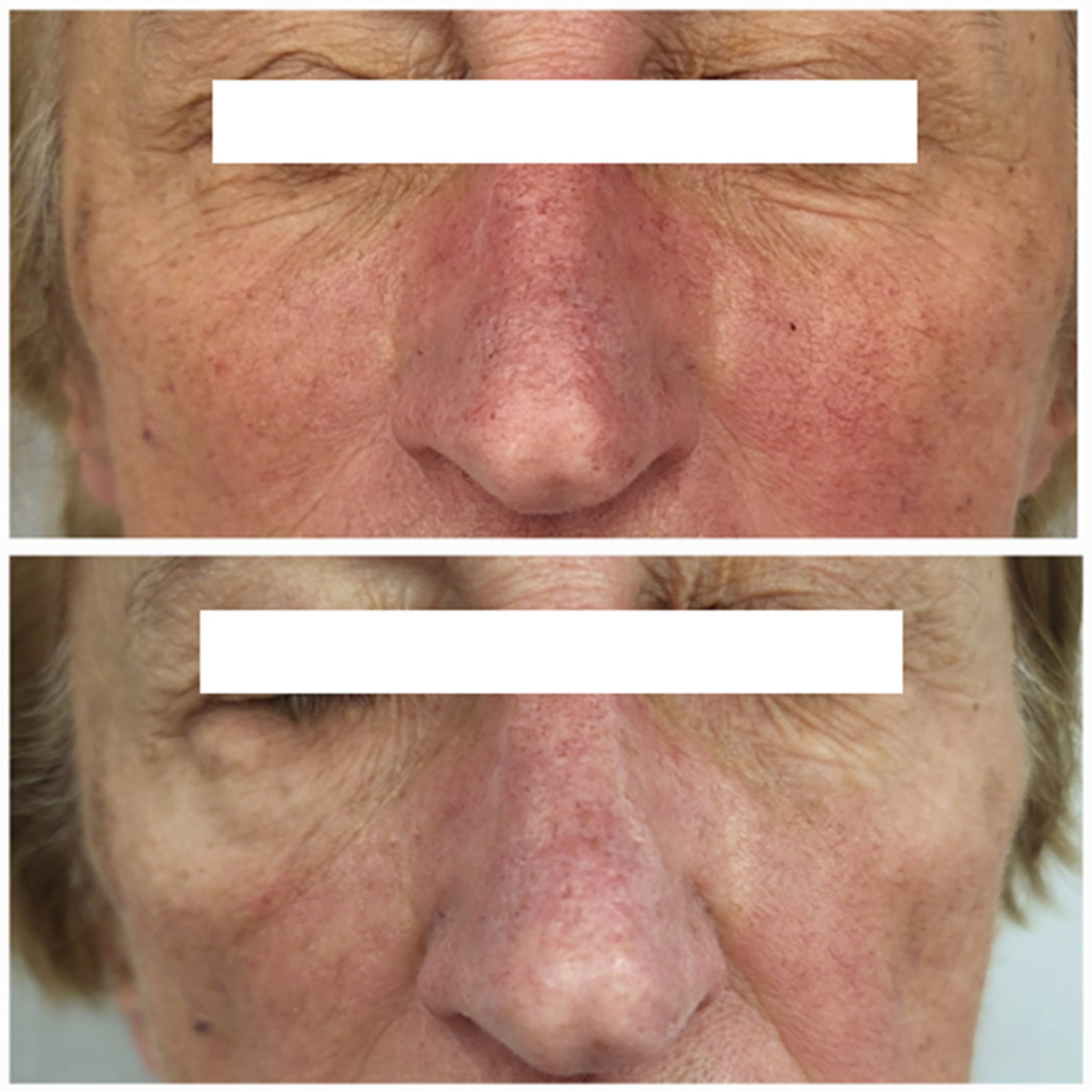
Three treatments using 20% ferulic acid were performed at two-week intervals. Measurements were taken before the first treatment and two weeks after the final one. Before applying ferulic peeling, the skin was cleaned with the make-up cleansing milk and then degreased with disinfectant spray based on ethyl alcohol. Prior to the measurement, the skin was dried and allowed to acclimate for about half an hour. Photographic documentation was done before and after the series of treatment to evaluate visible changes.
The procedure began with the application the 2 mL of ferulic acid for about 10 min. After the designated time, the ferulic acid was rinsed off with lukewarm water. Next, a moisturizing mask was applied for about 15 min and then also rinsed off with water. The procedure was finalized with a photoprotective cream.
Finally, the person undergoing the treatment received instructions for home care and using the sunscreen with SPF 50 every morning.

2.3. Outcome Assessment

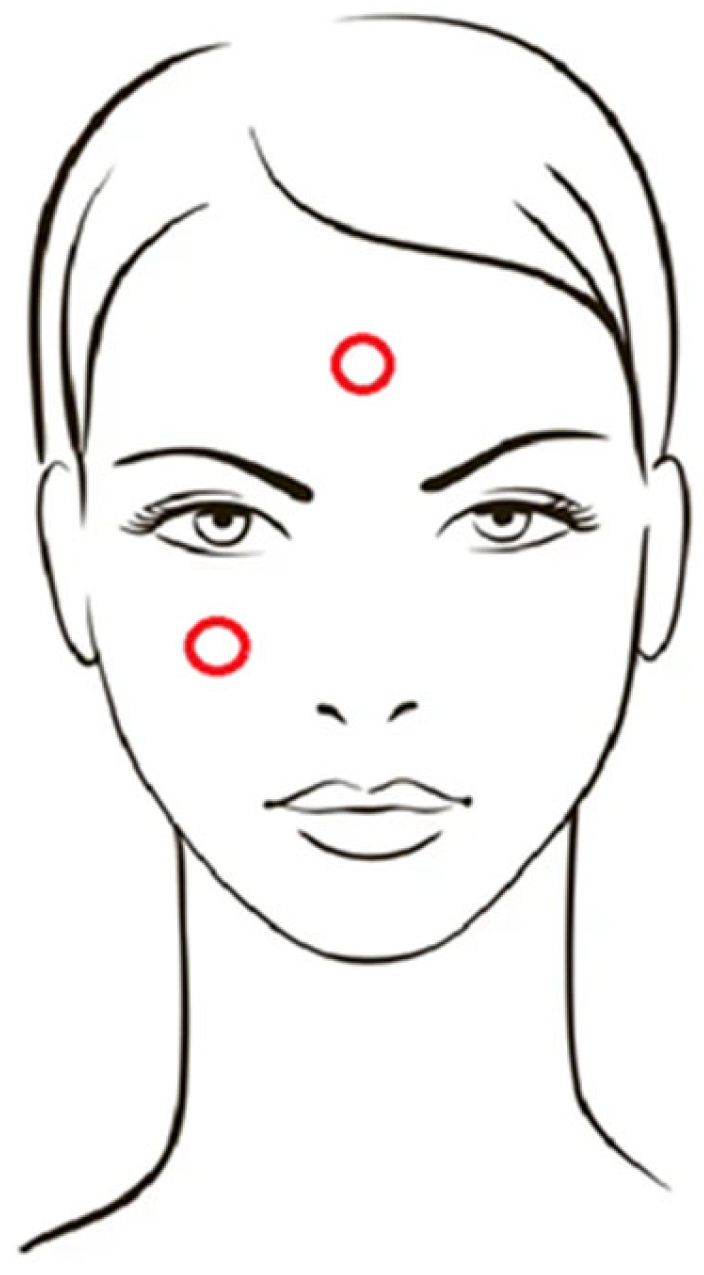
The Courage + Khazaka Multi Probe Adapter System MPA 580 (C + K Multi Probe Adapter System, C&K) (Courage + Khazaka electronic GmbH, Cologne, Germany) was used for the measurements. Measurements were taken at two facial points—the forehead and the cheek (Figure 2)—each approximately 30 min after skin cleansing, in order to ensure that the results reflected the actual condition of the skin. The assessment was conducted at two time points: prior to the initiation of the treatment series and two weeks after the final session. Both the temperature and humidity of the testing environment were maintained at relatively constant levels, in accordance with the manufacturer’s recommendations, that is, the temperature was kept between 20 and 24 °C and the relative humidity between 50 and 60%.
Measurements of selected skin parameters were performed using a Corneometer (for evaluating skin hydration) (Courage + Khazaka electronic GmbH, Cologne, Germany), Sebumeter (evaluation of sebum level) (Courage + Khazaka electronic GmbH, Cologne, Germany), Tewameter (transepideramal water loss) (Courage + Khazaka electronic GmbH, Cologne, Germany), Cutometer (skin elasticity) (Courage + Khazaka electronic GmbH, Cologne, Germany) and pHmeter (pH value of the skin surface) (Courage + Khazaka electronic GmbH, Cologne, Germany).
Hydration: The Corneometer® CM 825 was used to measure the hydration level of the stratum corneum. The measurement is based on high-frequency technology (0.9–1.2 MHz), which enables the assessment of the dielectric capacity of the stratum corneum. Water exhibits a high dielectric constant, whereas other skin components possess significantly lower values. The results are expressed in arbitrary units, with higher values indicating greater skin hydration [22,23].
Sebum: Quantitative assessment of skin surface lipids was performed via the Sebumeter® SM815. This method utilizes photometric analysis to evaluate sebum absorption onto a matte synthetic tape. Following a 30 s contact period with the skin, the transparency of the tape was measured, with the resultant lipid concentration expressed in μg/cm2 (micrograms per square centimeter) [24].
Transepidermal water loss: Tewameter® TM Hex is used to measure transepidermal water loss [TEWL] and is an important parameter for assessing skin barrier function. Weakening of this barrier is reflected by high TEWL values and is associated with increased epidermal permeability. The device uses the “open chamber” technique, which is the only continuous measurement method. Moreover, it does not disturb the skin microenvironment. Two sensors are present inside the probe, both for measuring relative humidity and temperature. It measures the gradient of water evaporation density from the skin surface indirectly, which is proportional to the TEWL value [25,26].
Elasticity: The Cutometer® measures the elasticity of the upper skin layers using a vacuum that induces mechanical deformation. After a defined time, the skin is released, and its firmness (resistance to suction) and elasticity (ability to return to its original state) are displayed as real-time curves. A standard 2 mm aperture probe was used for all measurements, which reflects the mechanical properties of the epidermis and upper papillary dermis. Measurement mode 1 was applied with a negative pressure of 450 mbar, an on-time of 3 s, an off-time of 3 s, and three repetitions. The evaluated parameters included R2 (Ua/Uf)—gross elasticity of the skin, accounting for viscous deformation—and R7 (Ur/Uf)—biological elasticity, defined as the ratio of immediate retraction to total distension [27].
pH value: The skin-pH-meter® PH905 probe was used to measure the skin’s pH. The probe consists of an integrated electrode, which combines both a H+-sensitive electrode and a reference electrode in a single housing. The system detects changes in energy resulting from interactions between hydrogen ions and a thin layer of hydrated gel at the probe tip. These recorded voltage changes are converted and presented as the pH value [28].

2.4. Statistical Analysis

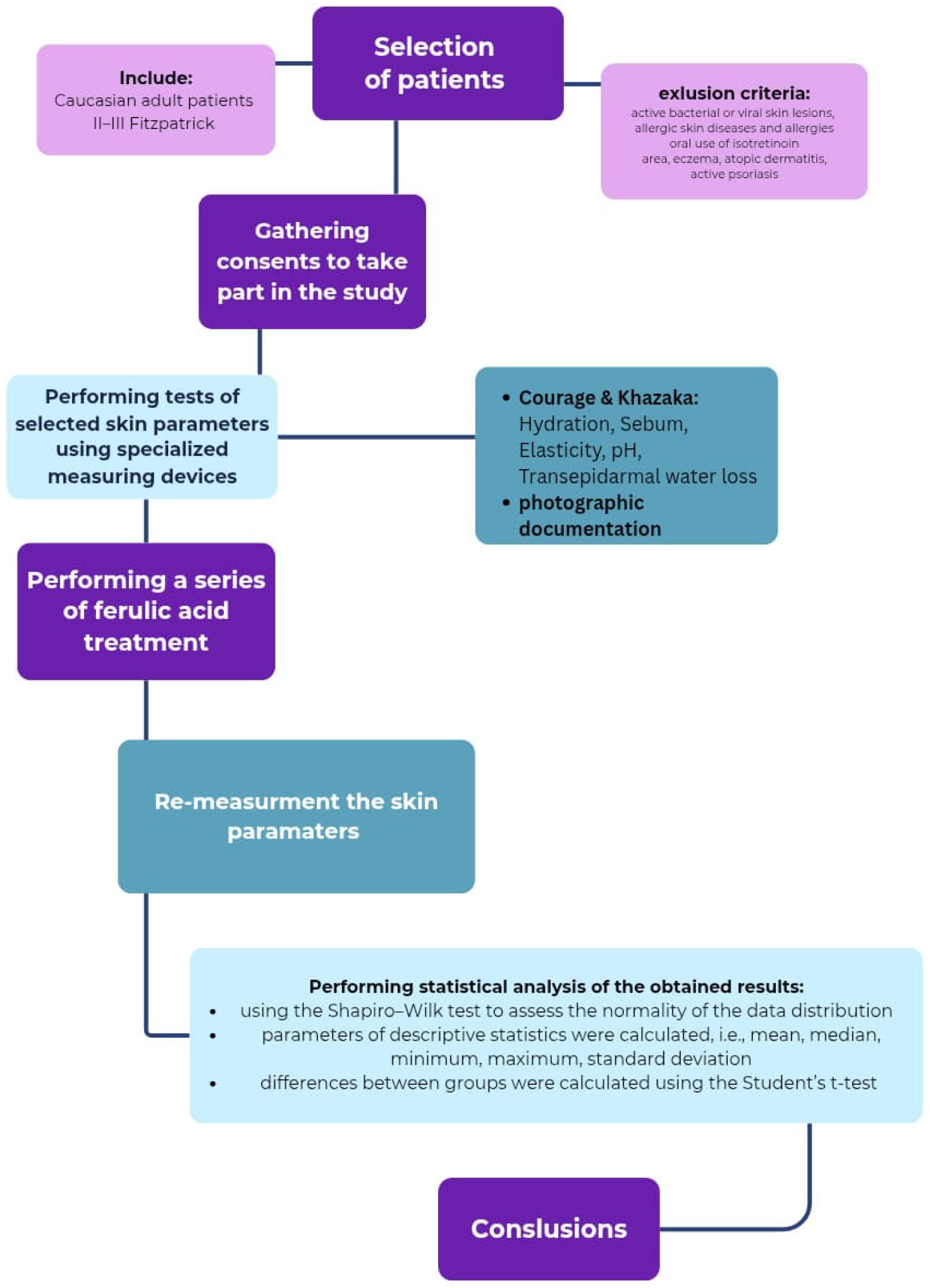
The results obtained were analyzed using the Statistica V 13.3. statistical program and Microsoft Office Excel 2019 software. Percentage changes in the analyzed parameters were calculated relative to baseline values. Descriptive statistics are presented as mean ± standard deviation (SD) for normally distributed variables, and as median with interquartile range (lower quartile–upper quartile, LQ–UQ) for variables that did not follow a normal distribution. The normality of data distribution was assessed via the Shapiro–Wilk test. Accordingly, differences between paired dependent variables were analyzed using the paired-sample t-test for parametric data and the Wilcoxon signed-rank test for non-parametric data. The nonparametric Mann–Whitney test was used to compare groups of non-paired (independent) data. The p values lower than 0.05 were considered statistically significant. The entire course of the scientific experiment is shown as a flowchart (Figure 3).

3. Results

Changes in all descriptive statistics’ values for the skin parameters studied with the Courage + Khazaka device, both before and after the series of ferulic acid treatments, are shown in Table 1 and Table 2.

3.1. Skin Hydration Efficacy

A statistically significant increase in hydration was observed on the cheek. The mean hydration rose from 45.3 ± 13.5 before treatment to 55.1 ± 7.4 after therapy (p = 0.0019). While the mean hydration on the forehead increased slightly from 57.6 ± 12.2 to 60.9 ± 9.7, this change did not reach statistical significance (p = 0.291).

3.2. Sebum Level

Sebum levels on the cheek remained stable with no significant changes post-therapy. The median value shifted from 7.5 to 9.0 (p = 0.738). Similarly, no significant alterations in sebum secretion were noted on the forehead. The median value remained nearly identical, moving from 39 to 39.5 (p = 0.516).

3.3. Transepidermal Water Loss

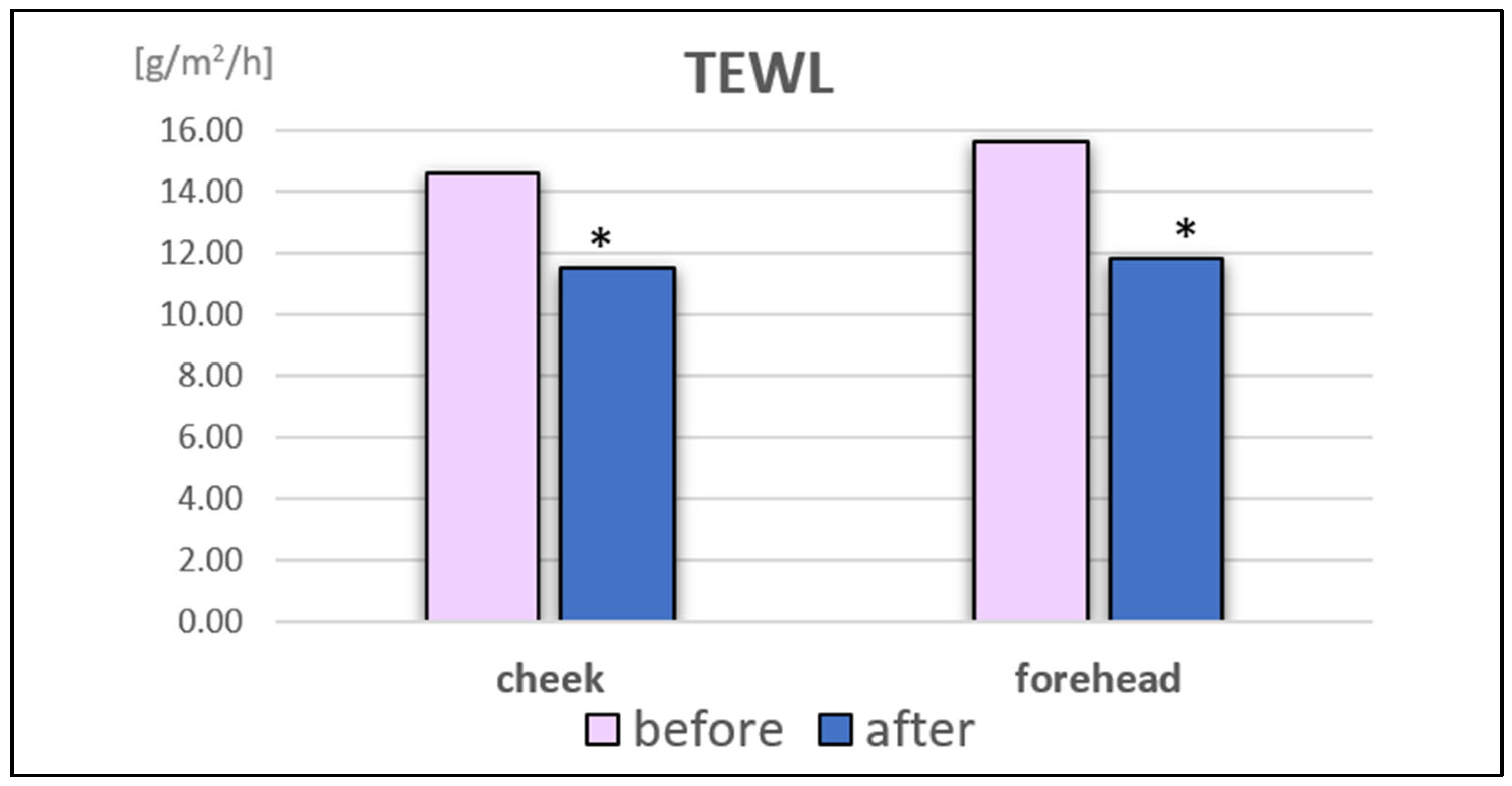
TEWL analysis demonstrated a significant reduction in transepidermal water loss after the therapy by approximately 22% and 24% on the forehead and on the cheek, respectively. Ferulic acid therapy led to a significant reduction in TEWL on the cheek. Median values decreased from 14.6 to 11.5 (p = 0.039), suggesting an improvement in skin barrier function. A significant improvement was also recorded on the forehead, where median TEWL values decreased from 15.6 to 11.8 (p = 0.021) (Figure 4).

3.4. pH Measurements

The skin pH values likewise did not exhibit any statistically significant alterations following the treatment protocol. On the forehead, pH measured 5.9 ± 0.6 prior to the intervention and 5.9 ± 0.5 thereafter (p = 0.832). Cheek measurements showed a non-significant increase from 6.0 ± 0.7 to 6.3 ± 0.6 (p = 0.146). Consequently, no statistically relevant changes were observed in this area. These findings indicate that the procedures employed did not exert an appreciable effect on skin pH.

3.5. Elasticity R2 and R7

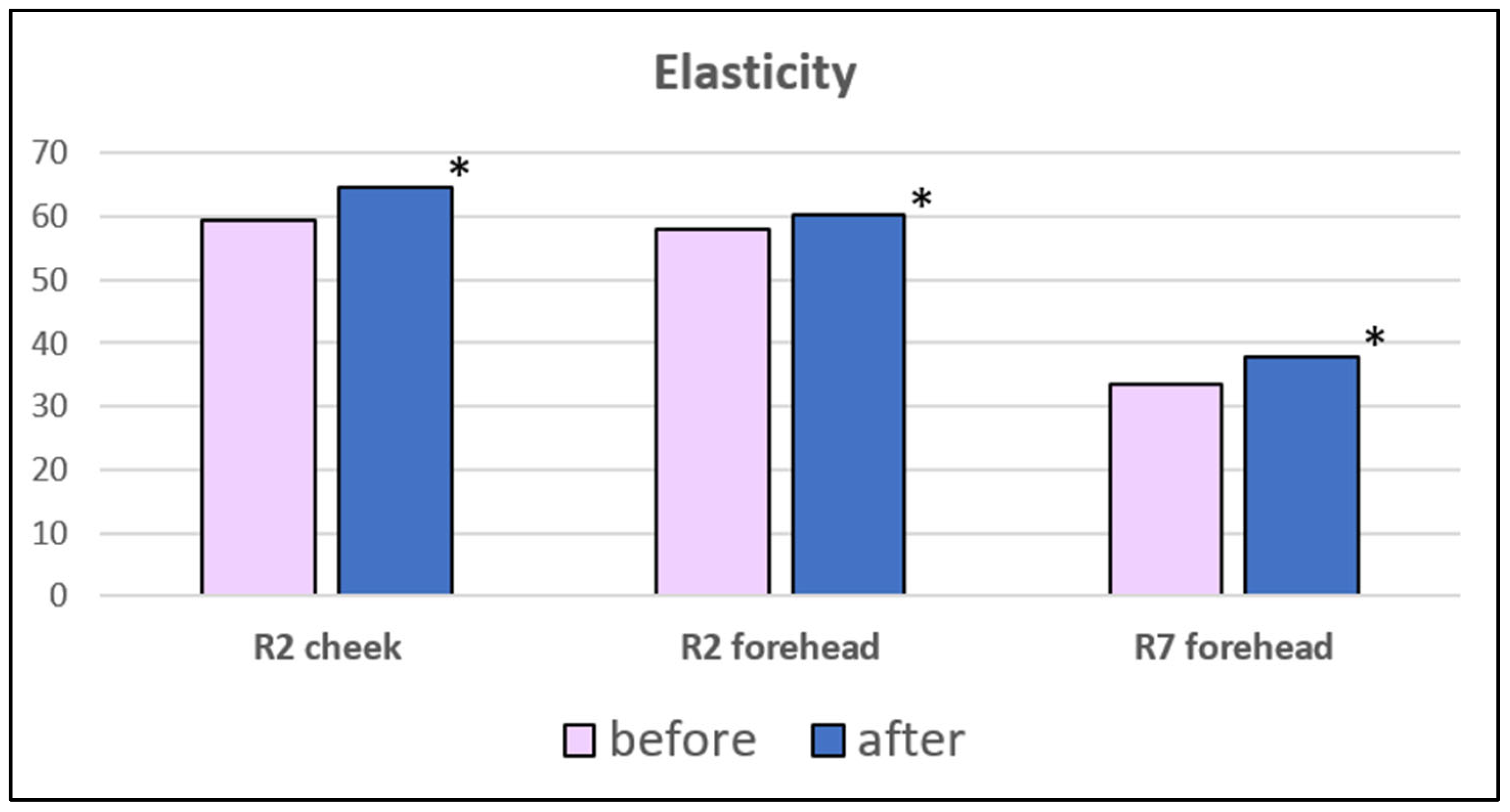
In contrast, significant improvements were observed in skin elasticity, as evidenced by the R2 and R7 parameters quantified via Cutometry (Figure 5). Elasticity parameters on the forehead showed subtle but statistically significant increase. The median R2 (gross elasticity) increased from 58.0 to 60.4 (p = 0.035), and R7 (biological elasticity) moved from 33.5 to 37.9 (p = 0.024). The cheek showed significant improvement in elasticity measured by the R2 parameter, which increased significantly from a median of 59.4 to 64.7 (p = 0.042); however, R7 did not show a significant improvement (median before 33.5; median after 37.9).

3.6. Visible Changes-Photographic Documentation

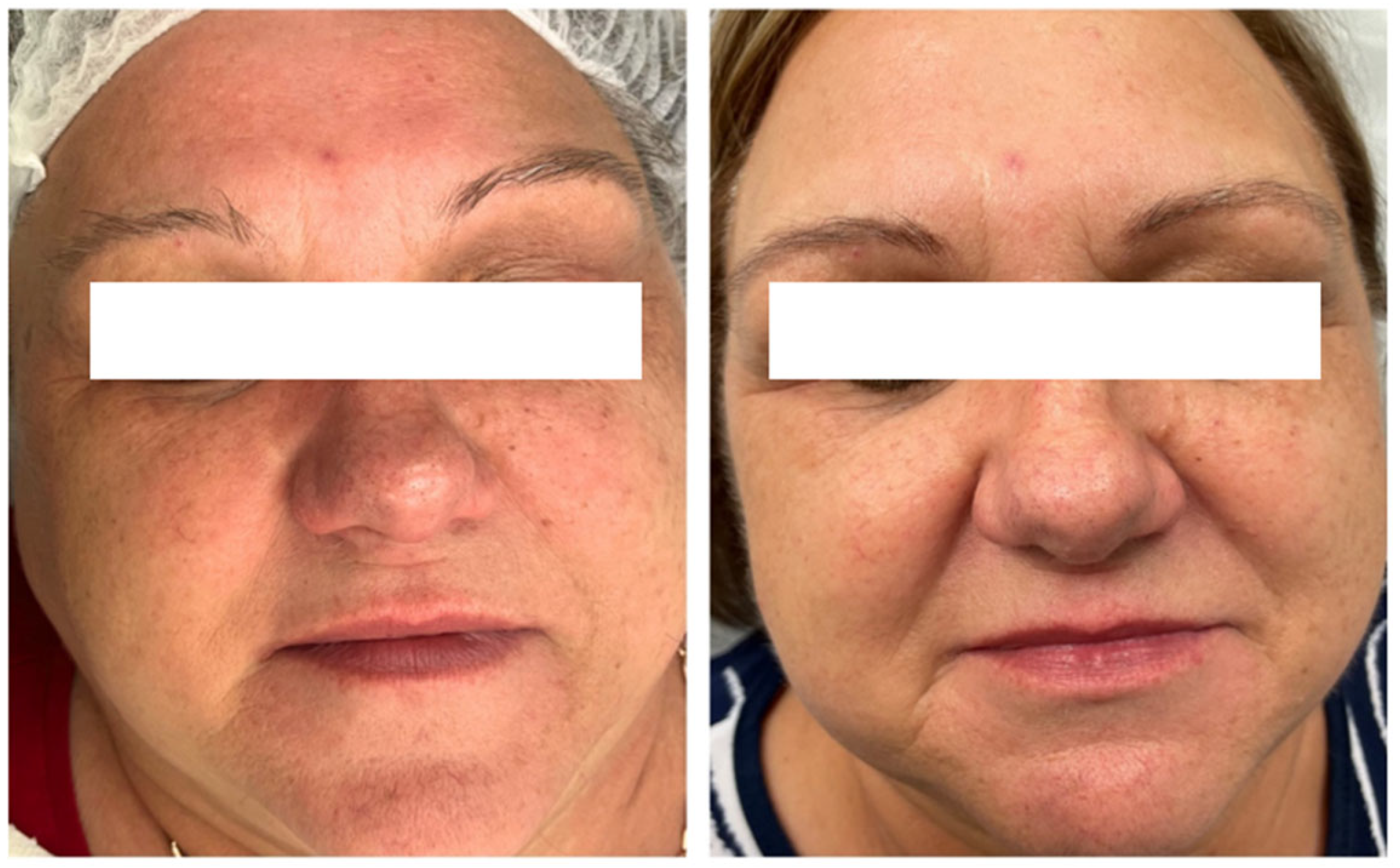
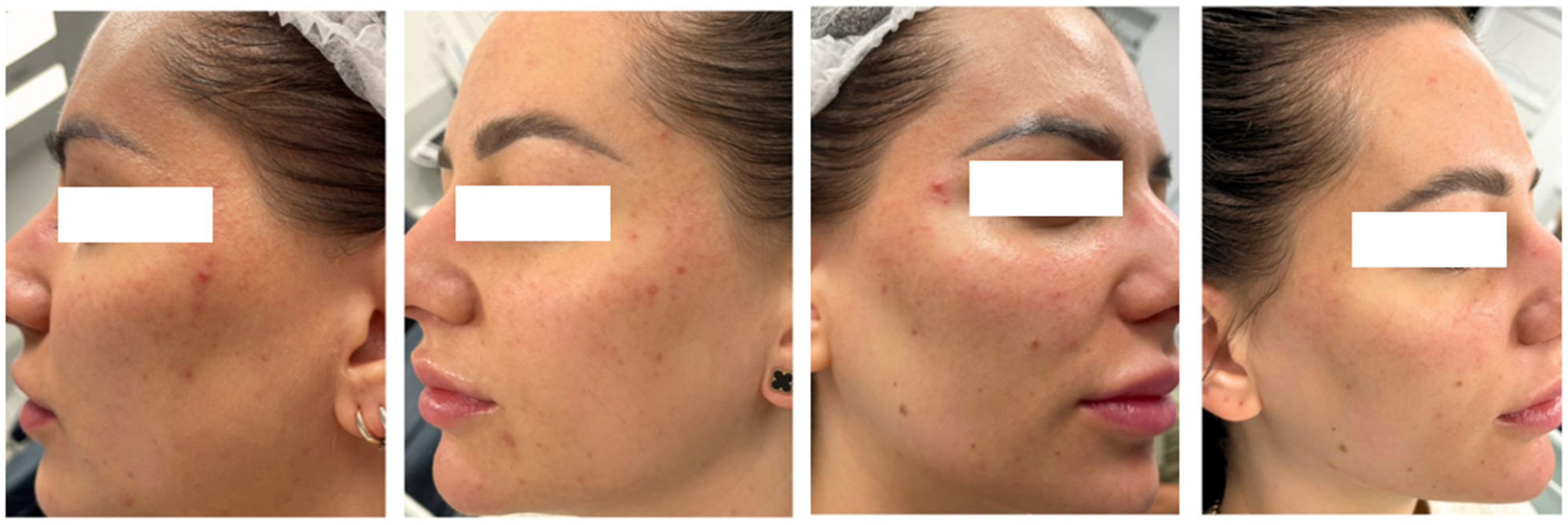
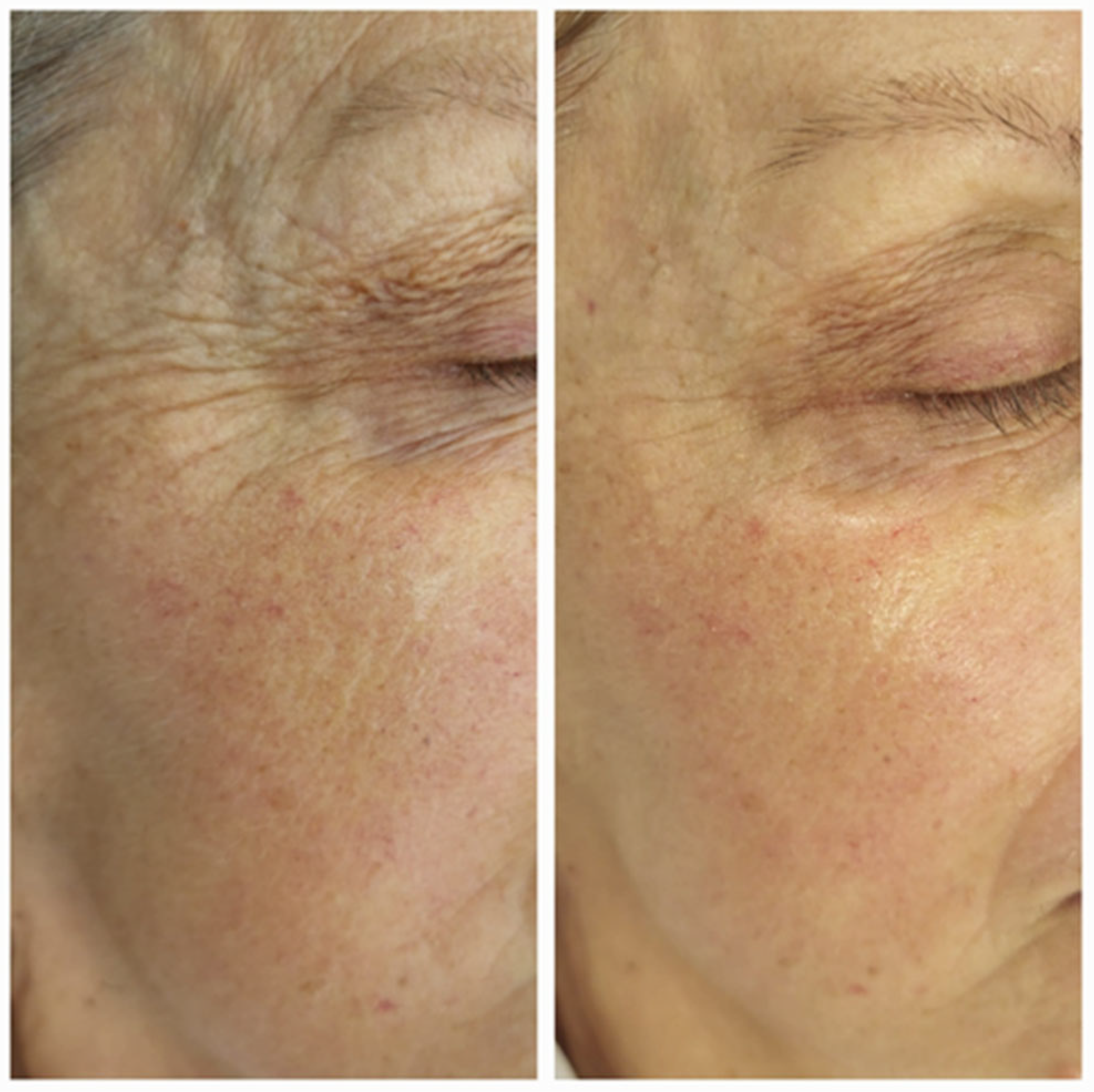
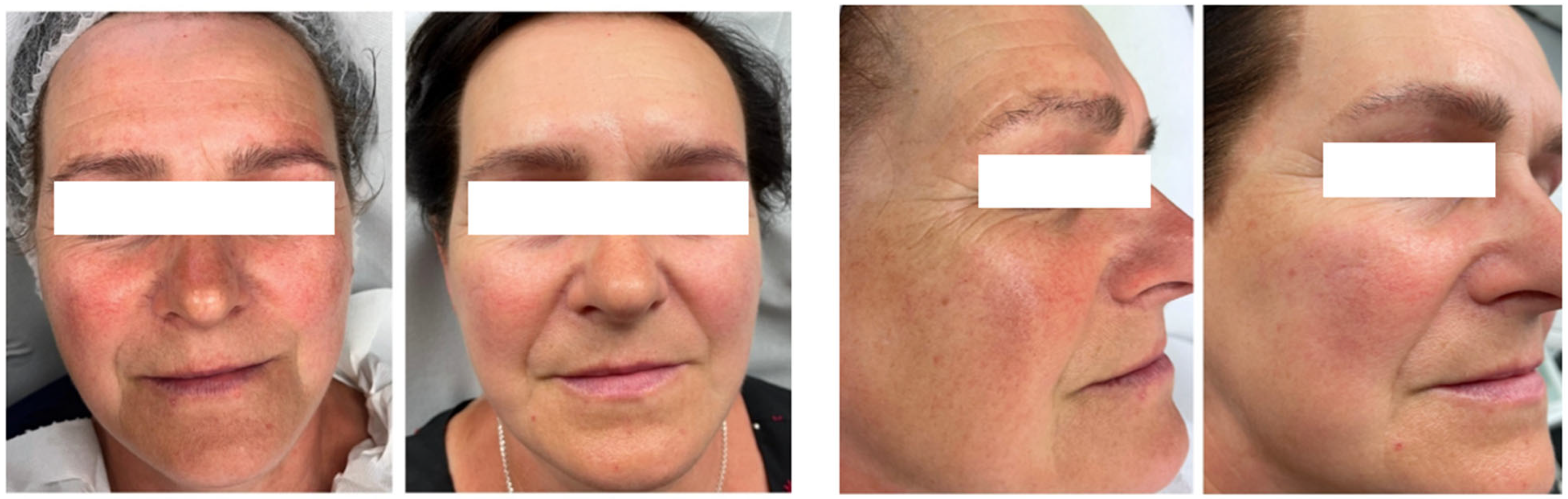
Figure 6, Figure 7, Figure 8, Figure 9 and Figure 10 present the visible effects taken before and two weeks after a series of treatments.

4. Discussion

The biomechanical integrity and epidermal barrier function represent the fundamental pillars of skin health and physiological resilience. Parameters such as stratum corneum hydration and transepidermal water loss (TEWL) serve as critical indicators of the hydrolipid film’s efficiency, the dysfunction of which leads to increased sensitivity and accelerated cutaneous aging. Furthermore, skin elasticity, characterized by viscoelastic parameters, directly reflects the structural state of the collagen and elastin fiber network within the dermis [29].
The Multi Probe Adapter (Courage + Khazaka electronic) is a diagnostic medical device utilized for the objective assessment of various skin parameters. In this study, stratum corneum hydration, transepidermal water loss (TEWL), sebum levels, pH, and viscoelastic parameters (R2 and R7) were analyzed before and after ferulic acid treatments. Using small-diameter measuring (in our study 2 mm), the mechanical changes observed with the Cutometer probe should be interpreted within the context of upper skin layer physics. Although the epidermis lacks an organized elastic fiber network, its biomechanical profile—reflected in the R2 and R7 parameters—is significantly influenced by the hydration state of the stratum corneum and the structural integrity of the keratinocyte matrix. Furthermore, a 2 mm suction depth deforms the tissue to a level that encompasses the papillary dermis, where the uppermost portion of the collagen and elastic fiber network resides. Based on the results, a statistically significant increase in cheek hydration was observed, alongside a reduction in TEWL values on both the cheeks and forehead, and an improvement in elasticity (R2 and R7). Our study demonstrated a significant improvement in skin barrier function. The hydration of the stratum corneum increased approximately by 22% on the cheek and 6% on the forehead. These changes were closely associated with a reduction in TEWL (22% and 24%, respectively). The observed decrease in TEWL indicates a more sealed epidermal barrier, which directly explains the increased moisture levels in the analyzed areas. It is worth noting that the magnitude of improvement in skin biomechanical parameters may be correlated with the baseline skin condition. Regarding baseline severity, it appeared to influence the results: participants with the highest initial TEWL and lowest hydration (typically older individuals) showed the greatest absolute magnitude of improvement in barrier parameters, suggesting that 20% ferulic acid peels are particularly effective as restorative therapy for compromised skin. This reflects the “restoration potential” of the treatment in cases of functional deficiency.
Ferulic acid (FA) is a naturally occurring hydroxycinnamic acid characterized by potent antioxidant properties. Its efficacy stems from the ability to form stable phenoxy radicals and donate electrons or hydrogen atoms to free radicals [4]. Furthermore, FA not only directly neutralizes reactive oxygen and nitrogen species (ROS/RNS) but also chelates transition metal ions, specifically iron and copper. The chelation of Fe(II) and Fe(III)ions by FA prevents the formation of toxic hydroxyl radicals, thereby protecting cellular structures from oxidative damage [30]. Consequently, it effectively shields the skin from UV-induced damage and oxidative stress-driven aging processes. This is corroborated by Zduńska-Pęciak et al. [31], who used C&K probes to evaluate the impact of ferulic acid formulations on skin condition, reporting improvements in hydration, elasticity, wrinkle reduction, and skin tone. Their findings indicate that regular application enhances skin quality and reinforces the epidermal barrier. The authors also highlighted FA’s potential as a key ingredient in photoprotective and anti-aging formulations.
Moreover, FA stabilizes other antioxidants, such as vitamins C and E, synergistically enhancing their efficacy in topical formulations. Due to its chemical properties, FA protects these vitamins from degradation, increasing their stability and biological activity [32]. Its presence significantly extends the shelf-life of vitamin C by shielding it from external factors like UV radiation and atmospheric oxygen [33].
Oresajo et al. [34] demonstrated that a combination of vitamin C, ferulic acid, and phloretin provides superior photoprotection against oxidative stress compared to vitamin C alone. When combined with vitamins C and E, FA exacerbates their antioxidant capacity, more effectively neutralizing free radicals. Kim et al. [35] investigated a serum containing vitamin C, E, and FA for treating environmentally induced hyperpigmentation, observing significant lightening and accelerated skin regeneration.
Additionally, FA’s lipophilic nature facilitates efficient skin penetration, supporting UV protection in sunscreen formulations [36]. Saija et al. [12] examined the penetration of ferulic and caffeic acids in saturated aqueous solutions (pH 3 and 7.2) through human skin, finding that both acids penetrate the stratum corneum regardless of pH. Ferulic acid exhibited slightly higher permeability, attributed to its superior lipophilicity compared to caffeic acid. The synergistic action of FA with vitamins C and E yields optimal clinical outcomes. Combined therapies have proven most effective in improving skin quality, as confirmed in a study [37] combining non-ablative fractional laser treatment with a C + E+FA serum. In a patient with papulopustular rosacea, C&K analysis revealed a decrease in TEWL and erythema index. Furthermore, the treated side showed fewer pustules by day seven compared to the control side, suggesting potent anti-inflammatory effects and reduced post-procedure discomfort.
Combined therapy was also explored by Zduńska-Pęciak and Rotsztejn [20], who evaluated a 14% ferulic acid peel alone and in combination with microneedling for photoaging. C&K measurements showed statistically significant improvements in hydration and elasticity after eight sessions, with superior results in the microneedling group. In another split-face study by the same authors [38], FA and vitamin C both significantly improved skin condition; however, FA demonstrated slightly better protective efficacy regarding hydration and elasticity. While they reported a hydration increase of over 39% from baseline, our study noted a 22% increase on the cheek and 6% increase on the forehead. This discrepancy may be attributed to the treatment frequency: their protocol involved eight weekly sessions, whereas our study utilized four sessions at two-week intervals.
The literature suggests that FA influences elasticity by modulating collagen structure. In vitro studies indicate it prevents the excessive and abnormal collagen cross-linking characteristic of photoaging [39]. The improvement in skin elasticity is linked to FA’s ability to inhibit matrix metalloproteinase-1 (MMP-1) expression—the enzyme responsible for collagen degradation—while partially restoring procollagen I production [40]. While in our study, the 4–5% improvements in elasticity parameters were found statistically significant, their clinical visibility may be limited. Our findings may represent an early biological signal and promising trend and suggest that ferulic acid provides a stabilizing, protective effect rather than the profound structural remodeling achieved by combined therapies. For the cohort studies, these modest shifts likely indicate a stabilization of the skin’s mechanical state and a priming of the regenerative pathways. In cutaneous biophysics, elasticity parameters reflect the structural integrity of the deep collagen–elastin network, which typically undergoes slower remodeling compared to epidermal hydration [41]. Therefore, the observed increases of 4–5%, being statistically significant (R2 parameter on forehead), represent a meaningful early biological response to the treatment, aligning with the high sensitivity of the Courage + Khazaka diagnostic tools [42].
The study conducted by Kołodziejczak et al. [43] investigated these parameters alongside hydration in the periorbital area using carboxytherapy combined with FA/L-ascorbic acid or lactobionic acid. C&K analysis showed that the FA/ascorbic acid combination yielded the greatest improvement in skin viscoelasticity, indicating a synergistic effect on firmness. In contrast, lactobionic acid led to higher, though not statistically significant, hydration levels.
Milani et al. [44] evaluated a serum containing Deschampsia antarctica extract, ferulic acid and vitamin C in skin exposed to high pollution. Regular use for 28 days significantly reduced TEWL by 19%, indicating improved epidermal barrier integrity. Additionally, reductions in hyperpigmentation and oxidative stress were noted. Subjectively, 95% of participants reported smoother, softer, and brighter skin. Studies suggest that topical antioxidants promote keratinocyte proliferation and barrier integrity [33], resulting in the smoothing effect reported by subjects.
Further research performed by Jaros-Sajda et al. [45] evaluating a comprehensive antioxidant complex (vitamin C, ferulic acid, phloretin) applied via sonophoresis and microneedling demonstrated significant increases in hydration, improved elasticity, and a distinct reduction in erythema. Statistically significant hydration improvements were noted on the cheeks, similar to our results, which may suggest that therapy is more impactful on the cheeks—typically drier than the T-zone. Moreover, the results obtained by Jaros-Sajda are consistent with our findings, as both studies demonstrate a significant reduction in transepidermal water loss with no significant changes in sebum levels
A recent study [46] confirmed ferulic acid efficacy in papulopustular rosacea, highlighting its anti-inflammatory action through the inhibition of COX-2, nitric oxide (NO), IL-1β, IL-6, and TNF-α. It simultaneously improved skin barrier function and exhibited minimal, transient side effects. Beyond rosacea, FA has shown efficacy in adult acne. Kamm and Załęska [47] reported a significant reduction in inflammatory and non-inflammatory lesions following FA application. In our study, FA improved hydration and reduced TEWL, strengthening the hydrolipid barrier—a crucial mechanism in preventing skin inflammation. Finally, recent research [48] indicates that oral administration of FA for two weeks increased stratum corneum hydration and decreased TEWL in men, demonstrating that FA exerts a systemic influence on skin health from within.
Limitations of this study include the small study group and participants age range. Regarding the wide age range (30–70 years), it is well-established that age-related alterations in lipid composition and epidermal thickness can significantly influence the diffusion and permeation of topical antioxidants. In this study, baseline severity appeared to be a key determinant of clinical outcome: participants with the highest initial TEWL and lowest hydration—typically older individuals—showed the most significant restorative response. This suggests that 20% ferulic acid peels are particularly effective in addressing the functional deficiencies associated with mature skin barrier aging, and their potential for physiological restoration is statistically and biologically greater.
Another limitation concerns the interpretation of relatively small percentage changes in mechanical parameters. Although the Courage + Khazaka devices provide high precision, improvements in the range of 2–5% necessitate a cautious interpretation regarding their long-term biological significance and clinical impact.

5. Conclusions

An objective examination with the use of C&K probes showed a significant improvement of hydration and skin elasticity. The results achieved with the apparatus are reflected in photographic documentation. Within the limits of this small, uncontrolled study, we found the series of ferulic acid treatments, which seems to bring promising effects on skin barrier functions. The wide age range of participants is a limitation, as skin permeability and lipid composition change with age. While our results show a consistent positive trend, these age-related differences may influence the diffusion and absorption of ferulic acid. Future studies should include age-stratified groups to more precisely evaluate how these factors affect treatment outcomes. The initial absence of certain Q-parameters constitutes a study limitation; however, their physiological relevance is acknowledged as a key area for future methodological refinement. Nevertheless, these initial results need to be further validated on a larger sample size.

Author Contributions

Conceptualization: M.W.-M. Methodology: M.W.-M. and B.R. Software: M.W.-M. Validation: M.W.-M. and B.R. Formal analysis: M.W.-M. Investigation: M.W.-M., B.R., J.L. and A.D. Writing—original draft preparation: M.W.-M. and B.R. Writing—review and editing: M.W.-M., B.R., J.L. and A.D. Visualization: M.W.-M. Supervision: M.W.-M. All authors have read and agreed to the published version of the manuscript.

Funding

This research received no external funding.

Institutional Review Board Statement

The study was conducted in accordance with the Declaration of Helsinki and approved by the Bioethics Committee of the Medical University of Bialystok (approval number: APK.002.221.2024, Approval Date: 21 March 2024).

Informed Consent Statement

Informed consent was obtained from all subjects involved in the study. Written informed consent has been obtained from the patient(s) to publish this paper.

Data Availability Statement

The original contributions presented in the study are included in the article. Further inquiries can be directed to the corresponding author.

Acknowledgments

The authors have reviewed and edited the output and take full responsibility for the content of this publication.

Conflicts of Interest

The authors declare no conflicts of interest.

References

  1. Kim, R.W.; An, Y.; Zukley, L.; Ferrucci, L.; Mauro, T.; Yaffe, K.; Resnick, S.M.; Abuabara, K. Skin Barrier Function and Cognition among Older Adults. J. Investig. Dermatol. 2023, 143, 1085–1087. [Google Scholar] [CrossRef] [PubMed]
  2. Everett, J.S.; Sommers, M.S. Skin viscoelasticity: Physiologic mechanisms, measurement issues, and application to nursing science. Biol. Res. Nurs. 2013, 15, 338–346. [Google Scholar] [CrossRef] [PubMed]
  3. Kruglikov, I.L.; Scherer, P.E. Skin aging as a mechanical phenomenon: The main weak links. Nutr. Healthy Aging 2018, 4, 291–307. [Google Scholar] [CrossRef] [PubMed]
  4. Zduńska, K.; Dana, A.; Kolodziejczak, A.; Rotsztejn, H. Antioxidant Properties of Ferulic Acid and Its Possible Application. Skin Pharmacol. Physiol. 2018, 31, 332–336. [Google Scholar] [CrossRef]
  5. Zhang, X.; Huang, Z.; Liu, W.; Yang, X.; Liu, Y.; Huang, J.; Wang, S.; Pan, S. Ferulic acid–arabinoxylan conjugates: Synthesis, characterization and applications in antibacterial film formation. Food Chem. 2024, 460, 140544. [Google Scholar] [CrossRef]
  6. Nile, S.H.; Ko, E.Y.; Kim, D.H.; Keum, Y.S. Screening of ferulic acid related compounds as inhibitors of xanthine oxidase and cyclooxygenase-2 with anti-inflammatory activity. Rev. Bras. Farmacogn. 2016, 26, 50–55. [Google Scholar] [CrossRef]
  7. Dedek, K.; Rosicka-Kaczmarek, J.; Nebesny, E.; Kowalska, G. Characteristics and biological properties of ferulic acid. Biotechnol. Food Sci. 2019, 83, 71–85. [Google Scholar]
  8. Stompor-Gorący, M.; Machaczka, M. Recent Advances in Biological Activity, New Formulations and Prodrugs of Ferulic Acid. Int. J. Mol. Sci. 2021, 22, 12889. [Google Scholar] [CrossRef]
  9. Yasmin, S.; Cerchia, C.; Badavath, V.N.; Laghezza, A.; Tortorella, P.; Kaiser, M.; Taramelli, D.; Eberle, C.; Lavecchia, A. A series of ferulic acid amides reveals unexpected peroxiredoxin 1 inhibitory activity with in vivo antidiabetic and hypolipidemic effects. ChemMedChem 2021, 16, 484–498. [Google Scholar] [CrossRef]
  10. Fathima, S.; Shona, S.; Navamimrajan, N.; Muralidharan, S. Development and evaluation of ferulic acid loaded chitosan gel for wound healing. Int. J. Pharm. Res. 2021, 13, 2836–2843. [Google Scholar] [CrossRef]
  11. Pyrzynska, K. Ferulic Acid—A Brief Review of Its Extraction, Bioavailability and Biological Activity. Separations 2024, 11, 204. [Google Scholar] [CrossRef]
  12. Saija, A.; Tomaino, A.; Trombetta, D.; De Pasquale, A.; Uccella, N.; Barbuzzi, T.; Paolino, D.; Bonina, F. In vitro and in vivo evaluation of caffeic and ferulic acids as topical photoprotective agents. Int. J. Pharm. 2000, 199, 39–47. [Google Scholar] [CrossRef]
  13. Ogiwara, T.; Satoh, K.; Kadoma, Y.; Murakami, Y.; Unten, S.; Atsumi, T.; Sakagami, H.; Fujisawa, S. Radical scavenging activity and cytotoxicity of ferulic acid. Anticancer Res. 2002, 22, 2711–2717. [Google Scholar]
  14. Kanski, J.; Aksenova, M.; Stoyanova, A.; Butterfield, D.A. Ferulic acid antioxidant protection against hydroxyl and peroxyl radical oxidation in synaptosomal and neuronal cell culture systems in vitro: Structure-activity studies. J. Nutr. Biochem. 2002, 13, 273–281. [Google Scholar] [CrossRef]
  15. Draelos, Z.D.; Yatskayer, M.; Oresajo, C.; Fares, H.S.; Hansenne, I. Efficacy of ferulic acid in improving the appearance of photoaged skin. Cosmet. Dermatol. 2008, 21, 195–198. [Google Scholar]
  16. Hahn, H.J.; Kim, K.B.; Bae, S.H. Pretreatment of ferulic acid protects human dermal fibroblasts against ultraviolet A irradiation. Ann. Dermatol. 2016, 28, 740–748. [Google Scholar] [CrossRef]
  17. Zhou, B.; Yin, H.; Xu, Y. Baicalin protects human skin fibroblasts from ultraviolet A radiation-induced oxidative damage and apoptosis. Free Radic. Res. 2012, 46, 1458–1471. [Google Scholar] [CrossRef]
  18. Waibel, J.S.; Mi, Q.S.; Ozog, D.; Qu, L.; Zhou, L.; Rudnick, A.; Al-Niaimi, F.; Shwayder, T. Laser-assisted delivery of vitamin C, vitamin E, and ferulic acid formula serum decreases fractional laser postoperative recovery by increased beta fibroblast growth factor expression. Lasers Surg. Med. 2016, 48, 238–244. [Google Scholar] [CrossRef]
  19. Waibel, J.S.; Mi, Q.S. Split face comparison to evaluate synergistic response of fractional ablative laser and vitamin C, vitamin E, and ferulic acid on molecular wound healing factors and to clinically decrease postoperative wound healing time. J. Am. Acad. Dermatol. 2014, 70, Ab204. [Google Scholar] [CrossRef]
  20. Zduńska-Pęciak, K.; Rotsztejn, H. The effectiveness of ferulic acid and microneedling in reducing signs of photoaging: A split-face comparative study. Dermatol. Ther. 2020, 33, e14000. [Google Scholar]
  21. Roux, J.; Horton, L.; Babadjouni, A.; Kincaid, C.M.; Mesinkovska, N.A. Ferulic Acid Use for Skin Applications: A Systematic Review. J. Clin. Aesthet. Dermatol. 2025, 18, 38–42. [Google Scholar]
  22. Vitek, M.; Gosenca Matjaž, M. Clinical application of hempseed or flaxseed oil-based lyotropic liquid crystals: Evaluation of their impact on skin barrier function. Acta Pharm. 2024, 74, 301–313. [Google Scholar] [CrossRef]
  23. Anthonissen, M.; Daly, D.; Peeters, R.; Van Brussel, M.; Fieuws, S.; Flour, M.; Verbelen, J.; Tjalma, W.; De Boeck, A. Reliability of Repeated Measurements on Post-Burn Scars with Corneometer CM 825®. Skin Res. Technol. 2015, 21, 302–312. [Google Scholar] [CrossRef]
  24. Crowther, J.M. Method for quantification of oils and sebum levels on skin using the Sebumeter®. Int. J. Cosmet. Sci. 2016, 38, 210–216. [Google Scholar] [CrossRef]
  25. Gardien, K.L.M.; Baas, D.C.; De Vet, H.C.W.; Middelkoop, E. Transepidermal Water Loss Measured with the Tewameter TM300 in Burn Scars. Burns 2016, 42, 1455–1462. [Google Scholar] [CrossRef] [PubMed]
  26. Podgórska, A.; Kicman, A.; Wacewicz-Muczyńska, M.; Konończuk, T.; Niczyporuk, M. Evaluating the Effects of Laser Treatments on Visible Changes in the Photoaging Process of the Skin Using Specialized Measuring Devices. J. Clin. Med. 2024, 13, 7439. [Google Scholar] [CrossRef]
  27. Podgórska, A.; Kicman, A.; Naliwajko, S.K.; Wacewicz-Muczyńska, M.; Niczyporuk, M. Effect of intake of selected nutrients on skin firmness and elasticity in women. Front. Nutr. 2024, 11, 1483678. [Google Scholar] [CrossRef] [PubMed]
  28. Eo, J.; Seo, Y.K.; Baek, J.H.; Choi, A.R.; Shin, M.K.; Koh, J.S. Facial skin physiology recovery kinetics during 180 min post-washing with a cleanser. Skin Res. Technol. 2016, 22, 148–151. [Google Scholar] [CrossRef] [PubMed]
  29. Rawlings, A.V.; Harding, C.R. Moisturization and skin barrier function. Dermatol. Ther. 2004, 17, 43–48. [Google Scholar] [CrossRef]
  30. Truong, D.H.; Nhung, N.T.A.; Dao, D.Q. Iron ions chelation-based antioxidant potential vs. pro-oxidant risk of ferulic acid: A DFT study in aqueous phase. Comput. Theor. Chem. 2020, 1185, 112905. [Google Scholar] [CrossRef]
  31. Zduńska-Pęciak, K.; Dębowska, R.; Kołodziejczak, A.; Rotsztejn, H. Ferulic acid—A novel topical agent in reducing signs of photoaging. Dermatol. Ther. 2022, 35, e15543. [Google Scholar] [CrossRef] [PubMed]
  32. Cavalcanti, G.R.; Duarte, F.I.; Converti, A.; de Lima, Á.A. Ferulic acid activity in topical formulations: Technological and scientific prospecting. Curr. Pharm. Des. 2021, 27, 2289–2298. [Google Scholar] [CrossRef]
  33. Lin, F.-H.; Gupta, R.D.; Tournas, J.A.; Burch, J.A.; Selim, M.A.; Monteiro-Riviere, N.A.; Grichnik, J.M.; Zielinski, J.; Pinnell, S.R. Ferulic acid stabilizes a solution of vitamins C and E and doubles its photoprotection of skin. J. Investig. Dermatol. 2005, 125, 826–832. [Google Scholar] [CrossRef] [PubMed]
  34. Oresajo, C.; Stephens, T.; Hino, P.D.; Law, R.M.; Yatskayer, M.; Foltis, P.; Pinnell, S.R. Protective effects of a topical antioxidant mixture containing vitamin C, Ferulic acid, and Phloretin against ultraviolet-induced Photodamage in human skin. J. Cosmet. Dermatol. 2008, 7, 290–297. [Google Scholar] [CrossRef]
  35. Kim, J.; Kim, J.; Lee, Y.I.; Almurayshid, A.; Jung, J.Y.; Lee, J.H. Effect of a topical antioxidant serum containing vitamin C, vitamin E, and ferulic acid after Q-switched 1064-nm Nd: YAG laser for treatment of environment-induced skin pigmentation. J. Cosmet. Dermatol. 2020, 19, 2576–2582. [Google Scholar] [CrossRef] [PubMed]
  36. Paiva, L.B.; Goldbeck, R.; Santos, W.D.; Squina, F.M. Ferulic acid and derivatives: Molecules with potential application in the pharmaceutical field. Braz. J. Pharm. Sci. 2013, 49, 395–411. [Google Scholar] [CrossRef]
  37. Chen, L.; Dong, Y.; Liu, L.; Zhu, M.; Qin, X. Achieving the maximum efficacy by combining non-ablative fractional laser with vitamin C, vitamin E and ferulic acid serum for skin quality improvement in Asian population. J. Cosmet. Dermatol. 2024, 23, 1614–1623. [Google Scholar] [CrossRef]
  38. Zduńska-Pęciak, K.; Kołodziejczak, A.; Rotsztejn, H. Two superior antioxidants: Ferulic acid and ascorbic acid in reducing signs of photoaging—A split-face comparative study. Dermatol. Ther. 2022, 35, e15254. [Google Scholar] [CrossRef]
  39. Jayamani, J.; Naisini, A.; Madhan, B.; Shanmugam, G. Ferulic acid, a natural phenolic compound, as a potential inhibitor for collagen fibril formation and its propagation. Int. J. Biol. Macromol. 2018, 113, 277–284. [Google Scholar] [CrossRef]
  40. Tsay, G.J.; Lin, S.Y.; Li, C.Y.; Mau, J.L.; Tsai, S.Y. Comparison of single and combined use of ergothioneine, ferulic acid, and glutathione as antioxidants for the prevention of ultraviolet B radiation-induced photoaging damage in human skin fibroblasts. Processes 2021, 9, 1204. [Google Scholar] [CrossRef]
  41. Dobrev, H. Use of Cutometer to assess epidermal hydration. Skin Res. Technol. 2000, 6, 239–244. [Google Scholar] [CrossRef] [PubMed]
  42. Fluhr, J.W.; Elsner, P.; Berardesca, E.; Maibach, H.I. Bioengineering of the Skin: Water and the Stratum Corneum, 2nd ed.; CRC Press: Boca Raton, FL, USA, 2004; pp. 231–245. [Google Scholar]
  43. Kołodziejczak, A.; Rybak, A.; Rotsztejn, H. The Impact of Carboxytherapy in Monotherapy and in Combination with Lactobionic or Ferulic Acid and Ascorbic Acid on the Hydration and Viscoelasticity of the Skin Around the Eyes. Appl. Sci. 2025, 15, 1876. [Google Scholar] [CrossRef]
  44. Milani, M.; Hashtroody, B.; Piacentini, M.; Celleno, L. Skin protective effects of an antipollution, antioxidant serum containing Deschampsia antartica extract, ferulic acid and vitamin C: A controlled single-blind, prospective trial in women living in urbanized, high air pollution area. Clin. Cosmet. Investig. Dermatol. 2009, 2, 393–399. [Google Scholar] [CrossRef] [PubMed]
  45. Jaros-Sajda, A.; Budzisz, E.; Erkiert-Polguj, A. Effectiveness of a Complex Antioxidant Product Applied by Sonophoresis and Micro-Needle Mesotherapy. Cosmetics 2024, 11, 87. [Google Scholar] [CrossRef]
  46. Wang, X.; Xue, Y.; Zhu, H.; Zhang, J.; Zhang, G.; Zheng, Y. Ferulic Acid in the Treatment of Papulopustular Rosacea: A Randomized Controlled Study. J. Cosmet. Dermatol. 2021, 20, 166–171. [Google Scholar] [CrossRef]
  47. Kamm, A.; Załęska, I. The Effect of Ferulic Acid and D’Arsonwal’s High Frequency Currents Activity over the Number of Exanthema among Adult Women. J. Med. Clin. Res. Rev. 2018, 2, 1–7. [Google Scholar] [CrossRef]
  48. Suzuki, A.; Nomura, T.; Jokura, H.; Kitamura, N.; Sato, Y.; Katsuyama, M.; Tobioka, H.; Shimotoyodome, A. Beneficial effects of oral supplementation with ferulic acid, a plant phenolic compound, on the human skin barrier in healthy men. Int. J. Vitam. Nutr. Res. 2023, 93, 54–60. [Google Scholar] [CrossRef]
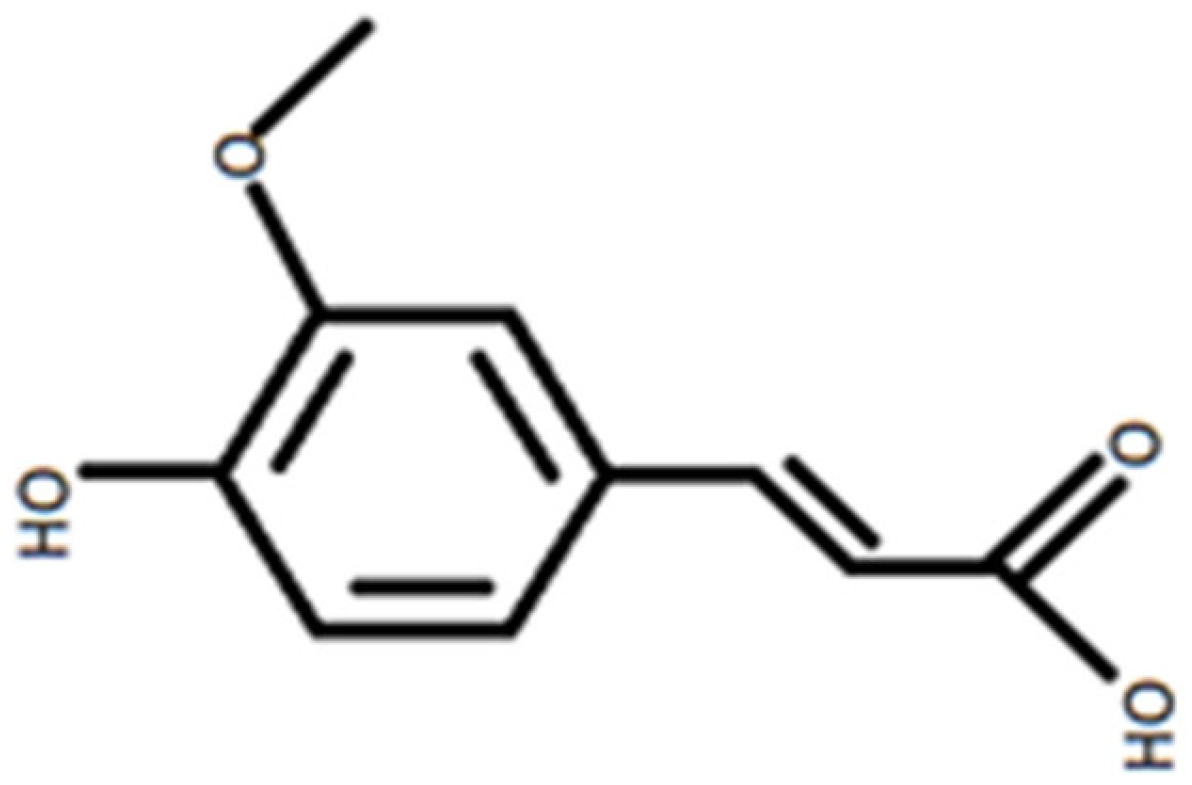
Figure 1. Chemical structure of ferulic acid.
Cosmetics 13 00083 g001
Figure 2. Marked areas for skin parameter examination.
Cosmetics 13 00083 g002
Figure 3. Flowchart of study course.
Cosmetics 13 00083 g003
Figure 4. Changes in the TEWL parameter after a series of treatments in the cheek and forehead areas. * p < 0.05.
Cosmetics 13 00083 g004
Figure 5. Changes in the R2 and R7 parameters after a series of treatments in the cheek and forehead areas. * p < 0.05.
Cosmetics 13 00083 g005
Figure 6. Visible changes before (left) and after (right) ferulic acid treatment.
Cosmetics 13 00083 g006
Figure 7. Visible changes before (left) and after (right) ferulic acid treatment.
Cosmetics 13 00083 g007
Figure 8. Visible changes before (left) and after (right) ferulic acid treatment.
Cosmetics 13 00083 g008
Figure 9. Visible changes before (top) and after (bottom) ferulic acid treatment.
Cosmetics 13 00083 g009
Figure 10. Visible changes before (left) and after (right) ferulic acid treatment.
Cosmetics 13 00083 g010
Table 1. Descriptive characteristics of selected skin parameters before and after ferulic acid therapy on cheek using a specialized Courage-Khazaka measuring device.
Skin ParameterBeforeAfterp Value
Hydration45.3 ± 13.555.1 ± 7.4p = 0.0019 *
Sebum7.5 (4.0–33.0)9.0 (5.0–22.0)NS (p = 0.738)
TEWL14.6 (11.8–18.2)11.5 (9.5–12.0)p = 0.039 *
pH6.0 ± 0.76.3 ± 0.6NS (p = 0.146)
R259.4 (57.2–61.5)64.7 (62.5–66.8)p = 0.042 *
R733.4 (31.7–40.1)38.2 (35.8–40.4)NS (p = 0.167)
TEWL—transepidermal water loss; * p < 0.05; NS—not significant. Data presented as mean ± standard deviation (SD) for normally distributed variables, and as median with interquartile range (LQ–UQ) for variables non-normal distribution.
Table 2. Descriptive characteristics of selected skin parameters before and after ferulic acid therapy on forehead using a specialized Courage-Khazaka measuring device.
Skin ParameterBeforeAfterp Value
Hydration57.6 ± 12.260.9 ± 9.7NS (p = 0.291)
Sebum39 (22.0–55.0)39.5 (22.0–55.0)NS (p = 0.516)
TEWL15.6 (12.6–22.3)11.8 (11.0–16.4)p = 0.021 *
pH5.9 ± 0.65.9 ± 0.5NS (p = 0.832)
R258.0 (53.9–65.5)60.4 (58.4–66.7)p = 0.035 *
R733.5 (29.4–37.5)37.9 (33.5–45.9)p = 0.024 *
TEWL—transepidermal water loss; * p < 0.05; NS—not significant. Data presented as mean ± standard deviation (SD) for normally distributed variables, and as median with interquartile range (LQ–UQ) for variables non-normal distribution.
Disclaimer/Publisher’s Note: The statements, opinions and data contained in all publications are solely those of the individual author(s) and contributor(s) and not of MDPI and/or the editor(s). MDPI and/or the editor(s) disclaim responsibility for any injury to people or property resulting from any ideas, methods, instructions or products referred to in the content.