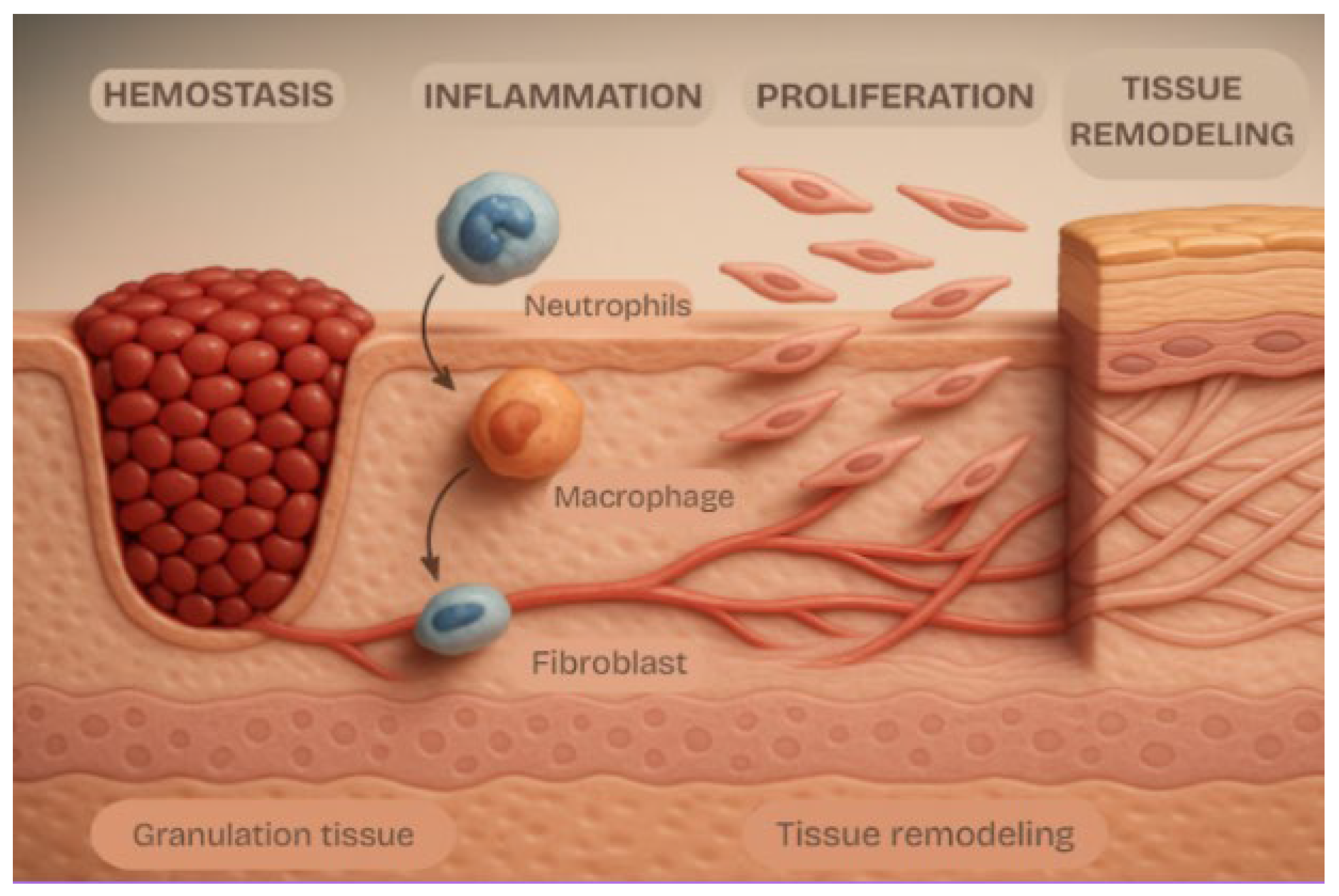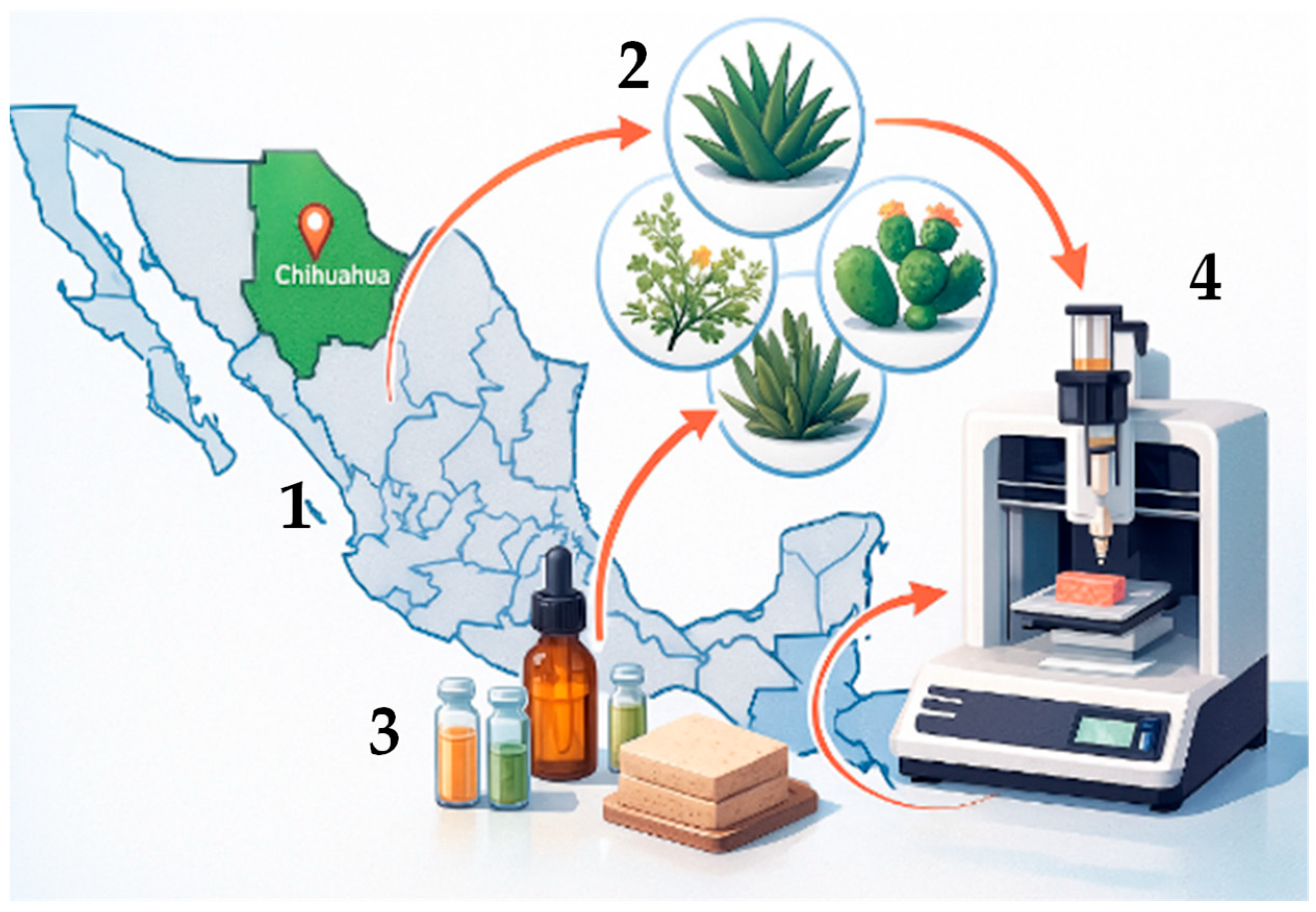



Collagen-Inducing Compounds from Chihuahuan Desert Plants for Potential Skin Bioink 3D Printing Applications: A Narrative Review

 , , and
Abstract
1. Introduction
2. Methods
3. Results
3.1. Chronological Development of Phytochemical Research in Chihuahuan Desert Flora
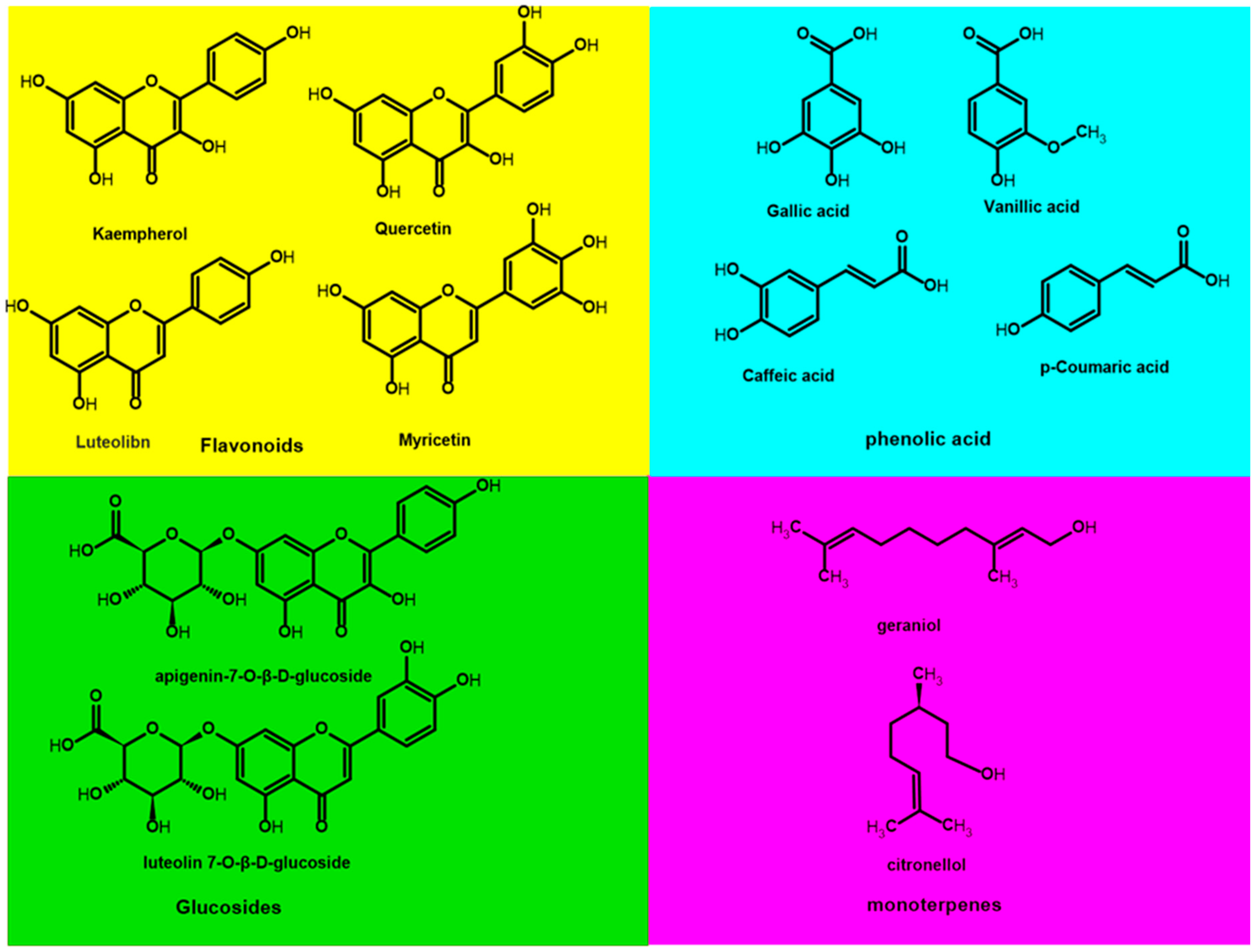
Molecular Representation of Key Bioactive Compounds
3.2. Biopolymers and Plant-Derived Wound-Healing Agents
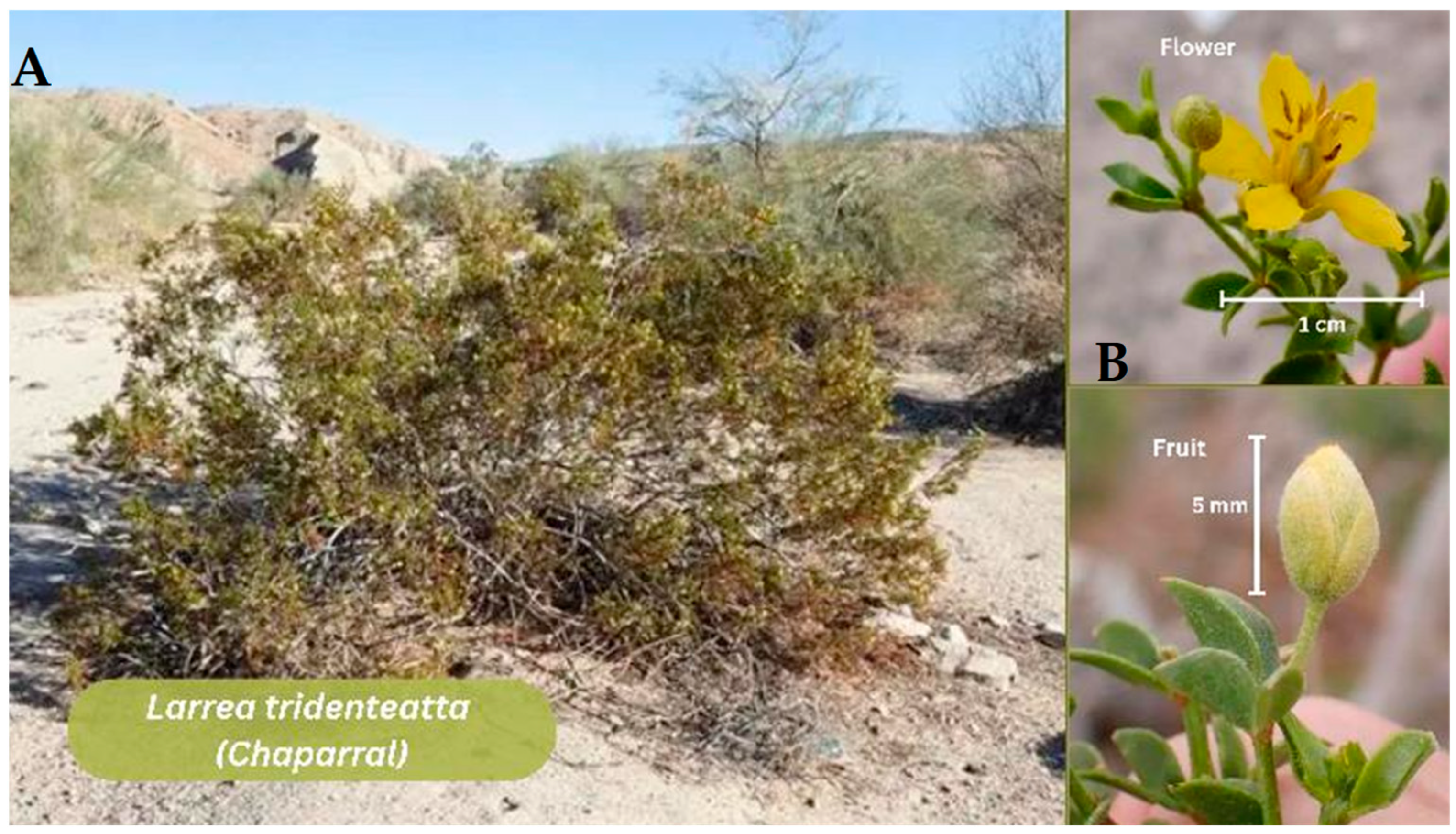
3.2.1. Larrea tridentata (Chaparral)
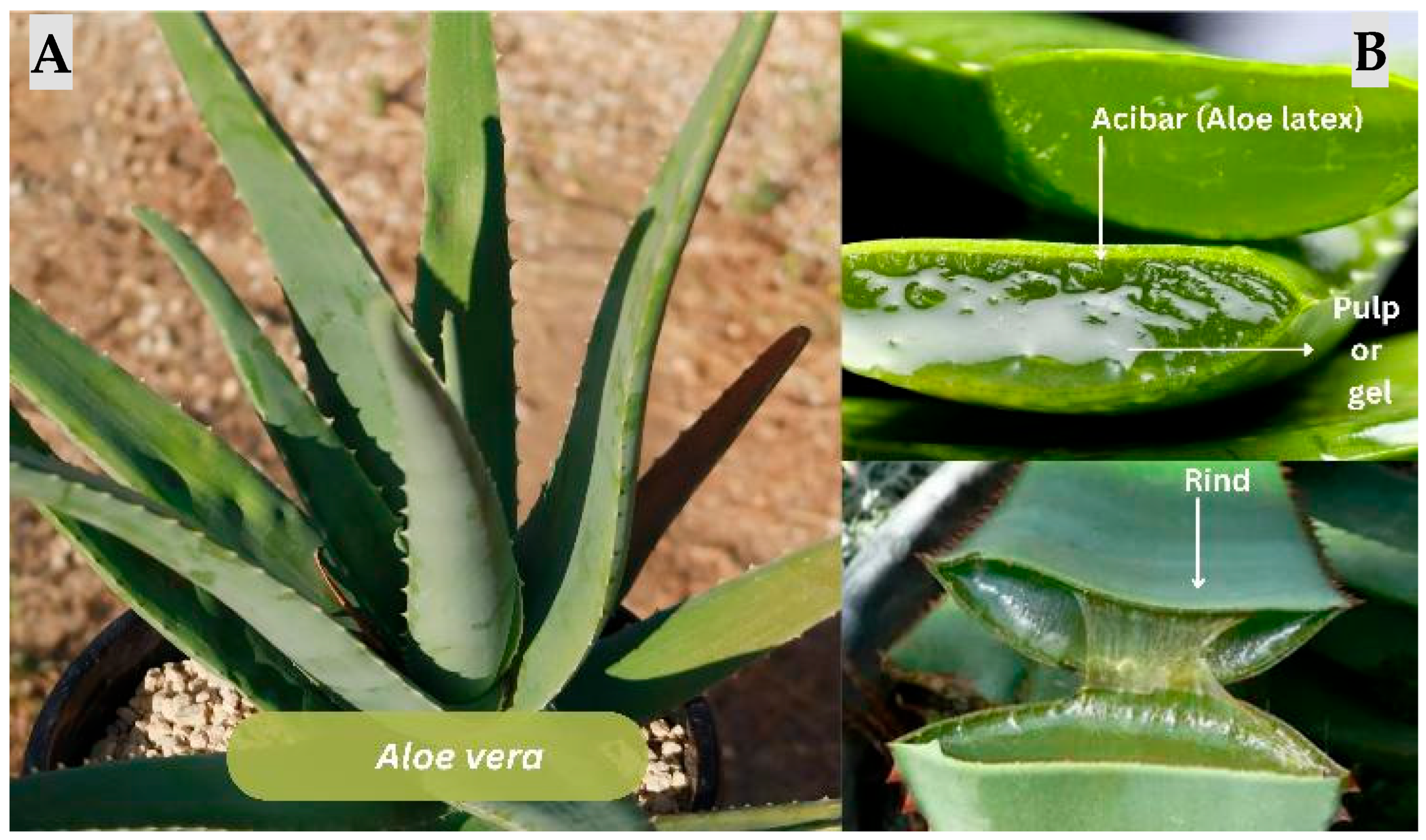
3.2.2. Aloe vera
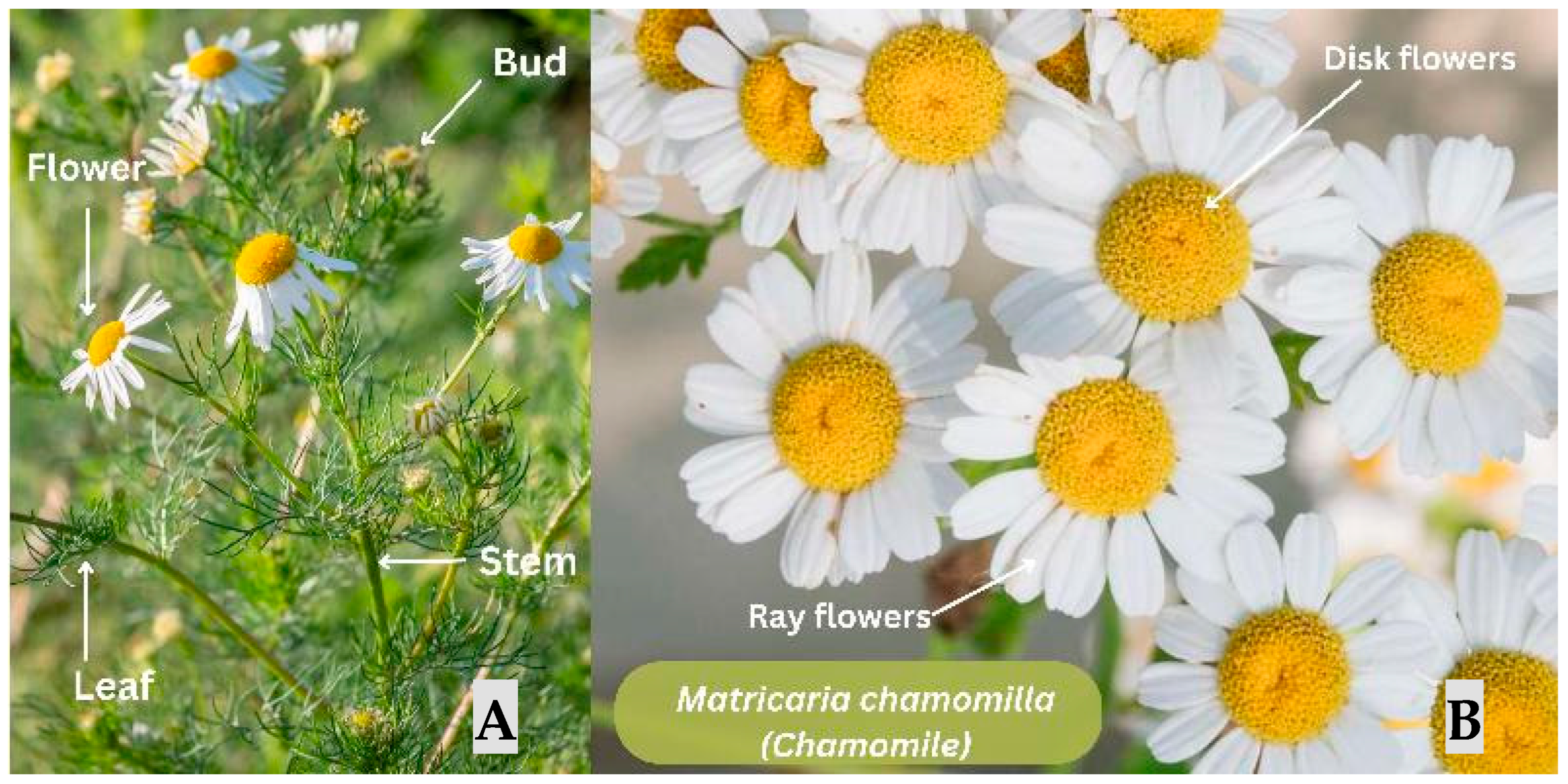
3.2.3. Matricaria chamomilla (Chamomile)
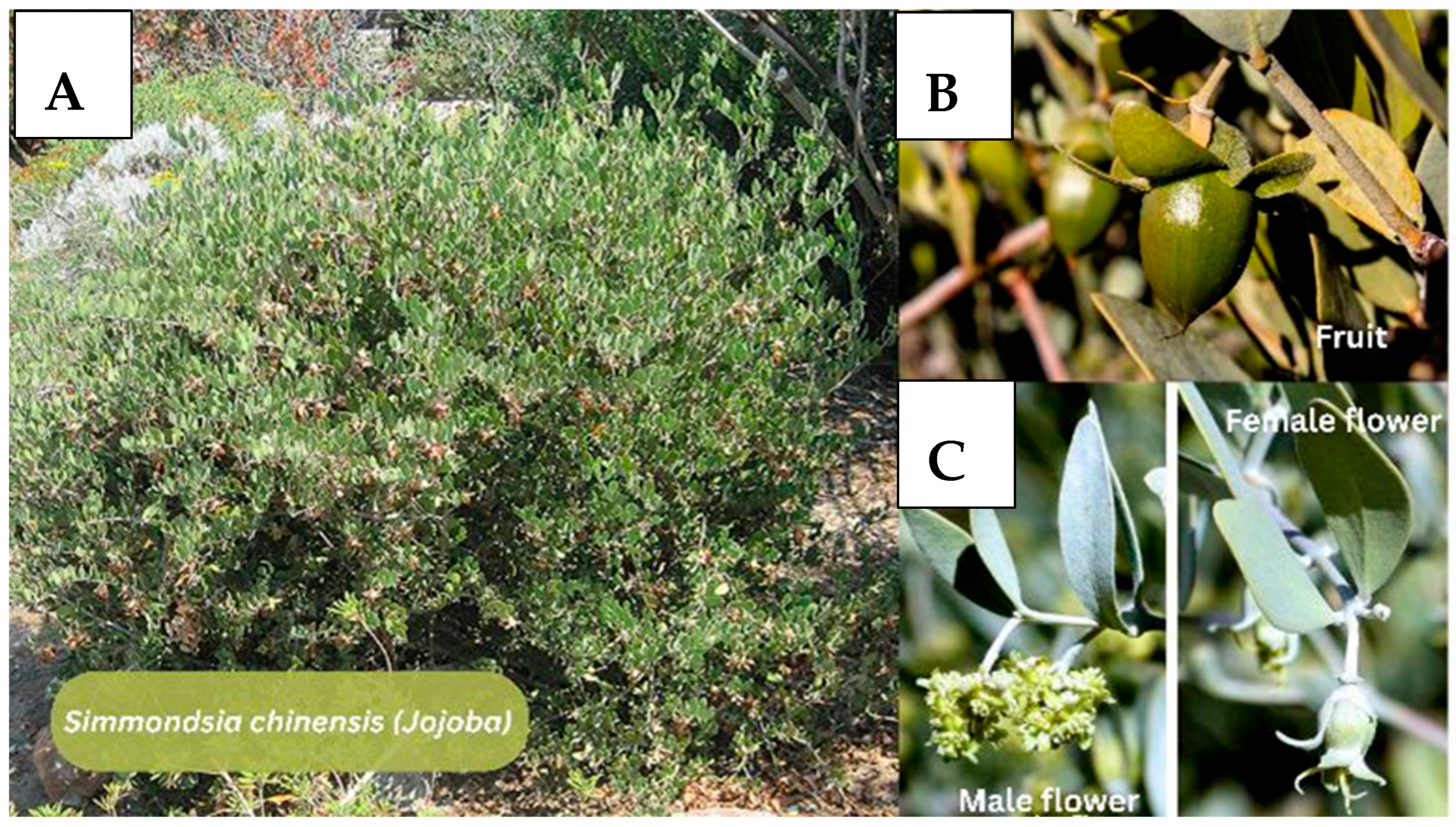
3.2.4. Simmondsia chinensis (Jojoba)
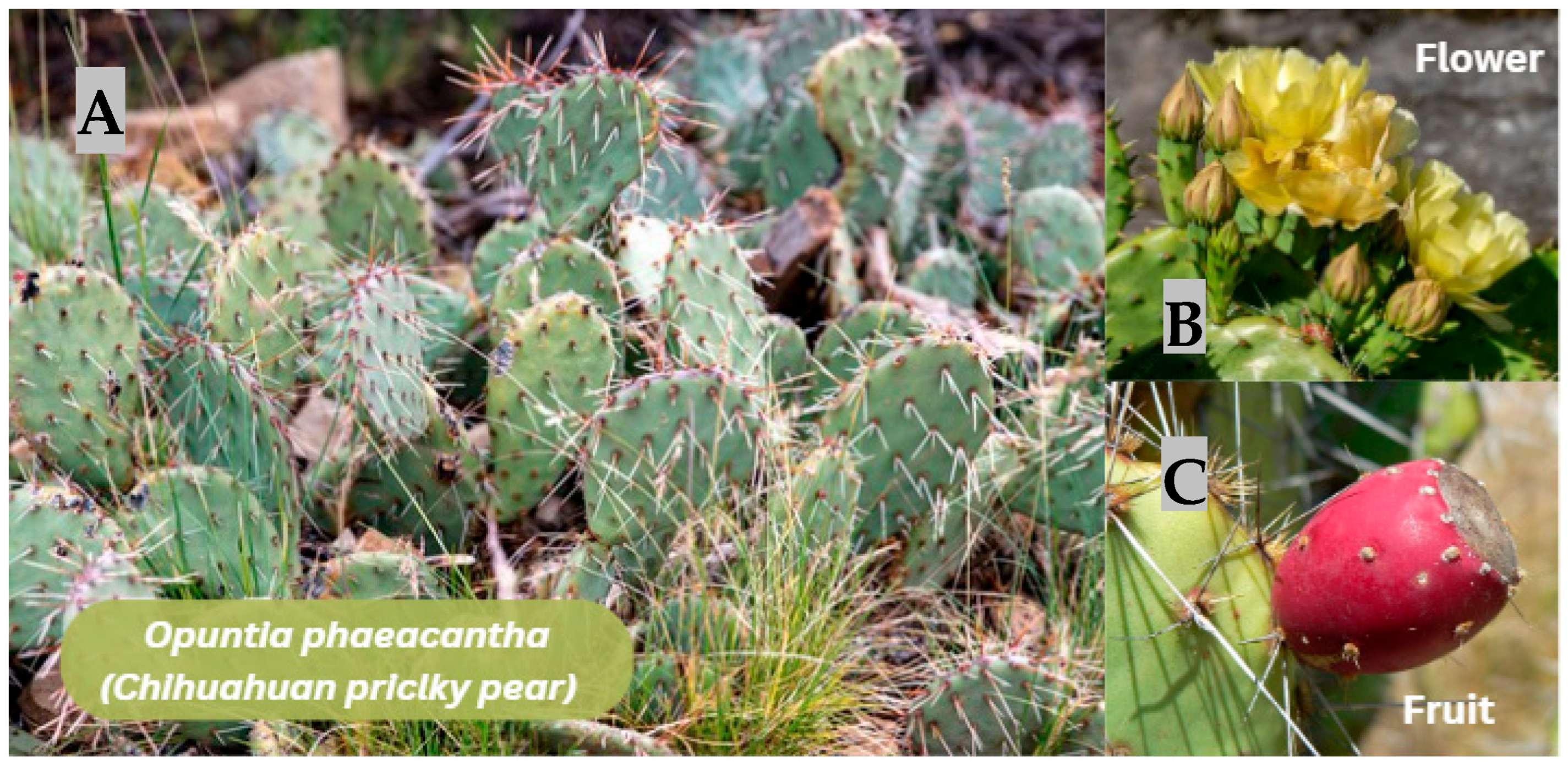
3.2.5. Opuntia phaeacantha (Chihuahuan prickly pear)
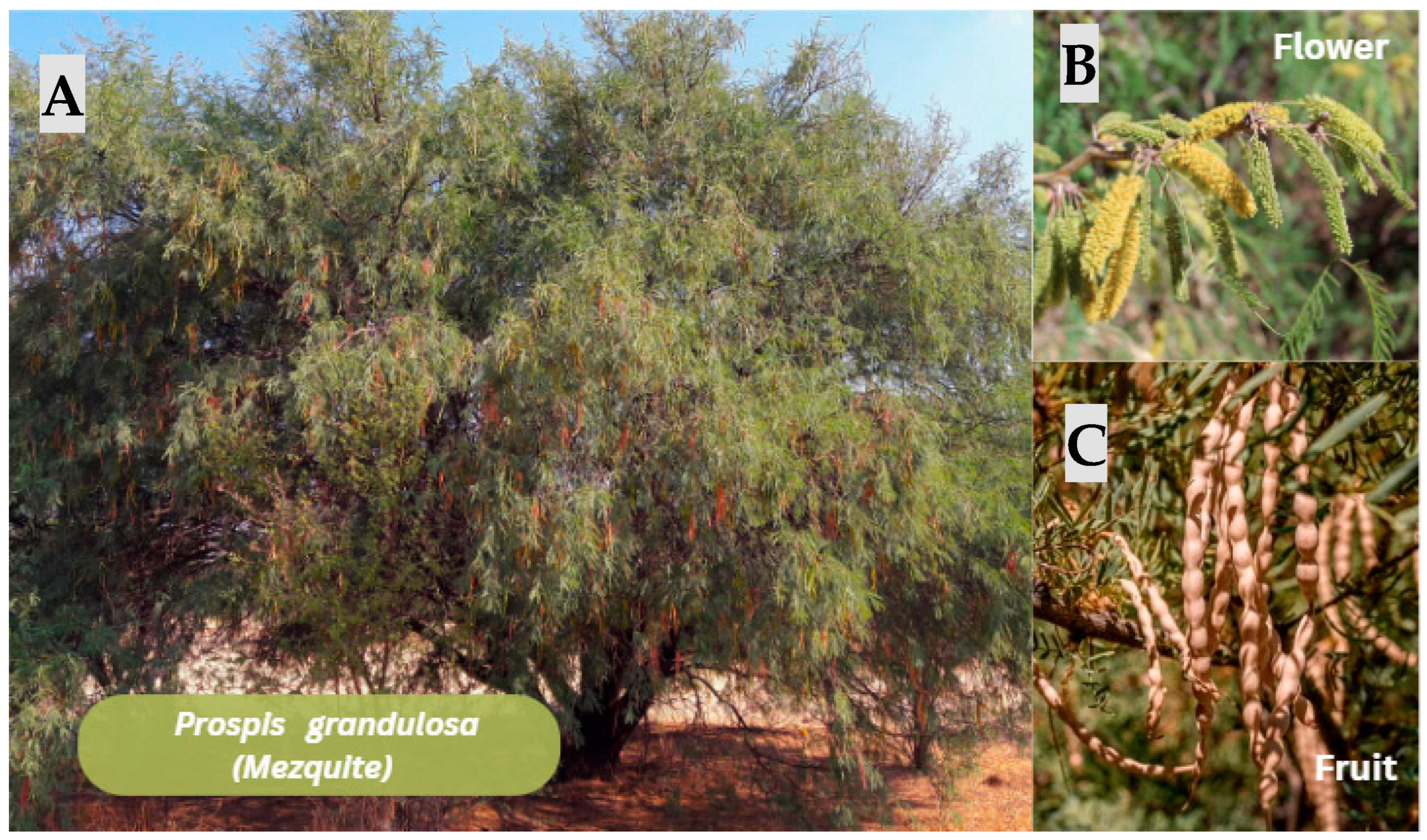
3.2.6. Prospis grandulosa (Mezquite)
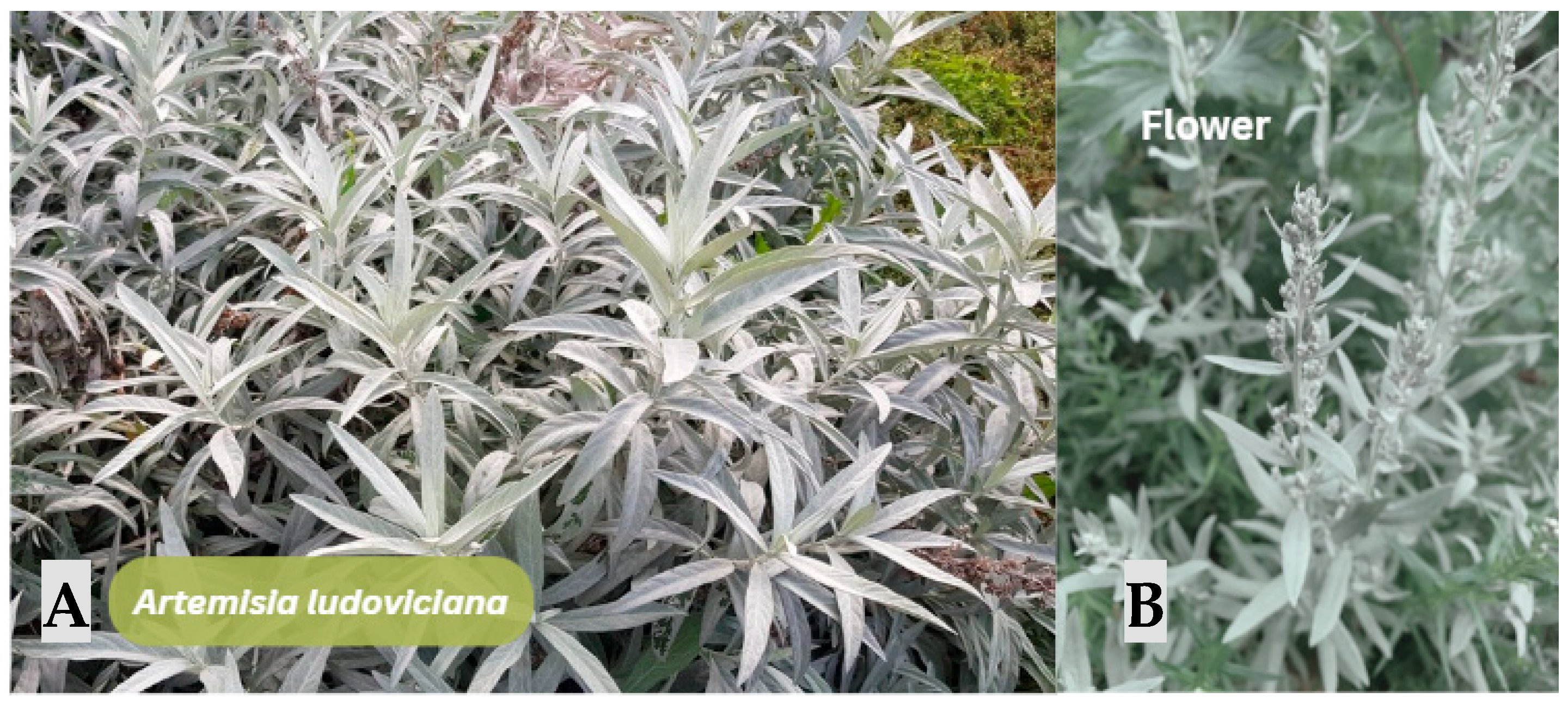
3.2.7. Artemisa ludoviciana
3.3. Projected Biofunctional Effects on Collagen Formation, Cell Proliferation, and ECM Remodeling from Studied Chihuahua Floral Sources
4. Discussion
4.1. Biofunctional Effects on Tissue Regeneration
4.2. Biocompatibility of Natural Compounds Derived from Chihuahuan Flora
4.3. Bioethical Considerations and Sustainability Perspectives for the Use of Chihuahuan Flora Extracts in Biomaterial Development
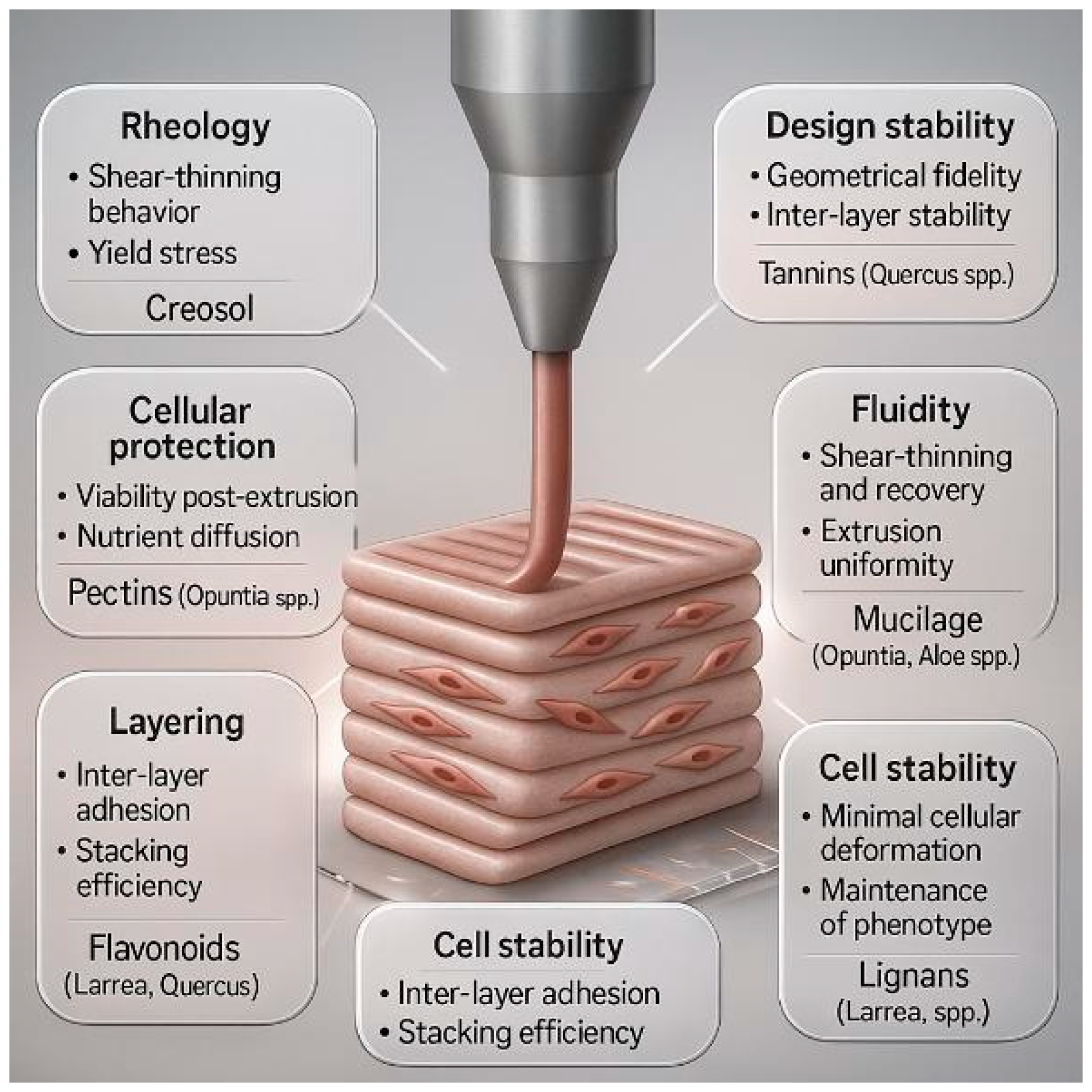
4.4. Enhancing Rheological Properties and 3D-Printing Performance
5. Conclusions
Author Contributions
Funding
Institutional Review Board Statement
Informed Consent Statement
Data Availability Statement
Acknowledgments
Conflicts of Interest
References
- Di Stefano, A.B.; Urrata, V.; Schilders, K.; Franza, M.; Di Leo, S.; Moschella, F.; Cordova, A.; Toia, F. Three-Dimensional Bioprinting Techniques in Skin Regeneration: Current Insights and Future Perspectives. Life 2025, 15, 787. [Google Scholar] [CrossRef]
- Mirsky, N.A.; Ehlen, Q.T.; Greenfield, J.A.; Antonietti, M.; Slavin, B.V.; Nayak, V.V.; Pelaez, D.; Tse, D.T.; Witek, L.; Daunert, S.; et al. Three-Dimensional Bioprinting: A Comprehensive Review for Applications in Tissue Engineering and Regenerative Medicine. Bioengineering 2024, 11, 777. [Google Scholar] [CrossRef] [PubMed]
- Yousef, H.; Alhajj, M.; Fakoya, A.O.; Sharma, S. Anatomy, Skin (Integument), Epidermis. Available online: https://www.ncbi.nlm.nih.gov/books/NBK470464/ (accessed on 4 August 2025).
- Bebiano, L.B.; Presa, R.; Silva, I.V.; Oliveira, A.L.; Costa, J.B.; Pereira, R.F. Design and Bioprinting of Decellularized Extracellular Matrix-Based Bioinks for Skin Tissue Engineering. J. 3D Print. Med. 2023, 7, 3DP15. [Google Scholar] [CrossRef]
- Wang, M.; Hong, Y.; Fu, X.; Sun, X. Advances and Applications of Biomimetic Biomaterials for Endogenous Skin Regeneration. Bioact. Mater. 2024, 39, 492–520. [Google Scholar] [PubMed]
- Eming, S.A.; Martin, P.; Tomic-Canic, M. Wound repair and regeneration: Mechanisms, signaling, and translation. Sci. Transl. Med. 2014, 6, 265sr6. [Google Scholar] [CrossRef]
- Iordache, M.; Avram, L.; Lascar, I.; Frunza, A. The Role of Skin Substitutes in the Therapeutical Management of Burns Affecting Functional Areas. Medicina 2025, 61, 947. [Google Scholar] [CrossRef]
- Kolimi, P.; Narala, S.; Nyavanandi, D.; Youssef, A.A.A.; Dudhipala, N. Innovative Treatment Strategies to Accelerate Wound Healing: Trajectory and Recent Advancements. Cells 2022, 11, 2439. [Google Scholar] [CrossRef]
- Tottoli, E.M.; Dorati, R.; Genta, I.; Chiesa, E.; Pisani, S.; Conti, B. Skin Wound Healing Process and New Emerging Technologies for Skin Wound Care and Regeneration. Pharmaceutics 2020, 12, 735. [Google Scholar] [CrossRef]
- Hasan, M.; Swapon, A.R.; Dipti, T.I.; Choi, Y.-J.; Yi, H.-G. Plant-Based Decellularization: A Novel Approach for Perfusion-Compatible Tissue Engineering Structures. J. Microbiol. Biotechnol. 2024, 34, 1003–1016. [Google Scholar] [CrossRef]
- Indurkar, A.; Pandit, A.; Jain, R.; Dandekar, P. Plant-based biomaterials in tissue engineering. Bioprinting 2021, 21, e00127. [Google Scholar] [CrossRef]
- Royo-Márquez, M.H.; Melgoza-Castillo, A.; Sierra-Tristán, J.S. Flora Medicinal de Chihuahua. Rev. Mex. Cienc. For. 2013, 4, 58–69. [Google Scholar]
- Álvarez-Santos, N.; García-Bores, A.M.; Barrera-Oviedo, D.; Hernández-Delgado, C.T.; Estrella-Parra, E.A.; Avila-Acevedo, J.G. Secondary Metabolites in Wound Healing: A Review of Their Mechanisms of Action. Stud. Nat. Prod. Chem. 2023, 78, 403–440. [Google Scholar]
- Salazar-Gómez, A.; Alonso-Castro, A.J. Medicinal Plants from Latin America with Wound Healing Activity: Ethnomedicine, Phytochemistry, Preclinical and Clinical Studies—A Review. Pharmaceuticals 2022, 15, 1095. [Google Scholar] [CrossRef]
- Lazăr, O.; Garhoefer, G.; Ionescu, D.; Ionescu, T.; Istrate, S.; Popa-Cherecheanu, A.; Mincă, D.G. From Autologous Bone Tissue to Bioengineered Material Solutions in Post-Traumatic Orbital Wall Reconstruction: An Overview. J. Funct. Biomater. 2025, 16, 430. [Google Scholar] [CrossRef]
- Jayaraj, A. Outcomes Following Iliac Vein Stenting for Non-Thrombotic Iliac Vein Lesions—A Narrative Review Based on Large Sample Studies. J. Funct. Biomater. 2025, 16, 427. [Google Scholar] [CrossRef]
- Yang, L.; Wang, Z. The Ballet of Natural-Product: Carrier-Free “Triadic” Drug Delivery Platforms for Enhanced Tumor Treatment. J. Funct. Biomater. 2025, 16, 433. [Google Scholar] [CrossRef]
- Camarillo, M.A.; Leal, D.T.G.C.; Meza, V.A.G.; Medina, R.G.H.; Vega-Cabrera, N.V.; Morales, O.A.J. Evaluación cicatrizante y antinflamatoria de miel de Prosopis Glandulosa en un modelo murino. Jóvenes Cienc. 2025, 37, 1–10. [Google Scholar] [CrossRef]
- Valencia-Gómez, L.; Rodríguez-González, C.; Valenzuela, M.A.; Cabrera, F.M.; López, K.R.; Paz, J.H.; Blas, H.R.; Villela, J.S.; Armendáriz, I.O. Allium Cepa: A Natural Enhancer of Wound Closure and Cell Viability in O-Carboxymethyl Chitosan Films. Rev. Mex. Ing. Biomed. 2025, 46, e1484. [Google Scholar] [CrossRef]
- Detering, M.; Langland, A.; Terry, A.; Langland, J. In vitro characterization of potential botanicals to reduce infection and improve the rate of wound healing in humans and canines. BMC Complement. Med. Ther. 2025, 25, 55. [Google Scholar] [CrossRef]
- León-Campos, M.I.; Claudio-Rizo, J.A.; Becerra-Rodriguez, J.J.; Espindola-Serna, L.; Cano-Salazar, L.F.; Rodríguez-Fuentes, N.; Betancourt-Galindo, R. Aloe vera-enriched collagen-polyurethane hydrogel: Supporting tissue regeneration, antibacterial action and drug release for effective wound healing. Biomed. Mater. 2025, 20, 045021. [Google Scholar] [CrossRef] [PubMed]
- Majdoub, O.; Hamdaoui, N.; Albishri, S.; Boudaya, M.; Kallel, C.; Jamoussi, K.; Aouadi, K.; De Vita, D.; El Feki, A.; Kadri, A.; et al. Evaluation of Antioxidant, Anti-inflammatory, Anti-hemolytic, and Enzyme Inhibitory Activities of Polysaccharide Derived from Opuntia stricta (Haw.) Haw. Pulp and its Effects on Wound Healing in Diabetic Rats. Waste Biomass Valorization 2025, 16, 6697–6714. [Google Scholar] [CrossRef]
- Canales-Alvarez, O.; Canales-Martinez, M.M.; Dominguez-Verano, P.; Balderas-Cordero, D.; Madrigal-Bujaidar, E.; Álvarez-González, I.; Rodriguez-Monroy, M.A. Effect of Mexican Propolis on Wound Healing in a Murine Model of Diabetes Mellitus. Int. J. Mol. Sci. 2024, 25, 2201. [Google Scholar] [CrossRef]
- Pablo, J.; Villarreal, V.; Soto, B.A.M.; Stéphane Heya, M.; Galindo-Rodríguez, S.A.; Castillo Velázquez, U.; Cárdenas Noriega, K.A.; García-Ponce, R. Phytotherapeutic Potential of Artemisia ludoviciana and Cordia boissieri Extracts against the Dermatophyte Microsporum canis. J. Vet. Res. 2024, 68, 389–394. [Google Scholar] [CrossRef]
- Wang, X.; Yang, J.; Zhao, Q.; Xie, X.; Deng, F.; Wang, Z.; Jiang, K.; Li, X.; Liu, H.; Shi, Z.; et al. A tissue-adhesive, mechanically enhanced, natural Aloe vera-based injectable hydrogel for wound healing: Macrophage mediation and collagen proliferation. Int. J. Biol. Macromol. 2024, 283, 137452. [Google Scholar] [CrossRef]
- Melnyk, N.; Nyczka, A.; Piwowarski, J.P.; Granica, S. Traditional Use of Chamomile Flowers (Matricariae flos) in Inflammatory-Associated Skin Disorders. Prospect. Pharm. Sci. 2024, 22, 59–73. [Google Scholar] [CrossRef]
- Moshfeghi, T.; Najmoddin, N.; Arkan, E.; Hosseinzadeh, L. A multifunctional polyacrylonitrile fibers/alginate-based hydrogel loaded with chamomile extract and silver sulfadiazine for full-thickness wound healing. Int. J. Biol. Macromol. 2024, 279, 135425. [Google Scholar] [CrossRef] [PubMed]
- Tietel, Z.; Melamed, S.; Ogen-Shtern, N.; Eretz-Kdosha, N.; Silberstein, E.; Ayzenberg, T.; Dag, A.; Cohen, G. Topical application of jojoba (Simmondsia chinensis L.) wax enhances the synthesis of pro-collagen III and hyaluronic acid and reduces inflammation in the ex-vivo human skin organ culture model. Front. Pharmacol. 2024, 15, 1333085. [Google Scholar] [CrossRef] [PubMed]
- Balderas-Cordero, D.; Canales-Alvarez, O.; Sánchez-Sánchez, R.; Cabrera-Wrooman, A.; Canales-Martinez, M.M.; Rodriguez-Monroy, M.A. Anti-Inflammatory and Histological Analysis of Skin Wound Healing through Topical Application of Mexican Propolis. Int. J. Mol. Sci. 2023, 24, 11831. [Google Scholar] [CrossRef]
- Nezhad-Mokhtari, P.; Kazeminava, F.; Abdollahi, B.; Gholizadeh, P.; Heydari, A.; Elmi, F.; Abbaszadeh, M.; Kafil, H.S. Matricaria chamomilla essential oil-loaded hybrid electrospun nanofibers based on polycaprolactone/sulfonated chitosan/ZIF-8 nanoparticles for wound healing acceleration. Int. J. Biol. Macromol. 2023, 247, 125718. [Google Scholar] [CrossRef]
- El Sherif, F.; AlDayel, M.; Ismail, M.B.; Alrajeh, H.S.; Younis, N.S.; Khattab, S. Bio-Stimulant for Improving Simmondsia chinensis Secondary Metabolite Production, as Well as Antimicrobial Activity and Wound Healing Abilities. Plants 2023, 12, 3311. [Google Scholar] [CrossRef] [PubMed]
- Morales-Ubaldo, A.L.; Rivero-Perez, N.; Valladares-Carranza, B.; Madariaga-Navarrete, A.; Higuera-Piedrahita, R.I.; Delgadillo-Ruiz, L.; Bañuelos-Valenzuela, R.; Zaragoza-Bastida, A. Phytochemical Compounds and Pharmacological Properties of Larrea tridentata. Molecules 2022, 27, 5393. [Google Scholar] [CrossRef]
- Romero, J.L.G.; Sosa, C.M.P.; Burgoa, G.L.; Leal, A.C.L.; El Kassis, E.G.; Rodríguez, E.B.; Juárez, G.A.P.; Hernández, L.R.; Bach, H.; Juárez, Z.N. Antimycobacterial, cytotoxic, and anti-inflammatory activities of Artemisia ludoviciana. J. Ethnopharmacol. 2022, 293, 115249. [Google Scholar] [CrossRef] [PubMed]
- Rodriguez, C.; Padilla, V.; Lozano, K.; Villarreal, A.; Materon, L.; Gilkerson, R. Development and characterization of Forcespinning® mesquite gum nanofibers. Mater. Today Commun. 2022, 33, 104599. [Google Scholar] [CrossRef]
- Martínez-Higuera, A.; Rodríguez-Beas, C.; Villalobos-Noriega, J.M.A.; Arizmendi-Grijalva, A.; Ochoa-Sánchez, C.; Larios-Rodríguez, E.; Martínez-Soto, J.M.; Rodríguez-León, E.; Ibarra-Zazueta, C.; Mora-Monroy, R.; et al. Hydrogel with silver nanoparticles synthesized by Mimosa tenuiflora for second-degree burns treatment. Sci. Rep. 2021, 11, 11312. [Google Scholar] [CrossRef]
- Herrera-Medina, R.E.; Álvarez-Fuentes, G.; Contreras-Servin, C.; Garcia-López, J.C. Creosote Bush (Larrea tridentata) Phytochemical Traits and Its Different Uses: A Review. J. Appl. Life Sci. Int. 2021, 24, 34–45. [Google Scholar] [CrossRef]
- Koshak, A.E.; Algandaby, M.M.; Mujallid, M.I.; Abdel-Naim, A.B.; Alhakamy, N.A.; Fahmy, U.A.; Alfarsi, A.; Badr-Eldin, S.M.; Neamatallah, T.; Nasrullah, M.Z.; et al. Wound Healing Activity of Opuntia ficus-indica Fixed Oil Formulated in a Self-Nanoemulsifying Formulation. Int. J. Nanomed. 2021, ume 16, 3889–3905. [Google Scholar] [CrossRef]
- Valencia-Gómez, L.-E.; Martel-Estrada, S.-A.; Vargas-Requena, C.-L.; Acevedo-Fernández, J.-J.; Rodríguez-González, C.-A.; Hernández-Paz, J.-F.; Santos-Rodríguez, E.; Olivas-Armendáriz, I. Characterization and evaluation of a novel O-carboxymethyl chitosan films with Mimosa tenuiflora extract for skin regeneration and wound healing. J. Bioact. Compat. Polym. 2019, 35, 39–56. [Google Scholar] [CrossRef]
- Ghorbani, M.; Nezhad-Mokhtari, P.; Ramazani, S. Aloe vera-loaded nanofibrous scaffold based on Zein/Polycaprolactone/Collagen for wound healing. Int. J. Biol. Macromol. 2020, 153, 921–930. [Google Scholar] [CrossRef]
- Alvarez-Parrilla, E.; Urrea-López, R.; de la Rosa, L.A. Bioactive components and health effects of pecan nuts and their by-products: A review. J. Food Bioact. 2018, 1, 56–92. [Google Scholar] [CrossRef]
- Jangra, N.; Singla, A.; Puri, V.; Dheer, D.; Chopra, H.; Malik, T.; Sharma, A. Herbal bioactive-loaded biopolymeric formulations for wound healing applications. RSC Adv. 2025, 15, 12402–12442. [Google Scholar] [CrossRef]
- Hu, T.; Fang, J.; Shen, Y.; Li, M.; Wang, B.; Xu, Z.; Hu, W. Advances of naturally derived biomedical polymers in tissue engineering. Front. Chem. 2024, 12, 1469183. [Google Scholar] [CrossRef]
- Koob, T.J.; Hernandez, D.J. Mechanical and thermal properties of novel polymerized NDGA–gelatin hydrogels. Biomaterials 2003, 24, 1285–1292. [Google Scholar] [CrossRef] [PubMed]
- Carranza, T.; Hasan, E.; Guerrero, P.; de la Caba, K.; Ferreira, A.M. Innovative Use of Gallic Acid as a Crosslinking Agent for Gelatin: A Biocompatible Strategy for 3D-Printed Scaffolds in Tissue Engineering. Pharmaceutics 2025, 17, 951. [Google Scholar] [CrossRef]
- Jongprasitkul, H.; Turunen, S.; Parihar, V.S.; Kellomäki, M. Sequential Cross-linking of Gallic Acid-Functionalized GelMA-Based Bioinks with Enhanced Printability for Extrusion-Based 3D Bioprinting. Biomacromolecules 2022, 24, 502–514. [Google Scholar] [CrossRef] [PubMed]
- Xu, H.; Casillas, J.; Krishnamoorthy, S.; Xu, C. Effects of Irgacure 2959 and lithium phenyl-2,4,6-trimethylbenzoylphosphinate on cell viability, physical properties, and microstructure in 3D bioprinting of vascular-like constructs. Biomed. Mater. 2020, 15, 055021. [Google Scholar] [CrossRef]
- Karthikeyan, M.; Mehta, A.; Kumar, S.S.; Mohan, H.; Usha, B. Safety, Dosage, and Regulatory Aspects in the Use of Phytochemicals. In Medicinal Plants and Their Bioactives in Human Diseases; Springer Nature: Cham, Switzerland, 2025; pp. 207–233. [Google Scholar]
- Tovar-Carrillo, K.L.; Saucedo-Acuña, R.A.; Ríos-Arana, J.; Tamayo, G.; Guzmán-Gastellum, D.A.; Díaz-Torres, B.A.; Nava-Martínez, S.D.; Espinosa-Cristóbal, L.F.; Cuevas-González, J.C. Synthesis, Characterization, and In Vitro and In Vivo Evaluations of Cellulose Hydrogels Enriched with Larrea tridentata for Regenerative Applications. BioMed Res. Int. 2020, 2020, 1425402. [Google Scholar] [CrossRef] [PubMed]
- Rahman, S.; Ansari, R.A.; Rehman, H.; Parvez, S.; Raisuddin, S. Nordihydroguaiaretic Acid from Creosote Bush (Larrea tridentata) Mitigates 12-O-Tetradecanoylphorbol-13-Acetate-Induced Inflammatory and Oxidative Stress Responses of Tumor Promotion Cascade in Mouse Skin. Evid. Based Complement. Altern. Med. 2011, 2011, 734785. [Google Scholar] [CrossRef]
- Keşim, D.A.; Aşır, F.; Ayaz, H.; Korak, T. The Effects of Ellagic Acid on Experimental Corrosive Esophageal Burn Injury. Curr. Issues Mol. Biol. 2024, 46, 1579–1592. [Google Scholar] [CrossRef]
- Ramos-Torrecillas, J.; González-Acedo, A.; Melguizo-Rodríguez, L.; Ruiz, C.; De Luna-Bertos, E.; Illescas-Montes, R.; García-Martínez, O. Anti-Inflammatory and Antimicrobial Effect of Ellagic Acid and Punicalagin in Dermal Fibroblasts. Int. J. Mol. Sci. 2025, 26, 8681. [Google Scholar] [CrossRef]
- Chelu, M.; Musuc, A.M.; Popa, M.; Moreno, J.C. Aloe vera-Based Hydrogels for Wound Healing: Properties and Therapeutic Effects. Gels 2023, 9, 539. [Google Scholar] [CrossRef]
- Solanki, D.; Vinchhi, P.; Patel, M.M. Design Considerations, Formulation Approaches, and Strategic Advances of Hydrogel Dressings for Chronic Wound Management. ACS Omega 2023, 8, 8172–8189. [Google Scholar] [CrossRef]
- Nguyen, H.M.; Le, T.T.N.; Nguyen, A.T.; Le, H.N.T.; Pham, T.T. Biomedical materials for wound dressing: Recent advances and applications. RSC Adv. 2023, 13, 5509–5528. [Google Scholar] [CrossRef]
- Yang, K.; Han, Q.; Chen, B.; Zheng, Y.; Zhang, K.; Li, Q.; Wang, J. Antimicrobial hydrogels: Promising materials for medical application. Int. J. Nanomed. 2018, ume 13, 2217–2263. [Google Scholar] [CrossRef]
- Azahra, S.; Parisa, N.; Fatmawati, F.; Amalia, E.; Larasati, V. Antibacterial Efficacy of Aloe vera Sap Against Staphylococcus aureus and Escherichia coli. Biosci. Med. J. Biomed. Transl. Res. 2019, 3, 29–37. [Google Scholar] [CrossRef]
- Akhoondinasab, M.R.; Khodarahmi, A.; Akhoondinasab, M.; Saberi, M.; Iranpour, M. Assessing effect of three herbal medicines in second and third degree burns in rats and comparison with silver sulfadiazine ointment. Burns 2015, 41, 125–131. [Google Scholar] [CrossRef] [PubMed]
- Chelu, M.; Popa, M.; Ozon, E.A.; Cusu, J.P.; Anastasescu, M.; Surdu, V.A.; Moreno, J.C.; Musuc, A.M. High-Content Aloe vera Based Hydrogels: Physicochemical and Pharmaceutical Properties. Polymers 2023, 15, 1312. [Google Scholar] [CrossRef]
- Meza-Valle, K.Z.; Saucedo-Acuña, R.A.; Tovar-Carrillo, K.L.; Cuevas-González, J.C.; Zaragoza-Contreras, E.A.; Melgoza-Lozano, J. Characterization and Topical Study of Aloe vera Hydrogel on Wound-Healing Process. Polymers 2021, 13, 3958. [Google Scholar] [CrossRef]
- Mujawar, S.S.; Arbade, G.K.; Bisht, N.; Mane, M.; Tripathi, V.; Sharma, R.K.; Kashte, S.B. 3D printed Aloe barbadensis loaded alginate-gelatin hydrogel for wound healing and scar reduction: In vitro and in vivo study. Int. J. Biol. Macromol. 2025, 296, 139745. [Google Scholar] [CrossRef] [PubMed]
- Iosageanu, A.; Mihai, E.; Seciu-Grama, A.-M.; Utoiu, E.; Gaspar-Pintiliescu, A.; Gatea, F.; Cimpean, A.; Craciunescu, O. In Vitro Wound-Healing Potential of Phenolic and Polysaccharide Extracts of Aloe vera Gel. J. Funct. Biomater. 2024, 15, 266. [Google Scholar] [CrossRef]
- Kim, M.; Park, J.H. Isolation of Aloe saponaria-Derived Extracellular Vesicles and Investigation of Their Potential for Chronic Wound Healing. Pharmaceutics 2022, 14, 1905. [Google Scholar] [CrossRef]
- Nafea, N.A.; Ghani, B.A. Effect of Matricaria chamomilla Extract on Experimentally Induced Cutaneous Wound Healing in Rats. J. Res. Med. Dent. Sci. 2023, 11, 001–005. [Google Scholar]
- Nematollahi, P.; Aref, N.M.; Meimandi, F.Z.; Rozei, S.L.; ZareÉ, H.; Mirlohi, S.M.J.; Rafiee, S.; Mohsenikia, M.; Soleymani, A.; Ashkani-Esfahani, S.; et al. Matricaria Chamomilla Extract Improves Diabetic Wound Healing in Rat Models. Trauma Mon. 2019, 24, 14318. [Google Scholar] [CrossRef]
- Fonseca, C.; Quirino, M.-R.; Patrocinio, M.; Anbinder, A. Effects of Chamomilla recutita (L.) on oral wound healing in rats. Med. Oral Patol. Oral Y Cir. Bucal 2011, 16, e716–e721. [Google Scholar] [CrossRef]
- Jamroży, M.; Głąb, M.; Kudłacik-Kramarczyk, S.; Drabczyk, A.; Gajda, P.; Tyliszczak, B. The Impact of the Matricaria chamomilla L. Extract, Starch Solution and the Photoinitiator on Physiochemical Properties of Acrylic Hydrogels. Materials 2022, 15, 2837. [Google Scholar] [CrossRef]
- Shokrollahi, M.; Bahrami, S.H.; Nazarpak, M.H.; Solouk, A. Multilayer nanofibrous patch comprising chamomile loaded carboxyethyl chitosan/poly(vinyl alcohol) and polycaprolactone as a potential wound dressing. Int. J. Biol. Macromol. 2020, 147, 547–559. [Google Scholar] [CrossRef]
- Albahri, G.; Badran, A.; Hijazi, A.; Daou, A.; Baydoun, E.; Nasser, M.; Merah, O. The Therapeutic Wound Healing Bioactivities of Various Medicinal Plants. Life 2023, 13, 317. [Google Scholar] [CrossRef]
- Habashy, R.; Abdelnaim, A.; Khalifa, A.; Alazizi, M. Anti-inflammatory effects of jojoba liquid wax in experimental models. Pharmacol. Res. 2005, 51, 95–105. [Google Scholar] [CrossRef]
- Ranzato, E.; Martinotti, S.; Burlando, B. Wound healing properties of jojoba liquid wax: An in vitro study. J. Ethnopharmacol. 2011, 134, 443–449. [Google Scholar] [CrossRef] [PubMed]
- Torregrossa, F.; Pollon, M.; Liguori, G.; Gargano, F.; Albanese, D.; Malvano, F.; Cinquanta, L. Rheological and Physical Properties of Mucilage Hydrogels from Cladodes of Opuntia ficus-indica: Comparative Study with Pectin. Gels 2025, 11, 556. [Google Scholar] [CrossRef]
- Barna, A.S.; Maxim, C.; Trifan, A.; Blaga, A.C.; Cimpoesu, R.; Turcov, D.; Suteu, D. Preliminary Approaches to Cosmeceuticals Emulsions Based on N-ProlylPalmitoyl Tripeptide-56 Acetat-Bakuchiol Complex Intended to Combat Skin Oxidative Stress. Int. J. Mol. Sci. 2023, 24, 7004. [Google Scholar] [CrossRef] [PubMed]
- Chaudhuri, R.K.; Bojanowski, K. Bakuchiol: A retinol-like functional compound revealed by gene expression profiling and clinically proven to have anti-aging effects. Int. J. Cosmet. Sci. 2014, 36, 221–230. [Google Scholar] [CrossRef]
- Bluemke, A.; Ring, A.P.; Immeyer, J.; Hoff, A.; Eisenberg, T.; Gerwat, W.; Meyer, F.; Breitkreutz, S.; Klinger, L.M.; Brandner, J.M.; et al. Multidirectional activity of bakuchiol against cellular mechanisms of facial ageing—Experimental evidence for a holistic treatment approach. Int. J. Cosmet. Sci. 2022, 44, 377–393. [Google Scholar] [CrossRef] [PubMed]
- Mascarenhas-Melo, F.; Ribeiro, M.M.; Kahkesh, K.H.; Parida, S.; Pawar, K.D.; Velsankar, K.; Jha, N.K.; Damiri, F.; Costa, G.; Veiga, F.; et al. Comprehensive review of the skin use of bakuchiol: Physicochemical properties, sources, bioactivities, nanotechnology delivery systems, regulatory and toxicological concerns. Phytochem. Rev. 2024, 23, 1377–1413. [Google Scholar] [CrossRef]
- Rivero-Cruz, I.; Anaya-Eugenio, G.; Pérez-Vásquez, A.; Martínez, A.L.; Mata, R. Quantitative Analysis and Pharmacological Effects of Artemisia ludoviciana Aqueous Extract and Compounds. Nat. Prod. Commun. 2017, 12, 1531–1534. [Google Scholar] [CrossRef]
- Anaya-Eugenio, G.D.; Rivero-Cruz, I.; Bye, R.; Linares, E.; Mata, R. Antinociceptive activity of the essential oil from Artemisia ludoviciana. J. Ethnopharmacol. 2016, 179, 403–411. [Google Scholar] [CrossRef]
- Secretariat of the Convention on Biological Diversity. United Nations Environmental Programme Nagoya Protocol on Access to Genetic Resources and the Fair and Equitable Sharing of Benefits Arising from Their Utilization to the Convention on Biological Diversity. Text and Annex. 2011. Available online: https://www.cbd.int/abs/doc/protocol/nagoya-protocol-en.pdf (accessed on 1 November 2025).
- Secretariat of the Convention on Biological Diversity United Nations Environmental Programme Nagoya Protocol on Access to Genetic Resources and the Fair and Equitable Sharing of Benefits Arising from Their Utilization to the Convention on Biological Diversity; Miranda Ruvalcaba, R.; Cid del Prado Mejía, K.; Noguez Córdova, M.O.; Escobedo González, R.G.; Martínez, J.O.; Cortés Ruiz Velasco, J.F.; Reyes Sánchez, L.B.; Morales, D. Química Verde Principio Por Principio, 1st ed.; Editorial UNAM: Mexico City, Mexico, 2024; Volume 1, ISBN 978-607-30-8720-9. [Google Scholar]
- UNESCO. Records of the General Conference, 33rd session, Paris, 3–21 October 2005 (Vol. 1): Resolutions (Corrigendum 4). United Nations Educational, Scientific and Cultural Organization 2005. Available online: https://unesdoc.unesco.org/ark:/48223/pf0000142825 (accessed on 1 November 2025).
- Secretariat of the Convention on Biological Diversity. Addis Ababa Principles and Guidelines for the Sustainable Use of Biodiversity; Secretariat of the Convention on Biological Diversity: Montreal, QC, Canada, 2004. [Google Scholar]
- Clemensen, A.K.; Provenza, F.D.; Hendrickson, J.R.; Grusak, M.A. Ecological Implications of Plant Secondary Metabolites—Phytochemical Diversity Can Enhance Agricultural Sustainability. Front. Sustain. Food Syst. 2020, 4, 547826. [Google Scholar] [CrossRef]
- Honorato-Salazar, J.A.; Aburto, J.; Amezcua-Allieri, M.A. Agave and Opuntia Species as Sustainable Feedstocks for Bioenergy and Byproducts. Sustainability 2021, 13, 12263. [Google Scholar] [CrossRef]
- Márquez-Rangel, I.; Cruz, M.; Neira-Vielma, A.A.; Ramírez-Barrón, S.N.; Aguilar-Zarate, P.; Belmares, R. Plants from Arid Zones of Mexico: Bioactive Compounds and Potential Use for Food Production. Resources 2025, 14, 13. [Google Scholar] [CrossRef]
- Bercea, M. Rheology as a Tool for Fine-Tuning the Properties of Printable Bioinspired Gels. Molecules 2023, 28, 2766. [Google Scholar] [CrossRef]
- Cooke, M.E.; Rosenzweig, D.H. The rheology of direct and suspended extrusion bioprinting. APL Bioeng. 2021, 5, 011502. [Google Scholar] [CrossRef]
- Cunha-Silva, L.; Teixeira-Dias, J.J.C. Aqueous Solution Inclusion of the Nonionic Surfactant C12E4 in β-Cyclodextrin: Implications of Micellization in Stoichiometry Determination and Model Calculations. J. Incl. Phenom. Macrocycl. Chem. 2002, 43, 127–131. [Google Scholar] [CrossRef]
- Zarandona, I.; Bengoechea, C.; Álvarez-Castillo, E.; de la Caba, K.; Guerrero, A.; Guerrero, P. 3D Printed Chitosan-Pectin Hydrogels: From Rheological Characterization to Scaffold Development and Assessment. Gels 2021, 7, 175. [Google Scholar] [CrossRef] [PubMed]
- Aghajani, M.; Garshasbi, H.R.; Naghib, S.M.; Mozafari, M.R. 3D Printing of Hydrogel Polysaccharides for Biomedical Applications: A Review. Biomedicines 2025, 13, 731. [Google Scholar] [CrossRef] [PubMed]
- Jiang, T.; Yang, Y.; Lin, Z.; Hong, Y.; Luo, Z. Modified Polysaccharides: Potential Biomaterials for Bioprinting. J. Funct. Biomater. 2025, 16, 338. [Google Scholar] [CrossRef] [PubMed]
- Shokrani, H.; Shokrani, A.; Seidi, F.; Mashayekhi, M.; Kar, S.; Nedeljkovic, D.; Kuang, T.; Saeb, M.R.; Mozafari, M. Polysaccharide-based biomaterials in a journey from 3D to 4D printing. Bioeng. Transl. Med. 2023, 8, e10503. [Google Scholar] [CrossRef]
- Lopes, A.I.; Pintado, M.M.; Tavaria, F.K. Plant-Based Films and Hydrogels for Wound Healing. Microorganisms 2024, 12, 438. [Google Scholar] [CrossRef]
- Chidchai, P.; Singpanna, K.; Pengnam, S.; Charoenying, T.; Pamornpathomkul, B.; Patrojanasophon, P.; Chaksmithanont, P.; Pornpitchanarong, C. Experimental Optimization of Tannic Acid-Crosslinked Hydrogels for Neomycin Delivery in Infected Wounds. Polymers 2025, 17, 770. [Google Scholar] [CrossRef]
- Shavandi, A.; Bekhit, A.E.-D.A.; Saeedi, P.; Izadifar, Z.; Bekhit, A.A.; Khademhosseini, A. Polyphenol uses in biomaterials engineering. Biomaterials 2018, 167, 91–106. [Google Scholar] [CrossRef]
- Quan, W.-Y.; Hu, Z.; Liu, H.-Z.; Ouyang, Q.-Q.; Zhang, D.-Y.; Li, S.-D.; Li, P.-W.; Yang, Z.-M. Mussel-Inspired Catechol-Functionalized Hydrogels and Their Medical Applications. Molecules 2019, 24, 2586. [Google Scholar] [CrossRef]
- Chen, X.; Yang, M.; Zhou, Z.; Sun, J.; Meng, X.; Huang, Y.; Zhu, W.; Zhu, S.; He, N.; Zhu, X.; et al. An Anti-Oxidative Bioink for Cartilage Tissue Engineering Applications. J. Funct. Biomater. 2024, 15, 37. [Google Scholar] [CrossRef]
- Alogla, A. Enhancing antioxidant delivery through 3D printing: A pathway to advanced therapeutic strategies. Front. Bioeng. Biotechnol. 2023, 11, 1256361. [Google Scholar] [CrossRef] [PubMed]
- Lai, Y.; Xiao, X.; Huang, Z.; Duan, H.; Yang, L.; Yang, Y.; Li, C.; Feng, L. Photocrosslinkable Biomaterials for 3D Bioprinting: Mechanisms, Recent Advances, and Future Prospects. Int. J. Mol. Sci. 2024, 25, 12567. [Google Scholar] [CrossRef] [PubMed]







| Vegetable Source | Highlighted Contributions | Active Compounds | Reference | Year |
|---|---|---|---|---|
| Proposis glandulosa | This study evaluated the wound-healing and anti-inflammatory activity of mesquite honey, obtained from Prosopis glandulosa, using a murine model. Eighteen male Wistar rats were used in the study. These rats received dorsal wounds through a standard 1 cm skin incision under aseptic conditions. Three treatments were administered to the rats: a control group, an experimental group (mesquite honey), and a reference drug group (1% silver sulfadiazine). The topical treatments were applied for 22 consecutive days. On days 1, 6, and 22 of treatment, the percentage of wound healing was calculated using digital photographs with ImageJ software version 1.48q, and histopathological parameters were evaluated using hematoxylin and eosin staining. The results showed that mesquite honey significantly improved wound healing and reduced inflammation compared to the control group and the reference drug group (p < 0.05). | Honey contains more than 200 bioactive components, including flavonoids, phenolic acids, enzymes, and antimicrobial peptides. | [18] | 2025 |
| Allium cepa | This study characterizes an extract of Allium cepa, including its terpenoid profile, and reports an antioxidant activity of 70%. In vitro wound-healing assays showed that a 15 mg/mL concentration significantly enhanced fibroblast proliferation and migration. These findings were further validated using O-carboxymethyl chitosan films containing 7% and 20% w/w extract, which exhibited higher cell viability after three days compared with control films. Overall, low extract concentrations improved cellular responses relevant to wound healing, supporting its potential as a bioactive component in polymeric biomaterials for skin regeneration. | Extract-characterization showing the presence of saponins, flavonoids. | [19] | 2025 |
| Larrea tridentata | This review assesses the antimicrobial and wound-healing potential of botanical extracts prepared using low- and high-ethanol concentrations. Wound types ranging from superficial abrasions to severe tissue damage were evaluated, including cases complicated by infection or systemic conditions. Extracts were tested against pathogens associated with human and canine wound infections (Staphylococcus aureus, Pseudomonas aeruginosa, Staphylococcus pseudintermedius, Malassezia pachydermatis). Human (HaCaT) and canine (CPEK) keratinocyte scratch assays showed that species such as Eucalyptus globulus, Juglans nigra, Larrea tridentata, Salvia officinalis, Zingiber officinale display broad antimicrobial activity, while Achillea millefolium, Aloe vera, and Usnea barbata improved wound closure. These findings support their potential incorporation into new therapeutic formulations. | Plant extracts | [20] | 2025 |
| Aloe vera | This work investigates the integration of Aloe vera extract into collagen–polyurethane hydrogels to develop multifunctional wound dressings. Aloe vera provides healing, anti-inflammatory, moisturizing, and antimicrobial benefits due to its polysaccharides, proteins, vitamins, and anthraquinones (e.g., aloin, emodin). Hydrogels containing 20–60 wt% extract formed semi-interpenetrating polymer networks (semi-IPNs), with higher extract content increasing crosslinking (38 ± 3%) and superabsorbent capacity (2850 ± 210%). The 60 wt% formulation achieved optimal viscosity, biodegradation resistance, antibacterial effects (E. coli 78%; S. aureus 57%), and controlled ketorolac release (65% at pH 5.5). Biocompatibility assays confirmed fibroblast and monocyte proliferation, non-hemolytic behavior, and increased TGF-β1 secretion. These results highlight the potential of Aloe vera-loaded hydrogels as multifunctional wound-healing systems. | Phenolic compounds | [21] | 2025 |
| Opuntia ssp. | The study evaluated the in vitro biological activities of polysaccharides obtained from Opuntia pulp (POS) and their efficacy as a wound-healing agent in a diabetic rat model. The methodology included the evaluation of antioxidant properties, the study of POS inhibition of β-amylase and acetylcholinesterase, as well as the anti-inflammatory and antihemolytic effects of POS. The results showed that POS possesses antioxidant activity, effectively neutralizing nitric oxide radicals and thus protecting DNA from damage. Furthermore, POS showed potent inhibition of β-amylase with an IC50 value of 1968 µg/mL and of acetylcholinesterase with an IC50 value of 157.33 µg/mL. Furthermore, the results indicated that POS exhibited potential anti-inflammatory activity, preserving erythrocyte membrane integrity, and inhibiting hemolysis. The use of POS in a diabetic wound model showed a substantial improvement in healing and accelerated wound closure after 15 days of induction. | Polysaccharides | [22] | 2025 |
| Chihuahua propolis | This study evaluated the wound-healing effects of an ethanolic extract of Chihuahua propolis in diabetic mice. Chemical analysis and in vivo assays demonstrated significantly improved wound closure in full-thickness wounds, suggesting that the extract mitigates diabetes-induced impairments in the healing process. | Nine phenolic and flavonoid compounds were identified by HPCL-DAD: Catecol, Catequin, Naringenin, Naringin, Genistein, Lutenoin, Apigenin, Chrysin, Bicalein. | [23] | 2024 |
| Artemisia ludoviciana | This study proposes the use of plant extracts for phytotherapeutic purposes in the treatment of dermatophytosis. Microsporum canis is one of the most frequent causes of dermatophytosis in humans, which motivated the attempt to apply extracts obtained by Soxhlet extraction from Artemisia ludoviciana and Cordia boissieri, which were characterized. The extracts were evaluated against a commercial strain of M. canis (ATCC-11621) using the method described in the Clinical and Laboratory Standards Institute protocol M38-A to obtain the minimum inhibitory concentration (MIC) and the minimum fungicidal concentration (MFC). These concentrations were tested in a human keratinocyte cell line. The results showed that the extracts of Artemisia ludoviciana and C. boissieri exhibited MIC values of 2500 and 1250 µg/mL, and MFC values of 5000 and 2500 µg/mL against the study strain, respectively. | Sterols and triterpenes, Sesquiterpene lactones, Coumarins, Saponins, Flavonoids, Aromatics, Phenolic oxides | [24] | 2024 |
| Aloe vera | This work presents the development of an injectable hydrogel (PDMA-GelMA-AV) incorporating Aloe vera, gelatin methacrylate (GelMA), and polydopamine methacrylamide (PDMA) to overcome limitations of natural hydrogels, such as weak mechanical strength and low adhesiveness. The hydrogel demonstrated controlled degradation, sustained release of Aloe vera bioactives, enhanced fibroblast proliferation and migration, reduced pro-inflammatory mediators (TNF-α, IL-1β, iNOS), and increased TGF-β and ARG expression. In vivo studies confirmed accelerated wound closure and biocompatibility. | Phenolic compounds | [25] | 2024 |
| Matricaria chamomilla L. | This review synthesizes current evidence on chamomile’s traditional uses and its molecularly supported therapeutic potential in inflammatory skin diseases. Chamomile contains over 120 secondary metabolites, including flavonoids, terpenoids, sesquiterpenes, essential oils, and organic acids. These constituents contribute to antioxidants, anti-inflammatory, antibacterial, antispasmodic, sedative, hepatoprotective, neuroprotective, and antitumor activities. Evidence supports its efficacy in dermatological applications through synergistic interactions among its phytochemicals. | Flavonoids, flavones apigenin, luteolin, patuletin, and their glucosides (apigenin 7-O-β-D-glucoside, luteolin 7-O-β-D-glucoside, luteolin 4′-β-glucoside, luteolin 6-hydroxy-7-glucoside) quercetin and its glucosides, including quercetin 3-glucoside and rutin; the flavanone naringenin; and the monoterpenes geraniol, bornanol, citronellol, and menthol. | [26] | 2024 |
| Matricaria chamomilla L. | In this study, the authors developed a dressing containing a hydrogel and a fibrous structure with multifunctional characteristics that enhances the efficacy of skin healing. A hydrogel made with sodium alginate (SA)/gelatin (Gel) was enriched with Matricaria chamomilla L. extract and silver sulfadiazine (SDA) as antibacterial agents, crosslinked with genipin and calcium chloride. The hydrogel was coated with electrospun polyacrylonitrile (PAN) nanofibers to fabricate the bilayer dressing. FESEM images showed that the PAN nanofibers had a continuous, smooth morphology and were free of microspheres, demonstrating compatibility between the hydrogel and the fibers. The prepared material exhibited mechanical properties such as an elastic modulus (2.4 ± 0.2 MPa), tensile strength (6.2 ± 0.5 MPa), and elongation at break (21.8 ± 1%). The material exhibited adequate biodegradability, cytocompatibility, and antibacterial performance against both Gram-positive and Gram-negative strains. The silver sulfadiazine release profile was developed via a Fick diffusion mechanism, ensuring sustained release. In vivo tests demonstrated that dressing promoted wound closure, re-epithelialization, and collagen deposition. | Flavonoids, flavones apigenin, luteolin, patuletin, and their glucosides (apigenin 7-O-β-D-glucoside, luteolin 7-O-β-D-glucoside, luteolin 4′-β-glucoside, luteolin 6-hydroxy-7-glucoside) quercetin and its glucosides, including quercetin 3-glucoside and rutin; the flavanone naringenin; and the monoterpenes geraniol, bornanol, citronellol, and menthol. | [27] | 2024 |
| Simmondsia chinensis | The study evaluated the anti-inflammatory activity of jojoba wax and its impact on the production of extracellular components through topical application. The results showed the fatty acid and fatty alcohol profiles of two industrially cold-pressed jojoba waxes and two laboratory-scale jojoba waxes, as well as their tocopherol and phytosterol content. The study also examined the ability of jojoba wax to reduce the amount of pro-inflammatory cytokines. Furthermore, the effect of jojoba wax on pro-collagen and hyaluronic acid synthesis was studied. The results showed that topically applied jojoba wax reduced the secretion of IL-6, IL-8, and LPS-induced TNFα by approximately 30% compared to untreated skin. Additionally, the treatment increased mRNA levels, collagen III protein, and hyaluronic acid synthesis. | Tocopherols, phytosterols, eicosenoic acid was the primary fatty acid, and fatty alcohols were equally distributed between C20:1OH and C22:1OH. | [28] | 2024 |
| Chihuahua propolis | The study demonstrated that 10% w/v Mexican propolis (ChEEP) exhibits no acute toxicity and possesses antibacterial activity against Gram-positive bacteria such as Staphylococcus aureus and Staphylococcus epidermidis. Furthermore, it showed an anti-inflammatory effect. After 14 days of topical treatment, greater wound contraction, reduced healing time, and increased tensile strength were observed, along with the formation of type I collagen at the injury site. | Eight flavonoid compound where identified in propolis extract: Naringin, Naringenin, aempferol, quercetin, Acacetin, Luteolin, Pinocembrin, Chrysin. | [29] | 2023 |
| Matricaria chamomilla L. | The authors prepared environmentally friendly and biodegradable nanofibers (NFs) based on N-(3-sulfopropyl) chitosan/poly(ε-caprolactone) incorporating zeolite imidazolate-8 nanoparticles (ZIF-8 NPs) and chamomile essential oil (MCEO) using electrospinning for their effectiveness as wound dressing scaffolds. The fabricated material was characterized morphologically, hydrophilically, and thermally. Scanning electron microscopy (SEM) analyses showed that the addition of ZIF-8/AEM NPs (PCL/SPCS (90:10) with a diameter of 90 ± 32 nm) affected the fiber diameter. The material with uniform ZIF-8/PCL/SPCS and loaded with chamomile essential oil (MCEO) exhibited improved cytocompatibility, proliferation, thermal stability, and mechanical properties compared to the pure nanofibers. The results also demonstrated that the formulated nanofibers exhibited promising adhesion and proliferation against human foreskin fibroblasts-2 (HFF-2 cell line). The prepared nanofibers showed excellent antibacterial activity against Staphylococcus aureus and Escherichia coli, with inhibition of 32.3 µm and 31.2 µm, respectively. | Flavonoids, flavones apigenin, luteolin, patuletin, and their glucosides (apigenin 7-O-β-D-glucoside, luteolin 7-O-β-D-glucoside, luteolin 4′-β-glucoside, luteolin 6-hydroxy-7-glucoside) quercetin and its glucosides, including quercetin 3-glucoside and rutin; the flavanone naringenin; and the monoterpenes geraniol, bornanol, citronellol, and menthol. | [30] | 2023 |
| Simmondsia chinensis | This research evaluated the stimulatory effects of He-Ne laser irradiation on the bioactivity of phytochemicals in jojoba plants. Jojoba seeds were irradiated for 5, 10, and 15 min prior to in vitro germination. Additionally, a comparative study of wound healing and antimicrobial activity was conducted using methanolic extracts of non-irradiated (control) and 10 min irradiated seeds, employing an excision wound model in male Wistar rats and an inhibition zone assay. The results showed that, when comparing the control plant extracts and the 10 min treatments, the latter exhibited higher wound contraction percentages and shorter epithelialization periods. | N-Methyl-L-proline, 1-[4-hydroxy-3-methylphenyl]ethanone, Pyrrolidine, Methyl alpha-D-glucopyranoside, Levoglucosan, D-Glucose, Methyl palmitate, l-[+]-Ascorbic acid 2,6-dihexadecanoate, D-Fructose 3-O-methyl, Arbutin, Acetosyringone, [4-hydroxyphenyl] acetonitrile, L-Thymidine. Undercane, Propanoic acid, Phytol. | [31] | 2023 |
| Larrea tridentata | This review aims to summarize recent findings on the phytochemical composition and pharmacological potential of Larrea tridentata. Phytotherapy has been the primary approach to treating infectious and non-infectious diseases for centuries. Although still practiced with remarkable success in many regions, it is often underestimated due to its limited empirical basis compared to Western medicine. Larrea tridentata, a perennial shrub native to Northern Mexico and the southwestern United States, has long been used in traditional medicine for conditions such as infertility, rheumatism, arthritis, colds, diarrhea, skin disorders, pain, inflammation, and obesity. Scientific studies have confirmed its broad-spectrum antioxidants, antitumor, neuroprotective, regenerative, and antimicrobial properties, although some compounds exhibit hepatotoxicity and nephrotoxicity. | ellagic acid, gallic acid, catechins, methyl gallate, cinnamic acid resorcinol, kaempferol, quercetin, nordihydroguaiaretic acid (NDGA), thymol, carvacrol,3-[(O-(4-O-sulfo-b-d-glucopyranosyl)-(1→3)-a-L-arabinopyranosyl) oxy]olean-12-en-28-oic acid b-d-glucopyranosyl ester sodium salt. | [32] | 2022 |
| Artemisia ludoviciana | This research focused on evaluating records showing the use of Artemisia ludoviciana for the treatment of tuberculosis. Therefore, the combination of antibiotics and plant extracts could represent an attractive alternative as a novel antimycobacterial agent. The alcoholic extract of A. ludoviciana showed an MIC of 250 μg/mL against a clinical strain of M. tuberculosis. In the case of ex vivo cytotoxicity of the extract applied to the THP-1 cell line, it showed an IC50 of 20 μg/mL. Additionally, the toxicity test of the Artemia model showed moderate toxicity when the A. ludoviciana extract was administered, with an LC50 of 195.64 μg/mL. Finally, the inflammatory response of THP-1 cells exposed to the extract did not show an increase in the secretion of interleukin-6 and -10. | Achillin as the major component, meanwhile the minor components such as thujone and stigmasterol. | [33] | 2022 |
| Prosopis glandulosa | This study aimed to develop and characterize nanofibers incorporating Prosopis glandulosa (mesquite gum, MG) combined with biodegradable polymers (pullulan and chitosan) using the Forcespinning® technique with MG concentrations of 18.1% and 28% by weight, combined with pullulan and chitosan. Furthermore, antibacterial activity against Escherichia coli (Gram-negative) and Bacillus megaterium (Gram-positive) was tested using disk diffusion. The results showed that the nanofibers were continuous and long, with their diameter increasing with increasing MG concentration (523 ± 180 nm for 18.1 wt% and 760 ± 225 nm for 28 wt%). Infrared spectra confirmed the presence of MG functional groups (carboxylic acids, amides, polysaccharides), indicating successful incorporation without degradation. Furthermore, increasing MG concentrations enhanced thermal stability, and the crosslinked fibers exhibited hydrophilic behavior with 3 to 6 percent water absorption. Regarding the wound-healing potential of the nanofibers, Pulluan with MG-28 nanofibers showed inhibition zones of approximately 11 mm against E. coli and approximately 10 mm against B. megaterium. Furthermore, the MG solution inhibited bacterial growth, suggesting that tannins alter bacterial membranes and metabolic activity; the latest results imply that nanofibers with MG show a promising bioactive wound dressing material. | Polysaccharides (D-galactose, L-arabinose, D-mannose), antioxidants, alkaloids, flavonoids, and tannins. | [34] | 2022 |
| Mimosa tenuiflora | This work explored the environmentally friendly synthesis of silver nanoparticles (AgMt NPs) using a Mimosa tenuiflora extract (MtE) as a reducing agent. The nanoparticles, with an average size of 21 nm and an fcc crystal structure, were characterized by UV-Vis spectroscopy, XRD, HRTEM, XPS, TGA, and antioxidant assays (DPPH, total polyphenols). Residual MtE was detected in the AgMt NPs even after purification. Subsequently, carbopol-based hydrogels incorporating either MtE or AgMt NPs (MtE-G and AgMt NP-G) at 100 µg/g were prepared and analyzed by UV-Vis, IR, and rheology. Antimicrobial activity against Staphylococcus aureus and Escherichia coli was tested, while burn healing was evaluated in Wistar rats using histopathological analysis. Compared to commercial Ag NP gels, AgMt NP-Gs demonstrated superior bactericidal and anti-inflammatory effects, promoting faster wound recovery and positioning them as a promising strategy for burn treatment. | Plant extract | [35] | 2021 |
| Larrea tridentata | This work presents a study on Larrea tridentata (creosote bush), a perennial shrub native to the Chihuahuan, Sonoran, and Mojave deserts, recognized for its diverse secondary metabolites, particularly lignans such as nordihydroguaiaretic acid (NDGA). For over seventy years, this species has been investigated for its broad biological activities, including bactericidal, fungicidal, nematicidal, protozoal, and antiviral effects. Historically, NDGA has been used as an antioxidant in food preservation, and recent studies highlight its potential anticancer properties. Despite extensive pharmacological research, information on its application in livestock production remains limited, with only a few studies in sheep and poultry. Preliminary findings suggest that creosote bush may improve productive performance and modulate the gut microbiota, indicating promising prospects for animal health and nutrition. | Phenolics lignans, nordihydroguaiaretic acid. | [36] | 2021 |
| Opuntia ssp. | This study assessed the wound healing activity of Opuntia ficus indica seed oil (OFI) and its self-nanoemulsifying drug delivery system (OFI-SNEDDS) formula in a rat model of full-thickness skin excision. The wound healing activity of OFI and OFI-SNEDDS was studied in vivo. The last formulation had a droplet size of 50.02 nm, also the formula showed best healing activities as compared to regular Opuntia seed oil-treated rats on day 14 of wounding. The histopathological examinations confirmed the healing effect. The self-nanoemulsifying system exhibited greater antioxidant and anti-inflammatory activities as contrasted to Opuntia seed oil-treated animals. Both systems increase significantly enhanced hydroxyproline skin content and upregulated Col1A1 mRNA expression, accompanied by enhanced expression of transforming factor-beta (TGF-β). Finally, OFI-SNEDDS increases angiogenesis as shown by the rise in vascular endothelial growth factor (VEGF). | Palmitic acid (10.68%), linoleic acid (5.9%), oleic acid (8.16%), campesterol (6.58%) and β-sitosterol. | [37] | 2021 |
| Mimosa tenuiflora | This study explored the incorporation of a Mimosa tenuiflora extract into O-carboxymethyl chitosan films and its subsequent characterization. The extract was obtained from the bark of the plant specimen by aqueous extraction, followed by ethanol precipitation, filtration, and concentration. Its optimum concentration was determined using a scratch wound assay. The mechanical properties, chemical composition, and structural characteristics of the composite films were analyzed. Antimicrobial performance against two bacterial strains was evaluated by turbidimetry, and enzymatic degradation was assessed using lysozyme assay. Biocompatibility and cytotoxicity were evaluated in fibroblast cultures, complemented by in vivo wound healing studies in mice. The results demonstrate that the addition of Mimosa tenuiflora extract promotes fibroblast proliferation and accelerates wound closure, highlighting its potential as a novel biomaterial for skin regeneration. | Plant extract | [38] | 2020 |
| Aloe vera | This study presents the development of natural fibers composed of zein, polycaprolactone (PCL), and collagen, manufactured and functionalized with zinc oxide nanoparticles (ZnO NP) and Aloe vera extract (NF/ZnO/Alv). Morphological, mechanical, thermal, and wettability analyses revealed that fibers with a zein/PCL ratio of 70:30, ZnO (1 wt.), and Aloe vera (8 wt.) exhibited optimal stability and strength. Hydrophilicity improved with lower zein/PCL ratios. Cytocompatibility was confirmed by fibroblast adhesion assays at 24 and 72 h. Antimicrobial tests demonstrated significant inhibition against Staphylococcus aureus (19.23 ± 1.35 mm) and Escherichia coli (15.38 ± 1.12 mm). These findings suggest that NFs/ZnO/Alv compounds offer a multifunctional platform for wound healing, combining structural support, antimicrobial activity, and improved cell adhesion. | Phenolic compounds | [39] | 2020 |
| Caryaillinoinensis | A systematic review showed that pecan nuts, oils, and by-products reduce cardiovascular disease risk and have notable anti-inflammatory effects, associated with their rich lipid and polyphenolic composition. | Phytosterols, phospholipids, sphingolipids, squalene, polyphenols and low amounts of carotenoids and tocotrienols. | [40] | 2018 |
| Floral/Plant Resource | Verified Effects on Collagen/ECM (from Reviewed Studies) | Biomaterial Context | Three-Dimensional Bioink-Relevant Projection |
|---|---|---|---|
| Allium cepa | Allium cepa extract in O-carboxymethyl chitosan films increases fibroblast proliferation and migration, accelerates in vitro scratch closure, and shows high cell viability at low doses. | O-carboxymethyl chitosan (OCMC) bioactive films incorporating A. cepa extract. | OCMC–Allium cepa systems already function as bioactive polysaccharide scaffolds; therefore, they could be adapted into printable chitosan-based bioinks, where low extract concentrations provide pro healing and antioxidant cues without compromising rheology. |
| Aloe vera | Collagen/polyurethane hydrogels loaded with aloe enhance wound healing, promote ECM deposition, support re-epithelialization, and improve dermal structural quality; Aloe polysaccharides contribute strong hydration and regenerative effects. | Collage/polyurethane hydrogels and various Aloe-based hydrogels for wound dressings. | Aloe polysaccharides (especially acemannan) already operate inside hydrated networks and modulate moisture and healing, suggesting high potential as viscosity modifiers, hydration stabilizers, and cell-protective additives in collagen/GelMA/HA-based bioinks. |
| Carya illinoinensis (pecan) | Pecan kernels rich in phenolic compounds show strong antioxidants and metabolic regulatory activity; evidence relates to systemic oxidative balance rather than local dermal collagen production. | Not used as wound biomaterials; primarily evaluated as a nutritional antioxidant source. | Direct relevance to dermal bioinks is low; polyphenolic fractions could hypothetically serve as antioxidant additives, but no skin or 3D-printing models exist, making this projection speculative. |
| Chihuahua propolis | Ethanolic propolis extracts improve wound closure in murine models, including diabetic wounds; reduce inflammation; and promote stronger collagen fiber organization. Topical 10% formulations show antibacterial activity and no acute toxicity. | Topical gels and ointments formulated with ethanolic Chihuahua propolis. | Propolis flavonoids already act within semi solid matrices and provide potent antioxidant/anti-inflammatory effects; thus, they can be incorporated into bioinks via nano or micro encapsulation, enhancing redox stability without disturbing polymer crosslinking. |
| Larrea tridentata | Hydroalcoholic extracts exhibit broad antimicrobial activity with significant antioxidant capacity and improve scratch closure dynamics in vitro. Polyphenols and lignans modulate oxidative and microbial loads relevant to wound repair. | Liquid extracts were tested for antimicrobial and antioxidant properties. | Due to strong redox and antimicrobial effects, L. tridentata could serve as a controlled dose bioactive additive in bioinks, improving microenvironmental stability. However, cytotoxicity dose requires strict concentration control. No 3D-printed models yet exist. |
| Simmondsia chinensis (jojoba) | Jojoba wax increases pro-collagen III and hyaluronic acid synthesis in human ex vivo skin models; reduces inflammatory mediators; and laser-enhanced extracts exhibit increased antimicrobial and wound-healing activity. | Topical formulations (wax/oil) and methanolic extracts; some studies include He–Ne laser enhancement. | Because jojoba’s main components are lipids, its integration into aqueous polymeric networks requires stabilization, but nanoemulsified jojoba fractions could act as bioactive inclusions in HA- or collagen-rich bioinks, enhancing hydration and ECM-upregulation cues if properly emulsified. |
| Opuntia spp. (pulp polysaccharides and seed oil) | Opuntia pulp polysaccharides showed antioxidant, anti-inflammatory and antihemolytic effects and significantly improved healing and wound closure in a diabetic rat model. Opuntia ficus indica seed oil and its SNEDDS significantly increased hydroxyproline content, upregulated Col1A1 and TGF-β expression, and boosted VEGF-mediated angiogenesis in skin, directly supporting collagen deposition and ECM maturation. | POS tested as a solution in diabetic wounds (no scaffold); OFI seed oil delivered either as oil or self-nanoemulsifying system in full-thickness excision model. | Opuntia polysaccharides can function as hydrating, shear-thinning polysaccharide components in bioinks, providing antioxidant protection and improved healing in diabetic microenvironments. OFI-SNEDDS data supports its use as a pro-collagen, pro angiogenic nano-additive to enrich dermal bioinks with lipids and sterols that upregulate Col1A1/TGF-β, potentially improving ECM quality in printed grafts. |
| Artemisia ludoviciana | Extracts showed fungistatic and fungicidal activity against Microsporum canis, with defined MIC/MFC, and moderate toxicity in cell and Artemia models. Separate work showed antimycobacterial activity against M. tuberculosis without elevating IL-6 or IL-10. There is no direct evidence of increased dermal collagen, but clear anti-infective and controlled inflammatory profiles that may indirectly support ECM preservation. | Evaluated as alcoholic extracts; no wound scaffold integration in the cited studies. | Artemisia ludoviciana appears most suitable as a targeted antifungal/antimycobacterial additive for bioinks intended for infected or high-risk wounds. Any integration into 3D bioinks should focus on localized, low dose delivery (e.g., encapsulation in microparticles) to exploit its antimicrobial action while minimizing cytotoxicity and avoiding disruption of fibroblast-driven ECM deposition. |
| Matricaria chamomilla | Reviews report strong antioxidant, anti-inflammatory and dermatological benefits driven by flavonoids (apigenin, luteolin, quercetin derivatives) and terpenoids ([26]). In bilayer SA/Gel hydrogels enriched with chamomile extract and silver sulfadiazine, in vivo tests showed improved wound closure, re-epithelialization and collagen deposition. Chitosan/PCL nanofibers with chamomile improved fibroblast proliferation and showed potent antibacterial activity. | (i) SA/gelatin hydrogels crosslinked with genipin/CaCl2 plus chamomile extract and silver sulfadiazine, coated with PAN nanofibers; (ii) chitosan/PCL nanofibers with ZIF-8 NPs and chamomile essential oil; (iii) extensive pharmacological review data. | Chamomile extracts and essential oil are promising soothing, antioxidant, and collagen-supportive additives for dermal bioinks. Their integration into alginate/gelatin or chitosan/PCL-based constructs could improve cytocompatibility, antibacterial protection and collage-rich ECM remodeling, while ZIF-8-like carriers suggest strategies for controlled release of chamomile phytochemicals in printed grafts. |
| Mimosa tenuiflora | (a) O-carboxymethyl chitosan films containing M. tenuiflora accelerate fibroblast proliferation and wound closure, with good biocompatibility and antimicrobial performance. (b) Silver nanoparticles synthesized with Mimosa extract (AgMt NPs-G) show potent bactericidal and anti-inflammatory effects and improve second-degree burn healing. | (a) OCMC/Mimosa composite films. (b) Hydrogels incorporating AgNPs produced via green synthesis using Mimosa extract. | Since Mimosa tenuiflora already operates effectively within chitosan and hydrogel matrices, it provides a near to direct translation path to bioinks: OCMC offers suitable viscosity/printability, while Mimosa polyphenols add antimicrobial and regenerative bioactivity. Ag-NP systems may inspire antimicrobial bioinks, with careful cytotoxicity monitoring. |
Disclaimer/Publisher’s Note: The statements, opinions and data contained in all publications are solely those of the individual author(s) and contributor(s) and not of MDPI and/or the editor(s). MDPI and/or the editor(s) disclaim responsibility for any injury to people or property resulting from any ideas, methods, instructions or products referred to in the content. |
© 2026 by the authors. Licensee MDPI, Basel, Switzerland. This article is an open access article distributed under the terms and conditions of the Creative Commons Attribution (CC BY) license.
Share and Cite
Cardona, A.I.M.; Escobedo-Gonzalez, R.G.; Vazquez-Flores, A.A.; Moyers-Montoya, E.D.; Pérez, C.A.M. Collagen-Inducing Compounds from Chihuahuan Desert Plants for Potential Skin Bioink 3D Printing Applications: A Narrative Review. J. Funct. Biomater. 2026, 17, 74. https://doi.org/10.3390/jfb17020074
Cardona AIM, Escobedo-Gonzalez RG, Vazquez-Flores AA, Moyers-Montoya ED, Pérez CAM. Collagen-Inducing Compounds from Chihuahuan Desert Plants for Potential Skin Bioink 3D Printing Applications: A Narrative Review. Journal of Functional Biomaterials. 2026; 17(2):74. https://doi.org/10.3390/jfb17020074
Chicago/Turabian StyleCardona, Andrea I. Morales, René Gerardo Escobedo-Gonzalez, Alma Angelica Vazquez-Flores, Edgar Daniel Moyers-Montoya, and Carlos Alberto Martinez Pérez. 2026. "Collagen-Inducing Compounds from Chihuahuan Desert Plants for Potential Skin Bioink 3D Printing Applications: A Narrative Review" Journal of Functional Biomaterials 17, no. 2: 74. https://doi.org/10.3390/jfb17020074
APA StyleCardona, A. I. M., Escobedo-Gonzalez, R. G., Vazquez-Flores, A. A., Moyers-Montoya, E. D., & Pérez, C. A. M. (2026). Collagen-Inducing Compounds from Chihuahuan Desert Plants for Potential Skin Bioink 3D Printing Applications: A Narrative Review. Journal of Functional Biomaterials, 17(2), 74. https://doi.org/10.3390/jfb17020074