


Abstract
The increasing size and weight of deep-water topside modules necessitate reliable and efficient installation methods. The twin-barge float-over technique presents a viable alternative to conventional heavy-lift operations; however, its critical tri-vessel load transfer phase involves complex hydrodynamic interactions and continuous load redistribution that are not adequately captured by traditional staged analyses. This study develops a fully coupled time-domain dynamic model to simulate this process. The framework integrates multi-body potential flow hydrodynamics, mooring and fender systems, and Deck Support Units (DSUs). A novel continuous mass-point variation method is introduced to replicate progressive ballasting and the dynamic load transfer from single- to dual-barge support. Numerical simulations under representative sea states reveal significant narrow-gap resonance effects, direction-dependent motion amplification, and transient DSU load peaks that are overlooked in conventional quasi-static approaches. Beam-sea conditions are found to induce the largest lateral DSU loads and the highest risk of barge misalignment. The proposed framework demonstrates superior capability in predicting motion responses and load transitions, thereby providing critical technical support for the safe and efficient application of twin-barge float-over installations in complex marine environments.
1. Introduction
The increasing size and weight of offshore topside modules for deep-water developments have imposed stringent demands on installation technologies that can ensure structural integrity, operational safety, and economic viability [1,2]. Conventional heavy-lift approaches, while mature, encounter inherent technical and cost limitations when handling ultra-large integrated decks, prompting the adoption of alternative strategies that reduce weather-window requirements and reliance on ultra-heavy crane vessels [3,4]. Among these, the twin-barge float-over method has emerged as a practical and flexible solution for mating massive topsides onto fixed or floating substructures without specialized lifting equipment. A technically challenging stage of this method is the tri-vessel transshipment phase, during which the topside is progressively transferred from a central transport barge to two flanking float-over barges. This stage is characterized by tightly spaced hulls, strong multi-body hydrodynamic interactions, and continuously evolving load paths governed by ballasting operations [5,6]. Narrow inter-vessel gaps can induce significant resonance and wave amplification, producing considerable heave, roll, and sway responses, as well as transient load peaks that propagate through Deck Support Units (DSUs), fenders, mooring systems, and the developing load-transfer interface. These dynamic effects pose significant challenges for safety assessment and operational planning, particularly under beam-sea and oblique-wave conditions.
Early investigations of float-over installation primarily focused on single-barge scenarios, employing simplified quasi-static analyses to estimate load transfer, LMU/DSU behavior, and structure–foundation interactions [7,8]. While these studies offered initial insights into global motions and contact loads, they generally neglected the time-varying nature of ballasting, real-time hydrodynamic coupling, and the transient behavior associated with initial module engagement. Subsequent research introduced frequency-domain potential-flow solvers to evaluate wave-induced motions in float-over operations [9,10]. These methods provided a more rigorous assessment of hydrodynamic loads but remained limited by their inability to capture nonlinear transient phenomena, such as impact forces during early contact, rapid load reversals, and the amplification effects associated with narrow-gap resonance in multi-body arrangements.
Advances in numerical modeling over the past decade, particularly in ship–structure interaction, ship whipping, and deep-sea mining system dynamics, have demonstrated the importance of fully coupled, time-domain hydro-structural frameworks [11,12,13]. These studies, often combining 3D potential-flow hydrodynamics with finite-element structural models, highlight the necessity of two-way coupling to capture memory effects, viscous influences, and short-duration peak loads. Systematic reviews further indicate that such coupled simulations are becoming the state of the art in complex marine operations. However, despite these developments, very few studies have applied comparable frameworks to multi-barge float-over installations, especially those involving continuous load redistribution and ballast-induced mass variation.
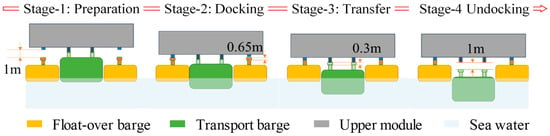
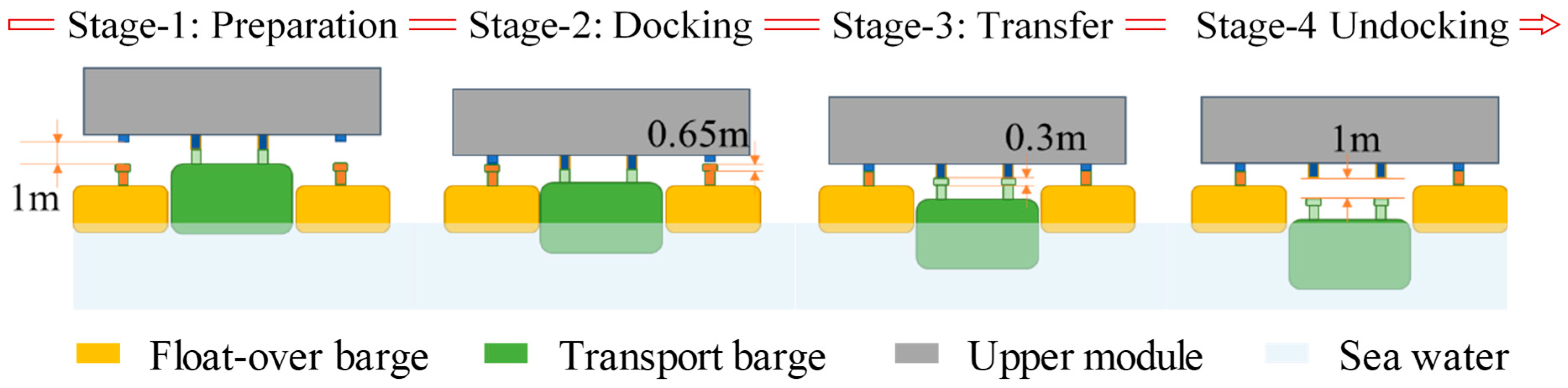
Recent interest in rapid load-transfer technologies, employing hydraulic jacking systems to shorten installation durations, has generated valuable experimental and numerical insights [14,15]. These works identify critical dynamic events, such as spigot–receiver engagement, where loads rise sharply. Yet most existing analyses adopt phased or segmented modeling approaches (as illustrated in Figure 1), which do not account for the continuous progression of load transfer, nor the hydrodynamic memory effects that arise from evolving mass and stiffness properties. Moreover, the combined influence of directional wave spectra, narrow-gap resonance, and multi-body hydrodynamic interference during dual-barge operations remains insufficiently quantified in the literature.
Figure 1.
Schematic diagram of the phased transshipment process.
Despite substantial progress in float-over research, several critical limitations remain in existing studies. Continuous load transfer during ballasting is seldom represented realistically, as many analyses rely on discrete or phased simulations that overlook short-duration load peaks, asynchronous DSU contacts, and rapid load reversals [16,17]. Hydrodynamic models frequently simplify multi-body interactions by neglecting full diffraction–radiation coupling, memory effects, and gap resonance phenomena, resulting in underestimation of motion amplification and mischaracterization of directionality in multi-barge responses [18,19]. Mechanical subsystems, such as DSUs, fenders, and mooring lines, are often treated in isolation or incorporated through weak coupling, despite their pronounced nonlinear interactions with vessel motions, impact events, and evolving load paths. Furthermore, ballast-induced mass redistribution, which significantly alters system inertia, restoring characteristics, and natural periods throughout the transfer process, is rarely integrated into dynamic analyses [20,21]. These limitations collectively highlight the need for a comprehensive, high-fidelity, time-domain modelling framework capable of resolving the strongly coupled hydrodynamic–mechanical behavior of tri-vessel float-over systems under realistic marine conditions.
This study develops a fully integrated, time-domain numerical framework for analyzing the tri-vessel transshipment phase of twin-barge float-over installation. The model incorporates three-dimensional potential-flow hydrodynamics with full multi-body interactions, nonlinear mechanical models of DSUs, fenders, and mooring restraints, and a novel continuous mass-point variation method that realistically represents progressive ballasting and evolving load transfer from single- to dual-barge support. The proposed approach captures the narrow-gap resonance and transient impact behaviors, enabling high-fidelity prediction of motion responses and load histories under various wave directions and sea states. Application of the model to a representative installation scenario provides new insights into hydrodynamic interference patterns, motion amplification mechanisms, DSU impact characteristics, and the sensitivity of system stability to beam-sea and oblique-wave conditions. The results contribute to improved understanding of the dynamic risks in float-over operations and offer practical guidance for operational planning, safety assessment, and system design aimed at enhancing the reliability and efficiency of twin-barge float-over installations.
2. Theoretical Basis
2.1. Equation of Motion for a Single Floating Body
Under the rigid body assumption, the six-degree-of-freedom equations of motion governing the float-over barge under environmental loading can be derived using Newton’s second law [22,23]:
where M and I denote the mass and moment of inertia matrices of the barge, respectively; A represents the added mass matrix; ʋ and ω are the translational and rotational velocity vectors; x and θ are the translational displacement and rotational angle vectors; t is the time variable; K is the hydrostatic restoring stiffness matrix; and f and m denote the external force and moment acting on the barge, respectively.
The external force f can be expressed as:
In this expression, and represent the first- and second-order wave forces acting on the barge, respectively; and denote the wind and current loads; is the restoring force generated by the mooring system; represents the interaction forces between the barge and surrounding structures; and accounts for additional external loads.
Based on the corresponding relationship between the frequency-domain motion equation and the time-domain motion equation of the barge, the motion control equation of a single barge can be further expressed as:
where is the added mass matrix corresponding to the infinite excitation frequency; is the retardation (memory) function of the floating body, which can be calculated by the following expression:
where is the potential flow damping matrix of the barge.
2.2. Equations of Motion for Multi-Floating-Body Systems
The twin-barge float-over installation involves the coupled dynamics of the float-over barges, upper module, and jacket foundation [24,25]. The motion equations governing these components can be expressed as:
where and are the mass matrices of float-over barges A and B, respectively; and denote the added mass matrices of barges A and B under forced motion at infinite frequency; and represent the added mass matrices due to the hydrodynamic interaction between the two adjacent barges; and are the displacement vectors of barges A and B, respectively; and are the retardation (memory) function matrices corresponding to each barge, while and account for the retardation effects resulting from barge-to-barge hydrodynamic coupling; and are the hydrostatic restoring stiffness matrices of barges A and B; and and are the external load vectors acting on each barge.
For the upper module, is its mass matrix, is the damping matrix, and is the stiffness matrix associated with its support and constraint conditions. is the displacement vector of the upper module, and denotes the external load vector, which includes the self-weight of the module, the reaction forces from the float-over barges, contact forces between the module and barges, as well as wind loads acting on the module.
3. Hydrodynamic Model
During the tri-vessel transfer phase, the transport barge is positioned parallel to the float-over barges on either side, separated by narrow gaps. Under wave excitation, strong hydrodynamic interactions arise, often resulting in pronounced interference effects and narrow-gap resonance. These phenomena can significantly influence barge motions and compromise the safety of the upper-module transfer operation. To accurately evaluate the coupled dynamic responses during this critical phase, a comprehensive hydrodynamic model of the float-over system is established.
3.1. Upper Module
The target jacket platform is a six-leg structure installed at a water depth of 25.00 m, with overall dimensions of 32.00 m in length, 30.20 m in width, and 33.40 m in height. The upper module measures 81.00 m in length, 50.00 m in width, 21.25 m in height, and has a total weight of 10,000 tons. The primary parameters of the upper module used in this study are summarized in Table 1.
Table 1.
Principal parameters of the upper module.
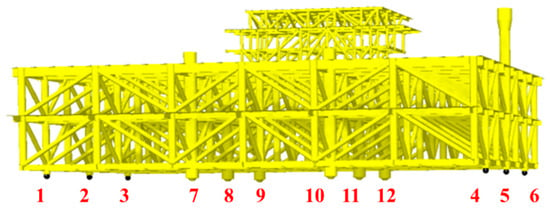
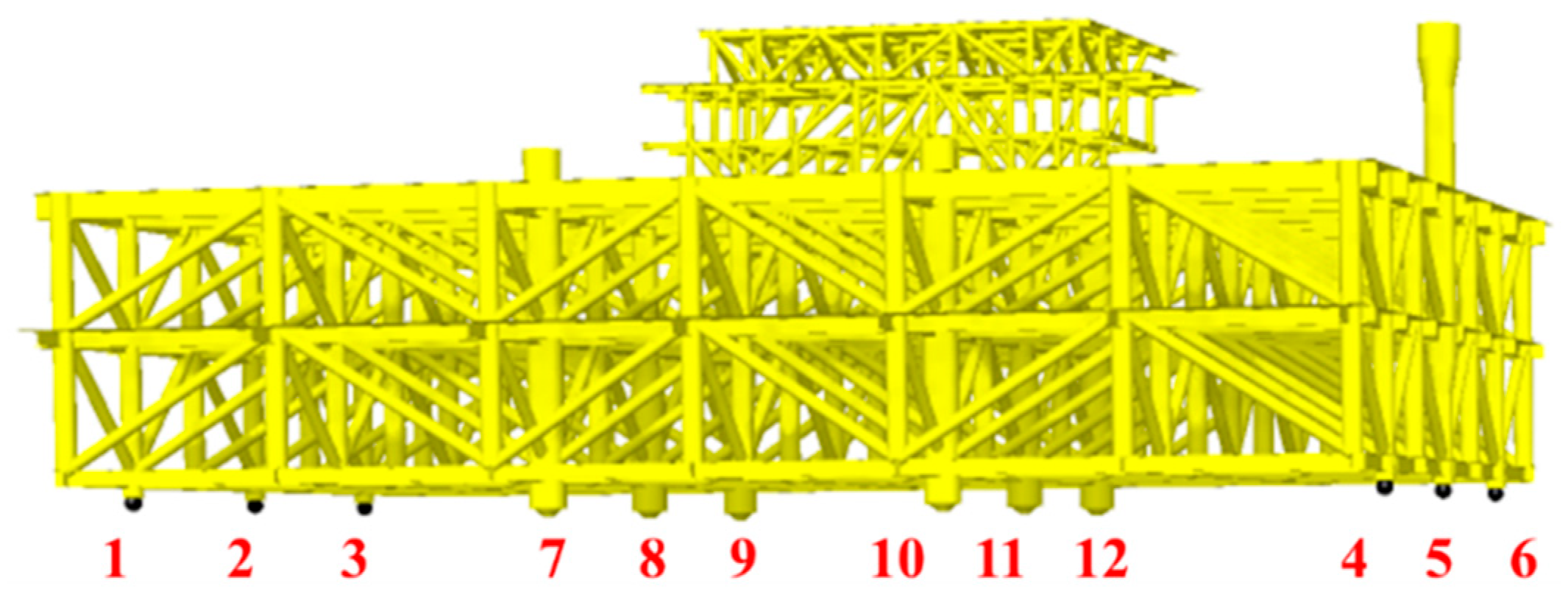
Twelve spigots are arranged on the underside of the module to facilitate docking and load transfer with both the float-over barges and the jacket foundation. Among them, the six outer spigots (1–6) are aligned with the float-over barges, while the six inner spigots (7–12) are aligned with the transport barge or the top ends of the jacket legs. The spatial arrangement of the spigots is illustrated in Figure 2. For computational efficiency, the upper module is simplified as a homogeneous structural model in this study.
Figure 2.
Upper block model and distribution positions of spigots.
3.2. Transfer Layout
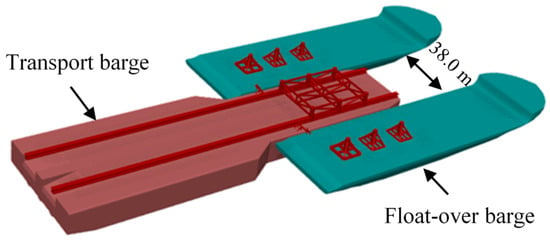
The tri-vessel transfer phase involves the close parallel arrangement of a central transport barge and two float-over barges, as illustrated in Figure 3.
Figure 3.
Arrangement of the tri-vessel transshipment.
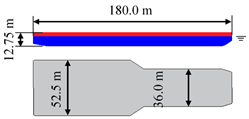
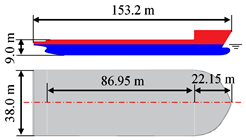
The transport barge features a T-shaped flat-bottom hull with an overall length of 180.0 m, a molded depth of 12.75 m, a narrow bow section approximately 36.0 m wide, and a maximum stern width of 52.5 m. The float-over barges on either side are geometrically identical, each with a length of 153.2 m, a beam of 38.0 m, and a molded depth of 9.0 m. The lateral spacing between the three barges is maintained at only 1.0 m, and the upper module spans across all three vessels.
At the start of the operation, the upper module is entirely supported by the central transport barge; as the ballasting process progresses, its weight is gradually transferred to the two float-over barges on either side. Principal parameters of the transport barge and float-over barges are listed in Table 2.
Table 2.
Principal parameters of the transport barge and float-over barges.
3.3. Coupled Dynamic Analysis Model
In addition to the upper module and barge hull, the numerical model incorporates the DSU buffer system, fender system, and mooring system, which together provide controlled load transfer, limit relative motions, and restrain vessel positions during the twin-barge float-over installation. The hydrodynamic analysis is performed using the SESAM suite based on potential-flow theory, employing three-dimensional panel discretization and refined boundary-element meshing to capture waterline geometry accurately. Hydrodynamic interaction effects among the floating bodies are fully accounted for to enable coupled multi-body response predictions.
3.3.1. DSU Equipment
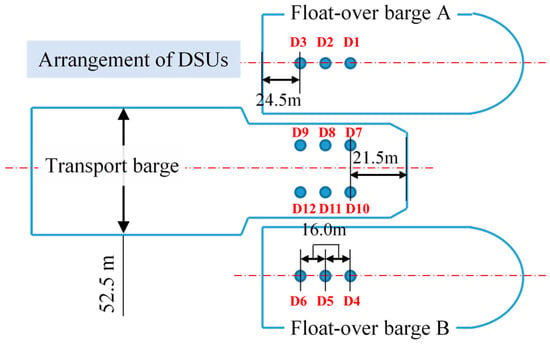
During the tri-vessel transfer phase, the progressive load shift from the transport barge to the two float-over barges introduces unavoidable structural contact, for which DSUs are deployed on the barge decks to provide controlled load transfer and impact moderation. A total of 12 DSUs are configured within the system, with D1–D3 installed on the left float-over barge, D4–D6 arranged on the right float-over barge, and D7–D12 positioned on the central transport barge. To facilitate smooth engagement and accurate alignment of the upper module spigots, the receiving DSU sockets are designed with a capture radius of 0.5 m and a depth of 0.35 m. The DSU arrangement is illustrated in Figure 4.
Figure 4.
Layout diagram of the DSU device.
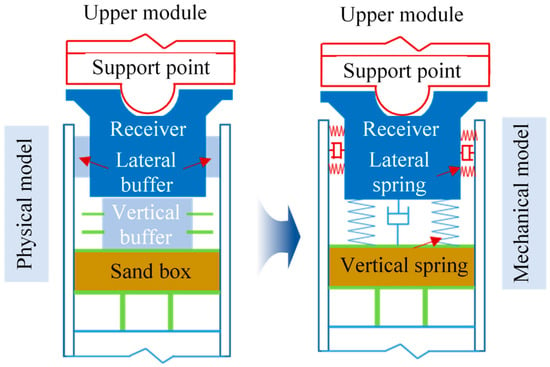
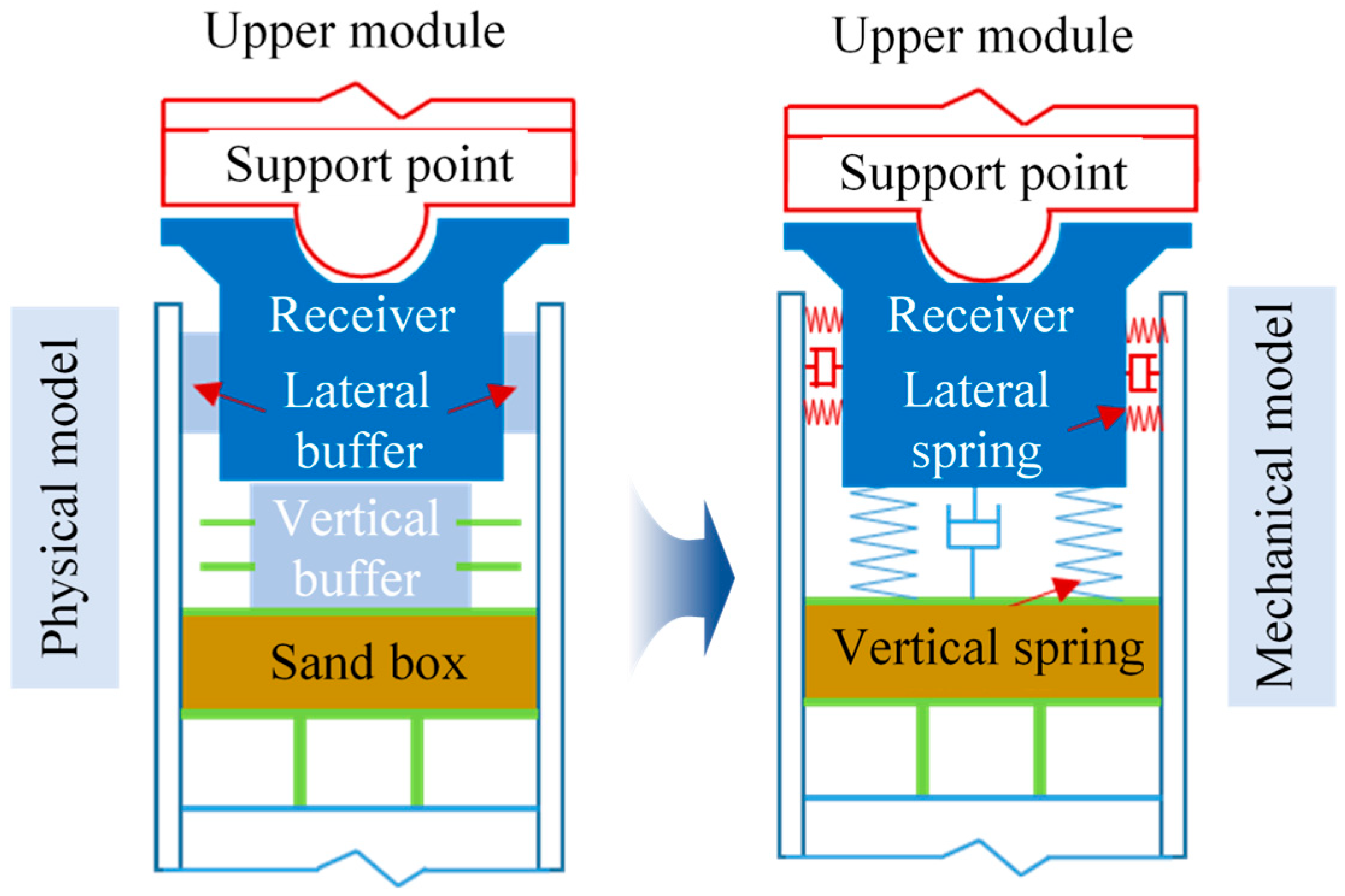
For dynamic analysis, each DSU is modeled as a simplified mechanical unit consisting of independent vertical and lateral spring-damper components, as illustrated in Figure 5. DSUs on the float-over barges (D1–D6) employ a vertical stiffness of 1.6 × 10⁷ N/m and a lateral stiffness of 4.09 × 10⁷ N/m, whereas those on the transport (D7–D12) adopt a slightly higher vertical stiffness of 1.81 × 10⁷ N/m with the same lateral stiffness. This formulation provides an efficient and physically consistent means of capturing load transfer and impact moderation during the progressive shift in support from single- to dual-barge conditions.
Figure 5.
Simplified model diagram of the DSU device.
3.3.2. Fender Buffer System
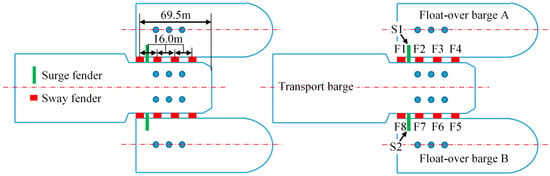
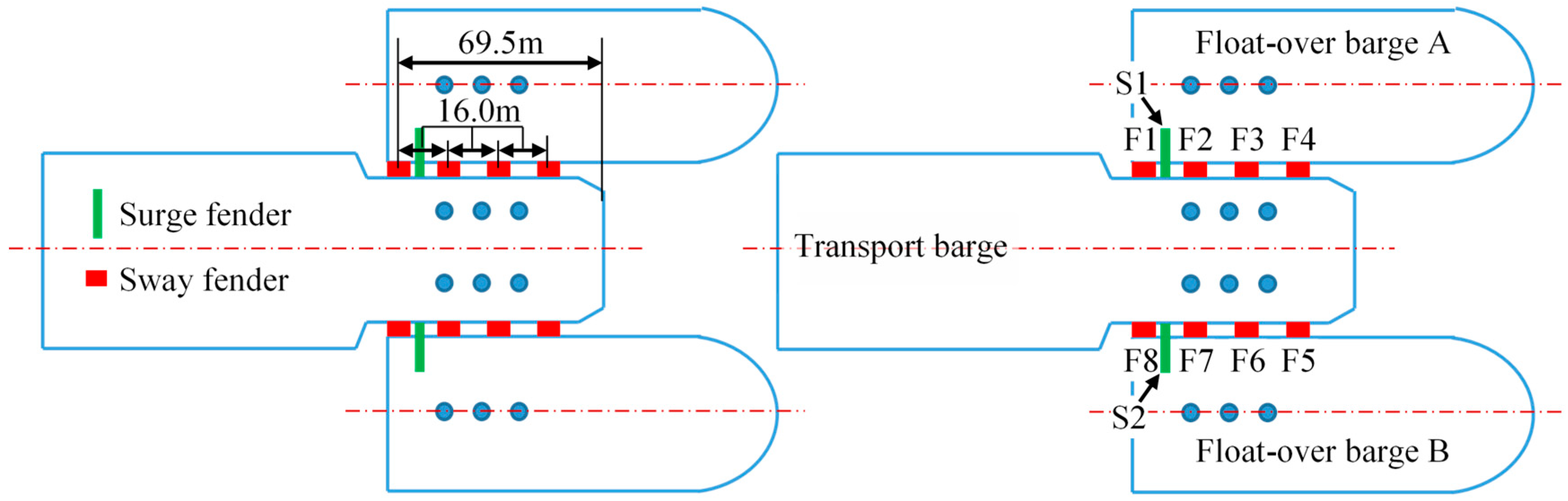
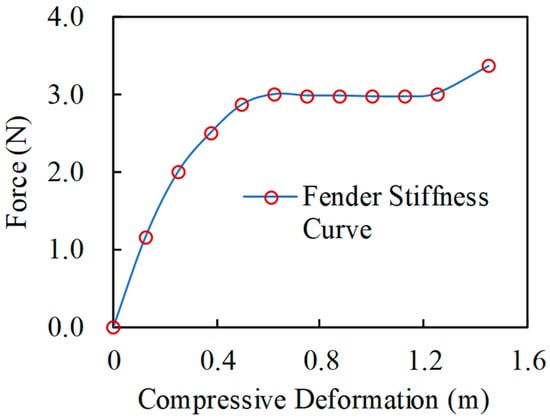
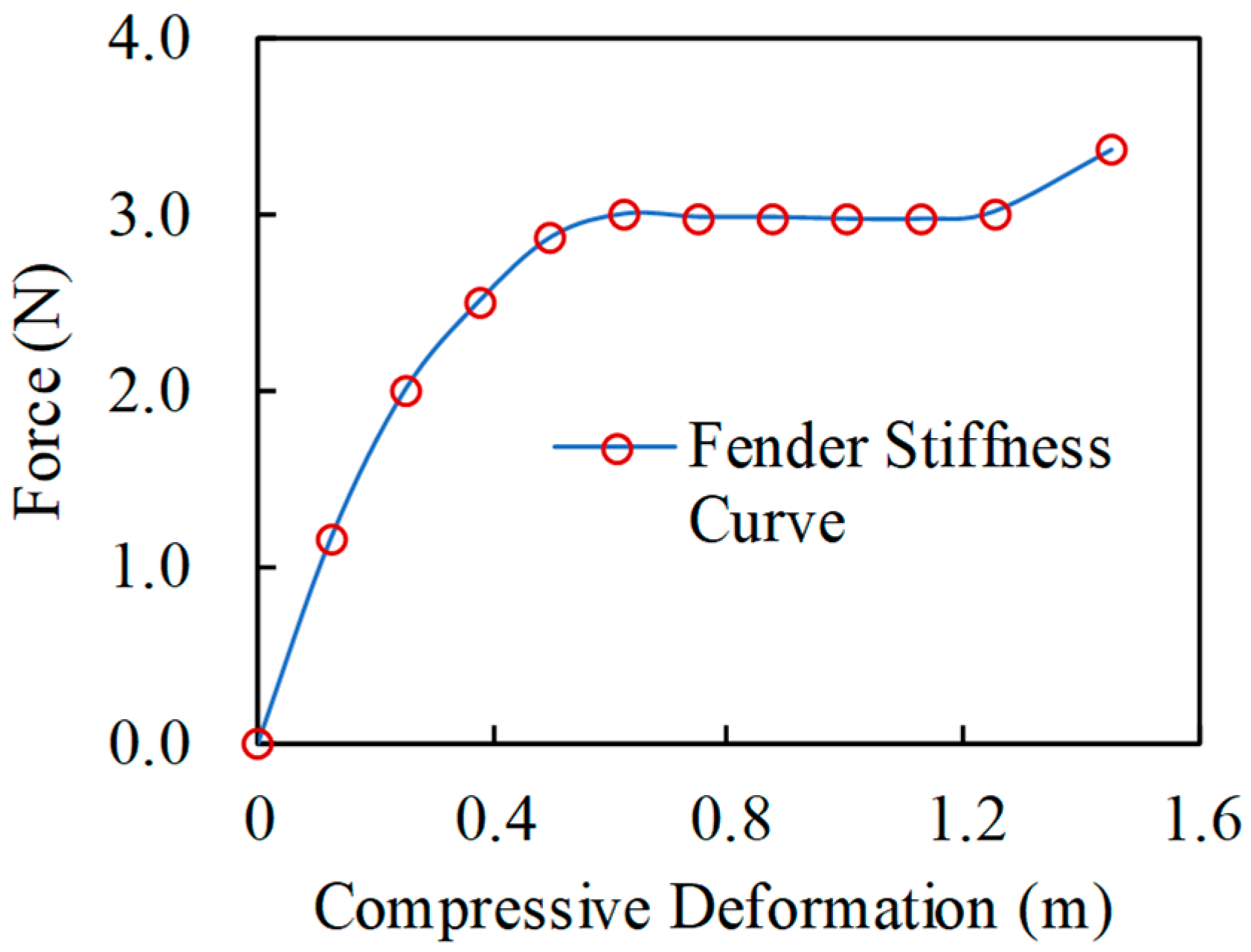
During the transfer phase, the narrow clearance between the three barges necessitates dedicated fender systems to control wave-induced lateral and longitudinal interactions. The system incorporates eight sway fenders installed symmetrically along the barge sides and two surge fenders arranged at the sterns of the float-over barges. All fenders are modeled as rubber-based energy-absorbing units to mitigate wave-induced impacts within the narrow gaps. Linear stiffnesses of 2.13 × 10⁶ N/m and 7.50 × 10⁶ N/m are assigned to the sway fenders and surge fenders, respectively. The arrangement and compressive characteristics of the fender system are shown in Figure 6 and Figure 7.
Figure 6.
Fender arrangement plan.
Figure 7.
Fender stiffness curve.
3.3.3. Mooring System
To ensure the stable positioning of the transport barge during offshore operations and to suppress system deviations induced by environmental loads such as wind, waves, and currents, a mooring system comprising catenary anchor chains and connecting cables is established.
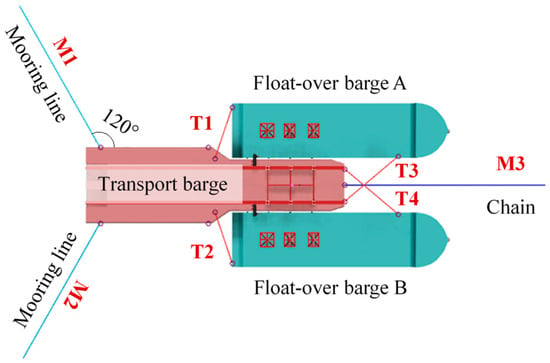
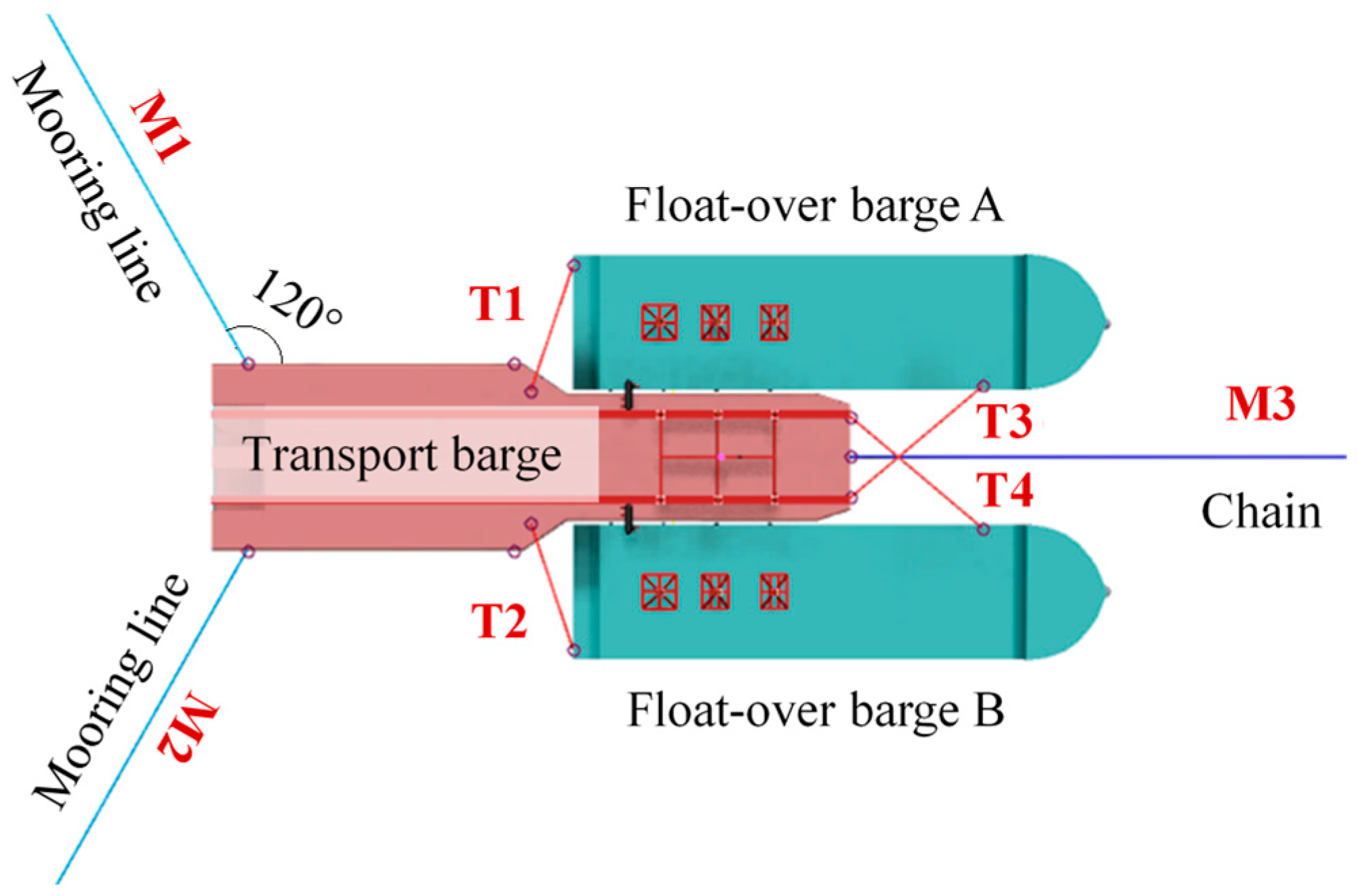
As illustrated in Figure 8, the transport barge is stabilized by three catenary anchor chains fixed to the seabed, arranged with an included angle of 120° between each pair. In parallel, four polyester connecting cables are employed. Two cables connect the sterns of the float-over barges to the transport barge, while the other two are arranged in a crisscross pattern at the bow, forming a stable tension network.
Figure 8.
Mooring and lashing plan. M1–M3: three catenary anchors; T1–T4: four polyester connecting cables.
The anchor chains provide primary environmental station-keeping, each assigned an axial stiffness of 1.23 × 10⁶ N/m and a pretension force of 3.92 × 10⁵ N. The polyester cables, with a diameter of 0.06 m, possess an axial stiffness of 7.84 × 10⁵ N/m, and the same pretension as the anchor chains. Together, these elements form a stable tension system capable of limiting drift and suppressing load-induced deviations in complex offshore environments. The primary mechanical parameters of the mooring lines and fastening cables are summarized in Table 3.
Table 3.
Main parameters of the mooring system.
3.3.4. Environmental Condition
To investigate the response characteristics of the barges during the continuous load transfer phase of twin-barge float-over installation under random wave conditions, six representative sea states are considered, covering variations in significant wave height and wave direction. The JONSWAP spectrum is employed to characterize the energy distribution of the random waves, and the corresponding wave parameters for each sea state are summarized in Table 4.
Table 4.
List of sea states.
3.4. Continuous Load Transfer Simulation
To accurately represent the progressive ballasting and deballasting processes within the multi-body time-domain coupled dynamic framework, a time-dependent ballast mass point method is employed. Strategically located mass points with continuously varying magnitudes are implemented to simulate the dynamic redistribution of weight during the load transfer process, maintaining the vessels in a consistently upright state.
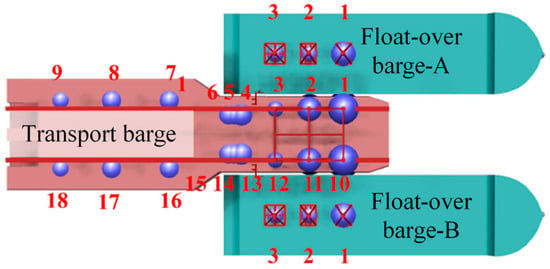
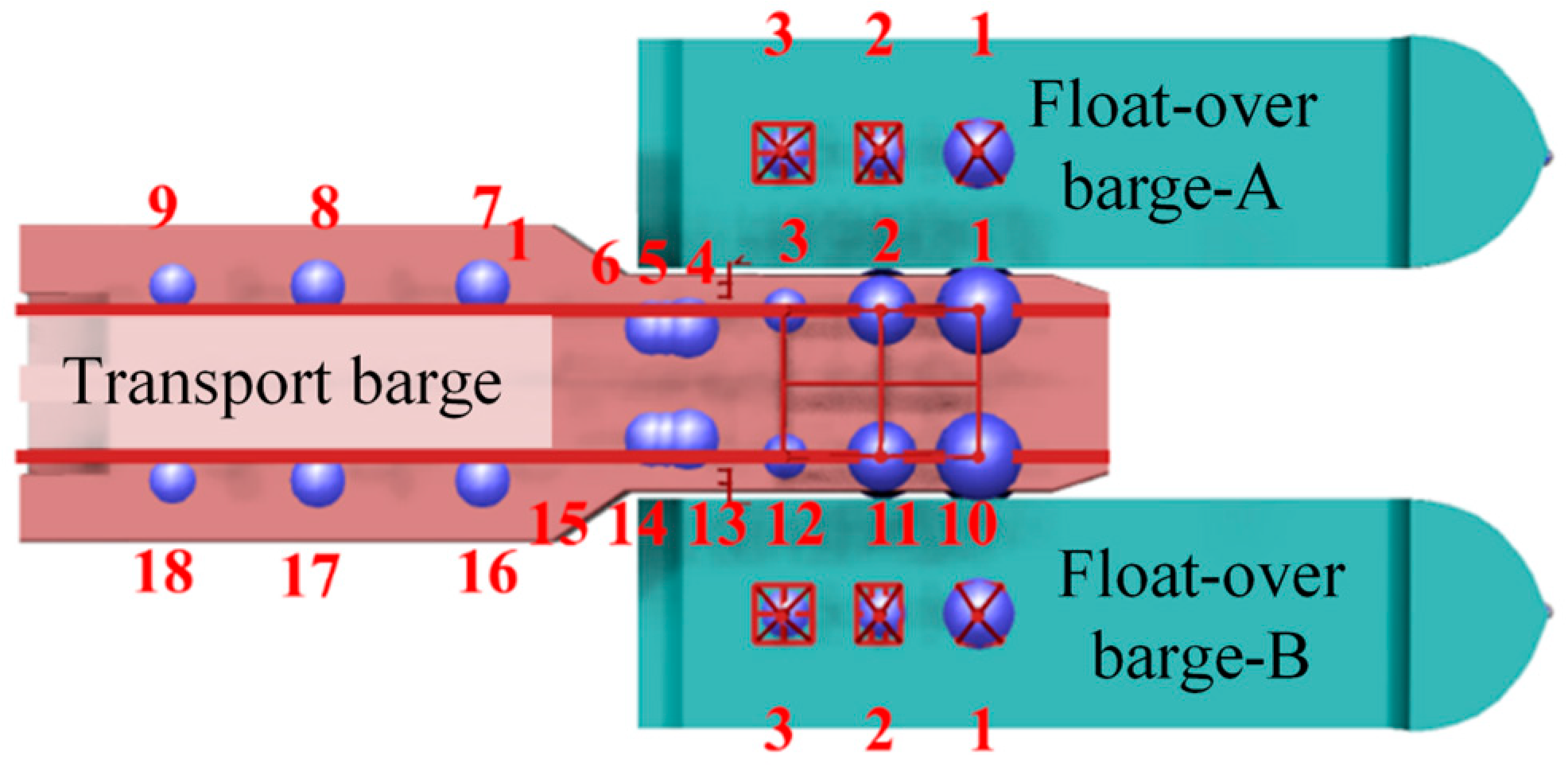
The central transport barge is configured with eighteen ballast mass points, spatially distributed in accordance with the actual layout of its eighteen ballast tanks. To maintain computational efficiency while preserving physical representativeness, three ballast mass points are allocated to each float-over barge. All mass points are positioned at the critical interface locations where the upper module contacts the barge decks, as illustrated in Figure 9.
Figure 9.
Distribution of the ballast mass point.
4. Result and Discussion
4.1. Motion Characteristics During the Transfer Process
4.1.1. Motion Response of the Transport Barge and Upper Block
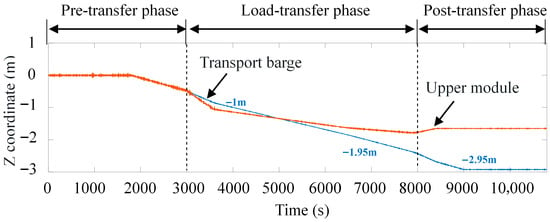
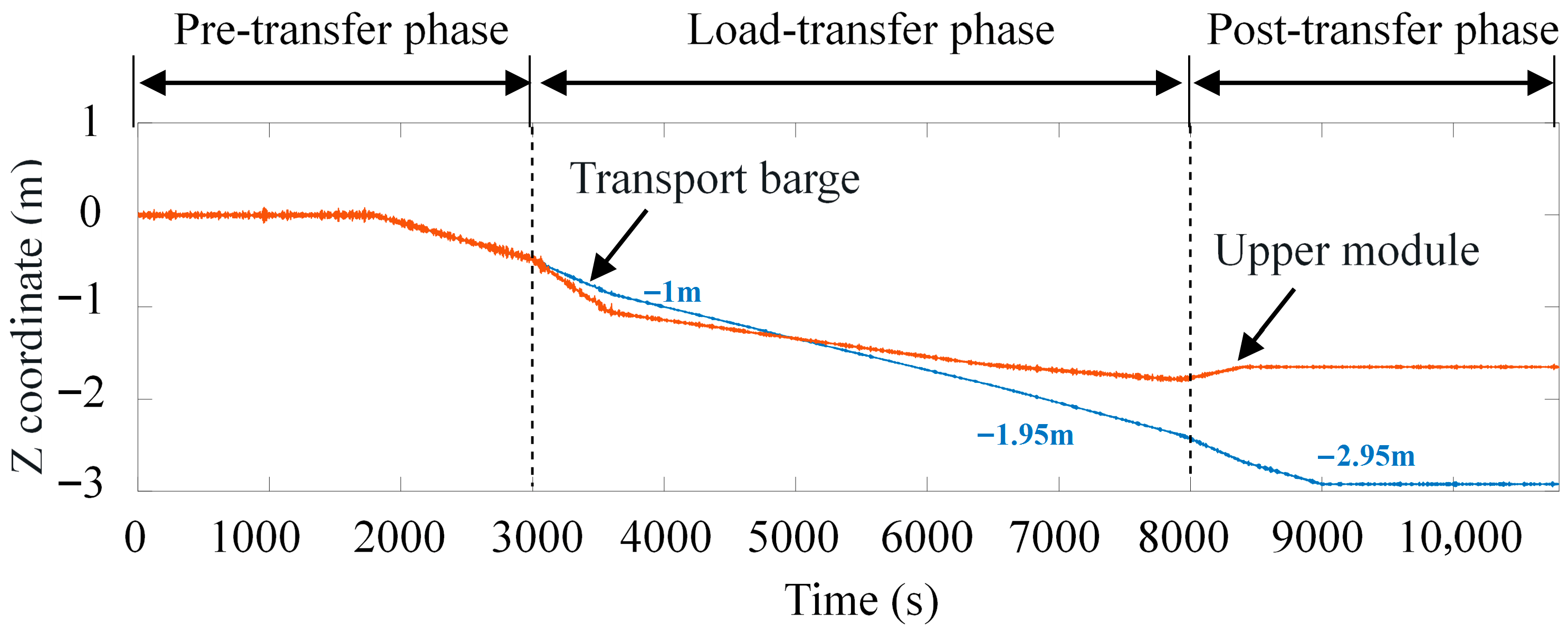
Figure 10 illustrates the time histories of vertical displacements for floating bodies and the upper module under representative sea conditions. During the continuous ballasting simulation, the transport barge experiences a gradual increase in draft, achieving a total vertical displacement of 2.95 m from its initial condition. Simultaneously, the center of gravity of the upper module descends by 1.65 m before reaching a stabilized position.
Figure 10.
Vertical position variation in the transport barge and upper block.
The load transfer process can be divided into three distinct phases, including the pre-transfer phase, load-transfer phase and post-transfer phases.
During the pre-transfer phase, the transport barge and the upper module descend synchronously as an integrated system, with the module fully supported by the transport barge. As the operation transitions into the load-transfer phase, the upper module establishes progressive contact with the float-over barges, initiating a transitional load-sharing process. This leads to a divergence in vertical displacement behaviors: while the transport barge continues ballasting and sinking, the module’s descent decreases due to gradual load redistribution to the float-over barges.
In the final post-transfer phase, the upper module becomes fully supported by the float-over barges. The transport barge, having completed its ballasting operation, detaches from the module and initiates withdrawal. The float-over barges undergo minor attitude adjustment through controlled deballasting to accommodate the transferred load, with the system regaining equilibrium at approximately 8400 s. At this stage, the module stabilizes at its final position while the transport barge maintains a vertical clearance of approximately 1.0 m during its departure.
The simulated motion trajectories demonstrate close agreement with design expectations, confirming a well-defined and phased load transfer process. These results validate the present coupled model as an effective tool for capturing critical response behaviors during continuous float-over installation. The framework provides a reliable theoretical basis for optimizing engineering schemes and assessing operational safety.
4.1.2. Relative Motion of DSUs
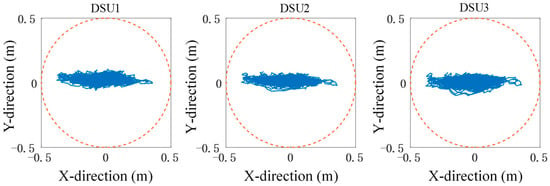
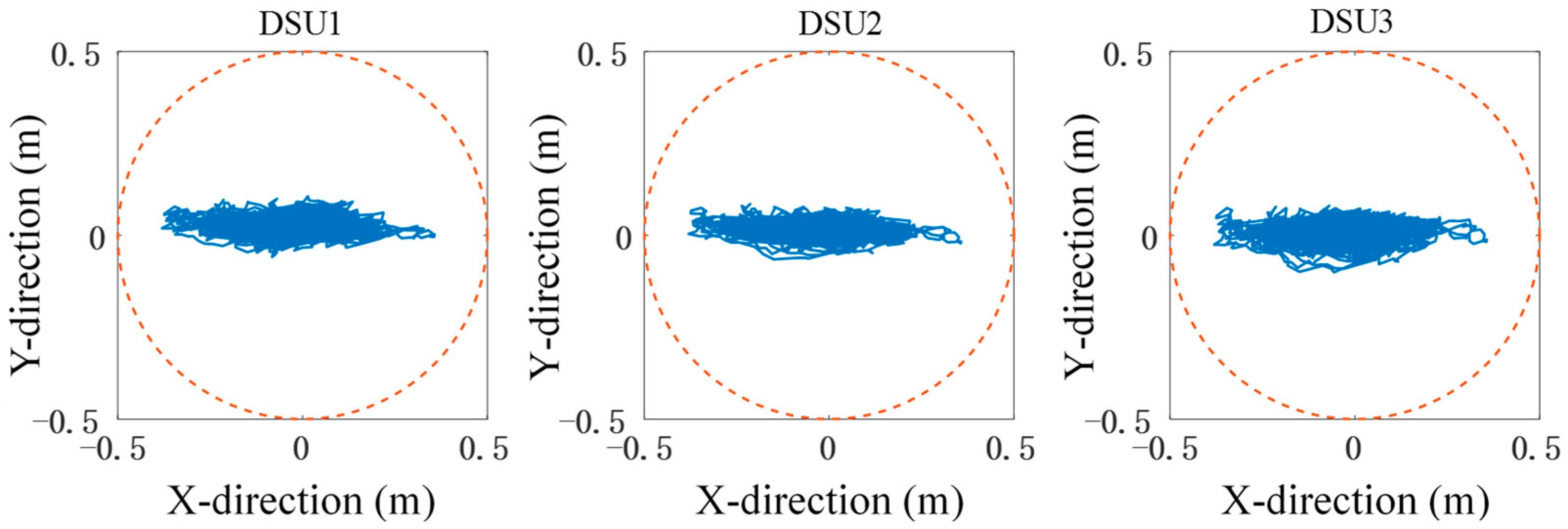
During the initial load transfer phase, the six outer spigots of the topside must remain within the capture envelopes of the corresponding DSUs on the float-over barges. To check the compliance of DSU movement with capture radius, the horizontal relative motions are continuously monitored, are shown in Figure 11.
Figure 11.
Relative motion of DSUs on the float-over barge.
Under head-sea conditions, surge motion (X-direction) dominates the relative displacement at the DSU locations. The topside motion is referenced to the float-over barge, which serves as the coordinate origin for the statistical evaluation. Minor differences among the DSU1–3 responses arise from the barges’ minor six-degree-of-freedom oscillations under wave excitation and inherent differences in the motion characteristics of the barges and the topside. Despite these variations, the maximum relative displacement remains well within the 0.5 m capture radius on both sides. This confirms that the system satisfies the operational requirements for the initial transfer phase and provides a reliable basis for subsequent stages of the float-over operation.
4.2. Hydrodynamic Characteristics
4.2.1. Narrow-Gap Resonance
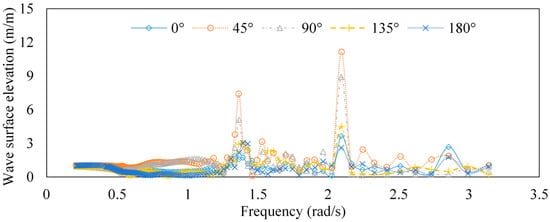
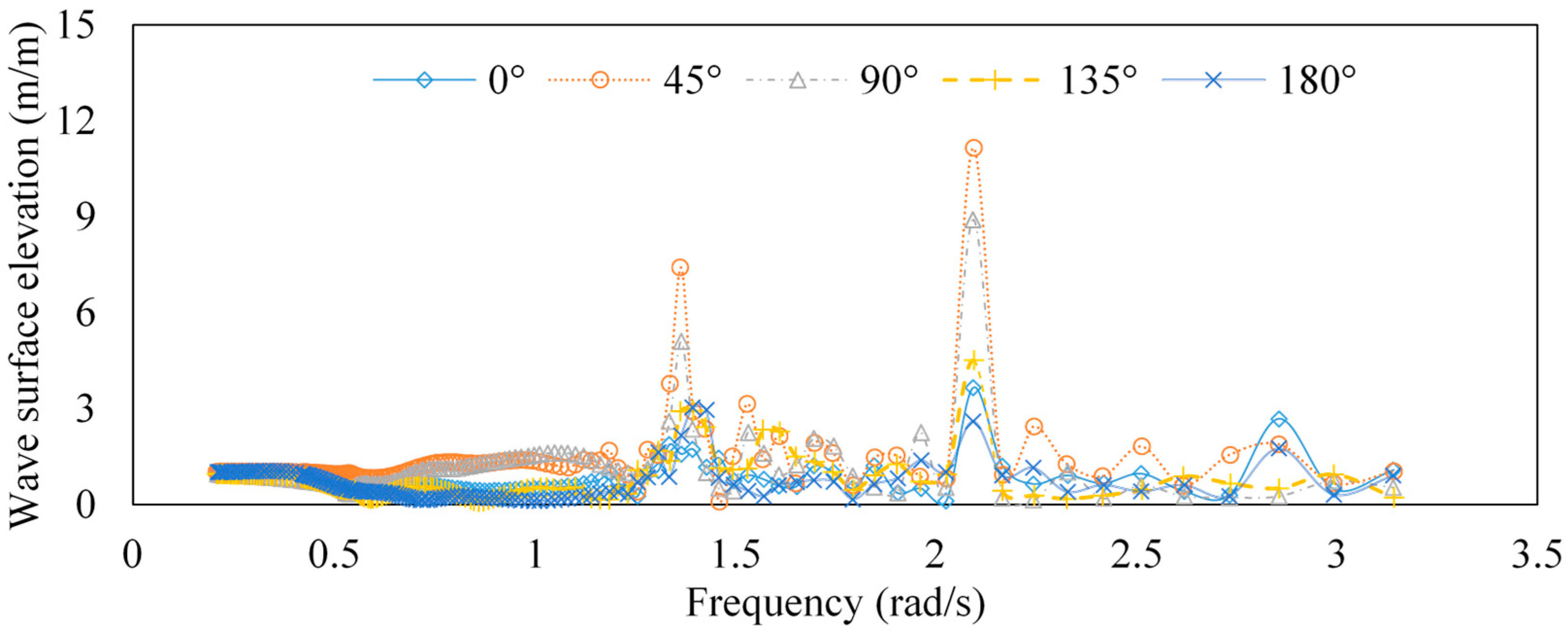
During the tri-vessel transfer phase, the barges are arranged in close proximity, resulting in extremely narrow gaps between their hulls. Incident waves can induce narrow-gap resonance within these confined regions, leading to significant amplification of local free surface elevations, which can adversely affect system stability and compromise the safety of transfer operations. To characterize this behavior, numerical simulations are conducted to evaluate wave surface responses within the gaps for various incident wave directions, with results presented in Figure 12.
Figure 12.
Comparison of fluid wave height in the narrow gap.
Simulation results indicate that within the wave frequency range, the wave surface in the gap exhibits obvious resonant responses at two frequency points of 2.094 rad/s and 1.366 rad/s. These responses are characterized by a sudden rise in wave height, showing typical narrow-gap resonance behavior. The magnitude of the resonant response shows a strong dependence on wave direction. The most severe resonance occurs under 45° oblique wave incidence, with a peak wave height of 11.0 m at the resonant frequency, followed by the 90° beam sea condition, where the maximum wave height approaches 9.0 m. Other wave directions, including 0° following waves, 135° oblique waves, and 180° head waves, exhibit relatively weaker responses, with wave heights below 5.0 m. Notably, under 180° head waves, a localized amplification is observed near 2.9 rad/s, yielding a peak wave height of approximately 3.0 m. This suggests that localized resonance may still occur at specific frequencies even under moderate wave conditions.
Those observations demonstrate that narrow-gap resonance effects are the most significant under 45° and 90° wave directions, substantially influencing barge motions and structural loads. Consequently, such wave directions should be avoided during actual float-over operations. In contrast, following or head waves, which induce weaker resonance, are preferable to mitigate operational risks and enhance system safety.
4.2.2. Response Amplitude Operators (RAOs) Characteristics
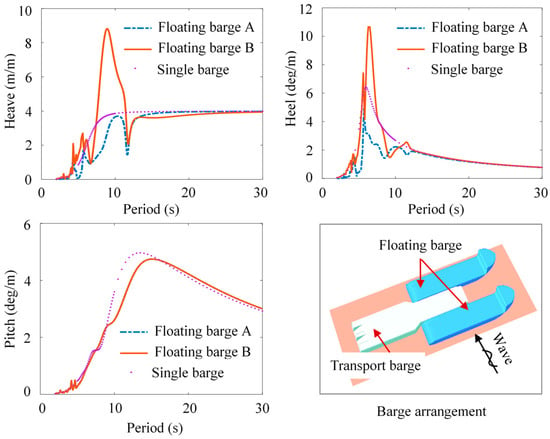
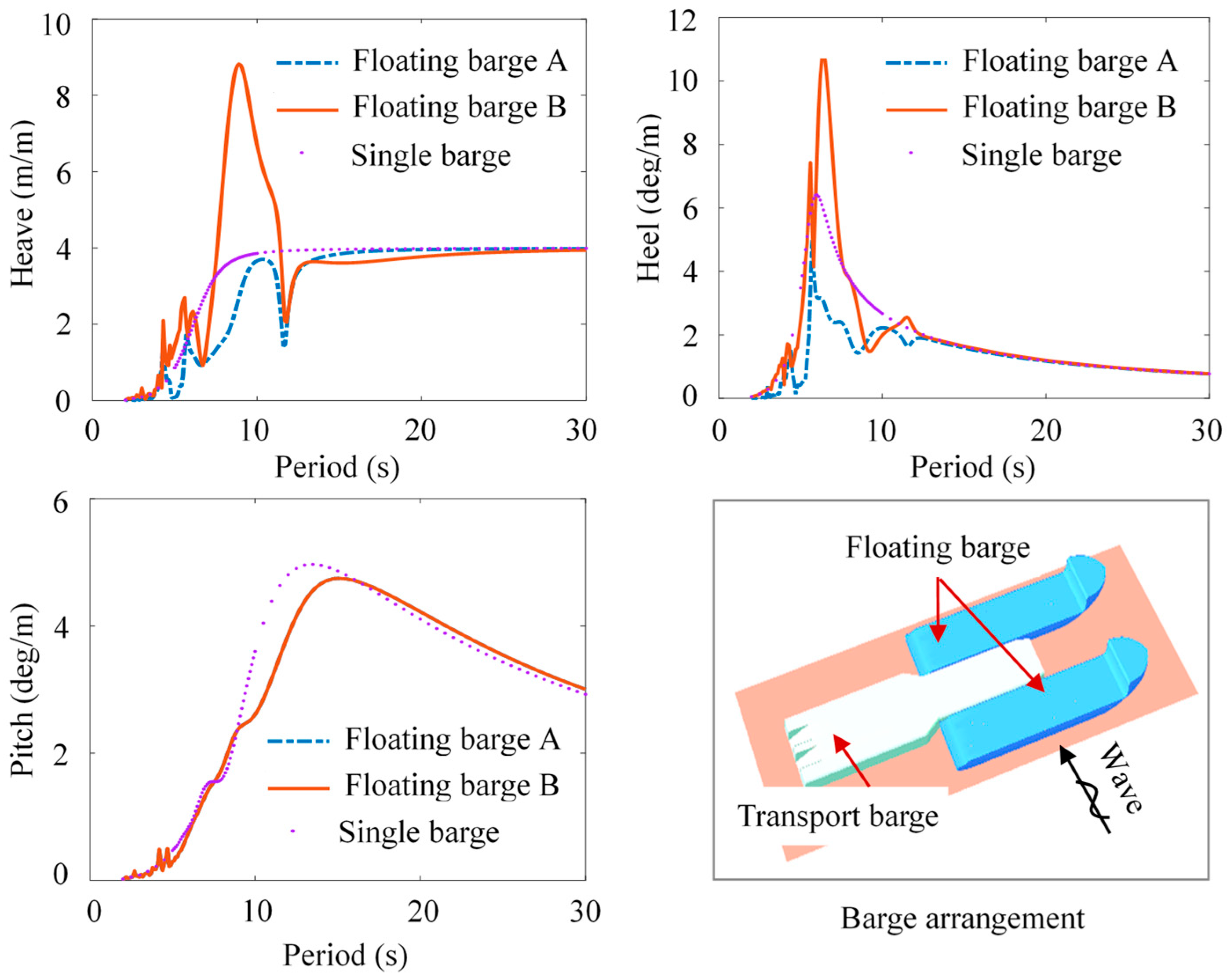
During the tri-vessel transfer phase, the compact arrangement of the transport barge and the two float-over barges induces pronounced hydrodynamic interference effects. Significant fluid–structure interaction occurs between the central transport barge and the adjacent float-over barges under wave excitation, resulting in notable deviations in their hydrodynamic response characteristics compared to isolated single-barge conditions. To quantify these interference effects, RAOs of the float-over barges are compared under multi-body coupled and single-body configurations, as illustrated in Figure 13.
Figure 13.
RAO response during the tri-vessel transshipment phase.
Under beam-sea conditions, the most significant variations are observed in the heave response. Specifically, the wave-facing float-over barge (B) exhibits a sharp resonance peak in its heave RAO around a wave period of approximately 9.0 s, indicating a substantial motion amplification. In contrast, the leeward float-over barge (A) demonstrates a moderately reduced heave response relative to the single-barge case. This asymmetry demonstrates that multi-body hydrodynamic coupling induces non-uniform motion responses among the barges, which is critical for maintaining module attitude and transfer stability.
For roll motion, RAO peaks for both barges occur near an 8.0 s period, regardless of whether hydrodynamic coupling is considered. However, notable differences in amplitude are observed: the roll RAO of the wave-facing barge B increases by approximately 60% relative to the single-barge configuration, whereas that of barge A is significantly weakened. This finding demonstrates that hydrodynamic interaction can either amplify or suppress motion depending on the relative position of each barge and its exposure to incident waves. Regarding the pitch degree of freedom, the motion responses under head-sea conditions remain largely consistent between the coupled and uncoupled scenarios. The pitch RAO curves of the two float-over barges align closely, with only a slight shift in the peak period toward longer waves. This result suggests that multi-body hydrodynamic interference has a relatively limited influence on pitch motion.
The overall analysis indicates hydrodynamic interactions within the tri-vessel float-over system are most significant in the heave and roll modes, where response amplification is strongly correlated with wave direction. Beam-sea and oblique-wave conditions intensify these coupling effects and therefore pose greater risks to module stability during the load-transfer process. Consequently, in practical float-over operations, wave directions that induce strong heave or roll responses, while favoring longitudinal or milder sea states to enhance operational safety and maintain structural stability.
4.3. Load-Bearing Characteristics of the Transfer Process
4.3.1. DSU Force Characteristics
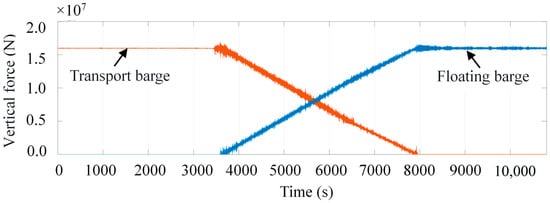
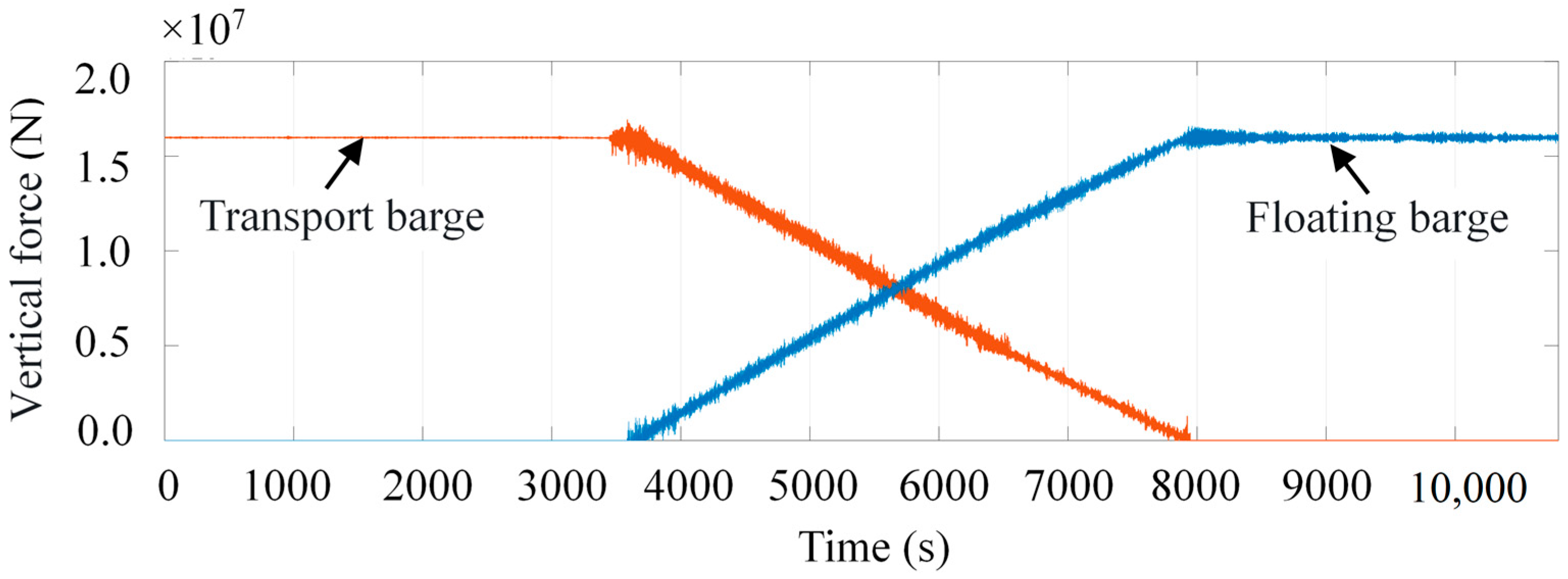
During the continuous load transfer, the weight of the upper module is progressively shifted from the central transport barge to the two float-over barges. As the primary load-bearing and buffering components, the DSUs provide a direct indication of the load transfer progression through their dynamic load responses. To gain a clear alternating pattern that reflects the sequential load redistribution, the DSU loads on the transport barge are investigated, as illustrated in Figure 14.
Figure 14.
Force curve of DSU during the transshipment process.
It can be observed that the DSU load histories exhibit synchronous but opposite trends with comparable variation rates throughout ballasting, indicating a smooth and controlled load transition. By approximately 8000 s, the DSU loads on the transport barge reduce to zero, while those on the float-over barges reach their peak values, signifying the completion of the support transition from a single-barge to dual-barge.
Following the full transfer of the module weight, the system exhibits reduced load stability under wave excitation. This is evidenced by noticeably larger DSU load fluctuations, indicating increased sensitivity to environmental disturbances. These findings highlight the necessity for enhanced real-time monitoring and motion control strategies to ensure operational safety and structural reliability.
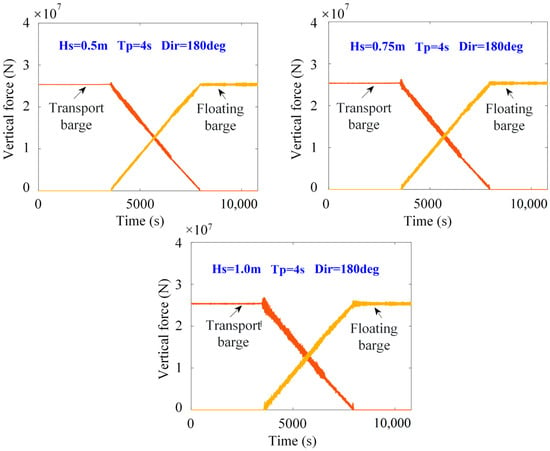
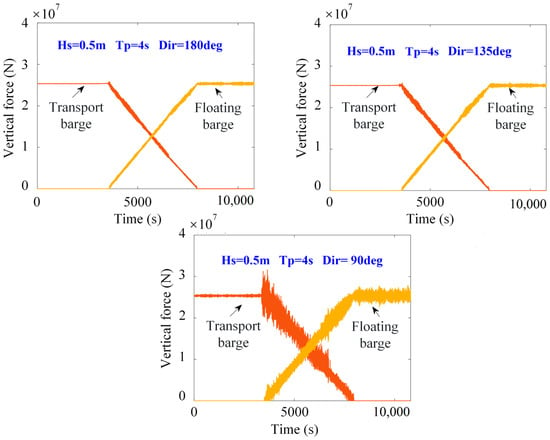
To evaluate the influence of environmental conditions on structural load-bearing behavior, comparative numerical simulations are conducted under representative sea states, as summarized in Figure 15 and Figure 16.
Figure 15.
Vertical force variation curve of the DSU under different wave heights.
Figure 16.
Vertical force variation curve of the DSU under different wave directions.
With increasing wave height and period, the fluctuation amplitude of vertical DSU loads grows significantly, accompanied by greater dispersion in the response curves. This trend suggests enhanced susceptibility to abrupt load variations under severe sea conditions, particularly during critical ballasting stages where impact loads are most probable.
Under consistent wave height and period conditions, the incident wave direction significantly affects DSU load responses. The system demonstrates optimal stability under following-sea conditions (180°), characterized by minimal load fluctuations. In contrast, oblique waves (135°) induce noticeable load instability, while beam seas (90°) generate the most pronounced oscillations and abrupt load transitions, indicating that transverse wave components most adversely affect system stability.
Comprehensive analysis reveals that the vertical loads on the DSUs during the load transfer are governed by both the evolving structural load distribution and external wave excitation. Notably, transient impact responses are frequently observed during the initial ballasting contact phase, representing a phenomenon that conventional staged analysis methods often fail to capture. The continuous float-over simulation model developed in this study effectively reproduces these dynamic details, demonstrating its superiority over traditional approaches for detailed safety assessment and underscoring its strong engineering applicability.
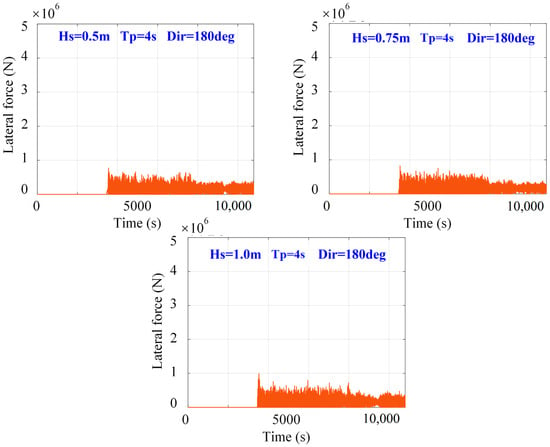
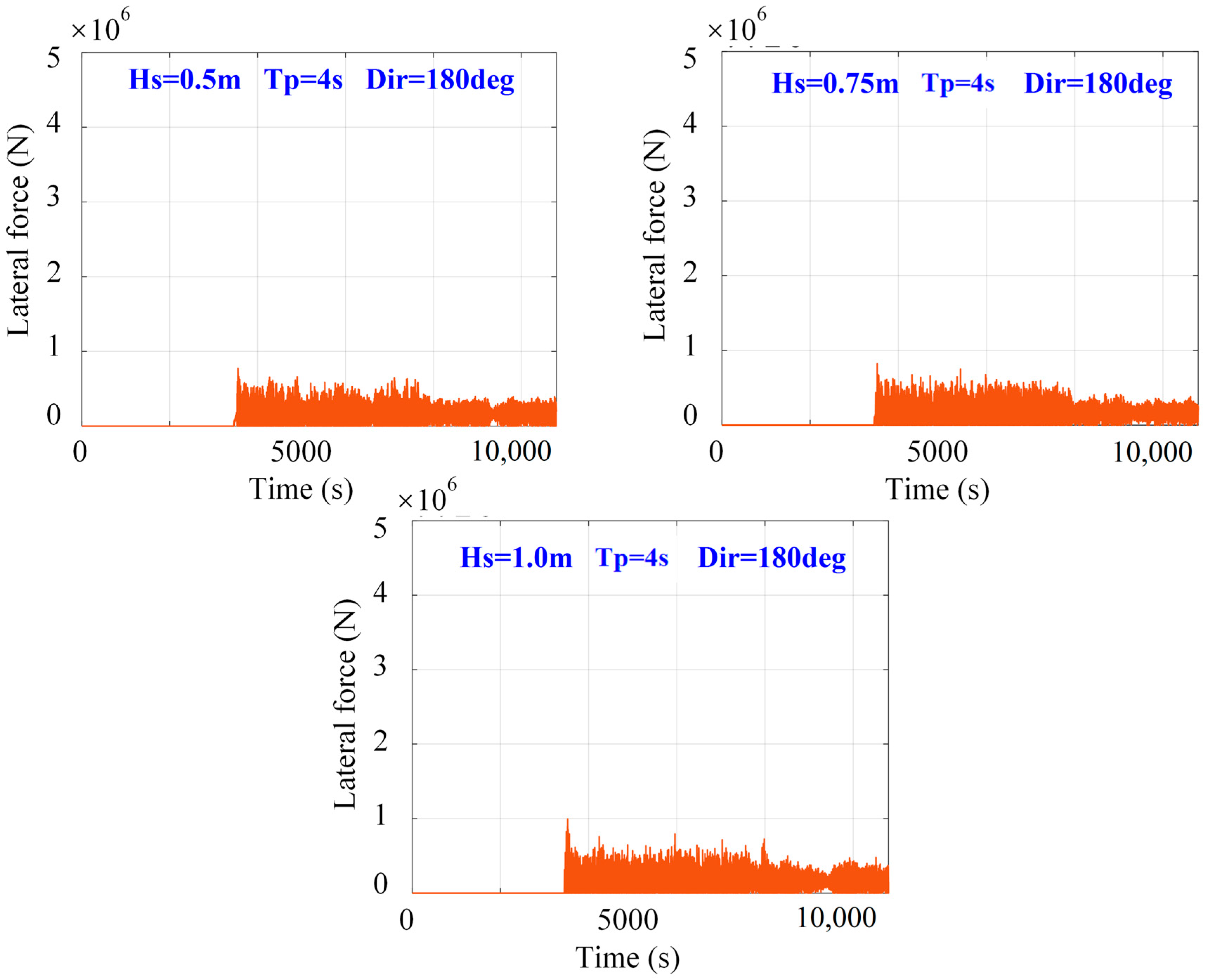
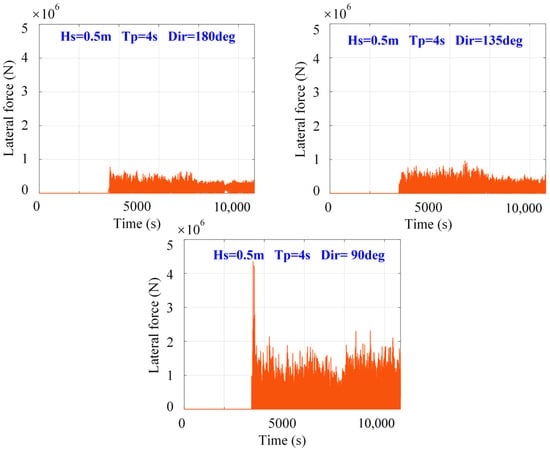
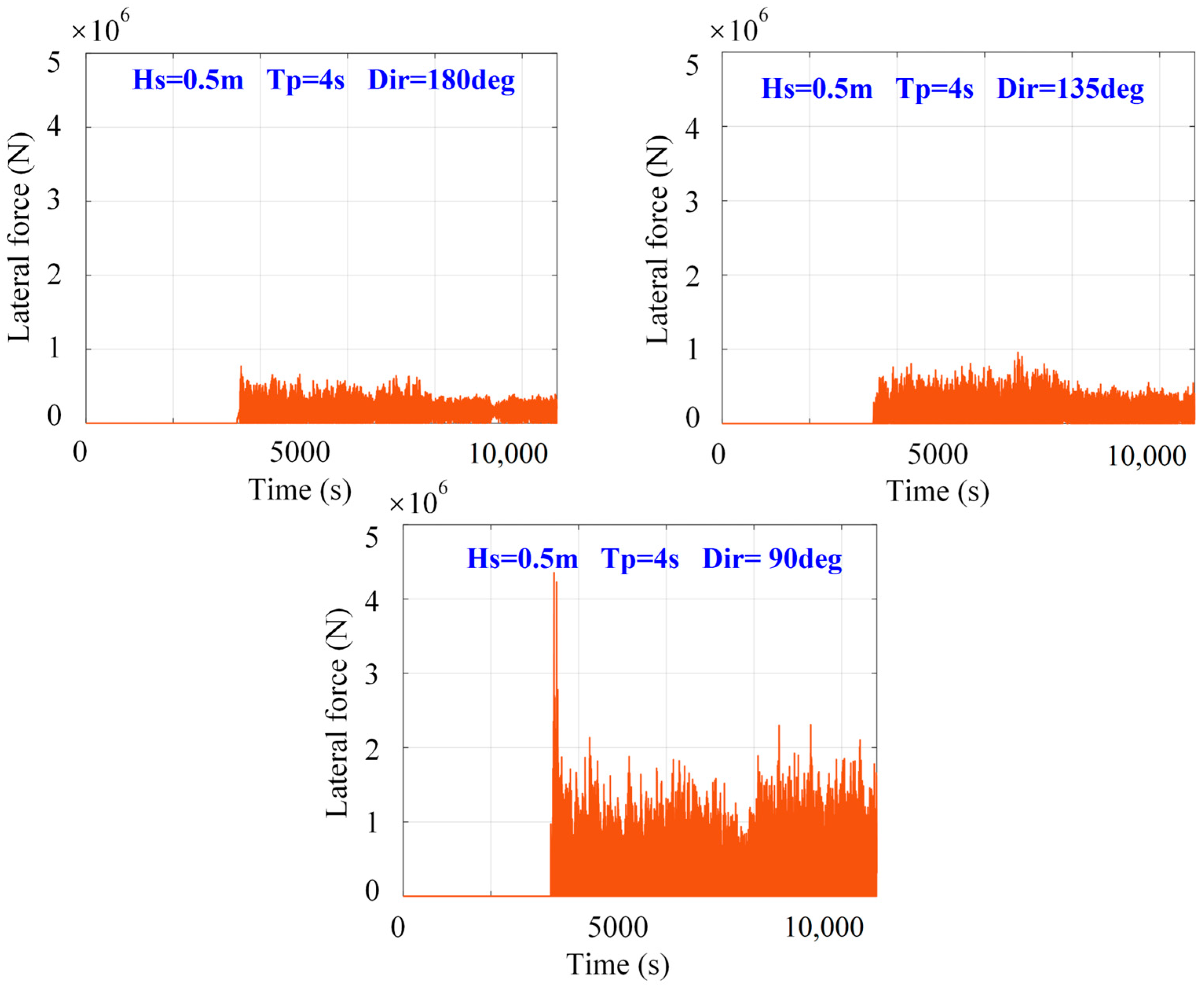
To characterize the dynamic behavior during the float-over operation, lateral loads on the DSUs are continuously monitored throughout the insertion of the module’s stabbing cones into the receiver bowls on the float-over barges (Figure 17 and Figure 18). The recorded load histories indicate negligible lateral forces prior to approximately 3400 s, consistent with the established load-transfer sequence and confirming that no contact between the float-over barges and the upper module had yet occurred.
Figure 17.
Lateral force variation curve of the DSU under different wave heights.
Figure 18.
Lateral force variation curve of the DSU under different wave directions.
The influence of environmental conditions is evident in the subsequent load evolution. Under 180° head-sea conditions, variations in wave height and period show minimal influence on lateral loads. In contrast, the incident wave direction has a pronounced effect: as the wave direction shifts toward oblique incidence, the lateral loads increase sharply, demonstrating the elevated risk associated with transverse wave components.
Beam-sea conditions produce the most severe responses, characterized by abrupt lateral load spikes with peak values exceeding those in all other examined sea states. These sharp increases arise from narrow-gap resonance and hydrodynamic shielding effects within the three-barge configuration, which induce sudden and unsynchronized motions that compromise the smoothness and safety of the float-over operation. Consequently, beam-sea conditions should be avoided in practical applications whenever possible.
Notably, the present continuous simulation model successfully captures the instantaneous lateral impact at initial DSU contact, a particularly pronounced phenomenon under beam-sea conditions that conventional staged analysis methods cannot reproduce. This capability demonstrates the model’s advantage in resolving transient load phenomena that are crucial for comprehensive safety assessment.
4.3.2. Fender System Response
To enhance structural safety and motion stability during the tri-vessel transfer operation, a comprehensive fender system is incorporated alongside the mooring system. Beyond their primary function of mitigating barge-to-barge contact forces, the fender responses provide clear operational indicators, enabling clear identification of distinct phases during the load transfer process.
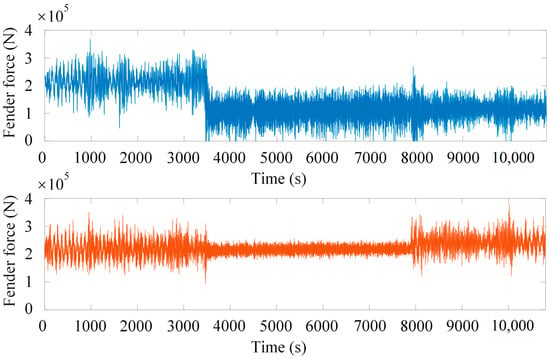
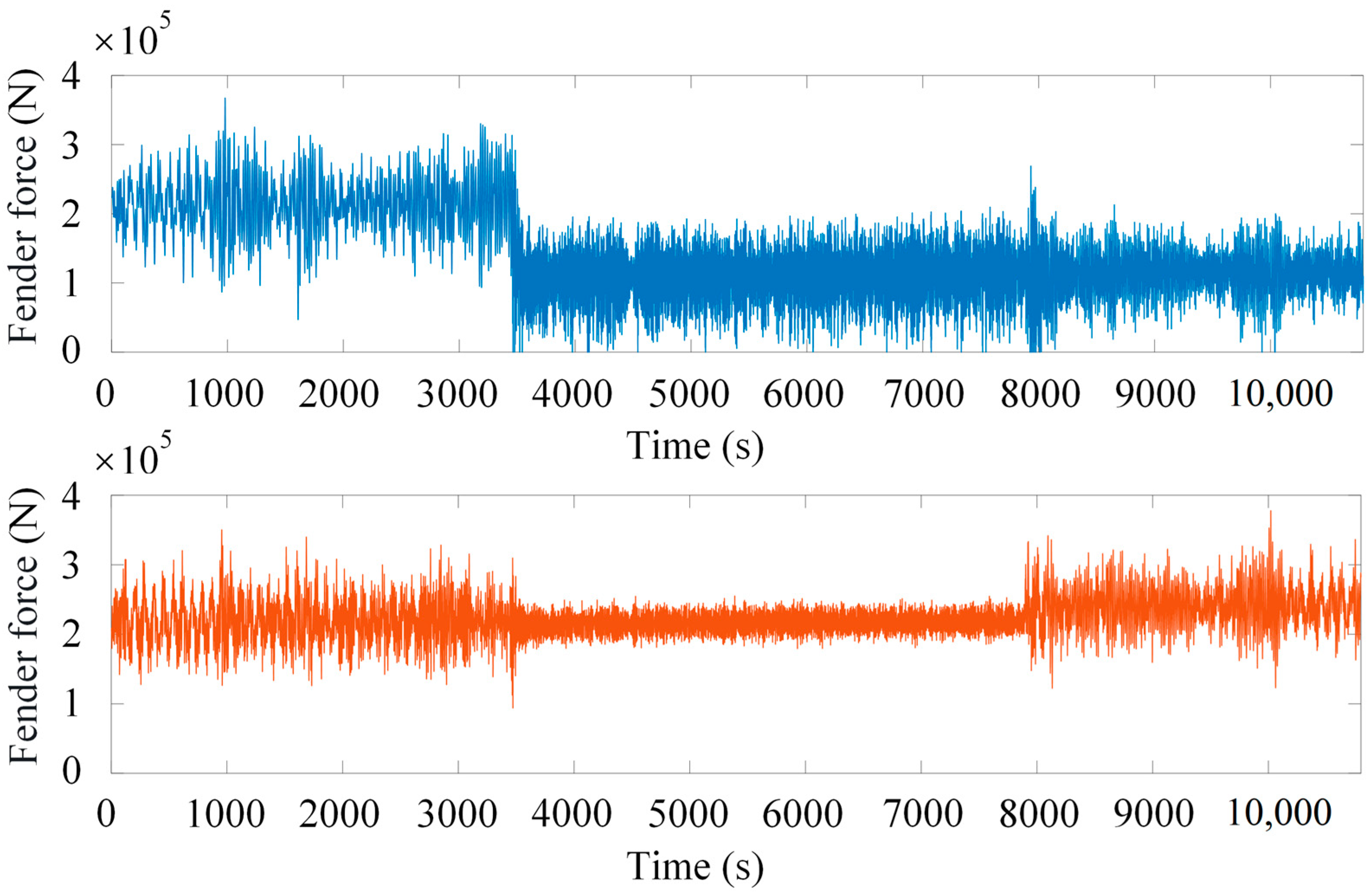
Figure 19 presents representative time-history curves of the contact forces recorded in Sway Fender 1 and Surge Fender 1 throughout the continuous load-transfer simulation. The force evolution of the sway fenders can be clearly divided into three stages corresponding to changes in ballast condition.
Figure 19.
Variation in the fender force.
During the initial 0–3400 s, the transport barge remained unballasted. Wave-induced relative motion between the barges generates moderate, periodic contact forces on the sway fenders. In the following 3400–8000 s, gradual ballasting of the transport barge initiates its descent and marks the beginning of load transfer as the upper module starts engaging with the float-over barges. This transitional phase is characterized by an increasing mean sway fender force and greater response irregularity, reflecting the progressive redistribution of structural loads. Regarding the final 8000–10,800 s, the detachment of the transport barge from the module induced an abrupt system reconfiguration, resulting in a sharp force spike around 8000 s. The fender forces subsequently returned to a stable periodic pattern as the system regained equilibrium.
The surge fenders demonstrate a progressive evolution in force response. Initially, the transport barge retains limited longitudinal freedom, producing small-amplitude periodic forces in surge fenders. As multi-tank ballasting proceeds, the longitudinal position of the transport barge is actively controlled, effectively constraining relative displacement and maintaining stable and well-regulated fender loads. Following barge detachment, the longitudinal motion characteristics again become less restricted, and the surge fenders return to a predominantly periodic force pattern.
The close correlation between fender force evolution and physical load-transfer sequence validates the consistency of the system response. Particularly noteworthy are the pronounced transient peaks during initial module contact and final barge detachment. These critical nonlinear phenomena, which prove challenging to capture through conventional quasi-steady analysis, are effectively resolved by the present continuous time-domain framework. This capability provides unprecedented insight into the dynamic behavior during transitional phases of the operation.
These findings underscore the engineering significance of the proposed simulation methodology. From the specific perspective of fender system response, this approach demonstrates an enhanced capability for identifying nonlinear effects during critical installation stages, thereby contributing to more reliable safety assessment and optimized operational procedures.
4.3.3. Force Characteristics of Mooring System
- (a)
- Force history of the mooring lines
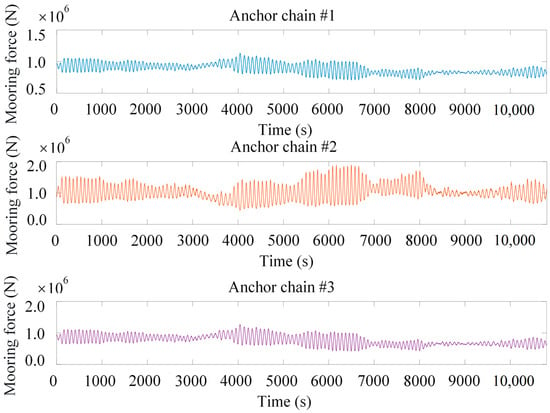
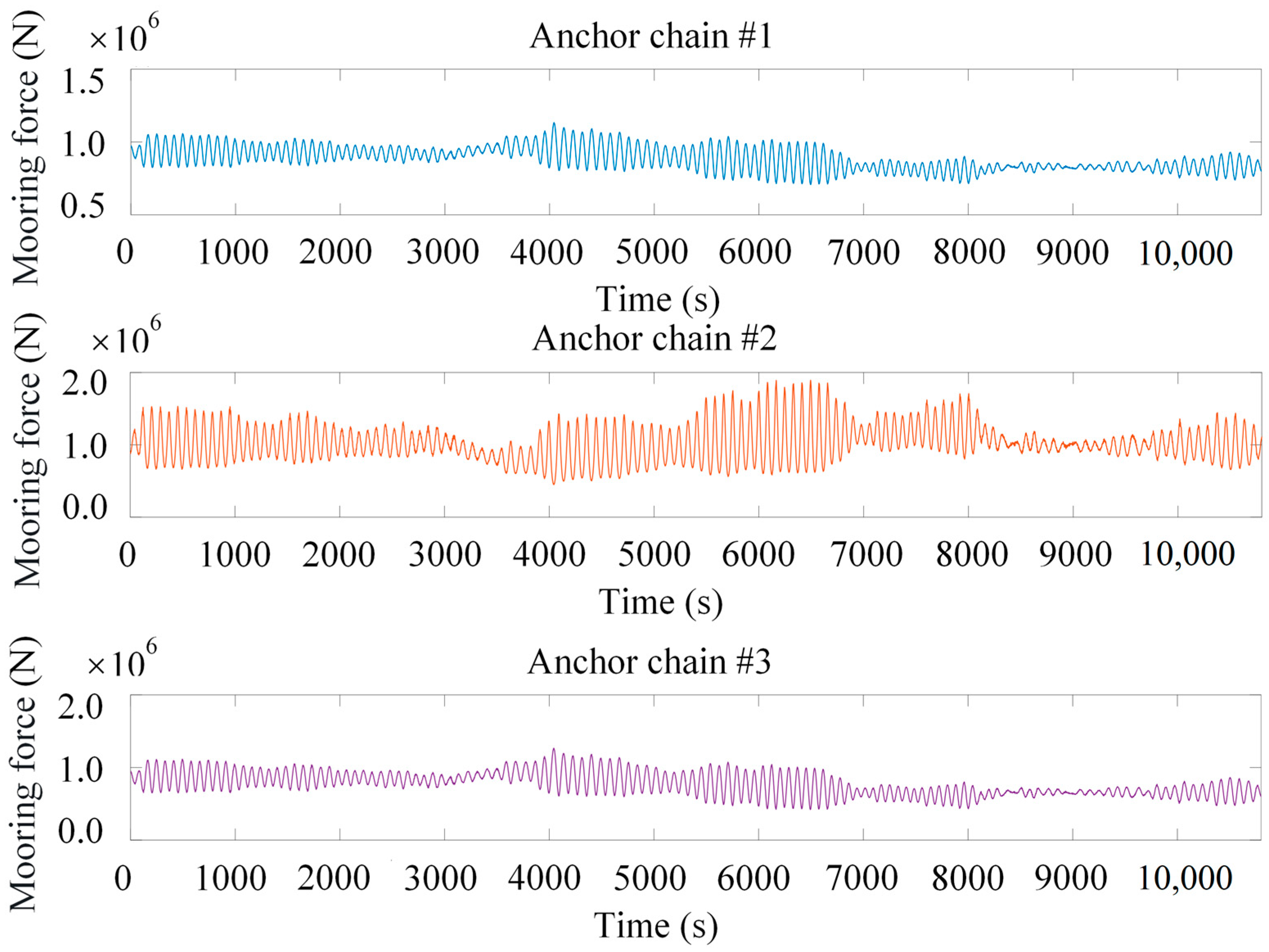
To further evaluate the system stability and positioning performance during the tri-vessel transfer phase, particularly during the transition from single-barge to dual-barge support, a detailed mooring force analysis is conducted on the integrated system consisting of the transport barge, two float-over barges, and the upper module. Time-history responses of the three anchor chains throughout the continuous ballasting process are examined to assess the load-carrying capacity and robustness of the mooring system under dynamically varying conditions. The force evolution of the mooring lines is presented in Figure 20.
Figure 20.
Force variation in the mooring line.
It can be observed that the mooring force response of the anchor chains during the tri-vessel transfer process reveals clear functional differentiation and time-dependent variation. Anchor Chains 1 and 3, symmetrically arranged at the stern of the transport barge, exhibit nearly identical force patterns, indicating strong geometric symmetry and overall system stability. Under the head-sea condition, with the incident waves approaching approximately perpendicular to the axial orientation, these chains primarily provide lateral restraint while collectively maintaining the heading of the transport barge.
In contrast, Anchor Chain 2 at the bow exhibits significantly higher peak tensions and more pronounced fluctuations due to its alignment with the wave direction. Serving as the primary component resisting axial displacement, it is more sensitive to variations in wave height and dynamic disturbances associated with the evolving load-transfer process.
Mooring forces initiate their increase during the 3000–4000 s interval, coinciding with the onset of load redistribution and enhanced dynamic coupling within the three-barge system. The most substantial tension fluctuations occur between 4000 and 8000 s, corresponding to the active load-transfer phase and progressive descent of the transport barge, which represents the dynamically unstable phase of the operation. After 8000 s, following complete module transfer to the float-over barges and detachment of the transport barge, system disturbances diminish significantly. Mooring-line forces subsequently stabilize to a steady-state condition characterized by minimal wave-induced oscillations.
Throughout the continuous load-transfer process, the mooring system exhibits a well-behaved elastic response, providing effective heading control and positional stability even under substantial transient disturbances. During the critical mid-transfer stage, the mooring lines successfully constrain drift and attitude variations in the transport barge, supporting the operational safety. The adopted mooring configuration consequently proves its engineering suitability for multi-body float-over systems undergoing continuous load transfer under realistic offshore conditions.
- (b) Force history of the connecting cables
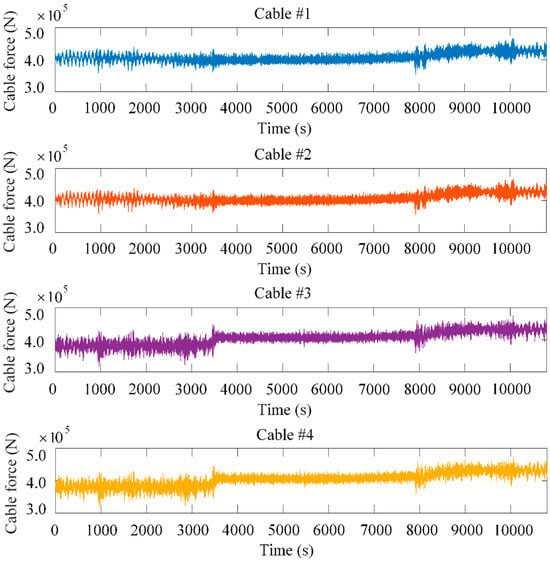
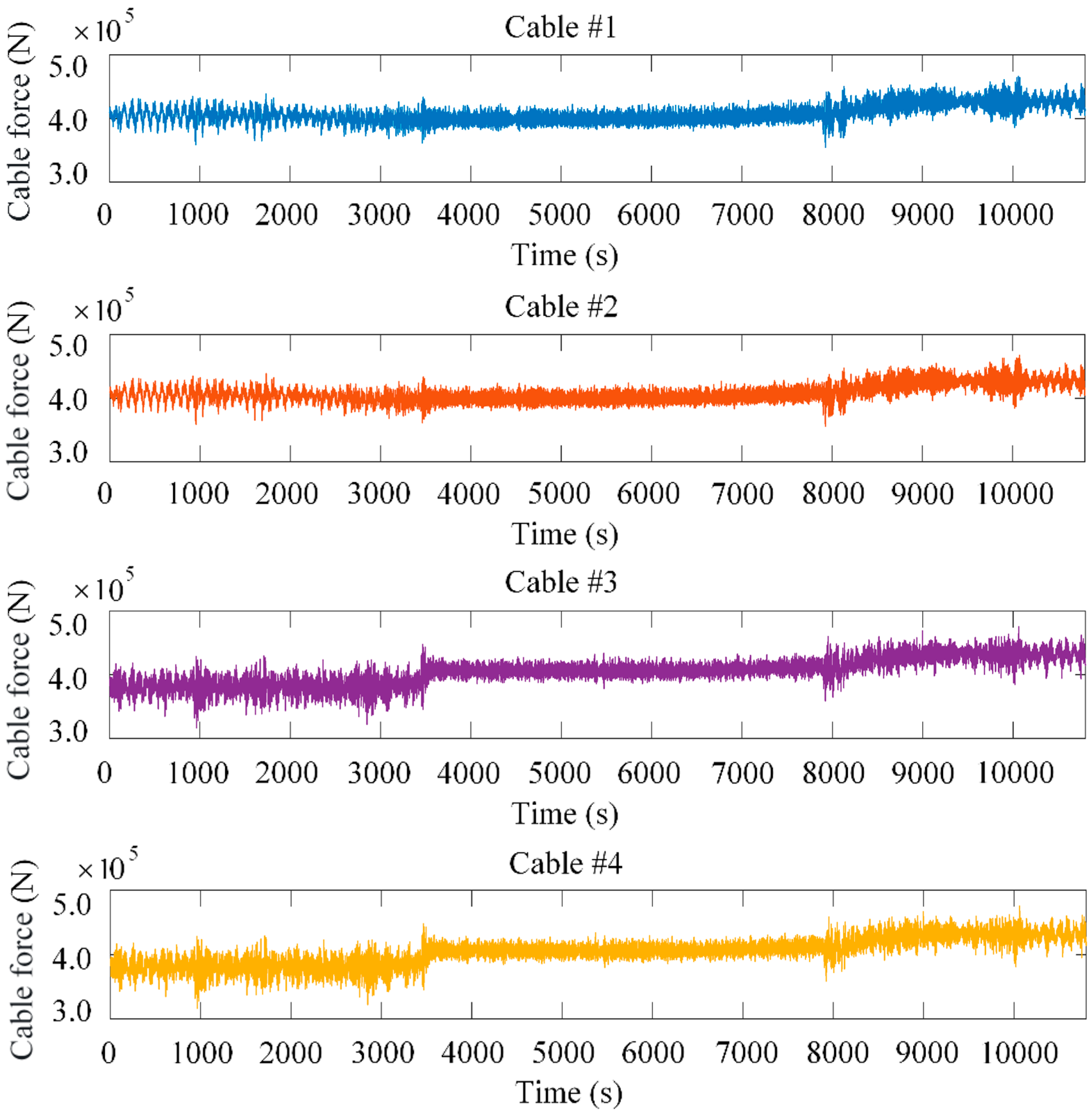
In addition to the mooring chains, four connecting cables play a crucial role in maintaining dynamic stability by constraining relative motions between the transport barge and the two float-over barges throughout the continuous load transfer. Their tension responses evolve dynamically with wave excitation and systematic geometric changes induced by ballasting operations, as shown in Figure 21.
Figure 21.
Force variations in the four connecting cables.
The force evolution in the connecting cables is categorized into three distinct stages. During the initial stage (0–3400 s), the transport barge remained unballasted and the system was in a quasi-static floating condition. Cable tensions remained low and exhibited only small periodic fluctuations driven by incident waves, reflecting a stable pre-transfer configuration with limited structural interaction. During the transition stage (3400–8000 s), progressive ballasting induced downward motion of the transport barge and initiated load transfer to the float-over barges. As relative displacement increases, the connecting cables experience a gradual and sustained rise in tension. Fluctuations remained modest, indicating that the response was governed primarily by the quasi-static effects of ballasting rather than dynamic excitation. In the final stage (8000–10,800 s), the transport barge detached from the module and began to withdraw, leading to a redistribution of hydrodynamic forces and the establishment of a new multi-body equilibrium. Cable tensions in this phase exhibited the largest amplitudes, driven by periodic stretching and relaxation under enhanced wave-induced relative motions.
The force histories for the four cables, Cables 1 and 2 at the stern and Cables 3 and 4 at the bow, displayed high symmetry in both waveform and magnitude. This symmetry indicated that the tri-vessel system maintains effective directional control throughout the operation, with no evidence of appreciable yaw or asymmetric behavior.
Overall, the connecting cables provided robust displacement-limiting capability across all stages of the load-transfer process. Their tension responses remained well-regulated, offering elastic buffering during transitional phases and contributing to system stability during more dynamically active conditions. These results verified the engineering soundness of the cable configuration and its ability to meet the relative-positioning requirements of multi-body float-over installations.
5. Conclusions
This study develops a comprehensive time-domain coupled dynamic framework to investigate the load transfer behavior of a topside module during the tri-ship offloading phase of twin-barge float-over installation. The model integrates multi-body potential-flow hydrodynamics, mooring and fender systems, DSUs, and a continuous mass-point variation method that replicates progressive ballasting and real-time load redistribution. Through simulations under representative sea states, the study examines hydrodynamic interference, narrow-gap resonance, motion amplification, DSU force transitions, and environmental sensitivities, providing new insights into the dynamic mechanisms governing tri-ship offloading. The main conclusions are as follows:
- (1)
- A fully coupled multi-body dynamic model was established, integrating potential-flow hydrodynamics, mooring and fender systems, and DSUs, together with a continuous mass-point variation approach to simulate progressive ballasting and dynamic load transfer.
- (2)
- Narrow-gap resonance significantly affects motion and load responses, leading to amplified heave/roll motions and elevated hydrodynamic interference between closely spaced barges, especially under beam-sea and oblique wave conditions.
- (3)
- Continuous load transfer induces transient DSU forces that cannot be captured by traditional staged modeling. Short-duration peaks occur during initial contact and load takeover, underscoring the need for time-domain simulation in engineering assessment.
- (4)
- Lateral DSU loads are highly sensitive to wave direction, with beam-sea conditions producing sharp impact peaks and the highest operational risk. Head-sea waves provide the most favorable environment for float-over operations.
- (5)
- The proposed framework enhances engineering reliability, offering improved prediction of load paths, hydrodynamic interactions, and operational limits, supporting design optimization and safety control for twin-barge float-over installations.
The strengths of this paper lie in its fully coupled time-domain dynamic framework, which integrates multi-body hydrodynamics, mooring and fender systems, DSUs, and a continuous mass-point method. This approach effectively captures narrow-gap resonance effects, transient DSU loads, and continuous load redistribution factors that are often overlooked in traditional staged or quasi-static analyses. To enhance applicability in field operations, several practical measures can be adopted, including refining the module model with actual structural and equipment details, considering the comprehensive environmental conditions that integrate wind–wave–current effects, and incorporating real-time monitoring systems to support dynamic early-warning capabilities.
Author Contributions
Conceptualization, C.W. and Y.G.; methodology, C.W.; software, C.W. and Y.G.; validation, X.S., Y.J. and X.L.; formal analysis, X.S.; investigation, X.L.; resources, X.L.; data curation, S.J.; writing—original draft preparation, S.J.; writing—review and editing, Y.J. and C.W.; visualization, X.L. and Y.J.; supervision, X.S.; project administration, C.W. and Y.G.; funding acquisition, X.S., Y.J. and Y.G. All authors have read and agreed to the published version of the manuscript.
Funding
This research was funded by the National Natural Science Foundation of China (52301349, 52301351, 52271298, 52088102) and the National Key R&D Program of China (2023YFC2811600).
Data Availability Statement
The data presented in this study are all included in this article.
Conflicts of Interest
The authors declare no conflicts of interest.
Abbreviation
The following abbreviation is used in this manuscript:
| DSU | Deck Support Unit |
References
- Liu, G.; Li, H. Offshore Platform Integration and Floatover Technology; Springer: Berlin/Heidelberg, Germany, 2017. [Google Scholar]
- Reda, A.; Amaechi, C.V.; Shahin, M.A.; McKee, K.K. Field Redevelopment and Weight Shedding for Decommissioning of Offshore Facilities. J. Mar. Sci. Eng. 2024, 12, 1331. [Google Scholar] [CrossRef] [Scilit]
- Lee, J.-H. Dynamic analysis of topside module in lifting installation phase. J. Ocean Eng. Technol. 2011, 25, 7–11. [Google Scholar] [CrossRef] [Scilit]
- Zhao, Y.; Cheng, Z.; Gao, Z.; Sandvik, P.C.; Moan, T. Numerical study on the feasibility of offshore single blade installation by floating crane vessels. Mar. Struct. 2019, 64, 442–462. [Google Scholar] [CrossRef] [Scilit]
- Tao, W.; Wang, S.; Song, X.; Li, H. Experimental investigation on continuous load transfer process of twin-barge float-over installation. Ocean Eng. 2021, 234, 109309. [Google Scholar] [CrossRef] [Scilit]
- Wang, R.; Shi, Q.; Tian, X.; Guo, X.; Li, X.; Yang, J. Dynamic responses of a twin-DP-barge float-over installation system with flexible connections. J. Ocean Eng. Sci. 2024, 10, 353–365. [Google Scholar] [CrossRef] [Scilit]
- Gang, C.; Huan, Z.; Yuhan, W.; Chao, W.; Wei, Z.; Yan, Y. Float-over installation analysis of semisubmersible production platform topside. In Proceedings of the International Conference on Offshore Mechanics and Arctic Engineering, Madrid, Spain, 17 June 2018; p. V001T001A026. [Google Scholar]
- Li, P.; Zhao, L.; Ouyang, M.; Ye, K.; Zhao, R.; Zou, M.; Chen, M. Novel T–U-Shaped Barge Design and Dynamic Response Analysis for Float-Over Installation of Offshore Converter Platform. J. Mar. Sci. Eng. 2025, 13, 2004. [Google Scholar] [CrossRef] [Scilit]
- Zhao, M.; Zheng, X.Y.; Zhang, S.; Qian, K.; Jiang, Y.; Liu, Y.; Duan, M.; Zhao, T.; Zhai, K. Hydrodynamic Performance and Motion Prediction Before Twin-Barge Float-Over Installation of Offshore Wind Turbines. J. Mar. Sci. Eng. 2025, 13, 995. [Google Scholar] [CrossRef] [Scilit]
- Ma, Y.; Yuan, L.; Zan, Y.; Huang, F. Numerical simulation of float-over installation for offshore platform. J. Mar. Sci. Appl. 2018, 17, 79–86. [Google Scholar] [CrossRef] [Scilit]
- Song, M.; Ma, J.; Huang, Y. Fluid-structure interaction analysis of ship-ship collisions. Mar. Struct. 2017, 55, 121–136. [Google Scholar] [CrossRef] [Scilit]
- Alam, L.; Pradhoshini, K.P.; Flint, R.A.; Sumaila, U.R. Deep-sea mining and its risks for social-ecological systems: Insights from simulation-based analyses. PLoS ONE 2025, 20, e0320888. [Google Scholar] [CrossRef] [Scilit] [PubMed]
- Paik, K.-J.; Carrica, P.M.; Lee, D.; Maki, K. Strongly coupled fluid–structure interaction method for structural loads on surface ships. Ocean Eng. 2009, 36, 1346–1357. [Google Scholar] [CrossRef] [Scilit]
- Wang, Y.; Zhang, B.; Shan, Z.; Sun, Z.; Chen, J.; Jiang, X.; Dong, G.; Bi, C. Experimental Study on the Structural Dynamic Response of an Offshore Electrical Platform During Mating Process in Float-Over Installation. J. Mar. Sci. Eng. 2025, 13, 2000. [Google Scholar] [CrossRef] [Scilit]
- Jiang, Z.; Wu, W.; Wang, T.; Sun, Z.; Zhang, B.; Dong, G.; Bi, C. Numerical Study on the Dynamic Response of an Offshore Converter Platform with Integrated Equipment During Float-Over Installation. Energies 2025, 18, 5656. [Google Scholar] [CrossRef] [Scilit]
- Tao, W.; Wang, S.; Song, X.; Guo, Y.; Zhao, Y. A continuous simulation method of load transfer process during twin-barge float-over installation. In Proceedings of the ISOPE International Ocean and Polar Engineering Conference, Shanghai, China, 12 October 2020; p. ISOPE-I-20-1295. [Google Scholar]
- Zhao, S.; Meng, X.; Li, H.; Li, D.; Fu, Q. Continuous multi-body dynamic analysis of float-over deck installation with rapid load transfer technique in open waters. Ocean Eng. 2021, 224, 108729. [Google Scholar] [CrossRef] [Scilit]
- Zheng, S.; Zhang, Y. Wave diffraction and radiation by multiple rectangular floaters. J. Hydraul. Res. 2016, 54, 102–115. [Google Scholar] [CrossRef] [Scilit]
- Sannasiraj, S.; Sundaravadivelu, R.; Sundar, V. Diffraction–radiation of multiple floating structures in directional waves. Ocean Eng. 2001, 28, 201–234. [Google Scholar] [CrossRef] [Scilit]
- Hu, Z.; Li, X.; Zhao, W.; Wu, X. Nonlinear dynamics and impact load in float-over installation. Appl. Ocean Res. 2017, 65, 60–78. [Google Scholar] [CrossRef] [Scilit]
- Wu, G.; Hu, Z. Simulation of nonlinear interactions between waves and floating bodies through a finite-element-based numerical tank. Proc. R. Soc. London Ser. A Math. Phys. Eng. Sci. 2004, 460, 2797–2817. [Google Scholar] [CrossRef] [Scilit]
- Wehausen, J.V. The motion of floating bodies. Annu. Rev. Fluid Mech. 1971, 3, 237–268. [Google Scholar] [CrossRef] [Scilit]
- Lee, C.M. Motion characteristics of floating bodies. J. Ship Res. 1976, 20, 181–189. [Google Scholar] [CrossRef] [Scilit]
- Sun, L.; Taylor, R.E.; Choo, Y.S. Multi-body dynamic analysis of float-over installations. Ocean Eng. 2012, 51, 1–15. [Google Scholar] [CrossRef] [Scilit]
- Tajali, Z.; Shafieefar, M. Hydrodynamic analysis of multi-body floating piers under wave action. Ocean Eng. 2011, 38, 1925–1933. [Google Scholar] [CrossRef] [Scilit]

Disclaimer/Publisher’s Note: The statements, opinions and data contained in all publications are solely those of the individual author(s) and contributor(s) and not of MDPI and/or the editor(s). MDPI and/or the editor(s) disclaim responsibility for any injury to people or property resulting from any ideas, methods, instructions or products referred to in the content. |
© 2025 by the authors. Licensee MDPI, Basel, Switzerland. This article is an open access article distributed under the terms and conditions of the Creative Commons Attribution (CC BY) license (https://creativecommons.org/licenses/by/4.0/).