1. Introduction
In contemporary times, the application scope of unmanned aerial vehicles (UAVs), which are a kind of controllable vehicle that performs various tasks without human assistance [
1], is progressively diversifying, exhibiting significant potential and advantages across various domains such as transportation [
2] and construction [
3]. With continuous technological advancements, UAVs have emerged as versatile tools for civilian and commercial applications [
4]. The marine environment is complex and varied, and compared to the study of the land environment, the marine scene has a rich and diverse range of research scenarios [
5,
6,
7,
8], such as marine transportation [
9], marine monitoring [
10] and other fields [
11,
12]. Among them, the research on marine transportation has become one of the hot spots of marine research. In maritime environments, there may arise situations necessitating urgent material supply, for which a device capable of swift response and delivery is required. Compared to traditional lifeboats and life rafts, UAVs offer lower time and economic costs and broader transportation coverage, and thus are more conducive to the transportation of materials in maritime emergencies.
Path planning is a critical issue within the field of automation [
13], and for UAVs, solving their path planning problems holds considerable value in their applications. Path planning is inherently a combinatorial optimization problem, tasked with generating a geometric path without any specified time constraints. The objective of path planning is to devise a feasible route that ensures safe arrival at the destination based on known environmental information. Its definition is succinct: “find a collision-free motion between an initial (start) and a final configuration (goal) within a specified environment” [
13]. Research shows that the path planning problem is an NP-hard problem [
14], which means this problem entails large search spaces, making it exceedingly difficult to find the optimum. Solutions to this problem often necessitate exhaustive exploration of numerous possibilities, without any efficient method guaranteeing the discovery of the optimal solution within polynomial time. Consequently, while it may be straightforward to verify whether a given solution is correct, finding a solution itself is highly challenging [
15].
Various algorithms, such as A* [
16], RRT [
17] and PRM [
18], are proposed to solve the path planning problem and obtain a feasible solution. As the complexity of the problem to be solved increases, many such improved algorithms have been proposed and applied. For instance, the LDA* algorithm is proposed to finish the path planning mission in a game by Bayili et al. [
19] and Moon et al. use a modified RRT algorithm to accomplish the high-speed navigation for mobile robots [
20]. However, traditional path planning algorithms typically depend on pre-acquiring and memorizing the global environment graph. These cause an inherent disadvantage of this kind of algorithm. It is time-consuming to use such algorithms for path planning in intricate environments.
Swarm intelligence algorithms mimic swarm behaviors observed in nature to develop intelligent algorithms. Guided by these behaviors, they strategically employ random operators to optimize the trial-and-error process, replicating the exploration of solution spaces based on swarm wisdom. Different from common meta-heuristic algorithms, individuals in swarm intelligence algorithms exhibit independent intelligence and behavior, while enhanced information exchange among the population bolsters the optimization capability. These characteristics empower swarm intelligence algorithms to effectively address complex optimization problems. For example, El-Kenawy et al. propose the hybrid gray wolf optimizer (GWO) and particle swarm optimization (PSO) algorithms to select the best set of features [
21]. Mei et al. used an improved meta-heuristic algorithm to enhance the accuracy of target localization in underwater IoT tasks [
22]. Mohamed Abdel-Basset modifies the whale optimization algorithm (WOA) to tackle the issue of multi-level thresholding color image segmentation [
23]. Given the excellent properties of swarm intelligence algorithms, there are numerous studies that apply swarm intelligence algorithms to path planning [
24,
25]. The utilization of a modified particle swarm optimization in the path planning of robots has been investigated by Li et al. [
26], demonstrating its effectiveness in addressing the path-planning problem. Zhang et al. applied particle swarm optimization to multi-objective path planning, showcasing its potential in the path-planning problem. Zhu proposed an enhanced meta-heuristic algorithm to address the unmanned combat aerial vehicle (UCAV) path planning [
27], and Niu et al. solved three-dimensional UCAV path planning in maritime environment with a modified artificial ecosystem optimizer [
28], illustrating the feasibility of applying swarm intelligence algorithms to UAV path planning.
Path planning stands as a critical technology ensuring the safety of UAVs in maritime emergency transportation. In maritime environments, path planning for unmanned devices necessitates consideration of marine environmental factors, as well as fuel consumption and obstacle avoidance. For instance, during autonomous underwater vehicle (AUV) path planning in the seafloor environment, factors such as ocean currents and seabed topography are taken into account [
29,
30]. While UAVs do not require accounting for ocean currents akin to AUV, the impact of marine winds on UAVs cannot be disregarded.
Although numerous swarm intelligence algorithms have been applied to path planning, as described in the “No Free Lunch (NFL)” theorem [
31], no single algorithm can tackle all optimization issues. Consequently, exploring novel algorithms to tackle path planning challenges remains a valuable avenue of research, particularly given the increasing complexity of application scenarios and problems. In recent years, several advanced swarm intelligence algorithms have been proposed, including the mayfly algorithm (MA) [
32], reptile search algorithm (RSA) [
33], beluga whale optimization (BWO) [
34] and white shark optimizer (WSO) [
35], etc. Among these, WSO stands out as an exemplary swarm intelligence algorithm, which effectively balances the exploration and exploitation processes, and also has excellent performance in some high-dimensional complex test problems, which can effectively detect the search space and converge to the optimal solution to some extent [
35]. The existing literature has shown that the WSO algorithm can be applied to the path planning problem and has a great potential [
36]. What is more, the WSO algorithm has successfully addressed numerous different types of problems such as optimal power flow problems [
37,
38], cloud computing [
39] and the performance of the design parameters of proton exchange membrane fuel cells (PEMFCs) [
40]. When integrated with other strategies, WSO demonstrates capability in resolving more intricate problems. For instance, Ravishankar et al. applied WSO combined with deep learning to solve the problem of UAVs communication and scene classification [
41], and Houssein et al. use a modified WSO to solve engineering design and combinatorial problems [
42].
The core concepts and inspiration behind the WSO are derived from the behavior of sharks to track prey. This creature possesses remarkable sensory abilities, encompassing their extraordinary auditory, visual and olfactory capabilities. The WSO’s design incorporates a promising blend of exploratory and exploitative search strategies within its update mechanism, achieved through stochastic updates and alterations of solutions. This behavior is modeled in conjunction with the appropriately defined conditions of white shark locomotion and olfactory intensity to foster exploratory behavior in the initial iterations of WSO and exploitative search mechanisms in subsequent iterations.
However, the complexity of problems in the maritime environment, exacerbated by the influence of complex sea winds, imposes higher demands on optimization algorithms, necessitating an enhancement in the search capabilities of WSO populations. There are still some places where WSO can be improved. For instance, in guiding the velocity using individual recorded best values, WSO relies entirely on random individuals, which may not fully exploit the information from individual records, particularly for individuals with less favorable results that warrant stronger optimization behavior. During the fish schooling stage, if the white shark’s visual abilities are insufficient to track the optimal fish, it remains stationary, resulting in missed opportunities to exploit the solution space.
In order to better address path planning problems for UAV maritime emergency transportation, this paper proposes an improved version of the WSO algorithm, named Directional Driven-Rotational Invariant Quadratic Interpolation White Shark Optimizer (DD-RQIWSO), which addresses the aforementioned issues. To accurately simulate the maritime environment, we augment the UAV environment model [
43,
44] used by Selcuk Aslan and Y. Niu with factors such as sea winds, thus rendering the environment model more representative of real transportation scenarios. The contributions of this paper can be summarized as follows:
Through the directed update strategy based on sorted cost, the velocity update process of WSO is modified to prevent the degradation phenomenon induced by random individuals, thereby achieving the rapid search capability of directed guidance algorithms;
An additional rotation-invariant position update mechanism based on hyperspheres is introduced to supplement new individual update patterns, thus avoiding tracking pauses during WSO position updates;
A quadratic interpolation mechanism is incorporated into WSO to enhance inter-individual information exchange and improve the algorithm’s utilization of local information in complex spaces;
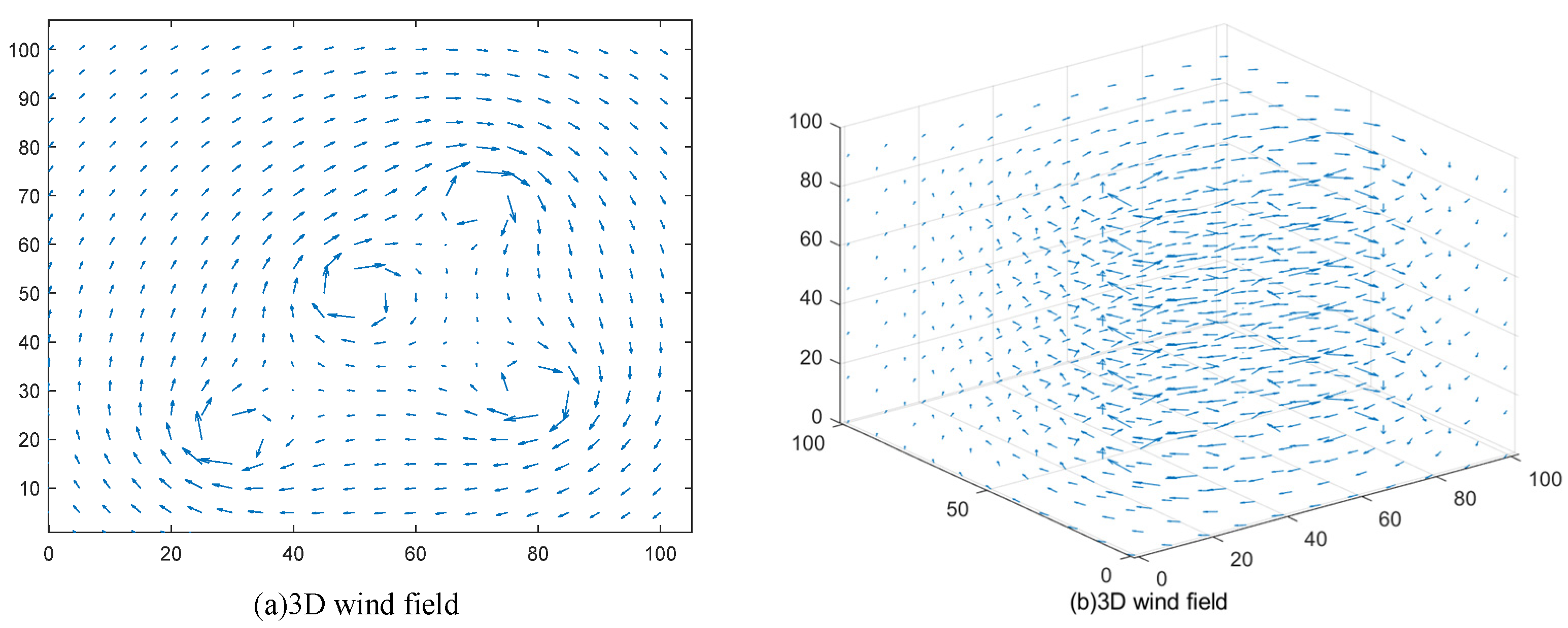
To simulate real oceanic scenarios, 2D and 3D wind simulation environments based on the Lamb–Oseen vortex model are constructed. A series of tests are conducted on DD-RQIWSO to demonstrate the superiority of the algorithm.
The next part of this paper is structured as follows: The problem formulation of UAV path planning is demonstrated in
Section 2. The basic WSO algorithm is displayed in
Section 3. The description of the proposed DD-RQIWSO will be shown in
Section 4. To inspect the performance of the modified WSO, a series of experimental results are shown in
Section 5.
Section 6 provides a conclusion of this work.
4. Proposed DD-RQIWSO Algorithm for Path Planning
Due to the complexity of route planning problems in maritime transportation, three novel strategies are incorporated into the original WSO to form the proposed DD-RQIWSO algorithm, which belongs to the category of swarm intelligence algorithms. This paper employs the proposed DD-RQIWSO algorithm to solve the shortest path problem in maritime emergency transportation.
Section 4.1,
Section 4.2 and
Section 4.3 introduce the three strategies, respectively.
Section 4.4 presents the overall framework of the DD-RQIWSO algorithm for solving route planning problems.
Section 4.5 analyzes the main parameters of the algorithm and
Section 4.6 provides an analysis of the time complexity of DD-RQIWSO.
4.1. Directional Update Strategy
Degradation refers to the phenomenon where, during velocity update, the locally optimal value obtained by randomly selecting population individuals causes poorer individuals to fail to interact with superior individuals, resulting in stagnation and reduced exploration efficiency. To address this issue, a human learning mechanism is introduced. This mechanism is inspired by the behavior of mutual learning in human society, where individuals with weaker learning abilities tend to seek advice from superior individuals to obtain a better understanding, thereby enhancing the overall learning ability of the population. In this learning behavior, individuals with weaker learning abilities not only learn from the best individuals but also learn from inferior individuals [
47].
Based on this concept, within the white shark swarm, there is a phenomenon of mutual learning. They can learn from their peers who hold advantageous positions and adjust their forward velocity by observing the exceptional individuals. Referring to the conclusion of article [
47], we can categorize individuals into elite and inferior groups based on a specific population ratio
and set
= 5%. In simple terms, if the population size is 100, the first 5 and the last 5 particles will be chosen as the elite particle group and the underperforming particle group, respectively. The screening process is as follows: Firstly, all individuals are ranked according to their performance. Then the top
of white shark individuals will be selected for the elite white shark group, and the bottom three white shark individuals will be assigned to the underperforming individuals. The specific updating strategy for the velocity involves updating the speed of the underperforming individuals randomly towards the mean value of the three white shark individuals’ positions in the elite group with the best performance. The velocity updating formula is as follows:
where
and
are random numbers in the interval [0,1],
and
are the parameters generated by Equations (19) and (20),
denotes the global optimum of the
kth generation and
is the average of three randomly selected white sharks in the top 5% optimal white sharks, and if there are fewer than three white sharks in the top ε of the population, the average of the top three white sharks will be selected as
.
4.2. Rotational Invariant Strategy
In the fish school strategy, if the shark cannot follow the best shark, it will stay in its position. This was made into a tracking pause. This behavior will waste the chance of exploitation. In fish schooling, there is information of prey that can be used, which is acquired by itself or neighbor sharks. And this information can be applied to the rotational invariant method [
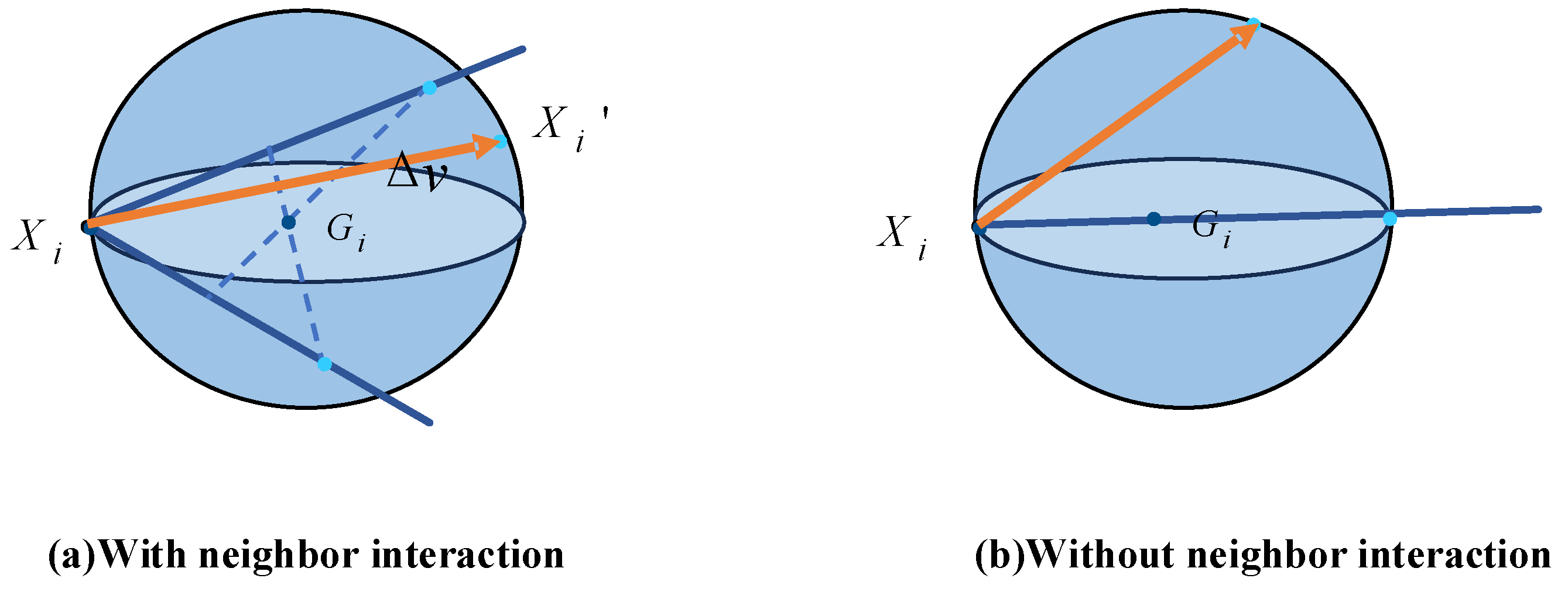
48] to improve the exploitation of white sharks. The strategy of rotation invariance is based on the hyperspheres in the search space, the crucial step of this strategy is calculating the center of the hypersphere. And we modify the original strategy to increase the probability of search. The principle of modified strategy to calculate the hypersphere is shown in
Figure 5.
The center of the hypersphere is determined by three vectors, including
,
and the current shark position
. Different from the original rotational invariant strategy, we use
to replace the global optimal position.
is the mean of the best prey location recorded by neighbor sharks, determined by Equation (32),
is the shark record of the best prey location it meets.
is determined by Equation (33), where
denotes a fixed value of 0.1, and
denotes a random number of [0,1]. It implies a random distance in the certain direction determined by current and optimal position recorded by each shark;
is determined by Equation (34), where
denotes a number with a fixed value of 0.1, and
denotes a random number at [0, 1]. It implies a random distance in a certain direction determined by current and global optimal position. Unlike
,
they obtain a possibility via
, which is determined by Equation (35), to remain in the current position.
is a random number on the interval [0, 1]. The center coordinates of the hypersphere can be determined by Equation (36). The radius of the hypersphere is determined by the norm of the vector determined by the hypersphere center coordinates and the current shark coordinates. The velocity vector is acquired according to Equation (36). The
in Equation (37) denotes the random acquisition of a point on the hypersphere. Once we obtain the velocity vector of the
ith value shark, the position of the
ith white shark can be updated according to the second branch of Equation (21).
4.3. Quadratic Interpolation (QI) Operator
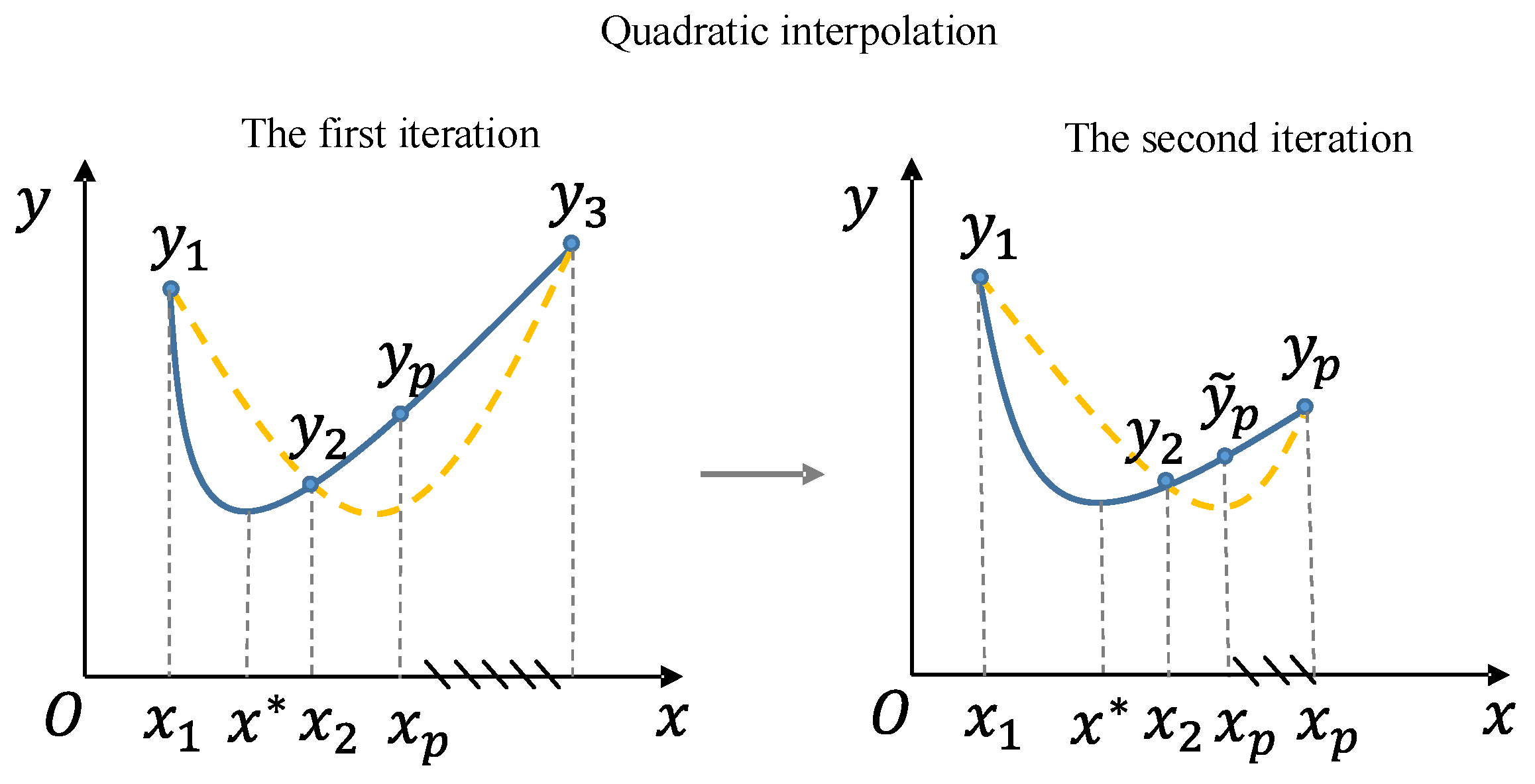
After the exploration and exploitation by WSO, the population can be further optimized, and quadratic interpolation (QI) modules are added. The QI operator is a method that enhances the ability of individuals to interact, further exploiting the population’s ability to mine local information. Based on the information of neighboring individuals, interpolation points are generated to deepen the exploration of known local information. When conducting quadratic interpolation on excellent individuals, it can more comprehensively explore the positions near excellent individuals, thereby searching for potentially better positions. When conducting quadratic interpolation on inferior individuals, it can drive them closer to excellent individuals and explore more valuable search ranges. The mathematical core of quadratic interpolation is to construct a parabolic fit of the objective function based on three known points, and approximate the extreme points of the objective function through the extreme points of the parabola, thereby quickly finding possible optimal values [
49].
Figure 6 shows the core idea of the QI operator.
The specific details are given as follows.
denotes the population after the WSO algorithm updating. The agent in
are sorted according to the cost function from lowest to highest, and we credited the sorted population as
. In the
population, the search agents are selected in order
,
and
where
i is increasing from 1 to
n−2. The quadratic interpolation of the selected agent generation is obtained according to Equation (38), when
i =
n−1,
n,
,
,
and
,
,
are chosen to obtain
and
, respectively. Replace
with
if the cost value of
is superior to
’s. The equation used is as follow:
where
,
and
respect the cost function values of three agents. After executing QI operator, the population
will be formed.
4.4. Overall Framework for Path Planning Based on DD-RQIWSO
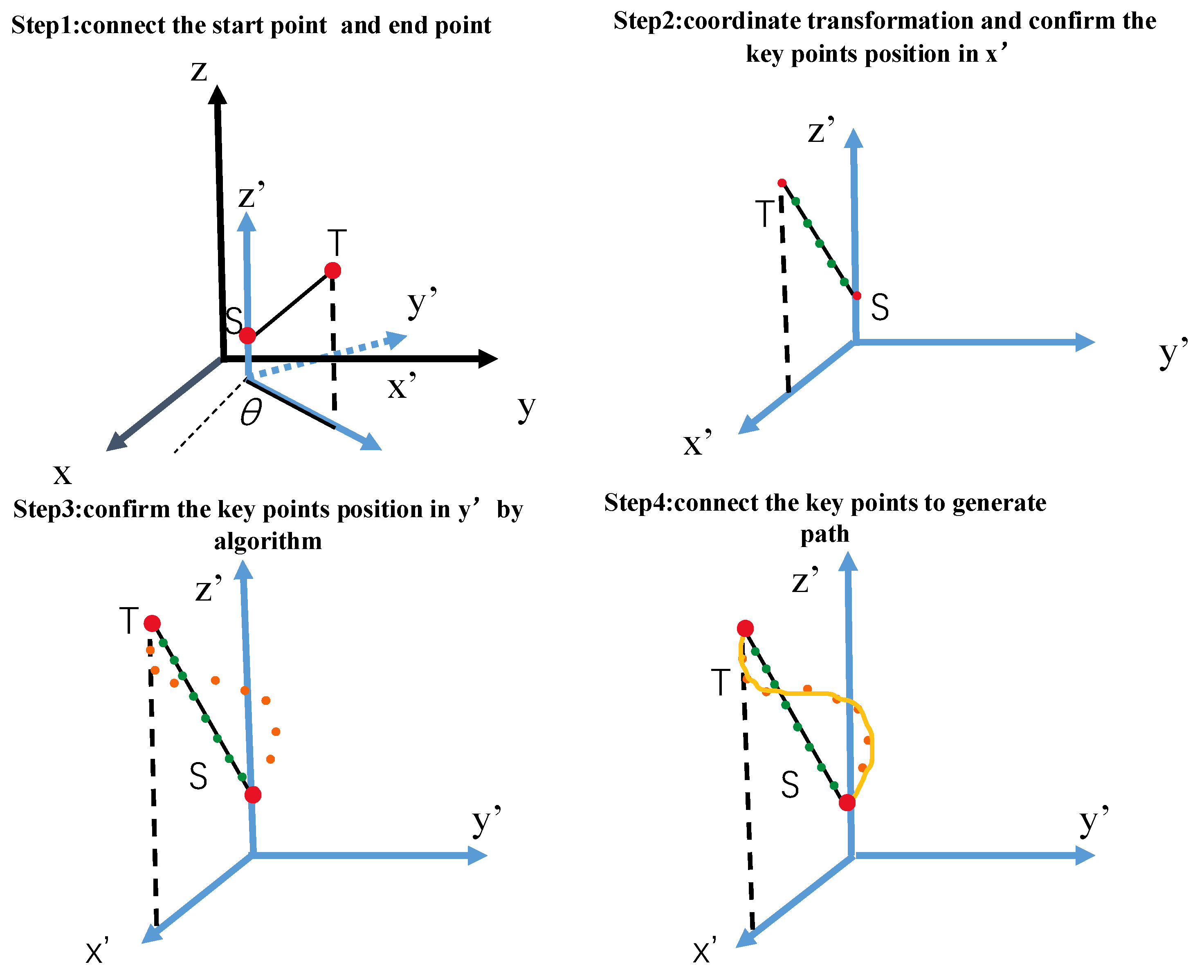
In the DD-RQIWSO algorithm, the position of an individual represents a path from the starting point to the destination, where the number of key points in the path is considered as the dimension of the path planning problem. During the solving process of DD-RQIWSO, the position information of each white shark individual represents the coordinate components of the key points, and the dimension of the white shark individual is a variable related to the dimension of the path planning problem. In the case of a three-dimensional path planning problem, the dimension of the shark individual, denoted by
, is twice the number of key points. In the position of the individual, 1 to
and
to
represent the
y-axis and
z-axis coordinates of the key points in the route-planning problem, respectively; in the two-dimensional path-planning problem, the dimension of the shark individual is the same as the number of key points, representing the
y-axis coordinates in the path; the
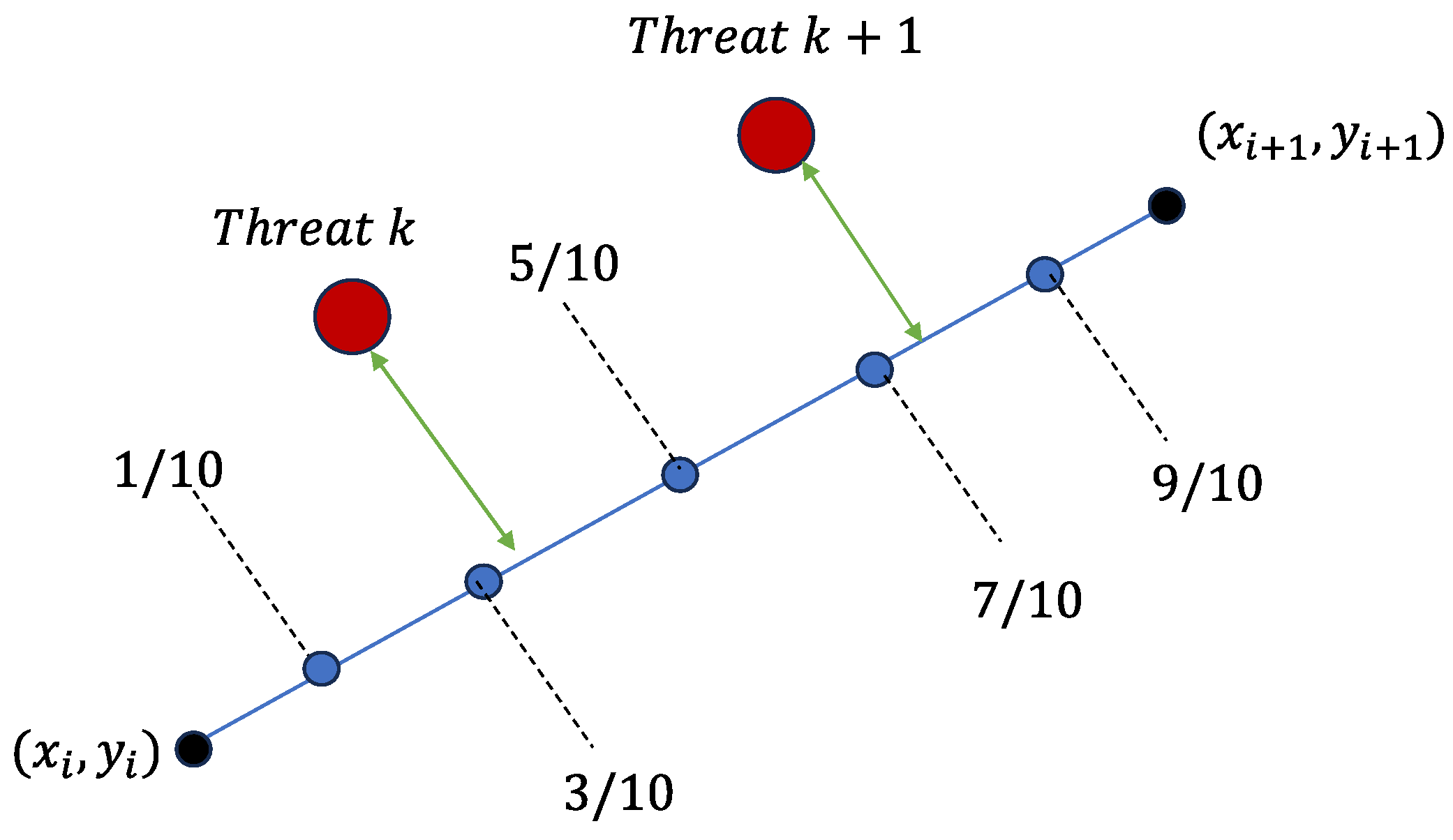
x-axis coordinates are determined by the starting point, target point and the number of key points, which is illustrated in
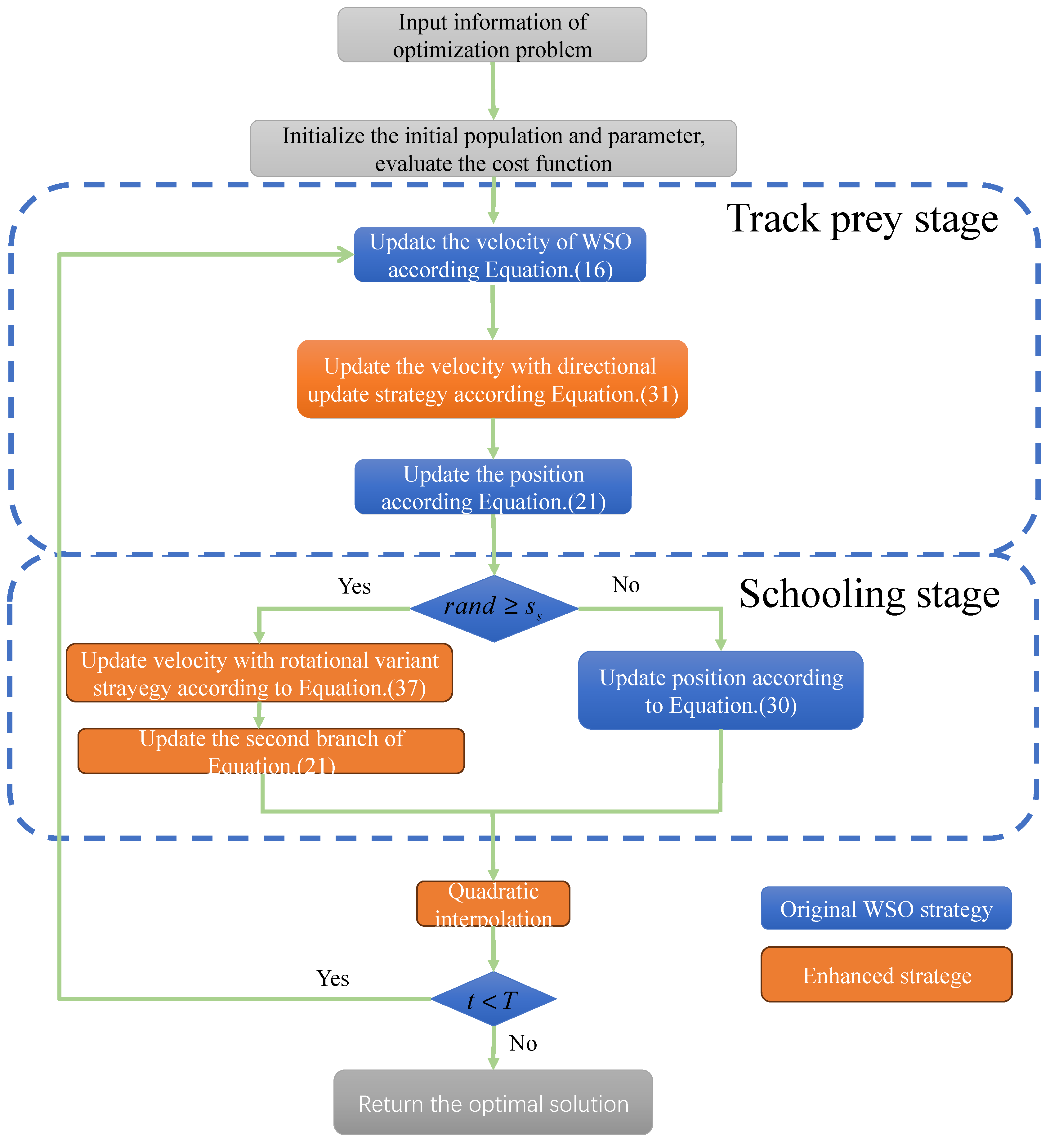
Section 2.1. A cost function is utilized to evaluate the quality of paths, guiding the algorithm in searching for the optimal solution. By searching for the position of prey in the search space, the algorithm aims to find the optimal solution, which is the shortest path. The process of DD-RQIWSO is shown in
Figure 7.
The process of finding the optimal path using the DD-RQIWSO algorithm is as follows:
Step 1: Obtain information about the path planning problem, such as the number of populations and the dimension of population, initialize the parameters of DD-RQIWSO and preliminarily evaluate the paths found according to the cost function.
Step 2: Start Iteration. Update the velocity matrix according to the velocity update strategy in the WSO algorithm, and directionally update the velocity for individuals with poor performance. Update the individual positions (paths) based on this velocity matrix and the current position.
Step 3: Execute the original fish swarm algorithm or modified rotation-invariant strategy to update positions, i.e., paths for UAVs, based on the tracking ability of the white shark individuals. Evaluate the found paths and determine the detected optimal path for this iteration.
Step 4: Record the best value of cost function and the solution for path planning. Perform quadratic interpolation to interactively exchange information on detected paths, aiming to dig out potential information, which is used for the next iteration. If the iteration is equal to the max iteration, end the algorithm and return the best value and solution, or repeat from Step 2.
4.5. Parameters Analysis of DD-RQIWSO
The major parameters and their impacts are listed as follows:
and determine the frequency of the shark’s motion, which controls update step of position.
controls the effect of velocity on the position of sharks so that it can regulate the exploitation of the sharks. The value relies on τ, and fine-tuning τ decreases the probability of being trapped in local optima.
balances global exploration and local exploitation. Weather explore or exploit during an iteration relies on the value of . Its value is determined by , . The relationship between the two types of behaviors and the parameters is as follows: the exploration capability will be greater and the exploitation will be lower as the increases. Similarly, the exploration capacity will increase and the exploration capacity will decrease as the declines.
and are determined by and , which related to the iterations. They affect the velocity of the white sharks and cause the search step size to decrease with the number of iterations. Additionally, they regulate the impact of the optimal position of the white shark population on their current whereabouts.
determines the number of white sharks that need to undergo learning in the directional update strategy.
depends on and iteration. denotes the ability of following the best shark, which determines the strategy to exploitation in the fish schooling. With the iteration increased, it will tend to search around global optimal solutions rather than the optimal of individuals.
4.6. Time Complexity Analysis
For the time complexity problem of DD-RQIWSO, it is evaluated from the following aspects, including the number of sharks (
n), the dimensionality of the given problem’s solution vector (
d), the number of iterations (
K) and the scale of the cost function (
c). The specific formula for calculating the time complexity is as follows:
The components of the time complexity of Equation (40) are as follows:
1. It takes time to initialize the algorithm parameters for solving the problem.
2. It takes time to create the population and initialize its selection.
3. It takes time to the evaluate the cost function.
4. It requires time for the update of the population.
In summary, the total time complexity of DD-RQIWSO can be expressed as:
Since
,
,
and
, Equation (41) reduces to Equation (42).
This indicates that the proposed algorithm’s time complexity is polynomial. Thus, the algorithm can be considered as a time-efficient optimization algorithm. From Equation (42), it can be seen that the algorithm’s time complexity is mainly influenced by the dimension of the solution vector, the evaluation of the cost function, the number of search agents and the number of iterations, all of which depend on the nature of the problem being addressed.
5. Experiment and Results
To comprehensively evaluate the performance of the DD-RQIWSO algorithm, a series of experiments were designed for validation. Under the same environment, the proposed algorithm was compared with four advanced algorithms, including spider wasp optimizer (SWO) [
50], reptile search algorithm (RSA) [
33], autonomous groups particles swarm optimization (AGPSO) [
51] and white shark optimizer (WSO) [
35]. SWO and RSA are newly proposed swarm intelligence algorithms, and their results represent the optimization capability of the latest algorithms in this field. WSO is the original algorithm of the proposed algorithm in this paper; its results can be compared with the improved algorithm to determine the effectiveness of the improved strategy. Algorithm results based only on the original algorithm cannot show the results of the improved algorithm well, so the results of the improved algorithm by adding classical algorithms facilitate comparison with the improved algorithm proposed in this paper. The comparison algorithm is optimized in the same way as the DD-RQIWSO algorithm, as shown in
Section 4.4.
All simulation experiments were conducted on a personal computer equipped with an AMD Ryzen 7 6800 H with Radeon Graphics, a 3.20 GHz processor and 16 GB of RAM, source from Lenovo (Beijing, China) and the experiments were constructed in MATLAB R2021b (9.11.0.1769968).
5.1. Experimental Setup
Experiments were conducted using a personal computer. To eliminate interference from random errors in the experimental results, each algorithm was run independently 10 times. The results showed excellent performance for each algorithm when the population size was set to 150 in the environment described in this study.
The main parameters of each algorithm are shown in
Table 1.
Table 2 describes the information about the threat area, while
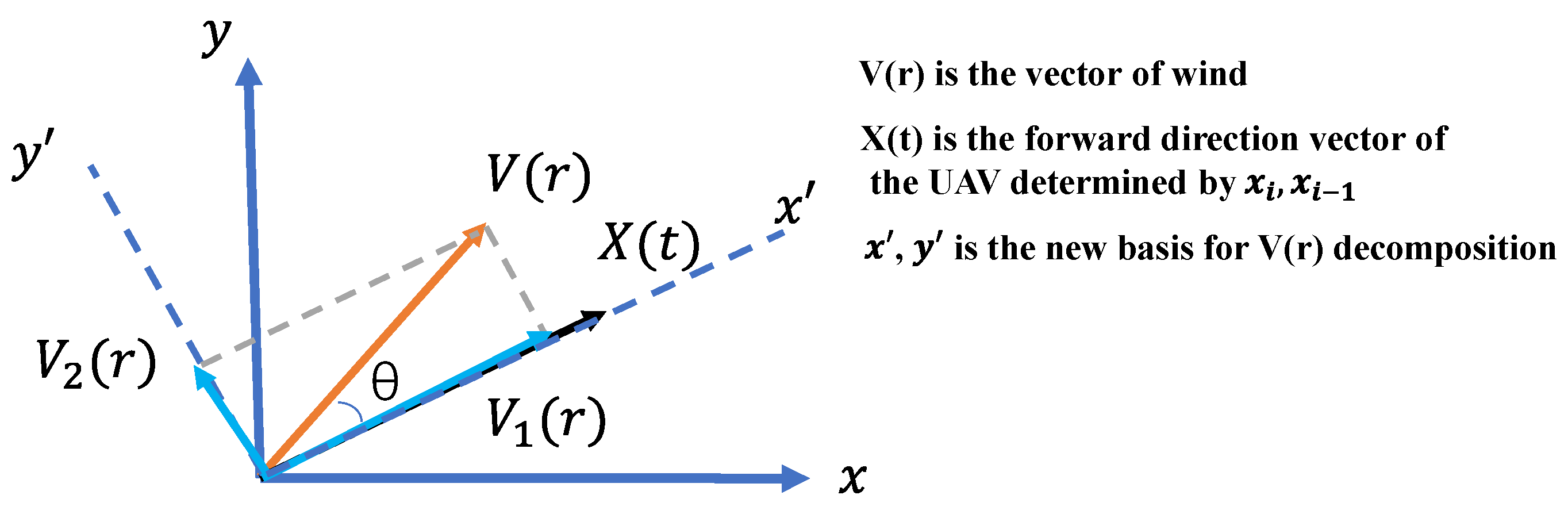
Table 3 provides information about the wind field in two and three dimensions, respectively. The z in the three-dimensional case means that the wind field is uniformly distributed along the z-axis. And this experiment only receives the horizontal wind. Additionally, the result of path denotes the best value of the algorithm in 10 independent runs. The
,
,
and
in cost function is set to 0.4, 0.3, 0.1 and 0.2, respectively. And
,
in Equation (13) is set to 600 and 400 according to experiment results.
5.2. Experimental Result
5.2.1. Two-Dimensional Scenario for UAV Path Planning
- (1)
Analysis of the experimental results of Case 1
In Case 1, seven threat areas were set up to test algorithm performance.
Table 4 shows the statistical features of the results from 10 independent runs of each algorithm, including the best, worst, average and variance values. As shown in
Table 4, the variance of DD-RQIWSO is 1–2 orders of magnitude smaller than the other algorithms. Although the best value of DD-RQIWSO is not superior to the best value of AGPSO in the 15 dimension, its other statistical results, including mean, worst and variance, is superior to AGPSO and other algorithms.
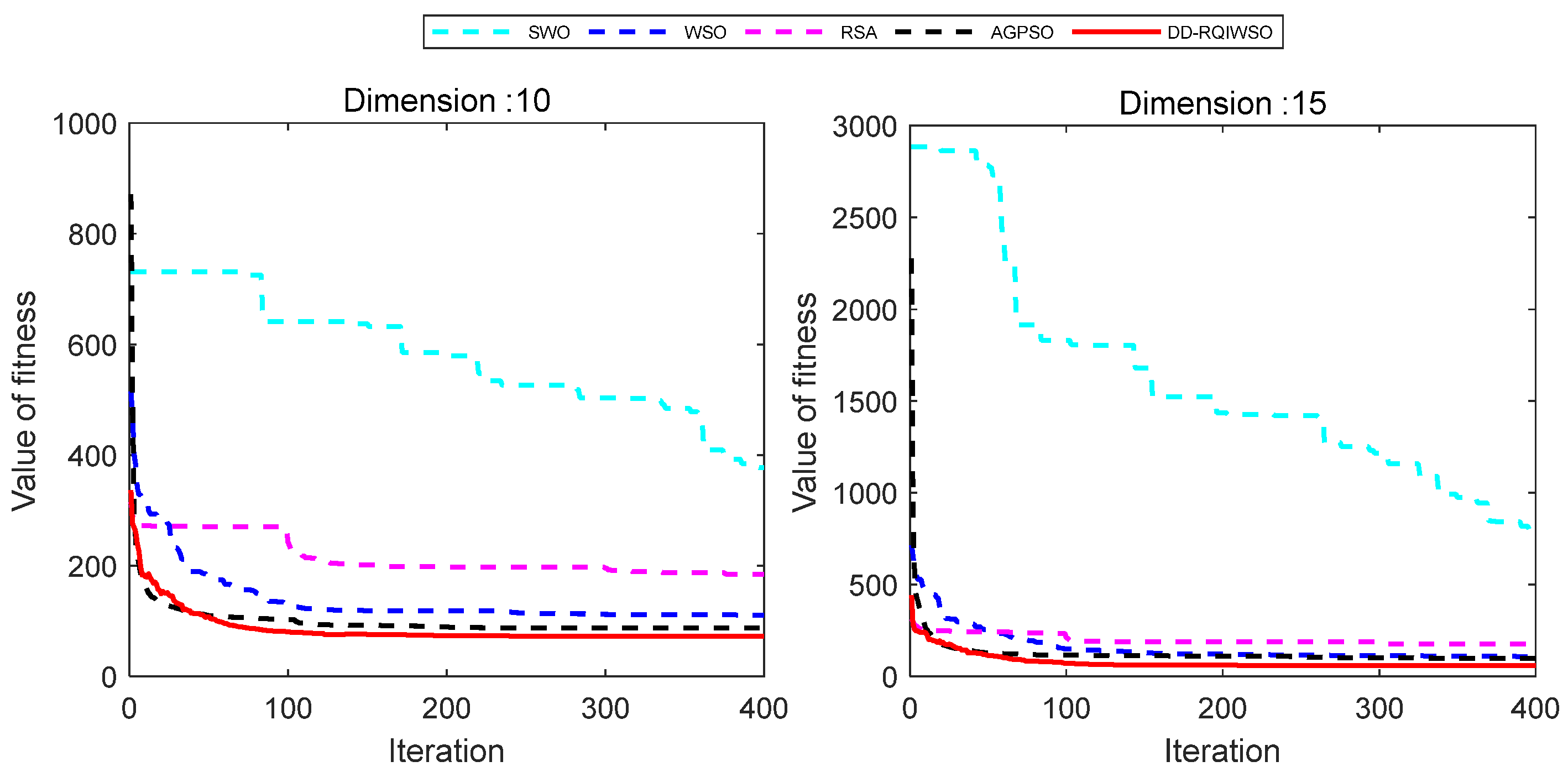
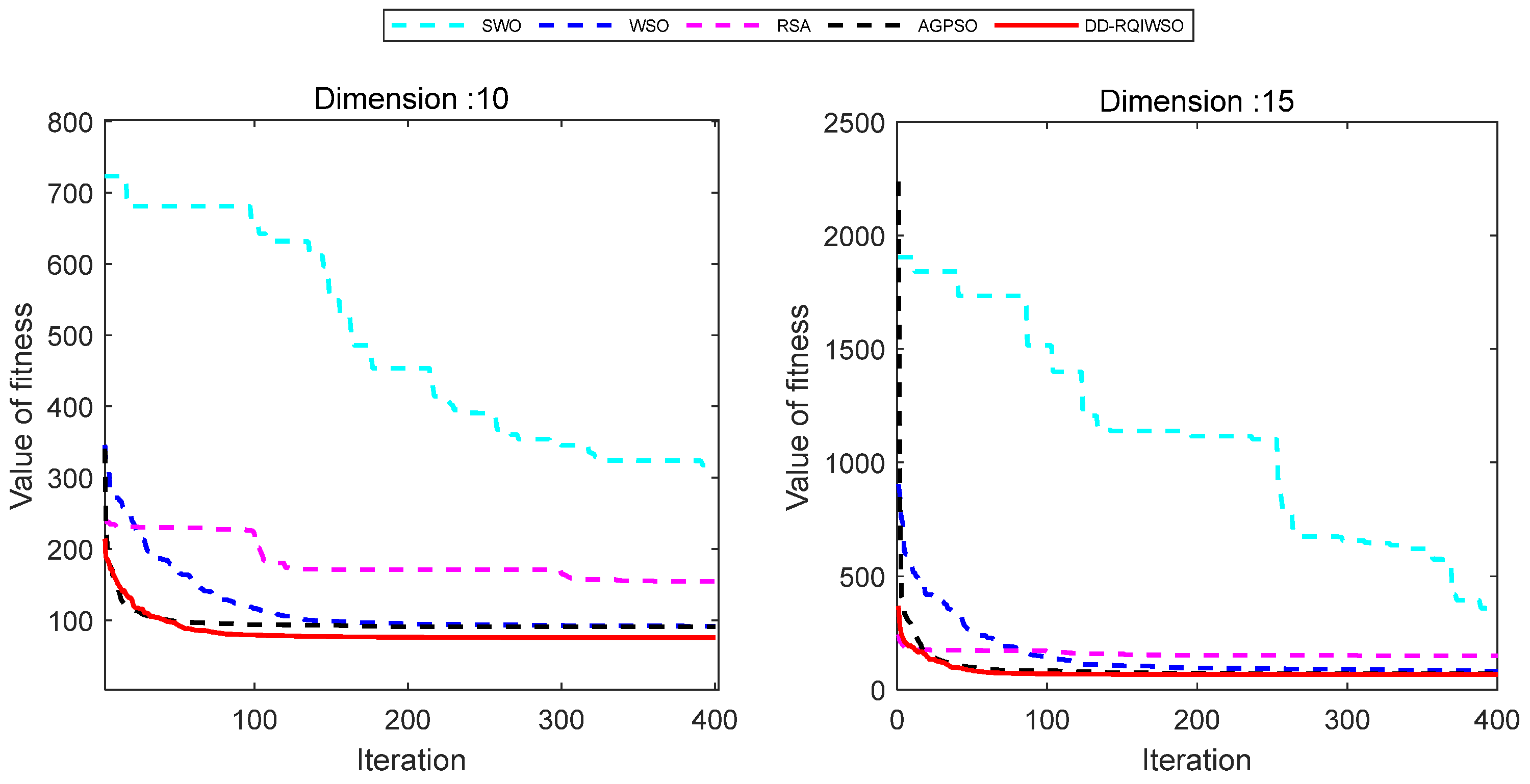
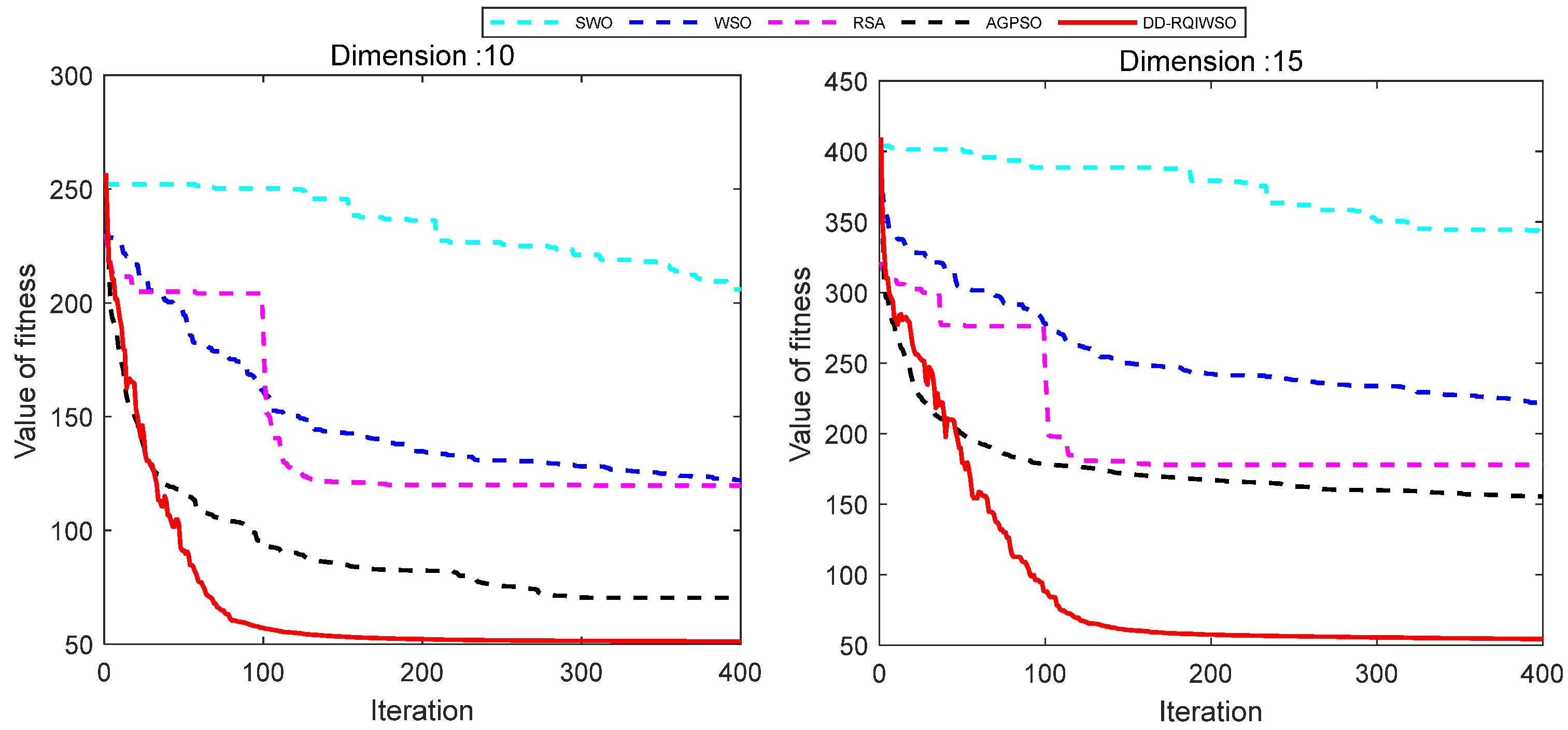
The average convergence characteristic curves of the algorithms are shown in
Figure 8. According to the convergence curves, DD-RQIWSO exhibits superior convergence characteristics compared to the other four algorithms. The WSO has inferior convergence characteristics, which obtain slower optimization accuracy and fall into local optima prematurely. The accuracy of AGPSO in 10 dimension is slightly faster than the proposed algorithm, but it falls into the local optima in the end. The optimization accuracy of SWO is slow and the final value of cost function is the worst among all algorithm we test.
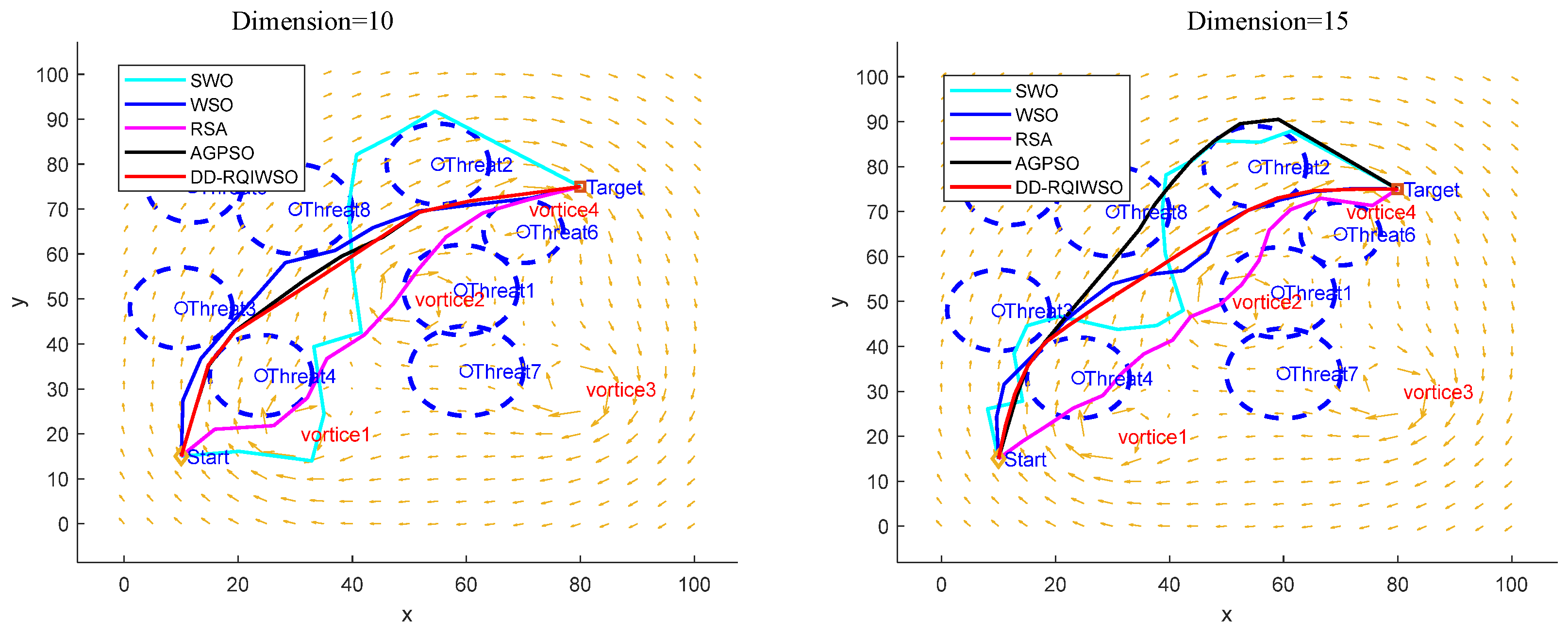
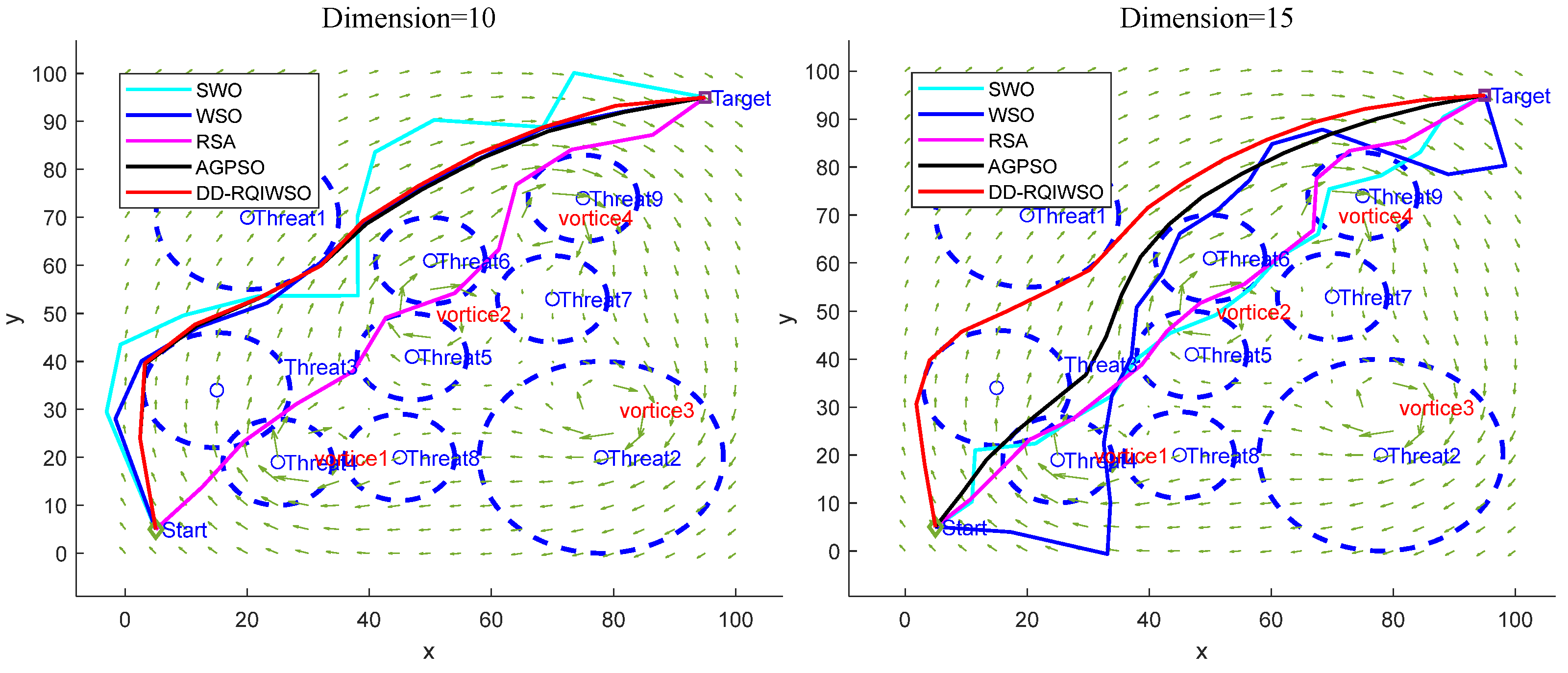
Figure 9 shows the 2D flight path results of each algorithm. Compared with the original WSO algorithm, this path of DD-RQIWSO is shorter, smoother and bypassing the threat regions. The AGPSO, also known as the improved algorithm, does not perform as well as DD-RQIWSO. In the 10 dimension, the paths of AGPSO and DD-RQIWSO are similar, but in the 15 dimension, AGPSO takes the farther path, and passes through the threat regions. RSA does not possess the ability to plan paths that consider the environment. SWO takes a rough route and long distance in this case.
- (2)
Analysis of the experimental results of Case 2
In the second case, the number of threat regions is more than Case 1. The statistical results of 10 independent runs of Case 2 are shown in
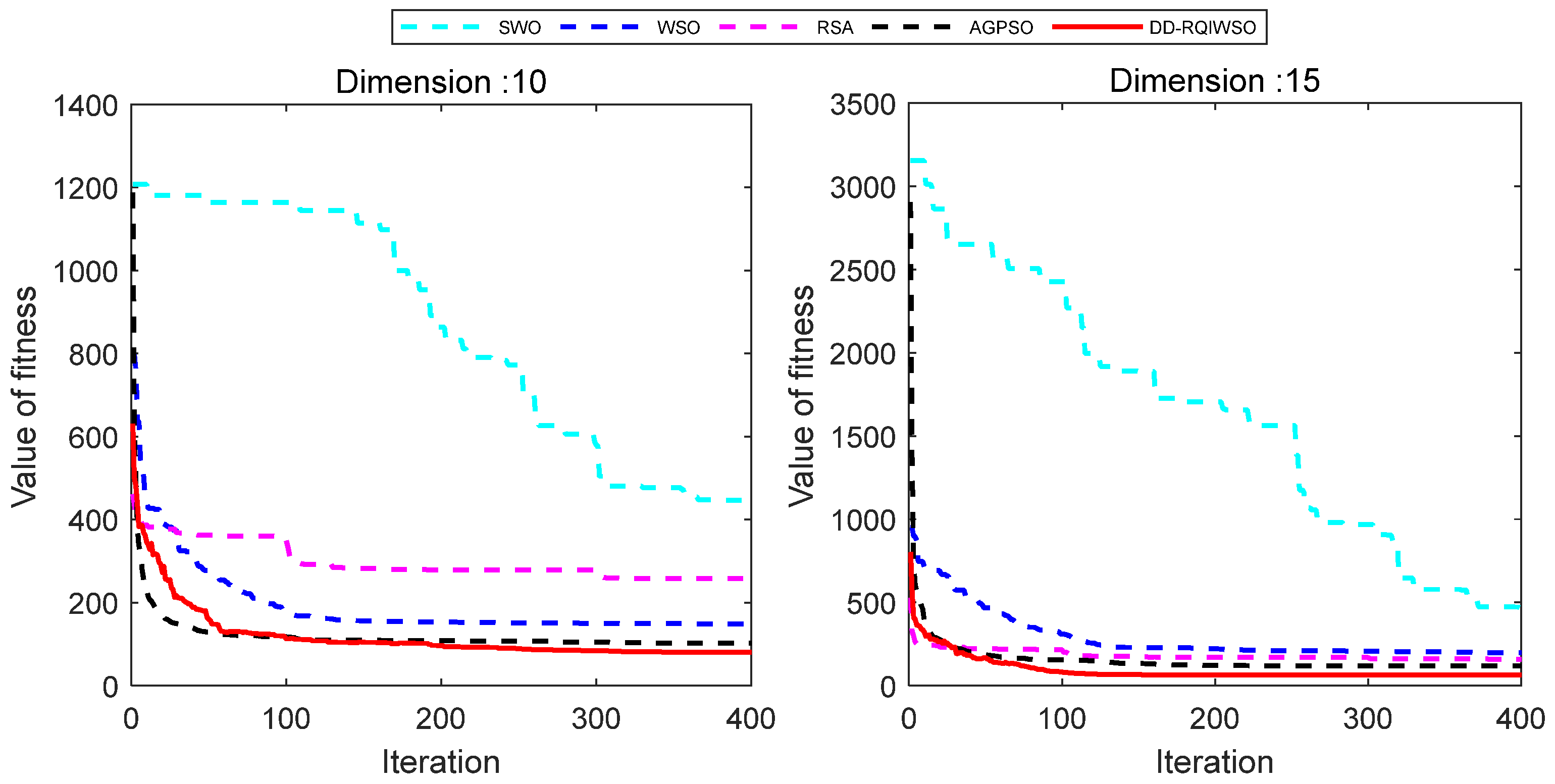
Table 5. As can be observed from the table, the DD-RQIWSO algorithm provides a good quality path planning for UAVs. The optimal solutions it obtains are better than those obtained from other compared algorithms in terms of the best, worst and mean value. The average convergence curves of these algorithms are presented in
Figure 10. It can be seen from the figure that DD-RQIWSO is superior to other algorithms in both final convergence results and convergence speed at 15 dimensions. The convergence accuracy of AGPSO is only slightly faster than the proposed algorithm in 10 dimension, and all of the solutions of AGPSO finally fall into local optima. The performance of SWO is the worst; the convergence accuracy is slowest among all the compared algorithms. The WSO is worse than DD-RQIWSO from convergence accuracy and final solutions in any dimensions.
The path results are shown in
Figure 11. The DD-RQIWSO algorithm obtains the optimal path with respect to the other compared algorithms. Not only does the path of DD-RQIWSO successfully bypass the threat regions, but also obtains relative minimum distance. Meanwhile, this path takes into account the effects of wind and offers fairly good path smoothness. The paths generated by the original WSO algorithm yield a poor performance in this case, which not only take further distances, but also fly against the wind. AGPSO claims similar results with DD-RQIWSO in the 15 dimension, but falls into local optima and even exists unnecessarily far from the target in the 10 dimension. SWO and RSA get low ability to detect the search space and yield bad paths.
- (3)
Analysis of the experimental results of Case 3
The experiment results for Case 3 are shown in
Table 6. These statistical outcomes show that DD-RQIWSO outperforms other compared algorithms. All of its statistical results are superior to the compared algorithms. The DD-RQIWSO obtains the optimal cost function value and has optimal stability, which is proved by these statistical results. The curves describing the features of convergence yield by algorithms are given in
Figure 12. According to these convergence curves, DD-RQIWSO outperforms WSO and SWO algorithms. In some situations, RSA and AGPSO convergence outperforms DD-RQIWSO in certain aspects, as analyzed below. The RSA algorithm has good convergence accuracy in the early iterations, but its final convergence value is worse than that of the proposed algorithm and fails to escape from local optima. The convergence accuracy of AGPSO in 10 dimension is faster than DD-RQIWSO, but it does not skip out of the local optimum until the end. SWO shows the worst performance. WSO is worse than AGPSO, but they have similar convergence curves.
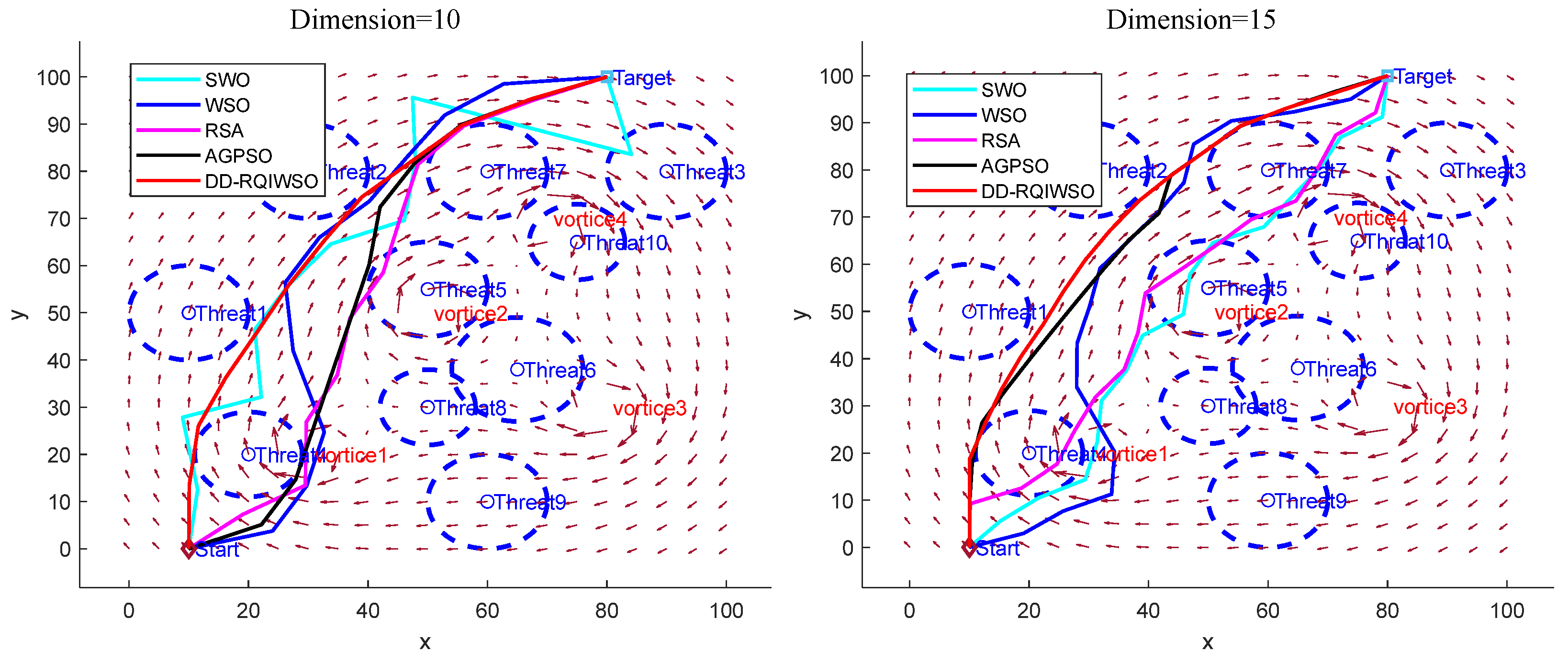
As shown in
Figure 13, the path of DD-RQIWSO algorithm obtains the optimal path with respect to the other compared algorithms. Compared to the other algorithms, the paths of DD-RQIWSO are smoother. WSO has acceptable results in the 10-dimension case. But once the dimensions are elevated, it loses the ability to take the environment into account. The result of AGPSO is similar to DD-RQIWSO in the 10 dimension, but it takes the farther path, and passes through the threat regions more seriously than DD-RQIWSO in the 15 dimension. SWO follows a rough route and long distance in the 10 dimension, and essentially loses the ability to plan paths that consider the environment in the 15 dimension. And RSA does not possess the ability to plan paths that consider the environment in this case.
5.2.2. Three-Dimensional Scenario for UAV Path Planning
- (1)
Analysis of the experimental results of Case 4
In the fourth test, a complex three-dimensional scenario was constructed to test the performance of the proposed algorithm and other state-of-the-art algorithms.
Table 7 shows the numerical features of all algorithms’ statistical results. As we can see from the table, DD-RQIWSO presents strong stability. Its value of cost function maintains in an excellent level. The best value of AGPSO is lower than DD-RQIWSO in the 10 dimension, but its results are too scattered. In contrast, RSA presents good stability, but the value of cost function is too high compared with DD-RQIWSO. From a general point of view, the DD-RQIWSO shows stable maintenance of a better range of results.
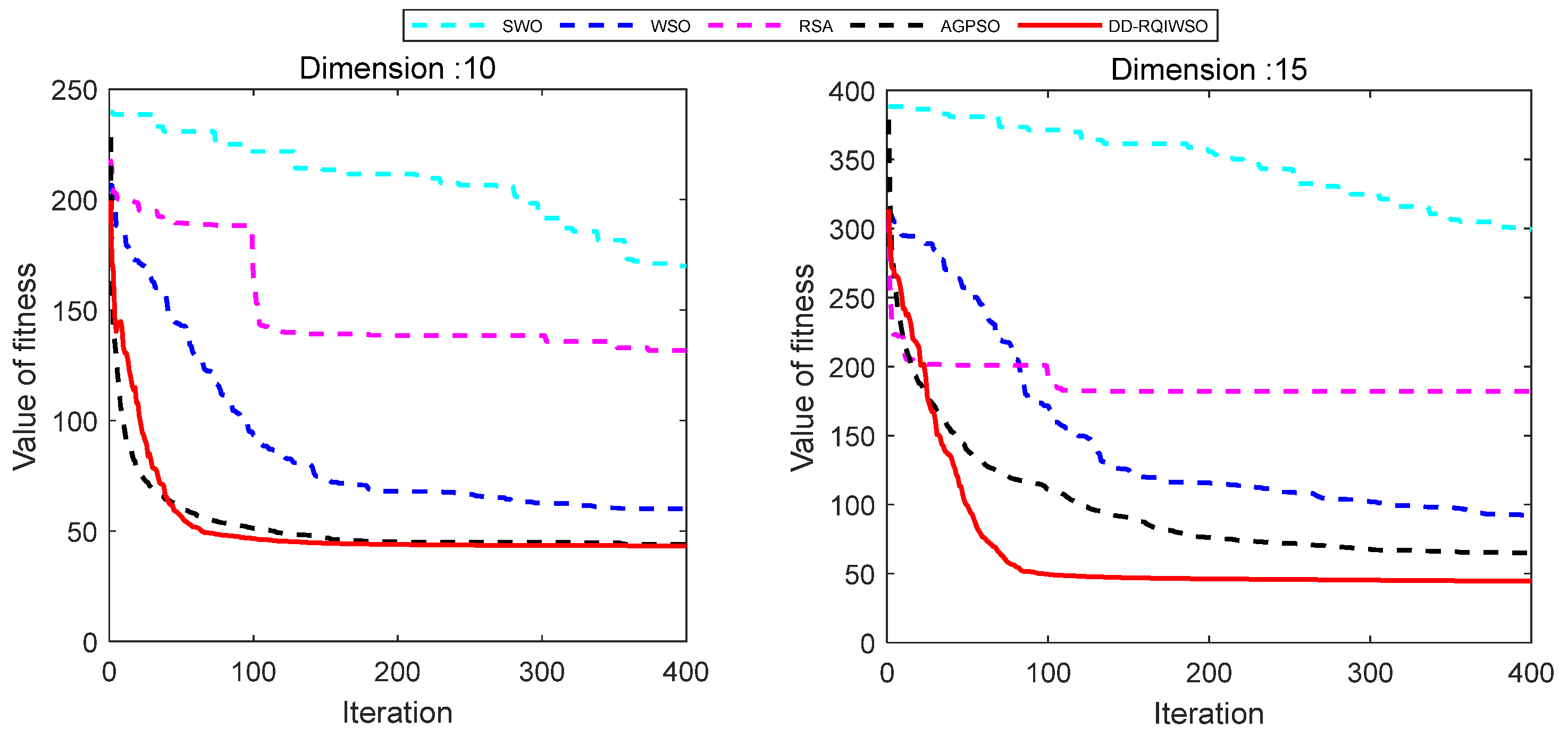
Figure 14 exhibits the convergence curves of results of the algorithms. The convergence characteristics of the DD-RQIWSO algorithm excel in comparison to the other algorithms, which can be proved by
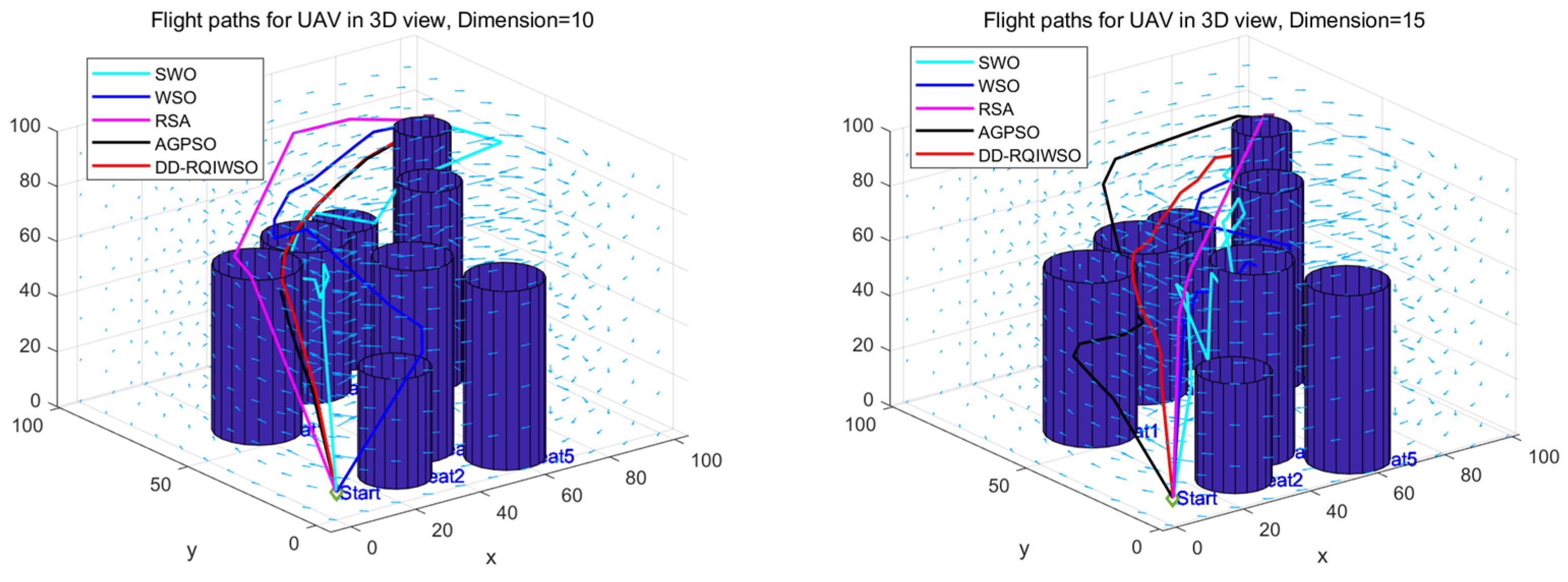
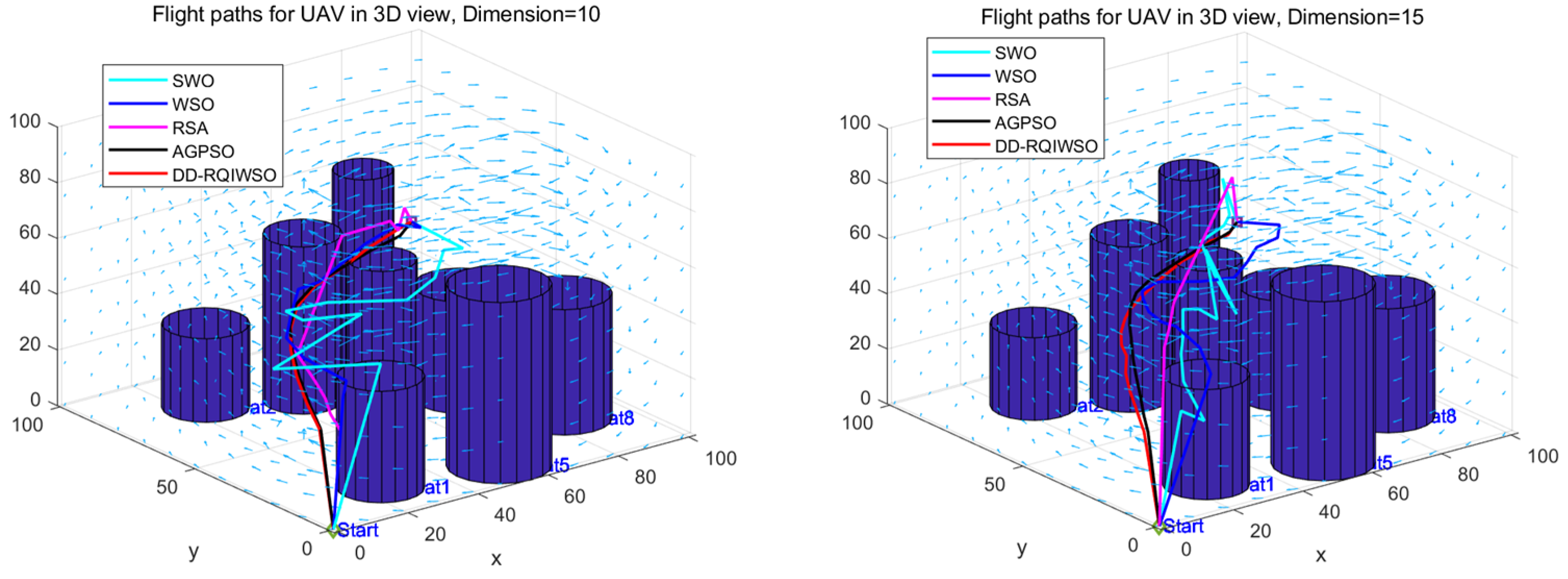
Figure 14. The convergence accuracy of AGPSO algorithm is little faster than DD-RQIWSO before 15 generations; it also slows down and falls into local optima after that. There is no doubt that the proposed algorithm obtains the optima solution at the fastest accuracy. The flight paths of the UAVs generated by each algorithm in a 3D environment are shown in
Figure 15. As shown in the figure, the path of DD-RQIWSO algorithm obtains the optimal path with respect to the other compared algorithms. The flight path of DD-RQIWSO algorithm follows a smooth path. It avoids all threats as it takes advantage of wind. The path generated by WSO becomes tortuous and follows an unwarranted route. The flight path of RSA algorithm provides higher flight attitude in the 15 dimension and increases flight distance in the 10 dimension. SWO’s path twists the route and goes through the threat region usually. The path of AGPSO follows long routes when dimension increases, and loses the ability to consider the effect of the environment.
- (2)
Analysis of the experimental results of Case 5
The environment of this case is more oriented towards the effect of wind on UAVs, excluding the effect of obstacles superimposed on the wind field.
Table 8 presents the statistical features of the cost functions of each algorithm in the final experimental scenario. As shown in the table, DD-RQIWSO outperforms other algorithms in most statistical features, only the best result of AGPSO slightly lower than the proposed algorithm. This indicates that the proposed algorithm exhibits excellent optimization performance and stability in this scenario.
Figure 16 depicts the average convergence curves generated by each algorithm. From the figure, it can be observed that the proposed algorithm has good convergence characteristics. Although the optimization accuracy of the RSA algorithm in 15 dimensions is faster at about 20 generations, it is finally overtaken by the DD-RQIWSO algorithm. As for AGPSO, it presents excellent optimization accuracy in low dimension, but not superior to DD-RQIWSO. As we can observe, SWO and WSO algorithms fall into local optima prematurely, and the accuracy of SWO is pretty bad.
Figure 17 illustrates the minimum-cost UAV route generated by algorithms. As can be seen from these figures, the flight paths of DD-RQIWSO demonstrate more efficient obstacle avoidance capabilities. The flight paths of SWO even run through the threat regions in 15 dimensions, and the result of WSO is no longer smooth and through the threat region.
5.3. Time Analysis
When evaluating the cost of the wind direction, the cost is calculated one time for each sampling point, and the number of sampling points is only related to the number of key points of the path in the algorithm, so it can be found that the path planning can be finished in linear time no matter whether it considers the influence of the wind or not, i.e., the algorithm’s time complexity is still O(n).
The running time of if adding the wind field are shown to evaluate the actual time overhead brought by considering the wind field factor, from the results, the algorithm does not lead to the explosive growth of computing time due to the wind factor, and its computation time is acceptable. Under the condition of obtaining reliable paths, the running time required by the proposed algorithm in this paper is also in line with the range of running time of the algorithms in existing research [
36]. The results are shown in
Table 9 and
Table 10.
5.4. Discussion
This study investigated the path planning problem of UAVs under emergency transportation in the marine environment. Optimization algorithms based on swarm intelligence have demonstrated excellent optimization capabilities that can deal with a variety of complex mathematical models and find the optimal solution as long as a suitable cost function is constructed. In this paper, a model of maritime emergency transportation environment is constructed, and the WSO algorithm is further improved so that it yields a good performance in path planning in maritime emergency transportation environment. As validated by experimental results, the proposed algorithm can provide suitable flight routes for UAVs, so that the UAVs can avoid obstacles with the shortest paths and utilize the wind environment as much as possible to reduce energy consumption. Although the experimental results in
Section 5.2 show that DD-RQIWSO has a good performance, there are still limitations in the research. In this paper, the wind field under the mathematical model is relatively simple and cannot fully simulate the complex wind direction in nature. Also, the method proposed in this paper cannot handle real-time tasks. Proven by the experiment, as one of problems in the application of UAVs to maritime emergency transportation, the path-planning problem of UAVs can be addressed by the proposed algorithm.
6. Conclusions
Path planning with complex constraints for UAVs is a hard optimization problem. This paper proposes a new swarm intelligence algorithm to solve this problem. Based on the WSO algorithm, three strategies are incorporated so that it can work more effectively. These strategies are as follows: Firstly, a more elaborate velocity update mechanism is introduced to the algorithm. For the poorly performing individuals, we make them learn from the elites and update their speed based on the position of the elites, thus improving the exploitation ability of the algorithm. Secondly, a modified rotation invariant strategy complements the fish schooling strategy to enhance algorithmic exploitation when they lose the position of the best shark. Finally, a QI operator conducts further fine-tuning of the existing solutions detected by the algorithm at each iteration. It interacts with the information between individuals for existing feasible solutions, so that the high-performing individuals can perform more detailed exploitation, and the low-performing individuals can interact directly with the high-performing individuals to move closer to the optimum. To describe the maritime emergency transportation environment, a maritime environment model is constructed. It considers the effect of obstacles and wind. Through a series of comparative experiments, the research in this paper can effectively solve the path-planning problem of UAVs.
In addition, the study could still be explored further. Firstly, the results in this paper are only for wind fields with a single flow direction. How to utilize more complex wind fields in the 3D case, such as considering tangential wind, for effective path planning is a worthwhile research direction. Secondly, the DD-RQIWSO algorithm’s need to further reduce time consumption is required for the algorithm proposed in this study to handle real-time problems. Thirdly, it is also useful to utilize the DD-RQIWSO algorithm to address other optimization problems in UAVs, such as multi-UAVs cooperative emergency transportation path planning.





 ,
,