Association of Vitamin C Administration with Postoperative Delirium After Cardiac Surgery with Cardiopulmonary Bypass: A Single-Center Retrospective Exploratory Cohort Study †
 , , , , and
Abstract
1. Introduction
2. Materials and Methods
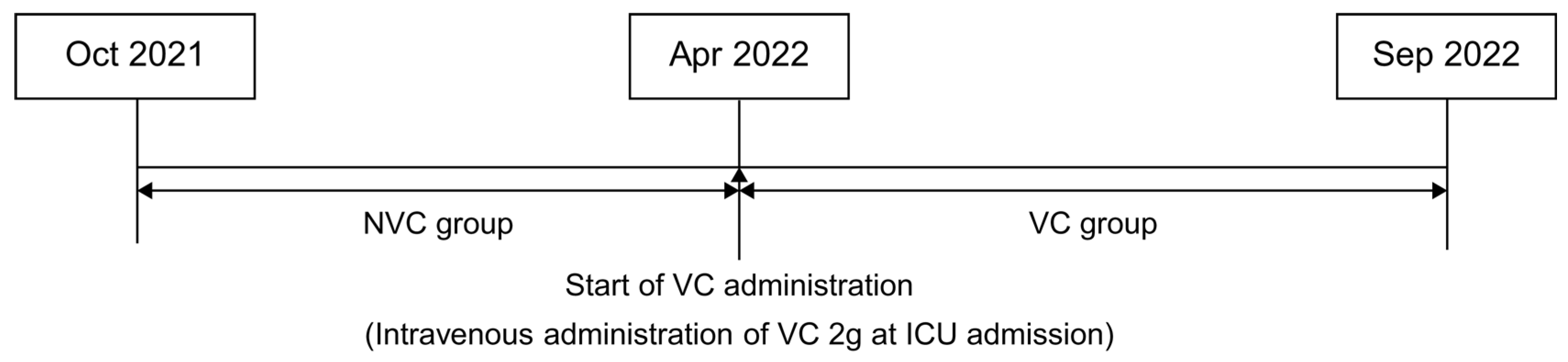
2.1. Study Design and Setting
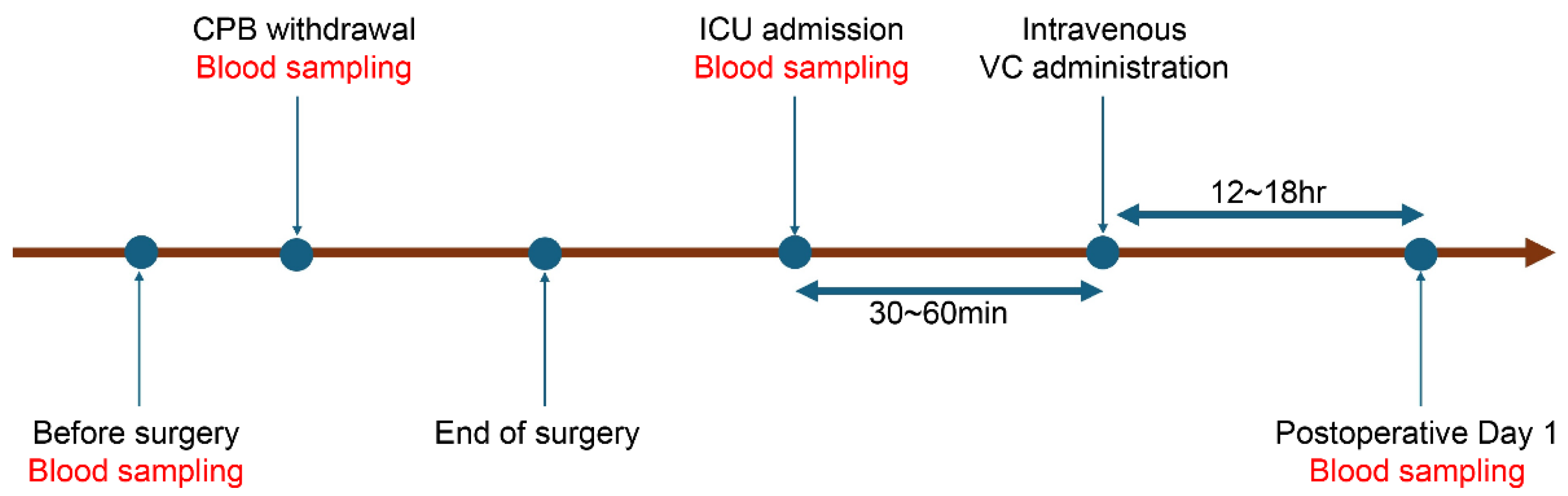
2.2. Intervention
2.3. Anesthesia and ICU Management Protocol
2.4. Outcome Definitions and Assessment Protocols
2.5. Data Collection and Variables
2.6. Laboratory Measurements
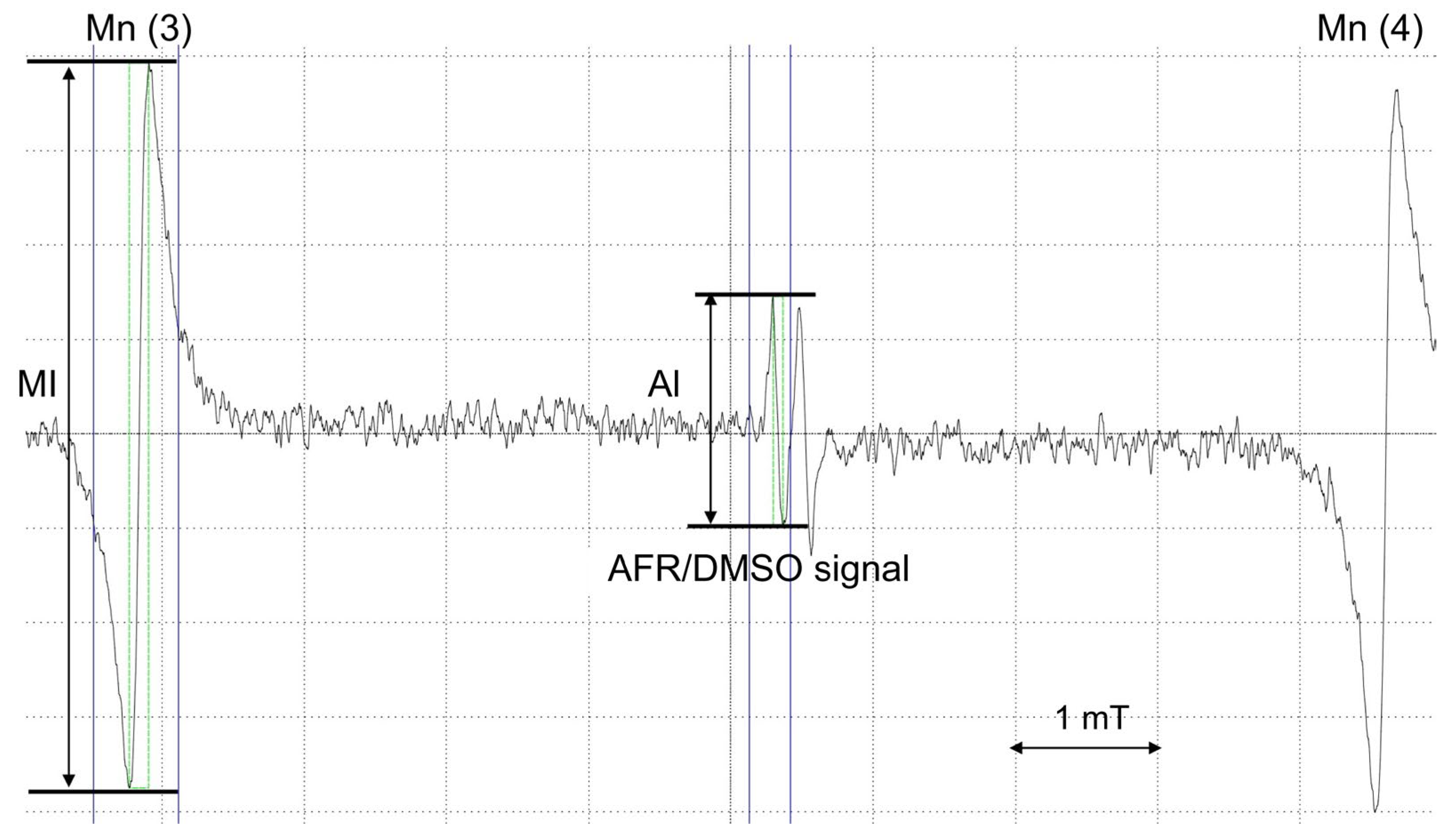
2.6.1. AFR/DMSO Method
2.6.2. Cytokine Assays
2.7. Sample Size Calculation
2.8. Statistical Analysis
3. Results
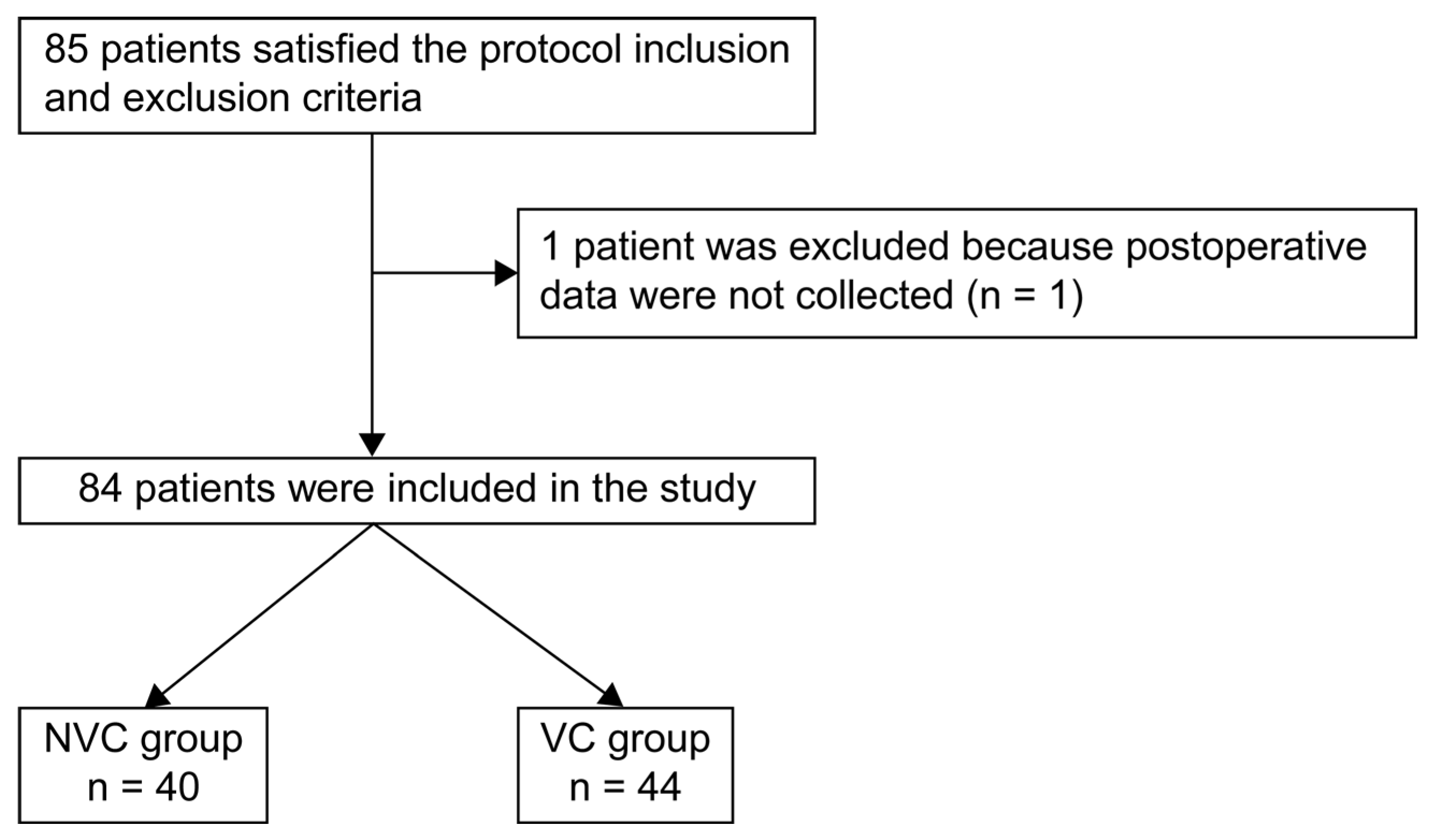
3.1. Participant Flow and Group Allocation
3.2. Baseline Characteristics
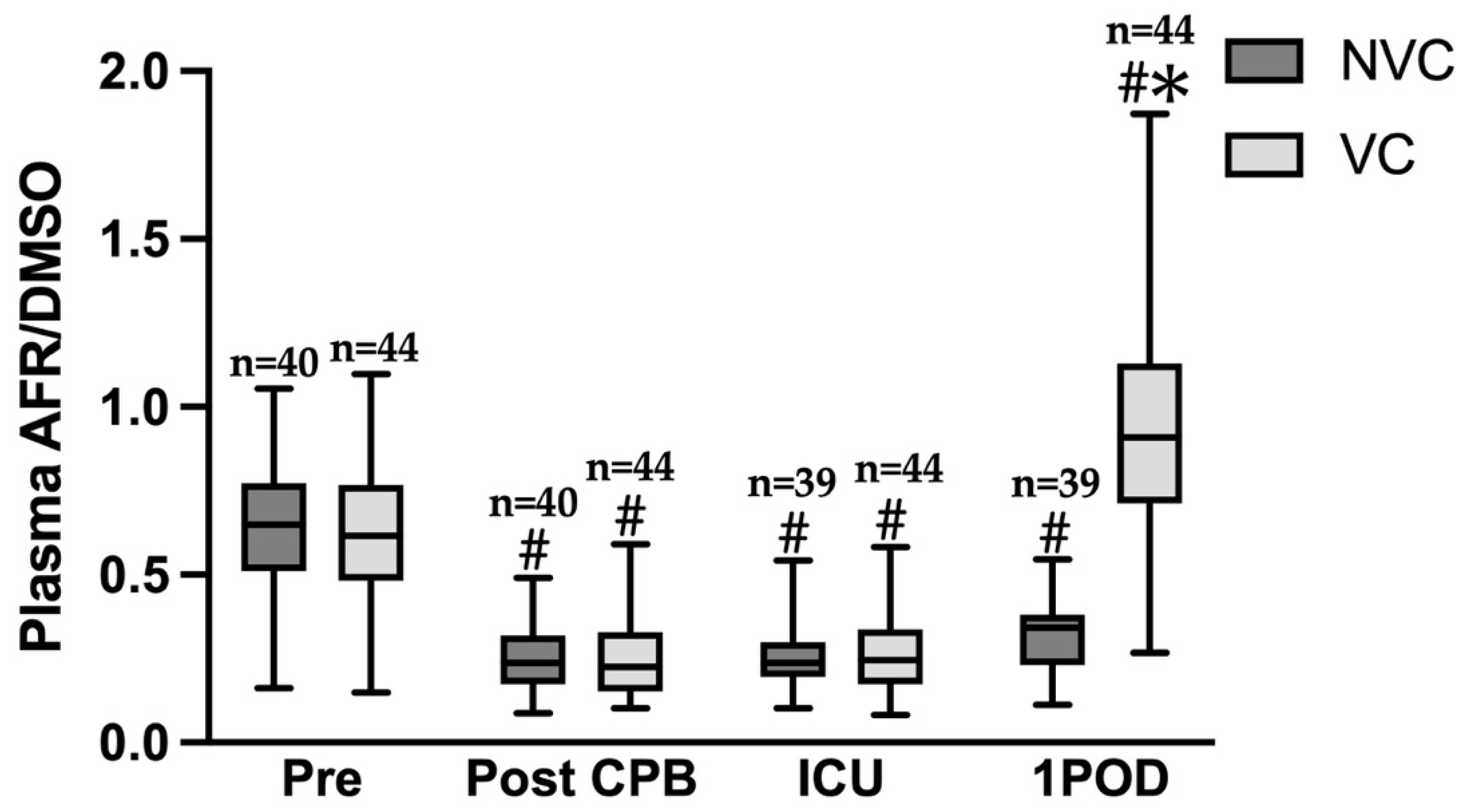
3.3. Plasma AFR/DMSO Levels (VC Status)
3.4. Primary Outcome: Postoperative Delirium
3.5. Secondary Outcomes
3.6. Safety Outcomes
4. Discussion
5. Limitations of the Study
6. Conclusions
Author Contributions
Funding
Institutional Review Board Statement
Informed Consent Statement
Data Availability Statement
Conflicts of Interest
Abbreviations
| AFR | Ascorbyl Free Radical |
| APACHE | Acute Physiology and Chronic Health Evaluation |
| ASA | American Society of Anesthesiologists |
| BIS | Bispectral Index |
| BMI | Body Mass Index |
| BZ | Benzodiazepines |
| BBB | Blood–Brain Barrier |
| CAM-ICU | Confusion Assessment Method for the Intensive Care Unit |
| CI | Cardiac Index |
| Cis | 95% Confidence Intervals |
| CPB | Cardiopulmonary Bypass |
| CRP | C-reactive Protein |
| DMSO | Dimethyl Sulfoxide |
| EF | Ejection Fraction |
| ESR | Electron-Spin Resonance Spectrometry |
| EtCO2 | End-Tidal Carbon Dioxide Tension |
| G-CSF | Granulocyte-Colony Stimulating Factor |
| HPLC | High Performance Liquid Chromatography |
| ICDSC | Intensive Care Delirium Screening Checklist |
| ICU | Intensive Care Unit |
| IL | Interleukin |
| INF-γ | Interferon Gamma |
| IQR | Interquartile Range |
| MAPK | Mitogen-activated Protein Kinase |
| MCP-1 | Monocyte Chemoattractant Protein-1 |
| MIP-1b | Macrophage Inflammatory Protein-1 |
| NADPH oxidase | Nicotinamide Adenine Dinucleotide Phosphate Oxidase |
| NF-κB | Nuclear Factor-kappa B |
| POD | Postoperative Delirium |
| ROS | Reactive Oxygen Species |
| SOFA | Sequential Organ Failure Assessment Score |
| SpO2 | Saturation of Percutaneous Oxygen |
| TNF-α | Tumor Necrosis Factor-α |
| VC | Vitamin C |
| VIS | Vasoactive Inotropic Score |
References
- Brown, C.H. Delirium in the cardiac surgical ICU. Curr. Opin. Anaesthesiol. 2014, 27, 117–122. [Google Scholar] [CrossRef] [Scilit] [PubMed]
- Lingehall, H.C.; Smulter, N.S.; Lindahl, E.; Lindkvist, M.; Engström, K.G.; Gustafson, Y.G.; Olofsson, B. Preoperative cognitive performance and postoperative delirium are independently associated with future dementia in older people who have undergone cardiac surgery: A longitudinal cohort study. Crit. Care Med. 2017, 45, 1295–1303. [Google Scholar] [CrossRef] [Scilit] [PubMed]
- Crocker, E.; Beggs, T.; Hassan, A.; Denault, A.; Lamarche, Y.; Bagshaw, S.; Elmi-Sarabi, M.; Hiebert, B.; Macdonald, K.; Giles-Smith, L.; et al. Long-term effects of postoperative delirium in patients undergoing cardiac operation: A systematic review. Ann. Thorac. Surg. 2016, 102, 1391–1399. [Google Scholar] [CrossRef] [Scilit]
- Lu, Y.; Chen, L.; Ye, J.; Chen, C.; Zhou, Y.; Li, K.; Zhang, Z.; Peng, M. Surgery/Anesthesia disturbs mitochondrial fission/fusion dynamics in the brain of aged mice with postoperative delirium. Aging 2020, 12, 844–865. [Google Scholar] [CrossRef] [Scilit]
- Zhu, M.; Li, M.; Yang, S.; Li, J.; Gong, C.; Yu, Q.; Chen, C.; Zhang, Y.; Lin, J.; Tu, F. Fish oil omega-3 fatty acids Alleviate postoperative delirium-like Behavior in aged mice by Attenuating neuroinflammation and Oxidative Stress. Neurochem. Res. 2024, 49, 157–169. [Google Scholar] [CrossRef] [Scilit]
- Qiu, Y.; Mo, C.; Li, J.; Chen, L.; Kang, Y.; Chen, G.; Zhu, T. Acute changes in hippocampal metabolism after anesthesia and surgery: Implications for perioperative neurocognitive disorder. Biochem. Biophys. Res. Commun. 2024, 736, 150492. [Google Scholar] [CrossRef] [Scilit]
- Pang, Y.; Li, Y.; Zhang, Y.; Wang, H.; Lang, J.; Han, L.; Liu, H.; Xiong, X.; Gu, L.; Wu, X. Effects of inflammation and oxidative stress on postoperative delirium in cardiac surgery. Front. Cardiovasc. Med. 2022, 9, 1049600. [Google Scholar] [CrossRef] [Scilit]
- Kaźmierski, J.; Miler, P.; Pawlak, A.; Jerczyńska, H.; Woźniak, J.; Frankowska, E.; Brzezińska, A.; Nowakowska, K.; Woźniak, K.; Krejca, M.; et al. Oxidative stress and soluble receptor for advanced glycation end-products play a role in the pathophysiology of delirium after cardiac surgery. Sci. Rep. 2021, 11, 23646. [Google Scholar] [CrossRef] [Scilit]
- Lopez, M.G.; Hughes, C.G.; DeMatteo, A.; O’Neal, J.B.; McNeil, J.B.; Shotwell, M.S.; Morse, J.; Petracek, M.R.; Shah, A.S.; Brown, N.J.; et al. Intraoperative oxidative damage and delirium after cardiac surgery. Anesthesiology 2020, 132, 551–561. [Google Scholar] [CrossRef] [Scilit]
- Frei, B.; Stocker, R.; Ames, B.N. Antioxidant defenses and lipid peroxidation in human blood plasma. Proc. Natl. Acad. Sci. USA 1988, 85, 9748–9752. [Google Scholar] [CrossRef] [Scilit]
- Lykkesfeldt, J.; Carr, A.C.; Tveden-Nyborg, P. The pharmacology of vitamin C. Pharmacol. Rev. 2025, 77, 100043. [Google Scholar] [CrossRef] [Scilit]
- Hill, A.; Wendt, S.; Benstoem, C.; Neubauer, C.; Meybohm, P.; Langlois, P.; Adhikari, N.K.; Heyland, D.K.; Stoppe, C. Vitamin C to improve organ dysfunction in cardiac surgery patients-review and pragmatic approach. Nutrients 2018, 10, 974. [Google Scholar] [CrossRef] [Scilit] [PubMed]
- Rodemeister, S.; Duquesne, M.; Adolph, M.; Nohr, D.; Biesalski, H.K.; Unertl, K. Massive and long-lasting decrease in vitamin C plasma levels as a consequence of extracorporeal circulation. Nutrition 2014, 30, 673–678. [Google Scholar] [CrossRef] [Scilit]
- Averill-Bates, D. Reactive oxygen species and cell signaling. Review. Biochim. Biophys. Acta Mol. Cell Res. 2024, 1871, 119573. [Google Scholar] [CrossRef] [Scilit]
- Poljsak, B.; Šuput, D.; Milisav, I. Achieving the balance between ROS and antioxidants: When to use the synthetic antioxidants. Oxid. Med. Cell Longev. 2013, 2013, 956792. [Google Scholar] [CrossRef] [Scilit] [PubMed]
- Matsumoto, S.; Shingu, C.; Koga, H.; Hidaka, S.; Goto, K.; Hagiwara, S.; Iwasaka, H.; Noguchi, T.; Yokoi, I. The impact of oxidative stress levels on the clinical effectiveness of sivelestat in treating acute lung injury: An electron spin resonance study. J. Trauma. 2010, 68, 796–801. [Google Scholar] [CrossRef] [Scilit]
- Miranda, F.; Gonzalez, F.; Plana, M.N.; Zamora, J.; Quinn, T.J.; Seron, P. Confusion Assessment Method for the Intensive Care Unit (Cam-ICU) for the diagnosis of delirium in adults in critical care settings. Cochrane Database Syst. Rev. 2023, 11, CD013126. [Google Scholar] [CrossRef] [Scilit]
- Bergeron, N.; Dubois, M.J.; Dumont, M.; Dial, S.; Skrobik, Y. Intensive Care Delirium Screening Checklist: Evaluation of a new screening tool. Intensive Care Med. 2001, 27, 859–864. [Google Scholar] [CrossRef] [Scilit]
- Takenaka, R.; Matsumoto, S.; Nureki, S.; Wada, S.; Oyama, Y.; Sakamoto, T.; Kitano, T.; Shigemitsu, O. Real-time monitoring of vitamin C levels in trauma patients by electron-spin resonance spectrometry. BMC Emerg. Med. 2023, 23, 85. [Google Scholar] [CrossRef] [Scilit]
- Saczynski, J.S.; Marcantonio, E.R.; Quach, L.; Fong, T.G.; Gross, A.; Inouye, S.K.; Jones, R.N. Cognitive trajectories after postoperative delirium. N. Engl. J. Med. 2012, 367, 30–39. [Google Scholar] [CrossRef] [Scilit]
- An, R.; Wu, X.; Bie, D.; Ding, J.; Li, Y.; Jia, Y.; Yuan, S.; Yan, F. Association between the highest lactate level on the first postoperative Day and postoperative delirium in cardiac surgery patients. CNS Neurosci. Ther. 2025, 31, e70380. [Google Scholar] [CrossRef] [Scilit] [PubMed]
- Lee, J.H.; Han, J.H.; Woo, J.H.; Jou, I. 25-hydroxycholesterol suppress IFN-gamma-induced inflammation in microglia by disrupting lipid raft formation and caveolin-mediated signaling endosomes. Free Radic. Biol. Med. 2022, 179, 252–265. [Google Scholar] [CrossRef] [Scilit] [PubMed]
- Yuan, H.; Lu, B.; Sun, D.; Chen, J.; Fang, X. CCL2 inhibitor bindarit improve postoperative cognitive function by attenuating pericyte loss-related blood-brain barrier disruption and neuroinflammation. Mediators Inflamm. 2025, 2025, 7248780. [Google Scholar] [CrossRef] [Scilit]
- Liu, T.; Deng, R.; Wang, X.; Liu, P.; Xiao, Q.X.; Liu, Q.; Zhang, Y. Mechanisms of hypoxia in the hippocampal CA3 region in postoperative cognitive dysfunction after cardiopulmonary bypass. J. Cardiothorac. Surg. 2022, 17, 106. [Google Scholar] [CrossRef] [Scilit]
- Maldonado, J.R. Neuropathogenesis of delirium: Review of current etiologic theories and common pathways. Am. J. Geriatr. Psychiatry 2013, 21, 1190–1222. [Google Scholar] [CrossRef] [Scilit]
- Yang, T.; Velagapudi, R.; Kong, C.; Ko, U.; Kumar, V.; Brown, P.; Franklin, N.O.; Zhang, X.; Caceres, A.I.; Min, H.; et al. Protective effects of omega-3 fatty acids in a blood-brain barrier-on-chip model and on postoperative delirium-like behaviour in mice. Br. J. Anaesth. 2023, 130, e370–e380. [Google Scholar] [CrossRef] [Scilit]
- Taylor, J.; Parker, M.; Casey, C.P.; Tanabe, S.; Kunkel, D.; Rivera, C.; Zetterberg, H.; Blennow, K.; Pearce, R.A.; Lennertz, R.C.; et al. Postoperative delirium and changes in the blood-brain barrier, neuroinflammation, and cerebrospinal fluid lactate: A prospective cohort study. Br. J. Anaesth. 2022, 129, 219–230. [Google Scholar] [CrossRef] [Scilit]
- Lin, J.L.; Huang, Y.H.; Shen, Y.C.; Huang, H.C.; Liu, P.H. Ascorbic acid prevents blood-brain barrier disruption and sensory deficit caused by sustained compression of primary somatosensory cortex. J. Cereb. Blood Flow. Metab. 2010, 30, 1121–1136. [Google Scholar] [CrossRef] [Scilit]
- Chang, C.Y.; Chen, J.Y.; Wu, M.H.; Hu, M.L. Therapeutic treatment with vitamin C reduces focal cerebral ischemia-induced brain infarction in rats by attenuating disruptions of blood brain barrier and cerebral neuronal apoptosis. Free Radic. Biol. Med. 2020, 155, 29–36. [Google Scholar] [CrossRef] [Scilit]
- Zhang, X.Y.; Xu, Z.P.; Wang, W.; Cao, J.B.; Fu, Q.; Zhao, W.X.; Li, Y.; Huo, X.L.; Zhang, L.M.; Li, Y.F.; et al. Vitamin C alleviates LPS-induced cognitive impairment in mice by suppressing neuroinflammation and oxidative stress. Int. Immunopharmacol. 2018, 65, 438–447. [Google Scholar] [CrossRef] [Scilit]
- Kotlinska-Hasiec, E.; Czajkowski, M.; Rzecki, Z.; Stadnik, A.; Olszewski, K.; Rybojad, B.; Dabrowski, W. Disturbance in venous outflow from the cerebral circulation intensifies the release of blood-brain barrier injury biomarkers in patients undergoing cardiac surgery. J. Cardiothorac. Vasc. Anesth. 2014, 28, 328–335. [Google Scholar] [CrossRef] [Scilit] [PubMed]
- Merino, J.G.; Latour, L.L.; Tso, A.; Lee, K.Y.; Kang, D.W.; Davis, L.A.; Lazar, R.M.; Horvath, K.A.; Corso, P.J.; Warach, S. Blood-brain barrier disruption after cardiac surgery. AJNR Am. J. Neuroradiol. 2013, 34, 518–523. [Google Scholar] [CrossRef] [Scilit] [PubMed]
- Al-Subu, A.M.; Long, M.T.; Nelson, K.L.; Amond, K.L.; Lasarev, M.R.; Ferrazzano, P.A.; Lushaj, E.B.; Anagnostopoulos, P.V. Risk of hypovitaminosis and vitamin C deficiency in pediatric patients undergoing cardiopulmonary bypass. Pediatr. Cardiol. 2023, 44, 1487–1494. [Google Scholar] [CrossRef] [Scilit]
- Iizuka, Y.; Fukano, K.; Oki, S.; Sawada, I.; Miyazawa, K.; Ono, S.; Yoshinaga, K.; Sanui, M.; Yamaguchi, A. Effect of ascorbic acid on the incidence of postoperative delirium among elderly patients undergoing cardiovascular surgery: A pilot study. J. Clin. Med. Res. 2025, 17, 145–152. [Google Scholar] [CrossRef] [Scilit]
- Lamontagne, F.; Masse, M.H.; Menard, J.; Sprague, S.; Pinto, R.; Heyland, D.K.; Cook, D.J.; Battista, M.C.; Day, A.G.; Guyatt, G.H.; et al. Intravenous vitamin C in adults with sepsis in the Intensive Care Unit. N. Engl. J. Med. 2022, 386, 2387–2398. [Google Scholar] [CrossRef] [Scilit]
- Podmore, I.D.; Griffiths, H.R.; Herbert, K.E.; Mistry, N.; Mistry, P.; Lunec, J. Vitamin C exhibits pro-oxidant properties. Nature 1998, 392, 559. [Google Scholar] [CrossRef] [Scilit]
- Iizuka, Y.; Yoshinaga, K.; Takahashi, K.; Oki, S.; Chiba, Y.; Sanui, M.; Kimura, N.; Yamaguchi, A. Association between plasma ascorbic acid levels and postoperative delirium in older patients undergoing cardiovascular surgery: A prospective observational study. J. Cardiovasc. Dev. Dis. 2023, 10, 293. [Google Scholar] [CrossRef] [Scilit] [PubMed]



| NVC Group (n = 40) | VC Group (n = 44) | p Value | |
|---|---|---|---|
| Sex (M/F) | 26/14 | 28/16 | n.s. |
| Age (years) | 73.0 (64.5–77.5) | 70.5 (64.0–75.0) | n.s. |
| BMI (kg/m2) | 23.1 (21.8–25.1) | 20.8 (21.8–25.1) | n.s. |
| Surgical method (%) | n.s. | ||
| Ascending aorta replacement | 3 (7.5) | 1 (2.3) | |
| Arch replacement | 6 (15.0) | 8 (18.2) | |
| Root replacement | 2 (5.0) | 1 (2.3) | |
| Valve replacement | 26 (65.0) | 30 (68.2) | |
| Coronary artery replacement | 1 (2.5) | 0 (0.0) | |
| Descending aorta replacement | 2 (5.0) | 0 (0.0) | |
| Other open-heart surgery | 0 (0.0) | 4 (9.1) | |
| Smoking history (%) | 24 (60.0) | 26 (59.1) | n.s. |
| Preoperative steroid use (%) | 2 (4.5) | 1 (2.5) | n.s. |
| Preoperative BZ use (%) | 1 (2.5) | 2 (4.5) | n.s. |
| ASA classification ≥ 3 | 28 (70.0) | 31 (70.5) | n.s. |
| Preoperative CRP (mg/dL) | 0.09 (0.04–0.29) | 0.08 (0.04–0.14) | n.s. |
| APACHE II on ICU admission | 10.0 (7.5–12.5) | 11.0 (9.0–13.5) | n.s. |
| SOFA on ICU admission | 5.0 (4.0–7.0) | 4.0 (2.0–6.0) | n.s. |
| NVC Group (n = 40) | VC Group (n = 44) | p-Value | |
|---|---|---|---|
| Cognitive dysfunction (%) | 1 (2.5) | 1 (2.3) | n.s. |
| Brain disease (%) | n.s. | ||
| Cerebral infarction | 3 (7.5) | 7 (15.9) | |
| Subarachnoid hemorrhage | 2 (5.0) | 1 (2.3) | |
| Lung disease (%) | n.s. | ||
| Obstructive respiratory event | 8 (20.0) | 9 (20.5) | |
| Restrictive ventilatory impairment | 6 (15.0) | 3 (6.8) | |
| Combined ventilatory impairment | 5 (12.5) | 3 (6.8) | |
| Unknown | 1 (2.5) | 1 (2.3) | |
| Renal disease (%) | n.s. | ||
| Chronic kidney disease | 18 (45.0) | 21 (47.7) | |
| Dialysis | 1 (2.5) | 1 (2.3) | |
| Low cardiac function (%) | 13 (32.5) | 14 (31.8) | n.s. |
| Liver dysfunction (%) | 9 (22.5) | 4 (9.1) | n.s. |
| Diabetes (%) | 13 (32.5) | 8 (18.2) | n.s. |
| Hypertension (%) | 33 (82.5) | 33 (75.0) | n.s. |
| Dyslipidemia (%) | 18 (45.0) | 18 (40.9) | n.s. |
| Heavy alcohol use (%) | 1 (2.5) | 0 (0.0) | n.s. |
| Obstructive sleep apnea syndrome (%) | 1 (2.5) | 2 (4.5) | n.s. |
| NVC Group (n = 40) | VC Group (n = 44) | p-Value | |
|---|---|---|---|
| Operative time (mins) | 409.5 (309.0–484.0) | 374.0 (313.0–439.5) | n.s. |
| Anesthesia duration (mins) | 537.0 (433.0–614.0) | 522.0 (449.0–573.0) | n.s. |
| Duration of CPB (mins) | 201.0 (162.0–271.0) | 212.0 (171.5–251.0) | n.s. |
| Duration of cardiac arrest (mins) | 155.5 (124.5–192.5) | 151.5 (115.5–186.0) | n.s. |
| Duration of selective cerebral perfusion (mins) | 0.0 (0.0–0.0) | 0.0 (0.0–0.0) | n.s. |
| Post-anesthesia induction CI (L/min/m2) | 2.19 (1.62–2.66) | 2.15 (1.78–2.52) | n.s. |
| Infusion balance (mL) | 1780 (910–2445) | 1240 (330–1920) | n.s. |
| Remifentanil (mg/kg) | 0.085 (0.065–0.125) | 0.100 (0.075–0.110) | n.s. |
| Fentanyl (µg/kg) | 9.2 (7.8–10.7) | 10.1 (8.0–13.2) | n.s. |
| NVC Group (n = 40) | VC Group (n = 44) | p-Value | |
|---|---|---|---|
| CI (L/min/m2) after ICU admission | 2.40 (1.90–3.17) | 2.57 (2.21–3.75) | n.s. |
| WBC counts (/μL) | 9485 (7475–10,975) | 10,020 (7640–12,460) | n.s. |
| IL-6 (pg/mL) | 374.5 (267.0–546.5) | 332.0 (171.0–498.0) | n.s. |
| Maximum lactate (mmol/L) after ICU admission | 3.25 (2.30–4.65) | 4.55 (3.15–5.15) | 0.02 |
| Sedatives used in ICU | |||
| Propofol (%) | 39 (97.5) | 44 (100.0) | n.s. |
| Midazolam (%) | 4 (10.0) | 4 (9.1) | n.s. |
| Dexmedetomidine (%) | 32 (80.0) | 35 (79.5) | n.s. |
| NVC Group (n = 40) | VC Group (n = 44) | p-Value | |
|---|---|---|---|
| Primary outcome | |||
| POD incidence rate (%) | 14 (35.0) | 5 (11.4) | <0.01 |
| Secondary outcome | |||
| SOFA score after ICU admission | 6.5 (5.0–8.0) | 7.0 (3.0–7.5) | n.s. |
| Cortisol level (µg/dL) | 20.7 (16.5–28.2) | 21.6 (15.6–29.3) | n.s. |
| Maximum VIS | 8.58 (4.30–11.68) | 8.78 (6.75–13.6) | n.s. |
| ICU length of stay (days) | 3.0 (3.0–5.0) | 3.0 (3.0–5.0) | n.s. |
| Postoperative duration of hospitalization (days) | 24.0 (22.0–36.0) | 23.0 (20.5–24.5) | n.s. |
| Variable | Odds Ratio (95% CIs) | p-Value |
|---|---|---|
| APACHE II | 1.08 (0.94–1.25) | 1.05 |
| Preoperative BZ use | 1.75 (0.09–32.3) | 0.38 |
| VC administration | 0.22 (0.07–0.69) | <0.01 |
| NVC Group (n = 40) | VC Group (n = 44) | p-Value | |
|---|---|---|---|
| IL-6 (pg/mL) | 87.8 (59.8–127.9) | 77.3 (53.8–123.9) | n.s. |
| IL-8 (pg/mL) | 58.2 (38.6–78.8) | 49.4 (30.9–76.3) | n.s. |
| IL-10 (pg/mL) | 14.1 (9.5–27.9) | 11.2 (5.9–22.1) | n.s. |
| G-CSF (pg/mL) | 103.7 (69.7–152.5) | 79.1 (50.2–117.8) | n.s. |
| IFN-γ (pg/mL) | 0.97 (0.38–3.31) | 4.23 (2.35–11.1) | <0.01 |
| MCP-1 (pg/mL) | 87.6 (56.3–161.1) | 129.8 (92.3–233.3) | <0.01 |
| MIP-1b (pg/mL) | 26.8 (19.0–40.8) | 29.6 (18.0–52.7) | n.s. |
| TNF-α (pg/mL) | 24.2 (15.6–34.2) | 24.7 (17.3–35.7) | n.s. |
Disclaimer/Publisher’s Note: The statements, opinions and data contained in all publications are solely those of the individual author(s) and contributor(s) and not of MDPI and/or the editor(s). MDPI and/or the editor(s) disclaim responsibility for any injury to people or property resulting from any ideas, methods, instructions or products referred to in the content. |
© 2025 by the authors. Licensee MDPI, Basel, Switzerland. This article is an open access article distributed under the terms and conditions of the Creative Commons Attribution (CC BY) license.
Share and Cite
Kuribayashi, Y.; Matsumoto, S.; Ohchi, Y.; Kai, S.; Oyama, Y.; Uchino, T.; Tokumaru, O.; Shingu, C. Association of Vitamin C Administration with Postoperative Delirium After Cardiac Surgery with Cardiopulmonary Bypass: A Single-Center Retrospective Exploratory Cohort Study. J. Clin. Med. 2026, 15, 135. https://doi.org/10.3390/jcm15010135
Kuribayashi Y, Matsumoto S, Ohchi Y, Kai S, Oyama Y, Uchino T, Tokumaru O, Shingu C. Association of Vitamin C Administration with Postoperative Delirium After Cardiac Surgery with Cardiopulmonary Bypass: A Single-Center Retrospective Exploratory Cohort Study. Journal of Clinical Medicine. 2026; 15(1):135. https://doi.org/10.3390/jcm15010135
Chicago/Turabian StyleKuribayashi, Yoshihide, Shigekiyo Matsumoto, Yoshifumi Ohchi, Shinya Kai, Yoshimasa Oyama, Tetsuya Uchino, Osamu Tokumaru, and Chihiro Shingu. 2026. "Association of Vitamin C Administration with Postoperative Delirium After Cardiac Surgery with Cardiopulmonary Bypass: A Single-Center Retrospective Exploratory Cohort Study" Journal of Clinical Medicine 15, no. 1: 135. https://doi.org/10.3390/jcm15010135
APA StyleKuribayashi, Y., Matsumoto, S., Ohchi, Y., Kai, S., Oyama, Y., Uchino, T., Tokumaru, O., & Shingu, C. (2026). Association of Vitamin C Administration with Postoperative Delirium After Cardiac Surgery with Cardiopulmonary Bypass: A Single-Center Retrospective Exploratory Cohort Study. Journal of Clinical Medicine, 15(1), 135. https://doi.org/10.3390/jcm15010135