


Abstract
This multicenter study evaluated the efficacy and safety of a novel cranial remolding helmet (baby band2), which is completely custom-made based on the shape of an infant’s cranium. The study included 224 full-term infants from moderate to very severe positional plagiocephaly in Japan. Cranial geometry was assessed before and after helmet therapy using a three-dimensional scanner, and changes in the cranial vault asymmetry index (CVAI) were analyzed. The CVAI improved significantly in all patients, with the most significant improvement observed in the most severely affected group [very severe group: −9.1, severe group: −6.6, moderate group: −4.4 (mean values), p < 0.001]. The group that started therapy before the age of 7 months showed greater improvement compared to those who started therapy at the age of 7 months or older; however, both groups demonstrated significant improvement (<7 months group: −6.6, ≥7 months group: −4.4 (mean values), p < 0.001). No significant differences were observed in therapy efficacy between the centers (p = 0.402) and sex (p = 0.131). During the study period, helmet therapy did not lead to head circumference stunting, and the incidence of redness with baby band2 was five patients (2.2%). This study demonstrated that baby band2 is effective and safe for the therapy of positional plagiocephaly.
1. Introduction
To reduce the incidence of sudden infant death syndrome, the American Academy of Pediatrics recommends that infants not be placed in a prone position during sleep. After the recommendation, the incidence of positional plagiocephaly increased from 0.3% to 48% [1,2,3]. Recent studies showed that severe cases of positional plagiocephaly do not resolve spontaneously [4] and can lead to complications such as strabismus [5], otitis media [6,7], impacts on psychomotor development [8,9,10,11,12,13], and misalignment of teeth during chewing [14,15]. Thus, cranial remolding helmet therapy for infants with positional plagiocephaly is becoming increasingly popular in Japan. Several cranial helmets have been approved as medical devices worldwide, and their therapeutic efficacy and safety for positional plagiocephaly have been demonstrated in Japanese studies [16,17,18].
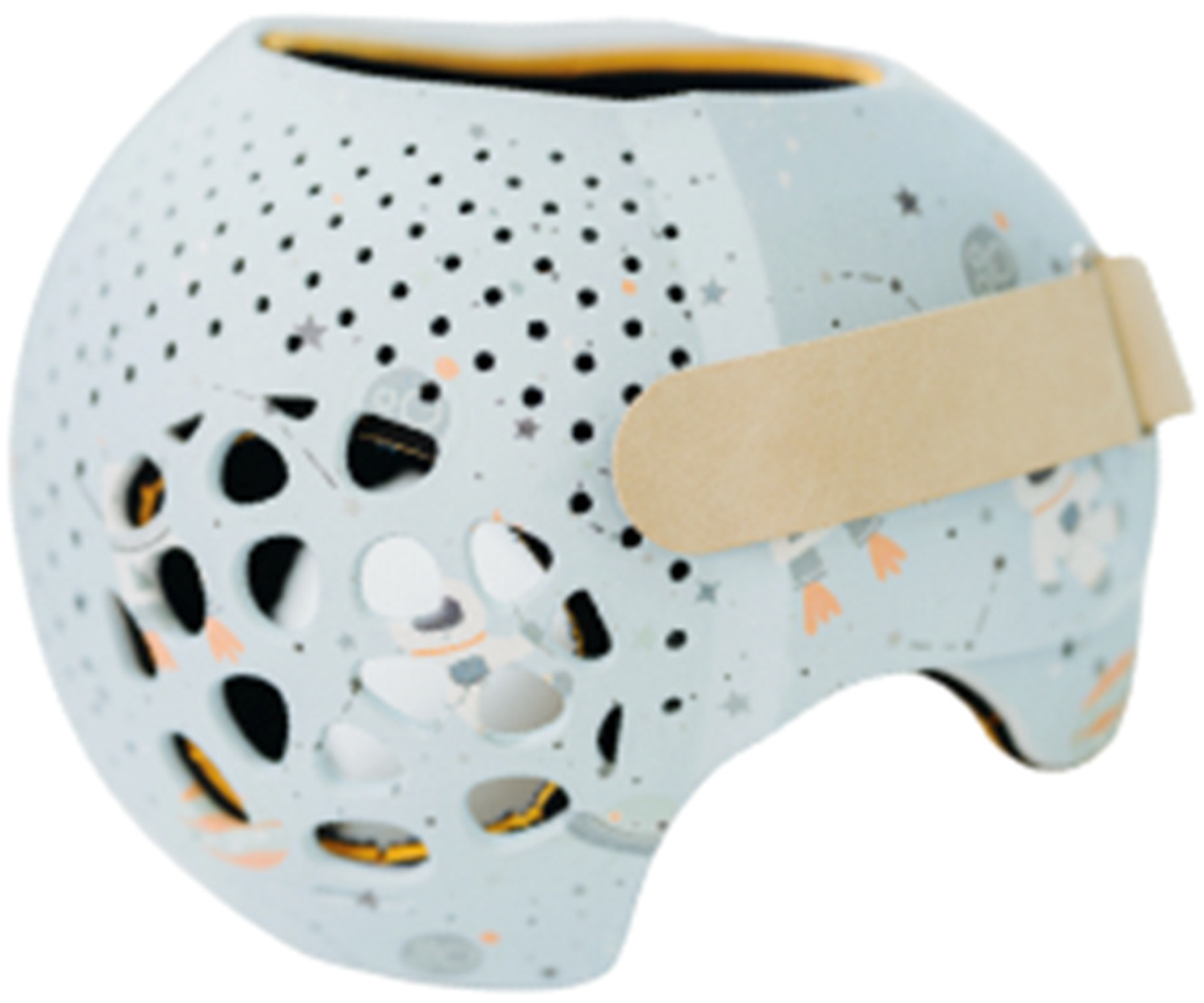
- Baby band2 (Medical Device Approval No.: 30400BZX00252000, Figure 1) is a cranial remolding helmet developed by Berry Inc. and introduced in November 2022. This device is designed to optimize therapeutic efficacy, patient comfort, and clinical practicality simultaneously. The key features of baby band2 are as follows.Figure 1. Appearance of the baby band2.
- Customized Manufacturing: The helmet utilizes 3D printing technology for the production of individually tailored helmets optimized for each patient’s specific cranial shapes, ensuring precise treatment for various degrees of positional plagiocephaly.
- A Single-Device Treatment: The helmet’s external structure is pre-formed to accommodate the anticipated final corrected cranial shape, enabling the completion of treatment with a single device potentially reducing overall treatment duration and cost.
- Efficient Growth Promotion Mechanism: A proprietary internal cushioning system temporarily inhibits growth along the longitudinal axis, thereby promoting more effective growth in the flattened area.
- Adjustment System Without Specialized Technicians: The helmet incorporates a system for adjusting the flattened area with supplementary cushioning to accommodate cranial growth, thus minimizing helmet displacement. The automated placement of additional cushioning, guided by 3D data analysis, eliminates the requirement for specialized cranial orthotic specialists.
- Cloud-Based Data Management System: Three-dimensional cranial data are stored and managed in a cloud-based system, accessible to both clinicians and patients. This data visualization capability facilitates multi-institutional clinical management and enhances the safety and reliability of patient care.
- Customizable Aesthetics: The helmet offers various color and pattern options for its external shell, facilitating personalization. This feature is designed to enhance patient engagement and potentially improve treatment adherence through increased personal connection to the device.
This study aimed to evaluate the efficacy and safety of a novel cranial remolding helmet (baby band2) for positional plagiocephaly using 3D data before and after therapy. This detailed evaluation of the efficacy and safety of the baby band2 therapy will enable the communication of appropriate information to patients and contribute to the standardization of this therapeutic technique.
2. Subjects and Methods
From 15 July 2023 to 31 May 2024, therapy with a novel cranial remolding helmet (baby band2) was started and completed for cases of moderate to severe positional plagiocephaly at the Nihon University Itabashi Hospital, Itabashi Chuo Medical Center, Tsuchiya Children’s Hospital, Kobari General Hospital, and Iino Hospital, and full-term infants who completed therapy were taken as participants. All participants underwent plain head X-rays or computed tomography before the start of helmet therapy to evaluate for craniosynostosis. No patients required surgical intervention by the end of helmet therapy.
2.1. 3D Cranial Shape Parameters
Stereophotogrammetry (VECTRA H2: Canfield Scientific, Parsippany, NJ, USA) was used to capture the cranium of each participant as a 3D data image, and three landmarks were established on the 3D image, as described in earlier studies [19,20]. The plane connecting the three points was set as the reference plane (Level 0), and the X- and Y-axis were determined using analysis software. The software constructed 10 equally spaced parallel sections from Level 0 to the calvaria. The height of each level was determined by dividing the height from the reference plane at Level 0 to the calvaria into 10 equal sections. A difference between the longer and shorter axial lengths of 30° to the left and right from the y-axis of the measurement plane was defined as cranial asymmetry (CA), and CA/shorter axial length (%) was defined as cranial vault asymmetry index (CVAI) [21,22]. The international diagnostic criterion for positional plagiocephaly is defined as CVAI > 3.5% [23,24]; however, in Japan, where the prevalence of positional plagiocephaly is higher than in other countries, the diagnostic criterion for positional plagiocephaly is set at CVAI > 5% [17]. To enable a comparison with past reports, we defined CVAI of >5% as normal, 5–6% as mild, 7–9% as moderate, 10–13% as severe, and ≥14% as very severe [25]. The helmet therapy was concluded when the CVAI reached the normal range or when the deformation was improved, and the family wished to end the therapy.
2.2. Investigation Items
- Study 1: The effectiveness of a novel cranial remolding helmet (baby band2) was evaluated by examining changes in both CVAI and the severity of plagiocephaly before and after helmet therapy.
- Study 2: CVAI improvement (ΔCVAI: CVAI before therapy − CVAI after therapy) was compared between the attending physicians.
- Study 3: The effectiveness of helmet therapy was compared between the infants who started therapy at less than the age of 7 months and those who started therapy at the age of 7 months or later.
- Study 4: We examined whether gender affects CVAI improvement.
- Study 5: To determine whether helmet therapy affects head circumference by impairing growth, mean head circumference at the beginning and end of helmet therapy was compared with previously reported head circumference growth curves [26].
- Study 6: The frequency of head dermatitis was investigated as a side effect of helmet therapy.
- Study 7: The clinical factors affecting ΔCVAI were examined.
2.3. Statistical Analysis Methods
Results are expressed as number and mean ± standard deviation, and for comparisons, the chi-square test and the Mann–Whitney U test were used because the patient background is not normally distributed. In the analysis of clinical factors affecting ΔCVAI, we performed a multivariate logistic regression analysis using ΔCVAI as the dependent variable and sex, treatment duration, age at treatment initiation, and the treating doctor as explanatory variables. A significant difference was set at p < 0.05. All analyses were performed using JMP 14.0 (SAS Institute, Cary, NC, USA). This study was conducted with the approval of the Clinical Research Ethics Review Committee of Nihon University Itabashi Hospital (Approval number: RK-240514-11, Approval date: 15 May 2024).
3. Results
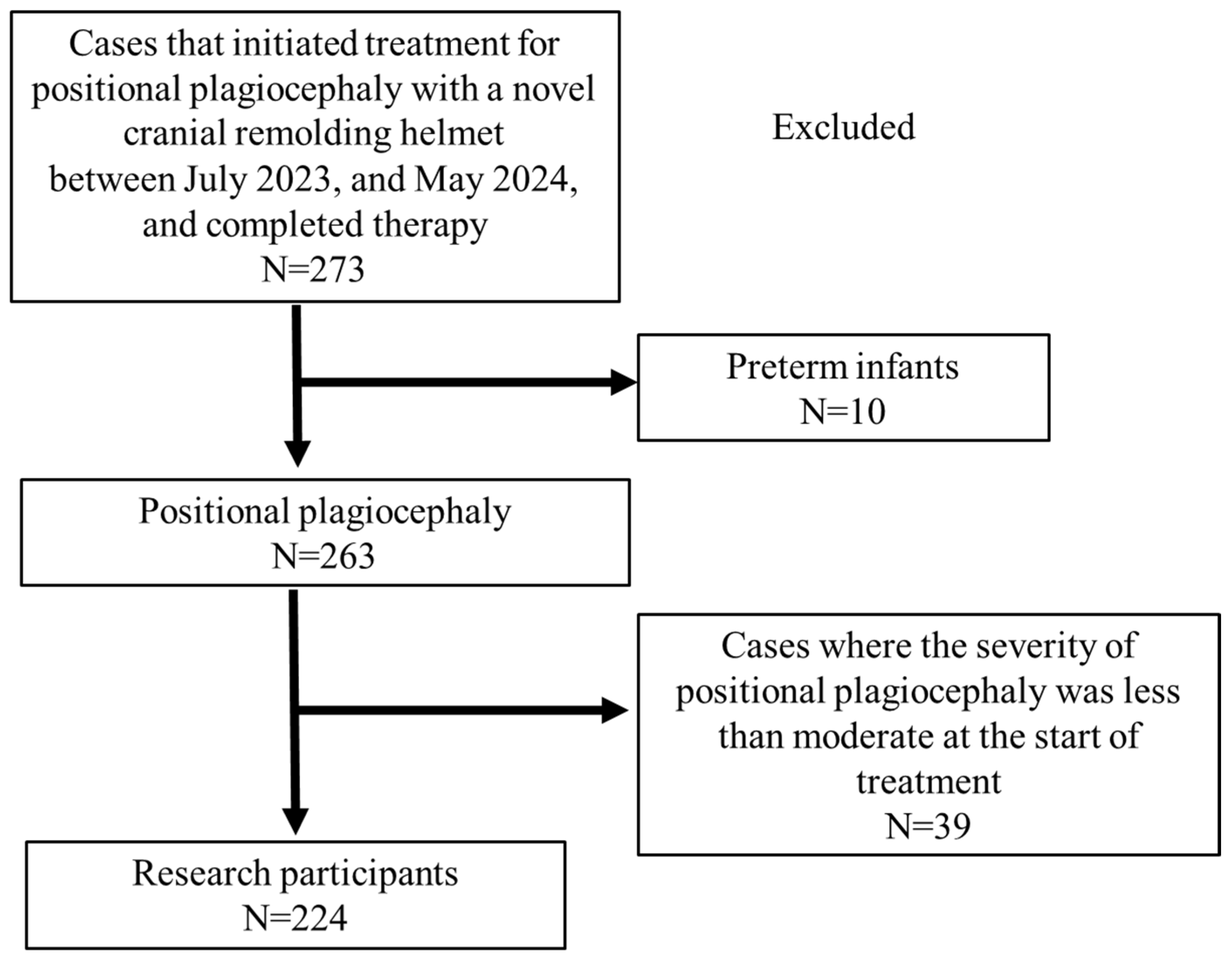
Participants are shown in Figure 2. During the study period, 273 infants started and completed therapy with baby band2. Of these, 10 preterm infants with a gestational age of less than 37 weeks were excluded from the study. In addition, 39 patients with less than moderate positional plagiocephaly who underwent helmet therapy at the family’s request were excluded from the study. The total number of participants was 224, of whom 58 were treated at Nihon University Itabashi Hospital (Doctor 1), 85 at Iino Hospital (Doctor 2), and 26 at Kobari General Hospital (Doctor 3), whereas 29 at Tsuchiya Children’s Hospital and 26 at Itabashi Central General Hospital were treated by the same physician (Doctor 4). Table 1 shows the severity of patients with positional plagiocephaly treated by each doctor. There was no bias in the severity of positional plagiocephaly treated by each physician (p = 0.585).
Figure 2.
Flowchart of the enrolled infants.
Table 1.
Distribution of severity *.
3.1. Study 1.1: Changes in CVAI before and after Helmet Therapy
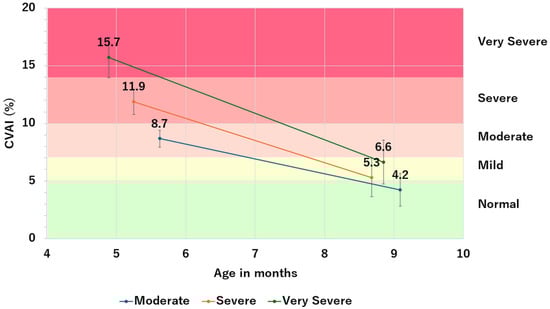
Figure 3 shows participants’ CVAI before and after helmet therapy, analyzed based on severity. Helmet therapy improved distortion of the head with a mean value of −9.1 ± 2.3 for the most severe group (n = 29), −6.6 ±1.8 for the severe group (n = 112), and −4.4 ± 1.4 for the moderate group (n = 83). Infants with higher severity had more improvement in CVAI (p < 0.001, Table 2). The mean duration of therapy was 4.0 months in the most severe group, 3.4 months in the severe group, and 3.5 months in the moderate group, with the duration being the longest in the most severe group (p = 0.028, Table 3).
Figure 3.
CVAI before and after helmet therapy by severity.
Table 2.
Pre- and post-therapy CVAI by severity.
Table 3.
Duration of therapy by severity.
Study 1.2: Change in Severity of Plagiocephaly before and after the Helmet Therapy
Table 4 shows the severity of plagiocephaly before and after helmet therapy. In all cases, plagiocephaly severity improved after helmet therapy (before therapy; moderate group: 83 (37%), severe group: 112 (50%), very severe group: 29 (13%), after therapy; normal group: 109 (49%), mild group: 88 (39%), moderate group: 26 (12%), severe group: 1 (0%), p < 0.001).
Table 4.
Change in severity before and after therapy.
3.2. Study 2: Comparison of CVAI Improvement Values between Attending Physicians
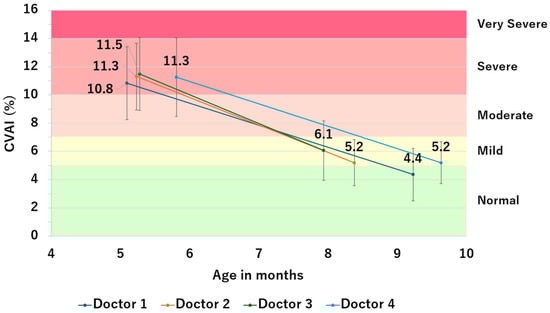
Figure 4 shows CVAI before and after helmet therapy for each attending physician. CVAI improvement was noted for all physicians, although significant differences were found among the physicians (p < 0.001, Table 5). The duration of helmet use had a small effect on CVAI improvement; no significant difference was observed (p = 0.402, Table 6).
Figure 4.
CVAI before and after helmet therapy for each physician.
Table 5.
Differences in therapy duration by treating physician.
Table 6.
Differences in therapy efficacy by treating physician.
3.3. Study 3: Comparison of Helmet Therapy Efficacy by Age at Start of Therapy (<7 Months vs. ≥7 Months)
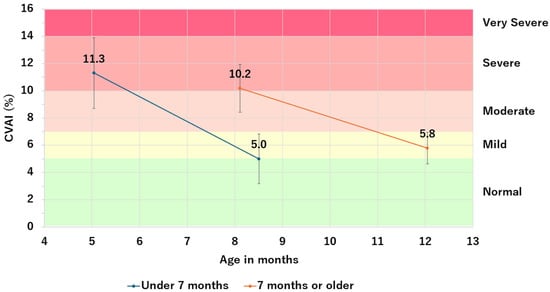
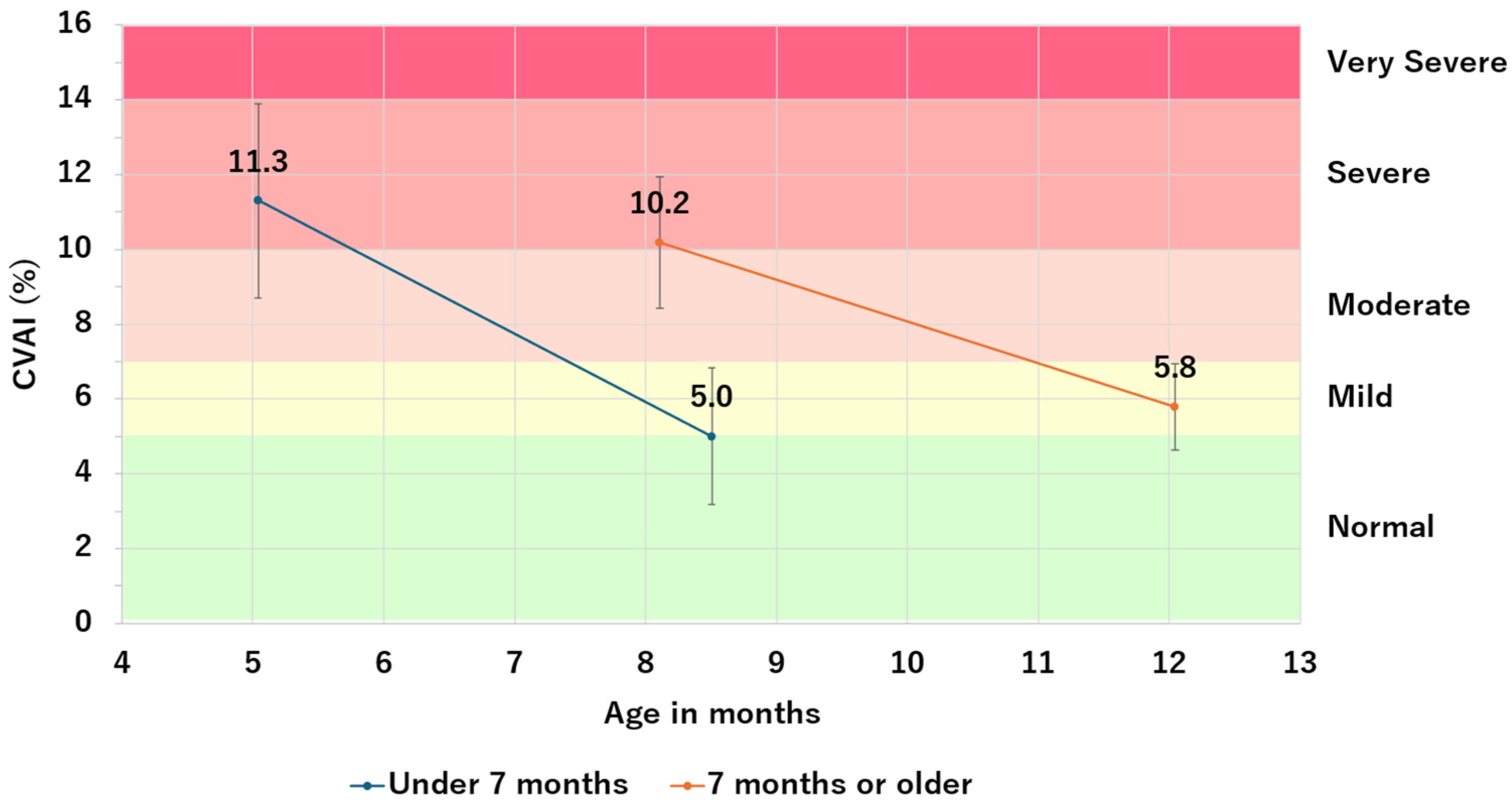
Figure 5 shows changes in CVAI for the group that started therapy at <7 months (n = 202) and the group that started at >7 months (n = 22). The group that started therapy at <7 months had a greater improvement in CVAI, to −6.3 ± 2.3 after therapy, while the >7 months group improved to −4.4 ± 1.6 (p < 0.001, Table 7). The mean duration of therapy was an average of 3.5 months for the <7 months group and 3.9 months for the >7 months group (p = 0.043, Table 8).
Figure 5.
CVAI before and after helmet therapy by age in months of therapy initiation.
Table 7.
Differences in therapy effects by age of therapy initiation.
Table 8.
Differences in therapy duration by age of therapy initiation.
3.4. Study 4: Impact of Sex on CVAI Improvement
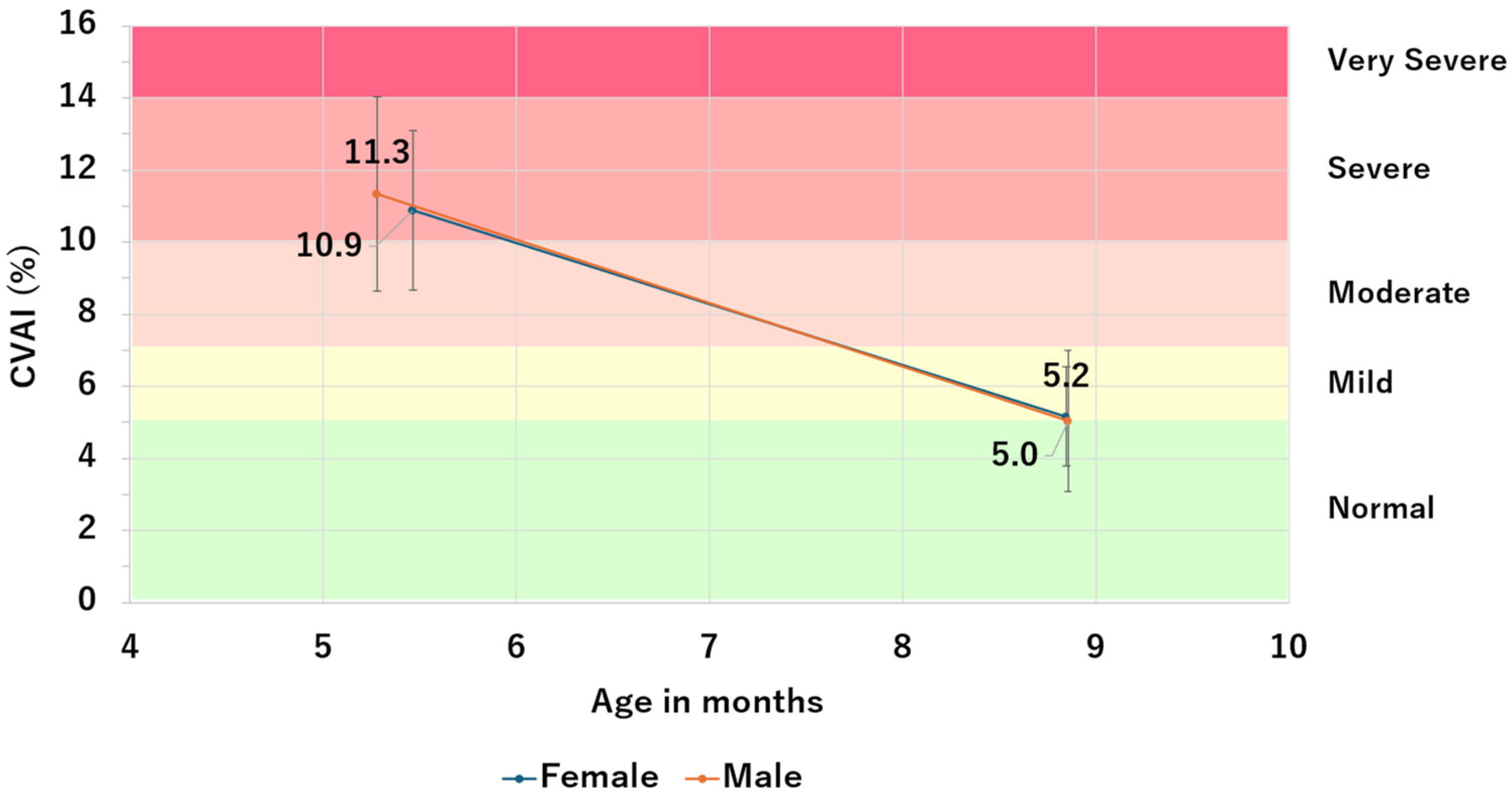
Figure 6 shows a comparison of changes in CVAI by sex. Regarding the effectiveness of therapy, no clear difference was observed between females (n = 76) and males (n = 148) (p = 0.131, Table 9). No significant difference was the therapy duration (p = 0.343, Table 10).
Figure 6.
CVAI before and after helmet therapy by sex.
Table 9.
Differences in therapy effectiveness by sex.
Table 10.
Differences in therapy duration by sex.
3.5. Study 5: Effects of Helmet Therapy on Head Circumference Stunting
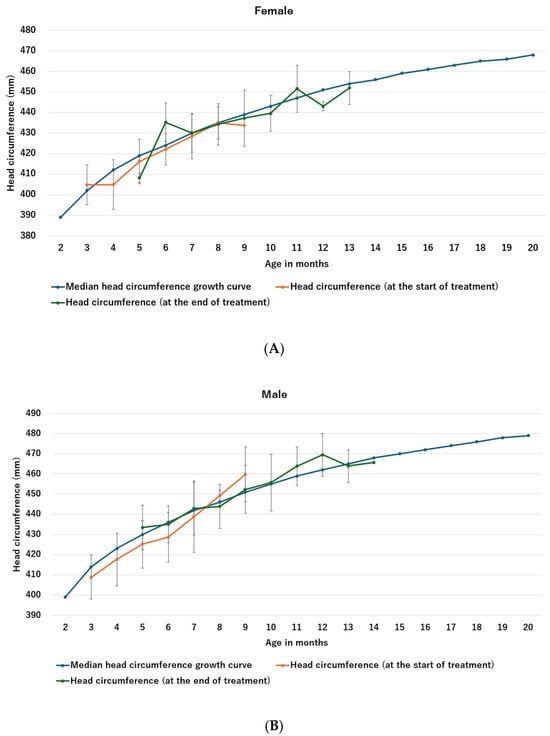
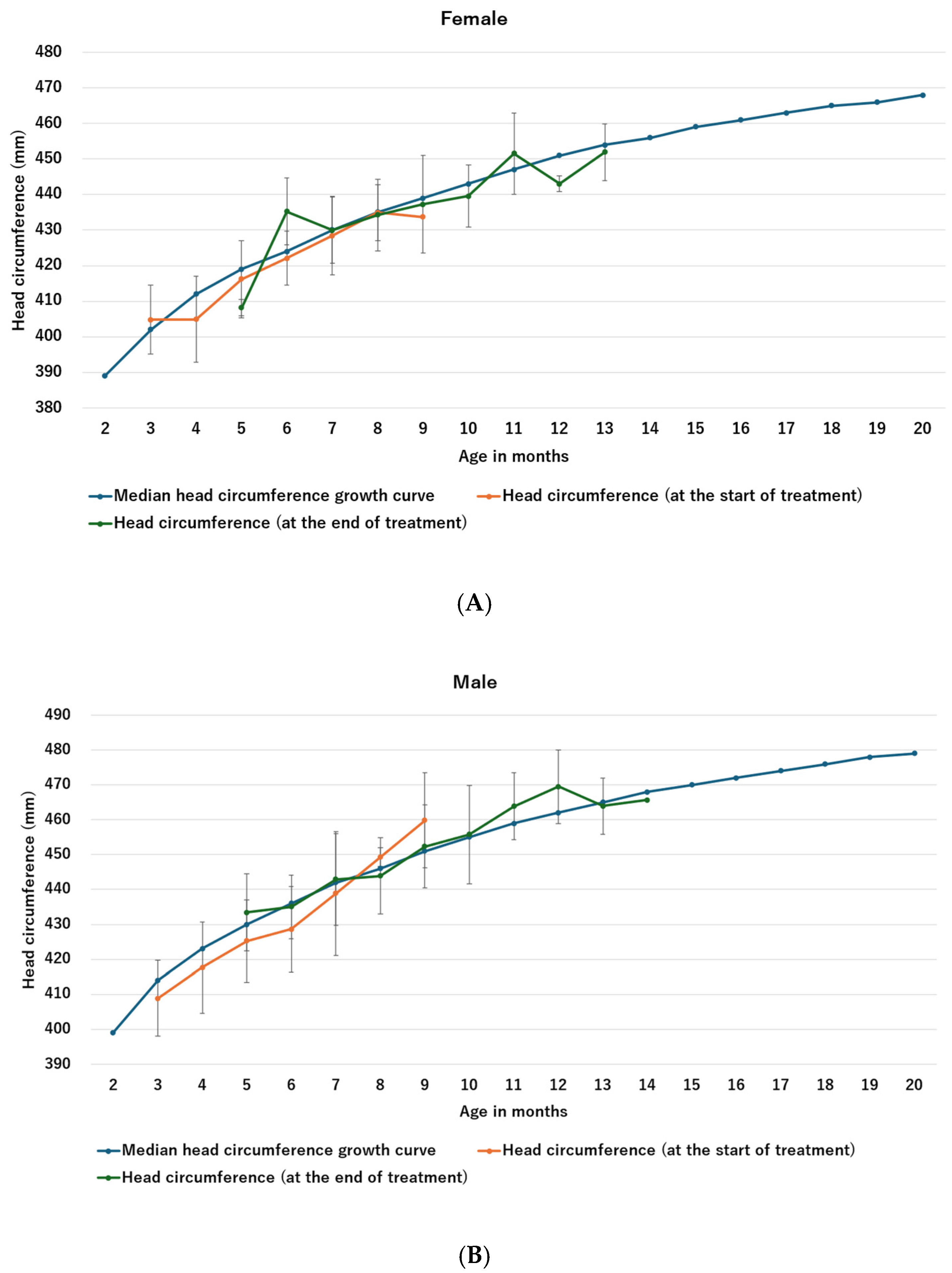
The mean head circumferences at the beginning and end of helmet therapy for females (n = 76) and males (n = 148) are shown in Figure 7A and Figure 7B, respectively. As compared to previously reported head circumference growth curves, no obvious head circumference stunting was observed in either group.
Figure 7.
(A) Head circumference growth curve vs. head circumference growth curve during helmet therapy (Females). The head circumference growth curve was cited from [24]. (B) Head circumference growth curve vs. head circumference growth curve during helmet therapy (Males). The head circumference growth curve was cited from [24].
3.6. Study 6: Frequency of Dermatitis Due to Helmet Therapy
Redness of the skin on the head may occur as an adverse reaction due to chafing and pressure caused by wearing a helmet. During the study period, the incidence of redness with baby band2 was five patients (2.2%). In all cases, redness improved with temporary suspension of therapy, application of topical agents, and additional cushioning.
3.7. Study 7: Examination of Clinical Factors Affecting ΔCVAI
In multivariate logistic regression analysis using sex, age at treatment initiation, treatment duration, and the treating doctor, age at treatment initiation was an independent determinant factor for ΔCVAI (Table 11).
Table 11.
Multivariate analysis.
4. Discussion
This study found the novel cranial remolding helmet (baby band2) to be effective in improving positional plagiocephaly from moderate to higher severity. Moreover, baby band2 exhibited the following characteristics: (1) a short therapy period; (2) a certain level of efficacy even when therapy is started after 7 months of age; and (3) a little difference in efficacy among attending physicians. Conversely, although no head circumference stunting was observed, skin redness occurred in 2.2% of the patients.
4.1. Improvement of CVAI
Studies examining the effects of helmet therapy for positional plagiocephaly in Japan have concluded that helmet therapy is effective in improving cranial distortion [16,17,18]. Additionally, our study found no gender difference in the degree of improvement, with greater improvement in participants with more severe initial deformity and those who received therapy at a younger age. One infant’s positional plagiocephaly severity improved only from “most severe” to “severe” after helmet therapy, likely due to wearing the helmet for an average of ~7.6 h per day, significantly less than the recommended 23 h per day. For infants with a high degree of distortion, starting therapy at a younger age, after confirming they can hold their heads up, is recommended.
4.2. Treatment Period
Previous studies have reported varying durations of helmet therapy, ranging from an average of 6.3 months [27], approximately 3–6 months [16], an average of 21.2 weeks (standard deviation 5.3 weeks) [17], an average of 4.3 months [28], and an average of 22.4 weeks (standard deviation 6.0 weeks) [18]. Although it is difficult to make a direct comparison due to variations in treatment severity and the degree of improvement sought, the baby band2 used in this study showed a mean duration of 3.5 months (standard deviation of 1.1 months), potentially allowing for a shorter treatment period than previously reported.
4.3. Starting Age of Therapy
Previous reports have shown that earlier initiation of therapy, determined by age in months, results in more effective outcomes [18]. Many experts recommend starting helmet therapy at 4 to 6 months of age [29]. However, some studies suggest prioritizing repositioning and tummy time for younger infants, as these approaches can sometimes improve the condition without helmet therapy [12,30]. In addition, because physical approaches to positional plagiocephaly have also been reported to be more effective the younger the infant is [31], there are cases where helmet therapy cannot be started at 4 to 6 months of age.
The baby band2 has been shown to improve CVAI by an average of −4.4 even when therapy started after 7 months of age, indicating effectiveness in cases where the start of helmet therapy was delayed following unsuccessful repositioning and physical approaches to reduce distortion.
4.4. Limitations
This study has several limitations. One limitation is that the exact duration of helmet wear was not accurately recorded. Additionally, the study did not investigate the recurrence of deformation after the completion of helmet therapy. Furthermore, there have been reports indicating no significant difference in the improvement in CVAI between groups that underwent active physical therapy and those that received helmet therapy [12]. Since this study did not include a control group, further investigation through prospective studies is needed. Moreover, as the hygienic aspects of helmet therapy were not evaluated, additional assessment of the satisfaction levels of the subjects and their families is necessary.
5. Conclusions
Helmet therapy with baby band2 significantly improved CVAI in all cases, with the most significant improvement observed in the most severely affected group. Furthermore, a certain level of effectiveness was achieved even when therapy was started after 7 months of age, with a slightly shorter treatment duration compared to other helmet therapies. Additionally, little difference was observed in therapeutic effectiveness between medical institutions and physicians.
Author Contributions
N.N. and I.M. conceived and designed the study, acquired the data, analyzed and interpreted the data, and drafted the manuscript. M.S. and K.S. checked to see if any patients had craniosynostosis. R.K., T.N., M.H., A.O., A.N., H.M., K.Y., N.I., H.S. and I.M. were involved in the implementation of the research and data collection based on the plan of the study. I.M. was the research supervisor based on the dissertation plan, critically revised it for important intellectual content, and gave final approval of the version to be submitted. All authors have read and agreed to the published version of the manuscript.
Funding
This research received no external funding.
Institutional Review Board Statement
The ethics committee of Nihon University Itabashi Hospital approved this study (approval number RK-240514-11, date: 15 May 2024).
Informed Consent Statement
Informed consent was obtained from all subjects involved.
Data Availability Statement
No new data were created or analyzed in this study. Data sharing is not applicable to this article.
Acknowledgments
We thank Berry, Inc. for assisting us with the 3D measurements.
Conflicts of Interest
The authors declare no conflict of interest. Berry, Inc. had no role in the study design, collection, analyses, interpretation of data, writing of the manuscript, or in the decision to publish the results.
References
- Argenta, L.C.; David, L.R.; Wilson, J.A.; Bell, W.O. An Increase in Infant Cranial Deformity with Supine Sleeping Position. J. Craniofac. Surg. 1996, 7, 5–11. [Google Scholar] [CrossRef] [Scilit] [PubMed]
- Kane, A.A.; Mitchell, L.E.; Craven, K.P.; Marsh, J.L. Observations on a Recent Increase in Plagiocephaly without Synostosis. Pediatrics 1996, 97, 877–885. [Google Scholar] [CrossRef] [Scilit] [PubMed]
- Branch, L.G.; Kesty, K.; Krebs, E.; Wright, L.; Leger, S.; David, L.R. Deformational plagiocephaly and craniosynostosis: Trends in diagnosis and treatment after the “back to sleep” campaign. J. Craniofac. Surg. 2015, 26, 147–150. [Google Scholar] [CrossRef] [Scilit]
- Noto, T.; Nagano, N.; Kato, R.; Hashimoto, S.; Saito, K.; Miyabayashi, H.; Sasano, M.; Sumi, K.; Yoshino, A.; Morioka, I. Natural-Course Evaluation of Infants with Positional Severe Plagiocephaly Using a Three-Dimensional Scanner in Japan: Comparison with Those Who Received Cranial Helmet Therapy. J. Clin. Med. 2021, 10, 3531. [Google Scholar] [CrossRef] [Scilit] [PubMed]
- Roider, L.; Ungerer, G.; Shock, L.; Aldridge, K.; Al-Samarraie, M.; Tanaka, T.; Muzaffar, A. Increased Incidence of Ophthamologic Findings in Children With Concurrent Isolated Nonsyndromic Metopic Suture Abnormalities and Deformational Cranial Vault Asymmetry. Cleft Palate-Craniofac. J. 2021, 58, 497–504. [Google Scholar] [CrossRef] [Scilit]
- Purzycki, A.; Thompson, E.; Argenta, L.; David, L. Incidence of otitis media in children with deformational plagiocephaly. J. Craniofac. Surg. 2009, 20, 1407–1411. [Google Scholar] [CrossRef] [Scilit]
- Orlando, M.P.; Bonanno, M.A.; Russo, F.Y.; Ralli, M.; Turchetta, R.; Passali, F.M.; Minni, A.; Greco, A.; De Vincentiis, M.; Tattoli, M. Correlation between otitis media with effusion and cranial deformation in children. Eur. Rev. Med. Pharmacol. Sci. 2019, 23, 55–59. [Google Scholar]
- Martiniuk, A.L.; Vujovich-Dunn, C.; Park, M.; Yu, W.; Lucas, B.R. Plagiocephaly and Developmental Delay: A Systematic Review. J. Dev. Behav. Pediatr. 2017, 38, 67–78. [Google Scholar] [CrossRef] [Scilit]
- Collett, B.R.; Gray, K.E.; Starr, J.R.; Heike, C.L.; Cunningham, M.L.; Speltz, M.L. Development at age 36 months in children with deformational plagiocephaly. Pediatrics 2013, 131, e109–e115. [Google Scholar] [CrossRef] [Scilit]
- Miller, R.I.; Clarren, S.K. Long-term developmental outcomes in patients with deformational plagiocephaly. Pediatrics 2000, 105, e26. [Google Scholar] [CrossRef] [Scilit]
- Kim, D.H.; Kwon, D.R. Neurodevelopmental delay according to severity of deformational plagiocephaly in children. Medicine 2020, 99, e21194. [Google Scholar] [CrossRef] [Scilit] [PubMed]
- González-Santos, J.; González-Bernal, J.J.; De-la-Fuente Anuncibay, R.; Soto-Cámara, R.; Cubo, E.; Aguilar-Parra, J.M.; Trigueros, R.; López-Liria, R. Infant Cranial Deformity: Cranial Helmet Therapy or Physiotherapy? Int. J. Environ. Res. Public Health 2020, 17, 2612. [Google Scholar] [CrossRef] [Scilit] [PubMed]
- González-Santos, J.; González-Bernal, J.J.; De-la-Fuente Anuncibay, R.; Aguilar-Parra, J.M.; Trigueros, R.; Soto-Cámara, R.; López-Liria, R. A Prospective Study of Cranial Deformity and Delayed Development in Children. Sustainability 2020, 12, 1949. [Google Scholar] [CrossRef] [Scilit]
- Kluba, S.; Roßkopf, F.; Kraut, W.; Peters, J.P.; Calgeer, B.; Reinert, S.; Krimmel, M. Malocclusion in the primary dentition in children with and without deformational plagiocephaly. Clin. Oral Investig. 2016, 20, 2395–2401. [Google Scholar] [CrossRef] [Scilit] [PubMed]
- Rauten, A.M.; Maglaviceanu, C.; Popescu, M.R.; Martu, I.; Popescu, D.; Surlin, P.; Suciu, M.; Bogdan, M. Correlations between craniofacial morphology and dento-maxillary anomalies in a population of children in the South west region of Romania. Curr. Health Sci. J. 2014, 40, 200–204. [Google Scholar]
- Aihara, Y.; Komatsu, K.; Dairoku, H.; Kubo, O.; Hori, T.; Okada, Y. Cranial Molding Helmet Therapy and Establishment of Practical Criteria for Management in Asian Infant Positional Head Deformity. Childs Nerv. Syst. 2014, 30, 1499–1509. [Google Scholar] [CrossRef] [Scilit]
- Takamatsu, A.; Hikosaka, M.; Kaneko, T.; Mikami, M.; Kaneko, A. Evaluation of the Molding Helmet Therapy for Japanese Infants with Deformational Plagiocephaly. JMA J. 2021, 4, 50–60. [Google Scholar]
- Kajita, H.; Tanaka, I.; Komuro, H.; Nishimaki, S.; Kusakawa, I.; Sakamoto, K. Efficacy of Cranial Orthosis for Plagiocephaly Based on 2D and 3D Evaluation. Arch. Plast. Surg. 2024, 51, 169–181. [Google Scholar] [CrossRef] [Scilit]
- Plank, L.H.; Giavedoni, B.; Lombardo, J.R.; Geil, M.D.; Reisner, A. Comparison of infant head shape changes in deformational plagiocephaly following treatment with a cranial remolding orthosis using a noninvasive laser shape digitizer. J. Craniofac. Surg. 2006, 17, 1084–1091. [Google Scholar] [CrossRef] [Scilit]
- Ifflaender, S.; Rüdiger, M.; Koch, A.; Burkhardt, W. Three-dimensional digital capture of head size in neonates—A method evaluation. PLoS ONE 2013, 8, e61274. [Google Scholar] [CrossRef] [Scilit]
- Loveday, B.P.; de Chalain, T.B. Active counterpositioning or orthotic device to treat positional plagiocephaly? J. Craniofac. Surg. 2001, 12, 308–313. [Google Scholar] [CrossRef] [Scilit] [PubMed]
- Miyabayashi, H.; Saito, K.; Kato, R.; Noto, T.; Nagano, N.; Morioka, I. Denominator of Cranial Vault Asymmetry Index: Choosing Between Longer and Shorter Diagonal Lengths. J. Craniofac. Surg. 2023, 4, e369–e372. [Google Scholar] [CrossRef] [Scilit]
- Kunz, F.; Schweitzer, T.; Große, S.; Waßmuth, N.; Stellzig-Eisenhauer, A.; Böhm, H.; Meyer-Marcotty, P.; Linz, C. Head orthosis therapy in positional plagiocephaly: Longitudinal 3D-investigation of long-term outcomes, compared with untreated infants and with a control group. Eur. J. Orthod. 2019, 41, 29–37. [Google Scholar] [CrossRef] [Scilit] [PubMed]
- Holowka, M.A.; Reisner, A.; Giavedoni, B.; Lombardo, J.R.; Coulter, C. Plagiocephaly Severity Scale to Aid in Clinical Treatment Recommendations. J. Craniofac. Surg. 2017, 28, 717–722. [Google Scholar] [CrossRef] [Scilit] [PubMed]
- Argenta, L.; David, L.; Thompson, J. Clinical classification of positional plagiocephaly. J. Craniofac. Surg. 2004, 15, 368–372. [Google Scholar] [CrossRef] [Scilit] [PubMed]
- Kato, N.; Takimoto, H.; Yokoyama, T. Results of the 2010 Infant and Toddler Physical Growth Survey in Japan. J. Child Health 2012, 71, 671–680. (In Japanese) [Google Scholar]
- Couture, D.E.; Crantford, J.C.; Somasundaram, A.; Sanger, C.; Argenta, A.E.; David, L.R. Efficacy of passive helmet therapy for deformational plagiocephaly: Report of 1050 cases. Neurosurg. Focus 2013, 35, E4. [Google Scholar] [CrossRef] [Scilit]
- Hallac, R.R.; Ajiwe, T.; Effendi, M.; Seaward, J.R.; Kane, A.A. Molding Helmet Therapy for Deformational Brachycephaly. J. Craniofac. Surg. 2019, 30, 1756–1759. [Google Scholar] [CrossRef] [Scilit]
- Goh, J.L.; Bauer, D.F.; Durham, S.R.; Stotland, M.A. Orthotic (helmet) therapy in the treatment of plagiocephaly. Neurosurg. Focus 2013, 35, E2. [Google Scholar] [CrossRef] [Scilit]
- Lin, R.S.; Stevens, P.M.; Wininger, M.; Castiglione, C.L. Orthotic Management of Deformational Plagiocephaly: Consensus Clinical Standards of Care. Cleft Palate-Craniofac. J. 2016, 53, 394–403. [Google Scholar] [CrossRef] [Scilit]
- Di Chiara, A.; La Rosa, E.; Ramieri, V.; Vellone, V.; Cascone, P. Treatment of Deformational Plagiocephaly with Physiotherapy. J. Craniofac. Surg. 2019, 30, 2008–2013. [Google Scholar] [CrossRef] [Scilit] [PubMed]


Disclaimer/Publisher’s Note: The statements, opinions and data contained in all publications are solely those of the individual author(s) and contributor(s) and not of MDPI and/or the editor(s). MDPI and/or the editor(s) disclaim responsibility for any injury to people or property resulting from any ideas, methods, instructions or products referred to in the content. |
© 2024 by the authors. Licensee MDPI, Basel, Switzerland. This article is an open access article distributed under the terms and conditions of the Creative Commons Attribution (CC BY) license (https://creativecommons.org/licenses/by/4.0/).