Development and Validation of a Functional Antibody Assay for Evaluating Protein-Based Pneumococcal Vaccines
 , and
, and
Abstract
1. Introduction
2. Materials and Methods
2.1. Strains, Cells, and Complements
2.2. Recombinant Proteins
2.3. Vaccines
2.4. Serum Samples
2.5. PspA Typing of Spn Strains
2.5.1. Polymerase Chain Reaction (PCR)
2.5.2. Enzyme-Linked Immunosorbent Assay (ELISA)
2.6. Modified MOPA for PBPV Evaluation
2.7. Verification of the Modified MOPA Method
2.7.1. Specificity
2.7.2. Linearity
2.7.3. Repeatability
2.7.4. Intermediate Precision
2.8. Application of the Modified Method
3. Results
3.1. PspA Classification of Pneumococcal Strains
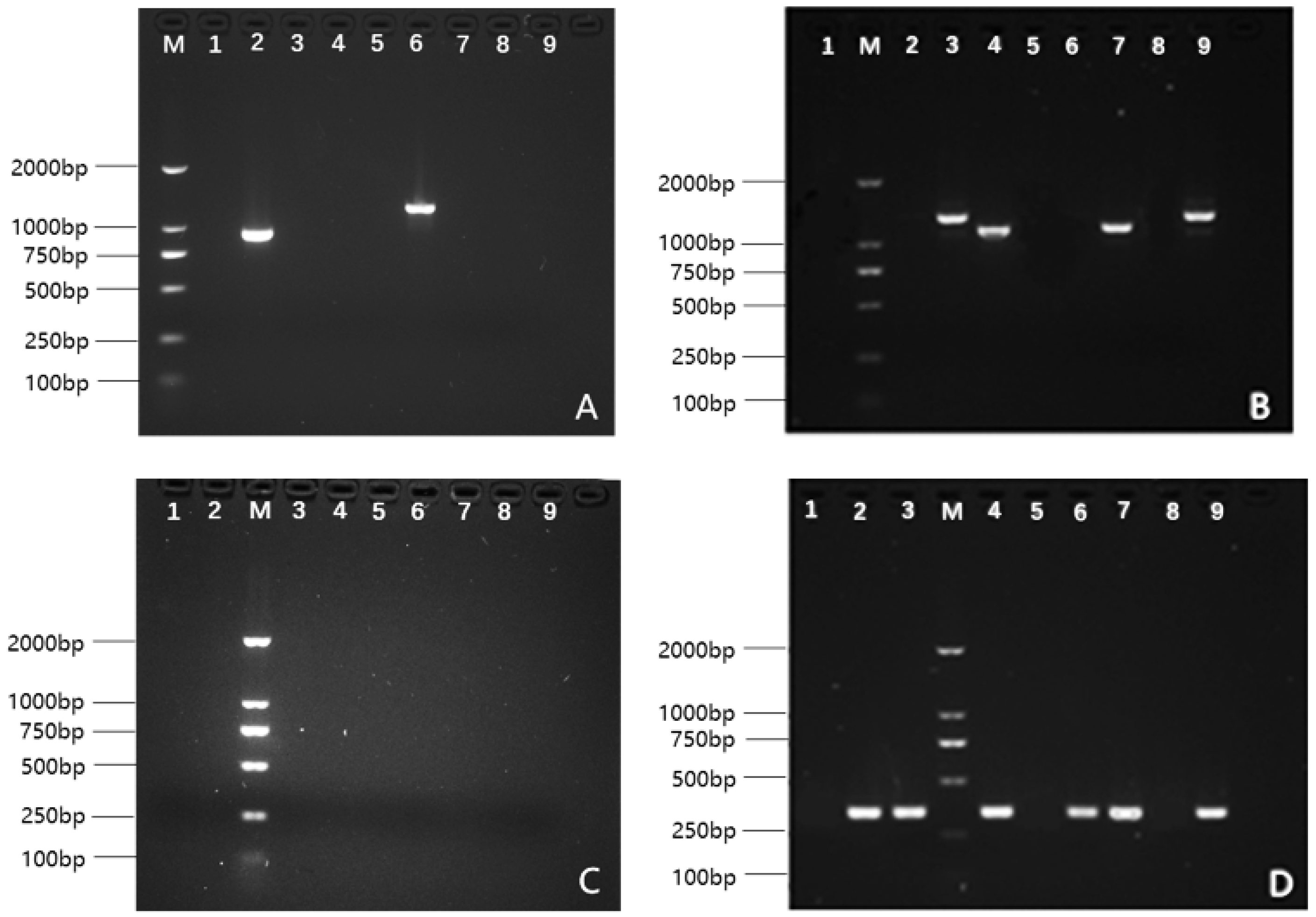
3.1.1. PCR-Based Typing
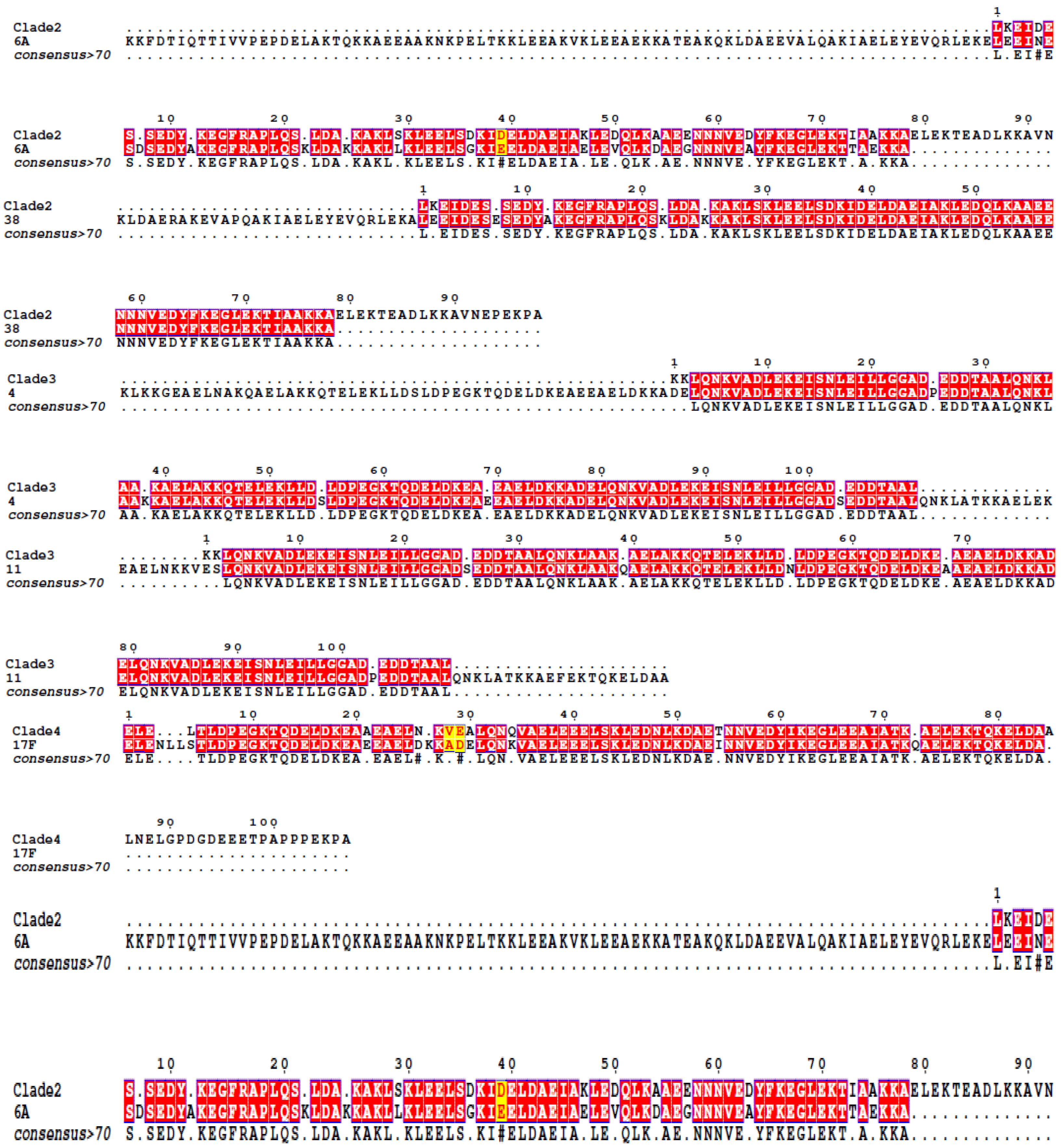
3.1.2. ELISA-Based Strain Typing
3.2. Modification of the Standard MOPA Method
3.3. Validation of the Modified MOPA Method
3.3.1. Specificity
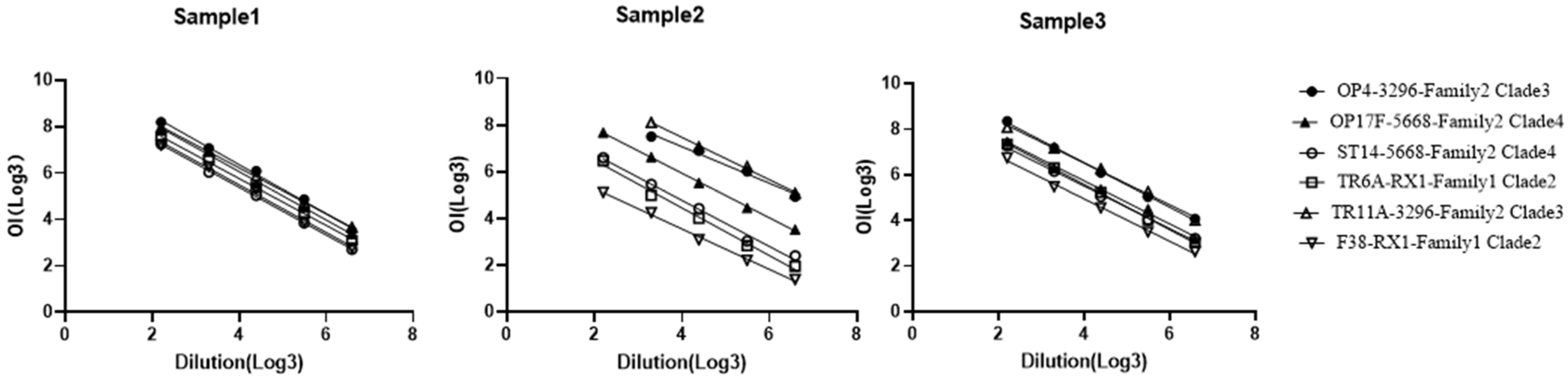
3.3.2. Linearity
3.3.3. Repeatability
3.3.4. Intermediate Precision
3.4. Application of the Modified MOPA Method
3.4.1. Preclinical Applications in Vaccine Development
3.4.2. Implementation in Human Clinical Serum Analysis
4. Discussion
5. Conclusions
Supplementary Materials
Author Contributions
Funding
Institutional Review Board Statement
Informed Consent Statement
Data Availability Statement
Acknowledgments
Conflicts of Interest
References
- Moffitt, K.; Malley, R. Rationale and prospects for novel pneumococcal vaccines. Hum. Vaccines Immunother. 2016, 12, 383–392. [Google Scholar] [CrossRef] [Scilit]
- Gomes-Silva, J.; Pinho, M.D.; Friães, A.; Ramirez, M.; Melo-Cristino, J.; Silva-Costa, C. Pneumococci remain the main cause of complicated pediatric pneumonia in the post-pandemic era despite extensive pneumococcal vaccine use. Pneumonia 2024, 16, 26. [Google Scholar] [CrossRef] [Scilit] [PubMed]
- Pichichero, M.E.; Khan, M.N.; Xu, Q. Next generation protein based Streptococcus pneumoniae vaccines. Hum. Vaccines Immunother. 2016, 12, 194–205. [Google Scholar] [CrossRef] [Scilit]
- Jedrzejas, M.J. Pneumococcal virulence factors: Structure and function. Microbiol. Mol. Biol. Rev. 2001, 65, 187–207. [Google Scholar] [CrossRef] [Scilit]
- Ganaie, F.; Saad, J.S.; McGee, L.; van Tonder, A.J.; Bentley, S.D.; Lo, S.W.; Gladstone, R.A.; Turner, P.; Keenan, J.D.; Breiman, R.F.; et al. A New Pneumococcal Capsule Type, 10D, is the 100th Serotype and Has a Large cps Fragment from an Oral Streptococcus. mBio 2020, 11, e00937-20. [Google Scholar] [CrossRef] [Scilit]
- Ganaie, F.; Maruhn, K.; Li, C.; Porambo, R.J.; Elverdal, P.L.; Abeygunwardana, C.; van der Linden, M.; Duus, J.; Sheppard, C.L.; Nahm, M.H. Structural, Genetic, and Serological Elucidation of Streptococcus pneumoniae Serogroup 24 Serotypes: Discovery of a New Serotype, 24C, with a Variable Capsule Structure. J. Clin. Microbiol. 2021, 59, e0054021. [Google Scholar] [CrossRef] [Scilit] [PubMed]
- Morino, S.; Kitagami, E.; Nakayama, H.; Koizumi, Y.; Tanaka-Taya, K.; Kinjo, Y.; Oishi, K. Seroepidemiological analysis of anti-pneumococcal surface protein A (PspA) immunoglobulin G by clades in Japanese population. Vaccine 2020, 38, 7479–7484. [Google Scholar] [CrossRef] [Scilit] [PubMed]
- Weinberger, D.M.; Malley, R.; Lipsitch, M. Serotype replacement in disease after pneumococcal vaccination. Lancet 2011, 378, 1962–1973. [Google Scholar] [CrossRef] [Scilit]
- Hanage, W.P.; Finkelstein, J.A.; Huang, S.S.; Pelton, S.I.; Stevenson, A.E.; Kleinman, K.; Hinrichsen, V.L.; Fraser, C. Evidence that pneumococcal serotype replacement in Massachusetts following conjugate vaccination is now complete. Epidemics 2010, 2, 80–84. [Google Scholar] [CrossRef] [Scilit]
- Richards, L.; Ferreira, D.M.; Miyaji, E.N.; Andrew, P.W.; Kadioglu, A. The immunising effect of pneumococcal nasopharyngeal colonisation; protection against future colonisation and fatal invasive disease. Immunobiology 2010, 215, 251–263. [Google Scholar] [CrossRef] [Scilit]
- Flasche, S.; Van Hoek, A.J.; Sheasby, E.; Waight, P.; Andrews, N.; Sheppard, C.; George, R.; Miller, E. Effect of pneumococcal conjugate vaccination on serotype-specific carriage and invasive disease in England: A cross-sectional study. PLoS Med. 2011, 8, e1001017. [Google Scholar] [CrossRef] [Scilit]
- Peela, S.C.M.; Sistla, S.; Nagaraj, G.; Govindan, V.; Kadahalli, R.K.L. Pre- & post-vaccine trends in pneumococcal serotypes & antimicrobial resistance patterns. Indian J. Med. Res. 2024, 160, 354–361. [Google Scholar] [CrossRef] [Scilit]
- Grabenstein, J.D.; Klugman, K.P. A century of pneumococcal vaccination research in humans. Clin. Microbiol. Infect. 2012, 18, 15–24. [Google Scholar] [CrossRef] [Scilit]
- Mohammadzadeh, M.; Pourakbari, B.; Doosti, A.; Mahmoudi, S.; Habibi-Anbouhi, M.; Mamishi, S. Construction and evaluation of a whole-cell pneumococcal vaccine candidate. J. Appl. Microbiol. 2018, 125, 1901–1910. [Google Scholar] [CrossRef] [Scilit]
- Mann, B.; Thornton, J.; Heath, R.; Wade, K.R.; Tweten, R.K.; Gao, G.; El Kasmi, K.; Jordan, J.B.; Mitrea, D.M.; Kriwacki, R.; et al. Broadly protective protein-based pneumococcal vaccine composed of pneumolysin toxoid-CbpA peptide recombinant fusion protein. J. Infect. Dis. 2014, 209, 1116–1125. [Google Scholar] [CrossRef] [Scilit]
- Masomian, M.; Ahmad, Z.; Gew, L.T.; Poh, C.L. Development of Next Generation Streptococcus pneumoniae Vaccines Conferring Broad Protection. Vaccines 2020, 8, 132. [Google Scholar] [CrossRef] [Scilit]
- Li, S.; Liang, H.; Zhao, S.H.; Yang, X.Y.; Guo, Z. Recent progress in pneumococcal protein vaccines. Front. Immunol. 2023, 14, 1278346. [Google Scholar] [CrossRef] [Scilit] [PubMed]
- Prymula, R.; Pazdiora, P.; Traskine, M.; Rüggeberg, J.U.; Borys, D. Safety and immunogenicity of an investigational vaccine containing two common pneumococcal proteins in toddlers: A phase II randomized clinical trial. Vaccine 2014, 32, 3025–3034. [Google Scholar] [CrossRef] [Scilit] [PubMed]
- Brooks, W.A.; Chang, L.J.; Sheng, X.; Hopfer, R. Safety and immunogenicity of a trivalent recombinant PcpA, PhtD, and PlyD1 pneumococcal protein vaccine in adults, toddlers, and infants: A phase I randomized controlled study. Vaccine 2015, 33, 4610–4617. [Google Scholar] [CrossRef] [Scilit] [PubMed]
- Zhong, T.Y.; Zhu, T.; Xu, F.; Meng, X.M.; Shao, Z.Q.; Chang, Y.S.; Yu, X.F. Typing of the PspA protein among Streptococcus pneumoniae strains isolated from children in Nanjing Children’s Hospital. Chin. J. Microbiol. Immunol. 2013, 33, 927–932. [Google Scholar] [CrossRef]
- Lane, J.R.; Tata, M.; Briles, D.E.; Orihuela, C.J. A Jack of All Trades: The Role of Pneumococcal Surface Protein A in the Pathogenesis of Streptococcus pneumoniae. Front. Cell. Infect. Microbiol. 2022, 12, 826264. [Google Scholar] [CrossRef] [Scilit]
- Mukerji, R.; Hendrickson, C.; Genschmer, K.R.; Park, S.S.; Bouchet, V.; Goldstein, R.; Lefkowitz, E.J.; Briles, D.E. The diversity of the proline-rich domain of pneumococcal surface protein A (PspA): Potential relevance to a broad-spectrum vaccine. Vaccine 2018, 36, 6834–6843. [Google Scholar] [CrossRef] [Scilit]
- Kono, M.; Hotomi, M.; Hollingshead, S.K.; Briles, D.E.; Yamanaka, N. Maternal immunization with pneumococcal surface protein A protects against pneumococcal infections among derived offspring. PLoS ONE 2011, 6, e27102. [Google Scholar] [CrossRef] [Scilit]
- Daniels, C.C.; Coan, P.; King, J.; Hale, J.; Benton, K.A.; Briles, D.E.; Hollingshead, S.K. The proline-rich region of pneumococcal surface proteins A and C contains surface-accessible epitopes common to all pneumococci and elicits antibody-mediated protection against sepsis. Infect. Immun. 2010, 78, 2163–2172. [Google Scholar] [CrossRef] [Scilit] [PubMed]
- Roche, H.; Håkansson, A.; Hollingshead, S.K.; Briles, D.E. Regions of PspA/EF3296 best able to elicit protection against Streptococcus pneumoniae in a murine infection model. Infect. Immun. 2003, 71, 1033–1041. [Google Scholar] [CrossRef] [Scilit]
- Briles, D.E.; Hollingshead, S.K.; Paton, J.C.; Ades, E.W.; Novak, L.; van Ginkel, F.W.; Benjamin, W.H., Jr. Immunizations with pneumococcal surface protein A and pneumolysin are protective against pneumonia in a murine model of pulmonary infection with Streptococcus pneumoniae. J. Infect. Dis. 2003, 188, 339–348. [Google Scholar] [CrossRef] [Scilit] [PubMed]
- Hollingshead, S.K.; Becker, R.; Briles, D.E. Diversity of PspA: Mosaic genes and evidence for past recombination in Streptococcus pneumoniae. Infect. Immun. 2000, 68, 5889–5900. [Google Scholar] [CrossRef] [Scilit] [PubMed]
- Melin, M.M.; Hollingshead, S.K.; Briles, D.E.; Hanage, W.P.; Lahdenkari, M.; Kaijalainen, T.; Kilpi, T.M.; Käyhty, H.M. Distribution of pneumococcal surface protein A families 1 and 2 among Streptococcus pneumoniae isolates from children in finland who had acute otitis media or were nasopharyngeal carriers. Clin. Vaccine Immunol. 2008, 15, 1555–1563. [Google Scholar] [CrossRef] [Scilit]
- Hollingshead, S.K.; Baril, L.; Ferro, S.; King, J.; Coan, P.; Briles, D.E.; The Pneumococcal Proteins Epi Study Group. Pneumococcal surface protein A (PspA) family distribution among clinical isolates from adults over 50 years of age collected in seven countries. J. Med. Microbiol. 2006, 55, 215–221. [Google Scholar] [CrossRef] [Scilit]
- Prymula, R.; Szenborn, L.; Silfverdal, S.A.; Wysocki, J.; Albrecht, P.; Traskine, M.; Gardev, A.; Song, Y.; Borys, D. Safety, reactogenicity and immunogenicity of two investigational pneumococcal protein-based vaccines: Results from a randomized phase II study in infants. Vaccine 2017, 35, 4603–4611. [Google Scholar] [CrossRef] [Scilit]
- Sacks, D.; Baxter, B.; Campbell, B.C.V.; Carpenter, J.S.; Cognard, C.; Dippel, D.; Eesa, M.; Fischer, U.; Hausegger, K.; Hirsch, J.A.; et al. Multisociety Consensus Quality Improvement Revised Consensus Statement for Endovascular Therapy of Acute Ischemic Stroke. Int. J. Stroke 2018, 13, 612–632. [Google Scholar] [CrossRef] [Scilit]
- Schuerman, L.; Wysocki, J.; Tejedor, J.C.; Knuf, M.; Kim, K.H.; Poolman, J. Prediction of pneumococcal conjugate vaccine effectiveness against invasive pneumococcal disease using opsonophagocytic activity and antibody concentrations determined by enzyme-linked immunosorbent assay with 22F adsorption. Clin. Vaccine Immunol. 2011, 18, 2161–2167. [Google Scholar] [CrossRef] [Scilit] [PubMed]
- Henckaerts, I.; Durant, N.; De Grave, D.; Schuerman, L.; Poolman, J. Validation of a routine opsonophagocytosis assay to predict invasive pneumococcal disease efficacy of conjugate vaccine in children. Vaccine 2007, 25, 2518–2527. [Google Scholar] [CrossRef] [Scilit]
- Gadzinowski, J.; Albrecht, P.; Hasiec, B.; Konior, R.; Dziduch, J.; Witor, A.; Mellelieu, T.; Tansey, S.P.; Jones, T.; Sarkozy, D.; et al. Phase 3 trial evaluating the immunogenicity, safety, and tolerability of manufacturing scale 13-valent pneumococcal conjugate vaccine. Vaccine 2011, 29, 2947–2955. [Google Scholar] [CrossRef] [Scilit] [PubMed]
- Senders, S.; Klein, N.P.; Lamberth, E.; Thompson, A.; Drozd, J.; Trammel, J.; Peng, Y.; Giardina, P.C.; Jansen, K.U.; Gruber, W.C.; et al. Safety and Immunogenicity of a 20-valent Pneumococcal Conjugate Vaccine in Healthy Infants in the United States. Pediatr. Infect. Dis. J. 2021, 40, 944–951. [Google Scholar] [CrossRef] [Scilit]
- Xie, Z.; Li, J.; Wang, X.; Huang, L.; Gou, J.; Zhang, W.; Huang, H.; You, W.; Wang, F.; Li, X.; et al. The Safety and Immunogenicity of a 13-Valent Pneumococcal Polysaccharide Conjugate Vaccine (CRM197/TT) in Infants: A Double-Blind, Randomized, Phase III Trial. Vaccines 2024, 12, 1417. [Google Scholar] [CrossRef] [Scilit]
- Burton, R.L.; Nahm, M.H. Development and validation of a fourfold multiplexed opsonization assay (MOPA4) for pneumococcal antibodies. Clin. Vaccine Immunol. 2006, 13, 1004–1009. [Google Scholar] [CrossRef] [Scilit]
- Duke, J.A.; Avci, F.Y. Emerging vaccine strategies against the incessant pneumococcal disease. npj Vaccines 2023, 8, 122. [Google Scholar] [CrossRef] [Scilit]
- Gopalakrishnan, S.; Jayapal, P.; John, J. Pneumococcal surface proteins as targets for next-generation vaccines: Addressing the challenges of serotype variation. Diagn. Microbiol. Infect. Dis. 2025, 113, 116870. [Google Scholar] [CrossRef] [Scilit] [PubMed]
- Feemster, K.; Buchwald, U.K.; Banniettis, N.; Joyce, J.G.; Velentgas, P.; Chapman, T.J.; Yildirim, I. Immunogenicity of Current and Next-Generation Pneumococcal Conjugate Vaccines in Children: Current Challenges and Upcoming Opportunities. Open Forum Infect. Dis. 2024, 11, ofae220. [Google Scholar] [CrossRef] [Scilit]
- Song, J.Y.; Moseley, M.A.; Burton, R.L.; Nahm, M.H. Pneumococcal vaccine and opsonic pneumococcal antibody. J. Infect. Chemother. 2013, 19, 412–425. [Google Scholar] [CrossRef] [Scilit]
- Yeh, S.H.; Gurtman, A.; Hurley, D.C.; Block, S.L.; Schwartz, R.H.; Patterson, S.; Jansen, K.U.; Love, J.; Gruber, W.C.; Emini, E.A.; et al. Immunogenicity and safety of 13-valent pneumococcal conjugate vaccine in infants and toddlers. Pediatrics 2010, 126, e493–e505. [Google Scholar] [CrossRef] [Scilit]
- Peterson, J.T.; Stacey, H.L.; MacNair, J.E.; Li, J.; Hartzel, J.S.; Sterling, T.M.; Benner, P.; Tamms, G.M.; Musey, L.K. Safety and immunogenicity of 15-valent pneumococcal conjugate vaccine compared to 13-valent pneumococcal conjugate vaccine in adults ≥65 years of age previously vaccinated with 23-valent pneumococcal polysaccharide vaccine. Hum. Vaccines Immunother. 2019, 15, 540–548. [Google Scholar] [CrossRef] [Scilit] [PubMed]
- Essink, B.; Sabharwal, C.; Cannon, K.; Frenck, R.; Lal, H.; Xu, X.; Sundaraiyer, V.; Peng, Y.; Moyer, L.; Pride, M.W.; et al. Pivotal Phase 3 Randomized Clinical Trial of the Safety, Tolerability, and Immunogenicity of 20-Valent Pneumococcal Conjugate Vaccine in Adults Aged ≥18 Years. Clin. Infect. Dis. 2022, 75, 390–398. [Google Scholar] [CrossRef] [Scilit] [PubMed]
- Daniels, C.C.; Kim, K.H.; Burton, R.L.; Mirza, S.; Walker, M.; King, J.; Hale, Y.; Coan, P.; Rhee, D.K.; Nahm, M.H.; et al. Modified opsonization, phagocytosis, and killing assays to measure potentially protective antibodies against pneumococcal surface protein A. Clin. Vaccine Immunol. 2013, 20, 1549–1558. [Google Scholar] [CrossRef] [Scilit]
- Graffice, E.; Meewes, C.; Ganaie, F.A.; Nahm, M.H.; Calix, J.J. Genome sequences of 36 Streptococcus pneumoniae strains optimized for the multiplexed opsonophagocytosis killing assay. Microbiol. Resour. Announc. 2024, 13, e0055324. [Google Scholar] [CrossRef] [Scilit]
- Ganaie, F.A.; Nahm, M.H. Approaches to assess new pneumococcal vaccines for immunogenicity, development and licensure. Hum. Vaccines Immunother. 2025, 21, 2545032. [Google Scholar] [CrossRef] [Scilit] [PubMed]
- Burton, R.L.; Nahm, M.H. Development of a fourfold multiplexed opsonophagocytosis assay for pneumococcal antibodies against additional serotypes and discovery of serological subtypes in Streptococcus pneumoniae serotype 20. Clin. Vaccine Immunol. 2012, 19, 835–841. [Google Scholar] [CrossRef] [Scilit]



| PspA Family and Clades | Spn Serotype Strains | Incubation Time | OI Values | Maximum Bactericidal Rate | ||
|---|---|---|---|---|---|---|
| Rabit Serum | Negative Control | Rabit Serum | Negative Control | |||
| Family 1 and Clade 2 | TR6A | 30 min | 2 | 2 | 24% | 5% |
| 45 min | 552 | 2 | 95% | 6% | ||
| 75 min | 1380 | 2 | 98% | 3% | ||
| F38 | 30 min | 2 | 2 | 41% | 19% | |
| 45 min | 2892 | 2 | 100% | 15% | ||
| 75 min | 6216 | 2 | 98% | 15% | ||
| Family 2 and Clade 3 | OP4 | 30 min | 2 | 2 | 23% | 5% |
| 45 min | 4335 | 2 | 60% | 3% | ||
| 75 min | 16,458 | 2 | 95% | 2% | ||
| TR11A | 30 min | 227 | 2 | 80% | 13% | |
| 45 min | 2190 | 2 | 97% | 29% | ||
| 75 min | 16,178 | 2 | 98% | 26% | ||
| Family 2 and Clade 4 | ST14 | 30 min | 114 | 2 | 66% | 44% |
| 45 min | 1398 | 2 | 97% | 23% | ||
| 75 min | 5073 | 2 | 99% | 21% | ||
| OP17F | 30 min | 2 | 2 | 21% | 36% | |
| 45 min | 1074 | 2 | 92% | 42% | ||
| 75 min | 6055 | 2 | 96% | 7% | ||
| Samples | Tested Spn Serotype Strains | |||||
|---|---|---|---|---|---|---|
| F38 | TR6A | OP4 | TR11A | ST14 | OP17F | |
| 1 | 99.95% | 99.83% | 99.86% | 98.18% | 93.30% | 81.90% |
| 2 | 99.94% | 99.95% | 87.64% | 99.97% | 89.73% | 93.10% |
| 3 | 40.42% | 99.76% | 99.98% | 99.09% | 61.37% | 83.41% |
| 4 | 77.71% | 93.90% | 90.84% | 94.82% | 89.32% | 89.67% |
| 5 | 99.95% | 99.82% | 98.65% | 92.50% | 76.00% | 99.98% |
| 6 | 99.91% | 99.72% | 86.49% | 98.25% | 94.36% | 92.64% |
| 7 | 99.98% | 99.98% | 99.99% | 99.99% | 99.99% | 99.99% |
| 8 | 89.00% | 99.98% | 94.15% | 93.47% | 97.13% | 95.04% |
| 9 | 83.64% | 93.17% | 97.37% | 94.00% | 97.91% | 92.98% |
| 10 | 99.52% | 99.97% | 99.98% | 99.07% | 99.96% | 89.40% |
| Proportion | 80.00% | 100.00% | 100.00% | 100.00% | 80.00% | 100.00% |
| Samples | PspA Family and Clades | Spn Serotype Strains | Linear Equation | R2 |
|---|---|---|---|---|
| Sample 1 | PRX1 | TR6A | y = −1.0111x + 8.9251 | 0.9981 |
| (Family 1,Clade 2) | F38 | y = −1.0274x + 8.7336 | 0.9931 | |
| P3296 | OP4 | y = −1.0594x + 9.6453 | 0.9964 | |
| (Family 2,Clade 3) | TR11A | y = −0.9909x + 9.2732 | 0.9996 | |
| P5668 | ST14 | y = −1.0194x + 8.6122 | 0.9994 | |
| (Family 2,Clade 4) | OP17F | y = −1.0421x + 9.3108 | 0.9962 | |
| Sample 2 | PRX1 | TR6A | y = −1.0258x + 7.7832 | 0.9926 |
| (Family 1,Clade 2) | F38 | y = −0.8521x + 6.3437 | 0.9959 | |
| P3296 | OP4 | y = −0.7822x + 9.2911 | 0.9857 | |
| (Family 2,Clade 3) | TR11A | y = −0.908x + 10.116 | 0.9968 | |
| P5668 | ST14 | y = −0.9862x + 7.9450 | 0.9916 | |
| (Family 2,Clade 4) | OP17F | y = −0.9550x + 8.8879 | 0.9989 | |
| Sample 3 | PRX1 | TR6A | y = −0.9904x + 8.6926 | 0.9990 |
| (Family 1,Clade 2) | F38 | y = −0.9274x + 7.8863 | 0.9955 | |
| P3296 | OP4 | y = −0.9758x + 9.5033 | 0.9988 | |
| (Family 2,Clade 3) | TR11A | y = −0.9179x + 9.2832 | 0.9947 | |
| P5668 | ST14 | y = −0.9373x + 8.4320 | 0.9966 | |
| (Family 2,Clade 4) | OP17F | y = −0.9454x + 8.6673 | 0.9947 |
| Samples | Family 1 Clade 2 | |||||
|---|---|---|---|---|---|---|
| TR6A | F38 | |||||
| GMT | SD | CV | GMT | SD | CV | |
| 1 | 4266 | 348 | 8% | 7854 | 884 | 11% |
| 2 | 4909 | 243 | 5% | 7540 | 1069 | 14% |
| 3 | 4555 | 909 | 20% | 10,375 | 1730 | 16% |
| 4 | 18,631 | 2495 | 13% | 16,074 | 4415 | 26% |
| 5 | 11,108 | 1044 | 9% | 25,686 | 4422 | 17% |
| 6 | 2413 | 565 | 23% | 12,647 | 2001 | 16% |
| Samples | Family 2 Clade 3 | |||||
| OP4 | TR11A | |||||
| GMT | SD | CV | GMT | SD | CV | |
| 1 | 4642 | 136 | 3% | 2999 | 261 | 9% |
| 2 | 8851 | 1835 | 20% | 13,035 | 1708 | 13% |
| 3 | 27,463 | 3677 | 13% | 17,603 | 2427 | 14% |
| 4 | 11,783 | 1351 | 11% | 13,265 | 2367 | 18% |
| 5 | 38,050 | 5547 | 14% | 50,169 | 4374 | 9% |
| 6 | 42,070 | 5145 | 12% | 50,606 | 8780 | 17% |
| Samples | Family 2 Clade 4 | |||||
| ST14 | OP17F | |||||
| GMT | SD | CV | GMT | SD | CV | |
| 1 | 4721 | 822 | 17% | 6754 | 456 | 7% |
| 2 | 2862 | 250 | 9% | 4000 | 703 | 17% |
| 3 | 6494 | 882 | 13% | 8992 | 1356 | 15% |
| 4 | 6689 | 929 | 14% | 16,029 | 3701 | 23% |
| 5 | 18,527 | 2859 | 15% | 23,766 | 5090 | 21% |
| 6 | 17,466 | 2001 | 11% | 38,853 | 5376 | 14% |
| Samples | Family 1 Clade 2 | |||||
|---|---|---|---|---|---|---|
| TR6A | F38 | |||||
| GMT | SD | CV | GMT | SD | CV | |
| 1 | 2800 | 920 | 32% | 3286 | 922 | 27% |
| 2 | 580 | 166 | 28% | 3430 | 996 | 28% |
| 3 | 1009 | 392 | 36% | 4311 | 1136 | 26% |
| 4 | 1817 | 401 | 22% | 4268 | 1525 | 34% |
| 5 | 3405 | 957 | 27% | 5660 | 1845 | 31% |
| 6 | 3550 | 950 | 26% | 12,042 | 3275 | 26% |
| 7 | 16,919 | 3648 | 21% | 20,445 | 6338 | 30% |
| 8 | 9035 | 1975 | 21% | 13,991 | 2954 | 21% |
| 9 | 1874 | 423 | 22% | 7116 | 1843 | 25% |
| Samples | Family 2 Clade 3 | |||||
| OP4 | TR11A | |||||
| GMT | SD | CV | GMT | SD | CV | |
| 1 | 19,473 | 6661 | 33% | 36,591 | 4689 | 13% |
| 2 | 23,349 | 8335 | 34% | 35,174 | 11,987 | 33% |
| 3 | 5389 | 1540 | 28% | 3034 | 682 | 22% |
| 4 | 9051 | 2390 | 26% | 11,865 | 1539 | 13% |
| 5 | 33,798 | 6368 | 19% | 22,114 | 4557 | 20% |
| 6 | 14,639 | 4477 | 30% | 19,458 | 4424 | 22% |
| 7 | 32,961 | 12,003 | 34% | 42,365 | 7646 | 18% |
| 8 | 41,185 | 8529 | 20% | 40,576 | 3267 | 8% |
| 9 | 44,251 | 8424 | 19% | 45,338 | 6688 | 15% |
| Samples | Family 2 Clade 4 | |||||
| ST14 | OP17F | |||||
| GMT | SD | CV | GMT | SD | CV | |
| 1 | 5289 | 1011 | 19% | 10,520 | 3346 | 31% |
| 2 | 5058 | 1021 | 20% | 11,032 | 2693 | 24% |
| 3 | 5048 | 465 | 9% | 8311 | 3354 | 38% |
| 4 | 2719 | 634 | 23% | 3717 | 816 | 21% |
| 5 | 6513 | 1582 | 24% | 9641 | 2195 | 22% |
| 6 | 5659 | 1366 | 24% | 15,308 | 3775 | 24% |
| 7 | 12,495 | 2532 | 20% | 27,905 | 10,636 | 36% |
| 8 | 17,503 | 5745 | 32% | 17,678 | 6409 | 35% |
| 9 | 16,616 | 7982 | 45% | 34,981 | 6112 | 17% |
| Vaccines & Time Points | Family 1 Clade 2 | Family 2 Clade 3 | Family 2 Clade 4 | ||||
|---|---|---|---|---|---|---|---|
| TR6A | F38 | OP4 | TR11A | ST14 | OP17F | ||
| PRX1 single antigen vaccination | Pre-VAC | 24 | 53 | 18 | 174 | 272 | 23 |
| VACI | 55 | 749 | 20 | 263 | 250 | 2 | |
| VACII | 2057 | 12,012 | 128 | 216 | 304 | 107 | |
| VACIII | 9474 | 48,306 | 132 | 177 | 532 | 113 | |
| P3296 single antigen vaccination | Pre-VAC | 15 | 92 | 16 | 83 | 186 | 24 |
| VACI | 146 | 49 | 5632 | 10,242 | 394 | 43 | |
| VACII | 124 | 65 | 35,070 | 34,857 | 792 | 109 | |
| VACIII | 55 | 47 | 40,101 | 27,626 | 689 | 107 | |
| P5668 single antigen vaccination | Pre-VAC | 33 | 83 | 17 | 97 | 343 | 24 |
| VACI | 252 | 127 | 466 | 1356 | 694 | 141 | |
| VACII | 222 | 1550 | 1695 | 1891 | 5170 | 1041 | |
| VACIII | 137 | 2082 | 1738 | 1912 | 2041 | 2299 | |
| 4-Valent PBPV | Pre-VAC | 17 | 331 | 13 | 44 | 196 | 23 |
| VACI | 163 | 69,130 | 5422 | 6558 | 786 | 274 | |
| VACII | 1015 | 14,226 | 37,210 | 34,545 | 5378 | 2387 | |
| VACIII | 1380 | 18,558 | 23,978 | 19,653 | 3838 | 1973 | |
| Negative Control | Pre-VAC | 32 | 248 | 13 | 98 | 196 | 23 |
| VACI | 28 | 222 | 8 | 125 | 190 | 18 | |
| VACII | 33 | 228 | 12 | 148 | 182 | 25 | |
| VACIII | 35 | 253 | 17 | 176 | 222 | 26 | |
Disclaimer/Publisher’s Note: The statements, opinions and data contained in all publications are solely those of the individual author(s) and contributor(s) and not of MDPI and/or the editor(s). MDPI and/or the editor(s) disclaim responsibility for any injury to people or property resulting from any ideas, methods, instructions or products referred to in the content. |
© 2026 by the authors. Licensee MDPI, Basel, Switzerland. This article is an open access article distributed under the terms and conditions of the Creative Commons Attribution (CC BY) license.
Share and Cite
Li, J.; Li, K.; Wang, Y.; Huang, Y.; Sui, X.; Xu, X.; Du, H.; Wei, B.; Yang, Y.; Zhang, J.; et al. Development and Validation of a Functional Antibody Assay for Evaluating Protein-Based Pneumococcal Vaccines. Vaccines 2026, 14, 127. https://doi.org/10.3390/vaccines14020127
Li J, Li K, Wang Y, Huang Y, Sui X, Xu X, Du H, Wei B, Yang Y, Zhang J, et al. Development and Validation of a Functional Antibody Assay for Evaluating Protein-Based Pneumococcal Vaccines. Vaccines. 2026; 14(2):127. https://doi.org/10.3390/vaccines14020127
Chicago/Turabian StyleLi, Jiangjiao, Kang Li, Youyou Wang, Yang Huang, Xiuwen Sui, Xiao Xu, Huijing Du, Bochao Wei, Ying Yang, Jinming Zhang, and et al. 2026. "Development and Validation of a Functional Antibody Assay for Evaluating Protein-Based Pneumococcal Vaccines" Vaccines 14, no. 2: 127. https://doi.org/10.3390/vaccines14020127
APA StyleLi, J., Li, K., Wang, Y., Huang, Y., Sui, X., Xu, X., Du, H., Wei, B., Yang, Y., Zhang, J., Kong, L., Zhu, T., & Wang, B. (2026). Development and Validation of a Functional Antibody Assay for Evaluating Protein-Based Pneumococcal Vaccines. Vaccines, 14(2), 127. https://doi.org/10.3390/vaccines14020127