


Abstract
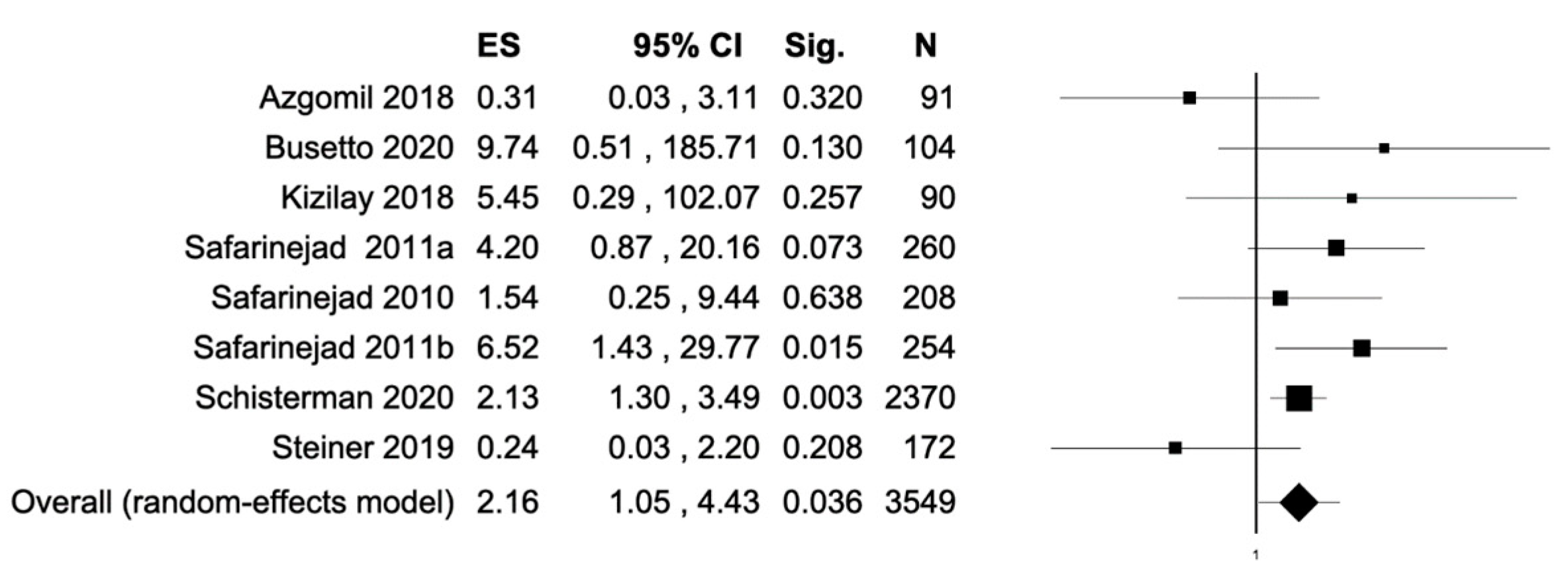
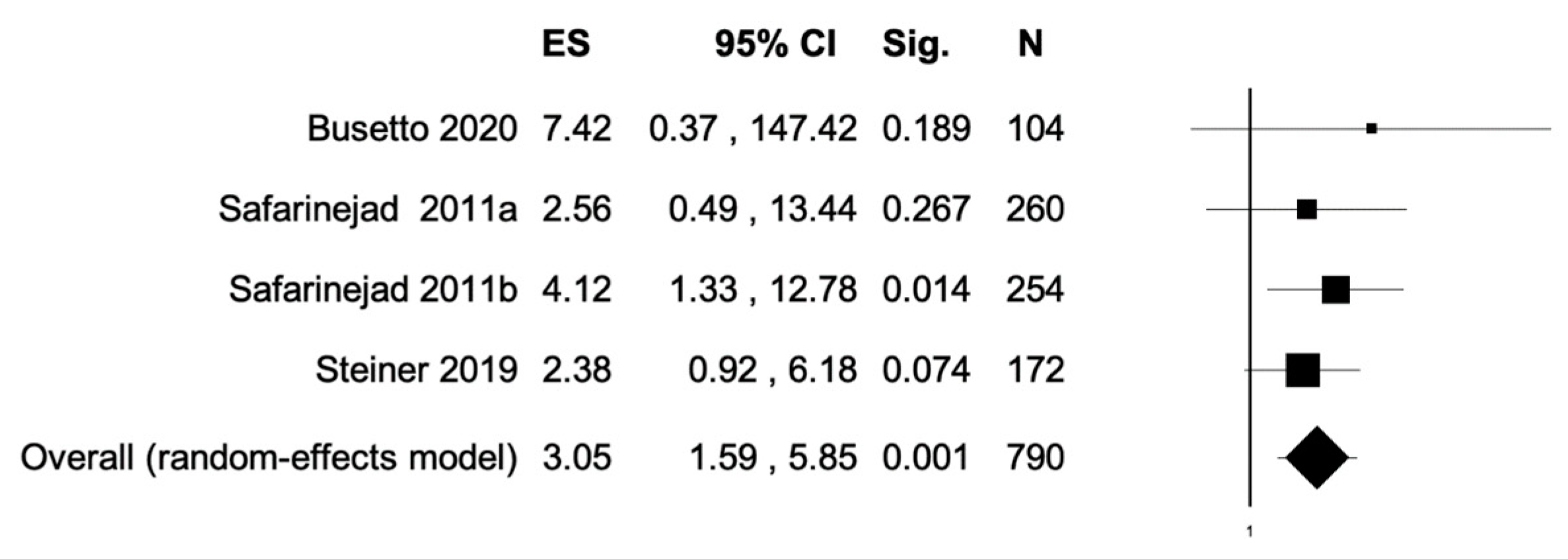
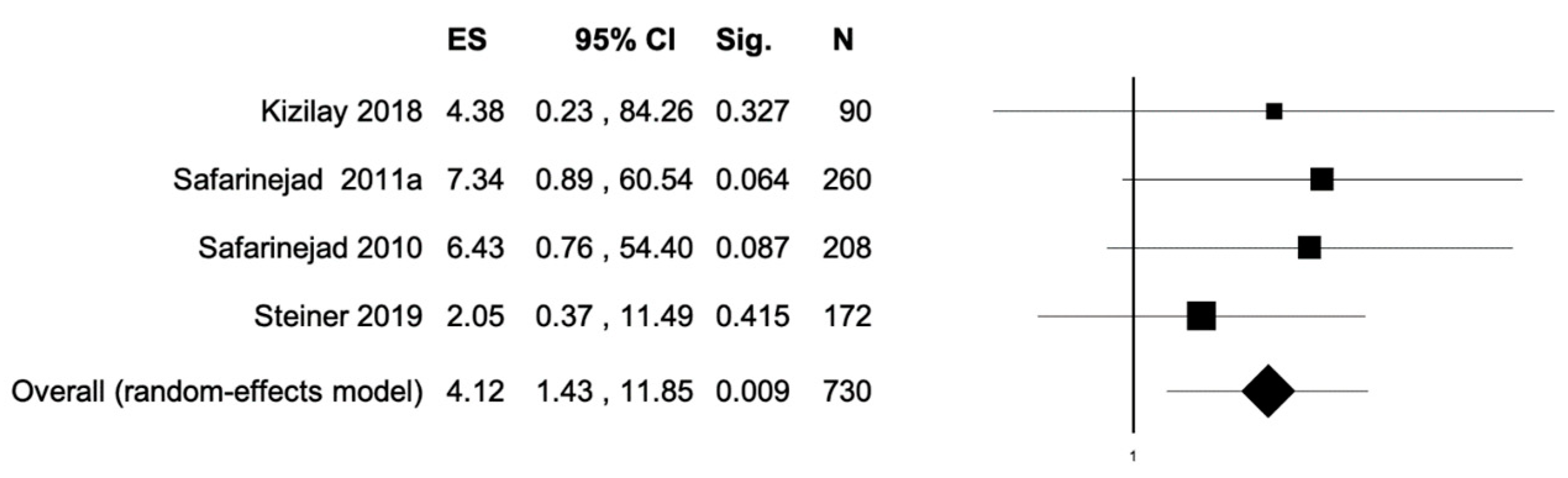
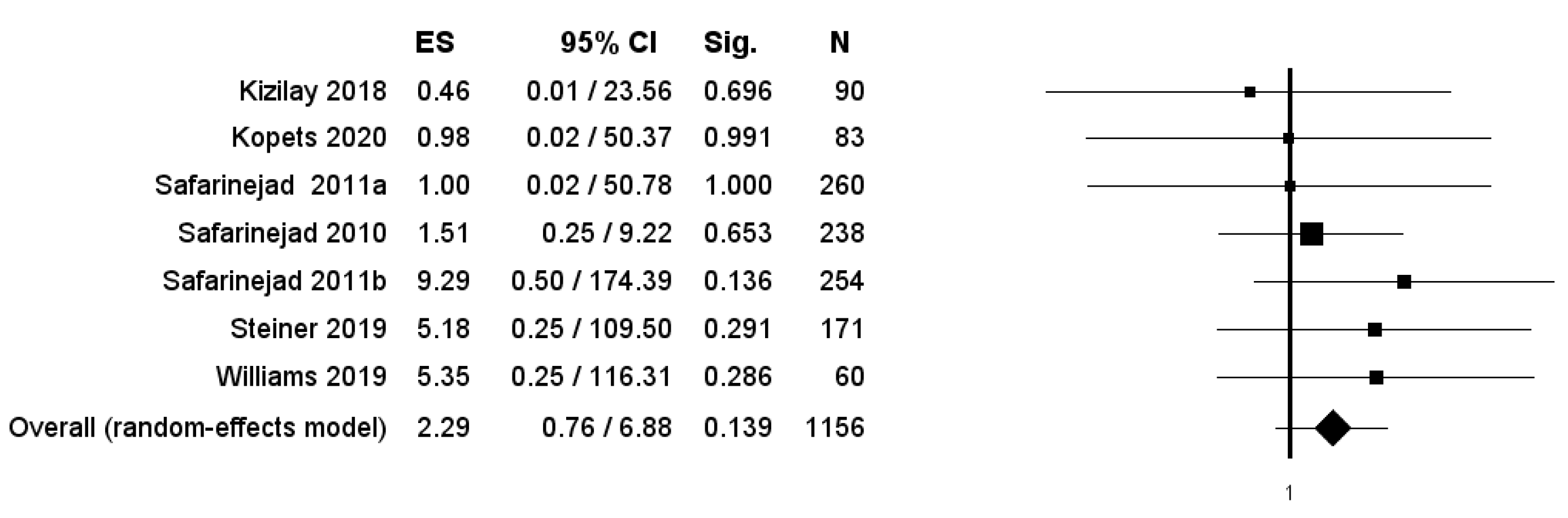
Treating oxidative stress through antioxidant therapy has been considered an appealing strategy in the management of male infertility. However, evidence regarding the toxicity of antioxidant therapy is controversial. We summarized the available clinical evidence on the toxicity associated with the use of antioxidants in infertile males. A systematic review was performed in March 2021. We included randomized controlled trials evaluating the incidence of adverse events in male patients with infertility receiving antioxidant therapy. Thirteen studies involving 1999 male patients were identified. Antioxidant supplementation in patients with male factor infertility was associated with a statistically significantly increased risk of nausea (Odds Ratio: 2.16, 95% Confidence Interval: 1.05–4.43, p = 0.036), headache (Odds Ratio: 3.05, 95% Confidence Interval: 1.59– 5.85 p = 0.001), and dyspepsia (Odds Ratio: 4.12, 95% Confidence Interval: 1.43–11.85, p = 0.009) compared to a placebo. Treatment discontinuation due to adverse events was not significantly higher in patients taking antioxidants compared to a placebo (Odds Ratio: 2.29, 95% Confidence Interval: 0.76–6.88, p = 0.139). When antioxidant supplementation is considered, a more accurate risk/benefit analysis is warranted.
1. Introduction
Infertility, defined as the inability of a couple to achieve a pregnancy after one year of regular unprotected intercourse, affects 10 to 15% of couples [1]. It has been reported that a male factor is present in about 20–70% of infertile couples [1,2,3]. Oxidative stress (OS), defined as an imbalance in the levels of reactive oxygen species (ROS) and antioxidants, has been reported as one of the main causes of male infertility [4]. Spermatozoa are highly sensitive to OS [4]. Indeed, these cells are incapable of repairing damage caused by OS because they suffer from a lack of essential cytoplasmic enzymes [4]. Moreover, OS can also interfere with the hypothalamic axis and disrupt the secretion of sex hormones [4,5]. In recent years, treating OS through either ROS reduction or antioxidant therapy has been considered an appealing strategy in the management of male infertility; in everyday clinical practice, physicians usually prescribe antioxidant supplements to treat cases of male infertility [6,7]. However, high doses of antioxidants can produce adverse effects resulting from the imbalance in the physiological redox status through a phenomenon called “reductive stress” or the “antioxidant paradox” [4]. Therefore, some authors suggest caution in considering the prescription of antioxidants and individualizing treatment based on patients’ redox status [7]. Herein, we aimed to summarize the available clinical findings related to toxicity associated with the use of antioxidants in infertile males.
2. Materials and Methods
The present analysis was conducted and reported according to the general guidelines recommended by the Primary Reporting Items for Systematic Reviews and Meta-Analyses (PRISMA) statement [8]. This protocol was registered in PROSPERO (ID 292202).
2.1. Literature Search
The search was performed in the Medline (US National Library of Medicine, Bethesda, MD, USA), Scopus (Elsevier, Amsterdam, The Netherlands), and Web of Science Core Collection (Thomson Reuters, Toronto, ON, Canada) databases up to March 2021. The following terms were combined to capture relevant publications: (“antioxidants” OR “oxidative stress” OR “reactive oxygen species”) AND (“infertility” OR “fertility”). Reference lists in relevant articles and reviews were also screened for additional studies.
2.2. Selection Criteria and Data Collection
Two authors (L.N. and F.F.) reviewed the records separately and individually to select relevant publications, with any discrepancies resolved by a third author (M.C.). To assess eligibility for the systematic review, PICOS (participants, intervention, comparisons, outcomes, and study type) criteria were used [9]. PICOS criteria were set as follows: (P)articipants—patients with male factor infertility; (I)ntervention—antioxidant supplementation; (C)omparator—patients not receiving antioxidants; (O)utcome—adverse events; (S)tudy types—randomized controlled trials (RCT). The following data were extracted: first author, study design, sample size, patients’ age, infertility characteristics, the antioxidant evaluated, antioxidant dosage, control arm, treatment duration, significant benefits in the experimental arm, adverse events, and discontinuations due to adverse events. The quality of included studies was assessed using the Jadad score [10].
2.3. Statistical Analysis
The meta-analysis was performed using ProMeta 3 software when two or more studies reported the same outcome under the same definition. The effect size (ES) was estimated using an odds ratio (OR) reported with its 95% confidence interval (CI). Heterogeneity among studies was evaluated using the I2 statistics. A p < 0.05 was considered statistically significant. To calculate the pooled effect, a random effect model was applied. Egger’s linear regression test and Begg and Mazumdar’s rank correlation test were also used to evaluate the publication bias of studies included in the meta-analysis.
3. Results
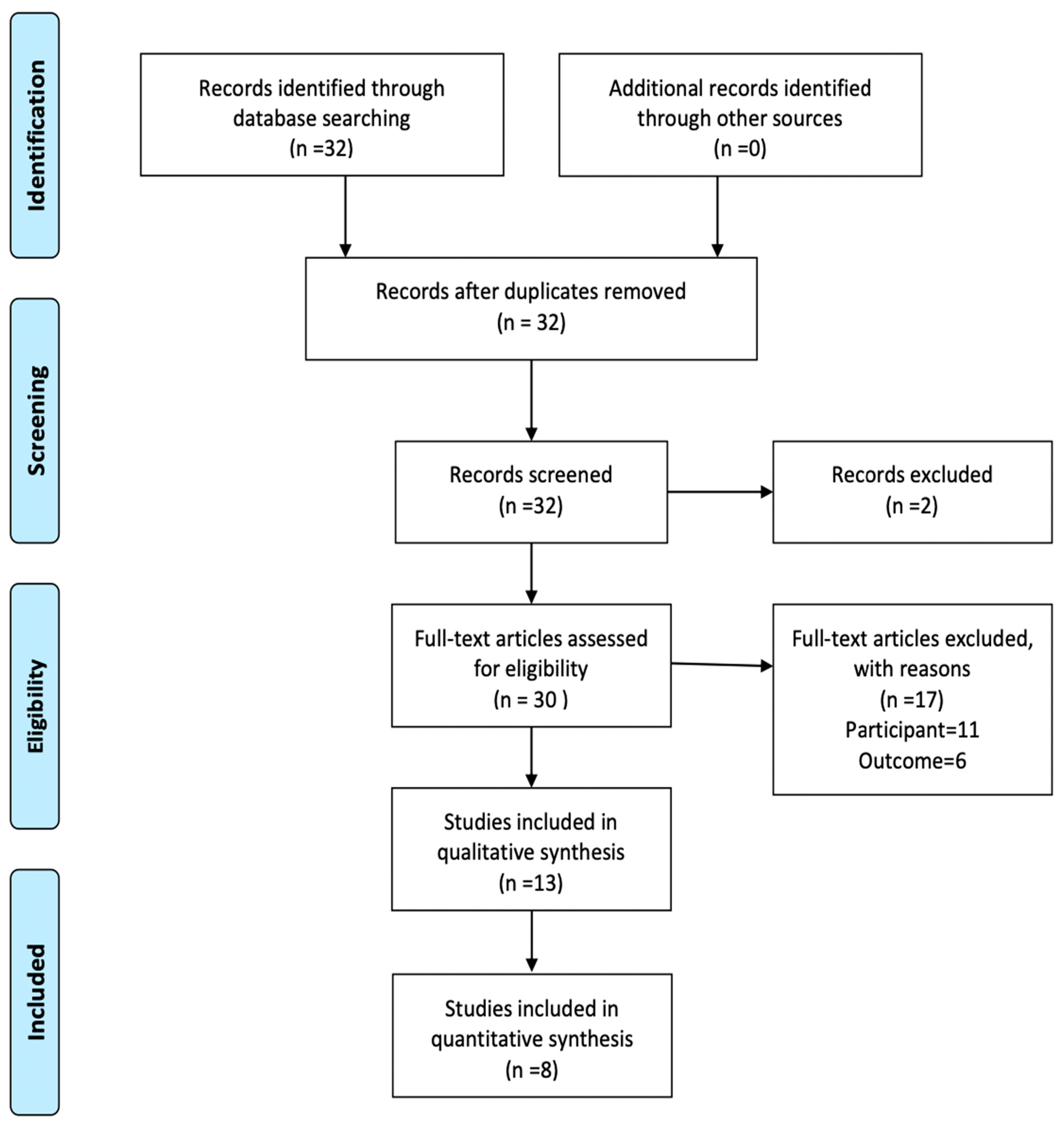
The search strategy revealed a total of 32 results. The screening of the titles and abstracts determined 30 papers eligible for inclusion. Further assessment of eligibility, based on the study of the full-text papers, led to the exclusion of 17 papers. Finally, 13 RCTs involving 1999 patients were included in the final analysis (Figure 1) [11,12,13,14,15,16,17,18,19,20,21,22,23].
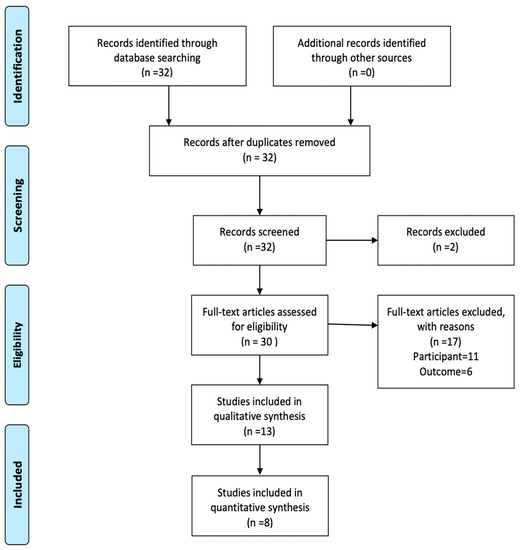
Figure 1.
PRISMA study flow.
The study characteristics, patients’ demographics, and treatment features are summarized in Table 1.

Table 1.
Study characteristics, patients’ demographics, and treatment features.
Eleven RCTs were double-blind and two were triple-blind. The study quality was considered high (Jadad score ≥ 3) in all cases. The mean age of patients ranged from 23.3 to 34.7 years. The occurrence of adverse events in the experimental arm was reported in 8 (57.1%) studies. Table 2 describes the characteristics of adverse events reported by the included studies in the active treatment and control arms.
Table 2.
Adverse events reported by the included studies in the experimental and control arms.
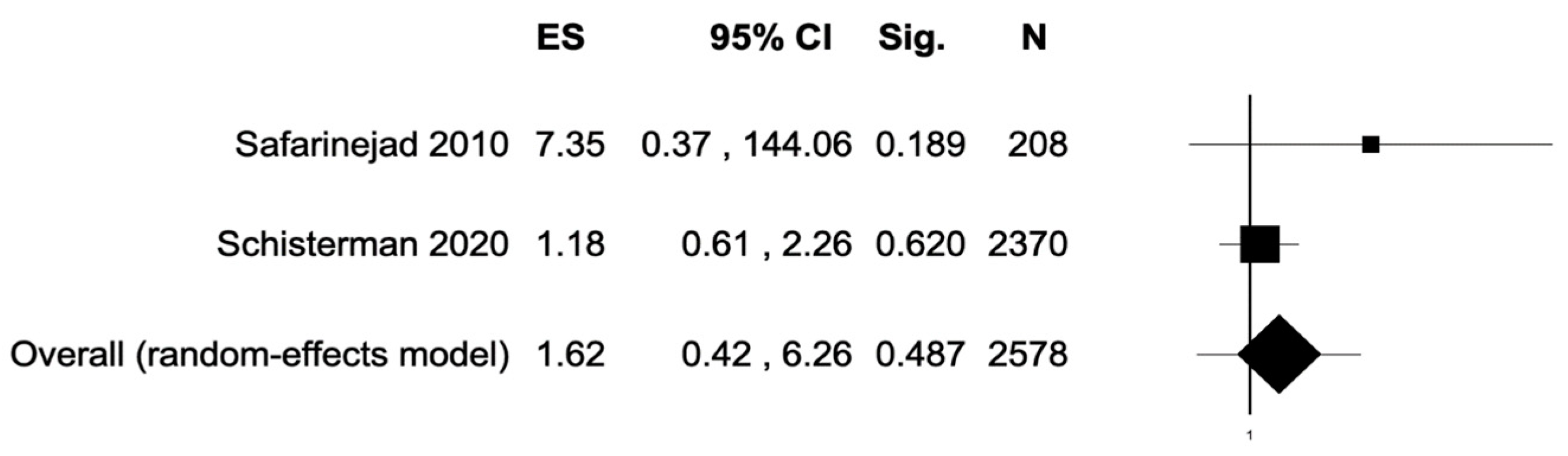
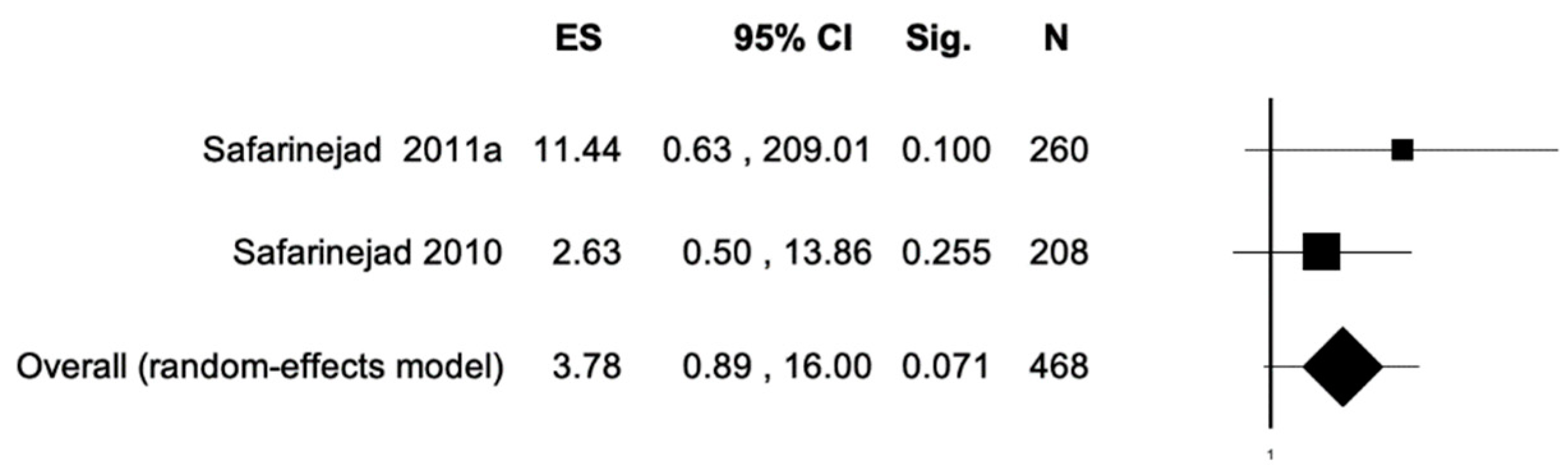
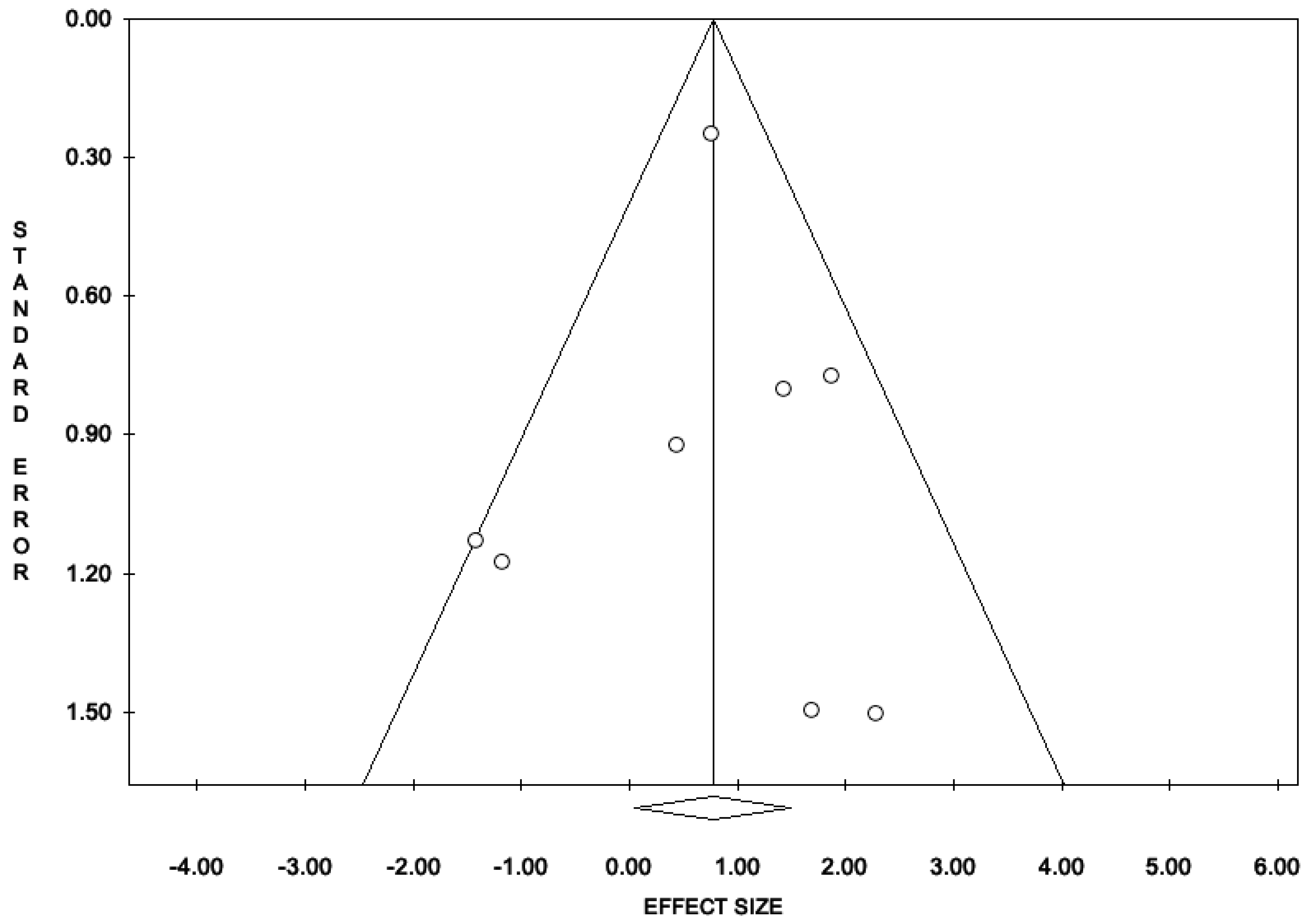
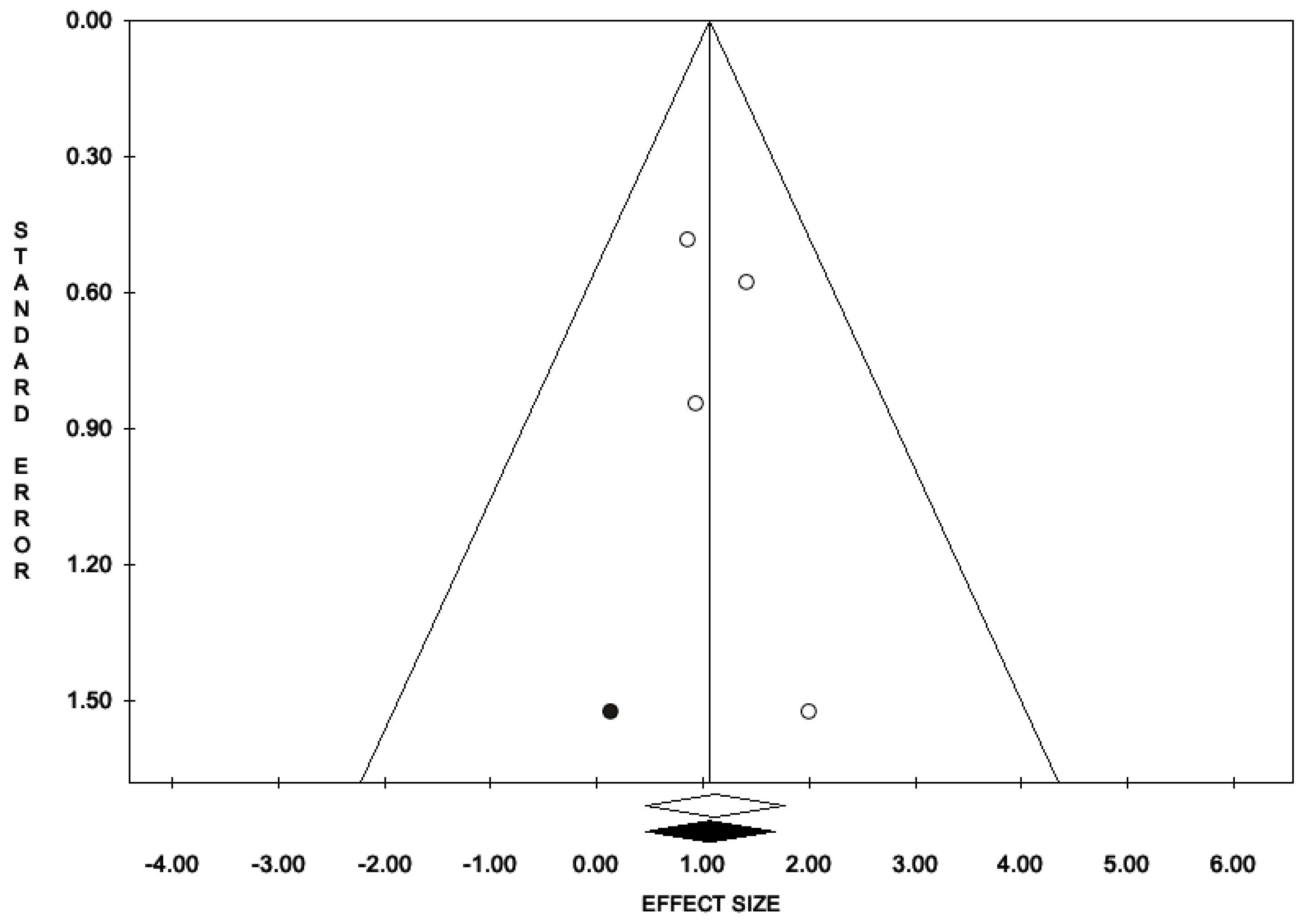
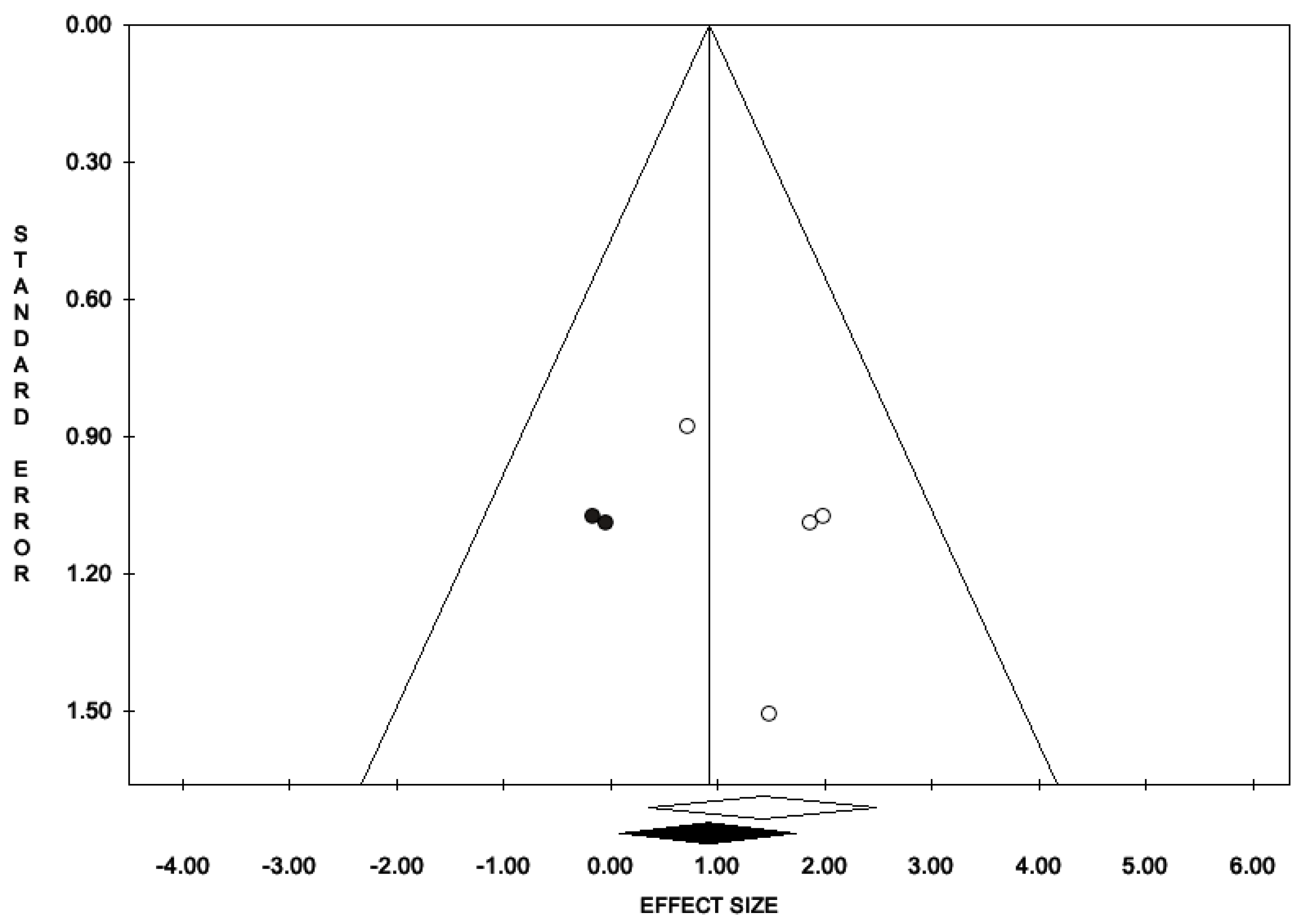
The percentage of patients reporting adverse events ranged from 0.8% to 60%. The most commonly reported adverse events were nausea, headache, pruritus, diarrhea, and dyspepsia. Treatment discontinuation due to adverse events in the experimental arm was described in 10 (0.5%) patients. Pooled data from studies reporting nausea, headache, pruritus, diarrhea, and dyspepsia as adverse events are reported in Figure 2, Figure 3, Figure 4, Figure 5 and Figure 6. The meta-analysis demonstrated a statistically significantly higher OR for nausea, headache, and dyspepsia in patients receiving antioxidant therapy. Bias evaluation is reported in (Figure 7, Figure 8 and Figure 9). The OR of discontinuation due to adverse events was not statistically significantly higher in patients treated with antioxidants compared to a placebo (Figure 10).
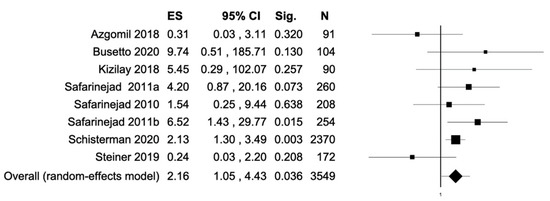
Figure 2.
Forest plot showing the OR for nausea. ES, effect size; CI, confidence interval. (I2 = 34.81, p = 0.150).
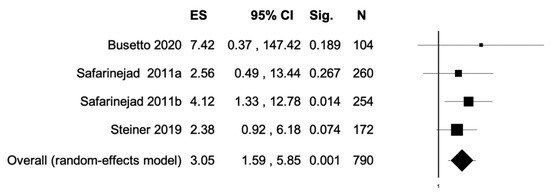
Figure 3.
Forest plot showing the OR for headache. ES, effect size; CI, confidence interval. (I2 = 0.00, p = 0.823).
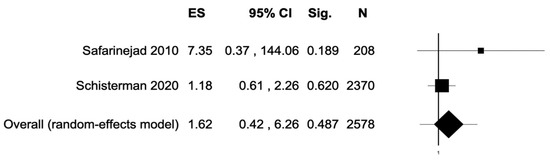
Figure 4.
Forest plot showing the OR for pruritus. ES, effect size; CI, confidence interval. (I2 = 27.82, p = 0.239).
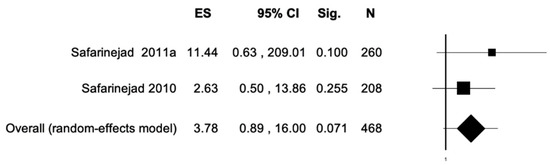
Figure 5.
Forest plot showing the OR for diarrhea. ES, effect size; CI, confidence interval. (I2 = 0.00, p = 0.389).
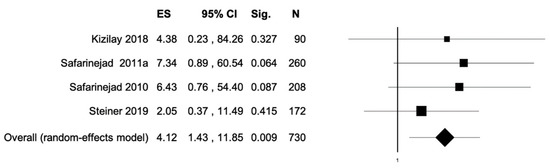
Figure 6.
Forest plot showing the OR for dyspepsia. ES, effect size; CI, confidence interval. (I2 = 0.00, p = 0.780).
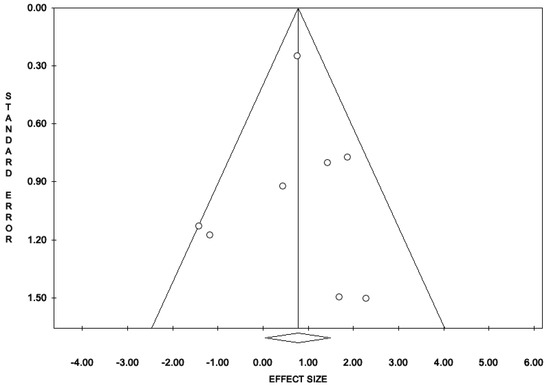
Figure 7.
Funnel plots of the meta-analysis evaluating the OR for nausea. Egger’s linear regression (t = −0.10, p = 0.921) and Begg and Mazumdar rank correlation test (z = −0.25, p = 0.805).
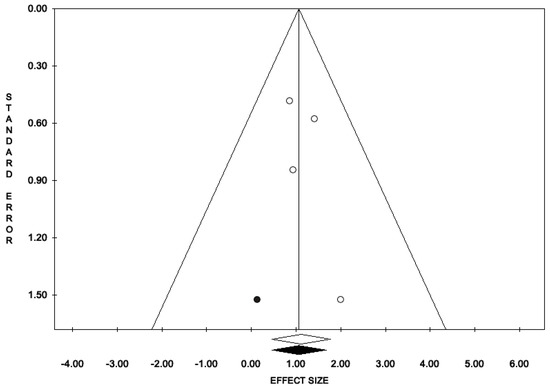
Figure 8.
Funnel plots of the meta-analysis evaluating the OR for headache. Egger’s linear regression (t = 1, p = 0.42) and Begg and Mazumdar rank correlation test (z = 0.68, p = 0.497).
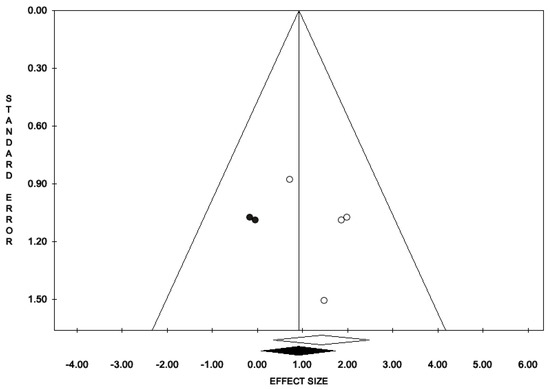
Figure 9.
Funnel plots of the meta-analysis evaluating the OR for dyspepsia. Egger’s linear regression (t = 0.85, p = 0.486) and Begg and Mazumdar rank correlation test (z = 0.00, p = 1.00).
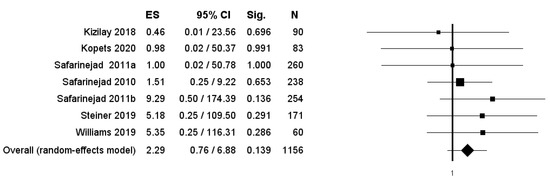
Figure 10.
Forest plot showing the OR for treatment discontinuation due to adverse events. ES: effect size; CI, confidence interval. (I2 = 0.00, p = 0.853).
4. Discussion
Sperm damage induced by ROS is involved in 30–80% of cases of male infertility [24]. Although ROS have a crucial role in allowing sperm capacitation and acrosomal reaction, sperm cells are highly sensitive to OS as they are not able to defend themselves. Therefore, any imbalance in ROS production can lead to sperm damage and male infertility [25]. Antioxidants are used on a very large scale to preserve optimal health. The putative effectiveness of antioxidants in improving semen parameters reducing OS seems to demonstrate the causative nature of this association. Data from clinical trials are controversial, ranging from increasing semen parameters to no clinical improvement or even harmful effects [26,27,28,29,30]. This inconsistency in clinical trials is probably due to small sample sizes, the lack of a control group, and non-standardized treatment regimens in terms of duration and dose. Finding the right dosage of antioxidants represents a crucial point, as a low dose could lead to ineffective treatment, while an excess of antioxidants could result in significant adverse events and even promote reductive stress, which is as detrimental as OS for male fertility [7,31]. In addition, only a few studies used pregnancy rates and live birth rates as primary outcomes. Results from a Cochrane review showed higher live birth and pregnancy rates in patients treated with antioxidants compared to a placebo or no treatment; even when studies with a high risk of bias were excluded from the analysis, the resulting difference was not statistically significant [32]. Despite these conclusions, the lack of high-quality evidence still represents a major issue for clinicians. In fact, most systematic reviews and meta-analyses on the topic showed an overall low quality of included studies; therefore, no clear recommendation for antioxidant therapy can be drawn [6,33,34]. Nevertheless, in a recent survey, more than 85% of clinicians worldwide stated that they recommend antioxidant therapy in infertile males [35]. Of note, recent evidence suggests that antioxidant supplements may be harmful and cause unwanted consequences to health [36,37,38,39,40]. Currently, however, we lack detailed knowledge of the adverse events profile of antioxidants used in various clinical settings. To the best of our knowledge, we performed the first systematic review and meta-analysis evaluating the adverse event profile of antioxidants used in infertile males. We found a significantly higher risk of nausea, headache, and dyspepsia in patients undergoing antioxidant therapy compared to a placebo or no treatment. These results are in line with findings from an updated Cochrane review by Smits et al. that showed an increased risk of mild gastrointestinal events in patients taking antioxidants [32]. Clinical experience strongly suggests that these adverse events may occur with almost any medication, and the exact pathophysiology of these adverse events in patients taking antioxidants remains poorly understood. However, some authors have hypothesized that ROS are involved in many physiological conditions, including the physiology of the gastrointestinal tract, and the excess of exogenous antioxidants may be involved in the so-called “reductive stress” that may be responsible for the detrimental consequences of antioxidants [41,42]. Accordingly, there is evidence that the beneficial effects of antioxidants depend on their concentration and that health benefits are mainly observed when they are consumed within their natural source rather than in supplements, where the dosage is significantly higher. This is probably due to the synergistic effect of the relatively low concentration of nutrients with other compounds detectable in food, which are not present in available supplements [36]. So, contrary to what has always been thought, the higher the concentration of antioxidants the higher the risk of detrimental effects. Despite this evidence, only a small percentage (about 35%) of clinicians report the use of routine OS tests in their clinical practice to evaluate the oxidation-reduction balance before starting treatment [35]. Interestingly, the OR for drug discontinuation due to adverse events was not statistically significantly higher in patients taking antioxidants compared to controls. The limits of the present review reflect the limits of the studies included. These mainly include low numbers of patients and heterogeneity in terms of baseline clinical features, the type and dosage of antioxidants, and the duration of treatment. Of note, the studies lacked standardized protocols for assessing and reporting complications. Taking this into account, the potentially detrimental effect of antioxidant therapy should be considered before starting treatment in order to avoid systemic adverse events. Careful patient selection for antioxidant therapy represents a challenging issue. Several lines of evidence support the inclusion of tests for the assessment of seminal OS to the male infertility workup algorithms and several tests have been introduced [43,44]. Traditionally, OS evaluation involved ROS level measurements in seminal plasma. However, a new methodology based on an electrochemical analysis of the oxidation-reduction potential—the MiOXSYS system—has recently been developed [45]. Unfortunately, these tests are poorly adopted in everyday clinical practice, and antioxidants are prescribed empirically. The potential benefits of such evaluations include the accurate selection of patients who could benefit from antioxidant therapies, the customization of dosages, the monitoring of benefits, and the avoidance of adverse events when not indicated. Moreover, all potential determinants of OS should be investigated and corrected, when possible. Finally, the side effects profile of antioxidants used for other conditions should be investigated [45].
5. Conclusions
Antioxidant supplementation in patients with male factor infertility is associated with a statistically significantly increased risk of nausea, headache, and dyspepsia compared to a placebo or no treatment. However, treatment discontinuation due to adverse events is not significantly higher, thus suggesting their mild nature. When antioxidant supplementation therapy is considered for infertile males, accurate counseling about the risk/benefit ratio is warranted.
Author Contributions
Conceptualization, M.C. (Massimiliano Creta), G.C. (Giuseppe Celentano) and L.N.; methodology; F.M. and N.L.; data curation, G.C. (Gianluigi Califano), F.C. and L.S.; original draft preparation, D.A., M.C. (Marco Capece) and R.L.R.; review and editing; M.C. (Massimiliano Creta), D.A. and L.N.; supervision: C.I., F.F. and M.D.S. All authors have read and agreed to the published version of the manuscript.
Funding
This research received no external funding.
Conflicts of Interest
The authors declare no conflict of interest.
References
- Babakhanzadeh, E.; Nazari, M.; Ghasemifar, S.; Khodadadian, A. Some of the Factors Involved in Male Infertility: A Prospective Review. Int. J. Gen. Med. 2020, 13, 29–41. [Google Scholar] [CrossRef] [Green Version]
- Verze, P.; Arcaniolo, D.; Imbimbo, C.; Cai, T.; Venturino, L.; Spirito, L.; Califano, G.; La Rocca, R.; Mirone, V. General and sex profile of women with partner affected by premature ejaculation: Results of a large observational, non-interventional, cross-sectional, epidemiological study (IPER-F). Andrology 2018, 6, 714–719. [Google Scholar] [CrossRef]
- Verze, P.; La Rocca, R.; Spirito, L.; Califano, G.; Venturino, L.; Napolitano, L.; Cardi, A.; Arcaniolo, D.; Rosati, C.; Palmieri, A.; et al. Premature Ejaculation patients and their partners: Arriving at a clinical profile for a real optimization of the treatment. Arch. Ital. Urol. Androl. 2021, 93, 42–47. [Google Scholar] [CrossRef]
- Barati, E.; Nikzad, H.; Karimian, M. Oxidative stress and male infertility: Current knowledge of pathophysiology and role of antioxidant therapy in disease management. Cell. Mol. Life Sci. 2020, 77, 93–113. [Google Scholar] [CrossRef] [PubMed]
- Napolitano, L.; Barone, B.; Morra, S.; Celentano, G.; La Rocca, R.; Capece, M.; Morgera, V.; Turco, C.; Caputo, V.F.; Spena, G.; et al. Hypogonadism in Patients with Prader Willi Syndrome: A Narrative Review. Int. J. Mol. Sci. 2021, 22, 1993. [Google Scholar] [CrossRef] [PubMed]
- Majzoub, A.; Agarwal, A. Systematic review of antioxidant types and doses in male infertility: Benefits on semen parameters, advanced sperm function, assisted reproduction and live-birth rate. Arab J. Urol. 2018, 16, 113–124. [Google Scholar] [CrossRef] [Green Version]
- Henkel, R.; Sandhu, I.S.; Agarwal, A. The excessive use of antioxidant therapy: A possible cause of male infertility? Andrologia 2019, 51, e13162. [Google Scholar] [CrossRef] [PubMed]
- Liberati, A.; Altman, D.G.; Tetzlaff, J.; Mulrow, C.; Gøtzsche, P.C.; Ioannidis, J.P.; Clarke, M.; Devereaux, P.J.; Kleijnen, J.; Moher, D. The PRISMA statement for reporting systematic reviews and meta-analyses of studies that evaluate health care interventions: Explanation and elaboration. PLoS Med. 2009, 6, e1000100. [Google Scholar] [CrossRef] [PubMed]
- Schardt, C.; Adams, M.B.; Owens, T.; Keitz, S.; Fontelo, P. Utilization of the PICO framework to improve searching PubMed for clinical questions. BMC Med. Inform. Decis. Mak. 2007, 7, 16. [Google Scholar] [CrossRef] [Green Version]
- Jadad, A.R. Randomised Controlled Trials; BMJ Publishing Group: London, UK, 1998. [Google Scholar]
- Safarinejad, M.R.; Shafiei, N.; Safarinejad, S. A prospective double-blind randomized placebo-controlled study of the effect of saffron (Crocus sativus Linn.) on semen parameters and seminal plasma antioxidant capacity in infertile men with idiopathic oligoasthenoteratozoospermia. Phytother. Res. 2011, 25, 508–516. [Google Scholar] [CrossRef]
- Safarinejad, M.R. Effect of omega-3 polyunsaturated fatty acid supplementation on semen profile and enzymatic anti-oxidant capacity of seminal plasma in infertile men with idiopathic oligoasthenoteratospermia: A double-blind, placebo-controlled, randomised study. Andrologia 2011, 43, 38–47. [Google Scholar] [CrossRef] [PubMed]
- Safarinejad, M.R. Effect of pentoxifylline on semen parameters, reproductive hormones, and seminal plasma antioxidant capacity in men with idiopathic infertility: A randomized double-blind placebo-controlled study. Int. Urol. Nephrol. 2011, 43, 315–328. [Google Scholar] [CrossRef] [PubMed]
- Haghighian, H.K.; Haidari, F.; Mohammadi-Asl, J.; Dadfar, M. Randomized, triple-blind, placebo-controlled clinical trial examining the effects of alpha-lipoic acid supplement on the spermatogram and seminal oxidative stress in infertile men. Fertil. Steril. 2015, 104, 318–324. [Google Scholar] [CrossRef]
- Alizadeh, F.; Javadi, M.; Karami, A.A.; Gholaminejad, F.; Kavianpour, M.; Haghighian, H.K. Curcumin nanomicelle improves semen parameters, oxidative stress, inflammatory biomarkers, and reproductive hormones in infertile men: A randomized clinical trial. Phytother. Res. 2018, 32, 514–521. [Google Scholar] [CrossRef] [Green Version]
- Nasimi Doost Azgomi, R.; Nazemiyeh, H.; Sadeghi Bazargani, H.; Fazljou, S.M.B.; Nejatbakhsh, F.; Moini Jazani, A.; Ahmadi AsrBadr, Y.; Zomorrodi, A. Comparative evaluation of the effects of Withania somnifera with pentoxifylline on the sperm parameters in idiopathic male infertility: A triple-blind randomised clinical trial. Andrologia 2018, 50, e13041. [Google Scholar] [CrossRef]
- Steiner, A.Z.; Hansen, K.R.; Barnhart, K.T.; Cedars, M.I.; Legro, R.S.; Diamond, M.P.; Krawetz, S.A.; Usadi, R.; Baker, V.L.; Coward, R.M.; et al. The effect of antioxidants on male factor infertility: The Males, Antioxidants, and Infertility (MOXI) randomized clinical trial. Fertil. Steril. 2020, 113, 552–560.e3. [Google Scholar] [CrossRef]
- Kızılay, F.; Altay, B. Evaluation of the effects of antioxidant treatment on sperm parameters and pregnancy rates in infertile patients after varicocelectomy: A randomized controlled trial. Int. J. Impot. Res. 2019, 31, 424–431. [Google Scholar] [CrossRef]
- Williams, E.A.; Parker, M.; Robinson, A.; Pitt, S.; Pacey, A.A. A randomized placebo-controlled trial to investigate the effect of lactolycopene on semen quality in healthy males. Eur. J. Nutr. 2020, 59, 825–833. [Google Scholar] [CrossRef] [Green Version]
- Schisterman, E.F.; Sjaarda, L.A.; Clemons, T.; Carrell, D.T.; Perkins, N.J.; Johnstone, E.; Lamb, D.; Chaney, K.; Van Voorhis, B.J.; Ryan, G.; et al. Effect of Folic Acid and Zinc Supplementation in Men on Semen Quality and Live Birth among Couples Undergoing Infertility Treatment: A Randomized Clinical Trial. JAMA 2020, 323, 35–48. [Google Scholar] [CrossRef] [PubMed]
- Busetto, G.M.; Agarwal, A.; Virmani, A.; Antonini, G.; Ragonesi, G.; Del Giudice, F.; Micic, S.; Gentile, V.; De Berardinis, E. Effect of metabolic and antioxidant supplementation on sperm parameters in oligo-astheno-teratozoospermia, with and without varicocele: A double-blind placebo-controlled study. Andrologia 2018, 50, e12927. [Google Scholar] [CrossRef] [Green Version]
- Kopets, R.; Kuibida, I.; Chernyavska, I.; Cherepanyn, V.; Mazo, R.; Fedevych, V.; Gerasymov, S. Dietary supplementation with a novel l-carnitine multi-micronutrient in idiopathic male subfertility involving oligo-, astheno-, teratozoospermia: A randomized clinical study. Andrology 2020, 8, 1184–1193. [Google Scholar] [CrossRef]
- Eslamian, G.; Amirjannati, N.; Noori, N.; Sadeghi, M.R.; Hekmatdoost, A. Effects of coadministration of DHA and vitamin E on spermatogram, seminal oxidative stress, and sperm phospholipids in asthenozoospermic men: A randomized controlled trial. Am. J. Clin. Nutr. 2020, 112, 707–719. [Google Scholar] [CrossRef] [PubMed]
- Bui, A.D.; Sharma, R.; Henkel, R.; Agarwal, A. Reactive oxygen species impact on sperm DNA and its role in male infertility. Andrologia 2018, 50, e13012. [Google Scholar] [CrossRef]
- Aitken, R.J.; Drevet, J.R. The Importance of Oxidative Stress in Determining the Functionality of Mammalian Spermatozoa: A Two-Edged Sword. Antioxidants 2020, 9, 111. [Google Scholar] [CrossRef] [PubMed] [Green Version]
- Da Silva, T.M.; Maia, M.C.S.; Arruda, J.T.; Approbato, F.C.; Mendonça, C.R.; Approbato, M.S. Folic acid does not improve semen parametrs in subfertile men: A double-blin, randomized, placebo-controlled study. JBRA Assist. Reprod. 2013, 17, 152–157. [Google Scholar] [CrossRef]
- Keskes-Ammar, L.; Feki-Chakroun, N.; Rebai, T.; Sahnoun, Z.; Ghozzi, H.; Hammami, S.; Zghal, K.; Fki, H.; Damak, J.; Bahloul, A. Sperm oxidative stress and the effect of an oral vitamin E and selenium supplement on semen quality in infertile men. Arch. Androl. 2003, 49, 83–94. [Google Scholar] [CrossRef]
- Kessopoulou, E.; Powers, H.J.; Sharma, K.K.; Pearson, M.J.; Russell, J.M.; Cooke, I.D.; Barratt, C.L. A double-blind randomized placebo cross-over controlled trial using the antioxidant vitamin E to treat reactive oxygen species associated male infertility. Fertil. Steril. 1995, 64, 825–831. [Google Scholar] [CrossRef]
- Ménézo, Y.J.; Hazout, A.; Panteix, G.; Robert, F.; Rollet, J.; Cohen-Bacrie, P.; Chapuis, F.; Clément, P.; Benkhalifa, M. Antioxidants to reduce sperm DNA fragmentation: An unexpected adverse effect. Reprod. Biomed. Online 2007, 14, 418–421. [Google Scholar] [CrossRef]
- Arcaniolo, D.; Favilla, V.; Tiscione, D.; Pisano, F.; Bozzini, G.; Creta, M.; Gentile, G.; Menchini Fabris, F.; Pavan, N.; Veneziano, I.A.; et al. Is there a place for nutritional supplements in the treatment of idiopathic male infertility? Arch. Ital. Urol. Androl. 2014, 86, 164–170. [Google Scholar] [CrossRef]
- Halliwell, B. Free radicals and antioxidants—Quo vadis? Trends Pharmacol. Sci. 2011, 32, 125–130. [Google Scholar] [CrossRef] [PubMed]
- Smits, R.M.; Mackenzie-Proctor, R.; Yazdani, A.; Stankiewicz, M.T.; Jordan, V.; Showell, M.G. Antioxidants for male subfertility. Cochrane Database Syst. Rev. 2019, 3, CD007411. [Google Scholar] [CrossRef] [PubMed]
- Kuchakulla, M.; Soni, Y.; Patel, P.; Parekh, N.; Ramasamy, R. A Systematic Review and Evidence-based Analysis of Ingredients in Popular Male Fertility Supplements. Urology 2020, 136, 133–141. [Google Scholar] [CrossRef] [PubMed]
- Adewoyin, M.; Ibrahim, M.; Roszaman, R.; Isa, M.L.M.; Alewi, N.A.M.; Rafa, A.A.A.; Anuar, M.N.N. Male Infertility: The Effect of Natural Antioxidants and Phytocompounds on Seminal Oxidative Stress. Diseases 2017, 5, 9. [Google Scholar] [CrossRef] [PubMed]
- Agarwal, A.; Finelli, R.; Selvam, M.K.P.; Leisegang, K.; Majzoub, A.; Tadros, N.; Ko, E.; Parekh, N.; Henkel, R.; Durairajanayagam, D.; et al. A Global Survey of Reproductive Specialists to Determine the Clinical Utility of Oxidative Stress Testing and Antioxidant Use in Male Infertility. World J. Men’s Health 2021, 39, 470–488. [Google Scholar] [CrossRef] [PubMed]
- Bouayed, J.; Bohn, T. Exogenous antioxidants—Double-edged swords in cellular redox state: Health beneficial effects at physiologic doses versus deleterious effects at high doses. Oxid. Med. Cell. Longev. 2010, 3, 228–237. [Google Scholar] [CrossRef] [PubMed]
- Bleau, G.; Lemarbre, J.; Faucher, G.; Roberts, K.D.; Chapdelaine, A. Semen selenium and human fertility. Fertil. Steril. 1984, 42, 890–894. [Google Scholar] [CrossRef]
- Aruoma, O.I.; Halliwell, B.; Gajewski, E.; Dizdaroglu, M. Copper-ion-dependent damage to the bases in DNA in the presence of hydrogen peroxide. Biochem. J. 1991, 273 Pt 3, 601–604. [Google Scholar] [CrossRef] [PubMed] [Green Version]
- Miller, E.R., 3rd; Pastor-Barriuso, R.; Dalal, D.; Riemersma, R.A.; Appel, L.J.; Guallar, E. Meta-analysis: High-dosage vitamin E supplementation may increase all-cause mortality. Ann. Intern. Med. 2005, 142, 37–46. [Google Scholar] [CrossRef] [PubMed] [Green Version]
- Alpha-Tocopherol, Beta Carotene Cancer Prevention Study Group. The effect of vitamin E and beta carotene on the incidence of lung cancer and other cancers in male smokers. N. Engl. J. Med. 1994, 330, 1029–1035. [Google Scholar] [CrossRef] [PubMed]
- Pérez-Torres, I.; Guarner-Lans, V.; Rubio-Ruiz, M.E. Reductive Stress in Inflammation-Associated Diseases and the Pro-Oxidant Effect of Antioxidant Agents. Int. J. Mol. Sci. 2017, 18, 2098. [Google Scholar] [CrossRef] [PubMed]
- Pérez, S.; Taléns-Visconti, R.; Rius-Pérez, S.; Finamor, I.; Sastre, J. Redox signaling in the gastrointestinal tract. Free Radic. Biol. Med. 2017, 104, 75–103. [Google Scholar] [CrossRef] [PubMed]
- Sanocka, D.; Fraczek, M.; Jedrzejczak, P.; Szumała-Kakol, A.; Kurpisz, M. Male genital tract infection: An influence of leukocytes and bacteria on semen. J. Reprod. Immunol. 2004, 62, 111–124. [Google Scholar] [CrossRef] [PubMed]
- Vassiliou, A.; Martin, C.H.; Homa, S.T.; Stone, J.; Dawkins, A.; Genkova, M.N.; Skyla Dela Roca, H.; Parikh, S.; Patel, J.; Yap, T.; et al. Redox potential in human semen: Validation and qualification of the MiOXsys assay. Andrologia 2021, 53, e13938. [Google Scholar] [CrossRef] [PubMed]
- Crocetto, F.; Boccellino, M.; Barone, B.; Di Zazzo, E.; Sciarra, A.; Galasso, G.; Settembre, G.; Quagliuolo, L.; Imbimbo, C.; Boffo, S.; et al. The Crosstalk between Prostate Cancer and Microbiota Inflammation: Nutraceutical Products Are Useful to Balance This Interplay? Nutrients 2020, 12, 2648. [Google Scholar] [CrossRef] [PubMed]
Publisher’s Note: MDPI stays neutral with regard to jurisdictional claims in published maps and institutional affiliations. |
© 2021 by the authors. Licensee MDPI, Basel, Switzerland. This article is an open access article distributed under the terms and conditions of the Creative Commons Attribution (CC BY) license (https://creativecommons.org/licenses/by/4.0/).