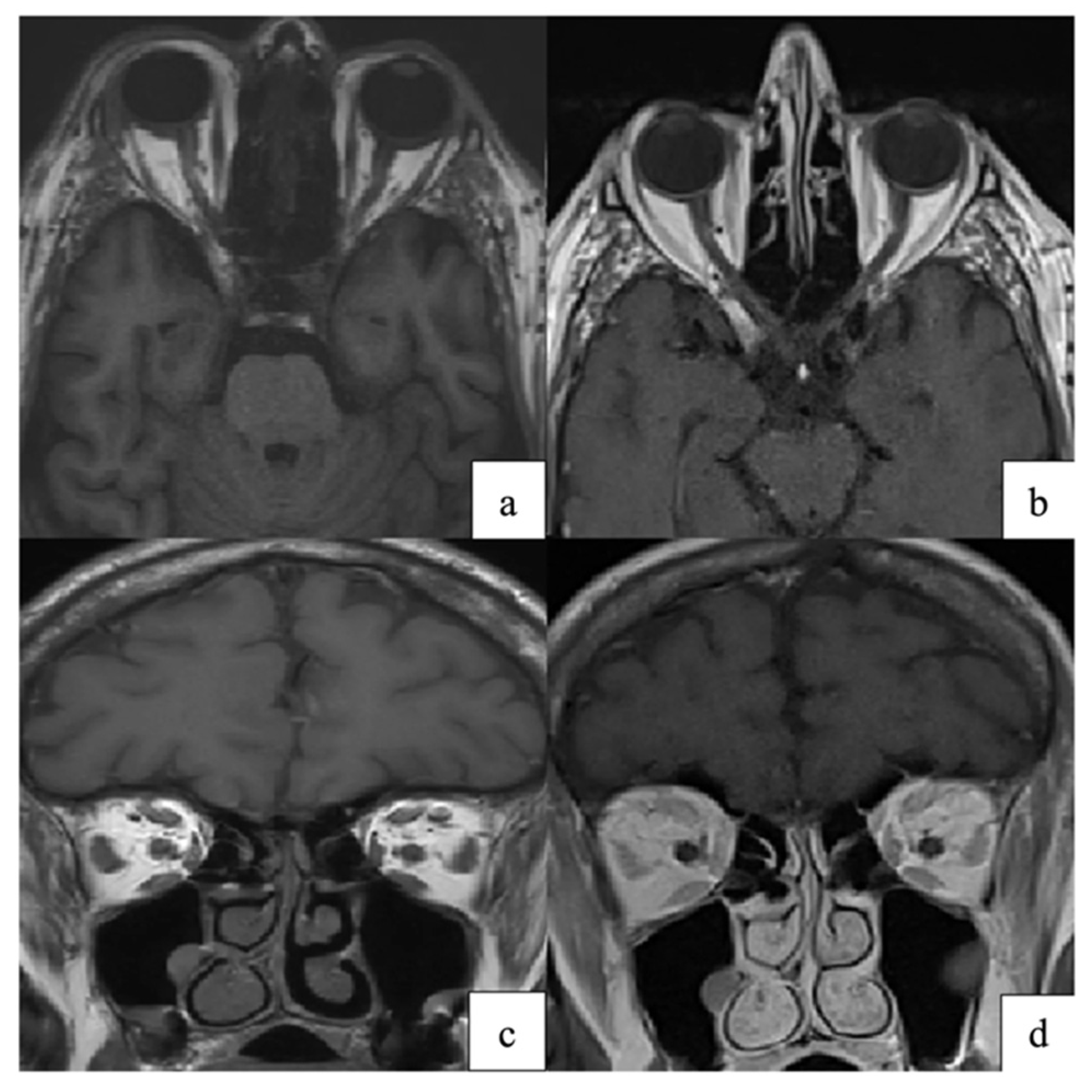

Varicella-Zoster Virus and the Eye: Clinical Spectrum, Management, and Vaccination

 , , ,
, , ,
Abstract
1. Introduction
2. VZV Biology and Host–Pathogen Interactions
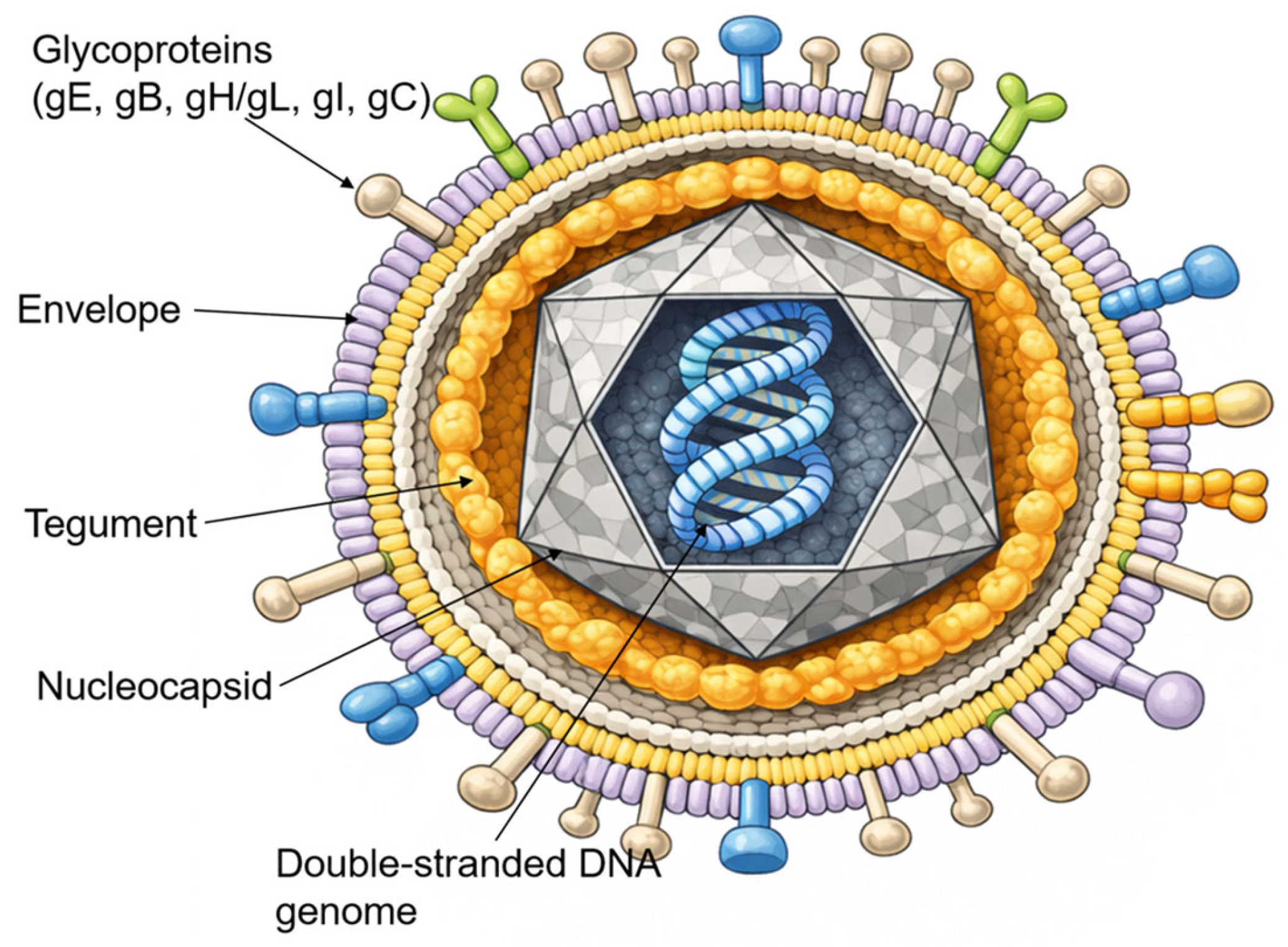
2.1. Virion Structure and Genome Organization
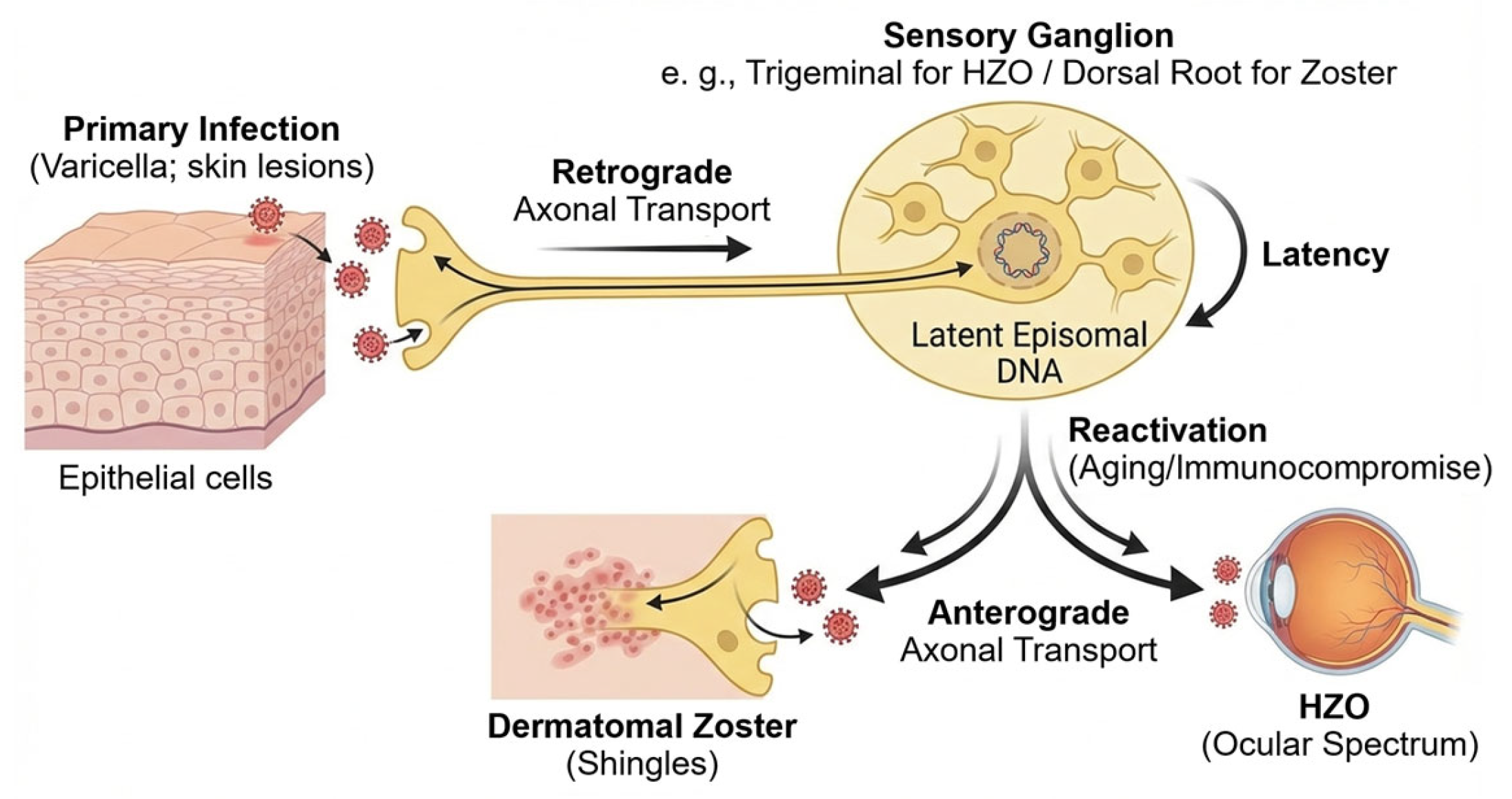
2.2. Viral Life Cycle and Latency in Sensory Ganglia
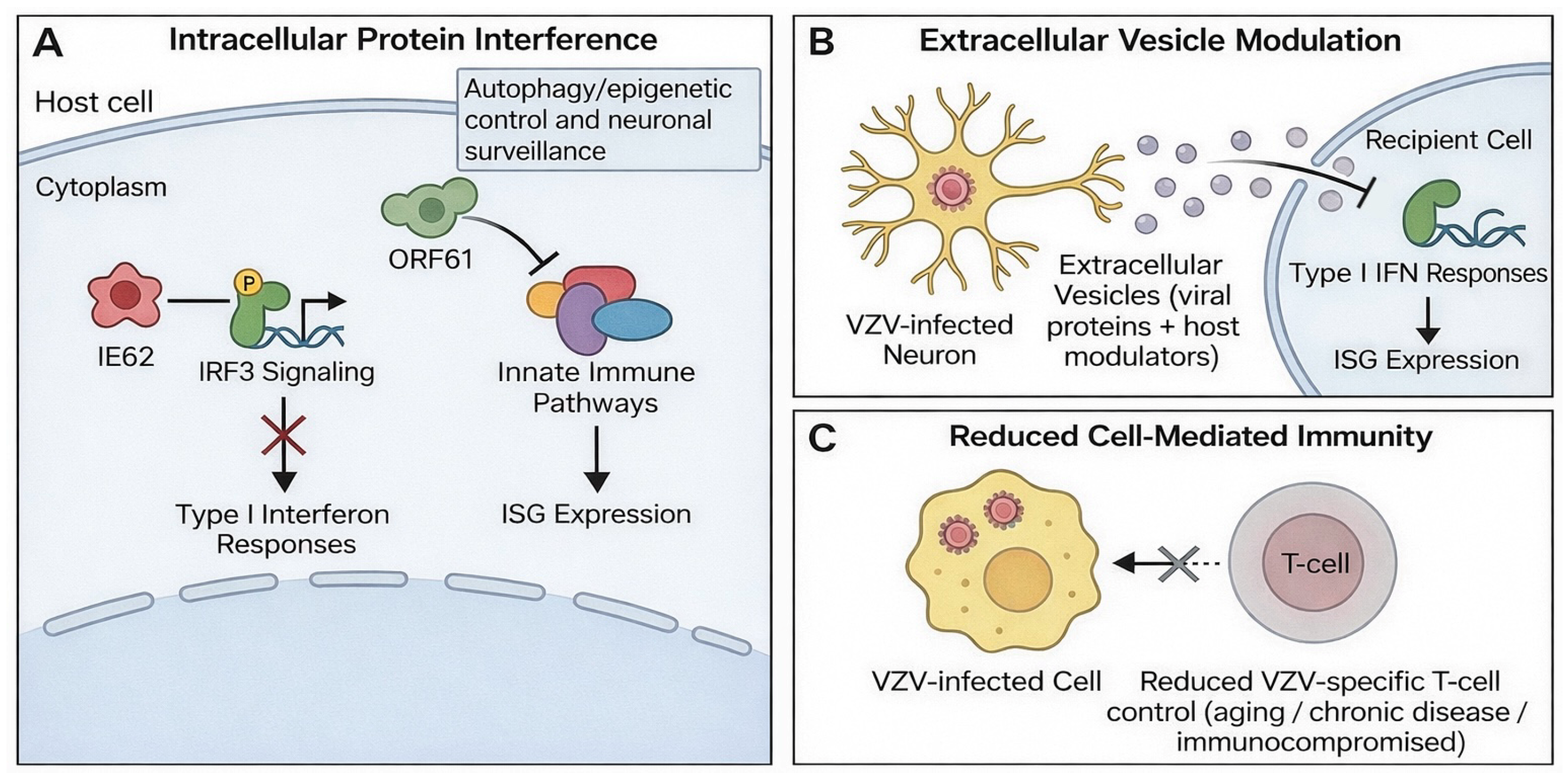
2.3. Mechanisms of Immune Evasion
2.4. Ocular Immune Responses and Tissue Injury
3. Clinical Spectrum of VZV-Related Ocular Disease
3.1. Adnexal and Conjunctival Manifestations
3.2. Corneal Involvement
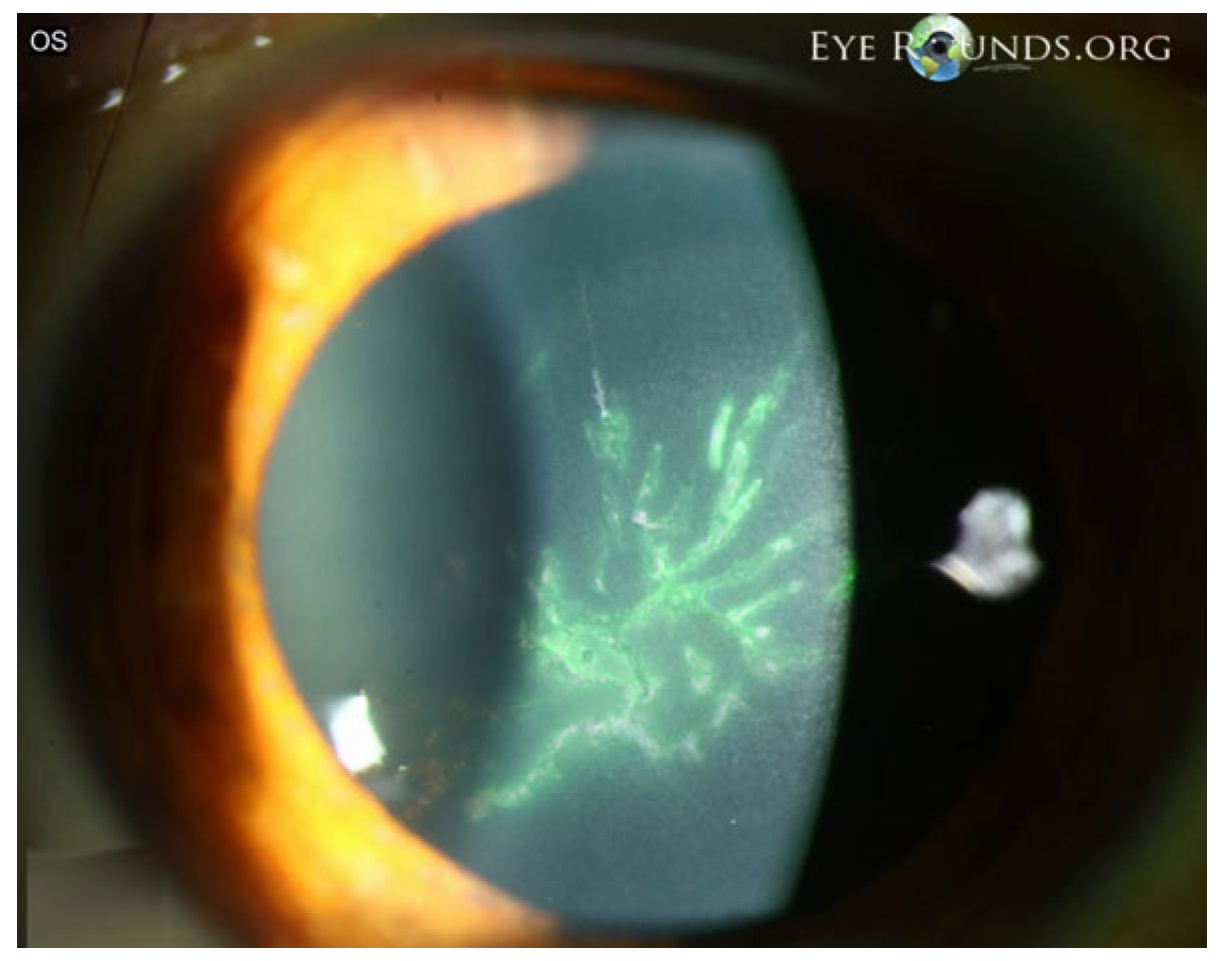
3.2.1. Epithelial (Dendritic) Keratitis
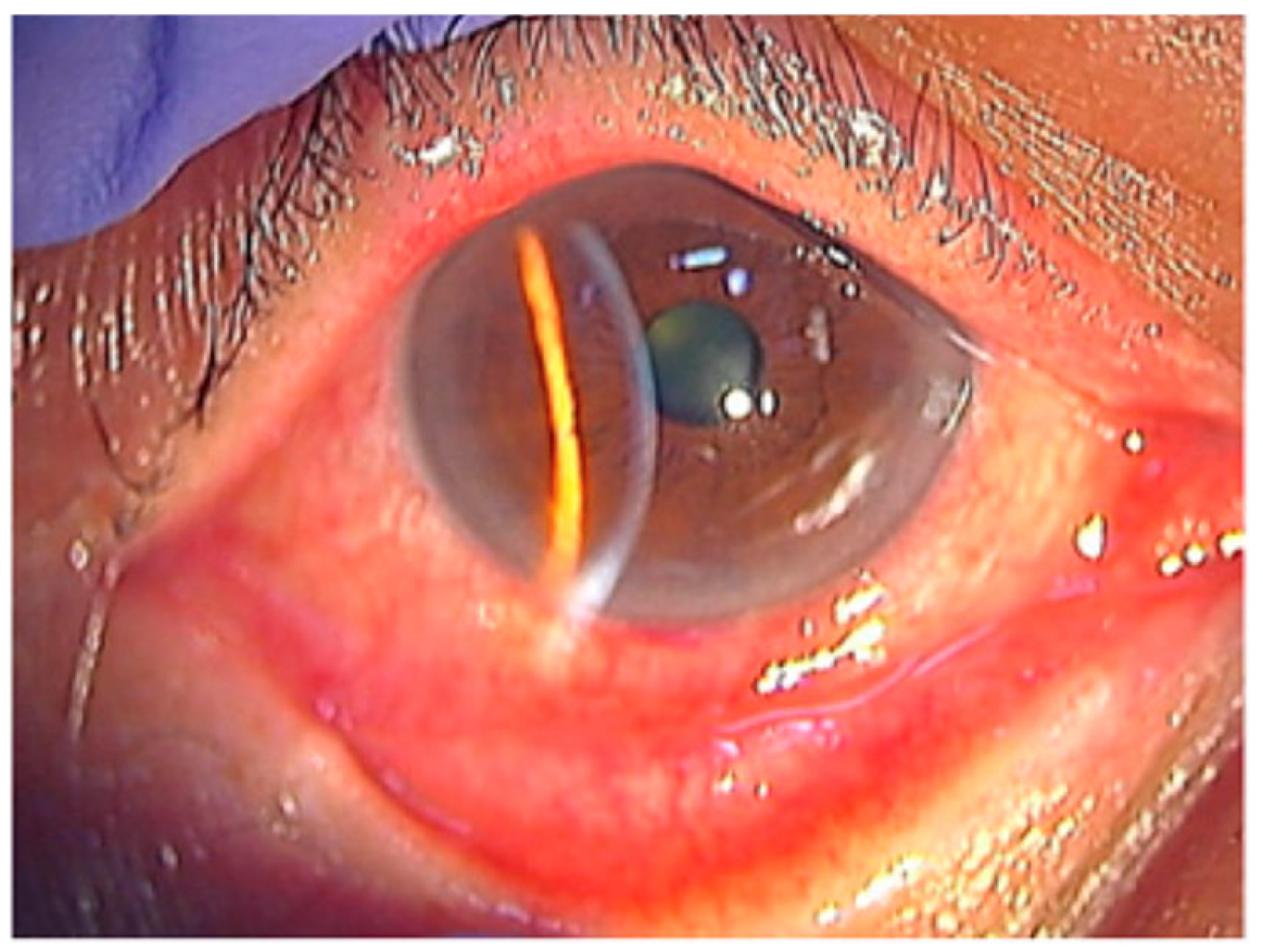
3.2.2. Stromal Keratitis
3.2.3. Endotheliitis and Disciform Keratitis
3.2.4. Neurotrophic and Mucous-Plaque Keratitis
3.3. Scleral Disease (Episcleritis, Scleritis)
3.4. Uveal Inflammation
3.4.1. Anterior Uveitis and Secondary Glaucoma
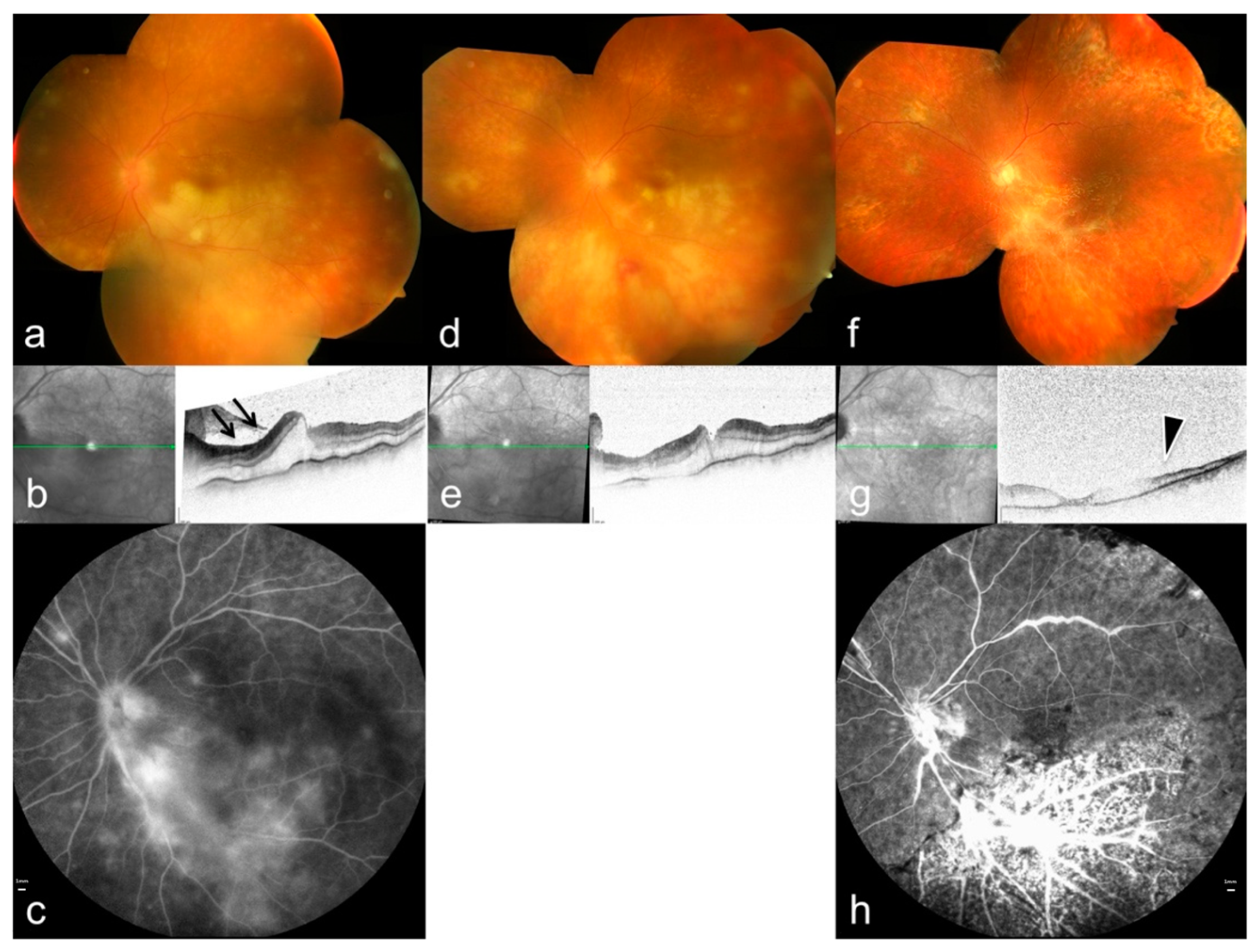
3.4.2. Posterior Necrotizing Syndromes
3.5. Retinal and Choroidal Vasculopathy
3.5.1. Occlusive Retinal Vasculitis
3.5.2. Multifocal Chorioretinitis
3.5.3. Choroidal Depigmentation and Structural Alterations
3.5.4. Immune-Mediated Choroidopathy
3.6. Neuro-Ophthalmic and Orbital Complications
3.6.1. Optic Neuritis and Neuroretinitis
3.6.2. Cranial Nerve Palsies and Apex Syndromes
3.6.3. Orbital Myositis and Cellulitis-like Presentations
4. Diagnostic Strategies
4.1. Clinical Examination and Imaging
4.2. Laboratory Confirmation (PCR, Intraocular Antibodies)
5. Therapeutic Management
5.1. Antiviral Regimens
5.2. Role of Corticosteroids
5.3. Surgical Interventions and Complication Management
6. Vaccination: Prevention and Ocular Safety
6.1. Varicella Vaccination in Childhood
6.2. Zoster Vaccines in Adults
6.3. Rare Post-Vaccine Ocular Events
7. Future Directions and Research Priorities
8. Conclusions
Author Contributions
Funding
Data Availability Statement
Acknowledgments
Conflicts of Interest
References
- Gershon, A.A.; Breuer, J.; Cohen, J.I.; Cohrs, R.J.; Gershon, M.D.; Gilden, D.; Grose, C.; Hambleton, S.; Kennedy, P.G.; Oxman, M.N.; et al. Varicella zoster virus infection. Nat. Rev. Dis. Primers 2015, 1, 15016. [Google Scholar] [CrossRef] [Scilit] [PubMed]
- Kennedy, P.G.E.; Gershon, A.A. Clinical Features of Varicella-Zoster Virus Infection. Viruses 2018, 10, 609. [Google Scholar] [CrossRef] [Scilit] [PubMed]
- Depledge, D.P.; Sadaoka, T.; Ouwendijk, W.J.D. Molecular Aspects of Varicella-Zoster Virus Latency. Viruses 2018, 10, 349. [Google Scholar] [CrossRef] [Scilit] [PubMed]
- Zong, Y.; Kamoi, K.; Zhang, J.; Yang, M.; Yaru, Z.; Miyagaki, M.; Ohno-Matsui, K. The Silent Epidemic: Unveiling Herpetic Uveitis in the Elderly. J. Med. Virol. 2025, 97, e70286. [Google Scholar] [CrossRef] [Scilit]
- Yang, M.; Kamoi, K.; Zong, Y.; Zhang, J.; Ohno-Matsui, K. Human Immunodeficiency Virus and Uveitis. Viruses 2023, 15, 444. [Google Scholar] [CrossRef] [Scilit]
- Yang, M.; Kamoi, K.; Zong, Y.; Zhang, J.; Zou, Y.; Ohno-Matsui, K. Ocular Manifestations of Human Immunodeficiency Virus Infection in the Combination Antiretroviral Therapy Era. Pathogens 2023, 12, 1417. [Google Scholar] [CrossRef] [Scilit]
- Kovacevic, J.; Samia, A.M.; Shah, A.; Motaparthi, K. Herpes zoster ophthalmicus. Clin. Dermatol. 2024, 42, 355–359. [Google Scholar] [CrossRef] [Scilit]
- Hakami, M.A.; Khan, F.R.; Abdulaziz, O.; Alshaghdali, K.; Hazazi, A.; Aleissi, A.F.; Abalkhail, A.; Alotaibi, B.S.; Alhazmi, A.Y.M.; Kukreti, N.; et al. Varicella-zoster virus-related neurological complications: From infection to immunomodulatory therapies. Rev. Med. Virol. 2024, 34, e2554. [Google Scholar] [CrossRef] [Scilit]
- Tran, K.D.; Falcone, M.M.; Choi, D.S.; Goldhardt, R.; Karp, C.L.; Davis, J.L.; Galor, A. Epidemiology of Herpes Zoster Ophthalmicus: Recurrence and Chronicity. Ophthalmology 2016, 123, 1469–1475. [Google Scholar] [CrossRef] [Scilit]
- Szeto, S.K.; Chan, T.C.; Wong, R.L.; Ng, A.L.; Li, E.Y.; Jhanji, V. Prevalence of Ocular Manifestations and Visual Outcomes in Patients With Herpes Zoster Ophthalmicus. Cornea 2017, 36, 338–342. [Google Scholar] [CrossRef] [Scilit]
- Tugal-Tutkun, I.; Cimino, L.; Akova, Y.A. Review for Disease of the Year: Varicella Zoster Virus-Induced Anterior Uveitis. Ocul. Immunol. Inflamm. 2018, 26, 171–177. [Google Scholar] [CrossRef] [Scilit] [PubMed]
- Davis, A.R.; Sheppard, J. Herpes Zoster Ophthalmicus Review and Prevention. Eye Contact Lens 2019, 45, 286–291. [Google Scholar] [CrossRef] [Scilit] [PubMed]
- Yawn, B.P.; Wollan, P.C.; St Sauver, J.L.; Butterfield, L.C. Herpes zoster eye complications: Rates and trends. Mayo Clin. Proc. 2013, 88, 562–570. [Google Scholar] [CrossRef] [Scilit] [PubMed]
- Cunningham, A.L.; Levin, M.J. Herpes Zoster Vaccines. J. Infect. Dis. 2018, 218, S127–S133. [Google Scholar] [CrossRef] [Scilit]
- Minor, M.; Gurnani, B.; Payne, E. Herpes Zoster Ophthalmicus. In StatPearls; StatPearls Publishing: Treasure Island, FL, USA, 2025. [Google Scholar]
- Yu, J.; Li, H.; Ji, Y.; Liao, H. Varicella-Zoster Virus Infection and Varicella-Zoster Virus Vaccine-Related Ocular Complications. Vaccines 2025, 13, 782. [Google Scholar] [CrossRef] [Scilit]
- Walia, A.; Sun, Y.; Acharya, N.R. Risk of Herpes Zoster Ophthalmicus Recurrence After Recombinant Zoster Vaccination. JAMA Ophthalmol. 2024, 142, 249–256. [Google Scholar] [CrossRef] [Scilit]
- Kornfeind, E.M.; Visalli, R.J. Human herpesvirus portal proteins: Structure, function, and antiviral prospects. Rev. Med. Virol. 2018, 28, e1972. [Google Scholar] [CrossRef] [Scilit]
- Patil, A.; Goldust, M.; Wollina, U. Herpes zoster: A Review of Clinical Manifestations and Management. Viruses 2022, 14, 192. [Google Scholar] [CrossRef] [Scilit]
- Wang, W.; Zheng, Q.; Pan, D.; Yu, H.; Fu, W.; Liu, J.; He, M.; Zhu, R.; Cai, Y.; Huang, Y.; et al. Near-atomic cryo-electron microscopy structures of varicella-zoster virus capsids. Nat. Microbiol. 2020, 5, 1542–1552. [Google Scholar] [CrossRef] [Scilit]
- Cunningham, A.L.; Heineman, T.C.; Lal, H.; Godeaux, O.; Chlibek, R.; Hwang, S.J.; McElhaney, J.E.; Vesikari, T.; Andrews, C.; Choi, W.S.; et al. Immune Responses to a Recombinant Glycoprotein E Herpes Zoster Vaccine in Adults Aged 50 Years or Older. J. Infect. Dis. 2018, 217, 1750–1760. [Google Scholar] [CrossRef] [Scilit]
- Ouwendijk, W.J.D.; Depledge, D.P.; Rajbhandari, L.; Lenac Rovis, T.; Jonjic, S.; Breuer, J.; Venkatesan, A.; Verjans, G.; Sadaoka, T. Varicella-zoster virus VLT-ORF63 fusion transcript induces broad viral gene expression during reactivation from neuronal latency. Nat. Commun. 2020, 11, 6324. [Google Scholar] [CrossRef] [Scilit] [PubMed]
- Salazar, S.; Luong, K.T.Y.; Koyuncu, O.O. Cell Intrinsic Determinants of Alpha Herpesvirus Latency and Pathogenesis in the Nervous System. Viruses 2023, 15, 2284. [Google Scholar] [CrossRef] [Scilit] [PubMed]
- Mangmee, S.; Kardkarnklai, S.; Phuphanitcharoenkun, S.; Suthisawat, S.; Li-Khit, O.; Kamchompoo, N.; Coad, R.A.; Wongprompitak, P.; Soongsathitanon, J.; Dharakul, T.; et al. Characterization of neutralizing versus binding antibody and T cell responses to varicella-zoster virus in the elderly. Sci. Rep. 2025, 15, 13776. [Google Scholar] [CrossRef] [Scilit] [PubMed]
- Sen, N.; Sommer, M.; Che, X.; White, K.; Ruyechan, W.T.; Arvin, A.M. Varicella-zoster virus immediate-early protein 62 blocks interferon regulatory factor 3 (IRF3) phosphorylation at key serine residues: A novel mechanism of IRF3 inhibition among herpesviruses. J. Virol. 2010, 84, 9240–9253. [Google Scholar] [CrossRef] [Scilit]
- Zhu, H.; Zheng, C.; Xing, J.; Wang, S.; Li, S.; Lin, R.; Mossman, K.L. Varicella-zoster virus immediate-early protein ORF61 abrogates the IRF3-mediated innate immune response through degradation of activated IRF3. J. Virol. 2011, 85, 11079–11089. [Google Scholar] [CrossRef] [Scilit]
- Niemeyer, C.S.; Frietze, S.; Coughlan, C.; Lewis, S.W.R.; Bustos Lopez, S.; Saviola, A.J.; Hansen, K.C.; Medina, E.M.; Hassell, J.E., Jr.; Kogut, S.; et al. Suppression of the host antiviral response by non-infectious varicella zoster virus extracellular vesicles. J. Virol. 2024, 98, e0084824. [Google Scholar] [CrossRef] [Scilit]
- Barshak, M.B.; Durand, M.L.; Gupta, A.; Mohareb, A.M.; Dohlman, T.H.; Papaliodis, G.N. State-of-the-Art Review: Ocular Infections. Clin. Infect. Dis. 2024, 79, e48–e64. [Google Scholar] [CrossRef] [Scilit]
- Li, J.; Wang, Y.; Xie, X.; Zeng, W.; Li, S.; Agrawal, R.; Feng, Y. Bilateral Pattern Electroretinogram Abnormalities in Patients with Herpes Zoster Keratitis and Conjunctivitis. Ophthalmol. Ther. 2024, 13, 1589–1599. [Google Scholar] [CrossRef] [Scilit]
- Kalogeropoulos, C.D.; Bassukas, I.D.; Moschos, M.M.; Tabbara, K.F. Eye and Periocular Skin Involvement in Herpes Zoster Infection. Med. Hypothesis Discov. Innov. Ophthalmol. 2015, 4, 142–156. [Google Scholar]
- Peng, R.M.; Guo, Y.X.; Xiao, G.G.; Lu, Q.; Sun, B.J.; Hong, J. Clinical Manifestations and Characteristics of In Vivo Confocal Microscopy in Varicella Zoster Virus-Related Corneal Endotheliitis. Ocul. Immunol. Inflamm. 2019, 27, 1270–1279. [Google Scholar] [CrossRef] [Scilit]
- Kedar, S.; Jayagopal, L.N.; Berger, J.R. Neurological and Ophthalmological Manifestations of Varicella Zoster Virus. J. Neuroophthalmol. 2019, 39, 220–231. [Google Scholar] [CrossRef] [Scilit]
- Loureiro, M.; Rothwell, R.; Fonseca, S. Nodular Scleritis Associated with Herpes Zoster Virus: An Infectious and Immune-Mediated Process. Case Rep. Ophthalmol. Med. 2016, 2016, 8519394. [Google Scholar] [CrossRef] [Scilit] [PubMed]
- Mayer, C.S.; Blobner, K.; Storr, J.; Baur, I.D.; Khoramnia, R. Acute Retinal Necrosis: Signs, Treatment, Complications and Outcome. Diagnostics 2022, 12, 386. [Google Scholar] [CrossRef] [Scilit] [PubMed]
- Bergstrom, R.; Tripathy, K. Acute Retinal Necrosis. In StatPearls; StatPearls Publishing: Treasure Island, FL, USA, 2025. [Google Scholar]
- Agarwal, A.; Rubsam, A.; Zur Bonsen, L.; Pichi, F.; Neri, P.; Pleyer, U. A Comprehensive Update on Retinal Vasculitis: Etiologies, Manifestations and Treatments. J. Clin. Med. 2022, 11, 2525. [Google Scholar] [CrossRef] [Scilit] [PubMed]
- Pourmahdi-Boroujeni, M.; Abtahi-Naeini, B.; Rastegarnasab, F.; Afshar, K.; Akhlaghi, M.; Pourazizi, M. Optic Neuritis Associated with Herpes Zoster Ophthalmicus: A Systematic Review and Analysis. Ocul. Immunol. Inflamm. 2025, 33, 1732–1747. [Google Scholar] [CrossRef] [Scilit]
- Rissardo, J.P.; Patel, P.; Fornari Caprara, A.L. Herpes zoster ophthalmicus presenting with orbital myositis prior to the appearance of vesicular lesions: A case report and mini-review of the literature. Med. Int. 2024, 4, 61. [Google Scholar] [CrossRef] [Scilit]
- Laing, K.J.; Ouwendijk, W.J.D.; Koelle, D.M.; Verjans, G. Immunobiology of Varicella-Zoster Virus Infection. J. Infect. Dis. 2018, 218, S68–S74. [Google Scholar] [CrossRef] [Scilit]
- Liesegang, T.J. Herpes zoster ophthalmicus natural history, risk factors, clinical presentation, and morbidity. Ophthalmology 2008, 115, S3–S12. [Google Scholar] [CrossRef] [Scilit]
- Weng, S.F.; Chang, Y.S.; Wang, J.J.; Jan, H.Y.; Chen, J.Y.; Tseng, S.H.; Jan, R.L. Association between herpes zoster ophthalmicus and the risk of corneal ulcer. Front. Med. 2025, 12, 1529908. [Google Scholar] [CrossRef] [Scilit]
- Muto, T.; Imaizumi, S.; Kamoi, K. Viral Conjunctivitis. Viruses 2023, 15, 676. [Google Scholar] [CrossRef] [Scilit]
- Rym, M.; Yasmine, H.; Marwa, A.; Imen, H.; Monia, C. Varicella zoster virus-associated non-necrotizing retinitis: Case report. J. Ophthalmic Inflamm. Infect. 2023, 13, 31. [Google Scholar] [CrossRef] [Scilit] [PubMed]
- Mok, E.; Kam, K.W.; Young, A.L. Corneal nerve changes in herpes zoster ophthalmicus: A prospective longitudinal in vivo confocal microscopy study. Eye 2023, 37, 3033–3040. [Google Scholar] [CrossRef] [Scilit] [PubMed]
- Welder, J.; Vislisel, J. Varicella-Zoster Virus (VZV) Epithelial Keratitis, Pseudodendrites; University of Iowa: Iowa City, IA, USA, 2019. [Google Scholar]
- Smit, D.P.; Tugal-Tutkun, I.; Thorne, J.E. Unusual and Atypical Ocular Infections. Ocul. Immunol. Inflamm. 2025, 33, 189–190. [Google Scholar] [CrossRef] [Scilit] [PubMed]
- Della Franca, B.; Yaici, R.; Matuszewska-Iwanicka, A.; Nandrean, S.; Gutzmer, R.; Hettlich, H.J. Bilateral In Vivo Confocal Microscopic Changes of the Corneal Subbasal Nerve Plexus in Patients with Acute Herpes Zoster Ophthalmicus. Ophthalmol. Ther. 2025, 14, 941–957. [Google Scholar] [CrossRef] [Scilit]
- Krall, P.; Kubal, A. Herpes zoster stromal keratitis after varicella vaccine booster in a pediatric patient. Cornea 2014, 33, 988–989. [Google Scholar] [CrossRef] [Scilit]
- Kaminska, A.; Adamska, O.; Sosnowski, G.; Pierzak, A.; Zdunek, R.; Kaminski, M.; Jankowski, M. Varicella Zoster Virus-Induced Retinitis and Retinal Detachment in an Immunocompetent Patient: A Case Report. Am. J. Case Rep. 2025, 26, e946011. [Google Scholar] [CrossRef] [Scilit]
- Cavalcanti, B.M.; Cruzat, A.; Sahin, A.; Pavan-Langston, D.; Samayoa, E.; Hamrah, P. In vivo confocal microscopy detects bilateral changes of corneal immune cells and nerves in unilateral herpes zoster ophthalmicus. Ocul. Surf. 2018, 16, 101–111. [Google Scholar] [CrossRef] [Scilit]
- Hamrah, P.; Cruzat, A.; Dastjerdi, M.H.; Pruss, H.; Zheng, L.; Shahatit, B.M.; Bayhan, H.A.; Dana, R.; Pavan-Langston, D. Unilateral herpes zoster ophthalmicus results in bilateral corneal nerve alteration: An in vivo confocal microscopy study. Ophthalmology 2013, 120, 40–47. [Google Scholar] [CrossRef] [Scilit]
- Scalabrin, S.; Becco, A.; Vitale, A.; Nuzzi, R. Ocular effects caused by viral infections and corresponding vaccines: An overview of varicella zoster virus, measles virus, influenza viruses, hepatitis B virus, and SARS-CoV-2. Front. Med. 2022, 9, 999251. [Google Scholar] [CrossRef] [Scilit]
- Liesegang, T.J. Corneal complications from herpes zoster ophthalmicus. Ophthalmology 1985, 92, 316–324. [Google Scholar] [CrossRef] [Scilit]
- Kianersi, F.; Taghdiri, M.H.; Kianersi, H.; Bagi, A.; Naderi Beni, A. Reactivation of Varicella-Zoster Virus Anterior Uveitis after YAG Peripheral Iridotomy. Ocul. Immunol. Inflamm. 2020, 28, 956–957. [Google Scholar] [CrossRef] [Scilit] [PubMed]
- Lobo-Chan, A.M.; Song, A.; Kadakia, A.; Mehta, S.D. Risk Factors for the Development of Ocular Complications in Herpes Zoster Ophthalmicus and Zoster Vaccine Utilization in a Large, Urban Health System. Am. J. Ophthalmol. 2025, 269, 435–449. [Google Scholar] [CrossRef] [Scilit] [PubMed]
- Schoenberger, S.D.; Kim, S.J.; Thorne, J.E.; Mruthyunjaya, P.; Yeh, S.; Bakri, S.J.; Ehlers, J.P. Diagnosis and Treatment of Acute Retinal Necrosis: A Report by the American Academy of Ophthalmology. Ophthalmology 2017, 124, 382–392. [Google Scholar] [CrossRef] [Scilit] [PubMed]
- Wang, Z.; Liu, Y.; Zhou, M.; Lei, B.; Chang, Q.; Cao, W. MMP-3 and TIMP-1 as prognostic biomarkers in VZV-induced retinal necrosis. Front. Cell Infect. Microbiol. 2024, 14, 1502912. [Google Scholar] [CrossRef] [Scilit]
- Wang, P.; An, M.; Zhang, M.; Yan, X.; Tong, N. Acute retinal necrosis in a patient with cervical malignant tumor treated with sintilimab: A case report and literature review. Front. Immunol. 2024, 15, 1301329. [Google Scholar] [CrossRef] [Scilit]
- Paisey, C.; Curtin, K.; Epps, S.J.; Rice, C.M. Acute retinal necrosis associated with dimethyl fumarate. Mult. Scler. 2025, 31, 1506–1508. [Google Scholar] [CrossRef] [Scilit]
- Sutra, P.; Pokawattana, I. Retinal vasculopathy following varicella zoster virus infection. Curr. Opin. Ophthalmol. 2022, 33, 557–563. [Google Scholar] [CrossRef] [Scilit]
- Narayanan, S.; Gopalakrishnan, M.; Giridhar, A.; Anthony, E. Varicella Zoster-related Occlusive Retinal Vasculopathy—A Rare Presentation. Ocul. Immunol. Inflamm. 2016, 24, 227–230. [Google Scholar] [CrossRef] [Scilit]
- Meenken, C.; Rothova, A. Varicella-zoster virus-associated multifocal chorioretinitis in 2 boys. JAMA Ophthalmol. 2013, 131, 969–970. [Google Scholar] [CrossRef] [Scilit]
- Kim, J.Y.; Lee, J.H.; Lee, C.S.; Lee, S.C. Varicella zoster virus-associated Chorioretinitis: A case report. BMC Ophthalmol. 2018, 18, 28. [Google Scholar] [CrossRef] [Scilit]
- Long, C.P.; Bakhoum, M.F.; Freeman, W.R. Depigmented Chorioretinal Lesions Following Varicella-Zoster Virus Infection. JAMA Ophthalmol. 2020, 138, e201652. [Google Scholar] [CrossRef] [Scilit]
- Licini, L.; Malcles, A. Progressive Choroidal Vitiligo after Varicella-Zoster Virus Reactivation. Ophthalmology 2023, 130, 614. [Google Scholar] [CrossRef] [Scilit]
- Kawali, A.; Khanum, A.; Mahendradas, P.; Sanjay, S.; Mishra, S.B.; Shetty, R. Choroidal lesions in varicella zoster virus uveitis. Indian J. Ophthalmol. 2023, 71, 1996–2000. [Google Scholar] [CrossRef] [Scilit] [PubMed]
- Fukushima, A.; Nagasawa, T.; Tabuchi, H. A Case of Birdshot Chorioretinopathy following Varicella Zoster Virus-Induced Progressive Retinal Necrosis in the Contralateral Eye. Case Rep. Ophthalmol. 2022, 13, 393–397. [Google Scholar] [CrossRef] [Scilit] [PubMed]
- Pawlitzki, M.; Teuber, J.; Campe, C.; Wagner, M.; Schuart, C.; Paul, F.; Bittner, D. VZV-associated acute retinal necrosis in a patient with MS treated with natalizumab. Neurol. Neuroimmunol. Neuroinflamm. 2018, 5, e475. [Google Scholar] [CrossRef] [Scilit] [PubMed]
- Nagel, M.A.; Russman, A.N.; Feit, H.; Traktinskiy, I.; Khmeleva, N.; Schmid, D.S.; Skarf, B.; Gilden, D. VZV ischemic optic neuropathy and subclinical temporal artery infection without rash. Neurology 2013, 80, 220–222. [Google Scholar] [CrossRef] [Scilit]
- Tao, B.K.; Soor, D.; Micieli, J.A. Herpes zoster in neuro-ophthalmology: A practical approach. Eye 2024, 38, 2327–2336. [Google Scholar] [CrossRef] [Scilit]
- Plasencia, M.; McQueen, B.R. Orbital Apex Syndrome Secondary to Herpes Zoster Ophthalmicus: A Case of Irreversible Optic Nerve Damage. Cureus 2023, 15, e46522. [Google Scholar] [CrossRef] [Scilit]
- Osman, S.A. Successful oral treatment of third cranial nerve palsy and optic neuritis from neglected herpes zoster in an immunocompetent patient. Am. J. Ophthalmol. Case Rep. 2020, 20, 100953. [Google Scholar] [CrossRef] [Scilit]
- Pintwala, R.C.; Sawatzky, L.A.; Wong, V.A.; Sheldon, C.A. Varicella-zoster virus-induced orbital apex syndrome with superior ophthalmic vein occlusion and malignant intraocular pressure rise. Can. J. Ophthalmol. 2022, 57, e129–e130. [Google Scholar] [CrossRef] [Scilit]
- El Hamichi, S.; Messaoudi, R.; Moujahid, B.; Alsubari, A.; El Ouatassi, N.; Reda, K.; Oubaaz, A. Orbital cellulitis due to ophthalmic herpes zoster in an immunocompetent child: A case report. J. Fr. Ophtalmol. 2017, 40, e255–e256. [Google Scholar] [CrossRef] [Scilit] [PubMed]
- Moniuszko, A.; Sosnowska, M.; Zajkowska, A.; Garkowski, A.; Czupryna, P.; Pancewicz, S.; Zajkowska, J. Blindness resulting from orbital complications of ophthalmic zoster. Postep. Dermatol. Alergol. 2015, 32, 396–399. [Google Scholar] [CrossRef] [Scilit] [PubMed]
- Gilden, D.; Cohrs, R.J.; Mahalingam, R.; Nagel, M.A. Varicella zoster virus vasculopathies: Diverse clinical manifestations, laboratory features, pathogenesis, and treatment. Lancet Neurol. 2009, 8, 731–740. [Google Scholar] [CrossRef] [Scilit] [PubMed]
- Kalogeropoulos, D.; Afshar, F.; Kalogeropoulos, C.; Vartholomatos, G.; Lotery, A.J. Diagnostic and therapeutic challenges in acute retinal necrosis; an update. Eye 2024, 38, 1816–1826. [Google Scholar] [CrossRef] [Scilit]
- Lei, B.; Zhou, M.; Wang, Z.; Chang, Q.; Xu, G.; Jiang, R. Ultra-wide-field fundus imaging of acute retinal necrosis: Clinical characteristics and visual significance. Eye 2020, 34, 864–872. [Google Scholar] [CrossRef] [Scilit]
- Pace, E.; Accardo, G.; Lupia, T.; Brizzi, M.F.; Corcione, S.; De Rosa, F.G. Orbital Myositis after Herpes Zoster Ophthalmicus: A Case Report and a Narrative Review of the Literature. Pathogens 2024, 13, 832. [Google Scholar] [CrossRef] [Scilit]
- Litt, J.; Cunningham, A.L.; Arnalich-Montiel, F.; Parikh, R. Herpes Zoster Ophthalmicus: Presentation, Complications, Treatment, and Prevention. Infect. Dis. Ther. 2024, 13, 1439–1459. [Google Scholar] [CrossRef] [Scilit]
- Gueudry, J.; Bodaghi, B. Advances in the microbiological diagnosis of herpetic retinitis. Front. Ophthalmol. 2022, 2, 990240. [Google Scholar] [CrossRef] [Scilit]
- Nitzan, I.; Shemesh, N.; Kubovsky, S.; Shalmov, T.; Levy, J.; Amer, R. Incidence of Giant Cell Arteritis Following Herpes Zoster Ophthalmicus: A Multicenter Retrospective Cohort Study. Am. J. Ophthalmol. 2025, 277, 213–220. [Google Scholar] [CrossRef] [Scilit]
- Kamoi, K.; Kato, S.; Uchimaru, K.; Tojo, A.; Ohno-Matsui, K. Frosted branch angiitis after allogeneic haematopoietic stem cell transplantation in adult T-cell leukaemia-lymphoma. Lancet Haematol. 2020, 7, e772. [Google Scholar] [CrossRef] [Scilit]
- Kamoi, K. HTLV-1 in Ophthalmology. Front. Microbiol. 2020, 11, 388. [Google Scholar] [CrossRef] [Scilit]
- Kamoi, K.; Ohno-Matsui, K. Intraocular Infiltration. Am. J. Trop. Med. Hyg. 2020, 102, 7–8. [Google Scholar] [CrossRef] [Scilit] [PubMed]
- Mochizuki, M.; Sugita, S.; Kamoi, K.; Takase, H. A new era of uveitis: Impact of polymerase chain reaction in intraocular inflammatory diseases. Jpn. J. Ophthalmol. 2017, 61, 1–20. [Google Scholar] [CrossRef] [Scilit] [PubMed]
- Akaike, S.; Kamoi, K.; Tezuka, M.; Tomizawa, D.; Yoshimura, R.; Takagi, M.; Ohno-Matsui, K. Ocular manifestation in myeloid/NK cell precursor acute leukemia: A case report. Diagnosed by flow cytometry and PCR from aqueous humor. Medicine 2016, 95, e4967. [Google Scholar] [CrossRef] [Scilit] [PubMed]
- Takase, H.; Kubono, R.; Terada, Y.; Imai, A.; Fukuda, S.; Tomita, M.; Miyanaga, M.; Kamoi, K.; Sugita, S.; Miyata, K.; et al. Comparison of the ocular characteristics of anterior uveitis caused by herpes simplex virus, varicella-zoster virus, and cytomegalovirus. Jpn. J. Ophthalmol. 2014, 58, 473–482. [Google Scholar] [CrossRef] [Scilit]
- Mochizuki, M.; Sugita, S.; Kamoi, K. Immunological homeostasis of the eye. Prog. Retin. Eye Res. 2013, 33, 10–27. [Google Scholar] [CrossRef] [Scilit]
- Werner, R.N.; Nikkels, A.F.; Marinovic, B.; Schafer, M.; Czarnecka-Operacz, M.; Agius, A.M.; Bata-Csorgo, Z.; Breuer, J.; Girolomoni, G.; Gross, G.E.; et al. European consensus-based (S2k) Guideline on the Management of Herpes Zoster—Guided by the European Dermatology Forum (EDF) in cooperation with the European Academy of Dermatology and Venereology (EADV), Part 2: Treatment. J. Eur. Acad. Dermatol. Venereol. 2017, 31, 20–29. [Google Scholar] [CrossRef] [Scilit]
- Werner, R.N.; Nikkels, A.F.; Marinovic, B.; Schafer, M.; Czarnecka-Operacz, M.; Agius, A.M.; Bata-Csorgo, Z.; Breuer, J.; Girolomoni, G.; Gross, G.E.; et al. European consensus-based (S2k) Guideline on the Management of Herpes Zoster—Guided by the European Dermatology Forum (EDF) in cooperation with the European Academy of Dermatology and Venereology (EADV), Part 1: Diagnosis. J. Eur. Acad. Dermatol. Venereol. 2017, 31, 9–19. [Google Scholar] [CrossRef] [Scilit]
- Cohen, E.J.; Kessler, J. Persistent dilemmas in zoster eye disease. Br. J. Ophthalmol. 2016, 100, 56–61. [Google Scholar] [CrossRef] [Scilit]
- Warner, D.B.; Jeng, B.H.; Kim, J.; Liu, M.; Troxel, A.B.; Hochman, J.S.; Baratz, K.H.; Mian, S.I.; Choulakian, M.Y.; Meyer, J.J.; et al. Low-Dose Valacyclovir for Postherpetic Neuralgia in the Zoster Eye Disease Study: A Randomized Clinical Trial. JAMA Ophthalmol. 2025, 143, 277–285. [Google Scholar] [CrossRef] [Scilit]
- Li, L.; Wu, Q.; Tian, Q.; Han, G.; Xie, X. Optic neuropathy as an initial manifestation of acute retinal necrosis caused by varicella zoster virus: A case report. BMC Ophthalmol. 2024, 24, 512. [Google Scholar] [CrossRef] [Scilit] [PubMed]
- Giannelos, N.; Curran, D.; Nguyen, C.; Kagia, C.; Vroom, N.; Vroling, H. The Incidence of Herpes Zoster Complications: A Systematic Literature Review. Infect. Dis. Ther. 2024, 13, 1461–1486. [Google Scholar] [CrossRef] [Scilit] [PubMed]
- Scott, D.A.R.; Liu, K.; Danesh-Meyer, H.V.; Niederer, R.L. Herpes Zoster Ophthalmicus Recurrence: Risk Factors and Long-Term Clinical Outcomes. Am. J. Ophthalmol. 2024, 268, 1–9. [Google Scholar] [CrossRef] [Scilit] [PubMed]
- Dahmiwal, S.; Priyanka; Jain, N.C.; Rajamathangi, S.; Singh, K.; Siddiqui, S.A.; Sharma, B. Changing age pattern and diverse outcomes of herpes zoster ophthalmicus: Exploring the temporal trend, decrease in incident age and influence of treatment strategies. Int. Ophthalmol. 2024, 44, 443. [Google Scholar] [CrossRef] [Scilit]
- Trinco, A.; Zicarelli, F.; Romano, F.; Oldani, M.; Riva, A.; Invernizzi, A. Unilateral uveitis following adjuvanted Varicella-Zoster subunit vaccine in a patient with previously resolved Varicella Zoster acute retinal necrosis. J. Ophthalmic Inflamm. Infect. 2025, 15, 58. [Google Scholar] [CrossRef] [Scilit]
- Schuster, A.K.; Harder, B.C.; Schlichtenbrede, F.C.; Jarczok, M.N.; Tesarz, J. Valacyclovir versus acyclovir for the treatment of herpes zoster ophthalmicus in immunocompetent patients. Cochrane Database Syst. Rev. 2016, 11, CD011503. [Google Scholar] [CrossRef] [Scilit]
- Maple, P.A.; Haedicke, J.; Quinlivan, M.; Steinberg, S.P.; Gershon, A.A.; Brown, K.E.; Breuer, J. The differences in short- and long-term varicella-zoster virus (VZV) immunoglobulin G levels following varicella vaccination of healthcare workers measured by VZV fluorescent-antibody-to-membrane-antigen assay (FAMA), VZV time-resolved fluorescence immunoassay and a VZV purified glycoprotein enzyme immunoassay. Epidemiol. Infect. 2016, 144, 2345–2353. [Google Scholar] [CrossRef] [Scilit]
- Lopez, A.S.; Zhang, J.; Marin, M. Epidemiology of Varicella During the 2-Dose Varicella Vaccination Program—United States, 2005–2014. MMWR Morb. Mortal. Wkly. Rep. 2016, 65, 902–905. [Google Scholar] [CrossRef] [Scilit]
- Eberhardt, C.S.; Wieland, A.; Nasti, T.H.; Grifoni, A.; Wilson, E.; Schmid, D.S.; Pulendran, B.; Sette, A.; Waller, E.K.; Rouphael, N.; et al. Persistence of Varicella-Zoster Virus-Specific Plasma Cells in Adult Human Bone Marrow following Childhood Vaccination. J. Virol. 2020, 94, e02127-19. [Google Scholar] [CrossRef] [Scilit]
- Bianchi, F.P.; Tafuri, S.; Larocca, A.M.V.; Germinario, C.A.; Stefanizzi, P. Long-term persistence of antibodies against varicella in fully immunized healthcare workers: An Italian retrospective cohort study. BMC Infect. Dis. 2021, 21, 475. [Google Scholar] [CrossRef] [Scilit]
- Ting, D.S.J.; Ghosh, N.; Ghosh, S. Herpes zoster ophthalmicus. BMJ 2019, 364, k5234. [Google Scholar] [CrossRef] [Scilit] [PubMed]
- Kho, M.M.L.; Weimar, W.; Malahe, S.R.K.; Zuijderwijk, J.M.; de Kuiper, R.; Boer-Verschragen, M.J.; van der Eijk, A.A.; Hesselink, D.A.; Reinders, M.E.J.; van Besouw, N.M. Boosting the VZV-Specific Memory B and T Cell Response to Prevent Herpes Zoster After Kidney Transplantation. Front. Immunol. 2022, 13, 927734. [Google Scholar] [CrossRef] [Scilit] [PubMed]
- Zerbo, O.; Bartlett, J.; Fireman, B.; Goddard, K.; Duffy, J.; Glanz, J.; Naleway, A.L.; Donahue, J.G.; Anderson, T.C.; Klein, N.P. Recombinant Zoster Vaccination and Risk of Postherpetic Neuralgia or Zoster Ophthalmicus. JAMA Netw. Open 2025, 8, e2514615. [Google Scholar] [CrossRef] [Scilit] [PubMed]
- Strezova, A.; Diez Domingo, J.; Cunningham, A.L.; Eto, T.; Andrews, C.; Arns, C.; Choo, E.J.; Hui, D.S.C.; Icardi, G.; McNeil, S.A.; et al. Final analysis of the ZOE-LTFU trial to 11 years post-vaccination: Efficacy of the adjuvanted recombinant zoster vaccine against herpes zoster and related complications. eClinicalMedicine 2025, 83, 103241. [Google Scholar] [CrossRef] [Scilit]
- Anderson, T.C.; Masters, N.B.; Guo, A.; Shepersky, L.; Leidner, A.J.; Lee, G.M.; Kotton, C.N.; Dooling, K.L. Use of Recombinant Zoster Vaccine in Immunocompromised Adults Aged ≥19 Years: Recommendations of the Advisory Committee on Immunization Practices—United States, 2022. MMWR Morb. Mortal. Wkly. Rep. 2022, 71, 80–84. [Google Scholar] [CrossRef] [Scilit]
- Zou, Y.; Kamoi, K.; Zong, Y.; Zhang, J.; Yang, M.; Ohno-Matsui, K. Vaccines and the Eye: Current Understanding of the Molecular and Immunological Effects of Vaccination on the Eye. Int. J. Mol. Sci. 2024, 25, 4755. [Google Scholar] [CrossRef] [Scilit]
- Zong, Y.; Zou, Y.; Yang, M.; Zhang, J.; Ye, Z.; Deng, J.; Ohno-Matsui, K.; Kamoi, K. Ocular Manifestations of Mpox and Other Poxvirus Infections: Clinical Insights and Emerging Therapeutic and Preventive Strategies. Vaccines 2025, 13, 546. [Google Scholar] [CrossRef] [Scilit]
- Muto, T.; Sakamoto, M.; Imaizumi, S.; Kamoi, K. Reactivation of previously controlled Vogt-Koyanagi-Harada disease more than 46 years following COVID-19 vaccination: A case study. J. Int. Med. Res. 2024, 52, 3000605231221081. [Google Scholar] [CrossRef] [Scilit]
- Kamoi, K.; Ohno-Matsui, K. Long Vax in the Eye: Long Post-COVID Vaccination Syndrome Presenting with Frosted Branch Angiitis. Diseases 2024, 12, 36. [Google Scholar] [CrossRef] [Scilit]
- Zong, Y.; Qiu, S.; Zhang, J.; Yang, M.; Zou, Y.; Du, J.; Ohno-Matsui, K.; Kamoi, K. Influenza-Associated Ocular Complications: A Comprehensive Review of Viral Subtypes, Clinical Presentations, and Vaccination Risks. Vaccines 2025, 13, 950. [Google Scholar] [CrossRef] [Scilit]
- Zou, Y.; Kamoi, K.; Zong, Y.; Zhang, J.; Yang, M.; Ohno-Matsui, K. Systematic Review of Postvaccination Ocular Adverse Events: A Comprehensive Analysis of Published Reports. J. Med. Virol. 2025, 97, e70747. [Google Scholar] [CrossRef] [Scilit]
- Bakker, K.M.; Eisenberg, M.C.; Woods, R.J.; Martinez, M.E. Identifying optimal vaccination scenarios to reduce varicella zoster virus transmission and reactivation. BMC Med. 2022, 20, 387. [Google Scholar] [CrossRef] [Scilit]
- Nelson, J.C.; Ulloa-Perez, E.; Yu, O.; Cook, A.J.; Jackson, M.L.; Belongia, E.A.; Daley, M.F.; Harpaz, R.; Kharbanda, E.O.; Klein, N.P.; et al. Active Postlicensure Safety Surveillance for Recombinant Zoster Vaccine Using Electronic Health Record Data. Am. J. Epidemiol. 2023, 192, 205–216. [Google Scholar] [CrossRef] [Scilit] [PubMed]
- Jeng, B.H. Herpes Zoster Eye Disease: New Ways to Combat an Old Foe? Ophthalmology 2018, 125, 1671–1674. [Google Scholar] [CrossRef] [Scilit] [PubMed]
- Lei, B.; Wang, Z.; Shu, Q.; Gu, R.; Zhang, Y.; Jiang, R.; Chang, Q.; Zhou, M.; Xu, G. Observation of varicella zoster virus-induced acute retinal necrosis: Viral load detection and visual outcome. Eye 2022, 36, 1209–1216. [Google Scholar] [CrossRef] [Scilit] [PubMed]
- Putera, I.; Ridwan, A.S.; Dewi, M.; Cifuentes-Gonzalez, C.; Rojas-Carabali, W.; Sitompul, R.; Edwar, L.; Susiyanti, M.; Aziza, Y.; Pavesio, C.; et al. Antiviral treatment for acute retinal necrosis: A systematic review and meta-analysis. Surv. Ophthalmol. 2024, 69, 67–84. [Google Scholar] [CrossRef] [Scilit]
- Powell, B.; Wang, D.; Llop, S.; Rosen, R.B. Management Strategies of Acute Retinal Necrosis: Current Perspectives. Clin. Ophthalmol. 2020, 14, 1931–1943. [Google Scholar] [CrossRef] [Scilit]
- Tuft, S. How to manage herpes zoster ophthalmicus. Community Eye Health 2020, 33, 71–72. [Google Scholar]
- Nagel, M.A.; Bubak, A.N. Varicella Zoster Virus Vasculopathy. J. Infect. Dis. 2018, 218, S107–S112. [Google Scholar] [CrossRef] [Scilit]
- Kang, H.; Wei, Y.; Liu, M.; Yu, D.; Tao, Y. Flow cytometric analysis of T lymphocytes and cytokines in aqueous humor of patients with varicella zoster virus-mediated acute retinal necrosis. BMC Ophthalmol. 2021, 21, 193. [Google Scholar] [CrossRef] [Scilit]




| Anatomical Site | Typical Manifestations | Key Clinical Features |
|---|---|---|
| Adnexa and conjunctiva | Eyelid vesicles, eyelid edema, blepharitis, follicular or mixed conjunctivitis | Common in early HZO and may precede intraocular disease; careful examination of the V1 dermatome and conjunctiva is important [10]. |
| Corneal epithelium | Pseudodendritic epithelial keratitis, punctate epithelial erosions | Often an early sign of ocular VZV reactivation; pseudodendrites are elevated, irregular, and lack terminal bulbs, and may appear before stromal or endothelial involvement [30]. |
| Corneal stroma and endothelium | Stromal keratitis, nummular infiltrates, endotheliitis, disciform keratitis | Predominantly immune-mediated; frequently associated with anterior uveitis and raised intraocular pressure, and can be recurrent, steroid-responsive, and steroid-dependent [31]. |
| Neurotrophic cornea and late surface disease | Neurotrophic keratopathy, persistent epithelial defects, mucous-plaque keratitis | Reflects trigeminal denervation and reduced corneal sensitivity; often occurs as a late sequela and requires intensive ocular surface support and, in some cases, surgical procedures [15]. |
| Sclera | Episcleritis, anterior scleritis (diffuse or nodular) | Uncommon but potentially sight-threatening; may develop weeks to months after HZO, often with concomitant keratitis or uveitis, and usually requires systemic anti-inflammatory therapy in addition to antivirals [32,33]. |
| Anterior uvea | Anterior uveitis with keratic precipitates, sectoral iris atrophy, secondary glaucoma | One of the most frequent intraocular manifestations; characterized by recurrent inflammation and episodes of markedly elevated intraocular pressure, typically attributed to trabeculitis [10,15]. |
| Posterior uvea and retina | Acute retinal necrosis, progressive outer retinal necrosis, multifocal chorioretinitis | Necrotizing retinitis with occlusive vasculitis and vitritis in immunocompetent hosts (ARN) and rapidly PORN with minimal inflammation in severely immunosuppressed patients [34,35]. |
| Retinal vasculature | Occlusive retinal vasculitis, peripheral non-perfusion, ischemic complications | Arteriolar and venous narrowing, vascular sheathing, hemorrhages, and capillary drop-out; fluorescein angiography is essential to detect non-perfusion and to guide management [36]. |
| Optic nerve and cranial nerves | Optic neuritis, neuroretinitis, third, fourth, or sixth nerve palsy | May occur with or without a skin rash, including in zoster sine herpete; neuro-ophthalmic involvement often warrants neuroimaging and central nervous system evaluation [37]. |
| Orbit | Orbital myositis, orbital inflammatory syndrome, cellulitis-like presentations | Can mimic idiopathic orbital inflammation or bacterial cellulitis; recognition of VZV as the cause is important to ensure timely antiviral therapy [38]. |
| Diagnostic Modality | Primary Role | Key Points |
|---|---|---|
| Clinical examination | Initial recognition of HZO and ocular involvement | Includes inspection of the V1 dermatome, slit-lamp examination of the ocular surface and anterior segment, and dilated fundus examination to detect early intraocular disease [40]. |
| Multimodal retinal imaging (fundus photography, OCT, fluorescein angiography) | Structural and vascular assessment of posterior segment disease | Widefield or conventional fundus imaging documents necrotizing retinitis and peripheral non-perfusion; OCT detects retinal thinning, macular edema, and optic disc swelling; fluorescein angiography reveals occlusive vasculitis, leakage, and capillary drop-out in vasculopathy and ARN [34]. |
| Anterior segment imaging (e.g., in vivo confocal microscopy) | Characterization of corneal and anterior segment changes | Confocal microscopy demonstrates subbasal nerve loss and inflammatory changes in HZO and supports the concept of corneal denervation; these techniques are mainly adjunctive and used in selected cases [31]. |
| Aqueous or vitreous PCR | Etiologic confirmation, especially in posterior segment or atypical disease | Detection of VZV DNA in aqueous or vitreous samples is the diagnostic gold standard for ARN and PORN and distinguishes VZV from herpes simplex virus and cytomegalovirus [56,77]. |
| Intraocular antibody testing (Goldmann–Witmer coefficient) | Supportive diagnosis in late or PCR-negative disease | Demonstrates intraocular production of VZV-specific IgG and is most useful in subacute or chronic presentations when viral DNA is no longer detectable but clinical suspicion remains high [77]. |
| CNS evaluation (CSF PCR and intrathecal anti-VZV IgG) | Evaluation of optic neuritis, meningitis, encephalitis, or vasculopathy | CSF PCR and intrathecal VZV IgG synthesis support the diagnosis of CNS involvement in patients with neuro-ophthalmic or neurological symptoms [32]. |
| Therapeutic Modality | Main Indication | Practical Considerations | Typical Duration |
|---|---|---|---|
| Oral antivirals (acyclovir, valacyclovir, famciclovir) | Acute HZO and most anterior segment manifestations in immunocompetent patients | Should be started as early as possible, ideally within 72 h of rash or ocular symptom onset; longer or prophylactic regimens may be considered in recurrent or high-risk disease according to clinical judgment and emerging evidence [15]. | 7–10 days for acute HZO [15]; weeks to months in recurrent or high-risk cases |
| Intravenous antivirals (acyclovir; foscarnet in selected cases) | Severe or sight-threatening disease (e.g., ARN, PORN), disseminated VZV, or infection in immunocompromised patients | Intravenous acyclovir is standard and is usually followed by a prolonged course of oral therapy; foscarnet is reserved for suspected acyclovir-resistant infection or profound immunosuppression and requires close renal and electrolyte monitoring [77]. | Typically 10–14 days intravenously, followed by oral step-down therapy [118] |
| Intravitreal antivirals (e.g., foscarnet, ganciclovir) | Adjunctive treatment in necrotizing herpetic retinitis | Administered in combination with systemic antivirals to rapidly achieve high intraocular drug levels; may improve local disease control but carries procedural risks and is not a replacement for systemic therapy [56,119]. | Repeated injections over days to weeks, depending on clinical response [120] |
| Topical corticosteroids | Immune-mediated stromal keratitis, disciform keratitis, endotheliitis, and anterior uveitis | Always combined with adequate antiviral therapy; effective in reducing inflammation and preventing synechiae but require gradual tapering and careful monitoring of IOP and cataract formation; not used for active epithelial keratitis with epithelial defects [15]. | Several weeks to months, with slow tapering [121] |
| Systemic corticosteroids | Severe scleritis, optic neuritis, cranial neuropathies, orbital inflammation, and selected vasculitides | Introduced only after antiviral therapy has been initiated; high-dose oral or intravenous regimens may be used for a limited period with individualized tapering; carry a risk of exacerbating viral replication if used without antiviral cover [15,77]. | Short-term (typically weeks), followed by gradual taper [122] |
| Adjunctive and surgical treatments | Management of complications and structural sequelae | Include cycloplegics for pain relief and synechiae prevention, glaucoma medications for secondary IOP elevation, and surgical options such as tarsorrhaphy or amniotic membrane transplantation for severe neurotrophic keratopathy and barrier laser or pars plana vitrectomy for high-risk acute retinal necrosis-related retinal detachment [15,80]. | Highly case-dependent; often long-term or permanent management [15] |
Disclaimer/Publisher’s Note: The statements, opinions and data contained in all publications are solely those of the individual author(s) and contributor(s) and not of MDPI and/or the editor(s). MDPI and/or the editor(s) disclaim responsibility for any injury to people or property resulting from any ideas, methods, instructions or products referred to in the content. |
© 2026 by the authors. Licensee MDPI, Basel, Switzerland. This article is an open access article distributed under the terms and conditions of the Creative Commons Attribution (CC BY) license.
Share and Cite
Gu, W.; Zou, Y.; Yang, M.; Zhang, J.; Ye, Z.; Deng, J.; Zong, Y.; Ohno-Matsui, K.; Kamoi, K. Varicella-Zoster Virus and the Eye: Clinical Spectrum, Management, and Vaccination. Pathogens 2026, 15, 157. https://doi.org/10.3390/pathogens15020157
Gu W, Zou Y, Yang M, Zhang J, Ye Z, Deng J, Zong Y, Ohno-Matsui K, Kamoi K. Varicella-Zoster Virus and the Eye: Clinical Spectrum, Management, and Vaccination. Pathogens. 2026; 15(2):157. https://doi.org/10.3390/pathogens15020157
Chicago/Turabian StyleGu, Wendong, Yaru Zou, Mingming Yang, Jing Zhang, Zizhen Ye, Jiaxin Deng, Yuan Zong, Kyoko Ohno-Matsui, and Koju Kamoi. 2026. "Varicella-Zoster Virus and the Eye: Clinical Spectrum, Management, and Vaccination" Pathogens 15, no. 2: 157. https://doi.org/10.3390/pathogens15020157
APA StyleGu, W., Zou, Y., Yang, M., Zhang, J., Ye, Z., Deng, J., Zong, Y., Ohno-Matsui, K., & Kamoi, K. (2026). Varicella-Zoster Virus and the Eye: Clinical Spectrum, Management, and Vaccination. Pathogens, 15(2), 157. https://doi.org/10.3390/pathogens15020157