
Article

A Survey-Based Education Needs Analysis of Employment Support Programs for Hospitality Undergraduate Students

1
Department of Culinary Arts, Doowon Technical University, Paju 10838, Korea
2
Department of Foodservice and Culinary Arts, Honam University, Gwangju 62399, Korea
*
Author to whom correspondence should be addressed.
Soc. Sci. 2021, 10(3), 103; https://doi.org/10.3390/socsci10030103

Submission received: 8 February 2021 / Revised: 12 March 2021 / Accepted: 16 March 2021 / Published: 18 March 2021
(This article belongs to the Special Issue Transition from Higher Education to Employment)

Abstract

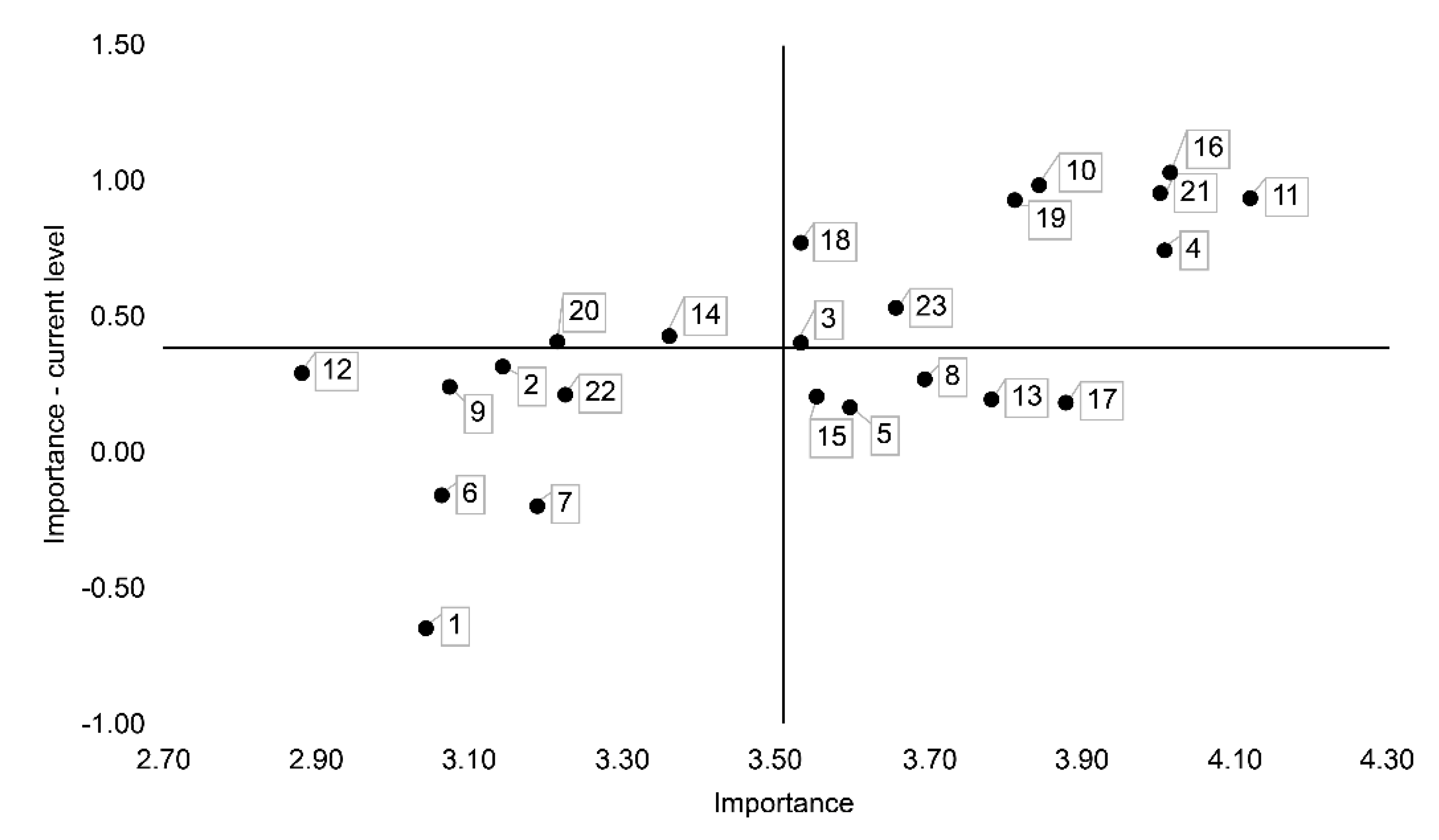
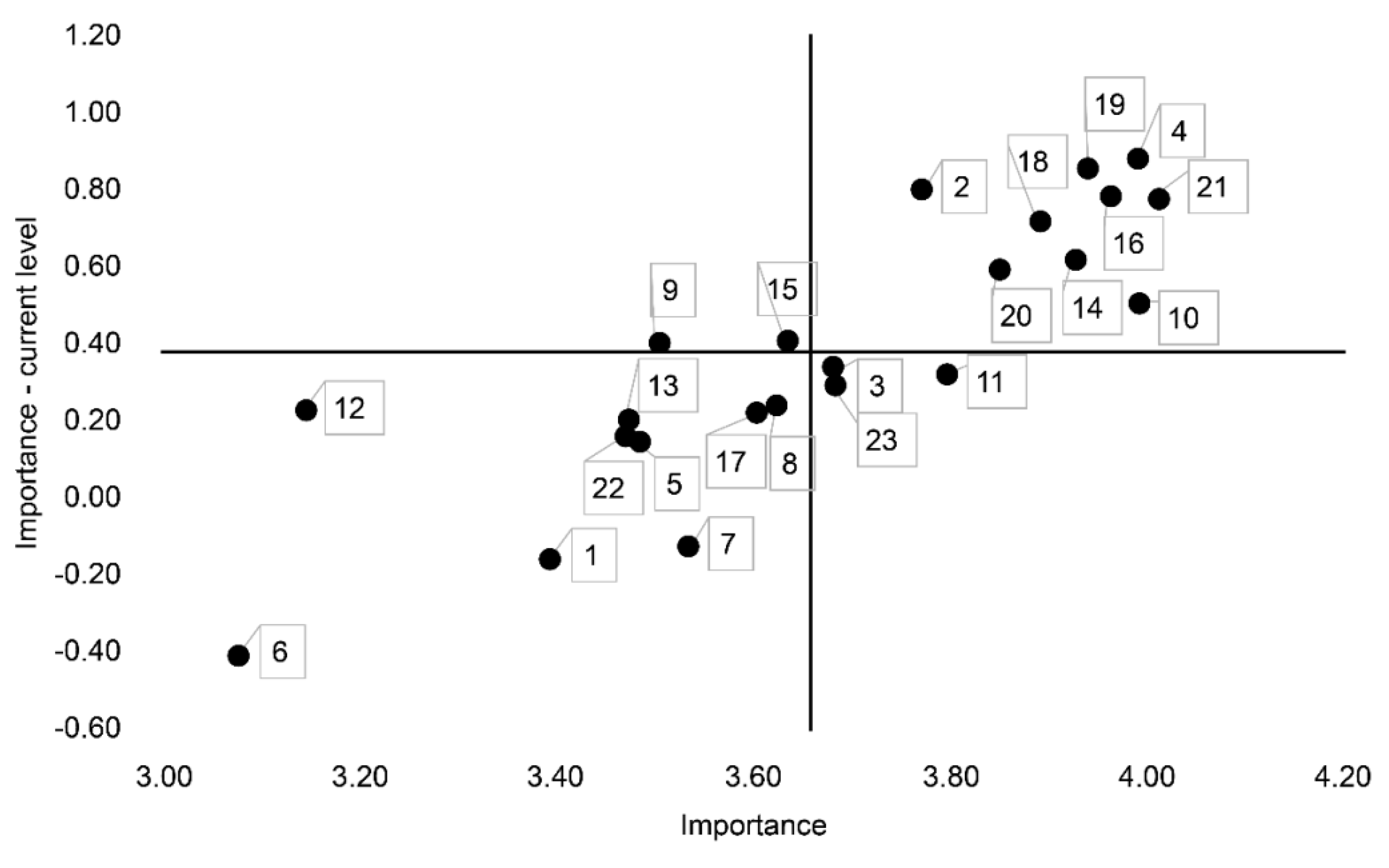
The purpose of this study was to analyze employment support programs that should be prioritized for hospitality undergraduate students in Korea, given the lack of such programs that are tailored to students’ majors. Using a questionnaire survey, we measured the differences between the perceived importance and the perceived current level of availability of employment support programs recognized by 384 students enrolled in hospitality-related courses. Both 2-year and 4-year majors recognized employment information support, certificate programs, career seminars, overseas training support, field practice programs, and overseas employment support as high-priority programs. Individual career counseling, mentoring, and industry–academic cooperation courses were the highest priority programs that should be applied to 2-year majors, but in the case of 4-year majors, these three programs were found to be relatively well supported by universities. Mock interviews, language programs, and employment-related courses were the top priority programs to support 4-year majors. However, 2-year majors perceived that mock interviews and language programs were of low importance, and there was little difference between the importance and current level of employment-related courses. It is necessary to develop support programs from the learner’s point of view by accurately grasping the needs for employment support programs.
Keywords: Borich needs analysis; COVID-19 impacts; current level; employment support program; higher education; hospitality college students Borich needs analysis; COVID-19 impacts; current level; employment support program; higher education; hospitality college students