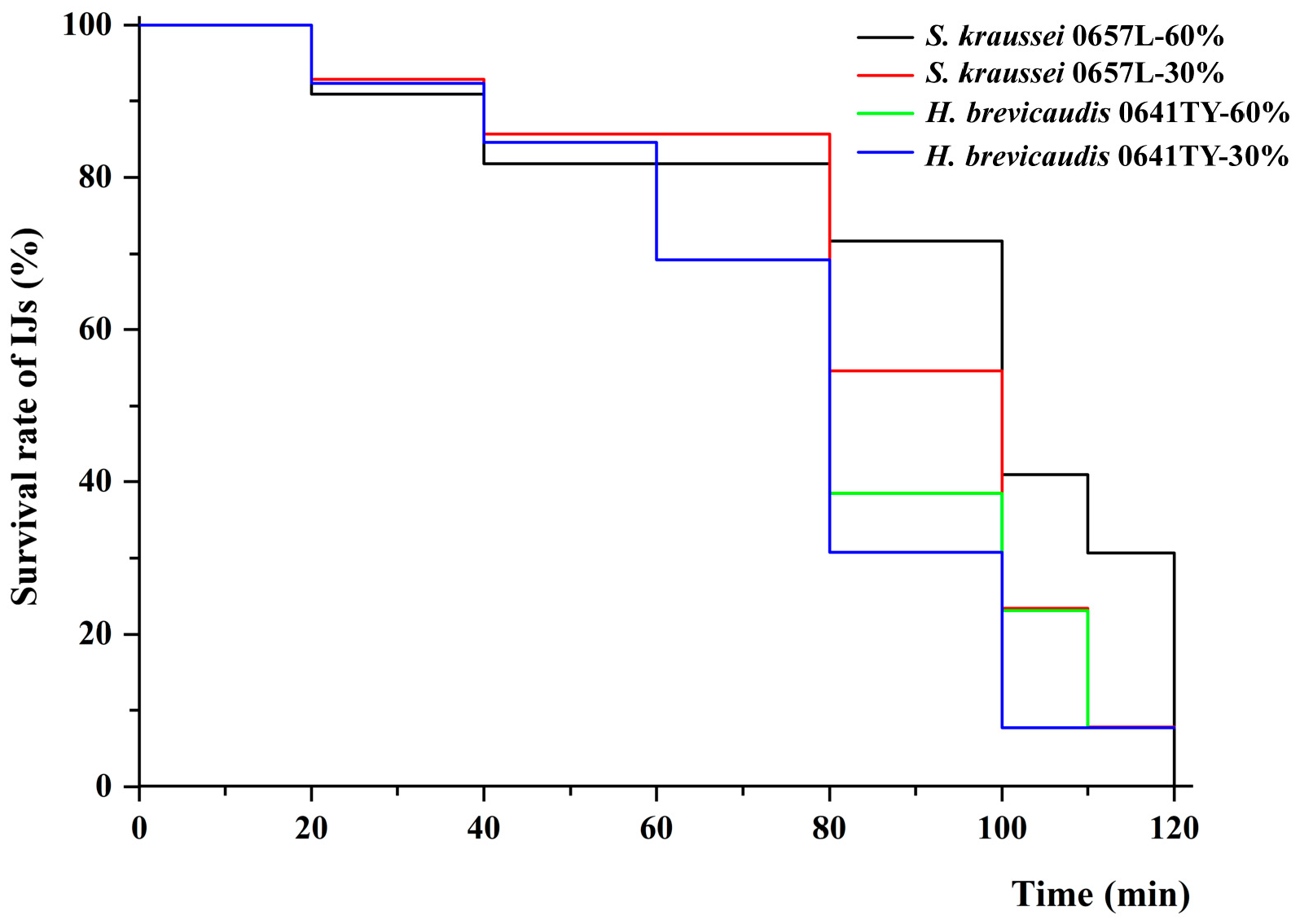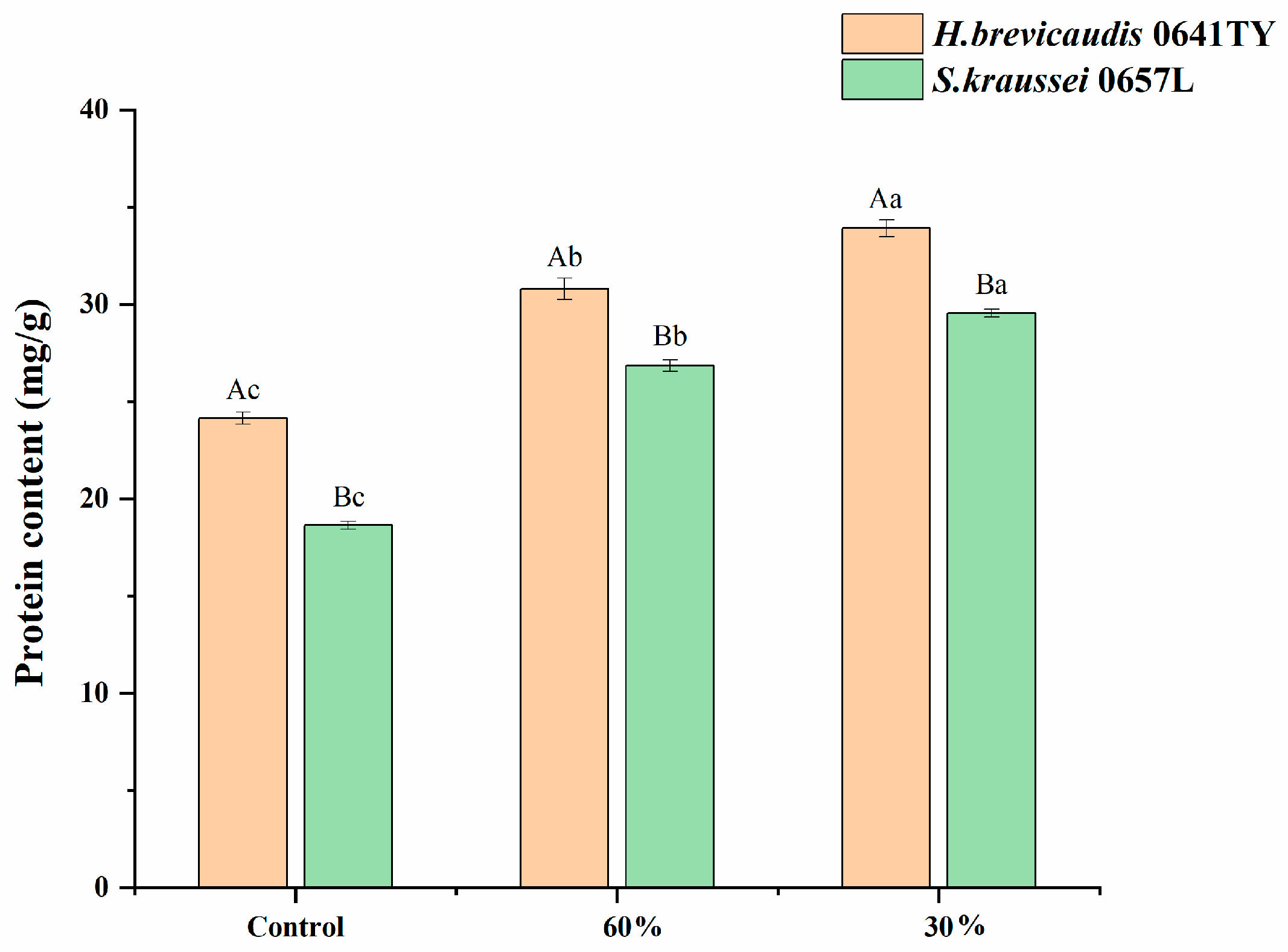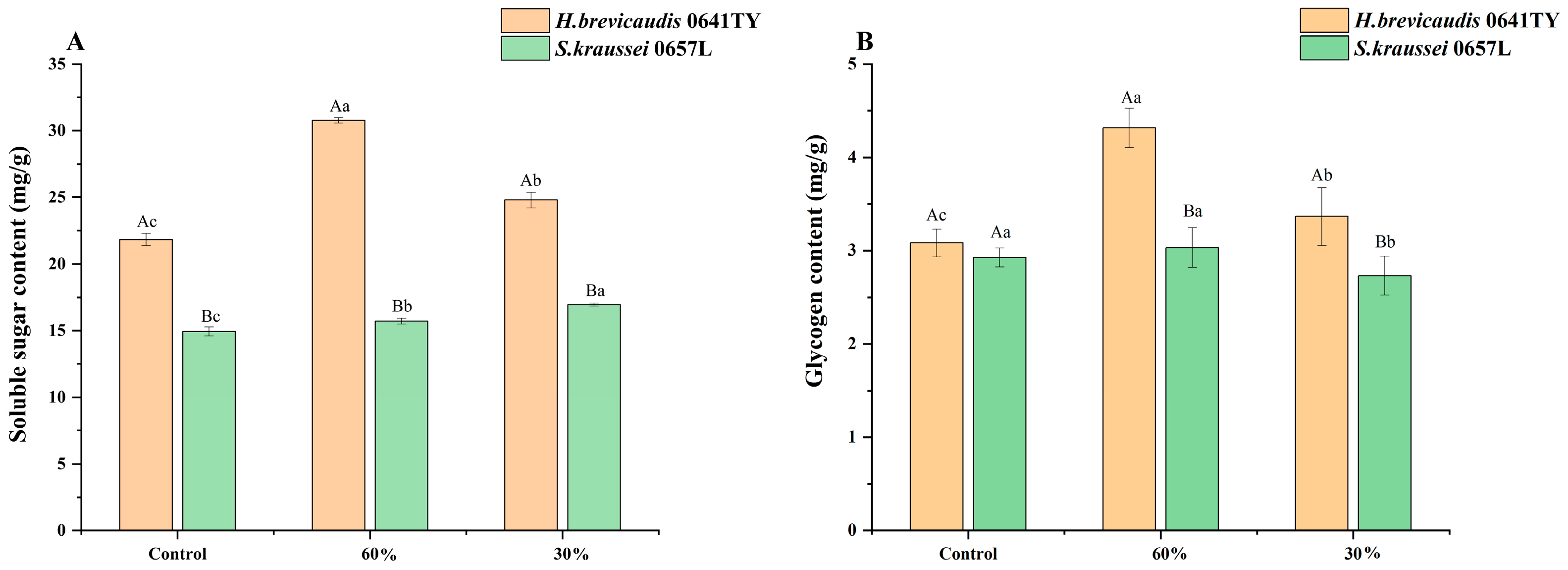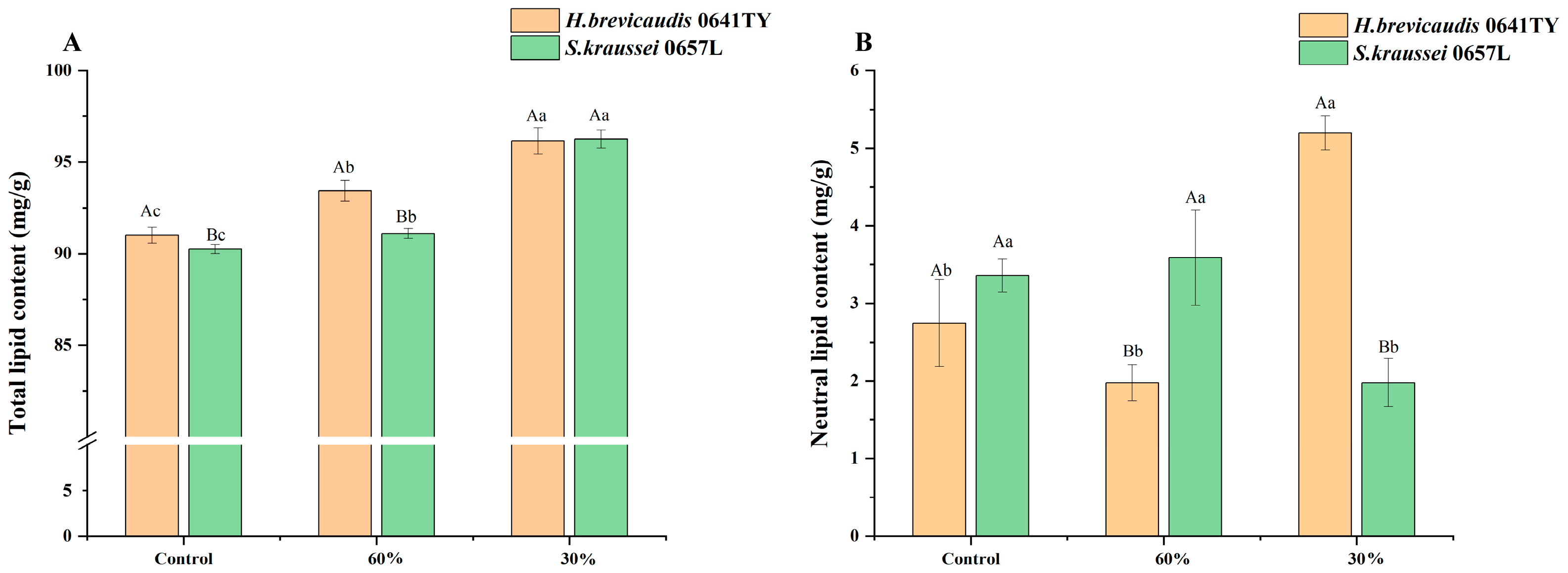

Response of Energy Reserves in Entomopathogenic Nematodes to Drought-Stress and Expression Analysis of Energy Metabolism-Related Genes in Arid Areas


Simple Summary
Abstract
1. Introduction
2. Materials and Methods
2.1. Nematodes
2.2. Determination of Survival Rate and Pathogenicity of S. kraussei 0657L and H. brevicaudis 0641TY After Exposure to Low Humidity
2.3. Determination of Energy Substances
2.3.1. Soluble Sugar
2.3.2. Total Lipid and Neutral Lipid
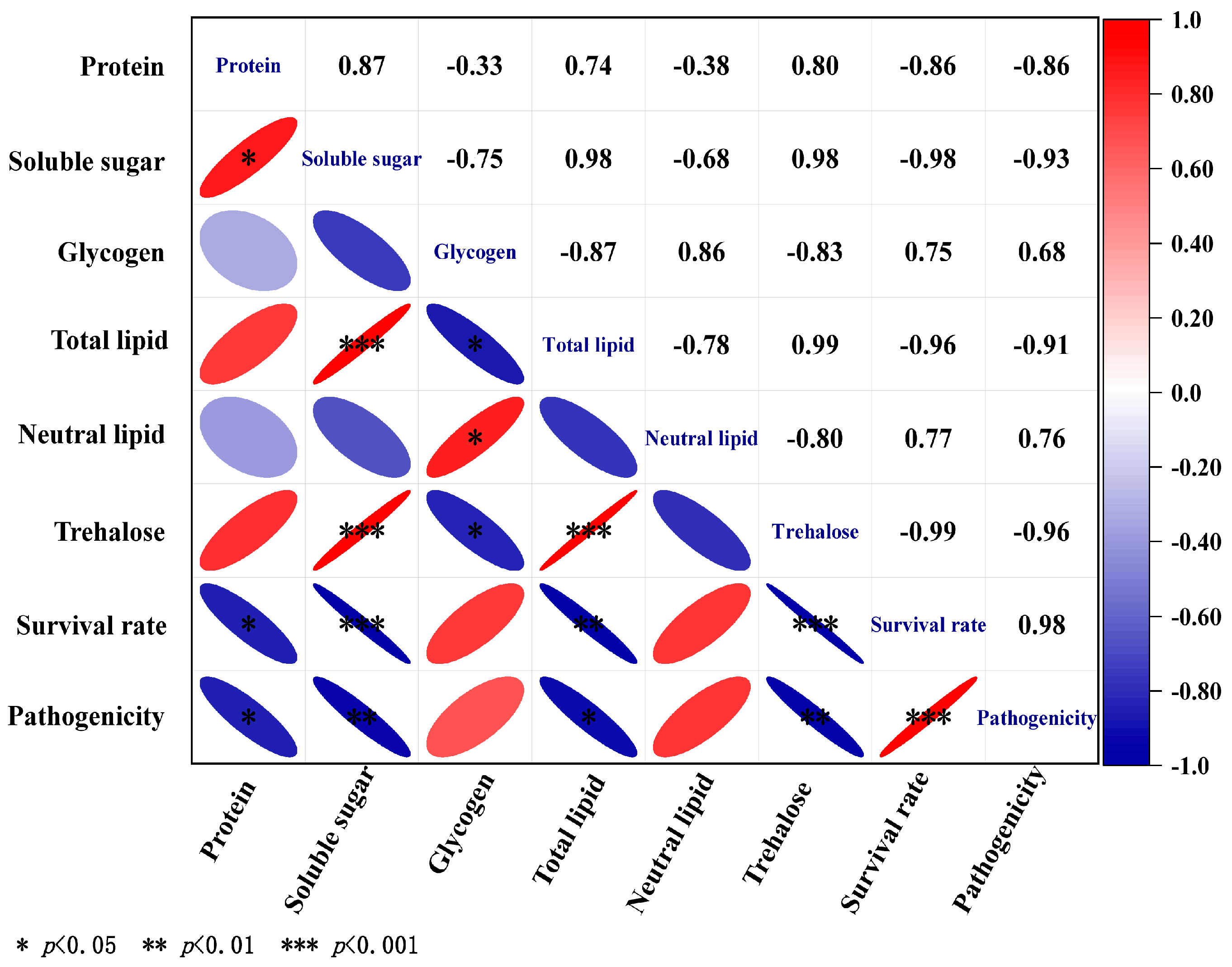
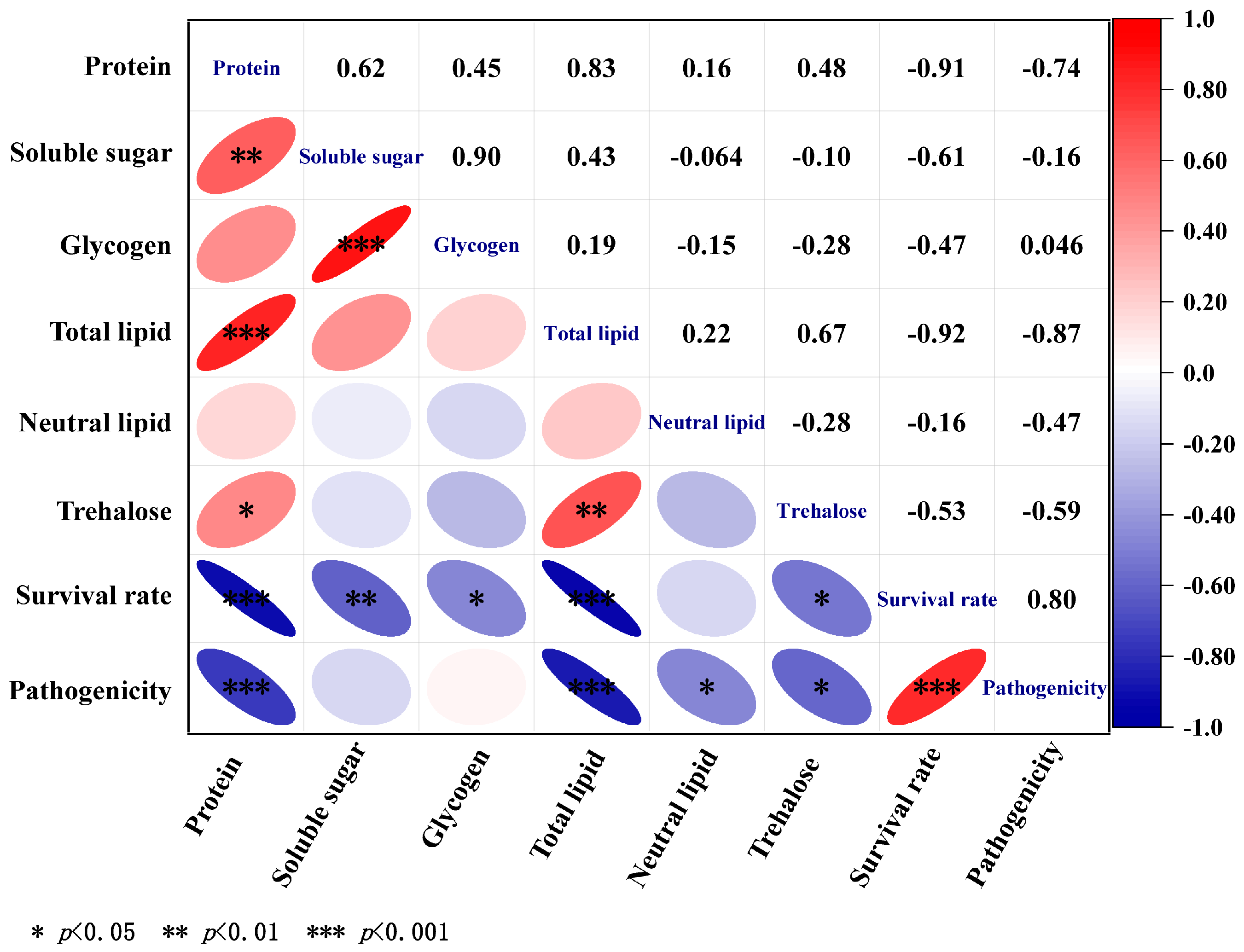
2.4. Correlation Analysis of Energy Substances in Entomopathogenic Nematodes with Survival Rate and Pathogenicity
2.5. RNA-Seq Analysis and RT-qPCR Verification
2.6. Differential Expression Analysis
2.7. GO and KEGG Pathway Enrichment Analysis
2.8. Construction of Protein–Protein Interaction (PPI) Network and Expression Analysis of DEGs in S. kraussei 0657L Under Different Humidity Stress
2.9. Statistical Analyses
3. Results
3.1. Survival Rate and LT50 of Two Species of Entomopathogenic Nematodes After Low Humidity
3.2. The Pathogenicity of EPNs After Exposure to Different Humidities
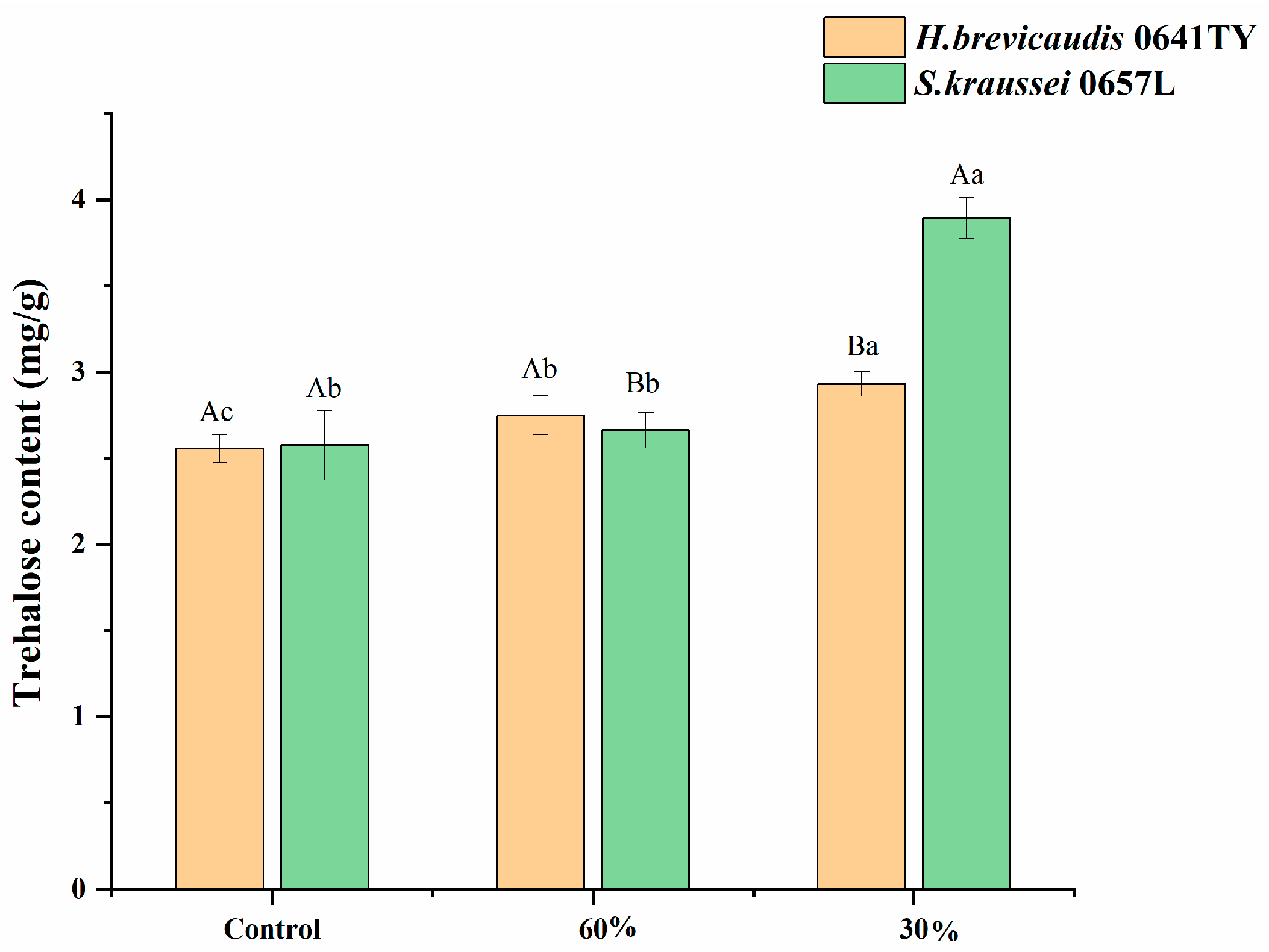
3.3. Effect of Different Humidity Stress on Energy Substances in H. brevicaudis 0641TY and S. kraussei 0657L
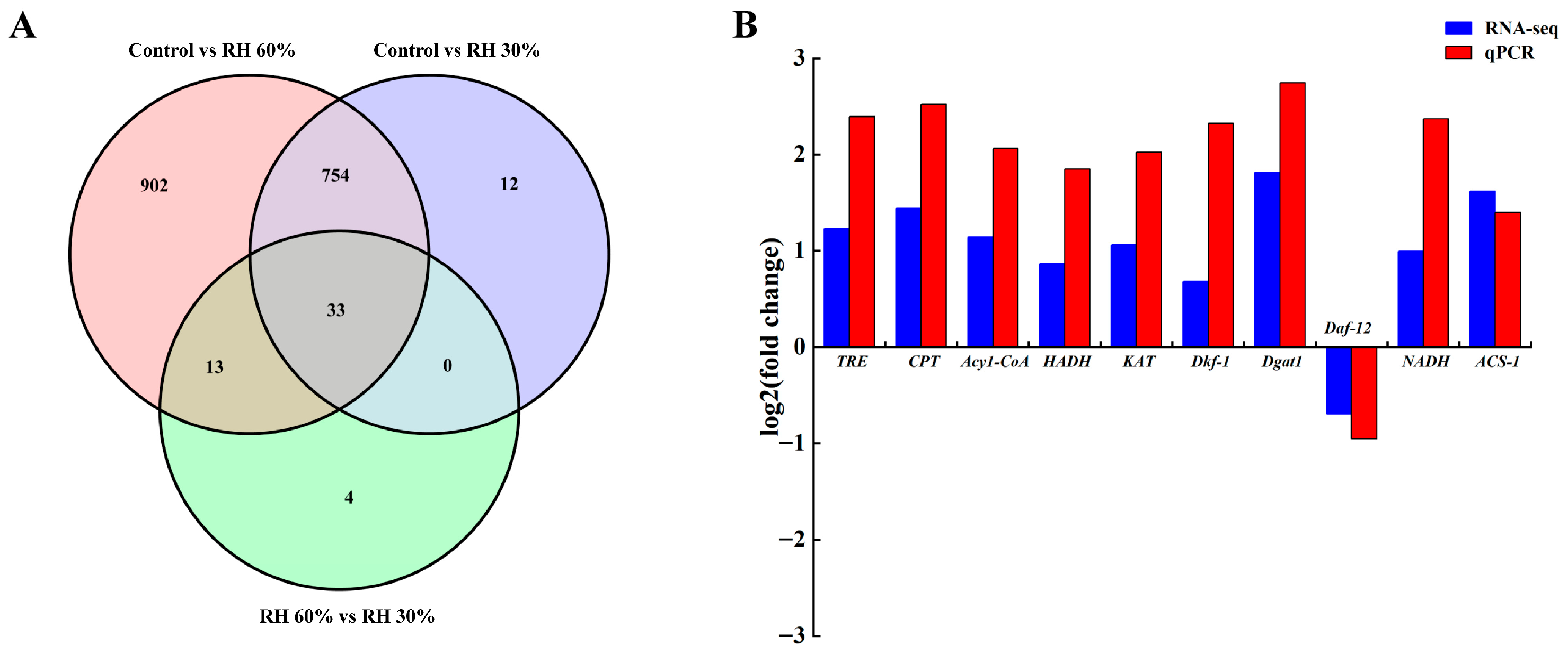
3.4. Analysis of DEGs in S. kraussei 0657L Under Varying Humidity
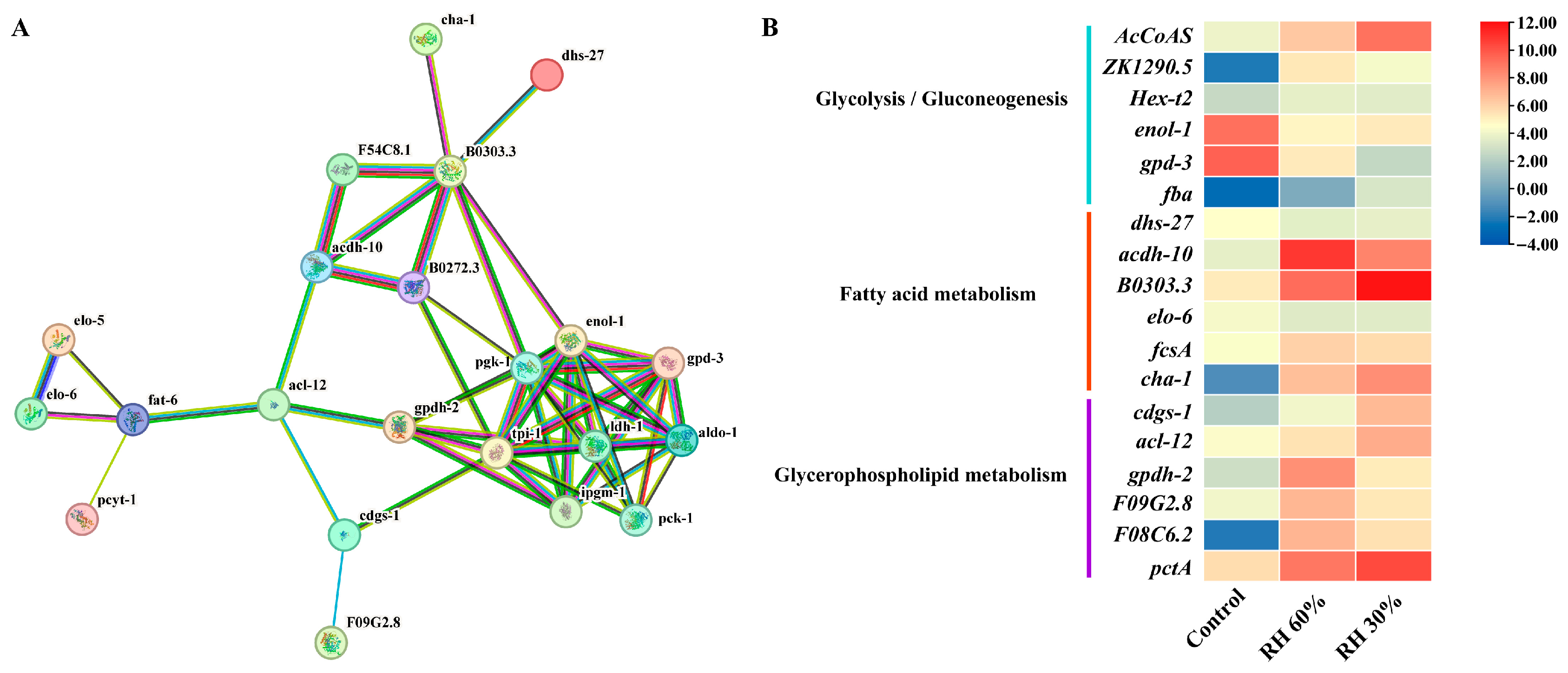
3.5. Protein Interaction Network Analysis of DEGs of S. kraussei 0657L Under Different Humidity
4. Discussion
Supplementary Materials
Author Contributions
Funding
Data Availability Statement
Acknowledgments
Conflicts of Interest
References
- Lacey, L.A.; Georgis, R. Entomopathogenic nematodes for control of insect pests above and below ground with comments on commercial production. J. Nematol. 2012, 44, 218–225. [Google Scholar]
- Yan, X.; Han, R.C. Anhydrobiosis of Entomopathogenic nematodes. Chin. J. Biol. Control 2010, 26, 90–95. [Google Scholar]
- Qian, X.J.; Liu, C.Z.; Ruan, Y.E. Pathogenicity of Entomopathogenic nematodes to grass grubs (Coleoptera: Scarabaeidae). Acta Agrestia Sin. 2015, 23, 414–421. [Google Scholar]
- Campos-Herrera, R.; Stuart, J.R.; Pathak, E.; Fahiem, E.E.; Larry, W.D. Temporal patterns of Entomopathogenic nematodes in Florida citrus orchards: Evidence of natural regulation by microorganisms and nematode competitors. Soil. Biol. Biochem. 2019, 128, 193–204. [Google Scholar] [CrossRef]
- Ramakuwela, T.; Tarasco, E.; Chavarría-Hernández, N.; Toepfer, S. Entomopathogenic nematodes: Commercial use and future perspectives. J. Invertebr. Pathol. 2025, 212, 108388. [Google Scholar] [CrossRef]
- Koppenhöfer, A.M.; Shapiro-Ilan, D.I.; Hiltpold, I. Entomopathogenic nematodes in sustainable food production. Front. Sustain. Food Syst. 2020, 4, 125. [Google Scholar] [CrossRef]
- Amelie, H.; Camilla, E.; Annette, H. Effect of Entomopathogenic nematodes on different developmental stages of Drosophila suzukii in and outside fruits. Biol. Control 2017, 62, 669–680. [Google Scholar] [CrossRef]
- Dlamini, B.E.; Addison, P.; Malan, A.P. A review of the biology and control of Phlyctinus callosus (SchÖnherr) (Coleoptera: Curculionidae), with special reference to biological control using Entomopathogenic nematodes and fungi. Afr. Entomol. 2019, 27, 279–288. [Google Scholar] [CrossRef]
- Azar, S.Z.; Kary, E.N.; Mohammadi, D. Characterization of two novel isolates of Photorhabdus and Xenorhabdus: Molecular identification, growth rate, virulence, and antibacterial susceptibility. Int. J. Trop. Insect Sci. 2025, 45, 69–81. [Google Scholar] [CrossRef]
- Salame, L.; Glazer, I. Stress avoidance: Vertical movement of entomopathogenic nematodes in response to soil moisture gradient. Phytoparasitica 2015, 43, 647–655. [Google Scholar] [CrossRef]
- Fahiem, E.B.; Nabil, K.; Duncan, L.W. Concilience in Entomopathogenic nematode responses to water potential and their geospatial patterns in Florida. Front. Microbiol. 2016, 7, 356. [Google Scholar] [CrossRef]
- Patil, J.; Nekkanti, A.; Gowda, T.M.; Sushil, S.N. Effect of temperature and soil moisture on the infectivity of four species of Entomopathogenic nematodes (Steinernema and Heterorhabditis spp.) to fall armyworm, Spodoptera frugiperda (Smith). J. Agric. Food Res. 2024, 18, 101471. [Google Scholar] [CrossRef]
- Cao, C.L.; Liu, Q.; Jian, H.; Wang, J.L. Response mechanisms of Entomopathogenic nematode to abiotic stress. Acta Entomol. Sin. 2009, 52, 312–318. [Google Scholar] [CrossRef]
- Temesgen, A.; Nevena, M.; Olaf, S.; Ralf-Udo, E. Life history traits, liquid culture production and storage temperatures of Steinernema yirgalemense. Nematology 2016, 18, 367–376. [Google Scholar] [CrossRef]
- El-Assal, F.M.; El-Lakwah, S.F.; Hasheesh, W.S.; El-Mahdi, M. Effect of the change in energy reserves on the Entomopathogenic nematode efficacy. J. Egypt. Soc. Parasitol. 2008, 38, 929–944. [Google Scholar]
- Yaari, M.; Doron-Faigenboim, A.; Koltai, H.; Salame, L.; Glazer, I. Transcriptome analysis of stress tolerance in Entomopathogenic nematodes of the genus Steinernema. Int. J. Parasitol. 2016, 46, 83–95. [Google Scholar] [CrossRef]
- Chen, S.B.; Yang, H.W.; Luan, X.Q.; Yang, X.F. Study on the leaf surface antidesiccator beneficial to Entomopathogenous nematode. J. Plant Prot. 2001, 1, 17–22. [Google Scholar]
- Joseph, M.M.; Rajendra, A.; Su, H.H.; Yeoll, L.K. Effect of cold acclimation and rapid cold-hardening on the survival of Spodoptera frugiperda (J.E. Smith) (Lepidoptera: Noctuidae) under cold stress. J. Asia-Pac. Entomol. 2022, 25, 101862. [Google Scholar] [CrossRef]
- El-Lakwah, S.; Azazy, A. Physiological and biological studies of some Entomopathogenic nematode species of families (Steinernematidae and Heterorabditidae). Egypt. Acad. J. Biol. Sci. C Physiol. Mol. Biol. 2010, 2, 45–54. [Google Scholar] [CrossRef]
- Chen, S.B.; Yang, H.W.; Jiang, S.N. Studies on the biochemical characters of Steinernema carpocapsae BJ in anhydrobiosis. Acta Parasitol. Medica Entomol. Sin. 2000, 1, 33–37. [Google Scholar]
- Qiu, L.H.; Lacey, M.J.; Bedding, R.A. Permeability of the infective juveniles of Steinernema carpocapsae to glycerol during osmotic dehydration and its effect on biochemical adaption and energy metabolism. Comp. Biocheimistry Physiol. 2016, 125, 411–419. [Google Scholar] [CrossRef]
- Wright, D.J.; Grewal, P.S.; Stolinski, M. Relative importance of neutral lipids and glycogen as energy stores in dauer larvae of two Entomopathogenic nematodes, Steinernema carpocapsae and Steinernema feltiae. Comp. Biochem. Physiol. B 1997, 118, 269–273. [Google Scholar] [CrossRef]
- Lewis, E.E.; Selvan, S.; Campbell, J.F.; Gaugler, R. Changes in foraging behaviour during the infective stage of Entomopathogenic nematodes. Parasitology 1995, 110, 583–590. [Google Scholar] [CrossRef]
- Grewal, P.S.; Bornstein-Forst, S.; Burnell, A.M.; Glazer, I.; Jagdale, G.B. Physiological, genetic, and molecular mechanisms of chemoreception, thermobiosis, and anhydrobiosis in Entomopathogenic nematodes. Biol. Control 2006, 38, 54–65. [Google Scholar] [CrossRef]
- Xie, J.; Chen, H.; Zheng, W.; Cai, Z.; Li, X.; Zhang, H. miR-275/305 cluster is essential for maintaining energy metabolic homeostasis by the insulin signaling pathway in Bactrocera dorsalis. PLoS Genet. 2022, 18, e1010418. [Google Scholar] [CrossRef]
- Wang, Z.; Gerstein, M.; Snyder, M. RNA-Seq: A revolutionary tool for transcriptomics. Nat. Rev. Genet. 2009, 10, 57–63. [Google Scholar] [CrossRef] [PubMed]
- Sumaya, N.H.; Olarewaju, O.; Ambaw, G.; Yali, A.; Godina, G.; Vandenbossche, B.; Barg, M.; Doerfler, V.; Ehlers, R.; Molina, C.M. Gene expression analysis of oxidative stress tolerance in the Entomopathogenic nematode Heterorhabditis bacteriophora. Nematology 2020, 23, 15–31. [Google Scholar] [CrossRef]
- Gaugler, R. Entomopathogenic nematodes; CAB International: Wallingford, UK, 2002; pp. 1–13. [Google Scholar]
- Liu, H.P.; Yang, Q.Y.; Liu, J.X.; Haq, I.U.; Li, Y.; Zhang, Q.Y.; Attia, K.A.; Abushady, A.M.; Liu, C.Z.; Lv, N. Host plant-mediated effects on Buchnera symbiont: Implications for biological characteristics and nutritional metabolism of pea aphids (Acyrthosiphon pisum). Front. Plant Sci. 2023, 14, 1288997. [Google Scholar] [CrossRef]
- Lv, N.; Wang, L.; Sang, W.; Liu, C.Z.; Qiu, B.L. Effects of Endosymbiont Disruption on the Nutritional Dynamics of the Pea Aphid Acyrthosiphon pisum. Insects 2018, 9, 161. [Google Scholar] [CrossRef]
- Gal, T.Z.; Glazer, I.; Hinanit, K. Differential gene expression during desiccation stress in the insect-killing nematodes Steinernema feltiae IS-6. J. Parasitol. 2003, 89, 761–766. [Google Scholar] [CrossRef]
- Grabherr, M.G.; Haas, B.J.; Yassour, M.; Levin, J.Z.; Thompson, D.A.; Amit, I.; Adiconis, L.F.; Raychowdhury, R.; Zeng, Q.D.; Chen, Z.H.; et al. Full-length transcriptome assembly from RNA-Seq data without a reference genome. Nat. Biotechnol. 2011, 29, 644–652. [Google Scholar] [CrossRef] [PubMed]
- Love, M.I.; Huber, W.; Anders, S. Moderated estimation of fold change and dispersion for RNA-seq data with DESeq2. Genome Biol. 2014, 15, 550. [Google Scholar] [CrossRef]
- Franceschini, A.; Szklarczyk, D.; Frankild, S.; Kuhn, M.; Simonovic, M.; Roth, A.; Lin, J.; Minguez, P.; Bork, P.; Von, M.C.; et al. TRING v9.1: Protein-protein interaction networks, with increased coverage and integration. Nucleic Acids Res. 2013, 41, D808–D815. [Google Scholar] [CrossRef] [PubMed]
- Mitzi, F.P.; Miguel, V.E.; Eduardo, G.O.; Hilda, R.A.; J Noé, G.C. Signatures of co-evolutionary host-pathogen interactions in the genome of the entomopathogenic nematode Steinernema carpocapsae. BMC Evol. Biol. 2017, 17, 108. [Google Scholar] [CrossRef]
- Glazer, I. Survival biology. In Entomopathogenic Nematology; Gaugler, R., Ed.; CABI Publishing: Wallingford, UK, 2002; Volume 1, pp. 169–187. [Google Scholar]
- Vanfleteren, J.R.; Vreese, A.D. Rate of aerobic metabolism and superoxide production rate potential in the nematode Caenorhabditis elegans. J. Exp. Zool. 1996, 274, 93–100. [Google Scholar] [CrossRef]
- Benjamin, L.; Storey, K.B. An overview of stress response and hypometabolic strategies in Caenorhabditis elegans: Conserved and contrasting signals with the mammalian system. J. Biol. Sci. 2010, 6, 9–50. [Google Scholar] [CrossRef]
- Jagdale, G.B.; Grewal, P.S.; Salminen, S.O. Both heat-shock and cold-shock influence trehalose metabolism in an Entomopathogenic nematode. J. Parasitol. 2005, 91, 988–994. [Google Scholar] [CrossRef]
- Bargmann, C.I.; Joshua, M.K. Signal transduction in the Caenorhabditis elegans nervos system. Annu. Rev. Neurosci. 1998, 21, 279–308. [Google Scholar] [CrossRef]
- Patel, M.N.; Wright, D.J. Glycogen its importance in the infectivity of aged juveniles of Steinernema carpocapsae. Parasitology 1997, 114, 591–596. Available online: https://pubmed.ncbi.nlm.nih.gov/9172428/.
- Solomon, A.; Paperna, I.; Glazer, I. Desiccation survival of the entomopathogenic nematode Steinernema feltiae: Induction of anhydrobiosis. Nematology 1999, 1, 61–68. [Google Scholar] [CrossRef]
- Gal, T.Z.; Solomon, A.; Glazer, I.; Koltai, H. Alterations in the levels of glycogen synthase and glycogen during desiccation in the insect-killing nematode Steinernema feltiae IS-6. J. Parasitol. 2001, 87, 725–732. [Google Scholar] [CrossRef]
- O”Leary, S.A.; Power, A.P.; Stack, C.M.; Burnell, A.M. Behavioural and physiological responses of infective juveniles of the Entomopathogenic nematode heterorhabditis to desiccation. Biocontrol 2001, 46, 345–362. [Google Scholar] [CrossRef]
- Womersley, C.Z. Entomopathogenic Nematodes in Biological Control; CRC Press: Boca Raton, FL, USA, 1990; Volume 1, pp. 117–137. [Google Scholar]
- Behm, C.A. The role of trehalose in the physioloogy of nematodes. Int. J. Parasitol. 1997, 27, 215–229. [Google Scholar] [CrossRef] [PubMed]
- Elamin, A.A.; Stehr, M.; Spallek, R.; Rohde, M.; Singh, M. The mycobacterium tuberculosis Ag85A is a novel diacylglycerol acyltransferase involved in lipid body formation. Mol. Microbiol. 2011, 81, 1577–1592. [Google Scholar] [CrossRef]
- Cox, M.M.; Nelson, D.L. Inlehninger Principles of Biochemistry; Worth Publishers: New York, NY, USA, 2013; Volume 32, pp. 947–948. [Google Scholar]
- Barrett, J. Biochemistry of Parasitic Helminths; Mac-Millan Publishers Ltd.: London, UK, 1981. [Google Scholar]
- Lee, D.L.; Atkinson, H.J. The Physiology of Nematodes; Macmillan Press: London, UK, 1976. [Google Scholar]
- Patel, M.N.; Stolinski, M.; Wright, D.J. Neutral lipids and the assessment of infectivity in Entomopathogenic nematodes: Observations on four Steinernema species. Parasitology 1997, 114, 489–496. [Google Scholar] [CrossRef] [PubMed]
- Kelli, H.M.; Corrigan, F.E.; Heinl, R.E.; Dhindsa, D.S.; Hammadah, M. Relation of changes in body fat distribution to oxidative stress. Am. J. Cardiol. 2017, 120, 2289–2293. [Google Scholar] [CrossRef]
- Xie, Y.F.; Wang, X.D.; Zhong, W.H.; Zhu, D.H.; He, Z. Transcriptome profile changes associated with heat shock reaction in the Entomopathogenic Nematode, Steinernema carpocapsae. Front. Physiol. 2020, 11, 721. [Google Scholar] [CrossRef]
- Possik, E.; Ajisebutu, A.; Manteghi, S.; Gingras, M.-C.; Vijayaraghavan, T.; Flamand, M.; Coull, B.; Schmeisser, K.; Duchaine, T.; Van Steensel, M.; et al. FLCN and AMPK confer resistance to hyperosmotic stress via remodeling of glycogen stores. PLoS Genetics 2015, 11, e1005520. [Google Scholar] [CrossRef]
- Nelson, D.L.; Cox, M.M. Structure and catalysis. In Linger Principles of Biochemistry; Worth Publishers: New York, NY, USA, 2000; pp. 598–622. [Google Scholar]
- Fan, X.; Hominick, W.M. Efficiency of the Galleria (waxmoth) baiting technique for recovering the infective stages of entomopathogenic rhabditids (Steinernematidae and Hetero-rhabditidae) from sand and soil. Rev. Nematol. 1991, 14, 382–387. [Google Scholar]
- Lewis, E.E.; Gaugler, R.; Harrison, R. Entomopathogenic nematode host finding: Response to host contact cues by cruise and ambush foragers. Parasitology 1992, 105, 309–315. [Google Scholar] [CrossRef]
- Grewal, P.S.; Gaugler, R.; Selvan, S. Host recognition by Entomopathogenic nematodes: Behavioral responsponse to contact with host. J. Chem. Ecol. 1993, 19, 1219–1231. [Google Scholar] [CrossRef] [PubMed]





| Gene | Abbreviation | Forward Primer (5′-3′) | Reverse Primer (5′-3′) |
|---|---|---|---|
| Internal reference | β—Actin | TCGGTATGGGACAGAAGGAC | CATCCCAGTTGGTGACGATA |
| Trehalose | TRE | CGGCAGGATTGAGGTGATGA | CGACACAAGCAAGCGGATG |
| Choline acetyltransferase | CAT | AGCAACCTCAAGCGACAAC | ATACCGAGAATGGCGACACT |
| 3-hydroxyacyl-CoA | HADH | GCGAGCGAGTAGTGGAGAA | GACTGACACGGAGGCGATA |
| Fatty acyl-CoA synthetase A | Acy1-CoA | GCGTATTGCCATTGTCGGTTA | GTTCTCGTGGTCTTCGTTGATT |
| Lysine acetyltransferase | KAT | AGCAACCTCAAGCGACAAC | ATACCGAGAATGGCGACACT |
| Serine/threonine-protein kinase dkf-1 | Dkf-1 | GGAAGCGGATGCCTCTGTA | CGGTTGCCTCTGATGTGTTC |
| Glycerol-3-phosphate dehydrogenase 1 | GPD-1 | GCGTATTGCCATTGTCGGTTA | GTTCTCGTGGTCTTCGTTGATT |
| NAD(+) hydrolase | NADH | GATTCAGTTCAGGAAGGCAGTT | TGTCATCGGCGGAAGATAGTAA |
| Acetyl coenzyme A synthetase | ACS-1 | AAGACTGACGACCGCTTCC | CGCTCTGCTCACTTACATACG |
| EPNs | LT50 * | 95% CI a | Slope ± Standard Errors | Correlation Coefficient | Regression Equations | |
|---|---|---|---|---|---|---|
| RH % | Mean Value | |||||
| S. kraussei 0657L | 60 | 111.847 | 104.964~119.202 | −0.031 ± 0.010 | 0.886 | Y = −0.031X + 3.462 |
| 30 | 74.503 | 71.086~77.904 | −0.048 ± 0.019 | 0.907 | Y = −0.048X + 3.606 | |
| H. brevicaudis 0641TY | 60 | 75.299 | 71.486~78.894 | −0.038 ± 0.014 | 0.948 | Y = −0.038X + 2.875 |
| 30 | 67.423 | 62.656~71.944 | −0.052 ± 0.019 | 0.868 | Y = −0.052X + 3.511 | |
| EPNs | RH % | Corrected Mortality % | |||
|---|---|---|---|---|---|
| 32 h | 40 h | 48 h | 56 h | ||
| S. kraussei 0657L | Control | 55.56 ± 5.57 a | 91.67 ± 4.81 a | 100 ± 0.00 a | 100 ± 0.00 a |
| 60 | 52.80 ± 3.35 ab | 72.20 ± 5.56 bc | 88.90 ± 2.80 a | 94.45 ± 2.77 a | |
| 30 | 22.23 ± 2.77 c | 27.78 ± 2.77 d | 55.57 ± 3.63 b | 66.67 ± 1.67 b | |
| H. brevicaudis 0641TY | Control | 58.33 ± 4.81 a | 88.89 ± 2.77 ab | 97.22 ± 8.33 a | 97.23 ± 2.77 a |
| 60 | 33.33 ± 2.84 bc | 66.67 ± 4.81 c | 88.90 ± 2.78 a | 91.67 ± 0.00 a | |
| 30 | 25.00 ± 4.79 c | 30.56 ± 2.77 d | 41.67 ± 4.81 b | 58.33 ± 8.33 b | |
Disclaimer/Publisher’s Note: The statements, opinions and data contained in all publications are solely those of the individual author(s) and contributor(s) and not of MDPI and/or the editor(s). MDPI and/or the editor(s) disclaim responsibility for any injury to people or property resulting from any ideas, methods, instructions or products referred to in the content. |
© 2025 by the authors. Licensee MDPI, Basel, Switzerland. This article is an open access article distributed under the terms and conditions of the Creative Commons Attribution (CC BY) license.
Share and Cite
Wu, X.; Li, W.; Zhang, T.; Chen, H.; Zhang, W.; Wang, X.; Qian, X. Response of Energy Reserves in Entomopathogenic Nematodes to Drought-Stress and Expression Analysis of Energy Metabolism-Related Genes in Arid Areas. Insects 2026, 17, 22. https://doi.org/10.3390/insects17010022
Wu X, Li W, Zhang T, Chen H, Zhang W, Wang X, Qian X. Response of Energy Reserves in Entomopathogenic Nematodes to Drought-Stress and Expression Analysis of Energy Metabolism-Related Genes in Arid Areas. Insects. 2026; 17(1):22. https://doi.org/10.3390/insects17010022
Chicago/Turabian StyleWu, Xia, Wenliang Li, Tingwei Zhang, Hong Chen, Wende Zhang, Xingduo Wang, and Xiujuan Qian. 2026. "Response of Energy Reserves in Entomopathogenic Nematodes to Drought-Stress and Expression Analysis of Energy Metabolism-Related Genes in Arid Areas" Insects 17, no. 1: 22. https://doi.org/10.3390/insects17010022
APA StyleWu, X., Li, W., Zhang, T., Chen, H., Zhang, W., Wang, X., & Qian, X. (2026). Response of Energy Reserves in Entomopathogenic Nematodes to Drought-Stress and Expression Analysis of Energy Metabolism-Related Genes in Arid Areas. Insects, 17(1), 22. https://doi.org/10.3390/insects17010022