1. Introduction
To enhance safety performance in pedestrian protection, the European Union took a groundbreaking step in 2003 by implementing regulations specifically addressing pedestrian protection. Moreover, the concept of star-rated vehicles was proposed for the first time in 2009 [
1]. Following this lead, countries such as Japan and Australia, among others, have developed their own regulations on pedestrian protection, and pedestrian safety is regarded as one of the important standards for vehicle safety.
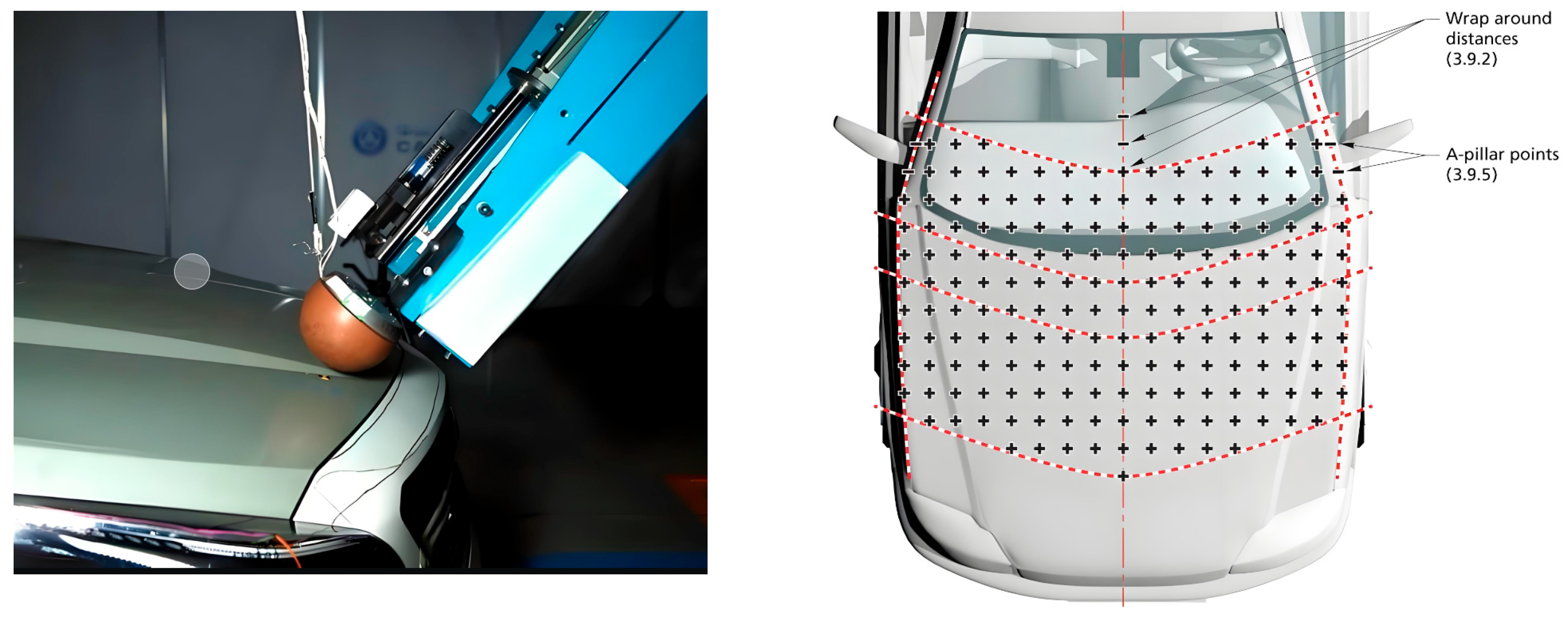
Figure 1 illustrates the impact points of a pedestrian head impact test alongside relevant regulations.
Due to regulatory requirements for pedestrian protection, relevant performance must be considered during the vehicle design stage. During the pedestrian protection tests, a large number of impact points need to be verified according to the relevant regulations, which consumes a lot of costs and delays the improvement design process. In recent years, the widespread application of finite element simulations in the automotive field has greatly reduced the consumption of manpower and cost caused by actual vehicle testing. However, finite element simulation requires a lot of time to calculate. Especially in pedestrian head protection verification, efficient verification of a large number of impact points is still a problem that needs to be solved.
In order to reduce the cost of pedestrian head verification, researchers have conducted continuous research. Y. Pei et al. [
2] used mathematical and theoretical methods and established six representative acceleration pulse and function models based on pedestrian protection tests, which simplified the head injury standard into function coefficients. Wimmer P et al. [
3] developed a surrogate model for rapid calculation of pedestrian head injuries by considering specific local characteristics such as vehicle geometry and stiffness, as well as external parameters of pedestrian impact such as location and velocity. Lee Y et al. [
4] used the experimental design method when designing engine covers and pedestrian airbags and could quickly obtain the head injury value corresponding to each variable combination by interpolating and regression fitting the design variables. Tianci Zhang et al. [
5] rapidly predicted the corresponding head injury values through the specific structural variable parameters of the engine hood.
With the development of machine learning theory, its application domains have rapidly expanded [
6,
7,
8]. In recent years, many studies have applied machine learning to various relevant fields [
9,
10,
11]. For example, Guanyu Sun [
12] used machine learning methods to predict the stiffness distribution of aircraft thin-walled structures. Yang L et al. [
13] used neural networks to predict the energy absorption and average collision force of thin-walled beams and analyzed and optimized the structural crashworthiness of super-hexagonal aluminum honeycomb. Baykasoğlu A et al. [
14] established an artificial neural network model to predict the peak collision force and specific energy of circular tubes with gradient thickness and used genetic algorithms to perform multi-objective optimization. Machine learning methods have been widely used in the field of structural engineering. Compared with traditional prediction methods, machine learning methods have a higher accuracy and wider scope of use.
This paper proposes a deep learning-based method for rapidly predicting pedestrian head injuries, the core of which is to establish a prediction model for the pedestrian head protection performance of vehicles. Since pedestrian injury severity is often quantified by the head injury criterion (HIC), this study builds a pedestrian head protection performance prediction model by predicting the HIC values of multiple vehicles. Compared with using specific structural parameters as input, the proposed model fully utilizes the complete three-dimensional structural information of the vehicle body as the input, enabling rapid evaluation of HIC values and making it applicable to a wider range of vehicle structures. Furthermore, with the support of the model’s rapid performance prediction capability, the optimization and iterative design process of engine hood inner panel structures based on pedestrian injury performance can be significantly accelerated, thereby effectively improving design and computational efficiency during the early vehicle development stage.
The remaining sections of this paper are organized as follows:
Section 2 introduces the overall method in this paper.
Section 3 proposes the sample acquisition and structural characterization methods.
Section 4 establishes the head injury prediction model. Finally, the last section is a summary of the full paper.
2. Methodology
In order to quickly obtain the pedestrian head protection performance of automobiles and save the time and cost involved in the simulation calculations using finite element methods during the design and optimization phases, a method for rapid prediction of pedestrian head protection performance based on deep learning is proposed in this paper.
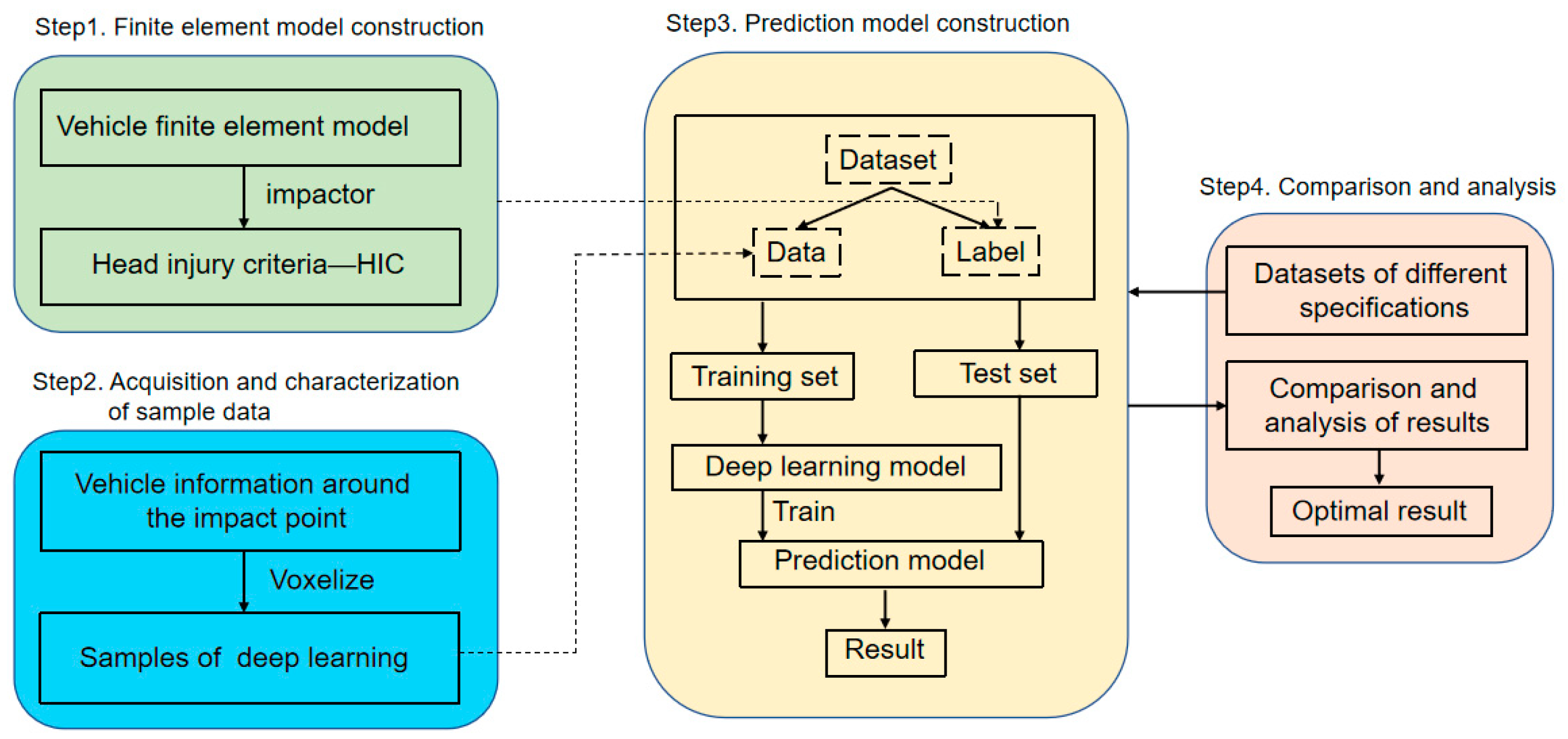
Figure 2 illustrates the specific framework of this method, which consists of four main components (i.e., finite element model construction, acquisition and characterization of sample data, prediction model construction, and comparison and analysis). The steps of the method are described below.
Step 1: Based on the full-vehicle finite element model and the pedestrian head impact conditions specified by C-NCAP, the simulation results are obtained, and the corresponding HIC value is calculated according to the standard HIC formula defined in the regulations.
Step 2: Vehicle information around the head collision points is extracted and digitally expressed using voxelization.
Step 3: The HIC values obtained in Step 1, together with the voxelized local vehicle structural information corresponding to each impact point obtained in Step 2, are combined to form the dataset. The dataset is then preprocessed and divided into a training set and a test set. Using the training set and an appropriate deep learning model, a prediction model for obtaining HIC is constructed, and the performance of the model is validated using the test set.
Step 4: Considering the impact of the voxelization parameters in Step 2 on the final prediction performance, datasets of different specifications are generated according to different parameter combinations. For each specification, the training and evaluation process of Step 3 is repeated, and the model performance metrics on a unified test set are compared. Finally, the data specification with the optimal accuracy and efficiency is selected.
3. Sample Acquisition and Structural Characterization
3.1. Response Data Acquisition Based on Finite Element Method
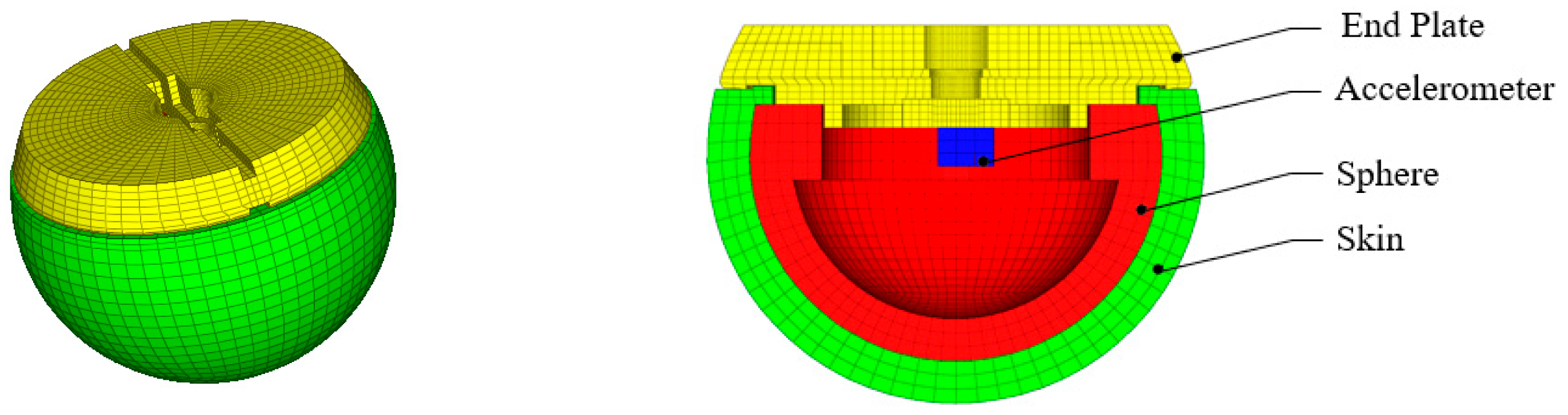
In establishing the prediction model for pedestrian head injuries, this paper utilizes collision points on the engine hood as sample data. A child head impactor is used for injury simulation in the finite element model to meet C-NCAP requirements, as shown in
Figure 3.
During the establishment of the simulation conditions for head collision, according to relevant regulations, the centerline of the head model should pass through the target point of impact, the collision angle of the head model should form a 50° angle with the ground reference plane, and the velocity should be 40 km/h. In the simulation, the initial position of the head is fixed at an appropriate location, the entire collision simulation time is set to 0.06 s, and the head is given an initial velocity of 40 km/h and makes contact with the front hood position. Gravity is applied throughout the simulation, with gravity acceleration set to 10 m/s
2. When creating control cards, the time step is set to 5 × 10
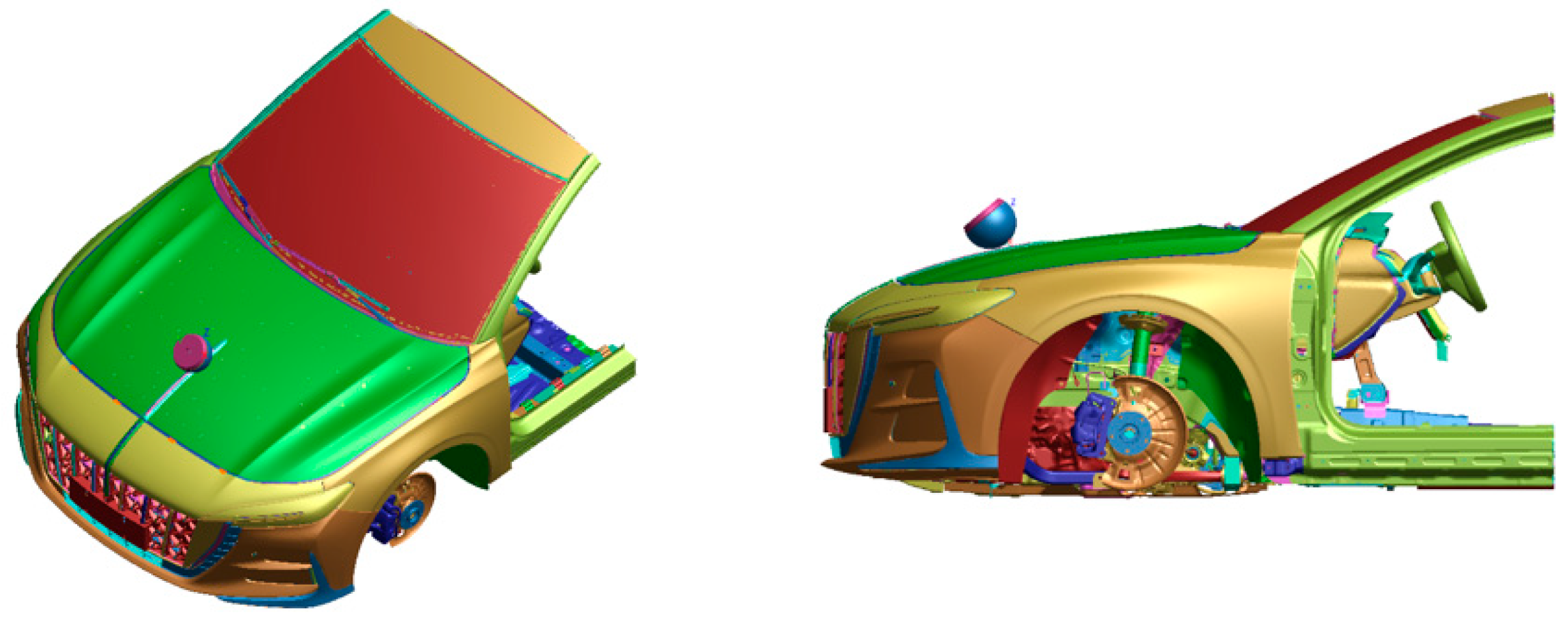
−7 s. The final simulation model is depicted in
Figure 4, followed by the simulation computation.
The simulation computations are conducted using LS-DYNA (R11.1) simulation software [
15], which primarily employs explicit solving methods and is utilized in various fields such as nonlinear dynamic analysis. In terms of computational hardware, an Intel i9-14900K CPU is utilized for the simulation process.
During the construction of the finite element model, sensors are embedded in the child head model to output the acceleration–time response of the sensors as the response result of the head collision process. The head injury criterion (HIC) value is used to evaluate pedestrian head injuries caused by vehicle collisions, assessing the severity of head injuries during the collision process. The calculation of the HIC follows the standard formula specified by C-NCAP, which is defined as follows:
where
a represents the acceleration response value of the head during the collision process;
g denotes the gravitational acceleration; and
t1 and
t2 represent two moments during the collision process, with the maximum time interval not exceeding 15 ms. This means that within a time interval
t1 to
t2 no greater than 15 ms, the maximum value of the HIC formula is obtained for that specific time interval.
3.2. Extraction and Representation of Structural Data
After acquiring the sample data, the next step is to determine the input format for the prediction model. Vehicle structural data needs to be transformed into a format that the model can recognize and accept as input for integration with deep learning models. Considering the complexity of three-dimensional structures, their information cannot be adequately expressed using simple parameters. Therefore, it is necessary to perform uniform structural transformation and representation of vehicle structural data.
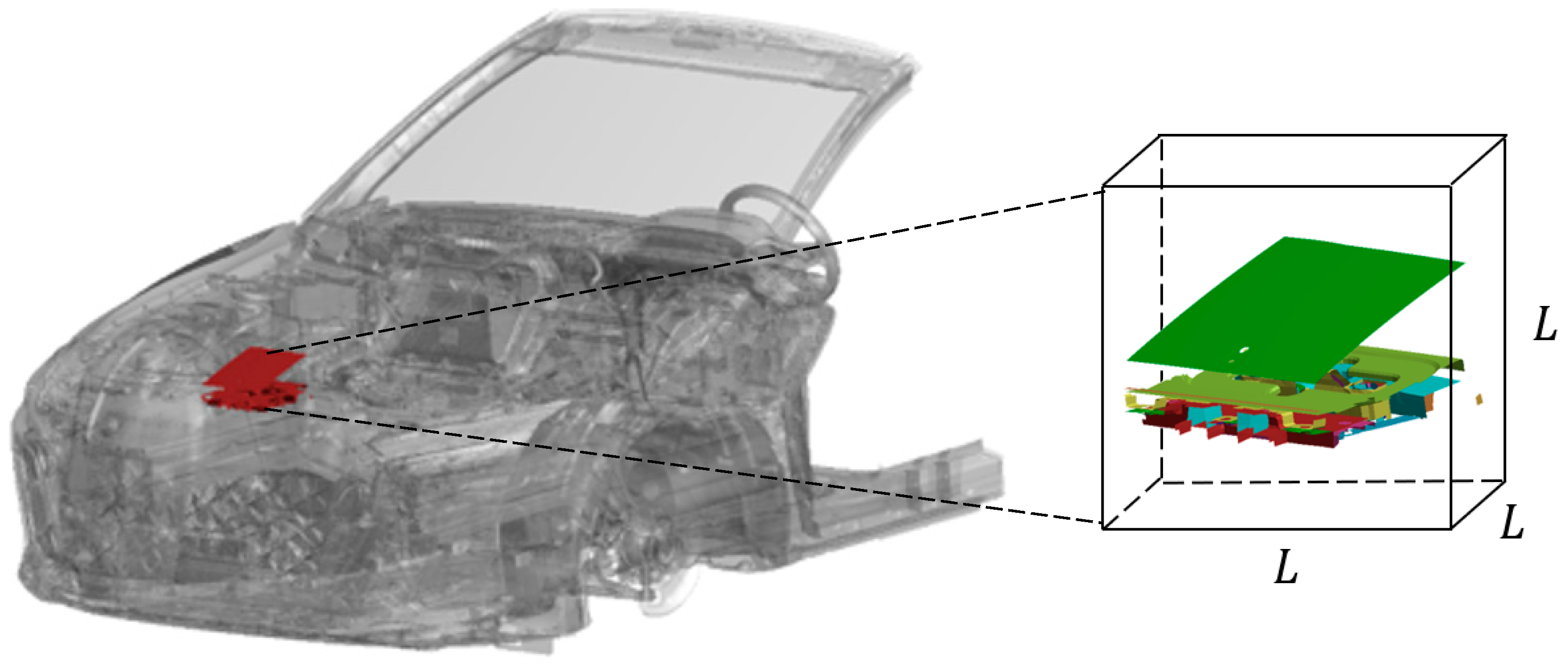
When extracting structural data, the extracted content is structural information around the collision point. In order to ensure that each collision point can have complete structural information corresponding to it, this article defines the method of extracting structural information from each collision point as follows: taking the collision point as the benchmark and extracting it from the entire vehicle structure.
Figure 5 shows the structure extraction process.
For each collision point, all structures within a square range of size centered around it are considered as representative structural information for this collision point. This representation method not only distinguishes the structures of all collision points but also ensures the complete recording of the structures in this area, preserving all potential factors that affect the head injury results. After determining the form of structural extraction, further characterization of the structural information will be conducted.
Voxelization is an important concept in computer graphics, which not only includes surface information of voxelized objects but also expresses internal attributes of models. Considering the characteristics of voxel structures, this paper adopts voxelization [
15,
16] to digitize the structural information of the vehicle finite element model. The basic principle is to transform the structures surrounding the collision points into a three-dimensional discrete space
based on a three-dimensional Cartesian coordinate system. The size of the three-dimensional discrete space corresponds to the specified extraction range in each direction, achieving an envelope of structural data. The definition of the discrete space is as follows:
where
L represents the range value for structural extraction and
represents the resolution of the structural voxels. A larger
results in higher spatial discretization, leading to a more detailed representation of the structure; conversely, a smaller
leads to lower spatial discretization and a coarser representation of the structure.
For the extracted finite element structure information, the coordinate information of all its nodes is defined as point set P, then each voxel in the discrete space is expressed by the index
, and the index is defined as:
where
and
represent the minimum values in the x, y, and z directions, respectively, of point set P and
,
and
represent the maximum values in the x, y and z directions, respectively, of point set P using the indexing method. The voxels occupied by the nodes receive a value of 1, while the voxels not occupied have a value of 0. This method defines the structural information surrounding the collision points.
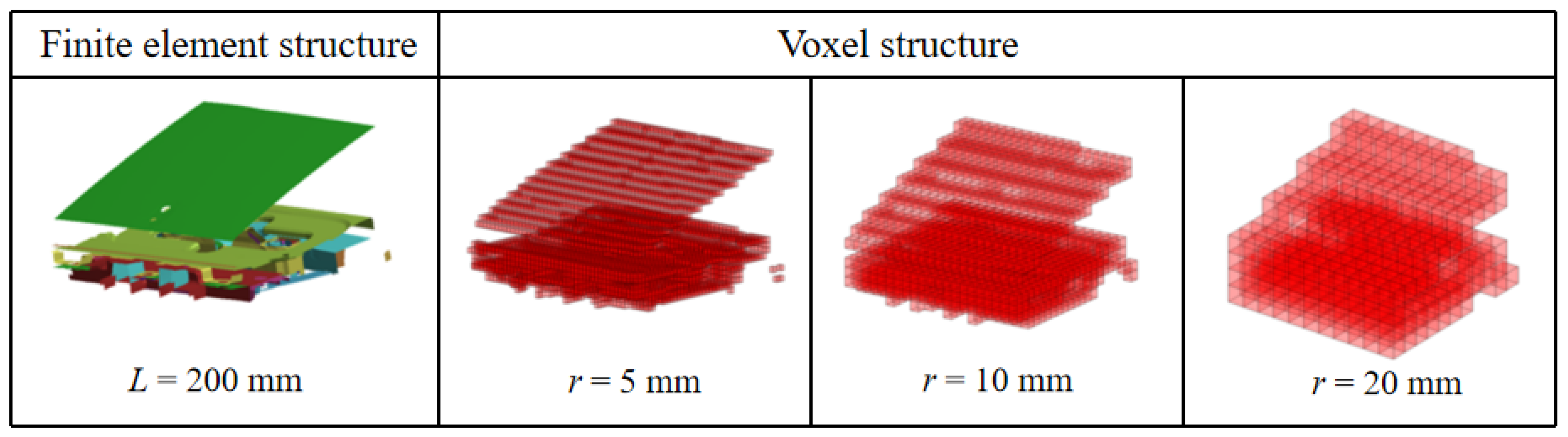
Figure 6 illustrates the voxelization results of the structural information surrounding the collision points at different resolutions.
4. Establishing the Pedestrian Head Injury Prediction Model
4.1. Defining the Prediction Model Dataset
In the initial stage of establishing the prediction model, it is necessary to define the format of the dataset to select appropriate machine learning models for training. When extracting and voxelizing structures, the primary parameters include voxel resolution
r and structural extraction range
L. Considering the integrity of structural representation and the structures that may affect the head impact location, as shown in
Figure 6, when r = 5 mm, the structural representation is more complete. Therefore, the input specifications of the dataset are preliminarily defined as shown in
Table 1.
In related studies [
17,
18], it has been shown that the main factor affecting head collision injuries is the engine hood assembly. To highlight its weight in model prediction, additional dataset definitions are made. The outer and inner structures of the engine hood are separately extracted and designated as the second and third channels, respectively. To maintain consistency with the previous data format, zero matrices are added in the second and third channels. The input form of the dataset is shown in
Table 2.
4.2. Construction and Training of 3D Convolutional Neural Network Models
Based on the characteristics of the data, this paper employs convolutional neural networks (CNNs) to establish the prediction model. To enhance the predictive performance of the model and accelerate the learning process, transfer learning is used to build the model. The basic idea of transfer learning is to improve the learning performance of another related task by transferring knowledge learned from one task. It can improve the training efficiency and generalization ability of the model and is widely used in deep learning [
19]. In this process, ResNet50, MobileNet, SqueezeNet, and ShuffleNet convolutional neural network models are selected and modified into corresponding 3D convolutional neural networks (3D CNNs). Subsequently, training is conducted on the four convolutional neural network models mentioned above, and their performances are compared.
Before training the 3D CNN models, it is necessary to determine the hyperparameters for model training. Since the training methods and types of hyperparameters are the same, only the model structures differ. The hyperparameters for model training are unified to ensure consistency in performance comparison. The specific hyperparameters are shown in
Table 3.
This paper uses data from 37 vehicles to construct the dataset for the prediction model, in which a total of 2828 sample points from 33 vehicles are used as the training set and a total of 512 sample points from the remaining 4 vehicles are used as the validation set. During the training phase, mean squared error is employed as the loss function. After the model training concludes, a uniform evaluation method is applied. The evaluation metric is defined by the following formula:
where
represents the number of samples in the test set and
and
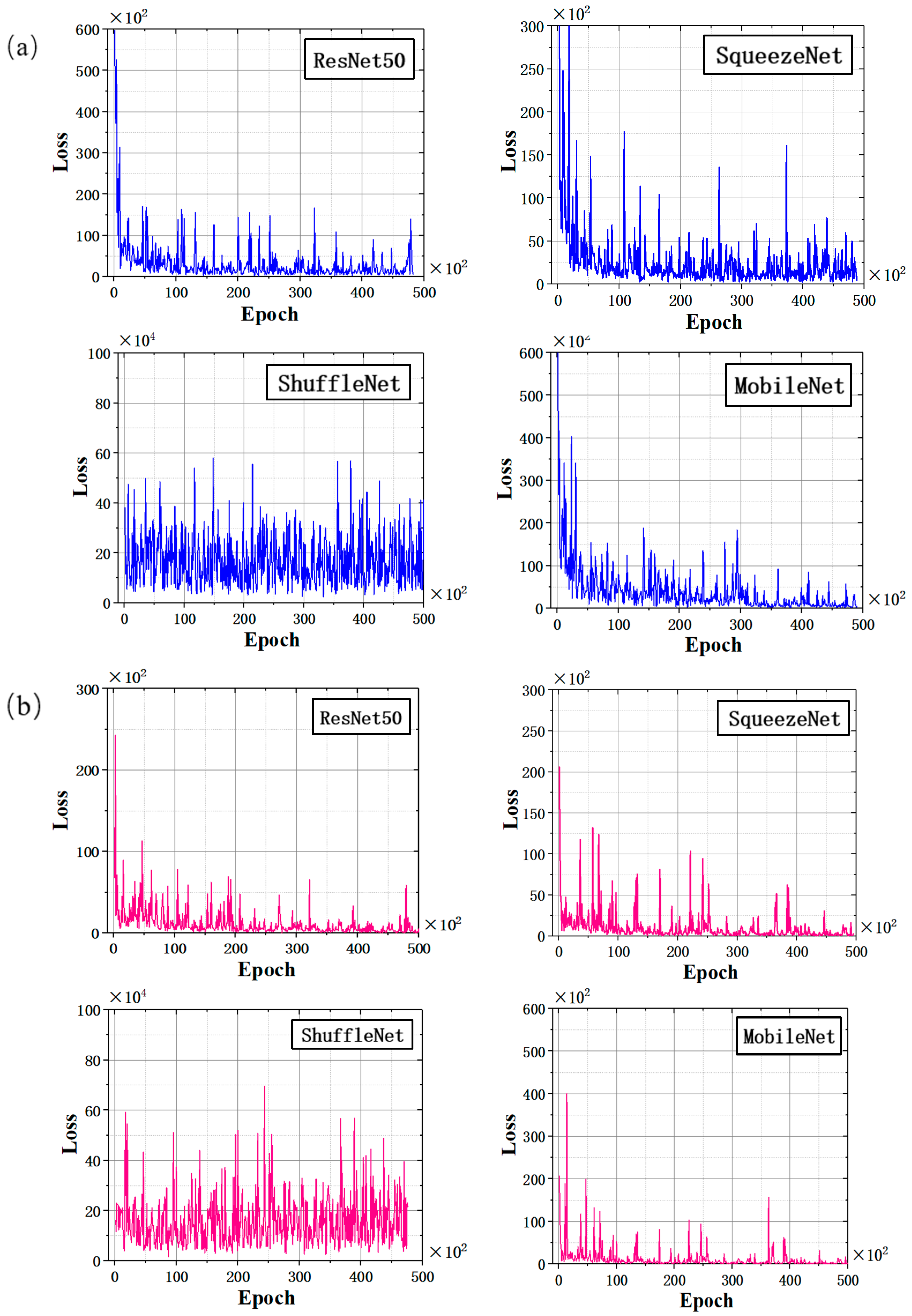
represent the true values and predicted values, respectively. The model’s performance is evaluated based on the above formula. The loss graph during the model training process is depicted in
Figure 7.
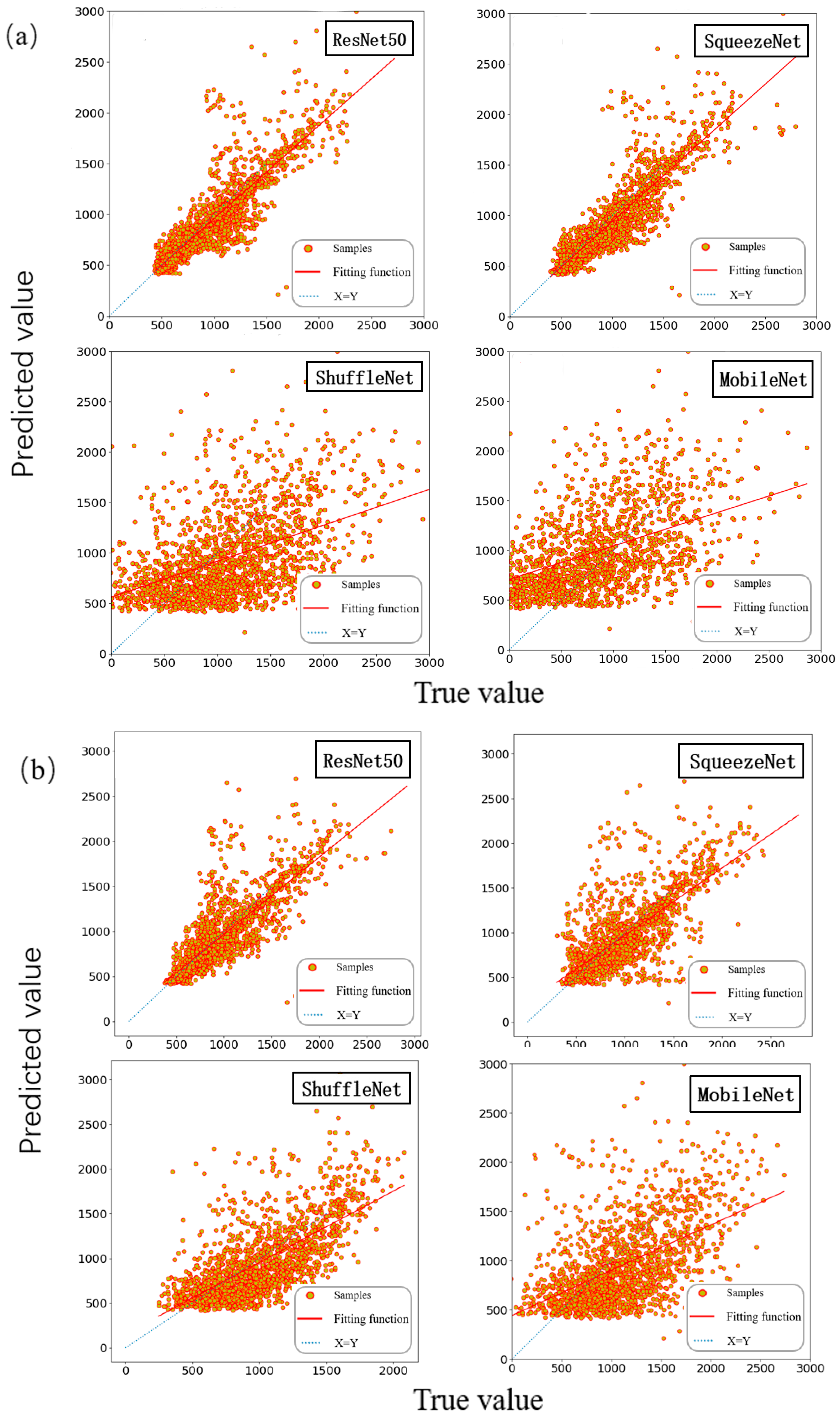
After training, the model’s performance is evaluated using sample data from the testing set.
Figure 8 illustrates the prediction results of different models.
Based on the training results, among the four constructed prediction models,
Figure 8 shows that the prediction curves of ResNet50 and SqueezeNet are obviously closer to the true values compared with ShuffleNet and MobileNet. At the same time, in terms of error values, as shown in
Table 4, ResNet50 has the smallest error on both types of datasets and exhibits a lower average error on Dataset II. Therefore, Dataset II and ResNet50 are selected as the focus for further optimization and adjustment in this study.
4.3. Dataset Parameter Selection and Cross-Validation
After determining the model type and dataset form, in order to further explore the impact of dataset specifications on prediction accuracy, different combinations of datasets are analyzed. The extraction range L of the structure and the voxel resolution r during voxelization are decisive parameters for the form of the dataset. The extraction range and voxel resolution are expanded and trained using the determined dataset form and convolutional neural network model.
Based on the different parameter settings, as shown in
Table 5, 12 different formats of dataset inputs are constructed, with the output being the pedestrian head injury HIC value corresponding to each collision point. The above 12 types of datasets select the optimal specifications during training, and the selection of hyperparameters during the training process is the same as above.
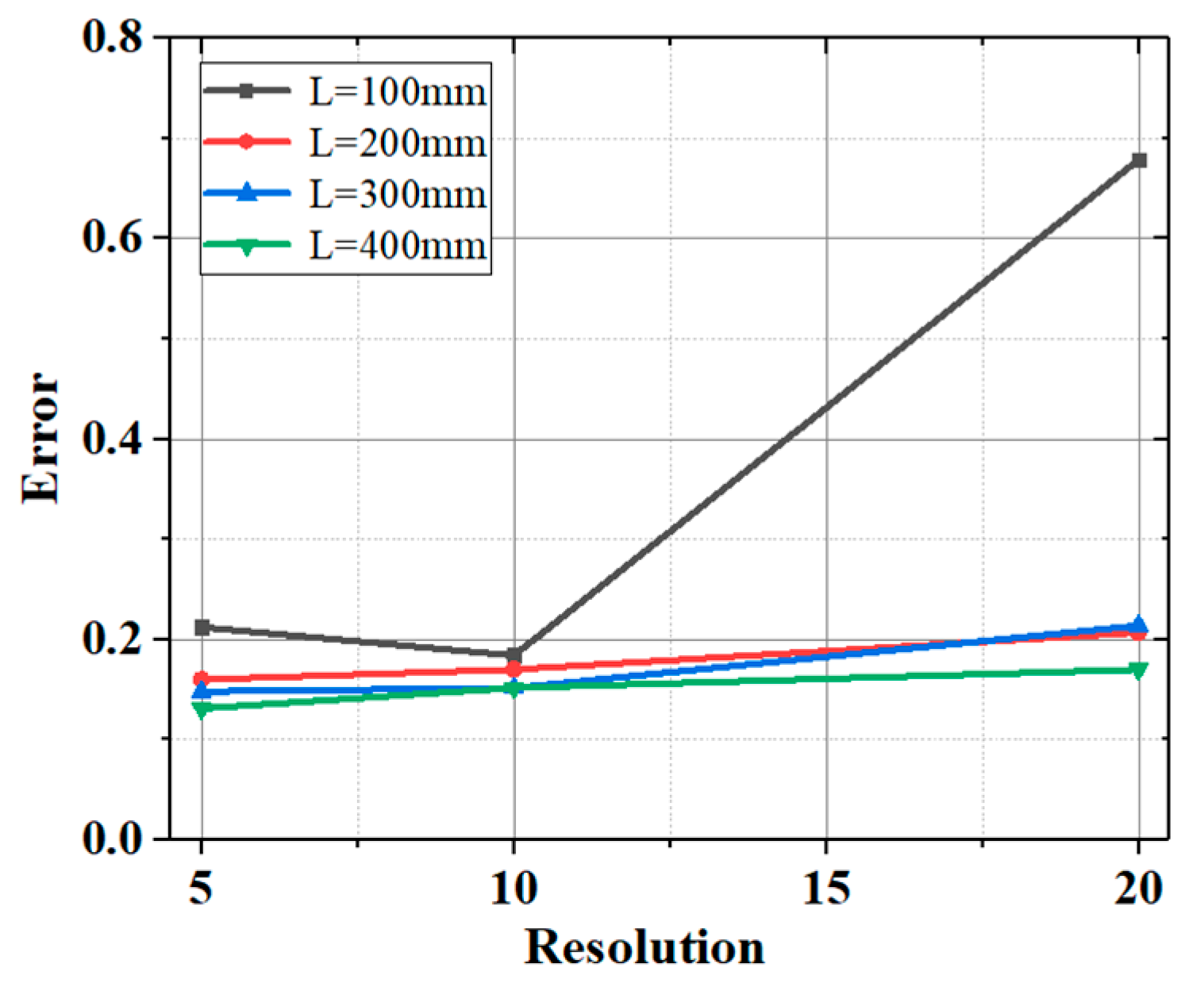
Figure 9 shows the relationship between resolution and error under different extraction ranges. It can be seen that except for the case of L = 100 mm, when the voxel resolution is fixed, the larger the extraction range L, the smaller the average error. When L = 100 mm, there are no obvious patterns and large errors. The reason for this is that the extraction of the structure is lower than the effective range and the large resolution causes distortion of the structure.
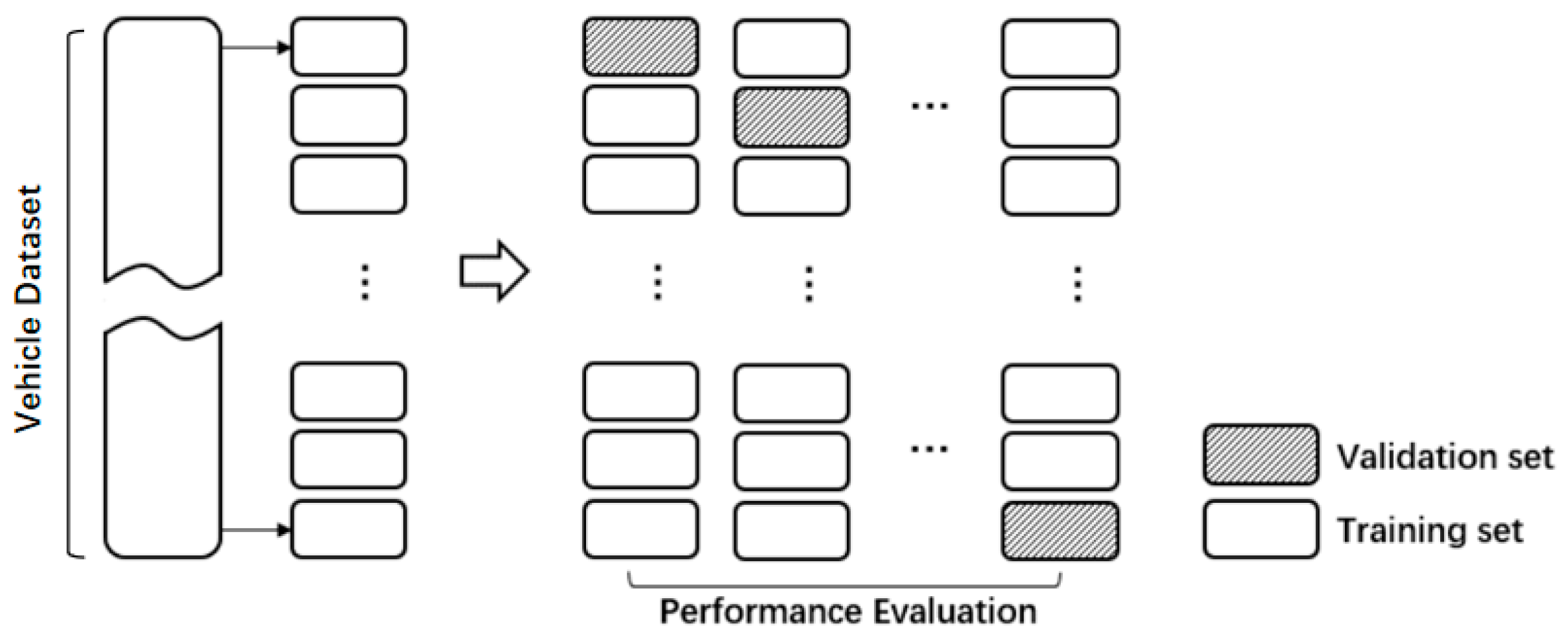
Table 6 shows the training results of all datasets. According to the content in the table, it can be concluded that Scheme 12 achieves a minimum average error of 13.1%. To further assess the robustness and generalization ability of the prediction model, K-fold cross-validation is conducted based on the parameters of Scheme 12, as illustrated in
Figure 10. The dataset is divided into five folds, with each fold serving as the validation set in turn while the remaining folds were used for training. The results of the cross-validation are summarized in
Table 7.
The data in
Table 7 demonstrates that throughout the cross-validation process, the results of the average error remain relatively stable, with a comprehensive average error of 14.28%. This indicates that the prediction model possesses good robustness and generalization ability.
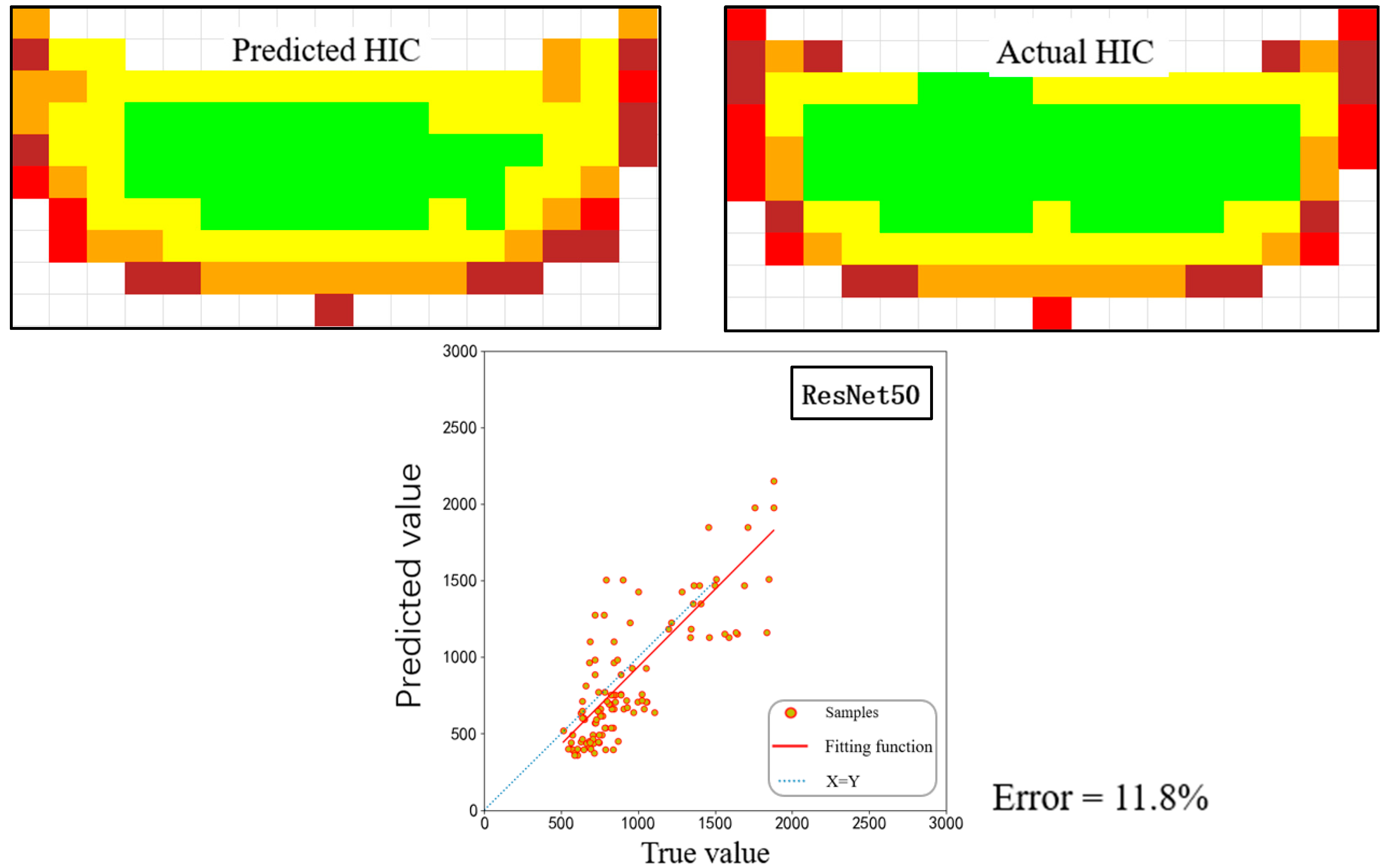
In order to reflect the intuitiveness of model prediction, the sample data of a random vehicle in V4 in cross-validation is used to predict the outcome of children’s head injuries. After sample collection and model prediction, the results are shown in
Figure 11. The head injury value prediction error is 11.8%, and the injury grade distribution is similar to the real results. The results show that the prediction model has a considerable degree of accuracy and applicability in predicting sample data.
5. Conclusions
In this paper, a rapid prediction method for pedestrian head injuries based on deep learning is proposed to save time and costs during the automotive design and production process. Sample data for establishing the pedestrian head injury prediction model is defined, utilizing the head injury criterion to reflect the pedestrian protection performance of vehicles. Taking the collision point as the center, the vehicle body structure in the surrounding cubic range is extracted to represent the structural information of the collision point and expressed in voxels, so that the structural information can be used as the input of the prediction model. The ResNet50, MobileNet, SqueezeNet, and ShuffleNet convolutional neural network models were modified, and collision sample data from 37 vehicles were selected for training the prediction model. Based on the training results, the form and specifications of the dataset and the most suitable ResNet deep learning model were determined. Five-fold cross-validation was performed, and the accuracy differences among the validation sets were small, with an average error of 14.48%, indicating that the model has strong robustness and generalization ability. The model that performed best in the cross-validation had an average error of 12.2% on the validation sets. Furthermore, this model was applied to a new vehicle for validation, resulting in an error of 11.8%, indicating that the prediction model has high applicability in full-vehicle collision scenarios.
6. Limitations and Future Work
Although the proposed prediction framework demonstrates good performance, several limitations remain. First, the current dataset is mainly from child head impact regions; future work should include adult regions to improve applicability. Second, the dataset only contains 37 vehicles and expanding it could further enhance prediction accuracy. Finally, the engine hood structure is represented using voxelization, which may lose some geometric details; future studies could explore multi-view imaging methods to improve structural representation.
Author Contributions
Investigation, H.T. and Z.D.; Methodology, H.T. and Z.D.; Conceptualization, X.W. and Z.H.; Writing—Reviewing and Editing, X.W. and Z.L.; Writing—Original draft, Z.H. and Z.L. All authors have read and agreed to the published version of the manuscript.
Funding
This research received no external funding.
Data Availability Statement
All data supporting the findings of this study are proprietary and are not publicly available due to confidentiality agreements.
Conflicts of Interest
Authors Hongbin Tang, Xuesong Wang and Zehui Huang were employed by the company China FAW Corporation Limited. The remaining authors declare that the research was conducted in the absence of any commercial or financial relationships that could be construed as a potential conflict of interest.
References
- Regulation (EC) No78/2009 of the european parliament and the council of 14 January 2009. Off. Eur. Union 2009, 4, 1–35.
- Pei, Y.; Song, W.; Duan, C.; Yang, K. Study on characteristics and simplified function of pedestrian head injury criterion (HIC) based on mathematical analysis. In Proceedings of the 2022 International Conference on Computer Engineering and Artificial Intelligence (ICCEAI), Shijiazhuang, China, 22–24 July 2022; pp. 810–814. [Google Scholar] [CrossRef]
- Wimmer, P.; Benedikt, M.; Huber, P.; Ferenczi, I. Fast calculating surrogate models for leg and head impact in vehicle–pedestrian collision simulations. Traffic Inj. Prev. 2015, 16, S84–S90. [Google Scholar] [CrossRef] [PubMed][Green Version]
- Lee, Y.; Choe, W.; Park, G.-J. Pedestrian Protection System Design for SUV Using the Design of Experiments. Trans. Korean Soc. Automot. Eng. 2016, 24, 24–32. [Google Scholar] [CrossRef][Green Version]
- Zhang, T.; Wang, W.; Li, B.; Zeng, T.; Meng, F. Deep neural network based head injury criterion estimation for more efficient pedestrian protection performance evaluation in bonnet structure design. Adv. Eng. Softw. 2025, 202, 103867. [Google Scholar] [CrossRef]
- Chaabene, W.B.; Flah, M.; Nehdi, M.L. Machine learning prediction of mechanical properties of concrete: Critical review. Constr. Build. Mater. 2020, 260, 119889. [Google Scholar] [CrossRef]
- Zhou, C.; Xie, Y.; Wang, W.; Zheng, Y. Machine learning driven post-impact damage state prediction for performance-based crashworthiness design of bridge piers. Eng. Struct. 2023, 292, 116539. [Google Scholar] [CrossRef]
- Ma, W.; Almasifar, N.; Amini, R.; Ourang, A.; Mahariq, I.; Alhoee, J. Crashworthiness evaluation and optimization of full polypropylene sandwich tubes under low-velocity impact based on machine learning algorithms. Structures 2024, 60, 105901. [Google Scholar] [CrossRef]
- Guo, W.; Xu, P.; Yang, C.; Guo, J.; Yang, L.; Yao, S. Machine learning-based crashworthiness optimization for the square cone energy-absorbing structure of the subway vehicle. Struct. Multidiscip. Optim. 2023, 66, 182. [Google Scholar] [CrossRef]
- Wahab, L.; Jiang, H. Severity prediction of motorcycle crashes with machine learning methods. Int. J. Crashworthiness 2020, 25, 485–492. [Google Scholar] [CrossRef]
- Baykasoğlu, A.; Baykasoğlu, C. Multiple objective crashworthiness optimization of circular tubes with functionally graded thickness via artificial neural networks and genetic algorithms. Proc. Inst. Mech. Eng. Part C J. Mech. Eng. Sci. 2017, 231, 2005–2016. [Google Scholar] [CrossRef]
- Sun, G.; Qi, Z.; Yao, C.; Han, W.; Tian, W. Stiffness distribution guided positioning layout design for aircraft thin-walled components using a conditional GANs based NSGA-III. Adv. Eng. Inform. 2026, 69, 104066. [Google Scholar] [CrossRef]
- Yang, L.; Yang, C. Machine-Learning Assisted Crashworthiness Analysis and Optimization of the Super Hexagonal Aluminum Honeycomb Structure. 2023, preprint.
- Hallquist, J.O. LS-DYNA theory manual. Livermore Softw. Technol. Corp. 2006, 3, 25–31. [Google Scholar]
- Karabassi, E.A.; Papaioannou, G.; Theoharis, T. A Fast Depth-Buffer-Based Voxelization Algorithm. J. Graph. Tools 1999, 4, 5–10. [Google Scholar] [CrossRef]
- Hinks, T.; Carr, H.; Truong-Hong, L.; Laefer, D.F. Point Cloud Data Conversion into Solid Models via Point-Based Voxelization. J. Surv. Eng. 2013, 139, 72–83. [Google Scholar] [CrossRef]
- Mao, Q.; Lv, F.; Sun, B.; Zhan, Z.; Yi, Z.; Wen, L. Optimization design of engine hood system for pedestrian protection and lightweight. IET Conf. Proc. 2023, 2023, 342–347. [Google Scholar] [CrossRef]
- Liu, M.; Sun, F.; Wang, B.; Wang, J.; Yang, N. Design of a New Engine Hood based on Lattice Structure for Pedestrian Protection. J. Phys. Conf. Ser. 2021, 1965, 012035. [Google Scholar] [CrossRef]
- Gupta, J.; Pathak, S.; Kumar, G. Deep learning (CNN) and transfer learning: A review. J. Phys. Conf. Ser. 2022, 2273, 012029. [Google Scholar] [CrossRef]
- Kingma, D.P.; Ba, J. Adam: A method for stochastic optimization. arXiv 2014, arXiv:1412.6980. [Google Scholar]
| Disclaimer/Publisher’s Note: The statements, opinions and data contained in all publications are solely those of the individual author(s) and contributor(s) and not of MDPI and/or the editor(s). MDPI and/or the editor(s) disclaim responsibility for any injury to people or property resulting from any ideas, methods, instructions or products referred to in the content. |