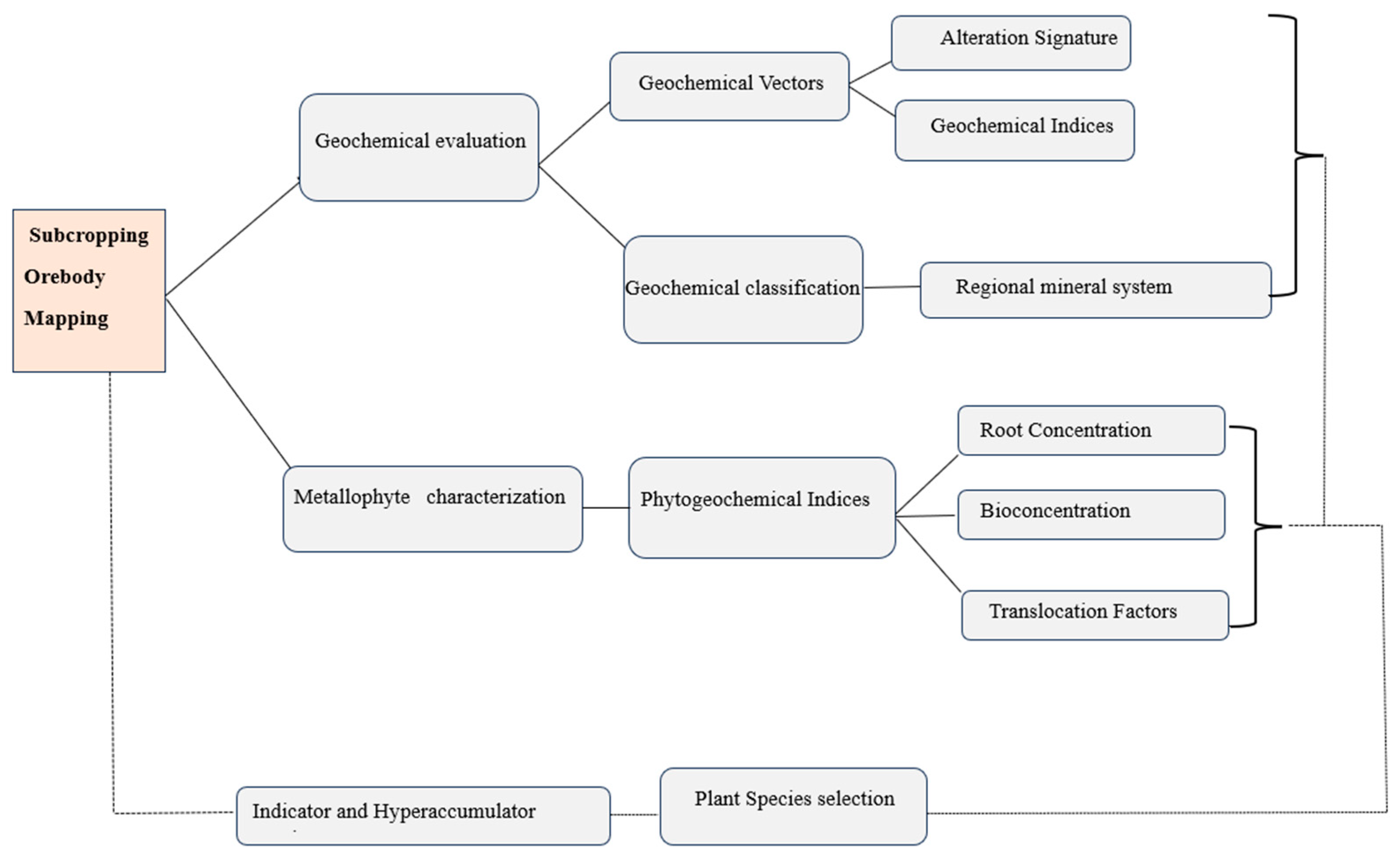
Geochemistry of Terrestrial Plants in the Central African Copperbelt: Implications for Sediment Hosted Copper-Cobalt Exploration


Abstract
1. Introduction
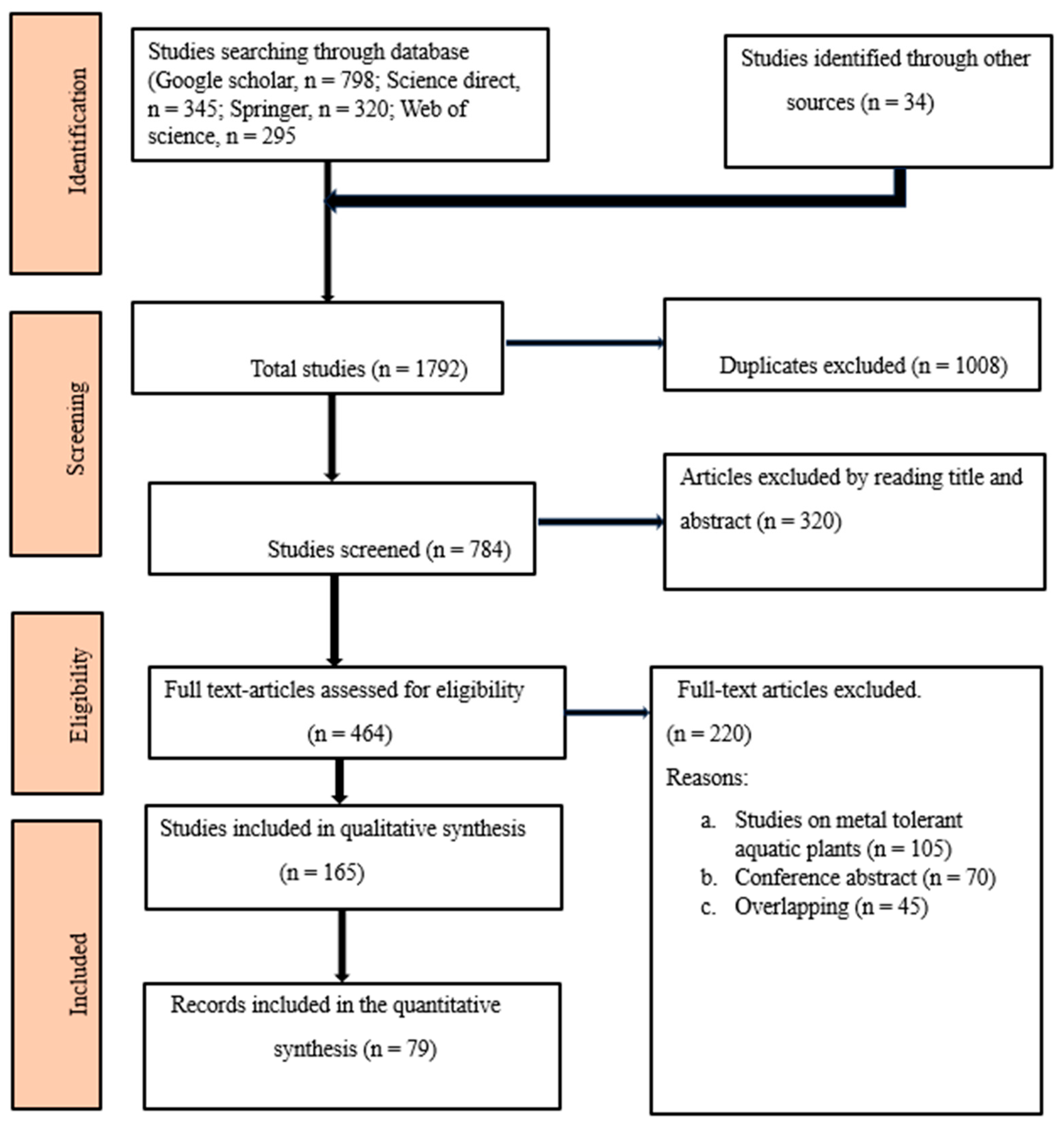
2. Methodology
3. Spatial Trends of Geological and Geochemical Controls on Plant Species Characterisation and Distribution
3.1. Geologic Setting of the Central African Copperbelt
Exploration Targeting in the Central African Copperbelt
3.2. Phytogeographic Setting of the Central African Copperbelt

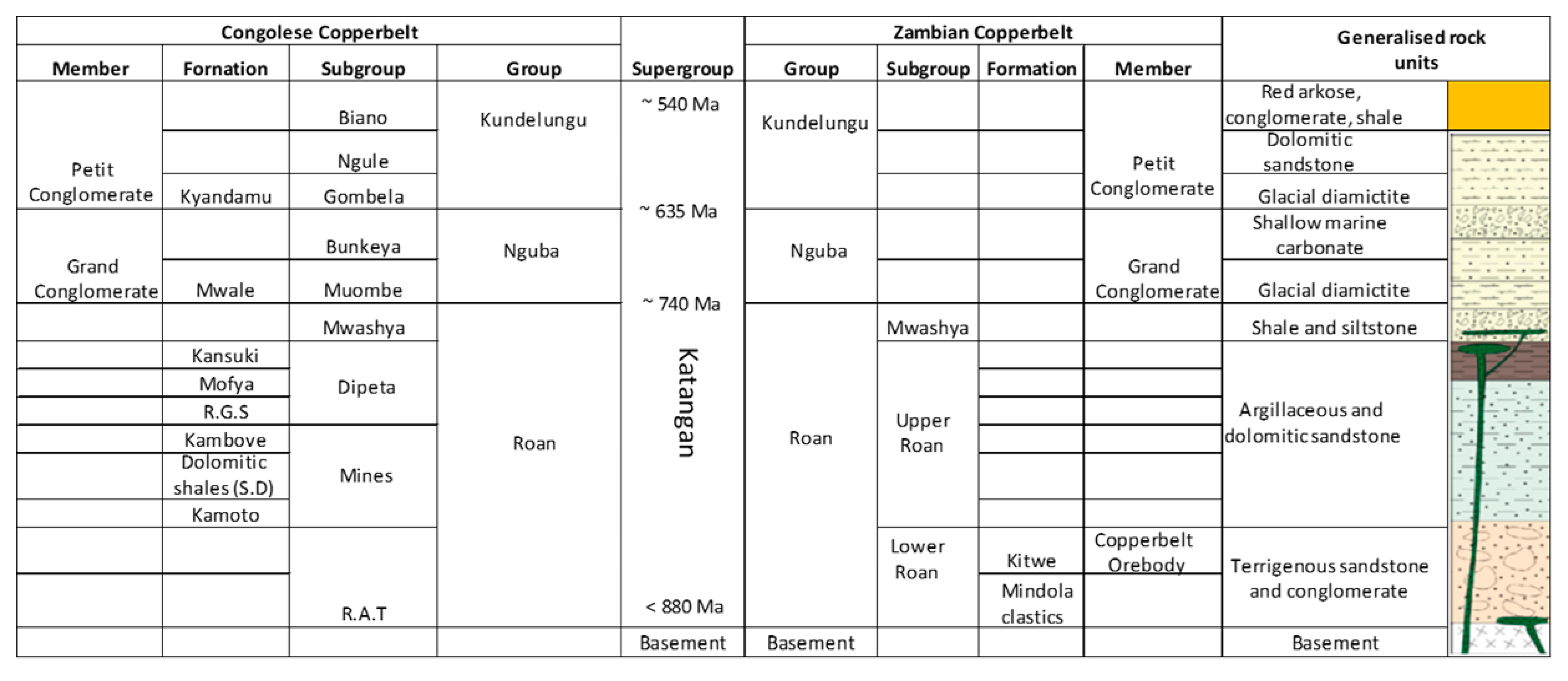
3.3. Mineralisation and Trace Element Geochemistry
3.4. Geochemical Controls on Metal Behavior in Terrestrial Plant Systems

| Soil Factor | Causal Process | Effect on Mobility/Bioavailability | Reference |
|---|---|---|---|
| Low pH | Decreasing sorption of cations onto oxides of Fe and Mn | Increase | [27,88] |
| Increasing sorption of anions onto oxides of Fe and Mn | Decrease | [88] | |
| High pH | Increasing precipitation of cations as carbonates and hydroxides | Decrease | [22,82] |
| Increasing sorption of cations onto oxides of Fe and Mn | Decrease | [46,88] | |
| Increasing complexation of certain cations by dissolved ligands | Increase | [52] | |
| Increasing sorption of cations onto (solid) humus material | Decrease | [27,82,88] | |
| Decreasing sorption of anions | Increase | [52,71,72] | |
| High clay content | Increasing ion exchange for trace cations (at all pH) | Decrease | [52,72] |
| High OM (solid) | Increasing sorption of cations onto humus material | Decrease | [88] |
| Competing ions | Increasing competition for sorption sites | Increase | [91] |
| Dissolved inorganic ligands | Increasing trace metal solubility | Increase | [95] |
| Dissolved organic ligands | Increasing trace metal solubility | Increase | [96] |
| Fe and Mn oxides | Increasing sorption of trace cations with increasing pH | Decrease | [97] |
| Increasing sorption of trace anions with decreasing pH | Decrease | [52,82,88] | |
| Low redox | Decreasing solubility at low redox potential as metal sulfides | Decrease | [88,95] |
3.5. Vegetation Geochemistry and Its Use as a Sampling Medium
Plant–Soil Sampling and Analyses
4. Assessment Techniques for Use of Plant Species in Mineral Deposit Detection
4.1. Metallophytes in the Central African Copperbelt
4.2. Phytogeochemistry Integrative Exploration Approaches
5. Challenges and Opportunities for the Application of Phytogeochemistry
5.1. Challenges
- (1)
- The lack of statistical and spatial relationships between indicator and pathfinder elements in terrains where geochemical plant species sampling has been conducted as most studies characterize metal accumulation in plants based on uni-element concentrations, rather than considering a multi-element approach. However, an ideal plant useful as an indicator species in mineral exploration should be able to tolerate and accumulate a range of metals since secondary geochemical expressions of mineral systems including sediment-hosted Cu–Co deposits tend to exhibit unique clusters of element associations. Currently there are no plants known in the CACB that meet these criteria.
- (2)
- Metal species in terrestrial plant ecosystems are affected by complex interactions between plant roots and soil microbial communities in the rhizosphere. These interactions and their impact on Cu–Co availability in plants is currently poorly understood in the CACB and thus, requires cutting edge research implementing advanced methods. However, certain mining regions including developing countries such as Zambia and DRC may suffer from limited resources and infrastructure which hinders the collection of adequate data, processing and sharing of reproducible research results.
- (3)
- The limited multi-disciplinary research among expert geoscientists, geochemists, and plant taxonomists affects the quality of phytogeochemical data. The challenge lies in differentiating between natural accumulation and contamination as well as the accurate identification of plant species since several species may exist over a single exploration site. As such, it becomes challenging to define a geochemical contrast related to an ore deposit.
- (4)
- The lack of definite quality assurance and quality control protocols, including the use of standards, blanks, and duplicates, is another major challenge associated with the use of the geochemistry of terrestrial plants in mineral exploration as most studies do not explicitly state how the phytogeochemical data was checked for precision and accuracy. Additionally, the ability of certain plants to grow on both mineralized and non-mineralized areas make it difficult to precisely select duplicates and blanks during a phytogeochemical exploration program and thus, affecting the reliability of phytogeochemical datasets.
- (5)
- Phytogeochemistry cannot be executed independently, as metal accumulation in plants is always affected by soil properties including the solubility and bioavailability of metals for uptake by plants from the soil. In addition, several factors should be considered when sampling vegetation. These include plant species distribution and suitability of the root structure [21], variation in elemental concentrations in different plant organs [113,123], and the age and health of the plant being sampled. Another considerable factor is the influence of seasonality on chemical structures, especially the water uptake of plants which may dilute certain elements in wet season and concentrate them during the dry season [149].
- (6)
- The mineralogy of the underlying rocks may affect the biovailability of Cu–Co for uptake by terrestrial plants since clay rich rocks such as shales and siltstones have higher metal retention capacities compared to quartzo-feldspathic and carbonate rocks. This may result in very low trace element concentrations in plants and thus, requires advanced analytical technologies for detection of geochemical signatures in plants that warrant mineral exploration efforts.
5.2. Opportunities
- (1)
- The high diversity of plant communities and species richness of the CACB owing to its complex and varied geological setting. This plant diversity and richness could be leveraged in selecting candidate species demonstrating tolerance and accumulation of a range of elements in their below and/or aboveground biomass at geochemical anomalous concentrations.
- (2)
- The recognition of plants colonizing mineralised sites and mining generated wastelands in the CACB including their analysis for Cu–Co accumulation presents baseline data and thus, phytogeochemistry could leverage on such species in simulating geochemical patterns from brownfield or known mineralized sites to greenfield areas that have not been affected by mining.
- (3)
- (4)
- Current advances in multivariate biogeochemical data analysis [10] and the deployment of data driven approaches, such as machine learning and deep learning algorithms, for predictive mapping and indicator species selection [150] provide a basis for enhancing the potential of phytogeochemistry in mineral exploration.
- (5)
- Collaborative research within the CACB and with international research institutions and cooperative partners will address the limited access to advanced analytical tools, expertise and research funding. Such collaborations will enable the adoption of modern data driven approaches and make available the costly superfast computers with high computational power capable of crunching big data and managing ML and DL models. Utilization of multi-disciplinary research integrating biological, chemical, and geological information should enable the wider application of phytogeochemistry in mineral exploration.
6. Conclusions and Future Directions
Author Contributions
Funding
Acknowledgments
Conflicts of Interest
References
- Tooms, J.S.; Webb, J.S. Geochemical Prospecting Investigations in the Northern Rhodesian Copperbelt. Econ. Geol. 1961, 56, 815–846. [Google Scholar] [CrossRef]
- Fleischer, V.D. Discovery, Geology and Genesis of Copper—Cobalt Mineralisation at Chambishi Southeast Prospect, Zambia. Precambrian Res. 1984, 25, 119–133. [Google Scholar] [CrossRef]
- Rahman, I.U.; Afzal, A.; Iqbal, Z.; Bussmann, R.W.; Alsamadany, H.; Calixto, E.S.; Shah, G.M.; Kausar, R.; Shah, M.; Ali, N.; et al. Ecological Gradients Hosting Plant Communities in Himalayan Subalpine Pastures: Application of Multivariate Approaches to Identify Indicator Species. Ecol. Inform. 2020, 60, 101162. [Google Scholar] [CrossRef]
- Sun, Z.; Chen, J.; Wang, X.; Lv, C. Heavy Metal Accumulation in Native Plants at a Metallurgy Waste Site in Rural Areas of Northern China. Ecol. Eng. 2016, 86, 60–68. [Google Scholar] [CrossRef]
- Johnsen, A.R.; Thomsen, T.B.; Thaarup, S.M. Test of Vegetation-Based Surface Exploration for Detection of Arctic Mineralizations: The Deep Buried Kangerluarsuk Zn-Pb-Ag Anomaly. J. Geochem. Explor. 2021, 220, 106665. [Google Scholar] [CrossRef] [PubMed]
- Chakraborty, R.; Kereszturi, G.; Pullanagari, R.; Durance, P.; Ashraf, S.; Anderson, C. Mineral Prospecting from Biogeochemical and Geological Information Using Hyperspectral Remote Sensing-Feasibility and Challenges. J. Geochem. Explor. 2022, 232, 106900. [Google Scholar] [CrossRef]
- Dunn, C.E. New Perspectives on Biogeochemical Exploration. Proc. Explor. 2007, 7, 249–261. [Google Scholar]
- Henne, A.; Reid, N.; Thorne, R.L.; Spinks, S.C.; Pinchand, T.; White, A. Multi-Media Geochemical Exploration in the Critical Zone: A Case Study over the Prairie and Wolf Zn–Pb Deposits, Capricorn Orogen, Western Australia. Minerals 2021, 11, 1174. [Google Scholar] [CrossRef]
- Mou, N.; Wang, G.; Sun, X. Identification of Geochemical Anomalies Related to Mineralization: A Case Study from Porphyry Copper Deposits in the Qulong-Jiama Mining District of Tibet, China. J. Geochem. Explor. 2023, 244, 107126. [Google Scholar] [CrossRef]
- Ghorbani, Z.; Gholizadeh, F.; Casali, J.; Hao, C.; Cavallin, H.E.; Van Loon, L.L.; Banerjee, N.R. Application of Multivariate Data Analysis to Biogeochemical Exploration at the Twin Lakes Deposit, Monument Bay Gold Project, Manitoba, Canada. Chem. Geol. 2022, 593, 120739. [Google Scholar] [CrossRef]
- Wolff, K.; Hill, S.M.; Tiddy, C.; Giles, D.; Smernik, R.J. Biogeochemical Expression of Buried Iron-Oxide-copper-gold (IOCG) Mineral Systems in Mallee Eucalypts on the Yorke Peninsula, Southern Olympic Domain; South Australia. J. Geochem. Explor. 2018, 185, 139–152. [Google Scholar] [CrossRef]
- Pratas, J.; Prasad, M.N.V.; Freitas, H.; Conde, L. Plants Growing in Abandoned Mines of Portugal Are Useful for Biogeochemical Exploration of Arsenic, Antimony, Tungsten and Mine Reclamation. J. Geochem. Explor. 2005, 85, 99–107. [Google Scholar] [CrossRef]
- Sandell Festin, E.; Salk, C.; Tigabu, M.; Syampungani, S.; Christer Odén, P. Biological Traits of Tropical Trees Suitable for Restoration of Copper-Polluted Lands. Ecol. Eng. 2019, 138, 118–125. [Google Scholar] [CrossRef]
- Asensio, V.; Flórido, F.G.; Ruiz, F.; Perlatti, F.; Otero, X.L.; Ferreira, T.O. Screening of Native Tropical Trees for Phytoremediation in Copper-Polluted Soils. Int. J. Phytoremediation 2018, 20, 1456–1463. [Google Scholar] [CrossRef]
- Lei, K.; Pan, H.; Lin, C. A Landscape Approach towards Ecological Restoration and Sustainable Development of Mining Areas. Ecol. Eng. 2016, 90, 320–325. [Google Scholar] [CrossRef]
- Khan, W.; Khan, S.M.; Ahmad, H.; Ahmad, Z.; Page, S. Vegetation Mapping and Multivariate Approach to Indicator Species of a Forest Ecosystem: A Case Study from the Thandiani Sub Forests Division (TsFD) in the Western Himalayas. Ecol. Indic. 2016, 71, 336–351. [Google Scholar] [CrossRef]
- Moher, D.; Liberati, A.; Tetzlaff, J.; Altman, D.G. Preferred Reporting Items for Systematic Reviews and Meta-Analyses: The PRISMA Statement. Int. J. Surg. 2010, 8, 336–341. [Google Scholar] [CrossRef]
- Gurevitch, J.; Koricheva, J.; Nakagawa, S.; Stewart, G. Meta-Analysis and the Science of Research Synthesis. Nature 2018, 555, 175–182. [Google Scholar] [CrossRef] [PubMed]
- Lange, B.; Pourret, O.; Meerts, P.; Jitaru, P.; Cancès, B.; Grison, C.; Faucon, M.P. Copper and Cobalt Mobility in Soil and Accumulation in a Metallophyte as Influenced by Experimental Manipulation of Soil Chemical Factors. Chemosphere 2016, 146, 75–84. [Google Scholar] [CrossRef]
- Pollard, A.J.; Reeves, R.D.; Baker, A.J.M. Facultative Hyperaccumulation of Heavy Metals and Metalloids. Plant Sci. 2014, 217–218, 8–17. [Google Scholar] [CrossRef] [PubMed]
- Ilunga wa Ilunga, E.; Mahy, G.; Piqueray, J.; Séleck, M.; Shutcha, M.N.; Meerts, P.; Faucon, M.P. Plant Functional Traits as a Promising Tool for the Ecological Restoration of Degraded Tropical Metal-Rich Habitats and Revegetation of Metal-Rich Bare Soils: A Case Study in Copper Vegetation of Katanga, DRC. Ecol. Eng. 2015, 82, 214–221. [Google Scholar] [CrossRef]
- Perlatti, F.; Ferreira, T.O.; Romero, R.E.; Costa, M.C.G.; Otero, X.L. Copper Accumulation and Changes in Soil Physical–Chemical Properties Promoted by Native Plants in an Abandoned Mine Site in Northeastern Brazil: Implications for Restoration of Mine Sites. Ecol. Eng. 2015, 82, 103–111. [Google Scholar] [CrossRef]
- Lottermoser, B.G.; Ashley, P.M.; Munksgaard, N.C. Biogeochemistry of Pb-Zn Gossans, Northwest Queensland, Australia: Implications for Mineral Exploration and Mine Site Rehabilitation. Appl. Geochem. 2008, 23, 723–742. [Google Scholar] [CrossRef]
- Lintern, M.J.; Butt, C.R.M.; Scott, K.M. Gold in Vegetation and Soil—Three Case Studies from the Goldfields of Southern Western Australia. J. Geochem. Explor. 1997, 58, 1–14. [Google Scholar] [CrossRef]
- Nkoane, B.B.M.; Sawula, G.M.; Wibetoe, G.; Lund, W. Identification of Cu and Ni Indicator Plants from Mineralised Locations in Botswana. J. Geochem. Explor. 2005, 86, 130–142. [Google Scholar] [CrossRef]
- Cailteux, J.L.H.; Kampunzu, A.B.; Lerouge, C.; Kaputo, A.K.; Milesi, J.P. Genesis of Sediment-Hosted Stratiform Copper–Cobalt Deposits, Central African Copperbelt. J. Afr. Earth Sci. 2005, 42, 134–158. [Google Scholar] [CrossRef]
- Lombi, E.; Scheckel, K.G.; Kempson, I.M. In Situ Analysis of Metal(Loid)s in Plants: State of the Art and Artefacts. Environ. Exp. Bot. 2011, 72, 3–17. [Google Scholar] [CrossRef]
- Lange, B.; van der Ent, A.; Baker, A.J.M.; Echevarria, G.; Mahy, G.; Malaisse, F.; Meerts, P.; Pourret, O.; Verbruggen, N.; Faucon, M.P. Copper and Cobalt Accumulation in Plants: A Critical Assessment of the Current State of Knowledge. New Phytol. 2017, 213, 537–551. [Google Scholar] [CrossRef] [PubMed]
- Eerola. T New Low-Impact Mineral Exploration Technologies and the Social License to Explore: Insights from Corporate Websites in Finland. Clean. Environ. Syst. 2021, 3, 100059. [Google Scholar] [CrossRef]
- Prince, J.K.G.; Rainbird, R.H.; Wing, B.A. Evaporite Deposition in the Mid-Neoproterozoic as a Driver for Changes in Seawater Chemistry and the Biogeochemical Cycle of Sulfur. Geology 2019, 47, 375–379. [Google Scholar] [CrossRef]
- Och, L.M.; Shields-Zhou, G.A. The Neoproterozoic Oxygenation Event: Environmental Perturbations and Biogeochemical Cycling. Earth Sci. Rev. 2012, 110, 26–57. [Google Scholar] [CrossRef]
- Zientek, M.L.; Hammarstrom, J.M.; Johnson, K.M.; Bliss, J.D.; Broughton, D.W.; Christie, M.; Denning, P.D.; Hayes, T.S.; Hitzman, M.W.; Horton, J.D.; et al. Global Mineral Resource Assessment Sediment-Hosted Stratabound Copper Assessment of the Neoproterozoic Roan Group, Central African Copperbelt, Katanga Basin, Democratic Republic of the Congo and Zambia; US Geological Survey: Reston, VI, USA, 2014. [CrossRef]
- Taylor, C.D.; Douglas Causey, J.; Denning, P.D.; Hammarstrom, J.M.; Hayes, T.S.; Horton, J.D.; Kirschbaum, M.J.; Parks, H.L.; Wilson, A.B.; Wintzer, N.E.; et al. Scientific Investigations Report 2010-5090-J Global Mineral Resource Assessment Descriptive Models, Grade-Tonnage Relations, and Databases for the Assessment of Sediment-Hosted Copper Deposits-With Emphasis on Deposits in the Central African Copperbelt, Democratic Republic of the Congo and Zambia; U.S. Geological Survey: Reston, VA, USA, 2013.
- SEG. SEG Newsletter 81. SEG Discov. 2010, 81, 1–56. [Google Scholar] [CrossRef]
- Singer, D.A. Future Copper Resources. Ore Geol. Rev. 2017, 86, 271–279. [Google Scholar] [CrossRef]
- Hitzman, M.W.; Selley, D.; Bull, S. Formation of Sedimentary Rock-Hosted Stratiform Copper Deposits through Earth History. Econ. Geol. 2010, 105, 625–639. [Google Scholar] [CrossRef]
- Kipata, M.L.; Delvaux, D.; Sebagenzi, M.N.; Cailteux, J.; Sintubin, M. Brittle Tectonic and Stress Field Evolution in the Pan-African Lufilian Arc and Its Foreland (Katanga, DRC): From Orogenic Compression to Extensional Collapse, Transpressional Inversion and Transition to Rifting. Geol. Belg. 2013, 16, 1–17. [Google Scholar]
- Twite, F.; Broughton, D.; Nex, P.; Kinnaird, J.; Gilchrist, G.; Edwards, D. Lithostratigraphic and Structural Controls on Sulphide Mineralisation at the Kamoa Copper Deposit, Democratic Republic of Congo. J. Afr. Earth Sci. 2019, 151, 212–224. [Google Scholar] [CrossRef]
- Frimmel, H.E.; Miller, R.M.G. Chapter 5.2 Continental Rifting. Dev. Precambrian Geol. 2009, 16, 153–159. [Google Scholar] [CrossRef]
- Cailteux, J.L.H.; De Putter, T. The Neoproterozoic Katanga Supergroup (D. R. Congo): State-of-the-Art and Revisions of the Lithostratigraphy, Sedimentary Basin and Geodynamic Evolution. J. Afr. Earth Sci. 2019, 150, 522–531. [Google Scholar] [CrossRef]
- Hitzman, M.W. Source Basins for Sediment-Hosted Stratiform Cu Deposits: Implications for the Structure of the Zambian Copperbelt. J. Afr. Earth Sci. 2000, 30, 855–863. [Google Scholar] [CrossRef]
- Dewaele, S.; Muchez, P.; Vets, J.; Fernandez-Alonzo, M.; Tack, L. Multiphase Origin of the Cu-Co Ore Deposits in the Western Part of the Lufilian Fold-and-Thrust Belt, Katanga (Democratic Republic of Congo). J. Afr. Earth Sci. 2006, 46, 455–469. [Google Scholar] [CrossRef]
- Batumike, M.J.; Cailteux, J.L.H.; Kampunzu, A.B. Lithostratigraphy, Basin Development, Base Metal Deposits, and Regional Correlations of the Neoproterozoic Nguba and Kundelungu Rock Successions, Central African Copperbelt. Gondwana Res. 2007, 11, 432–447. [Google Scholar] [CrossRef]
- Mambwe, P.; Delpomdor, F.; Lavoie, S.; Mukonki, P.; Batumike, J.; Muchez, P. Sedimentary Evolution and Stratigraphy of the ~765–740 Ma Kansuki-Mwashya Platform Succession in the Tenke-Fungurume Mining District, Democratic Republic of the Congo. Geol. Belg. 2020, 23, 69–85. [Google Scholar] [CrossRef]
- Mambwe, P.; Swennen, R.; Cailteux, J.; Mumba, C.; Dewaele, S.; Muchez, P. Review of the Origin of Breccias and Their Resource Potential in the Central Africa Copperbelt. Ore Geol. Rev. 2023, 156, 105389. [Google Scholar] [CrossRef]
- Muchez, P.; Corbella, M. Factors Controlling the Precipitation of Copper and Cobalt Minerals in Sediment-Hosted Ore Deposits: Advances and Restrictions. J. Geochem. Explor. 2012, 118, 38–46. [Google Scholar] [CrossRef]
- Mambwe, P.; Milan, L.; Batumike, J.; Lavoie, S.; Jébrak, M.; Kipata, L.; Chabu, M.; Mulongo, S.; Lubala, T.; Delvaux, D.; et al. Lithology, Petrography and Cu Occurrence of the Neoproterozoic Glacial Mwale Formation at the Shanika Syncline (Tenke Fungurume, Congo Copperbelt; Democratic Republic of Congo). J. Afr. Earth Sci. 2017, 129, 898–909. [Google Scholar] [CrossRef]
- Williams, P.R.; Nisbet, B.W. Structural Framework of the Lufilian Fold Belt in the Domes Region of North Western Province, Zambia from Interpretation of Geophysical Data. J. Afr. Earth Sci. 2017, 129, 542–557. [Google Scholar] [CrossRef]
- Halley, S.; Wood, D.; Stoltze, A.; Godfroid, J.; Goswell, H.; Jack, D. SEG-Newsletter-104-2016-January-Articleonly. Soc. Econ. Geol. 2016, 104, 1–21. [Google Scholar]
- Muchez, P.; Brems, D.; Clara, E.; De Cleyn, A.; Lammens, L.; Boyce, A.; De Muynck, D.; Mukumba, W.; Sikazwe, O. Evolution of Cu–Co Mineralizing Fluids at Nkana Mine, Central African Copperbelt, Zambia. J. Afr. Earth Sci. 2010, 58, 457–474. [Google Scholar] [CrossRef]
- Koegelenberg, C.; Basson, I.J.; Sinkala, H.; Lupapulo, H.; Hornsby, P. Pan-African Structural Evolution of Paleoproterozoic Basement Gneiss and Cu-Co Mineralized Shear Zones in the Domes Region of the Lufilian Belt, Mwombezhi Dome, Zambia. J. Struct. Geol. 2019, 127, 103869. [Google Scholar] [CrossRef]
- Fontaine, L.; De Putter, T.; Bernard, A.; Decrée, S.; Cailteux, J.; Wouters, J.; Yans, J. Complex Mineralogical-Geochemical Sequences and Weathering Events in the Supergene Ore of the Cu–Co Luiswishi Deposit (Katanga, D.R. Congo). J. Afr. Earth Sci. 2020, 161, 103674. [Google Scholar] [CrossRef]
- Kampunzu, A.B.; Cailteux, J.L.H.; Moine, B.; Loris, H.N.B.T. Geochemical Characterisation, Provenance, Source and Depositional Environment of ‘Roches Argilo-Talqueuses’ (RAT) and Mines Subgroups Sedimentary Rocks in the Neoproterozoic Katangan Belt (Congo): Lithostratigraphic Implications. J. Afr. Earth Sci. 2005, 42, 119–133. [Google Scholar] [CrossRef]
- Large, R.R.; Bull, S.W.; McGoldrick, P.J. Lithogeochemical Halos and Geochemical Vectors to Stratiform Sediment Hosted Zn–Pb–Ag Deposits: Part 2. HYC Deposit, McArthur River, Northern Territory. J. Geochem. Explor. 2000, 68, 105–126. [Google Scholar] [CrossRef]
- Sillitoe, R.H.; Perelló, J.; Creaser, R.A.; Wilton, J.; Dawborn, T. Two Ages of Copper Mineralization in the Mwombezhi Dome, Northwestern Zambia: Metallogenic Implications for the Central African Copperbelt. Econ. Geol. 2015, 110, 1917–1923. [Google Scholar] [CrossRef]
- Grunsky, E.C.; Drew, L.J.; Sutphin, D.M. Process Recognition in Multi-Element Soil and Stream-Sediment Geochemical Data. Appl. Geochem. 2009, 24, 1602–1616. [Google Scholar] [CrossRef]
- Hosseini-Dinani, H.; Aftabi, A. Vertical Lithogeochemical Halos and Zoning Vectors at Goushfil Zn–Pb Deposit, Irankuh District, Southwestern Isfahan, Iran: Implications for Concealed Ore Exploration and Genetic Models. Ore Geol. Rev. 2016, 72, 1004–1021. [Google Scholar] [CrossRef]
- Kirkwood, C.; Cave, M.; Beamish, D.; Grebby, S.; Ferreira, A. A Machine Learning Approach to Geochemical Mapping. J. Geochem. Explor. 2016, 167, 49–61. [Google Scholar] [CrossRef]
- Zuo, R.; Wang, J.; Yin, B. Visualization and Interpretation of Geochemical Exploration Data Using GIS and Machine Learning Methods. Appl. Geochem. 2021, 134, 105111. [Google Scholar] [CrossRef]
- Sun, T.; Li, H.; Wu, K.; Chen, F.; Zhu, Z.; Hu, Z. Data-Driven Predictive Modelling of Mineral Prospectivity Using Machine Learning and Deep Learning Methods: A Case Study from Southern Jiangxi Province, China. Minerals 2020, 10, 102. [Google Scholar] [CrossRef]
- Xiong, Z.; Cui, Y.; Liu, Z.; Zhao, Y.; Hu, M.; Hu, J. Evaluating Explorative Prediction Power of Machine Learning Algorithms for Materials Discovery Using K-Fold Forward Cross-Validation. Comput. Mater. Sci. 2020, 171, 109203. [Google Scholar] [CrossRef]
- Sarafian, E.; Evans, R.L.; Abdelsalam, M.G.; Atekwana, E.; Elsenbeck, J.; Jones, A.G.; Chikambwe, E. Imaging Precambrian Lithospheric Structure in Zambia Using Electromagnetic Methods. Gondwana Res. 2018, 54, 38–49. [Google Scholar] [CrossRef]
- Sono, P.; Nthaba, B.; Shemang, E.M.; Kgosidintsi, B.; Seane, T. An Integrated Use of Induced Polarization and Electrical Resistivity Imaging Methods to Delineate Zones of Potential Gold Mineralization in the Phitshane Molopo Area, Southeast Botswana. J. Afr. Earth Sci. 2021, 174, 104060. [Google Scholar] [CrossRef]
- Boisson, S.; Monty, A.; Lebrun, J.; Séleck, M.; Mahy, G. Edaphic Niches of Metallophytes from Southeastern Democratic Republic of Congo: Implications for Post-Mining Restoration. J. Nat. Conserv. 2016, 33, 18–24. [Google Scholar] [CrossRef]
- Faucon, M.-P.; Le Stradic, S.; Boisson, S.; Ilunga Wa Ilunga, E.; Séleck, M.; Lange, B.; Guillaume, D.; Shutcha, M.; Pourret, O.; Meerts, P.; et al. Agro-Bio Tech, 2 Passage Des Déportés. Plant Soil. 2016, 5030, 403–404. [Google Scholar]
- Lange, B.; Delhaye, G.; Boisson, S.; Verbruggen, N.; Meerts, P.; Faucon, M.P. Variation in Copper and Cobalt Tolerance and Accumulation among Six Populations of the Facultative Metallophyte Anisopappus Chinensis (Asteraceae). Environ. Exp. Bot. 2018, 153, 1–9. [Google Scholar] [CrossRef]
- Saad, L.; Parmentier, I.; Colinet, G.; Malaisse, F.; Faucon, M.P.; Meerts, P.; Mahy, G. Investigating the Vegetation-Soil Relationships on the Copper-Cobalt Rock Outcrops of Katanga (D. R. Congo), an Essential Step in a Biodiversity Conservation Plan. Restor. Ecol. 2012, 20, 405–415. [Google Scholar] [CrossRef]
- Séleck, M.; Bizoux, J.P.; Colinet, G.; Faucon, M.P.; Guillaume, A.; Meerts, P.; Piqueray, J.; Mahy, G. Chemical Soil Factors Influencing Plant Assemblages along Copper-Cobalt Gradients: Implications for Conservation and Restoration. Plant. Soil. 2013, 373, 455–469. [Google Scholar] [CrossRef]
- van der Ent, A.; Cardace, D.; Tibbett, M.; Echevarria, G. Ecological Implications of Pedogenesis and Geochemistry of Ultramafic Soils in Kinabalu Park (Malaysia). Catena 2018, 160, 154–169. [Google Scholar] [CrossRef]
- Kříbek, B.; Majer, V.; Veselovský, F.; Nyambe, I. Discrimination of Lithogenic and Anthropogenic Sources of Metals and Sulphur in Soils of the Central-Northern Part of the Zambian Copperbelt Mining District: A Topsoil vs. Subsurface Soil Concept. J. Geochem. Explor. 2010, 104, 69–86. [Google Scholar] [CrossRef]
- Ettler, V.; Mihaljevič, M.; Drahota, P.; Kříbek, B.; Nyambe, I.; Vaněk, A.; Penížek, V.; Sracek, O.; Natherová, V. Cobalt-Bearing Copper Slags from Luanshya (Zambian Copperbelt): Mineralogy, Geochemistry, and Potential Recovery of Critical Metals. J. Geochem. Explor. 2022, 237, 106987. [Google Scholar] [CrossRef]
- Master, S.; Ndhlovu, N.M. Geochemical, Microtextural, and Mineralogical Studies of the Samba Deposit in the Zambian Copperbelt Basement: A Metamorphosed Paleoproterozoic Porphyry Cu Deposit. In Ore Deposits: Origin, Exploration, and Exploitation; Wiley: Hoboken, NJ, USA, 2019; pp. 37–55. ISBN 9781119290544. [Google Scholar]
- Leteinturier, B.; Baker, A.J.M.; Bock, L.; Matera, J.; Malaisse, F. Copper and Vegetation at the Kansanshi Hill (Zambia) Copper Mine. Belg. J. Bot. 2001, 134, 41–50. [Google Scholar]
- Vincens, A. Late Quaternary Vegetation History of the South-Tanganyika Basin. Climatic Implications in South Central Africa. Palaeogeogr. Palaeoclim. Palaeoecol. 1991, 86, 207–226. [Google Scholar] [CrossRef]
- Key, R.M.; Liyungu, A.K.; Njamu, F.M.; Somwe, V.; Banda, J.; Mosley, P.N.; Armstrong, R.A. The Western Arm of the Lufilian Arc in NW Zambia and Its Potential for Copper Mineralization. J. Afr. Earth Sci. 2001, 33, 503–528. [Google Scholar] [CrossRef]
- Van Wilderode, J.; El Desouky, H.A.; Elburg, M.A.; Vanhaecke, F.; Muchez, P. Metal Sources for the Katanga Copperbelt Deposits (DRC): Insights from Sr and Nd Isotope Ratios. Geol. Belg. 2014, 17, 137–147. [Google Scholar]
- Azaraien, H.; Shahabpour, J.; Aminzadeh, B. Metallogenesis of the Sediment-Hosted Stratiform Cu Deposits of the Ravar Copper Belt (RCB), Central Iran. Ore Geol. Rev. 2017, 81, 369–395. [Google Scholar] [CrossRef]
- El Desouky, H.A.; Muchez, P.; Cailteux, J. Two Cu-Co Sulfide Phases and Contrasting Fluid Systems in the Katanga Copperbelt, Democratic Republic of Congo. Ore Geol. Rev. 2009, 36, 315–332. [Google Scholar] [CrossRef]
- Ettler, V.; Mihaljevič, M.; Kříbek, B.; Majer, V.; Šebek, O. Tracing the Spatial Distribution and Mobility of Metal/Metalloid Contaminants in Oxisols in the Vicinity of the Nkana Copper Smelter, Copperbelt Province, Zambia. Geoderma 2011, 164, 73–84. [Google Scholar] [CrossRef]
- Gigler, G.M.; Kinnaird, J.A. Element Mobility in the Weathering Environment and Surface Vectors to Mineralisation—A Case Study from the Mashitu South Cu-Co Deposit, Katanga, Democratic Republic of Congo. J. Geochem. Explor. 2017, 183, 127–137. [Google Scholar] [CrossRef]
- Fay, I.; Barton, M.D. Alteration and Ore Distribution in the Proterozoic Mines Series, Tenke-Fungurume Cu-Co District, Democratic Republic of Congo. Min. Depos. 2012, 47, 501–519. [Google Scholar] [CrossRef]
- De Putter, T.; Mees, F.; Decrée, S.; Dewaele, S. Let’s Talk Ore Deposits Supergene Copper Deposits and Minerals in the World-Class SHSC Deposits of the Central African Copperbelt (Katanga, DRC). In Proceedings of the Let’s Talk Ore Deposits, Antofagasta, Chile, 26–29 September 2011. [Google Scholar]
- Shabbir, Z.; Sardar, A.; Shabbir, A.; Abbas, G.; Shamshad, S.; Khalid, S.; Natasha; Murtaza, G.; Dumat, C.; Shahid, M. Copper Uptake, Essentiality, Toxicity, Detoxification and Risk Assessment in Soil-Plant Environment. Chemosphere 2020, 259, 127436. [Google Scholar] [CrossRef] [PubMed]
- Freitas, H.; Prasad, M.N.V.; Pratas, J. Plant Community Tolerant to Trace Elements Growing on the Degraded Soils of São Domingos Mine in the South East of Portugal: Environmental Implications. Environ. Int. 2004, 30, 65–72. [Google Scholar] [CrossRef] [PubMed]
- Juárez-Maldonado, A.; Tortella, G.; Rubilar, O.; Fincheira, P.; Benavides-Mendoza, A. Biostimulation and Toxicity: The Magnitude of the Impact of Nanomaterials in Microorganisms and Plants. J. Adv. Res. 2021, 31, 113–126. [Google Scholar] [CrossRef]
- Cui, J.L.; Zhao, Y.P.; Lu, Y.J.; Chan, T.S.; Zhang, L.L.; Tsang, D.C.W.; Li, X. Distribution and Speciation of Copper in Rice (Oryza sativa L.) from Mining-Impacted Paddy Soil: Implications for Copper Uptake Mechanisms. Environ. Int. 2019, 126, 717–726. [Google Scholar] [CrossRef]
- Lange, B.; Faucon, M.P.; Meerts, P.; Shutcha, M.; Mahy, G.; Pourret, O. Prediction of the Edaphic Factors Influence upon the Copper and Cobalt Accumulation in Two Metallophytes Using Copper and Cobalt Speciation in Soils. Plant Soil 2014, 379, 275–287. [Google Scholar] [CrossRef]
- Bravo, S.; Amorós, J.A.; Pérez-de-los-Reyes, C.; García, F.J.; Moreno, M.M.; Sánchez-Ormeño, M.; Higueras, P. Influence of the Soil PH in the Uptake and Bioaccumulation of Heavy Metals (Fe, Zn, Cu, Pb and Mn) and Other Elements (Ca, K, Al, Sr and Ba) in Vine Leaves, Castilla-La Mancha (Spain). J. Geochem. Explor. 2017, 174, 79–83. [Google Scholar] [CrossRef]
- Cameron, E.M.; Leybourne, M.I. Relationship between Groundwater Chemistry and Soil Geochemical Anomalies at the Spence Copper Porphyry Deposit, Chile. Geochem. Explor. Environ. Anal. 2005, 5, 135–145. [Google Scholar] [CrossRef]
- El-Naggar, A.; Ahmed, N.; Mosa, A.; Niazi, N.K.; Yousaf, B.; Sharma, A.; Sarkar, B.; Cai, Y.; Chang, S.X. Nickel in Soil and Water: Sources, Biogeochemistry, and Remediation Using Biochar. J. Hazard Mater. 2021, 419, 126421. [Google Scholar] [CrossRef]
- Kinraide, T.B.; Yermiyahu, U. A Scale of Metal Ion Binding Strengths Correlating with Ionic Charge, Pauling Electronegativity, Toxicity, and Other Physiological Effects. J. Inorg. Biochem. 2007, 101, 1201–1213. [Google Scholar] [CrossRef]
- Moore, E.K.; Ostroverkhova, A.; Hummer, D.; Morrison, S.; Peralta, Y.; Spielman, S.J. The Influence of Oxygen and Electronegativity on Iron Mineral Chemistry throughout Earth’s History. Precambrian Res. 2023, 386, 106960. [Google Scholar] [CrossRef]
- Govett, G.J.S. Early Years in the Geochemical Prospecting Research Centre, Imperial College of Science and Technology, London: Exploration Geochemistry in Zambia in the Late 1950s; A Personal Recollection. Geochem. Explor. Environ. Anal. 2010, 10, 237–249. [Google Scholar] [CrossRef]
- Kumar, V.; Pandita, S.; Singh Sidhu, G.P.; Sharma, A.; Khanna, K.; Kaur, P.; Bali, A.S.; Setia, R. Copper Bioavailability, Uptake, Toxicity and Tolerance in Plants: A Comprehensive Review. Chemosphere 2021, 262, 127810. [Google Scholar] [CrossRef] [PubMed]
- Adriano, D.C. Trace Elements in Terrestrial Environments, 2nd ed.; Springer: Berlin/Heidelberg, Germany, 2001. [Google Scholar]
- Anand, R.R.; Cornelius, M.; Phang, C. Use of Vegetation and Soil in Mineral Exploration in Areas of Transported Overburden, Yilgarn Craton, Western Australia: A Contribution towards Understanding Metal Transportation Processes. Geochem. Explor. Environ. Anal. 2007, 7, 267–288. [Google Scholar] [CrossRef] [PubMed]
- Carrasco, T.L.; Girty, G.H. Identifying a Reference Frame for Calculating Mass Change during Weathering: A Review and Case Study Utilizing the C# Program Assessing Element Immobility and Critical Ratio Methodology. Catena 2015, 125, 146–161. [Google Scholar] [CrossRef]
- Vela-Almeida, D.; Brooks, G.; Kosoy, N. Setting the Limits to Extraction: A Biophysical Approach to Mining Activities. Ecol. Econ. 2015, 119, 189–196. [Google Scholar] [CrossRef]
- de Plaen, G.; Malaisse, F.; Brooks, R.R. The ‘Copper Flowers’ of Central Africa and Their Significance for Prospecting and Archaeology. Endeavour 1982, 6, 72–77. [Google Scholar] [CrossRef]
- Roychoudhury, A.; Chakraborty, S. Cobalt and Molybdenum: Deficiency, Toxicity, and Nutritional Role in Plant Growth and Development. In Plant Nutrition and Food Security in the Era of Climate Change; Academic Press: Cambridge, MA, USA, 2022; pp. 255–270. [Google Scholar] [CrossRef]
- Delhaye, G.; Lange, B.; Faucon, M.P.; Grandjean, C.; Mahy, G.; Meerts, P. Functional Traits of a Broad-Niched Metallophyte along a Toxicity Gradient: Disentangling Intra and Inter-Population Variation. Environ. Exp. Bot. 2018, 156, 240–247. [Google Scholar] [CrossRef]
- Matakala, N.; Chirwa, P.W.; Mwamba, T.M.; Syampungani, S. Species Richness and Phytoremediation Potential of Mine Wastelands-Native Trees across the Zambian Copperbelt Region. Heliyon 2023, 9, e13585. [Google Scholar] [CrossRef]
- Marastoni, L.; Sandri, M.; Pii, Y.; Valentinuzzi, F.; Brunetto, G.; Cesco, S.; Mimmo, T. Synergism and Antagonisms between Nutrients Induced by Copper Toxicity in Grapevine Rootstocks: Monocropping vs. Intercropping. Chemosphere 2019, 214, 563–578. [Google Scholar] [CrossRef]
- Bakkaus, E.; Gouget, B.; Gallien, J.P.; Khodja, H.; Carrot, F.; Morel, J.L.; Collins, R. Concentration and Distribution of Cobalt in Higher Plants: The Use of Micro-PIXE Spectroscopy. Nucl. Instrum. Methods Phys. Res. B 2005, 231, 350–356. [Google Scholar] [CrossRef]
- Baker, A.J.M.; Brooks, R.R. Terrestrial higher plants which hyperaccumulate metallic elements. A review of their distribution, ecology and phytochemistry. Biorecovery 1989, 1, 81–126. [Google Scholar]
- Paton, A.; Brooks, R.R. A Re-Evaluation of Haumaniastrum Species as Geobotanical Indicators of Copper and Cobalt. J. Geochem. Explor. 1996, 56, 37–45. [Google Scholar] [CrossRef]
- Verbruggen, N.; Hermans, C.; Schat, H. Molecular Mechanisms of Metal Hyperaccumulation in Plants. New Phytol. 2009, 181, 759–776. [Google Scholar] [CrossRef]
- Smita, C.; Sugandha, S. Anandibai, 1 K E S Determination of Bioconcentration Factor (BCF) for Copper and Zinc in Pongamia Pinnata Plant and Blumea Malcolmii Plant Signifying Their Role as Bioindicators of Soil Contamination. Res. J. Chem. Environ. 2019, 23, 4. [Google Scholar]
- Cole, M.M.; Le Roex, H.D.; Boshoff, A.F.; Buerger, A.D.; Mason, M.M.; Gadd, L.; Hughes, J.; Brown, R.C. The role of geobotany, biogeochemistry and geochemistry in mineral exploration in south west africa and botswana-A case history. S. Afr. J. Geol. 1978, 81, 277–317. [Google Scholar]
- Li, M.S. Ecological Restoration of Mineland with Particular Reference to the Metalliferous Mine Wasteland in China: A Review of Research and Practice. Sci. Total Environ. 2006, 357, 38–53. [Google Scholar] [CrossRef]
- Wang, Y.P.; Shi, J.Y.; Wang, H.; Lin, Q.; Chen, X.C.; Chen, Y.X. The Influence of Soil Heavy Metals Pollution on Soil Microbial Biomass, Enzyme Activity, and Community Composition near a Copper Smelter. Ecotoxicol. Environ. Saf. 2007, 67, 75–81. [Google Scholar] [CrossRef]
- Klaes, B.; Wörner, G.; Thiele-Bruhn, S.; Arz, H.W.; Struck, J.; Dellwig, O.; Groschopf, N.; Lorenz, M.; Wagner, J.F.; Urrea, O.B.; et al. Element Mobility Related to Rock Weathering and Soil Formation at the Westward Side of the Southernmost Patagonian Andes. Sci. Total Environ. 2022, 817, 152977. [Google Scholar] [CrossRef] [PubMed]
- Alekseenko, V.A.; Shvydkaya, N.V.; Alekseenko, A.V.; Machevariani, M.M.; Bech, J.; Pashkevich, M.A.; Puzanov, A.V.; Nastavkin, A.V.; Roca, N. Element Accumulation Patterns of Native Plant Species under the Natural Geochemical Stress. Plants 2021, 10, 33. [Google Scholar] [CrossRef] [PubMed]
- Ginocchio, R.; León-Lobos, P.; Arellano, E.C.; Anic, V.; Ovalle, J.F.; Baker, A.J.M. Soil Physicochemical Factors as Environmental Filters for Spontaneous Plant Colonization of Abandoned Tailing Dumps. Environ. Sci. Pollut. Res. 2017, 24, 13484–13496. [Google Scholar] [CrossRef] [PubMed]
- Weindorf, D.C.; Bakr, N.; Zhu, Y. Advances in Portable X-Ray Fluorescence (PXRF) for Environmental, Pedological, and Agronomic Applications. Adv. Agron. 2014, 128, 1–45. [Google Scholar] [CrossRef]
- Deng, Y.; Wu, X.; Tian, Y.; Zou, Z.; Hou, X.; Jiang, X. Sharing One ICP Source for Simultaneous Elemental Analysis by ICP-MS/OES: Some Unique Instrumental Capabilities. Microchem. J. 2017, 132, 401–405. [Google Scholar] [CrossRef]
- Kuznetsova, O.V.; Burmii, Z.P.; Orlova, T.V.; Sevastyanov, V.S.; Timerbaev, A.R. Quantification of the Diagenesis-Designating Metals in Sediments by ICP-MS: Comparison of Different Sample Preparation Methods. Talanta 2019, 200, 468–471. [Google Scholar] [CrossRef]
- Harris, J.R.; Wilkinson, L.; Grunsky, E.C. Effective Use and Interpretation of Lithogeochemical Data in Regional Mineral Exploration Programs: Application of Geographic Information Systems (GIS) Technology. Ore Geol. Rev. 2000, 16, 107–143. [Google Scholar] [CrossRef]
- Capistrant, P.L.; Hitzman, M.W.; Wood, D.; Kelly, N.M.; Williams, G.; Zimba, M.; Kuiper, Y.; Jack, D.; Stein, H. Geology of the Enterprise Hydrothermal Nickel Deposit, North-Western Province, Zambia. Econ. Geol. 2011, 110, 9–38. [Google Scholar] [CrossRef]
- Kyser, K.; Lahusen, L.; Drever, G.; Dunn, C.; Leduc, E.; Chipley, D. Using Pb Isotopes in Surface Media to Distinguish Anthropogenic Sources from Undercover Uranium Sources. Comptes Rendus-Geosci. 2015, 347, 215–226. [Google Scholar] [CrossRef]
- Chileshe, M.N.; Syampungani, S.; Festin, E.S.; Tigabu, M.; Daneshvar, A.; Odén, P.C. Physico-Chemical Characteristics and Heavy Metal Concentrations of Copper Mine Wastes in Zambia: Implications for Pollution Risk and Restoration. J. For. Res. 2020, 31, 1283–1293. [Google Scholar] [CrossRef]
- Faucon, M.P.; Chipeng, F.; Verbruggen, N.; Mahy, G.; Colinet, G.; Shutcha, M.; Pourret, O.; Meerts, P. Copper Tolerance and Accumulation in Two Cuprophytes of South Central Africa: Crepidorhopalon perennis and C. tenuis (Linderniaceae). Environ. Exp. Bot. 2012, 84, 11–16. [Google Scholar] [CrossRef]
- Bech, J.; Roca, N.; Tume, P. Hazardous Element Accumulation in Soils and Native Plants in Areas Affected by Mining Activities in South America. In Assessment, Restoration and Reclamation of Mining Influenced Soils; Academic Press: Cambridge, MA, USA, 2017; pp. 419–461. [Google Scholar] [CrossRef]
- Brummer, J.J.; Woodward, G.D. A History of the ‘Zambian Copper Flower’, Becium centraliafricanum (B. homblei). J. Geochem. Explor. 1999, 65, 133–140. [Google Scholar] [CrossRef]
- Kaninga, B.K.; Chishala, B.H.; Maseka, K.K.; Sakala, G.M.; Lark, M.R.; Tye, A.; Watts, M.J. Review: Mine Tailings in an African Tropical Environment—Mechanisms for the Bioavailability of Heavy Metals in Soils. Environ. Geochem. Health 2020, 42, 1069–1094. [Google Scholar] [CrossRef] [PubMed]
- Shirmard, H.; Farahbakhsh, E.; Müller, R.D.; Chandra, R. A Review of Machine Learning in Processing Remote Sensing Data for Mineral Exploration. Remote Sens. Environ. 2022, 268, 112750. [Google Scholar] [CrossRef]
- Dai, X.; Feng, H.; Xiao, L.; Zhou, J.; Wang, Z.; Zhang, J.; Fu, T.; Shan, Y.; Yang, X.; Ye, Y.; et al. Ecological Vulnerability Assessment of a China’s Representative Mining City Based on Hyperspectral Remote Sensing. Ecol. Indic. 2022, 145, 109663. [Google Scholar] [CrossRef]
- Manuel, R.; Brito, M.D.G.; Chichorro, M.; Rosa, C. Remote Sensing for Mineral Exploration in Central Portugal. Minerals 2017, 7, 184. [Google Scholar] [CrossRef]
- Cloutis, E.A.; Hawthorne, F.C.; Mertzman, S.A.; Krenn, K.; Craig, M.A.; Marcino, D.; Methot, M.; Strong, J.; Mustard, J.F.; Blaney, D.L.; et al. Detection and Discrimination of Sulfate Minerals Using Reflectance Spectroscopy. Icarus 2006, 184, 121–157. [Google Scholar] [CrossRef]
- Velasco, F.; Alvaro, A.; Suarez, S.; Herrero, J.M.; Yusta, I. Mapping Fe-Bearing Hydrated Sulphate Minerals with Short Wave Infrared (SWIR) Spectral Analysis at San Miguel Mine Environment, Iberian Pyrite Belt (SW Spain). J. Geochem. Explor. 2005, 87, 45–72. [Google Scholar] [CrossRef]
- Dunagan, S.C.; Gilmore, M.S.; Varekamp, J.C. Effects of Mercury on Visible/near-Infrared Reflectance Spectra of Mustard Spinach Plants (Brassica Rapa P.). Environ. Pollut. 2007, 148, 301–311. [Google Scholar] [CrossRef]
- Rathod, P.H.; Brackhage, C.; Van Der Meer, F.D.; Müller, I.; Noomen, M.F.; Rossiter, D.G.; Dudel, G.E. Spectral Changes in the Leaves of Barley Plant Due to Phytoremediation of Metals-Results from a Pot Study. Eur. J. Remote Sen. 2015, 48, 283–302. [Google Scholar] [CrossRef]
- Rocchini, D.; Boyd, D.S.; Féret, J.B.; Foody, G.M.; He, K.S.; Lausch, A.; Nagendra, H.; Wegmann, M.; Pettorelli, N. Satellite Remote Sensing to Monitor Species Diversity: Potential and Pitfalls. Remote Sen. Ecol. Conserv. 2016, 2, 25–36. [Google Scholar] [CrossRef]
- Foody, G.M.; Pal, M.; Rocchini, D.; Garzon-Lopez, C.X.; Bastin, L. The Sensitivity of Mapping Methods to Reference Data Quality: Training Supervised Image Classifications with Imperfect Reference Data. ISPRS Int. J. Geoinf. 2016, 5, 199. [Google Scholar] [CrossRef]
- Nguyen, Q.H.; Ly, H.B.; Ho, L.S.; Al-Ansari, N.; Van Le, H.; Tran, V.Q.; Prakash, I.; Pham, B.T. Influence of Data Splitting on Performance of Machine Learning Models in Prediction of Shear Strength of Soil. Math. Probl. Eng. 2021, 2021, 4832864. [Google Scholar] [CrossRef]
- Yaseen, Z.M. An Insight into Machine Learning Models Era in Simulating Soil, Water Bodies and Adsorption Heavy Metals: Review, Challenges and Solutions. Chemosphere 2021, 277, 130126. [Google Scholar] [CrossRef]
- Abraham, A.; Pedregosa, F.; Eickenberg, M.; Gervais, P.; Mueller, A.; Kossaifi, J.; Gramfort, A.; Thirion, B.; Varoquaux, G. Machine Learning for Neuroimaging with Scikit-Learn. Front. Neuroinform. 2014, 8, 14. [Google Scholar] [CrossRef]
- Verrelst, J.; Alonso, L.; Camps-Valls, G.; Delegido, J.; Moreno, J. Retrieval of Vegetation Biophysical Parameters Using Gaussian Process Techniques. IEEE Trans. Geosci. Remote Sens. 2012, 50, 1832–1843. [Google Scholar] [CrossRef]
- Townsend, P.A.; Foster, J.R.; Chastain, R.A.; Currie, W.S. Application of Imaging Spectroscopy to Mapping Canopy Nitrogen in the Forest of the Central Appalachian Mountains Using Hyperion and AVIRIS. IEEE Trans. Geosci. Remote Sens. 2003, 41, 1347–1354. [Google Scholar] [CrossRef]
- Shi, L.; Li, J.; Palansooriya, K.N.; Chen, Y.; Hou, D.; Meers, E.; Tsang, D.C.W.; Wang, X.; Ok, Y.S. Modeling Phytoremediation of Heavy Metal Contaminated Soils through Machine Learning. J. Hazard. Mater. 2023, 441, 129904. [Google Scholar] [CrossRef] [PubMed]
- Mi, Y.; Zhou, J.; Liu, M.; Liang, J.; Kou, L.; Xia, R.; Tian, R.; Zhou, J. Machine Learning Method for Predicting Cadmium Concentrations in Rice near an Active Copper Smelter Based on Chemical Mass Balance. Chemosphere 2023, 319, 138028. [Google Scholar] [CrossRef] [PubMed]
- Palansooriya, K.N.; Li, J.; Dissanayake, P.D.; Suvarna, M.; Li, L.; Yuan, X.; Sarkar, B.; Tsang, D.C.W.; Rinklebe, J.; Wang, X.; et al. Prediction of Soil Heavy Metal Immobilization by Biochar Using Machine Learning. Environ. Sci. Technol. 2022, 56, 4187–4198. [Google Scholar] [CrossRef] [PubMed]
- Bhagat, S.K.; Tung, T.M.; Yaseen, Z.M. Development of Artificial Intelligence for Modeling Wastewater Heavy Metal Removal: State of the Art, Application Assessment and Possible Future Research. J. Clean. Prod. 2020, 250, 119473. [Google Scholar] [CrossRef]
- Yang, H.; Huang, K.; Zhang, K.; Weng, Q.; Zhang, H.; Wang, F. Predicting Heavy Metal Adsorption on Soil with Machine Learning and Mapping Global Distribution of Soil Adsorption Capacities. Environ. Sci. Technol. 2021, 55, 14316–14328. [Google Scholar] [CrossRef]
- Xu, X.; Ren, M.; Cao, J.; Wu, Q.; Liu, P.; Lv, J. Spectroscopic Diagnosis of Zinc Contaminated Soils Based on Competitive Adaptive Reweighted Sampling Algorithm and an Improved Support Vector Machine. Spectrosc. Lett. 2020, 53, 86–99. [Google Scholar] [CrossRef]
- Li, P.; Hao, H.; Bai, Y.; Li, Y.; Mao, X.; Xu, J.; Liu, M.; Lv, Y.; Chen, W.; Ge, D. Convolutional Neural Networks-Based Health Risk Modelling of Some Heavy Metals in a Soil-Rice System. Sci. Total Environ. 2022, 838, 156466. [Google Scholar] [CrossRef]
- Pyo, J.C.; Hong, S.M.; Kwon, Y.S.; Kim, M.S.; Cho, K.H. Estimation of Heavy Metals Using Deep Neural Network with Visible and Infrared Spectroscopy of Soil. Sci. Total Environ. 2020, 741, 140162. [Google Scholar] [CrossRef]
- Bazoobandi, A.; Emamgholizadeh, S.; Ghorbani, H. Estimating the Amount of Cadmium and Lead in the Polluted Soil Using Artificial Intelligence Models. Eur. J. Environ. Civ. Eng. 2022, 26, 933–951. [Google Scholar] [CrossRef]
- Duman, F.; Obali, O.; Demirezen, D. Seasonal Changes of Metal Accumulation and Distribution in Shining Pondweed (Potamogeton Lucens). Chemosphere 2006, 65, 2145–2151. [Google Scholar] [CrossRef] [PubMed]
- Xu, K.; Su, Y.; Liu, J.; Hu, T.; Jin, S.; Ma, Q.; Zhai, Q.; Wang, R.; Zhang, J.; Li, Y.; et al. Estimation of Degraded Grassland Aboveground Biomass Using Machine Learning Methods from Terrestrial Laser Scanning Data. Ecol. Indic. 2020, 108, 105747. [Google Scholar] [CrossRef]


| Research Component | Addressed in Section | Search String |
|---|---|---|
| Section 3.1: Section 3.3 | [[[All: geological] AND [All: phytogeochemistry]] OR [[All: plants] AND [All: geology]] OR [[All: soil] AND [All: metal]] AND [[[All: Anomalies] AND [All: Central African Copperbelt]] AND [All subjects: Exploration and Environmental Geosciences] AND [All subjects: Ecology- Environmental studies] AND [All subjects: Environmental studies] AND [Article Type: Article] AND [Language: English] AND [Publication Date: (1 January 2005 to 31 March 2023)] |
| Section 3.4: Section 3.5 | [[All: “terrestrial plants”] OR [All: “plants”]] AND [[All: “metallophyte”] OR [All: “indicator]] AND [[All: “hyperaccumulator”] AND [All: “metal”] AND [All: “mining”] OR [All: “exploration”] AND [All: “environmental”] AND [Language: “English”] |
| Section 4.2 | [[All: “plants”] OR [All: “mineral exploration”]] AND [[All: “prospecting] OR [All: “emerging”]] AND [All: “technologies”]] OR [All: “Remote]] OR [All: “Sensing”]] OR [All: “GIS”]] OR [All: “machine learning”]] AND [All: “deep learning”]] AND [All: “metallophyte”]] AND [Language: “English”] |
| Co | Cr | Cu | Pb | Mn | Ni | Zn | |
|---|---|---|---|---|---|---|---|
| Earth’s crust | 25 | 100 | 55 | 13 | 950 | 75 | 70 |
| Granite | 3 | 20 | 13 | 48 | 195 | 1 | 45 |
| Basalt | 47 | 114 | 110 | 8 | 1280 | 76 | 86 |
| Ultramafic rocks | 150 | 1600 | 10 | 1 | 1620 | 2000 | 50 |
| Soils (non-ultramafic) | 10 | 60 | 20 | 10 | 850 | 40 | 50 |
| Soils (ultramafic) | 250 | 2500 | 20 | 10 | 1000 | 2500 | 40 |
| Vegetation (non-ultramafic) | 1 | 1 | 10 | 10 | 80 | 2 | 100 |
| Vegetation (ultramafic) | 10 | 10 | 10 | 10 | 100 | 80 | 100 |
| Species | Cu | Co | Reference |
|---|---|---|---|
| Aeolanthus biformifolius | 3920 | 2820 | [27] |
| Annona senegalensis | 2889 | 2650 | [102] |
| Ascolepis metallorum | 1200 | - | [21] |
| Buchnera henriquessi | 3520 | 2435 | [106] |
| Bulbostylis mucronata | 7783 | 2130 | [13] |
| Becium homblei | 2051 | - | [105] |
| Crotalaria cobalticola | - | 3010 | [6] |
| Guternbergia cupricola | 5095 | 2309 | [107] |
| Haumaniastrum Katangese | 8356 | 2240 | [84] |
| Haumaniastrum robertii | 8500 | 4000 | [122] |
| Haumaniastrum rosulatum | 1089 | - | [19] |
| Ipomoea alpina | 12,300 | - | [27] |
| Lupinus perennis | 9322 | 2300 | [101] |
| Rendlia cupricola | 1560 | - | [65] |
| Parinari curatellifolia | [102] |
Disclaimer/Publisher’s Note: The statements, opinions and data contained in all publications are solely those of the individual author(s) and contributor(s) and not of MDPI and/or the editor(s). MDPI and/or the editor(s) disclaim responsibility for any injury to people or property resulting from any ideas, methods, instructions or products referred to in the content. |
© 2024 by the authors. Licensee MDPI, Basel, Switzerland. This article is an open access article distributed under the terms and conditions of the Creative Commons Attribution (CC BY) license (https://creativecommons.org/licenses/by/4.0/).
Share and Cite
Mukube, P.; Hitzman, M.; Machogo-Phao, L.; Syampungani, S. Geochemistry of Terrestrial Plants in the Central African Copperbelt: Implications for Sediment Hosted Copper-Cobalt Exploration. Minerals 2024, 14, 294. https://doi.org/10.3390/min14030294
Mukube P, Hitzman M, Machogo-Phao L, Syampungani S. Geochemistry of Terrestrial Plants in the Central African Copperbelt: Implications for Sediment Hosted Copper-Cobalt Exploration. Minerals. 2024; 14(3):294. https://doi.org/10.3390/min14030294
Chicago/Turabian StyleMukube, Pumulo, Murray Hitzman, Lerato Machogo-Phao, and Stephen Syampungani. 2024. "Geochemistry of Terrestrial Plants in the Central African Copperbelt: Implications for Sediment Hosted Copper-Cobalt Exploration" Minerals 14, no. 3: 294. https://doi.org/10.3390/min14030294
APA StyleMukube, P., Hitzman, M., Machogo-Phao, L., & Syampungani, S. (2024). Geochemistry of Terrestrial Plants in the Central African Copperbelt: Implications for Sediment Hosted Copper-Cobalt Exploration. Minerals, 14(3), 294. https://doi.org/10.3390/min14030294