Article

Food Waste Fermentation Liquid as a Supplementary Carbon Source for Enhanced Biological Nitrogen Removal from Rural Wastewater

1
State Key Laboratory of Pollution Control and Resources Reuse, School of Environmental Science and Engineering, Tongji University, 1239 Siping Road, Shanghai 200092, China
2
Shanghai Institute of Pollution Control and Ecological Security, Shanghai 200092, China
3
Natural History Research Center, Shanghai Natural History Museum, Shanghai Science & Technology Museum, 510 West Beijing Road, Jingan District, Shanghai 200041, China
4
Department of Agricultural Engineering, Faculty of Agriculture, Suez Canal University, Ismailia 41522, Egypt
*
Authors to whom correspondence should be addressed.
Water 2024, 16(22), 3191; https://doi.org/10.3390/w16223191
Submission received: 24 September 2024 / Revised: 16 October 2024 / Accepted: 29 October 2024 / Published: 7 November 2024

Abstract

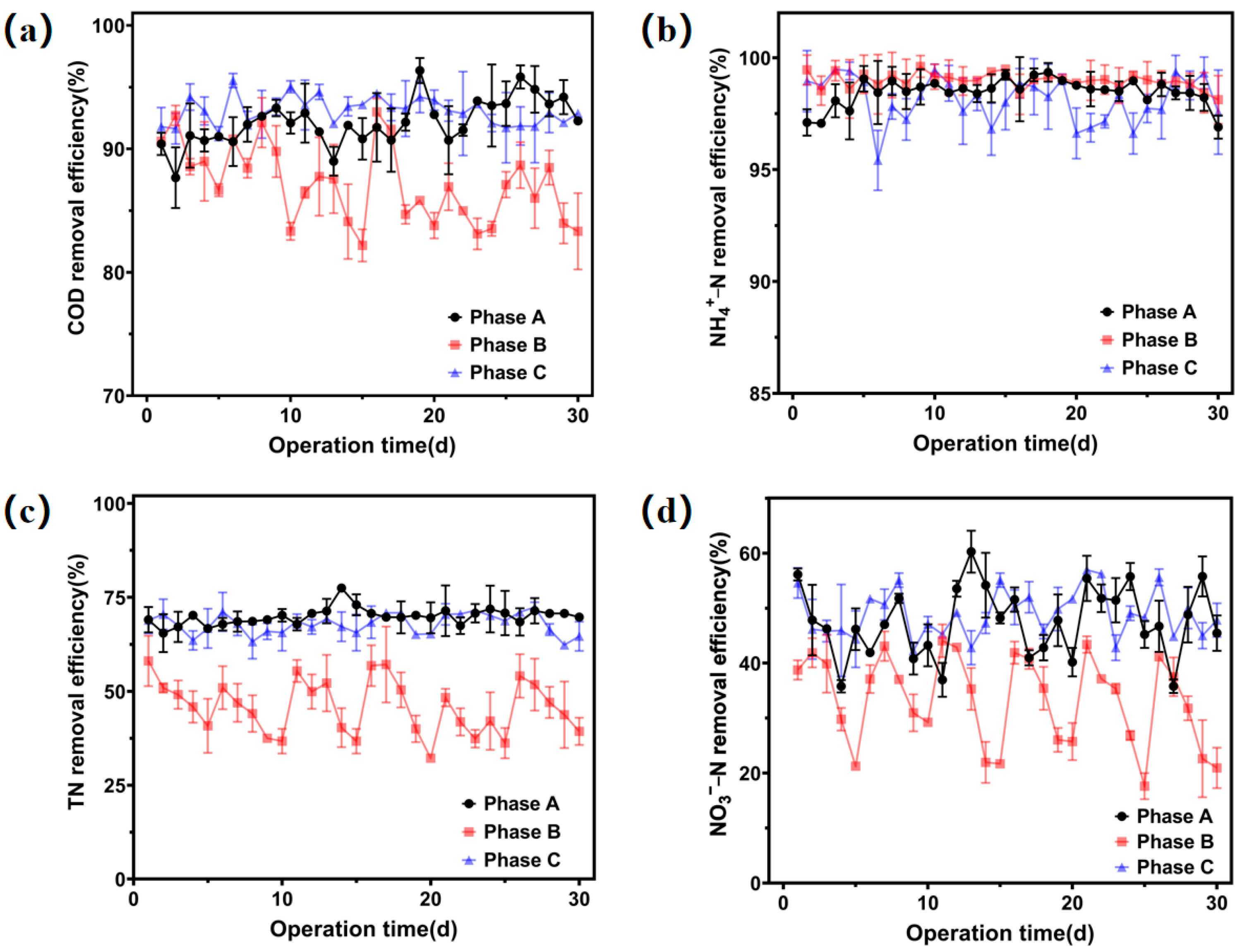
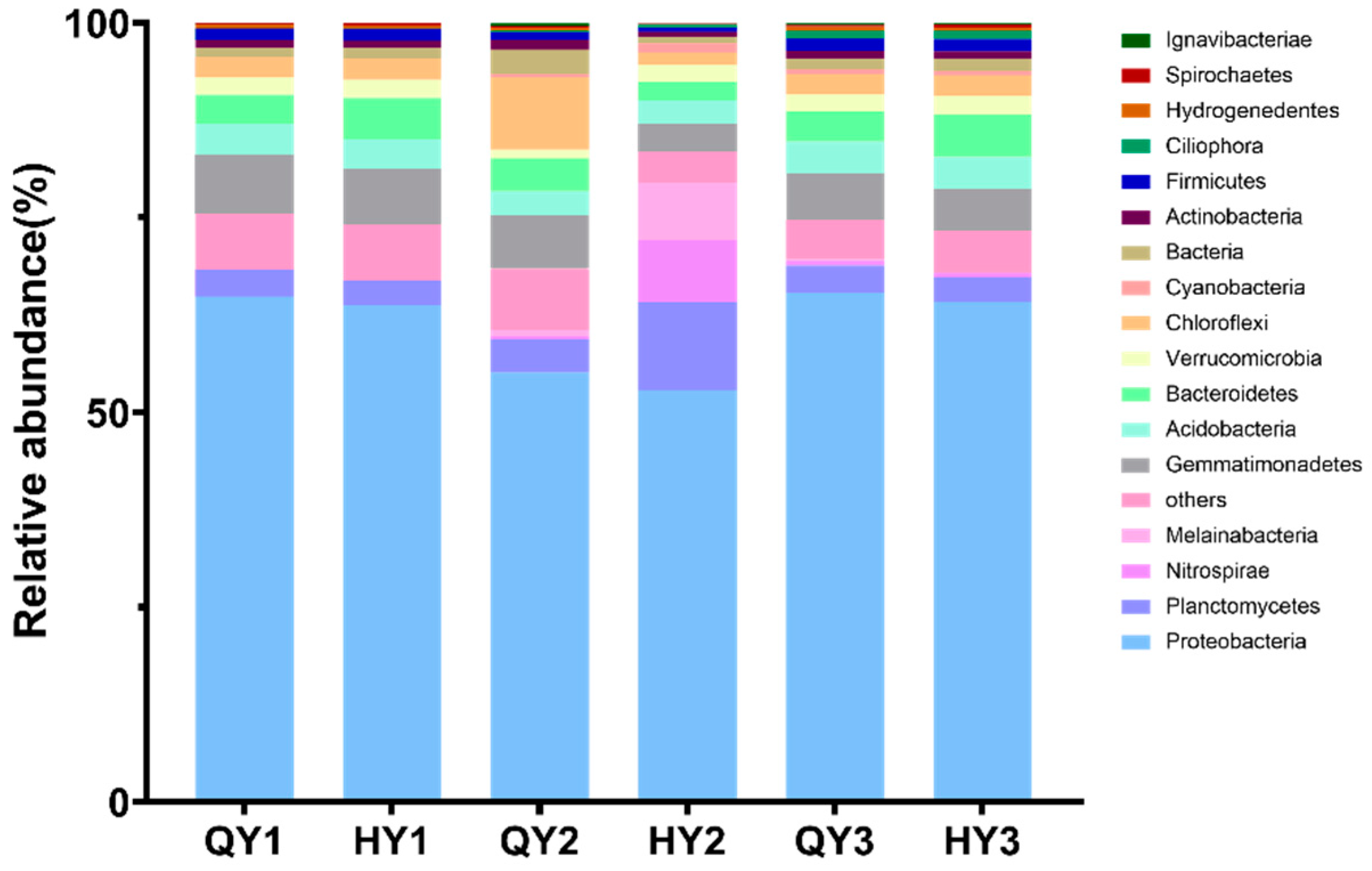
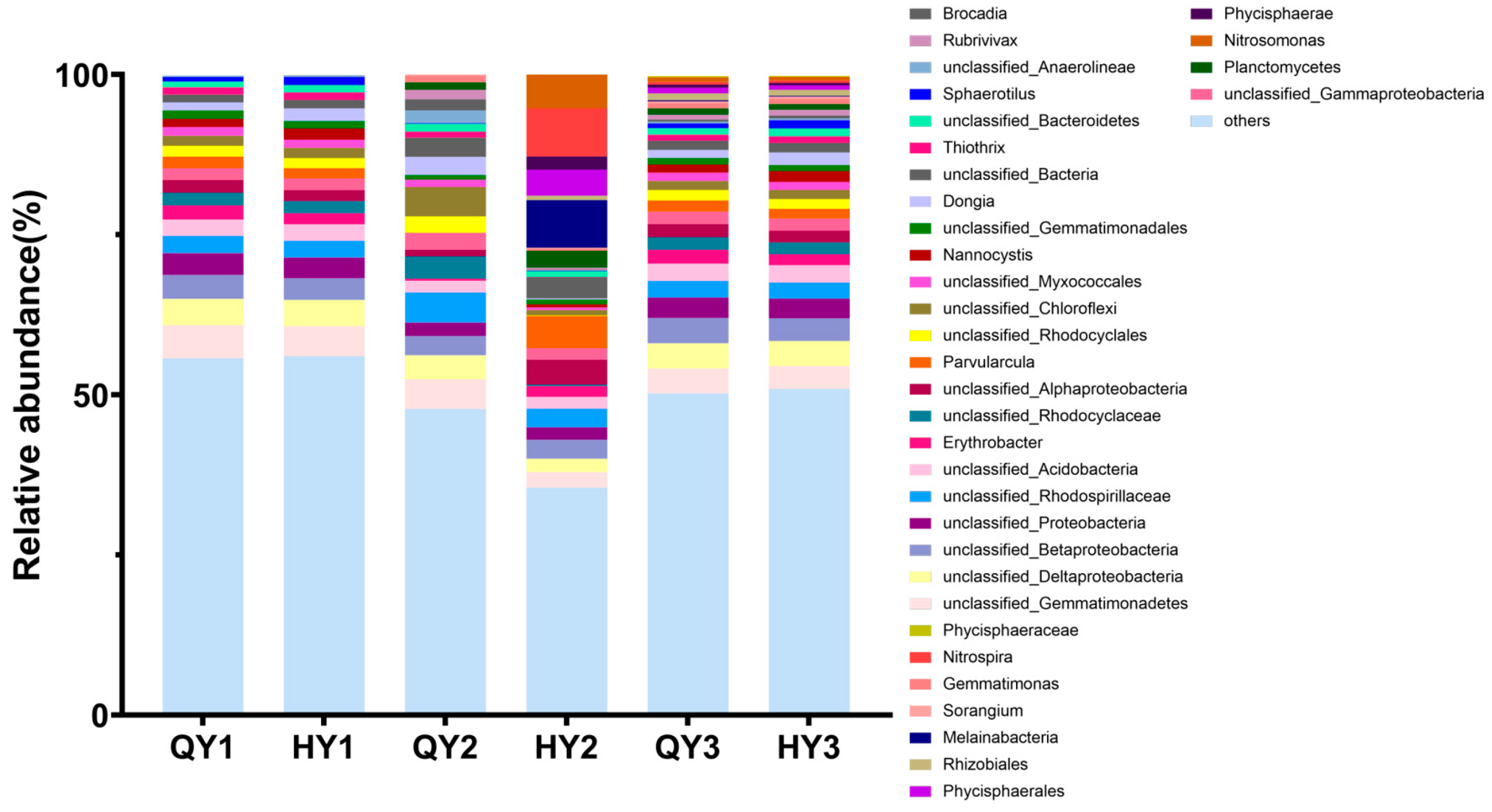
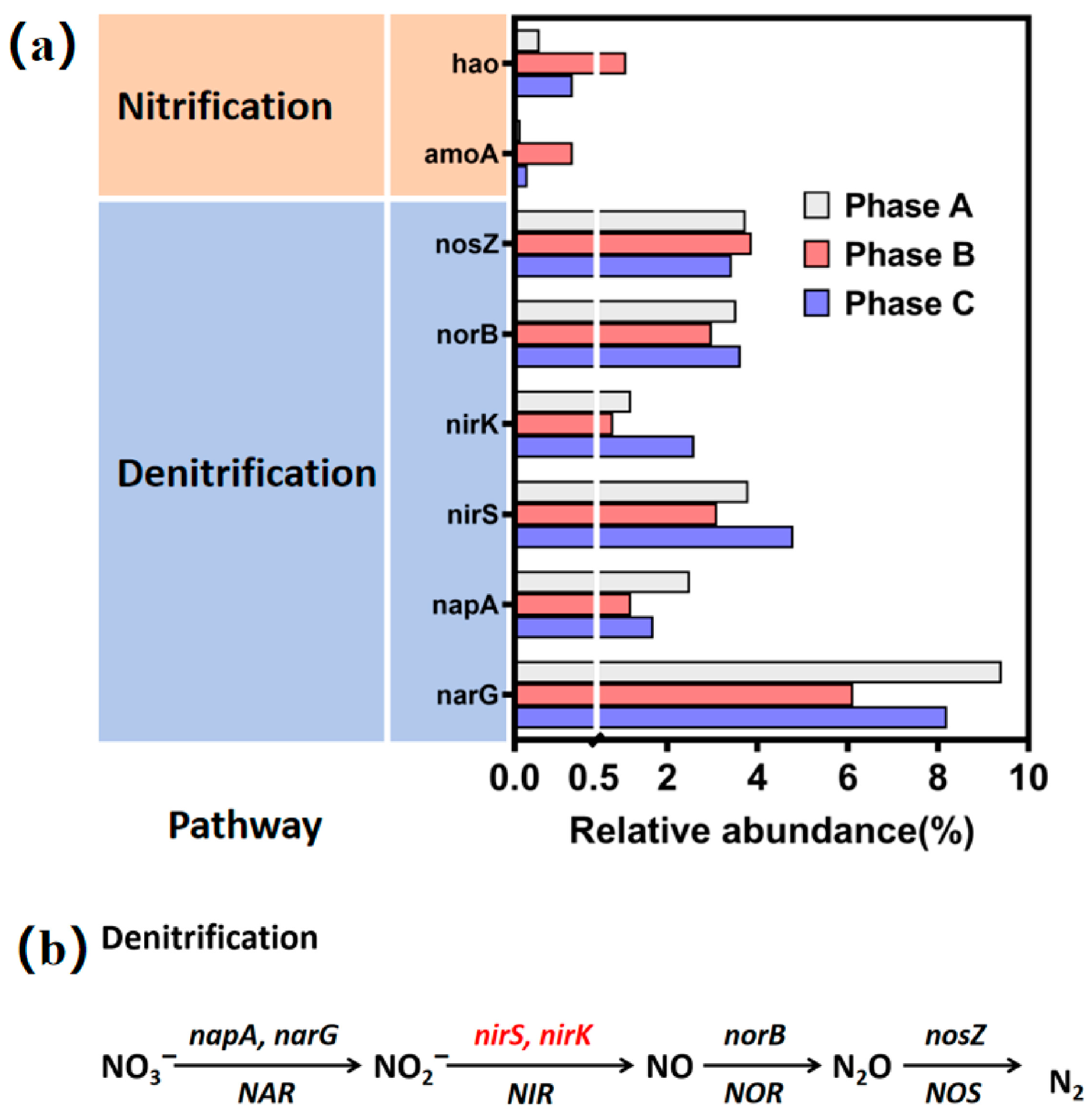
Large variations in water quality and quantity are the main characteristics of rural wastewater in China, and the biggest impact caused by this is the lack of carbon sources. In this study, an anoxic–oxic (A/O) biological contact oxidation (BCO) reactor was used to explore the feasibility of using food waste fermentation liquid as the supplementary carbon source for enhanced nitrogen removal from rural wastewater. After using the carbon source supplements, the removal performance of the A/O BCO system was improved, with the removal efficiencies of COD, NH4+–N, and TN at 92.4%, 97.8%, and 67.6%, respectively. Mechanism studies showed that the activities of key denitrifying enzymes (NAR, NIR, NOR, and NOS) for nitrogen removal were improved, with NIR activity increasing by 36.9%. Microbial community analysis revealed that food waste fermentation liquid increased the diversity of denitrifying microbial populations. Notably, insights from metagenomics showed that the relative abundances of two key genes (nirS and nirK), which are vital indicators of the denitrification process, were significantly improved with the addition of food waste fermentation liquid as a supplemental carbon source, resulting in the enhancement of nitrogen removal from rural wastewater.
Keywords: rural wastewater; A/O biological contact oxidation; carbon source supplement; food waste fermentation liquid; metabolic function rural wastewater; A/O biological contact oxidation; carbon source supplement; food waste fermentation liquid; metabolic function