

Correction: Pittala et al. The VDAC1-based R-Tf-D-LP4 Peptide as a Potential Treatment for Diabetes Mellitus. Cells 2020, 9, 481

 , ,
, , 
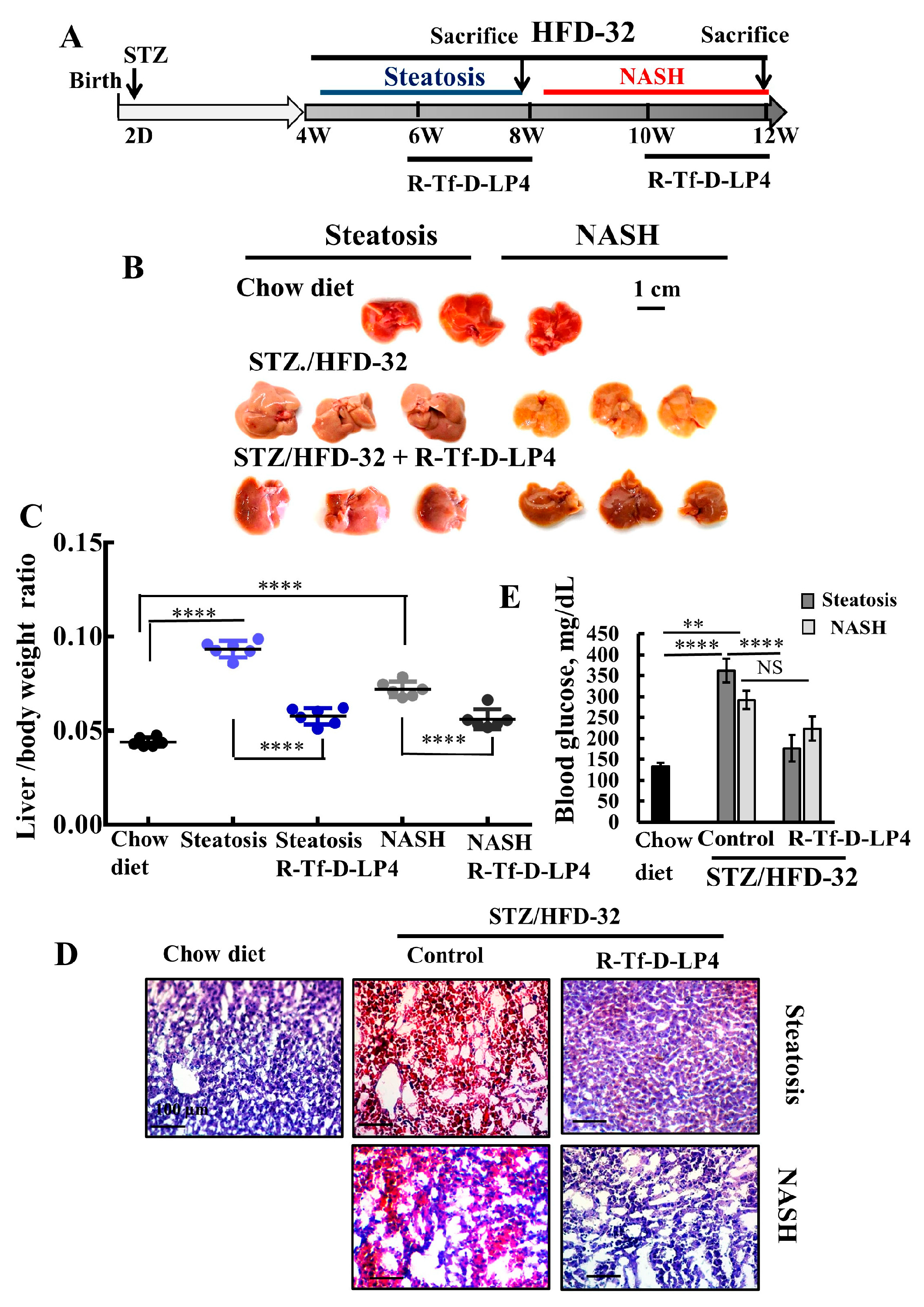
Error in Figure
References
- Pittala, S.; Levy, I.; De, S.; Kumar Pandey, S.; Melnikov, N.; Hyman, T.; Shoshan-Barmatz, V. The VDAC1-based R-Tf-D-LP4 Peptide as a Potential Treatment for Diabetes Mellitus. Cells 2020, 9, 481. [Google Scholar] [CrossRef] [PubMed]
- Pittala, S.; Krelin, Y.; Kuperman, Y.; Shoshan-Barmatz, V. A Mitochondrial VDAC1-Based Peptide Greatly Suppresses Steatosis and NASH-Associated Pathologies in a Mouse Model. Mol. Ther. 2019, 27, 1848–1862. [Google Scholar] [CrossRef] [PubMed]
Disclaimer/Publisher’s Note: The statements, opinions and data contained in all publications are solely those of the individual author(s) and contributor(s) and not of MDPI and/or the editor(s). MDPI and/or the editor(s) disclaim responsibility for any injury to people or property resulting from any ideas, methods, instructions or products referred to in the content. |
© 2024 by the authors. Licensee MDPI, Basel, Switzerland. This article is an open access article distributed under the terms and conditions of the Creative Commons Attribution (CC BY) license (https://creativecommons.org/licenses/by/4.0/).
Share and Cite
Pittala, S.; Levy, I.; De, S.; Pandey, S.K.; Melnikov, N.; Hyman, T.; Shoshan-Barmatz, V. Correction: Pittala et al. The VDAC1-based R-Tf-D-LP4 Peptide as a Potential Treatment for Diabetes Mellitus. Cells 2020, 9, 481. Cells 2024, 13, 1630. https://doi.org/10.3390/cells13191630
Pittala S, Levy I, De S, Pandey SK, Melnikov N, Hyman T, Shoshan-Barmatz V. Correction: Pittala et al. The VDAC1-based R-Tf-D-LP4 Peptide as a Potential Treatment for Diabetes Mellitus. Cells 2020, 9, 481. Cells. 2024; 13(19):1630. https://doi.org/10.3390/cells13191630
Chicago/Turabian StylePittala, Srinivas, Idan Levy, Soumasree De, Swaroop Kumar Pandey, Nataly Melnikov, Tehila Hyman, and Varda Shoshan-Barmatz. 2024. "Correction: Pittala et al. The VDAC1-based R-Tf-D-LP4 Peptide as a Potential Treatment for Diabetes Mellitus. Cells 2020, 9, 481" Cells 13, no. 19: 1630. https://doi.org/10.3390/cells13191630
APA StylePittala, S., Levy, I., De, S., Pandey, S. K., Melnikov, N., Hyman, T., & Shoshan-Barmatz, V. (2024). Correction: Pittala et al. The VDAC1-based R-Tf-D-LP4 Peptide as a Potential Treatment for Diabetes Mellitus. Cells 2020, 9, 481. Cells, 13(19), 1630. https://doi.org/10.3390/cells13191630

