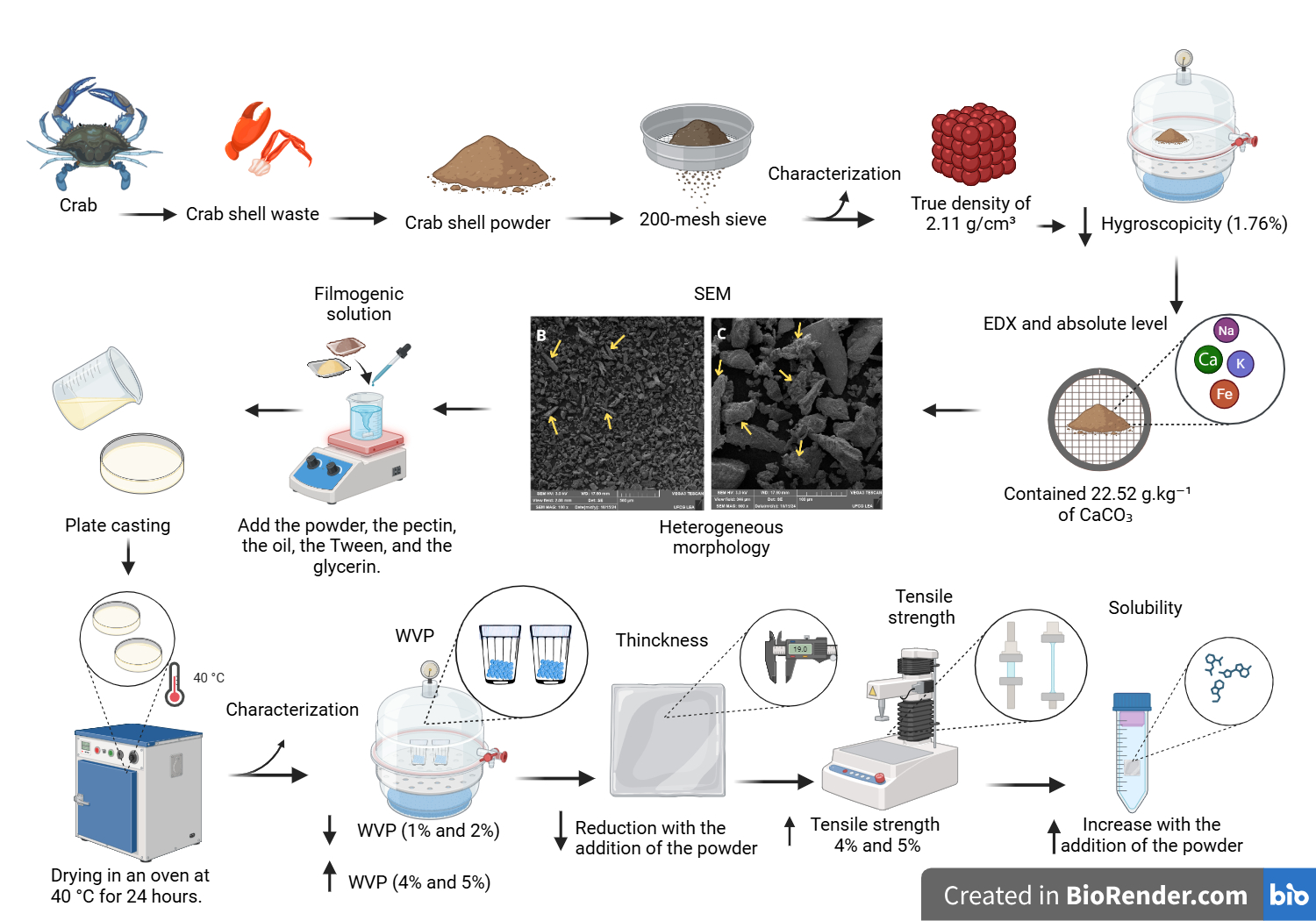
Residual Utilization of Crab Solid Parts for Powder Production and Application as a Structural Component in the Polymeric Matrix of Biodegradable Films
 ,
,  , , ,
, , ,  and
and 
Abstract
1. Introduction
2. Materials and Methods
2.1. Materials Acquisition
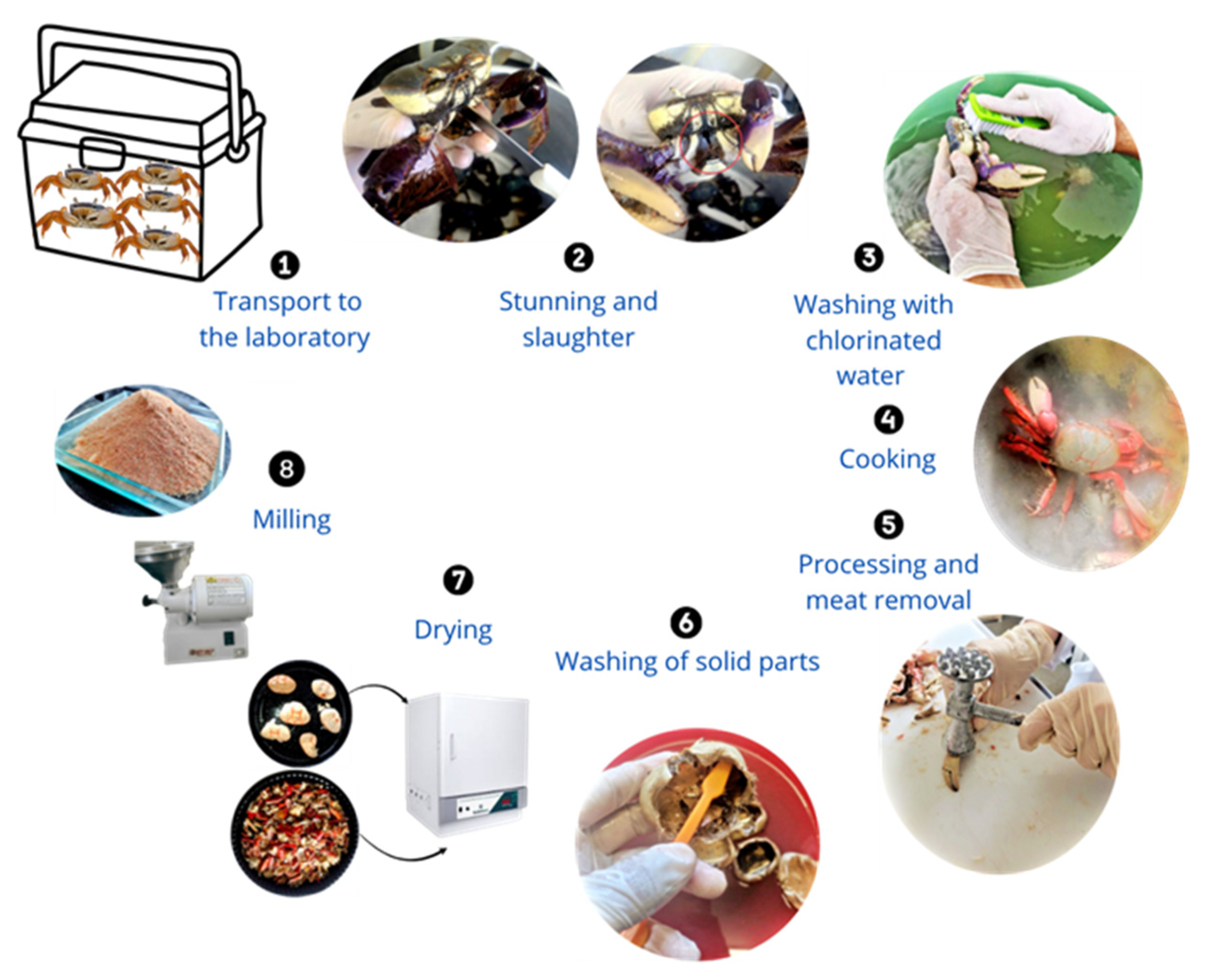
2.2. Process for Obtaining the Solid Parts of the Crab
2.3. Powder Characterization
2.3.1. Scanning Electron Microscopy (SEM)
2.3.2. Fourier Transform Infrared Spectroscopy (FTIR)
2.3.3. Hygroscopicity
2.3.4. X-Ray Diffraction (XRD)
2.3.5. Energy-Dispersive X-Ray Spectroscopy (EDX)
2.3.6. True Density
2.3.7. Quantitative Analysis of Absolute Mineral Content
2.3.8. Particle Size
2.4. Film Characterization
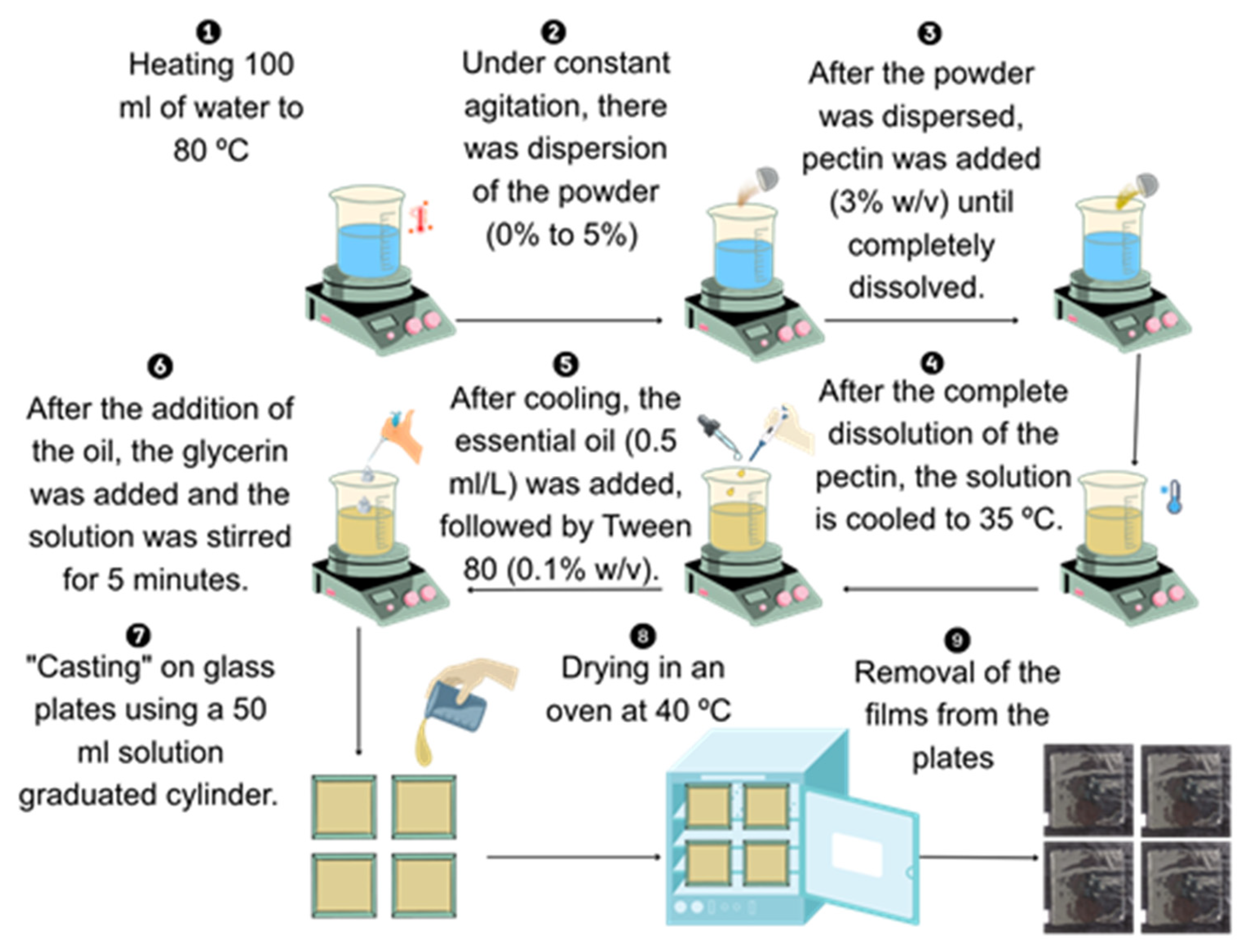
2.4.1. Preparation of Film-Forming Solutions
2.4.2. Scanning Electron Microscopy (SEM)
2.4.3. Thickness
2.4.4. Solubility
2.4.5. Color Attributes
2.4.6. Water Vapor Permeability
2.4.7. Tensile Strength
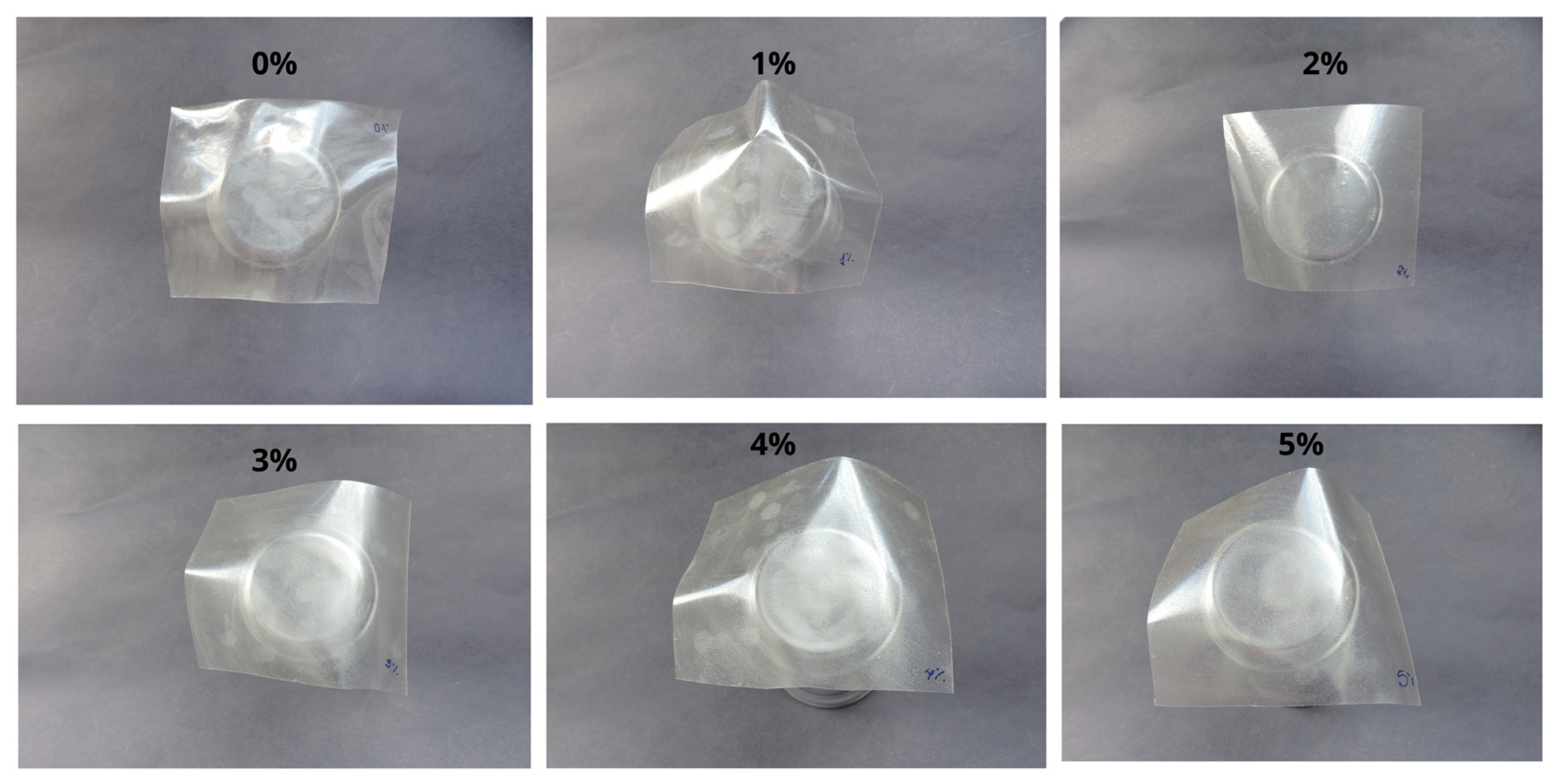
2.4.8. Photographic Images of the Films
2.5. Statistical Analysis
3. Results and Discussion
3.1. Powder Characterization Results
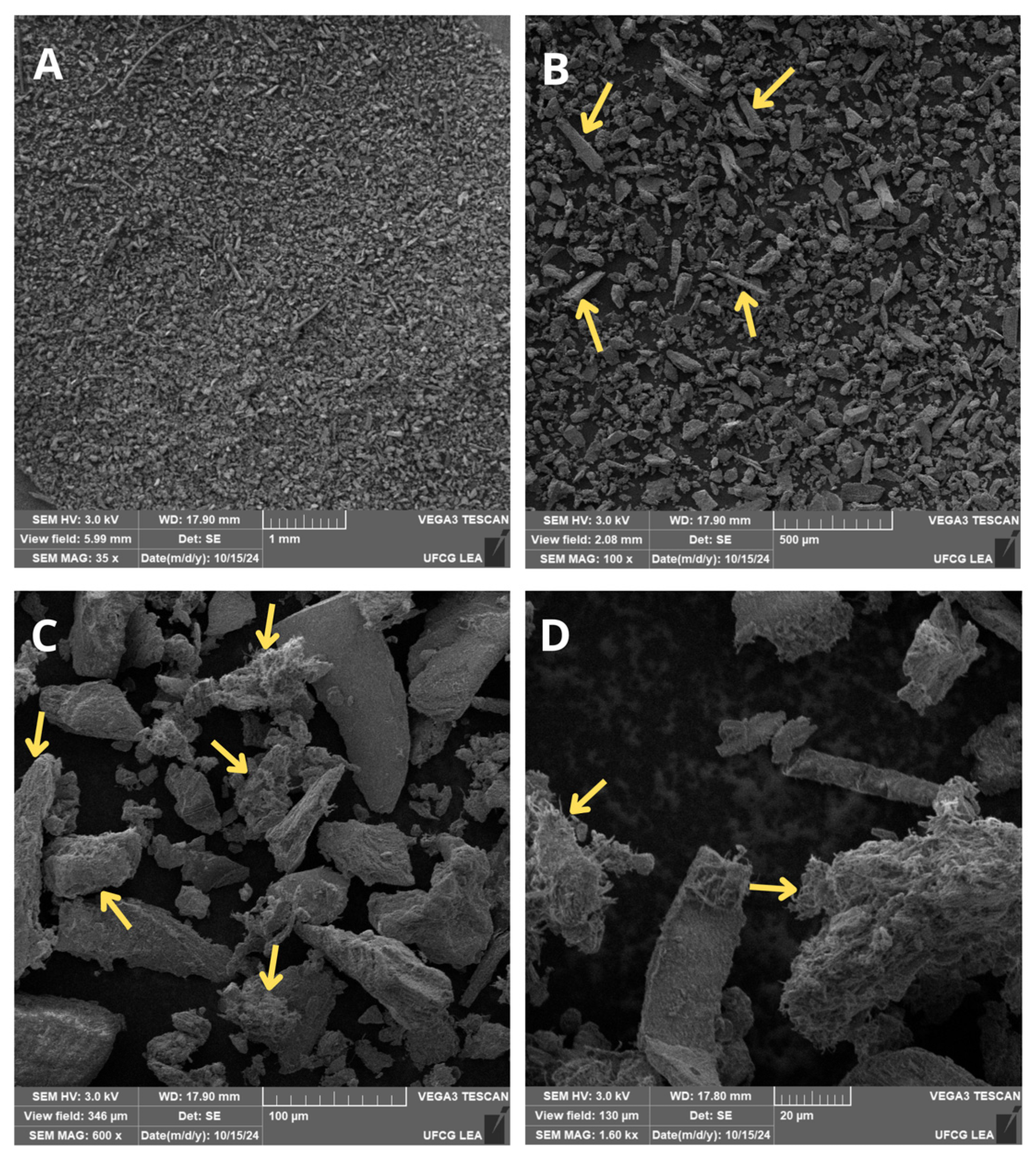
3.1.1. Scanning Electron Microscopy (SEM)
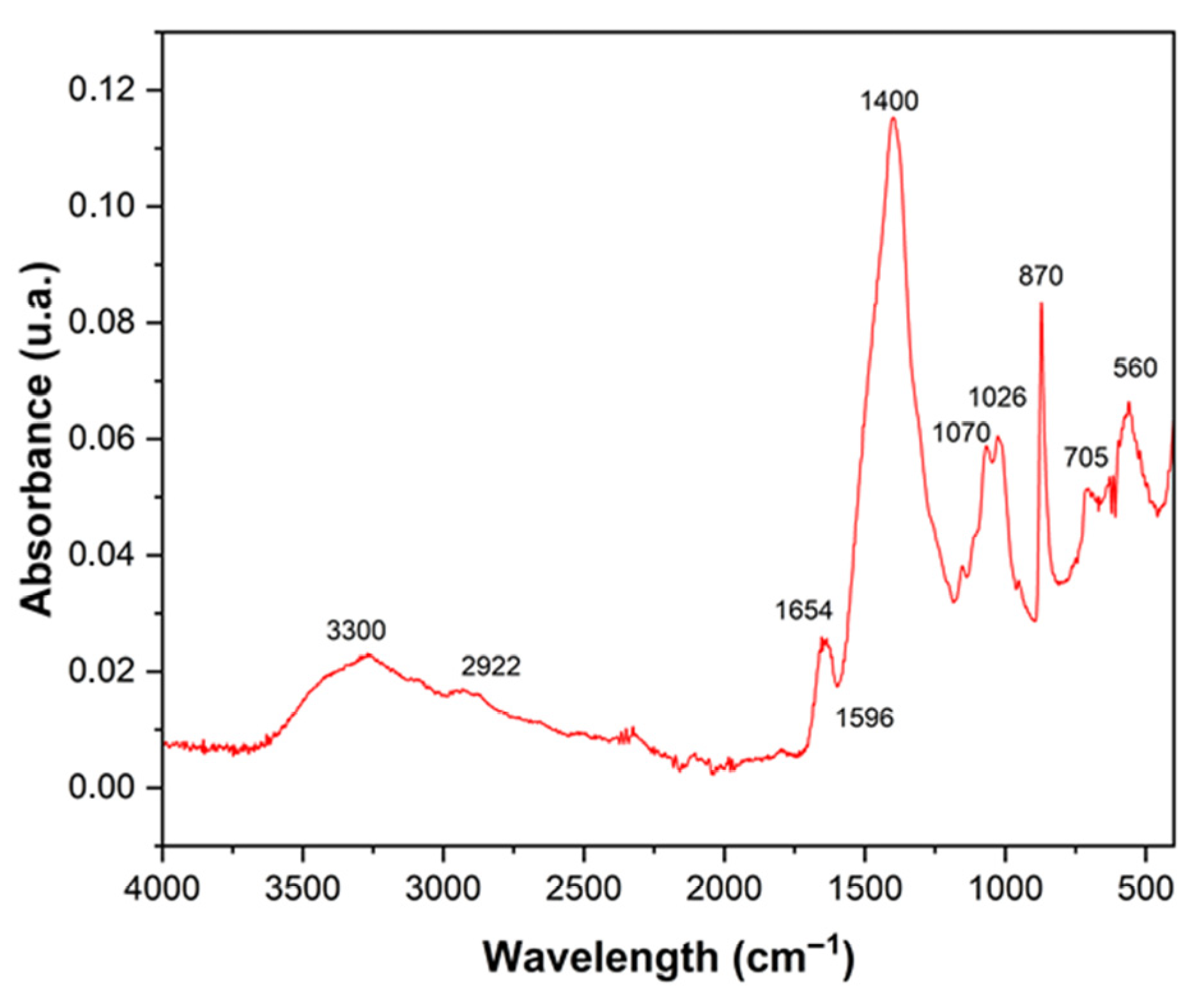
3.1.2. Fourier Transform Infrared Spectroscopy (FT-IR)
3.1.3. Correlation Among the Physical Properties of the Powder (Hygroscopicity, True Density and Particle Size)
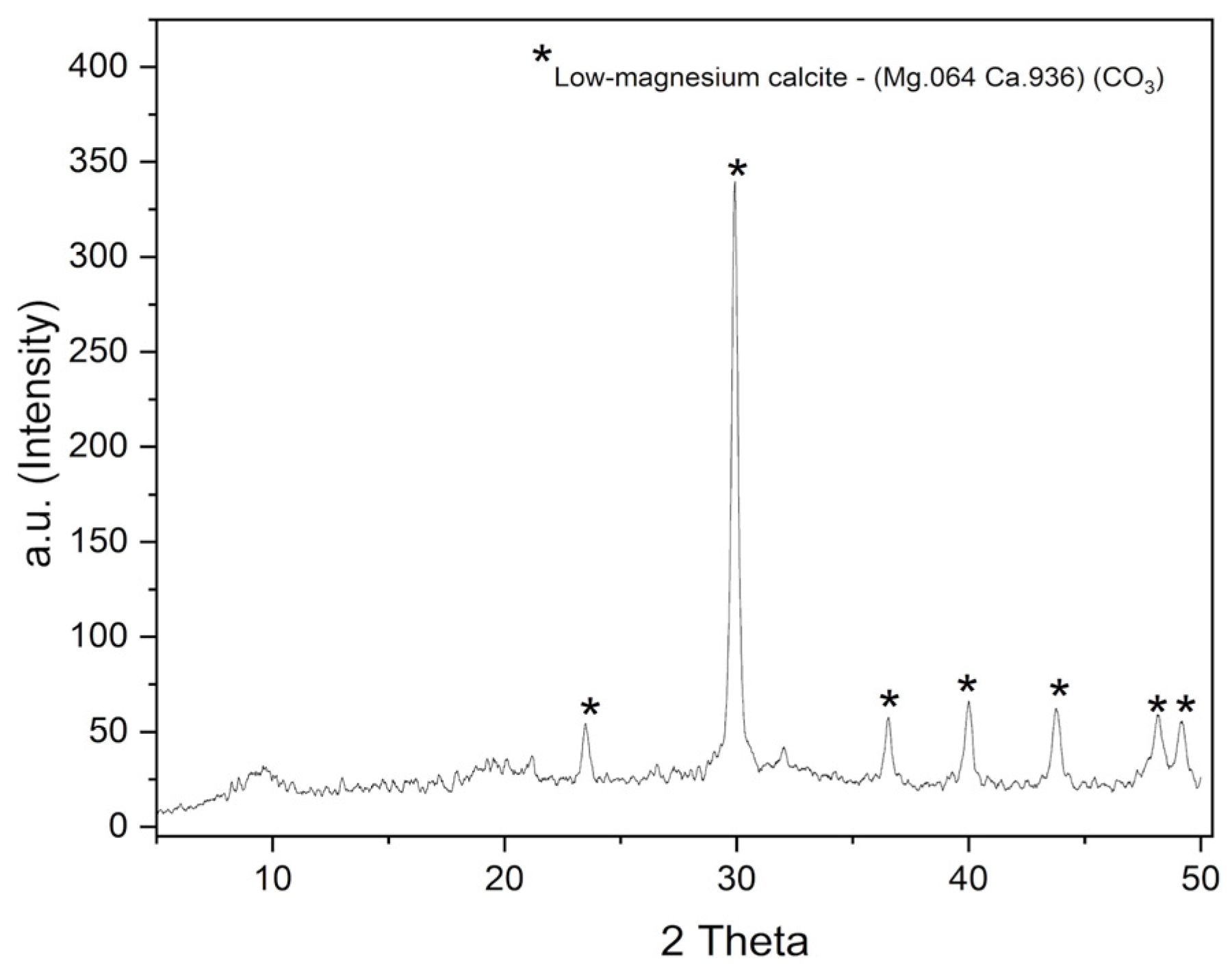
3.1.4. X-Ray Diffraction (XRD)
3.1.5. Energy-Dispersive X-Ray Spectroscopy (EDX) and Absolute Mineral Content
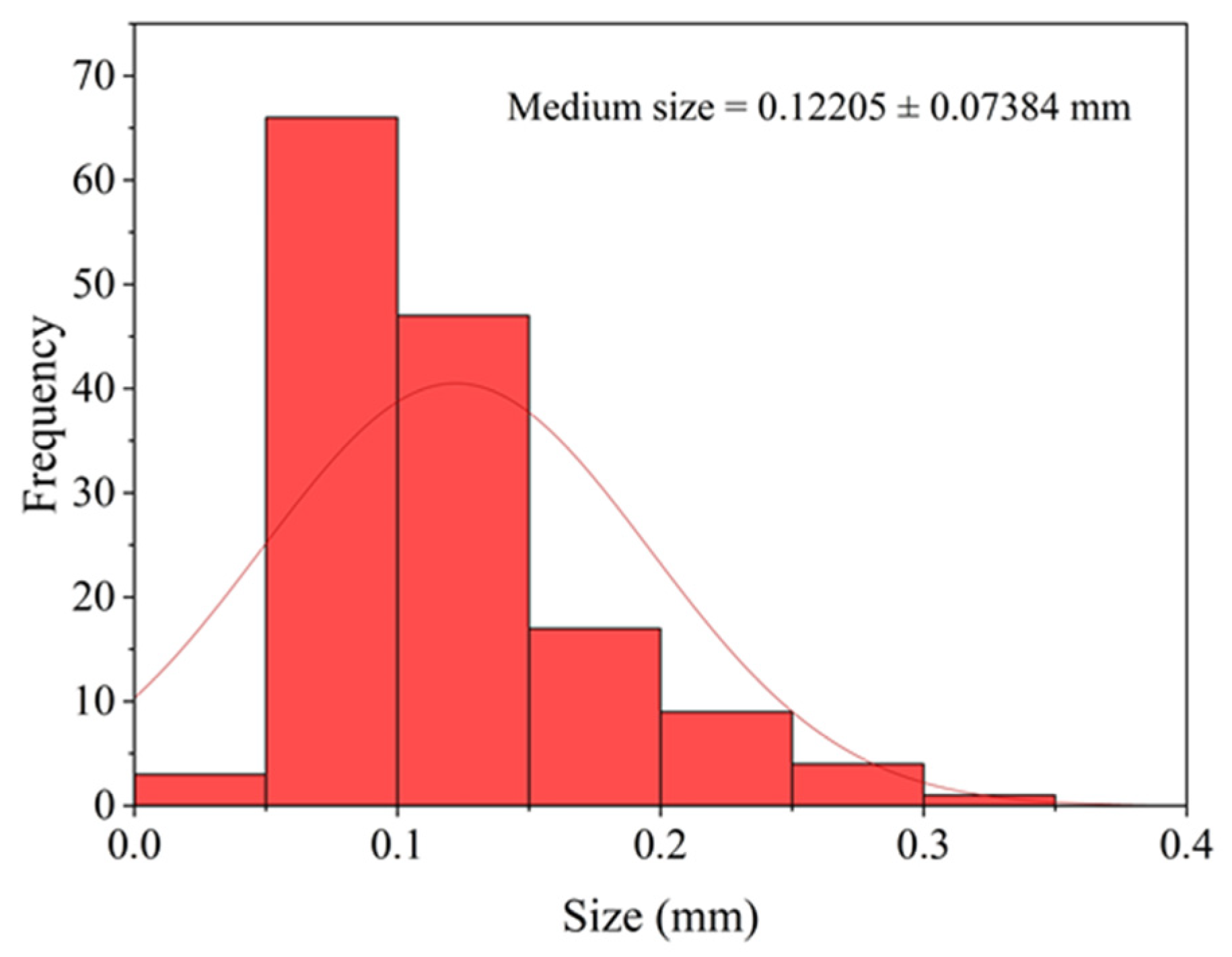
3.1.6. Particle Size
3.2. Film Characterization Results
3.2.1. Thickness, Solubility and WVP
3.2.2. Color Attributes the Films
3.2.3. Mechanical Properties
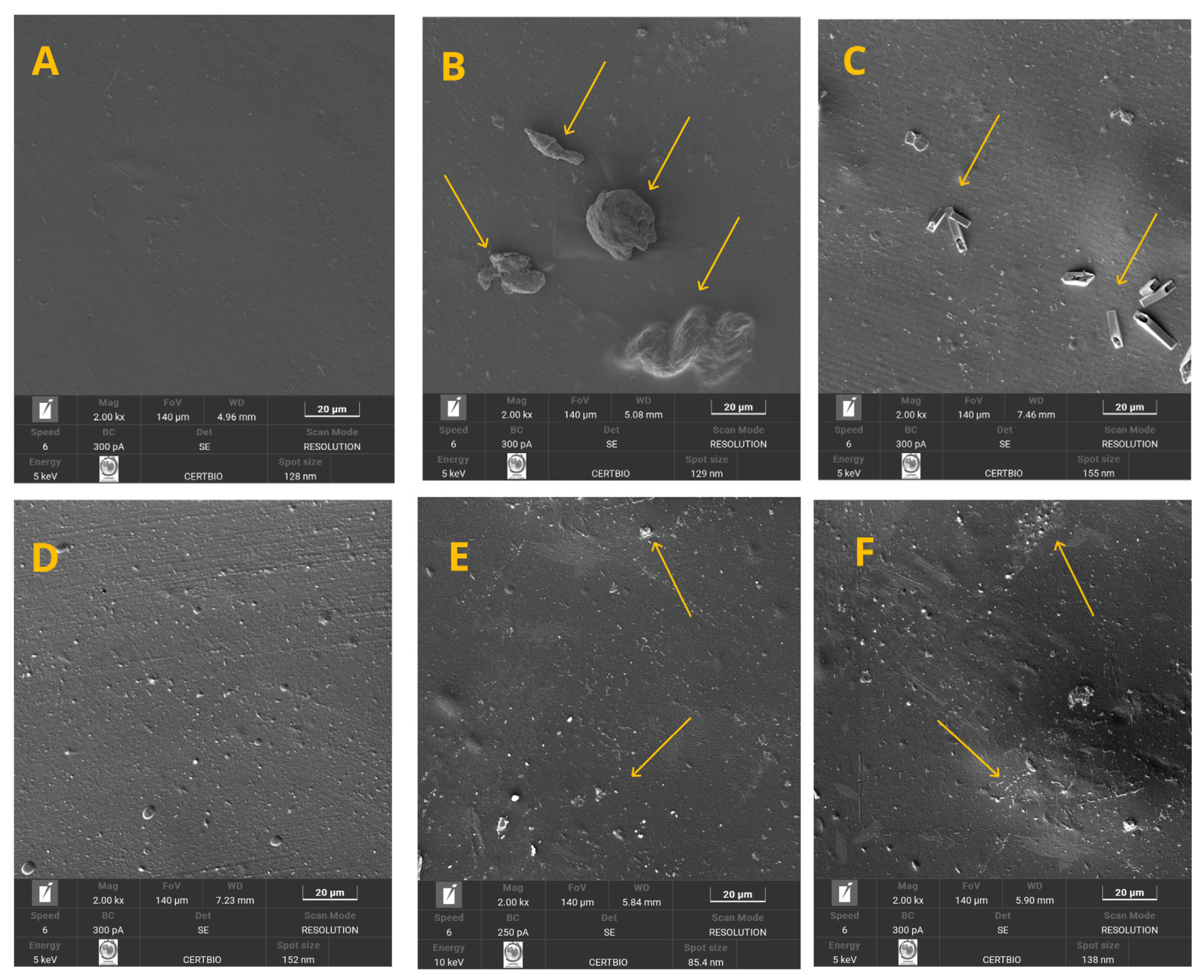
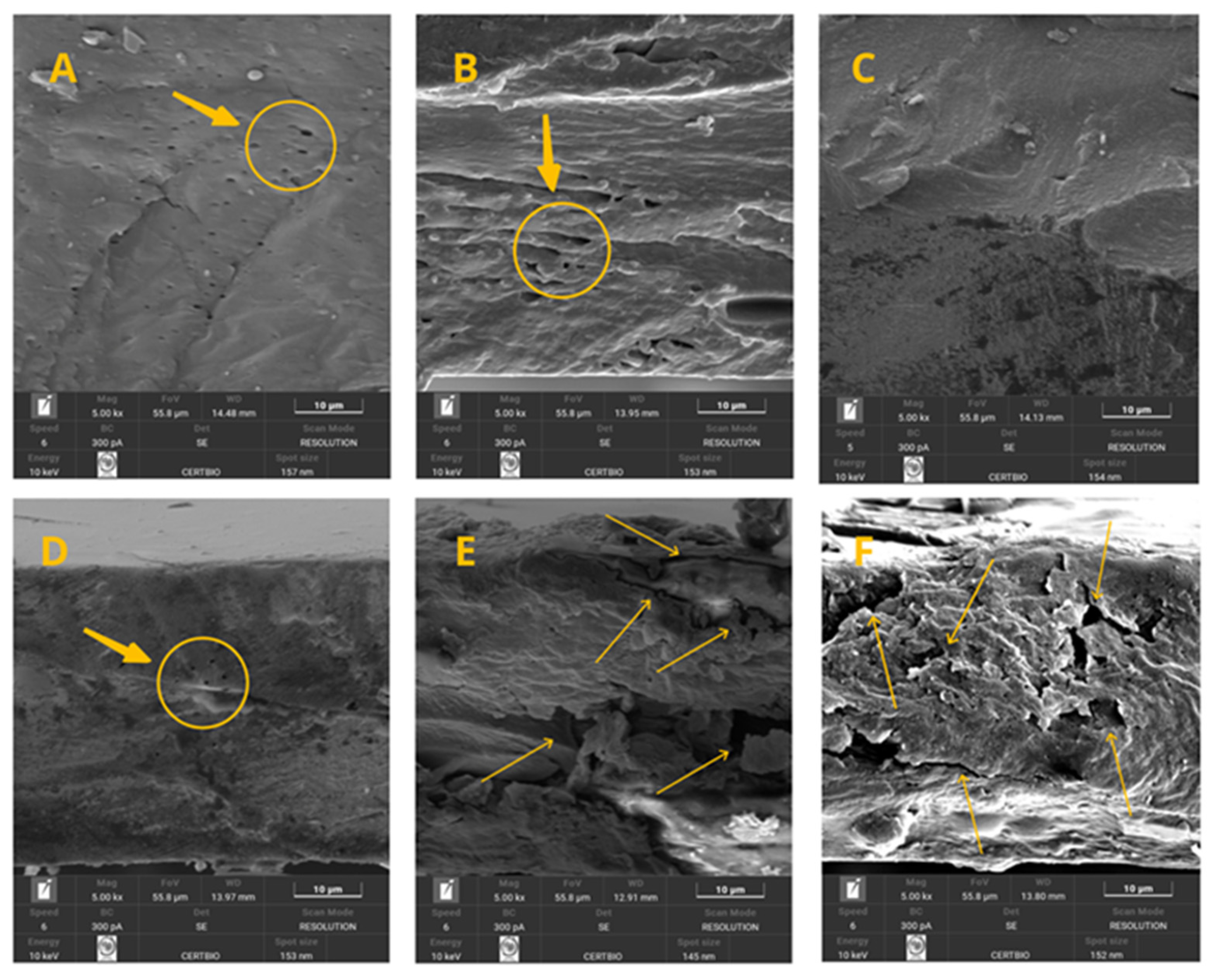
3.2.4. Scanning Electron Microscopy (SEM)
4. Conclusions
5. Patents
Author Contributions
Funding
Institutional Review Board Statement
Data Availability Statement
Acknowledgments
Conflicts of Interest
References
- Song, X.; Zhang, Y.; Li, Z.; Wang, Y.; Chen, G. Utilization of crab shell waste for value-added bioplastics by Pseudomonas-based microbial cell factories. Int. J. Mol. Sci. 2025, 26, 2543. [Google Scholar] [CrossRef] [PubMed]
- Nekvapil, F.; Ganea, I.-V.; Ciorîță, A.; Hirian, R.; Ogresta, L.; Glamuzina, B.; Roba, C.; Cintă Pinzaru, S. Wasted biomaterials from crustaceans as a compliant natural product regarding microbiological, antibacterial properties and heavy metal content for reuse in blue bioeconomy: A preliminary study. Materials 2021, 14, 4558. [Google Scholar] [CrossRef] [PubMed]
- Huang, W.-C.; Zhao, D.; Xue, C.; Mao, X. An efficient method for chitin production from crab shells by a natural deep eutectic solvent. Mar. Life Sci. Technol. 2022, 4, 384–388. [Google Scholar] [CrossRef] [PubMed]
- Ismail, R.; Cionita, T.; Shing, W.L.; Fitriyana, D.F.; Siregar, J.P.; Bayuseno, A.P.; Nugraha, F.W.; Muhamadin, R.C.; Junid, R.; Endot, N.A. Synthesis and characterization of calcium carbonate obtained from green mussel and Crab Shells as a biomaterials candidate. Materials 2022, 15, 5712. [Google Scholar] [CrossRef]
- Šimat, V.; Katalinić, V.; Generalić Mekinić, I.; Hamed, I.; Petričević, S.; Ljubenkov, I. Astaxanthin from crustaceans and their byproducts: A bioactive metabolite candidate for therapeutic application. Mar. Drugs 2022, 20, 206. [Google Scholar] [CrossRef]
- Zaghbib, I.; Abdullah, J.A.A.; Romero, A. Development of a multifunctional chitosan-based composite film from crab shell (Portunus segnis) and algae (Ulva lactuca) with enhanced antioxidant and antimicrobial properties for active food packaging. Foods 2024, 14, 53. [Google Scholar] [CrossRef]
- Yadav, R.; Singh, M.; Shekhawat, D.; Lee, S.Y.; Park, S.J. The role of fillers to enhance the mechanical, thermal, and wear characteristics of polymer composite materials: A review. Compos. Part A Appl. Sci. Manuf. 2023, 175, 107775. [Google Scholar] [CrossRef]
- Janik, W.; Kowalska, A.; Nowak, P.; Zieliński, M.; Michalski, R. Advantageous effect of calcium carbonate and chestnut extract on the performance of chitosan-based food packaging materials. Ind. Crops Prod. 2024, 219, 119088. [Google Scholar] [CrossRef]
- Nwaeju, C.C.; Edoziuno, F.O.; Okuma, S.O.; Tuaweri, T.J. Transformating Marine Waste into Valuable Resources: Morphological and Structural Characterization of Crab Shell Particles for Composite Applications. BMC Environ. Sci. 2025, 2, 7. [Google Scholar] [CrossRef]
- Huang, J.; Hu, Z.; Hu, L.; Li, G.; Yao, Q.; Hu, Y. Pectin based active packaging: A critical review on preparation, physical properties and novel application in food preservation. Trends Food Sci. Technol. 2021, 118, 167–178. [Google Scholar] [CrossRef]
- Cairone, F.; Salvitti, C.; Iazzetti, A.; Fabrizi, G.; Troiani, A.; Pepi, F.; Cesa, S. In-Depth Chemical Characterization of Punica granatum L. Seed Oil. Foods 2023, 12, 1592. [Google Scholar] [CrossRef] [PubMed]
- Akachat, B.; Himed, L.; Salah, M.; D’Elia, M.; Rastrelli, L.; Barkat, M. Development of Pectin-Based Films with Encapsulated Lemon Essential Oil for Active Food Packaging: Improved Antioxidant Activity and Biodegradation. Foods 2025, 14, 353. [Google Scholar] [CrossRef] [PubMed]
- Cabrera-Barjas, G.; González, M.; Benavides-Valenzuela, S.; Preza, X.; Paredes-Padilla, Y.A.; Castaño-Rivera, P.; Segura, R.; Durán-Lara, E.F.; Nesic, A. Active Packaging Based on Hydroxypropyl Methyl Cellulose/Fungal Chitin Nanofibers Films for Controlled Release of Ferulic Acid. Polymers 2025, 17, 2113. [Google Scholar] [CrossRef] [PubMed]
- Bokobza, L. Elastomer Nanocomposites: Effect of Filler–Matrix and Filler–Filler Interactions. Polymers 2023, 15, 2900. [Google Scholar] [CrossRef]
- Bustamante-Torres, M.; Romero-Fierro, D.; Arcentales-Vera, B.; Pardo, S.; Bucio, E. Interaction between Filler and Polymeric Matrix in Nanocomposites: Magnetic Approach and Applications. Polymers 2021, 13, 2998. [Google Scholar] [CrossRef]
- Oliveira, Á.M.F.; Rocha Araújo, R.H.C.; Alves, K.A.; Onias, E.A. Composition of fatty acids and antioxidant activity of pomegranate seed oil cv. ‘Molar’. J. Exp. Agric. Int. 2019, 37, 1–9. [Google Scholar] [CrossRef]
- Kaewprachu, P.; Jaisan, C. Physicochemical Properties of Chitosan from Green Mussel Shells (Perna viridis): A Comparative Study. Polymers 2023, 15, 2816. [Google Scholar] [CrossRef]
- Alipio, M.; Somontan, E.P.; Reyes, P.E.; Lantajo, G.M. Development of an X-ray shielding material based on eggshells and crab shells. IMCC J. Sci. 2022, 2, 31–42. Available online: https://hal.science/hal-04225059v1 (accessed on 2 October 2025).
- Huerta-Vera, K.; Figueroa-Uribe, A.F.; Olivares-Peña, L.; Pérez-Vargas, J.; Calderón-López, R.M.; Torres-Torres, J.; Pime- tel-González, D.J.; Gutiérrez-Morales, A.M.; Martínez-Bustos, F. Optimal storage conditions for spray-dried chayote juice (Sechium edule (Jacq.) Sw. cv. Perla Negra) microencapsulated with gum arabic. Food Bioprod. Process 2025, 150, 296–309. [Google Scholar] [CrossRef]
- Da Silva, F.C. Manual de Análises Químicas de Solos, Plantas e Fertilizantes; Embrapa Informação Tecnológica: Brasília, Brazil, 2009.
- Regadas, J.S.; Gavinho, S.R.; Teixeira, S.S.; de Jesus, J.V.; Pádua, A.S.; Silva, J.C.; Devesa, S.; Graça, M.P.F. Influence of the Particle Size on the Electrical, Magnetic and Biological Properties of the Bioglass® Containing Iron Oxide. Magnetochemistry 2023, 9, 209. [Google Scholar] [CrossRef]
- Alves, K.A.; Araújo, R.H.C.R.; Silva, A.S.; Almeida, E.S.; Oliveira, Á.M.F.; Rocha, N.S.; Araújo, M.C.; Gusmão, T.A.S.; Lima, J.F.; Delgado, J.M.P.Q.; et al. Biodegradable film is enriched with pomegranate seed oil and microalgae for preservation of cajarana (Spondias dulcis). Polymers 2025, 17, 367. [Google Scholar] [CrossRef] [PubMed]
- ASTM E96-95; Standard Test Methods for Water Vapor Transmission of Materials. ASTM: West Conshohocken, PA, USA, 2004.
- ASTM D882-12; Standard Test Method for Tensile Properties of Thin Plastic Sheeting. ASTM: West Conshohocken, PA, USA, 2012.
- Ferreira, D.F. SISVAR: A computer analysis system to fixed effects split plot type designs. Braz. J. Biom. 2019, 37, 529–535. [Google Scholar] [CrossRef]
- Mohan, K.; Muralisankar, T.; Jayakumar, R.; Rajeevgandhi, C. A Study on Structural Comparisons of α-Chitin Extracted from Marine Crustacean Shell Waste. Carbohydr. Polym. Technol. Appl. 2021, 2, 100037. [Google Scholar] [CrossRef]
- Kılcı, L.; Altun, N.; Alpay Karaoğlu, Ş.; Karaduman Yeşildal, T. Characterization of chitin and description of its antimicrobial properties obtained from Cydalima perspectalis adults. Polym. Bull. 2024, 81, 14217–14234. [Google Scholar] [CrossRef]
- Kun, D.; Kárpáti, Z.; Fekete, E.; Móczó, J. The role of interfacial Adhesion in Polymer Composites Engineered from Lignocellulosic Agricultural Waste. Polymers 2021, 13, 3099. [Google Scholar] [CrossRef]
- Stadlmann, A.; Mautner, A.; Pramreiter, M.; Bismarck, A.; Müller, U. Interfacial Adhesion and Mechanical Properties of Wood Polymer Hybrid Composites Prepared by Injection Molding. Polymers 2021, 13, 2849. [Google Scholar] [CrossRef]
- Negim, E.S.M.; Rakhmetullayeva, R.K.; Yeligbayeva, G.Z.; Urkimbaeva, P.I.; Primzharova, S.T.; Kaldybekov, D.B.; Khatib, J.M.; Mun, G.A.; Craig, W. Improving Biodegradability of Polyvinyl Alcohol/Starch Blend Films for Packaging Applications. Int. J. Basic Appl. Sci. 2014, 3, 263–273. [Google Scholar] [CrossRef]
- Zhang, R.; Dai, S.; Liu, J.; Yang, Z.; Nie, B.; Xing, Y.; Gui, X. New Insight into the Effect of Particle Surface Roughness on Flotation Efficiency: An Experimental and Theoretical Analysis. Minerals 2024, 14, 1267. [Google Scholar] [CrossRef]
- Pessoa, M.E.A.; de Sousa, K.S.M.G.; Clericuzi, G.Z.; Ferreira, A.L.O.; Soares, M.C.S.; Neto, J.C.Q. Adsorption of Reactive Dye onto Uçá Crab Shell (Ucides cordatus): Scale-Up and Comparative Studies. Energies 2021, 14, 5876. [Google Scholar] [CrossRef]
- Jáuregui-Nongrados, J.; Alvarado, A.T.; Mucha, M.; Muñoz, A.M.; Chávez, H.; Molina-Cabrera, A.; Cuba-García, P.A.; Melgar-Merino, E.J.; Bolarte-Arteaga, M.; Mori-Castro, J.A. Bioadsorption of Silver Ions by Calcareous Chitin, Chitin and Chitosan. J. Pharm. Pharmacogn. Res. 2023, 11, 101–109. [Google Scholar] [CrossRef]
- Yang, C.; Chen, X.; Chen, Z.; Zhao, Y.; Yang, R.; Xia, Y.; Zeng, Q.; He, Y.; Lan, H. Source-dependent variations in chitin: A comparative study on Antarctic krill, white shrimp and crayfish. Front. Mar. Sci. 2025, 12, 1592331. [Google Scholar] [CrossRef]
- Gunasekaran, S.; Anbalagan, G.; Pandi, S. Raman and Infrared Spectra of Carbonates of Calcite Structure. J. Raman Spectrosc. 2006, 37, 892–899. [Google Scholar] [CrossRef]
- Jiang, H.; Zhang, N.; Xie, L.; Li, G.; Chen, L.; Liao, Z. A Comprehensive Review of the Rehydration of Instant Powders: Mechanisms, Influencing Factors, and Improvement Strategies. Foods 2025, 14, 2883. [Google Scholar] [CrossRef]
- Bianco-Stein, N.; Polishchuk, I.; Lang, A.; Atiya, G.; Villanova, J.; Zaslansky, P.; Katsman, A.; Pokroy, B. Structural and chemical variations in Mg-calcite skeletal segments of coralline red algae lead to improved crack resistance. Acta Biomater. 2021, 130, 362–373. [Google Scholar] [CrossRef]
- Ragazzola, F.; Kolzenburg, R.; Zekonyte, J.; Teichert, S.; Jiang, C.; Žuljević, A.; Caragnano, A.; Falace, A. Structural and elemental analysis of the freshwater, low-Mg calcite coralline alga Pneophyllum cetinaensis. Plants 2020, 9, 1089. [Google Scholar] [CrossRef]
- Habte, L.; Khan, M.D.; Shiferaw, N.; Farooq, A.; Lee, M.-H.; Jung, S.-H.; Ahn, J.W. Synthesis, Characterization and Mechanism Study of Green Aragonite Crystals from Waste Biomaterials as Calcium Supplement. Sustainability 2020, 12, 5062. [Google Scholar] [CrossRef]
- Bhowmik, S.; Ghosh, S.; Shukla, P.; Bera, A.; Das, P.; Kumar, M. Enhancement of mechanical, barrier, and functional properties of chitosan film reinforced with glycerol, COS, and gallic acid for active food packaging. Sustain. Mater. Technol. 2024, 41, e01092. [Google Scholar] [CrossRef]
- Ávila Martín, L.; Guzmán Silva, D.K.; Perilla, J.E.; Villa Zabala, C.C. Preliminary modeling study of a tape casting system for thermoplastic starch film forming. Biol. Life Sci. Forum 2023, 28, 4. [Google Scholar] [CrossRef]
- Fu, S.; Sun, Z.; Huang, P. Some basic aspects of polymer nanocomposites: A critical review. Nano Mater. Sci. 2019, 1, 2–30. [Google Scholar] [CrossRef]
- Pires, J.; Paula, C.D.D.; Souza, V.G.L.; Fernando, A.L.; Coelhoso, I. Understanding the Barrier and Mechanical Behavior of Different Nanofillers in Chitosan Films for Food Packaging. Polymers 2021, 13, 721. [Google Scholar] [CrossRef] [PubMed]
- Cabrera-Barjas, G.; Radovanović, N.; Bravo-Arrepol, G.; de la Torre, A.F.; Valdés, O.; Nešić, A. Valorization of food waste to produce intelligent nanofibrous β-chitin films. Int. J. Biol. Macromol. 2021, 186, 92–99. [Google Scholar] [CrossRef]
- Idris, A.; Muntean, A.; Mesic, B. A review on predictive tortuosity models for composite films in gas barrier applications. J. Coat. Technol. Res. 2022, 19, 699–716. [Google Scholar] [CrossRef]
- Cabrera-Barjas, G.; Nesic, A.; Bravo-Arrepol, G.; Rodríguez-Llamazares, S.; Valdés, O.; Banerjee, A.; Castaño, J.; Delattre, C. Bioactive Pectin-Murta (Ugni molinae T.) Seed Extract Films Reinforced with Chitin Fibers. Molecules 2021, 26, 7477. [Google Scholar] [CrossRef]
- Mourak, A.; Hajjaji, M.; Alagui, A.; Martin, P.; Joly, N. Effects of Geomaterial-Originated Fillers on Microstructure and Me-chanical/Physical Properties of α- and β-Chitosan-Based Films. Molecules 2021, 26, 7514. [Google Scholar] [CrossRef]
- Haddar, A.; Sellami, E.; Bouazizi, O.; Sila, A.; Bougatef, A. Biodegradable Levan/Chitosan Composite Films: Development and Application in Beef Filet Packaging. Foods 2025, 14, 2133. [Google Scholar] [CrossRef]
- Dalimunthe, N.F.; Wirawan, S.K.; Michael, M.; Tjandra, T.M.; Sidabutar, R. Pectin-carbonate hydroxyapatite composite films as a potential drug delivery system for cinnamaldehyde: Characterization and release kinetics modeling. Case Stud. Chem. Environ. Eng. 2024, 10, 100905. [Google Scholar] [CrossRef]
- Nastasi, J.R.; Fitzgerald, M.; Kontogiorgos, V. Tuning the mechanical properties of pectin films with polyphenol-rich plant extracts. Int. J. Biol. Macromol. 2023, 253, 127536. [Google Scholar] [CrossRef]
- Tazibt, N.; Kaci, M.; Dehouche, N.; Ragoubi, M.; Atanase, L.I. Effect of Filler Content on the Morphology and Physical Properties of Poly (Lactic Acid)-Hydroxyapatite Composites. Materials 2023, 16, 809. [Google Scholar] [CrossRef] [PubMed]
- Alshammari, B.A.; Alenad, A.M.; Al-Mubaddel, F.S.; Alharbi, A.G.; Al-shehri, A.S.; Albalwi, H.A.; Alsuabie, F.M.; Fouad, H. Impact of hybrid fillers on the properties of high density polyethylene based composites. Polymers 2022, 14, 3427. [Google Scholar] [CrossRef] [PubMed]
- Tcherdyntsev, V.V. Reinforced Polymer Composites. Polymers 2021, 13, 564. [Google Scholar] [CrossRef] [PubMed]
- Dharai, R.; Chakraborty, Y.; Murmu, R.; Senapati, P.; Sutar, H.; Roy, D. Polymer–Filler Interactions in Graphite-Infused Polypropylene: Experimental Design, a Fundamental and Applied Study. J. Compos. Sci. 2025, 9, 351. [Google Scholar] [CrossRef]
- Fu, S.-Y.; Feng, X.-Q.; Lauke, B.; Mai, Y.-W. Effects of particle size, particle/matrix interface adhesion and particle loading on mechanical properties of particulate-polymer composites. Compos. Part B Eng. 2008, 39, 933–961. [Google Scholar] [CrossRef]
- Blake, B.; Mendenhall, R.; Eslami, B. Balancing Strength and Flexibility: Mechanical Characterization of Carbon Fiber-Reinforced PLA Composites in FDM 3D Printing. J. Manuf. Mater. Process. 2025, 9, 288. [Google Scholar] [CrossRef]
- Post, W.; Kuijpers, L.J.; Zijlstra, M.; van der Zee, M.; Molenveld, K. Effect of Mineral Fillers on the Mechanical Properties of Commercially Available Biodegradable Polymers. Polymers 2021, 13, 394. [Google Scholar] [CrossRef]
- Zaccone, M.; Patel, M.K.; De Brauwer, L.; Nair, R.; Montalbano, M.L.; Monti, M.; Oksman, K. Influence of Chitin Nanocrystals on the Crystallinity and Mechanical Properties of Poly(hydroxybutyrate) Biopolymer. Polymers 2022, 14, 562. [Google Scholar] [CrossRef]
- Smith, T.; Gupta, C.; Fan, Z.; Brust, G.J.; Vogelsong, R.; Carr, C.; Wang, S.Q. Toughness arising from inherent strength of polymers. Extrem. Mech. Lett. 2022, 56, 101819. [Google Scholar] [CrossRef]
- Peng, Y.; Musah, M.; Via, B.; Wang, X. Calcium carbonate particles filled homopolymer polypropylene at different loading levels: Mechanical properties characterization and materials failure analysis. J. Compos. Sci. 2021, 5, 302. [Google Scholar] [CrossRef]
- Seenuvasan, M.; Malar, C.G.; Growther, L. Production of a biopolymer film from biological wastes and its statistical analysis. Bioresour. Technol. Rep. 2021, 13, 100610. [Google Scholar] [CrossRef]
- Apicella, A.; Barbato, A.; Garofalo, E.; Incarnato, L.; Scarfato, P. Effect of PVOH/PLA + Wax Coatings on Physical and Functional Properties of Biodegradable Food Packaging Films. Polymers 2022, 14, 935. [Google Scholar] [CrossRef]
- Marsh, K.; Bugusu, B. Food Packaging—Roles, Materials, and Environmental Issues. J. Food Sci. 2007, 72, R39–R55. [Google Scholar] [CrossRef]
- Santhosh, R.; Ahmed, J.; Thakur, R.; Sarkar, P. Starch-based edible packaging: Rheological, thermal, mechanical, microstructural, and barrier properties—A review. Sustain. Food Technol. 2024, 2, 307–330. [Google Scholar] [CrossRef]
- Karnwal, A.; Rauf, A.; Jassim, A.Y.; Selvaraj, M.; Al-Tawaha, A.R.M.S.; Kashyap, P.; Kumar, D.; Malik, T. Advanced starch-based films for food packaging: Innovations in sustainability and functional properties. Food Chem. X 2025, 29, 102662. [Google Scholar] [CrossRef]
- Mourad, A.-H.I. Impact of Hybrid Fillers on the Properties of High-Density Polyethylene-Based Composites. Polymers 2022, 14, 3427. [Google Scholar] [CrossRef]



| Variables | Particle Size | True Density | Hygroscopicity |
|---|---|---|---|
| Particle size | 1.000 | −0.651 ns | 0.610 ns |
| True density | −0.651 ns | 1.000 | −0.159 ns |
| Hygroscopicity | 0.610 ns | −0.159 ns | 1.000 |
| Element | Percentage (%) | Absolute Content | Unit |
|---|---|---|---|
| Ca | 86.007 | 22.52 | g·kg−1 |
| Mg | 4.974 | 1.89 | g·kg−1 |
| P | 3.547 | 0.68 | g·kg−1 |
| S | 1.877 | -- | -- |
| Si | 1.590 | -- | -- |
| Sr | 1.191 | -- | -- |
| K | 0.623 | 6.29 | g·kg−1 |
| Fe | 0.136 | 240.77 | mg·kg−1 |
| Cu | 0.023 | 18.27 | mg·kg−1 |
| Br | 0.021 | -- | -- |
| Zn | -- | 38.72 | mg·kg−1 |
| Mn | -- | 5.25 | mg·kg−1 |
| Na | -- | 11.11 | g·kg−1 |
| Concentrations (%) | Thickness (mm) | Solubility (%) | WVP (g·mm/m2·h·kPa) |
|---|---|---|---|
| 0 | * 0.082 ± 0.0023 a | * 0.026 ± 0.0056 b | * 0.105 ± 0.0020 ab |
| 1 | 0.070 ± 0.0062 b | 0.029 ± 0.0046 ab | 0.089 ± 0.0079 c |
| 2 | 0.070 ± 0.0017 b | 0.034 ± 0.0034 ab | 0.089 ± 0.0034 c |
| 3 | 0.075 ± 0.0033 ab | 0.037 ± 0.0030 a | 0.094 ± 0.0055 bc |
| 4 | 0.072 ± 0.0047 ab | 0.037 ± 0.0039 a | 0.116 ± 0.0077 a |
| 5 | 0.072 ± 0.0024 ab | 0.038 ± 0.0048 a | 0.114 ± 0.0031 a |
| Eq. | - | Y = 0.027913 + 0.002736X | Y = 0.108254 − 0.033360X + 0.015099X2 |
| Sign and R2 | - | (p < 0.05; R2 = 70.40%) | (p < 0.05; R2 = 70.62%) |
| CV (%) | 7.32 | 14.72 | 6.21 |
| Variables | r |
|---|---|
| WVP × Solubility | 0.895 ** |
| Concentrations (%) | L* | H° | C* |
|---|---|---|---|
| Residue powder | * 62.320 ± 1.170 | * 68.415 ± 0.260 | * 13.107 ± 0.423 |
| 0 | 95.540 ± 0.055 a | 89.130 ± 0.094 cd | 0.727 ± 0.034 d |
| 1 | 95.180 ± 0.088 ab | 89.424 ± 0.041 a | 1.246 ± 0.031 c |
| 2 | 94.918 ± 0.119 bc | 89.256 ± 0.046 bc | 1.222 ± 0.070 c |
| 3 | 94.840 ± 0.102 bc | 89.089 ± 0.057 d | 0.864 ± 0.038 d |
| 4 | 94.708 ± 0.286 c | 89.367 ± 0.029 ab | 1.725 ± 0.099 b |
| 5 | 94.573 ± 0.185 c | 89.403 ± 0.034 a | 1.949 ± 0.110 a |
| CV (%) | 0.19 | 0.07 | 6.34 |
| Concentrations (%) | Tensile Strength (Mpa) | Ductility (%) | Toughness (J) | Elastic Modulus (Gpa) |
|---|---|---|---|---|
| 0 | * 7.586 ± 0.643 b | * 12.965 ± 3.418 a | * 0.104 ± 0.025 a | * 0.055 ± 0.0030 c |
| 1 | 11.579 ± 4.225 ab | 8.144 ± 3.73 b | 0.120 ± 0.011 a | 0.095 ± 0.0059 b |
| 2 | 8.596 ± 1.355 ab | 5.382 ± 1.326 bcd | 0.048 ± 0.0062 b | 0.087 ± 0.0060 bc |
| 3 | 10.560 ± 3.114 ab | 7.158 ± 2.363 bc | 0.044 ± 0.012 b | 0.085 ± 0.0041 bc |
| 4 | 11.784 ± 2.537 a | 3.720 ± 4.293 c | 0.062 ± 0.013 b | 0.160 ± 0.025 a |
| 5 | 11.894 ± 2.937 a | 4.656 ± 1.235 cd | 0.050 ± 0.017 b | 0.147 ± 0.023 a |
| Eq. | - | Y = 10.79 − 1.52X | Y = 0.116429 − 0.032443X + 0.003929X2 | Y = 0.058214 + 0.018714X |
| Sign and R2 | - | (p < 0.05; R2 = 72.04%) | (p < 0.05; R2 = 65.35%) | (p < 0.05; R2 = 75.32%) |
| CV (%) | 19.99 | 23.16 | 24.55 | 15.95 |
Disclaimer/Publisher’s Note: The statements, opinions and data contained in all publications are solely those of the individual author(s) and contributor(s) and not of MDPI and/or the editor(s). MDPI and/or the editor(s) disclaim responsibility for any injury to people or property resulting from any ideas, methods, instructions or products referred to in the content. |
© 2025 by the authors. Licensee MDPI, Basel, Switzerland. This article is an open access article distributed under the terms and conditions of the Creative Commons Attribution (CC BY) license (https://creativecommons.org/licenses/by/4.0/).
Share and Cite
Teles, F.G.; Araújo, R.H.C.R.; Arriel, A.D.B.; Soares, V.M.C.; Silva, A.S.; Alves, K.A.; Morais, M.A.S.; Morais, P.L.D.; Rocha, N.S.; Lima, A.G.B.; et al. Residual Utilization of Crab Solid Parts for Powder Production and Application as a Structural Component in the Polymeric Matrix of Biodegradable Films. Polymers 2025, 17, 3334. https://doi.org/10.3390/polym17243334
Teles FG, Araújo RHCR, Arriel ADB, Soares VMC, Silva AS, Alves KA, Morais MAS, Morais PLD, Rocha NS, Lima AGB, et al. Residual Utilization of Crab Solid Parts for Powder Production and Application as a Structural Component in the Polymeric Matrix of Biodegradable Films. Polymers. 2025; 17(24):3334. https://doi.org/10.3390/polym17243334
Chicago/Turabian StyleTeles, Fábio G., Railene H. C. R. Araújo, Aline D. B. Arriel, Valdilene M. C. Soares, Adriano S. Silva, Kalinny A. Alves, Maria A. S. Morais, Patrícia L. D. Morais, Nayara S. Rocha, Antonio G. B. Lima, and et al. 2025. "Residual Utilization of Crab Solid Parts for Powder Production and Application as a Structural Component in the Polymeric Matrix of Biodegradable Films" Polymers 17, no. 24: 3334. https://doi.org/10.3390/polym17243334
APA StyleTeles, F. G., Araújo, R. H. C. R., Arriel, A. D. B., Soares, V. M. C., Silva, A. S., Alves, K. A., Morais, M. A. S., Morais, P. L. D., Rocha, N. S., Lima, A. G. B., & Delgado, J. M. P. Q. (2025). Residual Utilization of Crab Solid Parts for Powder Production and Application as a Structural Component in the Polymeric Matrix of Biodegradable Films. Polymers, 17(24), 3334. https://doi.org/10.3390/polym17243334