Abstract
Advanced oxidation processes (AOPs) have emerged as a promising approach for the removal of organic dyes from effluents. Different AOPs were employed for the degradation of Reactive Yellow 160A (RY-160A) dye, i.e., SnO2/UV/H2O2 and TiO2/UV/H2O2. In the case of UV treatment, maximum degradation of 28% was observed, while UV/H2O2 furnished 77.78% degradation, and UV/H2O2/TiO2 degraded the RY-160A dye up to 90.40% (RY-160A 30 mg/L, 0.8 mL of H2O2). The dye degradation was 82.66% in the case of UV/H2O2/SnO2 at pH 3. FTIR and LC-MS analyses were performed in order to monitor the degradation by-products. The cytotoxicity and mutagenicity of RY-160A dye were evaluated by hemolytic and Ames (TA98 and TA100 strains) assays. It was observed that the RY-160A dye solution was toxic before treatment, and toxicity was reduced significantly after treatment. Results indicated that UV/H2O2/TiO2 is more efficient at degrading RY-160A versus other AOPs, which have potential application for the remediation of dyes in textile effluents.
1. Introduction
Dyes are one of the major sources of water pollution, which are widely employed in the textile, paper, rubber, and plastics industries, causing serious environmental issues [1,2,3,4]. Acid dyes, reactive dyes, and dispersion dyes are the most prevalent types of dyes, which are water soluble and discharged in the environment at an elevated level. In textiles, cotton is dyed with reactive dyes, while nylon, acrylic dyes, and silk are dyed with acid dyes. The disperse dyes are employed for polyester fibers since they are partially soluble in water [5]. Dyes are toxic and hazardous substances for living organisms. As a result, the treatment of hazardous and wastewater contaminants has become a major environmental contamination issue. Because of their carcinogenicity and mutagenicity, organic dyes cause mutations in the genetic materials of living organisms [6,7]. Due to their easy dyeing process and better stability, reactive dyes are frequently employed in the textile industry. The removal of dyes from effluents before disposal has been a critical issue in wastewater treatment and a significant environmental issue. Various conventional processes have been employed to remove dyes from the effluents [8]. Among wastewater treatment approaches, the advanced oxidation process approach is one of the highly efficient techniques for the said purpose [9]. In the advanced oxidation process (AOP), very strong reactive species are produced, i.e., hydroxyl radicals, which degrade the dyes by oxidative process and convert them into harmless end products [10].
Among AOPs, photocatalytics are highly efficient in degrading organic pollutants in aqueous mediums and this process can further be enhanced with the help of oxidants. Dye degradation has been accomplished using a variety of catalysts. Titanium dioxide has been reported to be one of the most promising photocatalysts, which has higher chemical stability. Similarly, SnO2 has been also used as a photocatalyst for the degradation of organic pollutants. The degradation of disperse violet 63 dye was investigated using UV/H2O2, UV/H2O2/SnO2, and Fenton reagent as a function of hydrogen peroxide concentration, oxidant concentration, and UV irradiation time. The maximum decolorization of disperse violet 63 with UV/H2O2, UV/H2O2/SnO2, and Fe/H2O2 was 81, 92.7, and 96.4 (%), respectively [11]. Similarly, TiO2/SnO2 nanocomposite, employed as a photocatalyst for the degradation of methylene blue and TiO2/SnO2 nanocomposites, showed promising efficiency for dye removal as well for the treatment of textile wastewater [12]. In addition, alizarin red S, amaranth, congo red, and rhodamine B were treated with TiO2 and SnO2, and dye removal was highly effective for both catalysts. The dye degradation followed a first-order reaction [13]. The disperse V-26 degradation has also been studied under UV: UV/H2O2, UV/H2O2/TiO2, and UV/H2O2/ZnO AOPs as a function of initial pH, the concentration of H2O2 and the dye concentration. Under optimum conditions, there is degradation of 93% of disperse V-26 dye [14]. Hence, the photocatalytic-based AOPs showed higher efficiency for the degradation of dyes [15]. Reactive Yellow 160A is an anionic azo dye that is commonly used in various industries such as textile, paper, leather, etc., and also as a petroleum product additive. Unfortunately, it is classified as a significant pollutant because it is converted into possibly carcinogenic products in anaerobic conditions [16].
Based on the aforementioned facts, Reactive Yellow 160A dye degradation was studied under UV, UV/H2O2, UV/H2O2/TiO2, and UV/H2O2/SnO2 AOPs systems. The conditions, i.e., pH, dye concentration, catalysts amount, and H2O2 amount were also optimized for maximum degradation of dye. The toxicity was evaluated by employing the hemolytic and Ames tests.
2. Materials and Methods
2.1. Reagents and Chemical
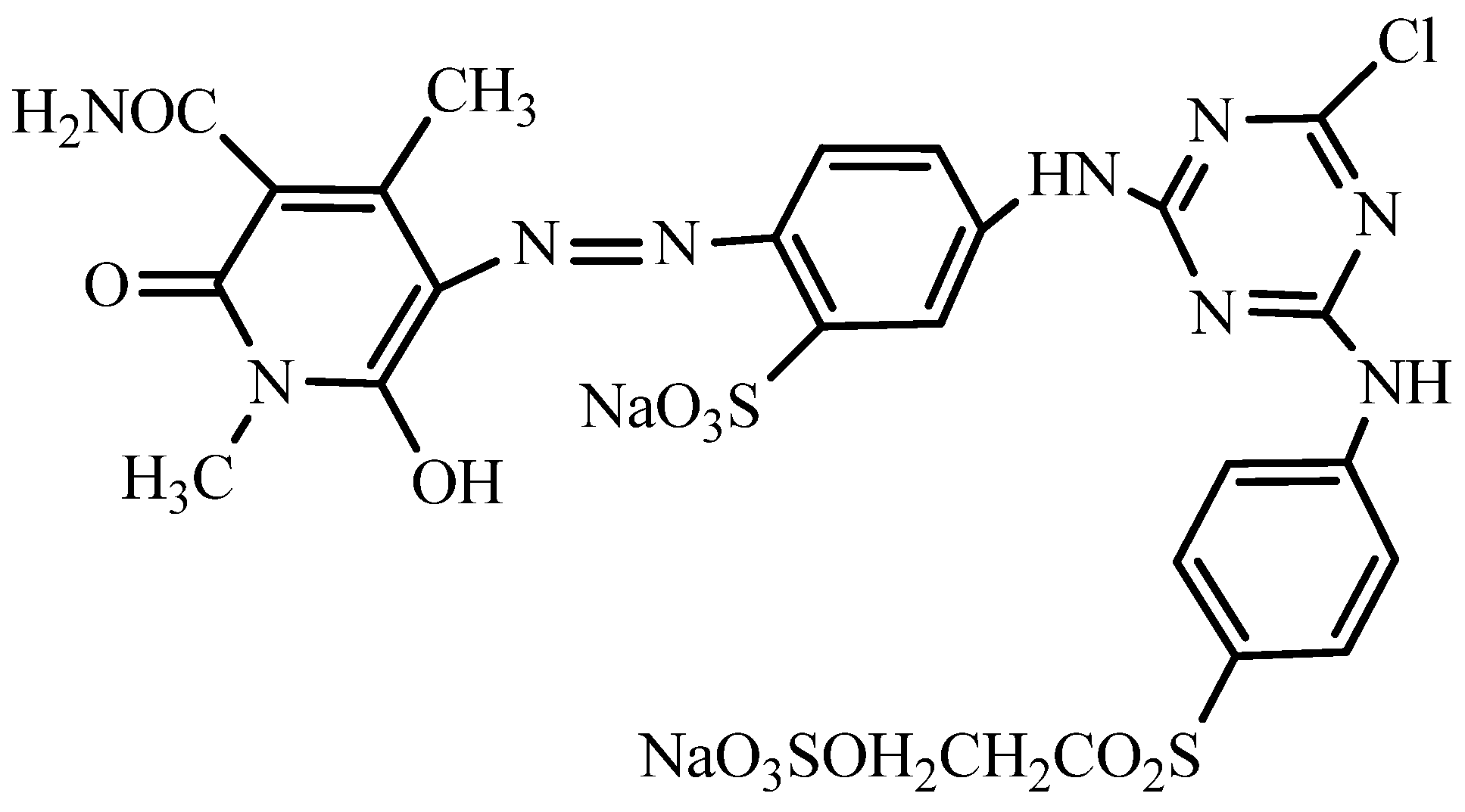
The RY-160A was kindly supplied by the Director, Haris Dyes and Chemical, Faisalabad, Pakistan. Hydrogen peroxide (35% w/w), HCl, NaOH and TiO2, and SnO2 were obtained from Merck. Hydrochloric acid and sodium hydroxide (0.1 M) were used to adjust the pH of the RY-160A solution. The structure of RY-160A is shown in Figure 1, and its properties are mentioned in Table 1.
Figure 1.
Chemical structure of Reactive Yellow 160A.
Table 1.
Reactive Yellow 160A specifications.
2.2. RY-160A Dye Treatment
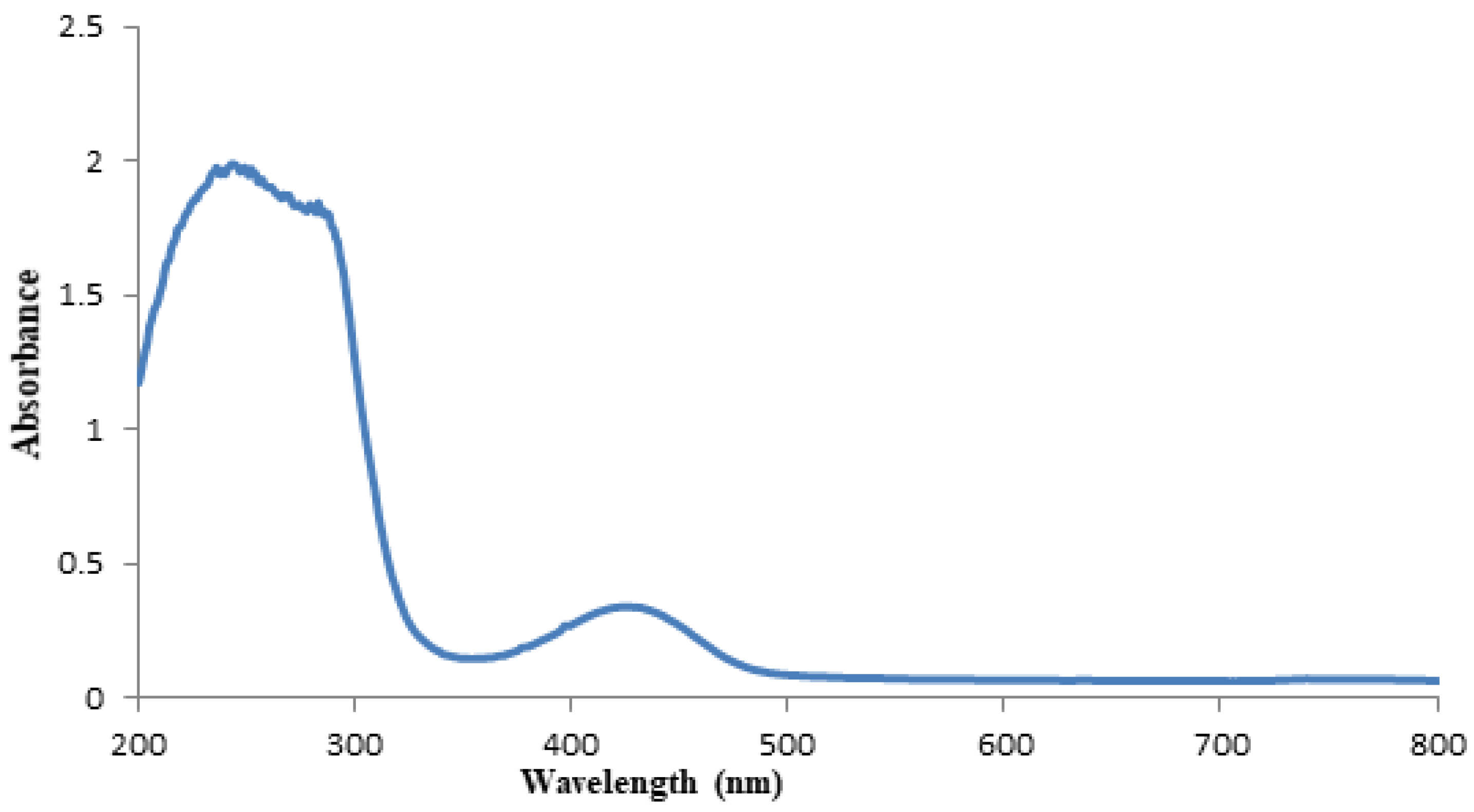
The RY-160A solutions of different concentrations (30–120 mg/L) were subjected to UV treatment using lamps that emitted UV light with a wavelength of 254 nm. The samples were placed under UV radiation for variable time intervals (30–120 min) under continuous stirring. In case of hydrogen peroxide, different concentrations (0.4 mL, 0.6 mL, 0.8 mL, and 1.2 mL) were used. For photocatalytic treatment, UV/H2O2/photocatalyst (TiO2 or SnO2) variable doses (250–550 mg/L) were used. pH effect was studied in the 3–9 range. These samples of Reactive Yellow 160A were stirred magnetically for 30 min in the dark and, then, subjected to treatment. After treatment, samples were filtered by Millipore filter paper (0.45 µm). Then, a concentration of RY-160A was monitored by spectrophotometer (UH5300-HITACHI) at 432 nm (Figure 2), and decolorization efficiency was calculated using the relation shown in Equation (1) [16].
where A0 and A are the absorbance values of RY-160A before and after treatment.
Decolorization efficiency (%) = A0 − A/A0 × 100
Figure 2.
UV–Vis absorption spectrum of Reactive Yellow 160A (10 mg/L).
2.3. RY-160A Dye Analysis
FTIR analysis of RY-160A was conducted before and after treatment to determine the functional groups (U-2001, Schimadzu, Kyoto, Japan). The spectrum was obtained at 4.0 cm−1 resolution having 1 min acquisition period in the 650–4000 cm−1 range [17].
The LC-MS analysis was performed to monitor the RY-160A degradation by-products at NIBGE, Faisalabad. Electrospray ionization source on a Linear Ion Trap Mass Spectrometer was employed. The RY-160A treated sample was extracted with methanol and subjected to analysis. At the flow rate of 10 µLmin−1 samples were injected. Voltage and temperature of the capillary were 4.2 kV and 280 °C, respectively. The LC-MS was conducted in positive mode using a data full scan MS m/z 100–600 in enhanced scan mode to achieve improved resolution [18].
2.4. Toxicity Analysis
Microbes, such as Plasmodium falciparum, trigger ‘hemolysis’, which is considered to be an infectious disease [19]. The cytotoxicity was evaluated for both untreated and degraded samples of RY-160A by hemolytic assay on human RBCs. To prevent coagulation, 3 mL of freshly collected blood was placed in heparinized tubes, carefully blended, and emptied into a disinfected 15 mL tube, which was centrifuged for 5 min. The supernatant was drained, and the RBCs were washed three times with a sterile PBS (5 mL) and kept at 4 °C. The RBCs were purified and placed in cold PBS (20 mL). A hemacytometer was used to count the erythrocytes. For each experiment, RBC count was kept constant at 7.068 × 10⁸ cells per mL. In 2 mL Eppendorf tubes, 60 mg/L dye solution was added, followed by addition of 180 µL of diluted suspension. At 37 °C, the samples were incubated for 35 min. Tubes were placed on ice for 5 min before being centrifuged for at least 5 min at 1310× g. The supernatant (100 µL) was withdrawn after centrifugation and diluted with cooled PBS (900 µL) and then kept on ice. Afterward, each of the Eppendorf (200 µL) mixture was transferred to 96 well plates. A positive control of the 0.1 percent Triton X-100 and a negative control of PBS were used for comparison of hemolysis induced by dye sample [20].
The Ames test was employed to analyze the mutagenicity of RY-160A. The TA98 and TA100 strains, which are believed to be very responsive to frame-shift and base-substitution mutagens, were used to evaluate the mutagenicity of RY-160A before and after treatment [21]. A positive test indicates that substances are carcinogenic. This test is a simple and efficient tool to estimate whether a substance is carcinogenic [22].
3. Results and Discussion
3.1. Effect of UV Irradiation Time on Degradation
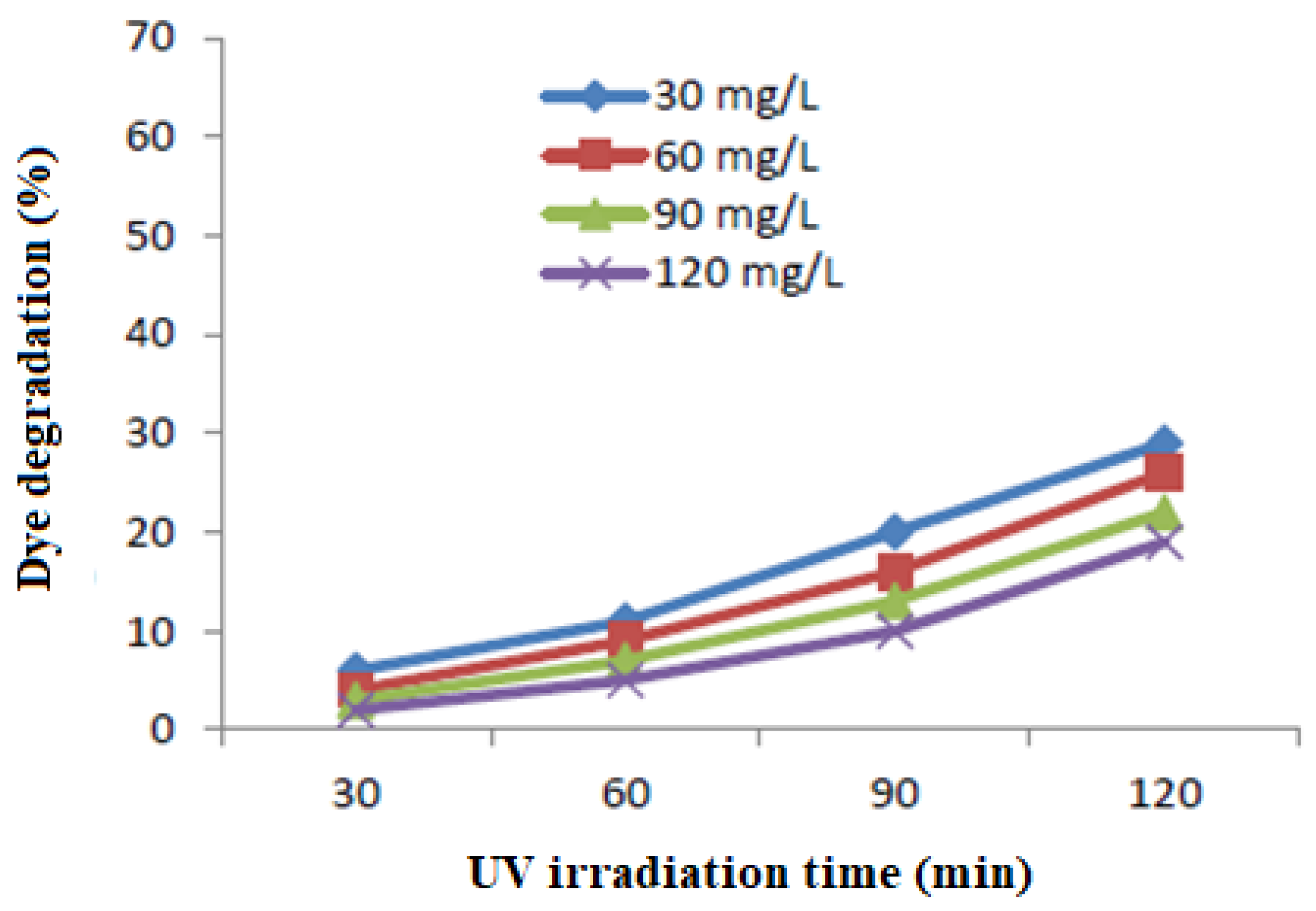
Different concentrations of RY-160A were placed in a UV reactor and exposed to UV radiation at variable time intervals, namely, 30–120 min (Figure 3). The pH of the sample was three. It was observed that the dye degradation was increased as the exposure time was increased, which is attributed to the increased dye degradation rate with irradiation time. After 30 min of UV irradiation, 7.5% degradation was observed for 30 mg/L of RY-160A solution, which increased to 28% after 120 min of irradiation. Hence, by increasing UV exposure time, the dye degradation efficiency of UV alone was increased.
Figure 3.
UV irradiation time on % degradation efficiency of Reactive Yellow 160A.
3.2. Effect of H2O2 on Degradation
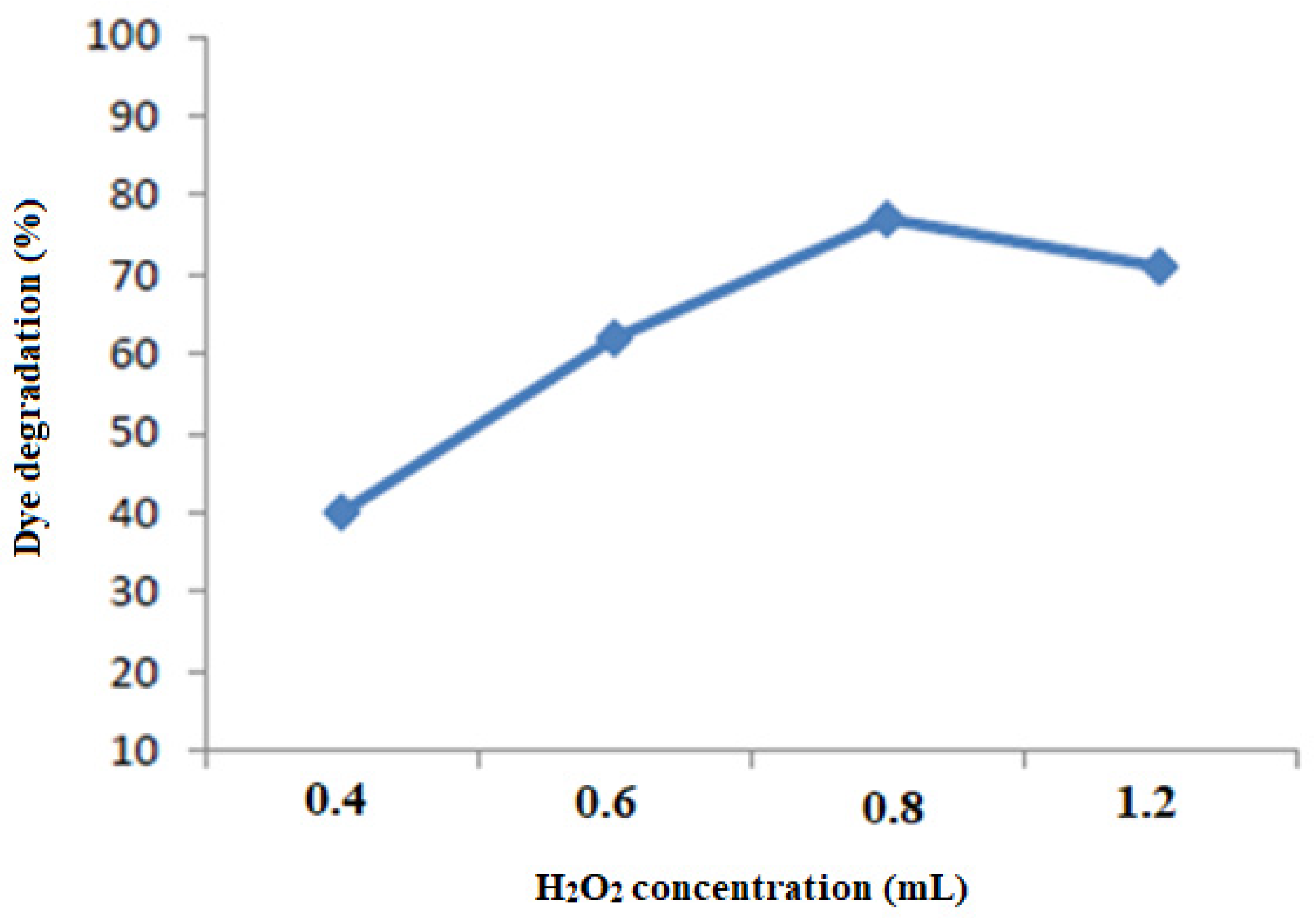
The addition of H2O2 is important to improve the efficiency of AOPs. Different concentrations of H2O2 (0.4–1.2 mL) were added to dye solutions and irradiated with UV light. It was observed that UV/H2O2 enhanced the photodegradation process manyfold versus UV treatment alone. The RY-160A degradation was enhanced by increasing H2O2 up to a certain limit and, then, declined (Figure 4). At a concentration of 0.4 mL, degradation was 40.8% and when H2O2 concentration was increased to 0.6 mL, the degradation was 62.13%, which was 77.78% at 0.8 mL of H2O2, which is an optimum concentration because beyond this concentration the degradation rate was declined. This is attributed to the scavenging effect of hydrogen peroxide [23], at higher hydrogen peroxide concentration, the •OH radical and H2O2 reacts to produce HO2• radical; hence, the low generation of the •OH radical, the RY-160A degradation was declined. The •OH radical scavenging process is shown below [24].
Figure 4.
Effect of H2O2 concentration on RY-160A degradation (pH = 3, RY-160A = 30 mg/L, irradiation time = 120 min).
3.3. Effect of Photocatalysts Dose
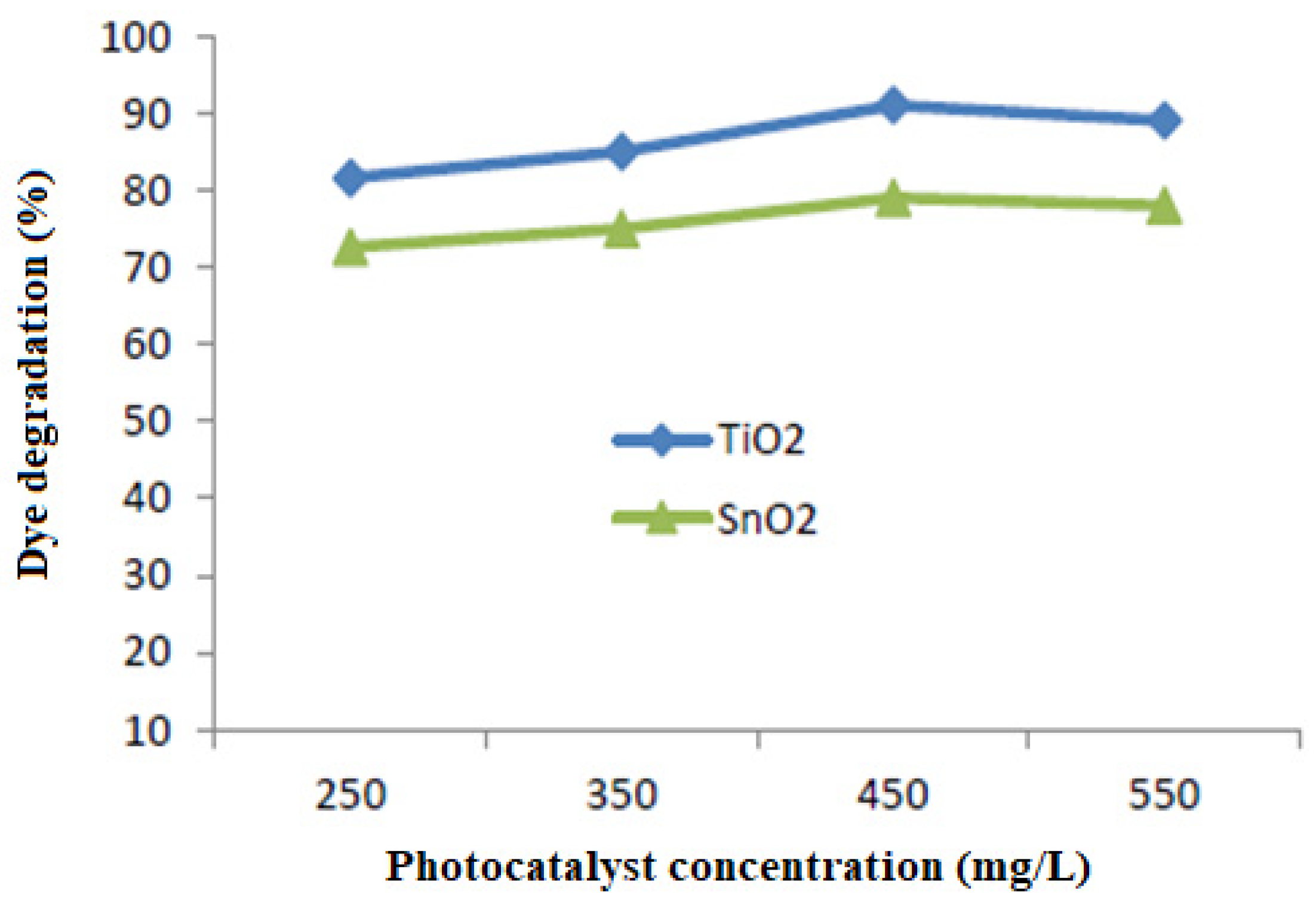
The TiO2 and SnO2 concentration (250–550 mg/L) effect was also checked on dye degradation at the optimum level of other process variables, and a 90.40% degradation was achieved for a 450 mg/L catalyst dose, which was decreased to 89.99% when the TiO2 concentration was 550 mg/L (Figure 5). The increase in degradation efficacy was due to the enhancement of hydroxyl radical generation due to higher TiO2 catalytic activity. In addition, this enhancement in dye degradation with catalyst dose was due to the availability of active sites since more photons are absorbed, which enhances the photodegradation of RY-160A dye due to the generation of hydroxyl radicals [25]. Beyond the optimum condition, the RY-160A degradation was decreased, which is due to catalyst aggregate formation in the solution. Hence, it causes a hindrance for light to reach the surface activity. The suspension turbidity caused scattering to occur, and the hydroxyl radicals were not generated effectively. Hence, an optimum amount of catalyst is necessary to ensure the proper photons absorptions that are necessary for the degradation process of dyes. This optimum amount is different for different catalysts based on the nature and concentration used [26]. In the case of SnO2, the maximum degradation of 82.66% was achieved for 450 mg/L, which was reduced to 79.87% when the catalyst dose increased to 550 mg/L (Figure 5).
Figure 5.
Effect of catalysts (TiO2, SnO2) dose on the degradation of dye Reactive Yellow 160A (RY-160A = 30 mg/L, H2O2 = 0.8 mL).
3.4. Effect of Initial RY-160A Concentration
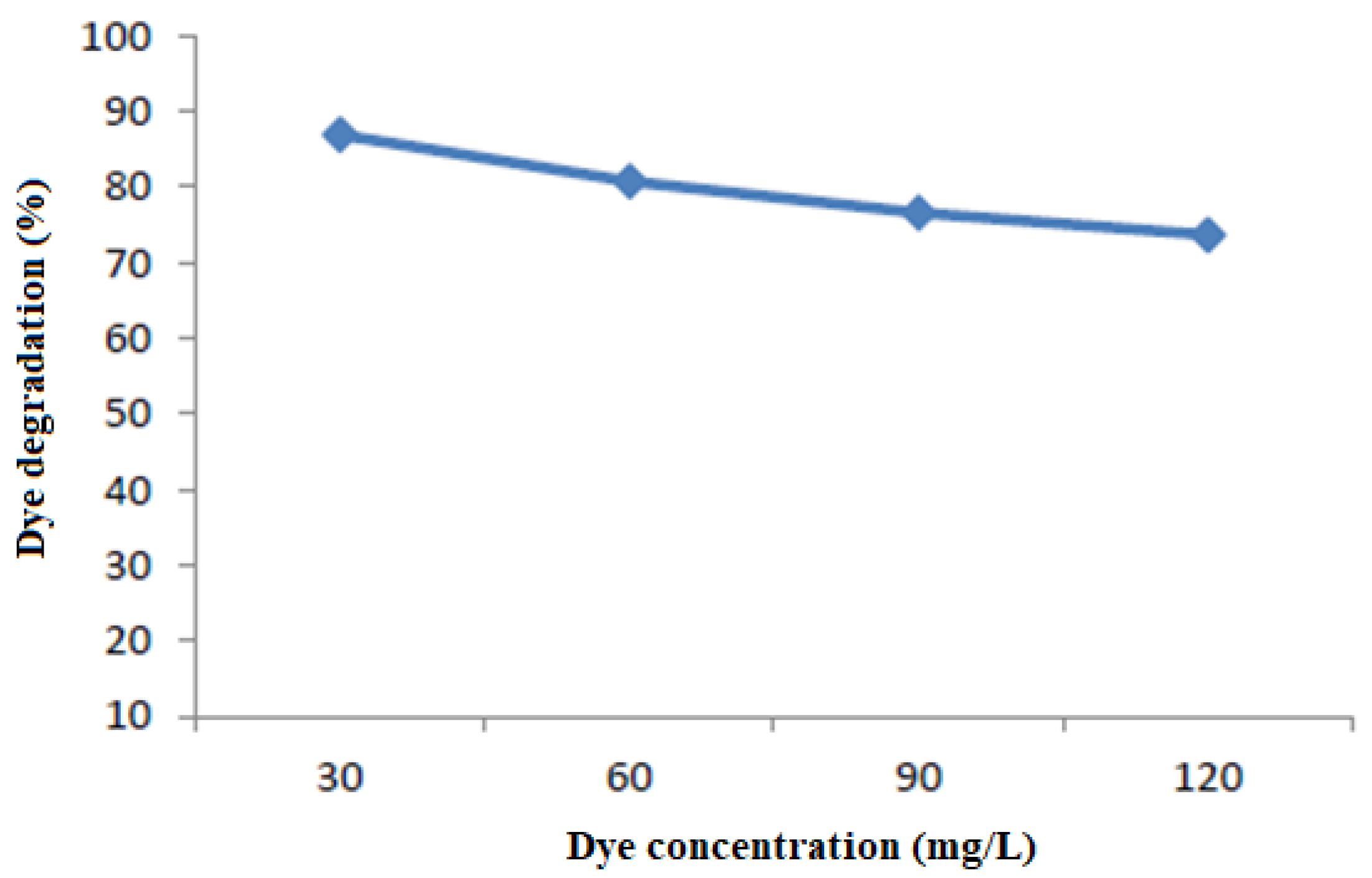
The effect the of RY-160A concentration on degradation efficiency was checked at 30–120 mg/L. At 30 mg/L, the RY-160A degradation was 88.90%, which was reduced to 82.7% as the dye concentration was increased to 60 mg/L (Figure 6). In the case of the 90 and 120 (mg/L) dye concentrations, up to 76.6% and 74.87% degradation was observed using TiO2 450 mg/L, pH 3, and H2O2 0.8 mL in 120 min UV irradiation time. The dye degradation was higher at low dye concentrations. As the concentration of dye was increased, the degradation efficiency was reduced, which is due to the adsorption of dye molecules on the catalyst surface that affects the degradation process. Moreover, there is competition between dye molecules and hydroxyl radicals at higher dye concentrations, and due to the low concentration of hydroxyl radicals, the RY-160A degradation process declined [27].
Figure 6.
Effect of initial concentration of the degradation of Reactive Yellow 160A (TiO2 = 450 mg/L, pH = 3, H2O2 = 0.8 mL, irradiation time = 120 min).
3.5. Effect of Medium pH
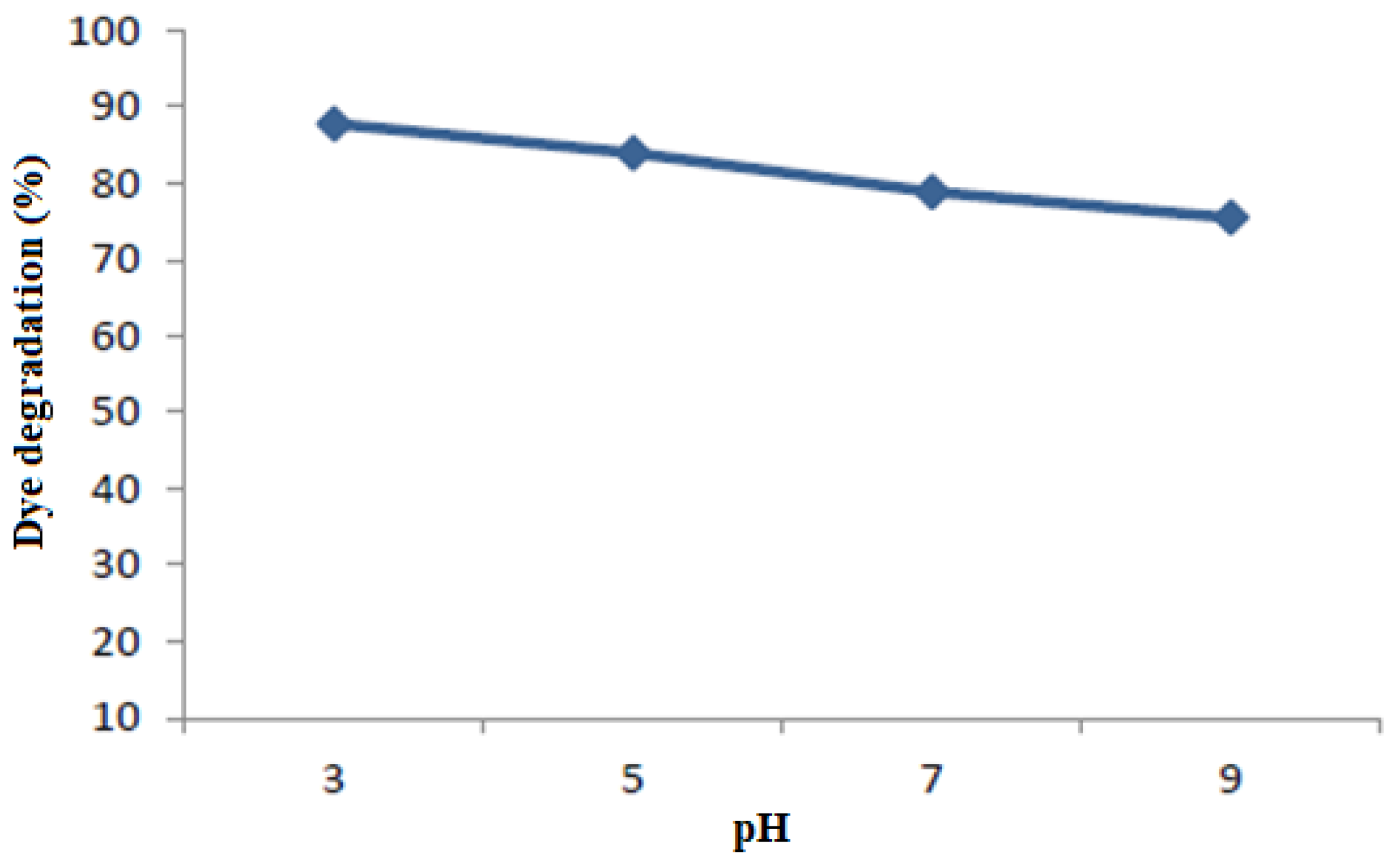
The dyestuff discharge from different industries has a variable pH, which needs to be optimized for an effective degradation process. The pH effect on the degradation of RY-1620A was studied in the 3–9 pH range (Figure 7). At pH 3, the degradation of Ry-160A dye was 87.8%; by increasing the pH, the dye degradation was also affected; and at pH 5, 7, and 9, the dye degradation was absorbed to be 84, 78.9, and 75.5%, respectively. The degradation was higher at low pH values, which is attributed to the fact that hydroxyl radicals are produced effectively in this pH range and at basic pH; the hydroperoxyl radicals that are formed have low oxidation potential; hence, the dye degradation was reduced. The catalyst surface also carries a negative charge in a basic environment, which causes repulsion to anionic species and hydroxyl radicals. Hence, the degradation rate for anionic dye was higher in acidic medium and low basic medium [28].
Figure 7.
Effect of pH on the degradation of Reactive Yellow 160A (TiO2 = 450 mg/L, RY-160A = 30 mg/L, H2O2 = 0.8 mL, irradiation time = 120 min).
3.6. By-Products Distribution
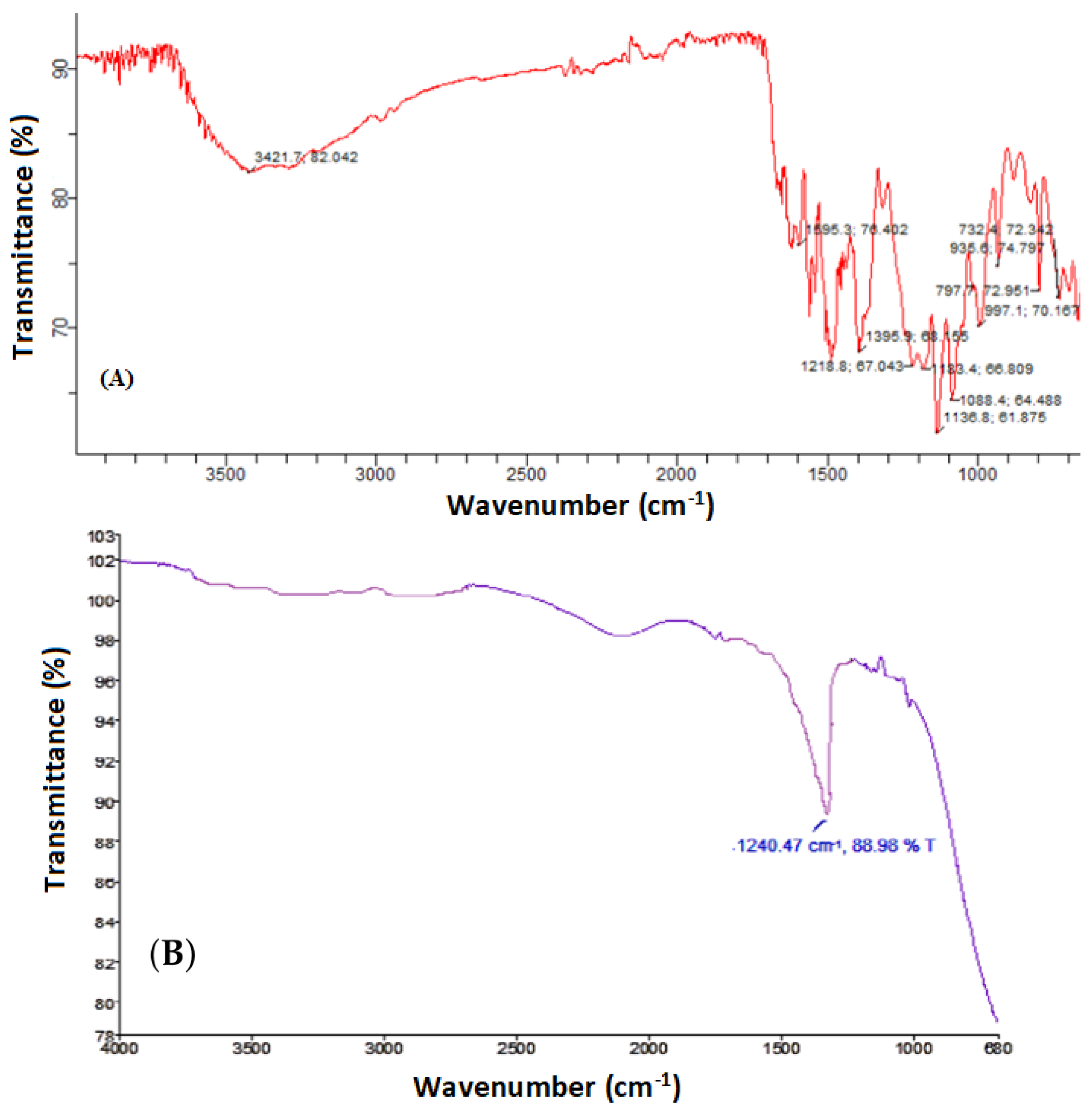
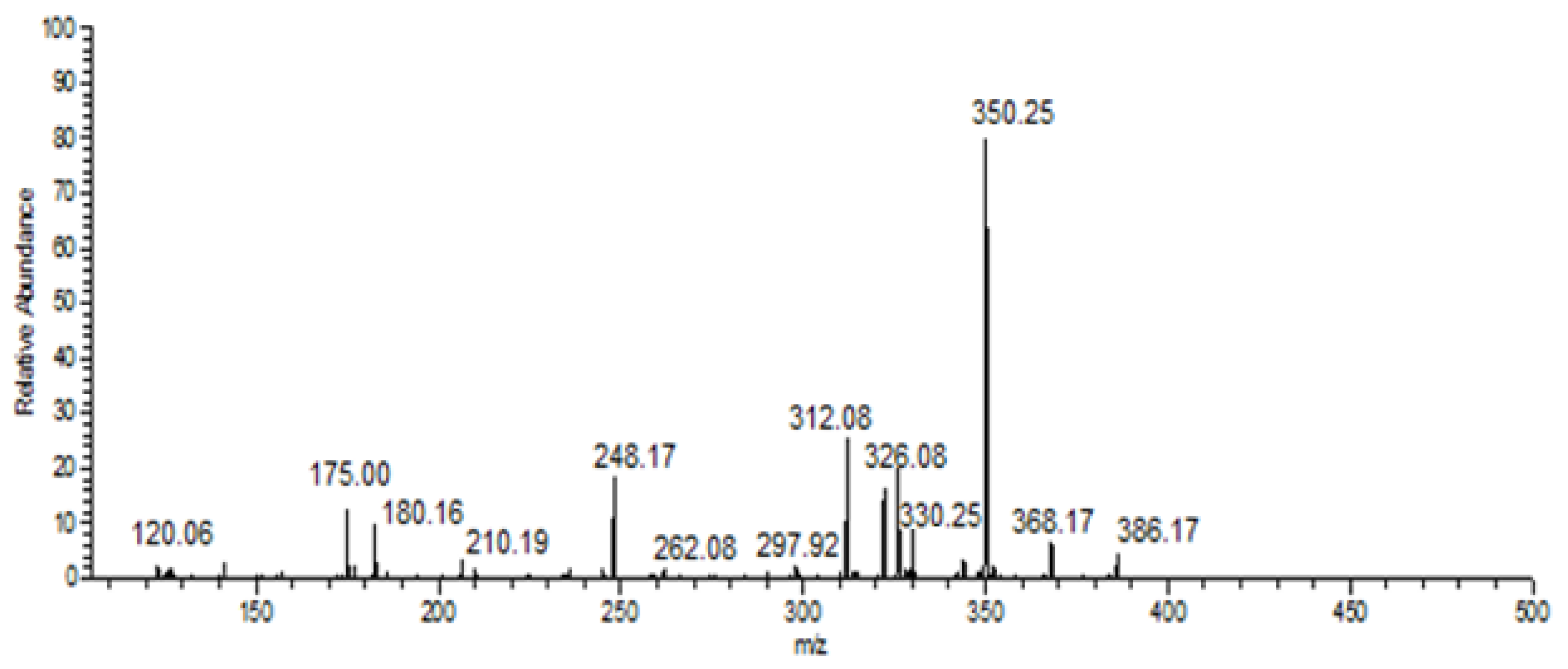
The RY-160A dye solution was subjected to FTIR analysis before and after treatment to identify different functional groups (Figure 8A). FTIR analysis of untreated RY-160A exhibited a broad peak at 3421.78 of OH-stretching and NH-stretching overlap, a peak at 1595.37 cm−1 showing N=N vibrations along with C=C in the aromatic ring, and 1395.90 cm−1 indicating C=N vibrations; the band at 1088.46 cm−1 shows C-S stretch and 1136.86 cm−1 shows SO2 vibration. The band observed at 997.70 cm−1 shows alkene out of the plane, and a peak at 797.77 cm−1, indicating a C-Cl bond. Treated samples revealed variations in peaks due to the diminishing of functional groups. After treatment, the distinctive bands of RY-160A disappeared indicating the destruction of the structure of the dye (Figure 8B). The bands present in untreated dye samples vanished after treatment, which demonstrates that the dye molecules have been degraded due to photocatalytic treatment. The absence of a peak at 3421.78 cm−1 revealed the OH group disappearance and lack of signals between 3650 and 3580 cm−1 for phenolic compounds, suggesting that no phenolic compounds were present at the end of the catalytic treatment. In addition, peaks at 3420 and 3380 cm−1 disappeared, which is an indication of the -NH functional group disappearance. In treated dye, an azo bond signal (1510–1646.3 cm−1) and a peak also appeared at 1240 cm−1, showing that the aromatic structure is destroyed and dye was degraded through aromatic amines as byproducts, which were then converted to the simplest compounds on further oxidation. LC–MS analysis was also performed in order to identify the degradation by-products. A chromatogram of a treated sample of RY-160A is given in Figure 9. The peaks having m/z of 120.01, 179.90, and 210.08 are the peaks that have been present in the intermediate by-products of RY-160A dye degradation. These intermediates undergo to further oxidation and, finally, are converted into inorganic compounds.
Figure 8.
(A) FTIR spectrum of Reactive yellow 160A before UV treatment and (B) FTIR spectrum of Reactive yellow 160A after treatment (TiO2 = 450 mg/L, pH = 3, RY-160 = 30 mg/L, irradiation time = 120 min).
Figure 9.
LC–MS analysis of treated sample of Reactive Yellow 160A. UV Irradiation. Time = 120 min, [TiO2] = 450 mg/L pH = 3, [RY-160] = 30 mg/L.
3.7. Proposed Degradation Pathway of Reactive Yellow 160A
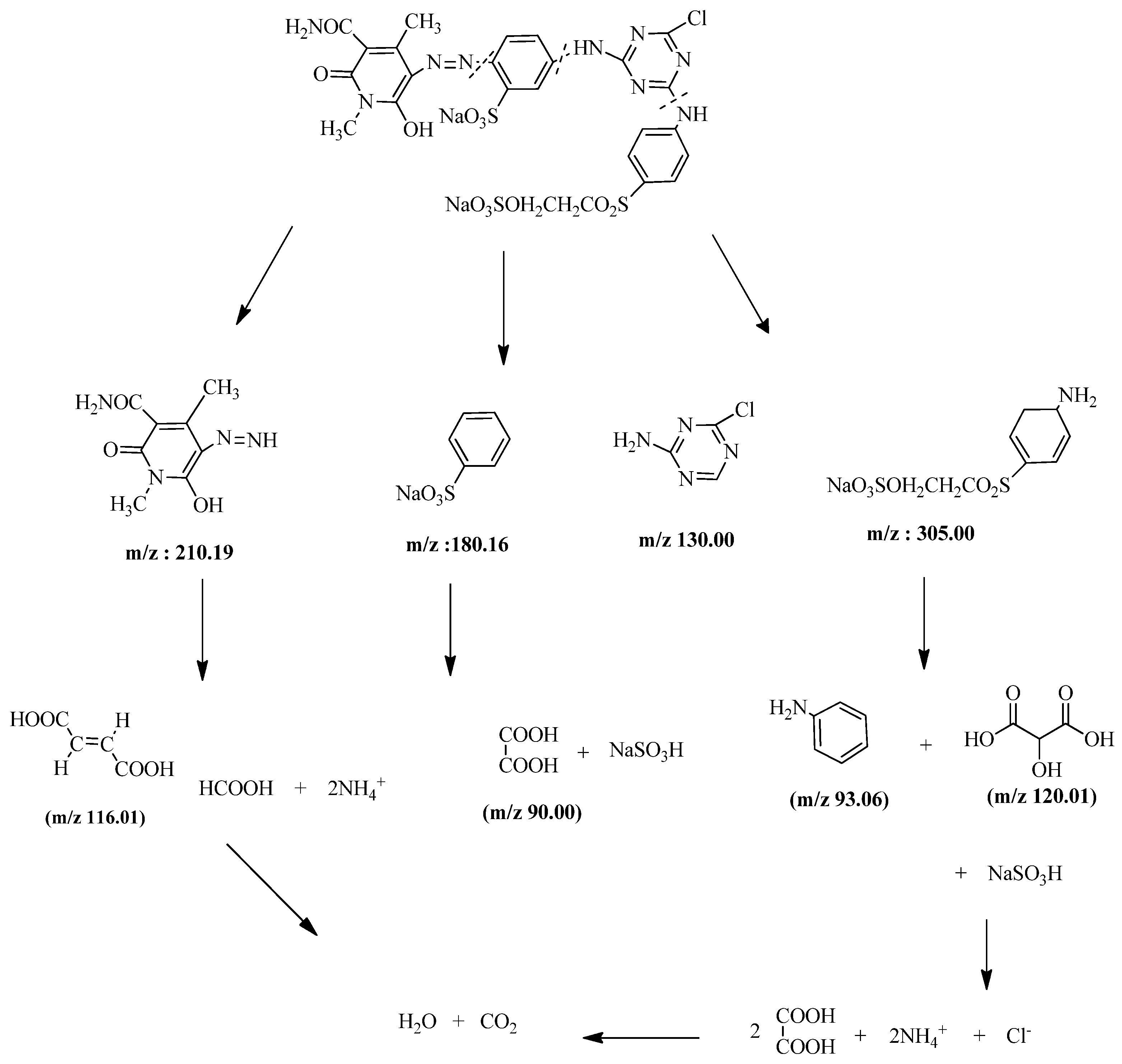
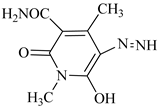
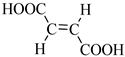
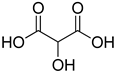
LC-MS/MS analysis was performed to identify the intermediate products generated during the process and possible degradation mechanisms are proposed (Figure 9). It was believed that hydroxyl radicals degrade the dye by an oxidative process. For the breakdown of the RY-160A, three possible approaches have been postulated that include radical desulfonation, radical diazotization, and radical denitration. It had been stated that azo bonds are easily attacked by hydroxyl radicals due to the presence of π-bond. At first, the C-N bonds that are present in the triazine ring and the azo bond were broken. This process was due to the attack of hydroxyl radicals that act as initiators for the degradation process. As a result, the benzene sulfonates and other two intermediates are formed. In the second step, aromatic rings have different substituents cleaved and several intermediates are formed. In addition to this, several ions such as ammonium ions, sulfate ions, sodium ions, and chloride ions are also generated. These intermediates are finally mineralized to water and carbon dioxide. The proposed mechanism is shown in Figure 10, and probable by-products formed are depicted in Table 2.
Figure 10.
Proposed general mechanism for degradation of Reactive Yellow 160A.
Table 2.
Degradation intermediates of Reactive Yellow 160A identified by LC-MS.
3.8. Effect of Treatment on Toxicity
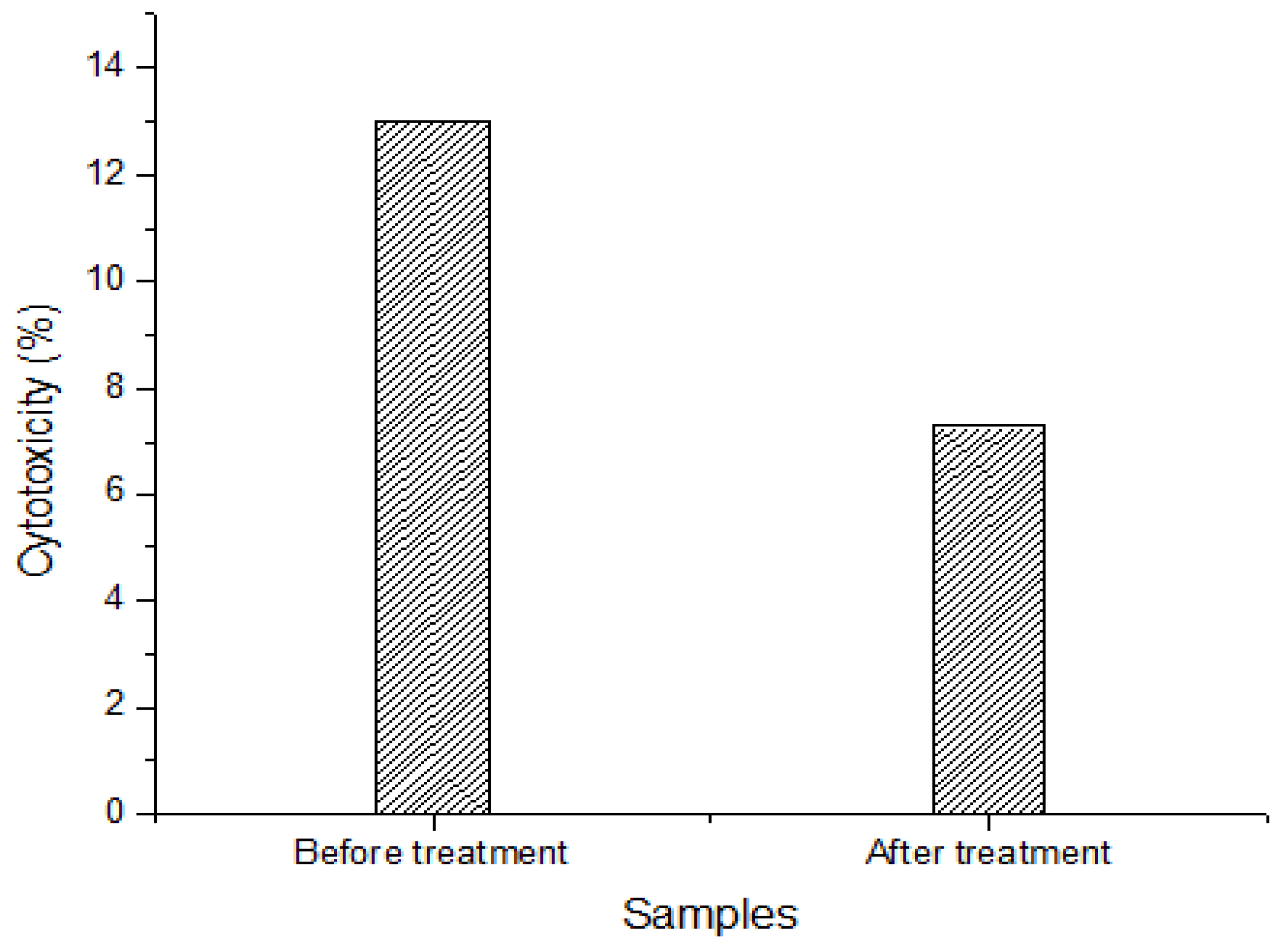
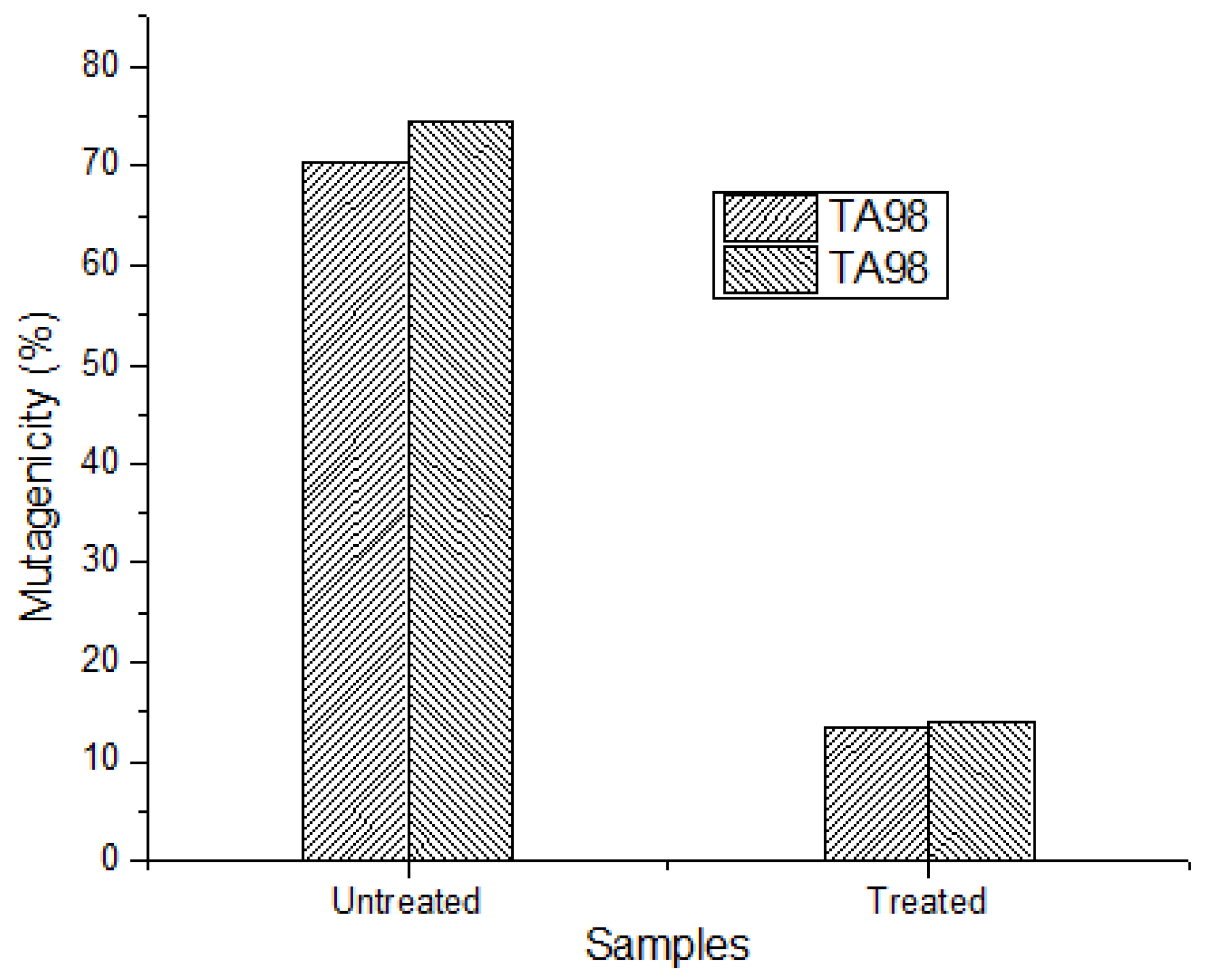
The hemolytic test is a promising test for cytotoxic effect evaluation. The erythrocyte membrane mechanical stability illustrates how cytotoxicity is affected by different agents [29]. The hemolytic analysis of untreated RY-160A (30 mg/L, 0.8 mL H2O2, 450 mg/L TiO2) revealed the cytotoxic nature, where before the treatment, up to 13% RBCs lysis was observed, which reduced to 7.3% after treatment (Figure 11). Similarly, the RY-160A solution revealed mutagenicity of 70.4% (TA98) and 74.5% (TA100) before treatment. The treated dye sample (30 mg/L, 0.8 mL H2O2, 450mg/L TiO2) showed a less mutagenic effect, which was reduced to 80.8% (TA98) and 81.4% (TA100) after treatment (Figure 12). The results clearly demonstrate that the photocatalytic treatment reduced the mutagenicity of RY-160A dye significantly after treatment. Currently, a variety of dyes are used in the textile industry and a huge quantity of dyes are discharged into water bodies, which are toxic to the living organisms [30,31,32,33,34,35,36]. To avoid the negative impact of dyes, there is a need to treat the wastewater before being discharged into the watersheds and photocatalytic treatment is one of the most promising approaches in this regard versus other conventional techniques [37,38,39,40,41,42].
Figure 11.
Cytotoxicity analysis of Reactive Yellow 160A before and after treatment (TiO2 = 450 mg/L, RY-160A = 30 mg/L, H2O2 = 0.8 mL, irradiation time = 120 min).
Figure 12.
Mutagenicity analysis of Reactive Yellow 160A before and after treatment (TiO2 = 450 mg/L, RY-160A = 30 mg/L, H2O2 = 0.8 mL, irradiation time = 120 min).
4. Conclusions
Advanced oxidation processes (AOPs) such as UV alone, UV/H2O2, and UV/H2O2/photocatalysts (TiO2, SnO2) were employed for the degradation of RY-160A dye as a function of different process variables. In the case of UV treatment, only 28% degradation was observed and for UV/H2O2, up to 77.78% degradation was achieved. The UV/H2O2/TiO2 furnished 90.40% degradation and UV/H2O2/SnO2 showed 82.66% degradation of RY-160A dye at optimum conditions of process variables. The FTIR and LCMS analysis revealed that the RY-160A dye was degraded to low molecular weight intermediates. Hemolytic tests revealed that RY-160A dye was toxic and that after treatment, its cytotoxicity and mutagenicity were reduced significantly. The results indicated that UV/H2O2/TiO2 has the potential for the remediation of dyes in effluents.
Author Contributions
Conceptualization, T.H.B.; methodology, T.K.; software, A.A.; validation, A.u.H.; formal analysis, M.M.; investigation, M.K.K.; resources, L.B.F.; data curation, M.I.J.; writing—original draft preparation, T.K.; writing—review and editing, M.I.; visualization, M.I.K.; supervision, T.H.B.; project administration, N.A. (Nada Alfryyan); N.A. (Norah Alwadai), funding acquisition. All authors have read and agreed to the published version of the manuscript.
Funding
The authors express their gratitude to Princess Nourah bint Abdulrahman University Researchers Supporting Project (Grant No. PNURSP2022R11), Princess Nourah bint Abdulrahman University, Riyadh, Saudi Arabia. The authors extend their appreciation to the Deanship of Scientific Research at King Khalid University, Saudi Arabia for funding this work through the Research Groups Program under grant number R.G.P.2-187/1443. Authors gratefully acknowledge the Higher Education Commission (HEC) of Pakistan for financial support to conduct the research work project no. 5626/Punjab/NRPU/HEC/2016.
Acknowledgments
The authors express their gratitude to Princess Nourah bint Abdulrahman University Researchers Supporting Project (Grant No. PNURSP2022R11), Princess Nourah bint Abdulrahman University, Riyadh, Saudi Arabia. The authors extend their appreciation to the Deanship of Scientific Research at King Khalid University, Saudi Arabia for funding this work through the Research Groups Program under grant number R.G.P.2-187/1443. Authors gratefully acknowledge the Higher Education Commission (HEC) of Pakistan for financial support to conduct the research work project no. 5626/Punjab/NRPU/HEC/2016.
Conflicts of Interest
The authors declare no conflict of interest.
References
- Viswanaathan, S.; Perumal, P.K.; Sundaram, S. Integrated Approach for Carbon Sequestration and Wastewater Treatment Using Algal–Bacterial Consortia: Opportunities and Challenges. Sustainability 2022, 14, 1075. [Google Scholar] [CrossRef]
- Wong, T.P.; Babcock, R.W.; Uekawa, T.; Schneider, J.; Hu, B. Effects of Waste Activated Sludge Extracellular Polymeric Substances on Biosorption. Water 2022, 14, 218. [Google Scholar] [CrossRef]
- Starkl, M.; Brunner, N.; Das, S.; Singh, A. Sustainability Assessment for Wastewater Treatment Systems in Developing Countries. Water 2022, 14, 241. [Google Scholar] [CrossRef]
- Grillini, V.; Verlicchi, P.; Zanni, G. SWOT-SOR Analysis of Activated Carbon-Based Technologies and O3/UV Process as Polishing Treatments for Hospital Effluent. Water 2022, 14, 243. [Google Scholar] [CrossRef]
- Singh, N.; Nagpal, G.; Agrawal, S. Rachna Water purification by using Adsorbents: A Review. Environ. Technol. Innov. 2018, 11, 187–240. [Google Scholar] [CrossRef]
- Tahir, N.; Bhatti, H.N.; Iqbal, M.; Noreen, S. Biopolymers composites with peanut hull waste biomass and application for Crystal Violet adsorption. Int. J. Biol. Macromol. 2016, 94, 210–220. [Google Scholar] [CrossRef]
- Jabeen, S.; Ali, S.; Nadeem, M.; Arif, K.; Qureshi, N.; Shar, G.A.; Soomro, G.A.; Iqbal, M.; Nazir, A.; Siddiqua, U.H. Statistical Modeling for the Extraction of Dye from Natural Source and Industrial Applications. Pol. J. Environ. Stud. 2019, 28, 2145–2150. [Google Scholar] [CrossRef]
- El Haddad, M.; Regti, A.; Laamari, M.R.; Mamouni, R.; Saffaj, N. Use of Fenton reagent as advanced oxidative process for removing textile dyes from aqueous solutions. J. Mater. Environ. Sci. 2014, 5, 667–674. [Google Scholar]
- Alasadi, A.; Khaili, F.; Awwad, A. Adsorption of Cu (II), Ni (II) and Zn (II) ions by nano kaolinite: Thermodynamics and kinetics studies. Chem. Int. 2019, 5, 258–268. [Google Scholar]
- Hassen, E.B.; Asmare, A.M. Predictive performance modeling of Habesha brewery wastewater treatment plant using artificial neural networks. Chem. Int. 2019, 5, 87. [Google Scholar]
- Bokhari, T.H.; Ahmad, N.; Jilani, M.I.; Saeed, M.; Usman, M.; Haq, A.U.; Rehman, R.; Iqbal, M.; Nazir, A.; Javed, T. UV/H2O2, UV/H2O2/SnO2 and Fe/H2O2 based advanced oxidation processes for the degradation of disperse violet 63 in aqueous medium. Mater. Res. Express 2020, 7, 015531. [Google Scholar] [CrossRef]
- Karthikeyan, N.; Narayanan, V.; Stephen, A. Degradation of textile effluent using nanocomposite TiO2/SnO2 semiconductor photocatalysts. Int. J. ChemTech Res. 2015, 8, 443–449. [Google Scholar]
- Rehman, R.; Zaman, W.U.; Raza, A.; Noor, W.; Batool, A.; Maryem, H. Photocatalytic Degradation of Alizarin Red S, Amaranth, Congo Red, and Rhodamine B Dyes Using UV Light Modified Reactor and ZnO, TiO2, and SnO2 as Catalyst. J. Chem. 2021, 2021, 6655070. [Google Scholar] [CrossRef]
- Jamil, A.; Bokhari, T.H.; Javed, T.; Mustafa, R.; Sajid, M.; Noreen, S.; Zuber, M.; Nazir, A.; Iqbal, M.; Jilani, M.I. Photocatalytic degradation of disperse dye Violet-26 using TiO2 and ZnO nanomaterials and process variable optimization. J. Mater. Res. Technol. 2019, 9, 1119–1128. [Google Scholar] [CrossRef]
- Al-Hamdi, A.M.; Rinner, U.; Sillanpää, M. Tin dioxide as a photocatalyst for water treatment: A review. Process Saf. Environ. Prot. 2017, 107, 190–205. [Google Scholar] [CrossRef]
- Bedolla-Guzman, A.; Sirés, I.; Thiam, A.; Peralta-Hernández, J.M.; Gutiérrez-Granados, S.; Brillas, E. Application of anodic oxidation, electro-Fenton and UVA photoelectro-Fenton to decolorize and mineralize acidic solutions of Reactive Yellow 160 azo dye. Electrochim. Acta 2016, 206, 307–316. [Google Scholar] [CrossRef]
- Nath, K.; Patel, T.M.; Dave, H.K. Performance characteristics of surfactant treated commercial polyamide membrane in the nanofiltration of model solution of reactive yellow 160. J. Water Process Eng. 2016, 9, e27–e37. [Google Scholar] [CrossRef]
- Arshad, R.; Bokhari, T.H.; Khosa, K.K.; Bhatti, I.A.; Munir, M.; Iqbal, M.; Iqbal, D.N.; Khan, M.; Iqbal, M.; Nazir, A. Gamma radiation induced degradation of anthraquinone Reactive Blue-19 dye using hydrogen peroxide as oxidizing agent. Radiat. Phys. Chem. 2019, 168, 108637. [Google Scholar] [CrossRef]
- Sirés, I.; Brillas, E.; Oturan, M.A.; Rodrigo, M.A.; Panizza, M. Electrochemical Advanced Oxidation Processes: Today and Tomorrow. A Review. Environ. Sci. Pollut. Res. 2014, 21, 8336–8367. [Google Scholar] [CrossRef]
- Powell, W.; Catranis, C.; Maynard, C. Design of self-processing antimicrobial peptides for plant protection. Lett. Appl. Microbiol. 2000, 31, 163–168. [Google Scholar] [CrossRef]
- Iqbal, M.; Abbas, M.; Nisar, J.; Nazir, A.; Qamar, A. Bioassays based on higher plants as excellent dosimeters for ecotoxicity monitoring: A review. Chem. Int. 2019, 5, 1–80. [Google Scholar]
- Abbas, M.; Ali, A.; Arshad, M.; Atta, A.; Mehmood, Z.; Tahir, I.M.; Iqbal, M. Mutagenicity, cytotoxic and antioxidant activities of Ricinus communis different parts. Chem. Central J. 2018, 12, 3. [Google Scholar] [CrossRef] [PubMed] [Green Version]
- Gaber, M.; Abu Ghalwa, N.; Khedr, A.M.; Salem, M.F. Electrochemical degradation of reactive yellow 160 dye in real wastewater using C/PbO2−, Pb+ Sn/PbO2 + SnO2−, and Pb/PbO2 modified electrodes. J. Chem. 2013, 2013, 691763. [Google Scholar] [CrossRef] [Green Version]
- Iqbal, M.; Bhatti, I.A. Gamma radiation/H2O2 treatment of a nonylphenol ethoxylates: Degradation, cytotoxicity, and mutagenicity evaluation. J. Hazard. Mater. 2015, 299, 351–360. [Google Scholar] [CrossRef] [PubMed]
- Saquib, M.; Muneer, M. Semiconductor mediated photocatalysed degradation of an anthraquinone dye, Remazol Brilliant Blue R under sunlight and artificial light source. Dye. Pigment. 2002, 53, 237–249. [Google Scholar] [CrossRef]
- Habibi, M.H.; Hassanzadeh, A.; Mahdavi, S. The effect of operational parameters on the photocatalytic degradation of three textile azo dyes in aqueous TiO2 suspensions. J. Photochem. Photobiol. A Chem. 2005, 172, 89–96. [Google Scholar] [CrossRef]
- Bibi, I.; Nazar, N.; Iqbal, M.; Kamal, S.; Nawaz, H.; Nouren, S.; Safa, Y.; Jilani, K.; Sultan, M.; Ata, S.; et al. Green and eco-friendly synthesis of cobalt-oxide nanoparticle: Characterization and photo-catalytic activity. Adv. Powder Technol. 2017, 28, 2035–2043. [Google Scholar] [CrossRef]
- Kansal, S.K.; Singh, M.; Sud, D. Studies on photodegradation of two commercial dyes in aqueous phase using different photocatalysts. J. Hazard. Mater. 2007, 141, 581–590. [Google Scholar] [CrossRef]
- Riaz, M.; Rasool, N.; Bukhari, I.H.; Shahid, M.; Zubair, M.; Rizwan, K.; Rashid, U. In Vitro Antimicrobial, Antioxidant, Cytotoxicity and GC-MS Analysis of Mazus goodenifolius. Molecules 2012, 17, 14275–14287. [Google Scholar] [CrossRef] [Green Version]
- Sasmaz, M.; Senel, G.U.; Obek, E. Boron Bioaccumulation by the Dominant Macrophytes Grown in Various Discharge Water Environments. Bull. Environ. Contam. Toxicol. 2021, 106, 1050–1058. [Google Scholar] [CrossRef]
- Hussain, F.; Shah, S.Z.; Ahmad, H.; Abubshait, S.A.; Abubshait, H.A.; Laref, A.; Manikandan, A.; Kusuma, H.S.; Iqbal, M. Microalgae an ecofriendly and sustainable wastewater treatment option: Biomass application in biofuel and bio-fertilizer production. A review. Renew. Sustain. Energy Rev. 2020, 137, 110603. [Google Scholar] [CrossRef]
- Sasmaz, M.; Senel, G.U.; Obek, E. Strontium accumulation by the terrestrial and aquatic plants affected by mining and municipal wastewaters (Elazig, Turkey). Environ. Geochem. Health 2020, 43, 2257–2270. [Google Scholar] [CrossRef] [PubMed]
- Sasmaz, A.; Zagnitko, V.M.; Sasmaz, B. Major, trace and rare earth element (REE) geochemistry of the Oligocene stratiform manganese oxide-hydroxide deposits in the Nikopol, Ukraine. Ore Geol. Rev. 2020, 126, 103772. [Google Scholar] [CrossRef]
- Elsherif, K.M.; El-Dali, A.; Alkarewi, A.A.; Mabrok, A. Adsorption of crystal violet dye onto olive leaves powder: Equilibrium and kinetic studies. Chem. Int. 2021, 7, 79–89. [Google Scholar]
- Jalal, G.; Abbas, N.; Deeba, F.; Butt, T.; Jilal, S.; Sarfraz, S. Efficient removal of dyes in textile effluents using aluminum-based coagulants. Chem. Int. 2021, 7, 197–207. [Google Scholar]
- Noreen, M.; Shahid, M.; Iqbal, M.; Nisar, J. Measurement of cytotoxicity and heavy metal load in drains water receiving textile effluents and drinking water in vicinity of drains. Measurement 2017, 109, 88–99. [Google Scholar] [CrossRef]
- Chham, A.; Khouya, E.; Oumam, M.; Abourriche, A.; Gmouh, S.; Mansouri, S.; Elhammoudi, N.; Hanafi, N.; Hannache, H. The use of insoluble mater of Moroccan oil shale for removal of dyes from aqueous solution. Chem. Int. 2018, 4, 67–77. [Google Scholar]
- Mene, D.F.; Iwuoha, G.N. Genotoxicity and carcinogenicity of traditionally roasted meat using indicator polycyclic aromatic hydrocarbons (PAHs), Port Harcourt, Nigeria. Chem. Int. 2021, 7, 217–223. [Google Scholar]
- Daij, K.B.; Bellebia, S.; Bengharez, Z. Comparative experimental study on the COD removal in aqueous solution of pesticides by the electrocoagulation process using monopolar iron electrodes. Chem. Int. 2017, 3, 420–427. [Google Scholar]
- Minas, F.; Chandravanshi, B.S.; Leta, S. Chemical precipitation method for chromium removal and its recovery from tannery wastewater in Ethiopia. Chem. Int. 2017, 3, 392–405. [Google Scholar]
- Iqbal, M.; Nisar, J.; Adil, M.; Abbas, M.; Riaz, M.; Tahir, M.A.; Younus, M.; Shahid, M. Mutagenicity and cytotoxicity evaluation of photo-catalytically treated petroleum refinery wastewater using an array of bioassays. Chemosphere 2016, 168, 590–598. [Google Scholar] [CrossRef] [PubMed]
- Abbas, N.; Butt, M.T.; Ahmad, M.M.; Deeba, F.; Hussain, N. Phytoremediation potential of Typha latifolia and water hyacinth for removal of heavy metals from industrial wastewater. Chem. Int. 2021, 7, 103–111. [Google Scholar]
Publisher’s Note: MDPI stays neutral with regard to jurisdictional claims in published maps and institutional affiliations. |
© 2022 by the authors. Licensee MDPI, Basel, Switzerland. This article is an open access article distributed under the terms and conditions of the Creative Commons Attribution (CC BY) license (https://creativecommons.org/licenses/by/4.0/).