1. Introduction
In the context of the rapidly evolving global economy, the demand for oil is experiencing steady growth [
1,
2]. The surging demand for oil has driven the expansion of global maritime transportation and storage industries [
3,
4,
5]. However, this progress has, at the same time, resulted in a surge in oil spill incidents, rendering petroleum one of the most critical pollutants in the marine environment [
6,
7,
8]. The dangers posed by oil spills are diverse and far-reaching. Oil slicks drifting towards coastal areas inflict severe damage on beaches and picturesque coastal zones and have the potential to ignite fires or cause explosions on vessels, leading to significant property damage and human casualties [
9,
10]. Owing to environmental factors such as waves, fluctuations in temperature, and microbial activity, segments of the spilled oil may descend beneath the water’s surface [
11,
12]. Even though the visible remnants may disappear, the submerged oil pollutants persist in poisoning marine life, inflicting significant damage on fisheries, aquaculture, and their associated sectors [
13]. Historically, catastrophic oil spills have caused long-lasting ecological and socioeconomic impacts. On 20 April 2010, the catastrophic explosion of the Deepwater Horizon drilling rig in the Gulf of Mexico unleashed an estimated 780,000 metric tons of crude oil, resulting in an expansive oil slick that covered an area of 180,000 km
2 [
14]. On 6 January 2018, a catastrophic collision occurred between the Panamanian tanker
Sanchi and a Hong Kong-registered freighter in close proximity to the Yangtze Estuary, sparking a massive fire that resulted in the release of 136,000 tons of condensate oil [
15]. On 27 April 2021, a collision between the oil tanker
Symphony and the bulk carrier
Yihai in the Yellow Sea resulted in a massive oil spill of approximately 9400 metric tons [
16].
Rapid acquisition of oil spill monitoring data is pivotal for enabling prompt emergency response, which is essential to mitigate environmental and economic damages [
17]. Advances in marine remote sensing technologies have enabled their application in oil spill detection [
18,
19,
20]. Current remote sensing methods for oil spills primarily fall into two categories: microwave and optical techniques [
21,
22]. Microwave radar systems, unaffected by daylight or weather conditions, offer all-weather monitoring capabilities [
23]. Synthetic Aperture Radar (SAR) and marine surveillance radars are widely employed for oil spill detection and monitoring in marine environments. Ai et al. introduced the (Automatic Identification System-Pyramid Vision Transformer) AIS-PVT algorithm, which incorporates long-term AIS-derived ship distribution prior into the PVT framework [
24]. By designing feature filtering modules and a boundary perception function, they significantly enhanced SAR land–sea segmentation performance in complex scenes. Similarly, Xue et al. proposed the AIS-Frequency Channel Attention Network (FCANet) by fusing long-term AIS-derived ship density information [
25]. This model incorporated the Segment Anything Model (SAM) 2.1 backbone with an adapter and a frequency-spatial context-aware fusion module, effectively improving the accuracy and robustness of detection in SAR imagery. Dong et al. rectified errors in the low-quality SAR oil spill dataset and the original literature [
26]. They replicated experiments to establish benchmark metrics and proposed three progressive deep learning methods alongside a practical system architecture, providing a valuable reference for related research. Fan et al. developed a multi-physics interpretable deep learning network [
27]. Their framework employed a dual neural network architecture, an adaptive gradient interpreter, interactive sampling for physical feature extraction, and a multi-physics feature head [
28]. It collectively enhanced the reliability and interpretability of oil spill recognition.
Compared to SAR-based monitoring, marine radar systems offer not only superior cost-effectiveness but also greater adaptability for multi-platform deployment. Additionally, the systems can support real-time monitoring of targets, including oil spills, with high temporal resolution. Liu et al. proposed an adaptive enhancement method based on X-band marine radar, which segmented images into several strips of varying thicknesses [
29]. Threshold values, derived from the statistical distribution of oil contamination frequencies across varying strip thicknesses, were subsequently employed to differentiate spill targets. They later proposed a texture analysis-based method for oil spill detection using X-band marine radar images, which employed an adaptive threshold technique to accurately distinguish between seawater and oil spill regions [
30]. Li et al. utilized texture features and the Support Vector Machine (SVM) technique to precisely delineate valid wave monitoring zones. Subsequently, Fuzzy C-Means (FCM) clustering was applied to classify oil films and sea waves for accurate oil spill localization [
31]. This approach demonstrated superior performance over active contour models in terms of automation efficacy. Chen et al. introduced a texture analysis method integrating Gray-Level Co-occurrence Matrix (GLCM) and Principal Component Analysis (PCA) [
32]. This methodology further employed a Back Propagation (BP) neural network to compute valid wave zones. The method was characterized by intact oil film delineation, minimal segmentation boundaries, and near-zero false positive targets in extraction results. Some scholars employed the YOLOv8 object detection model to achieve effective identification of oil spill monitoring zones in the marine radar images [
33]. This method takes a long time in the early stages of training. However, the efficiency exhibited during the application stage is exceptionally remarkable.
Deep learning has risen to prominence as a leading and rigorously validated methodology for the detection of oil spills from spaceborne and airborne platforms [
34,
35], yet its application in marine radar-based oil spill monitoring remains underexplored. The limitation of traditional threshold segmentation methods is insufficient real-time performance [
36]. To address this limitation, a cascaded oil spill detection framework has been introduced that synergistically combines the YOLOv11 model with an Improved Northern Goshawk Optimization (NGO) algorithm. This framework operates in two distinct yet complementary stages:
In the initial stage, it capitalizes on the YOLOv11 model’s exceptional inference efficiency, enabling it to perform rapid and coarse segmentation. This capability allows the model to swiftly identify suspected targets within milliseconds, providing a preliminary yet effective screening process.
The subsequent stage is dedicated to refining the boundaries of the detected oil films. It achieves this by employing the enhanced NGO algorithm, which incorporates cubic chaotic initialization and a pinhole imaging perturbation mechanism. These enhancements endow the algorithm with superior performance in oil spill target identification, noise suppression, and adaptability to complex maritime environments. When compared to conventional threshold segmentation methods, the improved NGO algorithm demonstrates remarkable advantages, showcasing its robustness and effectiveness in handling intricate scenarios.
Despite significant challenges posed by complex sea clutter in marine radar oil spill segmentation, our parameter optimization demonstrated that it can achieve good algorithmic performance. This configuration achieved a high Dice Coefficient (DC) and a Recall, effectively reducing missed detections of oil films while maintaining a good Precision. Furthermore, the algorithm exhibited better background suppression capability. The fine Accuracy confirmed that this parameter setting delivered balanced and robust performance, rendering it highly suitable for practical oil spill monitoring. Empirical analysis verified that the proposed hierarchical architecture achieved an excellent balance between computational efficiency and segmentation accuracy.
2. Materials and Methods
2.1. Dataset
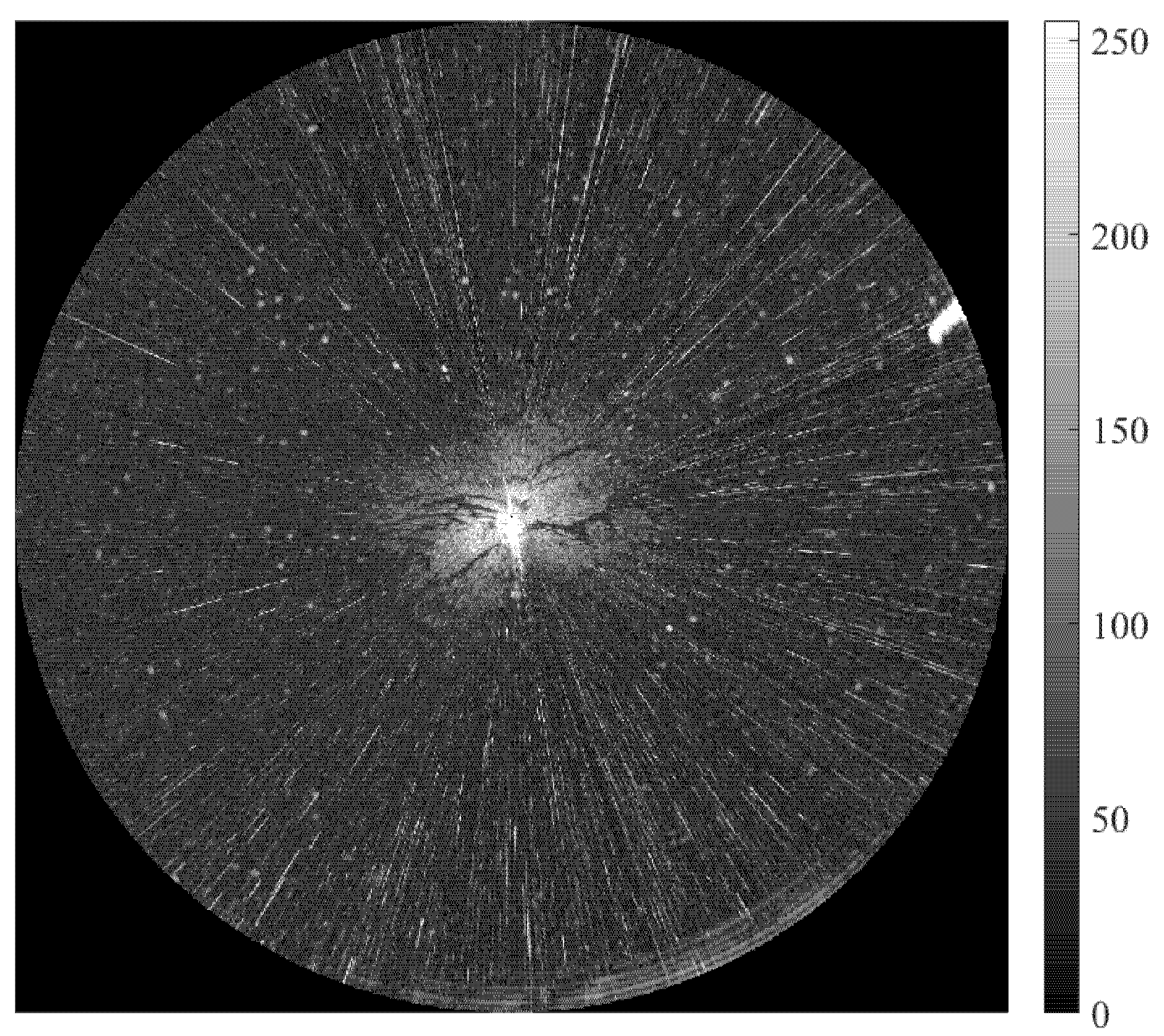
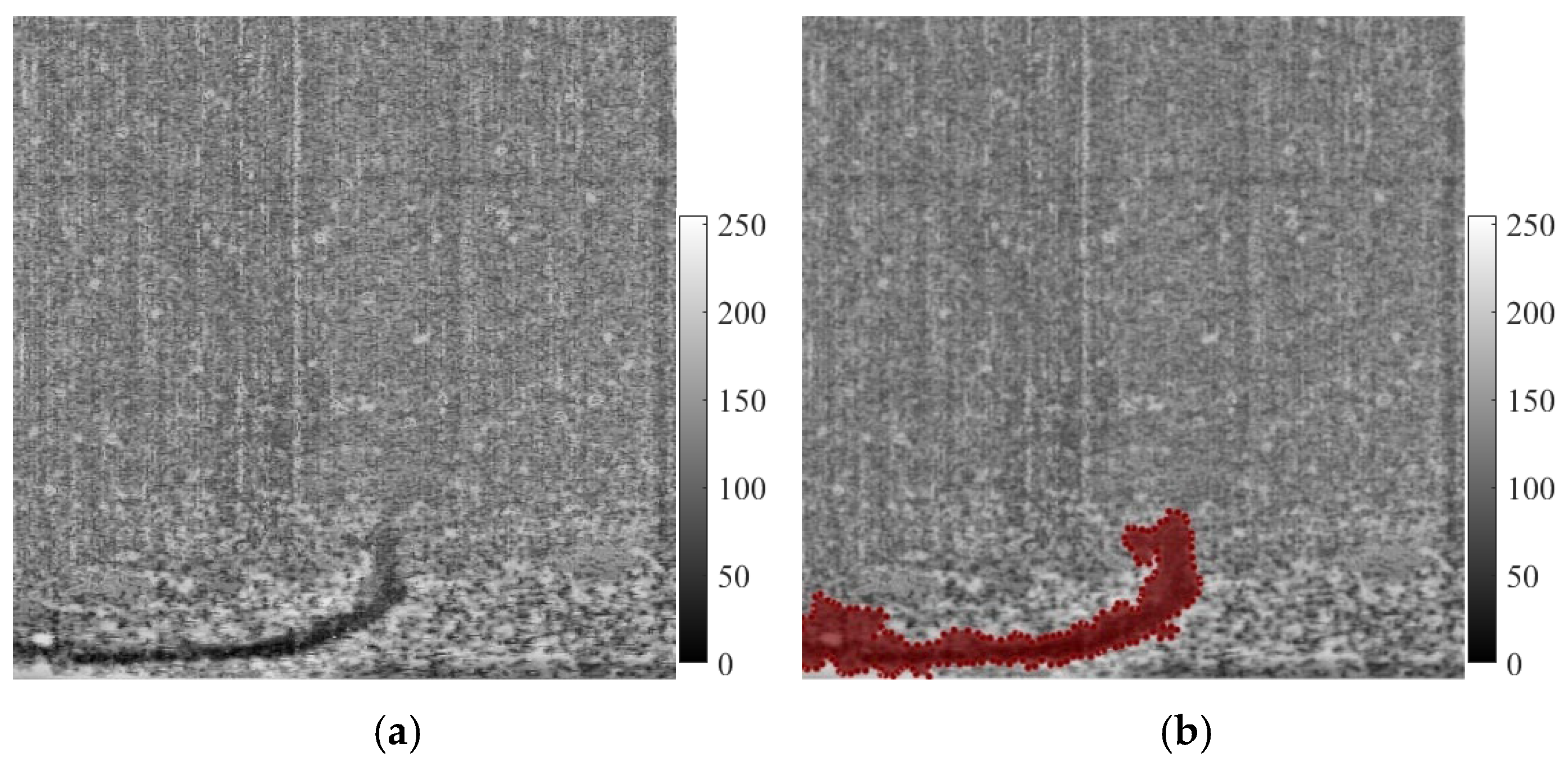
Field data collection was performed on 21 July 2010, utilizing a computer-integrated X-band shipborne radar system. The acquired experimental dataset is presented in
Figure 1, while detailed equipment specifications are summarized in
Table 1. The selection of Sperry Marine X-band radar was based on its high frequency and short wavelength, which offered exceptional resolution and accuracy for precise target detection. The system determined target distance, azimuth, and velocity by analyzing the echoes of transmitted electromagnetic waves. During collection, the rotating, horizontally polarized antenna acquired clutter signals at a rate of 28–45 images per minute. To ensure complete capture of oil film targets with high-resolution edge features, data acquisition was conducted at a range of 0.75 nautical miles (nm). The resulting images had a resolution of 1024 × 1024 pixels, and the substance under study was crude oil.
2.2. Pre-Processing Data
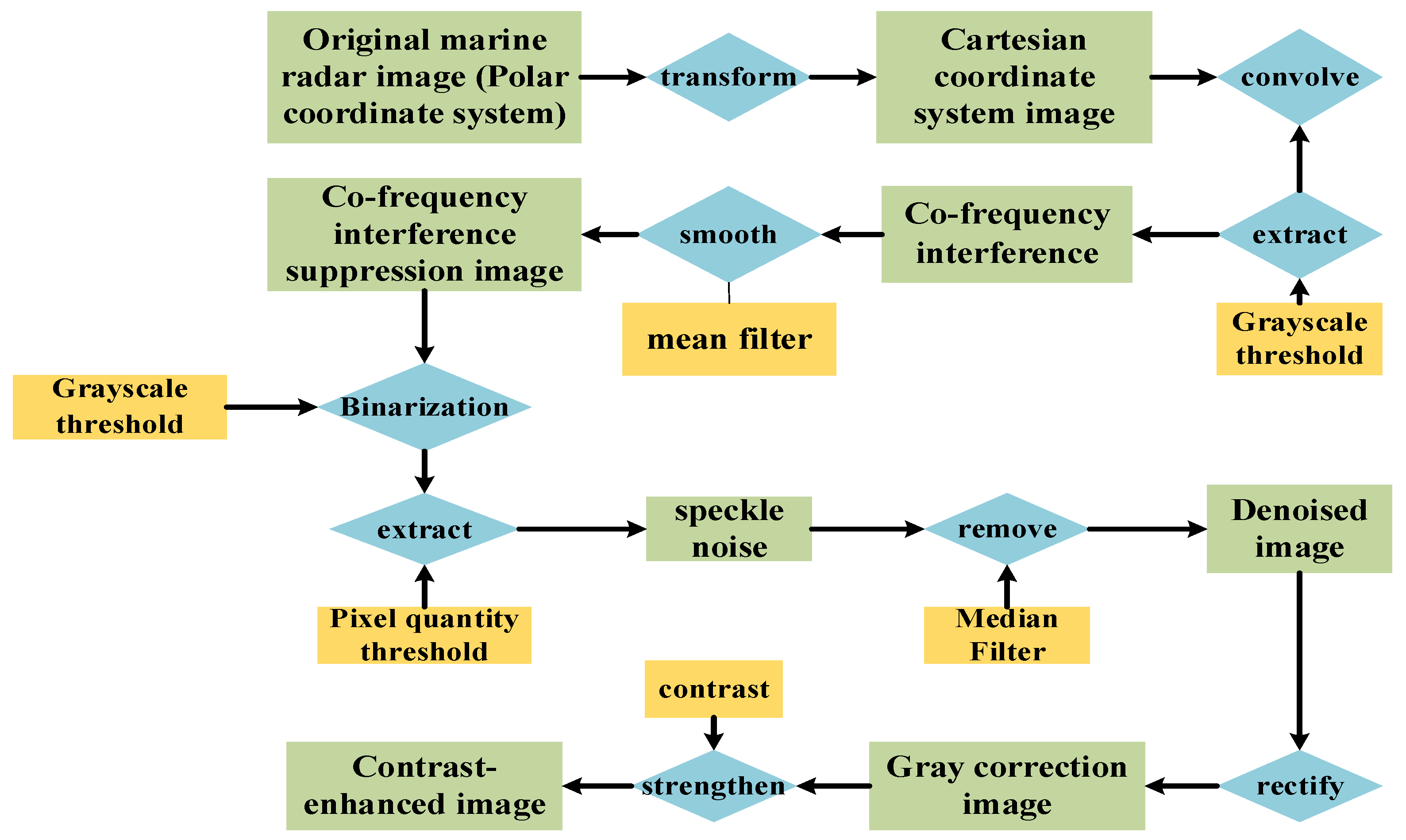
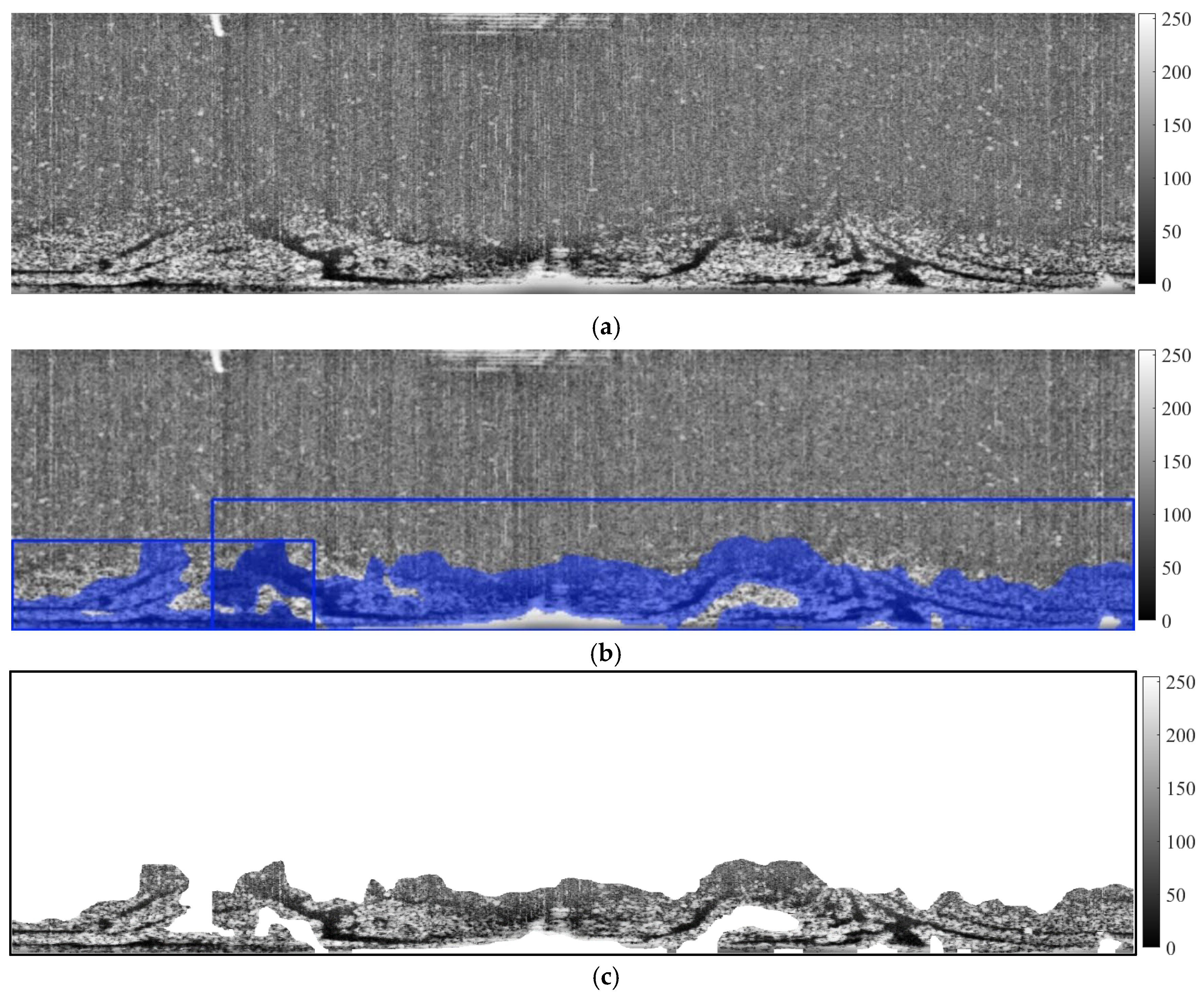
The flowchart of the data preprocessing process is shown in
Figure 2.
(a) Coordinate System Conversion
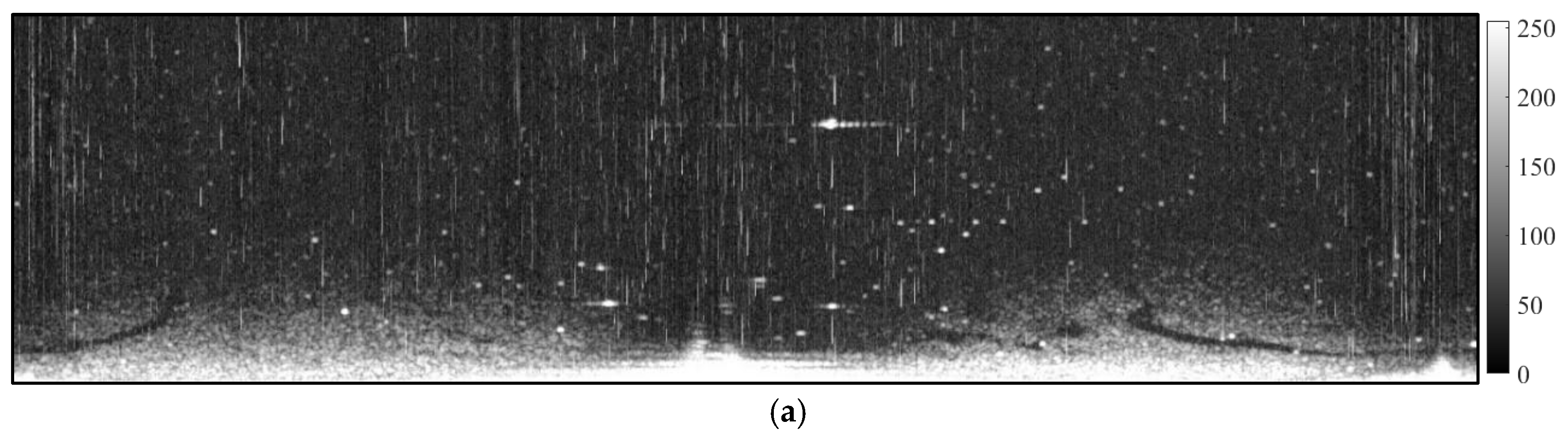
Marine radar images employed the ship-centered Polar coordinate system, where target positions were defined by azimuth angle and distance. The original images were first converted from the Polar coordinate system to the Cartesian coordinate system, with azimuth angle as the horizontal axis and distance as the vertical axis, as shown in
Figure 3a. This transformation facilitated global image adjustments while preserving spatial relationships.
(b) Co-frequency Noise Extraction and Smoothing
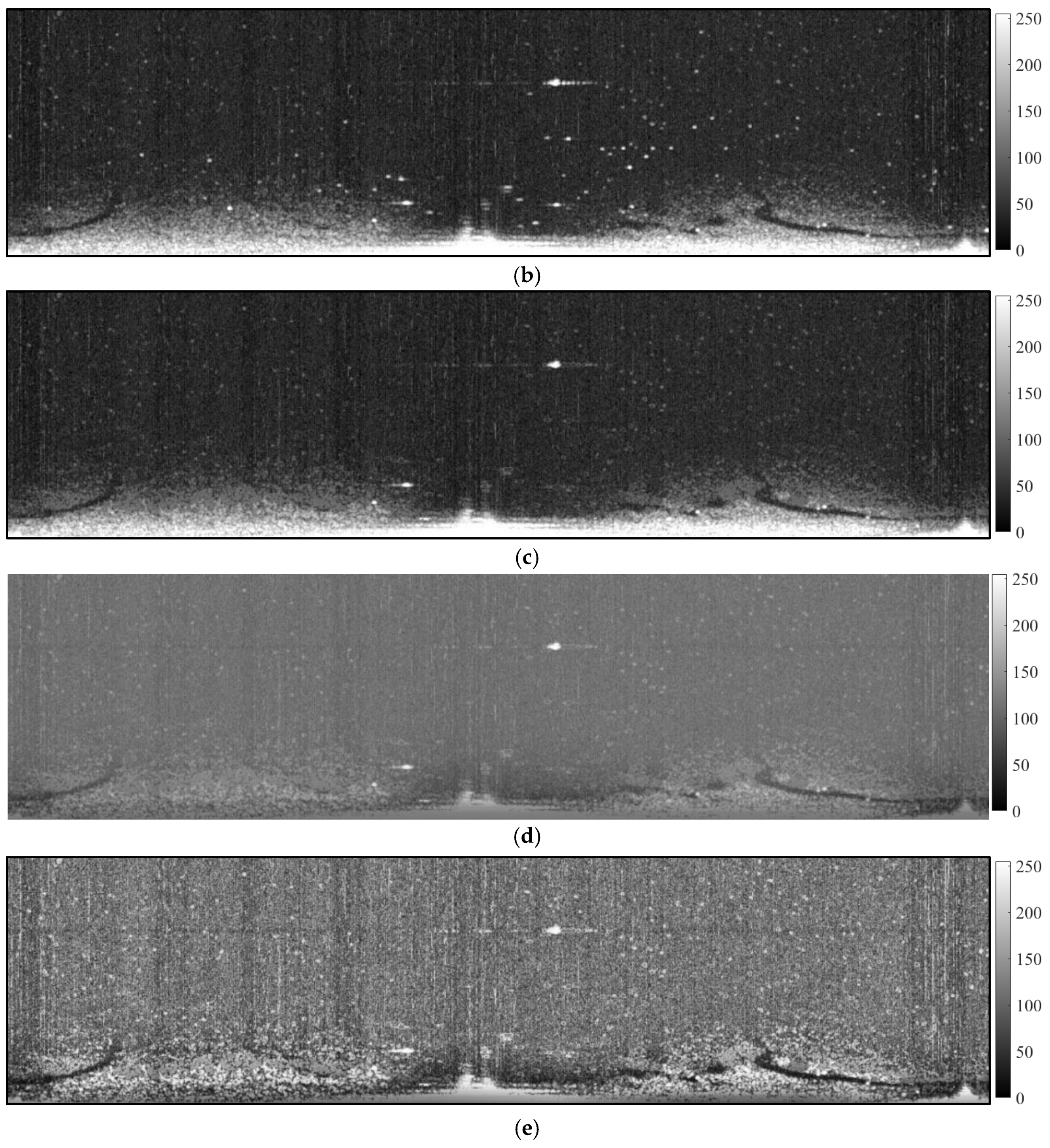
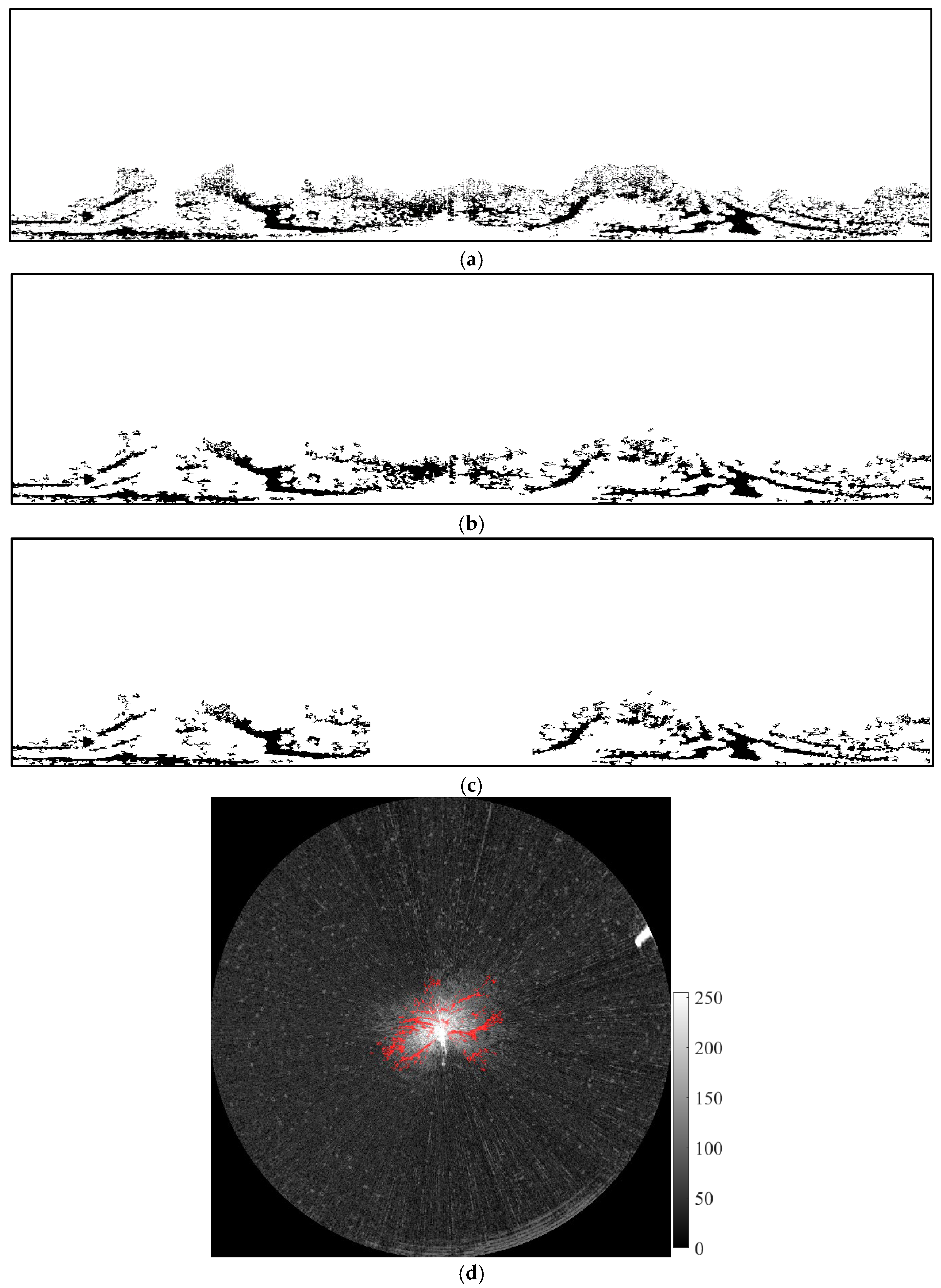
The Laplace operator was applied to address the co-frequency interference noise with characteristic bright vertical patterns. Subsequently, a mean filter was employed to smooth the co-frequency interference noise, mitigating localized pixel abruptness, as shown in
Figure 3b.
(c) Speckle Noise Suppression
Given that oil films exhibit relatively dark image characteristics, high-intensity targets (particularly those within oil film regions) may interfere with target identification accuracy. So, a dual-threshold method was employed for high-intensity target extraction. And, a median filter was employed to eliminate residual noise, as shown in
Figure 3c.
(d) Image Enhancement
Following denoising, grayscale correction was performed, as shown in
Figure 3d. Finally, a grayscale contrast enhancement algorithm was used to improve the characteristics of oil films, with the final result demonstrated in
Figure 3e.
2.3. YOLOv11 Instance Segmentation Model
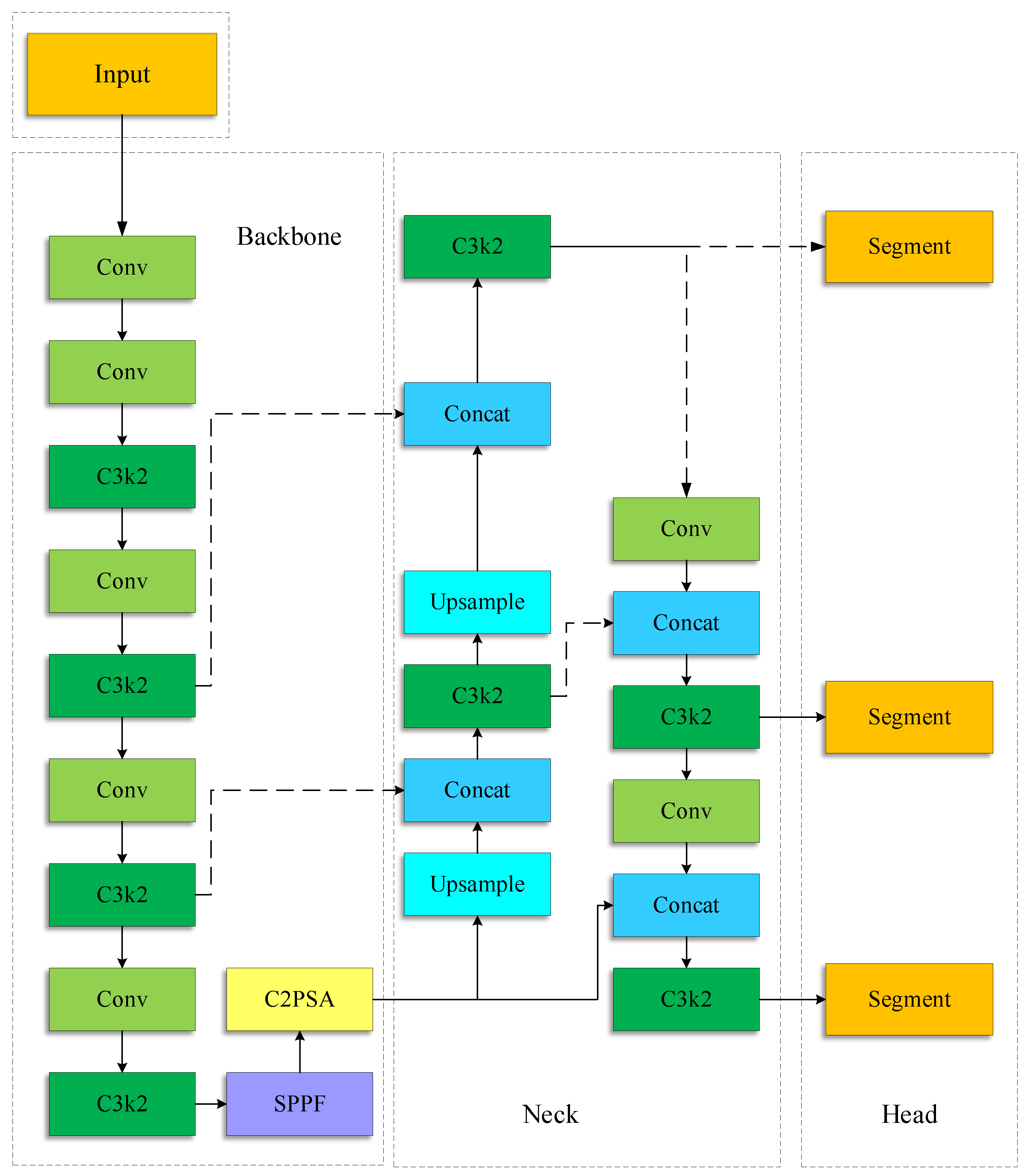
The YOLOv11 architecture is divided into four functional modules: input, backbone network, neck network, and output head (
Figure 4) [
37]. Raw images are received by the input module, where preprocessing operations are conducted to meet model requirements. Features are extracted by the backbone network through cross-stage partial connections. Feature maps from the backbone are processed by the neck network, which fuses multi-level features and adjusts channel dimensions and spatial resolutions to optimize input conditions for the detection head. Finally, oil film boundaries are precisely segmented in the head network by using annotated data to learn discriminative spill features. The real-time capability of the YOLOv11 model is aligned with urgent oil spill response requirements, while its noise robustness addresses speckle interference inherent in marine radar systems.
2.4. Label Tool
Labelme v3.16.2, an image annotation tool created by the Computer Science and Artificial Intelligence Laboratory (CSAIL) of the Massachusetts Institute of Technology (MIT), is implemented with Python v3.12 and PyQT v5. It offers diverse annotation techniques such as polygons, rectangles, and circles, and can produce outputs in JSON and COCO formats. Labelme is extensively employed in computer vision research for tasks such as semantic segmentation, instance segmentation, and pose estimation. The accompanying
Figure 5 illustrates an instance of oil film annotation performed.
2.5. YOLO Model Evaluation Curve
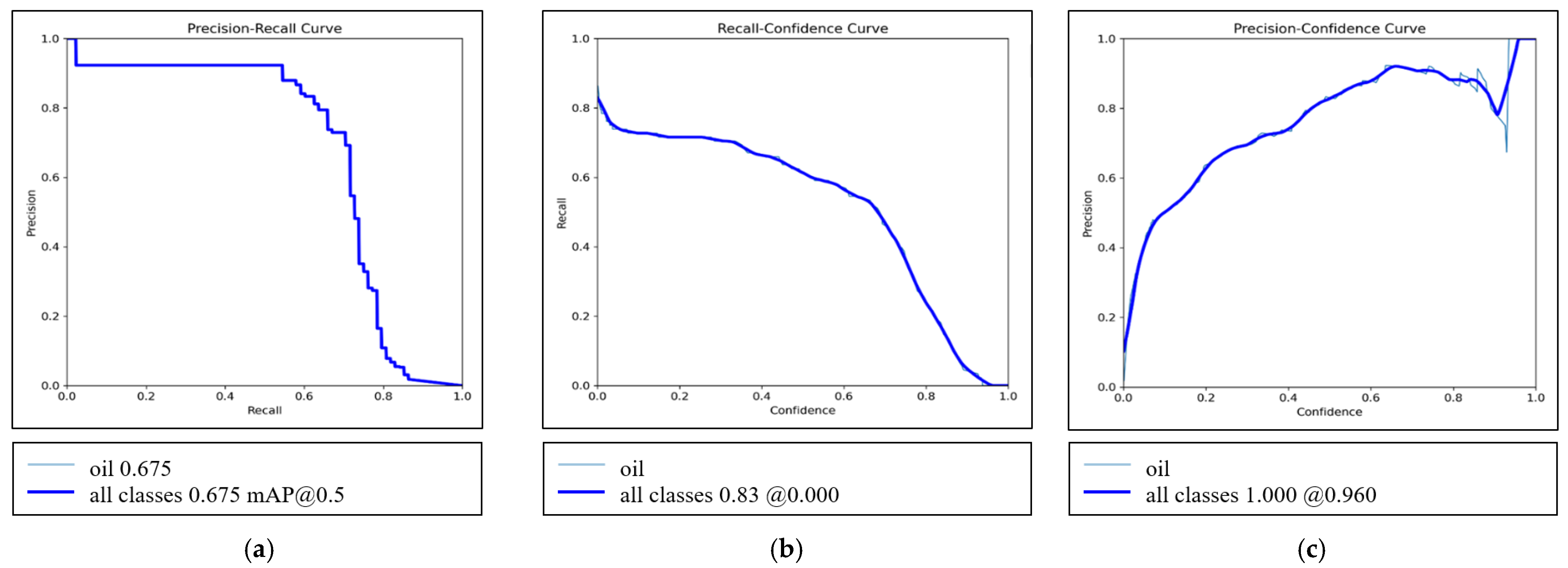
The YOLOv11 model evaluation curves comprise the Precision-Confidence Curve, the Recall-Confidence Curve, and the Precision-Recall Curve.
(a) Precision-Confidence Curve
In the Precision-Confidence Curve (PCC), the Precision (or Recall rate) of the detector is represented by the vertical axis, while the confidence threshold is represented by the horizontal axis. The stability and overall performance of the detector are effectively revealed by the morphological features and spatial positioning of the curve. When the curve arcs upward and leftward, it is indicated that higher precision is achieved by the detector at lower confidence thresholds. This characteristic demonstrates the ability of the detector to maintain a high recall rate while controlling false alarms, serving as direct evidence of better target segmentation Accuracy. Conversely, if the curve shifts downward and rightward, it is implied that elevated confidence thresholds are required by the detector to attain acceptable Precision. This performance degradation is accompanied by a significant increase in missed detection rates, which is a hallmark of inherent performance limitations. Consequently, upward-left convexity in PCC morphology is recognized as an optimal performance indicator, whereas downward concavity underscores the necessity for algorithmic refinement.
(b) Recall-Confidence Curve
The Recall-Confidence Curve (RCC) explains the evolution of detection capability across varying confidence thresholds. By modulating the confidence threshold for filtering predicted bounding boxes, this curve illustrates how recall diminishes as the confidence threshold increases. Lower confidence thresholds result in elevated recall rates but significant false positives. As the confidence threshold rises, the system increasingly maintains only high-confidence predictions, causing recall to decline gradually due to the exclusion of valid but lower-confidence detections. A preferable model should exhibit a smooth decay pattern, maintaining substantial performance even at elevated thresholds.
(c) Precision-Recall Curve
By dynamically adjusting confidence thresholds, the Precision-Recall Curve (PRC) intuitively reveals the trade-off between Precision and Recall across different scenarios. As the confidence threshold gradually increases from 0 to 1, the model retains numerous low-confidence bounding boxes at lower thresholds, achieving higher recall but with increased false positives. With higher confidence thresholds, the system preserves fewer predictions, leading to a decline in recall and a corresponding rise in precision. The Average Precision (AP) quantifies detection quality for individual classes, while the mean AP (mAP) comprehensively evaluates overall model performance. mAP@0.5 Refers to mAP at Intersection over Union (IoU) ≥ 0.5. Ideally, the PRC should exhibit a smooth decay trend, indicating that the model maintains a balance between higher Recall and Precision even at elevated confidence thresholds.
2.6. The NGO Algorithm
The NGO Algorithm simulates the hunting strategies of the northern goshawk [
38]. This algorithm is inspired by two primary behaviors observed in the predatory tactics of the goshawk:
(a) Prey Identification and Attack
During the initial phase, the NGO Algorithm randomly selects a prey item and swiftly initiates an attack. This phase bolsters the exploration capacity of the algorithm by employing random selection within the search space, facilitating global exploration to identify the optimal region. The first phase entails mathematical modeling using formulas:
where
Pi denotes the selected prey position for the
i-th Northern Goshawk, while
represents the corresponding objective function value at this prey position.
k is a random natural number in the interval [1,
N]. The updated state of the
i-th individual based on the first-phase search strategy is denoted as
, with
specifically indicating its
j-th dimensional component.
is its objective function value based on the first phase of NGO,
r is a uniformly distributed random parameter within the interval [0, 1], and
I is a discrete random variable that takes values in {1, 2}. These random parameters are employed to simulate uncertain NGO behavior during both the search and update operations.
(b) Chasing and Escaping
Following the attack of the Northern hawk on its prey, the prey endeavors to flee, prompting the Northern hawk to persist in pursuit. Owing to their exceptional speed, northern hawks consistently succeed in chasing down and seizing their prey in all scenarios. Emulating this predatory behavior boosts the capacity of the algorithm to refine local search within the search space. The NGO algorithm posits that this pursuit occurs within a radius
R centered on the attack site. The subsequent phase is mathematically formulated as:
where
t denotes the current iteration count,
T represents the maximum iteration threshold,
indicates the updated state of the
i-th candidate solution, and specifically
refers to its
j-th dimensional component.
is computed based on the exploration process in Phase
b.
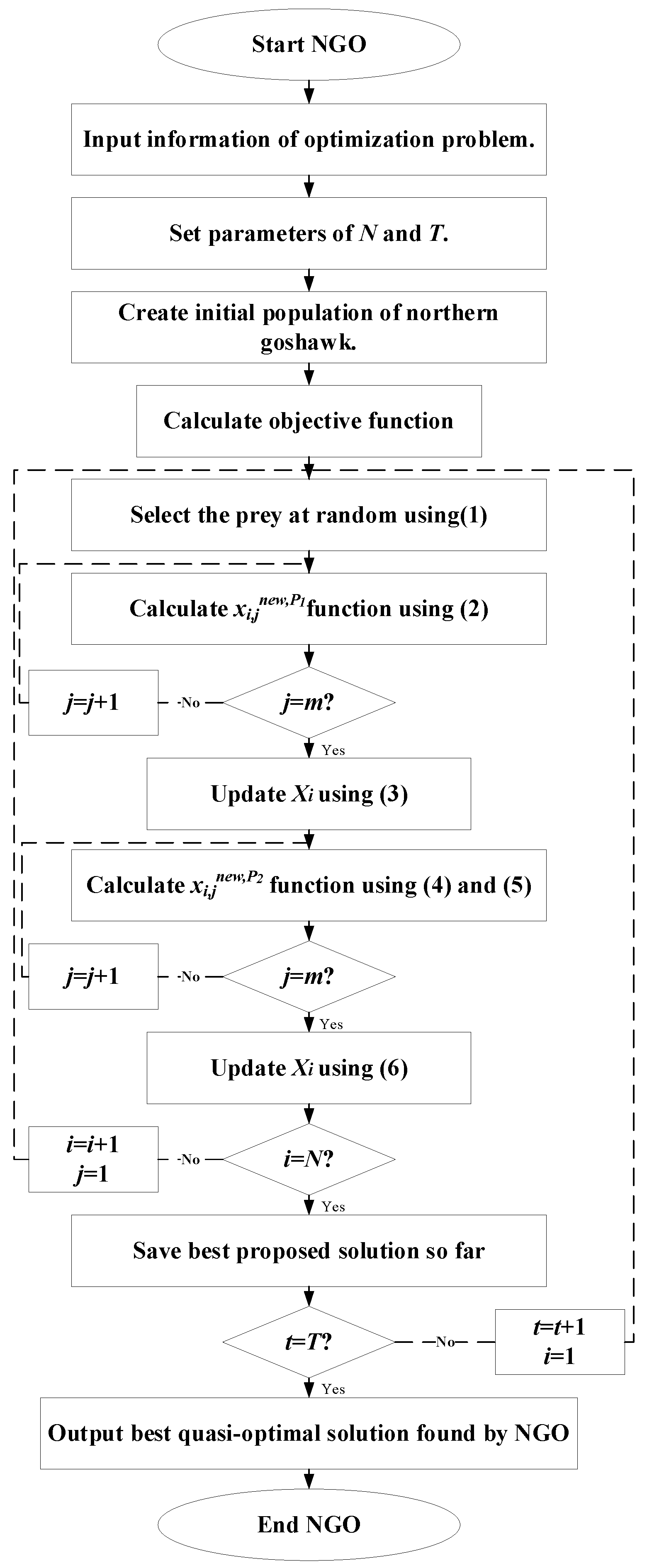
Upon completion of the population of the northern goshawk updates across both phases, one algorithmic iteration concludes. The new objective function evaluations of population members and the current optimal solution are then updated. The algorithm proceeds to subsequent iterations, dynamically refining candidate solutions through Equations (1)–(6) until reaching t = T. The globally optimal solution obtained throughout all iterations is ultimately designated as the final solution to the addressed optimization problem.
The flowchart of the NGO algorithm is shown in
Figure 6.
2.7. The Improved NGO Algorithm
The NGO Algorithm is improved here for marine radar oil spill detection as:
(1) The initial population solutions are generated by using cubic chaotic mapping combined with lens imaging opposition-based learning. The formula for generating the initial position of the
i-th individual via cubic chaotic mapping is:
where
represent the upper and lower bounds of the search space, respectively.
denotes the initial position value of the
i individual.
represents the
i chaotic sequence value. The formula for
is:
Based on the initial position value of the
i individual
generated by cubic chaotic mapping, the initial population solutions are further generated by using the lens imaging opposition-based learning strategy as:
where
denotes the opposing population individual, and
represents the initial solutions of the merged population individuals.
(2) During the prey identification and attack phase, an adaptive weighting factor and Lévy flight disturbance are incorporated to update individual positions in the population. Alternatively, a prey attack strategy is employed for position updates:
where
denotes the updated position of the
i individual after introducing Lévy flight disturbance during the prey identification phase,
represents the position of the
i individual before the update,
indicates the current global best position, and
step refers to the disturbance
size. The formula for calculating
is:
where
is the random number generation function following the standard normal distribution,
β denotes the Lévy flight exponent, and
σ represents the scale parameter for calculating the step size distribution of Lévy flight. The formula for
σ is given as:
where
Γ denotes the Gamma function,
represents the adaptive weighting factor.
is calculated as:
where
iter denotes the current iteration count,
represents the maximum number of iterations. The population individual update formula incorporating the prey attack strategy is expressed as follows:
where
is a randomly selected individual index, and
rand is a random number within [0, 1].
(3) In the chasing and escaping phase, an exponentially decaying non-linear convergence factor is introduced to update the positions of individuals in the population. When the fitness value is lower than the average population fitness, the position update formula for an individual in the population is expressed as:
where
represents the updated position of the
i individual during the chase and escape phase,
denotes the position of the
i individual prior to the update in the chase and escape phase,
indicates the current global best position, and
R signifies the radius between the hunting behavior and the attack position. This radius is defined by an exponentially decaying non-linear convergence function, expressed as follows:
When the fitness value is greater than or equal to the average population fitness, the position update formula for an individual in the population is expressed as:
(4) The basic principle of the pinhole imaging perturbation mechanism is to guide global optimization through periodic perturbations: for every m iterations completed, calculate the new optimal solution (
). And set it as the initial value for the next iteration to avoid the algorithm achieving stuck in local optima and improve the global and effective search:
where
h denotes the pinhole imaging coefficient.
2.8. Fusion Segmentation Strategy
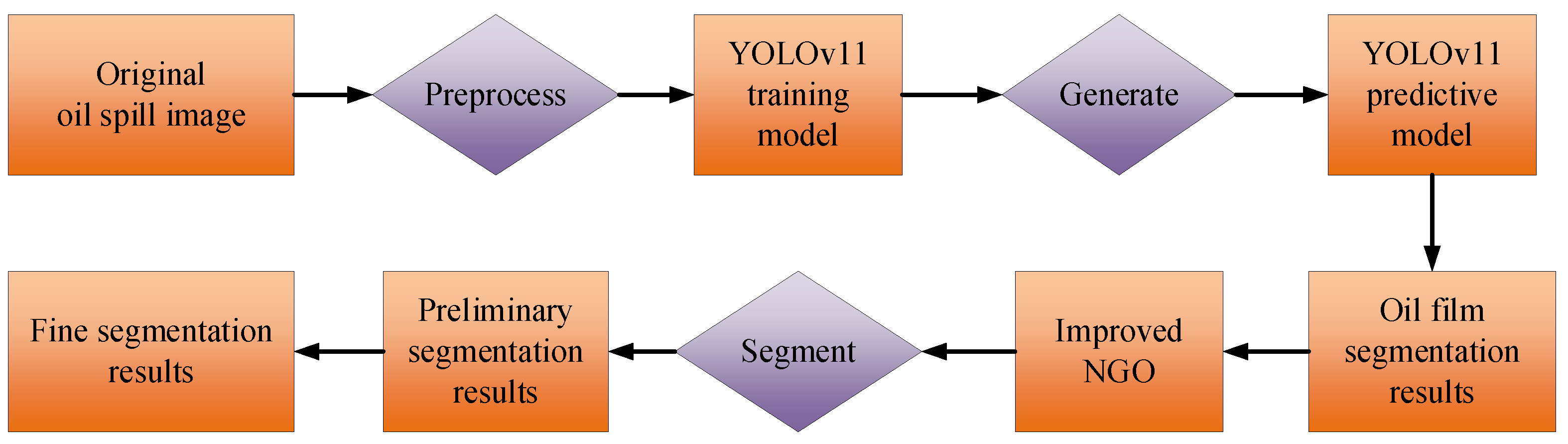
To address the dual requirements of speed and accuracy in maritime oil spill monitoring, a cascaded segmentation framework was proposed in this study:
(a) Rapid Preliminary Screening Phase
To avoid missed or excessive detection, we annotate the oil film targets and obtain an effective oil spill Region of Interest (ROI) method. The pre-trained YOLOv11 model was employed to perform real-time coarse segmentation on marine radar images. In this way, the suspected oil film regions can be fleetly localized, and oil-containing images can be identified.
(b) Refined Segmentation Phase
The images containing oil spill regions, identified during the preliminary screening phase, were processed by using the improved NGO algorithm for ultimate segmentation.
This framework capitalized on the respective strengths of its components. The real-time requirement for marine oil spill monitoring was ensured by the coarse segmentation achieved by the YOLOv11 model. Meanwhile, the Precision of localized segmentation was enhanced through an improved NGO algorithm. By synergistically integrating these modules, a balanced solution was provided for oil spill detection in complex marine environments. This effectively coordinates operational efficiency and segmentation accuracy. The entire experimental process is shown in
Figure 7.
2.9. Evaluation Indicators
The performance of the oil spill segmentation method was evaluated by using a comprehensive set of indicators, including Accuracy, Recall, Precision, Specificity, and the DC. These indicators collectively capture various aspects of its segmentation capability, such as classification correctness, false positive control, detection completeness, and boundary accuracy. During evaluation, the segmentation results were compared at the pixel level with a binary ground truth image annotated by visual interpretation. A confusion matrix was constructed as the basis of all quantitative assessments. Potential confounding factors were excluded during computation to ensure a fair and accurate evaluation of algorithmic performance. The confusion matrix comprised four fundamental elements: True Positive (
TP), False Positive (
FP), False Negative (
FN), and True Negative (
TN):
where TP denotes the number of pixels correctly classified as oil spills, indicating its capability in identifying target regions. FP reflected the number of background pixels misclassified as oil spills, which illustrated its false alarm rate. FN represented the number of oil spill pixels that were missed, revealing deficiencies in detection sensitivity. TN counted the number of background pixels correctly identified.
4. Discussion
4.1. Comparative Analysis of Instance Segmentation and Object Detection
In the comparative analysis of oil slick detection technical solutions, object detection models and instance segmentation models exhibit great functional differences. Some scholars employed the YOLOv8 object detection model to effectively identify the oil spill ROIs in marine radar images [
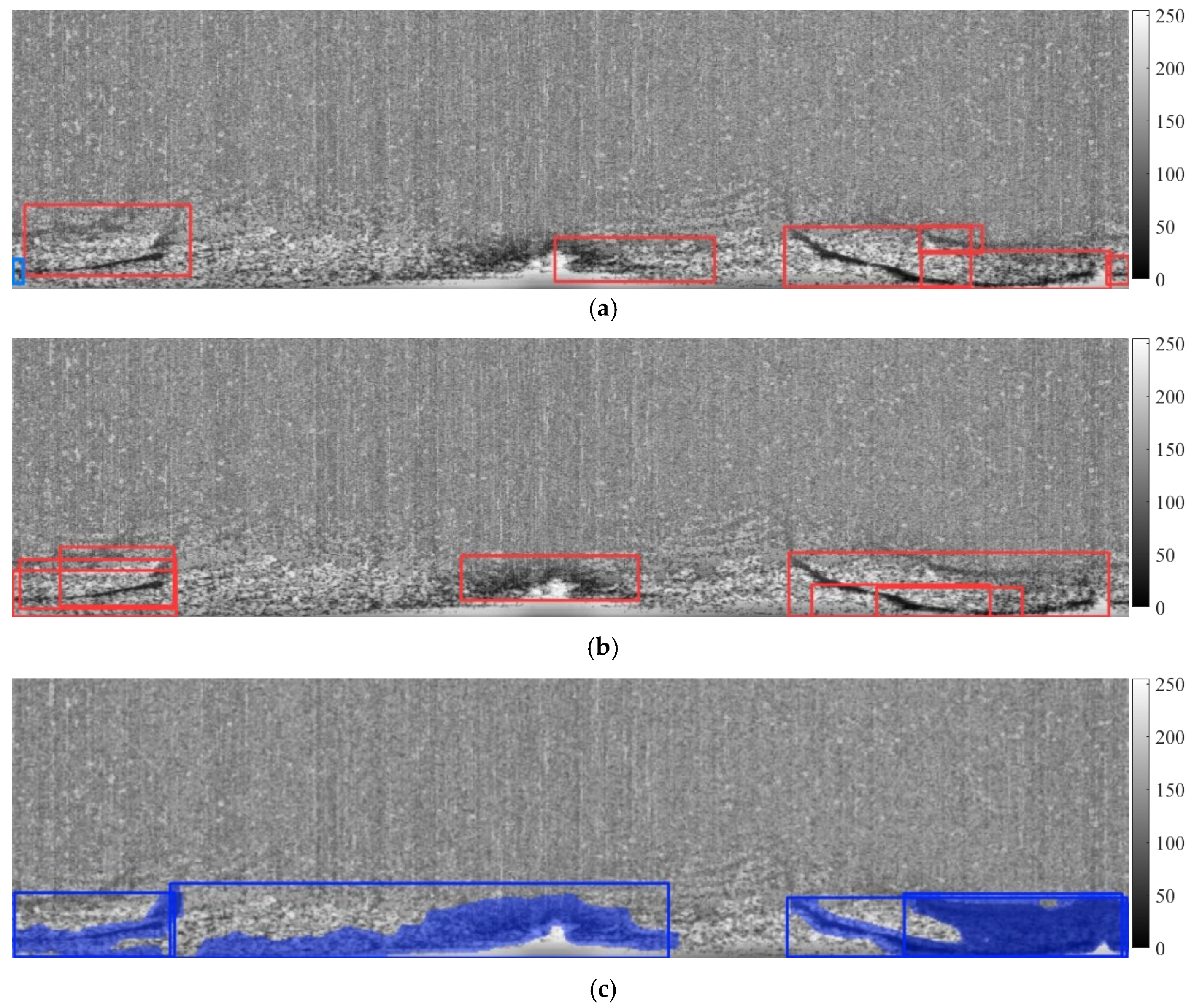
33]. Object detection models can rapidly localize oil slick regions through bounding boxes, offering real-time processing advantages. However, they can only determine the spatial extent of oil slicks without resolving morphological variations between individual instances. This study developed YOLOv5 and YOLOv8 object detection models alongside a YOLOv11 instance segmentation model under a unified training environment. Following validation on a standardized preprocessed marine radar oil spill image, the comparative experimental results were visualized in
Figure 11. The first model was especially susceptible to false positives and missed detections in situations characterized by irregular shapes or intricate backgrounds, as illustrated by the blue boxes in
Figure 11a. Concurrently, object detection models might generate multiple overlapping prediction boxes, as shown in
Figure 11a,b.
In contrast, instance segmentation models overcome these limitations through pixel-level contour segmentation. It not only achieved precise differentiation between individual oil slicks but also enabled the extraction of geometric feature parameters. Thereby, it provided refined spatial data support for critical tasks such as pollution severity quantification and diffusion pathway modeling. The intensive capability to capture detailed spatial information fundamentally addressed the technical constraints of traditional detection methods. At the same time, it created new possibilities for quantitative environmental analysis.
4.2. Comparison with Other NGO Algorithms
This study conducted a systematic comparative evaluation between the traditional and the improved NGO algorithms. The improved NGO algorithm proposed here was called Method 1, the traditional NGO algorithm was called Method 2, and an improved NGO algorithm proposed by Fu et al. was called Method 3 [
39]. These methods were applied to segment images processed by the instance segmentation of the YOLO model, as shown in
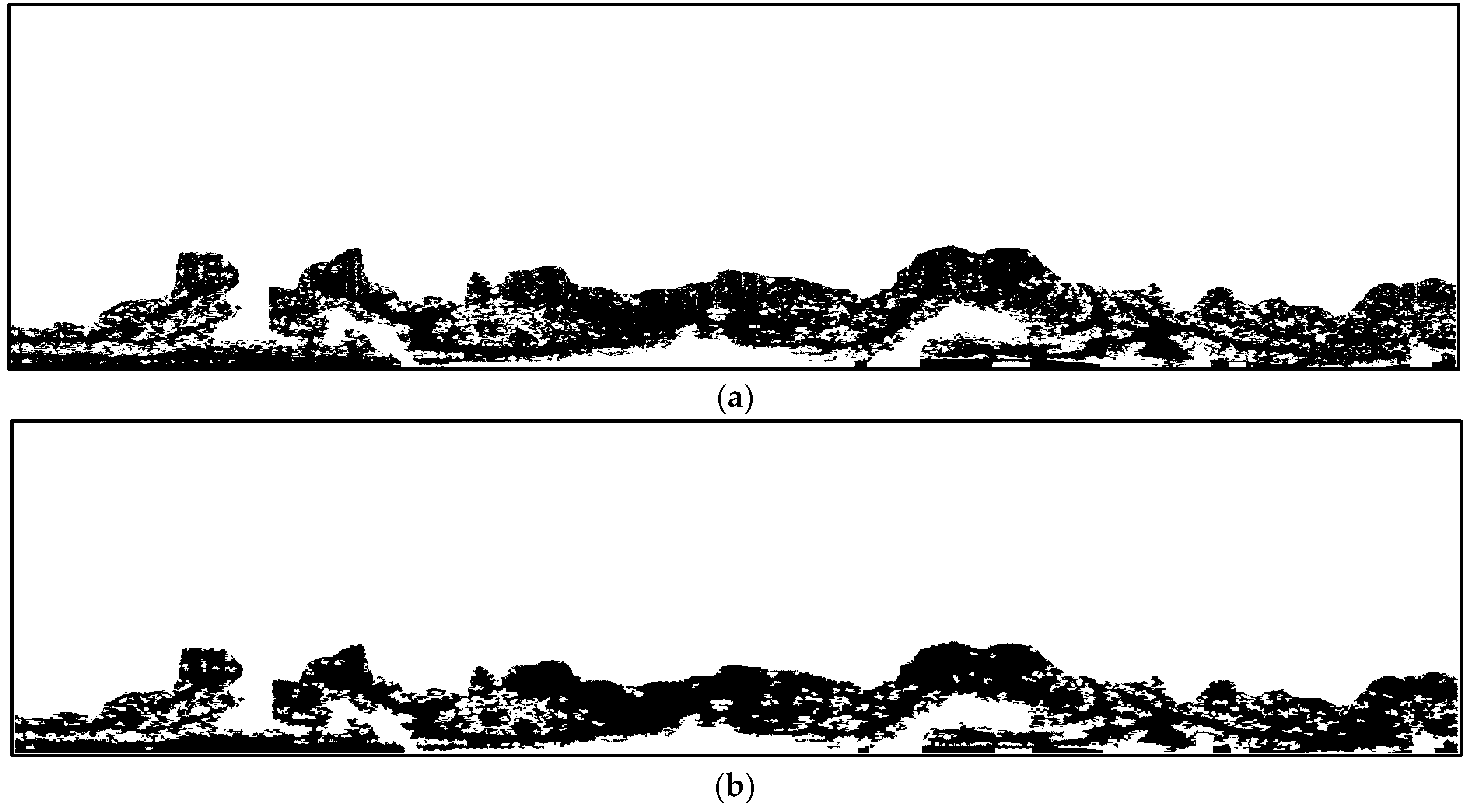
Figure 9a and
Figure 12.
The results disclosed that Method 1 exhibited considerable superiority over both Methods 2 and 3 with regard to the accuracy of target recognition and the precision of boundary delineation. In particular, Method 1 precisely extracted the geometric contours of oil spill targets, simultaneously demonstrating heightened resilience to speckle interference. Remarkably, Method 1 showcased distinctive abilities in retaining the features of weakly reflective targets. In stark contrast, the outcomes of Methods 2 and 3 revealed a notable loss of textural attributes in the detected oil slicks, displaying disordered and fragmented oil film patterns, as depicted in
Figure 11a,b. These findings collectively suggested that Method 1 had more practical value for enhancing real-time processing accuracy and anti-interference capabilities in marine radar oil spill monitoring. Their corresponding evaluation metrics are shown in
Table 2. The results indicate that all indicators of methods 2 and 3 are significantly lower than those of method 1.
4.3. The Impact of Parameter Configuration Variations on Segmentation Outcomes
The improved NGO algorithm operated with notably reduced parameter tuning demands during its implementation. The parameter
T had little significant difference in the segmentation results. The parameter
h can be adjusted to change the segmentation performance. The results were presented by setting
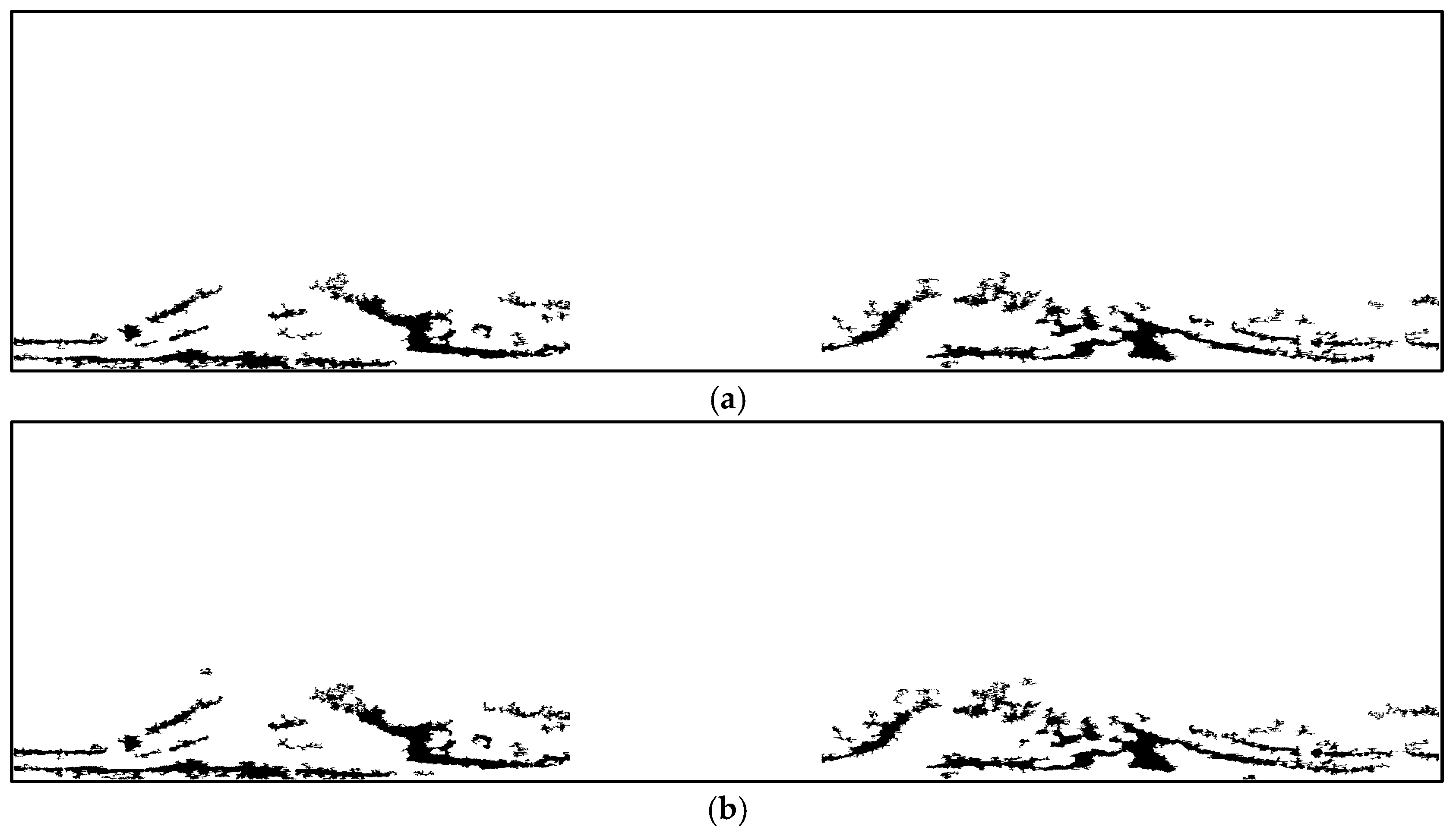
h coefficients as 0.93, 0.94, and 0.95 in
Figure 10c and
Figure 13. Their corresponding evaluation metrics are shown in
Table 3. The performance comparison revealed that the setting of 0.94 yielded the optimal comprehensive performance. It demonstrated its superior generalization ability and practicality under complex sea clutter backgrounds. Specifically, when
h was set to 0.94, the DC score reached 79.3%, which was significantly higher than the score of 75.6% achieved at 0.93. It is also slightly better than the score of 78.6% obtained at 0.95. This indicated a higher consistency in the overlap between segmented regions and actual oil films. At the same time, its Recall rate stood at 76.1%, notably higher than others, reflecting a substantial reduction in missed detections. The Precision score of 82.8%, which was slightly lower than the score of 85.6% at 0.93, still maintained a high level. In addition, the Specificity score of 99.4% at 0.94 remained extremely high. The Accuracy achieved the highest score of 98.6%. Therefore, the
h value of 0.94 was ultimately selected as the algorithm parameter setting, as it exhibited better performance in evaluation indicators.
4.4. Comparison with Other Segmentation Methods
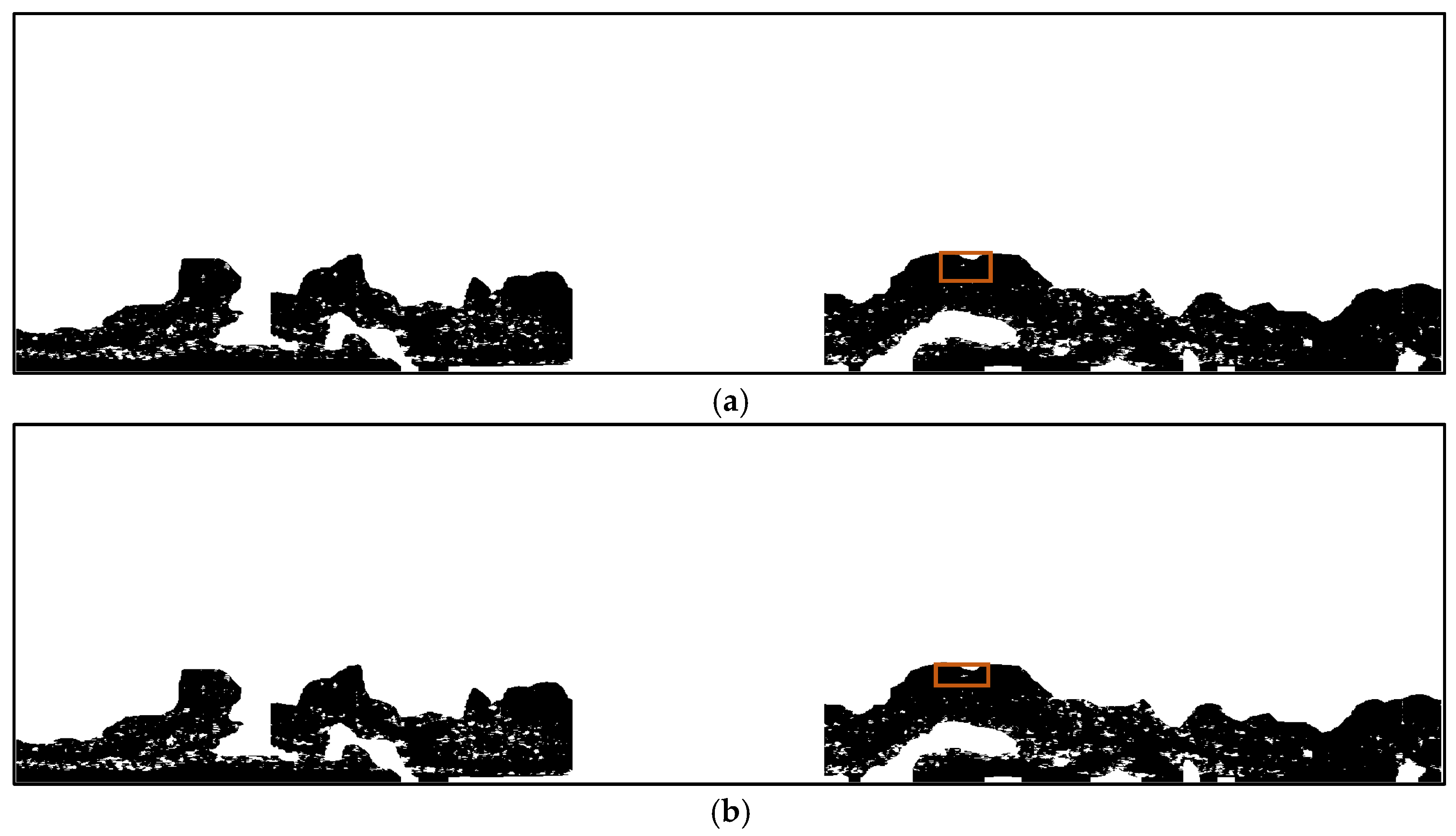
The Sparrow Search Algorithm (SSA) and the Whale Optimization Algorithm (WOA) are famous metaheuristic algorithms. This study evaluated the improved NGO algorithm with both the above algorithms, as shown in
Figure 14. Their corresponding evaluation metrics are shown in
Table 4. It was evident that all indicators of the SSA and the WOA are significantly lower than those of the improved NGO. The segmentation results of SSA and WOA exhibited limited differentiation between oil spill targets and background features. They demonstrated a lack of robustness when confronted with speckle noise interference in marine radar images. Remarkably, both methods exhibited erroneous identifications in numerous regions. Furthermore, the oil films identified by both methods were found to have forfeited the texture characteristics that are inherent to an oil film. In stark contrast, the enhanced NGO algorithm not only accurately outlined the geometric contours of spill regions but also markedly improved its resilience to speckle noise artifacts.
4.5. Ablation Experiment
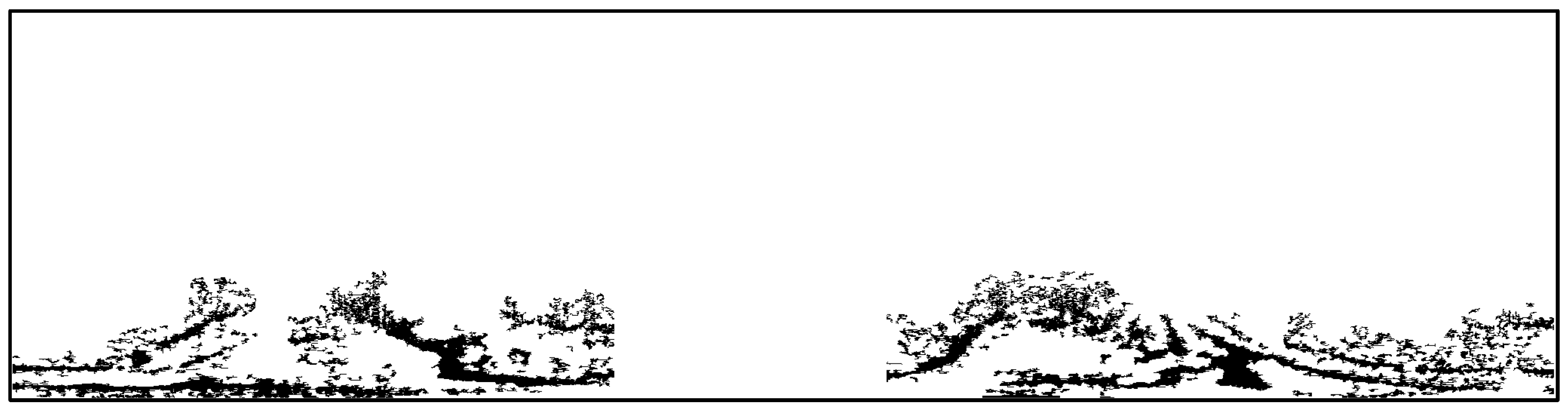
The purpose of the ablation experiment is to evaluate the contribution of each improvement, namely chaos initialization, Lévy flight, adaptive weighting, and pinhole imaging disturbance mechanism. The contribution of chaos initialization, Lévy flight, and adaptive weighting mechanism to oil film segmentation is relatively small. The pinhole imaging disturbance mechanism contributes the most to the experimental results. If this mechanism is not adopted, the false positive oil films will increase sharply, as shown in
Figure 15. Its accuracy, precision, and other indicators’ scores have also significantly decreased, as shown in
Table 5. Therefore, the results obtained by the proposed method are more consistent with the ground truth results and superior to the original NGO method.
4.6. Software and Hardware Constraints of Marine Radar Oil Spill Monitoring Technology and Performance Limitations Under Different Sea Conditions
The deployment of the marine radar oil spill detection system on real ships, coastal stations, or offshore platforms requires certain software and hardware adaptability requirements. Radar equipment needs to have centimeter-level positioning accuracy and 0.1° azimuth resolution to ensure accurate identification of oil spills and small targets. Its dynamic transmission power needs to cover complex weather conditions and maintain stable detection capability in extreme environments such as rainstorms and dense fog. In terms of hardware environment adaptability, the equipment needs to pass high and low temperature tests from −30 °C to +70 °C, salt spray tests for more than 96 h. And comply with electromagnetic compatibility standards to cope with strong electromagnetic interference in ports. During installation, the X-band radar antenna should be placed at a high place to avoid obstruction and ensure 360° omnidirectional detection. At the same time, the equipment protection level should meet IP standards and have dust-proof and waterproof functions. In terms of data processing, the system needs to support high-speed data acquisition and real-time storage to prevent data loss. The user interface should be simple and intuitive, with display units that can be placed in key areas of the monitoring room to support operators in quickly obtaining oil spill information and initiating emergency response.
Ship-borne radar oil spill monitoring technology emits microwave signals and receives sea surface echoes. By utilizing the damping effect of oil film on capillary waves on the sea surface, the radar echo is weakened, and dark spots are formed in the radar image to identify oil spill targets. This technology features all-time and all-weather monitoring capabilities, without being limited by lighting and cloud cover, and can support emergency response decisions through real-time data transmission. However, there are significant differences in its performance under various sea conditions: (1) Smooth sea conditions: the sea surface is relatively stable, resulting in fewer echoes from oil films and waves, making it difficult to identify oil spill targets. (2) Moderate sea conditions: the increase in wind and waves leads to an increase in sea surface roughness, intensified radar wave reflection, and scattering phenomena. The ability to identify thin oil films under moderate sea conditions is weak. However, it has a strong ability to identify oil films of other thicknesses. (3) Adverse sea conditions: the waves are turbulent and accompanied by weather such as sea fog, rain, and snow, resulting in significantly enhanced radar wave attenuation and scattering effects. The inhibitory effect of oil film on ocean waves is greatly weakened, leading to an increase in the difficulty of identification.



 ,
,