


Abstract
This study examines the impact of institutional support and ownership structure on SDG management practices, with a particular focus on the mediating role of managers’ attitudes and engagement in these relationships. The research employs a quantitative approach using PLS-SEM with reflective constructs. The data were collected through a structured survey of 210 listed companies from the Warsaw Stock Exchange (GPW). Medium and large enterprises were selected. All constructs were measured using a seven-point Likert scale. The study provides empirical evidence integrating institutional, corporate governance, and behavioural perspectives. Both institutional support (β = 0.550) and ownership structure (β = 0.316) have a significant positive impact on managerial attitudes. All variables directly and positively influence SDG management practices, and institutional support (β = 0.460), ownership structure (β = 0.230) and managers’ attitudes (β = 0.271) play a significant role. Managers’ attitudes play a significant mediating role in the relationship between institutional support (β = 0.149) and ownership structure (β = 0.086) and SDG management. The conclusions indicate that at the organisational level, the mere application of formal mechanisms is insufficient. Managers’ attitudes are an essential transmission channel that transforms external pressures and internal corporate governance frameworks into effective and strategic sustainable development management practices. This indicates the need to develop leadership competencies and build an organisational culture based on sustainable development values.
1. Introduction
The 2030 Agenda, launched by the United Nations (UN) in 2015, includes 17 overarching Sustainable Development Goals (SDGs). It charts a framework for action by countries, organisations and companies to achieve economic, social and environmental sustainability [1]. According to The Sustainable Development Goals Report [2], progress towards the Sustainable Development Goals is clearly insufficient. Only 35% of the SDGs show satisfactory progress (18% are on track and 17% are making moderate progress), while almost half of the targets (48%) have insufficient progress, including 17% with no progress. In addition, 18% of the sustainable economic development objectives show a regression in comparison to 2015. Although the achievement of the SDGs is primarily the responsibility of states, governments or organisations, it is companies that play a key role in this process. Governments do not have sufficient resources to ensure that all the actions necessary to achieve the Sustainable Development Goals are implemented [3], so greater involvement of the private sector is necessary. There is not much time left until 2030 and practice shows that only 50% of NGOs have established partnerships with the private sector, 64% with academia, and 42% with civil society organisations [2]. It is increasingly emphasised that the implementation of the Sustainable Development Goals should become an integral part of companies’ business operations [4,5]. Companies should pursue strategies that take into account both social and environmental impact and profit making [6]. This can be clearly seen in the articles by Santos and Silva, Sulivan et al. or Mattera et al. [3,7,8]. Incorporating the SDGs into business operations and strategies can also benefit businesses in the form of improved sustainability scores [9] or increased stakeholder interest [10]. Mattera et al. [8] also pointed out that companies that align their operations with sustainability are better prepared to face global crises. Despite widespread acceptance of the importance of the SDGs (9 out of 10 CEOs see a strong business case for sustainability), significant gaps remain in the implementation and effective management of these goals [11].
Successful implementation of the SDGs in business operations requires an understanding of the determinants of SDG management practices [12]. Institutional support including, inter alia, government policies, environmental regulations, ESG (Environmental, Social, Governance) reporting systems, and initiatives of international organisations such as the Global Compact or the Guidelines for Multinational Enterprises are crucial. It is also noted that institutional and organisational characteristics enforce and facilitate the reporting of SDGs [13]. Achieving the Sustainable Development Goals requires also the involvement of multiple stakeholders [14,15,16], who need to work together to address the complex challenges of achieving the 2030 Agenda [13,17,18,19].
The literature extensively explores the role of external and internal factors in the adoption of sustainable practices [20,21,22], but there is no coherent model explaining how these factors are processed at the organisational level to effectively translate them into SDG management. In order to clarify the relationships in SDG management practices, an analysis of the interaction of three complementary categories of determinants is proposed:
- Institutional factors (Institutional Support): External support such as availability of funding for investments, system of tax and financial incentives, public procurement policies, collaboration with universities and research centres, active engagement of stakeholders (e.g., customers, suppliers, local communities) in sustainability activities [16,23].
- Organisational factors (Ownership Structure): Internal characteristics of the firm, including ownership structure (e.g., family, state, institutional) that shape the time horizon of managers [24,25] and formal board oversight mechanisms and remuneration systems linked to ESG/SDG [26,27].
- Behavioural factors related to the attitudes and commitment of Managers: Subjective traits and strategic freedom of key executives, encompassing CEO visionary leadership [28,29], managers’ beliefs, values and sense of responsibility towards sustainability [30,31,32].
The lack of comprehensive studies analysing the interplay between institutional support, ownership structures (corporate governance), attitudes and commitment of managers and the implementation of the SDGs in companies became the main motivation for the study. This article focuses on two determinants often analysed separately in the literature: institutional support and ownership structure, while proposing that managerial commitment and attitudes play a key mediating role in this process. In contrast to earlier studies on SDG implementation, CSR management or ESG management, the present study advances a behavioural perspective on SDG management. Specifically, it conceptualises managers’ attitudes and engagement as an active transmission channel through which institutional support and ownership structure translate into effective SDG management. By empirically modelling this mediating mechanism, the study moves beyond descriptive analyses of SDG implementation and offers a process-oriented explanation of why firms exposed to similar institutional and managerial conditions differ substantially in their sustainability performance. In this context, it represents an important contribution to the development of sustainable business management theory. The main objective of this study is to fill this gap by analysing the complex relationship between these variables. The sub-objectives are:
- Exploring the relationship between institutional support, ownership structure, managers’ attitudes and commitment and implementation of the SDGs in companies.
- Determining the mediating role of managers’ attitudes and their involvement in the relationship between institutional support and ownership structure and the implementation of SDGs in enterprises.
The remainder of this article tests a number of hypotheses regarding the relationship between institutional support, ownership structure, managers’ attitudes and commitment, and companies’ sustainability goal practices. The study encompassed 210 companies listed on the Warsaw Stock Exchange (GPW) in Poland. To test hypothetical relationships between structures, structural equation modelling using the least partial squares method (PLS-SEM) with SmartPLS 4.0 software was used.
2. Literature Review and Hypotheses Development
The effective implementation of the SDGs in companies depends not only on formal institutional support or ownership structure, but also on the attitudes of managers towards sustainability [21,33]. An organisation’s institutional environment shapes the framework within which companies take action in line with Agenda 2030 [1,34], while ownership structure influences strategic decision-making and engagement in pro-social initiatives [35].The study proposes six hypotheses, with five (H1–H5) addressing direct relationships and one (H6), operationalized through its two sub-hypotheses (H6M(a) and H6M(b), examining an indirect relationship via mediation.
In exploring the determinants of corporate engagement with the Sustainable Development Goals, this study focuses on four interrelated constructs. The first concerns the role of institutional support, understood broadly as the set of external conditions that shape and encourage corporate action toward sustainability. These conditions include regulatory expectations, incentive systems, public policies, etc., which together create an environment in which sustainability becomes strategically meaningful rather than merely optional. Although the literature discusses institutional influences in terms of both supportive mechanisms and regulatory or normative pressures, the empirical construct applied in this study focuses specifically on supportive elements of the institutional environment (Institutional Support). Institutional support is operationalized through incentives, funding opportunities, administrative assistance and policy instruments that facilitate, rather than enforce, SDG-related organisational practices.
A second area of interest relates to the firm’s ownership structure, which influences how organisations interpret and respond to external signals. Different types of owners, varying degrees of ownership concentration and the composition of corporate bodies (e.g., in terms of diversity or expertise) shape strategic horizons and governance priorities, as well as the perceived alignment between sustainability and long-term value creation. In line with corporate governance research, ownership structure is understood here as the configuration of ownership and governance features that affect firms’ strategic orientation and responsiveness to sustainability issues, including the identity and involvement of owners, the degree of ownership dispersion and the composition of key governing bodies.
At the organisational level, these structural conditions interact with managerial attitudes and engagement. Research emphasises that managers’ values, their sense of responsibility and their capacity to articulate and champion a sustainability-oriented vision strongly influence whether institutional expectations and governance arrangements translate into concrete action. Managerial commitment can amplify or weaken external and internal drivers, making these factors a critical transmission mechanism within the organisation. In this sense, managerial attitudes may serve as an important pathway through which institutional conditions and ownership-related characteristics exert their influence on sustainability practices.
Finally, these forces converge in the domain of SDG management practices, which reflect the extent to which sustainability principles become embedded in governance routines, decision-making processes and organisational procedures. Such practices encompass formal structures, oversight mechanisms and strategic actions (e.g., sustainability committees, ESG reporting, impact assessments) through which companies operationalise sustainability objectives in a systematic and accountable manner.
Together, these constructs provide a coherent conceptual foundation for examining how external pressures, governance characteristics and managerial orientations jointly shape the adoption and implementation of SDG-related practices within firms. Their interplay is central to understanding why organisations differ in their ability and willingness to integrate sustainability into their strategic and operational activities.
2.1. Institutional Support and Managerial Attitudes and Engagement
Institutional support—including regulatory instruments, financial incentives, industry standards, reporting guidelines or educational initiatives—creates an enabling environment for the integration of the SDGs into management practices and strategic decisions of the organisation. According to Scott [36], “institutions consist of regulatory, normative and cultural-cognitive elements that, together with related activities and resources, provide stability and meaning to social life”. From this theoretical perspective, organisational decisions or actions are not driven solely by performance, but by external environmental factors and the need for legitimacy [37]. Furthermore, according to managerial cognition theory, managers interpret the institutional environment through the lens of their cognitive patterns and values [38,39]. The institutional framework determines how managers interpret and respond to external expectations, which translates into company strategy, but how managers perceive and respond to these pressures depends on the individual characteristics of the company [40]. In addition, Peters [41] provides strong empirical evidence that the institutional environment can model managers’ attitudes and thus their involvement in specific organisational practices. In this context, we formulate the following hypotheses based on the above discussions:
H1.
Institutional Support (INST_SUPPORT) positively influences Managerial Attitudes and Engagement (BEH_MNG).
2.2. Ownership Structure and Managerial Attitudes and Engagement
The ownership structure plays a key role in shaping managerial attitudes. Based on Organisational Support Theory (OST), employees (including managers) form their beliefs about whether the organisation values their input and cares about their wellbeing, or what is known as Perceived Organisational Support (POS). Organisational support increases the employee’s emotional attachment to the organisation and their expectation that greater effort to achieve organisational goals will be rewarded. Employee commitment to the organisation is strongly influenced by perceptions of the organisation’s commitment to the employees [42]. Research shows that when employees feel valued, their commitment rises [43,44], and managers experiencing strong organisational support report higher commitment and lower turnover intentions [45]. Similar findings for frontline managers confirm that perceived institutional support enhances loyalty and engagement [46]. Furthermore, based on agency theory, the complicity of managers on the board reduces conflicts of interest and promotes an alignment effect [47,48]. Greater managerial ownership strengthens the link between remuneration and company performance and supports more informed strategic decisions [49,50,51], and employee ownership and financial participation programmes increase identification with the organisation and commitment to company goals [50,51,52,53,54,55]. Therefore, the following hypothesis is proposed in this study:
H2.
Ownership Structure (CGOV_OWNER) positively influences Managerial Attitudes and Engagement (BEH_MNG).
2.3. Institutional Support and SDG Management Practices
Organisational behaviour towards sustainability goals is largely determined by the institutional environment [1,34,56,57]. Empirical studies show that perceived institutional support reinforces proactive managerial attitudes [58,59]. Institutions provide the legal frameworks, monitoring mechanisms, incentives, and cross-sectoral initiatives that enable SDG implementation, while also exerting pressure through professional codes and guidelines [59,60,61,62]. This support fosters the development of organisational capacity, facilitates access to knowledge and resources, and strengthens the social legitimacy of sustainable development activities [63,64,65,66]. Organisations operating in an environment with a high level of institutional support are more likely to implement social responsibility governance structures [34], conduct reporting in line with UN guidelines, and develop policies and procedures that directly refer to the SDGs [14,67]. The high quality of public institutions also promotes greater organisational transparency and accountability, which translates into more advanced SDG management practices [68]. However, institutional effects are contingent: in weak institutional environments, support may result in superficial engagement such as SDG-washing [63], whereas stable regulation and coherent guidance promote genuine SDG integration [13,67,69,70]. Mariani et al. [71] conclude that collaborative strategies and top-down legislative measures are necessary to respond to climate change and achieve sustainable development. According to Akhtar-Schuster et al. [72], the national institutional arrangements, in particular, are crucial for the implementation of the 2030 Agenda.
Based on this literature review, this study proposes the following hypothesis:
H3.
Institutional Support (INST_SUPPORT) positively influences SDG Management Practices (CGOV_SDG).
2.4. Ownership Structure and SDG Management Practices
The ownership structure creates a decision-making framework that can either support or inhibit the implementation of the SDGs—depending on the dominant interests of the owners, the diversity of board composition (e.g., by gender), or their level of commitment to ESG issues [73]. Board-level commitment to the SDGs influences strategic direction and fosters governance arrangements supportive of innovation and sustainability reporting [74]. Strong governance—embodied in independent and diverse boards, effective oversight, and robust risk management—promotes the integration of SDGs into corporate strategy [26]. While ownership concentration can enhance oversight and CSR engagement, excessive concentration may suppress viewpoint diversity and weaken incentives for long-term sustainability investment [75,76,77]. A higher level of SDG implementation is associated with a higher proportion of women on the board and a younger board of directors [67]. It is also noted that CEOs’ aggressive behaviour and overconfidence can hinder the implementation of the SDGs [78]. Empirical research indicates that certain types of owners and, in particular, institutional investors, family owners and public entities, have a positive impact on sustainability practices through their long-term orientation, responsibility and ethical values [24,25,79]. Owners closely connected to the firm, whether through family ties, reputation, or strategic alignment, tend to invest more in long-term value creation and SDG integration [49,80]. Family- and state-owned firms often display stronger pro-social and pro-environmental commitments driven by intergenerational and reputational concerns [78,81,82]. In addition, de Souza Barbosa et al. [83] note that the integration of ESG criteria, which operationalizes the goals of the SDGs, is more effectively implemented in companies whose ownership structure favours oversight and accountability. However, dominant short-term-oriented institutional investors may limit engagement in sustainability initiatives [84], while long-term-oriented institutional concentration enhances SDG transparency and reporting quality [85]. Based on the above discussion, the following hypothesis was formulated:
H4.
Ownership Structure (CGOV_OWNER) positively influences SDG Management Practices (CGOV_SDG).
2.5. Managerial Attitudes and Engagement and SDG Management Practices
Managers’ attitudes and commitment play an important role in the successful implementation of sustainability management practices. Environmental awareness and pro-environmental attitudes directly influence the adoption of sustainable production and environmental practices [79,86]. Firms led by managers with strong environmental and social orientations more systematically integrate SDGs across supply chains, organisational culture, and innovation processes [87,88]. Proactive managerial attitudes and sustainable leadership enhance organisational commitment, indirectly improving environmental and social performance [89]. Leaders’ engagement and their ability to shape organisational culture are key drivers of SDG adoption [90]. Furthermore, managers who demonstrate proactive attitudes towards sustainability are more likely to integrate SDG principles into organisational strategies, operational processes, and the culture of the organisation [63,91]. Lafont-Torio et al. [91] show that managers’ perceptions and beliefs about the importance of the SDGs correlate strongly with the level of real organisational action. In addition, Aguinis and Glavas [21] show that managers who perceive meaning and value in sustainable actions are more likely to integrate SDGs into corporate strategies, even with limited institutional support. Based on the above discussion, the following hypothesis was formulated:
H5.
Managerial Attitudes and Engagement (BEH_MNG) positively influence SDG Management Practices (CGOV_SDG).
2.6. Mediating Role of Managerial Attitudes and Engagement
From an integrative perspective, managerial attitudes can be seen as a key mediating mechanism linking institutional support and ownership structure with organisational SDG practices. Institutional support strengthens positive managerial orientations by enhancing the legitimacy of sustainability efforts, while ownership structure shapes managerial autonomy and determines whether such attitudes translate into action [92]. Moreover, as Nel et al. [49] observe, owner-engagement may function as a transmission channel through which external institutional norms are converted into internal management decisions. Empirical studies show that perceived institutional support, strengthens proactive managerial attitudes and organisational commitment, thereby fostering SDG implementation [57,58,93]. Institutional and HRM theories likewise indicate that such mediation converts external signals into concrete organisational practices, particularly in environments with strong ESG regulations or SDG strategies [90,94]. This effect is particularly strong in environments where institutions support responsible investment, e.g., through ESG regulations, reporting guidelines or national SDG strategies. Bansal et al. [95] pointed out that the ultimate effect of achieving the SDGs depends largely on how managers interpret and implement these external expectations.
Ownership structure also indirectly affects sustainability practices through managerial attitudes and employee engagement, which translates managerial intentions into organisational action [96,97]. Furthermore, research highlights that company size, sector of operation and cultural context can mediate these relationships, highlighting the complexity of the relationship between ownership, attitudes, commitment and sustainability [98,99]. It is also noted that institutional ownership often promotes greater transparency and commitment to ESG goals, while managerial awareness and pro-environmental attitudes support the implementation of sustainability strategies [100]. In integrating institutional, corporate governance and behavioural perspectives, this study adopts managerial attitudes and engagement as the central mediating mechanism because they represent the primary behavioural interface through which structural and institutional conditions are translated into organisational action. Institutional theory emphasises that external pressures gain organisational relevance only after being cognitively interpreted and normatively internalised by decision-makers, whereas governance research shows that ownership characteristics influence sustainability performance chiefly by shaping managerial incentives and value orientations. Therefore, managerial attitudes constitute a higher-order mechanism that subsumes these cognitive, normative and strategic elements into a unified construct capable of explaining how external and internal drivers materialise in concrete SDG management practices. This conceptualisation aligns with sustainability leadership theory, which consistently identifies managers’ beliefs, values and proactive engagement as the proximal determinants of effective sustainability implementation. By empirically testing managerial attitudes as a mediating mechanism, this study reveals a relationship that remains largely implicit in prior research: institutional support and ownership structure influence SDG management not only directly, but primarily through managers’ cognitive and normative interpretation of sustainability expectations.
Based on the above explanation, it was hypothesised that managerial attitudes and engagement may play the mediating role of institutional support, ownership structure and SDG management practices. Further testing is necessary to verify this assumption. Therefore, the following research hypotheses were formulated in this study:
H6M(a).
Managerial Attitudes and Engagement (BEH_MNG) mediate the relationship between Institutional Support (INST_SUPPORT) and SDG Management Practices (CGOV_SDG).
H6M(b).
Managerial Attitudes and Engagement (BEH_MNG) mediate the relationship between Ownership Structure (CGOV_OWNER) and SDG Management Practices (CGOV_SDG).
This study integrates institutional theory, corporate governance theory, organisational support theory, agency theory and managerial cognition theory to explain how external pressures and internal governance structures shape SDG management. Institutional and governance factors provide the structural and normative conditions for sustainability, while organisational support and agency theory clarify how ownership characteristics and perceived organisational backing influence managerial motivation. Managerial Cognition Theory links these perspectives by showing that managers’ interpretations and value orientations determine whether institutional and governance signals are enacted in practice. Together, these theories highlight managerial attitudes as the key behavioural mechanism translating structural drivers into SDG-related actions.
3. Research Design and Methods
Data for this study were collected using a structured questionnaire. The questionnaire included items aligned with the studied constructs, measured on a seven-point Likert scale. The survey was conducted between April and June 2025 and resulted in 210 valid responses from representatives of companies listed on the Warsaw Stock Exchange. Respondents included managers and senior specialists with direct knowledge of organisational practices relevant to the study. The dataset contained no missing values, as all questions in the online survey were mandatory, preventing incomplete submissions; therefore, no missing data treatment procedures were required. Table 1 outlines the key attributes of the sample.
Table 1.
Characteristics of the Sample N = 210.
Table 1 illustrates the diversity and composition of the research sample. The high proportion of respondents from large and mature companies suggests that the data primarily reflect insights from well-established organisations. The distribution of participants across various job positions, particularly the strong representation of senior management and specialist roles, enables an analysis that captures perspectives from a broad spectrum of organisational decision-makers.
The survey used scales adapted from previous studies on institutional support, governance practices, and sustainability leadership. The measurement instrument included items capturing four key constructs: institutional support (INST_SUPPORT), ownership structure (CGOV_OWNER), SDG management practices (CGOV_SDG), and managerial attitudes and engagement (BEH_MNG). All items were assessed using a seven-point Likert scale ranging from 1 (strongly disagree) to 7 (strongly agree). The constructs and their measurement items are presented in Table 2.
Table 2.
Reflective constructs and general item descriptions.
The questionnaire items were formulated based on the conceptual definitions of the constructs used in earlier research (see Section 2) on institutional support, corporate governance and sustainability practices, as described in the theoretical framework. Because the study follows the PLS-SEM procedure [101], the validation of the measurement instrument relies on an ex post assessment of the reflective measurement model rather than on a separate pilot test.
In line with the standard evaluation criteria applied in PLS-SEM studies [101,102,103], the quality of the measurement instrument was assessed through indicator reliability, internal consistency, convergent validity (CR, AVE) and discriminant validity (Fornell–Larcker criterion). These analyses, presented in the Results section, confirm the adequacy of the constructs and their indicators.
Table 2 demonstrates that all reflective constructs achieved acceptable Cronbach’s alpha values (>0.70) [104]. The constructs exhibited internal consistency, with alpha coefficients ranging from 0.711 (CGOV_OWNER) to 0.907 (CGOV_SDG), confirming the reliability of the measurement instruments employed in this study. Furthermore, the mean values of the constructs ranged from 4.29 (CGOV_OWNER) to 5.06 (BEH_MNG). All means were above the midpoint of the scale. This indicates generally favourable perceptions of institutional support, ownership structure, SDG-related governance practices, and managerial engagement with sustainable development. The standard deviations ranged from 1.08 to 1.38. This reflects moderate dispersion of responses. In particular, responses were more heterogeneous for
The proposed conceptual framework is illustrated in Figure 1. It outlines the hypothesised relationships (H1–H6) among the latent constructs and provides a structured basis for the empirical analysis conducted in the study. To test the hypothesised links among the constructs, we utilised Partial Least Squares Structural Equation Modelling (PLS-SEM) with the SmartPLS 4.0 software.
Figure 1.
Conceptual model. Note: The mediating effect (H6) is examined through the indirect paths from Institutional Support (INST_SUPPORT) and Ownership Structure (CGOV_OWNER) to SDG Management Practices (CGOV_SDG) via Managerial Attitudes and Engagement (BEH_MNG). This mediation corresponds to hypotheses H6M(a) (INST_SUPPORT → BEH_MNG → CGOV_SDG) and H6M(b) (CGOV_OWNER → BEH_MNG → CGOV_SDG). Only the direct paths are displayed in the figure for clarity. Source: own elaboration.
The decision to apply Partial Least Squares Structural Equation Modelling (PLS-SEM) was grounded in methodological, statistical, and theoretical considerations. First, PLS-SEM is recommended for studies with medium-sized samples and potential deviations from multivariate normality, which was the case in our dataset of 210 observations [101]. Preliminary normality tests indicated non-normal distribution of several indicators, supporting the use of a variance-based approach rather than covariance-based SEM (CB-SEM), which requires stricter distributional assumptions.
Second, the model developed in this study is conceptually complex, incorporating four reflective latent constructs, multiple direct relationships, and two mediation paths. According to Chin [105] and Hair et al. [106], PLS-SEM is especially suitable for analysing models with high structural complexity, particularly when the primary objective is prediction and the estimation of explained variance (R2).
Third, the theoretical aim of this research is to explore and explain the mediating mechanisms linking institutional support and ownership structure to SDG management practices. PLS-SEM is more appropriate for prediction-oriented models and theory development, while CB-SEM is better suited for confirmatory and theory-testing approaches [106]. Given the exploratory–predictive nature of the present study, PLS-SEM offers a more suitable methodological framework.
For these reasons, PLS-SEM using SmartPLS 4.0 was selected as the analytical technique for testing the proposed model.
Following the PLS-SEM procedure [102], we first evaluated the reflective measurement model to ensure the reliability and validity of the constructs. Indicator reliability was assessed through outer loadings, with values above 0.708 considered acceptable. Indicators with loadings below 0.40 were removed, while those between 0.40 and 0.70 were evaluated for potential removal based on their impact on the construct’s AVE and Composite Reliability (CR). Internal consistency was examined using Cronbach’s alpha and CR, with the acceptable range set between 0.70 and 0.95 to confirm construct reliability without redundancy. Convergent validity was assessed using Average Variance Extracted (AVE), requiring a minimum threshold of 0.50 to indicate that constructs explained more than half of the variance of their indicators. Discriminant validity was assessed using the Fornell–Larcker criterion, which requires that the square root of AVE for each construct exceeds its correlations with all other constructs, indicating adequate distinction between constructs [102,103].
In the second stage, we assessed the structural model to examine the relationships between the constructs [103]. This evaluation included the analysis of path coefficients, the coefficient of determination (R2) to assess the model’s explanatory power, and the effect sizes (f2) to determine the impact of individual predictors within the model. To test the significance of both direct and mediating effects, we applied a bootstrapping procedure with 5000 resamples, following the guidelines proposed by Zhao et al. [107]. Mediation was considered significant when the indirect effect was statistically significant and the corresponding confidence intervals did not include zero, ensuring the robustness of the mediation testing within the model.
Following the recommendations of Hair et al. [106], the analysis was carried out in several clear steps:
- Data preparation. The dataset was imported into SmartPLS 4.0 and checked for missing values and outliers. No missing data were identified.
- Specification of the measurement model. All constructs were defined as reflective, in line with theoretical assumptions and previous studies.
- Evaluation of the measurement model. Indicator loadings, reliability (Cronbach’s alpha, Composite Reliability), and convergent validity (AVE) were assessed. Discriminant validity was checked using the Fornell–Larcker criterion.
- Specification of the structural model. The hypothesised relationships (H1–H6) were added to the model and multicollinearity was tested using VIF values.
- Estimation of the structural model. The PLS algorithm was run to obtain the path coefficients and R2 values.
- Bootstrapping. To test the significance of the relationships, a bootstrapping procedure with 5000 subsamples was conducted, as recommended by Hair et al. [102]
- Mediation analysis. Indirect effects were examined, and mediation was assessed using bootstrap confidence intervals and the VAF criterion.
This procedure reflects the standard PLS-SEM approach proposed by Hair et al. [106] and ensures transparency and replicability of the analysis.
4. Results
4.1. Measurement Model Performance
In evaluating reflective measurement models within the PLS-SEM framework, we assessed the reliability and validity of the constructs. Indicator reliability was examined by analysing the standardised loadings of each indicator on its respective construct, using the general guideline of retaining indicators with loadings of 0.70 or higher, as recommended by Chin [105] (Figure 2). Additionally, Hair et al. [106] suggest a threshold of 0.708, indicating that indicators with loadings equal to or above this value are considered satisfactory.
Figure 2.
Conceptual model with standardised indicator loadings. Source: own elaboration.
All indicator loadings in our model exceed the recommended threshold of 0.708, confirming satisfactory indicator reliability for all reflective constructs.
Table 3 presents the results of the reliability and validity assessment of the reflective measurement model.
Table 3.
Reliability and Convergent Validity.
As presented in Table 3, all constructs demonstrated satisfactory reliability and convergent validity [106]. These statistical values are consistent with reliability and validity levels typically reported in similar PLS-SEM studies on SDG management and sustainability assessment, which further confirms the adequacy of the constructs. Cronbach’s alpha values ranged from 0.711 (CGOV_OWNER) to 0.907 (CGOV_SDG), indicating acceptable to high internal consistency. Composite reliability (CR) values for all constructs exceeded the recommended threshold of 0.70, further supporting the reliability of the measurement instruments. Additionally, the Average Variance Extracted (AVE) values for all constructs were above the minimum recommended value of 0.50, confirming convergent validity. These results indicate that the constructs are measured reliably and that the indicators adequately capture the underlying latent variables.
Table 4 presents the Fornell–Larcker criterion results for assessing discriminant validity among the constructs [103]. The square roots of the AVE values (shown on the diagonal) for all constructs are greater than the corresponding inter-construct correlations (off-diagonal values) in both the rows and columns. This indicates that each construct shares more variance with its own indicators than with other constructs, thereby confirming satisfactory discriminant validity in the measurement model. This pattern meets the Fornell–Larcker requirement that the square root of each construct’s AVE must exceed its correlations with other constructs, confirming that the constructs are empirically distinct.
Table 4.
Fornell–Larcker criterion.
The pattern of correlations also reflects results commonly found in sustainability and governance literature, where managerial attitudes and sustainability practices remain conceptually related but statistically distinct. The findings support the adequacy of the reflective measurement model in capturing the intended theoretical constructs, thereby providing a solid foundation for subsequent structural model evaluation.
4.2. Structural Model Performance
Following the confirmation of model validity, the nonparametric PLS bootstrapping procedure [102] was employed to determine the significance of the path coefficients (β), explore the interrelationships between constructs, and test the study’s hypotheses. The findings from the structural model assessment are summarised in Table 5.
Table 5.
Assessment of Direct Effects.
The results from the structural model analysis provide clear support for all hypothesised direct relationships. Both institutional support (H1) and ownership structure (H2) have a significant positive influence on managerial attitudes and engagement, confirming that these organisational factors are important drivers of managerial behaviours. Additionally, institutional support (H3), ownership structure (H4), and managerial attitudes and engagement (H5) each show significant positive effects on SDG management practices. This pattern of results confirms the theoretical assumptions of the model, demonstrating that both structural factors within organisations and the attitudes and engagement of managers play key roles in advancing SDG management practices. The confirmation of all hypotheses underscores the importance of a supportive institutional environment, effective governance, and proactive managerial engagement in fostering SDG initiatives within organisations. In terms of effect sizes, the standardised path coefficients range from 0.23 (CGOV_OWNER → CGOV_SDG) to 0.55 (INST_SUPPORT → BEH_MNG), indicating small-to-moderate to moderate effects. The strongest estimated impact is observed for institutional support on managerial attitudes and engagement (β = 0.550; t = 10,029), while the path from ownership structure to SDG management practices shows the lowest, yet still meaningful, coefficient (β = 0.230; t = 3907). All relationships are supported by high t-values and p-values below 0.001, which points to a high level of statistical robustness of the structural model estimates.
Having established the significance of all direct effects, we subsequently examined the mediating role of managerial attitudes and engagement in the relationships between institutional support, ownership structure, and SDG management practices. The significance of the indirect (mediating) effects was assessed using bootstrapping procedures, which provided estimates, t-values, and p-values for the mediation paths.
Table 6 presents the assessment of mediation effects in the structural model. Both hypothesised indirect paths—H6M(a) and H6M(b)—demonstrate statistically significant indirect effects, as indicated by the t-values (3.750 and 3.443, respectively) and p-values well below the conventional threshold (p < 0.01). The 95% confidence intervals for both paths do not include zero, further confirming the significance of these mediation effects [102].
Table 6.
Assessment of Mediation Effects.
The Variance Accounted For (VAF) values of 24.5% suggest partial mediation, meaning that BEH_MNG transmits a notable proportion of the effects of institutional support and ownership structure on SDG management practices, but that direct effects remain present as well. These findings indicate that managerial attitudes and engagement play an important, but not exclusive, mediating role in the relationship between organisational context and SDG management outcomes.
The results provide robust support for the hypothesised mediating mechanism in the model and underscore the importance of considering both direct and indirect pathways when examining the determinants of SDG management practices.
5. Discussion
The presented results provide empirical evidence to support the hypotheses adopted regarding the relationship between institutional support, ownership structure, commitment and attitudes of managers, and management practices of sustainability objectives.
The obtained results confirm the significant impact of institutional support (β = 0.550) and ownership structures (β = 0.316) on the attitudes and commitment of managers. This means that external legitimacy frameworks and internal governance structures are determinants that shape managers’ awareness (H1 and H2). The fact that institutional support is the strongest predictor suggests that for entities operating in environments such as WSE-listed companies (subject to EU pressure and international standards), external regulations have a particular power to shape management open to the challenges of sustainability. Institutional support also has a positive impact (β = 0.460) on SDG management practices (H3). This is in line with previous research [34], the results of which indicate that strong institutions are a key enabler for integrating sustainability goals into corporate strategies. Here, institutions act as both a supportive and normative mechanism. They shape the awareness of managers and confirm the validity of strategic decisions aimed at sustainable development. The findings extend institutional theory by showing that institutional support exerts its influence not only directly on SDG management practices, but also indirectly by managerial attitudes. The positive indirect pathway demonstrates that external rules, incentives and policy frameworks become effective only when managers internalise them as relevant and legitimate. This highlights that cognitive and attitudinal reactions of executives are a key mechanism through which institutional support is translated into organisational practice.
The results also indicate that ownership structure significantly influences both the attitudes of managers and the management practices of SDGs (β = 0.230) (H4). According to previous studies, corporate governance mechanisms such as long-term owner orientation, diversity of board composition or the presence of socially responsible investors strengthen the commitment of sustainable companies [35,82]. The results obtained indicate that an organisation cannot rely solely on coercive mechanisms (as pure Institutional Theory would suggest), but must actively invest in the human factor in order to achieve effective implementation of the SDGs. The results also contribute to corporate governance scholarship by indicating that ownership characteristics influence SDG practices mainly through their impact on managerial engagement. Although ownership structure shows a direct positive effect on SDG management, a meaningful part of its influence operates through managerial attitudes. This supports the view that governance arrangements alone are insufficient unless they foster leadership commitment to sustainability.
The strong and significant influence of managers’ attitudes and commitment (β = 0.271) on SDG management practices (H5) confirms the key role of leadership and organisational culture in the successful implementation of the SDGs. This result is in line with previous studies highlighting the importance of management aspects such as environmental awareness, pro-social orientation or transformational leadership [21]. Managers with a high level of environmental and ecological awareness integrate the SDG targets into core decision-making processes, including supply chain management, innovation, HR policies and organisational culture. Their active leadership creates a cascading effect, translating into higher levels of employee motivation, stakeholder engagement and increased corporate social legitimacy. These results confirm that leadership based on sustainability values is an important asset for an organisation, conditioning its long-term competitiveness [22]. In the context of the obtained results, it is worth noting that the overrepresentation of male managers in the sample may partially shape the observed relationships, indicating the need for cautious interpretation of the findings and consideration of potential gender-related effects in further analyses. The study advances behavioural perspectives in sustainability research by empirically confirming that managerial attitudes act as a behavioural transmission mechanism linking organisational context with sustainability practices. The partial mediation observed in both paths indicates that managers’ beliefs and engagement are essential for transforming structural and institutional drivers into consistent SDG management activities.
Regulatory and structural influences must be processed and approved by managers. The results indicate an apparent mediating pathway effect of managers’ attitudes and commitment towards institutional influence (β = 0.149) and the influence of ownership structures (β = 0.086) on SDG management practices (H6M(a)) and H6M(b)). Previous research confirms that institutional impact is largely realised through behavioural channels [40]. Managers operating in an environment with high quality institutions are more likely to see sustainability as part of a strategy rather than simply a regulatory obligation. As a result, this translates into more systemic action on the SDGs. The mediating effect of managerial attitudes (H6M(b)), on the other hand, confirms that ownership structure influences the realisation of the SDGs largely through management commitment. This means that corporate governance alone, without active leadership, does not guarantee effective implementation of sustainable practices. The personal commitment of managers translates into high quality and strategic depth of implementation.
By integrating institutional support, ownership structure and managerial attitudes into a single framework, the study advances existing SDG research by demonstrating how external and internal conditions jointly shape sustainability management. Prior studies often analysed these factors separately, while the present findings show that their effects are complementary and partly interdependent. Identifying managerial attitudes as a mediating mechanism clarifies why firms exposed to similar institutional or governance conditions differ in the extent to which they implement SDG-related practices.
In view of the above, at the policy level, governments may introduce training subsidies that support the development of managerial sustainability competencies, tax incentives for firms demonstrating measurable ESG improvements driven by managerial actions, and grant schemes encouraging participation in certified sustainability programmes. These instruments directly strengthen the managerial capacities that analysis identifies as critical mediators. At the governance level, organisations can implement mediation-focused KPIs, establish cross-departmental sustainability committees, and adopt structured internal reporting processes, thereby enhancing coordination, accountability, and transparency. Collectively, these policy and governance recommendations provide concrete, evidence-based avenues for reinforcing the mechanisms revealed in our mediation analysis.
6. Limitations and Directions for Future Research
A comprehensive understanding of the findings requires consideration of several limitations associated with the study’s design and sample characteristics, which also suggest meaningful directions for subsequent research.
The study sample exhibits a substantial overrepresentation of male managers (72.4%). Such demographic imbalance may limit the generalizability of the findings and introduce the risk of systematic bias stemming from potentially different patterns of perception, behaviour, or managerial practices across genders. Consequently, the results should be interpreted with caution, particularly for variables that may be sensitive to gender-related differences. Future research should therefore strive to increase the demographic diversity of study samples to enhance representativeness and strengthen external validity. It would also be valuable to consider that demographic factors—including gender—may moderate the relationships under examination, which underscores the need for more in-depth comparative analyses in subsequent research.
The research sample is composed exclusively of Polish listed companies, which may limit the extent to which the findings can be generalised beyond this specific institutional setting. The characteristics of the Polish market—such as its regulatory environment, governance practices, and stage of economic development—may influence the observed relationships in ways that do not necessarily translate to other contexts. Accordingly, the applicability of the results should be interpreted with caution, particularly when considering settings that differ markedly from Poland, such as developing economies or non-EU countries. Future research would benefit from incorporating more diverse institutional environments to enhance the external validity of the findings and to examine whether the observed patterns persist across different regulatory and cultural frameworks.
Attention should also be given to the limitations related to the operationalization of certain constructs. For instance, the ownership structure construct may benefit from further refinement. As it includes multiple dimensions, future research could examine whether distinguishing these into more specific subcomponents would enhance analytical clarity. A multidimensional measurement approach may offer deeper insight into how various aspects of ownership structure relate to organisational outcomes. Although the Fornell–Larcker criterion confirmed satisfactory discriminant validity, it is worth noting that the constructs “Managerial Attitudes and Engagement” and “SDG Management Practices” represent conceptually adjacent domains. Future research may further refine their theoretical boundaries and explore more granular operationalizations to ensure clearer conceptual distinctiveness. Additionally, in this study, ownership structure was operationalised as a single reflective construct and not as distinct ownership types. Future research should classify ownership types explicitly to examine potential differences in managerial incentives and sustainability practices.
It should also be noted that the cross-sectional nature of the study limits the extent to which the findings can be interpreted in causal terms. Future research could strengthen causal inferences by employing longitudinal or experimental designs. Moreover, the present analysis did not incorporate potential moderating factors such as firm size, industry characteristics, or cultural context. Including such contextual variables in subsequent studies may offer a more nuanced understanding of the relationships identified in this research.
7. Conclusions
The conducted study is a significant contribution to the development of sustainable management theory and practice. From a theoretical point of view, the study makes an important contribution to the integration of three perspectives: institutional, corporate governance, and behavioural. It also provides empirical evidence of the network of linkages between institutional support, ownership structure and SDG management practices in companies. The results confirm that both external factors (institutional pressures, regulation, economic incentives) and internal factors (type of ownership, corporate governance, managerial commitment) co-create the conditions for the implementation of sustainability strategies in companies.
The model developed indicates that managers’ attitudes and commitment play a mediating role between institutional support and ownership structure and SDG practices in companies. High institutional support fosters positive managerial attitudes, which in turn increase the effectiveness of the implementation of sustainable development strategies. The ownership structure—especially the share of long-term investors, family businesses and public entities—reinforces the strategic orientation towards social and environmental responsibility. The results also indicate that effective governance of the SDGs requires not only formal mechanisms and regulations, but also an organisational culture that fosters ethical values, transparency and participation. From the perspective of management practice, the research results indicate that formal frameworks, such as ESG regulations or reporting standards, need to be complemented by activities that develop leadership competencies and an organisational culture that fosters sustainability values.
The empirical results obtained indicate important implications for policy makers and business practitioners. For public policy makers, these results make a case for designing an institutional environment that not only enforces action in line with regulations, but also reinforces managers’ agility in the area of sustainable business models. Regulators and politicians should prioritise strengthening the stability and transparency of the institutional environment. Achieving the goals of Agenda 2030 requires, first and foremost, a tightening and standardisation of mandatory reporting in order to minimise disadvantages such as “SDG-washing”, and create a coherent and long-term system of financial incentives, e.g., through the development of green financial markets.
From the point of view of business practice, the study confirms that the integration of the SDGs into the operational and strategic activities of companies cannot be considered solely as an image exercise. Companies should focus on governance mechanisms that promote long-term responsibility. This requires the development of leadership competences, the integration of ESG indicators into managerial appraisal and remuneration systems, and the creation of cross-sectoral cooperation mechanisms—especially between businesses, public institutions and academia. This also includes diversifying the composition of company bodies, e.g., by gender and age, which promotes a higher level of SDG implementation. By promoting mechanisms that favour a long-term perspective, such as managerial ownership or institutional investors with a long horizon, organisations can effectively transform structural contingencies into genuine management commitment.
The most important implication for business practice is that the attitudes and commitment of managers are an indispensable part of achieving the 2030 Agenda. The ultimate level of SDG implementation depends on the ability of leaders to interpret external pressures as a strategic opportunity. Organisations need to invest in developing the environmental and social awareness of managers, strengthen their ability to communicate a vision of sustainability, and build an organisational culture based on these values.
This study, despite its methodological soundness (confirmed by high reliability and construct validity indices), has some limitations. Firstly, the partial mediation of managerial attitudes suggests that other mediating mechanisms may also be involved in the implementation of the SDGs, such as the organisation’s capacity to learn, access to resources, or the intensity of collaboration with stakeholders. Furthermore, the strength of the relationship between institutional support and SDG practices may vary by country, industry, degree of regulation, or level of social pressure. Also, cultural and contextual considerations can influence the relationship between ownership structure and managerial behaviour. In economies with weaker institutions, ownership may be more directly important, while in countries with strong institutions, regulatory mechanisms play a dominant role. It would therefore be interesting to investigate whether the impact of managerial attitudes on SDG management practices is stronger in environments with low or high institutional support, which would provide a deeper understanding of the conditions under which managers’ behavioural agency becomes a critical compensatory or reinforcing factor. These differences point to the need for future comparative and longitudinal studies to capture the variability of these relationships over time.
This study contributes to theory by demonstrating how institutional support and ownership structure influence SDG management practices through managerial attitudes. In line with institutional theory, the results show that supportive institutional arrangements—such as financial incentives, reporting frameworks, and policy initiatives—enhance management commitment and, in turn, facilitate the implementation of SDG-related practices. From a corporate governance perspective, the findings indicate that ownership characteristics shape sustainability performance both directly and indirectly by influencing managerial attitudes toward SDG implementation. The study also adds to the behavioural perspective by empirically confirming that managers’ attitudes constitute an important mechanism linking institutional conditions and governance structures to sustainability practices.
Importantly, the observed mediation confirms that institutional and management-related factors affect corporate SDG engagement not only directly but also by shaping managerial commitment, which acts as a complementary mechanism in this process. For policymakers, the findings highlight that incentives are more effective when they strengthen managerial readiness and organisational capabilities.
The practical implications flow directly from the empirical results. Organisations seeking to improve SDG management should focus on internal conditions that foster positive managerial attitudes, such as clearly defined sustainability responsibilities, transparent decision-making procedures, and mechanisms supporting stakeholder collaboration.
For policymakers, the study underscores that incentives yield stronger effects when they enable managerial preparedness and enhance organisational capacity.
Author Contributions
Conceptualization, M.S. and I.G.-M.; methodology, M.S. and I.G.-M.; software, M.S. and I.G.-M.; validation, M.S. and I.G.-M.; formal analysis, M.S. and I.G.-M.; investigation, M.S. and I.G.-M.; resources, I.G.-M.; data curation, M.S. and I.G.-M.; writing—original draft preparation, M.S. and I.G.-M.; writing—review and editing, M.S. and I.G.-M.; visualization, M.S. and I.G.-M.; supervision, M.S. and I.G.-M.; project administration, M.S. and I.G.-M.; funding acquisition, I.G.-M. (research funding) and M.S. (APC funding). All authors have read and agreed to the published version of the manuscript.
Funding
This study was conducted within the project “Challenges of Sustainable Development—A Corporate Finance Perspective” at the University of Economics in Katowice, which funded this research. The Article Processing Charge (APC) was funded by Czestochowa University of Technology.
Institutional Review Board Statement
Ethical approval was not required for this study, as it did not involve any participant groups, interventions, or sensitive topics requiring review under the Regulations of the Human Subject Research Ethics Committee at the University of Economics in Katowice.
Informed Consent Statement
Informed consent was obtained from all subjects involved in the study.
Data Availability Statement
Dataset available on request from the authors.
Acknowledgments
The authors gratefully acknowledge the institutional support of the University of Economics in Katowice and the Częstochowa University of Technology. The authors further thank the reviewers and editors for their constructive comments and support throughout the publication process.
Conflicts of Interest
The authors declare no conflicts of interest.
References
- United Nations. The Sustainable Development Goals Report 2023: Special Edition; United Nations: New York, NY, USA, 2023; Available online: https://unstats.un.org/sdgs/report/2023 (accessed on 10 August 2025).
- United Nations. The Sustainable Development Goals Report 2025; United Nations: New York, NY, USA, 2025; Available online: https://unstats.un.org/sdgs/report/2025/The-Sustainable-Development-Goals-Report-2025.pdf (accessed on 12 August 2025).
- Sullivan, K.; Thomas, S.; Rosano, M. Using industrial ecology and strategic management concepts to pursue the Sustainable Development Goals. J. Clean. Prod. 2018, 174, 237–246. [Google Scholar] [CrossRef] [Scilit]
- United Nations. The Sustainable Development Goals Report 2024; United Nations: New York, NY, USA, 2024; Available online: https://unstats.un.org/sdgs/report/2024/The-Sustainable-Development-Goals-Report-2024.pdf (accessed on 16 November 2025).
- Mio, C.; Panfilo, S.; Battaglia, V.; Steccolini, I. Sustainable Development Goals and the Strategic Role of Business: A Systematic Literature Review. Bus. Strateg. Environ. 2020, 29, 2859–2875. [Google Scholar] [CrossRef] [Scilit]
- Joseph, S.; Kulkarni, A.V. Creating sustainable contribution to the environment: Case studies from MSMEs in Pune. Int. J. Soc. Ecol. Sustain. Dev. 2020, 11, 14. [Google Scholar] [CrossRef] [Scilit]
- Santos, M.J.; Silva Bastos, C. The adoption of sustainable development goals by large Portuguese companies. Soc. Responsib. J. 2021, 17, 1079–1099. [Google Scholar] [CrossRef] [Scilit]
- Mattera, M.; Soto Gonzalez, F.; Alba Ruiz-Morales, C.; Gava, L. Facing a global crisis-how sustainable business models helped firms overcome COVID. Corp. Gov. Int. J. Bus. Soc. 2021, 21, 1100–1116. [Google Scholar] [CrossRef] [Scilit]
- Caldera, H.T.S.; Desha, C.; Dawes, L. Exploring the characteristics of sustainable business practice in small and medium-sized enterprises: Experiences from the Australian manufacturing industry. J. Clean. Prod. 2018, 177, 338–349. [Google Scholar] [CrossRef] [Scilit]
- Yamane, T.; Kaneko, S. The Sustainable Development Goals as new business norms: A survey experiment on stakeholder preferences. Ecol. Econ. 2022, 191, 107236. [Google Scholar] [CrossRef] [Scilit]
- United Nations Global Compact-Accenture. Turning the Key: Unlocking the Next Era of Sustainability Leadership (2025 UN Global Compact–Accenture CEO Study). Available online: https://info.unglobalcompact.org/ceo-study-2025 (accessed on 14 August 2025).
- Jabbour, C.J.C.; Renwick, D.W.S. The soft side of environmentally-sustainable organizations. RAUSP Manag. J. 2018, 53, 622–627. [Google Scholar] [CrossRef] [Scilit]
- Subramaniam, N.; Akbar, S.; Situ, H.; Ji, S.; Parikh, N. Sustainable development goal reporting: Contrasting effects of institutional and organisational factors. J. Clean. Prod. 2023, 411, 137339. [Google Scholar] [CrossRef] [Scilit]
- Maher, R.; Buhmann, K. Meaningful stakeholder engagement: Bottom-up initiatives within global governance frameworks. Geoforum 2019, 107, 231–234. [Google Scholar] [CrossRef] [Scilit]
- Nonet, G.A.; Gössling, T.; Van Tulder, R.; Bryson, J.M. Multi-stakeholder Engagement for the Sustainable Development Goals: Introduction to the Special Issue. J. Bus. Ethics 2022, 180, 945–957. [Google Scholar] [CrossRef] [Scilit]
- Leal Filho, W.; Sigahi, T.F.; Anholon, R.; Rebelatto, B.G.; Schmidt-Ross, I.; Hensel-Börner, S.; Brandli, L.L. Promoting sustainable development via stakeholder engagement in higher education. Environ. Sci. Eur. 2025, 37, 64. [Google Scholar] [CrossRef] [Scilit]
- Pisano, U.; Berger, G. Stakeholders Activities in Support of the 2030 Agenda for SD and the SDGs Implementation—ESDN Quarterly Report 41; ESDN: Vienna, Austria, 2016; Available online: https://www.esdn.eu/fileadmin/ESDN_Reports/2016-July-Stakeholders_activities_in_support_of_the_2030_Agenda_for_SD_and_the_SDGs_implementation.pdf?utm_source=chatgpt.com (accessed on 12 October 2025).
- Sun, X.; Clarke, A.; MacDonald, A. Implementing Community Sustainability Plans through Partnership: Examining the Relationship between Partnership Structural Features and Climate Change Mitigation Outcomes. Sustainability 2020, 12, 6172. [Google Scholar] [CrossRef] [Scilit]
- Hariastuti, N.L.P.; Lukmandono. A Review on Sustainable Value Creation Factors in Sustainable Manufacturing Systems. Prod. Eng. Arch. 2022, 28, 336–345. [Google Scholar] [CrossRef] [Scilit]
- Betts, T.K.; Super, J.F.; North, J. Exploring the influence of institutional pressures and production capability on the environmental practices-Environmental performance relationship in advanced and developing economies. J. Clean. Prod. 2018, 187, 1082–1093. [Google Scholar] [CrossRef] [Scilit]
- Aguinis, H.; Glavas, A. On corporate social responsibility, sensemaking, and the search for meaningfulness through work. J. Manag. 2019, 45, 1057–1086. [Google Scholar] [CrossRef] [Scilit]
- de Oliveira, U.R.; Menezes, R.P.; Fernandes, V.A. A systematic literature review on corporate sustainability: Contributions, barriers, innovations and future possibilities. Environ. Dev. Sustain. 2004, 26, 3045–3079. [Google Scholar] [CrossRef] [Scilit] [PubMed]
- Yin, H.; Zhang, L.; Cai, C.; Zhang, Z.; Zhu, Q. Fiscal & tax incentives, ESG responsibility fulfillments, and corporate green innovation performance. Int. Rev. Econ. Financ. 2025, 98, 103838. [Google Scholar] [CrossRef] [Scilit]
- Patuelli, A.; Carungu, J.; Lattanzi, N. Drivers and nuances of sustainable development goals: Transcending corporate social responsibility in family firms. J. Clean. Prod. 2022, 373, 133723. [Google Scholar] [CrossRef] [Scilit]
- Al Rawaf, R.A.; Alfalih, A.A. Family business sustainability: The impact of governance and women’s empowerment in Saudi Arabia. Futur. Bus. J. 2024, 10, 46. [Google Scholar] [CrossRef] [Scilit]
- Carneiro, L.S.; Henry, M. Integrating the Sustainable Development Goals into Corporate Governance: A Cross-Sectoral Analysis of Japanese Companies. Sustainability 2024, 16, 6636. [Google Scholar] [CrossRef] [Scilit]
- OECD. OECD Corporate Governance Factbook 2025; OECD Publishing: Paris, France, 2025. [Google Scholar] [CrossRef] [Scilit]
- Back, P.; Rosing, K.; Dickler, T.A.; Kraft, P.S.; Bausch, A. CEOs’ temporal focus, firm strategic change, and performance: Insights from a paradox perspective. Eur. Manag. J. 2020, 38, 884–899. [Google Scholar] [CrossRef] [Scilit]
- Wang, L.; Jin, X.; Yoo, J.J. The Process of Visionary Leadership Increases Innovative Performance among IT Industry 4.0 for SMEs for Organizational Sustainability: Testing the Moderated Mediation Model. Sustainability 2024, 16, 8690. [Google Scholar] [CrossRef] [Scilit]
- Bansal, P.; Kim, A.; Wood, M.O. Hidden in plain sight: The importance of scale in organizations’ attention to issues. Acad. Manag. Rev. 2018, 43, 217–241. [Google Scholar] [CrossRef] [Scilit]
- Ketprapakorn, N.; Kantabutra, S. Toward an organizational theory of sustainability culture. Sustain. Prod. Consum. 2022, 32, 638–654. [Google Scholar] [CrossRef] [Scilit]
- Punzo, G.; Panarello, D.; Pagliuca, M.M.; Castellano, R.; Aprile, M.C. Assessing the role of perceived values and felt responsibility on pro-environmental behaviours: A comparison across four EU countries. Environ. Sci. Policy 2019, 101, 311–322. [Google Scholar] [CrossRef] [Scilit]
- Bansal, P.; Roth, K. Why companies go green: A model of ecological responsiveness. Acad. Manag. J. 2000, 43, 717–736. [Google Scholar] [CrossRef] [Scilit]
- Campbell, J.L. Why would corporations behave in socially responsible ways? An institutional theory of corporate social responsibility. Acad. Manag. Rev. 2007, 32, 946–967. [Google Scholar] [CrossRef] [Scilit]
- Jain, T.; Jamali, D. Looking inside the black box: The effect of corporate governance on corporate social responsibility. Corp. Gov. Int. Rev. 2016, 24, 253–273. [Google Scholar] [CrossRef] [Scilit]
- Scott, W.R. Institutions and Organizations: Ideas, Interests, and Identities, 4th ed.; Sage Publications: Thousand Oaks, CA, USA, 2013. [Google Scholar]
- Scott, W.R.; Christensen, S. The Institutional Construction of Organizations: International and Longitudinal Studies; Sage Publications: Thousand Oaks, CA, USA, 1995. [Google Scholar] [CrossRef] [Scilit]
- Meyer, J.W.; Rowan, B. Institutionalized organizations: Formal structure as myth and ceremony. Am. J. Sociol. 1977, 83, 340–363. [Google Scholar] [CrossRef] [Scilit]
- Narayanan, V.K.; Zane, L.J.; Kemmerer, B. The cognitive perspective in strategy: An integrative review. J. Manag. 2011, 37, 305–351. [Google Scholar] [CrossRef] [Scilit]
- Delmas, M.; Toffel, M.W. Stakeholders and environmental management practices: An institutional framework. Bus. Strateg. Environ. 2004, 13, 209–222. [Google Scholar] [CrossRef] [Scilit]
- Peters, P. Institutional explanations for managers’ attitudes towards telehomeworking. Hum. Relat. 2010, 63, 107–135. [Google Scholar] [CrossRef] [Scilit]
- Eisenberger, R.; Huntington, R.; Hutchison, S.; Sowa, D. Perceived organizational support. J. Appl. Psychol. 1986, 71, 500–507. [Google Scholar] [CrossRef]
- Kurtessis, J.N.; Eisenberger, R.; Ford, M.T.; Buffardi, L.C.; Stewart, K.A.; Adis, C.S. Perceived organizational support: A meta-analytic evaluation of organizational support theory. J. Manag. 2017, 43, 1854–1884. [Google Scholar] [CrossRef] [Scilit]
- Imran, M.Y.; Elahi, N.S.; Abid, G.; Ashfaq, F.; Ilyas, S. Impact of perceived organizational support on work engagement: Mediating mechanism of thriving and flourishing. J. Open Innov. Technol. Mark. Complex. 2020, 6, 82. [Google Scholar] [CrossRef] [Scilit]
- Balaji, V.; Bharanitharan, R.; Sivanesan, G. The Relation Between Job Characteristics, Perceived Organizational Support And Employee Engagement. Turk. Online J. Qual. Inq. 2021, 12, 3. [Google Scholar]
- Jankelová, N.; Joniaková, Z.; Skorková, Z. Perceived Organizational Support and Work Engagement of First-Line Managers in Healthcare—The Mediation Role of Feedback Seeking Behavior. J. Multidiscip. Healthc. 2021, 14, 3109–3123. [Google Scholar] [CrossRef] [Scilit]
- Jensen, M.C.; Meckling, W.H. Theory of the firm: Managerial behavior, agency costs and ownership structure. In Corporate Governance; Gower: Aldershot, UK, 2019; pp. 77–132. [Google Scholar]
- Morck, R.; Shleifer, A.; Vishny, R.W. Management ownership and market valuation: An empirical analysis. J. Financ. Econ. 1988, 20, 293–315. [Google Scholar] [CrossRef] [Scilit]
- Nel, G.; Jachi, M.; Scholtz, H. The impact of institutional and managerial ownership on the pay-performance relationship: Evidence from JSE-listed firms. J. Manag. Gov. 2025, 29, 945–975. [Google Scholar] [CrossRef] [Scilit]
- Jonsdottir, G.E.; Arnardottir, A.A.; Sigurjonsson, T.O.; Poulsen, T. The influence of an ownership strategy on board dynamics. J. Manag. Gov. 2025, 29, 39–67. [Google Scholar] [CrossRef] [Scilit]
- Lubis, R.K.; Darmadi, S.; Pratiwi, T.A.; Windara, P.F.; Lutvian, S.; Firas, R. Managerial ownership as a corporate governance mechanism in shaping leverage decisions: Insights from Indonesia. Cogent Bus. Manag. 2025, 12, 2473043. [Google Scholar] [CrossRef] [Scilit]
- Kawka, T. Zaangażowanie i partycypacja finansowa—Fundamenty kształtowania wysokiej motywacji pracowników we współczesnej przestrzeni organizacyjnej. Eduk. Ekon. Menadżerów 2017, 1, 27–39. [Google Scholar] [CrossRef] [Scilit]
- Pérotin, V.; Robinson, A. Employee Participation in Profit and Ownership: A Review of the Issues and Evidence; European Parliament, Directorate-General for Employment and Social Affairs: Brussels, Belgium, 2003; DG-4-EMPL_ET(2003)323718; Available online: https://www.europarl.europa.eu/RegData/etudes/etudes/join/2003/323718/DG-4-EMPL_ET(2003)323718_EN.pdf (accessed on 7 December 2025).
- Wagner, S.H.; Parker, C.P.; Christiansen, N.D. Employees that think and act like owners: Effects of ownership beliefs and behaviors on organizational effectiveness. Pers. Psychol. 2003, 56, 847–871. [Google Scholar] [CrossRef] [Scilit]
- Del Sordo, E.; Zattoni, A. The Role of Employee Ownership, Financial Participation, and Decision-Making in Corporate Governance: A Multilevel Review and Research Agenda. Corp. Gov. Int. Rev. 2025, 33, 529–549. [Google Scholar] [CrossRef] [Scilit]
- Galleli, B.; Semprebon, E.; Santos, J.A.R.d.; Teles, N.E.B.; Freitas-Martins, M.S.d.; Onevetch, R.T.d.S. Institutional Pressures, Sustainable Development Goals and COVID-19: How Are Organisations Engaging? Sustainability 2021, 13, 12330. [Google Scholar] [CrossRef] [Scilit]
- Roxas, B.; Coetzer, A. Institutional Environment, Managerial Attitudes and Environmental Sustainability Orientation of Small Firms. J. Bus. Ethics 2012, 111, 461–476. [Google Scholar] [CrossRef] [Scilit]
- García-Cruz, J.; Rincon-Roldan, F.; Pasamar, S. When the stars align: The effect of institutional pressures on sustainable human resource management through organizational engagement. Eur. Manag. J. 2024, 43, 594–604. [Google Scholar] [CrossRef] [Scilit]
- Bebbington, J.; Unerman, J. Achieving the United Nations Sustainable Development Goals: An Enabling Role for Accounting Research. Account. Audit. Account. J. 2018, 31, 2–24. [Google Scholar] [CrossRef] [Scilit]
- Ke, D.; Wareewanich, T. Institutional pressure and corporate green innovation—The influence of knowledge management process. Edelweiss Appl. Sci. Technol. 2024, 8, 1240–1257. [Google Scholar] [CrossRef] [Scilit]
- Hahn, T.; Preuss, L.; Pinkse, J.; Figge, F. Cognitive frames in corporate sustainability: Managerial sensemaking with paradoxical and business case frames. Acad. Manag. Rev. 2014, 39, 463–487. [Google Scholar] [CrossRef] [Scilit]
- De Villiers, C.; Alexander, D. The institutionalisation of corporate social responsibility reporting. Br. Account. Rev. 2014, 46, 198–212. [Google Scholar] [CrossRef] [Scilit]
- Heras-Saizarbitoria, I.; Urbieta, L.; Boiral, O. Organizations’ engagement with sustainable development goals: From cherry-picking to SDG-washing? Corp. Soc. Responsib. Environ. Manag. 2022, 29, 316–328. [Google Scholar] [CrossRef] [Scilit]
- Low, S.M.; Abdullah, D.F.; Khatib, S.F. Research trend in Sustainable Development Goals reporting: A systematic literature review. Environ. Sci. Pollut. Res. 2023, 30, 111648–111675. [Google Scholar] [CrossRef] [Scilit]
- Boulle, M.; Cobban, L.; Buchanan, K.; Dane, A.; Muchapondwa, E. Building Human and Institutional Capacity; EfD: Stockholm, Sweden, 2023; Available online: https://www.efdinitiative.org/sites/default/files/publications/Building_Human_and_Institutional_Capacity.pdf?utm_source=chatgpt.comLll (accessed on 10 September 2025).
- Smolarek, M.; Sipa, M. The impact of CSR on the competitive position of small and medium enterprises. In Sustainability and Scalability of Business: Theory and Practice; Wydawnictwo Politechniki Częstochowskiej: Częstochowa, Poland, 2017; pp. 267–278. Available online: https://zeszytyhumanitas.pl/article/01.3001.0009.6405/pl?language=en (accessed on 9 September 2025).
- Rosati, F.; Faria, L.G. Addressing the SDGs in sustainability reports: The relationship with institutional factors. J. Clean. Prod. 2019, 215, 1312–1326. [Google Scholar] [CrossRef] [Scilit]
- Ernst, R.-A.; Gerken, M.; Hack, A.; Hülsbeck, M. Family firms as agents of sustainable development: A normative perspective. Technol. Forecast. Soc. Chang. 2022, 174, 121135. [Google Scholar] [CrossRef] [Scilit]
- Błach, J.; Gorzeń-Mitka, I.; Lipowicz, M. Scientific mapping of environmental, social, and governance (ESG) research from the perspective of stakeholders: A content analysis study. J. Entrep. 2025, 21, 76–102. [Google Scholar] [CrossRef] [Scilit]
- Pizzi, S.; Caputo, A.; Corvino, A.; Venturelli, A. Management research and the UN sustainable development goals (SDGs): A bibliometric investigation and systematic review. J. Clean. Prod. 2020, 276, 124033. [Google Scholar] [CrossRef] [Scilit]
- Mariani, L.; Trivellato, B.; Martini, M.; Marafioti, E. Achieving sustainable development goals through collaborative innovation: Evidence from four European initiatives. J. Bus. Ethics 2022, 180, 1075–1095. [Google Scholar] [CrossRef] [Scilit] [PubMed]
- Akhtar-Schuster, M.; Stringer, L.C.; Barger, N. Fast-tracking action on the Sustainable Development Goals by enhancing national institutional arrangements. PLoS ONE 2024, 19, e0298855. [Google Scholar] [CrossRef] [Scilit]
- Giordino, D.; Sestino, A.; Zàmek, D.; Yahiaoui, D. The impact of institutional ownership structure on corporate ESG performance: Empirical evidence for the European capital market. Rev. Manag. Sci. 2025, 1–42. [Google Scholar] [CrossRef] [Scilit]
- Nylund, P.A. Firm engagement in UN Sustainable Development Goals: Strategic alignment and managerial commitment. J. Clean. Prod. 2022, 378, 134547. [Google Scholar] [CrossRef] [Scilit]
- Dam, L.; Scholtens, B. Ownership concentration and CSR policy of European multinational enterprises. J. Bus. Ethics 2013, 118, 117–126. [Google Scholar] [CrossRef] [Scilit]
- Crisóstomo, V.L.; Freire, F.D.S. The influence of ownership concentration on firm resource allocations to employee relations, external social actions, and environmental action. Rev. Bras. Gest. Negócios 2015, 17, 987–1006. [Google Scholar] [CrossRef] [Scilit]
- Akben-Selcuk, E. Corporate Social Responsibility and Financial Performance: The Moderating Role of Ownership Concentration in Turkey. Sustainability 2019, 11, 3643. [Google Scholar] [CrossRef] [Scilit]
- Bukalska, E.; Zinecker, M.; Pietrzak, M.B. Socioemotional wealth (SEW) of family firms and CEO behavioral biases in the implementation of sustainable development goals (SDGs). Energies 2021, 14, 7411. [Google Scholar] [CrossRef] [Scilit]
- García-Sánchez, I.M.; Aibar-Guzmán, C.; Núñez-Torrado, M.; Aibar-Guzmán, B. Are institutional investors “in love” with the sustainable development goals? Understanding the idyll in the case of governments and pension funds. Sustain. Dev. 2022, 30, 1099–1116. [Google Scholar] [CrossRef] [Scilit]
- Lin, C.-C.; Nguyen, T.P. The Impact of Ownership Structure on Corporate Social Responsibility Performance in Vietnam. Sustainability 2022, 14, 12445. [Google Scholar] [CrossRef] [Scilit]
- de las Heras-Rosas, C.; Herrera, J. Family Firms and Sustainability. A Longitudinal Analysis. Sustainability 2020, 12, 5477. [Google Scholar] [CrossRef] [Scilit]
- Jamali, D.; Karam, C. Corporate social responsibility in developing countries as an emerging field of study. Int. J. Manag. Rev. 2018, 20, 32–61. [Google Scholar] [CrossRef] [Scilit]
- de Souza Barbosa, A.; da Silva, M.C.B.C.; da Silva, L.B.; Morioka, S.N.; de Souza, V.F. Integration of Environmental, Social, and Governance (ESG) criteria: Their impacts on corporate sustainability performance. Hum. Soc. Sci. Commun. 2023, 10, 410. [Google Scholar] [CrossRef] [Scilit]
- Giordino, D.; Jabeen, F.; Nirino, N.; Bresciani, S. Institutional investors ownership concentration and its effect on disclosure and transparency of United Nations sustainable development goals. Technol. Forecast. Soc. Chang. 2024, 200, 123132. [Google Scholar] [CrossRef] [Scilit]
- Daily, B.F.; Huang, S.C. Achieving sustainability through attention to human resource factors in environmental management. Int. J. Oper. Prod. Manag. 2001, 21, 1539–1552. [Google Scholar] [CrossRef] [Scilit]
- Tundys, B. Zarządzanie zrównoważonym i odpowiedzialnym łańcuchem dostaw—analiza metod, narzędzi i dobrych praktyk. Zesz. Nauk. Politech. Częstochowskiej. Zarządzanie 2017, 25, 2. [Google Scholar] [CrossRef] [Scilit]
- Egri, C.P.; Herman, S. Leadership in the North American environmental sector: Values, leadership styles, and contexts of environmental leaders and their organizations. Acad. Manag. J. 2000, 43, 571–604. [Google Scholar] [CrossRef] [Scilit]
- Hatipoğlu, Z.; Akduman, G. The Mediating Role of Sustainable Leadership in Green Human Resource Management Practices and Organizational Commitment: A Case Study in Turkey. Sustainability 2025, 17, 4991. [Google Scholar] [CrossRef] [Scilit]
- Mestdagh, B.; Van Liedekerke, L.; Sempiga, O. A drivers framework of organizational SDG engagement. Sustainability 2024, 16, 460. [Google Scholar] [CrossRef] [Scilit]
- Sharma, S. Managerial interpretations and organizational context as predictors of corporate choice of environmental strategy. Acad. Manag. J. 2000, 43, 681–697. [Google Scholar] [CrossRef] [Scilit]
- Lafont-Torio, J.; Martín, J.M.M.; Fernández, J.A.S.; Soriano, D.R. Perceptions of progress toward achieving the sustainable development goals: Insights from cooperative managers. Sustain. Technol. Entrep. 2024, 3, 100055. [Google Scholar] [CrossRef] [Scilit]
- Husted, B.W.; de Sousa-Filho, J.M. Board structure and environmental, social, and governance disclosure in Latin America. J. Bus. Res. 2019, 102, 220–227. [Google Scholar] [CrossRef] [Scilit]
- Li, X.; Wang, N.; Jiang, B.; Jia, T. Institutional pressures and proactive environmental strategy: The mediating effect of top managerial environment attitude and the moderating effect of new media pressure. Bus. Strateg. Environ. 2023, 32, 6106–6123. [Google Scholar] [CrossRef] [Scilit]
- Liang, Y.; Zhao, C.; Lee, M.-J. Institutional Pressures on Sustainability and Green Performance: The Mediating Role of Digital Business Model Innovation. Sustainability 2023, 15, 14258. [Google Scholar] [CrossRef] [Scilit]
- Bansal, P. From issues to actions: The importance of individual concerns and organizational values in responding to natural environmental issues. Organ. Sci. 2003, 14, 510–527. [Google Scholar] [CrossRef] [Scilit]
- Wu, S.; Li, X.; Du, X.; Li, Z. The Impact of ESG Performance on Firm Value: The Moderating Role of Ownership Structure. Sustainability 2022, 14, 14507. [Google Scholar] [CrossRef] [Scilit]
- Liem, V.T.; Hien, N.N. The impact of managers’ attitudes towards environmental management accounting and green competitive advantage in Vietnam manufacturer. Heliyon 2024, 10, 12345–12358. [Google Scholar] [CrossRef] [Scilit]
- Eccles, R.G.; Ioannou, I.; Serafeim, G. The impact of corporate sustainability on organizational processes and performance. Manag. Sci. 2014, 60, 2835–2857. [Google Scholar] [CrossRef] [Scilit]
- Gond, J.-P.; Grubnic, S.; Herzig, C.; Moon, J. Configuring management control systems: Theorising the integration of strategy and sustainability. Manag. Account. Res. 2012, 23, 205–223. [Google Scholar] [CrossRef] [Scilit]
- Al Amosh, H.; Khatib, S.F. Ownership structure and environmental, social and governance performance disclosure: The moderating role of the board independence. J. Bus. Socio-Econ. Dev. 2022, 2, 49–66. [Google Scholar] [CrossRef] [Scilit]
- Hair, J.F., Jr.; Hult, G.T.M.; Ringle, C.M.; Sarstedt, M.; Danks, N.P.; Ray, S. Partial Least Squares Structural Equation Modeling (PLS-SEM) Using R: A Workbook; Springer Nature: Singapore, 2021; p. 197. [Google Scholar]
- Hair, J.F.; Hult, G.T.M.; Ringle, C.M.; Sarstedt, M. A Primer on Partial Least Squares Structural Equation Modeling (PLS-SEM), 3rd ed.; Sage: Thousand Oaks, CA, USA, 2022. [Google Scholar]
- Fornell, C.; Larcker, D.F. Evaluating structural equation models with unobservable variables and measurement error. J. Mark. Res. 1981, 18, 39–50. [Google Scholar] [CrossRef] [Scilit]
- Cronbach, L.J. Coefficient alpha and the internal structure of tests. Psychometrika 1981, 16, 297–334. [Google Scholar] [CrossRef] [Scilit]
- Chin, W.W. Commentary: Issues and opinion on structural equation modeling. MIS Q. 1998, 22, vii–xvi. [Google Scholar]
- Hair, J.F.; Risher, J.J.; Sarstedt, M.; Ringle, C.M. When to use and how to report the results of PLS-SEM. Eur. Bus. Rev. 2019, 31, 2–24. [Google Scholar] [CrossRef] [Scilit]
- Zhao, X.; Lynch, J.G.; Chen, Q. Reconsidering Baron and Kenny: Myths and truths about mediation analysis. J. Consum. Res. 2010, 37, 197–206. [Google Scholar] [CrossRef] [Scilit]
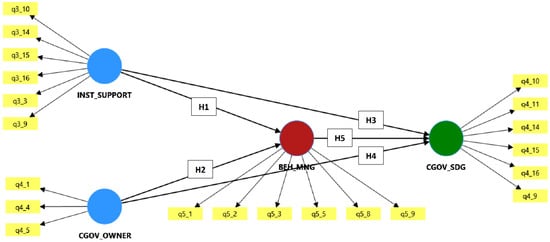
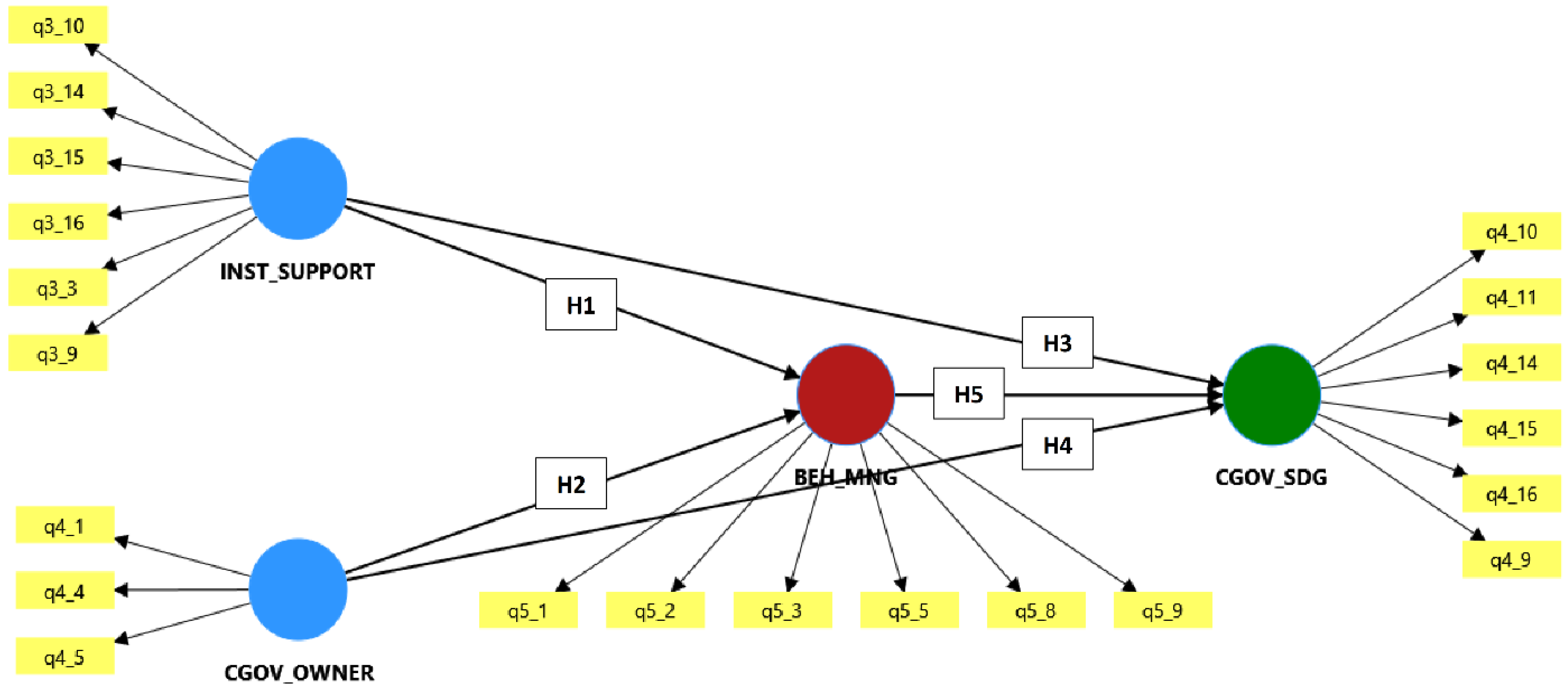
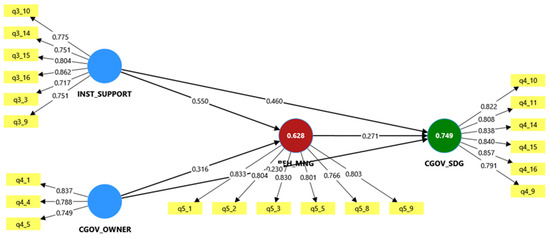
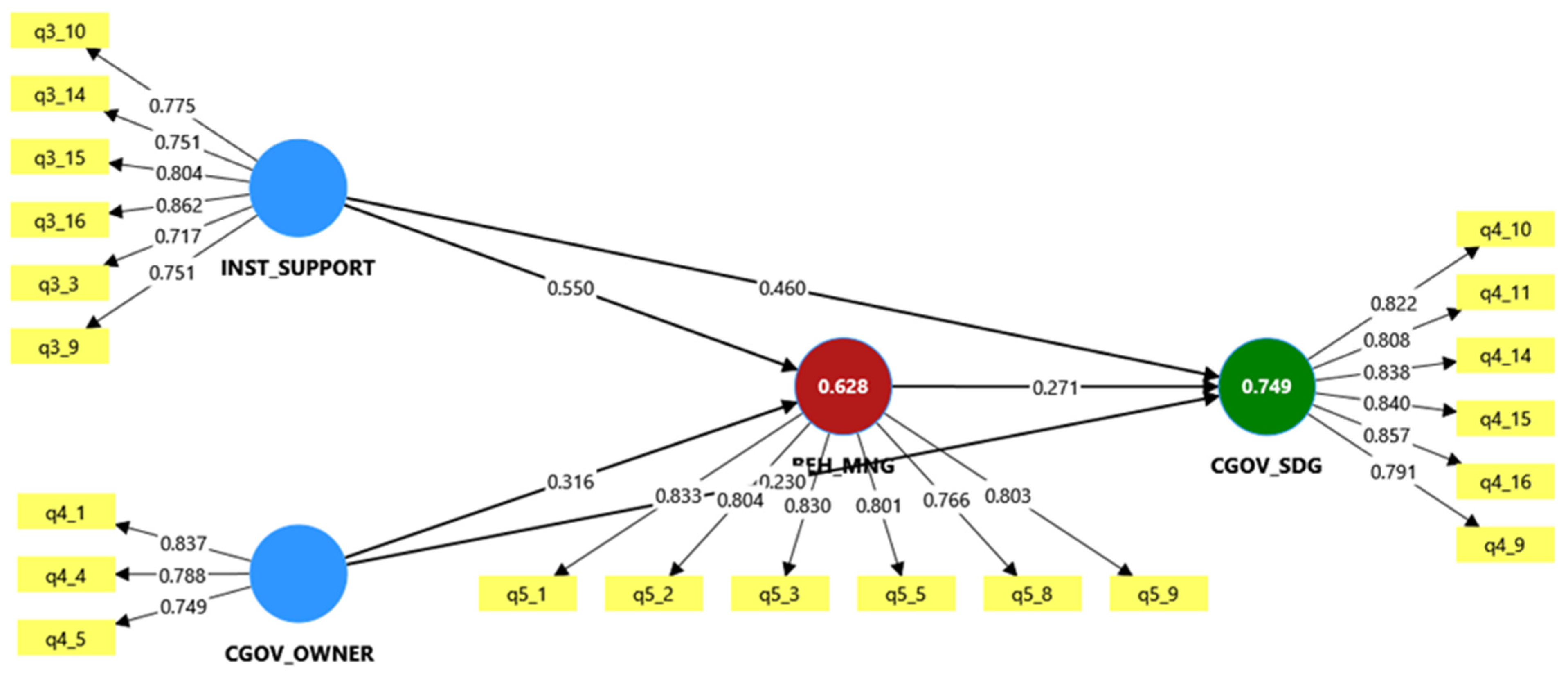

Disclaimer/Publisher’s Note: The statements, opinions and data contained in all publications are solely those of the individual author(s) and contributor(s) and not of MDPI and/or the editor(s). MDPI and/or the editor(s) disclaim responsibility for any injury to people or property resulting from any ideas, methods, instructions or products referred to in the content. |
© 2025 by the authors. Licensee MDPI, Basel, Switzerland. This article is an open access article distributed under the terms and conditions of the Creative Commons Attribution (CC BY) license.