
Clinical and Economic Evidence Supporting the Value of Fluorescence Imaging of Bacteria in Wound Care

Abstract
1. Introduction
2. Clinical Concerns and Challenges with Wound Infection
3. Clinical Challenges with the Detection of Bacteria in Wounds
4. Cost and Economic Burden of Wound Care Needed When Wounds Are Infected
5. Use of Fluorescence Imaging to Improve Wound Bacteria Detection
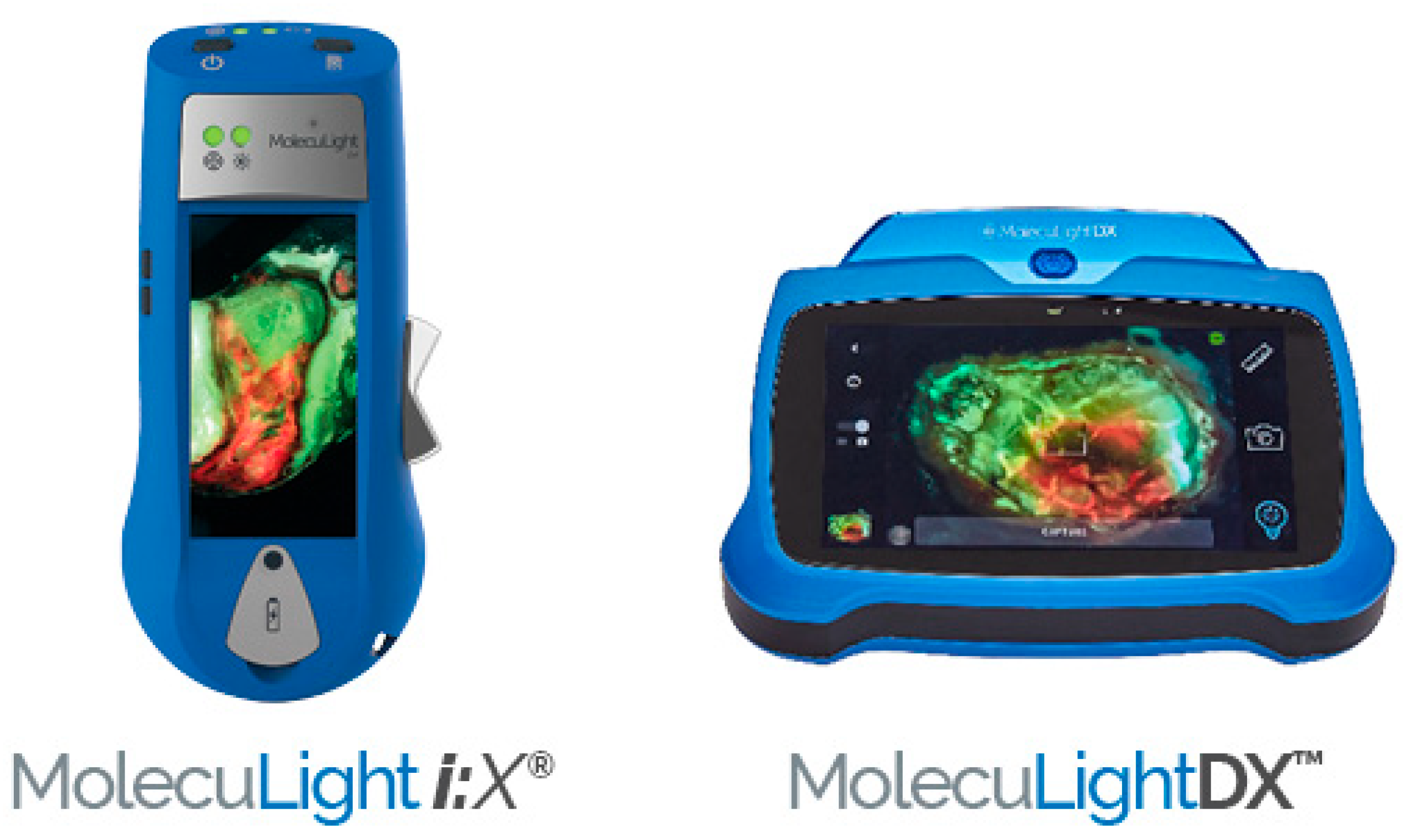
6. MolecuLight Has Developed Two POC Wound Imaging Devices
7. US Food and Drug Administration (FDA) 510 (k) Clearance for MolecuLight
- ○
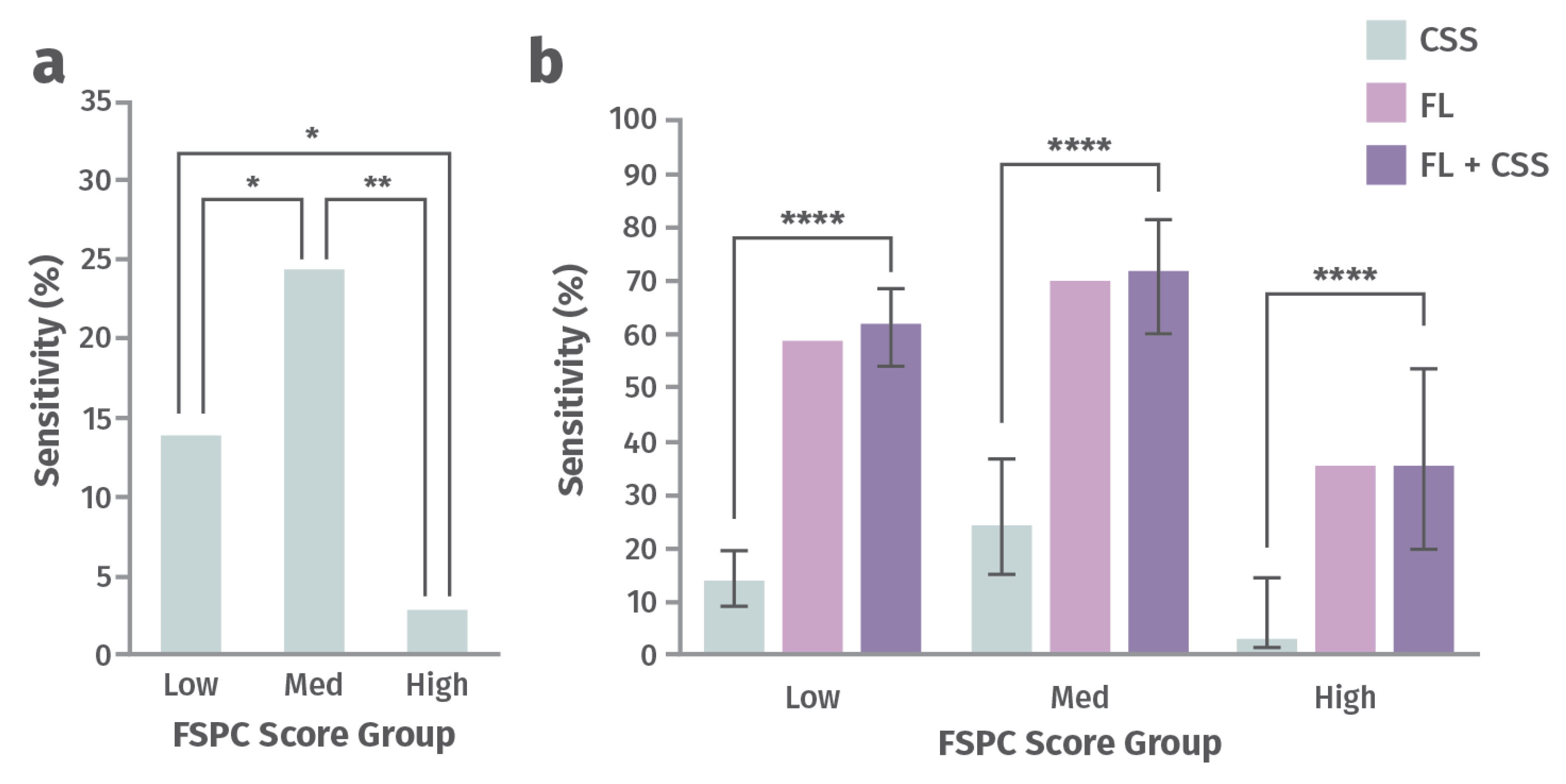
- 191371: Enables real time POC visualization of fluorescence in wounds, and measures wounds and digitally records all images and area measurements. The MolecuLight i:X™ fluorescence image, when used in combination with CSS, has been shown to increase the likelihood that clinicians can identify wounds containing bacterial loads of >104 CFU/g as compared to examination of CSS alone [52].
- ○
- K210882: Identify areas of wounds containing more bacterial species, including key target pathogens of interest to the CDC that are major causes of antimicrobial resistance. Detectable species include Gram-negative and Gram-positive species, aerobes and anaerobes [53].
- ○
- K213840: Identify areas of wounds containing more bacterial species, including key target pathogens of interest to the CDC that are major causes of antimicrobial resistance. Detectable species include Gram-negative and Gram-positive species, aerobes and anaerobes [54].
- ○
- K211901: The proposed MolecuLightDX™ is considered to be substantially equivalent to the MolecuLight i:X® predicate device (K191371) [55].
8. Brief Summary of Attributes and Benefits of MolecuLight FLI Technology
- Provides a safe, objective, highly sensitive, and easy-to-use portable device to identify clinically significant wound bacterial burden and tissue viability in real-time at the bedside, increasing accessibility and clinical adoption.
- Augments traditional wound evaluation methods by providing objective, visual biomarkers that aid early intervention, guide treatment, and monitor healing progress.
- Delineates wound margins and necrotic areas, assisting in debridement and treatment planning.
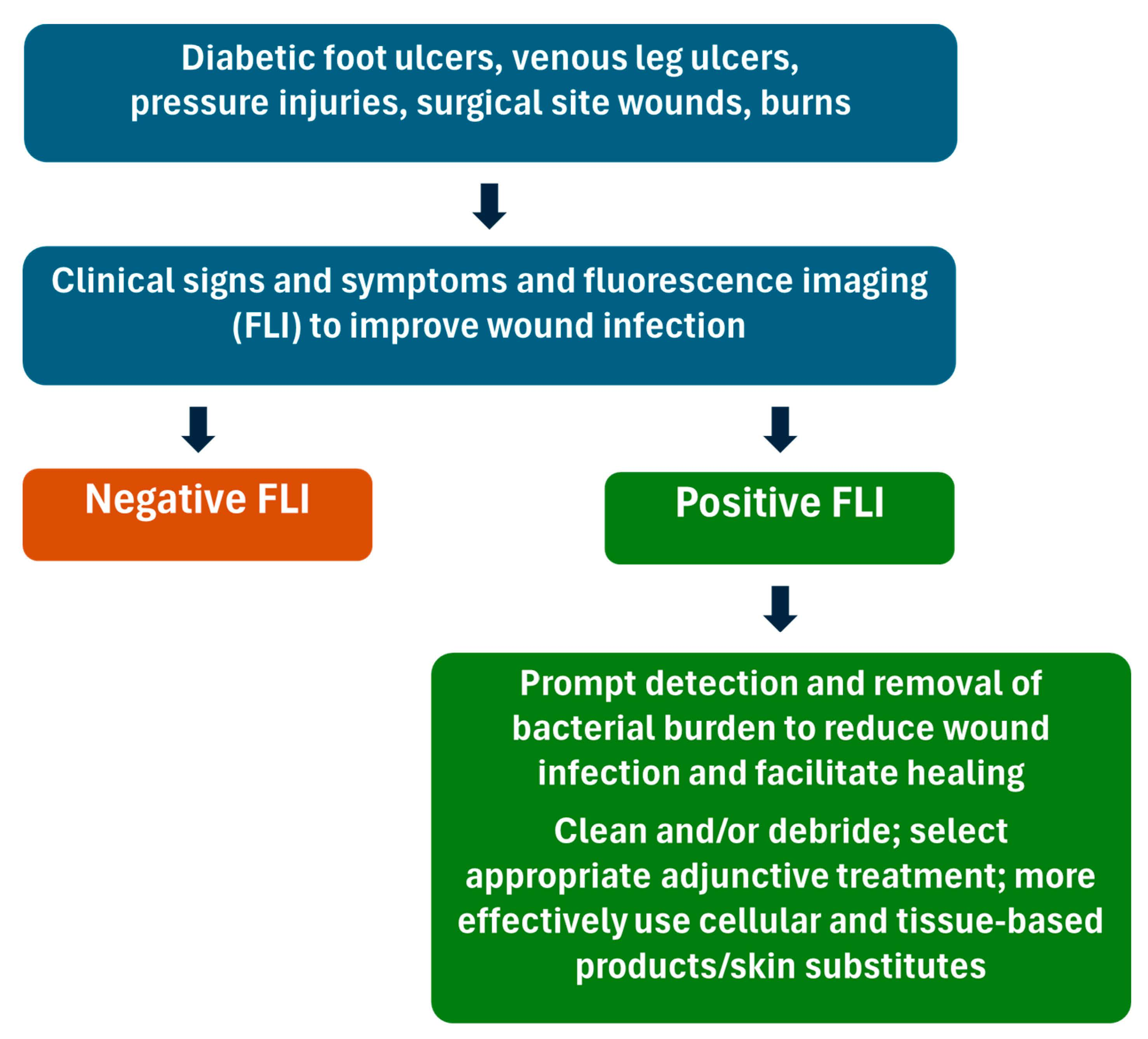
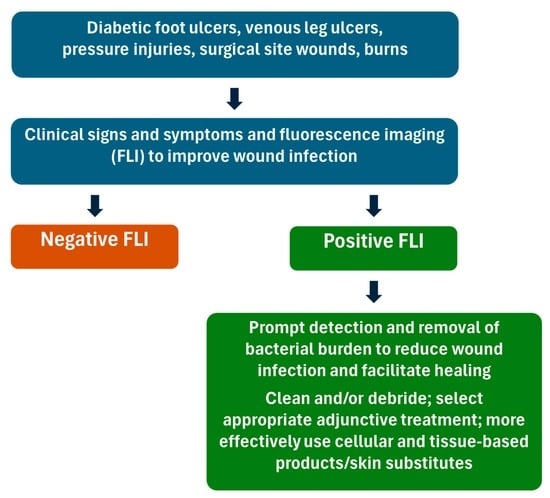
- Facilitates early detection and removal of bacterial load to reduce wound infection and allow for faster wound healing.
- Allows better treatment monitoring by imaging changes in fluorescence over time; clinicians can assess response to interventions such as antibiotics or dressings.
- Measures wound area (length and width), allowing clinicians to digitally measure a wound, save the measurement, save the bacteria location, and allow access to images longitudinally to assess wound healing.
- Supports documentation for wound monitoring and reimbursement as part of an individualized treatment plan.
- Utilizes information to manage bacterial burden and more effectively use skin substitutes/CTPs and other adjunctive treatment modalities.
9. Overview of Procedure for Bedside FLI
10. Total Time for MolecuLight Procedure
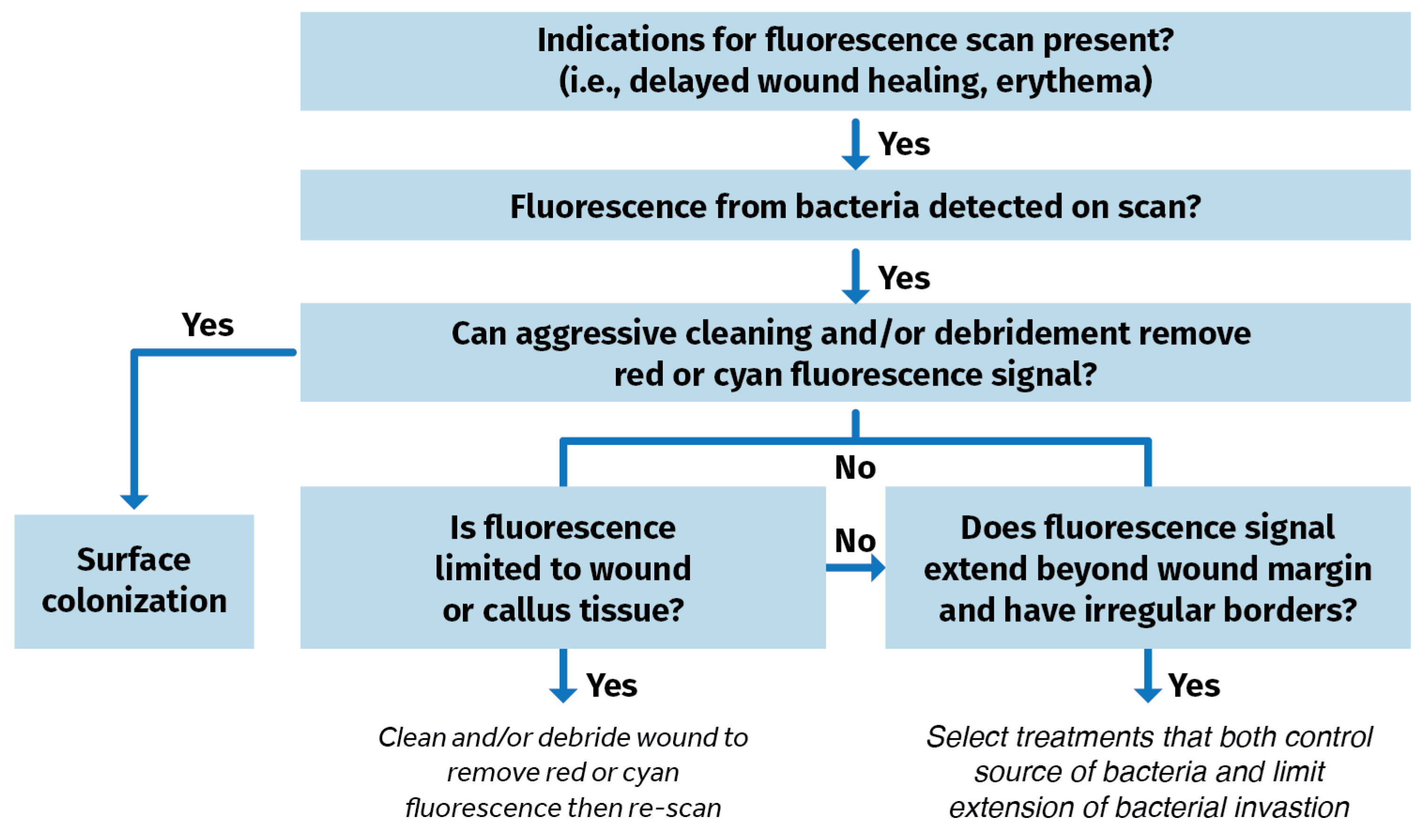
11. Delphi Panel Recommendations for Appropriate Use and Impact of FLI
- 96% of experts from the Delphi Panel indicated that use of imaging-informed treatment plans led to improved wound healing.
- >80% reported treatment plan changes.
- 78% indicated imaging reduced their rates of amputation.
- 83% reported reduced rates of microbiological sampling.
12. Competencies Needed to Perform FLI of Bacterial Burden
- International Surgical Wound Complications Advisory Panel (ISWCAP).
- 2.
- International Wound Infection Institute (IWII).
- 3.
- JWC International Consensus Document.
13. Summary of Clinical Evidence to Support FLI
14. Economic Value of Real-Time Wound FLI Technology
15. Limitations of FLI for Detection of Wound Bacterial Infections
- FLI requires appropriate darkness to capture optimal fluorescence images. Ambient light contamination can lead to inappropriate interpretation of images. Use of a MolecuLight DarkDrape® attachment can provide the required darkness to perform FLI properly.
- Accurate fluorescence image interpretation has a learning curve. New users of the technology may find it challenging to differentiate the cyan fluorescence from P. aeruginosa from the green fluorescence from endogenous structures. Continued use and experience with the device and utilization of image interpretation resources can help.
- Accurate assessment requires good imaging practice such as wound cleaning, removing as much blood as possible, and removing imaging artifacts from white bedsheets and gauze bandages. Blood can absorb the violet excitation light and mask other fluorescence signatures.
- Color-blind individuals cannot interpret fluorescence images accurately as a result of the high proportion of red and green colors.
- Violet excitation light cannot penetrate >1.5 mm into the skin. Some subsurface bacteria can be detected, but the presence of bacteria located deeper within the wound tissue may not be visible, including infections that are deep tunneling.
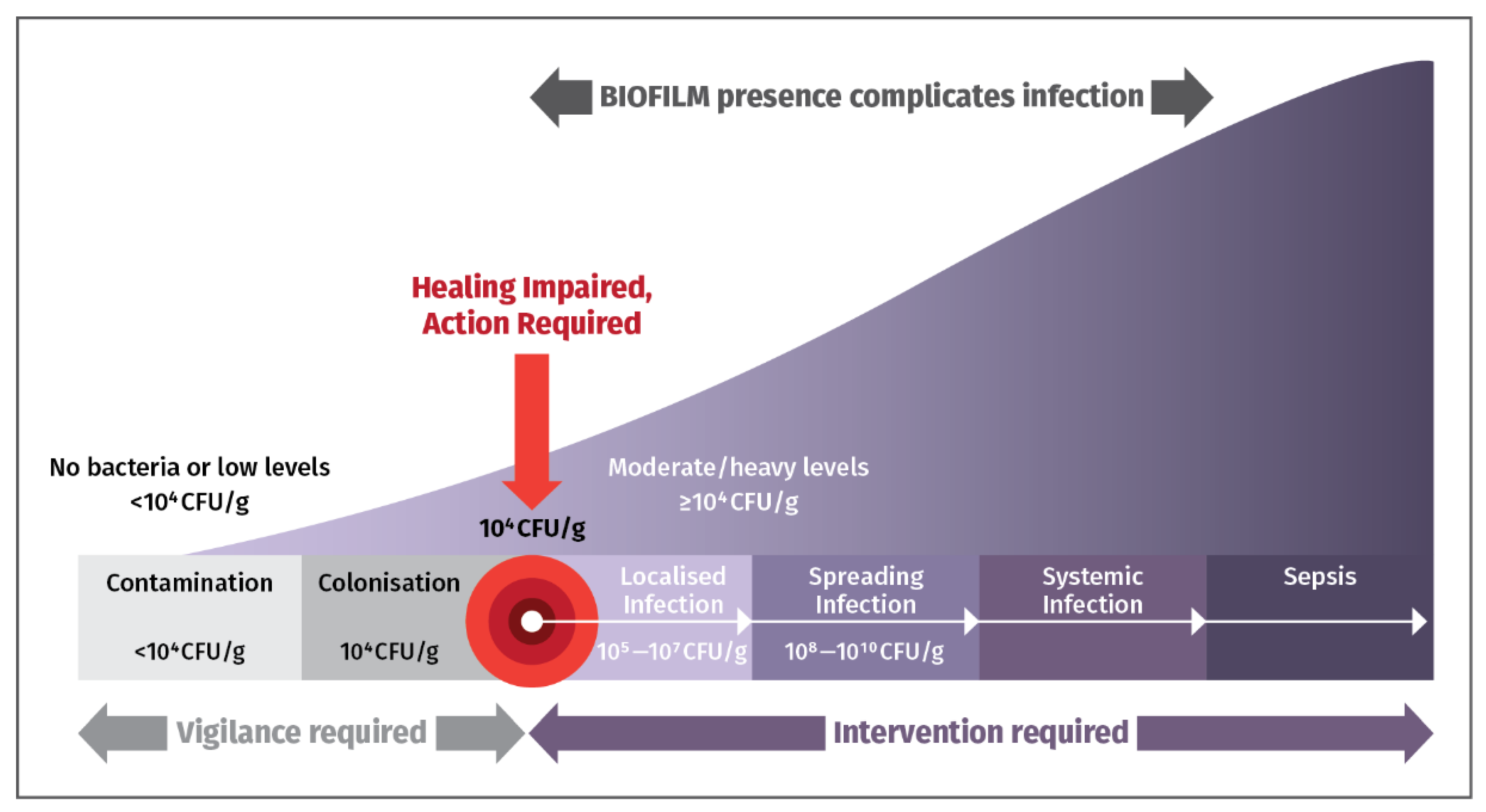
- Fluorescence signals associated with bacteria do not provide an exact numerical estimate for the bacterial load in a wound other than indicating it is above the chronic inhibitory bacterial load, which is considered the tipping point between requiring vigilance of the wound to requiring intervention to address the bacterial load.
- Aside from Pseudomonas, fluorescence signals associated with bacteria cannot determine the specific bacterial species within the wound or the antibiotic susceptibility of these microorganisms. Toward that end, swab or tissue sample microbiological analysis is needed.
- Most chronic wound infections are polymicrobial.
- A small subset of bacteria are not detectable with FLI. These include Streptococcus and Enterococcus species.
- To guarantee optimal recovery from all bacteria, collected swab samples should be transferred for microbiological analysis, typically within 4 h.
16. Other FLI Technologies Under Development
17. Summary
- Results in positive prediction of the presence of bacteria at potentially harmful levels, thus reducing the risk of errors in sampling with image-guided curettage or biopsy [43].
- Improves ability to monitor surgical sites, which may reduce the rate of surgical site infections and its sequelae [60].
- Results in informed diagnoses and frequent, r.zeal-time treatment plan changes post-imaging that better align with wound needs [46].
- Guides the placement of skin substitutes for optimal graft take, thus reducing wastage and overuse of expensive wound treatment technologies [14].
Author Contributions
Funding
Acknowledgments
Conflicts of Interest
References
- Gurtner, G.C.; Werner, S.; Barrandon, Y.; Longaker, M.T. Wound repair and regeneration. Nature 2008, 453, 314–321. [Google Scholar] [CrossRef] [Scilit]
- Avishai, E.; Yeghiazaryan, K.; Golubnitschaja, O. Impaired wound healing: Facts and hypotheses for multi-professional considerations in predictive, preventive and personalised medicine. EPMA J. 2017, 8, 23–33. [Google Scholar] [CrossRef] [Scilit]
- Li, S.; Renick, P.; Senkowsky, J.; Nair, A.; Tang, L. Diagnostics for wound infections. Adv. Wound Care 2021, 10, 317–327. [Google Scholar] [CrossRef] [Scilit] [PubMed]
- Le, L.; Baer, M.; Briggs, P.; Bullock, N.; Cole, W.; DiMarco, D.; Hamil, R.; Harrell, K.; Kasper, M.; Li, W. Diagnostic Accuracy of Point-of-Care Fluorescence Imaging for the Detection of Bacterial Burden in Wounds: Results from the 350-Patient Fluorescence Imaging Assessment and Guidance Trial. Adv. Wound Care 2021, 10, 123–136. [Google Scholar] [CrossRef] [Scilit] [PubMed]
- Carter, M.J.; DaVanzo, J.; Haught, R.; Nusgart, M.; Cartwright, D.; Fife, C.E. Chronic wound prevalence and the associated cost of treatment in Medicare beneficiaries: Changes between 2014 and 2019. J. Med. Econ. 2023, 26, 894–901. [Google Scholar] [CrossRef] [Scilit]
- Gardener, S.; Frantz, R.A.; Doebbling, B.N. The validity of the clinical signs and symptoms used to identify localized chronic wound infection. Wound Rep. Reg. 2001, 9, 178–186. [Google Scholar] [CrossRef] [Scilit] [PubMed]
- Price, N. Routine fluorescence imaging to detect wound bacteria reduces antibiotic use and antimicrobial dressing expenditure while improving healing rates: Retrospective analysis of 229 foot ulcers. Diagnostics 2020, 10, 927. [Google Scholar] [CrossRef] [Scilit]
- Armstrong, D.G.; Edmonds, M.E.; Serena, T.E. Point-of-care FLI reveals extent of bacterial load in diabetic foot ulcers. Int. Wound J. 2023, 20, 554–566. [Google Scholar] [CrossRef] [Scilit]
- Serena, T.E.; Gould, L.; Ousey, K.; Kirsner, R.S. Reliance on Clinical Signs and Symptoms Assessment Leads to Misuse of Antimicrobials: Post hoc Analysis of 350 Chronic Wounds. Adv. Wound Care 2022, 11, 639–649. [Google Scholar] [CrossRef] [Scilit]
- Serena, T.E.; Cole, W.; Coe, S.; Harrell, K.; Serena, L.; Yaakov, R.; Rennie, M.Y. The safety of punch biopsies on hard-to-heal wounds: A large multicentre clinical trial. J. Wound Care 2020, 29, S4–S7. [Google Scholar] [CrossRef] [Scilit]
- Xu, L.; McLennan, S.V.; Lo, L.; Natfaji, A.; Bolton, T.; Liu, Y.; Twigg, S.M.; Yue, D.K. Bacterial load predicts healing rate in neuropathic diabetic foot ulcers. Diabetes Care 2007, 30, 378–380. [Google Scholar] [CrossRef] [Scilit]
- International Wound Infection Institute Consensus Report. Wound Infection in Clinical Practice. Principle of Best Practice. 2022. Available online: https://woundinfection-institute.com/wp-content/uploads/IWII-CD-2022-web-1.pdf (accessed on 20 April 2025).
- Sen, C.K.; Roy, S.; Mathew-Steiner, S.S.; Gordillo, G.M. Biofilm management in wound care. Plast. Reconstr. Surg. 2021, 148, 275e–288e. [Google Scholar] [CrossRef] [Scilit]
- Ai-Jalodi, O.; Sabo, M.; Patel, K.; Bullock, N.; Serena, L.; Breisinger, K.; Serena, T.E. Efficacy and safety of a porcine peritoneum-derived matrix in diabetic foot ulcer treatment: A pilot study. J. Wound Care 2021, 30, S18–S23. [Google Scholar] [CrossRef] [Scilit] [PubMed]
- Hanson-Viana, E.; Rojas-Ortiz, J.A.; Rendón-Medina, M.A.; Luna-Zepeda, B.L. Bacterial FLI as a predictor of skin graft integration in burn wounds. Burns 2024, 50, 1799–1811. [Google Scholar] [CrossRef] [Scilit] [PubMed]
- Zabaglo, M.; Leslie, S.W.; Sharman, T. Postoperative Wound Infections. [Updated 2024 Mar 5]. In StatPearls [Internet]; StatPearls Publishing: Treasure Island, FL, USA, 2025. Available online: https://www.ncbi.nlm.nih.gov/books/NBK560533/ (accessed on 18 March 2025).
- Pinchera, B.; Buonomo, A.R.; Moriello, N.S.; Scotto, R.; Villari, R.; Gentile, I. Update on the Management of Surgical Site Infections. Antibiotics 2022, 11, 1608. [Google Scholar] [CrossRef] [Scilit] [PubMed]
- Morikane, K.; Russo, P.L.; Lee, K.Y.; Chakravarthy, M.; Ling, M.L.; Saguil, E.; Spencer, M.; Danker, W.; Seno, A.; Charles, E.E., Jr. Expert commentary on the challenges and opportunities for surgical site infection prevention through implementation of evidence-based guidelines in the Asia–Pacific Region. Antimicrob. Resist. Infect. Control. 2021, 10, 65. [Google Scholar] [CrossRef] [Scilit]
- National Collaborating Centre for Women’s and Children’s Health (UK). Surgical Site Infection: Prevention and Treatment of Surgical Site Infection; RCOG Press: London, UK, 2008; NICE Clinical Guidelines, No. 74. Available online: https://www.ncbi.nlm.nih.gov/books/NBK53731/ (accessed on 20 March 2025).
- Barret, J.P.; Herndon, D.N. Effects of burn wound excision on bacterial colonization and invasion. Plast. Reconstr. Surg. 2003, 111, 744–750; discussion 751–752. [Google Scholar] [CrossRef] [Scilit]
- American Burn Association Consensus Conference on Burn Sepsis and Infection Group; Greenhalgh, D.G.; Saffle, J.R.; Holmes, J.H., IV; Gamelli, R.L.; Palmieri, T.L.; Horton, J.W.; Tompkins, R.G.; Traber, D.L.; Mozingo, D.W. American Burn Association consensus conference to define sepsis and infection in burns. J. Burn Care Res. 2007, 28, 776–790. [Google Scholar] [CrossRef] [Scilit]
- Gauglitz, G.G. Burn Wound Infection. UpToDate 2025. Available online: https://www.uptodate.com/contents/burn-wound-infection-and-sepsis#:~:text=A%20diagnosis%20of%20burn%20wound,diagnosis%2C%20and%20prognosis%22 (accessed on 20 March 2025).
- Cole, W.; Coe, S. Use of a bacterial FLI system to target wound debridement and accelerate healing: A pilot study. J. Wound Care 2020, 29, S44–S52. [Google Scholar] [CrossRef] [Scilit]
- Derwin, R.; Patton, D.; Strapp, H.; Moore, Z. Integrating point-of-care bacterial fluorescence imaging-guided care with continued wound measurement for enhanced wound area reduction monitoring. Diagnostics 2023, 14, 2. [Google Scholar] [CrossRef] [Scilit]
- Serena, T.E.; Snyder, R.J.; Bowler, P.G. Use of FLI to optimize location of tissue sampling in hard-to-heal wounds. Front. Cell Infect. Microbiol. 2023, 12, 1070311. [Google Scholar] [CrossRef] [Scilit]
- Lopez, A.J.; Jones, L.M.; Reynolds, L.; Diaz, R.C.; George, I.K.; Little, W.; Fleming, D.; D’souza, A.; Rennie, M.Y.; Rumbaugh, K.P.; et al. Detection of bacterial fluorescence from in vivo wound biofilms using a point-of-care FLI device. Int. Wound, J. 2021, 18, 626–638. [Google Scholar] [CrossRef] [Scilit] [PubMed]
- Farhan, N.; Jeffery, S. Diagnosing burn wounds infection: The practice gap & advances with MolecuLight bacterial imaging. Diagnostics 2021, 11, 268. [Google Scholar] [CrossRef] [Scilit] [PubMed]
- Nussbaum, S.R.; Carter, M.J.; Fife, C.E.; DaVanzo, J.; Haught, R.; Nusgart, M.; Cartwright, D. An Economic Evaluation of the Impact, Cost, and Medicare Policy Implications of Chronic Nonhealing Wounds. Value Health 2018, 21, 27–32. [Google Scholar] [CrossRef] [Scilit] [PubMed]
- Guest, J.F.; Fuller, G.W.; Vowden, P. Costs and outcomes in evaluating management of unhealed surgical wounds in the community in clinical practice in the UK: A cohort study. BMJ Open 2018, 8, e022591. [Google Scholar] [CrossRef] [Scilit]
- Stock, K.; Vanderplas, A.; Tafesse, E.; Chang, E. Costs of lower-extremity ulcers among patients with diabetes. Diabetes Care 2004, 27, 2129–2134. [Google Scholar] [CrossRef] [Scilit]
- Badia, J.M.; Casey, A.L.; Petrosillo, N.; Hudson, P.M.; Mitchell, S.A.; Crosby, C. Impact of surgical site infection on healthcare costs and patient outcomes: A systematic review in six European countries. J. Hosp. Infect. 2017, 96, 1–15. [Google Scholar] [CrossRef] [Scilit]
- Hicks, C.W.; Selvarajah, S.; Mathioudakis, N.; Sherman, R.E.; Hines, K.F.; Black, J.H., 3rd; Abularrage, C.J. Burden of Infected Diabetic Foot Ulcers on Hospital Admissions and Costs. Ann. Vasc. Surg. 2016, 33, 149–158. [Google Scholar] [CrossRef] [Scilit]
- Caputo, W.J.; Monterosa, P.; Beggs, D. Antibiotic Misuse in Wound Care: Can Bacterial Localization through FLI Help? Diagnostics 2022, 12, 3207. [Google Scholar] [CrossRef] [Scilit]
- Trafelet, N.; Johnson, S.; Schroder, J.; Serena, T.E. Audit of antimicrobial prescribing trends in 1447 outpatient wound assessments: Baseline rates and impact of bacterial fluorescence imaging. Diagnostics 2024, 14, 2034. [Google Scholar] [CrossRef] [Scilit]
- Da Ros, R.; Assaloni, R.; Michelli, A.; Brunato, B.; Barro, E.; Meloni, M.; Miranda, C. Burden of Infected Diabetic Foot Ulcers on Hospital Admissions and Costs in a Third-Level Center. Diabetology 2024, 5, 141–150. [Google Scholar] [CrossRef] [Scilit]
- Sullivan, E.; Gupta, A.; Cook, C.H. Cost and Consequences of Surgical Site Infections: A Call to Arms. Surg. Infect. (Larchmt) 2017, 18, 451–454. [Google Scholar] [CrossRef] [Scilit]
- Guest, J.F.; Ayoub, N.; McIlwraith, T.; Uchegbu, I.; Gerrish, A.; Weidlich, D.; Vowden, K.; Vowden, P. Health economic burden that wounds impose on the National Health Service in the UK. BMJ Open 2015, 5, e009283. [Google Scholar] [CrossRef] [Scilit]
- Schaum, K.D. Lack of Documentation Is Costly to Wound Care Patients. Adv. Skin Wound Care 2016, 29, 344–346. [Google Scholar] [CrossRef] [Scilit] [PubMed]
- Lucas, Y.; Niri, R.; Treuillet, S.; Douzi, H.; Castaneda, B. Wound size imaging: Ready for smart assessment and monitoring. Adv. Wound Care 2021, 10, 641–661. [Google Scholar] [CrossRef] [Scilit] [PubMed]
- Wu, Y.F.; Lin, Y.C.; Yang, H.W.; Cheng, N.C.; Cheng, C.M. Point-of-Care Wound Blotting with Alcian Blue Grading versus Fluorescence Imaging for Biofilm Detection and Predicting 90-Day Healing Outcomes. Biomedicines 2022, 10, 1200. [Google Scholar] [CrossRef] [Scilit] [PubMed]
- Rondas, A.A.; Schols, J.M.; Halfens, R.J.; Stobberingh, E.E. Swab versus biopsy for the diagnosis of chronic infected wounds. Adv. Skin Wound Care 2013, 26, 211–219. [Google Scholar] [CrossRef] [Scilit] [PubMed]
- Mościcka, P.; Cwajda-Białasik, J.; Jawień, A.; Szewczyk, M.T. Fluorescence-modern method of the diagnosis of chronic wounds on the example of venous leg ulcer. Postepy. Dermatol. Alergol. 2023, 40, 66–71. [Google Scholar] [CrossRef] [Scilit]
- Rennie, M.Y.; Lindvere-Teene, L.; Tapang, K.; Linden, R. Point-of-care FLI predicts the presence of pathogenic bacteria in wounds: A clinical study. J. Wound Care 2017, 26, 452–460. [Google Scholar] [CrossRef] [Scilit]
- Raizman, R.; Dunham, D.; Lindvere-Teene, L.; Jones, L.M.; Tapang, K.; Linden, R.; Rennie, M.Y. Use of a bacterial FLI device: Wound measurement, bacterial detection and targeted debridement. J. Wound Care 2019, 28, 824–834. [Google Scholar] [CrossRef] [Scilit]
- Mayer, P.; Smith, A.C.; Hurlow, J.; Morrow, B.R.; Bohn, G.A.; Bowler, P.G. Assessing biofilm at the bedside: Exploring reliable accessible biofilm detection methods. Diagnostics 2024, 14, 2116. [Google Scholar] [CrossRef] [Scilit]
- Jacob, A.; Jones, L.M.; Abdo, R.J.; Cruz-Schiavone, S.F.; Skerker, R.; Caputo, W.J.; Krehbiel, N.; Moyer-Harris, A.K.; McAtee, A.; Baker, I.; et al. Lights, fluorescence, action-Influencing wound treatment plans including debridement of bacteria and biofilms. Int. Wound J. 2023, 20, 3279–3288. [Google Scholar] [CrossRef] [Scilit]
- Hurley, C.M.; McClusky, P.; Sugrue, R.M.; Clover, J.A.; Kelly, J.E. Efficacy of a bacterial FLI device in an outpatient wound care clinic: A pilot study. J. Wound Care 2019, 28, 438–443. [Google Scholar] [CrossRef] [Scilit]
- PR Newswire 2021 Launch of New MolecuLightDx Device to Enable Point-of-Care Imaging of Wounds in New Expanding Market Segments. Available online: https://www.prnewswire.com/news-releases/launch-of-new-moleculightdx-device-to-enable-point-of-care-imaging-of-wounds-in-new-expanding-market-segments-301400063.html (accessed on 29 April 2025).
- Raizman, R.; Little, W.; Smith, A.C. Rapid Diagnosis of Pseudomonas aeruginosa in Wounds with Point-of-Care Fluorescence Imaging. Diagnostics 2021, 11, 280. [Google Scholar] [CrossRef] [Scilit] [PubMed]
- Vascular News. MolecuLight Launches DX Device to Enable Point-of-Care Imaging of Wounds in New Expanding Market Segments. 2021. Available online: https://vascularnews.com/moleculight-launces-dx-device/ (accessed on 29 April 2025).
- MolecuLight Press Release 14 August 2018. MolecuLight® Inc.’s First-of-Its-Kind Handheld Fluorescence Imaging Device Receives FDA De Novo Clearance for US Wound Care Market. Available online: https://moleculight.com/news/moleculight-inc-first-of-its-kind-handheld-fluorescence-imaging-device-receives-fda-de-novo-clearance-for-us-wound-care-market/ (accessed on 24 April 2025).
- FDA 510K Premarket Notification 2019. K191371. Available online: https://www.accessdata.fda.gov/scripts/cdrh/cfdocs/cfpmn/pmn.cfm?ID=K191371 (accessed on 24 April 2025).
- FDA 510K Premarket Notification 2021. K210882. Available online: https://www.accessdata.fda.gov/scripts/cdrh/cfdocs/cfpmn/pmn.cfm?ID=K210882 (accessed on 24 April 2025).
- FDA 510K Premarket Notification 2022. K213840. Available online: https://www.accessdata.fda.gov/cdrh_docs/pdf21/K213840.pdf (accessed on 24 April 2025).
- FDA Premarket Notification 2021. K211901. Available online: https://www.accessdata.fda.gov/scripts/cdrh/cfdocs/cfpmn/pmn.cfm?ID=K211901 (accessed on 24 April 2025).
- Andersen, C.A.; McLoed, K.; Steffan, R. Diagnosis and treatment of the invasive extension of bacteria (cellulitis) from chronic wounds utilizing point-of-care FLI. Int. Wound J. 2022, 19, 996–1008. [Google Scholar] [CrossRef] [Scilit] [PubMed]
- Carpenter, S.; Radar, A. Workflow of the Health Care Professional Team When Utilizing Fluorescence Imaging to Detect Wound Bacterial Infections. Cureus 2025. submitted. [Google Scholar] [CrossRef] [Scilit] [PubMed]
- Oropallo, A.R.; Andersen, C.; Abdo, R.; Hurlow, J.; Kelso, M.; Melin, M.; Serena, T.E. Guidelines for Point-of-Care FLI for Detection of Wound Bacterial Burden Based on Delphi Consensus. Diagnostics 2021, 11, 1219. [Google Scholar] [CrossRef] [Scilit]
- International Surgical Wound Complications Advisory Panel I(SWCAP) Consensus Document. Wound Complications: Detection, Diagnosis, Surveillance and Prediction 2022. Available online: https://woundsinternational.com/consensus-documents/optimising-prevention-surgical-wound-complications-detection-diagnosis-surveillance-and-prediction/ (accessed on 20 April 2025).
- Sandy-Hodgetts, K.; Andersen, C.A.; Al-Jalodi, O.; Serena, L.; Teimouri, C.; Serena, T.E. Uncovering the high prevalence of bacterial burden in surgical site wounds with point-of-care fluorescence imaging. Int. Wound J. 2022, 19, 1438–1448. [Google Scholar] [CrossRef] [Scilit]
- International Surgical Wound Complications Advisory Panel I(SWCAP) Consensus Document. Guideline for Post-Operative Incision Care 2025. Available online: https://sis-e.org/wp-content/uploads/2025/03/Postop-Consensus-10-Jan-25.pdf (accessed on 20 April 2025).
- Wu, S.; Carter, M.; Cole, W.; Crombie, R.; Kapp, D.L.; Kim, P.; Milne, C.; Molnar, J.; Niezgoda, J.; Woo, K. Best practice for wound repair and regeneration use of cellular, acellular and matrix-like products (CAMPS). J. Wound Care 2023, 32, S1–S33. [Google Scholar] [CrossRef] [Scilit]
- Nair, H.K.; Mosti, G.; Atkin, L.; Aburn, R.; Ali Hussin, N.; Govindarajanthran, N.; Narayanan, S.; Ritchie, G.; Samuriwo, R.; Sandy-Hodgetts, K. Leg Ulceration in venous and arteriovenous insufficiency assessment and management with compression therapy. J. Wound Care 2024, 33, S1–S31. Available online: https://www.journalofwoundcare.com/docs/Compression-Consensus.pdf (accessed on 20 April 2025). [CrossRef] [Scilit]
- Moelleken, M.; Krimphove, S.H.; Krefting, F.; Benson, S.; Rammos, C.; Cyrek, A.E.; Dissemond, J. How effective is simple mechanical wound debridement in reducing bacterial colonisation? Results of a prospective clinical study. Int. Wound J. 2024, 21, e14824. [Google Scholar] [CrossRef] [Scilit] [PubMed]
- Oropallo, A.; Rao, A.S.; Del Pin, C.; Ranire-Maguire, M.; Mathew, A. An objective comparative study of non-surgical cleansing techniques and cleanser types in bacterial burden management. Int. Wound J. 2024, 21, e14730. [Google Scholar] [CrossRef] [Scilit] [PubMed]
- Rahma, S.; Woods, J.; Brown, S.; Nixon, J.; Russell, D. The use of point-of-care bacterial autofluorescence imaging in the management of diabetic foot ulcers: A pilot randomized controlled trial. Diabetes Care 2022, 45, 1601–1609. [Google Scholar] [CrossRef] [Scilit] [PubMed]
- Ottolino-Perry, K.; Chamma, E.; Blackmore, K.M.; Lindvere-Teene, L.; Starr, D.; Tapang, K.; Rosen, C.F.; Pitcher, B.; Panzarella, T.; Linden, R.; et al. Improved detection of clinically relevant wound bacteria using autofluorescence image-guided sampling in diabetic foot ulcers. Int. Wound J. 2017, 14, 833–841. [Google Scholar] [CrossRef] [Scilit]
- Kelso, M.R.; Jaros, M. improving wound healing and infection control in long-term care with bacterial fluorescence imaging. Adv. Ski. Wound Care 2024, 37, 471–479. [Google Scholar] [CrossRef] [Scilit]
- Moelleken, M.; Jockenhöfer, F.; Benson, S.; Dissemond, J. Prospective clinical study on the efficacy of bacterial removal with mechanical debridement in and around chronic leg ulcers assessed with FLI. Int. Wound J. 2020, 17, 1011–1018. [Google Scholar] [CrossRef] [Scilit]
- Okeahialam, N.A.; Thakar, R.; Sultan, A.H. The clinical progression and wound healing rate of dehisced perineal tears healing by secondary intention: A prospective observational study. Eur. J. Obstet. Gynecol. Reprod. Biol. 2022, 274, 191–196. [Google Scholar] [CrossRef] [Scilit]
- Okeahialam, N.A.; Thakar, R.; Sultan, A.H. Bacterial autofluorescence in infected perineal wounds: A prospective cohort study. Diagn. Microbiol. Infect. Dis. 2023, 105, 115831. [Google Scholar] [CrossRef] [Scilit]
- Turner, E.; Kelly, C.; Zuccaro, J.; Chakera, H.; Gus, E.; Fish, J.S. Assessing Pediatric Burn Wound Infection Using a Point-of-Care FLI Device. J. Burn. Care Res. 2024, 45, 843–850. [Google Scholar] [CrossRef] [Scilit]
- Serena, T.E.; Harrell, K.; Serena, L.; Yaakov, R.A. Real-time bacterial FLI accurately identifies wounds with moderate-to-heavy bacterial burden. J. Wound Care 2019, 28, 346–357. [Google Scholar] [CrossRef] [Scilit]
- Weigelt, M.A.; Lev-Tov, H.A.; Tomic-Canic, M.; Lee, W.D.; Williams, R.; Strasfeld, D.; Kirsner, R.S.; Herman, I.M. Advanced Wound Diagnostics: Toward Transforming Wound Care into Precision Medicine. Adv. Wound Care 2020, 11, 330–360. [Google Scholar] [CrossRef] [Scilit]
- Li, T.H.; Lin, C.H.; Peng, C.K.; Wu, Y.C.; Hsieh, T.C.; Lee, C.H.; Liu, Y.C.; Huang, K.L.; Tam, K.W.; Chang, S.C. Effects of adjuvant hyperbaric oxygen therapy and real-time fluorescent imaging on deep sternal wound infection: A retrospective study. J. Wound Care 2025, 34, 48–58. [Google Scholar] [CrossRef] [Scilit]
- Johnson, J.; Johnson, A.R., Jr.; Andersen, C.A.; Kelso, M.R.; Oropallo, A.R.; Serena, T.E. Skin pigmentation impacts the clinical diagnosis of wound infection: Imaging of bacterial burden to overcome diagnostic limitations. J. Racial Ethn. Health Disparities 2024, 11, 1045–1055. [Google Scholar] [CrossRef] [Scilit]
- DasGupta, T.; Rashleigh, L.; Zhou, K.; Williamson, L.; Schneider, S.; Muhammad, S.; Xu, M.; Chadwick, S.; Rego, K.; Jeschke, M.; et al. Use of a fluorescence imaging device to detect elevated bacterial loads, enhance antimicrobial stewardship, and increase communication across inpatient complex wound care teams. Wounds 2022, 34, 201–208. [Google Scholar] [CrossRef] [Scilit] [PubMed]
- Aung, B. Can FLI Predict the Success of CTPs for Wound Closure and Save Costs? Today’s Wound Care 2019, 13, 22–25. [Google Scholar]
- Farhan, N.; Jeffery, S. Utility of MolecuLight i:X for managing bacterial burden in pediatric burns. J. Burn. Care Res. 2020, 41, 328–338. [Google Scholar] [CrossRef] [Scilit] [PubMed]
- Jones, L.M.; Dunham, D.; Rennie, M.Y.; Kirman, J.; Lopez, A.J.; Keim, K.C.; Little, W.; Gomez, A.; Bourke, J.; Ng, H.; et al. In vitro detection of porphyrin-producing wound bacteria with real-time fluorescence imaging. Future Microbiol. 2020, 15, 319–332. [Google Scholar] [CrossRef] [Scilit]
- Orkin, R.; Sharma, A.; John, J.V.; Armstrong, D.G. Current and Future Directions in Fluorescence Imaging-Guided Debridement. Adv. Wound Care 2024, 14, 409–417. [Google Scholar] [CrossRef] [Scilit]
- Raizman, R. FLI guided dressing change frequency during negative pressure wound therapy: A case series. J. Wound Care 2019, 28, S28–S37. [Google Scholar] [CrossRef] [Scilit]



| Method | Strengths | Limitations | |
|---|---|---|---|
| Visual assessment | Clinical signs and symptoms | Simple |
|
| Microbiological analysis | Swab culture (e.g, Levine) | Non-invasive, simple, inexpensive |
|
| Tissue biopsy | Gold standard for bacterial quantification |
| |
| Quantitative culture |
| ||
| Histopathology | Histology Immunohistochemistry | Assesses tissue morphology and bacterial presence |
|
| Assay to detect molecular or biochemical markers | Bacterial DNA, MMPs, inflammatory cytokines | Rapid, highly sensitive |
|
| Advanced diagnostic imaging | Fluorescent imaging |
|
|
| Biosensors | Detect pH, temperature, oxygen |
|
|
| Smart dressings | Microbial enzymes or toxins | High sensitivity |
|
| Biofilm Detection | Enables targeted debridement and topical therapies early, reducing chronicity and promoting healing |
|
|
| Country | Study Type/Design | Findings | ||
|---|---|---|---|---|
| Mixed Chronic Wounds | ||||
| USA | Prospective real-world study (N = 1447) Trafelet, N., et al., 2024 [29] |
| ||
| USA | Post-hoc analysis from a prospective cohort trial (N = 350) Johnson, J., et al., 2024 [58] | Evaluated diagnostic accuracy of MolecuLight imaging across skin tones.
| ||
| USA | Multi-center prospective single-blind cohort trial (N = 350) Le, L., et al., 2021 [1] |
| ||
| Germany | Prospective clinical study (N = 151) Moelleken, M., et al., 2024 [59] |
| ||
| Ireland | Prospective 2-week study (N = 27) Derwin, R., et al., 2023 [19] |
| ||
| USA | Quantitative comparative study (N = 71) Oropallo, A., et al., 2024 [60] |
| ||
| Ireland | Prospective single blind observational study (N = 33) Hurley, C.M., et al., 2019 [42] |
| ||
| Canada | Prospective validation trial (N = 28) Raizman, R., et al., 2021 [43] |
| ||
| USA | Prospective observational study (N = 11) Cole, W., Coe, S. 2020 [18] |
| ||
| USA | Retrospective single time-point, large scale observational study (N = 1000) Jacob, A., et al., 2023 [40] |
| ||
| Taiwan | Single center retrospective analysis (N = 33) Li, T-H., et al., 2025 [61] |
| ||
| UK | Literature review Farhan, N. Jeffery, S. 2021 [22] |
| ||
| USA | Literature review Caputo, W.K., et al., 2022 [28] |
| ||
| Diabetic Foot Ulcers (DFUs) | ||||
| UK | 12-week, prospective, double-blinded randomized controlled trial (N = 56) Rahma, S., et al., 2022 [62] | DFU healing rate in those with positive FLI and those with SOC assessment showed:
| ||
| USA | Post-hoc analysis of prospective cohort trial (N = 138) Armstrong, D.G., et al., 2023 [4] |
| ||
| USA | Prospective pilot study (N = 11) Ai-Jalodi, O., et al., 2021 [9] |
| ||
| UK | Retrospective pre/post intervention cohort outcomes study (N = 229) Price, N. 2020 [63] |
| ||
| Canada | Non-randomized clinical trial (N = 33) Ottolino-Perry, K., et al., 2017 [64] |
| ||
| CSS | FLI | |||
| Sensitivity | 73% | 78% | ||
| Specificity | 38% | 78% | ||
| PPV | 44% | 64% | ||
| NPV | 67% | 88% | ||
| Pressure Wounds | ||||
| USA | Retrospective pre/post-interventional cohort study (N = 167) Kelso, M., Jaros, M. 2024 [65] |
| ||
| Lower Leg Extremity Wounds | ||||
| USA | Prospective observational case studies of patients with cellulitis (N = 15 of 236) Andersen, A., et al., 2022 [50] |
| ||
| Canada | Single-blind clinical validation trial (N = 60) Rennie, M.Y., et al., 2017 [38] |
| ||
| Germany | Prospective clinical study (N = 25) Moelleken, M., et al., 2020 [66] |
| ||
| Perineal Wounds | ||||
| UK | Post-hoc analysis of prospective observational study (N = 55) Okeahialam, N.A., et al., 2022 [67] |
| ||
| UK | Prospective validation study (N = 80) Okeahialam, N.A., et al., 2023 [68] |
| ||
| Burn Wounds | ||||
| Mexico | Prospective outcomes analysis (N = 38) Hanson-Viana, E., et al., 2024 [10] |
| ||
| Canada | Retrospective review (N = 178) Turner, E., et al., 2024 [69] | Incorporation of FLI in standard pediatric burn wound assessments can improve the detection of infections, which may promote improved wound healing outcomes and antimicrobial stewardship.
| ||
| Surgical Site Wounds | ||||
| USA | Post-hoc analysis of prospective clinical trial (N = 58) Sandy-Hodgetts, K., et al., 2022 [54] |
| ||
| Study | Country | Study Type/Design | Findings |
|---|---|---|---|
| Routine fluorescence imaging to detect wound bacteria reduces antibiotic use and antimicrobial dressing expenditure while improving healing rates: retrospective analysis of 229 foot ulcers Price, N. 2020 [63] | UK | Retrospective pre/post-implementation cohort study of patients with diabetic foot ulcers |
|
| Utility of MolecuLight i:X for managing bacterial burden in pediatric burns (N = 16) Farhan, N. Jeffery, S., 2020 [75] | UK | Observational study |
|
| Use of a fluorescence imaging device to detect elevated bacterial loads, enhance antimicrobial stewardship, and increase communication across inpatient complex wound care teams DasGupta, T., et al. 2022 [76] | Canada | Prospective implementation study at two hospital inpatient sites | FLI supports more judicious prescribing and decreases the use of antimicrobial agents or antibiotics when warranted.
|
| Can fluorescence imaging predict the success of CTPs for wound closure and save costs? Aung, B. 2019 [77] | USA |
| |
| Diagnosis and treatment of the invasive extension of bacteria (cellulitis) from chronic wounds utilizing point-of-care fluorescence imaging Andersen, C.A. 2022 [50] | USA | Typical course of treatment for cellulitis often includes intravenous antibiotics and a hospital stay of several days.
|
Disclaimer/Publisher’s Note: The statements, opinions and data contained in all publications are solely those of the individual author(s) and contributor(s) and not of MDPI and/or the editor(s). MDPI and/or the editor(s) disclaim responsibility for any injury to people or property resulting from any ideas, methods, instructions or products referred to in the content. |
© 2025 by the authors. Published by MDPI on behalf of the Market Access Society. Licensee MDPI, Basel, Switzerland. This article is an open access article distributed under the terms and conditions of the Creative Commons Attribution (CC BY) license (https://creativecommons.org/licenses/by/4.0/).
Share and Cite
Johnson, J.; Bohn, G. Clinical and Economic Evidence Supporting the Value of Fluorescence Imaging of Bacteria in Wound Care. J. Mark. Access Health Policy 2025, 13, 48. https://doi.org/10.3390/jmahp13040048
Johnson J, Bohn G. Clinical and Economic Evidence Supporting the Value of Fluorescence Imaging of Bacteria in Wound Care. Journal of Market Access & Health Policy. 2025; 13(4):48. https://doi.org/10.3390/jmahp13040048
Chicago/Turabian StyleJohnson, Jonathan, and Gregory Bohn. 2025. "Clinical and Economic Evidence Supporting the Value of Fluorescence Imaging of Bacteria in Wound Care" Journal of Market Access & Health Policy 13, no. 4: 48. https://doi.org/10.3390/jmahp13040048
APA StyleJohnson, J., & Bohn, G. (2025). Clinical and Economic Evidence Supporting the Value of Fluorescence Imaging of Bacteria in Wound Care. Journal of Market Access & Health Policy, 13(4), 48. https://doi.org/10.3390/jmahp13040048