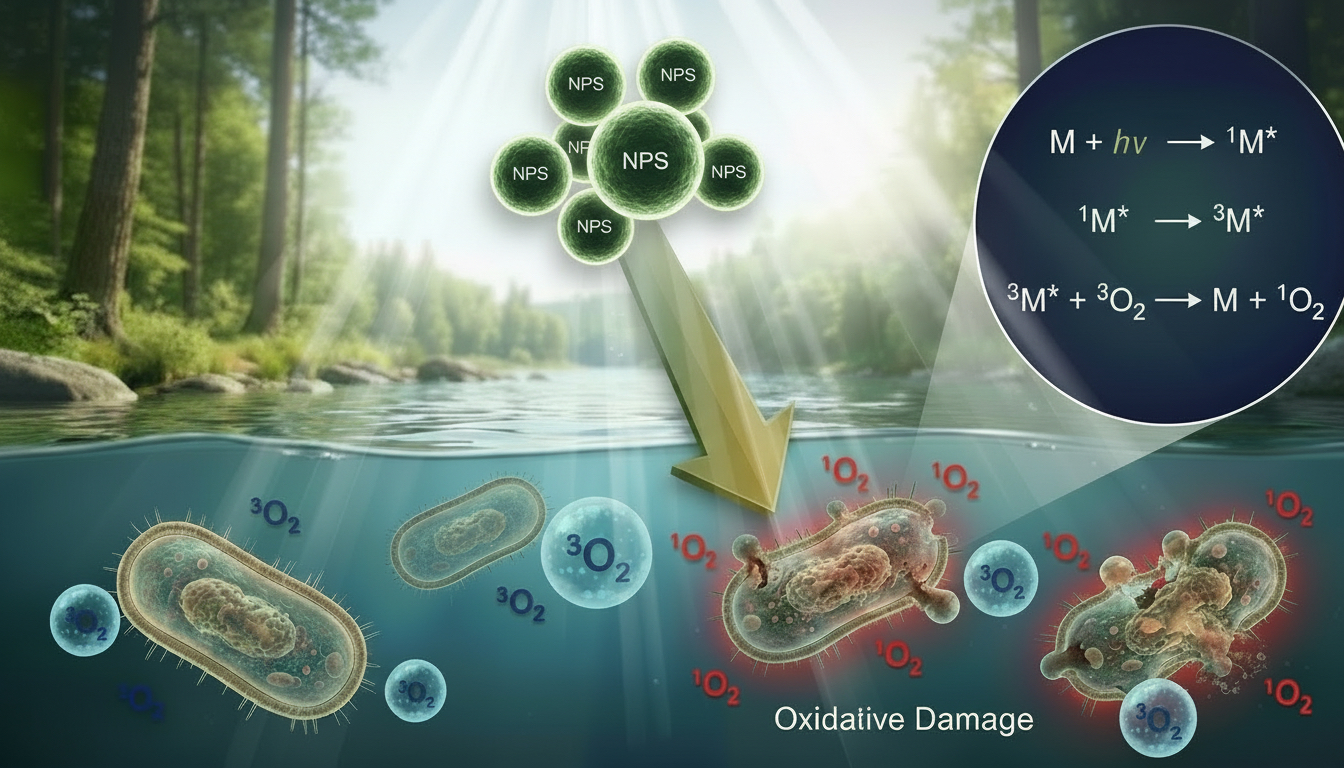
Photodynamic Therapy with Natural Photosensitizers: Bridging Oncology, Infectious Diseases, and Global Health



1. Introduction
2. Overview of Published Work
3. Future Perspectives
- Clinical Standardization and Protocol Harmonization: The field urgently requires harmonized preclinical and clinical protocols to improve reproducibility and facilitate regulatory approval. Establishing standardized parameters for light dosimetry, photosensitizer concentration, and treatment regimens will enhance cross-study comparability and accelerate clinical translation.
- Nano- and Bioengineered Photosensitizer Platforms: Advances in nanotechnology—such as stimuli-responsive nanogels, hybrid lipid-polymeric carriers, and bioinspired delivery systems—should be leveraged to improve selectivity, tissue penetration, and pharmacokinetics. Theranostic nanoplatforms capable of combining imaging, controlled release, and therapeutic action represent a frontier for precision PDT.
- Integration with Immunotherapy and Host Modulation: PDT’s ability to induce immunogenic cell death and release danger-associated molecular patterns (DAMPs) positions it as a synergistic partner to immune checkpoint inhibitors and vaccines. Exploring PDT as a bridge between local ablation and systemic immunity could redefine its role in oncology and infectious disease management.
- Applications in Neglected and Emerging Diseases: The promising results against Leishmania parasites and fungal biofilms point to the potential of PDT in neglected tropical diseases and hard-to-treat infections. Future research should emphasize low-cost, daylight-mediated PDT approaches adaptable to resource-limited settings, reinforcing the alignment with global health equity.
- Green Chemistry and Sustainable Development: The increasing reliance on natural products as photosensitizers highlights the relevance of sustainability. Bioprospecting guided by ethnopharmacology, combined with scalable green extraction and synthetic biology approaches, can ensure eco-friendly and socially responsible production of next-generation photosensitizers.
- Artificial Intelligence and Predictive Modeling: The incorporation of artificial intelligence and systems biology into PDT research holds promise for optimizing treatment planning, predicting patient-specific responses, and designing adaptive protocols. These tools can also accelerate the rational design of novel photosensitizers with improved photophysical and pharmacological profiles.
Author Contributions
Funding
Conflicts of Interest
References
- Alvarez, N.; Sevilla, A. Current Advances in Photodynamic Therapy (PDT) and the Future Potential of PDT-Combinatorial Cancer Therapies. Int. J. Mol. Sci. 2024, 25, 1023. [Google Scholar] [CrossRef] [PubMed]
- El-Sadek, M.Z.; El-Aziz, M.K.A.; Shaaban, A.H.; Mostafa, S.A.; Wadan, A.-H.S. Advancements and Emerging Trends in Photodynamic Therapy: Innovations in Cancer Treatment and Beyond. Photochem. Photobiol. Sci. 2025, 24, 1489–1511. [Google Scholar] [CrossRef] [PubMed]
- Allison, R.R.; Moghissi, K. Photodynamic Therapy (PDT): PDT Mechanisms. Clin. Endosc. 2013, 46, 24–29. [Google Scholar] [CrossRef]
- Castano, A.P.; Demidova, T.N.; Hamblin, M.R. Mechanisms in Photodynamic Therapy: Part One—Photosensitizers, Photochemistry and Cellular Localization. Photodiagn. Photodyn. Ther. 2004, 1, 279–293. [Google Scholar] [CrossRef] [PubMed]
- Rkein, A.M.; Ozog, D.M. Photodynamic Therapy. Dermatol. Clin. 2014, 32, 415–425. [Google Scholar] [CrossRef]
- Ortenzio, M.P.; Anand, S.; Travers, J.B.; Maytin, E.V.; Rohan, C.A. Immunomodulatory Effects of Photodynamic Therapy for Skin Cancer: Potential Strategies to Improve Treatment Efficacy and Tolerability. Photochem. Photobiol. 2025; in press. [Google Scholar] [CrossRef]
- Selbo, P.K.; Korbelik, M. Enhancing Antitumour Immunity with Photodynamic Therapy. Photochem. Photobiol. Sci. 2025, 24, 227–234. [Google Scholar] [CrossRef]
- Chen, L.; Lin, Y.; Ding, S.; Huang, M.; Jiang, L. Recent Advances in Clinically Used and Trialed Photosensitizers for Antitumor Photodynamic Therapy. Mol. Pharm. 2025, 22, 3530–3541. [Google Scholar] [CrossRef]
- Jiang, W.; Liang, M.; Lei, Q.; Li, G.; Wu, S. The Current Status of Photodynamic Therapy in Cancer Treatment. Cancers 2023, 15, 585. [Google Scholar] [CrossRef]
- Aebisher, D.; Szpara, J.; Bartusik-Aebisher, D. Advances in Medicine: Photodynamic Therapy. Int. J. Mol. Sci. 2024, 25, 8258. [Google Scholar] [CrossRef]
- Ji, B.; Wei, M.; Yang, B. Recent Advances in Nanomedicines for Photodynamic Therapy (PDT)-Driven Cancer Immunotherapy. Theranostics 2022, 12, 434–458. [Google Scholar] [CrossRef]
- Nasir, A.; Rehman, M.U.; Khan, T.; Husn, M.; Khan, M.; Khan, A.; Nuh, A.M.; Jiang, W.; Farooqi, H.M.U.; Bai, Q. Advances in Nanotechnology-Assisted Photodynamic Therapy for Neurological Disorders: A Comprehensive Review. Artif. Cells Nanomed. Biotechnol. 2024, 52, 84–103. [Google Scholar] [CrossRef]
- Sorrin, A.J.; Kemal Ruhi, M.; Ferlic, N.A.; Karimnia, V.; Polacheck, W.J.; Celli, J.P.; Huang, H.C.; Rizvi, I. Photodynamic Therapy and the Biophysics of the Tumor Microenvironment. Photochem. Photobiol. 2020, 96, 232–259. [Google Scholar] [CrossRef]
- Wang, X.; Luo, D.; Basilion, J.P. Photodynamic Therapy: Targeting Cancer Biomarkers for the Treatment of Cancers. Cancers 2021, 13, 2992. [Google Scholar] [CrossRef]
- Aebisher, D.; Czech, S.; Dynarowicz, K.; Misiołek, M.; Komosińska-Vassev, K.; Kawczyk-Krupka, A.; Bartusik-Aebisher, D. Photodynamic Therapy: Past, Current, and Future. Int. J. Mol. Sci. 2024, 25, 11325. [Google Scholar] [CrossRef]
- Kubrak, T.P.; Kołodziej, P.; Sawicki, J.; Mazur, A.; Koziorowska, K.; Aebisher, D. Some Natural Photosensitizers and Their Medicinal Properties for Use in Photodynamic Therapy. Molecules 2022, 27, 1192. [Google Scholar] [CrossRef] [PubMed]
- Imaizumi, U.; Inaba, K.; Kurahashi, A.; Kuroda, H.; Sanuki, T.; Yoshida, A.; Yoshino, F.; Hamada, N. Effectiveness of Curcumin-Based Antimicrobial Photodynamic Therapy against Staphylococcus aureus. J. Oral Sci. 2023, 65, 270–274. [Google Scholar] [CrossRef] [PubMed]
- Olek, M.; Machorowska-Pieniążek, A.; Czuba, Z.P.; Cieślar, G.; Kawczyk-Krupka, A. Immunomodulatory Effect of Hypericin-Mediated Photodynamic Therapy on Oral Cancer Cells. Pharmaceutics 2023, 16, 42. [Google Scholar] [CrossRef] [PubMed]
- de Oliveira, A.C.V.; de Morais, F.A.P.; Campanholi, K.D.S.S.; Bidóia, D.L.; Balbinot, R.B.; Nakamura, C.V.; Caetano, W.; Hioka, N.; Monteiro, O.D.S.; da Rocha, C.Q.; et al. Melanoma-Targeted Photodynamic Therapy Based on Hypericin-Loaded Multifunctional P123-Spermine/Folate Micelles. Photodiagn. Photodyn. Ther. 2022, 40, 103103. [Google Scholar] [CrossRef]
- Fiegler-Rudol, J.; Łopaciński, M.; Los, A.; Skaba, D.; Wiench, R. Riboflavin-Mediated Photodynamic Therapy in Periodontology: A Systematic Review of Applications and Outcomes. Pharmaceutics 2025, 17, 217. [Google Scholar] [CrossRef]
- Jeong, J.-Y.; Hwang, Y.-J. Natural Phytochemical and Visible Light at Different Wavelengths Show Synergistic Antibacterial Activity against Staphylococcus aureus. Pharmaceutics 2024, 16, 612. [Google Scholar] [CrossRef] [PubMed]
- Cieplik, F.; Deng, D.; Crielaard, W.; Buchalla, W.; Hellwig, E.; Al-Ahmad, A.; Maisch, T. Antimicrobial Photodynamic Therapy—What We Know and What We Don’t. Crit. Rev. Microbiol. 2018, 44, 571–589. [Google Scholar] [CrossRef]
- Marioni, J.; Romero, B.C.; Mugas, M.L.; Martinez, F.; Gómez, T.I.; Morales, J.M.N.; Konigheim, B.S.; Borsarelli, C.D.; Nuñez-Montoya, S.C. The Natural Anthraquinone Parietin Inactivates Candida tropicalis Biofilm by Photodynamic Mechanisms. Pharmaceutics 2025, 17, 548. [Google Scholar] [CrossRef]
- Warakomska, A.; Fiegler-Rudol, J.; Kubizna, M.; Skaba, D.; Wiench, R. The Role of Photodynamic Therapy Mediated by Natural Photosensitisers in the Management of Peri-Implantitis: A Systematic Review. Pharmaceutics 2025, 17, 443. [Google Scholar] [CrossRef]
- Campos, L.M.O.; Marques, E.M.; Lera-Nonose, D.S.S.L.; Gonçalves, M.J.S.; Lonardoni, M.V.C.; Nunes, G.C.d.S.; Braga, G.; Gonçalves, R.S. Enhanced Nanogel Formulation Combining the Natural Photosensitizer Curcumin and Pectis brevipedunculata (Asteraceae) Essential Oil for Synergistic Daylight Photodynamic Therapy in Leishmaniasis Treatment. Pharmaceutics 2025, 17, 286. [Google Scholar] [CrossRef]
- Najm, M.; Pourhajibagher, M.; Badirzadeh, A.; Razmjou, E.; Alipour, M.; Khoshmirsafa, M.; Bahador, A.; Hadighi, R. Photodynamic Therapy Using Toluidine Blue O (TBO) Dye as a Photosensitizer against Leishmania major. Iran. J. Public Health 2021, 50, 2111–2120. [Google Scholar] [CrossRef] [PubMed]
- Krupka-Olek, M.; Bożek, A.; Czuba, Z.P.; Kłósek, M.; Cieślar, G.; Kawczyk-Krupka, A. Cytotoxic and Immunomodulatory Effects of Hypericin as a Photosensitizer in Photodynamic Therapy Used on Skin Cell Cultures. Pharmaceutics 2024, 16, 696. [Google Scholar] [CrossRef] [PubMed]
- Łopaciński, M.; Fiegler-Rudol, J.; Niemczyk, W.; Skaba, D.; Wiench, R. Riboflavin- and Hypericin-Mediated Antimicrobial Photodynamic Therapy as Alternative Treatments for Oral Candidiasis: A Systematic Review. Pharmaceutics 2025, 17, 33. [Google Scholar] [CrossRef] [PubMed]

| Photosensitizers (Concentration) | Natural Source | Wavelength Range (nm) | Application/Carrier Medium |
|---|---|---|---|
| Hypericin (0.25–1.0 µM) | Hypericum perforatum | 580–720 | Oral carcinoma/DMSO solution |
| Immunomodulation; cytotoxicity [18]. | |||
| Hypericin (0.1–1.0 µM) | Hypericum perforatum | 450–720 | Inflammatory dermatoses/DMSO solution |
| Reduced inflammation; apoptosis [27]. | |||
| Plant extracts (31–500 µg/mL) | Sophora officinalis, Ulmus davidiana, Cimicifuga simplex, Glycyrrhiza uralensis | 465–625 | Antibacterial therapy/Aqueous extract |
| Synergistic antibacterial effect [21]. | |||
| Parietin (0.98 µg/mL) | Teloschistes nodulifer | 428 | Antifungal therapy/Hydroalcoholic sol. (1%) |
| Biofilm disruption via ROS [23]. | |||
| Riboflavin and Hypericin (0.25–320 µM) | Aspergillus gossypii, Hypericum perforatum | 365–750 | Oral candidiasis/Micelles (P123)–lipid carriers |
| Biofilm inactivation; antifungal synergy [28]. | |||
| Riboflavin (10–100 µg/mL) | Aspergillus gossypii, Bacillus subtilis, Arabidopsis thaliana | 390–670 | Periodontology/Hydrogel–NP dispersion |
| Adjunct antimicrobial action [20]. | |||
| Curcumin, Riboflavin, 5-ALA, Hypericin (0.1–0.5%) | Curcuma longa, Aspergillus gossypii, Bacillus subtilis, Hypericum perforatum | 390–810 | Peri-implantitis/ Nanogels–biopolymers |
| Reduced microbial load and inflammation [24]. | |||
| Curcumin (2–18 µg/mL) | Curcuma longa and Pectis brevipedunculata | Daylight | Antileishmanial therapy/Pluronic F127–Carbopol 974P |
| Anti-Leishmania effect; synergistic PDT [25]. | |||
Disclaimer/Publisher’s Note: The statements, opinions and data contained in all publications are solely those of the individual author(s) and contributor(s) and not of MDPI and/or the editor(s). MDPI and/or the editor(s) disclaim responsibility for any injury to people or property resulting from any ideas, methods, instructions or products referred to in the content. |
© 2025 by the authors. Licensee MDPI, Basel, Switzerland. This article is an open access article distributed under the terms and conditions of the Creative Commons Attribution (CC BY) license (https://creativecommons.org/licenses/by/4.0/).
Share and Cite
Gonçalves, R.S.; Braga, G. Photodynamic Therapy with Natural Photosensitizers: Bridging Oncology, Infectious Diseases, and Global Health. Pharmaceutics 2025, 17, 1551. https://doi.org/10.3390/pharmaceutics17121551
Gonçalves RS, Braga G. Photodynamic Therapy with Natural Photosensitizers: Bridging Oncology, Infectious Diseases, and Global Health. Pharmaceutics. 2025; 17(12):1551. https://doi.org/10.3390/pharmaceutics17121551
Chicago/Turabian StyleGonçalves, Renato Sonchini, and Gustavo Braga. 2025. "Photodynamic Therapy with Natural Photosensitizers: Bridging Oncology, Infectious Diseases, and Global Health" Pharmaceutics 17, no. 12: 1551. https://doi.org/10.3390/pharmaceutics17121551
APA StyleGonçalves, R. S., & Braga, G. (2025). Photodynamic Therapy with Natural Photosensitizers: Bridging Oncology, Infectious Diseases, and Global Health. Pharmaceutics, 17(12), 1551. https://doi.org/10.3390/pharmaceutics17121551