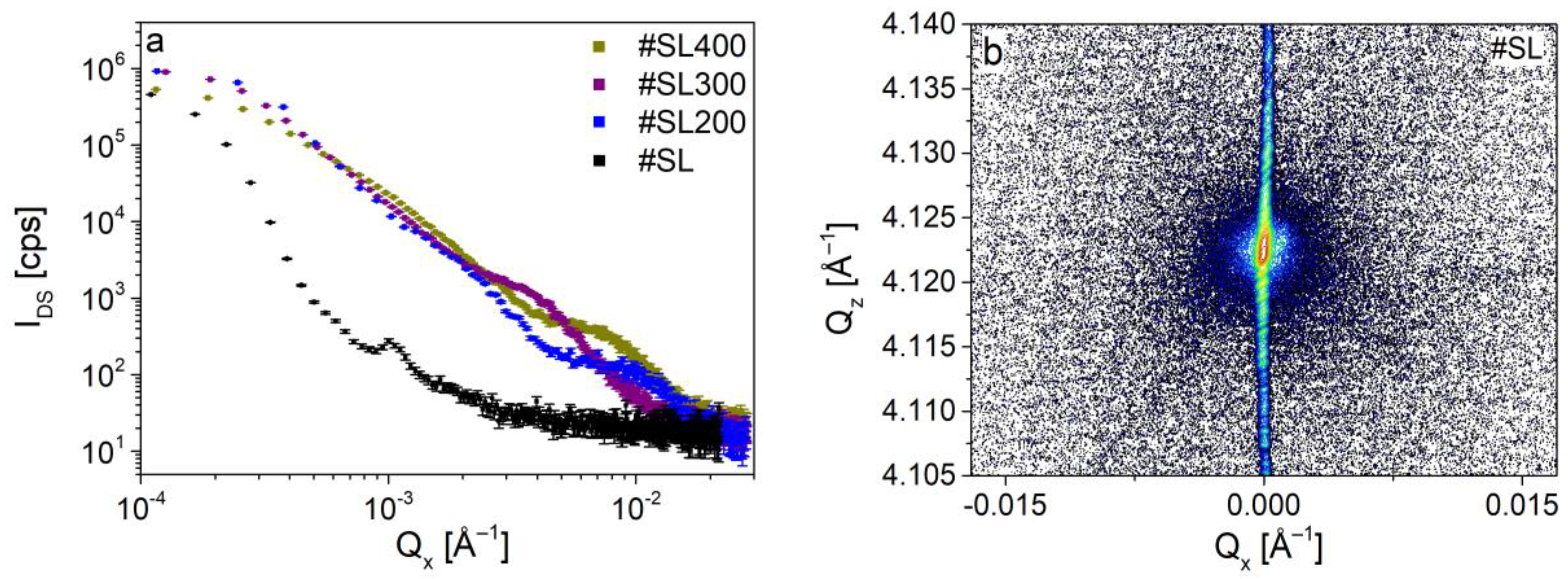
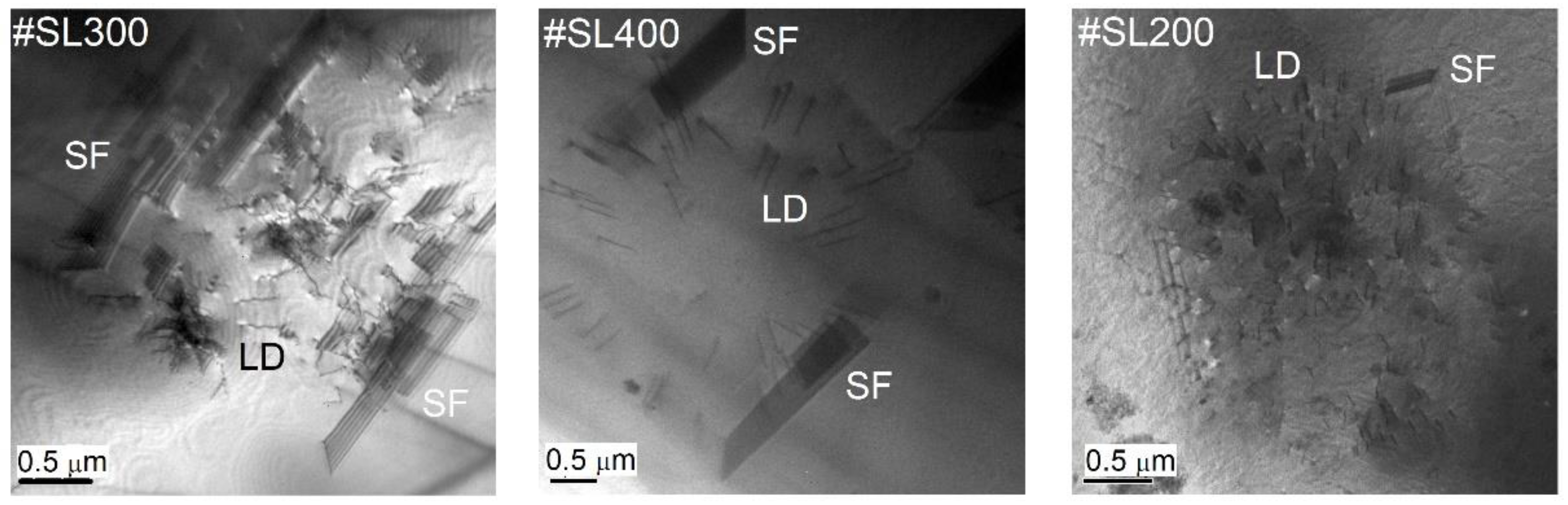
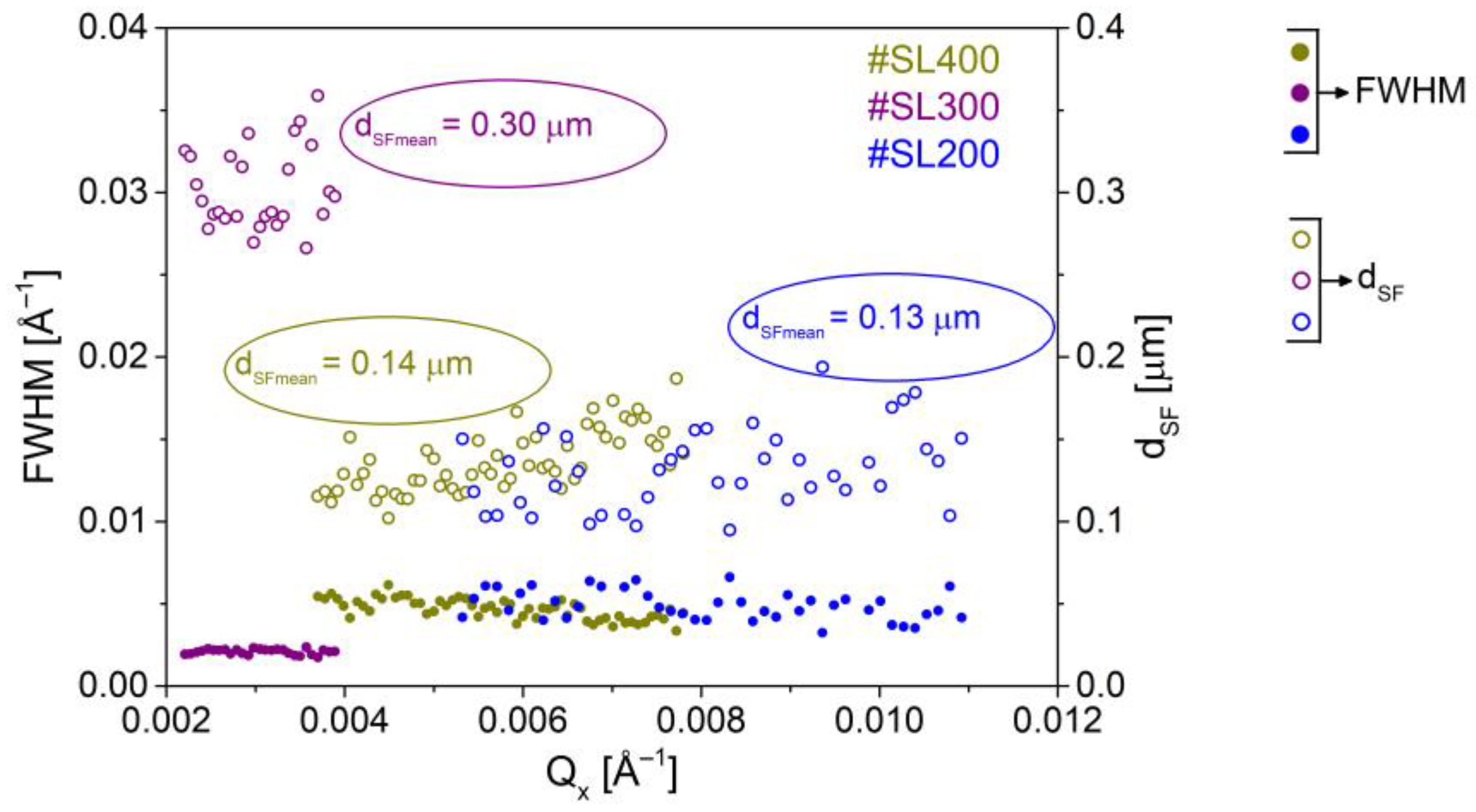
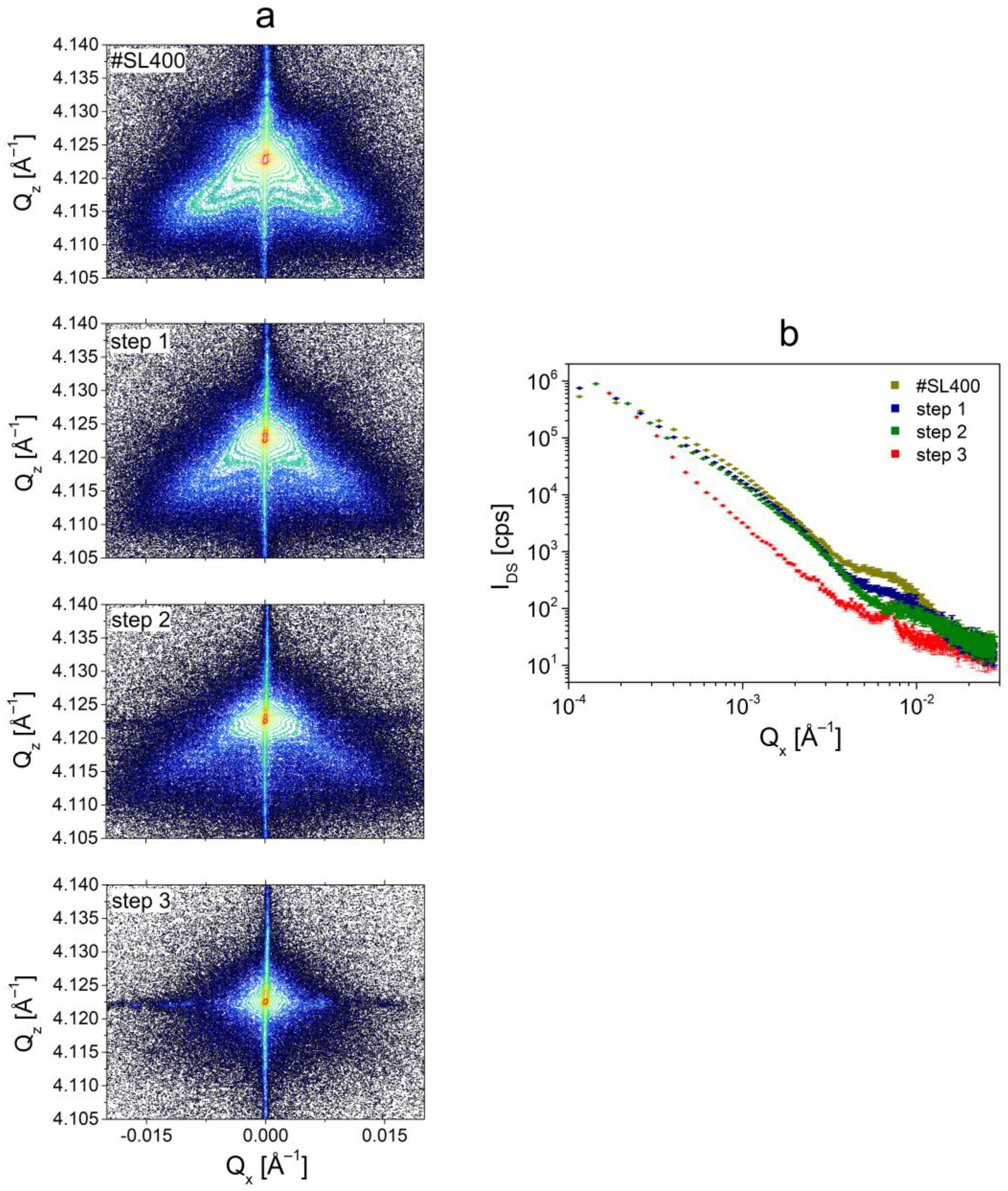
A Study of Defects in InAs/GaSb Type-II Superlattices Using High-Resolution Reciprocal Space Mapping
 , , ,
, , , Abstract
Share and Cite
Sankowska, I.; Jasik, A.; Czuba, K.; Ratajczak, J.; Kozłowski, P.; Wzorek, M. A Study of Defects in InAs/GaSb Type-II Superlattices Using High-Resolution Reciprocal Space Mapping. Materials 2021, 14, 4940. https://doi.org/10.3390/ma14174940
Sankowska I, Jasik A, Czuba K, Ratajczak J, Kozłowski P, Wzorek M. A Study of Defects in InAs/GaSb Type-II Superlattices Using High-Resolution Reciprocal Space Mapping. Materials. 2021; 14(17):4940. https://doi.org/10.3390/ma14174940
Chicago/Turabian StyleSankowska, Iwona, Agata Jasik, Krzysztof Czuba, Jacek Ratajczak, Paweł Kozłowski, and Marek Wzorek. 2021. "A Study of Defects in InAs/GaSb Type-II Superlattices Using High-Resolution Reciprocal Space Mapping" Materials 14, no. 17: 4940. https://doi.org/10.3390/ma14174940
APA StyleSankowska, I., Jasik, A., Czuba, K., Ratajczak, J., Kozłowski, P., & Wzorek, M. (2021). A Study of Defects in InAs/GaSb Type-II Superlattices Using High-Resolution Reciprocal Space Mapping. Materials, 14(17), 4940. https://doi.org/10.3390/ma14174940