1. Introduction
The permanent magnet synchronous motor (PMSM) is an electric motor type that has found extensive applications in diverse fields, including electric vehicles, industrial automation, robotics, and aerospace plane [
1,
2]. Compared to conventional induction motors, PMSM exhibits high efficiency exceeding 90%, resulting in substantial energy savings. It also possesses a high magnetic field strength and low internal resistance, enabling PMSM to achieve a higher power density and greater output power within a relatively smaller volume. Moreover, PMSM offers excellent torque-speed performance and sensitive current control ability, making it ideal for precision applications such as automatic control systems [
3,
4,
5]. Despite its advantages, rare-earth elements such as NdFeB can be costly and raise concerns regarding the supply chain monopoly and trade wars. Additionally, high-performance applications using PMSM face challenges such as operating at the region of flux-weakening control with large direct-axis current and the potential for uncontrolled generator mode due to the flux linkages generated by permanent magnets (PM). These drawbacks limit the potential benefits of PMSM and should be taken into account when considering their use in specific applications. Hence, there is a need to decrease the utilization of rare-earth PMs.
Due to their rapid dynamic response, wide speed range, affordability, and high efficiency, the synchronous reluctance motor (SynRM) has gained significant popularity and is now utilized in numerous applications. Unlike induction motors and PMSM, SynRM offers inherent advantages by eliminating the need for permanent magnetic materials, cages, and excitation windings. This not only enhances its robustness but also reduces its overall cost, making it an attractive alternative [
6,
7,
8,
9]. However, SynRM has limited overload capability compared to other types of motors, meaning that it may not be suitable for applications that require high levels of torque for short periods of time. Based on the aforementioned reasons, a relatively new machine, known as the permanent magnet-assisted synchronous reluctance motor (PMASynRM), has been developed to address the challenges associated with the scarcity of rare-earth PMs. One approach to mitigating these difficulties involves reducing the amount of rare-earth PMs used in the rotor or replacing them with ferrite magnets [
10,
11,
12,
13]. Maximum torque per ampere (MTPA) has been widely utilized as a control strategy in PMSMs and SynRMs control to maximize output torque [
14,
15,
16,
17,
18,
19]. In [
17,
18], the MTPA control strategy has been implemented in the control of IPMSMs and SynRMs to determine the ideal current angle for maximizing the output torque based on a given stator current. Moreover, in [
19], an MTPA control with nonlinear simultaneous equations was derived from the Lagrange multiplier method, which could be solved by numerical algorithms. The MTPA control technology enables the production of equivalent torque with minimal current. It achieves this by identifying the ideal current angle that maximizes output torque at a given stator current while also minimizing copper loss during the process. However, PMASynRM has inherent drawbacks, such as nonlinear and time-varying control characteristics, which make achieving high-performance servo applications and the traditional MTPA quite challenging [
20].
The backstepping control (BSC), despite its advantages in providing a recursive and systematic design methodology for nonlinear feedback control, may encounter undesired chattering phenomena due to the presence of a sign function. Several approaches, such as adaptive control [
21] and intelligent control [
22], have been proposed for integration with BSC to overcome this issue and enhance control performance. In [
21], a PMSM drive system was targeted, and an adaptive backstepping (ABS) control approach was introduced as a solution. The purpose of this method is to achieve precise tracking responses by utilizing the robustness properties of the ABS control. In [
22], to overcome the limitations posed by the nonlinear and time-varying control natures of a SynRM, a robust position controller was devised for a SynRM servo drive system. This was achieved through the introduction of an intelligent BSC approach, employing a recurrent feature selection fuzzy neural network. In addition, to improve control performance and facilitate model-free controller design, intelligent control methods, including fuzzy mechanisms, NNs, and FNNs, have been widely used as universal approximators in various studies. Among these, the FNN has been particularly popular due to its combined advantages of neural networks and fuzzy logic and has been applied in various fields, such as photovoltaic systems, robotics, and motor control [
23,
24,
25]. In fact, the FNN’s robustness and convenience have garnered attention for controlling permanent magnet linear synchronous motors [
25]. Moreover, the recurrent neural network (RNN) is capable of mapping and storing temporal information dynamically [
26,
27], utilizing time delays from earlier states, and approximate information can be obtained from internal feedback states. This makes RFNN a better option for dynamic performance than the pure feedforward FNN. Furthermore, the wavelet transform is an influential and effective technique used for the analysis of intricate time-varying signals. It offers numerous advantages and capabilities, making it a valuable tool in signal processing [
28], and has been extensively studied for its applications that combine the learning capabilities of artificial neural network (ANN) and wavelet decomposition. Recently, researchers have proposed integrating wavelet functions into FNNs to create the wavelet fuzzy neural network (WFNN) with the goal of improving adaptive and learning capabilities for complex engineering problems [
29]. By analyzing non-stationary signals to identify local details, reducing data complexity and handling uncertainty through fuzzy logic, and leveraging NNs’ self-learning characteristics to improve model accuracy, the WFNN is capable of describing nonlinear systems with uncertainties and possesses a fast learning capability. Additionally, this study proposes an intelligent control system using the capabilities of FNN, RNN, and WNN, where an online trained recurrent wavelet fuzzy neural network (RWFNN) [
30] is utilized to enhance control performance.
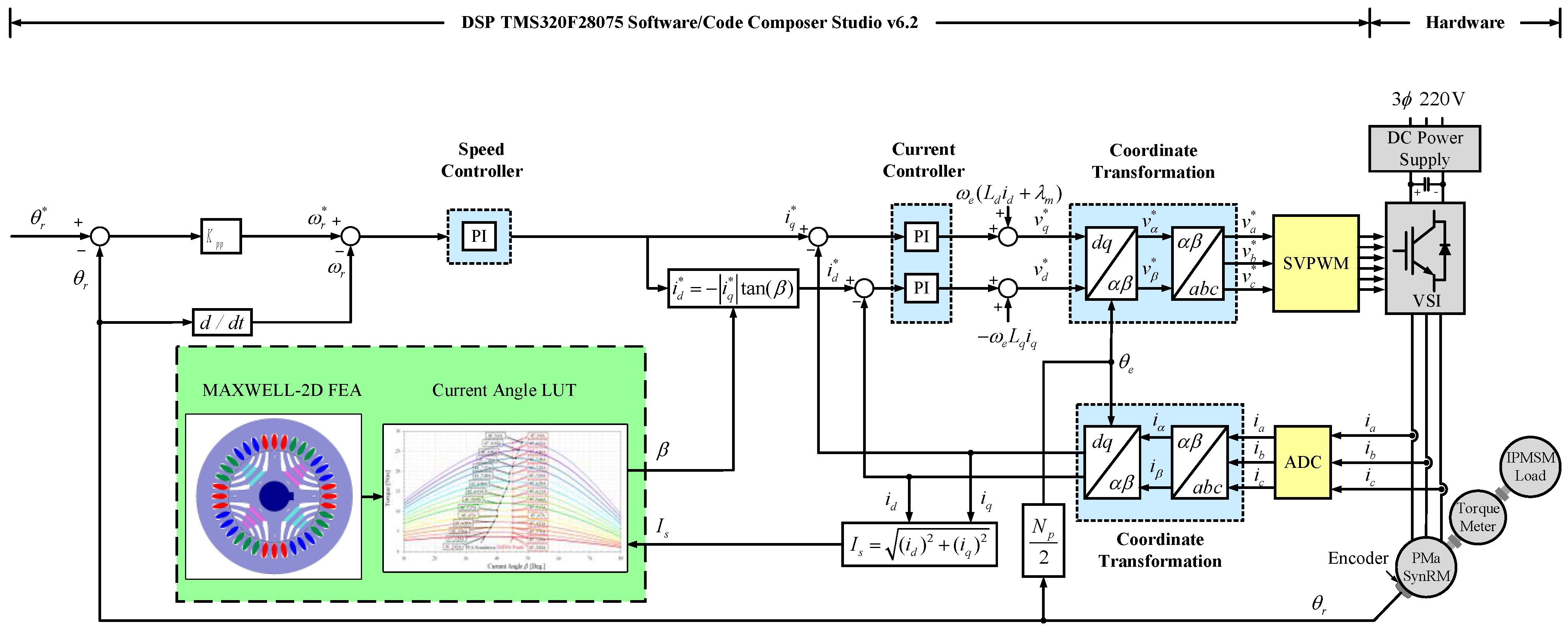
High-performance applications of PMASynRM are limited due to nonlinear and time-varying control features. Therefore, the purpose of this article is to develop a high-performance PMASynRM servo drive that simultaneously achieves robust position control and high energy efficiency by using intelligent backstepping control recurrent wavelet fuzzy neural network (IBSCRWFNN) control with MTPA. To address the issue of MTPA, a Maxwell 2D simulation tool is employed in the design process of the PMASynRM. Then, the optimal current angle command for MTPA control is subsequently analyzed using finite element analysis (FEA), and apply the result by a lookup table (LUT) method to ensure proper functionality. Moreover, the PMASynRM servo drive is controlled by using the BSC to solve the presence of unavoidable uncertain system dynamics in the PMASynRM servo drive system. However, the bound of lumped uncertainty in the BSC is difficult to determine in real-life situations. To overcome this issue, the suggested method involves approximating the BSC using the RWFNN. Furthermore, this research incorporates an adaptive compensator to account for potential deviations resulting from the approximation of the RWFNN. In addition, the utilization of the Lyapunov stability method to generate online learning algorithms [
22] for the IBSCRWFNN is proposed, ensuring robust performance in position control. The rest of this study is organized as follows: in
Section 2, the focus will be on describing the modeling of the position servo drive system for PMASynRM with MTPA control based on the results of FEA. In
Section 3, the PMASynRM servo drive is controlled by using the BSC to solve the presence of unavoidable uncertainties. To overcome the difficulty of the BSC, the RWFNN is discussed in
Section 4. In
Section 5, the Lyapunov stability method is proposed to generate online learning algorithms for the IBSCRWFNN.
Section 6 will present the experimental results of the PI control, BSC, and the proposed IBSCRWFNN control. Finally, the research findings are thoroughly discussed in
Section 7, presenting the conclusive remarks.
3. BSC System
To rewrite the ideal dynamic equation using Equations (5) and (6), it can be expressed as follows:
where
;
;
; The symbol “
” represents the nominal value. Considering the presence of uncertainties necessitates a rewrite of the dynamic Equation (11) as follows:
where
is the torque current command, the time-varying parameter variations are indicated by
,
, and
. Moreover,
represents the lumped uncertainty, which is defined as follows:
and
is defined as lumped uncertainty bound. Furthermore, the following definitions are used for the error in position tracking and its derivative:
The term
can be regarded as a virtual control input, and the following stabilizing function
is defined:
The constant
is a positive value, and the first Lyapunov function is selected as
The function
is positive definite. In addition, the definition of the virtual control error is as follows:
Obtaining the derivative of
can be performed as follows:
Assuming that
is satisfied, then the derivative of
will be negative. Additionally, the derivative of
can be obtained as
The replacement of Equation (12) with Equation (20) yields the following equation:
Then, the selection of the second Lyapunov function is performed as follows:
where
is a positive-definite function. The derivative of
can be obtained by
To ensure system stability based on Lyapunov’s condition,
must be negative semidefinite. Consequently, utilizing Equation (23), a BSC control law is proposed as follows [
22]:
where
is a positive constant;
is a sign function. The dynamic Equation (12) of the PMASynRM position servo drive system indicates that the implementation of the BSC law, as outlined in Equation (24), ensures system stability. By substituting Equation (24) into Equation (23), we can derive the resulting equation as follows:
Thus, parametric uncertainty and external torque disturbance do not affect the stability of the BSC system.
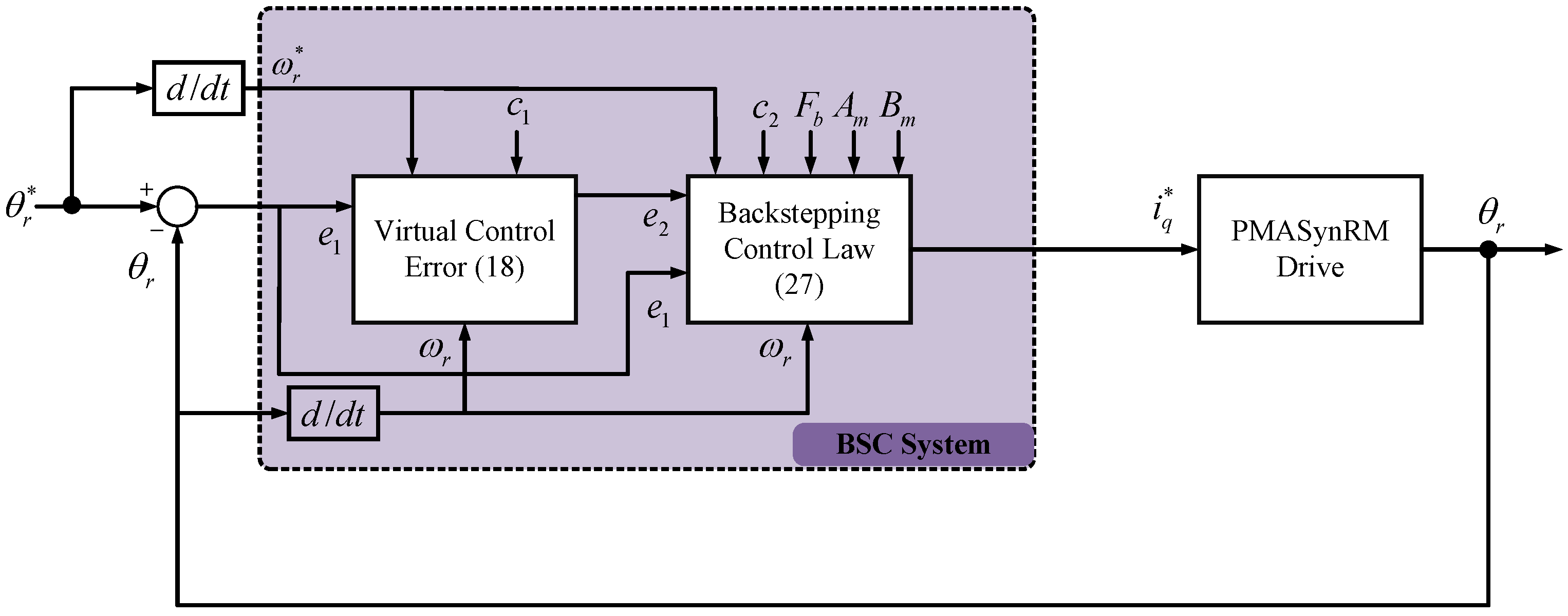
Figure 6 illustrates the control system’s capability to maintain stability even in the presence of disturbances. However, it is worth noting that the use of a sign function can lead to chattering phenomena. A boundary layer approach can be employed to mitigate this issue by substituting the sign function with a saturation function. This substitution helps reduce the occurrence of chattering phenomena.
The saturation function is denoted as
; the boundary layer is set as
. Thus, the BSC control law (24) is modified as follows:
4. IBSCRWFNN System
The BSC system can ensure system stability when
. However, the lumped uncertainty is unknown in the real world, making it challenging to determine the upper bound
. Moreover, asymptotic stability is a crucial requirement for position servo drives. In order to overcome the limitations associated with the BSC law described in Equation (27), an RWFNN controller [
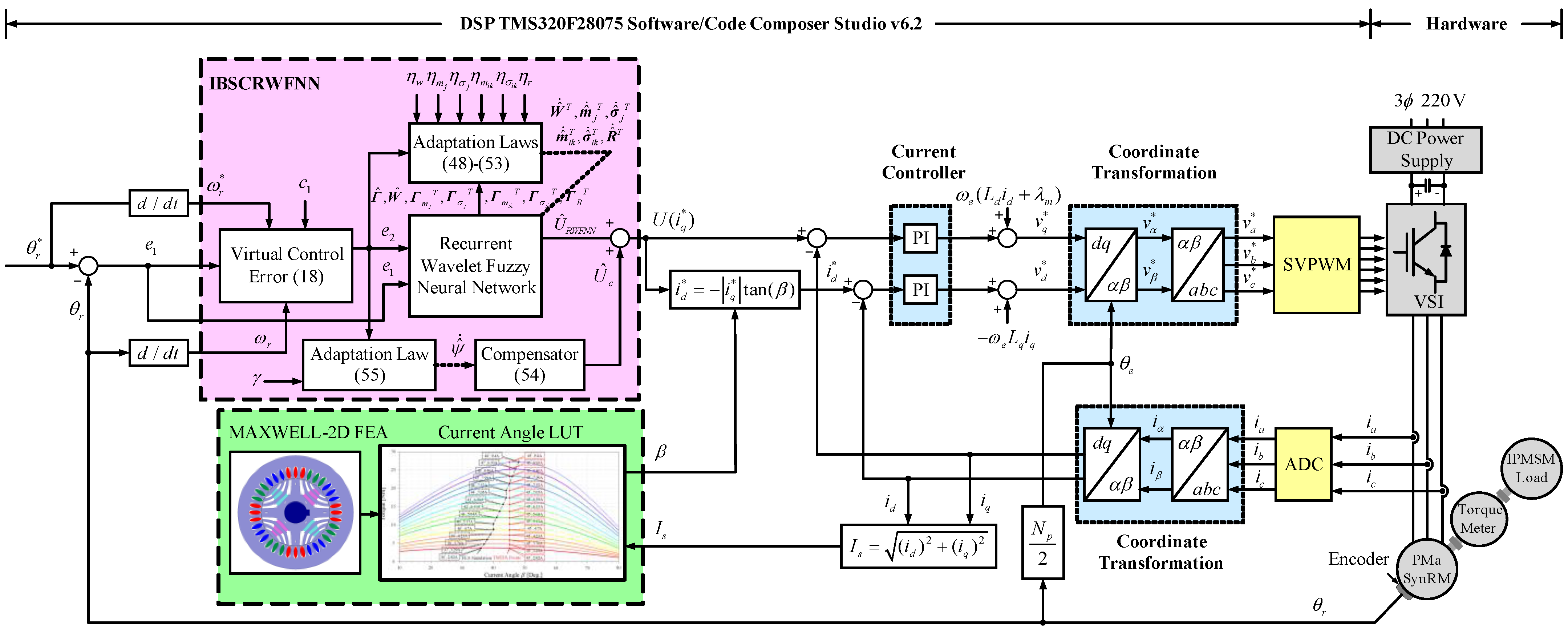
30] is proposed. The primary objective of designing the RWFNN controller is to achieve improved performance by providing an effective approximation of the BSC law. The control block diagram of the IBSCRWFNN system is shown in
Figure 7. The control law for the IBSCRWFNN system is designed as follows to achieve asymptotic stability in position servo drives.
The RWFNN controller, represented by , plays a crucial role in learning the BSC law to handle unknown system dynamics. Simultaneously, the compensator, denoted as , is specifically designed to minimize the approximated error introduced by the RWFNN controller. This combination of and effectively addresses the unknown system dynamics and improves the overall performance of the control system.
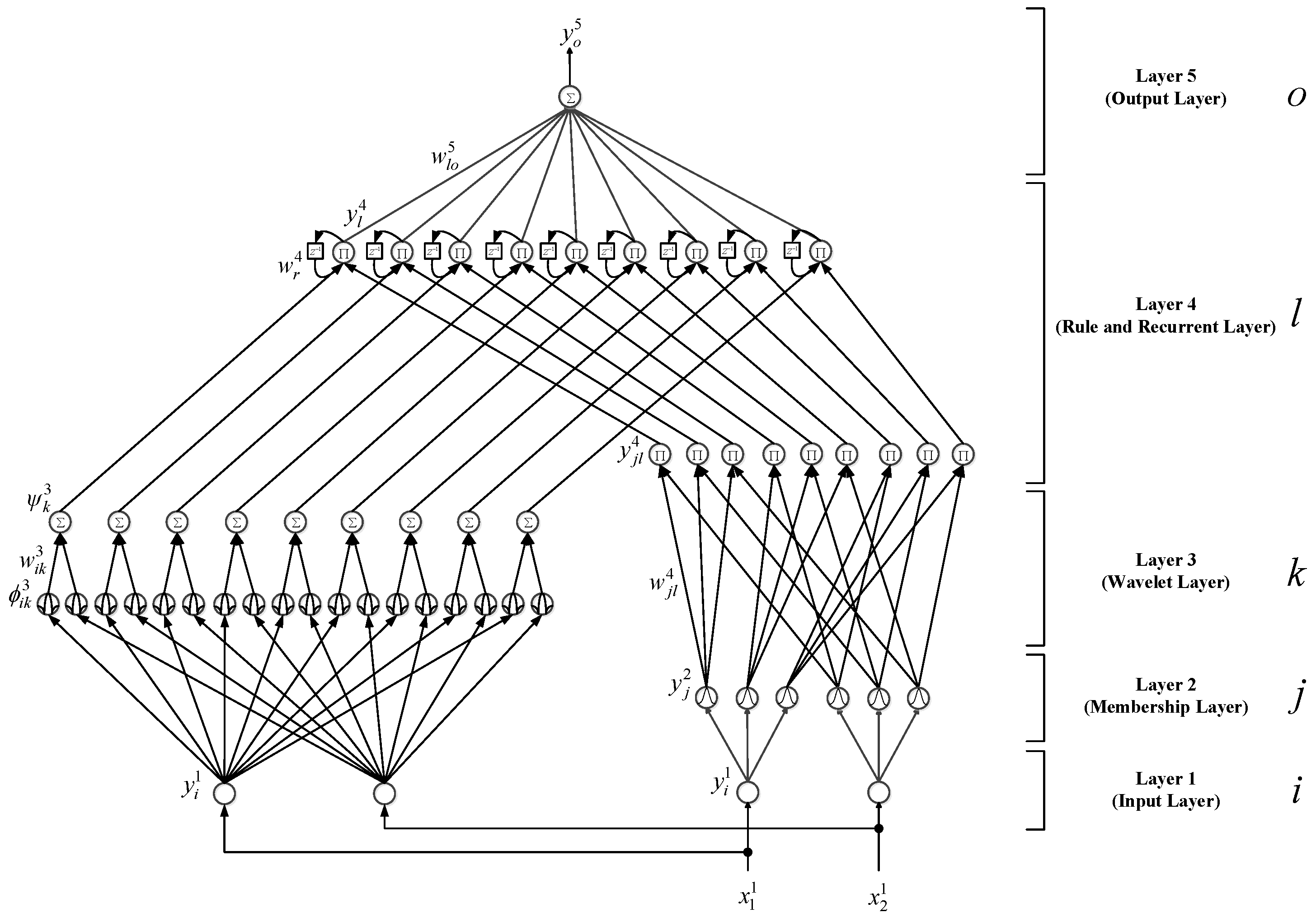
Furthermore, the network structure is represented in
Figure 8.
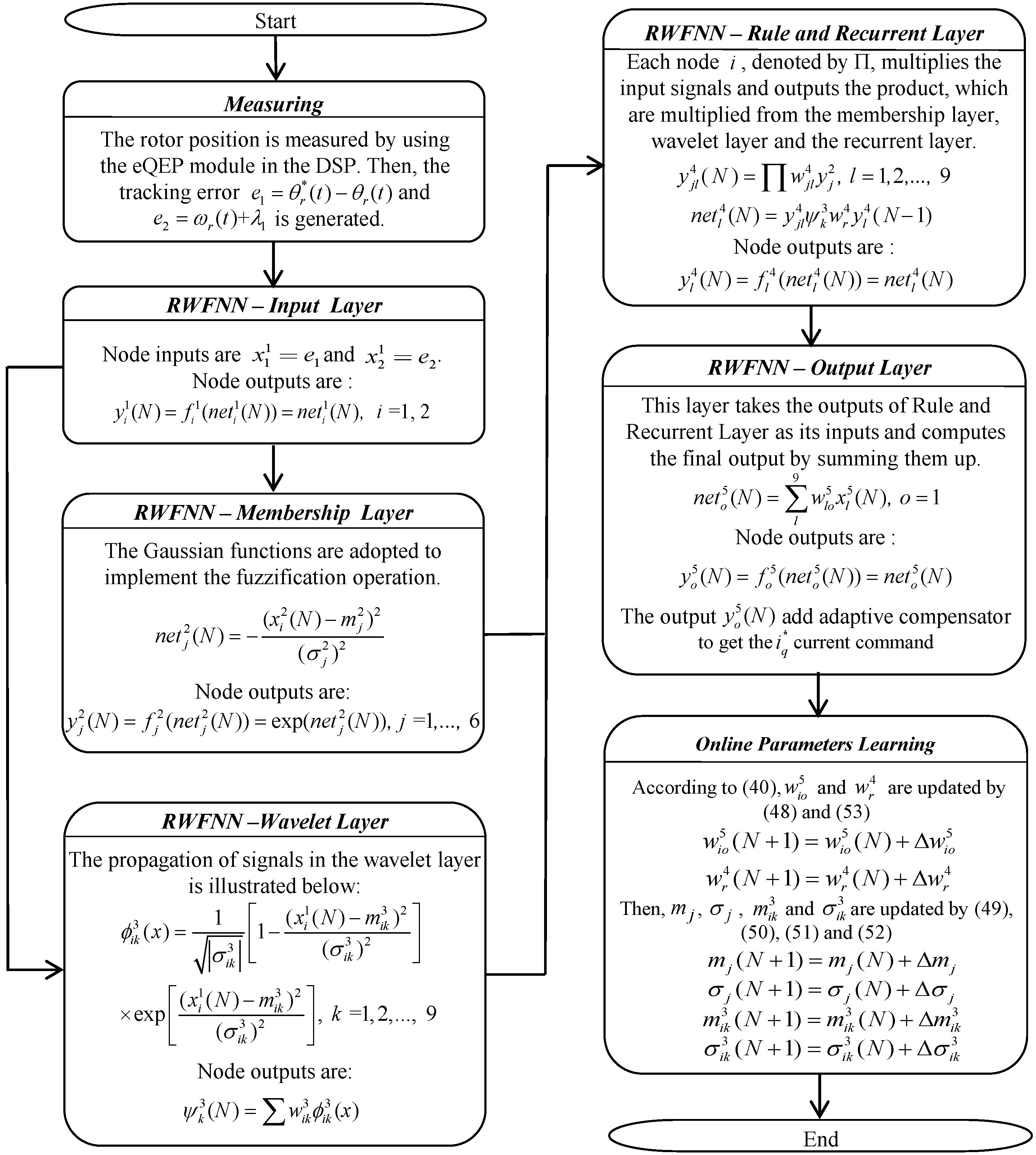
Figure 9 illustrates the flowchart outlining the proposed RWFNN controller. The detailed description of the operational mechanisms in the proposed RWFNN is as follows:
Utilizing the eQEP module in the DSP, the position response is measured with the assistance of an incremental encoder that has a resolution of 2500 counts/rev. Then, the RWFNN controller receives and utilizes and for generating control signals.
- 2.
RWFNN Input Layer:
Two input signals are fed into this layer of the proposed RWFNN controller: the tracking error of the rotor position
and the virtual control error
. To describe the input and output of each node
in this layer, the following expression is used:
The network inputs are represented by , where the superscript and subscript correspond to the layer and node numbers, respectively. denotes the sampling iteration number, while is the output of node ith. The unity function is denoted as .
- 3.
RWFNN Membership Layer:
Layer 2 takes the outputs of layer 1 as its inputs. Additionally, the membership function utilized in this layer is the Gaussian function. The following elucidate the correlation between the input and output of each node in a comprehensive manner:
The input is denoted by ; the mean and standard deviation of the Gaussian function for node jth are represented by and respectively; the output of node jth is denoted by ; is an exponential function.
- 4.
RWFNN Wavelet Layer:
The propagation of signals in the wavelet layer is illustrated below:
The input to node ith from layer 1, directed towards the wavelet function of node kth, is represented as , and the connective weight as . In the wavelet layer, the output of node kth is represented by . The dilation and translation variables of the wavelet function are expressed as and , respectively.
- 5.
RWFNN Rule and Recurrent Layer:
The layer comprises a rule layer and a recurrent layer. Each node
, denoted as ∏, performs a multiplication operation on the input signals and outputs their product. Additionally, the nodes in the rule and recurrent layer employ a multiplication operation on the output signals derived from the membership layer, wavelet layer, and recurrent layer. This dynamic mapping process enhances the overall mapping capability of the system. The nodes are summarized as follows:
The output of the lth node in this layer is represented by . The calculation involves the utilization of the connecting weight, denoted as , between layer 2 and layer 4, and the recurrent weight is denoted by . denotes the previous output of node lth in this layer, and the unity function is denoted as . Each node in the network incorporates a feedback loop using the recurrent technique to achieve dynamic mapping and higher sensitivity to previously obtained data.
- 6.
RWFNN Output Layer:
The inputs to layer 5 are obtained from the outputs of layer 4 and compute the final output by summing them up. In this layer, the output
is mathematically expressed as follows:
The output of the rule layer is represented as . The connective weight is represented by . The final output of the RWFNN is depicted as . The unity function is denoted as .
- 7.
Online Network Parameters Learning:
All the adaptation laws of online network parameters learning will be given in Theorem 1 in the following section.
5. Stability Analysis of IBSCRWFNN System
The structure of the five-layer RWFNN, as illustrated in
Figure 8, can be expressed as
The universal approximation property guarantees the existence of an optimal
for any nonlinear function. Consequently, a designed optimal
is employed to learn the BSC law
in order to achieve the following:
The reconstructed error is represented by
, which is the minimum value;
,
,
,
,
, and
are the optimal values of
,
,
,
,
, and
respectively. Additionally, the control law illustrated in Equation (28) can be expressed as
where
,
,
,
,
, and
represent the estimated values of
,
,
,
,
, and
correspondingly. The equation below is obtained by subtracting (41) from (42):
where
and
. A linearization technique is employed to convert the RWFNN into a partially linear form. This technique involves obtaining the Taylor series expansion of
, which can be expressed as
where
,
,
,
,
; the high-order term is represented by
. In addition,
Rewriting (44),
can be calculated as follows:
Substituting (44) and (45) into (43), expressing the estimated error in Equation (46) can be performed in the following manner:
The
, which is named as the uncertain term, can be expressed as follows:
Theorem 1. Given the PMASynRM servo drive system described in (12), the proposed IBSCRWFNN achieves absolute asymptotic stability under the following condition.
- 1.
Implementation of the IBSCRWFNN control as illustrated in (28);
- 2.
Adoption of the RWFNN adaptation law as described in (48)–(53);
- 3.
The compensators, illustrated in Equations (54) and (55), are developed with an adaptive law.
where
,
,
,
,
,
are positive constant learning rate parameters;
represents the value of the estimated online approximated error; and
is a positive constant.
Proof. The proposed IBSCRWFNN is designed with a Lyapunov function given by
The function
is chosen to be positive-definite, and
.
is the symbol used to denote the approximated error, and it is defined by
. Furthermore, the approximated error
is assumed to be bounded by
. Given that the sampling interval in the experiment is considerably shorter than the fluctuations observed in
and
, the approximated error
is treated as a constant during the estimation process. However, it is difficult to know the upper bound
. Hence, a proposed adaptation law is put forth to modify the value of the online estimated approximated error
within the compensator. Differentiating
with respect to time yields
. By utilizing Equation (12) and taking the derivative of
with respect to time, the following expression can be derived:
Moreover, by substituting (48)–(55) into (57), it can be concluded that
Since
is negative semidefinite,
which implies that
and
are all bounded. By defining
and integrating with respect to time, one can obtain the following equation:
Since
is bounded and
is also bounded and nonincreasing, thus
Furthermore, the boundedness of
implies that
is uniformly continuous. Applying Barbalat’s Lemma, it can be demonstrated that
. As a result, both
and
will approach zero as
. Consequently, the proposed IBSCRWFNN system exhibits asymptotic stability [
22]. □
6. Experimentation
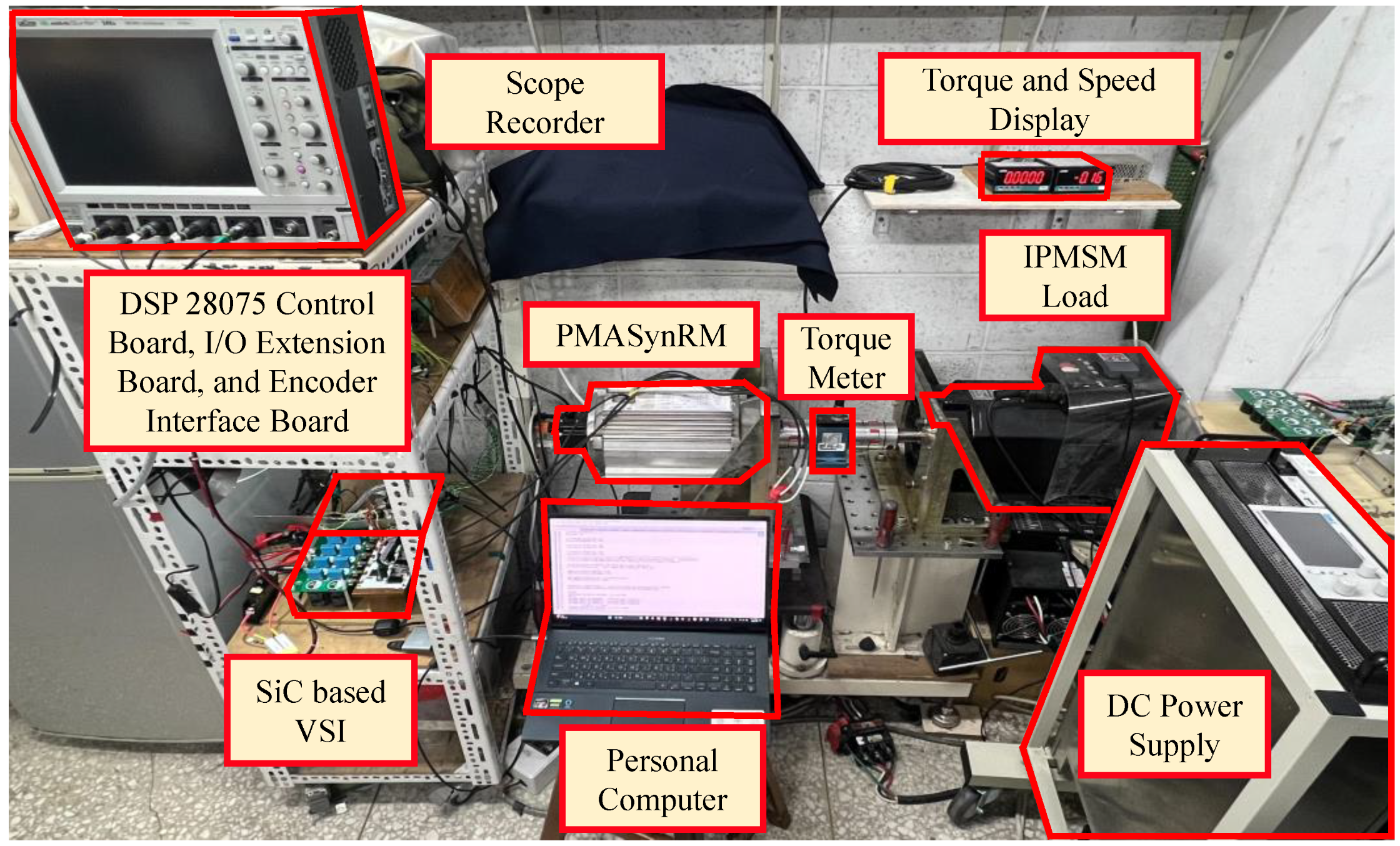
The experimental setup, depicted in
Figure 10, comprises various components such as the PMASynRM servo drive, DSP TMS320F28075 board, and a SiC-based VSI with 4.5 kW. An industrial 7.5-kW PMSM drive is operated in torque control mode as the load. Moreover, two load torques 10 Nm (case 1) and 20 Nm (case 2), are set in the experimentation. The control of position and speed of the PMASynRM is determined using an incremental encoder, which interfaces with a quadrature encoder pulse (QEP) interface and has a sampling interval of 1 ms. The control of current operates with a sampling interval of 0.1 ms. The PMASynRM servo drive is then controlled by delivering switching commands for space vector pulse width modulation (SVPWM) to the voltage source inverter (VSI).
The suggested position control system is evaluated based on three performance metrics:
,
, and
. These metrics represent the maximum tracking error, average tracking error, and standard deviation of the tracking error, respectively. They are utilized to assess and validate the control performance.
Given that
and
represents the total number of iterations, the control performance of the system is demonstrated by measuring the responses of periodical step and sinusoid commands. To model the periodical step reference input, a second-order transfer function with a rise time of 0.6 s is utilized as the reference model in the following:
In Equation (64),
and
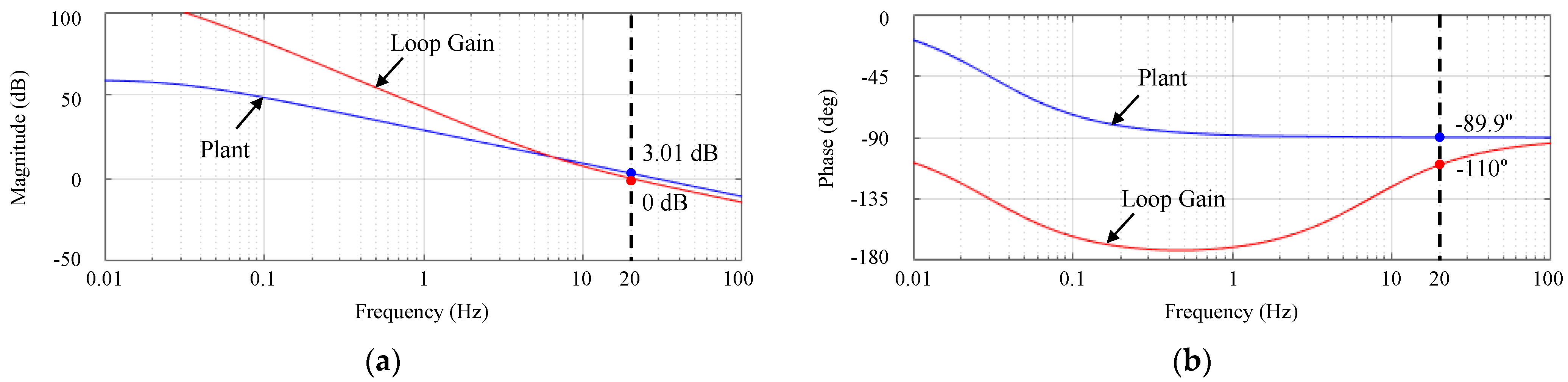
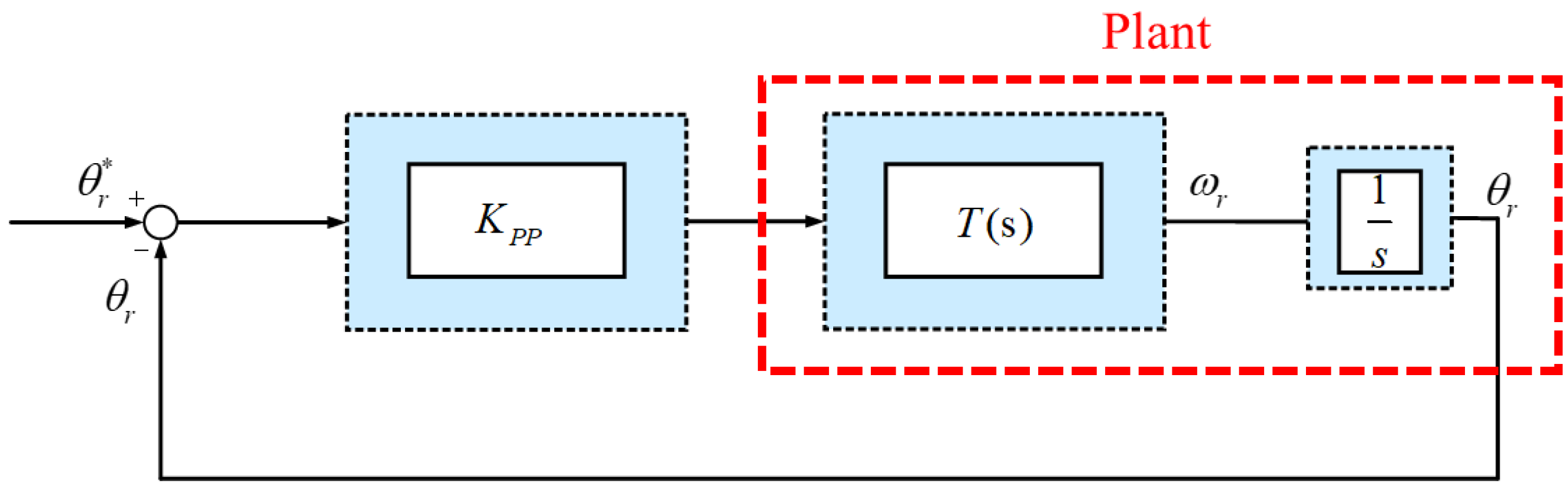
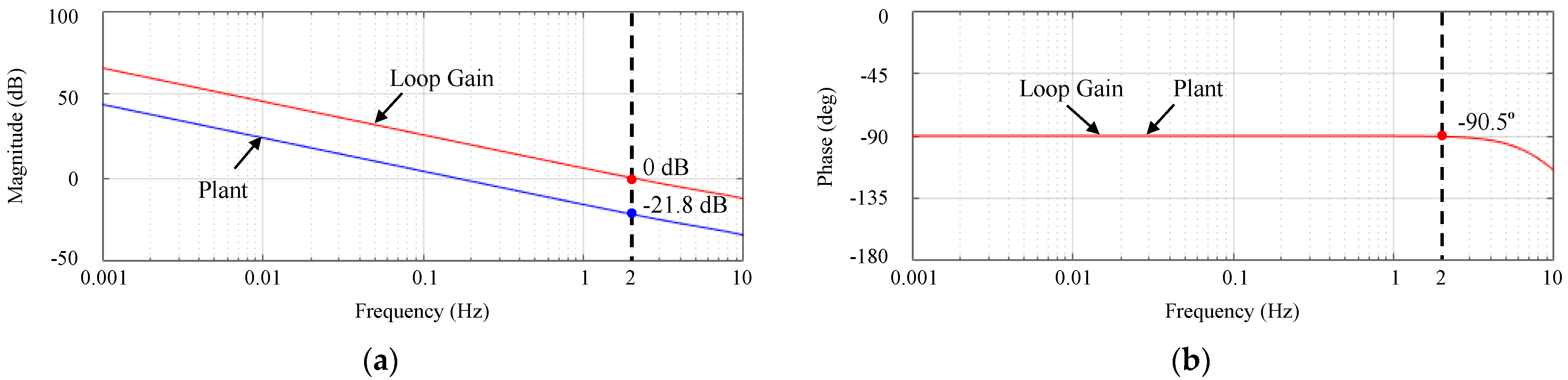
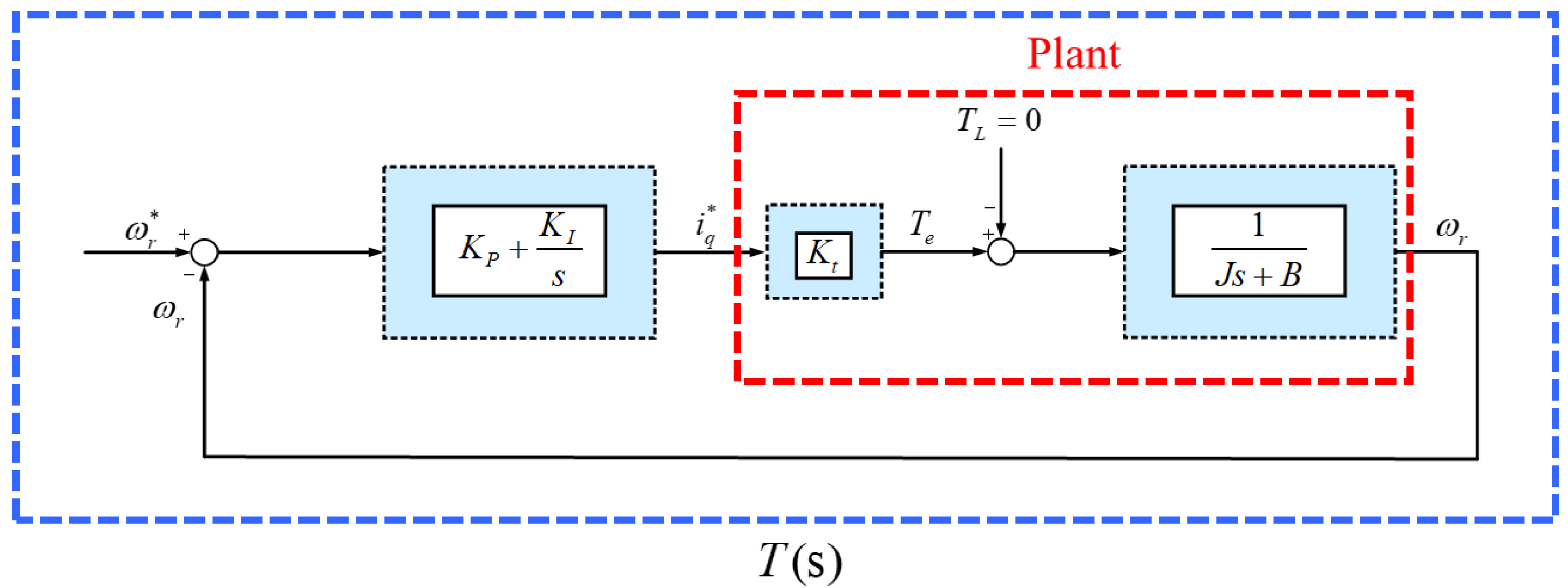
represent the damping ratio and undamped natural frequency, correspondingly. Moreover, the control performance of the proposed IBSCRWFNN position controller is compared with that of the BSC position controller through experimental results analysis. Furthermore, to compare the control performance, experimental results of the PI control, BSC, and the proposed IBSCRWFNN control are presented and analyzed. The parameters of PI control have been designed in
Section 2.3, and the parameters of BSC and the proposed IBSCRWFNN control are provided as follows:
The parameters are iteratively adjusted to achieve optimal transient control performance while ensuring stability using a trial-and-error process. In addition, in order to strike a balance between computational resources and control performance, the network structure of the RWFNN has been designed with specific numbers of neurons in each layer: 2 in the input layer, 6 in the membership layer, 27 in the wavelet layer, 18 in the rule layer, and 1 in the output layer. Additionally, for the 32-bit floating-point DSP with 120 MHz using the “C” program, the total operation cycles and execution time for the PI controller are 60 and 0.0005 ms; the proposed BSC controller are 393 and 0.003275 ms; the proposed IBSCRWFNN controller are 9437 and 0.0786 ms. Consequently, the total execution time of the proposed IBSCRWFNN controller remains below 1 ms, which aligns with the sampling interval of the speed control loop.
In the experimentation, the objective is the control of the rotor position of PMASynRM to periodically track step and sinusoid position commands with minimum tracking errors. The test scenarios are outlined in
Table 3 for the assessment of the robustness of various controllers under different operating conditions.
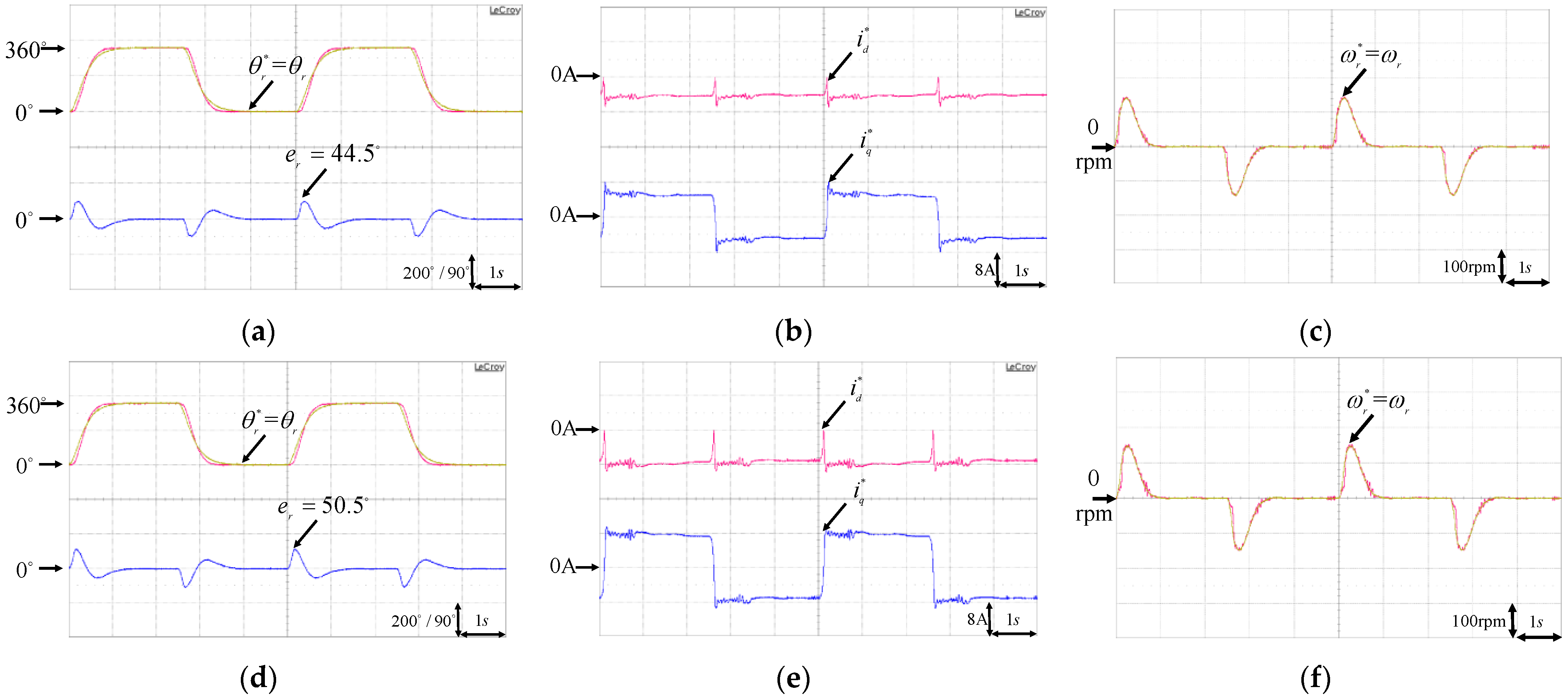
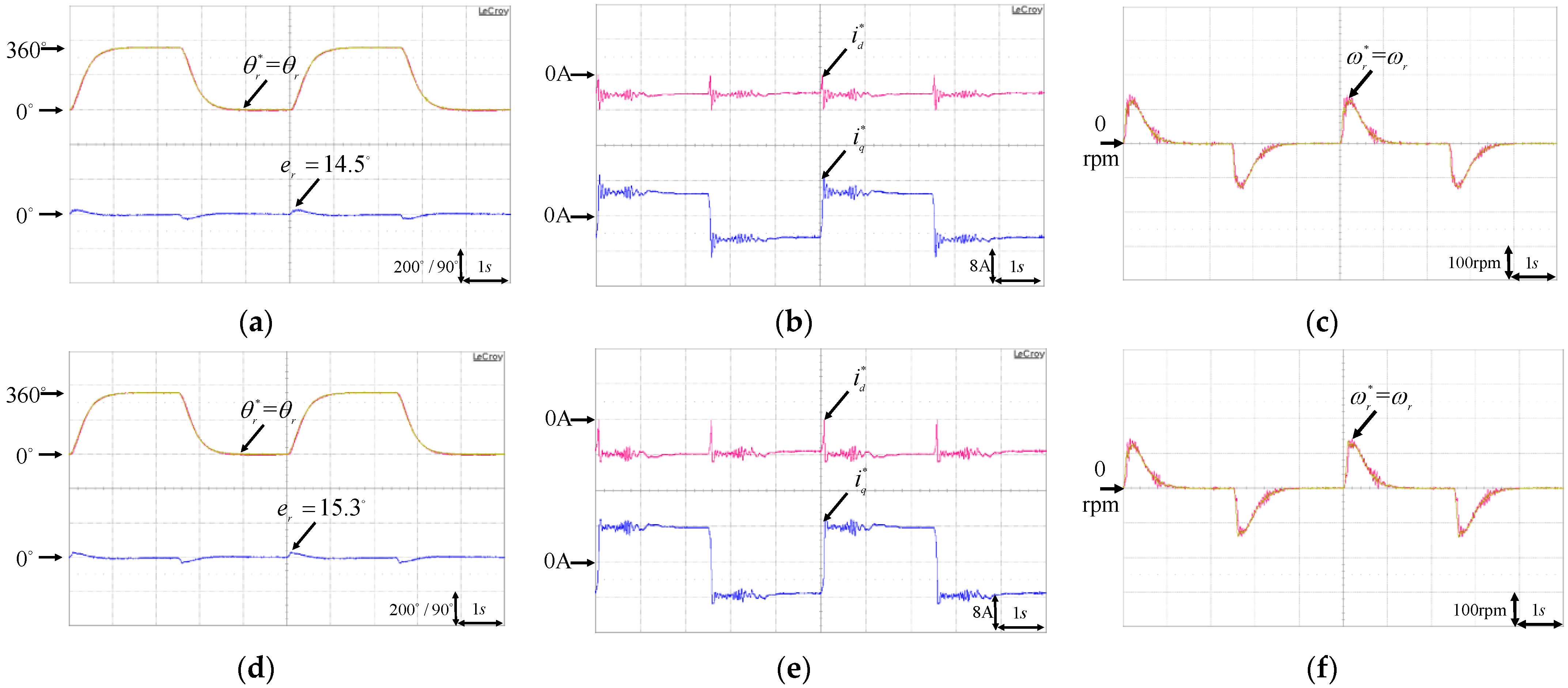
Figure 11 illustrates the experimental results of command tracking using periodical step commands for both case 1 and case 2 of the PI control system. The position command, response, and error are shown in
Figure 11a,d; the current commands are shown in
Figure 11b,e; the speed command and response are shown in
Figure 11c,f.
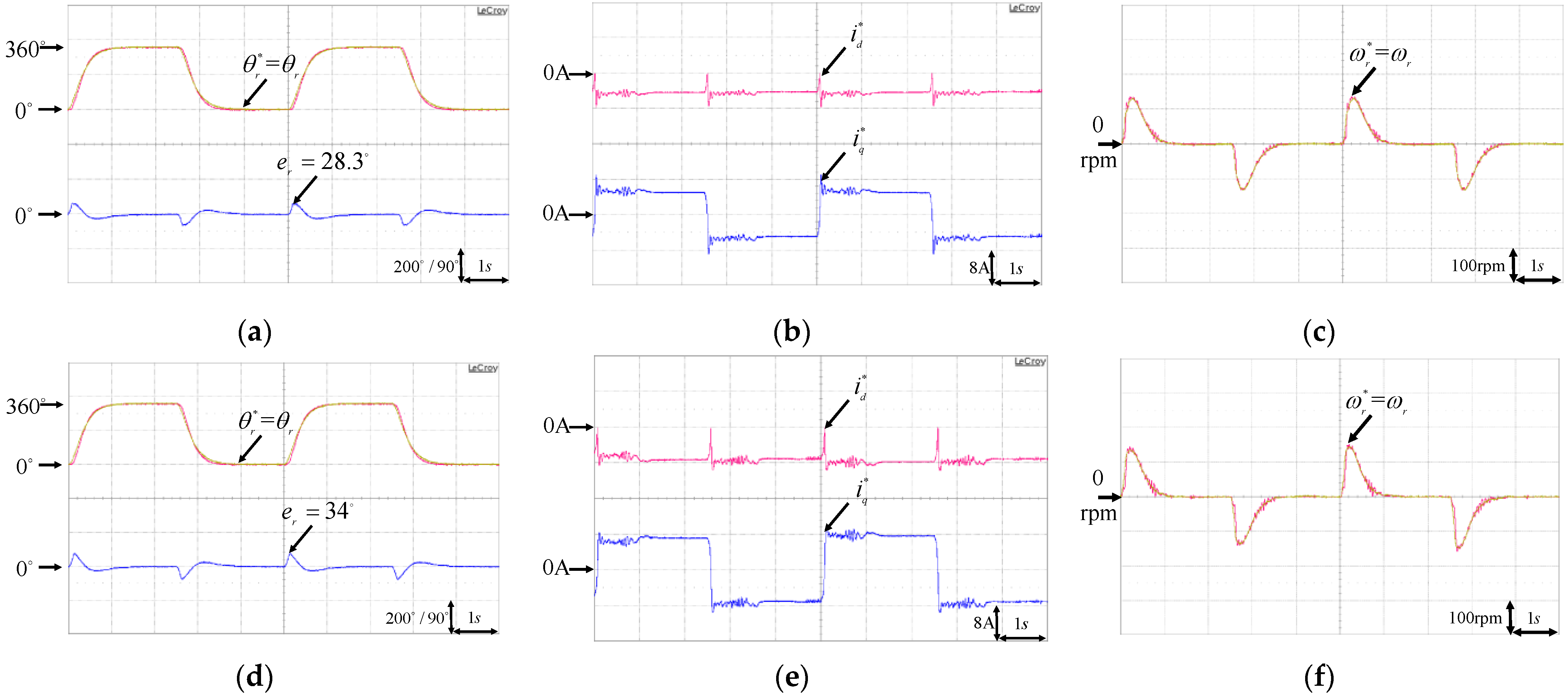
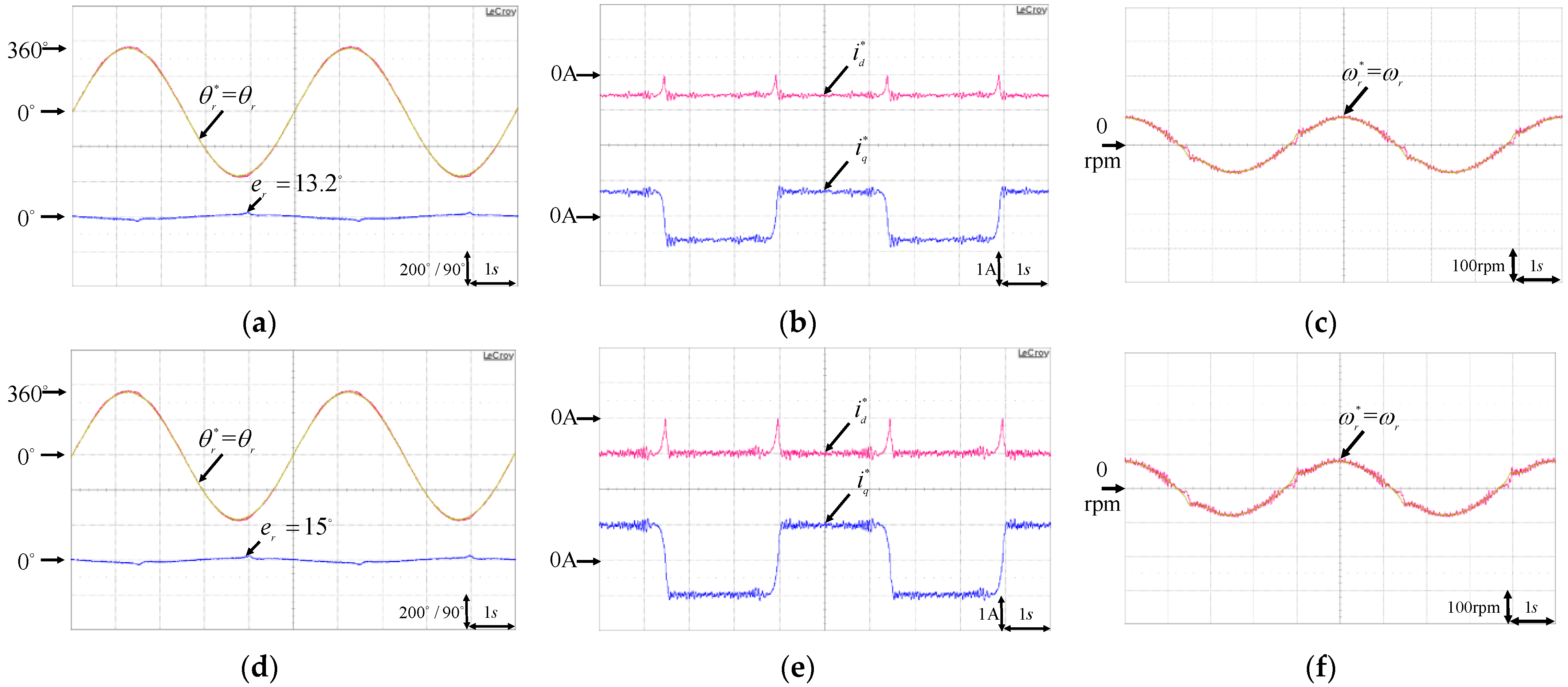
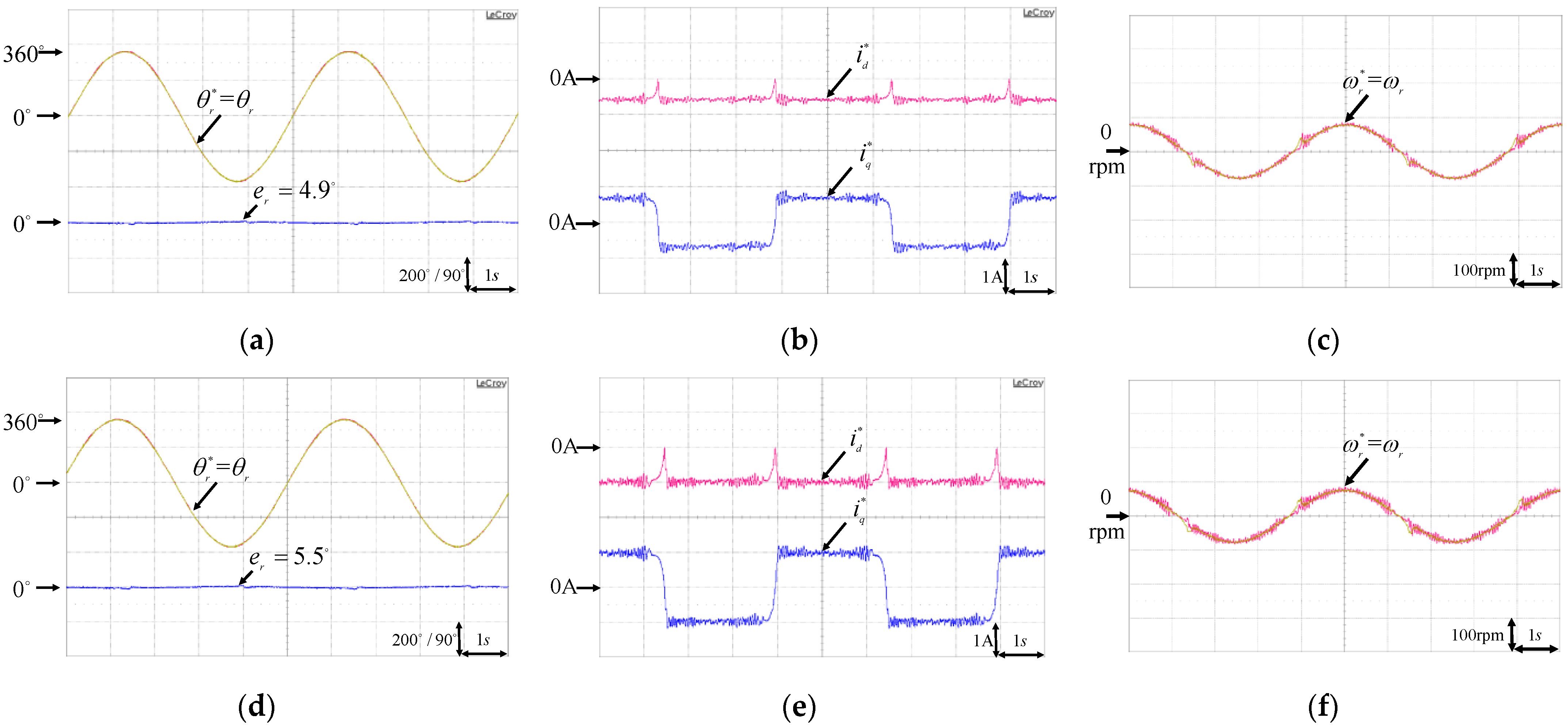
Figure 12 and
Figure 13 illustrate the experimental results of command tracking using periodical step and sinusoid commands for both case 1 and case 2 of the BSC control system. The position command, response, and error are shown in
Figure 12a,d and
Figure 13a,d; the current commands are shown in
Figure 12b,e and
Figure 13b,e; the speed command and response are shown in
Figure 12c,f and
Figure 13c,f. In addition,
Figure 14 and
Figure 15 illustrate the experimental results of command tracking using periodical step and sinusoid commands for both case 1 and case 2 of the IBSCRWFNN control system. The position command, response, and error are shown in
Figure 14a,d and
Figure 15a,d; the current commands are shown in
Figure 14b,e and
Figure 15b,e; the speed command and response are shown in
Figure 14c,f and
Figure 15c,f.
From the experimental results, it can be observed that the d-axis current command is effectively generated using the FEA-based look-up table (LUT) for MTPA control. Moreover, the BSC position controller performs better than the PI controller, and the proposed IBSCRWFNN controller outperforms the BSC controller. The rotor response of the PMASynRM is significantly enhanced by the proposed IBSCRWFNN position controller, resulting in reduced tracking errors under different reference inputs. This improvement can be attributed to the parallel processing and online learning capabilities of the RWFNN used in the control network. In other words, the robustness of the position control is improved by employing the suggested IBSCRWFNN position controller. Furthermore, the quantified results of maximum tracking error and transient response time of all experiments are also presented in
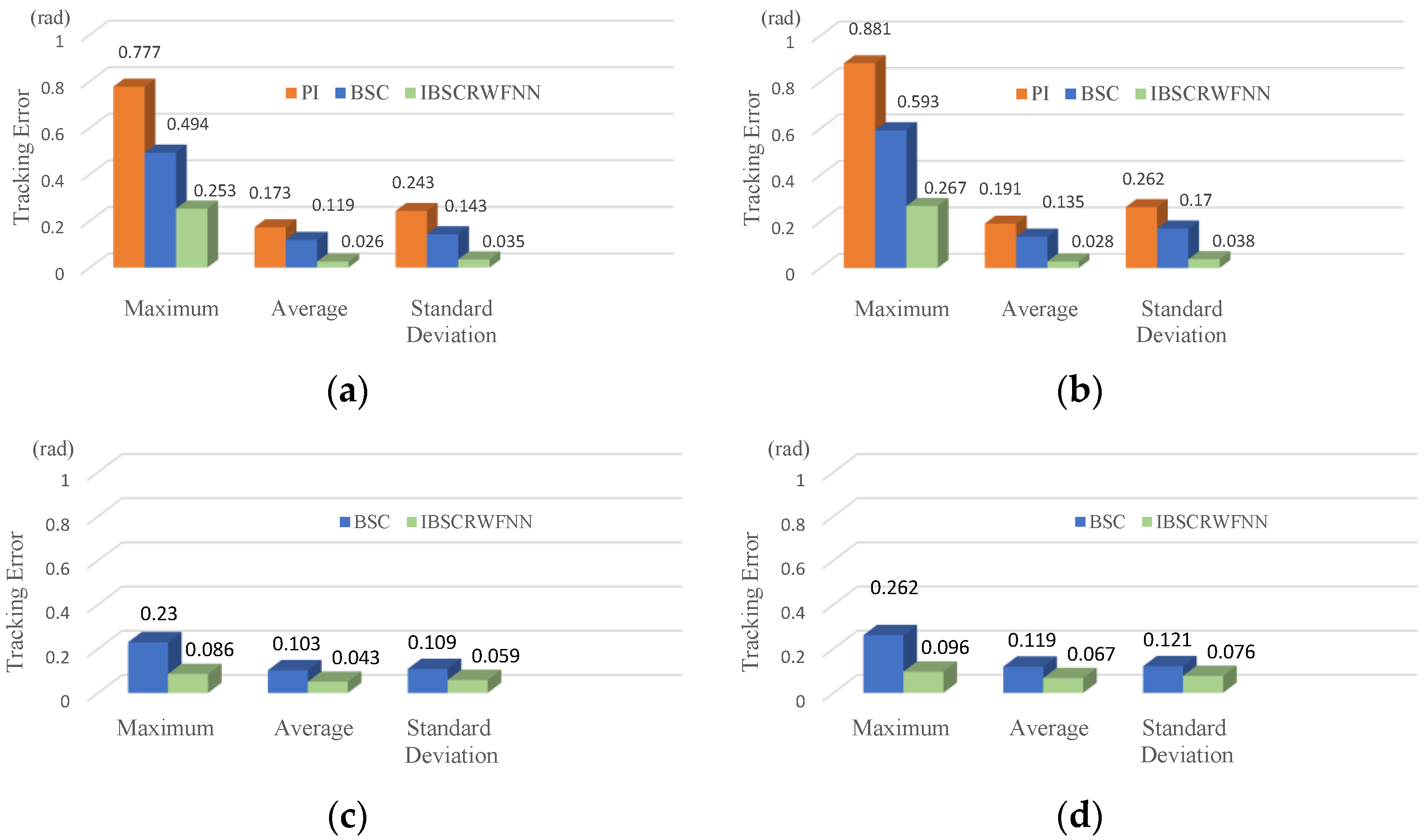
Table 3. In addition, the performance measurements of PI, BSC, and the proposed IBSCRWFNN position controllers are compared in
Figure 16, considering two operating cases with periodical steps and sinusoid reference commands. The proposed IBSCRWFNN position controller exhibits lower maximum, average, and standard deviation tracking errors thanks to its faster convergence rate and improved generalization performance.
7. Conclusions
In this study, an IBSCRWFNN control was proposed for a high-performance PMASynRM servo drive system. First, the dynamic model of the PMASynRM servo drive was analyzed using ANSYS Maxwell-2D capabilities. The FEA results were utilized to generate a LUT for the MTPA current angle command. Subsequently, a BSC position tracking system was developed to confront the existing lumped uncertainty of the motor drive. Moreover, the proposed RWFNN was employed as an alternative to the BSC law to address the challenges associated with the dynamic model of the motor required by the BSC in the PMASynRM servo drive. Furthermore, the Lyapunov stability method was employed to derive online learning algorithms for the RWFNN, ensuring asymptotical stability. Finally, the experimental results demonstrate that the proposed IBSCRWFNN exhibits excellent control performance in terms of position tracking control for the PMASynRM servo drive. This study presents several significant contributions, which include: (1) the successful creation of the IBSCRWFNN specifically designed for a high-performance PMASynRM position servo drive system; (2) the successful development of an online learning algorithm that allows for the real-time training of the RWFNN using the Lyapunov stability theorem; (3) the effective implementation of the IBSCRWFNN in a floating point DSP, ensuring robust position control performance for the high-performance PMASynRM.
The future works of this study are as follows: (1) in the experiment, an optical encoder was used to obtain the position of the motor rotor. Subsequently, a sensorless control method, which eliminates the need for sensors, can be further incorporated to reduce system costs. (2) In this study, the online learning rates of the intelligent control algorithm are adjusted through trial and error. In the future, it is possible to explore a self-adjusting network learning rate to optimize the intelligent control algorithm. (3) In addition to reducing motor copper losses by maximizing torque per ampere, the development of optimal efficiency control is also possible.