


Abstract
Epithelial ovarian cancer is one of the most lethal gynecological malignancies worldwide. Its development strongly depends on several genetic and environmental factors, with metabolic components and cellular redox homeostasis alterations playing a significant a role in its development and disease progression. In this review, we summarize the contribution of mitochondrial and endoplasmic reticulum (ER) stress in the pathogenesis of epithelial ovarian cancer along with their role as potential biomarkers and therapeutic targets, including proteins of glucose metabolism, mitochondrial fission and fusion, mitophagy, membrane-associated ring-CH-type finger 5 (MARCH5), A-kinase anchoring proteins (AKAPs), proteins regulating mitochondrial Ca2+ homeostasis, mitochondrial unfolded protein response (UPRmt) proteins, activating transcription factors (ATFs), CCAAT enhancer binding protein (C/EBP) homologous protein (CHOP), ‘mitokines’, GRP75, and GRP78. Although many of these potential targets are in preclinical phase, they have a high potential to become valuable alternative or additive treatments for epithelial ovarian cancers.
1. General Aspects of Ovarian Cancer
Epithelial ovarian cancer (EOC) represents a heterogeneous spectrum of disease entities at the clinical, pathological, and molecular level. Ovarian cancer is the second most lethal gynecological malignancy [1]. Infertility or nulliparity, estrogen treatment, and obesity are risk factors for the development of EOC, and they could account for the increasing incidence of the disease in developed countries [2,3].
1.1. Histological Subtypes
EOC represents the majority (approximately 90%) of ovarian malignancies. The 2020 World Health Organization (WHO) classification based on histopathology, immunohistochemistry (IHC) and molecular analysis recognizes at least four distinct subtypes of EOC: serous carcinomas [high-grade serous carcinoma (HGSC; ~70%), and low-grade serous carcinoma (LGSC; ~5%)], endometrioid ovarian cancer (EC; ~10%), clear cell carcinoma (CCC; ~6–10%), and mucinous carcinoma (MC; ~3–4%), along with other rare entities, including mesonephric-like carcinoma, mixed-cell tumor, malignant Brenner tumor, carcinosarcoma, and undifferentiated carcinoma. Each subtype represents a distinct disease entity, often with a different site of origin, pathogenesis, clinical features, and prognosis. In addition, HGSC and CCC, for example, have distinct metabolic phenotypes, which further distinguish these tumors. The complexity of subclassification and its effect on personalized treatment choice underline the importance of histological tumor typing. IHC staining patterns and molecular features of the different subtypes are summarized in Table 1. Certain genomic and molecular alterations, such as BRCA1/2-mutation (also known as BRCA1/2-mut) or other homologous recombination deficiency (HRD) are helpful in predicting the effectiveness of targeted therapy with poly(ADP-ribose)polymerase inhibitors (PARPis) in high-grade tumors [4].
Table 1.
Pathology and molecular biology of EOC subtypes (modified table from ESMO Clinical Practice Guidelines) [5]. * Positive staining possibly in EC of uterine origin [6], although IHC is currently not used to differentiate metastatic vs. primary ECs due to lack of evidence from a larger cohort. $ Napsin A is positive between 3 and 7.7% of purely EC tumors [7,8]. # Aberrant in ~7–24% of CCCs [9,10]. ^ Aberrant in ~53% of MC [11]. @ Variable CDX2 expression in primary MC of the ovary (~40%) vs. metastatic GI MCs (74–100%) [12,13]. Abbreviations: CCC: clear cell carcinoma; CDX2: homeobox protein CDX2; dMMR: mismatch repair deficiency; EC: endometrioid carcinoma; EOC: epithelial ovarian cancer; ER: estrogen receptor in this table (ER refers to endoplasmic reticulum for the general article); HGSC: high-grade serous carcinoma; HNF1β: hepatocyte nuclear factor 1β; HRD: homologous recombination deficiency; IHC: immunohistochemistry; LGSC: low-grade serous carcinoma; MC: mucinous carcinoma; MSI: microsatellite instability; PAX8: paired box gene 8; WT-1: Wilms tumor.
1.2. Therapeutic Considerations: Chemotherapy, Antiangiogenic Treatment, and Targeted Therapies
The backbone of ovarian cancer treatment is surgical intervention with conventional chemotherapy (ChT) (mainly platinum-based drugs), often combined with antiangiogenic drugs and other targeted therapies, such as PARP inhibitors. In this article, we only review non-surgical treatment options, given the focus on mitochondrial and ER stress in endothelial ovarian cancer.
In the early stages of the EOC, adjuvant platinum-based ChT significantly prolongs patient survival [14,15] after surgery. In addition, bevacizumab, a monoclonal vascular endothelial growth factor (VEGF) inhibitor, has shown survival benefit in clinical trials as a neoadjuvant treatment [16,17].
In advanced stages of ovarian cancer, systemic ChT, using carboplatin and paclitaxel, following cytoreductive surgery is recommended for all patients. Additionally, consideration should be given to the inclusion of antiangiogenic and maintenance ChT [18]. Two large randomized controlled trials (RCTs) showed that the addition of bevacizumab to paclitaxel and carboplatin in first-line therapy, followed by bevacizumab as maintenance therapy, resulted in a statistically significant increase in survival compared to chemotherapy alone [19]. Up to 50% of HGSCs are HRD positive, including ~15–20% of germline BRCA1/2-mut cases. Additionally, somatic BRCA1/2-mut, BRCA1 promoter epigenetic silencing via hypermethylation, and deficiencies of other proteins in the DNA double-strand break homologous recombination repair contribute to the remainder of the positive tests [20]. HRD positivity with or without BRCA1/2-mut is a well-established predictive factor of the magnitude of response to PARPis. The incorporation of PARPis in the maintenance therapy after first-line ChT has led to a new era in the management of advanced HGSC/high-grade EC, with unprecedented benefit of different PARPis in clinical trials for patients with BRCA1/2-mut or BRCA1/2-wild type (wt)/but HRD-positive tumors [21,22,23,24]. Future therapeutic directions may include the combination of a PARPi with other molecules, targeting cellular metabolism to enhance the effectiveness of PARPi therapy in OC.
Up to 70% of patients with stage III-IV high-grade ovarian cancer will relapse within three years. Relapse rates for early-stage ovarian cancer are much lower. Systemic therapy of recurrent disease is based on platinum-containing or non-platinum-containing regimens. The treatment decision is based on whether the disease is platinum sensitive or resistant, with the definition of platinum sensitivity being a six-month relapse-free and ChT-free interval from the last use of platinum (TFIp). On the other hand, platinum resistance is defined as the development of relapsed disease within the first six months after completing the first line of platinum-containing ChT. Relapsed patients with platinum-sensitive tumors should be considered to receive platinum-based therapy if platinum is not contraindicated, and if there is a reasonable benefit from the platinum rechallenge (no progression during platinum-based therapy or shortly thereafter). Currently there are no molecular markers to predict efficacy of platinum rechallenge [22].
1.3. Antiangiogenic Therapy and PARP Inhibitors in Recurrent Disease
Bevacizumab is approved in combination with a platinum-based therapy and subsequent maintenance therapy for patients with a treatment-free interval of >6 months. Bevacizumab plus platinum (either paclitaxel or gemcitabine, followed by bevacizumab maintenance) leads to a significant benefit in objective response rate and survival [25]. Three PARPis (olaparib, niraparib, and rucaparib) are currently approved for maintenance therapy in patients with high-grade tubo-ovarian carcinoma, who has a good response to platinum rechallenge. Based on data from clinical trials, they can be used irrespective of the tumor BRCA1/2-mut or HRD status. Both antiangiogenic therapy and PARPis should be continued until disease progression [22].
1.4. Other Targeted Therapies
Other targeted therapies (e.g., EGFR inhibitors, anti-HER2 drugs, due to lack of molecular target) fail to show any survival benefit, therefore not detailed in this article. Regarding immune checkpoint inhibitors, Won-Hee Yoon et al. reviewed their role in advanced stage EOC. Numerous clinical trials investigated the use of immune checkpoint inhibitors as single-agent, dual-agent therapy, as well as in combination with other antiangiogenic agents. Although the promising preclinical data showed a possible synergistic effect between antiangiogenic treatment and immune checkpoint inhibitors, clinical trial data showed disappointing data regarding either survival outcomes or an intolerable side-effect profile, therefore these drugs have not been incorporated into routine clinical practice [26].
2. Mitochondrial Stress Markers
Mitochondria have a versatile function in cellular homeostasis under normal and pathological conditions. They regulate multiple key cellular processes, such as cellular metabolism, reactive oxygen species (ROS) production, calcium (Ca2+) signaling, apoptosis, and phospholipid and heme synthesis [27,28,29]. It is therefore not surprising that they are key players during carcinogenesis, tumor cell survival, and in the development of therapy resistance. Metabolic changes, alterations in mitochondrial mass and mitochondrial DNA (mtDNA), mitochondrial dynamics (fission/fusion and mitophagy), and other mitochondria-associated changes are discussed in this section. Their alterations in OC are discussed later, in Section 3.
2.1. Metabolic Changes
Cancer cells require a highly adaptive metabolism for their survival, which is considered one of the mitochondrial stress markers [27]. Understandably, mitochondrial adenosine triphosphate (ATP) production via oxidative phosphorylation (OXPHOS) is often increased in cancer cells along with increased ROS production. Cancers that are not OXPHOS-dependent increase their ATP production via enhanced anaerobic glycolysis, also known as the Warburg effect. Those, however, typically still have ongoing ATP production from OXPHOS. Mitochondrial pyruvate carriers (MPCs) play an important role in fueling Krebs (also known as TCA) cycle, transferring pyruvate from the cytosol to the mitochondrial matrix, where it forms acetyl-CoA by decarboxylation by pyruvate dehydrogenase (PDH), or oxaloacetate by carboxylation by pyruvate carboxylase (PC) [30]. MPCs work as a heterodimer of MPC1 and MPC2, forming an MPC complex, formed by their transmembrane helices [30] (Figure 1). OC-associated changes are described in Section 3.
Figure 1.
Mitochondrial electron transport chain (ETC) and the TCA cycle. Oxidative phosphorylation occurs in the mitochondria, where the mitochondrial inner membrane (MIM) ETC proteins (I–IV) transport electrons, using NADH and FADH2 to pump H+ into the intermembrane space to create a gradient. H+ ions then flow back to the mitochondrial matrix space via the ATP synthase (also known as complex V), catalyzing ATP synthesis from ADP + inorganic phosphate (Pi). The TCA cycle generates the electron carriers, NADH and FAH2, for electron donation to the ETC. The mitochondrial pyruvate carriers 1 and 2 (MPC1 and 2) are heterodimers that facilitate pyruvate transport through the mitochondrial membranes to the mitochondrial matrix, fueling the TCA cycle. Created in BioRender. Wappler-Guzzetta, E.A. (2025) https://app.biorender.com/illustrations/69307d2fcf54afbf9e5c7e82?slideId=52d01672-1809-4ee7-ab39-ed5c87ba0814 (accessed on 11 October 2025). Abbreviations: α-KGDH: α-ketoglutarate dehydrogenase; ACO: aconitase; CS: citrate synthase; IDH: isocitrate dehydrogenase; MDH: malate dehydrogenase; PDH: pyruvate dehydrogenase; PC: pyruvate carboxylase; PDK: pyruvate dehydrogenase kinase; SCS: succinate-CoA synthetase; SDH: succinate dehydrogenase. Enzymes in the TCA cycle are shown with a blue background; ├ (red) indicates blocking.
2.2. Mitochondrial DNA (mtDNA) and Mitochondrial Mass
The circular mtDNA encodes 13 essential mitochondrial proteins out of the over 1000 proteins that comprise the mitochondria, with the rest encoded by the nuclear DNA [31,32].
To increase mtDNA, and subsequently mitochondrial mass, mtDNA replication must take place. The mtDNA-directed RNA polymerase enzyme, encoded by POLRMT gene, provides RNA primers for replication initiation of the mitochondrial genome. Afterward, DNA polymerase γ (POLγ) continues the DNA synthesis with the help of TWINKLE DNA helicase, which unwinds the mtDNA for replication [33]. During this replication process, the strand that does not undergo DNA synthesis at that time is stabilized by a protein called the mitochondrial single-stranded DNA-binding protein (mtSBB) [33]. When replication is completed on both strands, RNAse H1 and mitochondrial genome maintenance exonuclease 1 (MGME1) assist to terminate the process by removing the primers, with topoisomerase 3A (TOP3A) separating the two newly formed mtDNAs [33] (Figure 2).
Figure 2.
mtDNA replication and transcription. Mitochondrial DNA (mtDNA) replication is initiated by the polymerase (RNA) mitochondrial (POLRMT), while the DNA polymerase γ (POLγ) continues the DNA synthesis with the TWINKLE DNA helicase unwinding the dsDNA. The DNA strand that does not undergo the replication at the time is stabilized by mitochondrial single-stranded DNA-binding proteins (mtSBBs). When the replication is finished on both DNA strands, the RNAse H1 and mitochondrial genome maintenance exonuclease 1 (MGME1), and the topoisomerase 3A (TOP3A) help to terminate mtDNA replication. mtDNA transcription also includes POLRMT in its initiation complex, where it forms a complex with mitochondrial transcription factor A (TFAM) and mitochondrial transcription factor 2M (TFB2M). Transcription elongation factor (TEFM) is necessary for the elongation phase of the transcription, and the mitochondrial transcription termination factor 1 (mTERF1) for the termination process. Furthermore, following stress, such as metabolic stress, peroxisome proliferator-activated receptor gamma coactivator-1 (PGC-1α) can bind to nuclear transcription activators (such as NRF1) to enhance the transcription genes involved in mitochondrial biogenesis, mitochondrial fission (in some cases it can decrease drp1) and fusion, mitophagy, and antioxidant proteins, and it also alters the expression of some metabolic enzymes. Metabolic stress also increases the expression of mitochondrial-derived peptides (MDPs), such as MOTS-c, which can enhance the expression of various genes, including TFAM and NRF1. Created in BioRender. Wappler-Guzzetta, E.A. (2025) https://app.biorender.com/illustrations/69307d860f668eb5c36f2e6b?slideId=334d110a-e5b7-43cd-be3d-5e2b316d5df3 (accessed on 11 October 2025). ↑: increase; ↓: decrease; → (grey): translocation to the nucleus; → (black): results of nuclear DNA transcription and explanatory arrows.
Following mtDNA replication, increased mtDNA and nuclear DNA transcription and translation of mitochondrial proteins occur when cells need to increase their mitochondrial mass. Interestingly, transcription initiation also involves the mitochondrial RNA polymerase (POLRMT) along with mitochondrial transcription factor A (TFAM) and mitochondrial transcription factor B1/2 (TFB1M/2M). Transcription elongation factor (TEFM) is then involved in the elongation phase of the transcription, and the mitochondrial transcription termination factor 1 (mTERF1), terminating the transcription [27]. Certain nuclear transcription factors, such as c-Jun, Jun-D, and CEBPb can localize to the mtDNA to regulate transcription activity, adjusting the cells’ metabolic needs [27,34]. Furthermore, many mitochondrial transcription coactivators exist, including the peroxisome proliferator-activated receptor gamma coactivator-1 (PGC-1α), which are crucial for mitochondrial biogenesis [27,35]. On the other hand, transcription inhibition was described with 7S RNA, which specifically inhibits POLRMT activity [36]. For more details on their alterations in OC, see Section 3.
2.3. Mitochondrial Open Reading Frame of the 12S rRNA-c (MOTS-c)
Mitochondrial short open frames (sORFs) are short mtDNA sequences that once were thought to be ‘junk’ that are translated to small, functional peptides, called the mitochondrial-derived peptides (MDPs), which regulate various signaling and metabolic protein expression [37,38,39]. MDPs include MOTS-c, humanin, SHLP2, and SHLP6, which have various functions in different tissue and under different circumstances [38]. Interestingly, metabolic stress has been described to initiate AMPK-dependent MOTS-c translocation to the nucleus, where it alters gene expression to enhance metabolic stress resistance [37]—a key factor in cancer cell survival. See more details about sORFs/MOT-c in OC in Section 3.1.5.
2.4. Mitochondrial Fission
Mitochondrial fission/fusion and mitophagy maintain the required number of healthy mitochondria for proper cellular metabolism in both normal and cancerous cells. Furthermore, these processes are involved in apoptosis regulation. Mitochondrial fission increases the number of mitochondria, which is a hallmark of most cancer cells. Excessive fission, however, is associated with apoptosis induction. For more details of mitochondrial fission and fusion in OC, see Section 3.3, with preclinical and human data for OC found in Section 3.3.
2.4.1. Dynamin-Related Protein 1 (Drp1)
The main fission regulator, Drp1 is located in the cytoplasm while inactive and recruited to the mitochondrial outer membrane (MOM) at the time of fission. Once Drp1 is on the MOM, fission occurs when Drp1 molecules, which are GTPases, are assembled into helical rings around the mitochondria, causing membrane constriction [40].
2.4.2. Adaptor Proteins
Mitochondrial fission factor (Mff) and mitochondrial fission 1 protein (Fis1). Adaptor proteins located on the MOM, such as Mff, Fis1, and mitochondrial dynamics proteins of 49 kDa and 51 kDa (MiD49 and MiD51, respectively) [41,42], facilitate Drp1 recruitment, translocation, and assembly. Both Fis1 and Mff are located in the MOM, and act as an anchor to Drp1. While Mff can bind and activate Drp1 to induce fission under physiological conditions [43], Fis1 may only play an important role in stress-induced mitochondrial fission, such as in response to oxidative stress [44]. Mff is also important in regulating cellular metabolism, as it can be activated by the energy-sensing adenosine monophosphate (AMP)-activated protein kinase (AMPK) under low-nutrient conditions, increasing mitochondrial fission to enhance ATP production [45]. Furthermore, there is evidence that Fis1 can induce mitochondrial fission by inhibiting mitochondrial fusion in human cells [46].
2.4.3. Adaptor Proteins
MiD49 and MiD51. Drp1 adaptor proteins MiD49 and MiD51 have very similar structures to each other, and they can bind ER besides Drp1 in the same region, making them an important part of ER-mitochondria connection and signaling [47,48]. There is, however, a significant difference between the two: while MiD51 can bind ADP/GDP, MiD49 is incapable of ADP/GDP binding due to its smaller nucleotide-binding pocket [49]. In functional studies, ADP was found to be an essential cofactor for MiD51, facilitating mitochondrial fission. Low-rate MiD51-Drp1 binding and mitochondrial fission, however, still occurs with mutant MiD51 that has no ADP/GDP binding ability [50]. Also, MiD49 and MiD51 have a different expression pattern by tissue type and age. In most adult cells, MiD49 expression is higher than MiD51 expression, except for skeletal and heart muscle cells. Furthermore, MiD51 is highly expressed in fetal tissue [51]. In tissue with high MiD51 expression, it is thought to have a regulatory effect on mitochondrial fission dynamics by increasing fission when cytoplasmic ADP levels are high during metabolic stress. Given that MiD49 and MiD51 are localized at mitochondria-associated endoplasmic reticulum sites (MAMs), they play a supportive but not essential role in ER being wrapped around the mitochondria during fission initiation, which reduces mitochondrial diameter to enable Drp1 helix formation [47,48]. Interestingly, overexpression of MiD49 and MiD51 causes Drp1 sequestration, resulting in reduced fission activity and increased number of fused mitochondria in vitro [52]. In addition to mitochondrial fission, Drp1 adaptors are involved in cell cycle regulation, with MiD49 and MiD51 being important in apoptotic Drp1 recruitment to the mitochondrial membrane along with Bax, and interestingly with Mfn2, resulting in cytochrome c release and concurrent mitochondrial fission [29,53]. Furthermore, loss of MiD49 and MiD51 were shown to increase resistance to apoptotic stimuli [54]. For more details of mitochondrial fission and fusion in OC, see Section 3.3, with preclinical and human data for OC found in Section 3.3 (Figure 3).
Figure 3.
Mitochondrial fission and mitophagy—mitochondrial fission. Mitochondrial fission is largely mediated by dynamin-related protein 1 (Drp1), which is a cytoplasmic GTPase protein that translocates to the mitochondria at the time of fission, binding to the mitochondrial fission adaptors mitochondrial fission factor (Mff), mitochondrial fission 1 protein (Fis1), or the mitochondrial dynamics proteins of 49 kDa/51 kDa (MiD49/MiD51). Drp1 then forms a helical ring around the mitochondria to constrict it for fission. Mitochondrial fission adaptors can be present on the mitochondrial outer membrane (MOM) by different stimuli. Mff, for example, is active under physiological and pathological conditions, whereas Fis1 is important in stress-induced fission. Furthermore, MiD51 can bind ADP/GDP, which facilitates MiD51-associated fission, making it a good sensor of metabolic stress. MiD49, on the other hand, cannot bind ADP/GDP, and most adult tissue has a higher MiD49 expression than MiD51, except for skeletal and heart muscle cells. Also, both MiD49 and MiD51 can be found at the mitochondria-associated endoplasmic reticulum sites (MAMs), where the ER likely helps mitochondrial fission. MiD49 and MiD51 can also bind the pro-apoptotic bax, and interestingly, the fusion protein mitofusin2 (mfn2). Mitophagy can be ubiquitin-mediated and parkin-dependent or parkin-independent, and it also can be receptor-mediated. During parkin-dependent ubiquitin-mediated mitophagy, phosphatase and tensin homolog (PTEN)-induced putative kinase 1 (PINK1) accumulates in the MOM when it cannot be transferred through the MOM to be cleaved, inducing the phosphorylation and recruitment of parkin. When the phosphorylated parkin translocates to the MOM, it ubiquitinates and therefore tags mitochondrial proteins [i.e., mitofusin 1/2 (mfn1/2), voltage-dependent anion channel (VDAC)] for elimination. These ubiquitinated proteins need to then bind to autophagy adaptor proteins (p62, Optn, and Ndp52), which connect them to the phagosomal light chain 3 (LC3) protein to complete mitophagy. In addition to PINK1, E2 ubiquitin-conjugating enzymes UBE2D and UBE2L3 can also activate parkin. In the ubiquitin-mediated and parkin-independent mitophagy, other E2 ubiquitin-conjugating enzymes, such as glycoprotein 78 (Gp78), mitochondrial E3 ubiquitin ligase 1 (MUL1), smad ubiquitination regulatory factor 1 (SMURF1), and ariadne RBR E3 ubiquitin protein ligase 1 (ARIH1) ubiquitinate mitochondrial proteins other than parkin to tag them for degradation (ubiquitin-mediated and parkin-independent mitophagy is not shown on this figure, for more information see Section 2.6). In receptor-mediated mitophagy, activated proteins in the MOM [activating molecule in Beclin1-regulated autophagy 1 (AMBRA1), Bcl-2 family adenovirus E1B 19 kDa-interacting protein 3 (BNIP3), BNIP3L/Nip3-like protein X or Bnip3L (NIX), Bcl-2-like protein 13 (BCL2L13), FUN14 domain containing 1 (FUNDC1)] or MIM [Prohibitin 2 (PHB2), cardiolipin] can directly bind to the phagosomal LC3 protein. Created in BioRender. Wappler-Guzzetta, E.A. (2025) https://app.biorender.com/illustrations/69307d8f1222a70fb0157ee1?slideId=f2f208cd-3ec1-43f1-b541-5dae63abe7b7 (accessed on 11 October 2025). → (solid): translocation to the phagosome membrane/to the mitochondrial membrane or it shows the progression in mitochondrial fission. → (dashed line): shows phosphorylation.
2.5. Mitochondrial Fusion
Mitochondrial fusion, opposing fission, joins two mitochondria together, resulting in increased OXPHOS capacity. The key enzymes included in fusion are mitofusin 1 and 2 (Mfn1, Mfn2), and optic atrophy 1 protein (OPA1). While Mfn1 and Mfn2 are involved in MOM fusion (via homotypic, Mfn1-Mfn1/Mfn2-Mfn2; or heterotypic, Mfn1-Mfn2 connections), OPA1 fuse the internal mitochondrial membranes (MIM) connecting to other OPA1 proteins [27]. For more details of mitochondrial fission and fusion in OC, see Section 3.3, with preclinical and human data for OC found in Section 3.3 (Figure 4).
Figure 4.
Mitochondrial fusion and mitochondrial–ER Ca2+ transport—mitochondrial fusion. Fusion of the mitochondrial outer membrane (MOM) is mediated by mitofusin1 and 2 (mfn1 and 2), and they can form heterotypic-(mfn1-mfn2) or homotypic (mfn1-mfn1, or mfn2-mfn2) complexes, of which the heterotypic complexes seem to be the strongest. While mfn1 is a more efficient fusion protein, mfn2 is also expressed on the endoplasmic reticulum (ER), where is helps with mitochondrial–ER tethering. The fusion of the mitochondrial inner membranes (MIMs) are mediated by OPA1, which has a long (L-OPA1) membrane-bound form and a short (S-OPA1) non-membrane bound form, both of which are important in MIM fusion. In addition to mitochondrial fusion, OPA1 plays important roles in MIM stabilization (and cytochrome c retention in the intermembrane space), increasing mitophagy, maintaining mitochondrial DNA (mtDNA) integrity, stabilizing the mitochondrial calcium uniporter 1 (MICU1), and in maintaining mtDNA transcription (not shown in the image, see text for more details). Mitochondrial–ER Ca2+ transport. Mitochondrial Ca2+ level is important in the regulation of mitochondrial metabolic activity, ROS production, autophagy, and apoptosis. Mitochondrial Ca2+ is mostly from the ER. The communication between the two organelles is via the voltage-dependent anion channel (VDAC) and the mitochondrial Ca2+ uniporter (MCU) on the mitochondrial side, and inositol 1,4,5-trisphosphate receptor (IP3R) on the ER side, along with the connector protein glucose-regulated protein 75 (GRP75). Furthermore, mfn2 (ER)-mfn1(mitochondria) and mfn2 (ER)-mfn2 (mitochondria) connections, and the interaction between vesicle-associated membrane protein-associated protein B (VAPB) (ER) and protein tyrosine phosphatase interacting protein 51 (PTPIP51) (mitochondria) help to maintain the closeness of the two organelles. Created in BioRender. Wappler-Guzzetta, E.A. (2025) https://app.biorender.com/illustrations/69307d99b18c4d13c6ad264e?slideId=f6fc3006-557d-4c29-a830-b9d41eb5bb63 (accessed on on 11 October 2025). → (solid): Ca2+ flux (also showing the progression in mitochondrial fusion).
2.5.1. Mfn1 and Mfn2
Although Mfn1 and Mfn2 are structurally similar GTPases, Mfn2 has a Ras-binding domain [55], and often inhibits Ras downstream signaling via sequestration [56]. Subsequently, this results in decreased cell proliferation and cell-cycle arrest, showing a tumor suppressor effect in many types of malignancies [55,57]. Regarding their mitochondrial fusion activities, Mfn2 is a less efficient than Mfn1, the latter showing about an 8–20 fold higher GTPase activity [58,59]. Heterotypic Mfn1-Mfn2 complexes are, however, more efficient than the homotypic Mfn2-Mfn2 or even Mfn1-Mfn1 complexes for mitochondrial fusion [60]. Mfn2, although less important in mitochondrial fusion, is able to promote a stronger ER–mitochondria tethering than Mfn1, which is crucial in inter-organelle Ca2+ transport [61]. Furthermore, both Mfn1 and Mfn2 can interact with the MIM fusion protein OPA1, helping to create a physical connection between the MOM and MIM to complete mitochondrial fusion [62].
2.5.2. OPA-1
OPA1 has eight different isoforms, generated by alternative splicing of 3 (exon 4, exon 4b, exon 5b) out of the 31 exons, which are ubiquitously expressed in different amounts in different tissues [63]. When OPA1 is transferred to the MIM, the so-called mitochondrial targeting sequence is cleaved by the mitochondrial processing peptidase (MPP), creating the long, transmembrane OPA1 isoforms (L-OPA1) [63]. L-OPA1, which is the membrane-bound, fusion-active form, can undergo further proteolytic processing by OMA1 and YME1L peptidases, which cleave the S1 or S2 sites, respectively, producing the short, soluble OPA1 isoforms (S-OPA1), located in the intermembrane space. Interestingly, while the OMA-cleaved S1 site (exon 5) is present on all OPA1 isoforms, the YME1L-cleaved S2 sites (exon 5b) are only present on isoforms 4, 6, 7, and 8 [63]. Furthermore, YME1L also cleaves S3 (encoded by exon 4b), found in isoforms 3, 5, 6, and 8 [64]. For efficient MIM fusion, both L-OPA1 and S-OPA1 isoforms are necessary, with S-OPA1 strongly stimulating L-OPA1-dependent MIM fusion after the established hemifusion state. Notably, L-OPA1 alone is sufficient to make a very low level of mitochondrial fusion, whereas S-OPA1 by itself is not [65]. High S-OPA1 concentration, however, can also disrupt L-OPA1 activity, resulting in reduced fusion [65], highlighting the sensitivity of mitochondrial fusion based on the of L-OPA1 and S-OPA1 [64]. Besides its function in mitochondrial fusion, OPA1 has multiple other roles in cellular homeostasis and function: 1. It stabilizes MIM cristae and is keeping them tight, preventing cytochrome c release and subsequent apoptosis initiation without interfering with Bax and Bak [66]. 2. OPA1 mutations were shown to increase mitophagy [67]. 3. OPA1 is directly involved in the maintenance of mitochondrial DNA integrity: OPA1 silencing results in mtDNA depletion and replication inhibition [68]. 4. It affects intracellular Ca2+ signaling by regulating mitochondrial Ca2+ uptake/ ER–mitochondria transfer, and by stabilizing the mitochondrial calcium uniporter 1 (MICU1). Whether OPA-1 enhances or reduces mitochondrial Ca2+ uptake, it seems to be cell- and model-dependent [69,70]. 5. Cleaved OPA1-exon4b isoforms maintain mitochondrial metabolism by binding directly to the mtDNA D-loop, enhancing the transcription of key mitochondrial genes [71,72]. It accelerates tumor growth and NFκB-dependent angiogenesis by increasing angiogenetic gene expression independent from its role in improving mitochondrial oxygen delivery in in vivo and in vitro angiogenesis and breast cancer/ melanoma models [70,73] (Figure 4).
2.6. Mitophagy
Mitophagy is important in reducing the number of mitochondria and in removing dysfunctional mitochondria to maintain homeostasis [27]. During non-selective autophagy, for example, due to starvation, mitochondria can be randomly involved in autophagy along with other cellular organelles and cytoplasm. On the other hand, selective mitophagy specifically targets mitochondria for autophagy. There are two major selective mitophagy pathways described: 1. ubiquitin-mediated, and 2. receptor-mediated pathways. Here, we describe these briefly, but for further details you can read previous reviews, such as the one from Xia and colleagues (2025) [74]. For more details of mitophagy in OC, see Section 3.3, with preclinical and human data for OC found in Section 3.3.
2.6.1. Ubiquitin-Mediated Selective Mitophagy
There are parkin-dependent and parkin-independent mitophagy pathways that are ubiquitin-mediated. In the parkin-dependent pathway, phosphatase and tensin homolog (PTEN)-induced putative kinase 1 (PINK1) accumulates in the MOM due to its inability to be transferred through the MIM to be cleaved. This increased PINK1 presence at the MOM induces parkin phosphorylation and recruitment from the cytoplasm [27]. Activated parkin subsequently ubiquitinates mitochondrial proteins, such as Mfn1, Mfn2, voltage-dependent anion channel (VDAC), and Miro1, tagging them along with the mitochondria for elimination. Once ubiquitinated, these OMM proteins bind to autophagy adaptor proteins (p62, Optn, and Ndp52), which bind the cargo to the microtubule-associated protein light chain 3 (LC3) proteins in the autophagosome membrane via their LC3-interacting regions (LIR) [75]. Besides PINK1, E2 ubiquitin-conjugating enzymes (such as UBE2D and UBE2L3) can activate parkin, with another enzyme in this group, UBE2R1, antagonizing the parkin effect, and UBE2N mediating mitochondrial clustering for mitophagy [76,77]. To make this process more complex, other E2 ubiquitin-conjugating enzymes, such as glycoprotein 78 (Gp78), mitochondrial E3 ubiquitin ligase 1 (MUL1), smad ubiquitination regulatory factor 1 (SMURF1), and ariadne RBR E3 ubiquitin protein ligase 1 (ARIH1) can tag mitochondrial proteins for degradation besides parkin [78]. Interestingly, ubiquitination of the fusion proteins Mfn1 and Mfn2 makes mitophagy more effective by fragmenting the mitochondria, making them an easier target [27,79].
2.6.2. Receptor-Mediated Selective Mitophagy
The second receptor-mediated mitophagy pathway is via receptors on the MOM [activating molecule in Beclin1-regulated autophagy 1 (AMBRA1), Bcl-2 family adenovirus E1B 19 kDa-interacting protein 3 (BNIP3), BNIP3L/Nip3-like protein X or Bnip3L (NIX), Bcl-2-like protein 13 (BCL2L13), FUN14 domain containing 1 (FUNDC1)], and MIM [Prohibitin 2 (PHB2), cardiolipin], which directly bind to LC3 after activation via phosphorylation and/or dephosphorylation [80]. Interestingly, besides activation by parkin-independent phosphorylation, AMBRA1 can be recruited in a parkin-dependent manner, representing an intersection for the two mitophagy pathways [81,82].
2.7. Membrane-Associated Ring-CH-Type Finger 5 (MARCH5)
Further mitochondrial stress markers include the E3 ubiquitin ligase membrane-associated ring-CH-type finger 5 (MARCH5, also known as MARCH-V or Mitol), located on the MOM. It affects mitochondrial dynamics and other mitochondrial functions through various proteins: 1. MARCH5 degrades mitochondrial pyruvate carrier 1 (MPC1), which reduces pyruvate transport to the mitochondria that fuels OXPHOS, promoting anaerobic glycolysis. 2. It removes misfolded mitochondrial proteins, such as the mutant superoxide dismutase1 (mSOD1). 3. It targets FUNDC1, especially under hypoxic conditions, to inhibit mitophagy. 4. Also, MARCH5 degrades Mfn1 via ubiquitylation, resulting in decreased fusion. 5. It also ubiquitylates Mfn2, promoting Mfn2-ER interaction for Ca2+ transfer. 6. Its Drp1 ubiquitination by MARCH5 results in decreased Drp1 activation without its degradation. 7. MARCH5 also ubiquitinates and induces degradation of the fission protein MiD49, inhibiting stress-induced mitochondrial fission when apoptosis inducers and mitochondrial toxins were used to induce stress [83,84,85,86,87,88]. To make MARCH5 effects on mitochondrial dynamics more complex, MiD49 ubiquitination by MARCH5 is negatively regulated by Drp1 and Mff [89], highlighting the dominance of Drp1 and Mff in the regulation of mitochondrial fission. Furthermore, mitochondrial fission is increased in MARCH KO cells due to reduced MiD49 degradation with no significant effect on mitochondrial fusion or metabolism [88]. Also, MARCH seem to have the most significant effect on MiD49 amongst mitochondrial dynamics-related proteins [88]. In general, MARCH5 has a critical role in the maintenance of mitochondrial homeostasis. For more details about MARCH5 in OC, see Section 3.3 and Section 3.4.
2.8. Mitochondrial Ca2+ Homeostasis Regulation
2.8.1. Mitochondria-Associated Endoplasmic Reticulum Membranes (MAMs)
MAMs refers to close (10–50 nm wide) contact sites between the MOM and the ER, connected by tethering proteins [56,90,91]. These connections facilitate the communication between the two organelles without altering the cytoplasmic environment [92]. Their function in most cells include the regulation of lipid metabolism and transfer, Ca2+ homeostasis, ROS production, and autophagy [92,93]. This section briefly discusses the Ca2+ homeostasis, and for further review we refer to recent reviews from Csordas and co-workers [92], Liu and co-workers [94], or Doghman-Bouguerra and co-workers [95].
2.8.2. Voltage-Dependent Anion Channel (VDAC) and the Mitochondrial Ca2+ Uniporter (MCU)
Under normal conditions, mitochondria do not store Ca2+. Various mitochondrial proteins are, however, stimulated by Ca2+, such as the ATP synthase and some Krebs cycle enzymes [92,95]. Notably, largely increased Ca2+ influx to the mitochondria results in mitochondrial swelling, which may result in apoptosis induction via cytochrome c release [95]. From the mitochondrial side, the MOM-located VDAC and the MIM-located MCU are the main regulators of the intramitochondrial Ca2+ levels. VDAC, which is an important structural protein in the mitochondria, regulates the transport of various ions and water-soluble metabolites through the MOM [96]. MCU, on the other hand, is located on the MIM, forming a complex with multiple other proteins, such as mitochondrial calcium uniporter 1 &2 (MICU1 &2), mitochondrial calcium uniporter dominant negative subunit beta (MCUb), essential MCU regulator (EMRE), and mitochondrial calcium uniporter regulator 1 (MCUR1) transporting Ca2+ in the mitochondrial matrix [95]. Of these proteins, MICU1 seems to be the sensor of the high Ca2+ concentration (i.e., ≥500 nM) in the intermembrane space, which undergoes a conformational change that results in Ca2+ influx to the mitochondrial matrix [97]. The low Ca2+ affinity of the MCU complex makes it the gatekeeper of the intramitochondrial Ca2+ concentration [95]. For more details on these in OC, see Section 3.3 and Section 3.4.
2.8.3. Inositol 1,4,5-Trisphosphate Receptor (IP3R), Glucose-Regulated Protein 75 (GRP75), and Sigma 1 Receptor (Sig1R)
From the ER side, IP3R is the major ion channel, located on the ER membrane, connecting to VDAC on the mitochondria. While GRP75 helps to connect IP3R3 with VDAC, Sig1R along with other ER chaperons are important in stabilizing IP3R3. These therefore enhance Ca2+ transfer to the mitochondria. For more details on these in OC, see Section 3.3 and Section 3.4.
2.8.4. Vesicle-Associated Membrane Protein-Associated Protein B (VAPB) and Protein Tyrosine Phosphatase Interacting Protein 51 (PTPIP51)
Similar to the Mfn2-Mfn2 interaction between mitochondria and ER, interaction between tethering proteins VAPB on the ER, and PTPIP51 on the MOM, facilitate Ca2+ trafficking from the ER to the mitochondria by bringing the two organelles closer to each other [98]. These are supported by the observation of reduced mitochondrial Ca2+ uptake with the loss of VAPB or PTPIP51 proteins [98]. For more details on these in OC, see Section 3.3 and Section 3.4.
2.9. A-Kinase Anchoring Proteins (AKAPs)
AKAPs is a diverse group of scaffolding proteins that bring together protein kinase A (PKA) and other kinases, phosphatases, and effector proteins into signaling complexes in specific intracellular localizations [99,100]. What all AKAP proteins have in common is that they have a PKA-binding domain, other protein–protein interaction domains, and a cellular localization signal that places them in specific subcellular compartments [100] (Welling, 2008). Mitochondria-associated AKAPs include AKAP1, AKAP2, acyl-CoA-binding domain-containing 3 (ACBD3; aka PAP2, GCP60), sphingosine kinase interacting protein (SKIP), Wiskott–Aldrich syndrome protein family verprolin-homologous protein 1 (WAVE-1), and Rab32 [101]. Interestingly, fusion protein OPA1 is also in the AKAP protein group. Also, for more details on these in OC, see Section 3.3, Section 3.4 and Section 3.5.
2.9.1. AKAP1
AKAP1, located on the MOM, interacts with various proteins and mRNAs, including Drp1, inhibiting mitochondrial fission [102]. AKAP1 is also important in localized translation of ~20% of nuclear-encoded mitochondrial genes on the MOM [103].
2.9.2. AKAP2
AKAP2 is also located on the MOM [104], and it integrates PKA and G protein signaling [105]. It has a complex role in promoting angiogenesis and in inhibiting apoptosis via upregulation of VEGF and bcl-2, respectively [106].
2.9.3. ACBD3
Although ACBD3 is primarily described to be Golgi-membrane-bound, it can also be found on the mitochondria [107]. This multifunctional protein is involved in Golgi organization, ER to Golgi transport, membrane trafficking, and mitochondrial cholesterol transport and therefore in steroidogenesis [28,108].
2.9.4. SKIP
SKIP is found in the mitochondrial intermembrane space and in the mitochondrial matrix (latter surrounded by the MIM), recruited in various mitochondrial protein complexes, including one (mitochondrial contact site and cristae organizing system/MICOS complex) with coiled-coil-helix-coiled-coil-helix domain containing protein 3 (ChChd3) in the MIM, where it phosphorylates ChChd3, maintaining mitochondrial crista integrity and function [109,110]. It may also be involved in mitophagy, as inhibiting its target, sphingosine kinase 1, disrupts Pink1 and Bnip3l/Nix-mediated mitophagy [111]. Also, SKIP knockout or silencing promotes apoptosis, mitochondrial fragmentation [109,112], and causes metabolic dysfunction [112,113].
2.9.5. WAVE-1
WAVE-1 is an actin-bound protein under normal conditions, involved in the regulation of actin cytoskeletal dynamics and cellular motility [114,115]. It is, however, localized to the mitochondria during apoptosis induction, where it interacts with the antiapoptotic bcl-2 protein, releasing it from the mitochondria to the cytosol [116]. Furthermore, during neuronal ischemia-induced apoptosis, WAVE-1 forms a complex on the mitochondrial MOM with Bcl-xL and Pancorton-2, allowing Bax binding, mitochondrial pore formation, and cytochrome-c release, and subsequent caspase activation and cell death [117]. Interestingly, WAVE-1 also forms a complex that includes the pro-apoptotic BAD protein and glucokinase in hepatocytes, where it enhances apoptosis and alters glucose metabolism [118].
2.9.6. Rab32
Rab32 is found in the MAM, where it can phosphorylate Drp1 on the Ser656 site, causing Drp1 inactivation and subsequently increased mitochondrial fusion. Drp1 Ser656 phosphorylation also leads to apoptosis resistance in vitro [119,120]. Furthermore, increased Rab32 expression decreases mitochondrial Ca2+ uptake from the ER [119]. Rab32 also induces autophagy of mitochondrial-proximal ER membranes in the MAM [121].
2.10. Mitochondrial Unfolded Protein Response (UPRmt)
2.10.1. Mitochondrial Unfolded Protein Response (UPRmt)
Increased oxidative stress results in increased mitochondrial protein misfolding, triggering a protective cellular response, called UPRmt [122]. In many ways, it is similar to ER stress response; however, UPRmt is not fully understood in mammals. For changes in OC, see Section 3.4 and Section 3.5.
2.10.2. Activating Transcription Factor 5 (ATF5) and ATF4
The nuclear transcription factor ATF5 is a key effector of the UPRmt, which translocates to the nucleus from the mitochondria upon mitochondrial stress, promoting cell survival [123]. ATF5 induces the expression of a large number of genes, including the antiapoptotic BCL2 or MCL1 genes, and in some models, some pro-apoptotic genes, such as the cyclin D1 gene CCND1, and genes associated with increased (DVL1, EGR1, vascular endothelial growth factor [VEGFA] and other hypoxia-inducible factor 1 [Hif1] target genes) or decreased (ID1) tumorigenesis, and increased (ITGα2, ITGβ1) tumor cell invasion [124]. Furthermore, in the canonical mammalian UPRmt pathway, the expression of OMA1, which cleaves L-OPA1, also cleaves the long DAP3 binding cell death enhancer 1 (L-DELE1) to its short form, S-DELE1 in the mitochondrial matrix. Heme-regulated inhibitor (HRI), an eIF2α kinase, is activated by these cytosolic S-DELE-1 fragments, subsequently increasing the expression of ATF4 [125,126]. ATF4 then promotes integrated stress response (ISR) by increasing the synthesis of variable metabolic pathway proteins, such as the ones in glutamine transport, amino acid, or lipid synthesis, besides others [127,128,129,130]. ISR also increases ATF5 translation. For changes in OC, see Section 3.4 and Section 3.5.
2.10.3. CCAAT Enhancer Binding Protein (C/EBP) Homologous Protein (CHOP)
Another important mammalian UPPRmt protein is CHOP, which is mostly known as an ER-stress protein. Mitochondrial stress, however, also can induce increased CHOP transcription, which, besides several other genes, increases the expression of ATF5.
Further details on the different UPRmt pathways are discussed in recent reviews, such as the one from Torres and co-workers [131] or from Charmpilas and co-workers [132]. For changes in OC, see Section 3.4 and Section 3.5.
2.11. ‘Mitokines’
Growth differentiation factor 15 (GDF15) and fibroblast growth factor 21 (FGF21). ‘Mitokines’ are not mitochondrial proteins per se, but are cytokines that are released from cells following significant mitochondrial stress and UPRmt [133]. Two well-known ‘mitokines’ are FGF21, and the transforming growth factor-β (TGF-β) superfamily protein GDF-15. They are often increased in various tumors, in infections, in inflammatory conditions, cardiovascular disease, and obesity [133,134,135]. For changes in OC, see Section 3.4 and Section 3.5.
3. The Role of Mitochondrial Stress in Ovarian Cancer (OC)
In this section we review mitochondrial stress in ovarian cancer in the same order as the stress markers were discussed in the mitochondrial stress section.
Mitochondrial stress markers are emerging as potential prognostic indicators in ovarian cancer, reflecting the cancer’s metabolic adaptations and response to treatment. Ovarian cancer development is often linked to increased oxidative stress (OS) and a compromised antioxidant system. Oxidative stress can promote cancer cell proliferation, metastasis, and chemoresistance, while also inducing apoptosis in cancer cells.
Alterations in mtDNA, OXPHOS, and mitochondrial dynamics are linked to cancer progression, metastasis, and chemoresistance. Specifically, changes in mitochondrial mass, ROS production, biogenesis, and mitochondrial dynamics are being investigated as potential biomarkers that are increasingly recognized for their potential role in predicting ovarian cancer prognosis.
3.1. Metabolic Changes
The mitochondrial electron respiratory chain consists of four enzyme complexes (I, II, III, and IV) in which the stability of the protein subunits is essential to maintain mitochondrial function. The mitochondrial electron transport chain is often affected in carcinogenesis [136]. Excess reactive oxygen species are produced when the electron transport chain suffers damage, which is also an important factor in cellular damage [137].
Previous in vitro and in vivo studies have shown variable results on OXPHOS and anaerobic glycolysis in OC. While some studies showed that OC, especially the more invasive cell lines, are OXPHOS-dependent, other ones proved that high-grade serous OC has a significantly increased glycolysis, with an in vitro study reporting a mixture of cells that are OXPHOS-dependent, anaerobe glycolysis-dependent, or showing a mixed metabolic phenotype [138,139]. Increased OXPHOS was described in chemotherapy-resistant and cisplatin-resistant cell lines as well, with many of them also showing enhanced glycolysis. In line with this, in human studies, there were mixed results regarding the change in the metabolic activity of OC tissues: many showed increased glycolytic activity with or without increased OXPHOS, and higher grade tumors had increased OXPHOS in many cases [139]. Importantly, chemotherapy can change the metabolic profile of the tumor cells [140]. See Table 2 for more details.
Additionally, recent evidence highlighted the possible role of several OXPHOS components in EOC prognosis; however, their contribution might be different on the transcriptional and translational level: (1) mitochondrial translation-related genes; (2) high transcript levels of mitochondrial ribosomal small (MRPS) and large (MRPL) subunit proteins (MRPS12, MRPS14, MRPL15, MRPL34, and MRPL49) are suggested as novel prognostic markers predicting reduced overall survival in OC patients [141]. Additionally, a single nucleotide polymorphism (SNP) of the mitochondrial elongation factor Tu (TUFM) gene is associated with increased EOC risk [142]. Interestingly, the high-OXPHOS-expressing tumors have shown an increased response to conventional chemotherapy and are associated with better prognosis in HGSOC patients, likely because they have a higher cellular oxidative stress than cells with lower OXPHOS.
To evaluate the OXPHOS alterations in high-grade EOC tumor samples and OC cell lines, proteomic analysis was performed in a previous study, investigating the expression of proteins involved in mitochondrial energy metabolism, biogenesis, and ROS formation. Furthermore, altered mitochondrial biogenesis and OXPHOS proteins were investigated in tissues from HGSOC biopsies, OC cell lines, and in peritoneal ascites samples by immunoblotting and flow cytometry. OXPHOS was investigated by looking into the expression of the different subunits of ETC complexes (complexes I–IV) and the ATP synthase (complex V). The most evident changes were observed in subunits of complex II and IV in the HGS OC biopsies [143]. The heterogeneity and the increased OXPHOS subunit expression in most of the HGSOC biopsies was also reported by other authors [144]. See more details in Table 2.
3.1.1. Ubiquitin–Cytochrome C Reductase Rieske Iron–Sulphur Polypeptide 1 (UQCRFS1)
UQCRFS1 is an essential subunit of mitochondrial respiratory complex III. Deleting the gene encoding UQCRFS1 causes mitochondrial complex III deficiency, cardiomyopathy, and alopecia totalis. Preliminary evidence has shown that UQCRFS1 is highly expressed in both human gastric and breast adenocarcinomas, and it has been identified as a prognostic marker for melanoma. Furthermore, UQCRFS1 expression level showed positive correlation with OC prognosis in a previous study. It affects tumor cell proliferation, cell cycle regulation, apoptosis, and DNA damage, possibly related to the AKT/mTOR signaling pathway. UQCRFS1 is therefore a possible prognostic biomarker for OC [145].
3.1.2. DNAJC15
DnaJ heat shock protein family (Hsp40) member C15 (DNAJC15), also known as methylation-controlled J protein (MCJ), is a co-chaperon that belongs to the DNAJC subfamily, encoded by the DNAJC15 gene. This protein is localized in the MIM, where it interacts with the TIMM23 translocase complex, enhancing the ATPase activity of mitochondrial heat shock protein 70 [146]. This favors the transport of proteins that lack mitochondrial targeting sequences, thus contributing to the biogenesis of these organelles. Its role is in regulating OXPHOS efficiency, oxidative stress response, and lipid metabolism. DNAJC15 can trigger ferroptosis in OC cell lines by augmenting lipid peroxidation and by lowering antioxidant defense mechanisms. Recently, it has been proposed that the loss of DNAJC15 correlates with cisplatin (CDDP)-resistance onset in OC [147].
3.1.3. Mitochondrial Sirtuins
Mitochondrial respiration is a major source of ROS, and mitochondrial dysfunction can exacerbate ROS production. Mitochondrial sirtuins (SIRT3, SIRT4, and SIRT5) play pivotal roles in promoting this homeostasis by regulating numerous aspects of mitochondrial metabolism in response to environmental stressors. Mitochondrial sirtuins, such as SIRT3 and SIRT5, have been shown to be differentially expressed in OC and may be associated with prognosis [148].
3.1.4. Mitochondrial Peroxiredoxins
Mitochondrial peroxiredoxins (Prdx3 and Prdx5), which are ROS scavengers, are also implicated in OC progression. An increased production of Prdx3 and Prdx5 has been shown to correlate with the development of chemotherapy-resistance in certain types of cancers. Understanding the interplay between mitochondrial Prdxs and ROS in carcinogenesis can be useful in the development of anticancer drugs with better proficiency and decreased resistance. However, more studies are required to elucidate the effect of Prdxs expression changes in OC to better understand their role as potential drug targets [149].
3.1.5. Mitochondrial Pyruvate Carrier (MPC)
In OC, the loss of the MPC is a common event linked to more aggressive and therapy-resistant disease. When MPC is lost, the cell cannot properly use pyruvate for mitochondrial energy production (OXPHOS), which forces it to adapt its metabolism for survival, leading to increased reliance on other fuel sources, such as glutamine [150]. This metabolic shift turns OC cells to be ‘addicted’ to glutamine, which is associated with more prominent cancer cell proliferation, resistance to treatment, and a more aggressive phenotype. Loss of MPC also drives the production of proline, a key component of collagen synthesis, which supports cancer cell proliferation and other aggressive traits. Because of this strong link between MPC loss and cancer aggressivity, targeting metabolic pathways that are upregulated during MPC loss is a potential new therapeutic strategy. Low expression of MPC1 is observed in many OC cases, which correlates with a poor prognosis [150]. See more details in Table 2.
Table 2.
Mitochondrial metabolic markers and mtDNA replication/transcription changes in ovarian cancer (OC), and their therapeutic and/or prognostic relevance. Abbreviations: a/w: associated with; OC: ovarian cancer; PCT; placebo-controlled trial.
3.2. mtDNA and Mitochondrial Mass
mtDNA copy number per cell increases in OC; however, higher grade tumors have lower mtDNA copy number [197]. In line with this, mitochondrial biogenesis s and mitochondrial mass increase in OC [198], although there are conflicting reports on the increase or decrease in the individual mtDNA replication and transcription elements (see Table 2). Based on all the available data, the most likely cause of the discrepancies are the different models used. Given the metabolic and mtDNA translation/transcription heterogeneity of OC cells, individualized therapies, such as OXPHOS inhibition in patients with increased PGC-1α [173], are promising future therapies in OC. It is important to note that PGC-1α may have a dual role in OC, acting as either a tumor promoter or a tumor suppressor: 1. It can enhance tumorigenesis by boosting ATP production and OXPHOS, fatty acid synthesis. 2. But it has a tumor suppressive effect when increased OXPHOS results in increased ROS production and subsequent apoptosis induction. The use of inhibitors is listed in Table 2.
mtDNA as a Prognostic Factor
Increased mtDNA content is linked to poor prognosis and chemoresistance in OC.
Studies on ovarian tissue. A previous study revealed that the total amount of mtDNA is much higher in OC tissues than in controls, comparing frozen ovarian tissue samples from EOC patients to healthy controls, as mentioned previously. The change in mtDNA content was not related the patients’ age or tumor stages. However, the average mtDNA copy number in pathological low-grade tumors was over two-fold higher than that in high-grade carcinomas (p = 0.012). Change in mtDNA content therefore might be an important genetic event in the progression of ovarian carcinomas [197,199].
Cell-free mtDNA. Circulating cell-free mtDNA (ccf mtDNA) levels in peripheral blood and evaluation of its integrity showed that mtDNA is a possible biomarker for diagnosis and prognosis of EOC. The integrity of mtDNA, assessed by analyzing specific mtDNA fragments (such as the ratio of mtDNA79 and mtDNA230), can differentiate between healthy women and those with OC, and can also predict tumor progression and metastasis. The serum levels of ccf mtDNA79 and mtDNA230 were significantly higher, whereas the mtDNA integrity level (mtDNA230/mtDNA79) was strikingly lower in EOC patients than those in healthy women. Moreover, mtDNA179 showed positive correlation with the conventional CA-125 serum biomarker of OC progression. Furthermore, the levels of ccf mtDNA and its fragments has shown correlation with classic clinicopathological features of EOC: high levels of ccf mtDNA79 and ccf mtDNA230, as well as a low mtDNA integrity significantly correlated with lower (G1–2) and higher (G3) grading compared to healthy controls. Regarding FIGO stages, there were significant continuous increases in the levels of mtDNA79 and mtDNA230 from healthy women to patients with FIGO stage I–II OC, and to the patients with FIGO stage III and IV tumors in a previous study. This suggests a relevant association between the levels of mtDNA79 and mtDNA230 and OC tumor progression. Furthermore, given that the highest levels of mtDNA79 and mtDNA230 were measured in FIGO III/IV stages, showing a possible correlation of these markers with an increasing metastatic potential of the tumor. Also, a higher level of ccf mtDNA79 was described in lymph node-positive EOC patients compared to lymph node-negative EOC patients [200].
D-loop SNPs of mtDNA. The single nucleotide polymorphisms (SNPs) in the displacement loop (D-loop) of mitochondrial DNA (mtDNA) is found in many types of cancers; it can act as a possible prognostic marker in EOC as well [201]. Genetic polymorphisms in the D-loop are the predictive markers for age-at-onset in EOC patients, and may help identify EOC patient subgroups at high risk of early onset [202].
mtDNA in EOC therapy and chemoresistance. Development of chemoresistance to the mainstream paclitaxel–carboplatin treatment in EOC patients is an emerging problem in the daily clinical routine. mtDNA has a crucial role in the development of platinum resistance [203]. Mutations of mtDNA, especially the MTD4 m.10875T > C mis-sense mutation [204] that develops during paclitaxel–carbolpatin treatment is a main contributing factor in platinum resistance through regulation of mitochondrial metabolism: tumor tissues with these mutations exhibit a notably elevated lactate/pyruvate ratio compared to tissues without the mutation, indicating a shift from OXPHOS to glycolysis. Mutations in mtDNA can modulate tumor chemosensitivity through various other mechanisms, including DNA damage responsiveness, maintenance of ROS homeostasis, and alterations in mitochondrial dynamics. Concurrently, retrograde signals produced by mtDNA mutations and their subsequent cascades suggest communication with the cell nucleus, leading to the reorganization of the nuclear transcriptome, orchestrating the transcription of genes and signaling pathways associated with chemoresistance [205].
RAD 51. RAD51 or RAD51 recombinase, also known as RAD51A, which catalyzes the recognition of homology and strand exchange and enables timely DNA damage repair, is essential for the maintenance of genome integrity [206]. RAD51 has a multifaceted role in carcinogenesis, cancer progression, and anticancer drug resistance [206,207]. Epithelial–mesenchymal transition-associated drug resistance, hypoxia-mediated drug tolerance, and drug resistance in cancer stem cells all involve RAD51 resistance. RAD51 can also upregulate pro-metastatic gene expression [207]. RAD51 is a crucial component and functions at the core of homologous recombination, which recruits and allocates various mediators or regulators or interactors, such as BRCA2, PALB2, and TOPBP1 resistance [206,207]. RAD51 overexpression may lead to excessive and improper recombination, triggering genomic instability, which successively drives malignant transformation, contributes to tumor progression, and even induces anticancer drug tolerance [206,207,208,209].
3.3. Mitochondrial Fission/Fusion, and Mitophagy in OC
Mitochondrial morphology and dynamics are altered in OC, potentially impacting chemosensitivity and chemoresistance. Generally, fission and fusion processes play a crucial role in cancer development and chemotherapy resistance. Moreover, abnormalities in mitochondrial dynamics have been associated with metabolic alterations in OC progression as well as proteins responsible for chemosensitivity and chemotherapy resistance [210]. Mitochondrial fission generally increases in OC; however, increased fusion has also been described in some studies. These differences are likely due to tumor heterogeneity and the use of different OC models. Furthermore, hypoxia, glucose-deprivation, and chemotherapy resistance can alter mitochondrial dynamics. Most mitophagy-associated proteins also increase in OC. These highlight several further therapeutic targets in OC.
Hence, alterations in mitochondrial dynamics have been found to be significant factors in OC development and progression [199]. Specific proteins involved in mitochondrial dynamics, such as Drp1 (related to fission) and Opa1 (related to fusion), may serve as biomarkers for cancer progression and chemotherapy response [211]. For more details, see Table 3.
Table 3.
Mitochondrial fission/fusion and autophagy protein changes in ovarian cancer (OC) and their therapeutic and/or prognostic relevance. Abbreviations: a/w: associated with; CPT1A: carnitine palmitoyltransferase 1A; EMT: epithelial to mesenchymal transition; LSD1: lysine-specific demethylase 1; MAM: mitochondria-associated membrane; MOSE: murine ovarian surface epithelial cells; OC: ovarian cancer; PARP: poly (ADP-ribose) polymerase; PART1: prostate androgen-regulated transcript 1; SREBP1: sterol regulatory element binding protein 1; TAM: tumor-associated macrophages.
3.4. MARCH5 and Mitochondrial Ca2+ Homeostasis Changes in OC
MARCH5 was found to be upregulated in OC cells, contributing to their migration and invasion. The abnormal upregulation of MARCH5 is accompanied by significantly increased glycolysis in OC. Mechanistically, MARCH5 promotes glycolysis via ubiquitinating and degrading mitochondrial pyruvate carrier 1 (MPC1), which mediates the transport of cytosolic pyruvate into mitochondria by localizing in the MOM. In line with this, MPC1 expression is significantly decreased in OC, and its downregulation is closely correlated with unfavorable survival, as previously mentioned. Furthermore, in vitro and in vivo models revealed that MARCH5 upregulation-enhanced glycolysis played a critical role in the proliferation and metastasis of OC cells [87]. For more details on MARCH5 and mitochondrial Ca2+ homeostasis protein alterations and their use as possible therapeutic targets, see Table 4.
Table 4.
Alterations in MARCH5 and proteins in mitochondrial Ca2+ transporter protein expressions in ovarian cancer (OC), and their therapeutic and/or prognostic relevance. Abbreviations: a/w: associated with; OC: ovarian cancer.
3.5. AKAPs, UPRmt, and ‘Mitokines’ in OC
Some mitochondrial AKAPs and UPRmt proteins, and ‘mitokines’ may also be targeted for OC therapy or could be used as prognostic markers. For details, see Table 5.
Table 5.
AKAPs, UPRmt, and ‘mitokines’ in ovarian cancer (OC) and their therapeutic and prognostic relevance. Abbreviations: a/w: associated with; OC: ovarian cancer.
4. Special Aspects—The Role of Mitochondrial Stress Markers in Targeted Therapies: VEGF Inhibition and PARP Inhibition
4.1. VEGF Inhibition and Mitochondrial Stress Markers
VEGF inhibition in OC affects mitochondria by selecting cancer cells that are more dependent on OXPHOS, altering mitochondrial function. Anti-VEGF therapy creates a glucose-deprived environment in the tumor, which selects for a population of OC cells that become resistant to glucose starvation and rely more heavily on OXPHOS for survival [263]. Pathogenic mtDNA variants are also being investigated as potential biomarkers in response to anti-VEGF therapy [264]. The discovery that resistant clones become dependent on mitochondrial function suggests that combining anti-VEGF therapy with drugs targeting mitochondrial metabolism (e.g., glutaminase inhibitors) could be a potential strategy to overcome resistance.
4.2. PARP Inhibition and Mitochondrial Stress Markers
PARPis are used to treat recurrent OC patients due to greater survival benefits and minimal side effects. PARP1 is a DNA repair protein that regulates the growth and differentiation of cells by repairing single-strand break (SSB) and double-strand break (DSB) of the DNA. Currently, inhibition of PARP1 is considered the most effective personalized target therapy for the treatment of OC, especially in patients with relapsed platinum-sensitive OC [265,266]. PARPis, including olaparib, niraparib, and rucaparib, are recommended for the maintenance of care in patients with recurrent OC with a full or partial platinum-based chemotherapy response [267,268,269,270,271].
The therapeutic effect of PARP inhibition is generally believed to be attributed to impaired DNA repair; however, PARP inhibition can also induce mitochondrial stress in OC cells, primarily by increasing oxidative stress and altering mitochondrial function, which contributes to the anticancer effects of these drugs. By inhibiting PARP, cancer cells experience increased ROS production and subsequent DNA damage. This leads to changes in mitochondrial morphology with increased fission, and it can alter metabolic processes, ultimately contributing to cell death or a reduced ability to proliferate. Furthermore, NADPH oxidases 1 and 4 were significantly upregulated by PARP inhibition and were partially responsible for the induction of oxidative stress. Depletion of NOX1 and NOX4 partially rescued the growth inhibition of PARP1-deficient tumor xenografts [272].
4.2.1. Olaparib
Olaparib induces mitochondrial stress in OC cells, a novel mechanism beyond its primary function as a PARP inhibitor. This stress involves increased ROS production, reduced ATP production, and a decrease in mitochondrial respiratory function. The drug also promotes mitochondrial fission through the CDK5/Drp-1 signaling pathway, which contributes to cell death and anticancer effects [273]. Furthermore, olaparib decreases the activity of the antioxidant enzyme GPx.
Additionally, olaparib has been shown to suppress the activity of mitochondrial complexes I and IV, resulting in a lower production of ATP. It also upregulates the expression of NADPH oxidases (NOX1 and NOX4) [272]. Inducing mitochondrial stress represents a novel way olaparib can exert its anticancer effects, adding to its known mechanism of inhibiting DNA repair in OC.
4.2.2. Niraparib
Combination of cisplatin (Cis)- and niraparib (Nira)-induced cell death in a Twist-knockdown CisR OC cell model. Twist is a member of the core transcription factor helix-loop-helix (bHLH), known to be an epithelial–mesenchymal transition (EMT) master regulator associated with tumor recurrence and chemotherapy resistance [274,275,276]. Functionally, Twist was identified as a potential oncogenic protein in, and a significant contributor to cisplatin resistance and metastasis in OC [274,277,278,279,280,281]. The alteration of the DNA damage response (DDR) pathway is a predictive biomarker of platinum-based sensitivity in various cancers, including OC. Cis is alone, Nira alone, or a combination of Cis + Nira therapy increased cell death by suppressing DDR proteins in an in vitro OC model. Notably, the combination of Nira and Cis was considerably effective against cultures of Twist knockdown CisR OC cells, demonstrating enhanced ER stress, where the treatment led to the initiation of mitochondrial-mediated cell death. In addition, Cis alone, Nira alone, or Cis + Nira showed lower ki-67 (cell proliferative marker) expression and higher cleaved caspase-3 (apoptotic marker) by IHC. Hence, lethality of the combination PARPi therapy may provide an effective way to expand the therapeutic potential to overcome platinum-based chemotherapy resistance and PARPi cross resistance in OC [271].
5. Endoplasmic Reticulum Stress
ER stress is a critical cellular process characterized by the accumulation of unfolded or misfolded proteins within the ER lumen. When it exceeds ER’s protein-folding capacity, the disruption of the ER homeostasis activates the unfolded protein response (UPR), a highly conserved adaptive signaling network that aims to restore normal ER function by enhancing the protein folding machinery, increasing chaperone expression, temporarily halting protein synthesis, or, if the stress is excessive or prolonged, triggering programmed cell death pathways [282,283,284,285].
ER stress can be caused by various intrinsic and extrinsic factors, including increased protein synthesis levels, impaired ubiquitination and proteasomal degradation, disturbed redox homeostasis, an excess or limitation of nutrients, hypoxia, altered Ca2+ levels, or prolonged inflammation [286,287].
The UPR is mediated by three ER transmembrane sensor proteins that detect the accumulation of unfolded proteins and initiate downstream signaling cascades: protein kinase RNA-like ER kinase (PERK), activating transcription factor 6 (ATF6), and inositol-requiring enzyme 1 (IRE1) [284,288,289].
PERK phosphorylates the alpha subunit of eukaryotic initiation factor 2 (eIF2α), leading to the activation of activating transcription factor 4 (ATF4), which results in C/EBP homologous protein (CHOP) activation and promotes the translation of several ER stress response proteins [290]. When the ER stress is unresolved, CHOP can also mediate the UPR switch from protective to pro-apoptotic signaling by downregulating the antiapoptotic Bcl-2 [291].
Activated ATF6 is translocated to the Golgi apparatus, where it is cleaved by site-1 and site-2 proteases, producing a 50 kDa fragment (p50ATF6), which can function as a transcription factor [292].
IRE1 is a bifunctional kinase and endoribonuclease. Activated IRE1 can splice the mRNA of the transcription factor X-box binding protein 1 (XBP1), which then translocates to the nucleus and upregulates the expression of genes encoding ER chaperones and components of the ER-associated degradation (ERAD) machinery [293]. ERAD is a key quality-control mechanism in the cell, responsible for mediating the degradation of misfolded proteins. First, the misfolded substrates are recognized within the ER, then transported across the ER membrane into the cytosol, where they become ubiquitinated and degraded by the proteasome [283,294,295,296,297,298]. IRE1 signaling also activates the Jun N-terminal kinase (JNK) pathway, therefore modulating inflammatory and apoptotic responses.
The master regulator of UPR is BiP, an Hsp70 family member, which binds PERK, IRE1, and ATF6 under normal conditions, keeping them in an inactive state. When unfolded or misfolded proteins accumulate in the ER, these unfolded proteins compete with the sensors for BiP binding, causing their dissociation from BiP, becoming activated and capable to initiate the UPR [299].
Due to its critical functions, UPR dysfunction is implicated in a wide range of human diseases, including cancer [300,301], as several tumor-intrinsic and microenvironmental factors in ovarian cancer are capable to induce sustained ER stress [302].
OC cells have an extensive ER. Although several studies have examined the relationship between ER-derived pathways (i.e., the stress response, which increases ER capacity, and cell death originating in the organelle) and OC, a comprehensive summary of these studies is still lacking.
Cancer cells can adapt to adverse conditions in the tumor microenvironment by modulating the capacity of the ER to fold proteins. Increasing the activity of UPR may govern tumor adaptation to hypoxia, nutrient deficiency, and other hostile conditions, as well as may contribute to resistance against cellular stress caused by tumor therapy. Consequently, prolonged, adaptive activation of ER stress may impact cancer progression by promoting cellular survival, invasion, angiogenesis, or therapy resistance. On the other hand, excessive and prolonged ER stress may cause cell death, making it a new potential new therapeutic target [289].
5.1. Biomarkers Related to ER Stress in EOC
ER stress-related proteins and genes play a significant role in the biology of EOC, and they can also serve as prognostic biomarkers.
One of the most significant ER stress chaperones is GRP78, the overexpression of which promotes tumor cell growth, invasion, and resistance to chemotherapy. GRP78 levels are significantly higher in EOC tissues than in normal tissues, and high GRP78 expression is associated with poorer survival rates. Similarly, PDI overexpression indicates a poor prognosis. Both proteins have been described as important prognostic factors for EOC, so by using them in combination, we can estimate the clinical progression and aggressiveness of EOC [303,304]. Indeed, a low combined expression of the two markers above correlated with better survival rates.
Some studies also found elevated PERK and ATF6 levels in EOC, but their correlation with the survival rate is unclear and their potential role as prognostic factors needs further clarification [302].
Zhang et al. developed and validated a new prognostic risk classifier based on ten differentially expressed ER stress-related genes that predicts survival of EOC patients. The risk classifier effectively sorts patients into lower and higher risk groups, and patients in the higher-risk group had worse survival rates than those in the lower-risk group. They also found that TRPM2, an important participant in the prognostic classifier and a non-selective Ca2+ permeable cation channel that was upregulated in OC cells and correlated with invasion and migration, could be a promising therapeutic target [305].
5.2. ER-Stress-Induced Cellular Death in EOC
ER stress is able to induce several types of cell death including apoptosis, autophagy, immunogen cell death, and paraptosis. Prolonged or severe ER stress activates pro-apoptotic factors, leading to tumor cell death in ovarium cancer. This is due to the remarkable alterations of cellular homeostasis affecting Ca2+ stores, oxygen supply, pH changes, and oxidative stress in the tumor cells and within their microenvironment. The PERK-ATF4-CHOP pathway is responsible for apoptosis induction, and the failure of this pathway is supposed to be responsible for the cisplatin resistance of EOC. Genetic modification of the CHOP function was indeed shown to have a role in cellular survival, making the molecule a potential therapeutic target in EOC.
MicroRNA-30c-2-3p has been shown to induce apoptosis in OC cells by modulating the expression of XBP1, CHOP, and ATF4 in ER-stressed ovarian cancer cell lines. Blocking XBP1 expression was accompanied by a slight increase in CHOP and ATF4, as well as the accumulation of unfolded/misfolded proteins. Apoptosis was induced through the activation of caspases 12 and 3, which suggests that they play a crucial role in ER-stress-mediated apoptosis in EOC. This also sheds light on the potential therapeutic role of microRNA-30c-2-3p.
Inhibiting stearoyl-CoA desaturase 1 (SCD1), an enzyme involved in the synthesis of monounsaturated fatty acids, was shown to decrease the proliferation of ovarian cancer cells and induce apoptosis, while non-cancerous cells remained unaffected. SCD1 inhibition caused ER stress and subsequent apoptosis in EOC cells, highlighting the importance of lipid desaturation in tumors and establishing it as a novel therapeutic target for EOC. Increased apoptosis in ovarian cancer cells was also associated with the sustained activation of the JNK pathway, which is closely related to the IRE1 branch of UPR—therefore, prolonged activation of ER stress may lead to JNK-mediated apoptosis through the IRE1 pathway as well [61].
ER stress not only induces apoptosis when cell survival is no longer possible, but in the initial phases it stimulates autophagy, a protective cellular process that degrades damaged compartments and helps with survival. Initially, low levels of ER stress promote autophagy and inhibit tumor growth. However, in the later stages, autophagy, which is activated by prolonged cellular stress, may help tumor cells to survive and act as a counterpart to apoptosis. Bcl-2 expression, one of the regulators of autophagy, is closely related to EOC cells, and platinum resistance is positively correlated with autophagy of those. The relationship between ER stress, Bcl-2 proteins, and autophagy can influence the fate and survival of ovarian cancer cells. Therefore, it may be an important therapeutic target for EOC [306].
Ferroptosis, a form of iron-dependent programmed cell death, is also strongly related to ER stress in terms of both initiation and regulation. As these two processes can synergistically increase the death of ovarian cancer cells, they may also be a promising therapeutic target. Recently, it has been suggested that ferroptosis and ER stress are linked through the production of ROS; however, the specific mechanisms of their interaction in ovarian cancer have yet to be described [307].
5.3. ER Stress and Therapy Resistance in EOC Cells
Higher expression of some ER stress proteins correlates with worst patient survival (see above); therefore, they can be used as therapeutic targets in EOC [302]. GRP78 levels could affect sensitivity to cisplatin therapy in EOC by regulating autophagy and apoptosis. Modulation of ER stress and stress-related cell death is indeed a promising therapeutic approach in OC cells. The pharmacological induction of ER stress using a synthetic chalcone was also able to induce apoptosis via ROS-mediated stimulation of the UPR in both cisplatin-sensitive and -resistant OC cells, suggesting that ROS-mediated UPR induction could overcome drug resistance [308]. Hyptolide, a natural compound, was also shown to inhibit the viability of ovarian cancer cells, even in chemotherapy-resistant cases. The effect of hyptolide was mediated by the activation of GRP78 and ATF6 in response to ER stress [308]. It was also proven that combined cisplatin–hyptolide treatment increased apoptosis synergistically.
Pharmacological inhibition of the IRE1α/XBP1s signaling pathway, either alone or in combination with immune checkpoint inhibitors, is a promising therapeutic approach for cancers characterized by frequent CARM1 overexpression, including OC. Furthermore, the pharmacological targeting of the IRE1α/XBP1 pathway, particularly in conjunction with the inhibition of histone deacetylase 6 (HDAC6), is a much-needed strategy for OCs bearing mutations in the AT-rich interactive domain 1A (ARID1A) gene [302].
Despite the valuable approach of modulating ER stress and apoptosis in OC treatment, clinical studies are still lacking. Many factors limit the use of such compounds, like high toxicity, low bioavailability, and numerous side effects [309]. Given that pharmacologically modulating ER stress and the UPR is an effective strategy to sensitize cancer cells to conventional chemotherapy, there is a critical need to discover more selective agents with improved stability and reduced toxicity.
5.4. ER-Stress-Related Epithelial–Mesenchymal Transition in EOC
ER stress is able to control the EMT through numerous mechanisms, including oxidative stress, regulation of transcription factors, autophagy, and ferroptosis. In turn, EMT plays crucial role in the invasiveness of the tumor, in metastasis formation and progression, increasing aggressivity of cancer cells. The ER-stress-related induction of EMT was also suspected in ovarian cancer. A tumor suppressor candidate 3 (TUSC3), an ER localized protein responsible for N-glycosylation of proteins, is often lost in epithelial cancers, thus triggering ER stress and inducing hallmarks of EMT in EOC cells [310].
5.5. ER Stress and Tumor Microenvironment, Immune Responses
ER stress may be responsible for altering the tumor microenvironment in EOC cells, as it induces angiogenesis, suppresses immune surveillance, and promotes tumor progression. This is ensured by the interaction of the UPR with other signaling pathways, such as the mTOR, NF-κB, and MAPK pathways. For example, the IRE1α-XBP1 pathway has been shown to play a critical role in immune evasion by activating XBP1 in infiltrating dendritic cells within the tumor microenvironment. This alters their antigen-presenting ability, leading to impaired antitumor T cell responses [311] and reduced T cell infiltration [312], which further decreases antitumor immunity.
5.6. The Role of ER Stress in Ovarian Cancer Treatment
ERS and UPR play key regulatory roles in ovarian carcinogenesis and progression and may be important therapeutic targets for ovarian tissue and cancer-like diseases. Various clinically used and novel pharmacological agents are reviewed regarding their effect on ERS in OC progression and their role in treatment [302,313].
Regarding currently available therapies, ER stress and UPR have a crucial role in platinum resistance and PARP inhibition. GRP78, the most abundant and well-characterized glucose-regulated protein, is a major stress-inducible chaperone localized to the ER. Cisplatin-sensitive cells with low expression of GRP78 tended to undergo senescence easily when compared with cisplatin-resistant OC cells following a dose-gradient cisplatin exposure. Intervention against GRP78 therefore may reduce cisplatin resistance in OC [314]. Furthermore, as previously mentioned, the combination of the PARP inhibitor niraparib, cisplatin, and Twist knockdown in cisplatin-resistant OC cells could induce cell death via an ER-stress-mediated mitochondrial apoptosis pathway [271].
6. Conclusions
Targeting the mitochondria and the endoplasmic reticulum along with their associated pathways could offer new therapeutic strategies in ovarian cancer. Furthermore, monitoring mitochondrial and ER stress markers in ovarian cancer could provide valuable insights into disease progression, chemosensitivity, and overall prognosis, leading to improved treatment strategies and patient outcomes.
Author Contributions
Conceptualization, E.A.W.-G., E.M. and I.C.; writing—original draft preparation, E.A.W.-G., K.V., E.M., S.P., C.M., A.M. and I.C.; writing—review and editing, I.C., E.A.W.-G. and E.M.; visualization, E.A.W.-G.; supervision, I.C., E.A.W.-G. and E.M. All authors have read and agreed to the published version of the manuscript.
Funding
The APC was funded by Semmelweis University and University of California.
Institutional Review Board Statement
Not applicable.
Informed Consent Statement
Not applicable.
Data Availability Statement
No new data were created or analyzed in this study. Data sharing is not applicable to this article.
Acknowledgments
We confirm that Edina A. Wapppler-Guzzetta has a valid BioRender license via Boston University (#0000001580). Edina A. Wappler-Guzzetta confirmed to be mentioned in acknowledgement.
Conflicts of Interest
The authors declare no conflicts of interest.
References
- Sung, H.; Ferlay, J.; Siegel, R.L.; Laversanne, M.; Soerjomataram, I.; Jemal, A.; Bray, F. Global Cancer Statistics 2020: GLOBOCAN Estimates of Incidence and Mortality Worldwide for 36 Cancers in 185 Countries. CA Cancer J. Clin. 2021, 71, 209–249. [Google Scholar] [CrossRef] [Scilit] [PubMed]
- Wentzensen, N.; Poole, E.M.; Trabert, B.; White, E.; Arslan, A.A.; Patel, A.V.; Setiawan, V.W.; Visvanathan, K.; Weiderpass, E.; Adami, H.-O.; et al. Ovarian Cancer Risk Factors by Histologic Subtype: An Analysis from the Ovarian Cancer Cohort Consortium. J. Clin. Oncol. 2016, 34, 2888–2898. [Google Scholar] [CrossRef] [Scilit]
- Karlsson, T.; Johansson, T.; Höglund, J.; Ek, W.E.; Johansson, Å. Time-Dependent Effects of Oral Contraceptive Use on Breast, Ovarian, and Endometrial Cancers. Cancer Res. 2021, 81, 1153–1162. [Google Scholar] [CrossRef] [Scilit] [PubMed]
- Miller, R.E.; Leary, A.; Scott, C.L.; Serra, V.; Lord, C.J.; Bowtell, D.; Chang, D.K.; Garsed, D.W.; Jonkers, J.; Ledermann, J.A.; et al. ESMO recommendations on predictive biomarker testing for homologous recombination deficiency and PARP inhibitor benefit in ovarian cancer. Ann. Oncol. 2020, 31, 1606–1622. [Google Scholar] [CrossRef] [Scilit]
- Weidemann, S.; Böhle, J.L.; Contreras, H.; Luebke, A.M.; Kluth, M.; Büscheck, F.; Hube-Magg, C.; Höflmayer, D.; Möller, K.; Fraune, C.; et al. Napsin A Expression in Human Tumors and Normal Tissues. Pathol. Oncol. Res. 2021, 27, 613099. [Google Scholar] [CrossRef] [Scilit]
- Desouki, M.M.; Kallas, S.J.; Khabele, D.; Crispens, M.A.; Hameed, O.; Fadare, O. Differential vimentin expression in ovarian and uterine corpus endometrioid adenocarcinomas: Diagnostic utility in distinguishing double primaries from metastatic tumors. Int. J. Gynecol. Pathol. 2014, 33, 274–281. [Google Scholar] [CrossRef] [Scilit]
- Iwamoto, M.; Nakatani, Y.; Fugo, K.; Kishimoto, T.; Kiyokawa, T. Napsin A is frequently expressed in clear cell carcinoma of the ovary and endometrium. Hum. Pathol. 2015, 46, 957–962. [Google Scholar] [CrossRef] [Scilit]
- Lim, D.; Ip, P.P.C.; Cheung, A.N.Y.; Kiyokawa, T.; Oliva, E. Immunohistochemical Comparison of Ovarian and Uterine Endometrioid Carcinoma, Endometrioid Carcinoma With Clear Cell Change, and Clear Cell Carcinoma. Am. J. Surg. Pathol. 2015, 39, 1061–1069. [Google Scholar] [CrossRef] [Scilit]
- Parra-Herran, C.; Bassiouny, D.; Lerner-Ellis, J.; Olkhov-Mitsel, E.; Ismiil, N.; Hogen, L.; Vicus, D.; Nofech-Mozes, S. p53, Mismatch Repair Protein, and POLE Abnormalities in Ovarian Clear Cell Carcinoma: An Outcome-based Clinicopathologic Analysis. Am. J. Surg. Pathol. 2019, 43, 1591–1599. [Google Scholar] [CrossRef] [Scilit]
- DeLair, D.; Oliva, E.; Köbel, M.; Macias, A.; Gilks, C.B.; Soslow, R.A. Morphologic spectrum of immunohistochemically characterized clear cell carcinoma of the ovary: A study of 155 cases. Am. J. Surg. Pathol. 2011, 35, 36–44. [Google Scholar] [CrossRef] [Scilit] [PubMed]
- Kang, E.Y.; Cheasley, D.; LePage, C.; Wakefield, M.J.; da Cunha Torres, M.; Rowley, S.; Salazar, C.; Xing, Z.; Allan, P.; Bowtell, D.D.L.; et al. Refined cut-off for TP53 immunohistochemistry improves prediction of TP53 mutation status in ovarian mucinous tumors: Implications for outcome analyses. Mod. Pathol. 2021, 34, 194–206. [Google Scholar] [CrossRef] [Scilit]
- Vang, R.; Gown, A.M.; Wu, L.-S.-F.; Barry, T.S.; Wheeler, D.T.; Yemelyanova, A.; Seidman, J.D.; Ronnett, B.M. Immunohistochemical expression of CDX2 in primary ovarian mucinous tumors and metastatic mucinous carcinomas involving the ovary: Comparison with CK20 and correlation with coordinate expression of CK7. Mod. Pathol. 2006, 19, 1421–1428. [Google Scholar] [CrossRef] [Scilit] [PubMed]
- Kim, M.J. The usefulness of CDX-2 for differentiating primary and metastatic ovarian carcinoma: An immunohistochemical study using a tissue microarray. J. Korean Med. Sci. 2005, 20, 643–648. [Google Scholar] [CrossRef] [Scilit]
- Collinson, F.; Qian, W.; Fossati, R.; Lissoni, A.; Williams, C.; Parmar, M.; Ledermann, J.; Colombo, N.; Swart, A.; on behalf of the ICON1 collaborators. Optimal treatment of early-stage ovarian cancer. Ann. Oncol. 2014, 25, 1165–1171. [Google Scholar] [CrossRef] [Scilit] [PubMed]
- Lawrie, T.A.; Winter-Roach, B.A.; Heus, P.; Kitchener, H.C. Adjuvant (post-surgery) chemotherapy for early stage epithelial ovarian cancer. Cochrane Database Syst. Rev. 2015. [Google Scholar] [CrossRef] [Scilit]
- Rouzier, R.; Gouy, S.; Selle, F.; Lambaudie, E.; Floquet, A.; Fourchotte, V.; Pomel, C.; Colombo, P.-E.; Kalbacher, E.; Martin-Francoise, S.; et al. Efficacy and safety of bevacizumab-containing neoadjuvant therapy followed by interval debulking surgery in advanced ovarian cancer: Results from the ANTHALYA trial. Eur. J. Cancer 2017, 70, 133–142. [Google Scholar] [CrossRef] [Scilit]
- Garcia Garcia, Y.; De Juan Ferré, A.; Mendiola, C.; Barretina-Ginesta, M.-P.; Gaba Garcia, L.; Santaballa Bertrán, A.; Bover Barcelo, I.; Gil-Martin, M.; Manzano, A.; Rubio Pérez, M.J.; et al. Efficacy and safety results from GEICO 1205, a randomized phase II trial of neoadjuvant chemotherapy with or without bevacizumab for advanced epithelial ovarian cancer. Int. J. Gynecol. Cancer 2019, 29, 1050–1056. [Google Scholar] [CrossRef] [Scilit]
- Stuart, G.C.E.; Kitchener, H.; Bacon, M.; duBois, A.; Friedlander, M.; Ledermann, J.; Marth, C.; Thigpen, T.; Trimble, E. 2010 Gynecologic Cancer InterGroup (GCIG) Consensus Statement on Clinical Trials in Ovarian Cancer. Int. J. Gynecol. Cancer 2011, 21, 750–755. [Google Scholar] [CrossRef] [Scilit]
- Perren, T.J.; Swart, A.M.; Pfisterer, J.; Ledermann, J.A.; Pujade-Lauraine, E.; Kristensen, G.; Carey, M.S.; Beale, P.; Cervantes, A.; Kurzeder, C.; et al. A Phase 3 Trial of Bevacizumab in Ovarian Cancer. N. Engl. J. Med. 2011, 365, 2484–2496, Erratum in N. Engl. J. Med. 2012, 366, 284. [Google Scholar] [CrossRef] [Scilit] [PubMed]
- Farmer, H.; McCabe, N.; Lord, C.J.; Tutt, A.N.J.; Johnson, D.A.; Richardson, T.B.; Santarosa, M.; Dillon, K.J.; Hickson, I.; Knights, C.; et al. Targeting the DNA repair defect in BRCA mutant cells as a therapeutic strategy. Nature 2005, 434, 917–921. [Google Scholar] [CrossRef] [Scilit]
- Monk, B.J.; Parkinson, C.; Lim, M.C.; O’Malley, D.M.; Oaknin, A.; Wilson, M.K.; Coleman, R.L.; Lorusso, D.; Bessette, P.; Ghamande, S.; et al. A Randomized, Phase III Trial to Evaluate Rucaparib Monotherapy as Maintenance Treatment in Patients with Newly Diagnosed Ovarian Cancer (ATHENA–MONO/GOG-3020/ENGOT-ov45). J. Clin. Oncol. 2022, 40, 3952–3964. [Google Scholar] [CrossRef] [Scilit] [PubMed]
- González-Martín, A.; Harter, P.; Leary, A.; Lorusso, D.; Miller, R.E.; Pothuri, B.; Ray-Coquard, I.; Tan, D.S.P.; Bellet, E.; Oaknin, A.; et al. Newly diagnosed and relapsed epithelial ovarian cancer: ESMO Clinical Practice Guideline for diagnosis, treatment and follow-up. Ann. Oncol. 2023, 34, 833–848. [Google Scholar] [CrossRef] [Scilit]
- DiSilvestro, P.; Banerjee, S.; Colombo, N.; Scambia, G.; Kim, B.-G.; Oaknin, A.; Friedlander, M.; Lisyanskaya, A.; Floquet, A.; Leary, A.; et al. Overall Survival with Maintenance Olaparib at a 7-Year Follow-Up in Patients with Newly Diagnosed Advanced Ovarian Cancer and a BRCA Mutation: The SOLO1/GOG 3004 Trial. J. Clin. Oncol. 2023, 41, 609–617. [Google Scholar] [CrossRef] [Scilit] [PubMed]
- Moore, K.; Colombo, N.; Scambia, G.; Kim, B.-G.; Oaknin, A.; Friedlander, M.; Lisyanskaya, A.; Floquet, A.; Leary, A.; Sonke, G.S.; et al. Maintenance Olaparib in Patients with Newly Diagnosed Advanced Ovarian Cancer. N. Engl. J. Med. 2018, 379, 2495–2505. [Google Scholar] [CrossRef] [Scilit]
- Aghajanian, C.; Goff, B.; Nycum, L.R.; Wang, Y.V.; Husain, A.; Blank, S.V. Final overall survival and safety analysis of OCEANS, a phase 3 trial of chemotherapy with or without bevacizumab in patients with platinum-sensitive recurrent ovarian cancer. Gynecol. Oncol. 2015, 139, 10–16. [Google Scholar] [CrossRef] [Scilit]
- Yoon, W.-H.; DeFazio, A.; Kasherman, L. Immune checkpoint inhibitors in ovarian cancer: Where do we go from here? Cancer Drug Resist. 2023, 6, 358–377. [Google Scholar] [CrossRef] [Scilit]
- Czegle, I.; Gray, A.L.; Wang, M.; Liu, Y.; Wang, J.; Wappler-Guzzetta, E.A. Mitochondria and Their Relationship with Common Genetic Abnormalities in Hematologic Malignancies. Life 2021, 11, 1351. [Google Scholar] [CrossRef] [Scilit]
- Yue, X.; Qian, Y.; Gim, B.; Lee, I. Acyl-CoA-Binding Domain-Containing 3 (ACBD3; PAP7; GCP60): A Multi-Functional Membrane Domain Organizer. Int. J. Mol. Sci. 2019, 20, 2028. [Google Scholar] [CrossRef] [Scilit] [PubMed]
- Osellame, L.D.; Blacker, T.S.; Duchen, M.R. Cellular and molecular mechanisms of mitochondrial function. Best Pract. Res. Clin. Endocrinol. Metab. 2012, 26, 711–723. [Google Scholar] [CrossRef] [Scilit]
- Sun, Y.; Wang, Y.; Xing, Z.; Li, D.; Wang, R.; Chen, B.; Zhou, N.; Ayala, A.; Tu, B.P.; Qi, X. Structure of human mitochondrial pyruvate carrier MPC1 and MPC2 complex. Nat. Commun. 2025, 16, 6700. [Google Scholar] [CrossRef] [Scilit]
- Gustafsson, C.M.; Falkenberg, M.; Larsson, N.-G. Maintenance and Expression of Mammalian Mitochondrial DNA. Annu. Rev. Biochem. 2016, 85, 133–160. [Google Scholar] [CrossRef] [Scilit]
- Hodel, M.R.; Corbett, A.H.; Hodel, A.E. Dissection of a Nuclear Localization Signal. J. Biol. Chem. 2001, 276, 1317–1325. [Google Scholar] [CrossRef] [Scilit]
- Falkenberg, M.; Larsson, N.-G.; Gustafsson, C.M. Replication and Transcription of Human Mitochondrial DNA. Annu. Rev. Biochem. 2024, 93, 47–77. [Google Scholar] [CrossRef] [Scilit]
- Blumberg, A.; Sri Sailaja, B.; Kundaje, A.; Levin, L.; Dadon, S.; Shmorak, S.; Shaulian, E.; Meshorer, E.; Mishmar, D. Transcription Factors Bind Negatively Selected Sites within Human mtDNA Genes. Genome Biol. Evol. 2014, 6, 2634–2646. [Google Scholar] [CrossRef] [Scilit] [PubMed]
- Liang, H.; Ward, W.F. PGC-1α: A key regulator of energy metabolism. Adv. Physiol. Educ. 2006, 30, 145–151. [Google Scholar] [CrossRef] [Scilit]
- Zhu, X.; Xie, X.; Das, H.; Tan, B.G.; Shi, Y.; Al-Behadili, A.; Peter, B.; Motori, E.; Valenzuela, S.; Posse, V.; et al. Non-coding 7S RNA inhibits transcription via mitochondrial RNA polymerase dimerization. Cell 2022, 185, 2309–2323.e24. [Google Scholar] [CrossRef] [Scilit] [PubMed]
- Kim, K.H.; Son, J.M.; Benayoun, B.A.; Lee, C. The Mitochondrial-Encoded Peptide MOTS-c Translocates to the Nucleus to Regulate Nuclear Gene Expression in Response to Metabolic Stress. Cell Metab. 2018, 28, 516–524.e7. [Google Scholar] [CrossRef] [Scilit]
- Miller, B.; Kim, S.-J.; Kumagai, H.; Mehta, H.H.; Xiang, W.; Liu, J.; Yen, K.; Cohen, P. Peptides derived from small mitochondrial open reading frames: Genomic, biological, and therapeutic implications. Exp. Cell Res. 2020, 393, 112056. [Google Scholar] [CrossRef] [Scilit] [PubMed]
- Yen, K.; Miller, B.; Kumagai, H.; Silverstein, A.; Cohen, P. Mitochondrial-derived microproteins: From discovery to function. Trends Genet. 2025, 41, 132–145. [Google Scholar] [CrossRef] [Scilit]
- Serasinghe, M.N.; Chipuk, J.E. Mitochondrial Fission in Human Diseases. Handb. Exp. Pharmacol. 2017, 240, 159–188. [Google Scholar] [CrossRef] [Scilit]
- Atkins, K.; Dasgupta, A.; Chen, K.-H.; Mewburn, J.; Archer, S.L. The role of Drp1 adaptor proteins MiD49 and MiD51 in mitochondrial fission: Implications for human disease. Clin. Sci. 2016, 130, 1861–1874. [Google Scholar] [CrossRef] [Scilit]
- Palmer, C.S.; Elgass, K.D.; Parton, R.G.; Osellame, L.D.; Stojanovski, D.; Ryan, M.T. Adaptor proteins MiD49 and MiD51 can act independently of Mff and Fis1 in Drp1 recruitment and are specific for mitochondrial fission. J. Biol. Chem. 2013, 288, 27584–27593. [Google Scholar] [CrossRef] [Scilit]
- Liu, Y.; Merrill, R.A.; Strack, S. A-Kinase Anchoring Protein 1: Emerging Roles in Regulating Mitochondrial Form and Function in Health and Disease. Cells 2020, 9, 298. [Google Scholar] [CrossRef] [Scilit]
- Pokhrel, S.; Heo, G.; Mathews, I.; Yokoi, S.; Matsui, T.; Mitsutake, A.; Wakatsuki, S.; Mochly-Rosen, D. A hidden cysteine in Fis1 targeted to prevent excessive mitochondrial fission and dysfunction under oxidative stress. Nat. Commun. 2025, 16, 4187. [Google Scholar] [CrossRef] [Scilit] [PubMed]
- Toyama, E.Q.; Herzig, S.; Courchet, J.; Lewis, T.L., Jr.; Losón, O.C.; Hellberg, K.; Young, N.P.; Chen, H.; Polleux, F.; Chan, D.C.; et al. Metabolism. AMP-activated protein kinase mediates mitochondrial fission in response to energy stress. Science 2016, 351, 275–281. [Google Scholar] [CrossRef] [Scilit] [PubMed]
- Yu, R.; Jin, S.-B.; Lendahl, U.; Nistér, M.; Zhao, J. Human Fis1 regulates mitochondrial dynamics through inhibition of the fusion machinery. EMBO J. 2019, 38, e99748. [Google Scholar] [CrossRef] [Scilit]
- Elgass, K.D.; Smith, E.A.; LeGros, M.A.; Larabell, C.A.; Ryan, M.T. Analysis of ER-mitochondria contacts using correlative fluorescence microscopy and soft X-ray tomography of mammalian cells. J. Cell Sci. 2015, 128, 2795–2804. [Google Scholar] [CrossRef] [Scilit] [PubMed]
- Samangouei, P.; Crespo-Avilan, G.E.; Cabrera-Fuentes, H.; Hernández-Reséndiz, S.; Ismail, N.I.; Katwadi, K.B.; Boisvert, W.A.; Hausenloy, D.J. MiD49 and MiD51: New mediators of mitochondrial fission and novel targets for cardioprotection. Cond. Med. 2018, 1, 239–246. [Google Scholar]
- Losón, O.C.; Meng, S.; Ngo, H.; Liu, R.; Kaiser, J.T.; Chan, D.C. Crystal structure and functional analysis of MiD49, a receptor for the mitochondrial fission protein Drp1. Protein Sci. 2015, 24, 386–394. [Google Scholar] [CrossRef] [Scilit]
- Richter, V.; Palmer, C.S.; Osellame, L.D.; Singh, A.P.; Elgass, K.; Stroud, D.A.; Sesaki, H.; Kvansakul, M.; Ryan, M.T. Structural and functional analysis of MiD51, a dynamin receptor required for mitochondrial fission. J. Cell Biol. 2014, 204, 477–486. [Google Scholar] [CrossRef] [Scilit]
- Liu, T.; Yu, R.; Jin, S.-B.; Han, L.; Lendahl, U.; Zhao, J.; Nistér, M. The mitochondrial elongation factors MIEF1 and MIEF2 exert partially distinct functions in mitochondrial dynamics. Exp. Cell Res. 2013, 319, 2893–2904. [Google Scholar] [CrossRef] [Scilit]
- Palmer, C.S.; Osellame, L.D.; Laine, D.; Koutsopoulos, O.S.; Frazier, A.E.; Ryan, M.T. MiD49 and MiD51, new components of the mitochondrial fission machinery. EMBO Rep. 2011, 12, 565–573. [Google Scholar] [CrossRef] [Scilit] [PubMed]
- Karbowski, M.; Lee, Y.-J.; Gaume, B.; Jeong, S.-Y.; Frank, S.; Nechushtan, A.; Santel, A.; Fuller, M.; Smith, C.L.; Youle, R.J. Spatial and temporal association of Bax with mitochondrial fission sites, Drp1, and Mfn2 during apoptosis. J. Cell Biol. 2002, 159, 931–938. [Google Scholar] [CrossRef] [Scilit] [PubMed]
- Osellame, L.D.; Singh, A.P.; Stroud, D.A.; Palmer, C.S.; Stojanovski, D.; Ramachandran, R.; Ryan, M.T. Cooperative and independent roles of the Drp1 adaptors Mff, MiD49 and MiD51 in mitochondrial fission. J. Cell Sci. 2016, 129, 2170–2181. [Google Scholar] [CrossRef] [Scilit]
- Chandhok, G.; Lazarou, M.; Neumann, B. Structure, function, and regulation of mitofusin-2 in health and disease. Biol. Rev. Camb. Philos. Soc. 2018, 93, 933–949. [Google Scholar] [CrossRef] [Scilit] [PubMed]
- Chen, K.-H.; Guo, X.; Ma, D.; Guo, Y.; Li, Q.; Yang, D.; Li, P.; Qiu, X.; Wen, S.; Xiao, R.-P.; et al. Dysregulation of HSG triggers vascular proliferative disorders. Nat. Cell Biol. 2004, 6, 872–883. [Google Scholar] [CrossRef] [Scilit]
- Cheng, X.; Li, Y.; Liu, F. Prognostic impact of mitofusin 2 expression in colon cancer. Transl. Cancer Res. 2022, 11, 3610–3619. [Google Scholar] [CrossRef] [Scilit]
- Ishihara, N.; Eura, Y.; Mihara, K. Mitofusin 1 and 2 play distinct roles in mitochondrial fusion reactions via GTPase activity. J. Cell Sci. 2004, 117, 6535–6546. [Google Scholar] [CrossRef] [Scilit]
- Li, Y.-J.; Cao, Y.-L.; Feng, J.-X.; Qi, Y.; Meng, S.; Yang, J.-F.; Zhong, Y.-T.; Kang, S.; Chen, X.; Lan, L.; et al. Structural insights of human mitofusin-2 into mitochondrial fusion and CMT2A onset. Nat. Commun. 2019, 10, 4914. [Google Scholar] [CrossRef] [Scilit]
- Hoppins, S.; Edlich, F.; Cleland, M.M.; Banerjee, S.; McCaffery, J.M.; Youle, R.J.; Nunnari, J. The soluble form of Bax regulates mitochondrial fusion via MFN2 homotypic complexes. Mol. Cell 2011, 41, 150–160. [Google Scholar] [CrossRef] [Scilit]
- Li, R.; Liu, T.; Shi, J.; Luan, W.; Wei, X.; Yu, J.; Mao, H.; Liu, P. ROR2 induces cell apoptosis via activating IRE1α/JNK/CHOP pathway in high-grade serous ovarian carcinoma in vitro and in vivo. J. Transl. Med. 2019, 17, 428. [Google Scholar] [CrossRef] [Scilit]
- Guillery, O.; Malka, F.; Landes, T.; Guillou, E.; Blackstone, C.; Lombès, A.; Belenguer, P.; Arnoult, D.; Rojo, M. Metalloprotease-mediated OPA1 processing is modulated by the mitochondrial membrane potential. Biol. Cell 2008, 100, 315–325. [Google Scholar] [CrossRef] [Scilit]
- Del Dotto, V.; Fogazza, M.; Carelli, V.; Rugolo, M.; Zanna, C. Eight human OPA1 isoforms, long and short: What are they for? Biochim. Biophys. Acta BBA Bioenerg. 2018, 1859, 263–269. [Google Scholar] [CrossRef] [Scilit]
- Wang, R.; Mishra, P.; Garbis, S.D.; Moradian, A.; Sweredoski, M.J.; Chan, D.C. Identification of new OPA1 cleavage site reveals that short isoforms regulate mitochondrial fusion. Mol. Biol. Cell 2021, 32, 157–168. [Google Scholar] [CrossRef] [Scilit]
- Ge, Y.; Shi, X.; Boopathy, S.; McDonald, J.; Smith, A.W.; Chao, L.H. Two forms of Opa1 cooperate to complete fusion of the mitochondrial inner-membrane. eLife 2020, 9, e50973. [Google Scholar] [CrossRef] [Scilit]
- Frezza, C.; Cipolat, S.; Martins De Brito, O.; Micaroni, M.; Beznoussenko, G.V.; Rudka, T.; Bartoli, D.; Polishuck, R.S.; Danial, N.N.; De Strooper, B.; et al. OPA1 Controls Apoptotic Cristae Remodeling Independently from Mitochondrial Fusion. Cell 2006, 126, 177–189. [Google Scholar] [CrossRef] [Scilit] [PubMed]
- Liao, C.; Ashley, N.; Diot, A.; Morten, K.; Phadwal, K.; Williams, A.; Fearnley, I.; Rosser, L.; Lowndes, J.; Fratter, C.; et al. Dysregulated mitophagy and mitochondrial organization in optic atrophy due to OPA1 mutations. Neurology 2017, 88, 131–142. [Google Scholar] [CrossRef] [Scilit] [PubMed]
- Elachouri, G.; Vidoni, S.; Zanna, C.; Pattyn, A.; Boukhaddaoui, H.; Gaget, K.; Yu-Wai-Man, P.; Gasparre, G.; Sarzi, E.; Delettre, C.; et al. OPA1 links human mitochondrial genome maintenance to mtDNA replication and distribution. Genome Res. 2011, 21, 12–20. [Google Scholar] [CrossRef] [Scilit]
- Cartes-Saavedra, B.; Macuada, J.; Lagos, D.; Arancibia, D.; Andrés, M.E.; Yu-Wai-Man, P.; Hajnóczky, G.; Eisner, V. OPA1 Modulates Mitochondrial Ca2+ Uptake Through ER-Mitochondria Coupling. Front. Cell Dev. Biol. 2022, 9, 774108. [Google Scholar] [CrossRef] [Scilit] [PubMed]
- Schuler, M.-H.; Hughes, A.L. OPA1 and Angiogenesis: Beyond the Fusion Function. Cell Metab. 2020, 31, 886–887. [Google Scholar] [CrossRef] [Scilit]
- Lee, H.; Smith, S.B.; Yoon, Y. The short variant of the mitochondrial dynamin OPA1 maintains mitochondrial energetics and cristae structure. J. Biol. Chem. 2017, 292, 7115–7130. [Google Scholar] [CrossRef] [Scilit] [PubMed]
- Yang, L.; Tang, H.; Lin, X.; Wu, Y.; Zeng, S.; Pan, Y.; Li, Y.; Xiang, G.; Lin, Y.-F.; Zhuang, S.-M.; et al. OPA1-Exon4b Binds to mtDNA D-Loop for Transcriptional and Metabolic Modulation, Independent of Mitochondrial Fusion. Front. Cell Dev. Biol. 2020, 8, 180. [Google Scholar] [CrossRef] [Scilit]
- Herkenne, S.; Ek, O.; Zamberlan, M.; Pellattiero, A.; Chergova, M.; Chivite, I.; Novotná, E.; Rigoni, G.; Fonseca, T.B.; Samardzic, D.; et al. Developmental and Tumor Angiogenesis Requires the Mitochondria-Shaping Protein Opa1. Cell Metab. 2020, 31, 987–1003.e8. [Google Scholar] [CrossRef] [Scilit]
- Xia, J.; Jin, J.; Dai, S.; Fan, H.; Chen, K.; Li, J.; Luo, F.; Peng, X. Mitophagy: A key regulator of radiotherapy resistance in the tumor immune microenvironment. Mol. Asp. Med. 2025, 105, 101385. [Google Scholar] [CrossRef] [Scilit] [PubMed]
- Yamano, K.; Kikuchi, R.; Kojima, W.; Hayashida, R.; Koyano, F.; Kawawaki, J.; Shoda, T.; Demizu, Y.; Naito, M.; Tanaka, K.; et al. Critical role of mitochondrial ubiquitination and the OPTN–ATG9A axis in mitophagy. J. Cell Biol. 2020, 219, e201912144. [Google Scholar] [CrossRef] [Scilit]
- Fiesel, F.C.; Moussaud-Lamodière, E.L.; Ando, M.; Springer, W. A specific subset of E2 ubiquitin-conjugating enzymes regulate Parkin activation and mitophagy differently. J. Cell Sci. 2014, 127, 3488–3504. [Google Scholar] [CrossRef] [Scilit] [PubMed]
- Geisler, S.; Vollmer, S.; Golombek, S.; Kahle, P.J. UBE2N, UBE2L3 and UBE2D2/3 ubiquitin-conjugating enzymes are essential for parkin-dependent mitophagy. J. Cell Sci. 2014, 127, 3280–3293. [Google Scholar] [CrossRef] [Scilit]
- Chen, C.; Xiang, A.; Lin, X.; Guo, J.; Liu, J.; Hu, S.; Rui, T.; Ye, Q. Mitophagy: Insights into its signaling molecules, biological functions, and therapeutic potential in breast cancer. Cell Death Discov. 2024, 10, 457. [Google Scholar] [CrossRef] [Scilit]
- Chu, T.; Huang, Z.; Ma, W. Mitophagy: A double-edged sword in tumor cell death regulation and therapeutic response. Biochem. Biophys. Res. Commun. 2025, 777, 152254. [Google Scholar] [CrossRef] [Scilit]
- Marinković, M.; Novak, I. A brief overview of BNIP3L/NIX receptor-mediated mitophagy. FEBS Open Bio 2021, 11, 3230–3236. [Google Scholar] [CrossRef] [Scilit]
- Di Rita, A.; Peschiaroli, A.; Acunzo, P.D.; Strobbe, D.; Hu, Z.; Gruber, J.; Nygaard, M.; Lambrughi, M.; Melino, G.; Papaleo, E.; et al. HUWE1 E3 ligase promotes PINK1/PARKIN-independent mitophagy by regulating AMBRA1 activation via IKKα. Nat. Commun. 2018, 9, 3755. [Google Scholar] [CrossRef] [Scilit]
- Van Humbeeck, C.; Cornelissen, T.; Vandenberghe, W. Ambra1: A Parkin-binding protein involved in mitophagy. Autophagy 2011, 7, 1555–1556. [Google Scholar] [CrossRef] [Scilit] [PubMed]
- Chen, Z.; Liu, L.; Cheng, Q.; Li, Y.; Wu, H.; Zhang, W.; Wang, Y.; Sehgal, S.A.; Siraj, S.; Wang, X.; et al. Mitochondrial E3 ligase MARCH 5 regulates FUNDC 1 to fine-tune hypoxic mitophagy. EMBO Rep. 2017, 18, 495–509. [Google Scholar] [CrossRef] [Scilit] [PubMed]
- Karbowski, M.; Neutzner, A.; Youle, R.J. The mitochondrial E3 ubiquitin ligase MARCH5 is required for Drp1 dependent mitochondrial division. J. Cell Biol. 2007, 178, 71–84. [Google Scholar] [CrossRef] [Scilit] [PubMed]
- Nakamura, N.; Kimura, Y.; Tokuda, M.; Honda, S.; Hirose, S. MARCH-V is a novel mitofusin 2- and Drp1-binding protein able to change mitochondrial morphology. EMBO Rep. 2006, 7, 1019–1022. [Google Scholar] [CrossRef] [Scilit]
- Xu, K.; Chen, G.; Li, X.; Wu, X.; Chang, Z.; Xu, J.; Zhu, Y.; Yin, P.; Liang, X.; Dong, L. MFN2 suppresses cancer progression through inhibition of mTORC2/Akt signaling. Sci. Rep. 2017, 7, 41718. [Google Scholar] [CrossRef] [Scilit]
- Xu, Y.; Zhao, S.; Shen, Y.; Li, Y.; Dang, Y.; Guo, F.; Chen, Z.; Li, J.; Yang, H. MARCH5 promotes aerobic glycolysis to facilitate ovarian cancer progression via ubiquitinating MPC1. Apoptosis 2024, 29, 1232–1245. [Google Scholar] [CrossRef] [Scilit]
- Xu, S.; Cherok, E.; Das, S.; Li, S.; Roelofs, B.A.; Ge, S.X.; Polster, B.M.; Boyman, L.; Lederer, W.J.; Wang, C.; et al. Mitochondrial E3 ubiquitin ligase MARCH5 controls mitochondrial fission and cell sensitivity to stress-induced apoptosis through regulation of MiD49 protein. Mol. Biol. Cell 2016, 27, 349–359. [Google Scholar] [CrossRef] [Scilit]
- Cherok, E.; Xu, S.; Li, S.; Das, S.; Meltzer, W.A.; Zalzman, M.; Wang, C.; Karbowski, M. Novel regulatory roles of Mff and Drp1 in E3 ubiquitin ligase MARCH5-dependent degradation of MiD49 and Mcl1 and control of mitochondrial dynamics. Mol. Biol. Cell 2017, 28, 396–410. [Google Scholar] [CrossRef] [Scilit]
- Wu, H.; Chen, W.; Chen, Z.; Li, X.; Wang, M. Novel tumor therapy strategies targeting endoplasmic reticulum-mitochondria signal pathways. Ageing Res. Rev. 2023, 88, 101951. [Google Scholar] [CrossRef] [Scilit]
- Degechisa, S.T.; Dabi, Y.T.; Gizaw, S.T. The mitochondrial associated endoplasmic reticulum membranes: A platform for the pathogenesis of inflammation-mediated metabolic diseases. Immun. Inflamm. Dis. 2022, 10, e647. [Google Scholar] [CrossRef] [Scilit] [PubMed]
- Csordás, G.; Weaver, D.; Hajnóczky, G. Endoplasmic Reticulum-Mitochondrial Contactology: Structure and Signaling Functions. Trends Cell Biol. 2018, 28, 523–540. [Google Scholar] [CrossRef] [Scilit] [PubMed]
- Chen, X.; Yang, Y.; Zhou, Z.; Yu, H.; Zhang, S.; Huang, S.; Wei, Z.; Ren, K.; Jin, Y. Unraveling the complex interplay between Mitochondria-Associated Membranes (MAMs) and cardiovascular Inflammation: Molecular mechanisms and therapeutic implications. Int. Immunopharmacol. 2024, 141, 112930. [Google Scholar] [CrossRef] [Scilit]
- Liu, Y.; Gong, X.; Xing, S. Mitochondrial-endoplasmic reticulum crosstalk: Molecular mechanisms and implications for cardiovascular disease (Review). Mol. Med. Rep. 2025, 32, 275. [Google Scholar] [CrossRef] [Scilit]
- Doghman-Bouguerra, M.; Lalli, E. ER-mitochondria interactions: Both strength and weakness within cancer cells. Biochim. Biophys. Acta Mol. Cell Res. 2019, 1866, 650–662. [Google Scholar] [CrossRef] [Scilit]
- Kmita, H.; Messina, A.A.; De Pinto, V. VDAC as a Cellular Hub: Docking Molecules and Interactions. Int. J. Mol. Sci. 2023, 24, 6649. [Google Scholar] [CrossRef] [Scilit]
- Yang, X.; Zhuang, J.; Song, W.; Shen, W.; Wu, W.; Shen, H.; Han, S. Mitochondria-associated endoplasmic reticulum membrane: Overview and inextricable link with cancer. J. Cell. Mol. Med. 2023, 27, 906–919. [Google Scholar] [CrossRef] [Scilit] [PubMed]
- De Vos, K.J.; Mórotz, G.M.; Stoica, R.; Tudor, E.L.; Lau, K.-F.; Ackerley, S.; Warley, A.; Shaw, C.E.; Miller, C.C.J. VAPB interacts with the mitochondrial protein PTPIP51 to regulate calcium homeostasis. Hum. Mol. Genet. 2012, 21, 1299–1311. [Google Scholar] [CrossRef] [Scilit]
- He, Z.; Xie, L.; Liu, J.; Wei, X.; Zhang, W.; Mei, Z. Novel insight into the role of A-kinase anchoring proteins (AKAPs) in ischemic stroke and therapeutic potentials. Biomed. Pharmacother. 2024, 175, 116715. [Google Scholar] [CrossRef] [Scilit]
- Welling, P.A. Scaffolding Proteins in Transport Regulation (chapter #12). In Seldin and Giebisch’s The Kidney; Elsevier: Amsterdam, The Netherlands, 2008; pp. 325–341. ISBN 978-0-12-088488-9. Available online: https://linkinghub.elsevier.com/retrieve/pii/B9780120884889500152 (accessed on 18 September 2025).
- Liu, Y.; Mao, Z.-H.; Huang, J.; Wang, H.; Zhang, X.; Zhou, X.; Xu, Y.; Pan, S.; Liu, D.; Liu, Z.; et al. Mitochondria-Associated Endoplasmic Reticulum Membranes in Human Health and Diseases. MedComm 2025, 6, e70259. [Google Scholar] [CrossRef] [Scilit]
- Flippo, K.H.; Gnanasekaran, A.; Perkins, G.A.; Ajmal, A.; Merrill, R.A.; Dickey, A.S.; Taylor, S.S.; McKnight, G.S.; Chauhan, A.K.; Usachev, Y.M.; et al. AKAP1 Protects from Cerebral Ischemic Stroke by Inhibiting Drp1-Dependent Mitochondrial Fission. J. Neurosci. 2018, 38, 8233–8242. [Google Scholar] [CrossRef] [Scilit]
- Luo, J.; Khandwala, S.; Hu, J.; Lee, S.-Y.; Hickey, K.L.; Levine, Z.G.; Harper, J.W.; Ting, A.Y.; Weissman, J.S. Proximity-specific ribosome profiling reveals the logic of localized mitochondrial translation. Cell 2025, 188, 5589–5604.e17. [Google Scholar] [CrossRef] [Scilit]
- Sherpa, R.T.; Fiore, C.; Moshal, K.S.; Wadsworth, A.; Rudokas, M.W.; Agarwal, S.R.; Harvey, R.D. Mitochondrial A-kinase anchoring proteins in cardiac ventricular myocytes. Physiol. Rep. 2021, 9, e15015. [Google Scholar] [CrossRef] [Scilit] [PubMed]
- Wang, L.; Sunahara, R.K.; Krumins, A.; Perkins, G.; Crochiere, M.L.; Mackey, M.; Bell, S.; Ellisman, M.H.; Taylor, S.S. Cloning and mitochondrial localization of full-length D-AKAP2, a protein kinase A anchoring protein. Proc. Natl. Acad. Sci. USA 2001, 98, 3220–3225. [Google Scholar] [CrossRef] [Scilit] [PubMed]
- Maric, D.; Paterek, A.; Delaunay, M.; López, I.P.; Arambasic, M.; Diviani, D. A-Kinase Anchoring Protein 2 Promotes Protection against Myocardial Infarction. Cells 2021, 10, 2861. [Google Scholar] [CrossRef] [Scilit]
- Daňhelovská, T.; Zdražilová, L.; Štufková, H.; Vanišová, M.; Volfová, N.; Křížová, J.; Kuda, O.; Sládková, J.; Tesařová, M. Knock-Out of ACBD3 Leads to Dispersed Golgi Structure, but Unaffected Mitochondrial Functions in HEK293 and HeLa Cells. Int. J. Mol. Sci. 2021, 22, 7270. [Google Scholar] [CrossRef] [Scilit]
- Li, H.; Degenhardt, B.; Tobin, D.; Yao, Z.X.; Tasken, K.; Papadopoulos, V. Identification, localization, and function in steroidogenesis of PAP7: A peripheral-type benzodiazepine receptor- and PKA (RIα)-associated protein. Mol. Endocrinol. 2001, 15, 2211–2228. [Google Scholar] [CrossRef] [Scilit]
- Darshi, M.; Mendiola, V.L.; Mackey, M.R.; Murphy, A.N.; Koller, A.; Perkins, G.A.; Ellisman, M.H.; Taylor, S.S. ChChd3, an Inner Mitochondrial Membrane Protein, Is Essential for Maintaining Crista Integrity and Mitochondrial Function. J. Biol. Chem. 2011, 286, 2918–2932. [Google Scholar] [CrossRef] [Scilit]
- Means, C.K.; Lygren, B.; Langeberg, L.K.; Jain, A.; Dixon, R.E.; Vega, A.L.; Gold, M.G.; Petrosyan, S.; Taylor, S.S.; Murphy, A.N.; et al. An entirely specific type I A-kinase anchoring protein that can sequester two molecules of protein kinase A at mitochondria. Proc. Natl. Acad. Sci. USA 2011, 108, E1227–E1235. [Google Scholar] [CrossRef] [Scilit] [PubMed]
- Yang, C.; Hashimoto, M.; Lin, Q.X.X.; Tan, D.Q.; Suda, T. Sphingosine-1-phosphate signaling modulates terminal erythroid differentiation through the regulation of mitophagy. Exp. Hematol. 2019, 72, 47–59.e1. [Google Scholar] [CrossRef] [Scilit]
- Ghazaly, E.A.; Miraki-Moud, F.; Smith, P.; Gnanaranjan, C.; Koniali, L.; Oke, A.; Saied, M.H.; Petty, R.; Matthews, J.; Stronge, R.; et al. Repression of sphingosine kinase (SK)-interacting protein (SKIP) in acute myeloid leukemia diminishes SK activity and its re-expression restores SK function. J. Biol. Chem. 2020, 295, 5496–5508. [Google Scholar] [CrossRef] [Scilit]
- Hong, S.W.; Lee, J.; Kwon, H.; Park, S.E.; Rhee, E.J.; Park, C.Y.; Oh, K.W.; Park, S.W.; Lee, W.Y. Deficiency of Sphingosine-1-Phosphate Reduces the Expression of Prohibitin and Causes β-Cell Impairment via Mitochondrial Dysregulation. Endocrinol. Metab. 2018, 33, 403–412. [Google Scholar] [CrossRef] [Scilit]
- Luan, Q.; Zelter, A.; MacCoss, M.J.; Davis, T.N.; Nolen, B.J. Identification of Wiskott-Aldrich syndrome protein (WASP) binding sites on the branched actin filament nucleator Arp2/3 complex. Proc. Natl. Acad. Sci. USA 2018, 115, E1409–E1418. [Google Scholar] [CrossRef] [Scilit]
- Machesky, L.M.; Mullins, R.D.; Higgs, H.N.; Kaiser, D.A.; Blanchoin, L.; May, R.C.; Hall, M.E.; Pollard, T.D. Scar, a WASp-related protein, activates nucleation of actin filaments by the Arp2/3 complex. Proc. Natl. Acad. Sci. USA 1999, 96, 3739–3744. [Google Scholar] [CrossRef] [Scilit] [PubMed]
- Kang, R.; Tang, D.; Yu, Y.; Wang, Z.; Hu, T.; Wang, H.; Cao, L. WAVE1 regulates Bcl-2 localization and phosphorylation in leukemia cells. Leukemia 2010, 24, 177–186. [Google Scholar] [CrossRef] [Scilit] [PubMed]
- Cheng, A.; Arumugam, T.V.; Liu, D.; Khatri, R.G.; Mustafa, K.; Kwak, S.; Ling, H.-P.; Gonzales, C.; Xin, O.; Jo, D.-G.; et al. Pancortin-2 interacts with WAVE1 and Bcl-xL in a mitochondria-associated protein complex that mediates ischemic neuronal death. J. Neurosci. 2007, 27, 1519–1528. [Google Scholar] [CrossRef] [Scilit] [PubMed]
- Danial, N.N.; Gramm, C.F.; Scorrano, L.; Zhang, C.-Y.; Krauss, S.; Ranger, A.M.; Datta, S.R.; Greenberg, M.E.; Licklider, L.J.; Lowell, B.B.; et al. BAD and glucokinase reside in a mitochondrial complex that integrates glycolysis and apoptosis. Nature 2003, 424, 952–956. [Google Scholar] [CrossRef] [Scilit]
- Bui, M.; Gilady, S.Y.; Fitzsimmons, R.E.B.; Benson, M.D.; Lynes, E.M.; Gesson, K.; Alto, N.M.; Strack, S.; Scott, J.D.; Simmen, T. Rab32 modulates apoptosis onset and mitochondria-associated membrane (MAM) properties. J. Biol. Chem. 2010, 285, 31590–31602. [Google Scholar] [CrossRef] [Scilit]
- Cribbs, J.T.; Strack, S. Reversible phosphorylation of Drp1 by cyclic AMP-dependent protein kinase and calcineurin regulates mitochondrial fission and cell death. EMBO Rep. 2007, 8, 939–944. [Google Scholar] [CrossRef] [Scilit]
- Herrera-Cruz, M.S.; Yap, M.C.; Tahbaz, N.; Phillips, K.; Thomas, L.; Thomas, G.; Simmen, T. Rab32 uses its effector reticulon 3L to trigger autophagic degradation of mitochondria-associated membrane (MAM) proteins. Biol. Direct 2021, 16, 22. [Google Scholar] [CrossRef] [Scilit]
- Zhang, X.; Fan, Y.; Tan, K. A bird’s eye view of mitochondrial unfolded protein response in cancer: Mechanisms, progression and further applications. Cell Death Dis. 2024, 15, 667. [Google Scholar] [CrossRef] [Scilit]
- Fiorese, C.J.; Schulz, A.M.; Lin, Y.-F.; Rosin, N.; Pellegrino, M.W.; Haynes, C.M. The Transcription Factor ATF5 Mediates a Mammalian Mitochondrial UPR. Curr. Biol. 2016, 26, 2037–2043. [Google Scholar] [CrossRef] [Scilit] [PubMed]
- Paerhati, P.; Liu, J.; Jin, Z.; Jakoš, T.; Zhu, S.; Qian, L.; Zhu, J.; Yuan, Y. Advancements in Activating Transcription Factor 5 Function in Regulating Cell Stress and Survival. Int. J. Mol. Sci. 2022, 23, 7129. [Google Scholar] [CrossRef] [Scilit]
- Fessler, E.; Eckl, E.-M.; Schmitt, S.; Mancilla, I.A.; Meyer-Bender, M.F.; Hanf, M.; Philippou-Massier, J.; Krebs, S.; Zischka, H.; Jae, L.T. A pathway coordinated by DELE1 relays mitochondrial stress to the cytosol. Nature 2020, 579, 433–437. [Google Scholar] [CrossRef] [Scilit] [PubMed]
- Guo, X.; Aviles, G.; Liu, Y.; Tian, R.; Unger, B.A.; Lin, Y.-H.T.; Wiita, A.P.; Xu, K.; Correia, M.A.; Kampmann, M. Mitochondrial stress is relayed to the cytosol by an OMA1-DELE1-HRI pathway. Nature 2020, 579, 427–432. [Google Scholar] [CrossRef] [Scilit] [PubMed]
- Adams, C.M. Role of the Transcription Factor ATF4 in the Anabolic Actions of Insulin and the Anti-anabolic Actions of Glucocorticoids. J. Biol. Chem. 2007, 282, 16744–16753. [Google Scholar] [CrossRef] [Scilit]
- Fusakio, M.E.; Willy, J.A.; Wang, Y.; Mirek, E.T.; Al Baghdadi, R.J.T.; Adams, C.M.; Anthony, T.G.; Wek, R.C. Transcription factor ATF4 directs basal and stress-induced gene expression in the unfolded protein response and cholesterol metabolism in the liver. Mol. Biol. Cell 2016, 27, 1536–1551. [Google Scholar] [CrossRef] [Scilit]
- Yan, X.; Liu, C. The ATF4-glutamine axis: A central node in cancer metabolism, stress adaptation, and therapeutic targeting. Cell Death Discov. 2025, 11, 390. [Google Scholar] [CrossRef] [Scilit]
- Yeh, K.-Y.; Lai, C.-Y.; Lin, C.-Y.; Hsu, C.-C.; Lo, C.-P.; Her, G.M. ATF4 overexpression induces early onset of hyperlipidaemia and hepatic steatosis and enhances adipogenesis in zebrafish. Sci. Rep. 2017, 7, 16362. [Google Scholar] [CrossRef] [Scilit]
- Torres, A.K.; Fleischhart, V.; Inestrosa, N.C. Mitochondrial unfolded protein response (UPRmt): What we know thus far. Front. Cell Dev. Biol. 2024, 12, 1405393. [Google Scholar] [CrossRef] [Scilit]
- Charmpilas, N.; Li, Q.; Hoppe, T. The mitochondrial unfolded protein response: Acting near and far. Biol. Chem. 2025, 406, 229–236. [Google Scholar] [CrossRef] [Scilit] [PubMed]
- Lee, H.-Y.; Nga, H.T.; Tian, J.; Yi, H.-S. Mitochondrial Metabolic Signatures in Hepatocellular Carcinoma. Cells 2021, 10, 1901. [Google Scholar] [CrossRef] [Scilit]
- Ahmed, D.S.; Isnard, S.; Berini, C.; Lin, J.; Routy, J.-P.; Royston, L. Coping With Stress: The Mitokine GDF-15 as a Biomarker of COVID-19 Severity. Front. Immunol. 2022, 13, 820350. [Google Scholar] [CrossRef] [Scilit] [PubMed]
- Jena, J.; García-Peña, L.M.; Pereira, R.O. The roles of FGF21 and GDF15 in mediating the mitochondrial integrated stress response. Front. Endocrinol. 2023, 14, 1264530. [Google Scholar] [CrossRef] [Scilit]
- Weinberg, S.E.; Chandel, N.S. Targeting mitochondria metabolism for cancer therapy. Nat. Chem. Biol. 2015, 11, 9–15. [Google Scholar] [CrossRef] [Scilit]
- Yang, Y.; Karakhanova, S.; Hartwig, W.; D’Haese, J.G.; Philippov, P.P.; Werner, J.; Bazhin, A.V. Mitochondria and Mitochondrial ROS in Cancer: Novel Targets for Anticancer Therapy. J. Cell. Physiol. 2016, 231, 2570–2581. [Google Scholar] [CrossRef] [Scilit]
- Czegle, I.; Huang, C.; Soria, P.G.; Purkiss, D.W.; Shields, A.; Wappler-Guzzetta, E.A. The Role of Genetic Mutations in Mitochondrial-Driven Cancer Growth in Selected Tumors: Breast and Gynecological Malignancies. Life 2023, 13, 996. [Google Scholar] [CrossRef] [Scilit] [PubMed]
- Nantasupha, C.; Thonusin, C.; Charoenkwan, K.; Chattipakorn, S.; Chattipakorn, N. Metabolic reprogramming in epithelial ovarian cancer. Am. J. Transl. Res. 2021, 13, 9950–9973. [Google Scholar]
- Wang, L.; Cybula, M.; Rostworowska, M.; Wang, L.; Mucha, P.; Bulicz, M.; Bieniasz, M. Upregulation of Succinate Dehydrogenase (SDHA) Contributes to Enhanced Bioenergetics of Ovarian Cancer Cells and Higher Sensitivity to Anti-Metabolic Agent Shikonin. Cancers 2022, 14, 5097. [Google Scholar] [CrossRef] [Scilit]
- Wang, L.; Chu, X.; Wang, J.; An, L.; Liu, Y.; Li, L.; Xu, J. Clinical Characteristics and Optimal Therapy of Acute Myeloid Leukemia with Myelodysplasia-Related Changes: A Retrospective Analysis of a Cohort of Chinese Patients. Turk. J. Haematol. 2021, 38, 188–194. [Google Scholar] [CrossRef] [Scilit]
- Permuth-Wey, J.; Chen, Y.A.; Tsai, Y.-Y.; Chen, Z.; Qu, X.; Lancaster, J.M.; Stockwell, H.; Dagne, G.; Iversen, E.; Risch, H.; et al. Inherited Variants in Mitochondrial Biogenesis Genes May Influence Epithelial Ovarian Cancer Risk. Cancer Epidemiol. Biomark. Prev. 2011, 20, 1131–1145. [Google Scholar] [CrossRef] [Scilit] [PubMed]
- Koc, Z.C.; Sollars, V.E.; Bou Zgheib, N.; Rankin, G.O.; Koc, E.C. Evaluation of mitochondrial biogenesis and ROS generation in high-grade serous ovarian cancer. Front. Oncol. 2023, 13, 1129352. [Google Scholar] [CrossRef] [Scilit] [PubMed]
- Gentric, G.; Kieffer, Y.; Mieulet, V.; Goundiam, O.; Bonneau, C.; Nemati, F.; Hurbain, I.; Raposo, G.; Popova, T.; Stern, M.-H.; et al. PML-Regulated Mitochondrial Metabolism Enhances Chemosensitivity in Human Ovarian Cancers. Cell Metab. 2019, 29, 156–173.e10. [Google Scholar] [CrossRef] [Scilit] [PubMed]
- Sun, Q.; Li, J.; Dong, H.; Zhan, J.; Xiong, X.; Ding, J.; Li, Y.; He, L.; Wang, J. UQCRFS1 serves as a prognostic biomarker and promotes the progression of ovarian cancer. Sci. Rep. 2023, 13, 8335. [Google Scholar] [CrossRef] [Scilit]
- Schusdziarra, C.; Blamowska, M.; Azem, A.; Hell, K. Methylation-controlled J-protein MCJ acts in the import of proteins into human mitochondria. Hum. Mol. Genet. 2013, 22, 1348–1357. [Google Scholar] [CrossRef] [Scilit]
- Miglietta, S.; Sollazzo, M.; Gherardi, I.; Milioni, S.; Cavina, B.; Marchio, L.; De Luise, M.; Coada, C.A.; Fiorillo, M.; Perrone, A.M.; et al. Mitochondrial chaperonin DNAJC15 promotes vulnerability to ferroptosis of chemoresistant ovarian cancer cells. Open Biol. 2025, 15, 240151. [Google Scholar] [CrossRef] [Scilit]
- Kumar, S.; Meuter, A.; Thapa, P.; Langstraat, C.; Giri, S.; Chien, J.; Rattan, R.; Cliby, W.; Shridhar, V. Metformin intake is associated with better survival in ovarian cancer: A case-control study. Cancer 2013, 119, 555–562. [Google Scholar] [CrossRef] [Scilit]
- Ismail, T.; Kim, Y.; Lee, H.; Lee, D.-S.; Lee, H.-S. Interplay Between Mitochondrial Peroxiredoxins and ROS in Cancer Development and Progression. Int. J. Mol. Sci. 2019, 20, 4407. [Google Scholar] [CrossRef] [Scilit]
- Farook, M.R.; Croxford, Z.; Morgan, S.; Horlock, A.D.; Holt, A.K.; Rees, A.; Jenkins, B.J.; Tse, C.; Stanton, E.; Davies, D.M.; et al. Loss of mitochondrial pyruvate carrier 1 supports proline-dependent proliferation and collagen biosynthesis in ovarian cancer. Mol. Metab. 2024, 81, 101900. [Google Scholar] [CrossRef] [Scilit]
- Li, Y.; Huang, R.; Li, X.; Li, X.; Yu, D.; Zhang, M.; Wen, J.; Goscinski, M.A.; Trope, C.G.; Nesland, J.M.; et al. Decreased expression of pyruvate dehydrogenase A1 predicts an unfavorable prognosis in ovarian carcinoma. Am. J. Cancer Res. 2016, 6, 2076–2087. [Google Scholar]
- Dahl, E.S.; Buj, R.; Leon, K.E.; Newell, J.M.; Imamura, Y.; Bitler, B.G.; Snyder, N.W.; Aird, K.M. Targeting IDH1 as a Prosenescent Therapy in High-grade Serous Ovarian Cancer. Mol. Cancer Res. 2019, 17, 1710–1720, Correction in Mol. Cancer Res. 2020, 18, 797. https://doi.org/10.1158/1541-7786.MCR-20-0159. [Google Scholar] [CrossRef] [Scilit]
- Zhou, L.; Liu, L.; Chai, W.; Zhao, T.; Jin, X.; Guo, X.; Han, L.; Yuan, C. Dichloroacetic acid upregulates apoptosis of ovarian cancer cells by regulating mitochondrial function. OncoTargets Ther. 2019, 12, 1729–1739. [Google Scholar] [CrossRef] [Scilit]
- Do, Y.T.; Lee, S.; Shin, C.; Chung, H.; Kim, J.Y.; Ha, E.; Shin, S.; Seo, J.H. Abstract 7155: Dichloroacetate reverses cisplatin resistance in ovarian cancer through promoting ROS production. Cancer Res. 2024, 84, 7155. [Google Scholar] [CrossRef] [Scilit]
- Zhang, M.; Cong, Q.; Zhang, X.-Y.; Zhang, M.-X.; Lu, Y.-Y.; Xu, C.-J. Pyruvate dehydrogenase kinase 1 contributes to cisplatin resistance of ovarian cancer through EGFR activation. J. Cell. Physiol. 2019, 234, 6361–6370. [Google Scholar] [CrossRef] [Scilit] [PubMed]
- Bindra, S.; McGill, M.A.; Triplett, M.K.; Tyagi, A.; Thaker, P.H.; Dahmoush, L.; Goodheart, M.J.; Ogden, R.T.; Owusu-Ansah, E.; Karan, K.R.; et al. Mitochondria in epithelial ovarian carcinoma exhibit abnormal phenotypes and blunted associations with biobehavioral factors. Sci. Rep. 2021, 11, 11595. [Google Scholar] [CrossRef] [Scilit] [PubMed]
- Chen, L.; Liu, T.; Zhou, J.; Wang, Y.; Wang, X.; Di, W.; Zhang, S. Citrate Synthase Expression Affects Tumor Phenotype and Drug Resistance in Human Ovarian Carcinoma. PLoS ONE 2014, 9, e115708. [Google Scholar] [CrossRef] [Scilit]
- Chen, M.; Huang, L.; Zhao, S.; Zhu, M.; Sun, S.; Li, W.; Cai, J.; Peng, M.; Wen, Y.; Wang, Z. Ivosidenib enhances cisplatin sensitivity in ovarian cancer by reducing cancer cell stemness. Cancer Drug Resist. 2025, 8, 20. [Google Scholar] [CrossRef] [Scilit] [PubMed]
- Shang, H.; Zheng, J.; Tong, J. Integrated analysis of transcriptomic and metabolomic data demonstrates the significant role of pyruvate carboxylase in the progression of ovarian cancer. Aging 2020, 12, 21874–21889. [Google Scholar] [CrossRef] [Scilit]
- Yang, H.-Y.; Shen, J.-X.; Wang, Y.; Liu, Y.; Shen, D.-Y.; Quan, S. Tankyrase Promotes Aerobic Glycolysis and Proliferation of Ovarian Cancer through Activation of Wnt/β-Catenin Signaling. BioMed Res. Int. 2019, 2019, 2686340. [Google Scholar] [CrossRef] [Scilit]
- Matassa, D.S.; Criscuolo, D.; Avolio, R.; Agliarulo, I.; Sarnataro, D.; Pacelli, C.; Scrima, R.; Colamatteo, A.; Matarese, G.; Capitanio, N.; et al. Regulation of mitochondrial complex III activity and assembly by TRAP1 in cancer cells. Cancer Cell Int. 2022, 22, 402. [Google Scholar] [CrossRef] [Scilit]
- Dos Santos Guimarães, I.; Ladislau-Magescky, T.; Tessarollo, N.G.; Dos Santos, D.Z.; Gimba, E.R.P.; Sternberg, C.; Silva, I.V.; Rangel, L.B.A. Chemosensitizing effects of metformin on cisplatin- and paclitaxel-resistant ovarian cancer cell lines. Pharmacol. Rep. 2018, 70, 409–417. [Google Scholar] [CrossRef] [Scilit] [PubMed]
- Fan, Y.; Cheng, H.; Liu, Y.; Liu, S.; Lowe, S.; Li, Y.; Bentley, R.; King, B.; Tuason, J.P.W.; Zhou, Q.; et al. Metformin anticancer: Reverses tumor hypoxia induced by bevacizumab and reduces the expression of cancer stem cell markers CD44/CD117 in human ovarian cancer SKOV3 cells. Front. Pharmacol. 2022, 13, 955984. [Google Scholar] [CrossRef] [Scilit] [PubMed]
- Mikhael, S.; Kurdi, A.; Khoueiry-Zgheib, N.; Tahtouh, R.; Nasr, R.; Hilal, G. Evaluating synergistic effects of metformin and simvastatin on ovarian cancer cells. PLoS ONE 2024, 19, e0298127. [Google Scholar] [CrossRef] [Scilit]
- Jafarzadeh, E.; Montazeri, V.; Aliebrahimi, S.; Sezavar, A.H.; Ghahremani, M.H.; Ostad, S.N. Targeting Cancer Stem Cells and Hedgehog Pathway: Enhancing Cisplatin Efficacy in Ovarian Cancer With Metformin. J. Cell. Mol. Med. 2025, 29, e70508. [Google Scholar] [CrossRef] [Scilit]
- Han, Y.; Kim, B.; Cho, U.; Park, I.S.; Kim, S.I.; Dhanasekaran, D.N.; Tsang, B.K.; Song, Y.S. Mitochondrial fission causes cisplatin resistance under hypoxic conditions via ROS in ovarian cancer cells. Oncogene 2019, 38, 7089–7105. [Google Scholar] [CrossRef] [Scilit]
- Matassa, D.S.; Amoroso, M.R.; Lu, H.; Avolio, R.; Arzeni, D.; Procaccini, C.; Faicchia, D.; Maddalena, F.; Simeon, V.; Agliarulo, I.; et al. Oxidative metabolism drives inflammation-induced platinum resistance in human ovarian cancer. Cell Death Differ. 2016, 23, 1542–1554. [Google Scholar] [CrossRef] [Scilit] [PubMed]
- Ricci, F.; Brunelli, L.; Affatato, R.; Chilà, R.; Verza, M.; Indraccolo, S.; Falcetta, F.; Fratelli, M.; Fruscio, R.; Pastorelli, R.; et al. Overcoming platinum-acquired resistance in ovarian cancer patient-derived xenografts. Ther. Adv. Med. Oncol. 2019, 11, 1758835919839543. [Google Scholar] [CrossRef] [Scilit]
- Wu, H.; Zhang, J.; Wang, Q.; Li, Z.; Li, L.; Xie, Y. Metformin combined with CB-839 specifically inhibits KRAS-mutant ovarian cancer. Sci. Rep. 2025, 15, 6072. [Google Scholar] [CrossRef] [Scilit]
- Zhang, J.; Zhou, P.; Wu, T.; Zhang, L.; Kang, J.; Liao, J.; Jiang, D.; Hu, Z.; Han, Z.; Zhou, B. Metformin combined with cisplatin reduces anticancer activity via ATM/CHK2-dependent upregulation of Rad51 pathway in ovarian cancer. Neoplasia 2024, 57, 101037. [Google Scholar] [CrossRef] [Scilit]
- Ayhan, S.; Hancerliogullari, N.; Guney, G.; Gozukucuk, M.; Caydere, M.; Guney, S.S.; Tokmak, A.; Ustun, Y. Does the addition of metformin to carboplatin treatment decreases ovarian reserve damage associated with carboplatin usage? J. Ovarian Res. 2023, 16, 184. [Google Scholar] [CrossRef] [Scilit]
- Zhang, Q.; Han, S.; Zhang, X.; Wang, Y.; Li, T.; Yang, B. Metformin Enhances PD-L1 Inhibitor Efficacy in Ovarian Cancer by Modulating the Immune Microenvironment and RBMS3 Expression. FASEB J. 2025, 39, e70705. [Google Scholar] [CrossRef] [Scilit]
- Ghilardi, C.; Moreira-Barbosa, C.; Brunelli, L.; Ostano, P.; Panini, N.; Lupi, M.; Anastasia, A.; Fiordaliso, F.; Salio, M.; Formenti, L.; et al. PGC1α/β Expression Predicts Therapeutic Response to Oxidative Phosphorylation Inhibition in Ovarian Cancer. Cancer Res. 2022, 82, 1423–1434. [Google Scholar] [CrossRef] [Scilit]
- Fan, Y.; Wang, J.; Fang, Z.; Pierce, S.R.; West, L.; Staley, A.; Tucker, K.; Yin, Y.; Sun, W.; Kong, W.; et al. Anti-Tumor and Anti-Invasive Effects of ONC201 on Ovarian Cancer Cells and a Transgenic Mouse Model of Serous Ovarian Cancer. Front. Oncol. 2022, 12, 789450. [Google Scholar] [CrossRef] [Scilit] [PubMed]
- Romero, I.L.; Lengyel, E.; Wahner Hendrickson, A.E.; Rodriguez, G.C.; Leath, C.A.; Rocconi, R.P.; Goodheart, M.J.; Dewdney, S.; Karrison, T.; Fleming, G.F.; et al. Metformin for patients with advanced stage ovarian cancer: A randomized phase II placebo-controlled trial. Gynecol. Oncol. 2025, 194, 18–24. [Google Scholar] [CrossRef] [Scilit] [PubMed]
- Brown, J.R.; Chan, D.K.; Shank, J.J.; Griffith, K.A.; Fan, H.; Szulawski, R.; Yang, K.; Reynolds, R.K.; Johnston, C.; McLean, K.; et al. Phase II clinical trial of metformin as a cancer stem cell-targeting agent in ovarian cancer. JCI Insight 2020, 5, e133247. [Google Scholar] [CrossRef] [Scilit]
- Zheng, Y.; Zhu, J.; Zhang, H.; Liu, Y.; Sun, H. Metformin plus first-line chemotherapy versus chemotherapy alone in the treatment of epithelial ovarian cancer: A prospective open-label pilot trial. Cancer Chemother. Pharmacol. 2019, 84, 1349–1357. [Google Scholar] [CrossRef] [Scilit]
- Wang, Y.; Liu, X.; Yan, P.; Bi, Y.; Liu, Y.; Zhang, Z.-J. No Effect of Metformin on Ovarian Cancer Survival: A Systematic Review and Meta-Analysis of Cohort Studies. Curr. Pharm. Des. 2019, 25, 2595–2601. [Google Scholar] [CrossRef] [Scilit] [PubMed]
- Wang, S.-B.; Lei, K.-J.; Liu, J.-P.; Jia, Y.-M. Continuous use of metformin can improve survival in type 2 diabetic patients with ovarian cancer: A retrospective study. Medicine 2017, 96, e7605. [Google Scholar] [CrossRef] [Scilit]
- Aspuria, P.-J.P.; Lunt, S.Y.; Väremo, L.; Vergnes, L.; Gozo, M.; Beach, J.A.; Salumbides, B.; Reue, K.; Wiedemeyer, W.R.; Nielsen, J.; et al. Succinate dehydrogenase inhibition leads to epithelial-mesenchymal transition and reprogrammed carbon metabolism. Cancer Metab. 2014, 2, 21. [Google Scholar] [CrossRef] [Scilit]
- De Lena, M.; Lorusso, V.; Bottalico, C.; Brandi, M.; De Mitrio, A.; Catino, A.; Guida, M.; Latorre, A.; Leone, B.; Vallejo, C.; et al. Revertant and potentiating activity of lonidamine in patients with ovarian cancer previously treated with platinum. J. Clin. Oncol. 1997, 15, 3208–3213. [Google Scholar] [CrossRef] [Scilit]
- Jiang, R.; Chen, Z.; Ni, M.; Li, X.; Ying, H.; Fen, J.; Wan, D.; Peng, C.; Zhou, W.; Gu, L. A traditional gynecological medicine inhibits ovarian cancer progression and eliminates cancer stem cells via the LRPPRC-OXPHOS axis. J. Transl. Med. 2023, 21, 504. [Google Scholar] [CrossRef] [Scilit]
- Zhu, H.; Chen, Q.; Zhao, L.; Hu, P. Targeting ATP Synthase by Bedaquiline as a Therapeutic Strategy to Sensitize Ovarian Cancer to Cisplatin. Nutr. Cancer 2023, 75, 1271–1280. [Google Scholar] [CrossRef] [Scilit]
- Li, X.; Han, G.; Li, X.; Kan, Q.; Fan, Z.; Li, Y.; Ji, Y.; Zhao, J.; Zhang, M.; Grigalavicius, M.; et al. Mitochondrial pyruvate carrier function determines cell stemness and metabolic reprogramming in cancer cells. Oncotarget 2017, 8, 46363–46380. [Google Scholar] [CrossRef] [Scilit]
- Patel, B.; Patel, S.; Modi, F.; Patel, A.; Gelat, B.; Tanavde, V.; Vasavada, A.; Johar, K., Sr. Combination of paclitaxel with rosiglitazone induces synergistic cytotoxic effects in ovarian cancer cells. Sci. Rep. 2024, 14, 30672. [Google Scholar] [CrossRef] [Scilit]
- Wang, Z.; Gao, J.; Ohno, Y.; Liu, H.; Xu, C. Rosiglitazone ameliorates senescence and promotes apoptosis in ovarian cancer induced by olaparib. Cancer Chemother. Pharmacol. 2020, 85, 273–284. [Google Scholar] [CrossRef] [Scilit]
- Al-Alem, L.; Southard, R.C.; Kilgore, M.W.; Curry, T.E. Specific Thiazolidinediones Inhibit Ovarian Cancer Cell Line Proliferation and Cause Cell Cycle Arrest in a PPARγ Independent Manner. PLoS ONE 2011, 6, e16179. [Google Scholar] [CrossRef] [Scilit]
- Bai, Y.; Li, L.-D.; Li, J.; Lu, X. Targeting of topoisomerases for prognosis and drug resistance in ovarian cancer. J. Ovarian Res. 2016, 9, 35. [Google Scholar] [CrossRef] [Scilit]
- Gabrielson, M.; Björklund, M.; Carlson, J.; Shoshan, M. Expression of mitochondrial regulators PGC1α and TFAM as putative markers of subtype and chemoresistance in epithelial ovarian carcinoma. PLoS ONE 2014, 9, e107109. [Google Scholar] [CrossRef] [Scilit]
- Hu, W.; Ma, S.-L.; Liu, L.-L.; Zhu, Y.-H.; Zeng, T.-T.; Li, Y.; Guan, X.-Y. Impact of mitochondrial transcription factor A expression on the outcomes of ovarian, endometrial and cervical cancers. Am. J. Transl. Res. 2020, 12, 5343–5361. [Google Scholar]
- Kleih, M.; Böpple, K.; Dong, M.; Gaißler, A.; Heine, S.; Olayioye, M.A.; Aulitzky, W.E.; Essmann, F. Direct impact of cisplatin on mitochondria induces ROS production that dictates cell fate of ovarian cancer cells. Cell Death Dis. 2019, 10, 851. [Google Scholar] [CrossRef] [Scilit]
- Wu, W.; Zhou, S.; Liu, T.; Liang, D. Mitochondrial transcription factor B2 overexpression increases M2 macrophage infiltration via cytosolic mitochondrial DNA-stimulated Interleukin-6 secretion in ovarian cancer. Bioengineered 2022, 13, 12211–12223. [Google Scholar] [CrossRef] [Scilit]
- Li, Y.; Kang, J.; Fu, J.; Luo, H.; Liu, Y.; Li, Y.; Sun, L. PGC1α Promotes Cisplatin Resistance in Ovarian Cancer by Regulating the HSP70/HK2/VDAC1 Signaling Pathway. Int. J. Mol. Sci. 2021, 22, 2537. [Google Scholar] [CrossRef] [Scilit]
- Shen, L.; Sun, B.; Sheng, J.; Yu, S.; Li, Y.; Xu, H.; Su, J.; Sun, L. PGC1α promotes cisplatin resistance in human ovarian carcinoma cells through upregulation of mitochondrial biogenesis. Int. J. Oncol. 2018, 53, 404–416. [Google Scholar] [CrossRef] [Scilit]
- Huang, X.; Ruan, G.; Liu, G.; Gao, Y.; Sun, P. Immunohistochemical Analysis of PGC-1α and ERRα Expression Reveals Their Clinical Significance in Human Ovarian Cancer. OncoTargets Ther. 2020, 13, 13055–13062. [Google Scholar] [CrossRef] [Scilit]
- Yin, Y.; Li, Y.; Ma, B.; Ren, C.; Zhao, S.; Li, J.; Gong, Y.; Yang, H.; Li, J. Mitochondrial-Derived Peptide MOTS-c Suppresses Ovarian Cancer Progression by Attenuating USP7-Mediated LARS1 Deubiquitination. Adv. Sci. 2024, 11, 2405620. [Google Scholar] [CrossRef] [Scilit]
- Wang, Y.; Liu, V.W.S.; Xue, W.C.; Cheung, A.N.Y.; Ngan, H.Y.S. Association of decreased mitochondrial DNA content with ovarian cancer progression. Br. J. Cancer 2006, 95, 1087–1091. [Google Scholar] [CrossRef] [Scilit]
- Signorile, A.; De Rasmo, D.; Cormio, A.; Musicco, C.; Rossi, R.; Fortarezza, F.; Palese, L.L.; Loizzi, V.; Resta, L.; Scillitani, G.; et al. Human Ovarian Cancer Tissue Exhibits Increase of Mitochondrial Biogenesis and Cristae Remodeling. Cancers 2019, 11, 1350. [Google Scholar] [CrossRef] [Scilit] [PubMed]
- Shukla, P.; Singh, K.K. The mitochondrial landscape of ovarian cancer: Emerging insights. Carcinogenesis 2021, 42, 663–671. [Google Scholar] [CrossRef] [Scilit]
- Meng, X.; Schwarzenbach, H.; Yang, Y.; Müller, V.; Li, N.; Tian, D.; Shen, Y.; Gong, Z. Circulating Mitochondrial DNA is Linked to Progression and Prognosis of Epithelial Ovarian Cancer. Transl. Oncol. 2019, 12, 1213–1220. [Google Scholar] [CrossRef] [Scilit]
- Kong, D.; Shi, S.; Li, Y. Single nucleotide polymorphisms in the D-loop region of mitochondrial DNA are associated with epithelial ovarian cancer prognosis. Mitochondrial DNA 2015, 26, 848–850. [Google Scholar] [CrossRef] [Scilit]
- Kong, D.; Shi, S.; Li, Y.; Li, R.; Li, M. Single nucleotide polymorphisms in the mitochondrial displacement loop and age-at-onset of epithelial ovarian cancer. Mitochondrial DNA Part A 2016, 27, 1141–1143. [Google Scholar] [CrossRef] [Scilit]
- Cui, X.; Xu, J.; Jia, X. Targeting mitochondria: A novel approach for treating platinum-resistant ovarian cancer. J. Transl. Med. 2024, 22, 968. [Google Scholar] [CrossRef] [Scilit]
- Guerra, F.; Perrone, A.M.; Kurelac, I.; Santini, D.; Ceccarelli, C.; Cricca, M.; Zamagni, C.; De Iaco, P.; Gasparre, G. Mitochondrial DNA Mutation in Serous Ovarian Cancer: Implications for Mitochondria-Coded Genes in Chemoresistance. J. Clin. Oncol. 2012, 30, e373–e378. [Google Scholar] [CrossRef] [Scilit]
- Ni, J.; Wang, Y.; Cheng, X.; Teng, F.; Wang, C.; Han, S.; Chen, X.; Guo, W. Pathogenic Heteroplasmic Somatic Mitochondrial DNA Mutation Confers Platinum-Resistance and Recurrence of High-Grade Serous Ovarian Cancer. Cancer Manag. Res. 2020, 12, 11085–11093. [Google Scholar] [CrossRef] [Scilit] [PubMed]
- Borgogno, M.V.; Monti, M.R.; Zhao, W.; Sung, P.; Argaraña, C.E.; Pezza, R.J. Tolerance of DNA Mismatches in Dmc1 Recombinase-mediated DNA Strand Exchange. J. Biol. Chem. 2016, 291, 4928–4938. [Google Scholar] [CrossRef] [Scilit]
- Branzei, D.; Szakal, B. Building up and breaking down: Mechanisms controlling recombination during replication. Crit. Rev. Biochem. Mol. Biol. 2017, 52, 381–394. [Google Scholar] [CrossRef] [Scilit]
- Brouwer, I.; Moschetti, T.; Candelli, A.; Garcin, E.B.; Modesti, M.; Pellegrini, L.; Wuite, G.J.; Peterman, E.J. Two distinct conformational states define the interaction of human RAD 51-ATP with single-stranded DNA. EMBO J. 2018, 37, e98162. [Google Scholar] [CrossRef] [Scilit]
- Feng, Y.; Wang, D.; Xiong, L.; Zhen, G.; Tan, J. Predictive value of RAD51 on the survival and drug responsiveness of ovarian cancer. Cancer Cell Int. 2021, 21, 249. [Google Scholar] [CrossRef] [Scilit] [PubMed]
- Al-Faze, R.; Ahmed, H.A.; El-Atawy, M.A.; Zagloul, H.; Alshammari, E.M.; Jaremko, M.; Emwas, A.-H.; Nabil, G.M.; Hanna, D.H. Mitochondrial dysfunction route as a possible biomarker and therapy target for human cancer. Biomed. J. 2025, 48, 100714. [Google Scholar] [CrossRef] [Scilit] [PubMed]
- De Rasmo, D.; Cormio, A.; Cormio, G.; Signorile, A. Ovarian Cancer: A Landscape of Mitochondria with Emphasis on Mitochondrial Dynamics. Int. J. Mol. Sci. 2023, 24, 1224. [Google Scholar] [CrossRef] [Scilit]
- Dier, U.; Shin, D.-H.; Hemachandra, L.P.M.P.; Uusitalo, L.M.; Hempel, N. Bioenergetic analysis of ovarian cancer cell lines: Profiling of histological subtypes and identification of a mitochondria-defective cell line. PLoS ONE 2014, 9, e98479. [Google Scholar] [CrossRef] [Scilit]
- Tanwar, D.K.; Parker, D.J.; Gupta, P.; Spurlock, B.; Alvarez, R.D.; Basu, M.K.; Mitra, K. Crosstalk between the mitochondrial fission protein, Drp1, and the cell cycle is identified across various cancer types and can impact survival of epithelial ovarian cancer patients. Oncotarget 2016, 7, 60021–60037. [Google Scholar] [CrossRef] [Scilit] [PubMed]
- Wang, S.; Mao, Y.; Xi, S.; Wang, X.; Sun, L. Nutrient Starvation Sensitizes Human Ovarian Cancer SKOV3 Cells to BH3 Mimetic via Modulation of Mitochondrial Dynamics. Anat. Rec. 2017, 300, 326–339. [Google Scholar] [CrossRef] [Scilit]
- Javed, Z.; Shin, D.H.; Pan, W.; White, S.R.; Elhaw, A.T.; Kim, Y.S.; Kamlapurkar, S.; Cheng, Y.-Y.; Benson, J.C.; Abdelnaby, A.E.; et al. Drp1 splice variants regulate ovarian cancer mitochondrial dynamics and tumor progression. EMBO Rep. 2024, 25, 4281–4310. [Google Scholar] [CrossRef] [Scilit]
- Farrand, L.; Kim, J.Y.; Im-Aram, A.; Suh, J.-Y.; Lee, H.J.; Tsang, B.K. An Improved Quantitative Approach for the Assessment of Mitochondrial Fragmentation in Chemoresistant Ovarian Cancer Cells. PLoS ONE 2013, 8, e74008. [Google Scholar] [CrossRef] [Scilit] [PubMed]
- Zou, G.-P.; Yu, C.-X.; Shi, S.-L.; Li, Q.-G.; Wang, X.-H.; Qu, X.-H.; Yang, Z.-J.; Yao, W.-R.; Yan, D.-D.; Jiang, L.-P.; et al. Mitochondrial Dynamics Mediated by DRP1 and MFN2 Contributes to Cisplatin Chemoresistance in Human Ovarian Cancer SKOV3 cells. J. Cancer 2021, 12, 7358–7373. [Google Scholar] [CrossRef] [Scilit]
- Ghosh, D.; Pakhira, S.; Ghosh, D.D.; Roychoudhury, S.; Roy, S.S. Ets1 facilitates EMT/invasion through Drp1-mediated mitochondrial fragmentation in ovarian cancer. iScience 2023, 26, 107537. [Google Scholar] [CrossRef] [Scilit] [PubMed]
- Grieco, J.P.; Allen, M.E.; Perry, J.B.; Wang, Y.; Song, Y.; Rohani, A.; Compton, S.L.E.; Smyth, J.W.; Swami, N.S.; Brown, D.A.; et al. Progression-Mediated Changes in Mitochondrial Morphology Promotes Adaptation to Hypoxic Peritoneal Conditions in Serous Ovarian Cancer. Front. Oncol. 2021, 10, 600113. [Google Scholar] [CrossRef] [Scilit]
- Qian, W.; Wang, J.; Roginskaya, V.; McDermott, L.A.; Edwards, R.P.; Stolz, D.B.; Llambi, F.; Green, D.R.; Van Houten, B. Novel combination of mitochondrial division inhibitor 1 (mdivi-1) and platinum agents produces synergistic pro-apoptotic effect in drug resistant tumor cells. Oncotarget 2014, 5, 4180–4194. [Google Scholar] [CrossRef] [Scilit]
- Zhu, Y.; Chen, S.; Su, H.; Meng, Y.; Zang, C.; Ning, P.; Hu, L.; Shao, H. CPT1A-mediated MFF succinylation promotes stemness maintenance in ovarian cancer stem cells. Commun. Biol. 2025, 8, 250. [Google Scholar] [CrossRef] [Scilit]
- Zhu, Y.; Wang, Y.; Li, Y.; Li, Z.; Kong, W.; Zhao, X.; Chen, S.; Yan, L.; Wang, L.; Tong, Y.; et al. Carnitine palmitoyltransferase 1A promotes mitochondrial fission by enhancing MFF succinylation in ovarian cancer. Commun. Biol. 2023, 6, 618. [Google Scholar] [CrossRef] [Scilit]
- Zhao, S.; Zhang, X.; Shi, Y.; Cheng, L.; Song, T.; Wu, B.; Li, J.; Yang, H. MIEF2 over-expression promotes tumor growth and metastasis through reprogramming of glucose metabolism in ovarian cancer. J. Exp. Clin. Cancer Res. 2020, 39, 286. [Google Scholar] [CrossRef] [Scilit] [PubMed]
- Cheng, M.; Yu, H.; Kong, Q.; Wang, B.; Shen, L.; Dong, D.; Sun, L. The Mitochondrial PHB2/OMA1/DELE1 Pathway Cooperates with Endoplasmic Reticulum Stress to Facilitate the Response to Chemotherapeutics in Ovarian Cancer. Int. J. Mol. Sci. 2022, 23, 1320. [Google Scholar] [CrossRef] [Scilit]
- Kong, B.; Wang, Q.; Fung, E.; Xue, K.; Tsang, B.K. p53 Is Required for Cisplatin-induced Processing of the Mitochondrial Fusion Protein L-Opa1 That Is Mediated by the Mitochondrial Metallopeptidase Oma1 in Gynecologic Cancers. J. Biol. Chem. 2014, 289, 27134–27145. [Google Scholar] [CrossRef] [Scilit] [PubMed]
- Liao, W.-T.; Chu, P.-Y.; Su, C.-C.; Wu, C.-C.; Li, C.-J. Mitochondrial AAA protease gene associated with immune infiltration is a prognostic biomarker in human ovarian cancer. Pathol. Res. Pract. 2022, 240, 154215. [Google Scholar] [CrossRef] [Scilit]
- Zhang, S.; Wang, Y.; Cao, Y.; Wu, J.; Zhang, Z.; Ren, H.; Xu, X.; Kaznacheyeva, E.; Li, Q.; Wang, G. Inhibition of the PINK1-Parkin Pathway Enhances the Lethality of Sorafenib and Regorafenib in Hepatocellular Carcinoma. Front. Pharmacol. 2022, 13, 851832. [Google Scholar] [CrossRef] [Scilit] [PubMed]
- Yan, X.-Y.; Qu, X.-Z.; Xu, L.; Yu, S.-H.; Tian, R.; Zhong, X.-R.; Sun, L.-K.; Su, J. Insight into the role of p62 in the cisplatin resistant mechanisms of ovarian cancer. Cancer Cell Int. 2020, 20, 128. [Google Scholar] [CrossRef] [Scilit]
- Zheng, F.; Zhong, J.; Chen, K.; Shi, Y.; Wang, F.; Wang, S.; Tang, S.; Yuan, X.; Shen, Z.; Tang, S.; et al. PINK1-PTEN axis promotes metastasis and chemoresistance in ovarian cancer via non-canonical pathway. J. Exp. Clin. Cancer Res. 2023, 42, 295. [Google Scholar] [CrossRef] [Scilit]
- Tanbir, S.E.; Roy, S.S. SREBP1a induced PINK1-Parkin mediated mitophagy facilitates ovarian cancer progression. Biochim. Biophys. Acta Mol. Basis Dis. 2025, 1872, 168043. [Google Scholar] [CrossRef] [Scilit]
- Hu, X.; Wang, J.; Chai, J.; Yu, X.; Zhang, Y.; Feng, Y.; Qin, J.; Yu, H. Chaetomugilin J Enhances Apoptosis in Human Ovarian Cancer A2780 Cells Induced by Cisplatin Through Inhibiting Pink1/Parkin Mediated Mitophagy. OncoTargets Ther. 2020, 13, 9967–9976. [Google Scholar] [CrossRef] [Scilit]
- Zhang, C.; Liu, Z.; Bunker, E.; Ramirez, A.; Lee, S.; Peng, Y.; Tan, A.-C.; Eckhardt, S.G.; Chapnick, D.A.; Liu, X. Sorafenib targets the mitochondrial electron transport chain complexes and ATP synthase to activate the PINK1-Parkin pathway and modulate cellular drug response. J. Biol. Chem. 2017, 292, 15105–15120. [Google Scholar] [CrossRef] [Scilit]
- Iwadate, R.; Inoue, J.; Tsuda, H.; Takano, M.; Furuya, K.; Hirasawa, A.; Aoki, D.; Inazawa, J. High Expression of p62 Protein Is Associated with Poor Prognosis and Aggressive Phenotypes in Endometrial Cancer. Am. J. Pathol. 2015, 185, 2523–2533. [Google Scholar] [CrossRef] [Scilit]
- Jovanović, L.; Nikolić, A.; Dragičević, S.; Jović, M.; Janković, R. Prognostic relevance of autophagy-related markers p62, LC3, and Beclin1 in ovarian cancer. Croat. Med. J. 2022, 63, 453–460. [Google Scholar] [CrossRef] [Scilit]
- Wang, J.; Garbutt, C.; Ma, H.; Gao, P.; Hornicek, F.J.; Kan, Q.; Shi, H.; Duan, Z. Expression and role of autophagy-associated p62 (SQSTM1) in multidrug resistant ovarian cancer. Gynecol. Oncol. 2018, 150, 143–150. [Google Scholar] [CrossRef] [Scilit] [PubMed]
- Yu, H.; Su, J.; Xu, Y.; Kang, J.; Li, H.; Zhang, L.; Yi, H.; Xiang, X.; Liu, F.; Sun, L. p62/SQSTM1 involved in cisplatin resistance in human ovarian cancer cells by clearing ubiquitinated proteins. Eur. J. Cancer 2011, 47, 1585–1594. [Google Scholar] [CrossRef] [Scilit]
- Tamura, T.; Nagai, S.; Masuda, K.; Imaeda, K.; Sugihara, E.; Yamasaki, J.; Kawaida, M.; Otsuki, Y.; Suina, K.; Nobusue, H.; et al. mTOR-mediated p62/SQSTM1 stabilization confers a robust survival mechanism for ovarian cancer. Cancer Lett. 2025, 616, 217565. [Google Scholar] [CrossRef] [Scilit]
- Chao, A.; Lin, C.-Y.; Chao, A.-N.; Tsai, C.-L.; Chen, M.-Y.; Lee, L.-Y.; Chang, T.-C.; Wang, T.-H.; Lai, C.-H.; Wang, H.-S. Lysine-specific demethylase 1 (LSD1) destabilizes p62 and inhibits autophagy in gynecologic malignancies. Oncotarget 2017, 8, 74434–74450. [Google Scholar] [CrossRef] [Scilit] [PubMed]
- Zhu, Q.; Chen, J.; Pan, P.; Lin, F.; Zhang, X. UBE2N Regulates Paclitaxel Sensitivity of Ovarian Cancer via Fos/P53 Axis. OncoTargets Ther. 2020, 13, 12751–12761. [Google Scholar] [CrossRef] [Scilit]
- Fan, X.; Wang, Y.; Fan, J.; Chen, R. Deletion of SMURF 1 represses ovarian cancer invasion and EMT by modulating the DAB2IP/AKT/Skp2 feedback loop. J. Cell. Biochem. 2019, 120, 10643–10651. [Google Scholar] [CrossRef] [Scilit] [PubMed]
- Li, X.; Zhang, L.; Yu, L.; Wei, W.; Lin, X.; Hou, X.; Tian, Y. shRNA-mediated AMBRA1 knockdown reduces the cisplatin-induced autophagy and sensitizes ovarian cancer cells to cisplatin. J. Toxicol. Sci. 2016, 41, 45–53. [Google Scholar] [CrossRef] [Scilit]
- Jia, J.; Yang, X.; Zhao, Q.; Ying, F.; Cai, E.; Sun, S.; He, X. BNIP3 contributes to cisplatin-induced apoptosis in ovarian cancer cells. FEBS Open Bio 2020, 10, 1463–1473. [Google Scholar] [CrossRef] [Scilit]
- Fan, W.; Zhang, Y.; Yang, X.; Liu, Z.; Wu, X.; Li, L.; Zhao, T.; Li, H.; Liu, X.; Cui, D.; et al. BNIP3 as a potential target of esculetin for treating ovarian cancer and prognostic biomarker in ovarian cancer patients. Eur. J. Pharmacol. 2025, 999, 177698. [Google Scholar] [CrossRef] [Scilit]
- Wang, J.; Zhu, Y.; He, Y.; Shao, W. TAM-derived exosomal miR-589-3p accelerates ovarian cancer progression through BCL2L13. J. Ovarian Res. 2025, 18, 36. [Google Scholar] [CrossRef] [Scilit] [PubMed]
- Yuan, Q.; Sun, N.; Zheng, J.; Wang, Y.; Yan, X.; Mai, W.; Liao, Y.; Chen, X. Prognostic and Immunological Role of FUN14 Domain Containing 1 in Pan-Cancer: Friend or Foe? Front. Oncol. 2019, 9, 1502. [Google Scholar] [CrossRef] [Scilit] [PubMed]
- Wu, H.; Sun, C.; Cao, W.; Teng, Q.; Ma, X.; Schiöth, H.B.; Dong, R.; Zhang, Q.; Kong, B. Blockade of the lncRNA-PART1-PHB2 axis confers resistance to PARP inhibitor and promotes cellular senescence in ovarian cancer. Cancer Lett. 2024, 602, 217192. [Google Scholar] [CrossRef] [Scilit]
- Tang, J.; Zhu, J.; Ye, Y.; Liu, Y.; He, Y.; Zhang, L.; Tang, D.; Qiao, C.; Feng, X.; Li, J.; et al. Inhibition LC3B can increase chemosensitivity of ovarian cancer cells. Cancer Cell Int. 2019, 19, 199. [Google Scholar] [CrossRef] [Scilit]
- Hu, J.; Meng, Y.; Zhang, Z.; Yan, Q.; Jiang, X.; Lv, Z.; Hu, L. MARCH5 RNA promotes autophagy, migration, and invasion of ovarian cancer cells. Autophagy 2017, 13, 333–344. [Google Scholar] [CrossRef] [Scilit]
- Fan, L.; Yang, H.; Zhang, B.; Ding, H. MCUR1 is a prognostic biomarker for ovarian cancer patients. Cancer Biomark. 2022, 33, 311–316. [Google Scholar] [CrossRef] [Scilit]
- Chakraborty, P.K.; Mustafi, S.B.; Xiong, X.; Dwivedi, S.K.D.; Nesin, V.; Saha, S.; Zhang, M.; Dhanasekaran, D.; Jayaraman, M.; Mannel, R.; et al. MICU1 drives glycolysis and chemoresistance in ovarian cancer. Nat. Commun. 2017, 8, 14634. [Google Scholar] [CrossRef] [Scilit] [PubMed]
- Arvizo, R.R.; Moyano, D.F.; Saha, S.; Thompson, M.A.; Bhattacharya, R.; Rotello, V.M.; Prakash, Y.S.; Mukherjee, P. Probing novel roles of the mitochondrial uniporter in ovarian cancer cells using nanoparticles. J. Biol. Chem. 2013, 288, 17610–17618. [Google Scholar] [CrossRef] [Scilit]
- Rezuchova, I.; Hudecova, S.; Soltysova, A.; Matuskova, M.; Durinikova, E.; Chovancova, B.; Zuzcak, M.; Cihova, M.; Burikova, M.; Penesova, A.; et al. Type 3 inositol 1,4,5-trisphosphate receptor has antiapoptotic and proliferative role in cancer cells. Cell Death Dis. 2019, 10, 186. [Google Scholar] [CrossRef] [Scilit] [PubMed]
- Xie, Q.; Xu, Y.; Gao, W.; Zhang, Y.; Su, J.; Liu, Y.; Guo, Y.; Dou, M.; Hu, K.; Sun, L. TAT-fused IP3R-derived peptide enhances cisplatin sensitivity of ovarian cancer cells by increasing ER Ca2+ release. Int. J. Mol. Med. 2018, 41, 809–817. [Google Scholar] [CrossRef] [Scilit]
- Li, J.; Qi, F.; Su, H.; Zhang, C.; Zhang, Q.; Chen, Y.; Chen, P.; Su, L.; Chen, Y.; Yang, Y.; et al. GRP75-faciliated Mitochondria-associated ER Membrane (MAM) Integrity controls Cisplatin-resistance in Ovarian Cancer Patients. Int. J. Biol. Sci. 2022, 18, 2914–2931. [Google Scholar] [CrossRef] [Scilit]
- Li, X.; Wang, C.; Zhang, G.; Liang, M.; Zhang, B. AKAP2 is upregulated in ovarian cancer, and promotes growth and migration of cancer cells. Mol. Med. Rep. 2017, 16, 5151–5156. [Google Scholar] [CrossRef] [Scilit]
- Zhang, J.; Tang, L.; Shen, L.; Zhou, S.; Duan, Z.; Xiao, L.; Cao, Y.; Mu, X.; Zha, L.; Wang, H. High level of WAVE1 expression is associated with tumor aggressiveness and unfavorable prognosis of epithelial ovarian cancer. Gynecol. Oncol. 2012, 127, 223–230. [Google Scholar] [CrossRef] [Scilit]
- Zhang, J.; Zhou, S.; Tang, L.; Shen, L.; Xiao, L.; Duan, Z.; Jia, L.; Cao, Y.; Mu, X. WAVE1 gene silencing via RNA interference reduces ovarian cancer cell invasion, migration and proliferation. Gynecol. Oncol. 2013, 130, 354–361. [Google Scholar] [CrossRef] [Scilit]
- Chen, A.; Qian, D.; Wang, B.; Hu, M.; Lu, J.; Qi, Y.; Liu, D.X. ATF5 is overexpressed in epithelial ovarian carcinomas and interference with its function increases apoptosis through the downregulation of Bcl-2 in SKOV-3 cells. Int. J. Gynecol. Pathol. 2012, 31, 532–537. [Google Scholar] [CrossRef] [Scilit]
- Ishihara, S.; Enomoto, A.; Sakai, A.; Iida, T.; Tange, S.; Kioka, N.; Nukuda, A.; Nagasato, A.I.; Yasuda, M.; Tokino, T.; et al. Stiff extracellular matrix activates the transcription factor ATF5 to promote the proliferation of cancer cells. iScience 2025, 28, 112057. [Google Scholar] [CrossRef] [Scilit] [PubMed]
- Zhong, Q.; Wang, L.; Cheng, M.; Yang, H. Fibroblast growth factor 21 is related to cisplatin resistance in ovarian cancer. Chin. Med. J. 2022, 135, 1500–1502. [Google Scholar] [CrossRef] [Scilit]
- Griner, S.E.; Joshi, J.P.; Nahta, R. Growth differentiation factor 15 stimulates rapamycin-sensitive ovarian cancer cell growth and invasion. Biochem. Pharmacol. 2013, 85, 46–58. [Google Scholar] [CrossRef] [Scilit] [PubMed]
- Wang, C.; Ou, Z.; Deng, H.; Zhang, Y.; Li, X.; Wang, X.; Zhao, D. GDF15 drives de novo lipogenesis and contributes to ovarian cancer metastasis. Biochim. Biophys. Acta BBA Mol. Basis Dis. 2025, 1871, 167868. [Google Scholar] [CrossRef] [Scilit]
- Boso, D.; Tognon, M.; Curtarello, M.; Minuzzo, S.; Piga, I.; Brillo, V.; Lazzarini, E.; Carlet, J.; Marra, L.; Trento, C.; et al. Anti-VEGF therapy selects for clones resistant to glucose starvation in ovarian cancer xenografts. J. Exp. Clin. Cancer Res. 2023, 42, 196. [Google Scholar] [CrossRef] [Scilit]
- Boso, D.; Piga, I.; Trento, C.; Minuzzo, S.; Angi, E.; Iommarini, L.; Lazzarini, E.; Caporali, L.; Fiorini, C.; D’Angelo, L.; et al. Pathogenic mitochondrial DNA variants are associated with response to anti-VEGF therapy in ovarian cancer PDX models. J. Exp. Clin. Cancer Res. 2024, 43, 325. [Google Scholar] [CrossRef] [Scilit]
- Kawahara, N.; Ogawa, K.; Nagayasu, M.; Kimura, M.; Sasaki, Y.; Kobayashi, H. Candidate synthetic lethality partners to PARP inhibitors in the treatment of ovarian clear cell cancer. Biomed. Rep. 2017, 7, 391–399. [Google Scholar] [CrossRef] [Scilit] [PubMed]
- Ray Chaudhuri, A.; Nussenzweig, A. The multifaceted roles of PARP1 in DNA repair and chromatin remodelling. Nat. Rev. Mol. Cell Biol. 2017, 18, 610–621. [Google Scholar] [CrossRef] [Scilit]
- Friedlander, M.; Gebski, V.; Gibbs, E.; Davies, L.; Bloomfield, R.; Hilpert, F.; Wenzel, L.B.; Eek, D.; Rodrigues, M.; Clamp, A.; et al. Health-related quality of life and patient-centred outcomes with olaparib maintenance after chemotherapy in patients with platinum-sensitive, relapsed ovarian cancer and a BRCA1/2 mutation (SOLO2/ENGOT Ov-21): A placebo-controlled, phase 3 randomised trial. Lancet Oncol. 2018, 19, 1126–1134. [Google Scholar] [CrossRef] [Scilit] [PubMed]
- Ledermann, J.A.; Harter, P.; Gourley, C.; Friedlander, M.; Vergote, I.; Rustin, G.; Scott, C.; Meier, W.; Shapira-Frommer, R.; Safra, T.; et al. Overall survival in patients with platinum-sensitive recurrent serous ovarian cancer receiving olaparib maintenance monotherapy: An updated analysis from a randomised, placebo-controlled, double-blind, phase 2 trial. Lancet Oncol. 2016, 17, 1579–1589. [Google Scholar] [CrossRef] [Scilit] [PubMed]
- Coleman, R.L.; Brady, M.F.; Herzog, T.J.; Sabbatini, P.; Armstrong, D.K.; Walker, J.L.; Kim, B.-G.; Fujiwara, K.; Tewari, K.S.; O’Malley, D.M.; et al. Bevacizumab and paclitaxel–carboplatin chemotherapy and secondary cytoreduction in recurrent, platinum-sensitive ovarian cancer (NRG Oncology/Gynecologic Oncology Group study GOG-0213): A multicentre, open-label, randomised, phase 3 trial. Lancet Oncol. 2017, 18, 779–791. [Google Scholar] [CrossRef] [Scilit] [PubMed]
- Mirza, M.R.; Monk, B.J.; Herrstedt, J.; Oza, A.M.; Mahner, S.; Redondo, A.; Fabbro, M.; Ledermann, J.A.; Lorusso, D.; Vergote, I.; et al. Niraparib Maintenance Therapy in Platinum-Sensitive, Recurrent Ovarian Cancer. N. Engl. J. Med. 2016, 375, 2154–2164. [Google Scholar] [CrossRef] [Scilit]
- Bahar, E.; Kim, J.-Y.; Kim, D.-C.; Kim, H.-S.; Yoon, H. Combination of Niraparib, Cisplatin and Twist Knockdown in Cisplatin-Resistant Ovarian Cancer Cells Potentially Enhances Synthetic Lethality through ER-Stress Mediated Mitochondrial Apoptosis Pathway. Int. J. Mol. Sci. 2021, 22, 3916. [Google Scholar] [CrossRef] [Scilit]
- Hou, D.; Liu, Z.; Xu, X.; Liu, Q.; Zhang, X.; Kong, B.; Wei, J.-J.; Gong, Y.; Shao, C. Increased oxidative stress mediates the antitumor effect of PARP inhibition in ovarian cancer. Redox Biol. 2018, 17, 99–111. [Google Scholar] [CrossRef] [Scilit]
- Gao, X.; Yin, Q.; Wang, Z. Olaparib Triggers Mitochondrial Fission Through the CDK5/Drp-1 Signaling Pathway in Ovarian Cancer Cells. J. Biochem. Mol. Toxicol. 2025, 39, e70273. [Google Scholar] [CrossRef] [Scilit] [PubMed]
- Yang, J.; Mani, S.A.; Donaher, J.L.; Ramaswamy, S.; Itzykson, R.A.; Come, C.; Savagner, P.; Gitelman, I.; Richardson, A.; Weinberg, R.A. Twist, a Master Regulator of Morphogenesis, Plays an Essential Role in Tumor Metastasis. Cell 2004, 117, 927–939. [Google Scholar] [CrossRef] [Scilit]
- Ohuchida, K.; Mizumoto, K.; Ohhashi, S.; Yamaguchi, H.; Konomi, H.; Nagai, E.; Yamaguchi, K.; Tsuneyoshi, M.; Tanaka, M. Twist, a novel oncogene, is upregulated in pancreatic cancer: Clinical implication of Twist expression in pancreatic juice. Int. J. Cancer 2007, 120, 1634–1640. [Google Scholar] [CrossRef] [Scilit]
- Kang, Y.; Massagué, J. Epithelial-Mesenchymal Transitions. Cell 2004, 118, 277–279. [Google Scholar] [CrossRef] [Scilit]
- Bahar, E.; Kim, J.-Y.; Kim, H.-S.; Yoon, H. Establishment of Acquired Cisplatin Resistance in Ovarian Cancer Cell Lines Characterized by Enriched Metastatic Properties with Increased Twist Expression. Int. J. Mol. Sci. 2020, 21, 7613. [Google Scholar] [CrossRef] [Scilit]
- Maestro, R.; Dei Tos, A.P.; Hamamori, Y.; Krasnokutsky, S.; Sartorelli, V.; Kedes, L.; Doglioni, C.; Beach, D.H.; Hannon, G.J. twist is a potential oncogene that inhibits apoptosis. Genes Dev. 1999, 13, 2207–2217. [Google Scholar] [CrossRef] [Scilit] [PubMed]
- Valsesia-Wittmann, S.; Magdeleine, M.; Dupasquier, S.; Garin, E.; Jallas, A.-C.; Combaret, V.; Krause, A.; Leissner, P.; Puisieux, A. Oncogenic cooperation between H-Twist and N-Myc overrides failsafe programs in cancer cells. Cancer Cell 2004, 6, 625–630. [Google Scholar] [CrossRef] [Scilit] [PubMed]
- Roberts, C.M.; Tran, M.A.; Pitruzzello, M.C.; Wen, W.; Loeza, J.; Dellinger, T.H.; Mor, G.; Glackin, C.A. TWIST1 drives cisplatin resistance and cell survival in an ovarian cancer model, via upregulation of GAS6, L1CAM, and Akt signalling. Sci. Rep. 2016, 6, 37652. [Google Scholar] [CrossRef] [Scilit]
- Cheng, G.Z.; Chan, J.; Wang, Q.; Zhang, W.; Sun, C.D.; Wang, L.-H. Twist Transcriptionally Up-regulates AKT2 in Breast Cancer Cells Leading to Increased Migration, Invasion, and Resistance to Paclitaxel. Cancer Res. 2007, 67, 1979–1987. [Google Scholar] [CrossRef] [Scilit]
- Ellgaard, L.; Helenius, A. Quality control in the endoplasmic reticulum. Nat. Rev. Mol. Cell Biol. 2003, 4, 181–191. [Google Scholar] [CrossRef] [Scilit]
- Csala, M.; Margittai, É.; Bánhegyi, G. Redox Control of Endoplasmic Reticulum Function. Antioxid. Redox Signal. 2010, 13, 77–108. [Google Scholar] [CrossRef] [Scilit]
- Read, A.; Schröder, M. The Unfolded Protein Response: An Overview. Biology 2021, 10, 384. [Google Scholar] [CrossRef] [Scilit]
- Oakes, S.A.; Papa, F.R. The Role of Endoplasmic Reticulum Stress in Human Pathology. Annu. Rev. Pathol. Mech. Dis. 2015, 10, 173–194. [Google Scholar] [CrossRef] [Scilit]
- Hetz, C. The unfolded protein response: Controlling cell fate decisions under ER stress and beyond. Nat. Rev. Mol. Cell Biol. 2012, 13, 89–102. [Google Scholar] [CrossRef] [Scilit]
- Senft, D.; Ronai, Z.A. UPR, autophagy, and mitochondria crosstalk underlies the ER stress response. Trends Biochem. Sci. 2015, 40, 141–148. [Google Scholar] [CrossRef] [Scilit]
- Walter, P.; Ron, D. The Unfolded Protein Response: From Stress Pathway to Homeostatic Regulation. Science 2011, 334, 1081–1086. [Google Scholar] [CrossRef] [Scilit] [PubMed]
- Hetz, C.; Chevet, E.; Harding, H.P. Targeting the unfolded protein response in disease. Nat. Rev. Drug Discov. 2013, 12, 703–719. [Google Scholar] [CrossRef] [Scilit] [PubMed]
- Verfaillie, T.; Van Vliet, A.; Garg, A.D.; Dewaele, M.; Rubio, N.; Gupta, S.; De Witte, P.; Samali, A.; Agostinis, P. Pro-apoptotic signaling induced by photo-oxidative ER stress is amplified by Noxa, not Bim. Biochem. Biophys. Res. Commun. 2013, 438, 500–506. [Google Scholar] [CrossRef] [Scilit] [PubMed]
- Rutkowski, D.T.; Arnold, S.M.; Miller, C.N.; Wu, J.; Li, J.; Gunnison, K.M.; Mori, K.; Sadighi Akha, A.A.; Raden, D.; Kaufman, R.J. Adaptation to ER Stress Is Mediated by Differential Stabilities of Pro-Survival and Pro-Apoptotic mRNAs and Proteins. PLoS Biol. 2006, 4, e374. [Google Scholar] [CrossRef] [Scilit]
- Lei, Y.; Yu, H.; Ding, S.; Liu, H.; Liu, C.; Fu, R. Molecular mechanism of ATF6 in unfolded protein response and its role in disease. Heliyon 2024, 10, e25937. [Google Scholar] [CrossRef] [Scilit]
- Ong, G.; Ragetli, R.; Mnich, K.; Doble, B.W.; Kammouni, W.; Logue, S.E. IRE1 signaling increases PERK expression during chronic ER stress. Cell Death Dis. 2024, 15, 276. [Google Scholar] [CrossRef] [Scilit] [PubMed]
- Bernasconi, R.; Molinari, M. ERAD and ERAD tuning: Disposal of cargo and of ERAD regulators from the mammalian ER. Curr. Opin. Cell Biol. 2011, 23, 176–183. [Google Scholar] [CrossRef] [Scilit]
- Meusser, B.; Hirsch, C.; Jarosch, E.; Sommer, T. ERAD: The long road to destruction. Nat. Cell Biol. 2005, 7, 766–772. [Google Scholar] [CrossRef] [Scilit]
- Nagakannan, P.; Iqbal, M.A.; Yeung, A.; Thliveris, J.A.; Rastegar, M.; Ghavami, S.; Eftekharpour, E. Perturbation of redox balance after thioredoxin reductase deficiency interrupts autophagy-lysosomal degradation pathway and enhances cell death in nutritionally stressed SH-SY5Y cells. Free Radic. Biol. Med. 2016, 101, 53–70. [Google Scholar] [CrossRef] [Scilit] [PubMed]
- Araki, K.; Nagata, K. Protein Folding and Quality Control in the ER. Cold Spring Harb. Perspect. Biol. 2011, 3, a007526. [Google Scholar] [CrossRef] [Scilit]
- Shimizu, Y.; Okuda-Shimizu, Y.; Hendershot, L.M. Ubiquitylation of an ERAD Substrate Occurs on Multiple Types of Amino Acids. Mol. Cell 2010, 40, 917–926. [Google Scholar] [CrossRef] [Scilit]
- Bertolotti, A.; Zhang, Y.; Hendershot, L.M.; Harding, H.P.; Ron, D. Dynamic interaction of BiP and ER stress transducers in the unfolded-protein response. Nat. Cell Biol. 2000, 2, 326–332. [Google Scholar] [CrossRef] [Scilit]
- Hetz, C. The UPR as a survival factor of cancer cells: More than folding proteins? Leuk. Res. 2009, 33, 880–882. [Google Scholar] [CrossRef] [Scilit] [PubMed]
- Lin, Y.; Jiang, M.; Chen, W.; Zhao, T.; Wei, Y. Cancer and ER stress: Mutual crosstalk between autophagy, oxidative stress and inflammatory response. Biomed. Pharmacother. 2019, 118, 109249. [Google Scholar] [CrossRef] [Scilit]
- Yan, T.; Ma, X.; Guo, L.; Lu, R. Targeting endoplasmic reticulum stress signaling in ovarian cancer therapy. Cancer Biol. Med. 2023, 20, 748–764. [Google Scholar] [CrossRef] [Scilit]
- Samanta, S.; Tamura, S.; Dubeau, L.; Mhawech-Fauceglia, P.; Miyagi, Y.; Kato, H.; Lieberman, R.; Buckanovich, R.J.; Lin, Y.G.; Neamati, N. Expression of protein disulfide isomerase family members correlates with tumor progression and patient survival in ovarian cancer. Oncotarget 2017, 8, 103543–103556. [Google Scholar] [CrossRef] [Scilit]
- Samanta, S.; Tamura, S.; Dubeau, L.; Mhawech-Fauceglia, P.; Miyagi, Y.; Kato, H.; Lieberman, R.; Buckanovich, R.J.; Lin, Y.G.; Neamati, N. Clinicopathological significance of endoplasmic reticulum stress proteins in ovarian carcinoma. Sci. Rep. 2020, 10, 2160. [Google Scholar] [CrossRef] [Scilit]
- Zhang, M.; Wang, Y.; Xu, S.; Huang, S.; Wu, M.; Chen, G.; Wang, Y. Endoplasmic Reticulum Stress-Related Ten-Biomarker Risk Classifier for Survival Evaluation in Epithelial Ovarian Cancer and TRPM2: A Potential Therapeutic Target of Ovarian Cancer. Int. J. Mol. Sci. 2023, 24, 14010. [Google Scholar] [CrossRef] [Scilit]
- Zhang, R.; Zhang, Z.; Xie, L.; Yu, Z.; Gao, R.; Zhang, Z.-R.; Zhang, Y.; Wei, X.; Chen, Y.; Jiao, S.; et al. In vitro analysis of the molecular mechanisms of ursolic acid against ovarian cancer. BMC Complement. Med. Ther. 2025, 25, 65. [Google Scholar] [CrossRef] [Scilit]
- Yang, J.; Wang, Y.; Liu, F.; Zhang, Y.; Han, F. Crosstalk between ferroptosis and endoplasmic reticulum stress: A potential target for ovarian cancer therapy (Review). Int. J. Mol. Med. 2025, 55, 97. [Google Scholar] [CrossRef] [Scilit]
- Jung, E.; Koh, D.; Lim, Y.; Shin, S.Y.; Lee, Y.H. Overcoming Multidrug Resistance by Activating Unfolded Protein Response of the Endoplasmic Reticulum in Cisplatin-Resistant A2780/CisR Ovarian Cancer Cells. BMB Rep. 2020, 53, 88–93. [Google Scholar] [CrossRef] [Scilit]
- Agalakova, N.I. Modulation of Endoplasmic Reticulum Stress in Experimental Anti-Cancer Therapy. Int. J. Mol. Sci. 2025, 26, 6407. [Google Scholar] [CrossRef] [Scilit]
- Kratochvílová, K.; Horak, P.; Ešner, M.; Souček, K.; Pils, D.; Anees, M.; Tomasich, E.; Dráfi, F.; Jurtíková, V.; Hampl, A.; et al. Tumor suppressor candidate 3 (TUSC3) prevents the epithelial-to-mesenchymal transition and inhibits tumor growth by modulating the endoplasmic reticulum stress response in ovarian cancer cells. Int. J. Cancer 2015, 137, 1330–1340. [Google Scholar] [CrossRef] [Scilit]
- Cubillos-Ruiz, J.R.; Silberman, P.C.; Rutkowski, M.R.; Chopra, S.; Perales-Puchalt, A.; Song, M.; Zhang, S.; Bettigole, S.E.; Gupta, D.; Holcomb, K.; et al. ER Stress Sensor XBP1 Controls Anti-tumor Immunity by Disrupting Dendritic Cell Homeostasis. Cell 2015, 161, 1527–1538. [Google Scholar] [CrossRef] [Scilit]
- Song, M.; Sandoval, T.A.; Chae, C.-S.; Chopra, S.; Tan, C.; Rutkowski, M.R.; Raundhal, M.; Chaurio, R.A.; Payne, K.K.; Konrad, C.; et al. IRE1α–XBP1 controls T cell function in ovarian cancer by regulating mitochondrial activity. Nature 2018, 562, 423–428. [Google Scholar] [CrossRef] [Scilit]
- Chen, Q.; Li, C.; Wei, W.; Li, J.; Liu, F.; Fu, Y.; Tang, L.; Han, F. Endoplasmic reticulum stress response pathway-mediated cell death in ovarian cancer. Front. Oncol. 2024, 14, 1446552. [Google Scholar] [CrossRef] [Scilit]
- Li, W.; Wang, W.; Dong, H.; Li, Y.; Li, L.; Han, L.; Han, Z.; Wang, S.; Ma, D.; Wang, H. Cisplatin-induced senescence in ovarian cancer cells is mediated by GRP78. Oncol. Rep. 2014, 31, 2525–2534. [Google Scholar] [CrossRef] [Scilit]
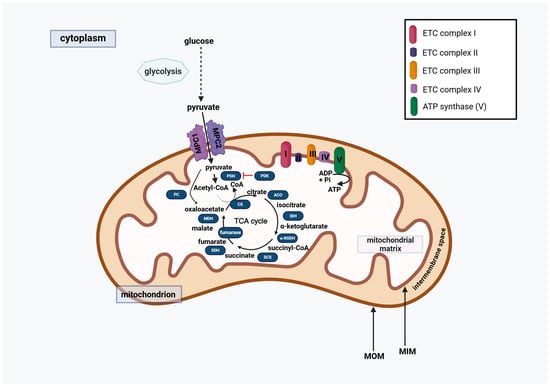
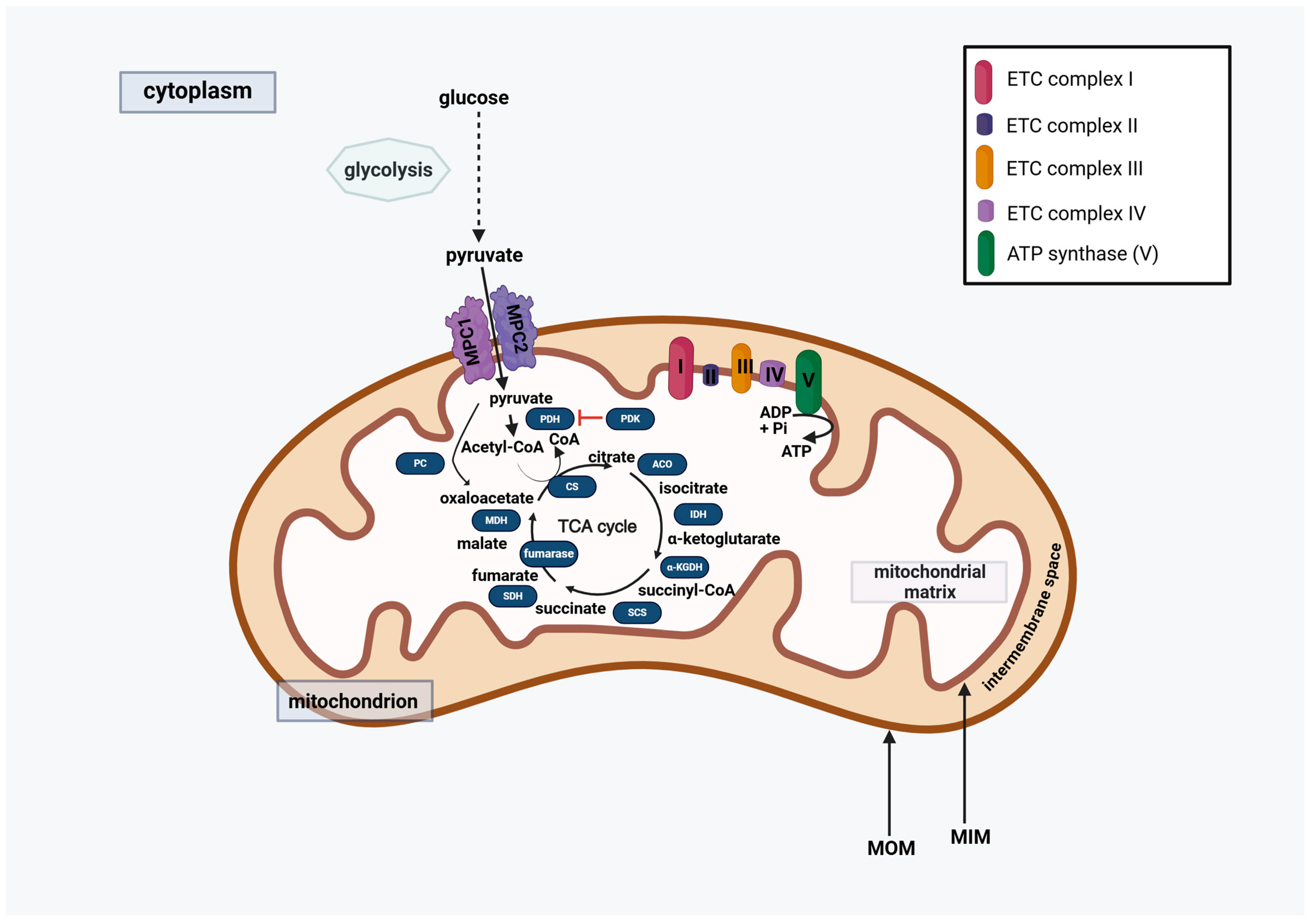
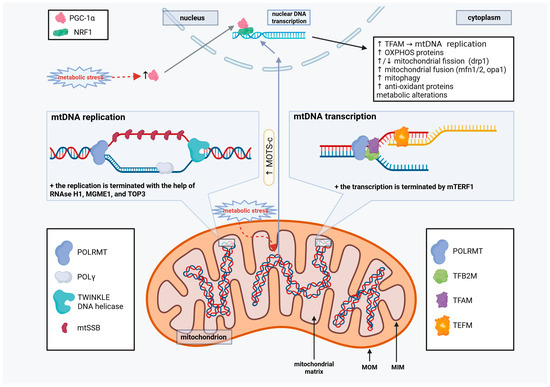
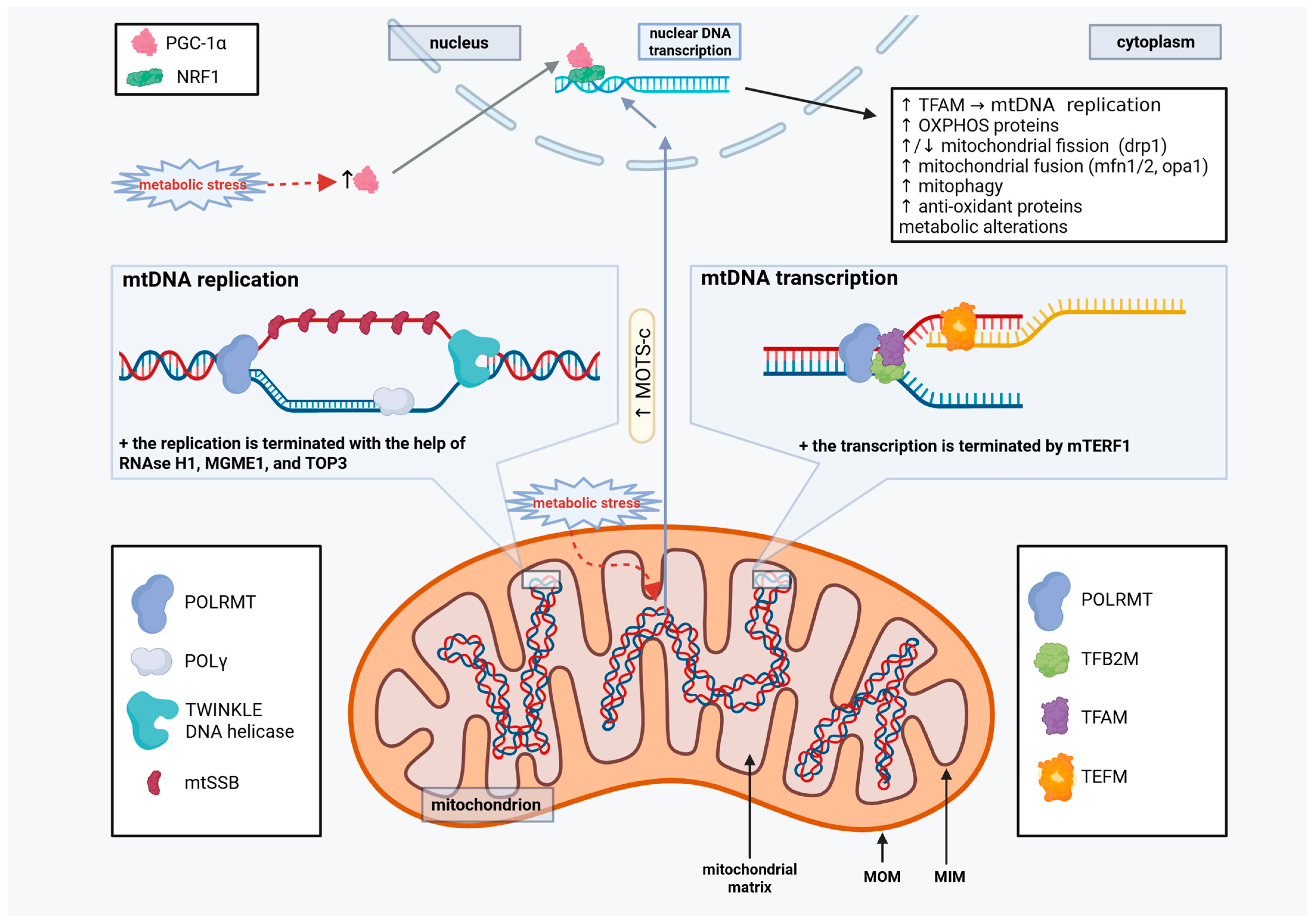
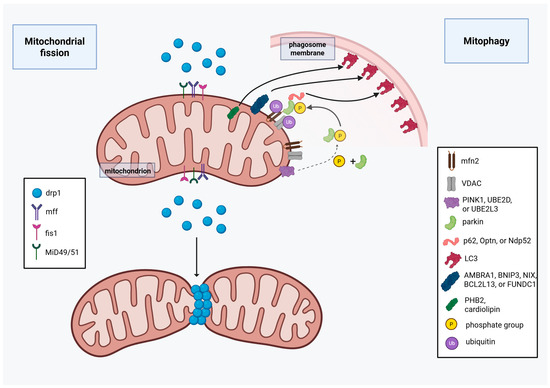
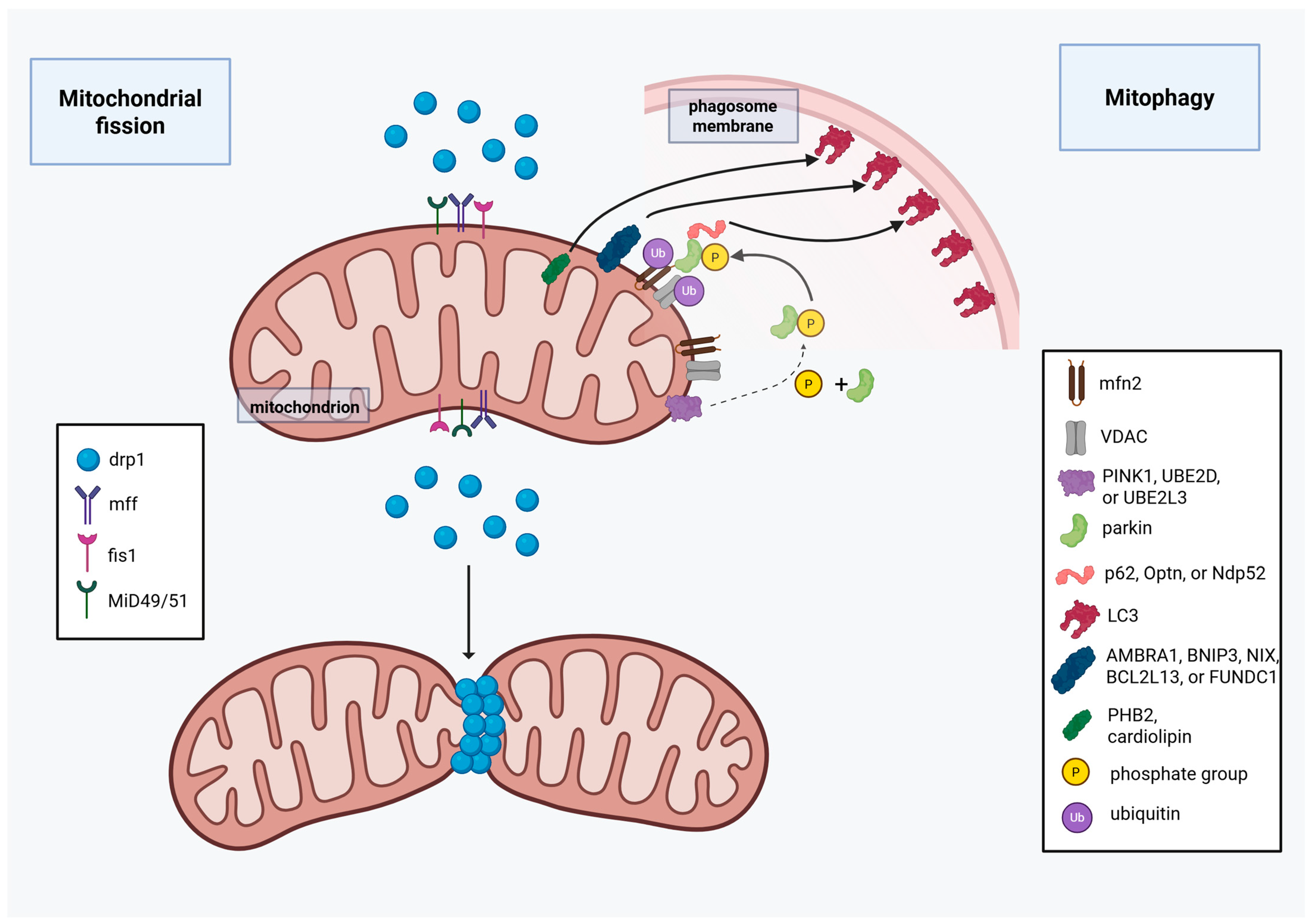
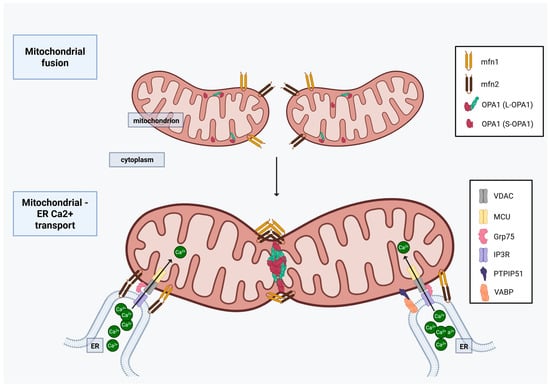
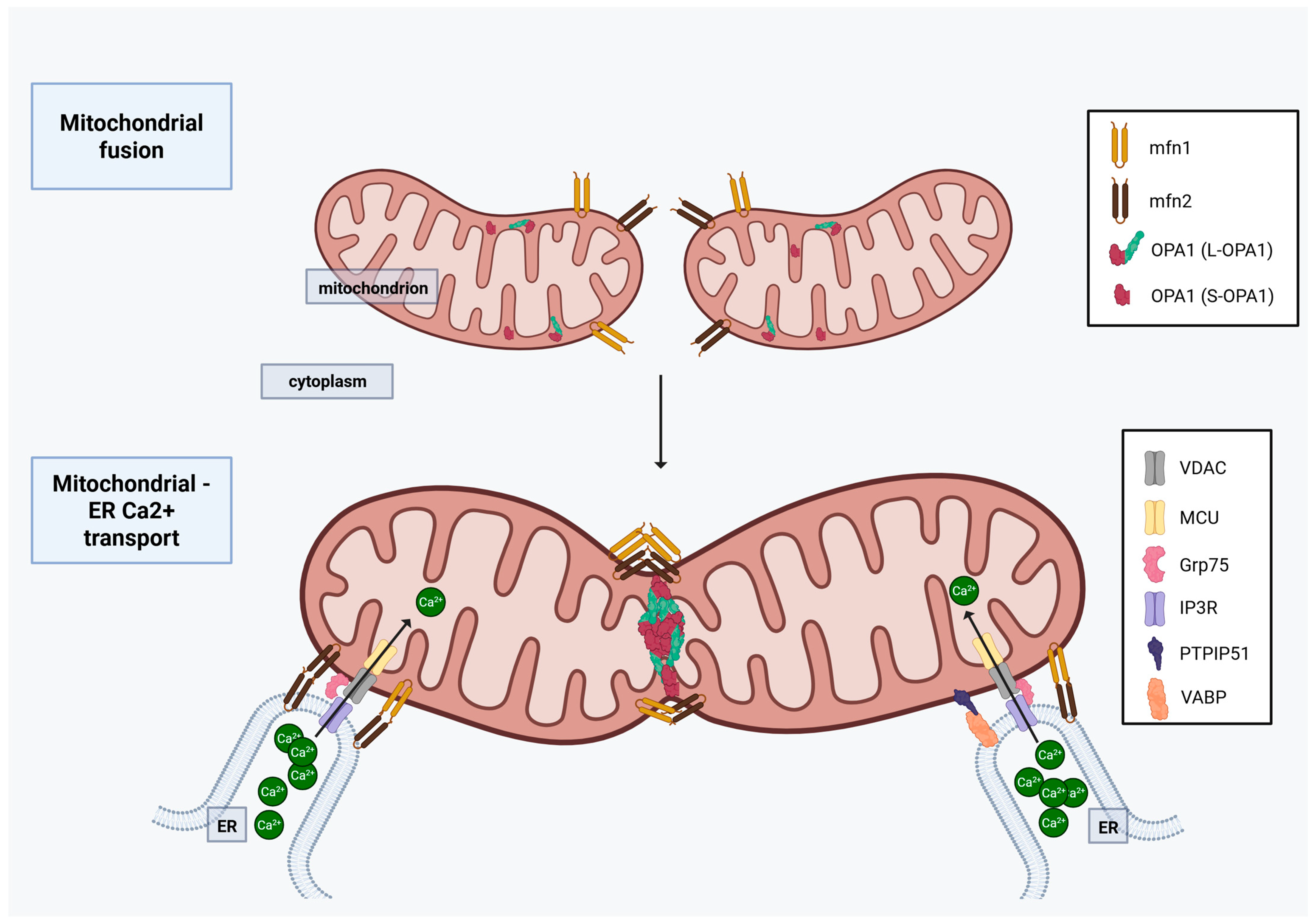

Disclaimer/Publisher’s Note: The statements, opinions and data contained in all publications are solely those of the individual author(s) and contributor(s) and not of MDPI and/or the editor(s). MDPI and/or the editor(s) disclaim responsibility for any injury to people or property resulting from any ideas, methods, instructions or products referred to in the content. |
© 2025 by the authors. Licensee MDPI, Basel, Switzerland. This article is an open access article distributed under the terms and conditions of the Creative Commons Attribution (CC BY) license.