Review

Research Progress of the Biosynthesis of Natural Bio-Antibacterial Agent Pulcherriminic Acid in Bacillus

1
Sichuan University of Science & Engineering, Xueyuan Street 180#, Huixing Rd., Zigong 643000, China
2
Luzhou Laojiao Group Co. Ltd., Airentang Square, Jiangyang District, Luzhou 646000, China
3
Wuliangye Group Co. Ltd., No. 150 Minjiang West Road, Yibin 644000, China
*
Authors to whom correspondence should be addressed.
These authors contributed equally to this work.
Molecules 2020, 25(23), 5611; https://doi.org/10.3390/molecules25235611

Submission received: 31 August 2020 / Revised: 13 November 2020 / Accepted: 15 November 2020 / Published: 28 November 2020
(This article belongs to the Special Issue Advances in Research of Short Peptides)

Abstract

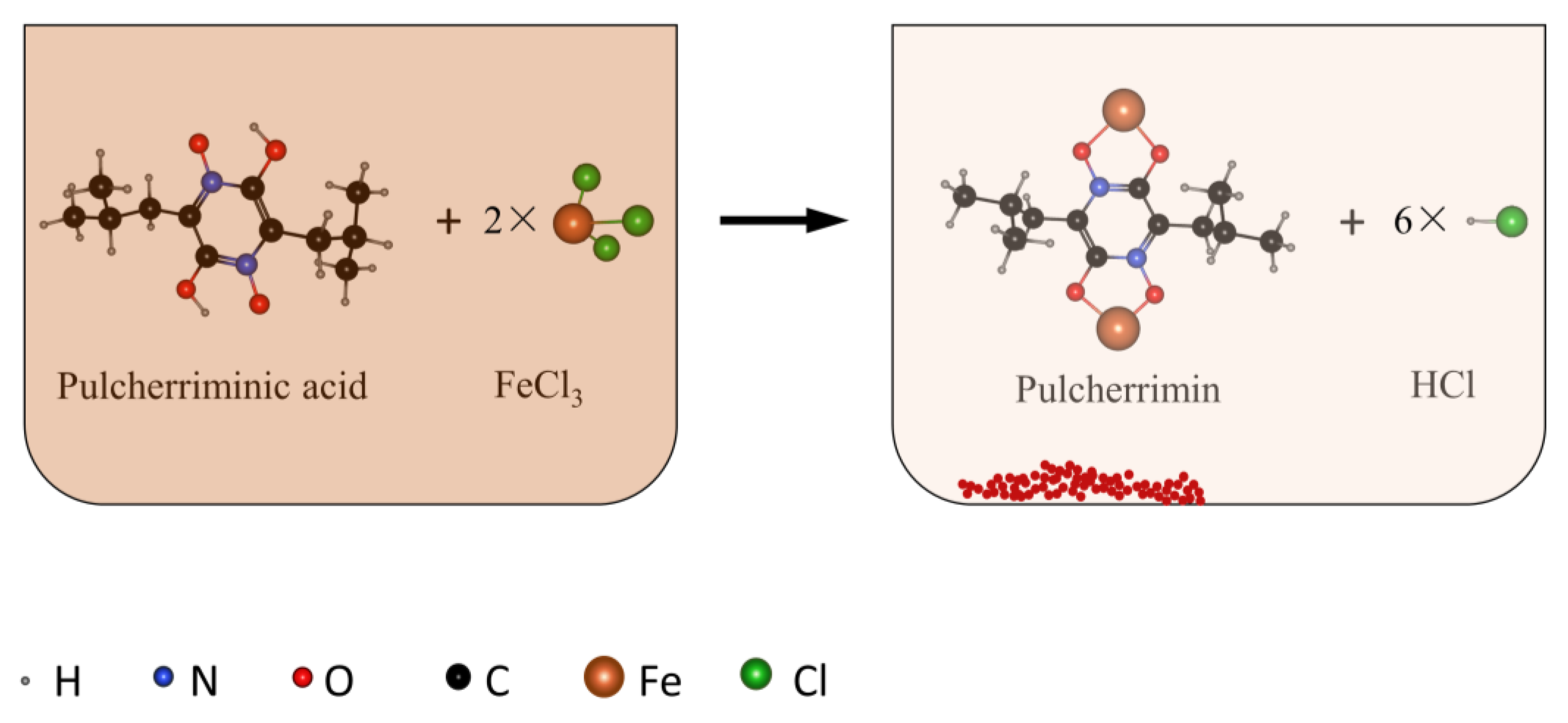
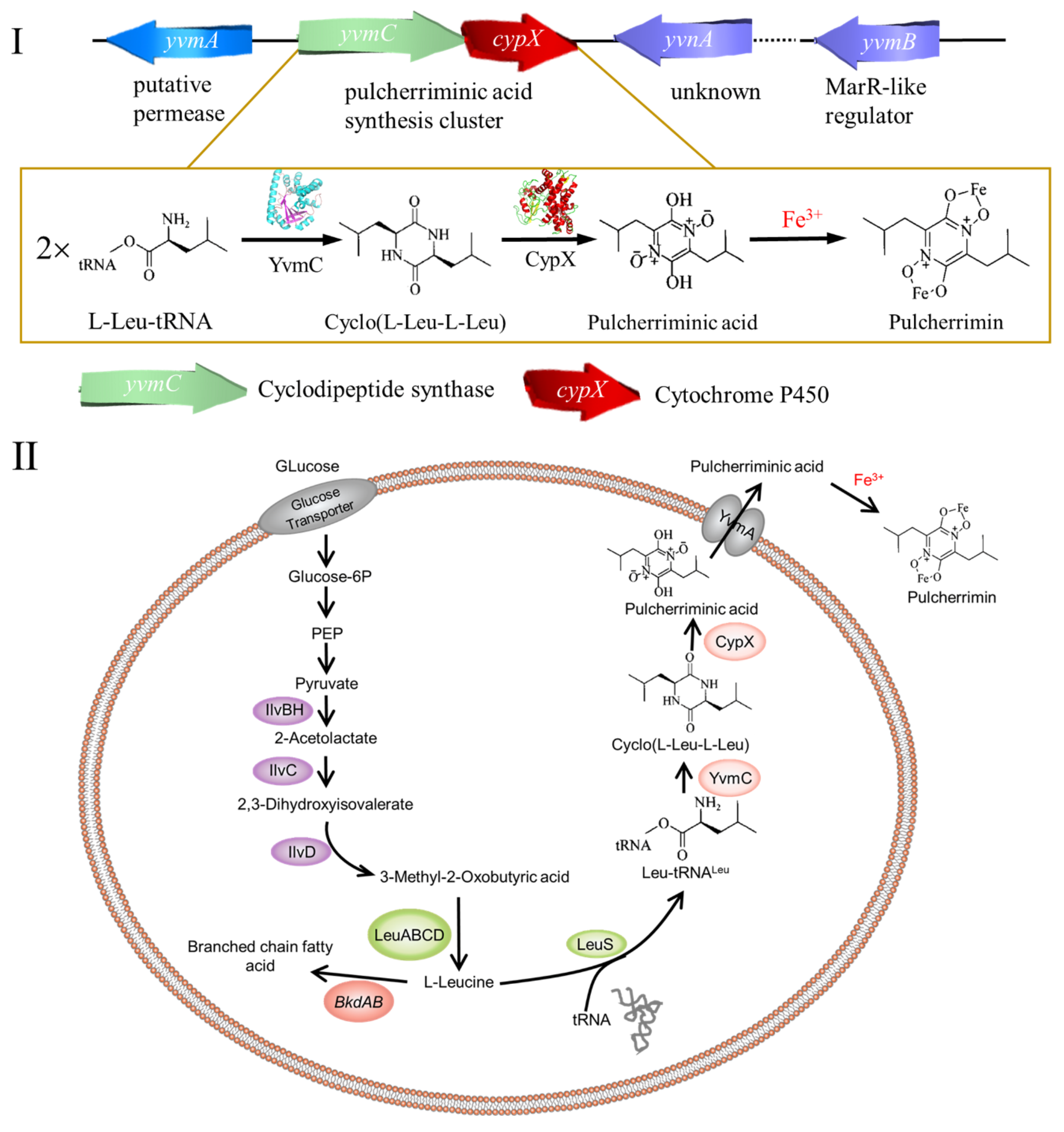
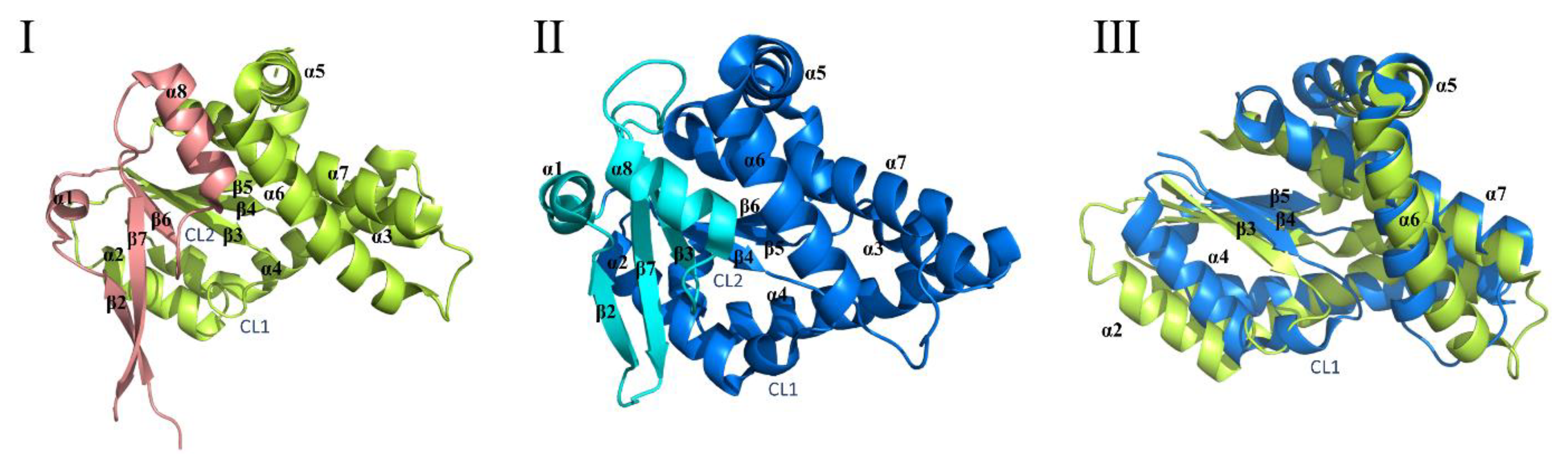
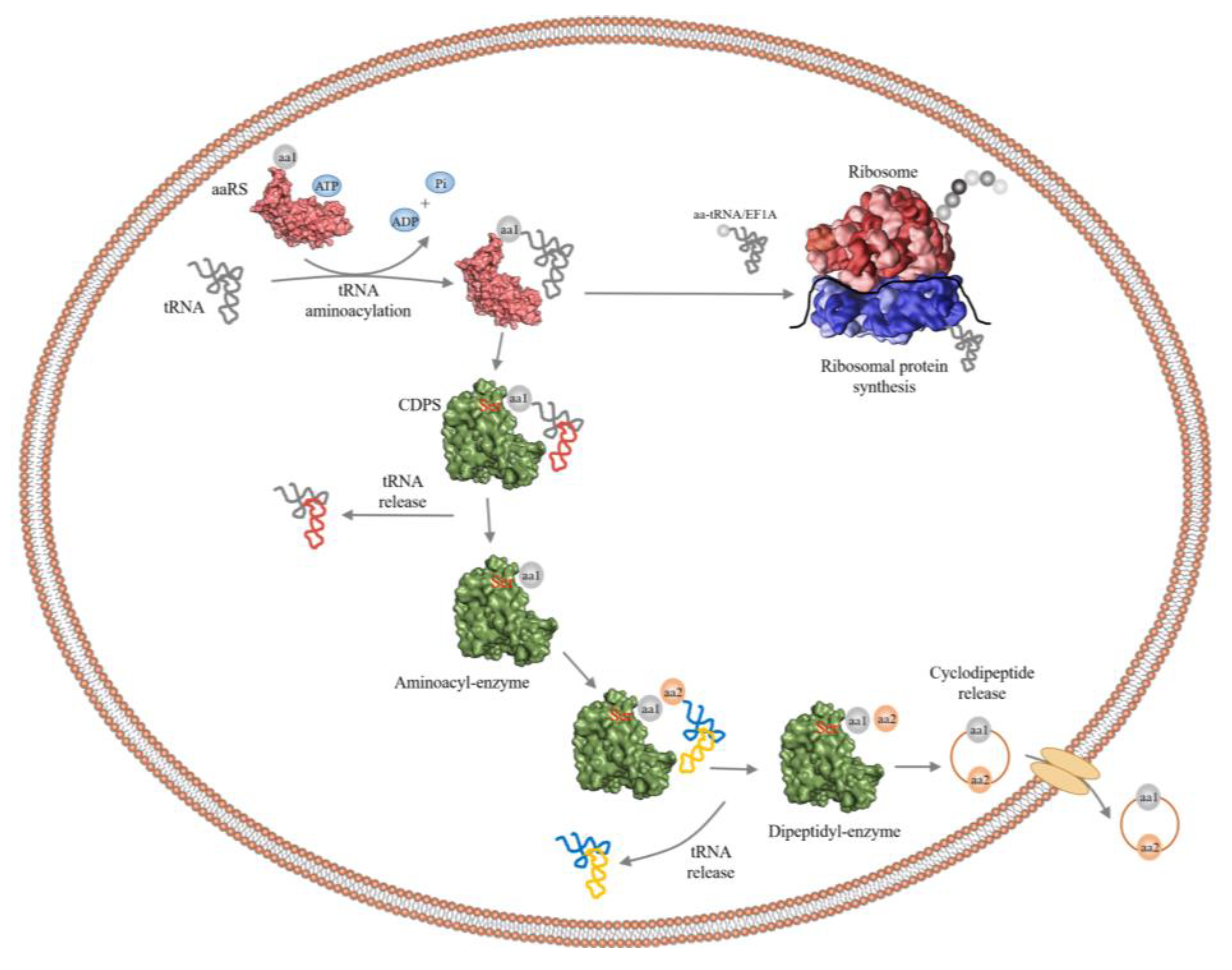
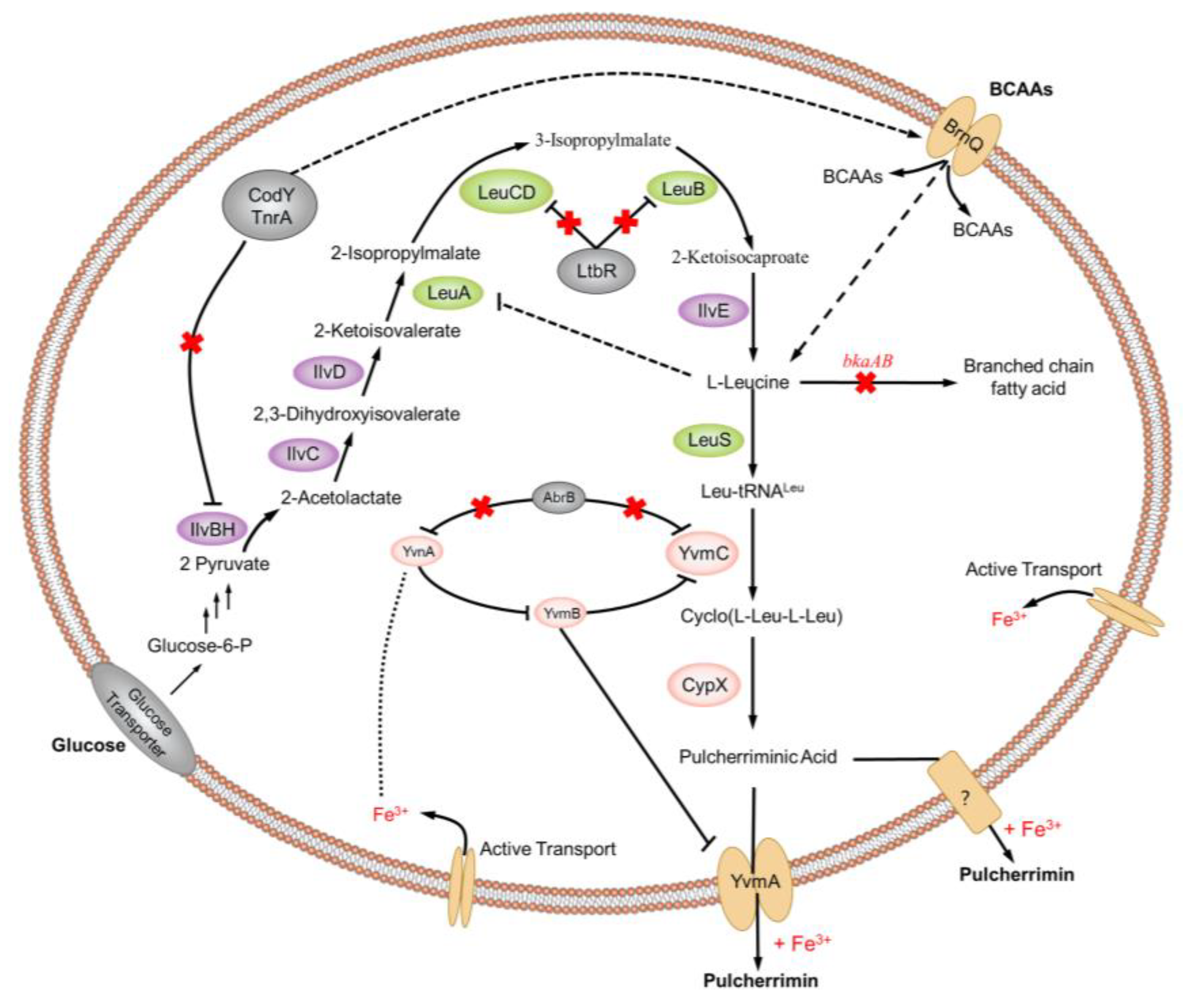
Pulcherriminic acid is a cyclic dipeptide found mainly in Bacillus and yeast. Due to the ability of pulcherriminic acid to chelate Fe3+ to produce reddish brown pulcherrimin, microorganisms capable of synthesizing pulcherriminic acid compete with other microorganisms for environmental iron ions to achieve bacteriostatic effects. Therefore, studying the biosynthetic pathway and their enzymatic catalysis, gene regulation in the process of synthesis of pulcherriminic acid in Bacillus can facilitate the industrial production, and promote the wide application in food, agriculture and medicine industries. After initially discussing, this review summarizes current research on the synthesis of pulcherriminic acid by Bacillus, which includes the crystallization of key enzymes, molecular catalytic mechanisms, regulation of synthetic pathways, and methods to improve efficiency in synthesizing pulcherriminic acid and its precursors. Finally, possible applications of pulcherriminic acid in the fermented food, such as Chinese Baijiu, applying combinatorial biosynthesis will be summarized.
Keywords: pulcherriminic acid; Bacillus; bacteriostasis; key enzymes; synthetic pathway; catalytic mechanism; regulatory mechanism; metabolic engineering pulcherriminic acid; Bacillus; bacteriostasis; key enzymes; synthetic pathway; catalytic mechanism; regulatory mechanism; metabolic engineering